Chiang Mai Travel Budget 2026: How Much Does a Trip Really Cost?
,regionOfInterest=(632,423))
,regionOfInterest=(632,423))
Culture
,regionOfInterest=(3976,2652))
,regionOfInterest=(3976,2652))
,regionOfInterest=(2480,1653))
,regionOfInterest=(2480,1653))
Culture
One of the most important archaeological sites in the world and the greatest symbol of the Mayan civilisation in Mexico, Chichén Itzá was declared a UNESCO World Heritage Site in 1988 and recognised as one of the New Seven Wonders of the Modern World in 2007.
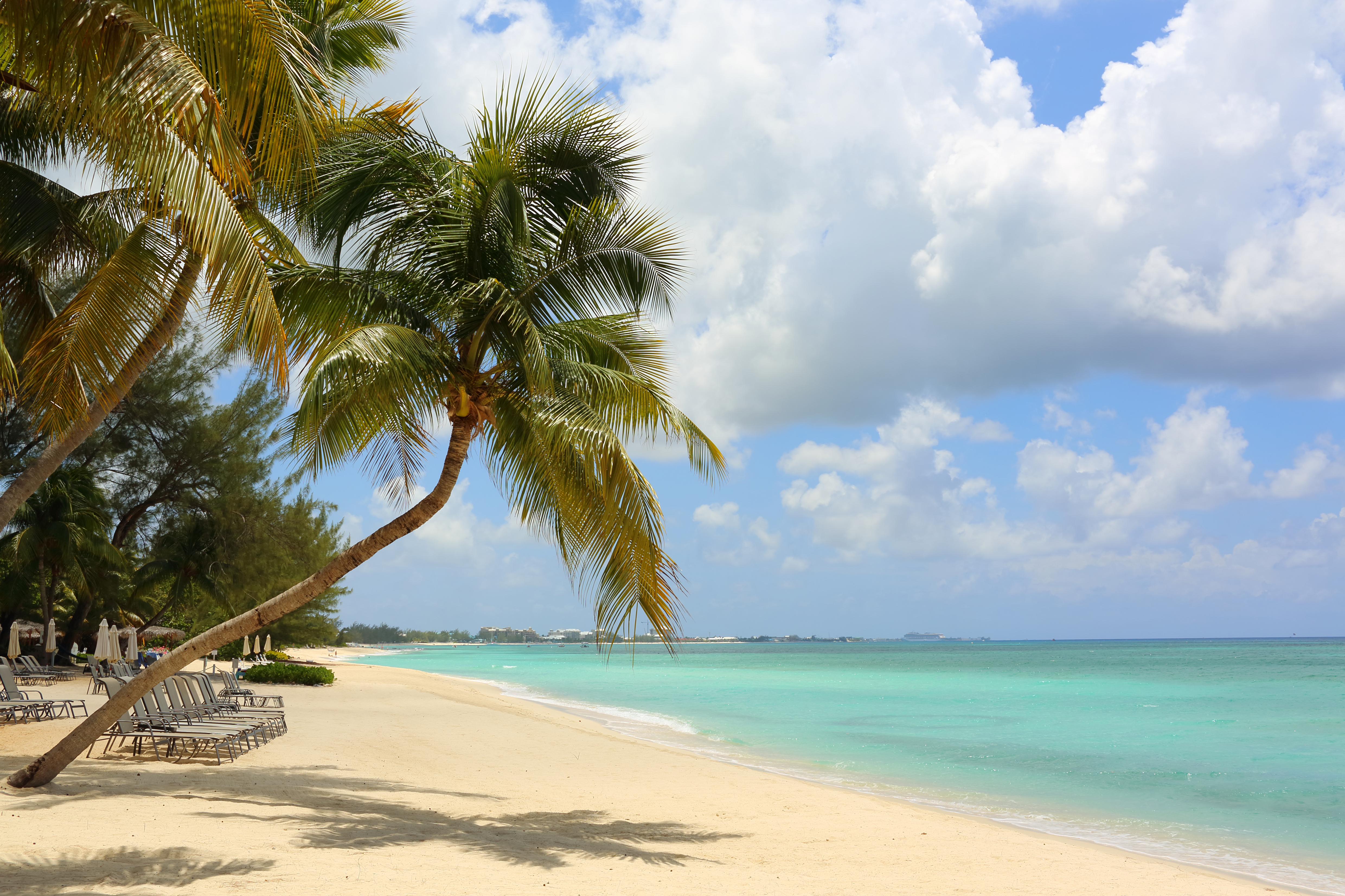
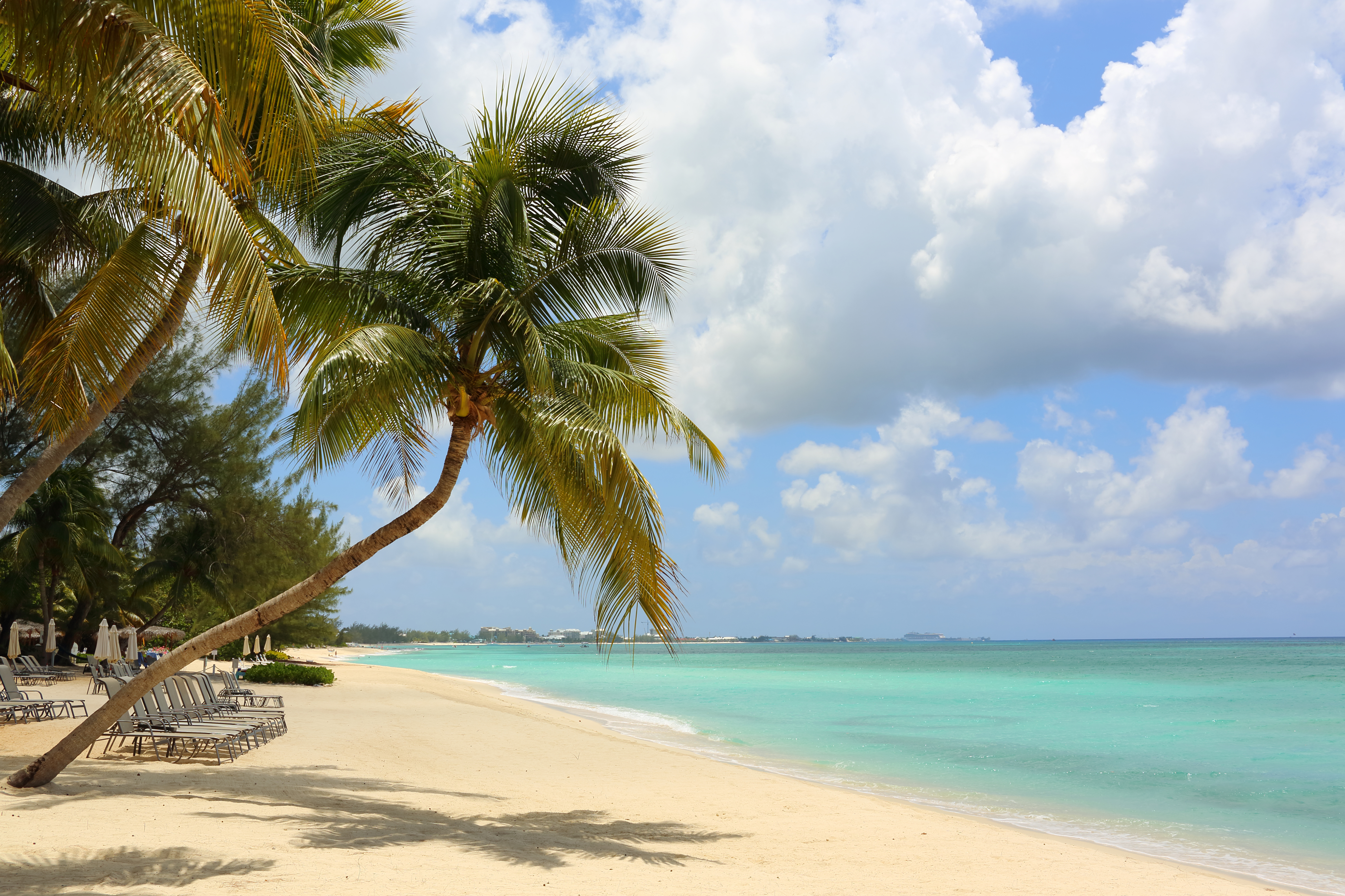
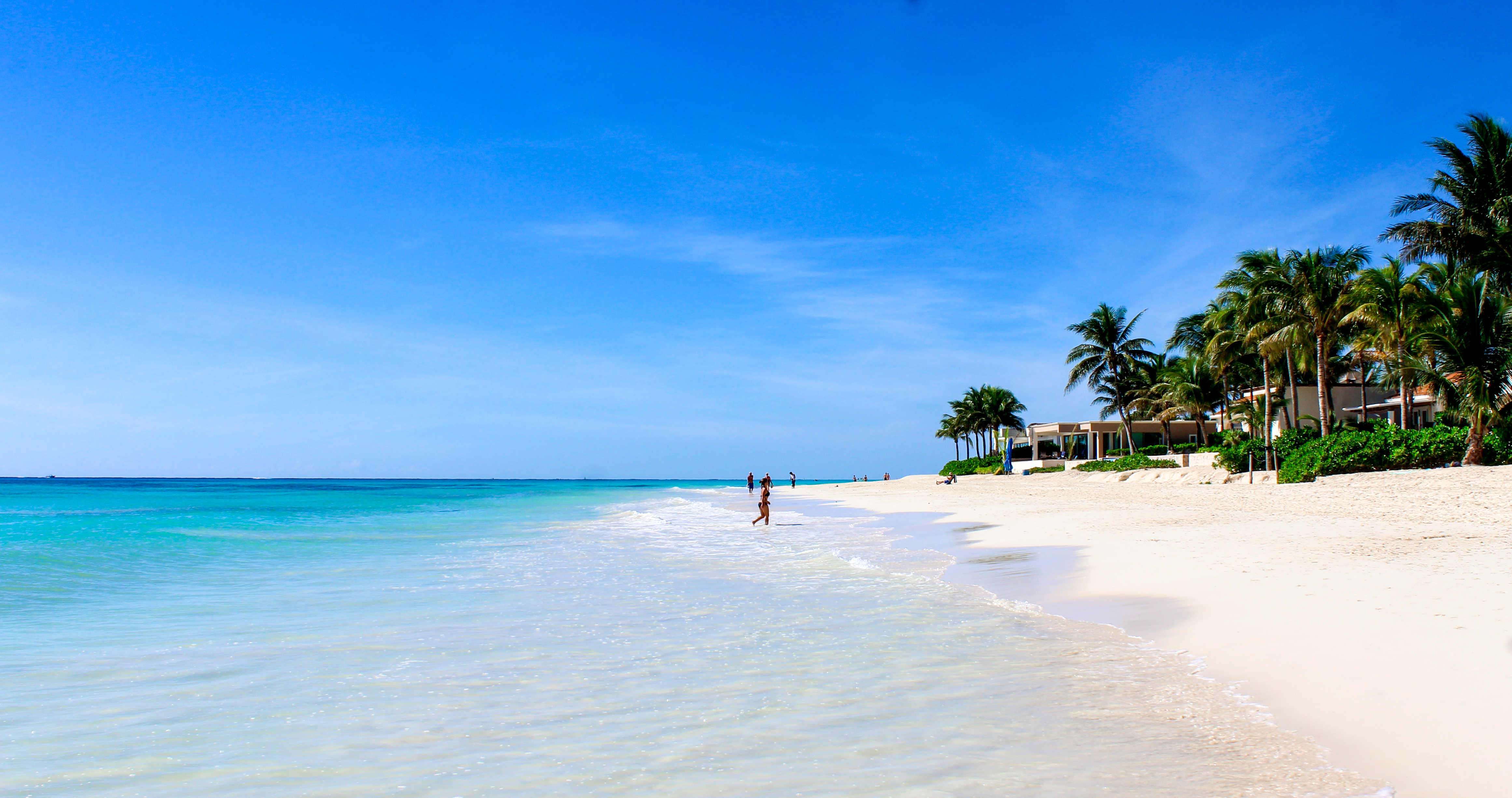
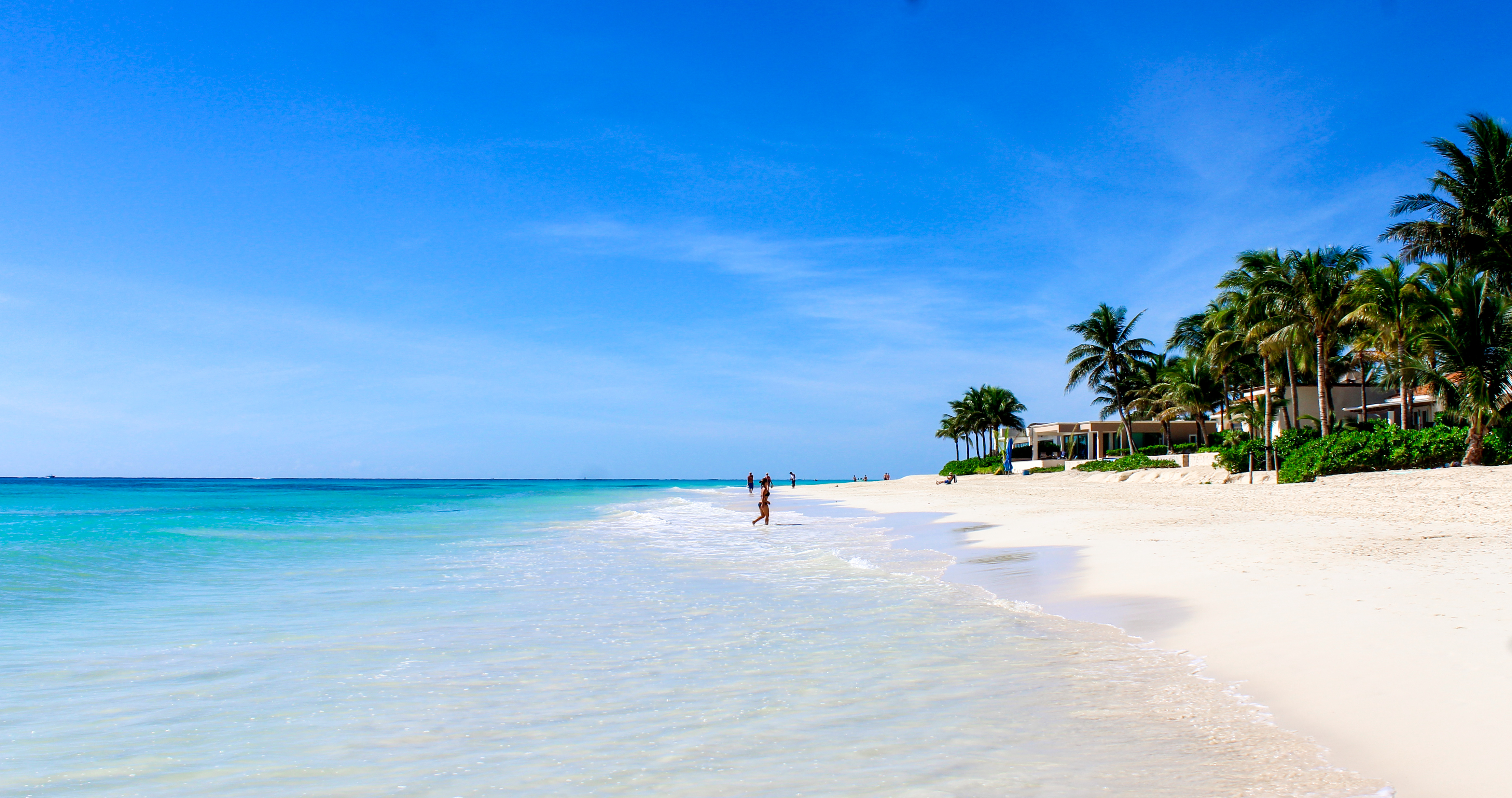
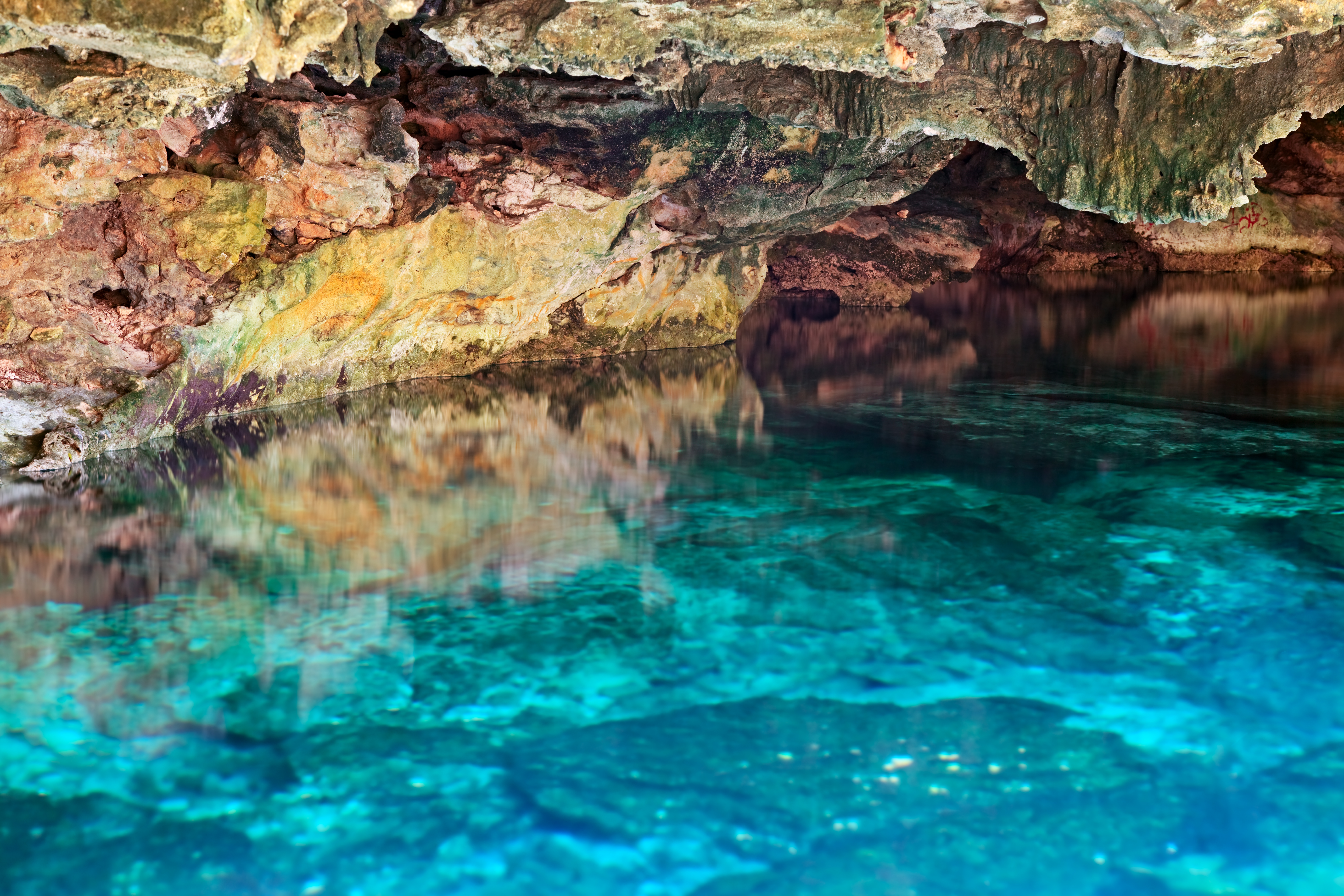
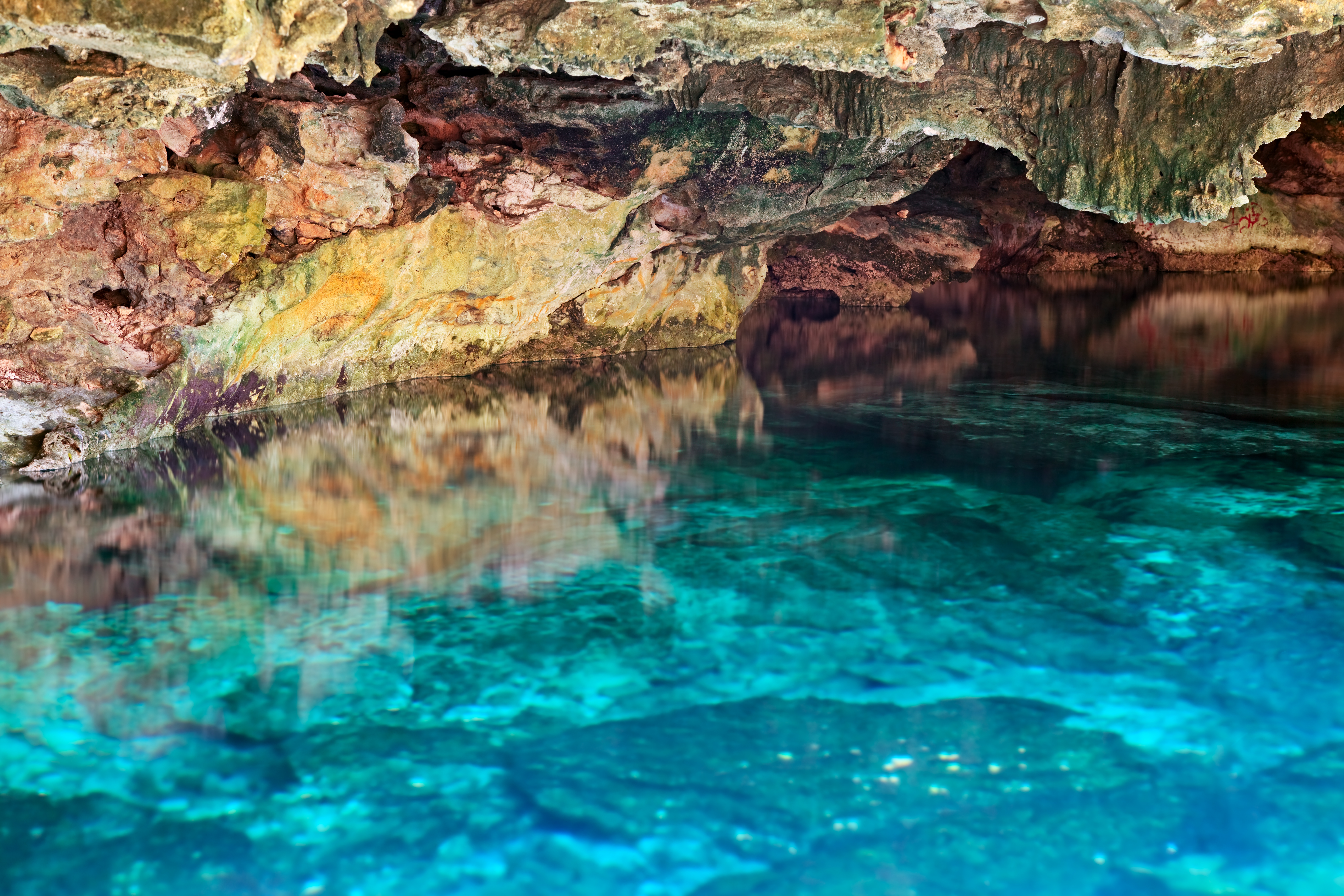
This small limestone island combines fine white sand beaches, intense turquoise waters, coral reefs full of marine life, natural viewpoints and a Caribbean atmosphere that invites you to explore its corners at your own pace. Its variety of landscapes and activities makes it a perfect destination for those looking to relax by the sea as well as for travellers who want to discover the nature of the island.
A sacred enclave that welcomes millions of travellers from all over the world every year. If you are organising your trip through the Mexican Caribbean and would like to know what to see in Chichén Itzá, in this guide you will find the most important monuments, curiosities and practical tips to make the most of one of Mexico's great archaeological jewels.
,regionOfInterest=(500,500))
,regionOfInterest=(500,500))
All-terrain writer specialising in tourism, fashion and trends. A curious soul, traveller, reader and sports enthusiast, keen to discover every corner of the world.
,regionOfInterest=(2322.5,1226))
,regionOfInterest=(2322.5,1226))
,regionOfInterest=(2829,1886))
,regionOfInterest=(2829,1886))
,regionOfInterest=(1392,924))
,regionOfInterest=(1392,924))
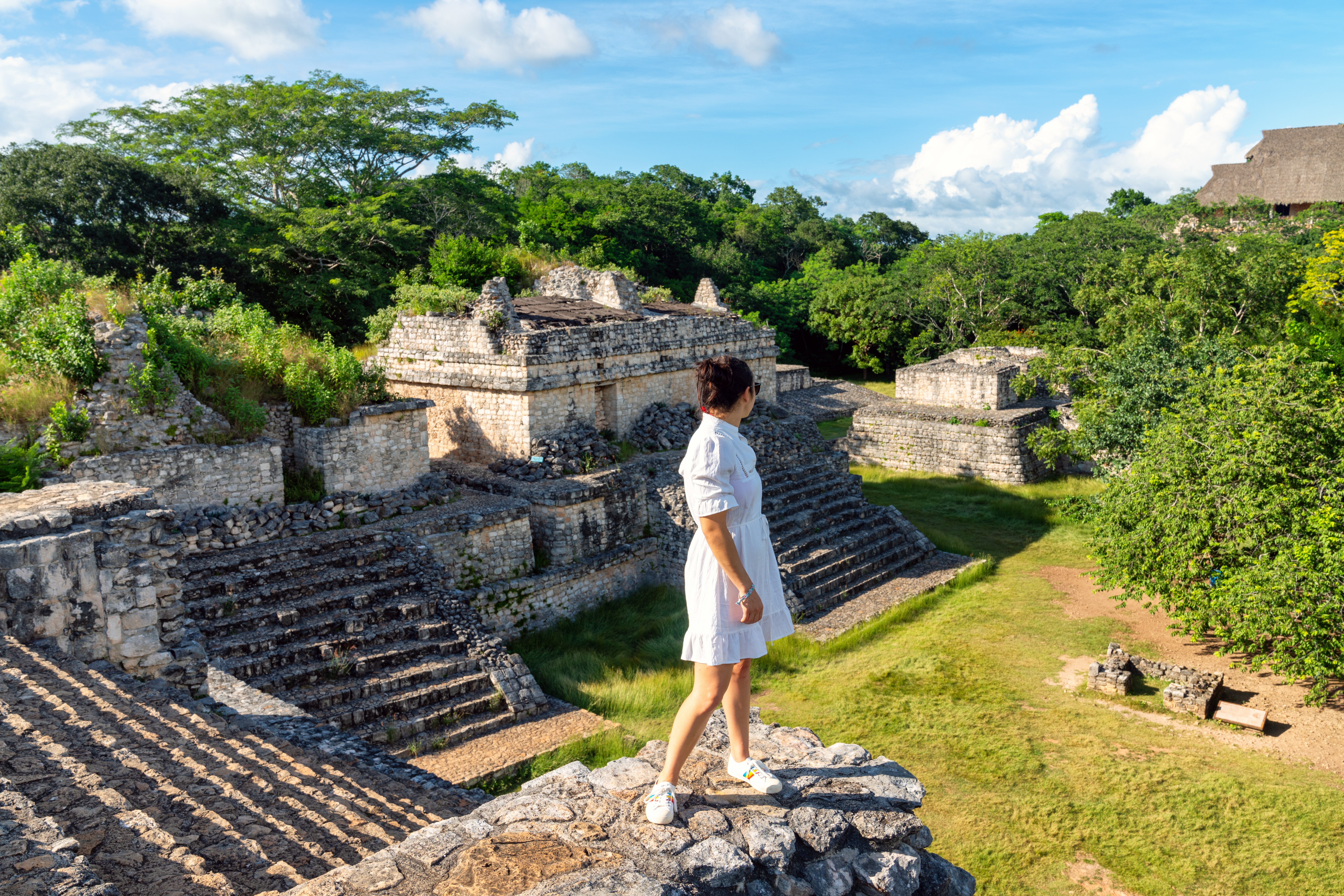
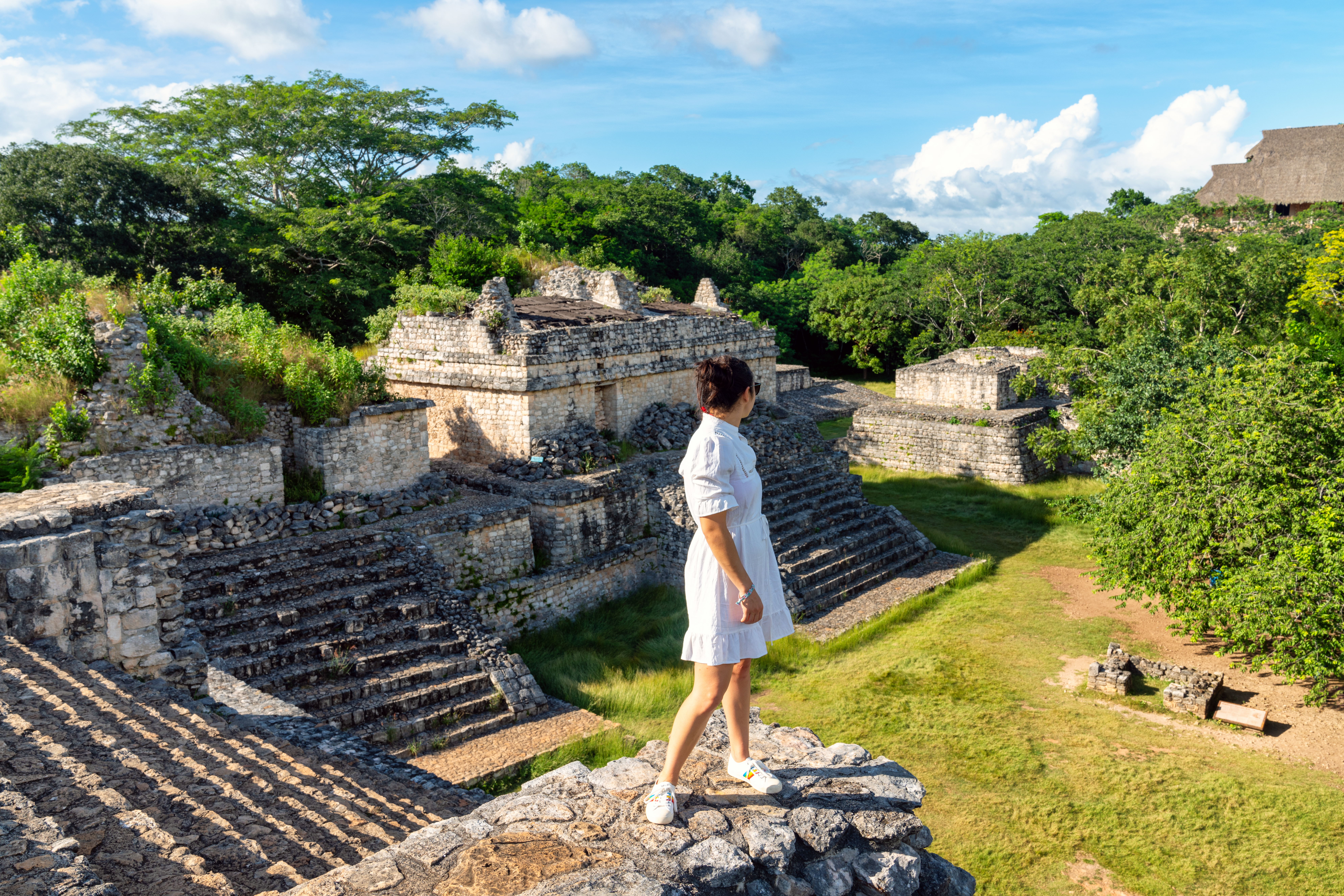
Located in the state of Yucatán, Chichén Itzá will quickly surprise you with the colossal monumentality of its stone constructions, the advanced and precise astronomical and mathematical knowledge of its ancient inhabitants, and the numerous cosmological mysteries that still surround this legendary metropolis today.
It is one of the most important Mayan cities of the Terminal Classic and Early Postclassic periods. Its first settlements date back approximately to the 5th century AD, although it was between the 9th and 12th centuries that it reached its peak, becoming one of the main political, religious, commercial and cultural centres of the Yucatán Peninsula. During this stage, the city developed a unique architectural style in which clear influences from central Mexico can be seen, especially in monuments such as the Temple of the Warriors or the Tzompantli. Traditionally these characteristics were attributed to the arrival of Toltec groups, but current research considers that they could have been due to both cultural and commercial exchanges and contacts between different Mesoamerican elites, so the extent of a direct Toltec presence continues to be a subject of debate among specialists.
This cultural fusion gave rise to a unique architectural and artistic style known as "Mayan-Toltec".
During its peak period, Chichén Itzá was one of the main political, economic, commercial and religious centres of the Yucatán Peninsula, exerting enormous influence over much of the region.
Its famous stepped pyramid, its richly sculpted temples, its circular observatory and the largest and best-preserved ball court in all of Mesoamerica make the visit an essential experience.
Currently, the ruins of Chichén Itzá constitute one of the most important archaeological sites in America and one of the greatest exponents of the legacy of the Mayan civilisation. Walking through its temples, squares and monuments allows you to better understand their worldview, their advanced astronomical and mathematical knowledge, as well as the complex political, religious and social organisation that this powerful city achieved. Although Chichén Itzá gradually lost its influence between the 12th and 13th centuries, the exact causes of its decline are still not known with certainty and continue to be a subject of investigation by specialists.
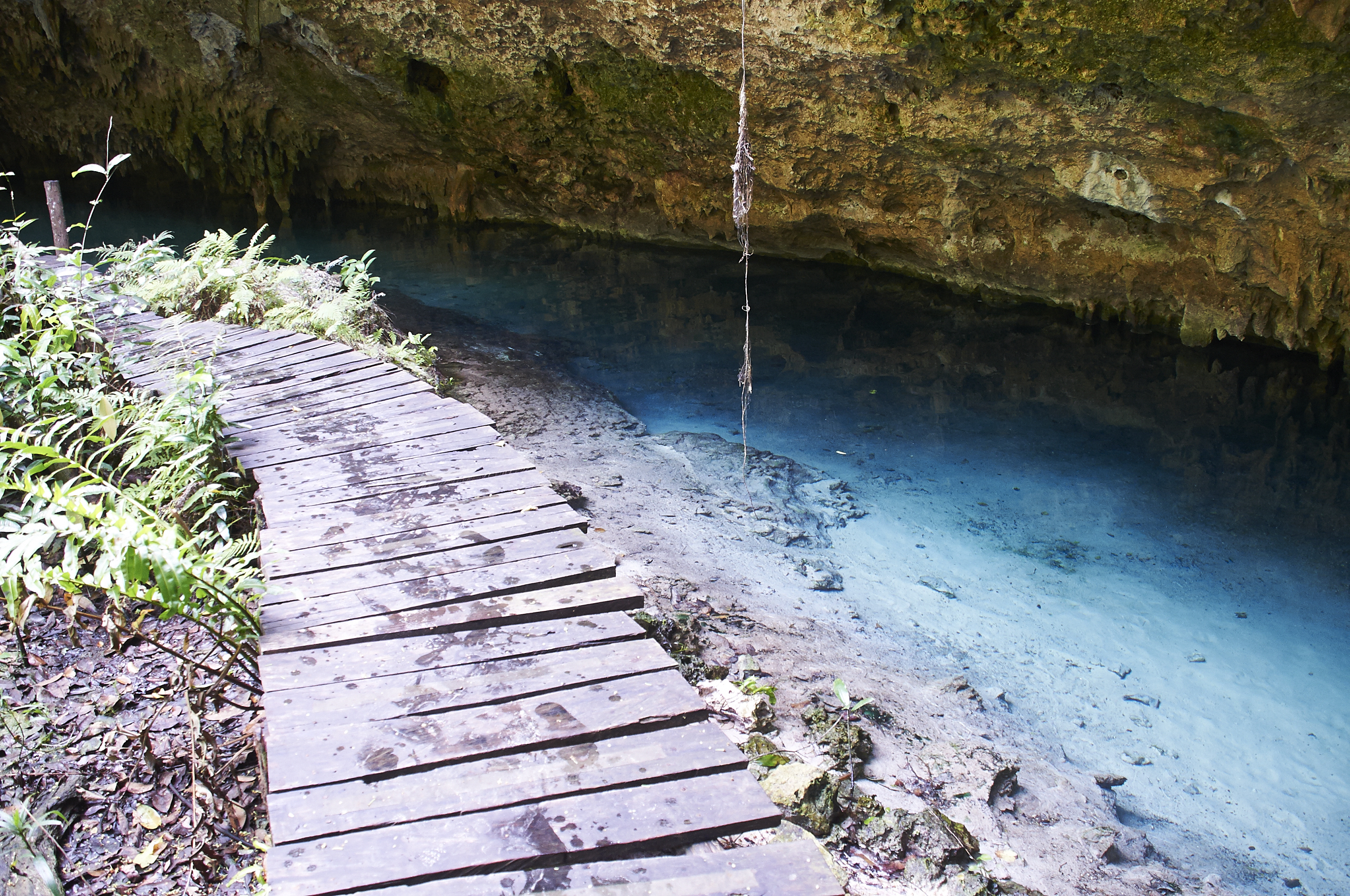
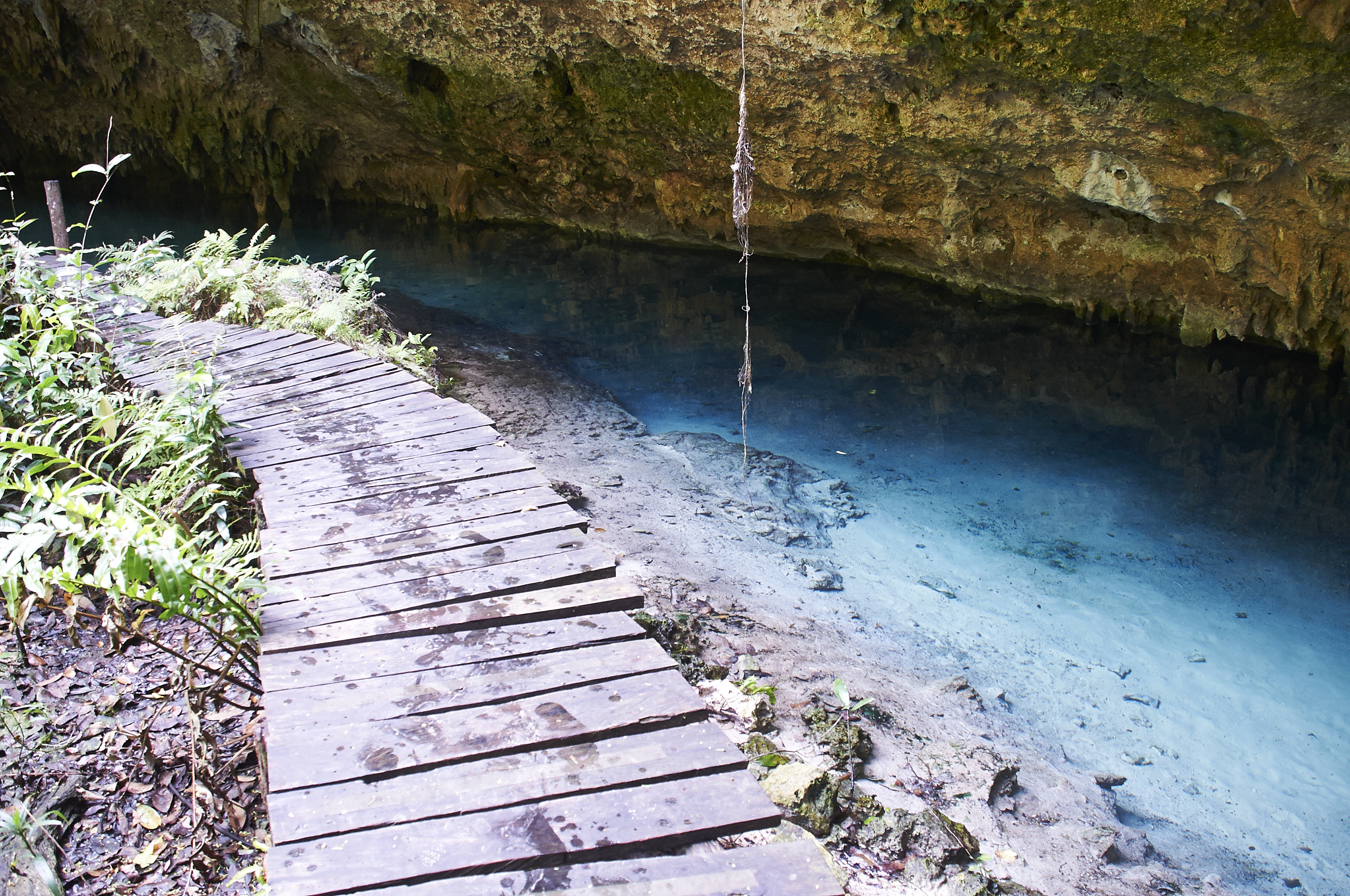
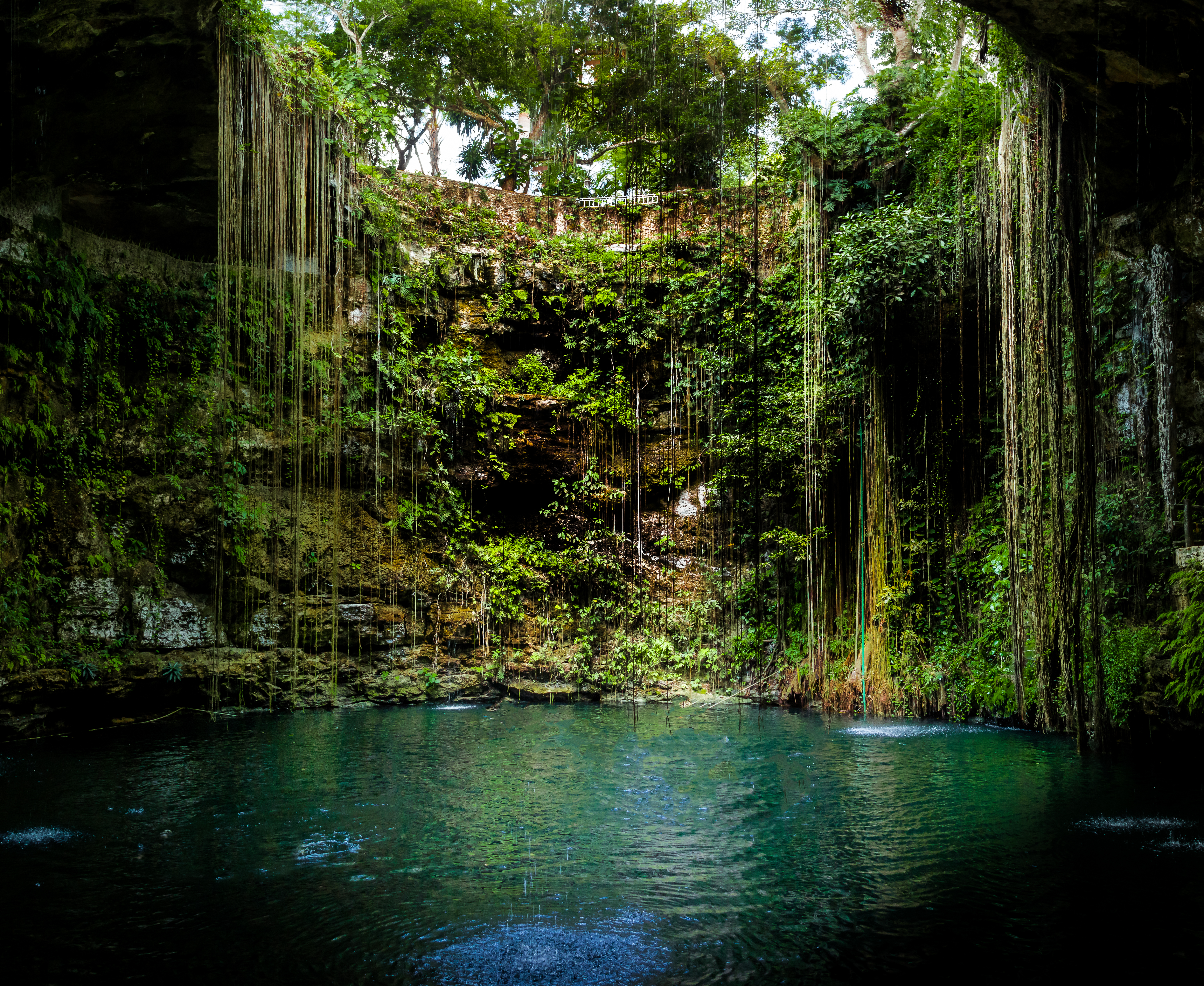
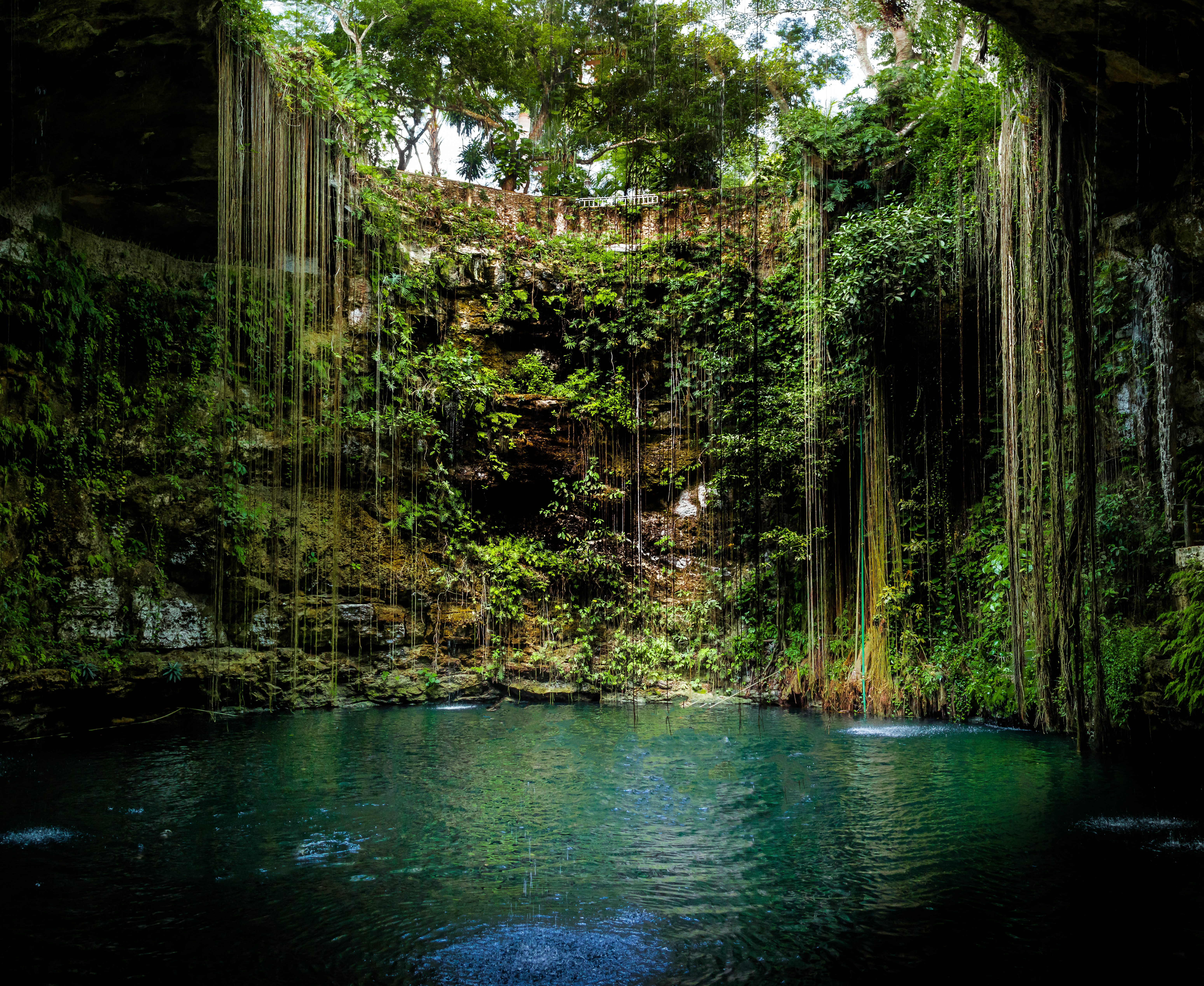
One of the first things that those who travel here ask themselves is what Chichén Itzá means. The name comes from the Mayan language and is usually translated as "at the mouth of the well of the Itzáes". It refers to the large natural cenotes that supplied water to the city and played an enormous importance in both daily life and religious ceremonies.
,regionOfInterest=(1500,1947))
,regionOfInterest=(1500,1947))
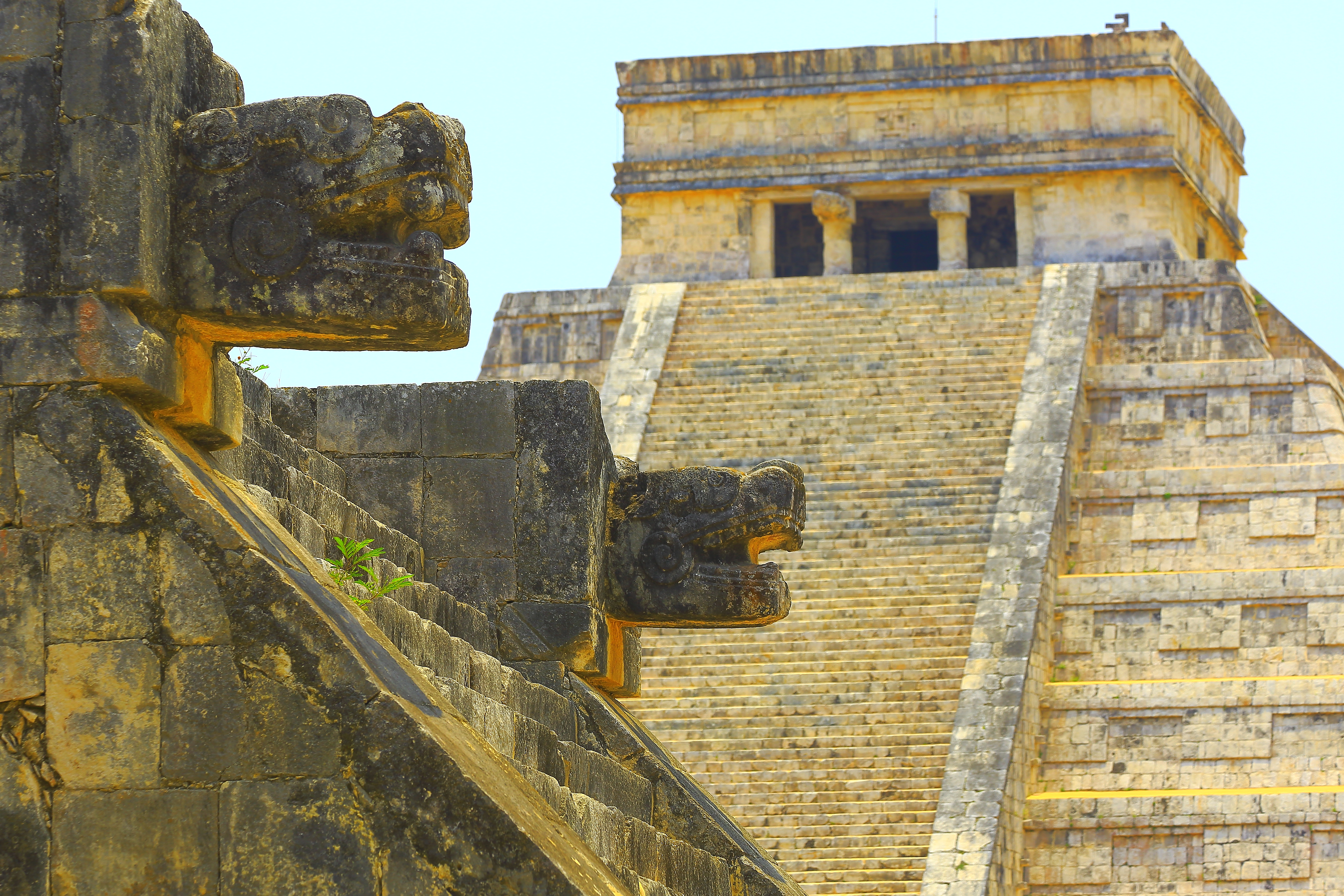
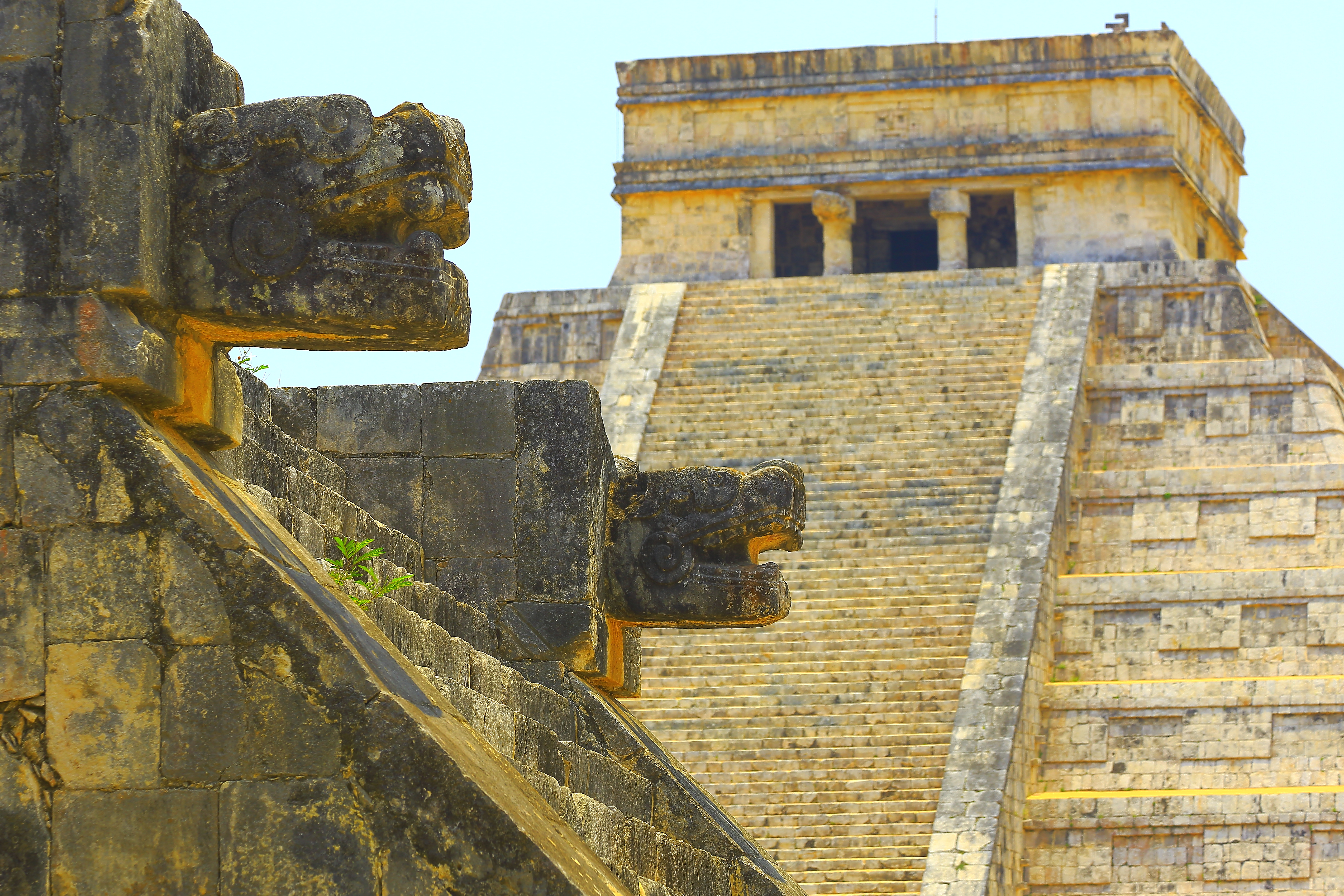
The Pyramid of Chichén Itzá or Kukulcán Pyramid is the most iconic, monumental and famous building in the entire archaeological site. It is an impressive Mayan pyramid that reaches about 30 metres in height and was built following complex astronomical and mathematical principles.
Also known as El Castillo, each of its four stairways has 91 steps which, together with the top platform, add up to the 365 days of the solar calendar or Haab.
Another of the essentials in Chichén Itzá is the Great Ball Court, considered by experts to be the largest in all of Mesoamerica.
With more than 160 metres in length, this huge ceremonial space hosted the ball game, a practice that combined sport, ritual and religious symbolism. Although there is evidence of human sacrifices associated with certain rituals, researchers believe that not all matches ended with these types of ceremonies.
Its extraordinary acoustics continue to surprise, as a simple clap can be heard perfectly from the opposite end of the site, located more than 150 metres away.
The Temple of the Warriors is a pyramidal building that constitutes one of the best examples of Mexican architecture developed in the city during the period of maximum Toltec cultural influence.
The imposing stepped construction stands out for its symmetry and for being guarded in its highest part by the sculpture of the Chac Mool, a reclining human figure that holds a container on its belly, which was used by the priestly caste during ancient religious rituals to deposit sacred offerings to the gods.
Very close to the Temple of the Warriors is the Group of a Thousand Columns, a spectacular architectural complex formed by dozens of stone columns carved with reliefs of warriors and priests.
Archaeologists believe that this complex could have had various functions, including serving as a space for ceremonial meetings, administrative activities or even housing a market. However, its exact use continues to be a subject of study.
The Mayans were some of the most brilliant astronomers of antiquity, and the Observatory is an iconic building that demonstrates the high and refined level of knowledge they achieved about the cycles of the firmament.
Better known as El Caracol due to the spiral staircase located inside, this unique circular building stands out for its windows, doors and architectural alignments, which many researchers relate to the observation of astronomical phenomena. It is believed that from it, one could follow the movements of the Sun, the Moon and, especially, the planet Venus, a star of great importance within the Mayan worldview. Even so, the exact function of the building remains a subject of debate, as some specialists consider that it could have combined ceremonial, administrative and astronomical uses.
The Sacred Cenote is a huge open-air natural cenote that measures about 60 metres in diameter and has vertical walls that fall more than 20 metres to the water level, which played a fundamental role in the religious life of the city. It is considered by the Mayans as one of the main entrances to Xibalbá (the underworld) and the home of the rain god, Chaac.
The Platform of Venus is a small ceremonial building that was dedicated entirely to the worship of the planet Venus, one of the most revered, feared and important celestial bodies within the complex Mayan worldview and ideology.
In its decoration, one can still see reliefs of the Feathered Serpent and other symbolic motifs associated with the planet Venus, a star of enormous importance within the Mayan worldview due to its close relationship with the calendar, war and certain religious rituals. Although not all decorative elements have been interpreted with certainty, this monument reflects the close connection between astronomy and the beliefs of this civilisation. .
The Tzompantli is a low rectangular structure of clear Toltec influence that shows impressive bas-reliefs representing hundreds of human skulls strung on poles, as well as scenes of eagles and warriors devouring hearts.
Also known as the Platform of the Skulls, it was linked to the ceremonial rituals of the Ball Game and war, functioning as the altar where the heads of enemies captured in battle or those sacrificed were displayed.
In addition to its enormous historical value, there are numerous curiosities of Chichén Itzá that continue to surprise travellers, researchers and historians alike. One of the best known is that the pyramid was designed with extraordinary mathematical precision, aligning perfectly with the equinoxes.
We must also highlight the acoustics of the Ball Court, which is capable of amplifying sound in a surprising way. If you stand right in front of the base of the main north staircase and clap loudly, the sound bounces off the stone steps, returning a distorted echo that perfectly imitates the song of the quetzal, the sacred bird of the Mayans.
On the other hand, one of the things most searched for is information about Chichén Itzá from the inside, since it is currently not possible to access the interior of the pyramid, as access remains restricted to ensure the conservation of the monument.
,regionOfInterest=(3096.5,2536))
,regionOfInterest=(3096.5,2536))
One of the most frequently asked questions is whether you can climb the pyramid of Chichén Itzá. Unfortunately, the answer is no. Since 2008 it has been completely forbidden to climb the Kukulcán Pyramid in order to protect the monument and ensure its conservation for future generations.
Today, the best way to see it is to walk around its entire perimeter and contemplate all the architectural details from the different perspectives of the large dirt square.
In addition to the tour of the ruins of Chichén Itzá, you can complete the visit with some plans that will make the experience even more interesting:
The archaeological zone of Chichén Itzá is located approximately two and a half hours from Cancún, just under three hours from the Riviera Maya and around two hours from Mérida.
Regarding how to get to Chichén Itzá, it is possible to go by car, through organised excursions or by using buses that connect different cities on the Yucatán Peninsula.
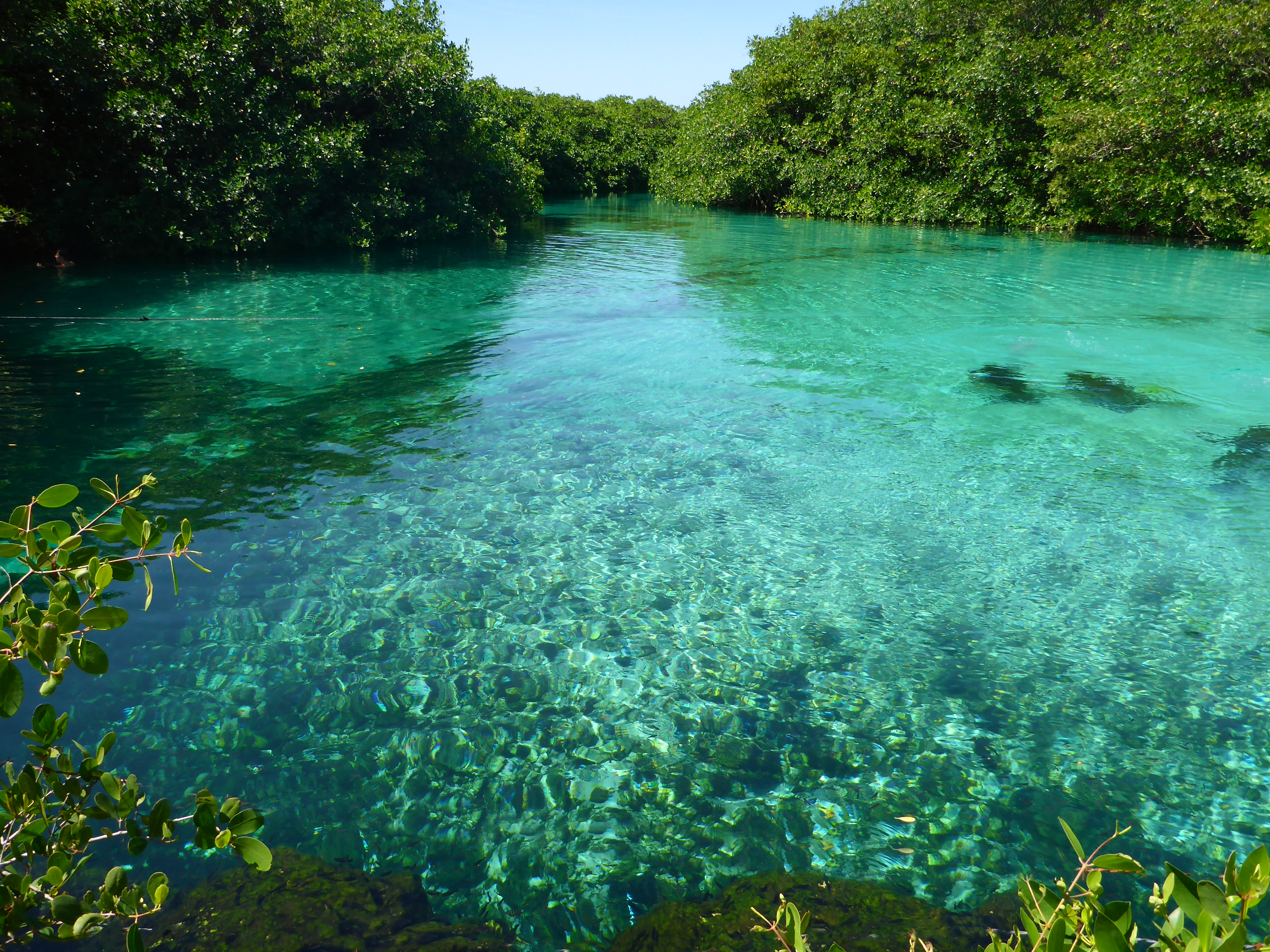
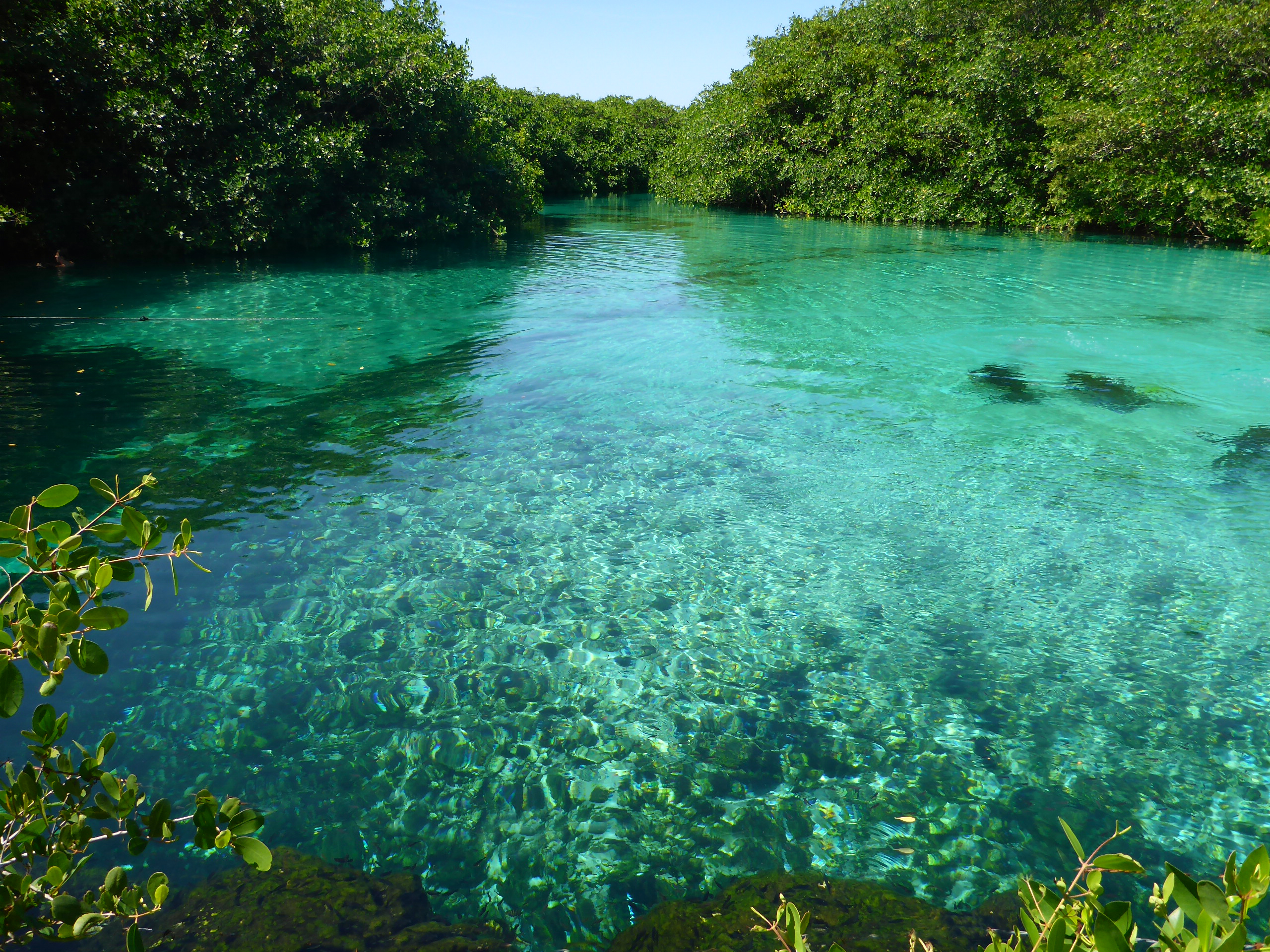
📍 To make it easier for you to organise your visit, below you will find a tourist map of Chichén Itzá with the location of the main monuments and points of interest of the archaeological site. This way you can plan your route and not miss any of its essential places.
,regionOfInterest=(1280,960))
,regionOfInterest=(1280,960))
The best advice I can give you for visiting Chichén Itzá is to get up early and start your visit first thing in the morning, when temperatures are still pleasant and the number of tourists is much lower. Also, keep in mind that the tour of the archaeological site requires walking for several hours, so don't forget to bring sunscreen, water and comfortable footwear.
For me, when people ask me what to see in Chichén Itzá, I always answer that this destination is much more than just contemplating one of the most famous images of Mexico.
It is an opportunity to discover a culture capable of building a city whose legacy continues to fascinate the world centuries after its abandonment.
,regionOfInterest=(2808,1872))
,regionOfInterest=(2808,1872))
,regionOfInterest=(1376,768))
,regionOfInterest=(1376,768))
,regionOfInterest=(2944,1656))
,regionOfInterest=(2944,1656))
,regionOfInterest=(2500,1667))
,regionOfInterest=(2500,1667))
,regionOfInterest=(1750,1575))
,regionOfInterest=(1750,1575))
,regionOfInterest=(1264,842))
,regionOfInterest=(1264,842))