Chiang Mai Travel Budget 2026: How Much Does a Trip Really Cost?
,regionOfInterest=(632,423))
,regionOfInterest=(632,423))
Culture
,regionOfInterest=(3976,2652))
,regionOfInterest=(3976,2652))
,regionOfInterest=(2480,1653))
,regionOfInterest=(2480,1653))
Surrounded by dense tropical jungle and several natural lagoons, Cobá is one of the most prominent Mayan archaeological sites on the Yucatán Peninsula, famous for the scale of its ancient settlement, its network of sacbés and the presence of the Nohoch Mul pyramid.
A highly recommended excursion if you have the opportunity to travel to the Riviera Maya, this ancient pre-Hispanic city retains a different atmosphere to other large archaeological sites in Mexico, as many of its buildings remain integrated into the jungle, allowing you to discover an important historical legacy in the heart of nature.
Strategically located between Tulum and Valladolid, Cobá was one of the most important Mayan urban centres in the north of the Yucatán Peninsula. During its heyday, it had an estimated population of tens of thousands of inhabitants and maintained an extensive network of connections with other settlements.
Today, exploring the Cobá archaeological site means venturing between ancient white roads, temples hidden among vegetation and one of the most iconic and tallest pyramids in the entire country.
If you have arrived here looking for things to do in Cobá, stay, because I am going to tell you everything you need to know to organise a complete visit to this historical enclave. This guide brings together the main places of interest, practical tips for your trip and experiences that, for me, are simply unique and should not be missed.
Culture
,regionOfInterest=(500,500))
,regionOfInterest=(500,500))
All-terrain writer specialising in tourism, fashion and trends. A curious soul, traveller, reader and sports enthusiast, keen to discover every corner of the world.
,regionOfInterest=(4001.5,2732))
,regionOfInterest=(4001.5,2732))
,regionOfInterest=(1500,1947))
,regionOfInterest=(1500,1947))
,regionOfInterest=(1392,924))
,regionOfInterest=(1392,924))
The first thing you will be told when you ask what to see in Cobá is the monumental ruins. And it is true, but this region offers much more than a simple archaeological tour.
There are many things to do in Cobá, and unlike other Mayan sites on the peninsula, here the limestone buildings are scattered over several kilometres of jungle, which turns the visit into a completely different experience, and best of all, without having to worry about the heat.
During the excursion to the Cobá archaeological site you can travel along the ancient sacbés or sacred Mayan roads, rent a bicycle to see the different archaeological groups, discover lagoons full of vegetation and learn about the history of a city that managed to control a large part of the current state of Quintana Roo.
The archaeological site is the main protagonist of any itinerary through Cobá, which is considered one of the most extensive and important Mayan settlements in Mexico. It is estimated that the ancient city occupied more than 70 square kilometres and was connected by a network of elevated roads built with limestone, known as sacbés, which linked Cobá with other important Mayan cities in the region.
Unlike Chichén Itzá or Tulum, which have been restored over time, a large part of the Cobá site is still covered by the jungle, which allows you to imagine how archaeologists discovered the first buildings hidden among the vegetation.
As archaeologists and explorers confirm, exploring this enormous archaeological complex is one of the best and most complete experiences for understanding the urban planning, long-distance trade and socio-political development of the Mayan civilisation.
The Cobá pyramid, known officially in the Mayan language as Nohoch Mul, which translates literally as "Great Mound", is the most important building on the site and one of the tallest Mayan structures on the entire Yucatán Peninsula, at approximately 42 metres high.
This imposing pyramid dominates the jungle landscape that surrounds the ancient city, and at its summit, it preserves a small temple with sculptural elements associated with the cult of the Descending God, a figure especially related to some Mayan sites on the eastern coast of the Yucatán, such as Tulum.
Although for years it was possible to climb to the top, access to the pyramid is currently closed to the public as a conservation measure and to protect both the structure and the safety of visitors.
Even so, standing in front of it and contemplating the enormous structure from its base remains one of the most impressive moments of the visit.
The Cobá Group is a monumental complex that brings together several pyramidal temples, ceremonial plazas, a ball court and administrative buildings that formed part of the city's main core.
Of particular note is the structure known as "La Iglesia", a pyramid about 24 metres high that rivals Nohoch Mul in beauty and is one of the first architectural spaces you encounter after entering the archaeological site.
Much less crowded than other areas of the site, Macanxoc Group is a collection of monuments that includes several stelae with hieroglyphic inscriptions and altars associated with ritual ceremonies and historical events of the Cobá ruling elite.
In addition to housing the great pyramid, Nohoch Mul Group is an architectural complex that includes several ceremonial platforms, a second ball court and other structures that allow us to understand the political and religious importance that this sector had within the city.
One of the elements of civil engineering and urban infrastructure that makes a visit to Cobá unique is its famous sacbés. These ancient elevated causeways, built with limestone, connected the different residential groups and temples of the site. They functioned as avenues that facilitated the movement of people and goods in a culture that did not use animals or wheeled vehicles.
The Sacbé 1, which connected Cobá with the settlement of Yaxuná, near Chichén Itzá, has an approximate length of 100 kilometres and is considered one of the longest known ancient Mayan roads. This construction demonstrates the advanced communication and infrastructure system developed by this civilisation.
,regionOfInterest=(1280,960))
,regionOfInterest=(1280,960))
One of the features that differentiates Cobá from other archaeological sites is the possibility of exploring a large part of the complex by bicycle. Due to the considerable distances that exist between the different groups of buildings, which are sometimes separated by several kilometres, there is a bicycle rental centre right at the entrance to the site.
If pedalling is not for you, you can also hire a "cycle taxi", a tricycle adapted with front seats driven by experienced local guides.
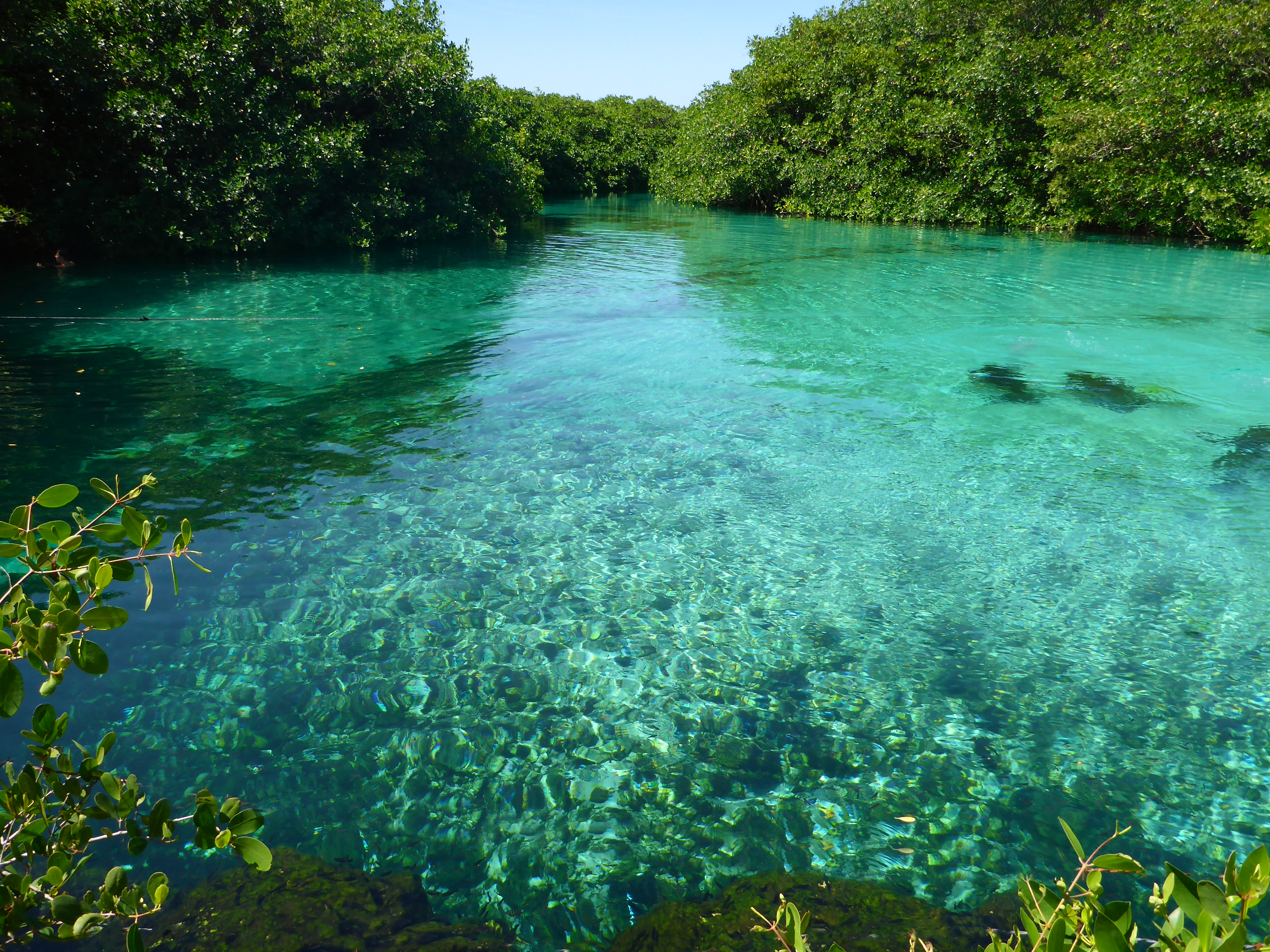
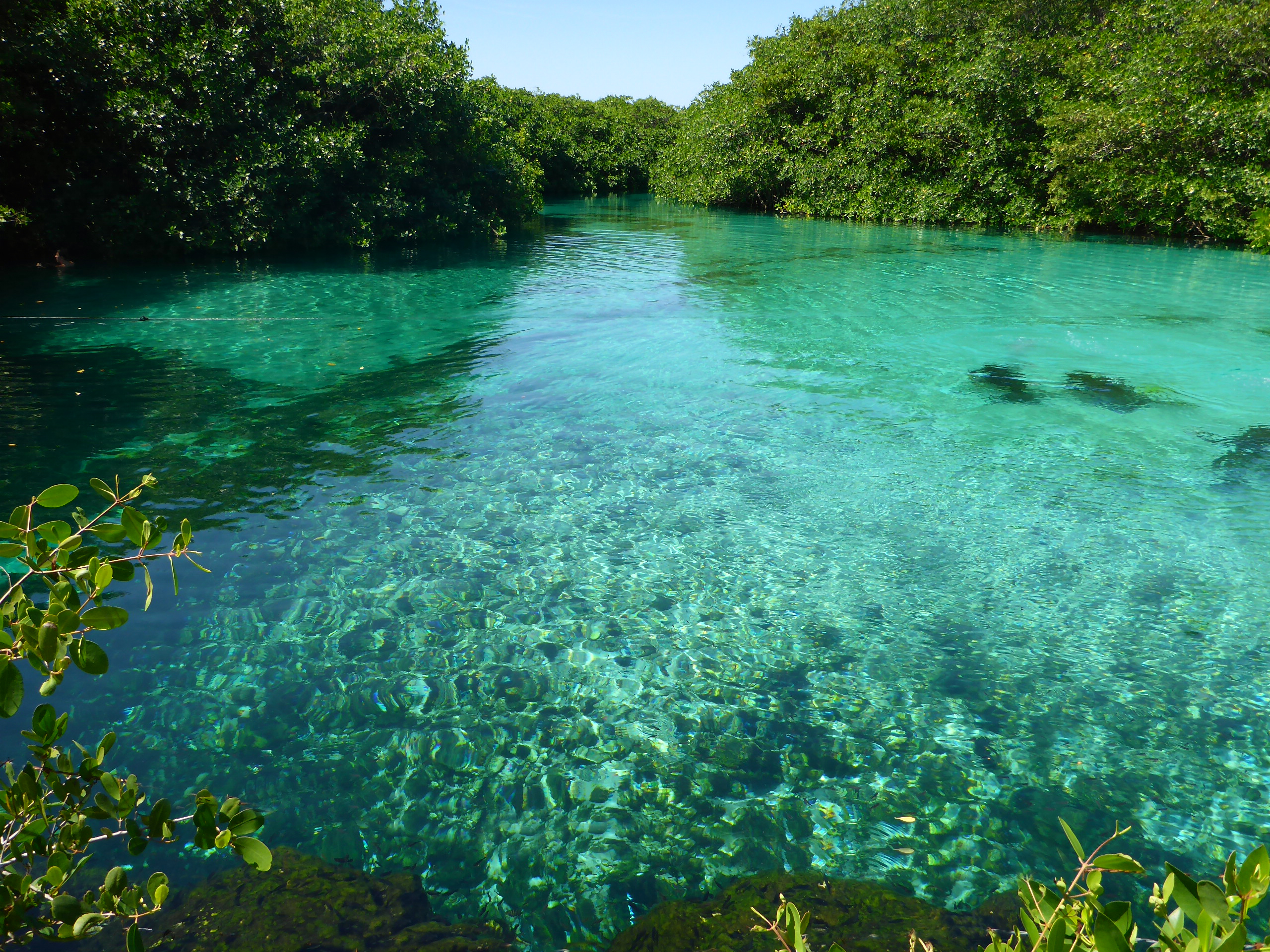
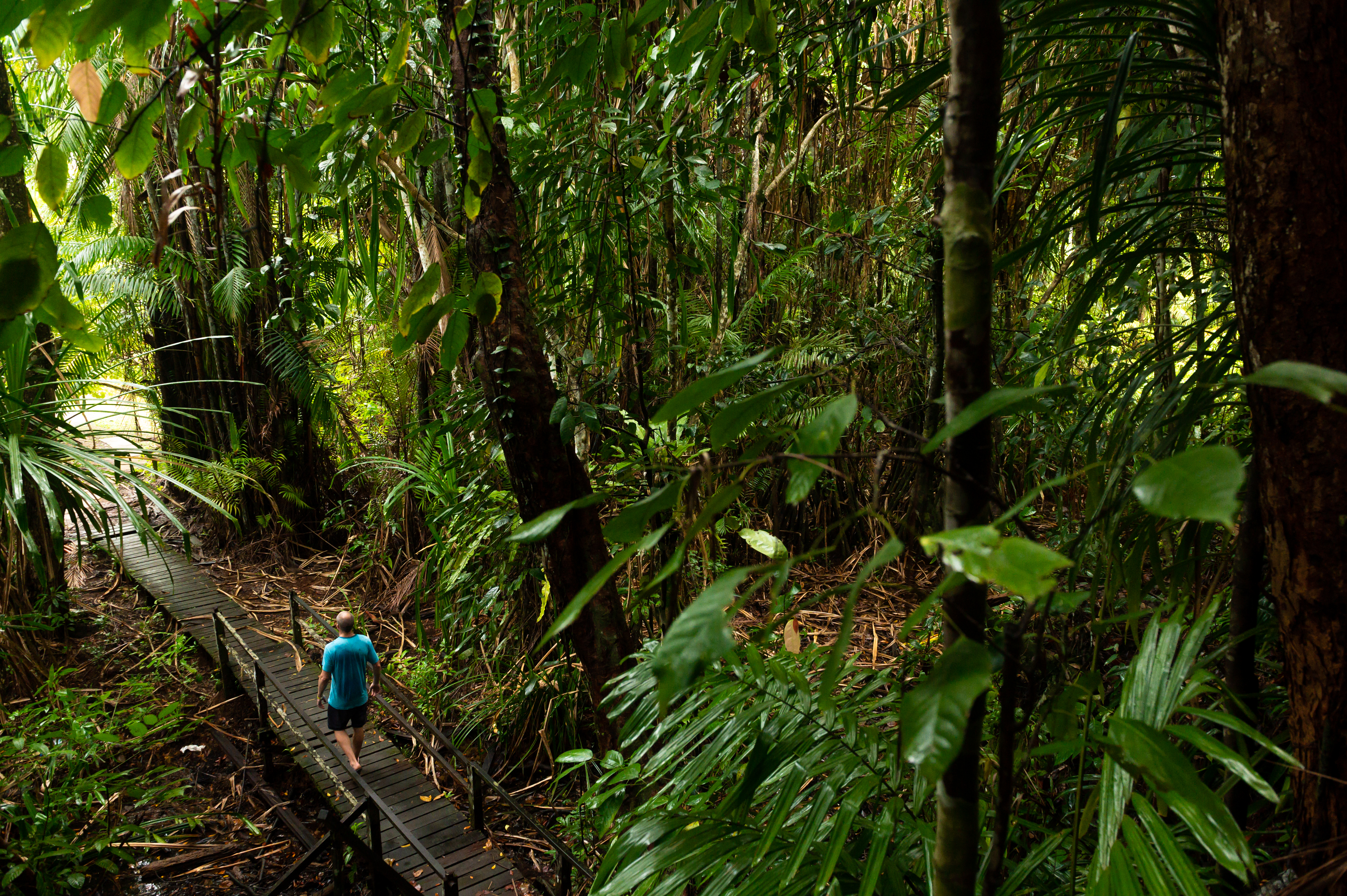
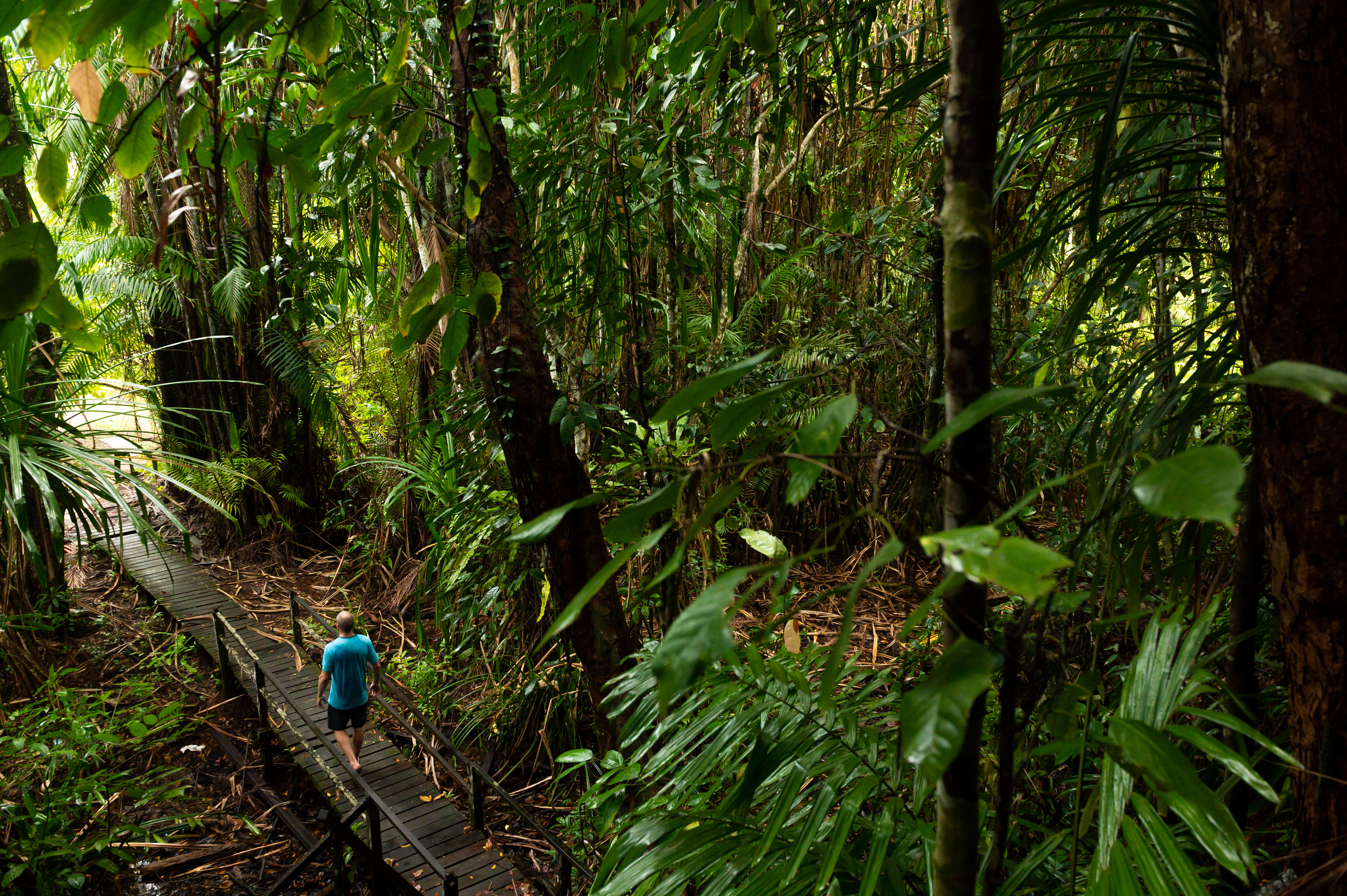
In addition to the archaeological and historical heritage, Cobá stands out for its privileged location in the heart of the humid tropical jungle. During the tour, it is common to encounter tropical birds, iguanas and other animals that inhabit this ecosystem.
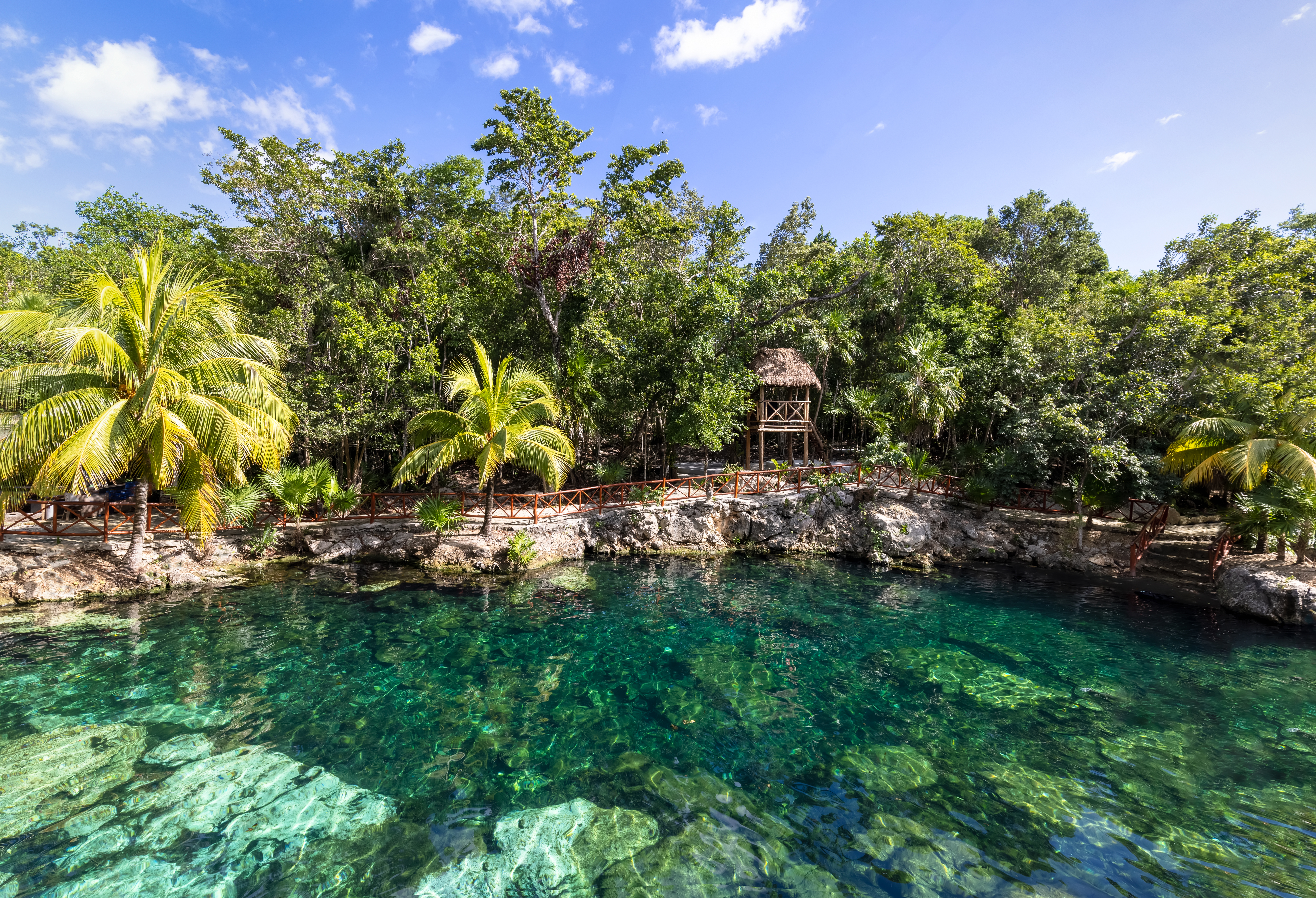
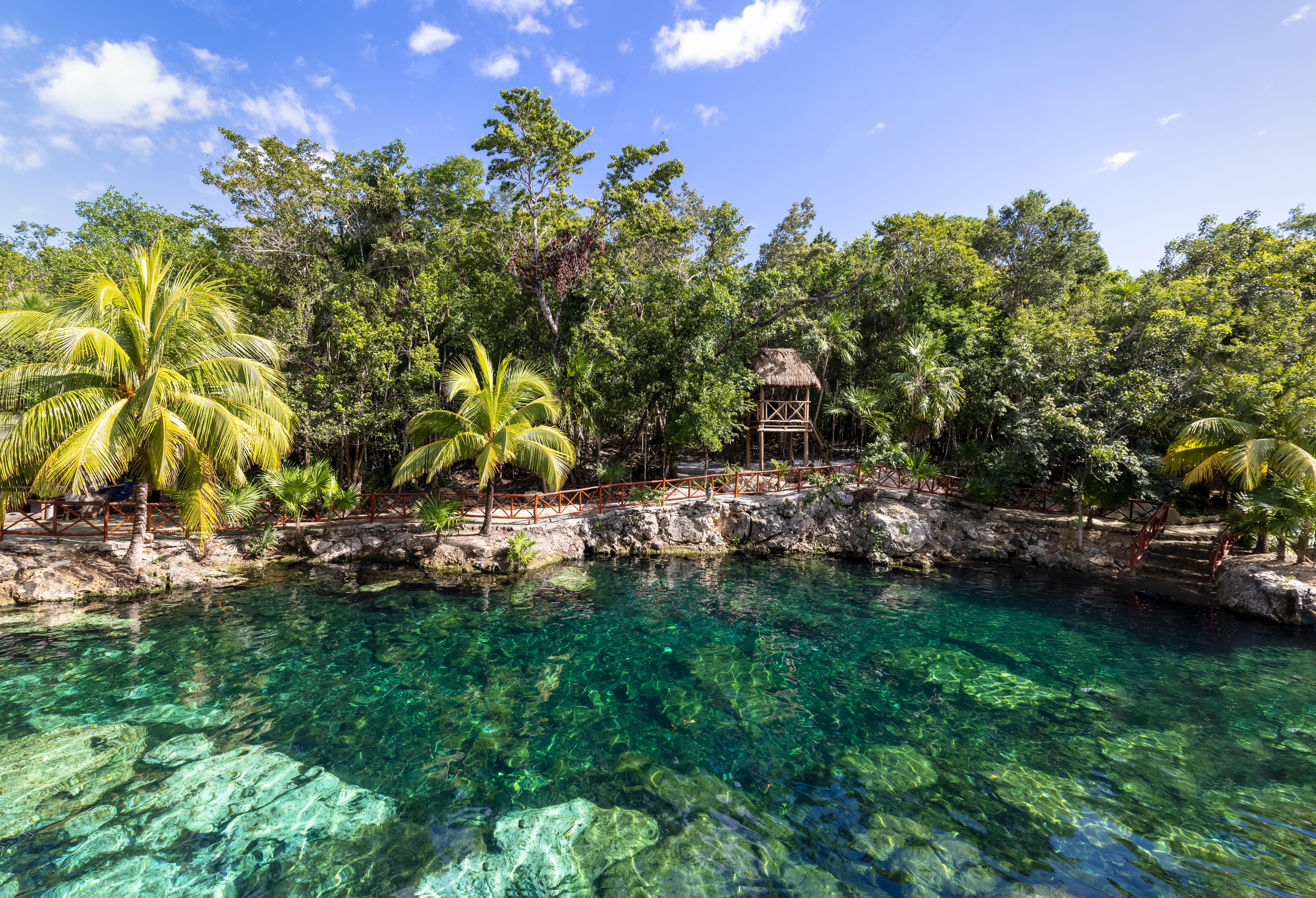
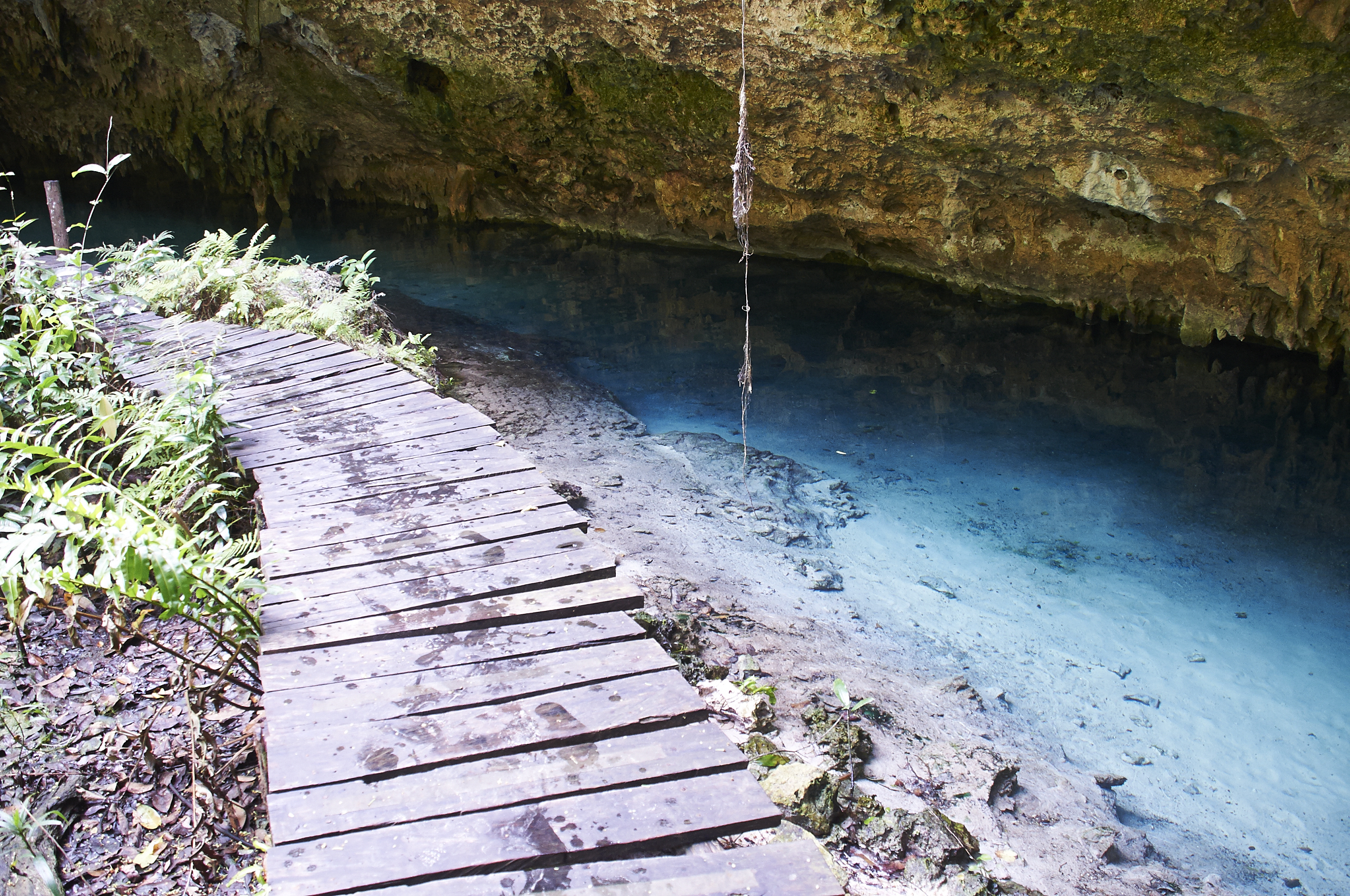
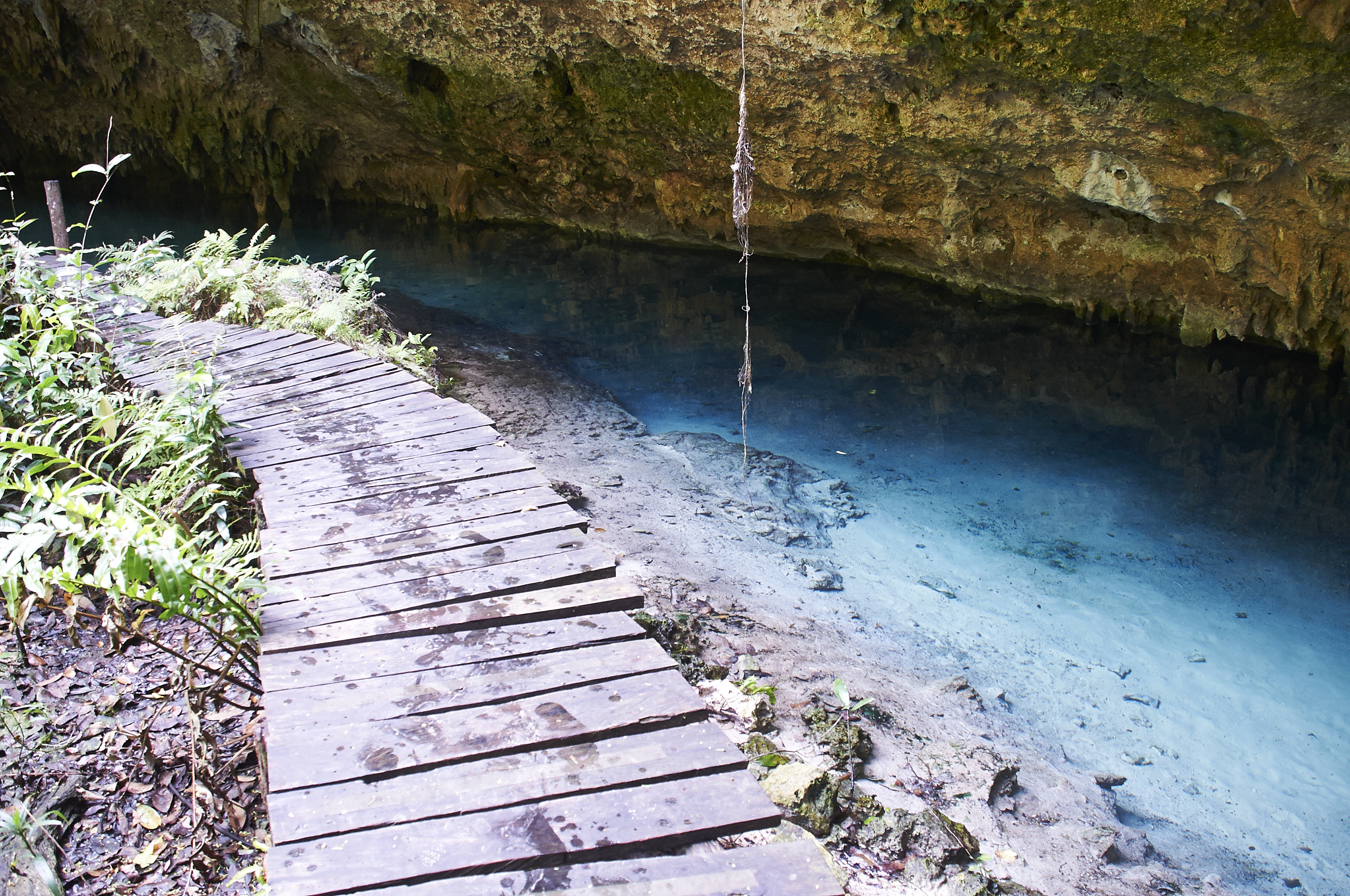
In the surroundings of the Cobá archaeological site there are several cenotes managed by local communities, among which Choo-Ha, Tamcach-Ha and Multum-Ha stand out, three common options for combining a cultural visit with a refreshing swim. They are ideal for cooling off and relaxing after the long archaeological tour in the sun. Each of them offers a unique underground experience, with stalactite formations, diving platforms and crystal-clear blue waters that are perfect.
If you are looking to enjoy a different experience, these are some of the best things to do in Cobá:
One of the main interesting facts about Cobá is that it was an important political and economic centre of the northern Mayan area, with a wide network of relationships with other Mesoamerican cities. Its connections with distant places like Tikal or Teotihuacán show the complexity of the political and commercial relationships that existed during the pre-Hispanic era.
Its intricate and intelligent network of more than 50 internal and external sacbés is one of the greatest works of urban engineering and land communication carried out by this civilisation. Furthermore, due to the vastness of the territory that the city covered, it is estimated that more than 90% of the structures of ancient Cobá remain completely hidden under mounds of vegetation and earth
The excursion to Cobá is ideal for families. The bicycle or cycle taxi tour, the wide paths and the possibility of observing animals during the visit mean that the little ones can especially enjoy the experience.
Furthermore, combining the tour of the site with a swim in a nearby cenote can make this day one of the best memories of the trip.
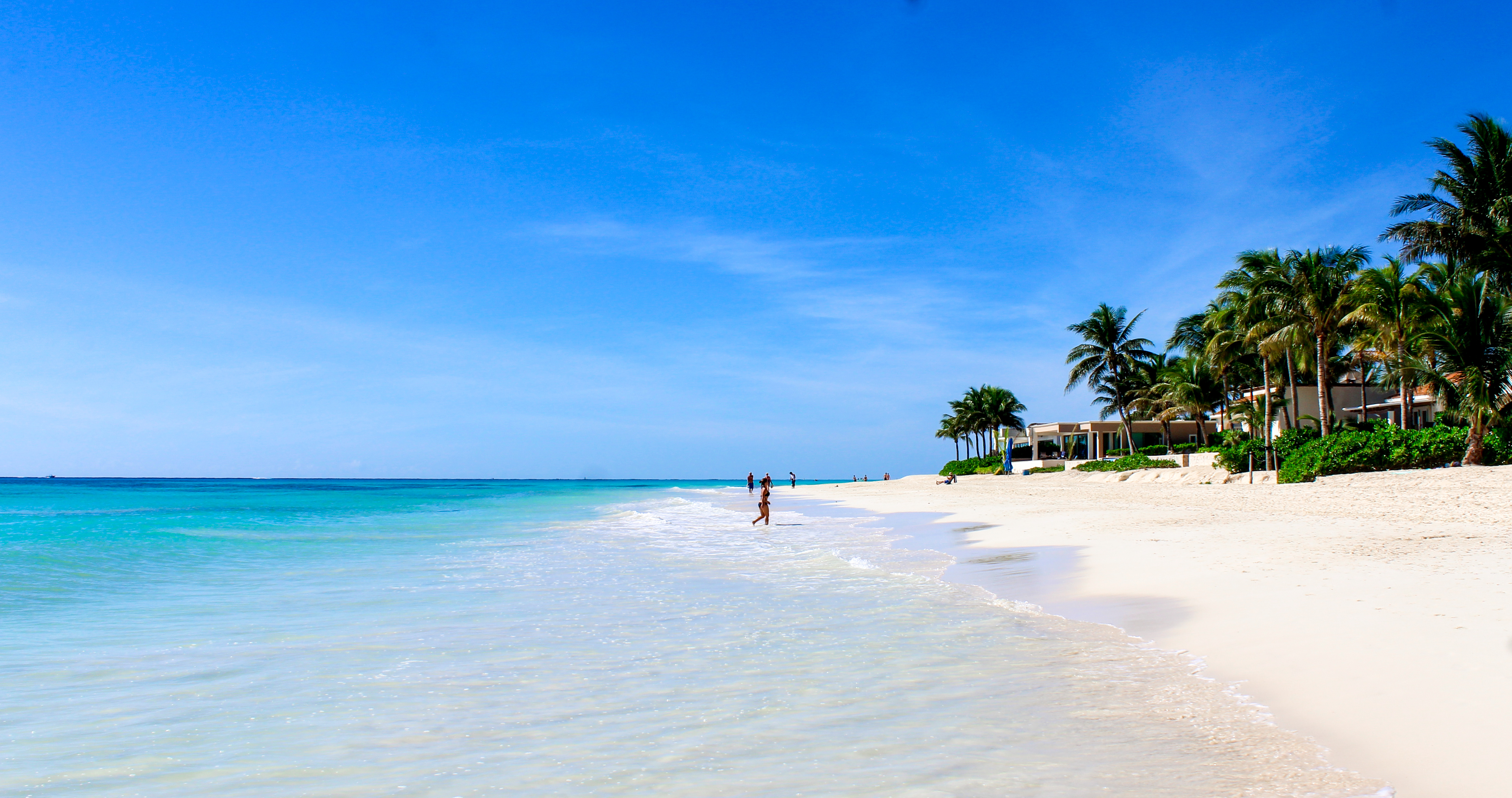
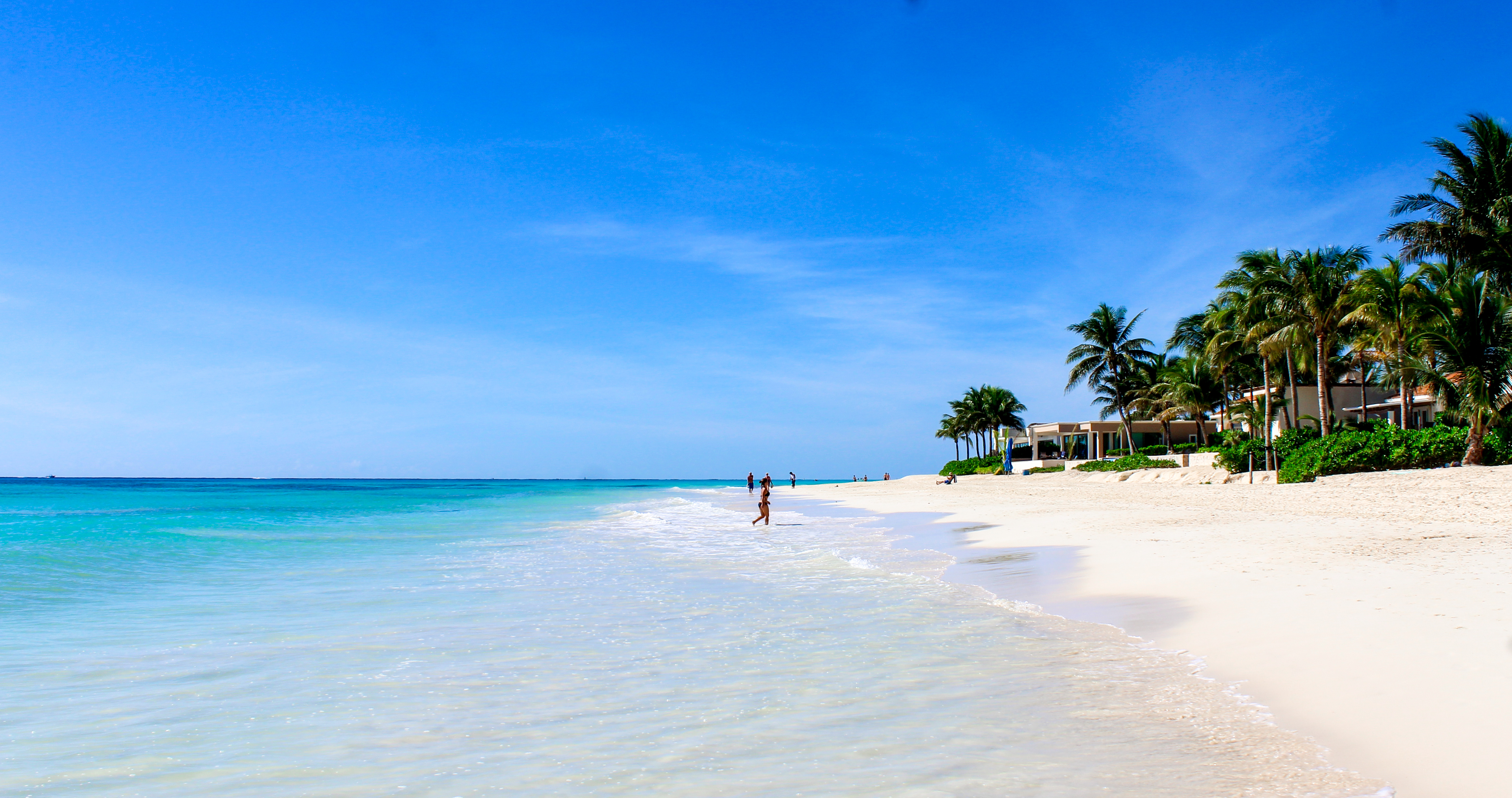
If you do not know how to get to Cobá, you have nothing to worry about, as the town is located approximately 45 minutes from Tulum, about two hours from Cancún and just over an hour from Playa del Carmen.
It is possible to arrive by car, via organised excursions or by using public transport from some nearby towns in the Riviera Maya and the state of Quintana Roo.
,regionOfInterest=(2322.5,1226))
,regionOfInterest=(2322.5,1226))
If you take a look at a map of Cobá, you will see that the site is strategically located between the Caribbean coast and the interior of the Yucatán Peninsula.
This privileged location allowed the city to be an important political and commercial centre for centuries, connected by sacbés to other large Mayan settlements. Currently, its proximity to Tulum makes it one of the most popular cultural excursions in the Riviera Maya.
📍 To make planning your visit easier, we have prepared a tourist map of Cobá with all points of interest, key locations and places worth including in your route.
The best way to enjoy the ruins of Cobá is to arrive early, as soon as possible, when temperatures are still mild and there are fewer tourists exploring the site. It is also very important to bring water, sunscreen, mosquito repellent and comfortable footwear, as much of the route runs along dirt paths full of vegetation.
Although many travellers focus their visit on the Cobá pyramid, it is worth spending time exploring the different archaeological groups and walking along some of its ancient sacbés. Precisely, that combination of historical heritage and nature makes Cobá an especially interesting visit within the Riviera Maya and a quieter alternative to other Mayan sites with higher tourist numbers.
,regionOfInterest=(3024,2012))
,regionOfInterest=(3024,2012))
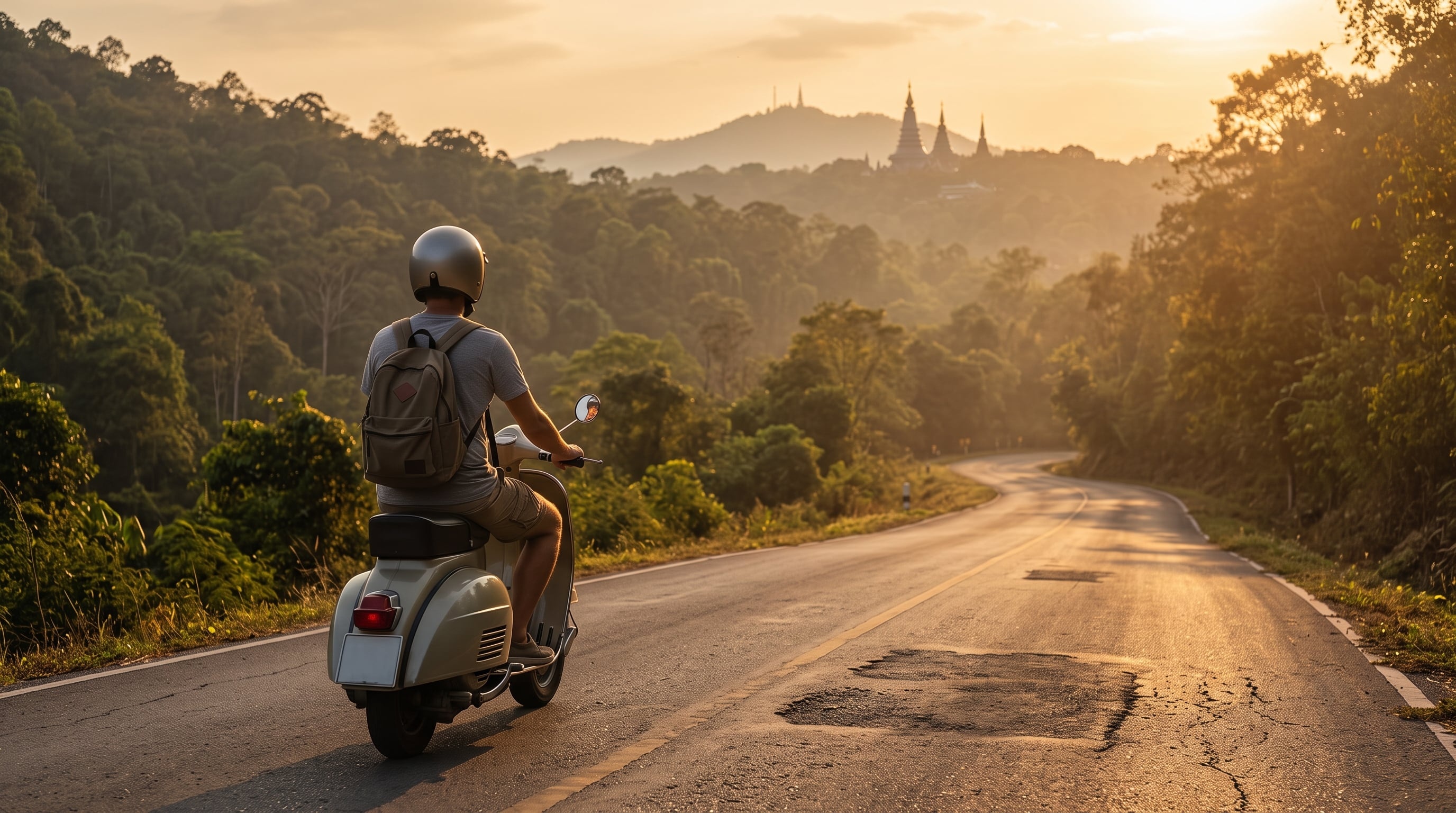,regionOfInterest=(1376,768))
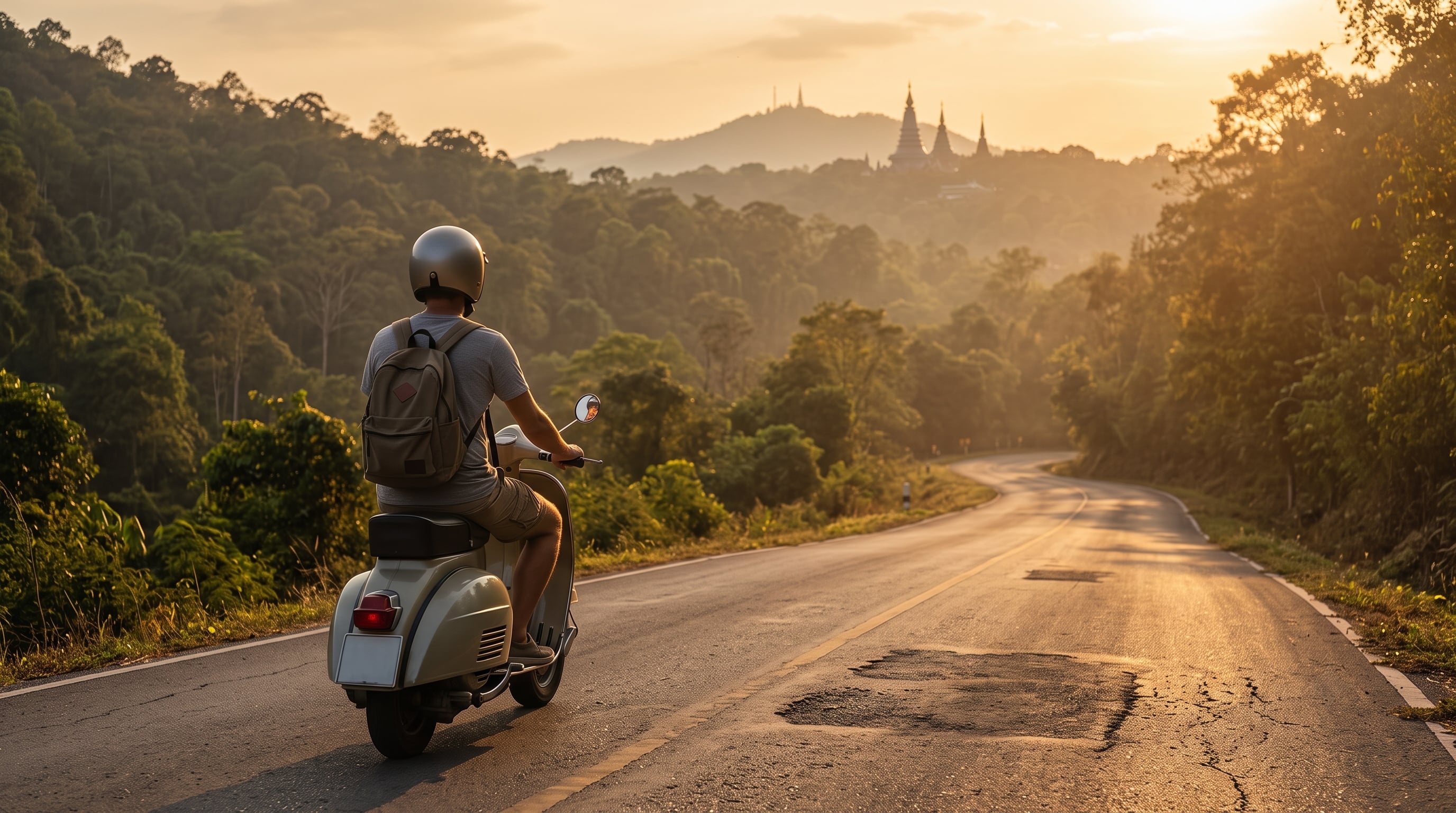,regionOfInterest=(1376,768))
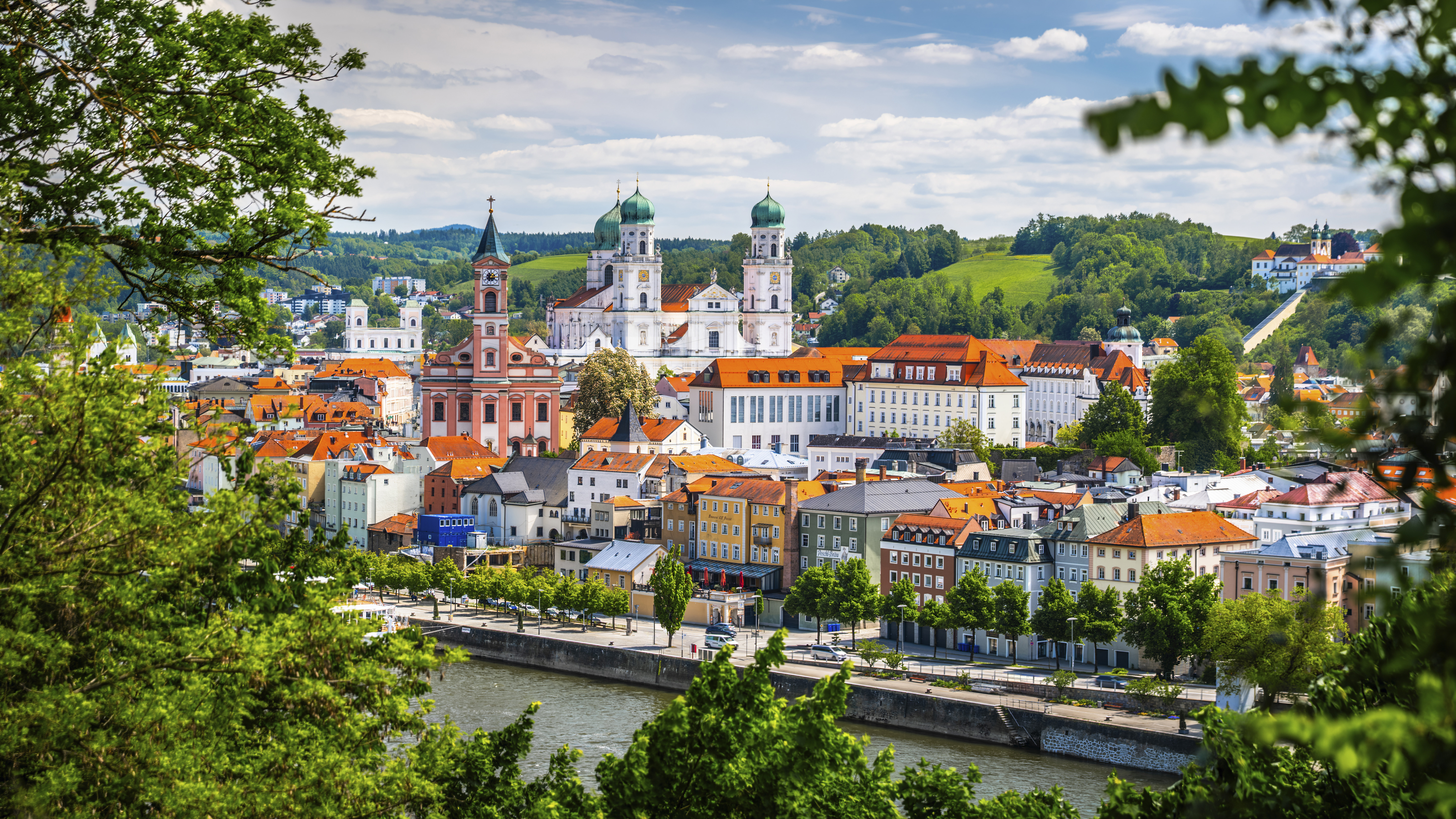,regionOfInterest=(2944,1656))
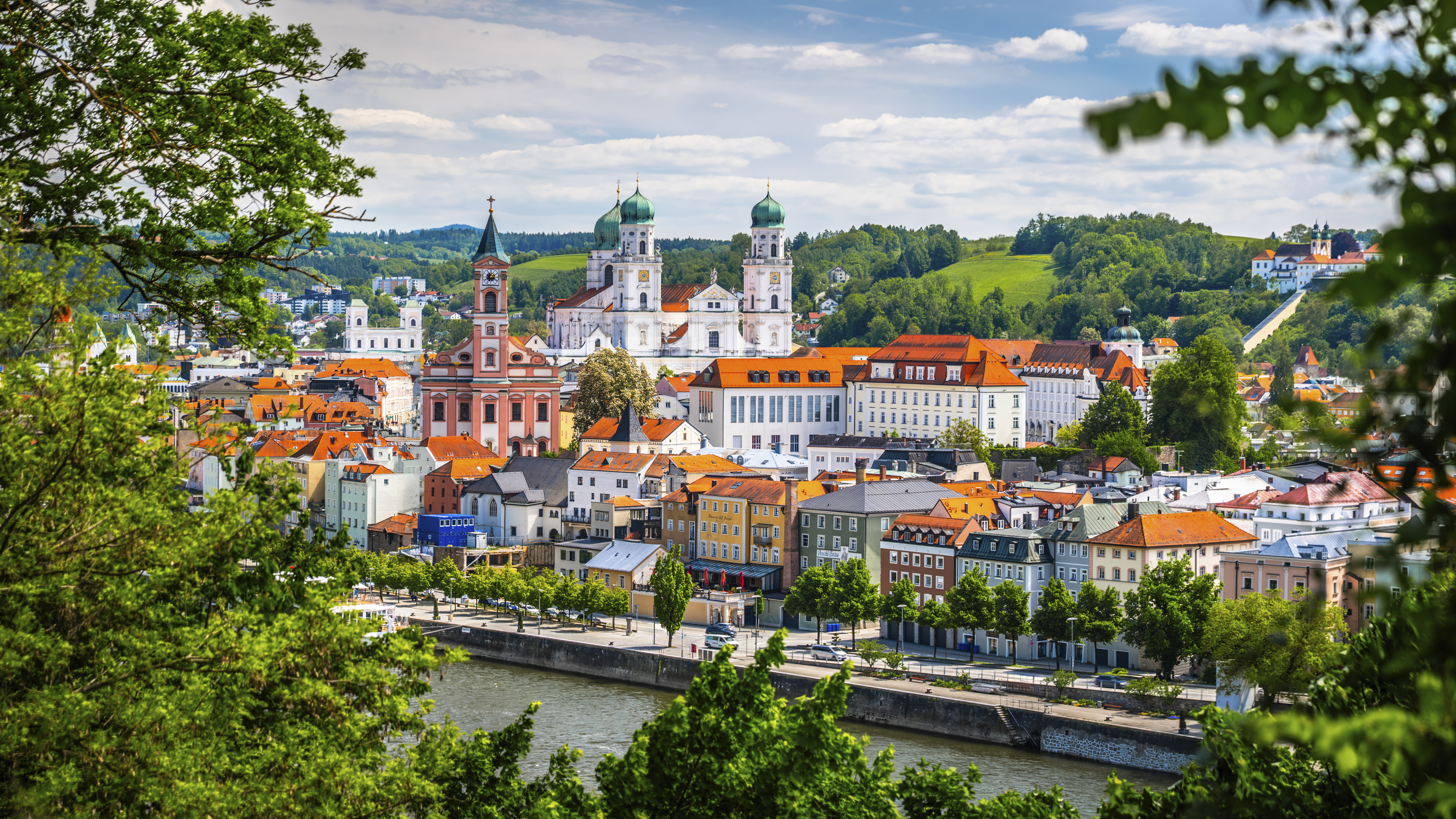,regionOfInterest=(2944,1656))
,regionOfInterest=(2500,1667))
,regionOfInterest=(2500,1667))
,regionOfInterest=(1750,1575))
,regionOfInterest=(1750,1575))
,regionOfInterest=(1264,842))
,regionOfInterest=(1264,842))