,regionOfInterest=(2900.5,1949.5))
,regionOfInterest=(2900.5,1949.5))
Best Christmas markets in New York
,regionOfInterest=(2852,1899.5))
,regionOfInterest=(2852,1899.5))
Culture
,regionOfInterest=(1771.5,1181.5))
,regionOfInterest=(1771.5,1181.5))
The Ping River has run through the middle of this city since long before Chiang Mai had a name, and a hotel that actually makes use of that view offers something a landlocked property simply cannot.
Among the best riverfront hotels in Chiang Mai, here is what a genuine river-facing stay actually looks like.
,regionOfInterest=(512,482))
,regionOfInterest=(512,482))
Digital marketing specialist with a passion for travel, writing, and discovering what makes every destination unique.
Culture
,regionOfInterest=(2150,1433.5))
,regionOfInterest=(2150,1433.5))
,regionOfInterest=(1771.5,1181.5))
,regionOfInterest=(1771.5,1181.5))
,regionOfInterest=(1771.5,1181.5))
,regionOfInterest=(1771.5,1181.5))
,regionOfInterest=(1771.5,1181.5))
,regionOfInterest=(1771.5,1181.5))
A river-facing room in Chiang Mai rarely means the same thing it might in a bigger riverside city, no promenade lined with restaurants, no water taxi stop at the front door. What it does mean is a genuinely different view from the room, and often a rooftop bar or restaurant that turns the river into part of the evening rather than a passing glance from a taxi window.
Among the best riverfront hotels in Chiang Mai, the honest distinction worth knowing before booking is between a property genuinely built along the riverbank and one that sits close to the water with river-facing rooms and views, a real difference that affects both the price and what the room actually looks out over.
That distinction matters more here than in a city built around its waterfront, since Chiang Mai's own layout means the Old City, the Night Bazaar, and most of what a first-time visitor wants to see all sit within a short distance of the river without the whole city being organised around it the way a place like Bangkok is around the Chao Phraya.
For anyone comparing the best riverfront hotels in Chiang Mai purely by listing photos, it is worth asking directly whether a specific room category actually faces the water before booking, since a hotel's general marketing can genuinely blur the line between a river-adjacent property and a handful of river-facing rooms within it.
,regionOfInterest=(1771.5,1181.5))
,regionOfInterest=(1771.5,1181.5))
Evidence of life along the Ping River dates back thousands of years, and the river is the reason Chiang Mai exists where it does at all. King Mengrai founded the city in 1296 after abandoning an earlier capital at Wiang Kum Kam nearby, one that kept flooding as the Ping shifted its course over the decades.
For centuries, the Ping River served as an important transport and trading route, linking Chiang Mai with communities and markets further north and south, merchants piloting scorpion-tailed boats loaded with forest products in exchange for salt, dried fish, and tools. Locals still sometimes call it the "lifeline of Lanna", a title that reflects just how central the river was to the kingdom's own history and folklore, not simply a modern tourism tagline.
That trading history is part of why several of the city's oldest markets, including Warorot Market, still sit close to the river, a legacy of goods once unloaded from boats rather than a modern planning decision. The Ping River runs just east of the Old City and close to the Night Bazaar district, near enough that a riverside stay does not mean sacrificing walkability.
Seasonal flooding shaped much of the river's own history too, the same flooding that pushed King Mengrai away from Wiang Kum Kam still shows up in the occasional rainy-season swell today, though modern flood management keeps the impact on the city's hotels and riverside businesses far more limited than it was even a few decades ago.
,regionOfInterest=(1771.5,1162.5))
,regionOfInterest=(1771.5,1162.5))
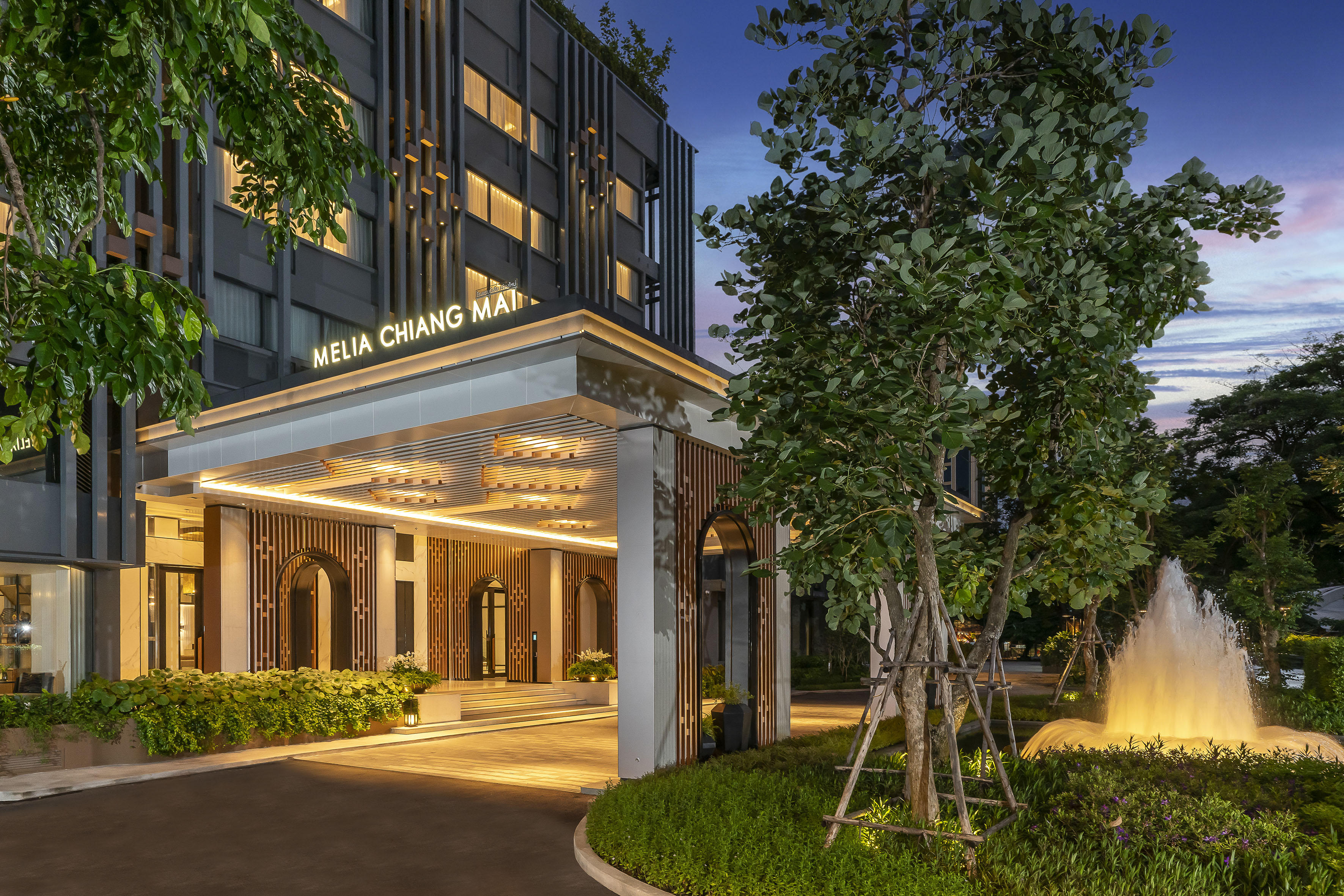
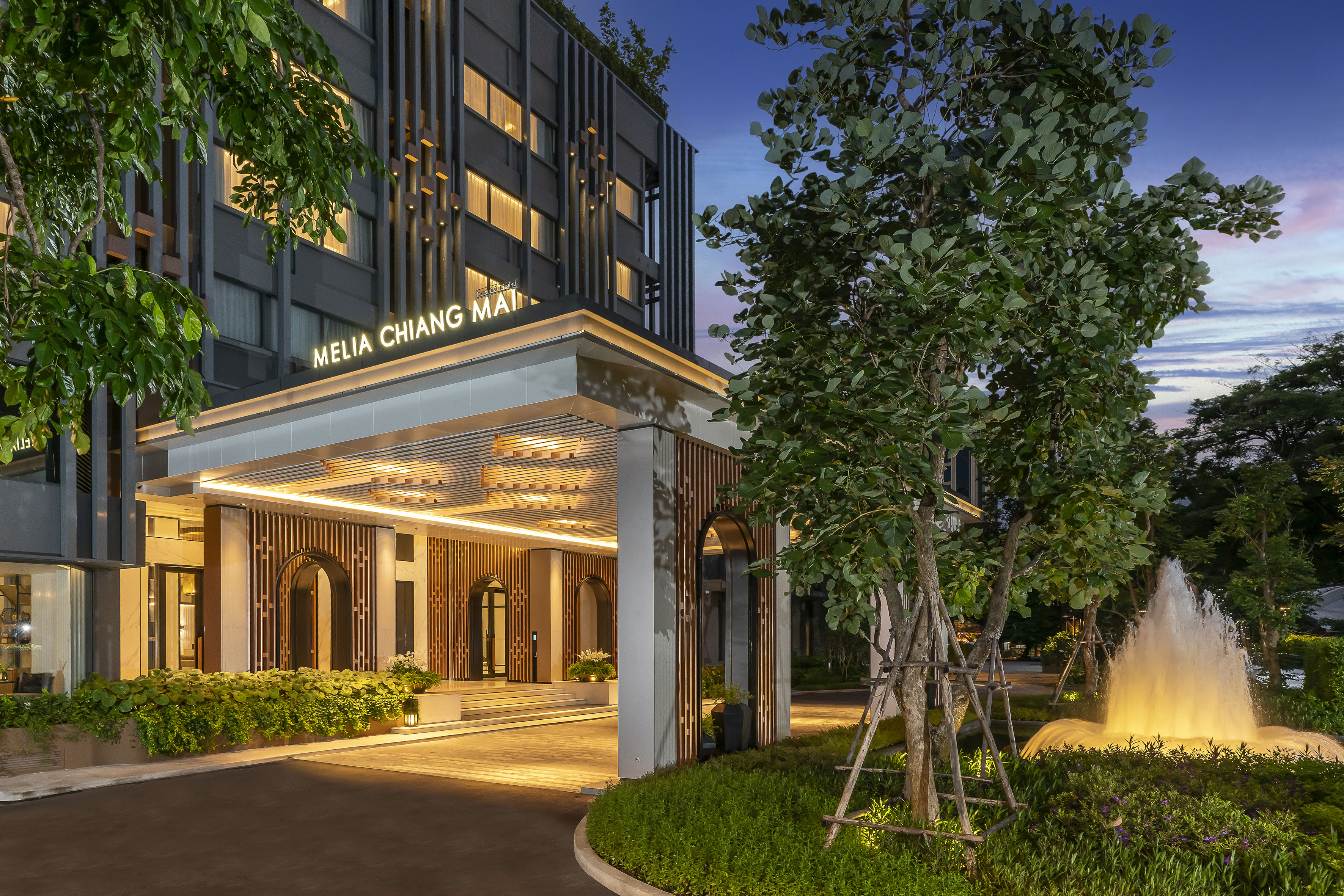
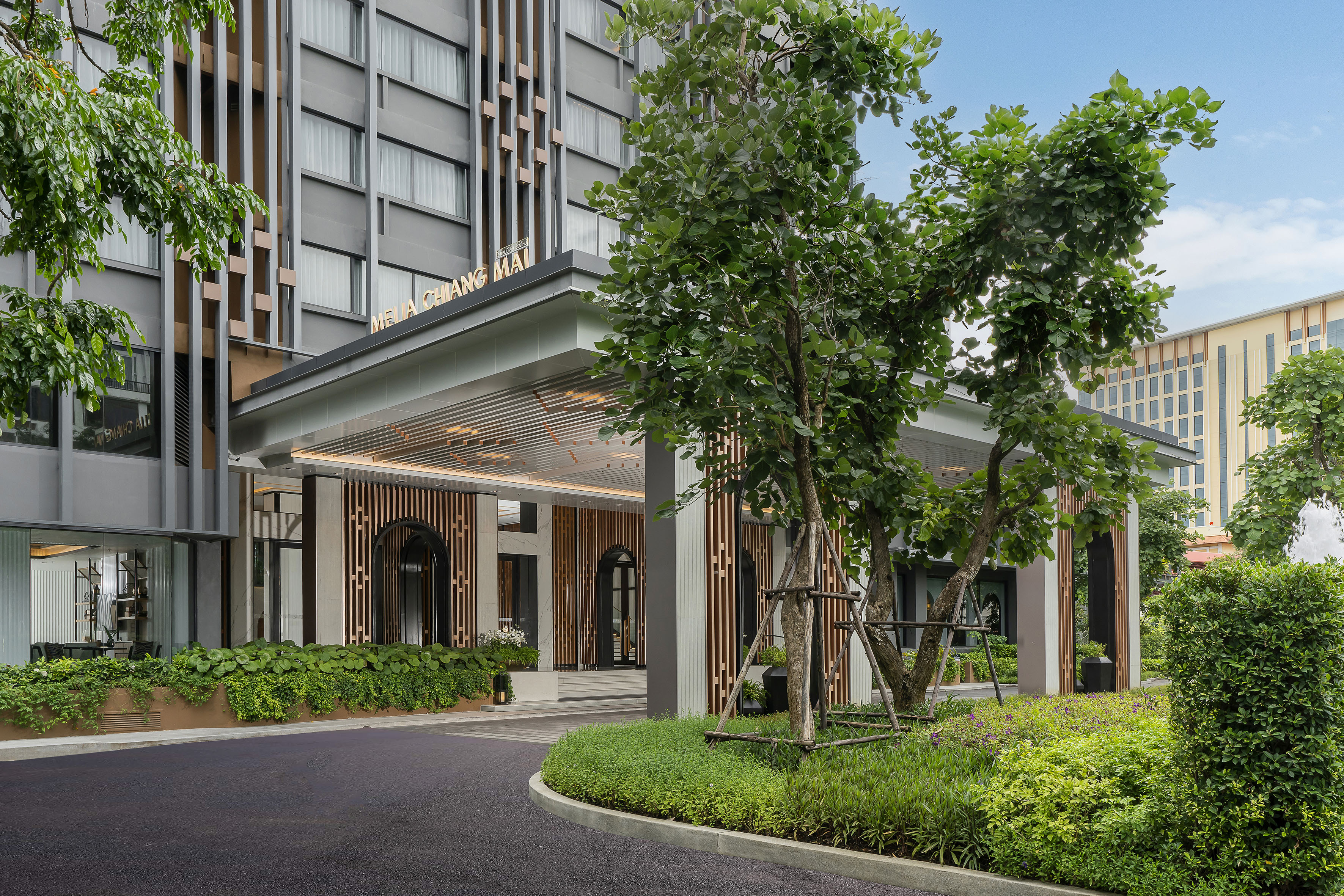
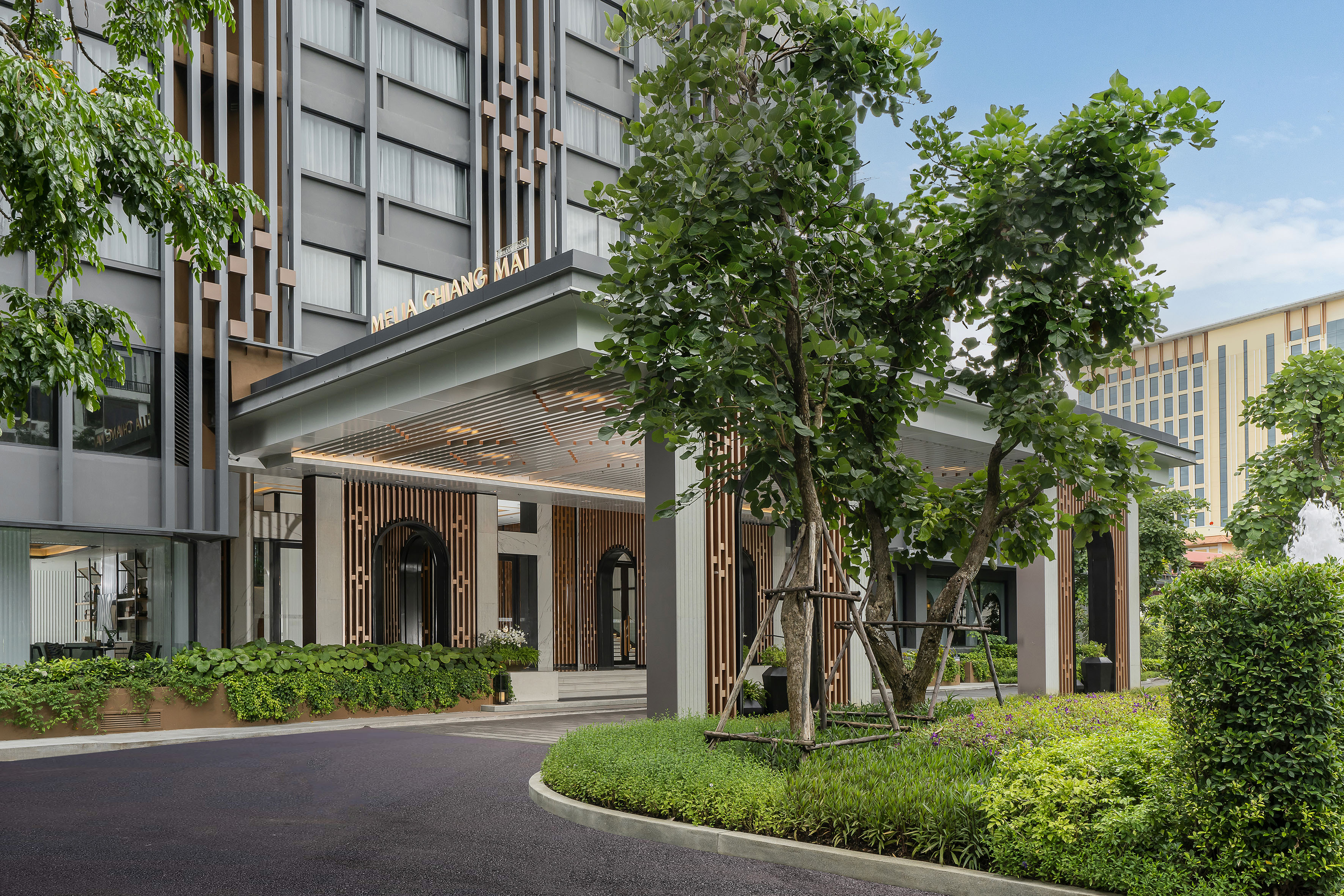
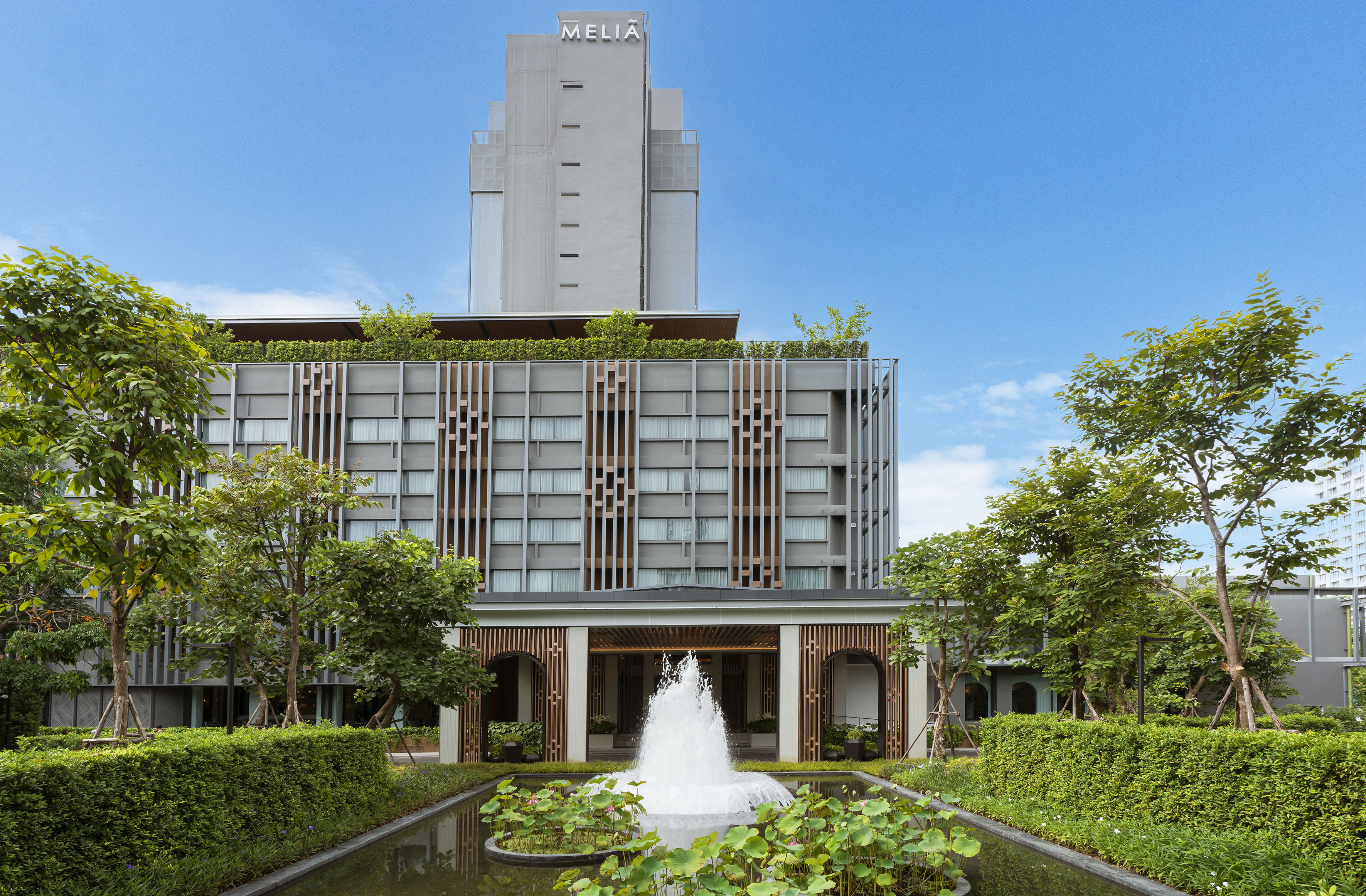
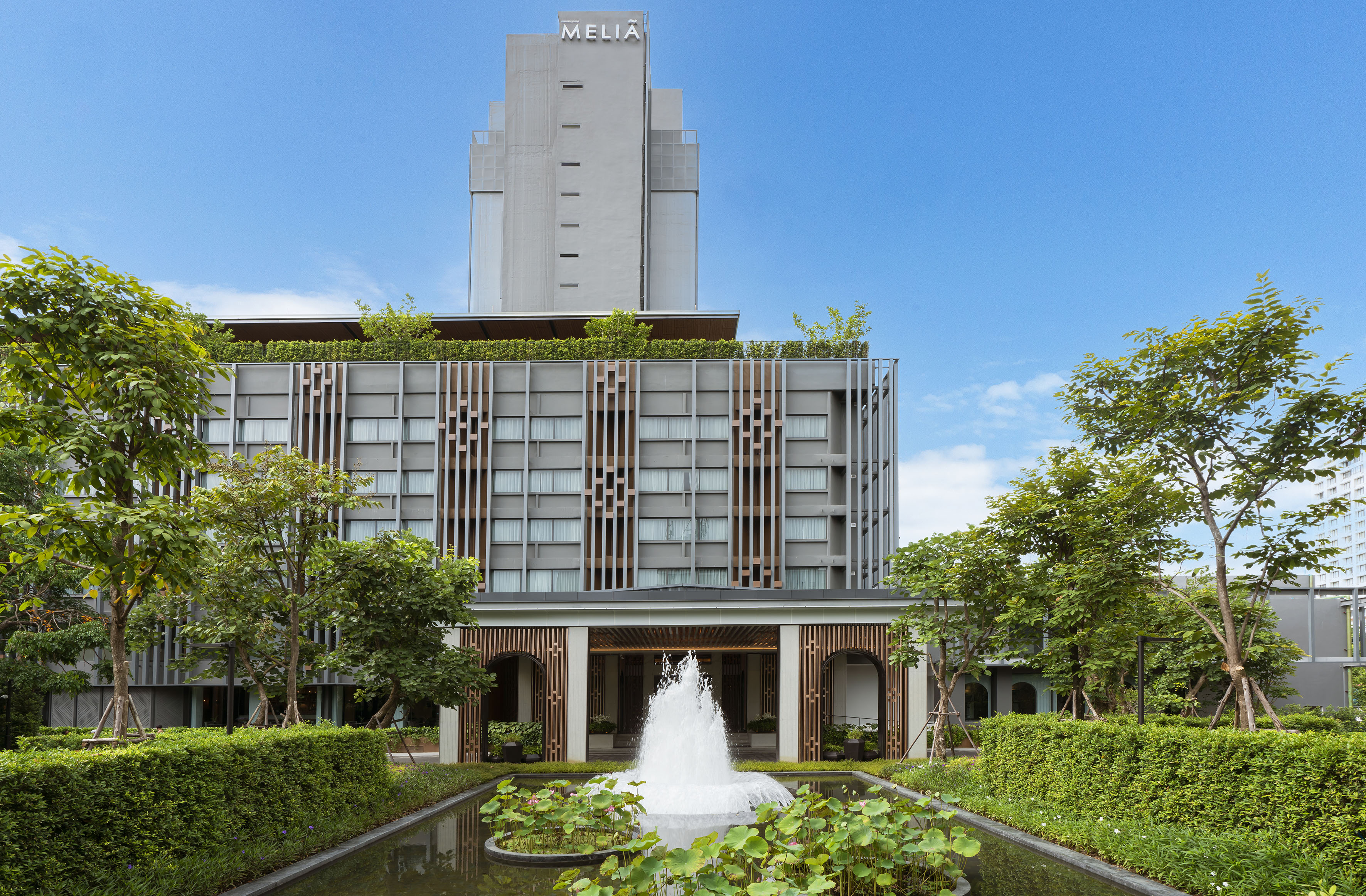
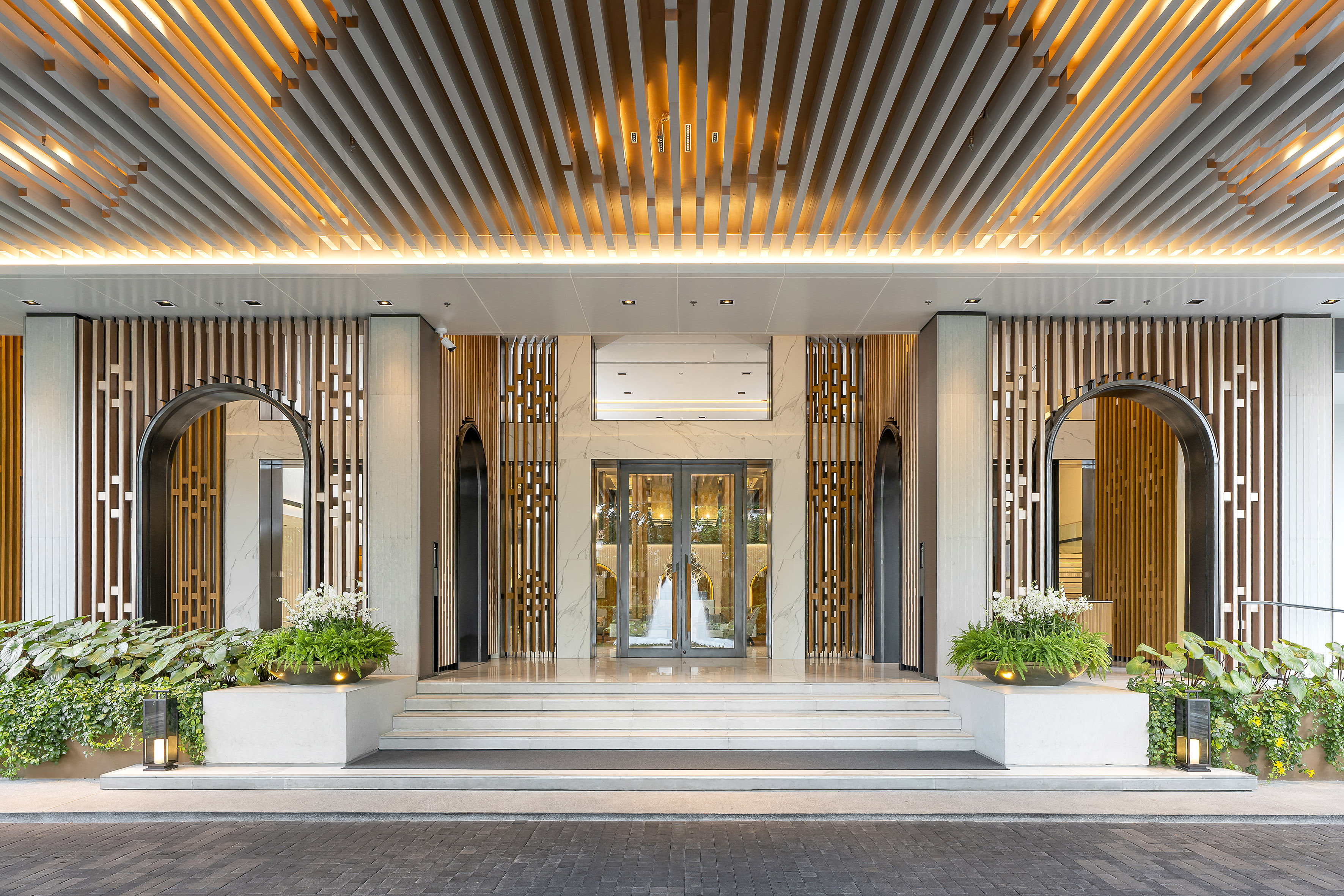
Meliá Chiang Mai on Charoen Prathet Road sits close to the Ping River at the edge of the Night Bazaar precinct, near enough that the river genuinely factors into the property's own views without the hotel claiming to be a literal riverbank address.
It is worth being upfront about that distinction rather than overselling it, since a guest booking specifically for a true riverfront stay deserves an accurate picture before arrival. A guest who books expecting a literal riverside address and receives a river-adjacent room instead is far more likely to feel misled than one who knew the actual setup going in.
That honesty is really the whole point of comparing the best riverfront hotels in Chiang Mai properly rather than taking a listing's own headline claim at face value, since the actual view from a specific room, not the hotel's general address, is what determines whether a river-view booking delivers on its promise.
,regionOfInterest=(2150,1433.5))
,regionOfInterest=(2150,1433.5))
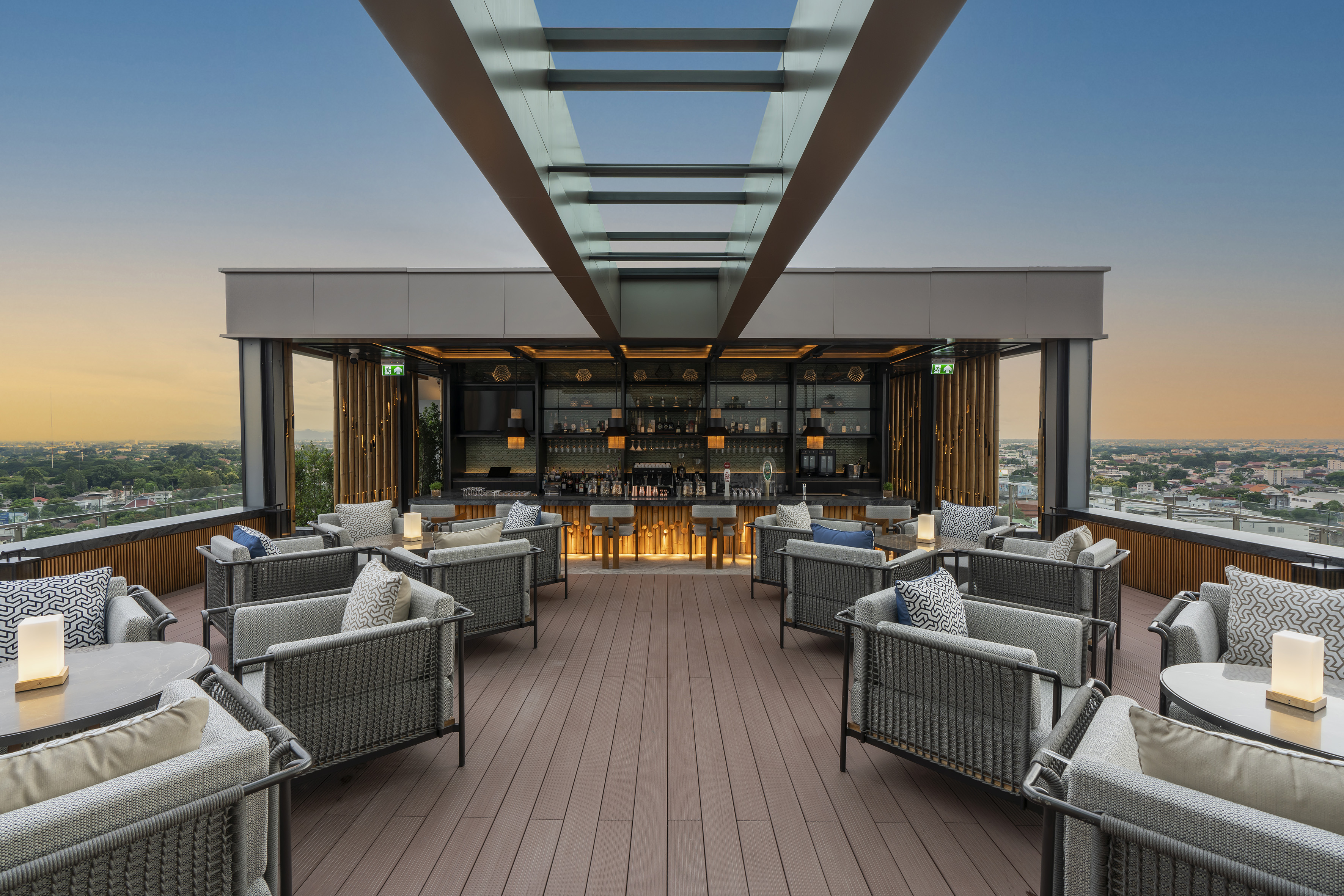
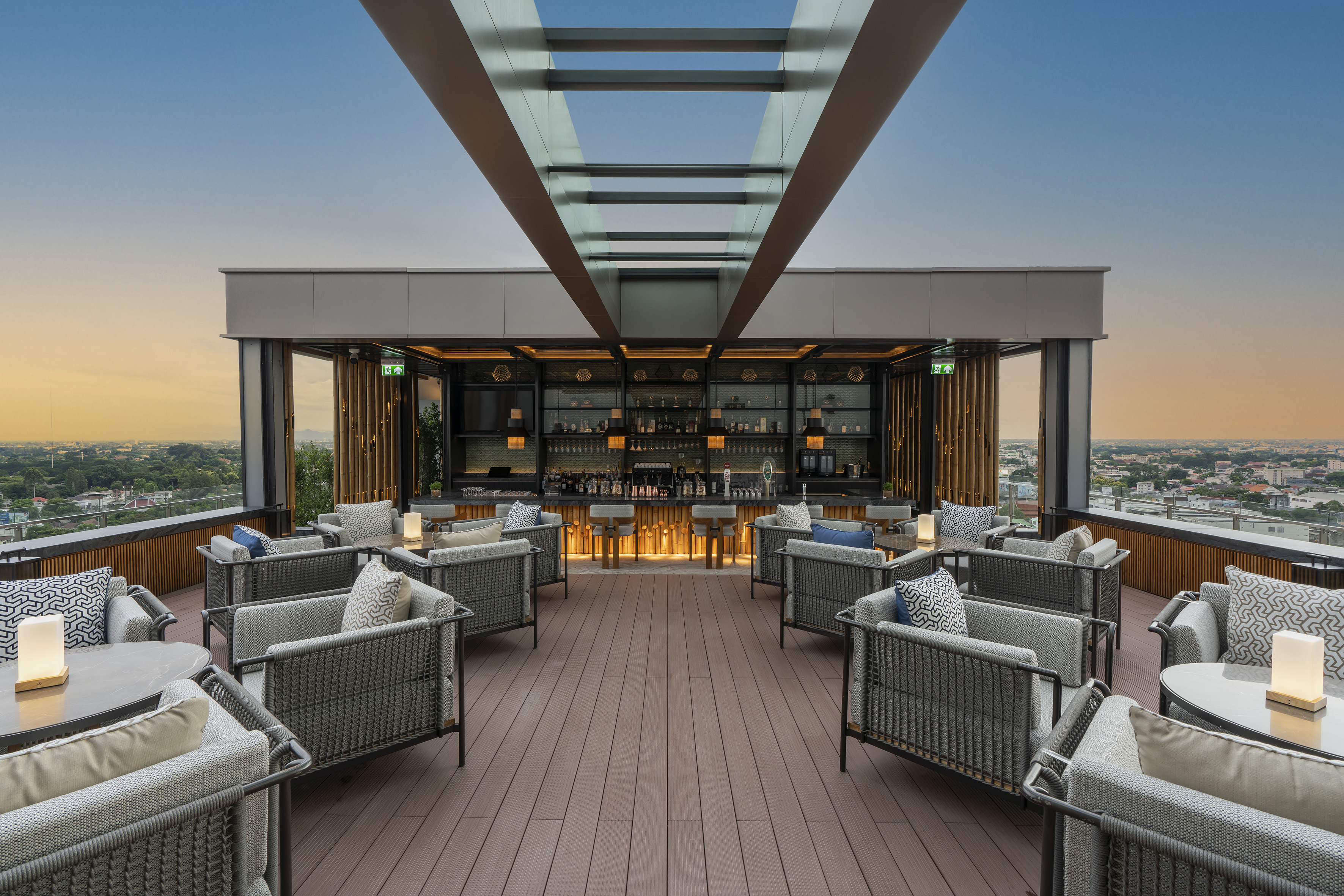
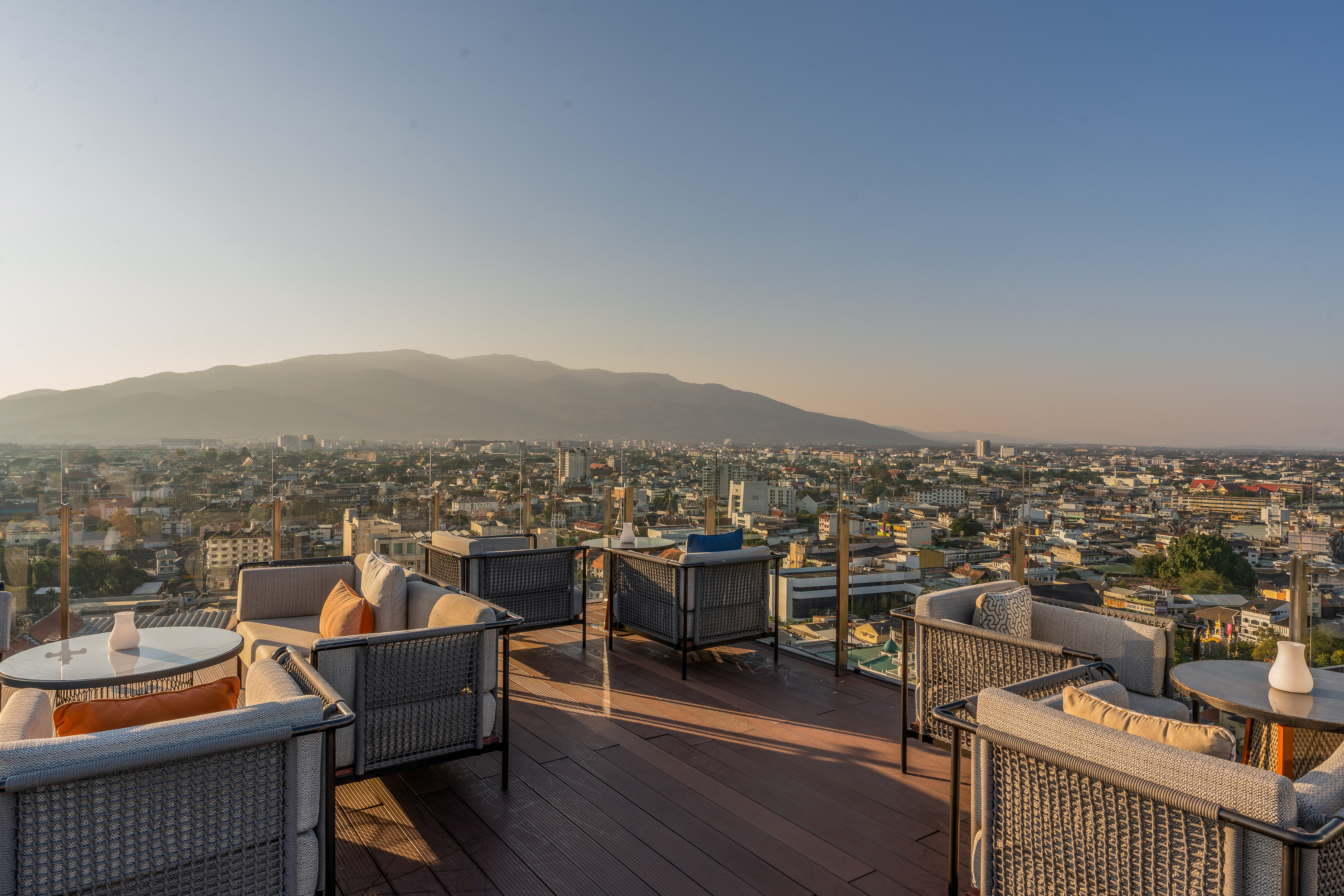
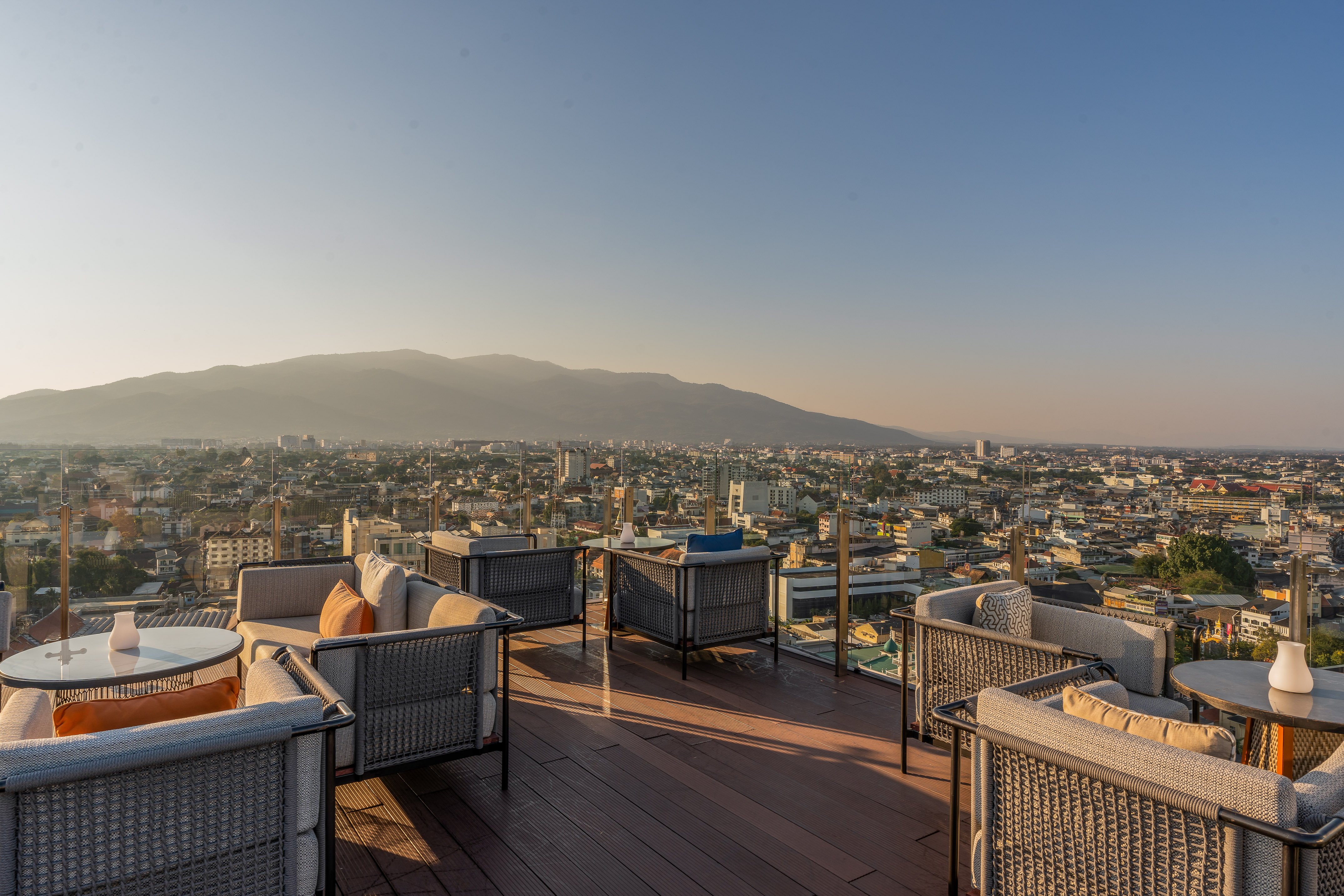
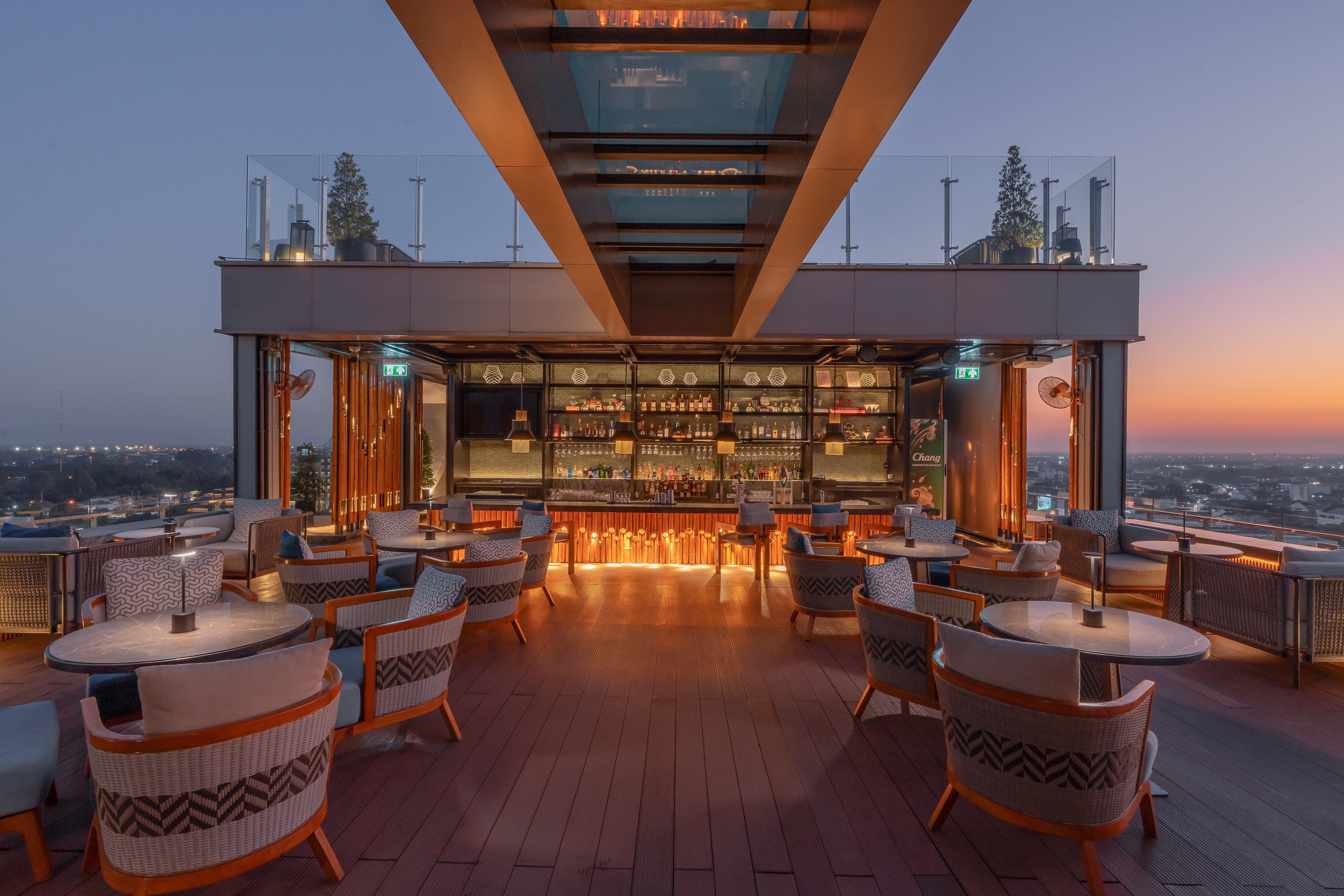
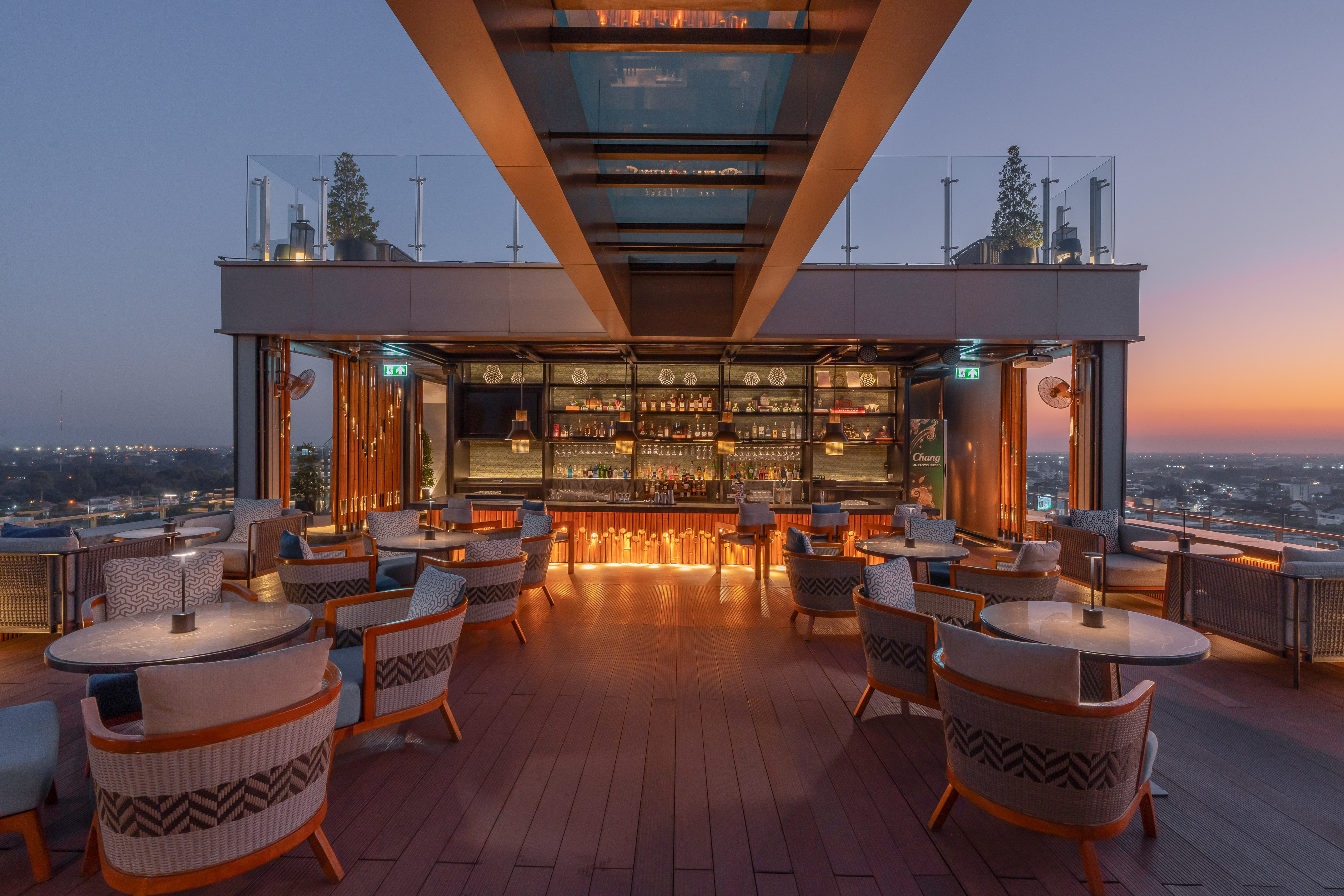
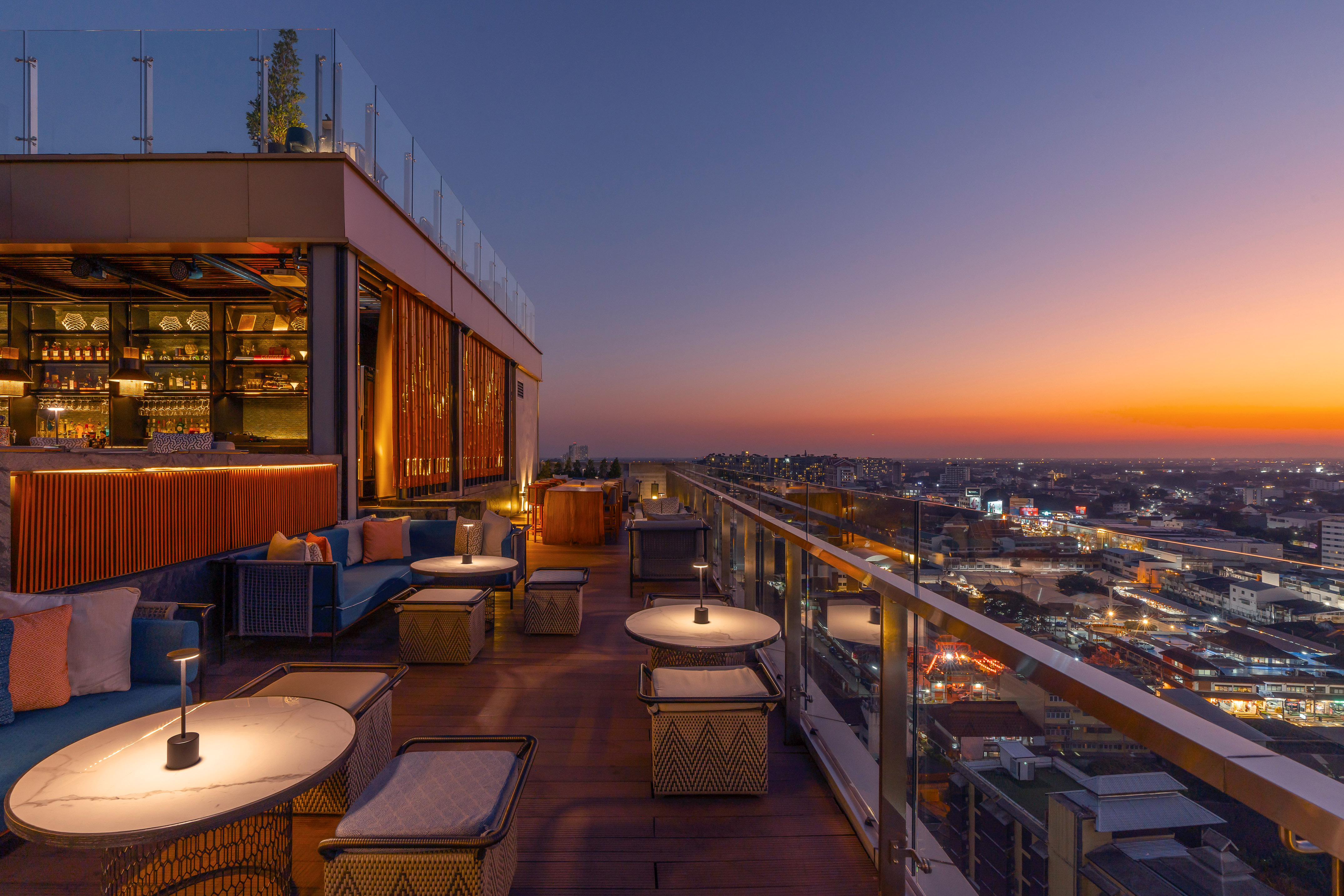
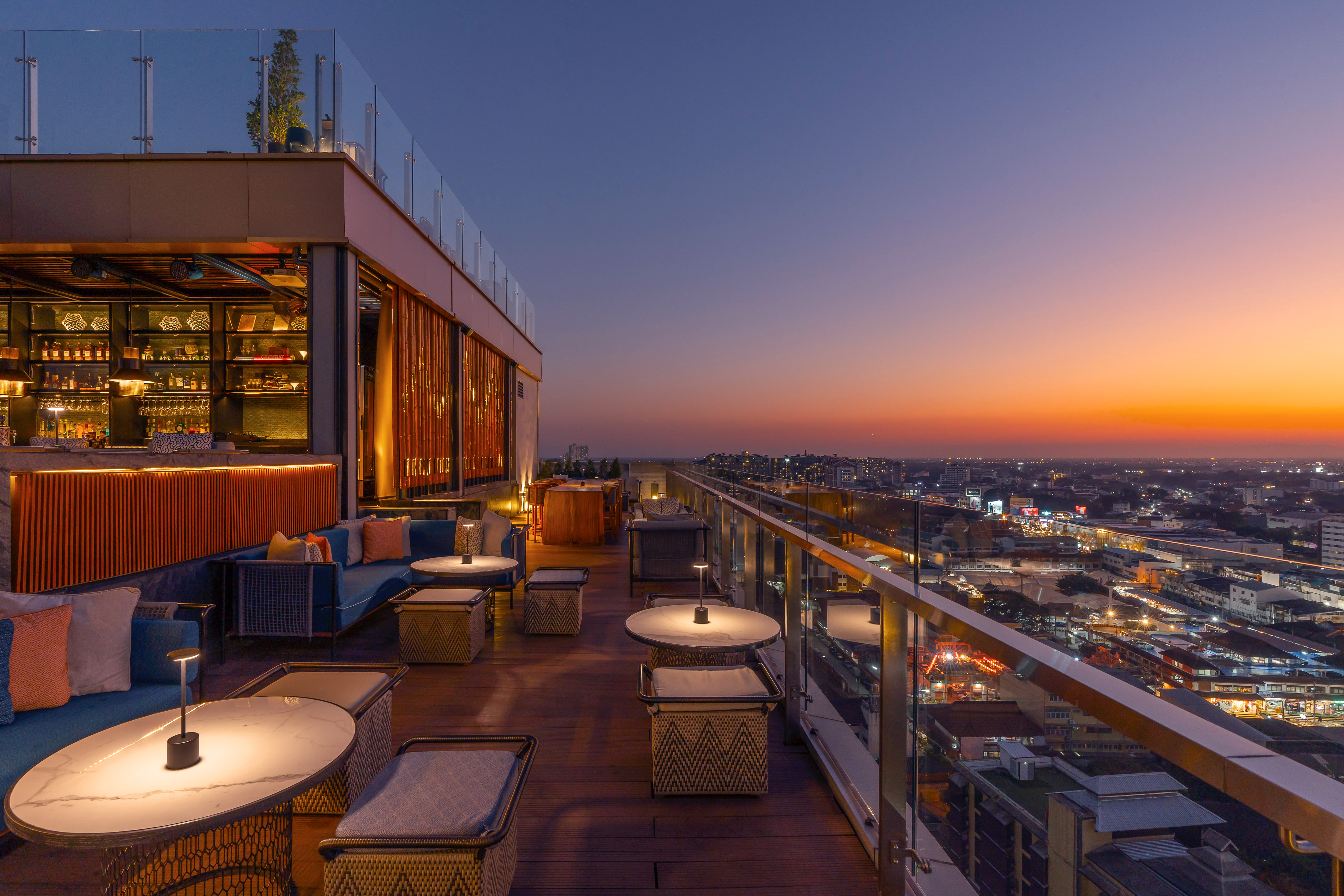
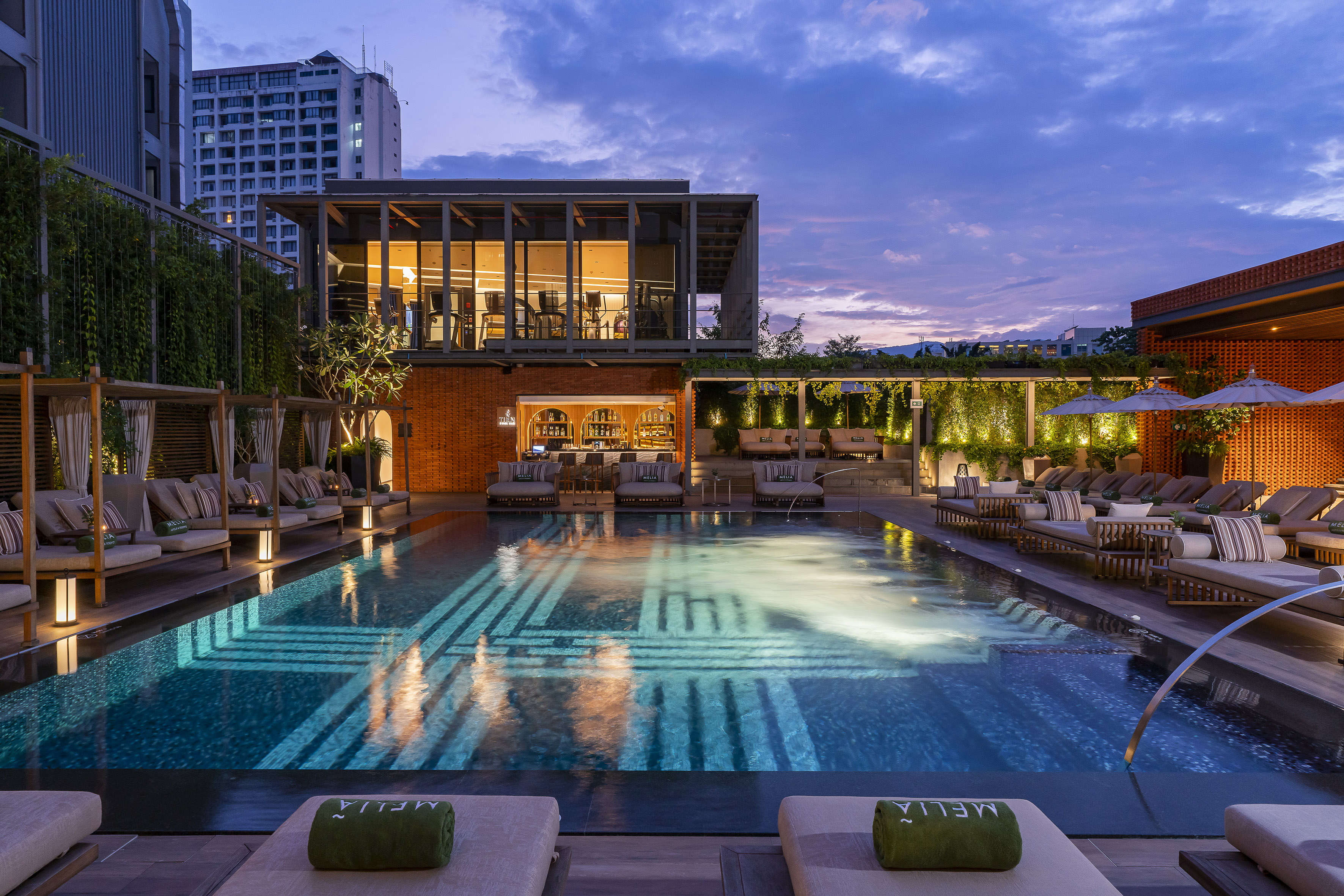
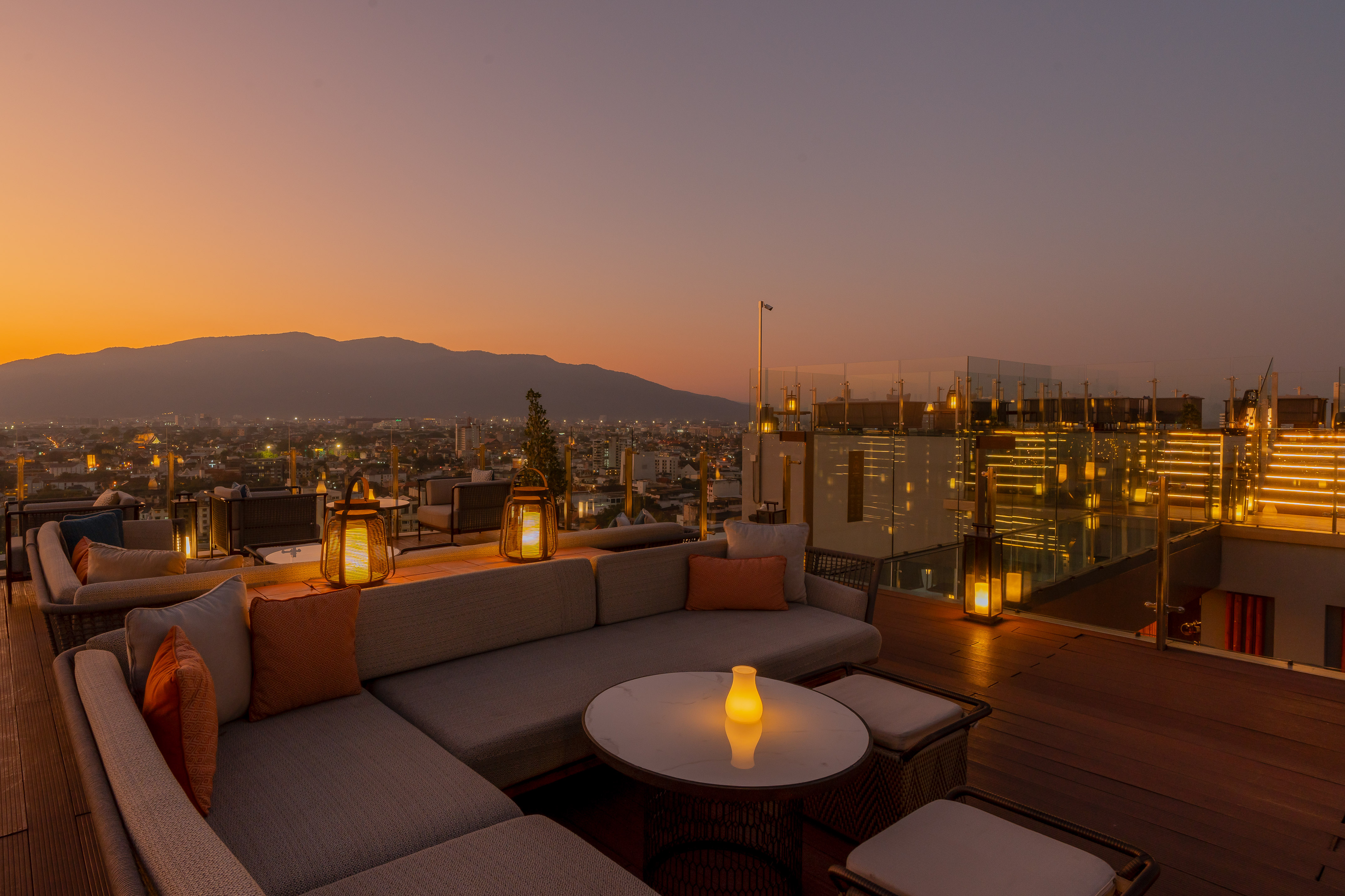
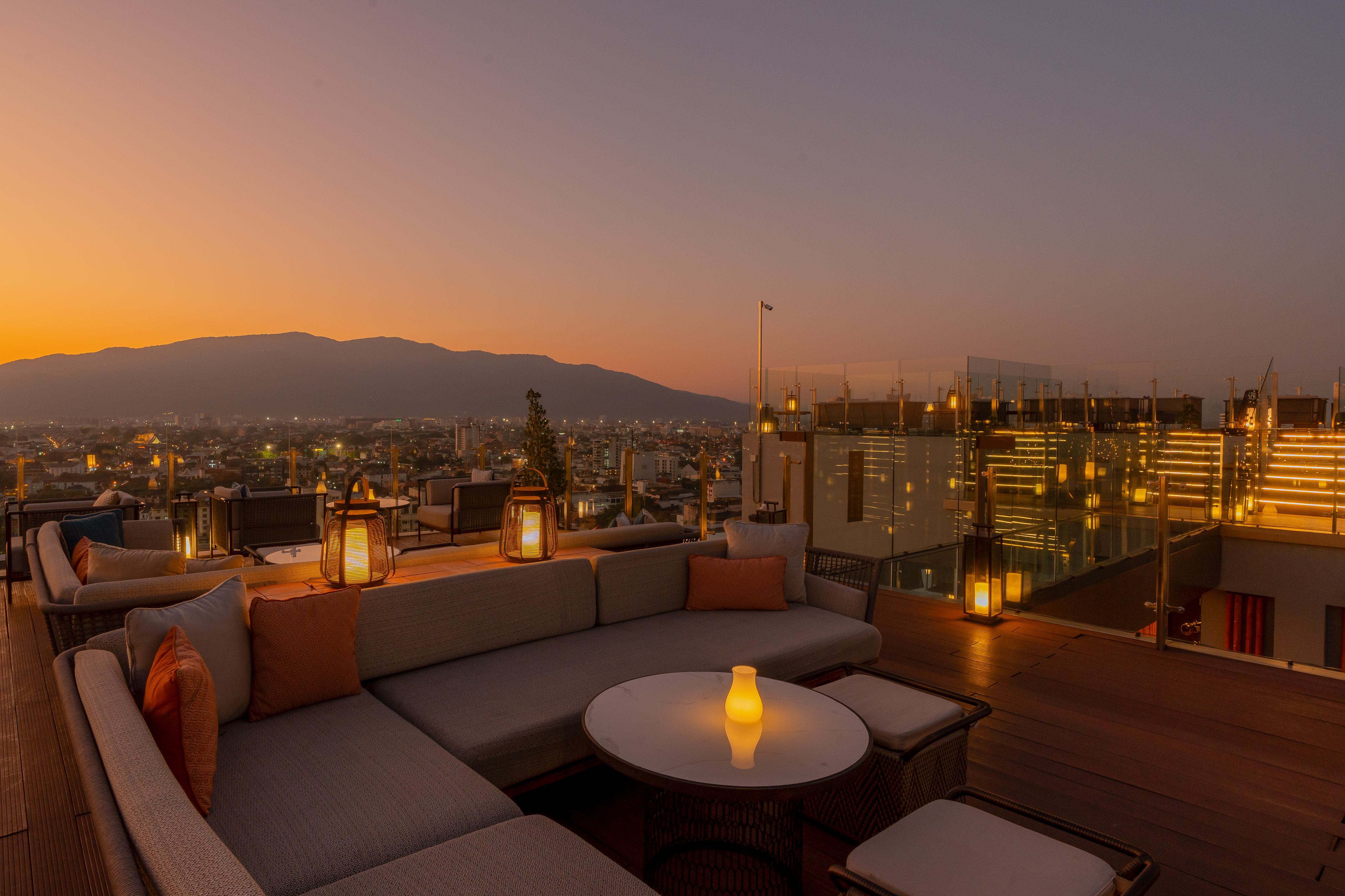
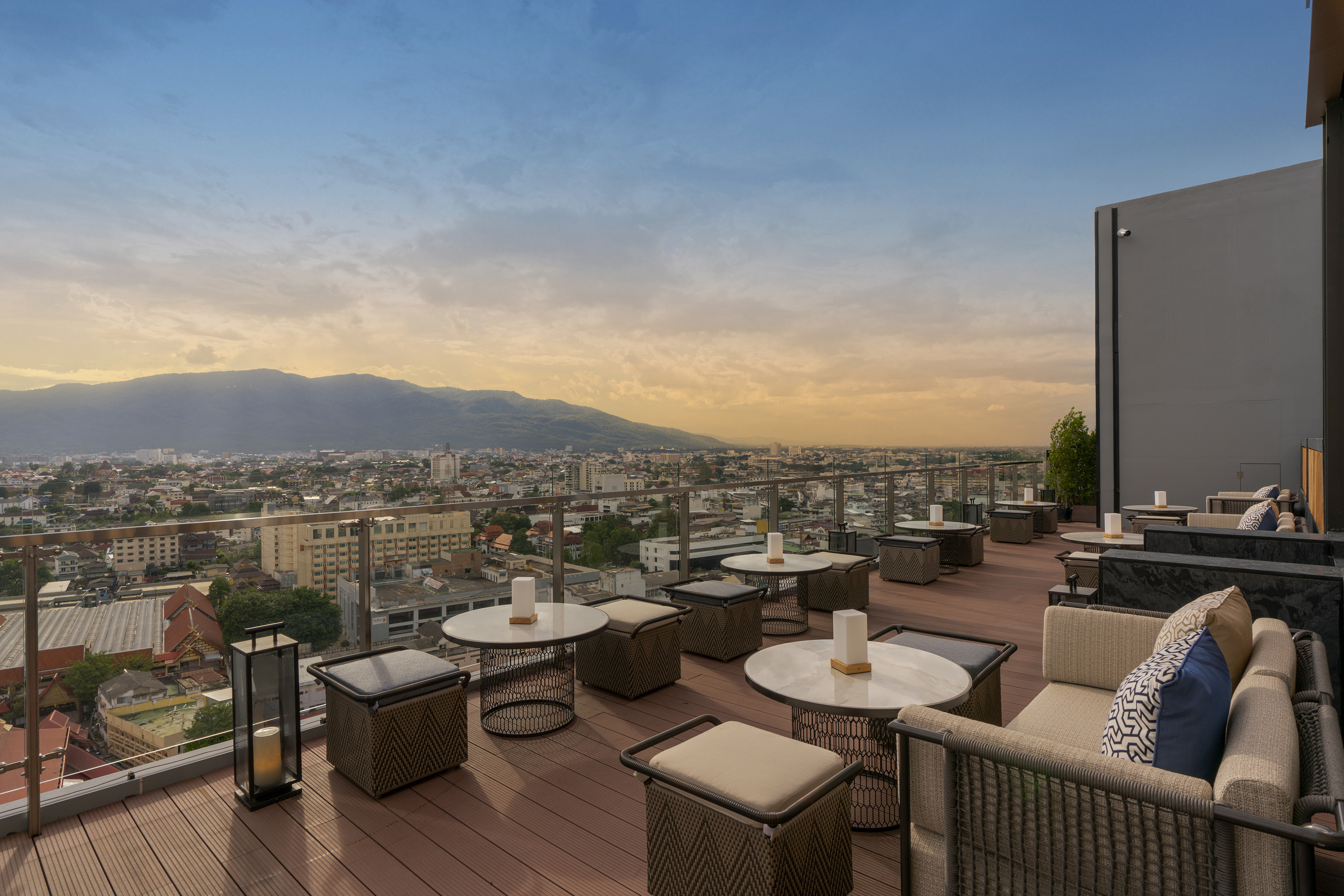
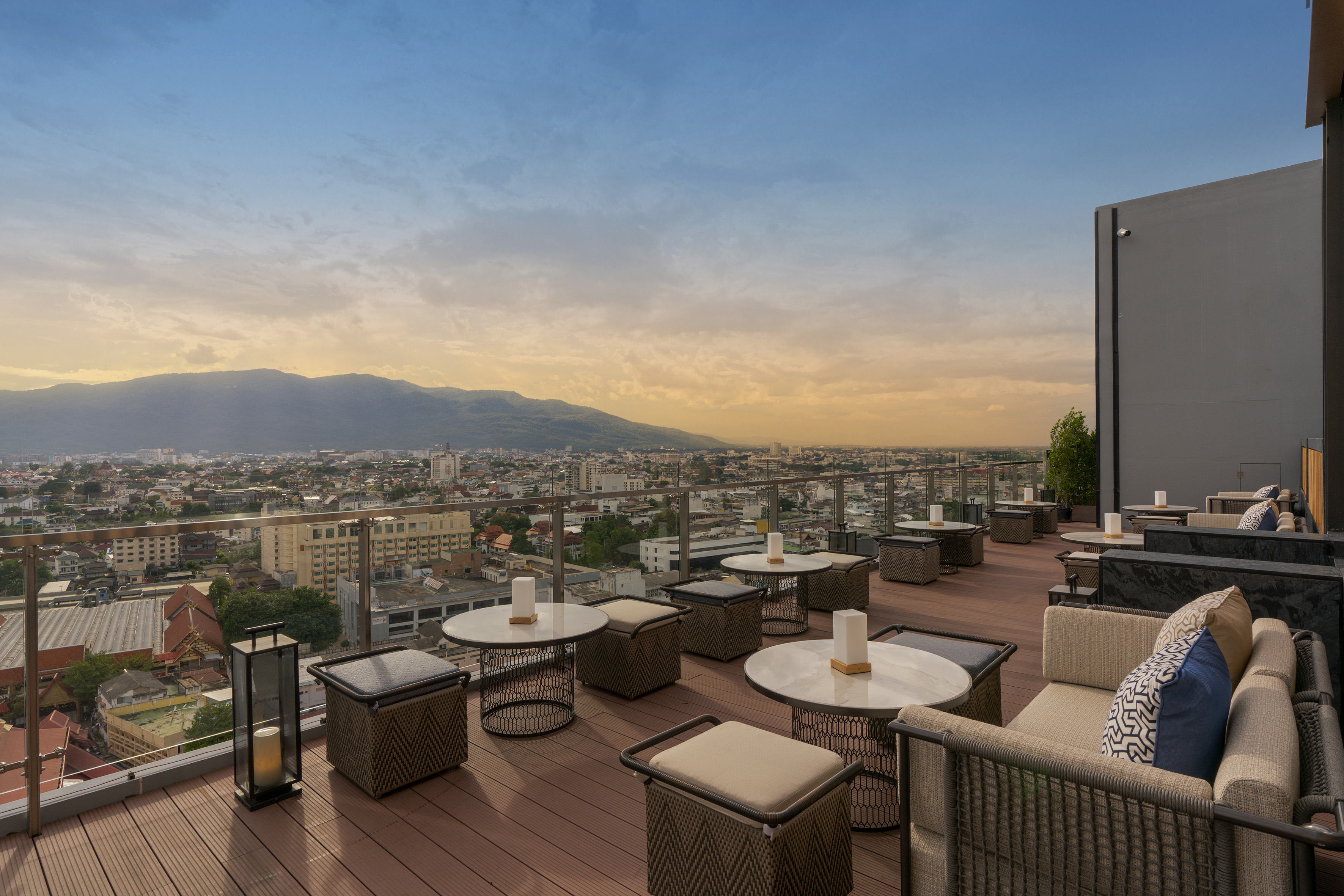
MAI The Sky Bar on the 22nd floor is the single best vantage point in the building, the only high-rise venue in the city with views over both the Ping River and Doi Suthep from the same terrace. West-facing tables catch the mountain sunset, while east-facing seats look out toward the river and the city lights coming on below.
That dual outlook is genuinely rare among hotels in this part of the city, most rooftop bars pick one view and build around it, while MAI The Sky Bar's layout lets a guest choose the river or the mountain depending on the mood, or simply move between the two bars joined by a glass walkway across the evening.
Independent travel press has singled out that exact detail too, both Condé Nast Traveler Middle East and the South China Morning Post have separately described the bar's two connected sections and its river-facing outlook as the property's own standout feature, not just marketing language from the hotel itself.
Arriving in the last hour of daylight makes the biggest difference to how the view actually looks, the ten minutes right after sunset over the mountain tend to produce the most striking sky before the terrace settles into its evening mood.
,regionOfInterest=(1771.5,1181.5))
,regionOfInterest=(1771.5,1181.5))
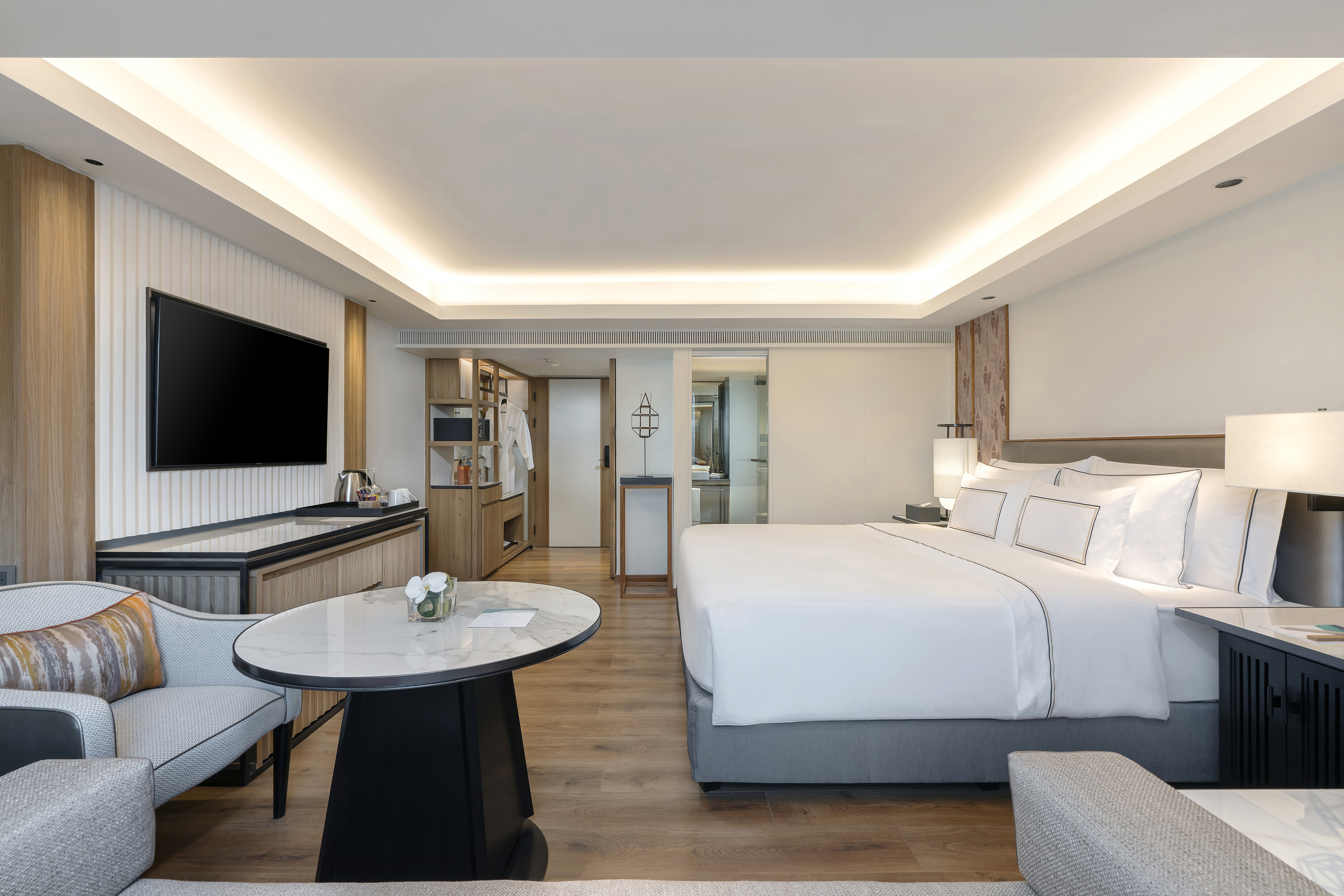
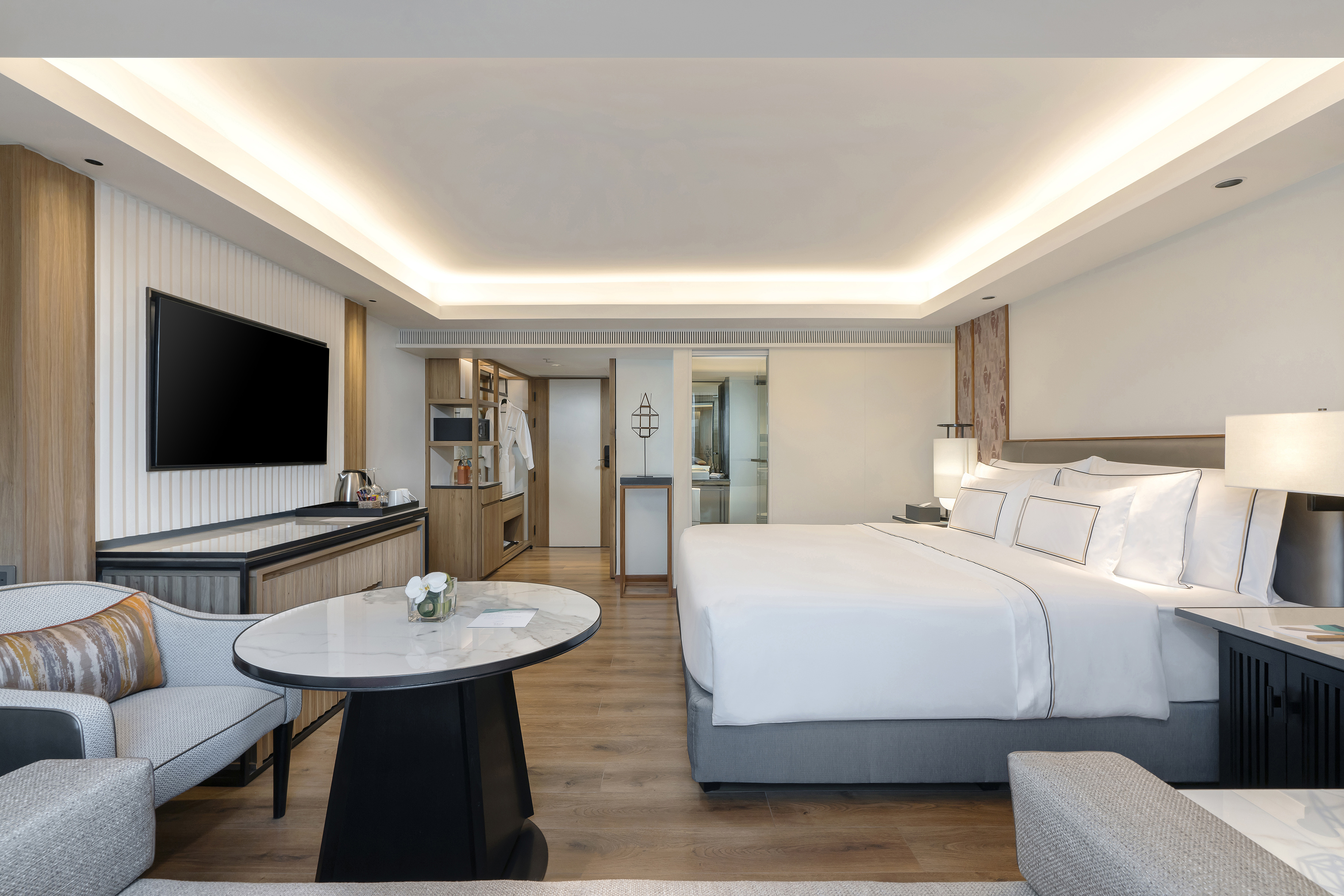
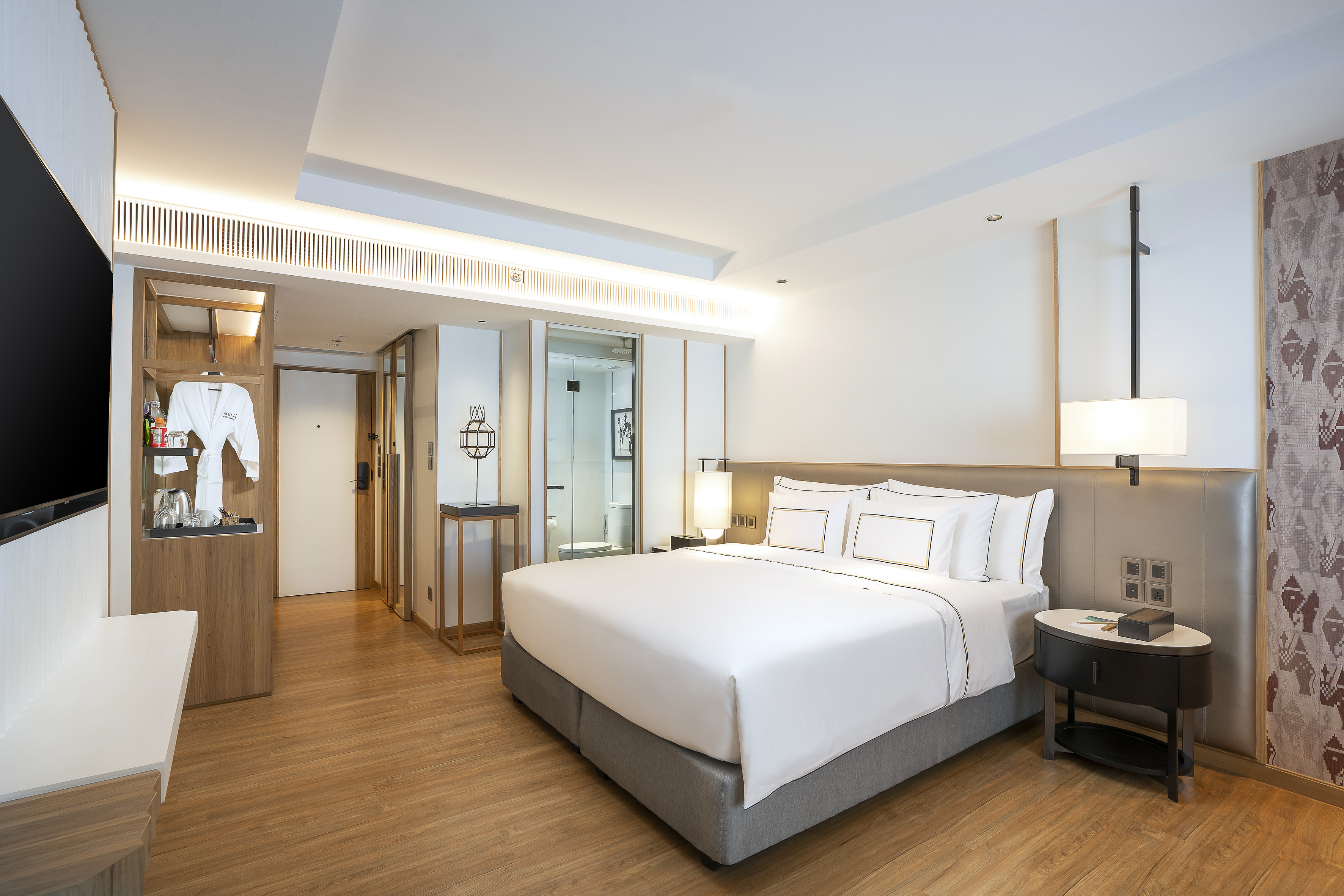
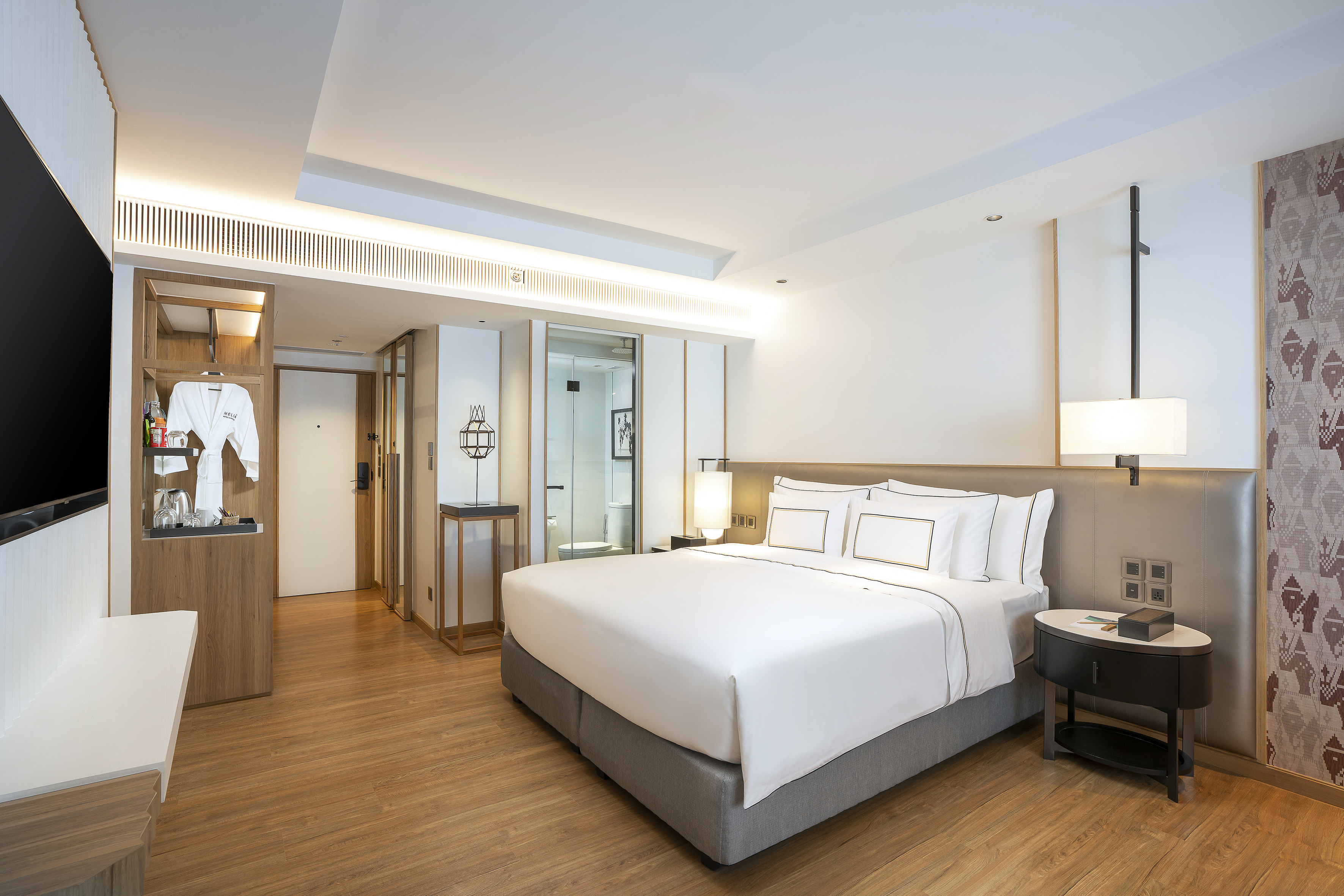
East-facing units in the Meliá Room are the ones most likely to pick up the Ping River sunrise, a genuinely different way to start the day than a city-view room facing inward toward the building's own courtyard or a neighbouring block.
When making the reservation, requesting an east-facing room and asking the hotel to confirm that it also overlooks the Ping River is worth doing to maximise the chances of catching that sunrise, rather than leaving it to chance at check-in. A quick note added to the reservation, or a direct call to the front desk ahead of arrival, is usually enough to flag the preference clearly.
West-facing rooms in the same category catch the Doi Suthep sunset instead, so the choice really comes down to whether a guest is more likely to be up for the sunrise or already out at dinner by sunset. Neither view requires an upgrade to a higher room category, just a specific request at booking.
,regionOfInterest=(1771.5,1181.5))
,regionOfInterest=(1771.5,1181.5))
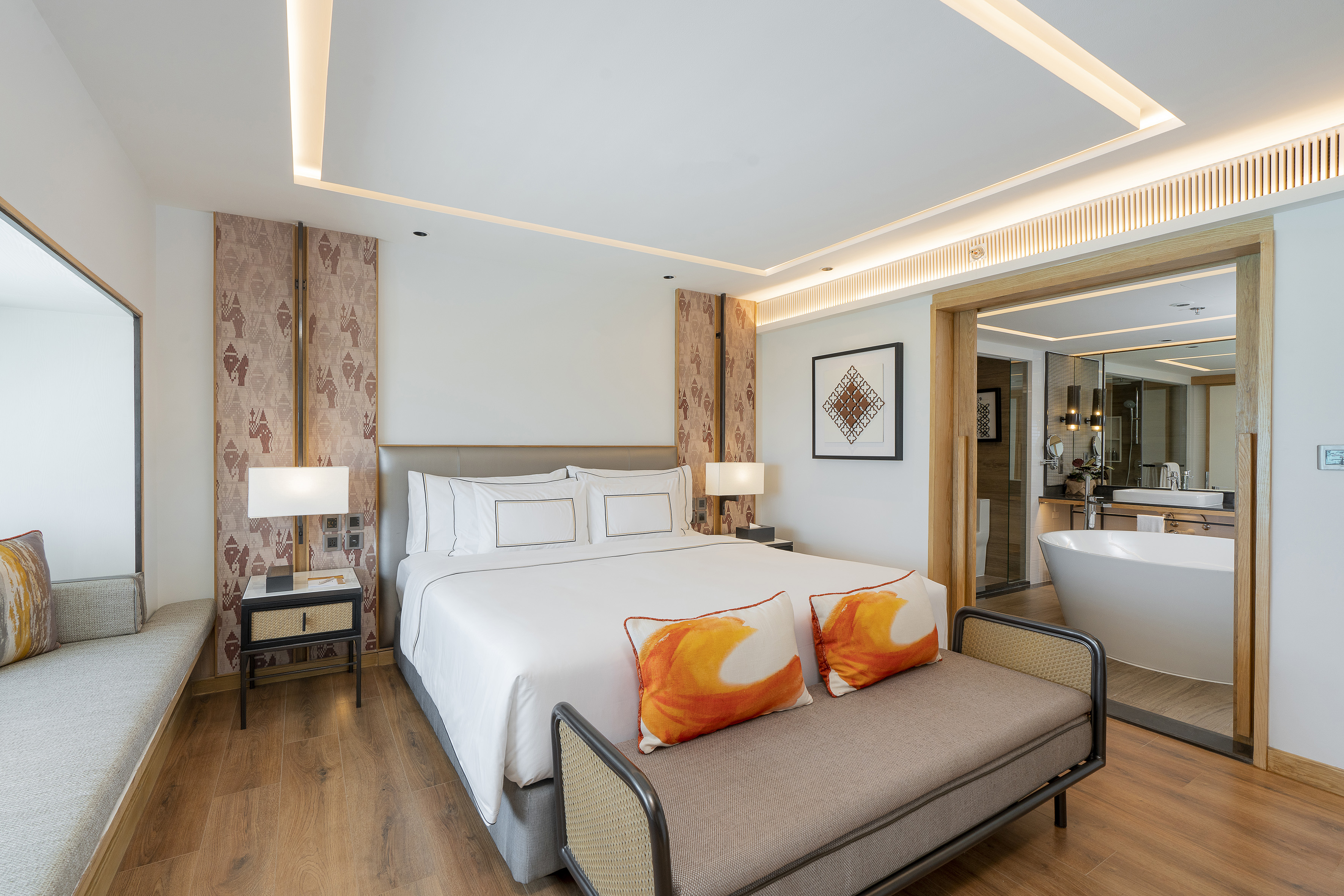
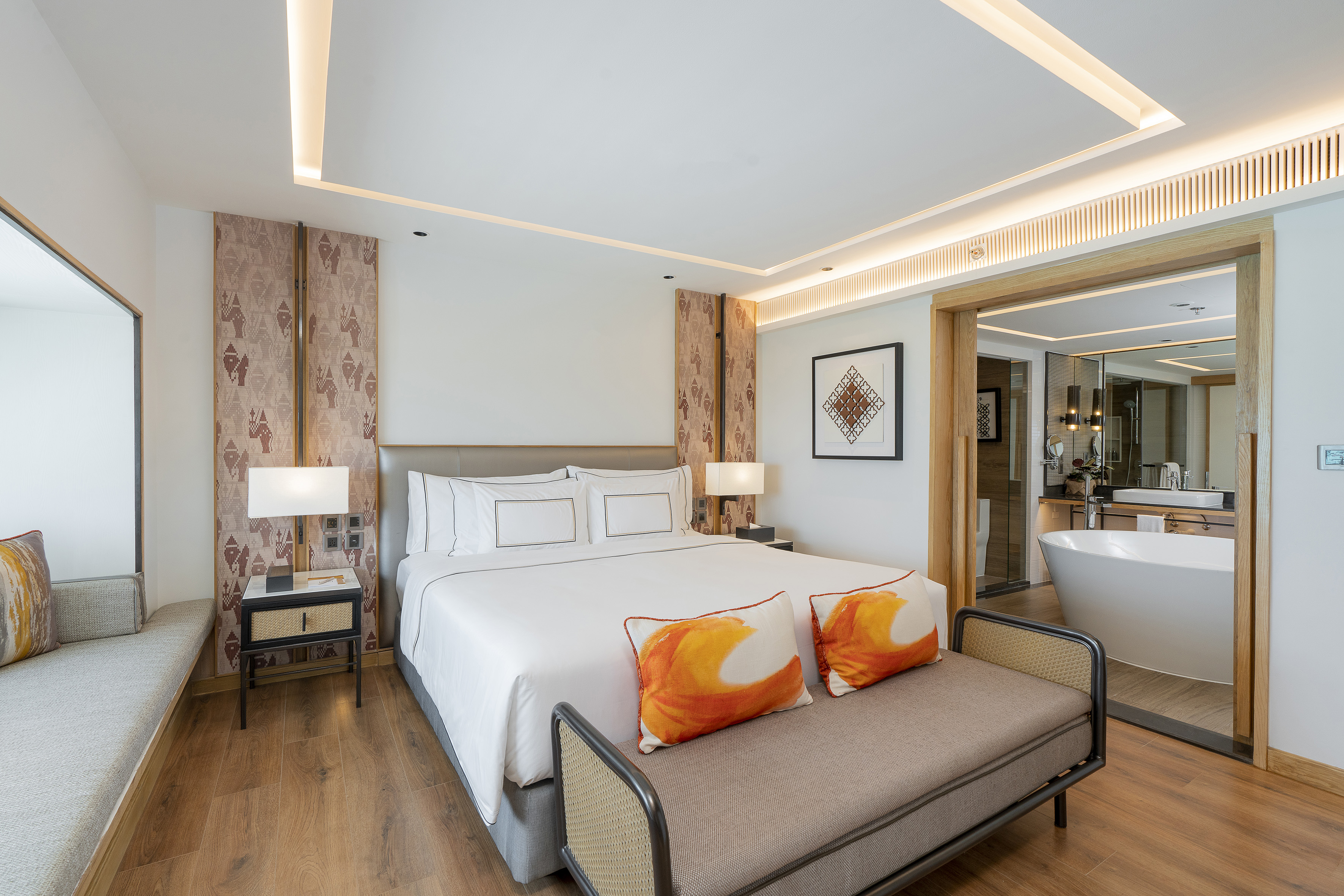
Beyond the entry-level Meliá Room, three further categories are worth knowing about for anyone specifically chasing a view when comparing the best riverfront hotels in Chiang Mai. Each one supports the same east-facing request, so upgrading for space does not mean giving up the view.
The Deluxe Room runs 36 square metres with a patio view, a step up in space that still supports an east-facing request for the same sunrise outlook as the entry-level category. The Premium Room goes further at 44 square metres with a king or twin layout and teakwood bedside tables, comfortable for two guests who want genuine room to spread out.
For a longer or more indulgent stay, The Level Suite adds 62 square metres of refined Thai-inspired decor on the upper floors, higher up in the building where the view stretches further across both the river and the mountains beyond it, with access to The Level lounge and a dedicated concierge.
|
Room Type |
Size |
Best For |
|
Meliá Room |
30 sqm |
Entry-level east-facing sunrise view |
|
Deluxe Room |
36 sqm |
A bit more space, same view request |
|
Premium Room |
44 sqm |
Two guests wanting genuine room |
|
The Level Suite |
62 sqm |
Higher floor, wider view, private lounge access |
,regionOfInterest=(2150,1433.5))
,regionOfInterest=(2150,1433.5))
For a first-time visitor trying to decide between a river-facing east room and a mountain-facing west room, the honest answer is that both are genuinely worth having, just at different times of day. Sunrise over the Ping tends to be a quieter, softer light, while sunset behind Doi Suthep from the same building leans more dramatic.
A guest who tends to sleep in past sunrise but always makes time for a rooftop drink at dusk probably genuinely gets more actual use out of a west-facing room, while an early riser who wants the view the moment they wake up should request east-facing specifically.
There is also a practical middle ground worth knowing about: MAI The Sky Bar's own layout means both views are available from the rooftop regardless of which direction the room itself faces, so a guest is never entirely locked out of either view for the length of the stay.
For a couple or a family torn between the two, treating the rooftop as the primary view and room orientation as secondary makes sense, since the terrace covers both directions regardless of which room ends up booked. Neither choice is wrong among the best riverfront hotels in Chiang Mai, the point is knowing what each direction actually offers.
,regionOfInterest=(1771.5,1181.5))
,regionOfInterest=(1771.5,1181.5))
Being near the river without being cut off from everything else in the city is really the practical case for staying here specifically. The Night Bazaar sits at the property's own doorstep, and the Old City temples are about 1.5 kilometres away, both easy to reach on foot or by a short songthaew ride.
Chiang Mai International Airport sits around 6 kilometres away, close to a 15 minute drive, short enough that a riverside sunset on arrival evening is a realistic plan rather than wishful thinking after a long flight. Airport transfers can also be arranged directly through the hotel ahead of time. Ahead of arrival is best.
That same central position also means a spontaneous plan change genuinely costs nothing, a riverside walk that runs long or a market stop that turns into an hour of browsing never derails the rest of the day when everything worth reaching sits within a short walk or a quick songthaew ride.
The Old Iron Bridge, built in 1921 during the reign of King Rama VI, is one of the more atmospheric spots along the Ping to actually stand on rather than just view from a window. It once served as an important crossing point and still makes for a scenic short walk today, with the newer Chansom Memorial footbridge nearby offering another way across the water.
Standing on the bridge itself at golden hour, looking back toward the city skyline with the river beneath, is a genuinely different, memorable photo than anything a hotel rooftop can offer, worth the short walk even for a guest who is not usually one for detours.
A morning visit works just as well for anyone who prefers a quieter crossing without the evening crowds, the river itself looks different in the softer early light, worth returning to more than once across a longer stay. Both times of day reward the short detour.
Read more: Chiang Mai Map 2026: Top Tourist Attractions & Hotels
,regionOfInterest=(1771.5,1181.5))
,regionOfInterest=(1771.5,1181.5))
A river-facing stay is only part of the picture, since dining and relaxation both sit close by too. Here's what rounds out the rest of a stay near the water.
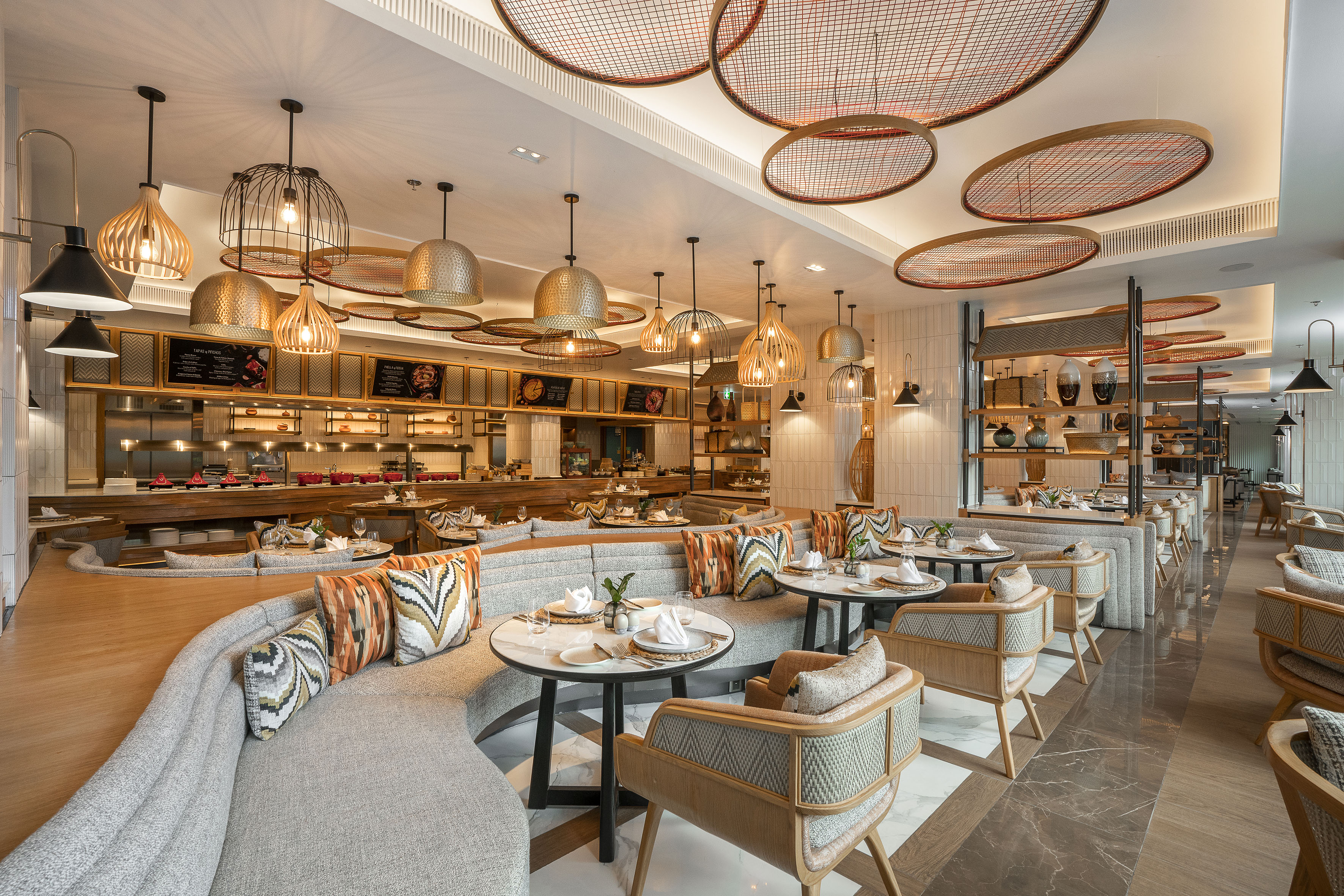
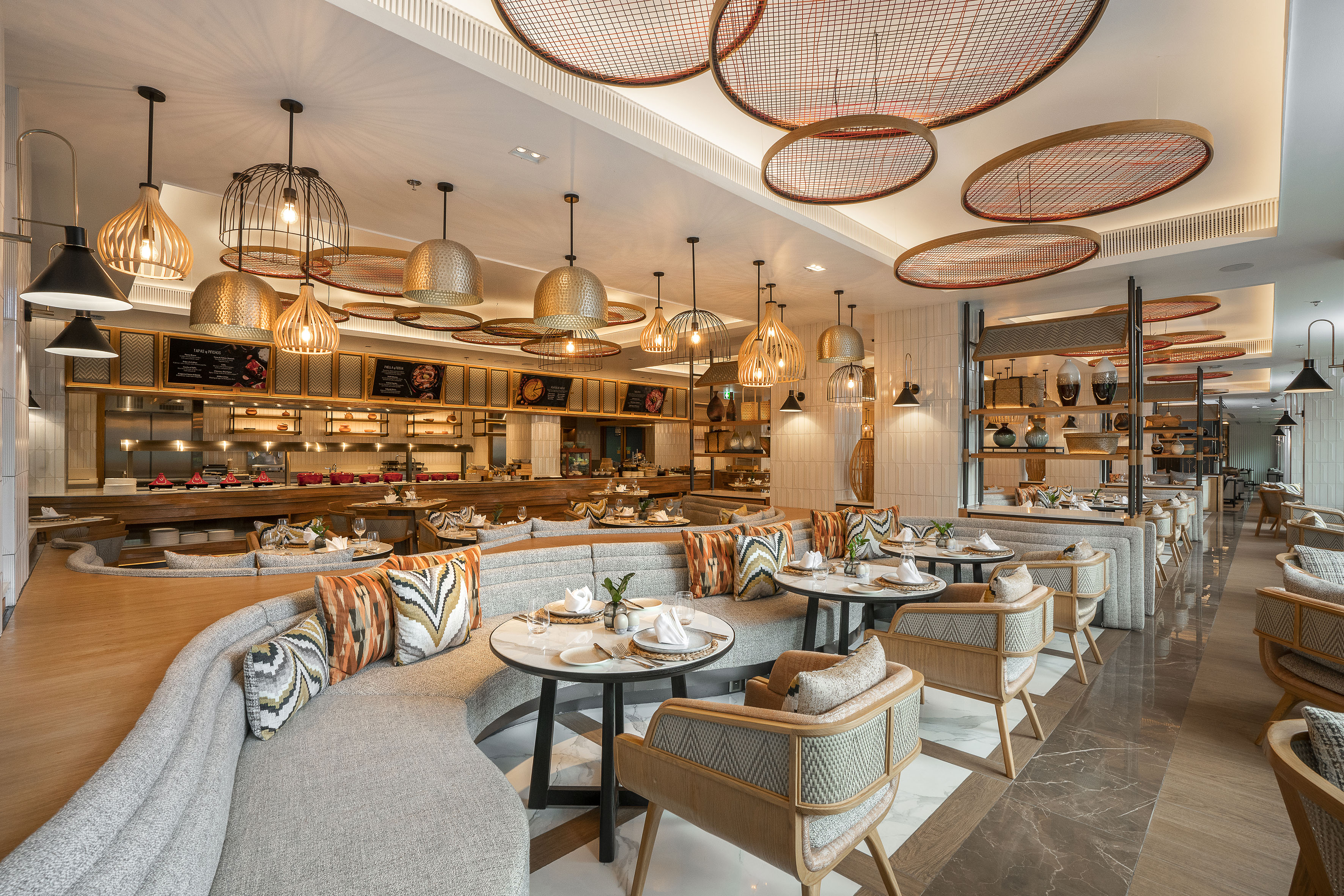
Mai Restaurant & Bar on the 21st floor serves contemporary Northern Thai cooking with floor-to-ceiling windows framing the city and river below, a fitting setting for a proper evening out during a riverside-adjacent stay.
Laan Na Kitchen on the first floor runs a more relaxed, all-day pace with a international menu, better suited to a casual meal between sightseeing than a formal dinner. Between the two, a multi-night stay can genuinely alternate moods without ever needing to leave the building.
Both venues draw on the same 360 Cuisine sourcing philosophy, organic produce grown close to the city, so the quality holds steady whichever pace suits a given evening. That consistency across both restaurants means switching between them never feels like a step down in quality, only in pace and formality.
,regionOfInterest=(1771.5,1181.5))
,regionOfInterest=(1771.5,1181.5))
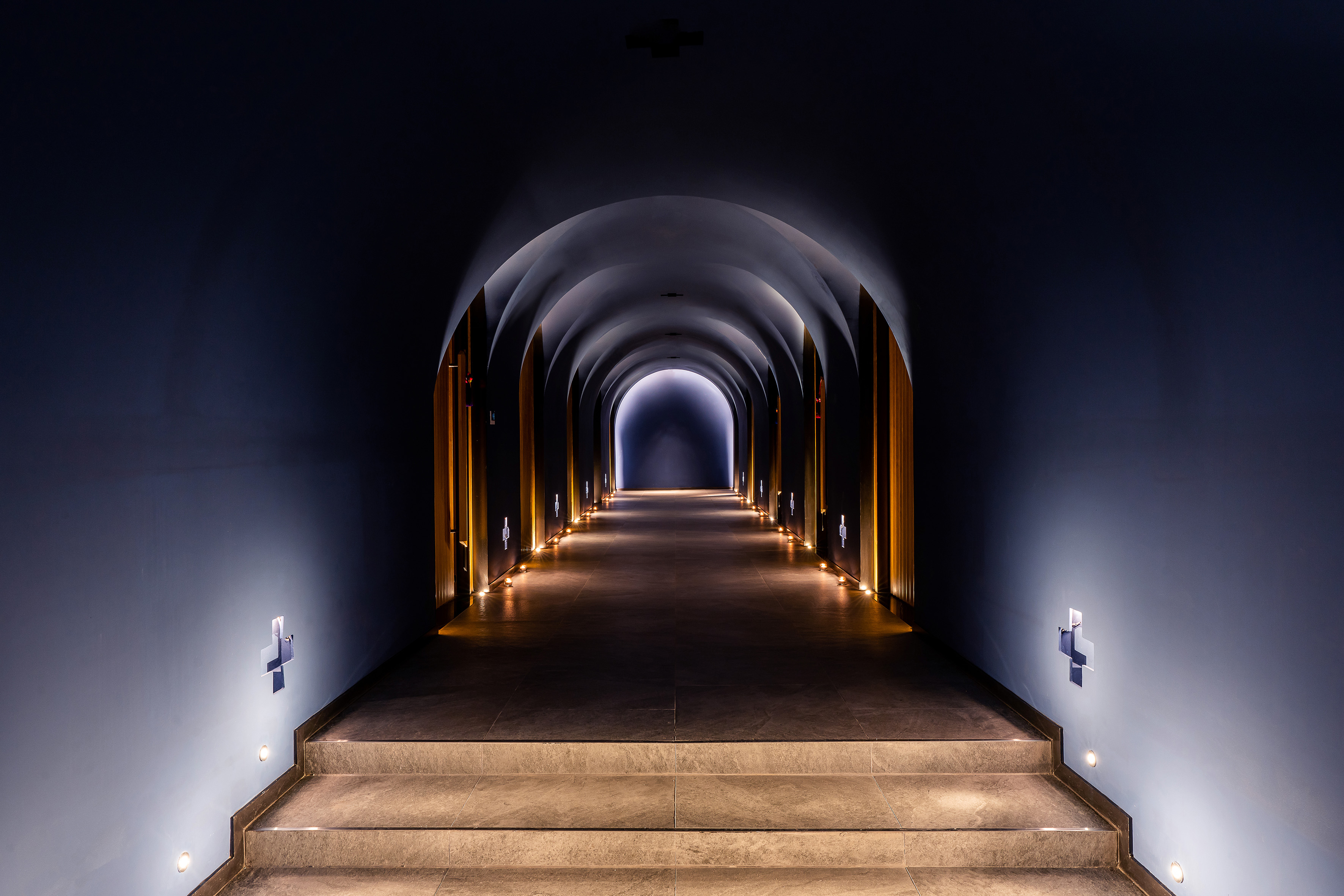
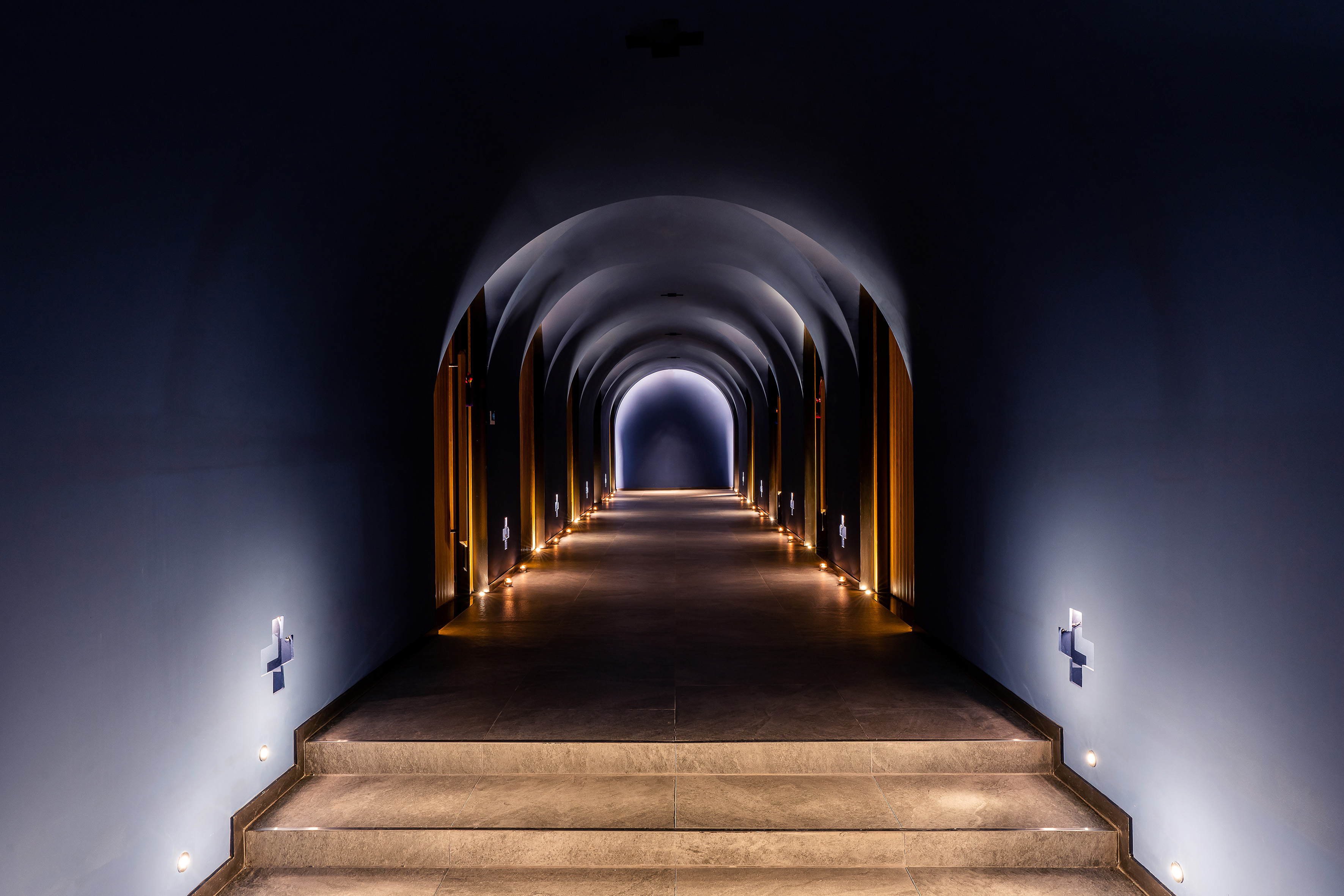
The outdoor pool and YHI Spa round out a riverside-adjacent stay for anyone who wants more than the view itself, a pool afternoon or a spa treatment between the river-facing sunrise and the rooftop sunset.
YHI Spa's seven treatment rooms and Herbal Blended Steam room make a genuinely restorative addition to a stay built around slower mornings and rooftop evenings rather than a packed sightseeing schedule every single day. Booking a couple's treatment is also worth considering for a shared afternoon rather than two separate bookings that happen to run at the same time.
The underwater theme running through each treatment room echoes the river theme running through the rest of the stay, a small design detail that ties the spa back into the same sense of place as the rooftop and the river-facing rooms. It is a small touch, but a deliberate one.
Booking a treatment for the early afternoon, ahead of a rooftop sunset later that evening, tends to make for a genuinely well-paced day rather than trying to fit everything into a single rushed itinerary. Both YHI Spa and the pool sit within easy reach of the room, no separate transport needed either way.
,regionOfInterest=(1771.5,1181.5))
,regionOfInterest=(1771.5,1181.5))
Booking a river-facing room directly through melia.com rather than a third-party site is worth doing specifically for a view-focused stay, since a direct booking allows a specific room preference request to be noted and confirmed ahead of arrival rather than left to whatever the front desk has available at check-in.
Direct bookings also tend to include small extras that third-party listings often skip, complimentary wifi and a genuine point of contact for any pre-arrival requests, useful details for anyone planning a stay specifically around a view. A pre-arrival room preference request is one of the clearest examples, rarely something a third-party booking channel passes along accurately.
Joining MeliáRewards costs nothing and earns points toward a future stay too, worth doing before a trip built specifically around finding one of the best riverfront hotels in Chiang Mai, since the savings on a direct booking rate free up a little more of the budget for everything else on the trip.
Checking the direct member rate before assuming a third-party listing is cheaper is worth the two extra minutes, member rates are usually the most competitive option available. For a longer stay, accumulated MeliáRewards points can genuinely meaningfully offset a future trip back to the same river view.
,regionOfInterest=(1771.5,1181.5))
,regionOfInterest=(1771.5,1181.5))
The cool season from November through February brings the clearest skies and the most reliable sunset and sunrise views over the water, both from a river-facing room and from the rooftop, since haze and rain are least likely to interrupt the view during these months.
The rainy season from roughly June through October can swell the Ping noticeably after a heavy afternoon downpour, a dramatic sight from a rooftop vantage point but occasionally a muddier, less photogenic view up close. Rates across the city tend to soften during these months, a fair trade for travellers who do not mind the occasional cloudy sunset.
The hot season from March through May pairs with the region's dry burning season, when haze can genuinely dull a river view for stretches at a time. Anyone booking specifically for the view is better served targeting the cool season months rather than risking a hazy week during peak heat.
,regionOfInterest=(2150,1433))
,regionOfInterest=(2150,1433))
Between rooftop views over both the Ping River and Doi Suthep, sunrise-facing rooms, and a central location that keeps the rest of the city close, Meliá Chiang Mai covers what most searches for the best riverfront hotels in Chiang Mai are actually looking for.
Book a river-facing Meliá Room directly at Meliá Chiang Mai, request an east-facing room, and ask the hotel to confirm the Ping River view to maximise the chances of catching that sunrise from the first morning.
,regionOfInterest=(1771.5,1181.5))
,regionOfInterest=(1771.5,1181.5))
Meliá Chiang Mai sits close to the Ping River at the edge of the Night Bazaar precinct, with river views from east-facing rooms and from MAI The Sky Bar's rooftop terrace, though it is worth noting the property sits near the river rather than being a true riverbank address.
For anyone specifically comparing the best riverfront hotels in Chiang Mai, this kind of transparency about what 'riverfront' actually means for a given property is worth more than a headline claim on a booking site.
Yes, east-facing Meliá Rooms are the ones most likely to catch the Ping River sunrise (worth confirming the specific room's outlook when booking), and MAI The Sky Bar on the 22nd floor offers views over both the Ping River and Doi Suthep from the same rooftop terrace.
Deluxe, Premium, and Level Suite categories can all request the same east-facing orientation, so the view is not limited to a single entry-level room type. West-facing rooms and the rooftop terrace both look toward Doi Suthep instead, so a guest never has to choose only one direction for the whole stay.
Yes, the Night Bazaar sits at the property's own doorstep, and the Ping River is close by, both easily reachable on foot without needing to arrange transport. That combination of a central, walkable location and genuine river views is really what distinguishes this from a hotel that is simply somewhere in the general vicinity of the water.
The Wat Ket area and Iron Bridge are also within easy reach by songthaew for anyone who wants to explore further along the riverbank. Both make for a genuinely different afternoon than another temple visit or another round of Night Bazaar shopping.
The stretch around the Night Bazaar and Charoen Prathet Road genuinely offers the most practical base, close to the river itself while staying within walking distance of the Old City temples and the city's main restaurants and shops.
Among the best riverfront hotels in Chiang Mai, this area consistently balances proximity to the water against genuine walkability better than a quieter, more isolated riverside stretch further from the city centre. A quieter stretch further from the centre might sit closer to the water itself, but usually at the cost of the walkability that makes a Night Bazaar-adjacent stay so practical.
,regionOfInterest=(3067,2036))
,regionOfInterest=(3067,2036))
,regionOfInterest=(3008,2008))
,regionOfInterest=(3008,2008))
,regionOfInterest=(3680,2456))
,regionOfInterest=(3680,2456))
,regionOfInterest=(1944,1296))
,regionOfInterest=(1944,1296))
,regionOfInterest=(2857.5,1856.5))
,regionOfInterest=(2857.5,1856.5))