,regionOfInterest=(1771.5,1181))
,regionOfInterest=(1771.5,1181))
Best Riverfront Hotels in Chiang Mai 2026: Stay Near the Ping River
,regionOfInterest=(1771.5,1181.5))
,regionOfInterest=(1771.5,1181.5))
Culture
,regionOfInterest=(3680,2456))
,regionOfInterest=(3680,2456))
,regionOfInterest=(500,500))
,regionOfInterest=(500,500))
All-terrain writer specialising in tourism, fashion and trends. A curious soul, traveller, reader and sports enthusiast, keen to discover every corner of the world.
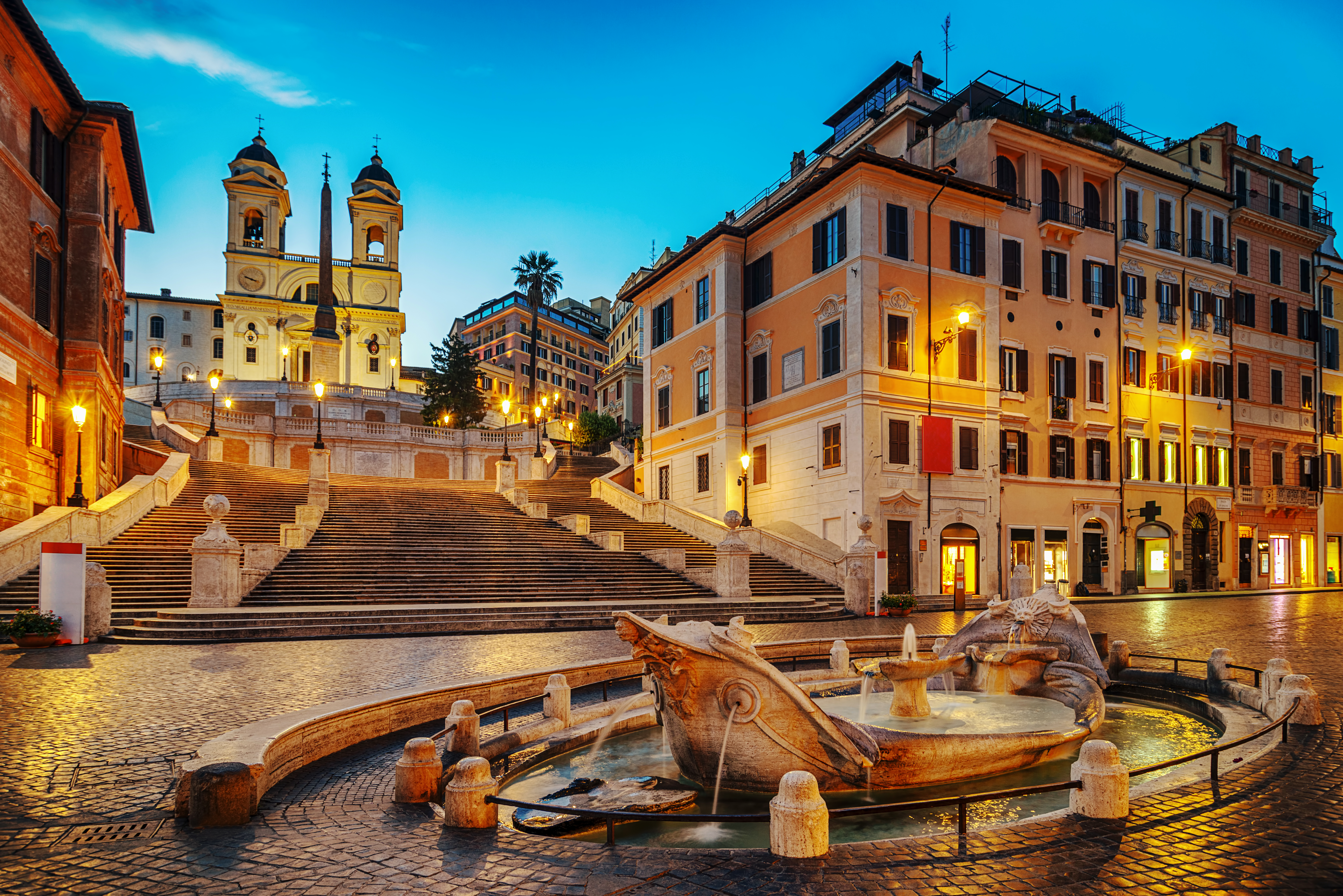
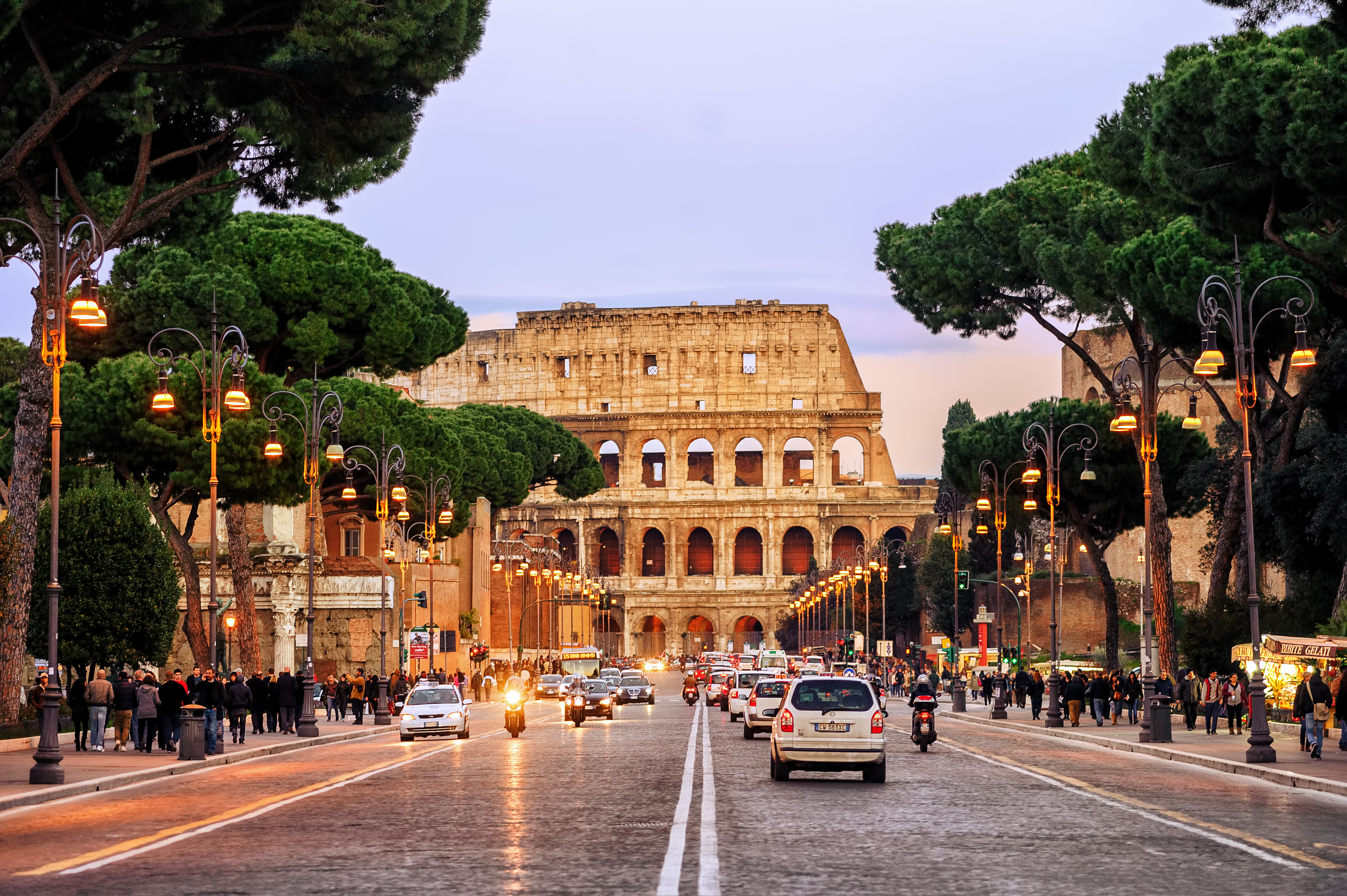
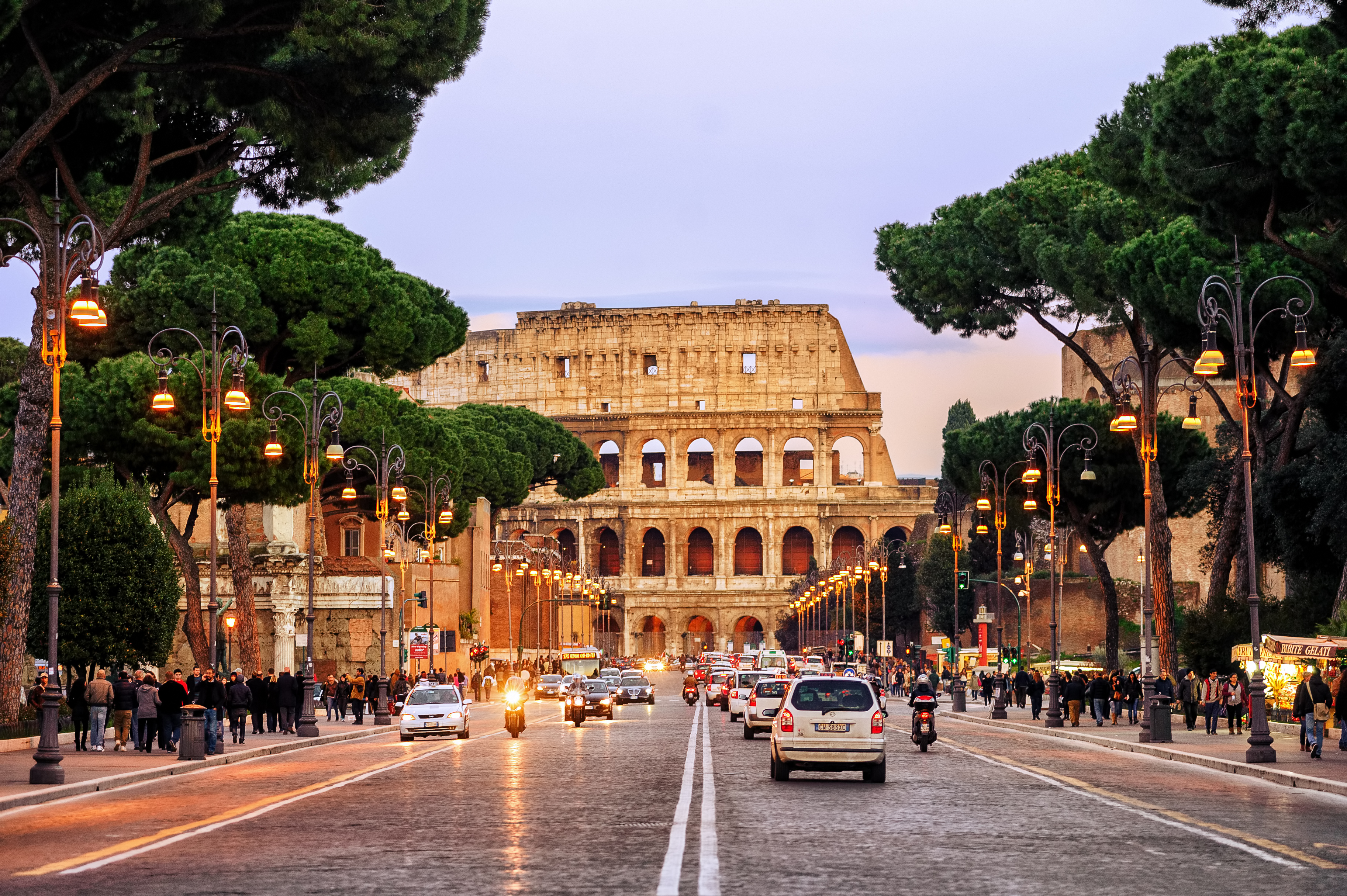
Rome experiences Christmas amidst Baroque squares, illuminated streets, nativity scenes, and traditions that are part of the city's history. During these weeks, the festive atmosphere spreads from the historic centre to neighbourhoods such as Prati, while shop windows, patisseries, and markets incorporate products and decorations typical of this time of year.
The Christmas markets in Rome have a different character to those in the great Alpine cities. Here, the focus is especially on Piazza Navona, where the Festa della Befana combines commercial stalls with one of the most deep-rooted traditions of the Roman Christmas. Piazza Mazzini offers a more local alternative, surrounded by the everyday life of the Prati neighbourhood.
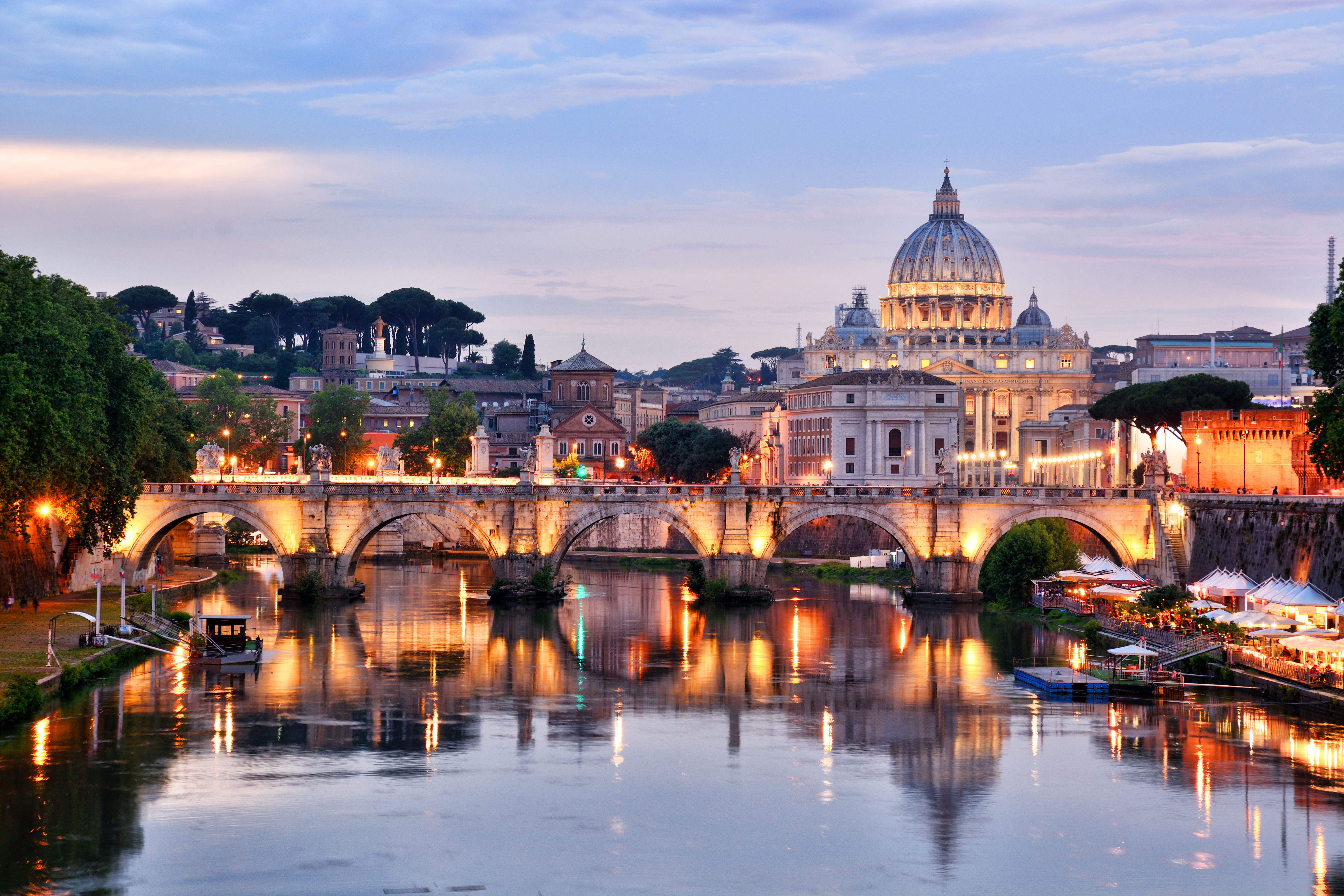
Exploring these markets also allows you to discover a Christmas closely linked to Roman gastronomy and customs. Pangiallo, dried fruits and nuts, and traditional recipes for Christmas Eve accompany nativity scenes, toys, decorations, and gifts. All this in a city where a Christmas day can begin among market stalls and continue with a stroll past the Pantheon, the Vatican, or the historic streets of the centre.
,regionOfInterest=(3000,2000))
,regionOfInterest=(3000,2000))
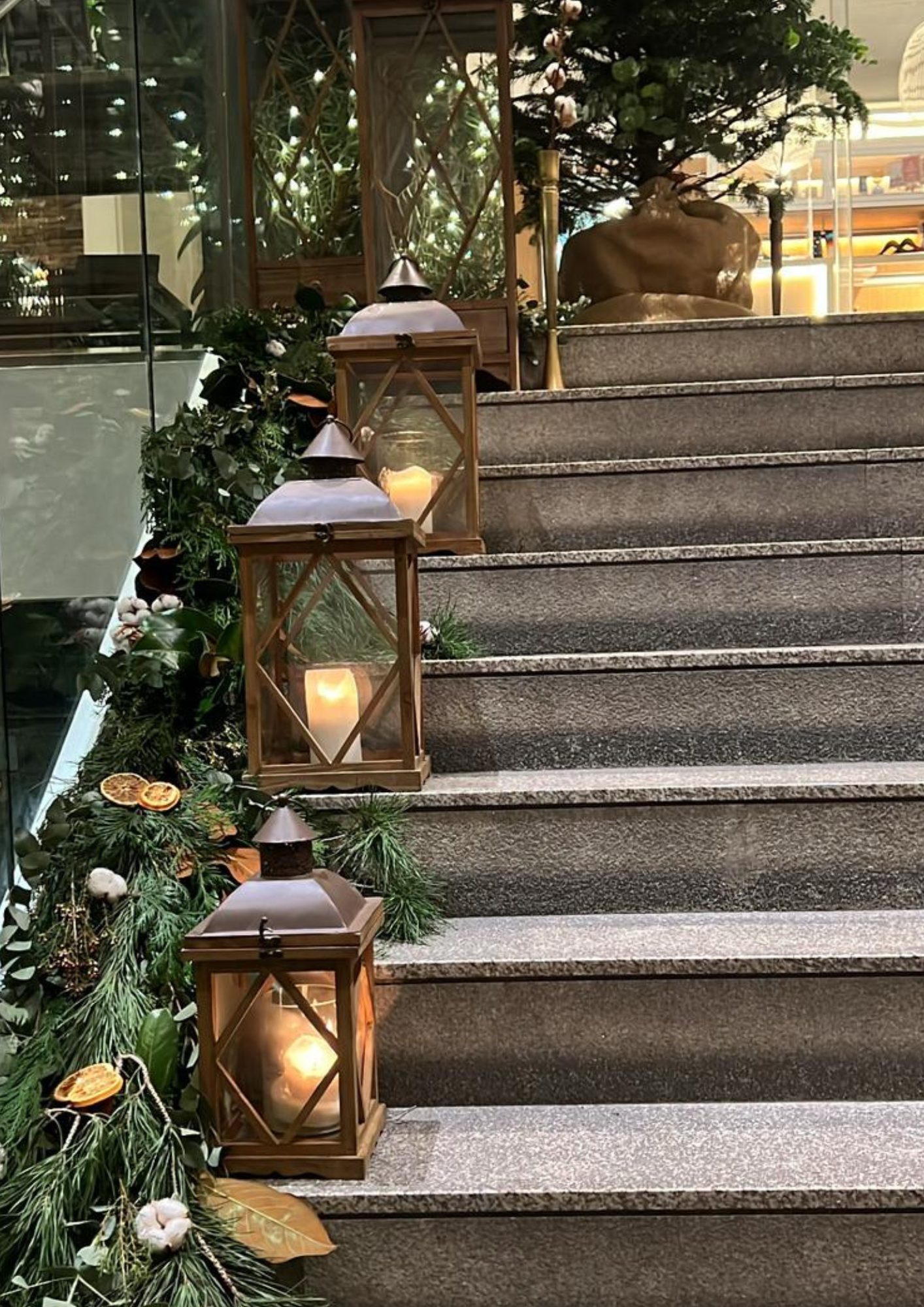,regionOfInterest=(707,1000))
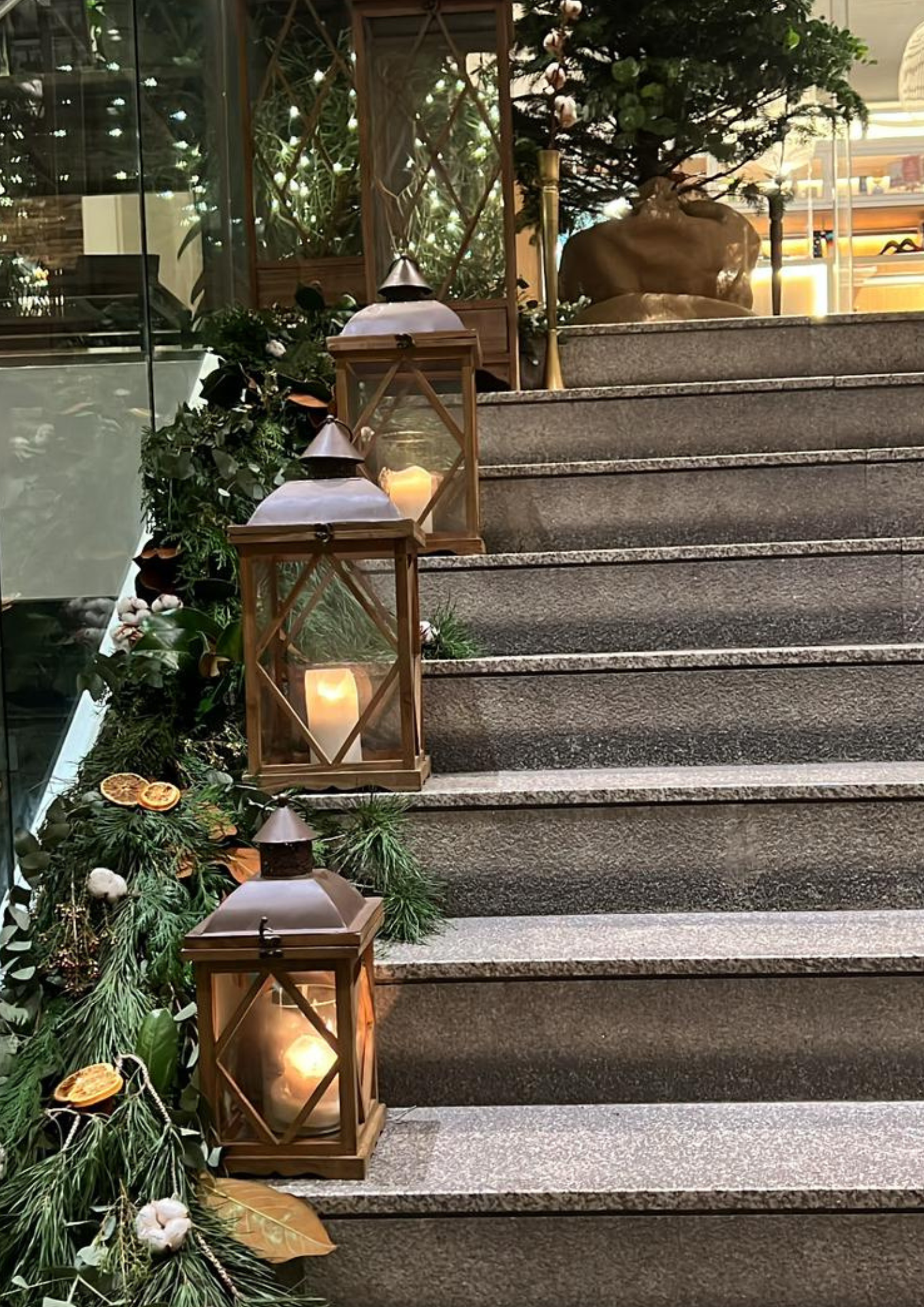,regionOfInterest=(707,1000))
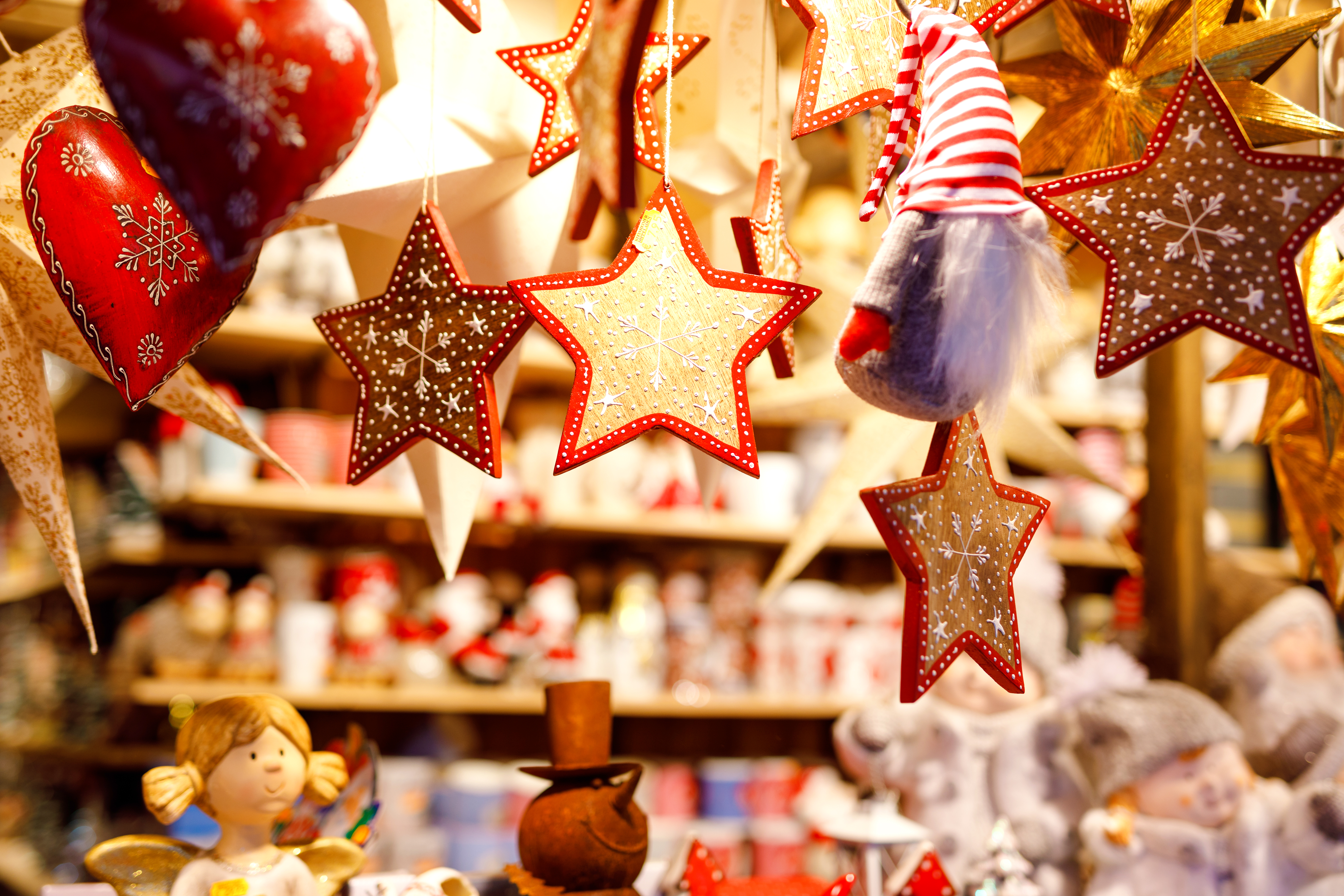,regionOfInterest=(3000,2000))
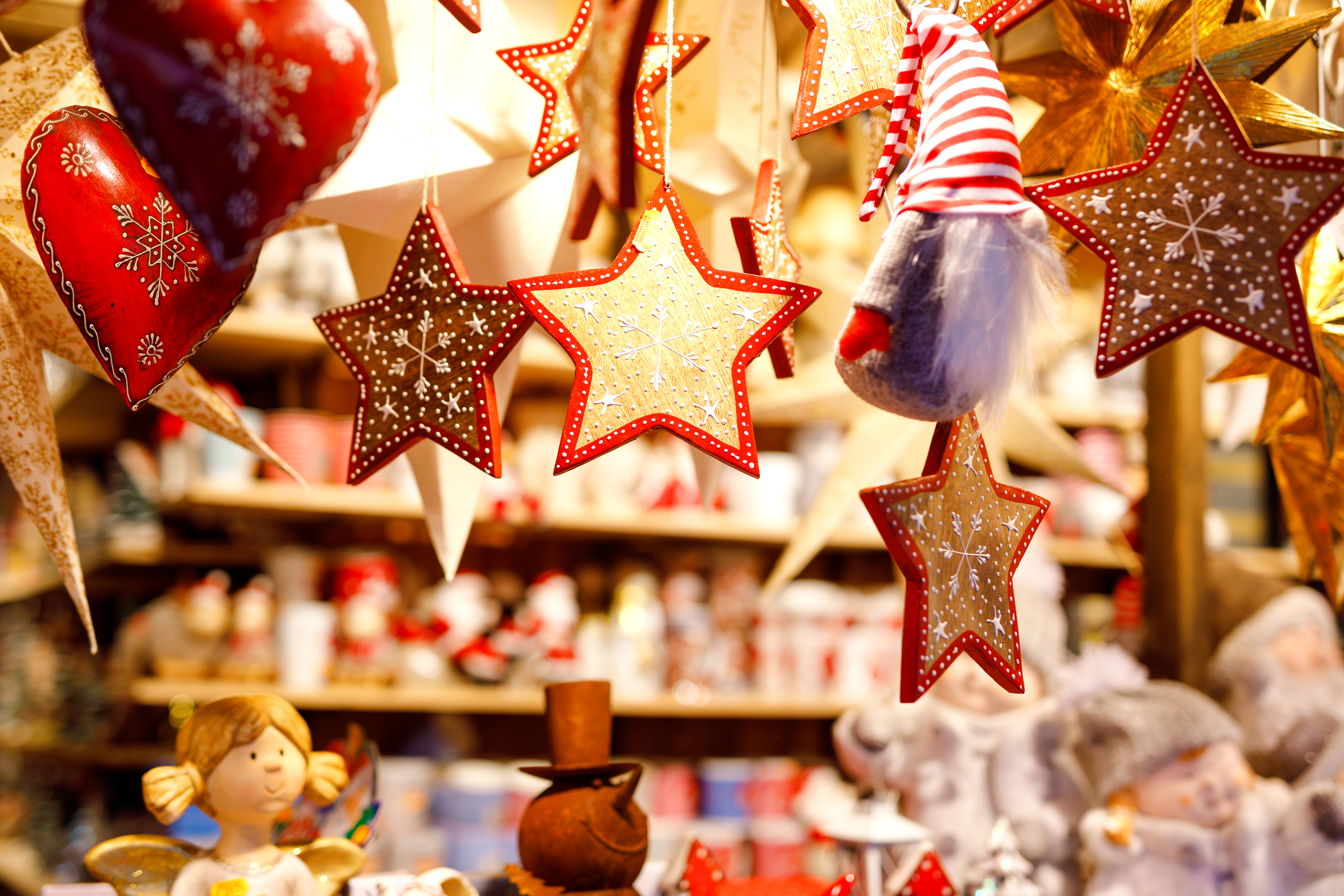,regionOfInterest=(3000,2000))
,regionOfInterest=(2150,1433))
,regionOfInterest=(2150,1433))
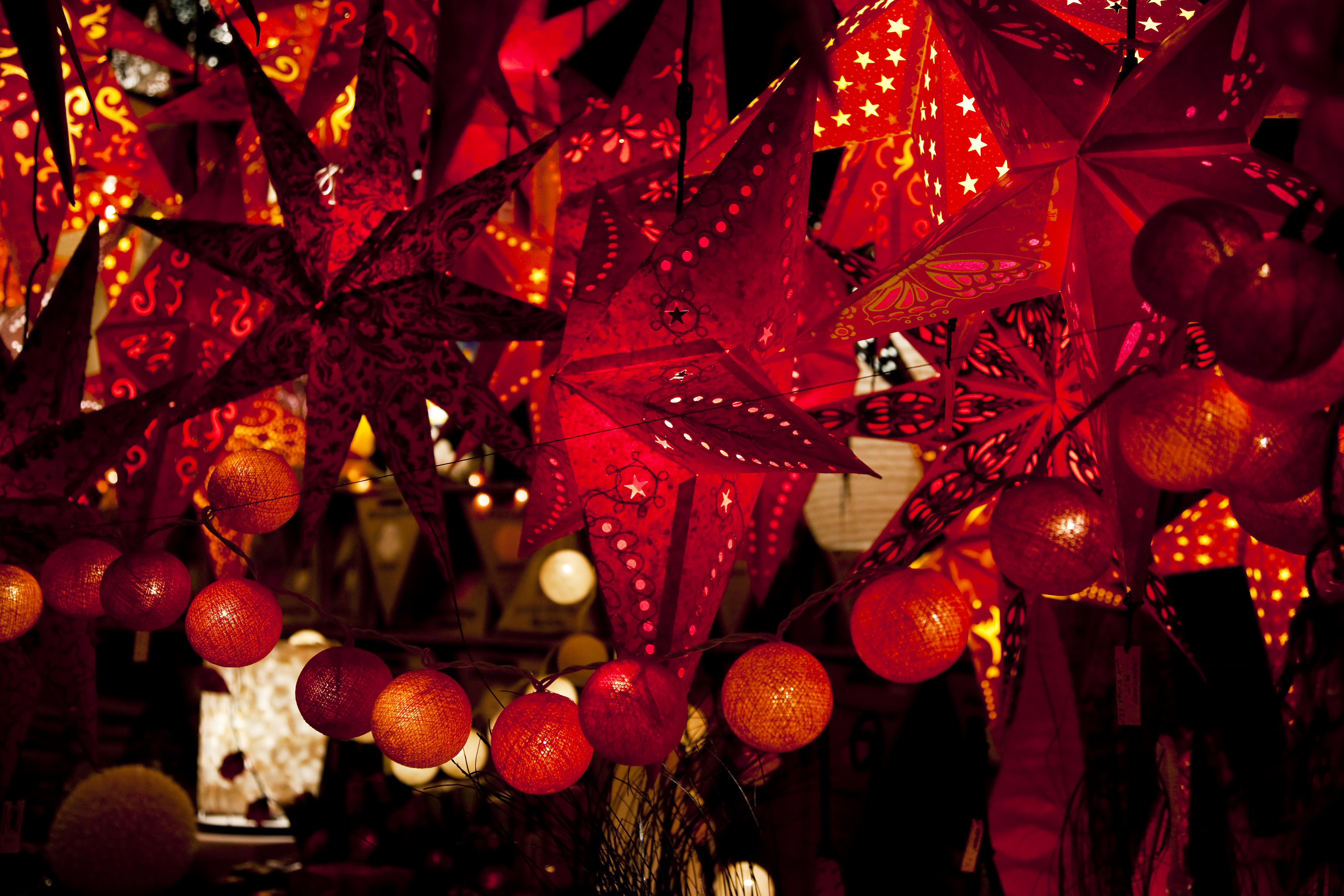
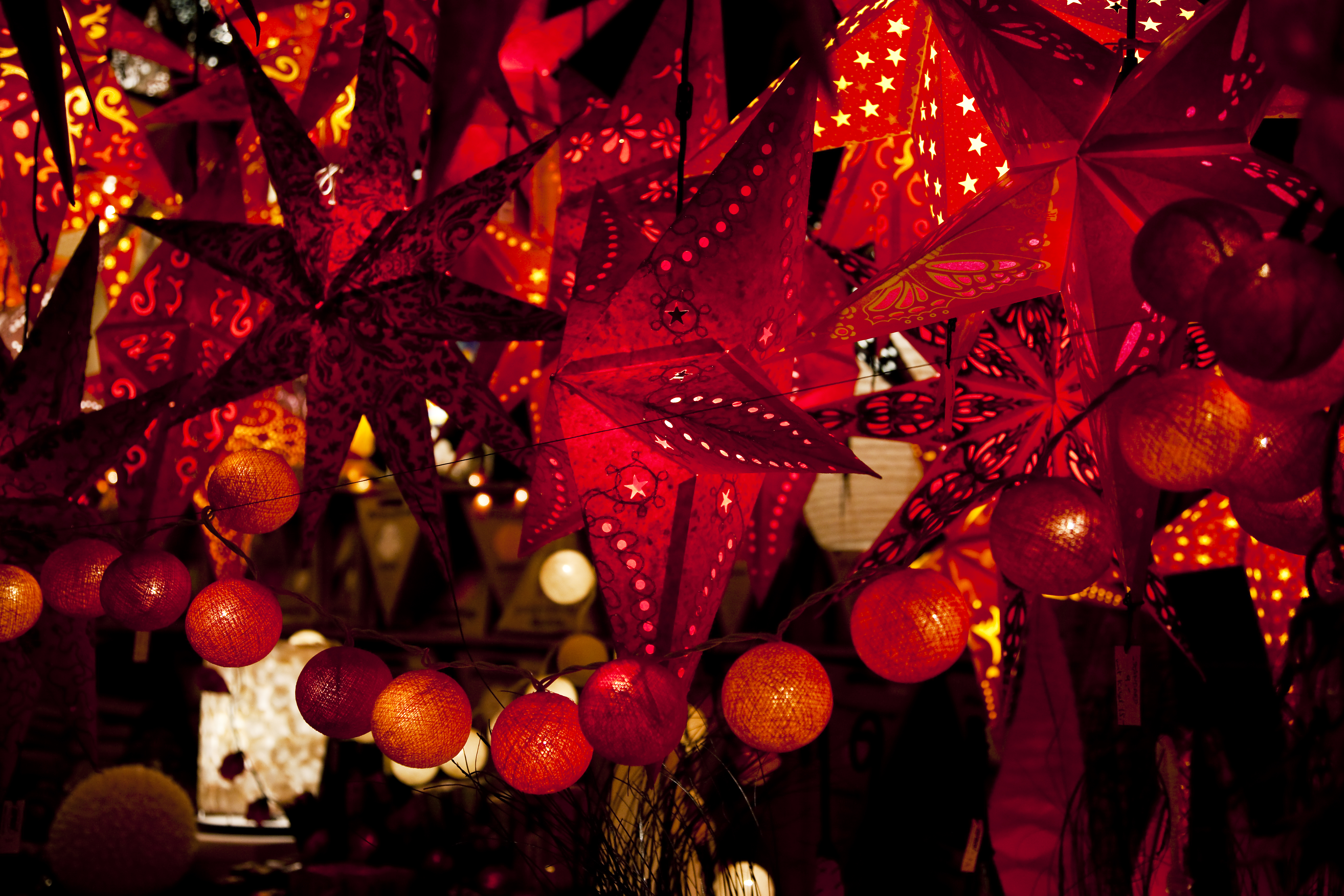
The Roman Christmas combines religious traditions, gastronomy, and popular celebrations. Presepi, or nativity scenes, have an especially important presence in churches and religious spaces in the city, while squares and shopping streets incorporate Christmas lighting and decorations.
Piazza Navona represents one of the most popular expressions of these holidays. Its celebration is closely related to the Befana, a character from Italian tradition associated with the Epiphany. The Festa della Befana brings together commercial activity and proposals aimed especially at families and children. Roma Capitale officially maintains this celebration and has scheduled its editions until the 2027-2028 season.
The table is another essential element. Roman Christmas gastronomy distinguishes between the Christmas Eve dinner and the lunch on 25 December. The former has a marked focus on fish and vegetables, while at Christmas, dishes such as stracciatella, cappelletti alla romana, capon, and abbacchio appear.
Among the sweets, the pangiallo romano stands out, traditionally made with dried fruits and nuts and historically linked to the winter solstice. Torrone is also among the sweets documented by Turismo Roma for these dates.
The Christmas markets in Rome are mainly concentrated during December, although there is no single calendar for the whole city. Each market has its own dates, and these can change from one season to another.
The Festa della Befana in Piazza Navona is the clearest reference for 2026. Roma Capitale published a call for tenders for the editions between 2025-2026 and 2027-2028 and establishes that the celebration takes place annually from the beginning of December until the Epiphany.
Piazza Mazzini also has a real Christmas market documented by Turismo Roma. Its previous edition brought together wooden stalls with typical and artisanal products, nativity scenes, decorations, sweets, and gastronomic specialities. However, the published calendar corresponds to the 2025-2026 season and is not used as an official date for 2026-2027.
For this reason, the specific dates appear only in the file for each market. When there is no specific official confirmation for 2026, they remain as pending confirmation.
Rome does not have a range of large Christmas markets comparable in number to that of some Central European destinations. For this selection, only real markets have been prioritised, documented by official sources and with commercial stalls.
| Market | Editorial rating | Location | Ideal for |
|---|---|---|---|
| Festa della Befana di Piazza Navona | ★★★★★ | Piazza Navona | Roman tradition and family atmosphere |
| Villaggio di Natale di Piazza Mazzini | ★★★★☆ | Prati | Crafts, gifts, and neighbourhood atmosphere |
,regionOfInterest=(1825.5,1214.5))
,regionOfInterest=(1825.5,1214.5))
Piazza Navona hosts the Christmas market most closely related to the traditions of Rome. Its location allows you to walk through the stalls surrounded by the Baroque architecture of the square and by monuments such as Bernini's Fontana dei Quattro Fiumi.
Official documentation from Roma Capitale expressly confirms the commercial nature of the Festa della Befana. The call for tenders for the editions between 2025-2026 and 2027-2028 includes stalls dedicated to food and non-food products. Among the authorised categories are Christmas trees and decorations, nativity scenes, toys, children's books, and various artisanal products.
The celebration also maintains a strong relationship with the Epiphany. Roma Capitale describes the arrival of the Befana as one of the central moments of the festival and documents activities aimed at families and children.
It is the Roman market with the greatest official backing for the 2026-2027 season, as its calendar is established within a multi-year call for tenders.
🗓️ Dates: 1 December 2026 – 6 January 2027.
📍 Location: Piazza Navona, Rome.
Piazza Mazzini offers an alternative to the market in the historic centre. Located in Prati, the square has gardens designed by Raffaele de Vico where its traditional Christmas market is set up around the central fountain.
Turismo Roma confirms that the Villaggio di Natale in Piazza Mazzini is a real market with wooden stalls. In its documented edition, you could buy typical and artisanal products, nativity scenes, Christmas decorations, traditional sweets, gastronomic specialities, and gift ideas.
Its location in Prati allows you to incorporate it into a day in this area of Rome and offers a different atmosphere to that of Piazza Navona, more related to the everyday life of the neighbourhood.
Turismo Roma currently publishes the calendar for the 2025-2026 edition. As there is no equivalent confirmation for the following season, those dates are not carried over to 2026.
🗓️ Dates: pending confirmation for 2026.
📍 Location: Giardini di Piazza Mazzini, Rome.
Gastronomy is one of the best ways to understand the Roman Christmas. It is worth distinguishing, however, between the products that can be found in a market and the traditional recipes that belong to family meals at this time of year.
Christmas Eve has a marked focus on fish. Turismo Roma documents a traditional menu with peeled prawns, baby octopus, marinated eel, and pickles as starters. Among the first courses are brodo d'arzilla, made with skate, and spaghetti with clams.
The meal can continue with grilled fish or prawns and a fried dish featuring vegetables such as cauliflower or broccoli, artichokes and courgettes, as well as cod fillets. Tangerines, oranges, dried fruits and nuts, pangiallo, and torrone complete the repertoire collected by Rome's official tourism source.
The Christmas Lunch changes the menu. Turismo Roma documents stracciatella or cappelletti alla romana in broth, capon, and breaded abbacchio chops, accompanied by vegetables. These recipes are part of the Roman gastronomic tradition and are not presented as products necessarily available in the markets.
The pangiallo romano deserves a special mention among the sweets. Turismo Roma traces its origins back to ancient Rome and links its preparation to the winter solstice. Its traditional ingredients include dried fruits and nuts, raisins, candied fruit, and spices.
When shopping, Piazza Navona officially has commercial categories related to Christmas trees and decorations, nativity scenes, toys, children's books, and crafts. Piazza Mazzini, according to its last documented edition, incorporates crafts, decorations, nativity scenes, sweets, and gastronomic specialities.
The Epiphany has special importance in the Roman Christmas calendar. For this reason, Piazza Navona maintains its Festa della Befana during the period after Christmas and New Year.
Documentation from Roma Capitale confirms that the editions included in the multi-year call for tenders end coinciding with the Epiphany. The municipal programme for the last season also identifies the arrival of the Befana as the conclusion of the celebration.
Piazza Mazzini also lasted until Epiphany in the 2025-2026 edition, according to Turismo Roma. However, that data belongs exclusively to that season and is not used to establish the closing of the 2026-2027 edition.
Therefore, Piazza Navona is currently the market in this selection whose 2026-2027 calendar can be established with official backing. The closing of Piazza Mazzini remains pending confirmation.
,regionOfInterest=(2808,1872))
,regionOfInterest=(2808,1872))
Meliá Hotels International has Villa Agrippina Gran Meliá in Rome, which allows you to use the same base to visit the historic centre and other parts of the capital.
No specific minutes or distances are indicated without a specific check of the route, thus avoiding presenting estimates as objective data.
| Hotel | Nearby market | Distance/transport | Approximate time | Advantage |
|---|---|---|---|---|
| Villa Agrippina Gran Meliá | Festa della Befana di Piazza Navona | Travel through the centre of Rome | According to route | Base for exploring Rome and its main monumental areas |
The markets are only part of the Roman celebrations. Nativity scenes maintain a strong presence during these dates and are part of the city's religious and artistic tradition.
Gastronomy allows you to continue the tour even far from the stalls. Trying a pangiallo or discovering some of the traditional recipes for Christmas Eve and Christmas lunch allows you to get closer to holidays with their own culinary identity.
The Befana is another of the great protagonists. Its relationship with Piazza Navona explains why the Roman festive period does not end immediately after New Year. The celebration continues until the Epiphany, when this family tradition reaches its climax.
It is also worth distinguishing the atmospheres. Piazza Navona offers the most recognisable monumental and Baroque setting, while Piazza Mazzini allows you to approach a market integrated into the Prati neighbourhood. They are two different ways to discover the Christmas markets of Rome without attributing to the city events whose 2026 edition is not yet accredited.
Rome thus allows you to combine heritage, gastronomy, and customs without the markets being the only objective of the trip. A morning can begin among stalls and continue among churches, squares, monuments, and traditional patisseries.
And when evening falls, Rome celebrates Christmas amidst illuminated squares, nativity scenes, traditional sweets, and historic streets that seem made to prolong the walk a little longer.
,regionOfInterest=(3744,2496))
,regionOfInterest=(3744,2496))
Culture
,regionOfInterest=(2852,1899.5))
,regionOfInterest=(2852,1899.5))
,regionOfInterest=(3067,2036))
,regionOfInterest=(3067,2036))
,regionOfInterest=(3008,2008))
,regionOfInterest=(3008,2008))
,regionOfInterest=(1944,1296))
,regionOfInterest=(1944,1296))
,regionOfInterest=(2857.5,1856.5))
,regionOfInterest=(2857.5,1856.5))