The best areas to stay in the Riviera Maya
,regionOfInterest=(2150,1471))
,regionOfInterest=(2150,1471))
Holidays
,regionOfInterest=(1258,1408))
,regionOfInterest=(1258,1408))
,regionOfInterest=(500,500))
,regionOfInterest=(500,500))
All-terrain writer specialising in tourism, fashion and trends. A curious soul, traveller, reader and sports enthusiast, keen to discover every corner of the world.
With thousands of kilometres of coastline spread between the Pacific Ocean, the Caribbean Sea, and the Gulf of California, choosing the best beaches in Mexico is a truly complicated task, as each one offers a very different experience depending on the coast you choose, with a variety of landscapes that is hard to find in a single country
From white sand beaches and turquoise waters to volcanic coves or corners barely known to tourism, here is a tour of the most outstanding beaches in Mexico, with options for all types of travellers. In addition, I will also tell you which beaches to visit in Mexico to avoid sargassum (a floating macroalgae that, although vital for the marine ecosystem, accumulates massively on the Caribbean coasts due to climate change), aware that for many it is one of the main concerns when preparing for a trip.
,regionOfInterest=(5090,2324.5))
,regionOfInterest=(5090,2324.5))
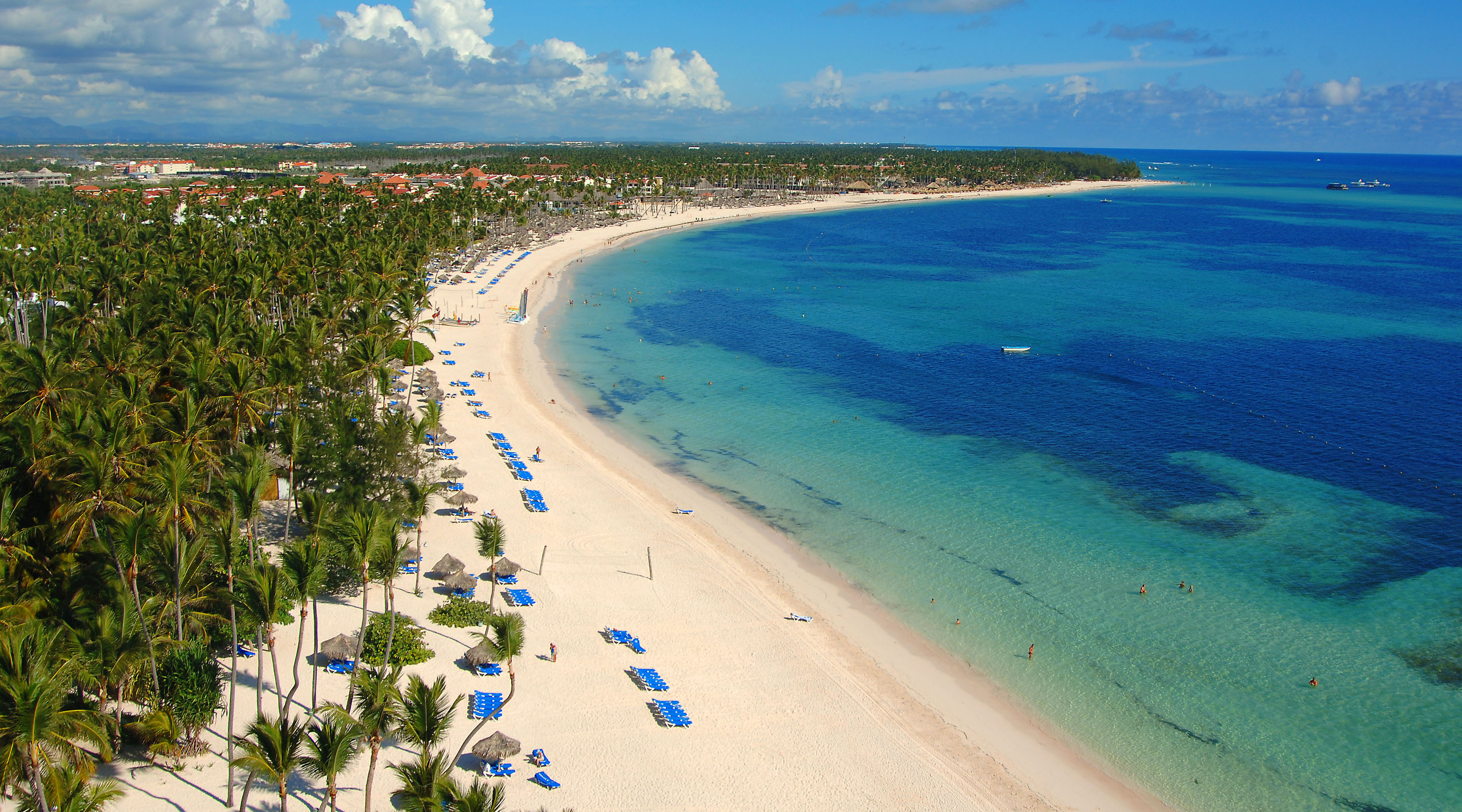,regionOfInterest=(1476.5,820))
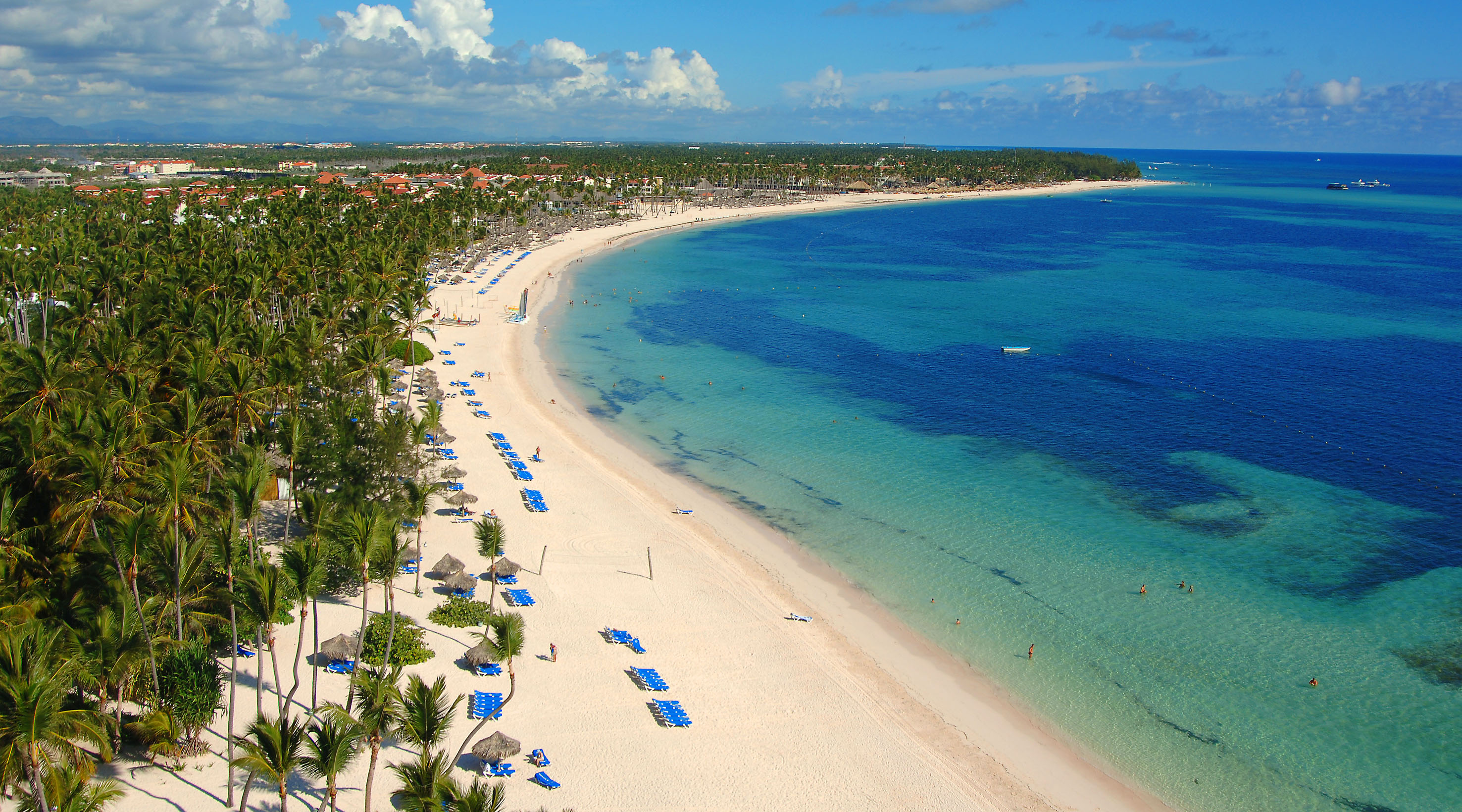,regionOfInterest=(1476.5,820))
|
Name |
Area |
Ideal for |
Strong points |
|
Playa Paraíso |
Tulum, Quintana Roo |
Postcard getaway |
White sand, turquoise waters |
|
Playa Delfines |
Cancún, Quintana Roo |
Views and photography |
Cliff and panoramic view of the Caribbean |
|
Playa Norte |
Isla Mujeres |
Families |
Calm, shallow waters |
|
Playa Mahahual |
Costa Maya |
No sargassum |
Nearby reef, crystal-clear waters |
|
Isla Holbox |
Quintana Roo |
Disconnection |
Little-known beaches, car-free |
|
Playa Balandra |
La Paz, Baja California Sur |
Crystal-clear beaches |
Calm waters, turquoise colours |
|
Playa Zipolite |
Oaxaca |
Nature and surfing |
Wild environment on the Pacific |
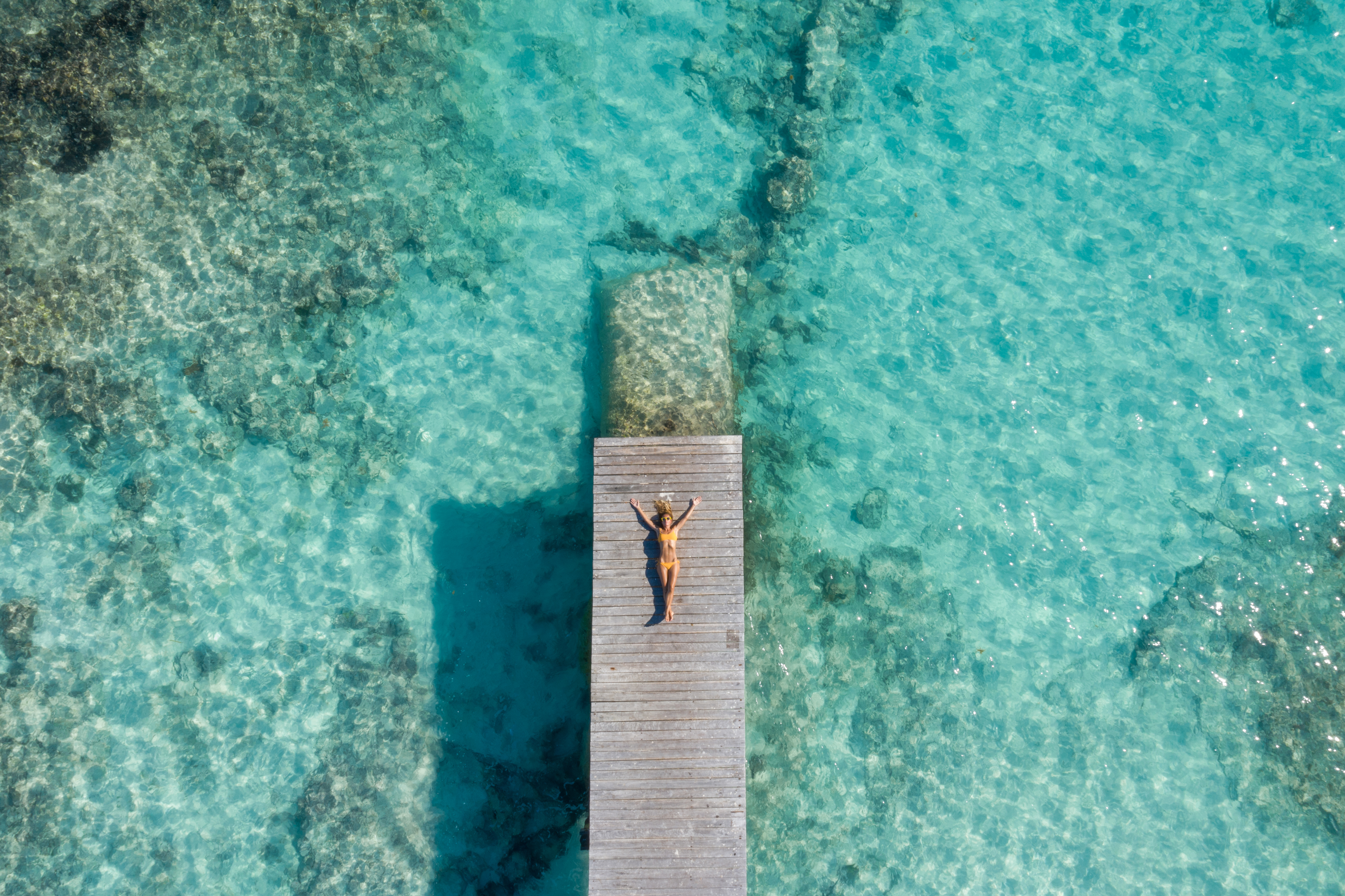
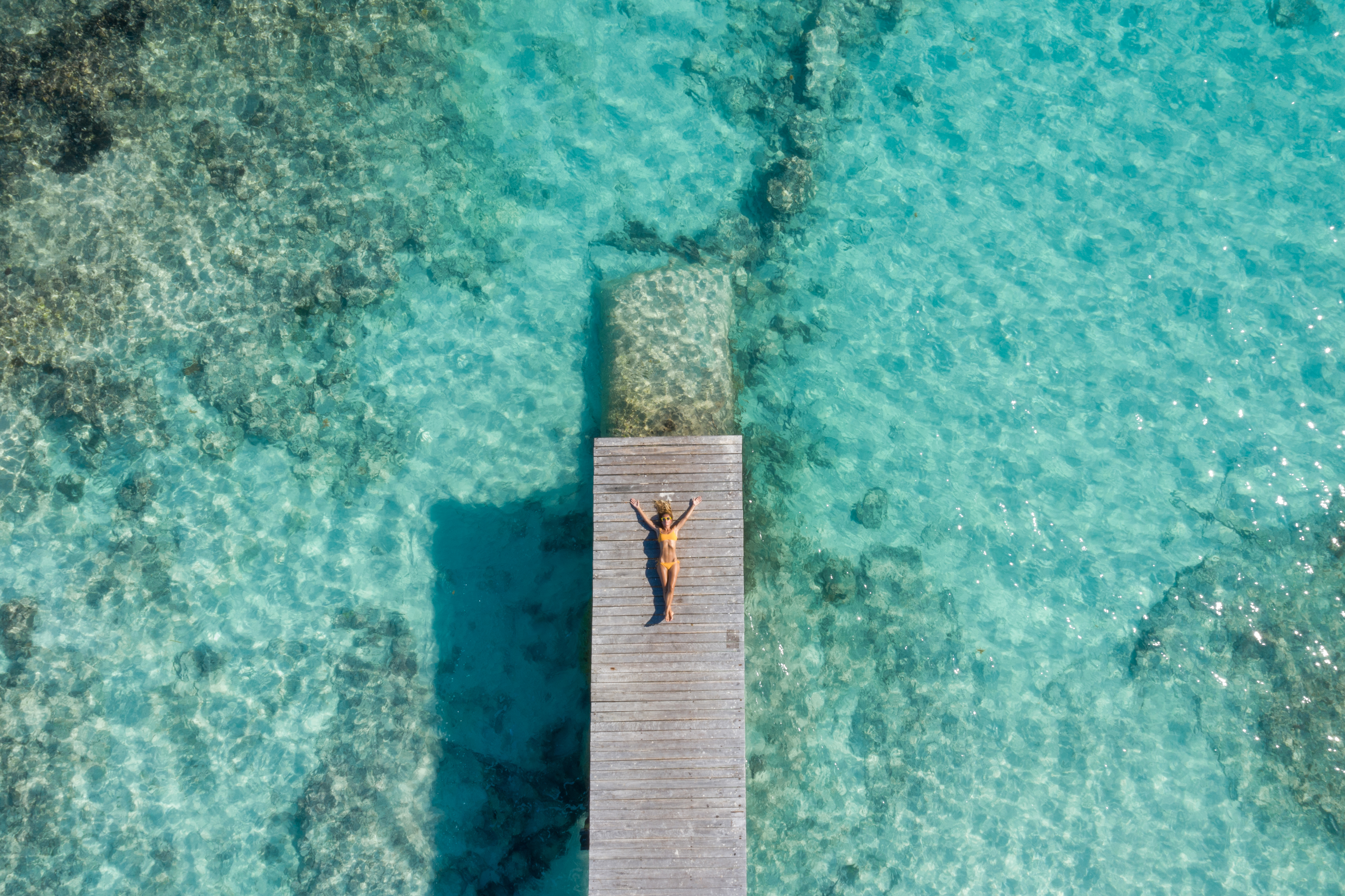
Located in Tulum, Playa Paraíso is one of the paradisiacal beaches in Mexico par excellence and an almost mandatory stop within the Riviera Maya. Its name is no coincidence, as it is famous for having very fine white sand, palm trees leaning towards the sea, and water in turquoise tones that change according to the light of the day.
Being very close to the archaeological zone of Tulum, it is common to combine the visit to the site with a few hours at the beach. Playa Paraíso is located a short distance from the ruins and is part of the same protected coastal environment, although it should be noted that access and routes may vary depending on the conditions and the management of the park.
The area is divided between public sections and private beach clubs, so I recommend you decide in advance the type of experience you are looking for.
The best
The most outstanding feature is the contrast between the vegetation, the light sand, and the turquoise blue of the Caribbean, a combination that explains much of the fame of Playa Paraíso. In the area, you will find beach clubs and restaurants where you can spend several hours by the sea, although you can also enjoy the beach without hiring these services, as the beach is public.
Location: Tulum, Quintana Roo, Mexican Caribbean coast.
Probably one of the most famous beaches in Mexico, in Playa Delfines you will find the iconic "Cancún" sign, and the views it offers from the top of a small cliff are incredible. Mind you, unlike other beaches in the hotel zone, the waves here tend to be stronger.
Its status as a public beach makes it a comfortable option if you want to enjoy the Caribbean without staying in a hotel in the Hotel Zone. In addition, it has services such as toilets, parking, and surveillance, and it is one of the best-known public beaches in Cancún.
Despite being surrounded by large hotel complexes, it retains an unurbanised appearance, with dunes covered in vegetation that separate it from the road.
The best
The most special thing is the panoramic view of the Caribbean offered by the viewpoint, next to the well-known space where visitors usually take photos with the name of Cancún. The beach also stands out for its coastal dune and the natural environment that is preserved behind the beach, an aspect that local authorities are working to protect and restore.
Location: Hotel Zone of Cancún, Quintana Roo.
In Isla Mujeres, about 15-20 minutes by ferry from Cancún, Playa Norte stands out for its calm, transparent, and shallow waters. These conditions make it one of the most comfortable beaches on the island for swimming and enjoying the sea as a family, although it is always advisable to check the state of the waves and respect the safety indications.
The atmosphere here is more relaxed than in Cancún, with beach bars facing the sea and a simple but varied gastronomic offer, where you will find everything from freshly prepared ceviches to cocktails served directly on the sand.
The town of Isla Mujeres is easily travelled on foot or by bicycle, and Playa Norte itself is just a few minutes from the pier where the ferries arrive.
The best
What is most valued is the tranquillity and shallow depth of the water, which allows you to walk a good distance out to sea before the depth increases. The white sand and turquoise water complete a landscape that is especially pleasant for spending the day, while the area near Playa Sol, to the west of the island, also offers good views for enjoying the sunset.
Location: Isla Mujeres, off the coast of Cancún.
If you are looking for a beach in the Mexican Caribbean with a quieter and less urbanised atmosphere, Playa Mahahual is a good alternative. It is part of the Costa Maya and stands out for its warm and transparent waters and for the proximity of the reef, which makes the area an especially interesting destination for snorkelling and diving.
Its small boardwalk brings together restaurants, beach clubs, and establishments related to water activities, while the proximity of the Mesoamerican Reef System makes the area an especially interesting place for snorkelling and diving. This system extends for more than 1,000 kilometres through Mexico, Belize, Guatemala, and Honduras and is home to the second-longest barrier reef in the world.
The town is small, very far from the pace of Cancún or Playa del Carmen, which is noticeable both in the atmosphere and in the prices.
The best
What is most valued is the combination of warm and transparent waters, the proximity of the reef, and the quiet atmosphere of the town, far from the pace of the large tourist destinations in the north of Quintana Roo. The area offers different options for snorkelling and diving, although sea conditions and the presence of sargassum can vary depending on the time of year.
Location: Costa Maya, south of Quintana Roo.
,regionOfInterest=(2250,1500))
,regionOfInterest=(2250,1500))
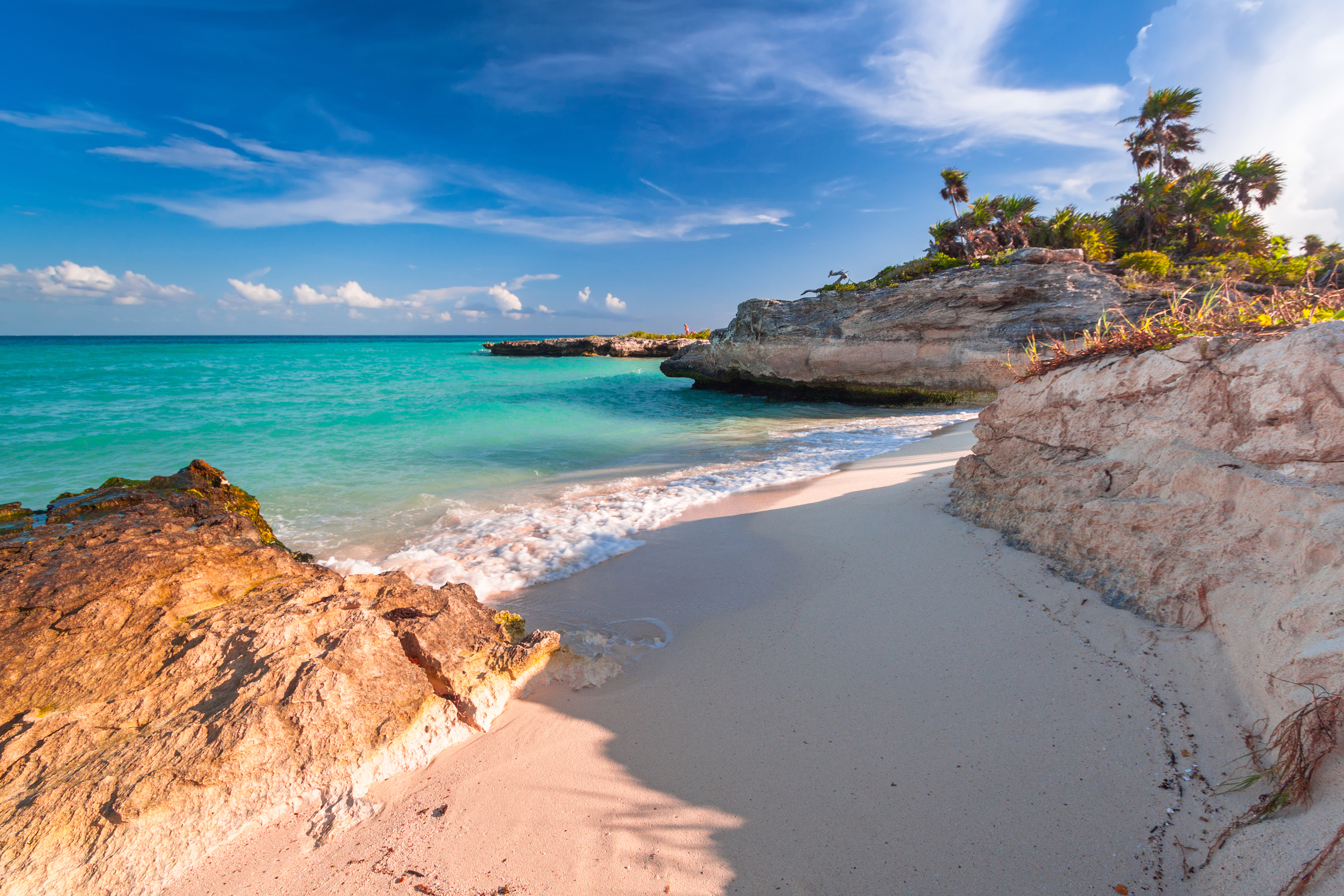
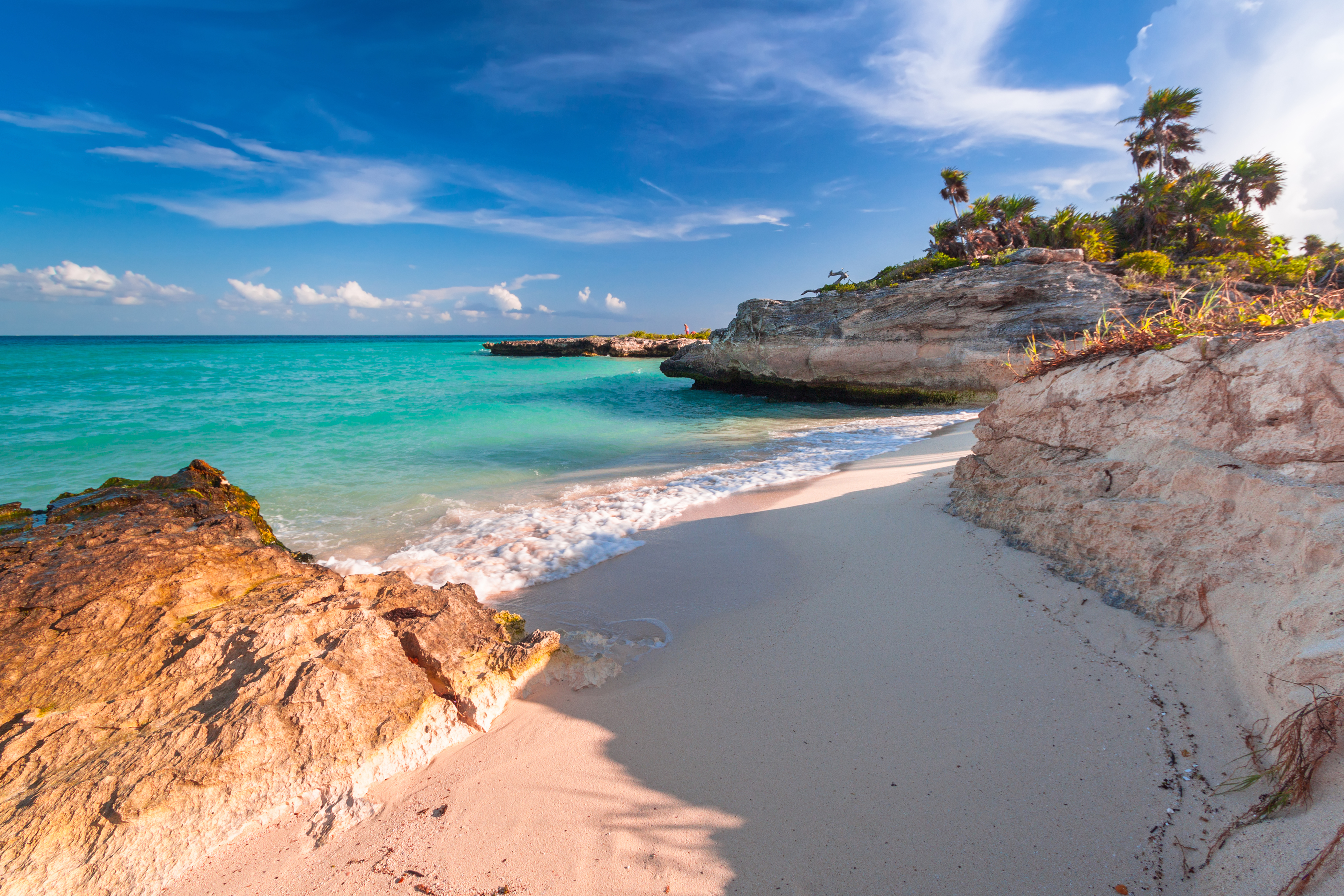
Without cars or asphalt, Holbox shows a much slower pace than other destinations in the Mexican Caribbean. Holbox retains a relaxed atmosphere despite its growing tourist popularity. Its light sand beaches and shallow waters, together with the presence of protected natural areas, make it an especially attractive option for those looking to combine beach and nature.
Access is usually by ferry from Chiquilá and, once on the island, it is common to get around on foot, by bicycle, or in a golf cart. The sandy streets and the scarce presence of vehicles contribute to the calm atmosphere that characterises Holbox.
The absence of road traffic is part of the charm of Holbox: the streets are made of sand, the buildings barely exceed two floors, and the general pace invites you to slow down from the first day.
The best
The most characteristic thing about Holbox is the combination of nature, shallow beaches, and a relaxed atmosphere. Some of its points furthest from the urban centre allow you to enjoy a greater sense of tranquillity, while the sunsets over the coast are one of the most attractive moments of the day.
Between June and September, it is also possible to spot whale sharks in nearby waters, one of the most sought-after experiences for those visiting the island at that time.
Location: Isla Holbox, north of Quintana Roo.
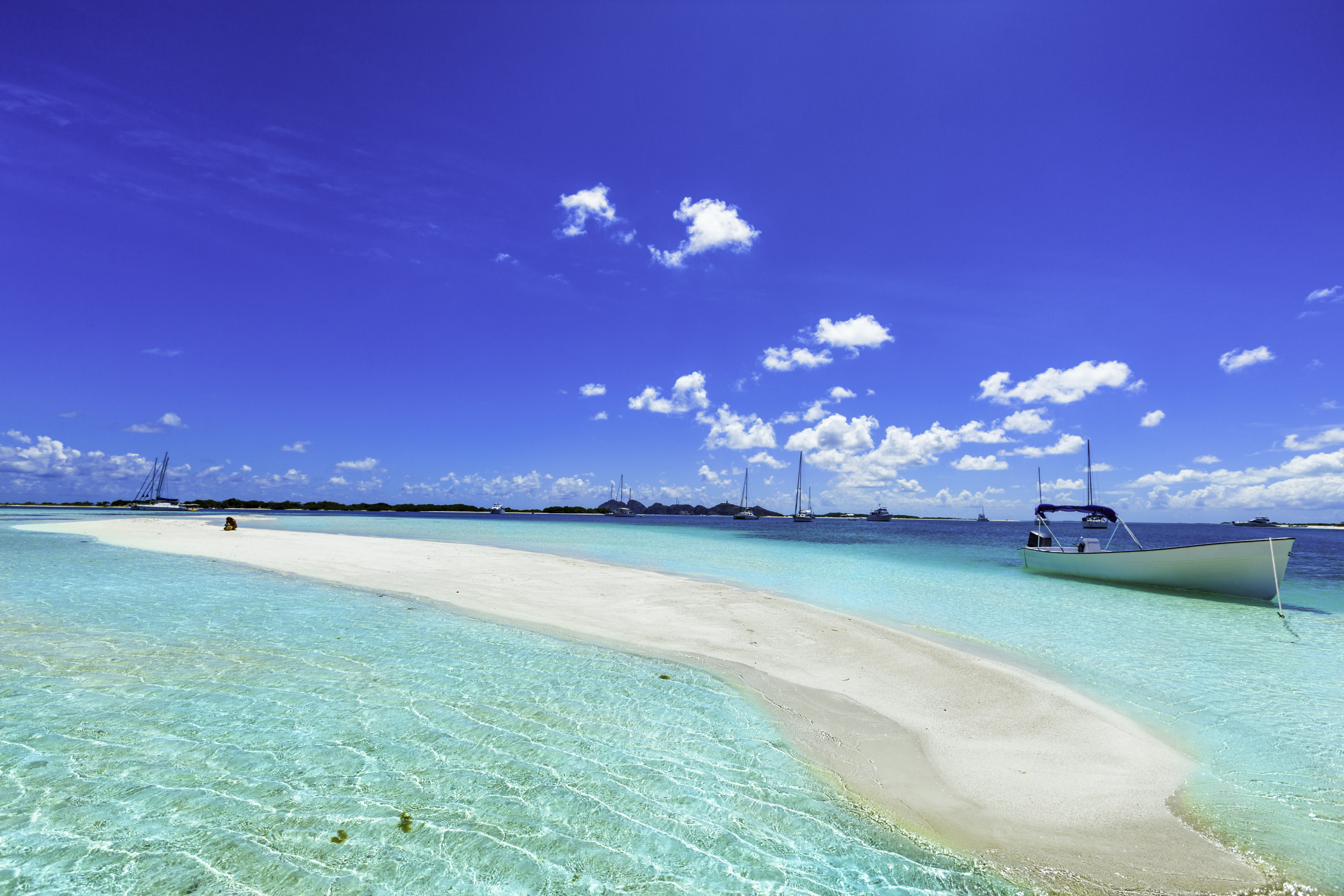
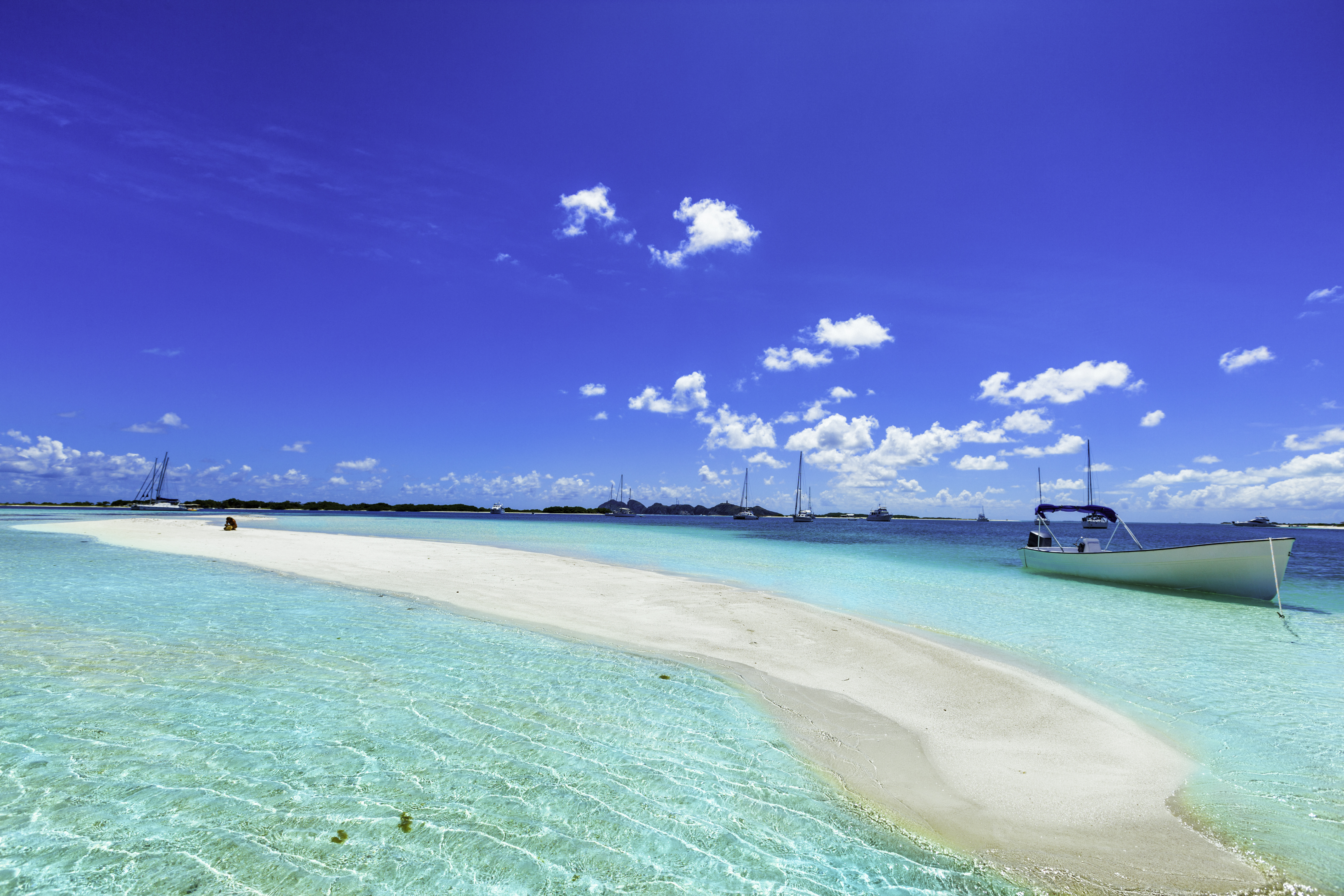
Already on the Pacific, in the Gulf of California, Playa Balandra is one of the most recognised crystal-clear beaches in Mexico for the calm of its waters and the variety of turquoise tones that the seabed draws depending on the depth. As it is a protected natural area, access is regulated to preserve the environment.
As it is a closed and shallow bay, the water warms up easily and barely has any waves, making it an ideal place to swim or simply walk along the shore.
Due to its status as a protected area, the number of visitors is limited in high season. If you want to see it, it is advisable to plan your visit in advance and check the current access conditions before travelling.
The best
The most striking thing is the Piedra del Hongo, the rock formation that has become one of the symbols of La Paz, along with the crystal-clear, shallow waters of the bay. The environment also offers panoramic trails from which to contemplate the combination of desert landscape and sea that characterises this protected area.
Location: La Paz, Baja California Sur.
On the coast of Oaxaca, Zipolite offers a very different image to that of the Caribbean beaches: strong waves, golden sand, and a relaxed atmosphere that attracts both surfers and travellers looking for disconnection. It is also known for its nudist tradition and its international atmosphere, which has made it one of the most unique beach destinations on the Oaxacan coast.
It is important to be cautious when swimming, as the current can be strong in certain sections, which is why it is recommended to respect the safety flags and avoid entering the water in unmonitored areas.
Accommodation in the area is divided between small cabins facing the sea and hostels with an informal atmosphere, very different from the usual hotel offer of the Mexican Caribbean.
The best
The best thing about Zipolite is its open character and relaxed atmosphere, very different from that of the large destinations in the Mexican Caribbean. Its 1.5 kilometres of beach, the Pacific waves, and its sunsets make it an especially attractive place to walk, practice water sports, or simply enjoy the landscape.
Location: Zipolite, municipality of San Pedro Pochutla, Oaxaca, Pacific coast.
,regionOfInterest=(1443.5,939.5))
,regionOfInterest=(1443.5,939.5))
So that you can easily locate each of these beaches and plan your trips, consult the following map with the location of the coastal points of interest in Mexico.
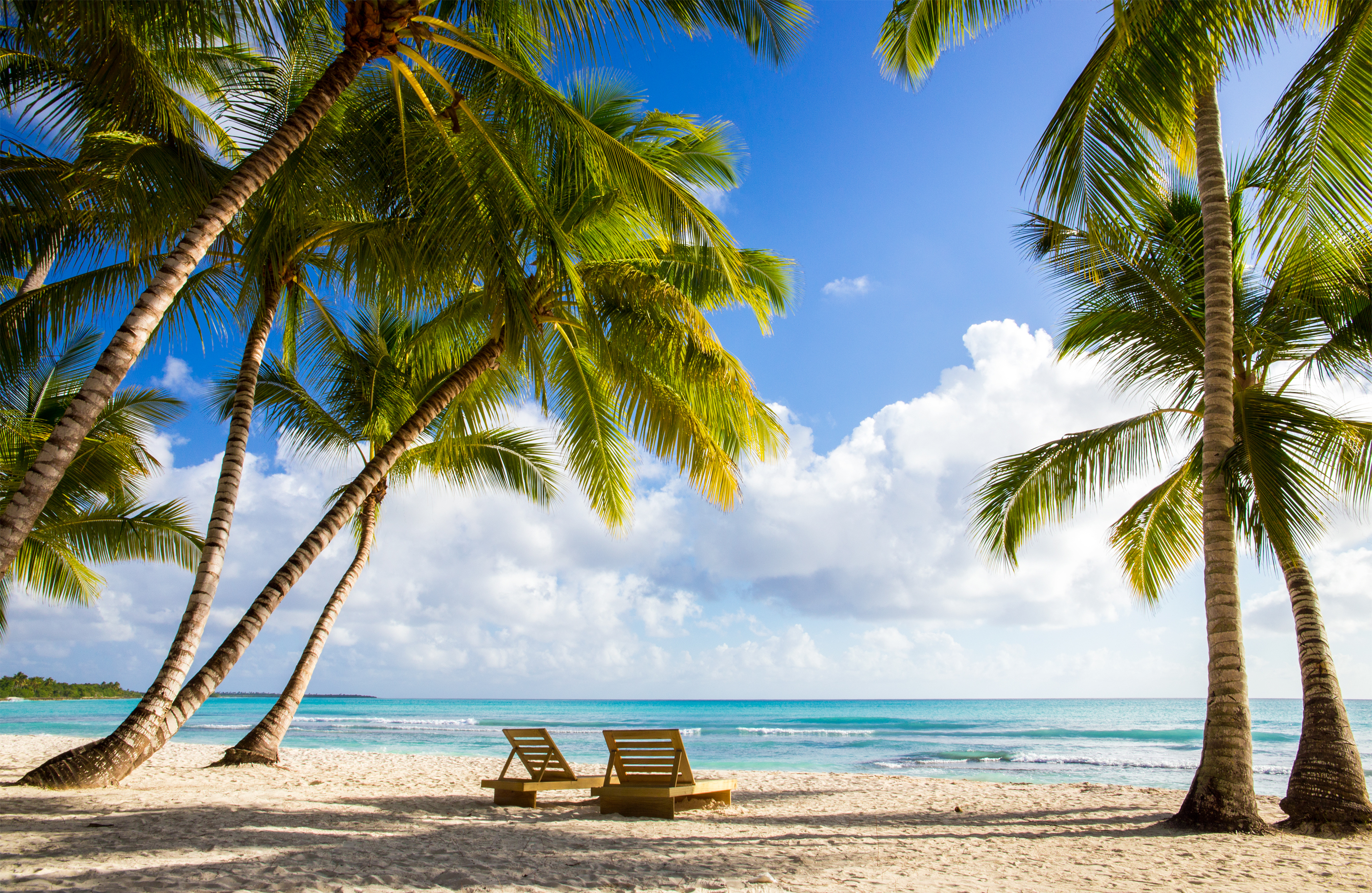
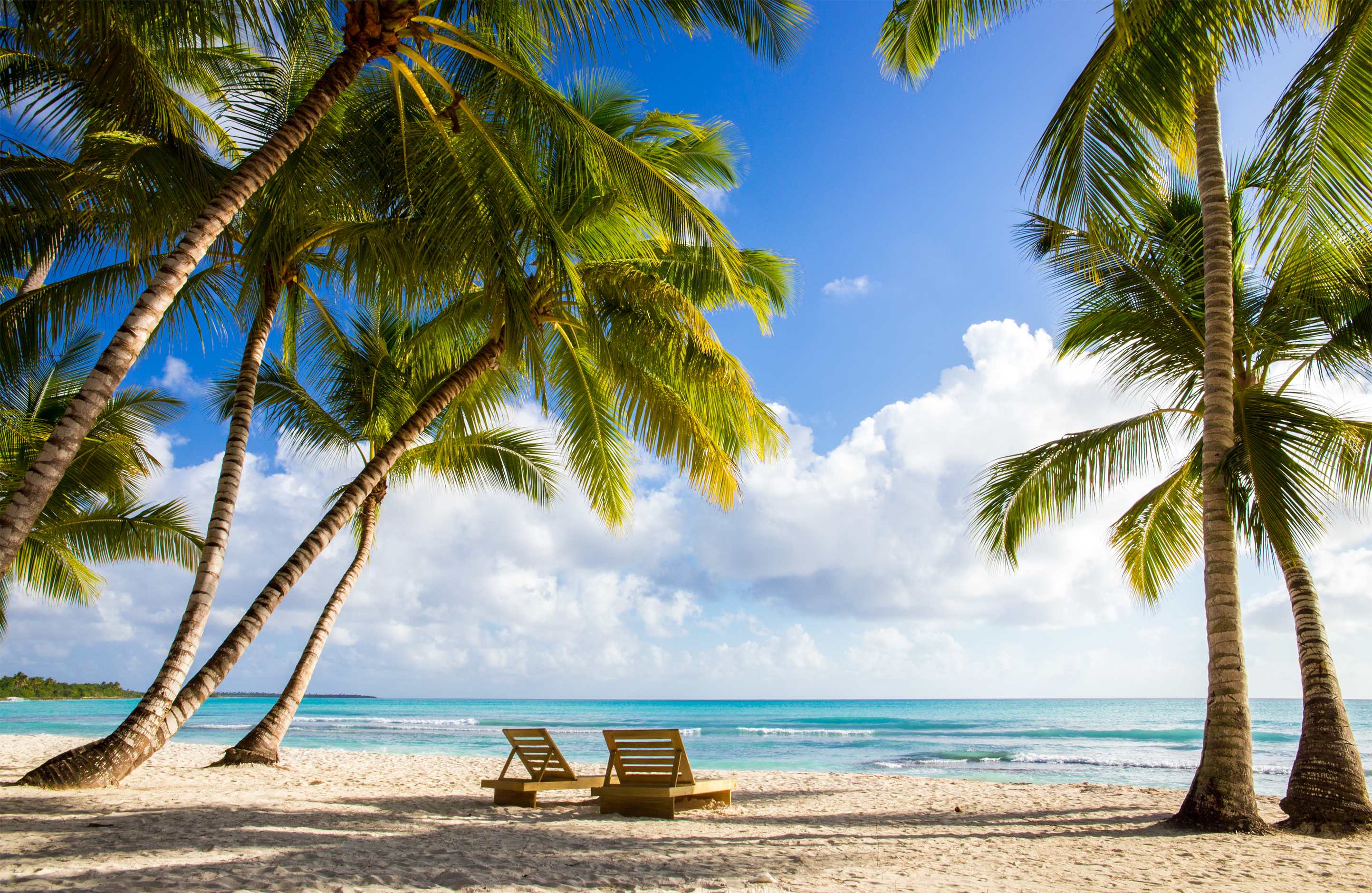
Among this selection of beaches in Mexico, Playa Paraíso, in Tulum, fits especially well with those looking for the classic image of the Mexican Caribbean: light sand, palm trees, and turquoise waters. Its proximity to the archaeological zone of Tulum also adds the possibility of combining beach and heritage during the same trip.
Some of the reasons that explain this choice are:
However, not all beaches respond to the same type of trip. If you want to reduce the uncertainty related to sargassum, it is highly recommended to check the local conditions and warnings before choosing the beach, as its presence can vary considerably depending on the time of year and sea conditions. For those looking for a quieter atmosphere and an experience linked to nature, Holbox or Zipolite offer a different character to that of the large tourist destinations in the Mexican Caribbean.
In any case, the diversity of Mexico's coasts allows you to find, from the Caribbean to the Pacific, the beach that best suits each type of traveller.
,regionOfInterest=(2649.5,1765))
,regionOfInterest=(2649.5,1765))
,regionOfInterest=(2808,1872))
,regionOfInterest=(2808,1872))
,regionOfInterest=(1619.5,1121))
,regionOfInterest=(1619.5,1121))
,regionOfInterest=(707.5,1059.5))
,regionOfInterest=(707.5,1059.5))
,regionOfInterest=(2273,1523))
,regionOfInterest=(2273,1523))
,regionOfInterest=(1476.5,634.5))
,regionOfInterest=(1476.5,634.5))