,regionOfInterest=(2394,1596))
Best golf courses in Estepona
,regionOfInterest=(3120,1755))
,regionOfInterest=(3120,1755))
Culture
,regionOfInterest=(3000,2000))
,regionOfInterest=(3000,2000))
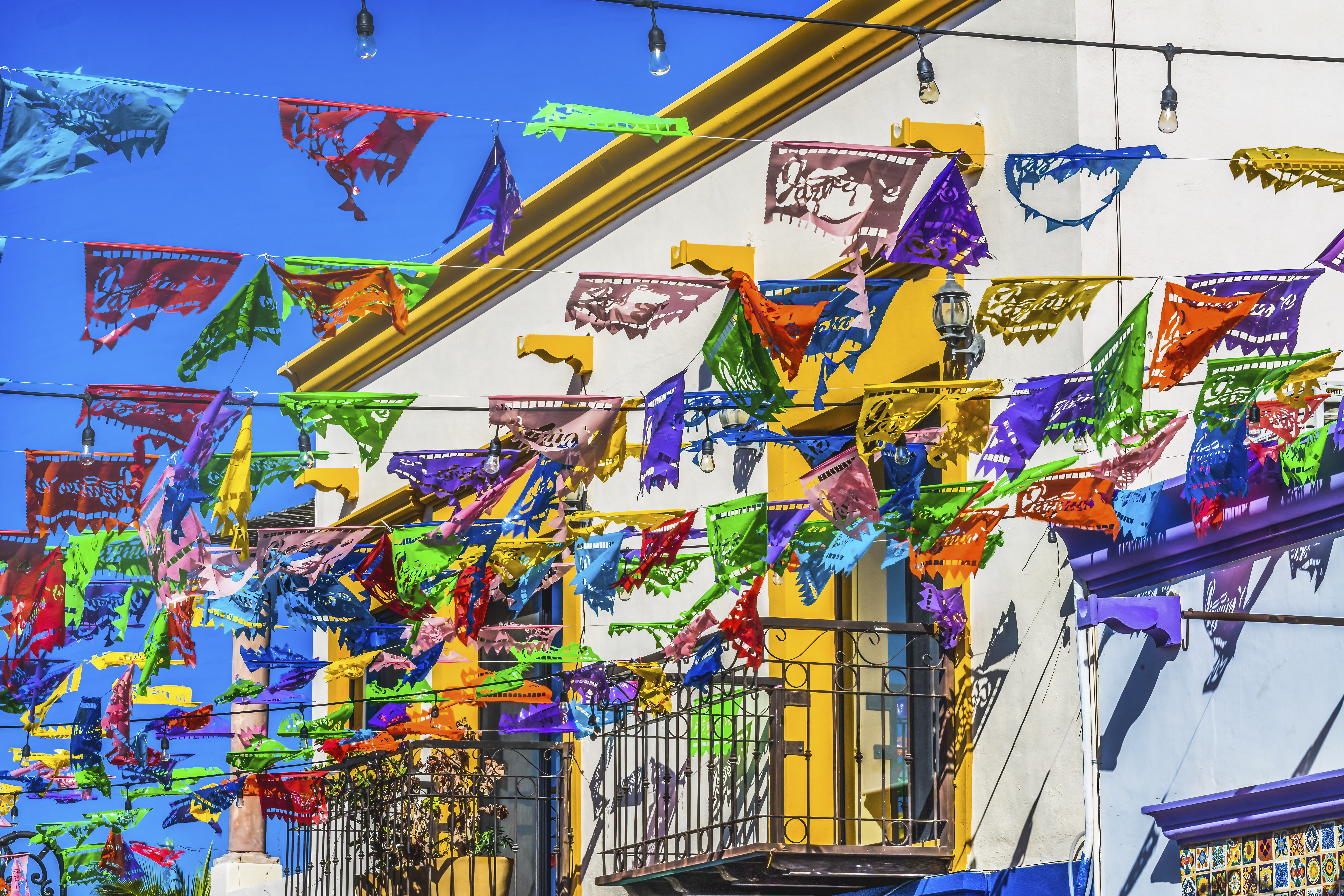
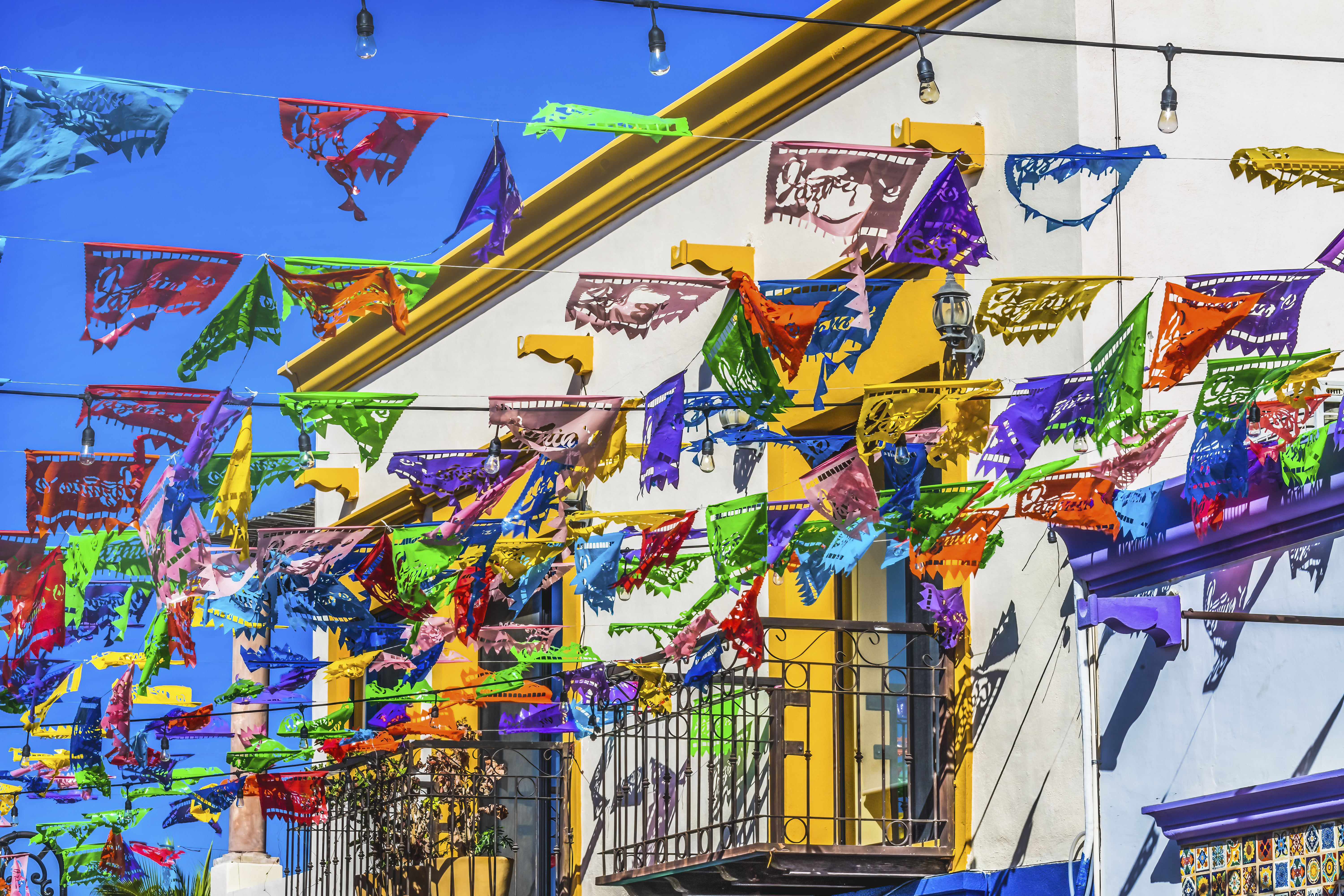
If there is one especially exciting time to visit Mexico during the month of September, it is during the national holidays. Each year, on the night of 15 September, one of the most important and symbolic events in the country takes place: the Cry of Independence.
Much more than a popular celebration, this date commemorates Mexico's Independence Day, an event in which history, national identity, mariachi music, gastronomy and traditions come together to remember the start of the process that would lead to the country's independence.
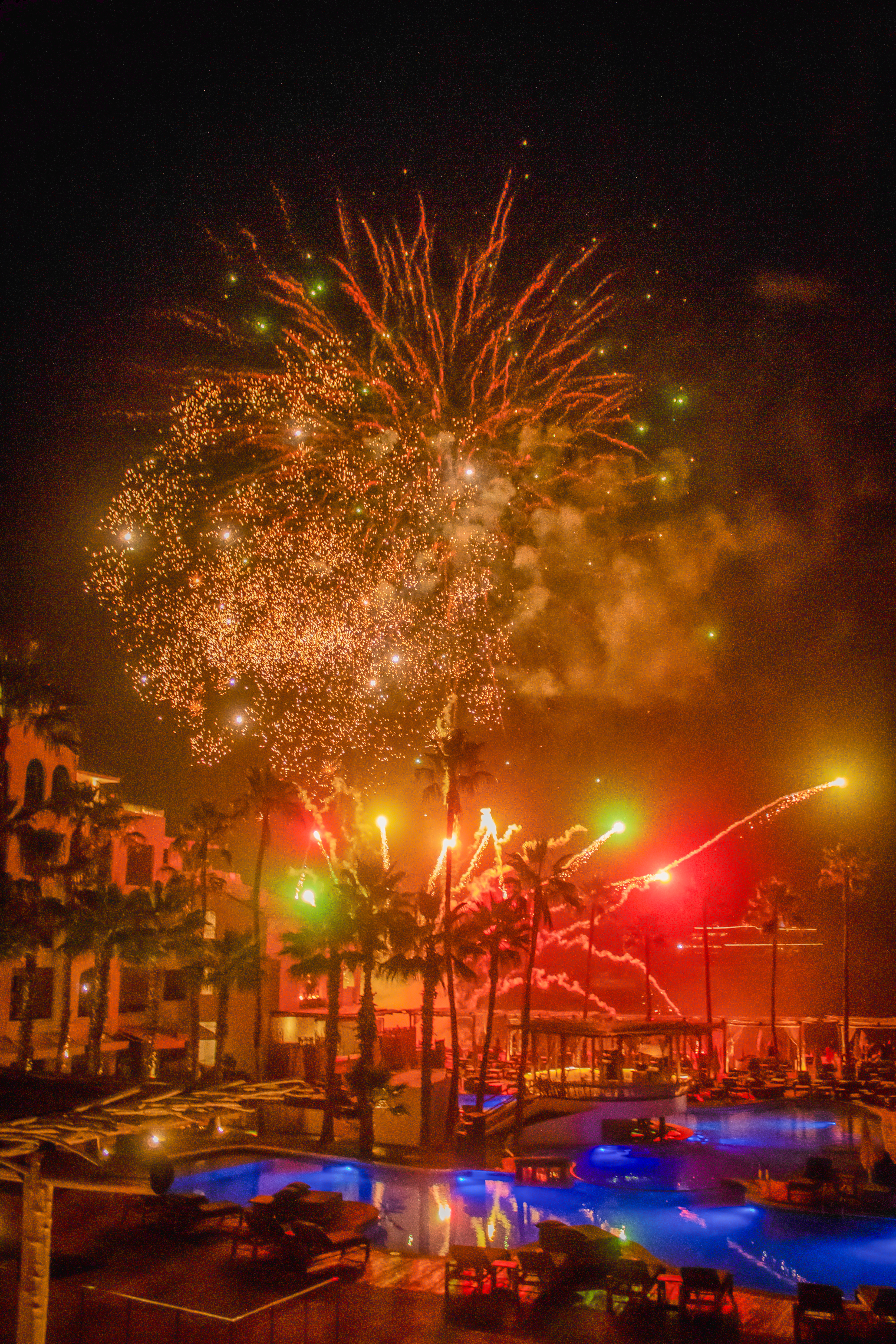
The sound of bells, fireworks and the cry of "¡Viva México!" are part of a celebration that is experienced with intensity in squares, streets and homes throughout the Mexican territory.
In this guide, we review the keys to the Mexico's Independence Day ceremony: its origins, how it is carried out today, the most representative dishes for these dates and some of the best places to enjoy one of the country's most significant celebrations.
,regionOfInterest=(512,482))
,regionOfInterest=(512,482))
Digital marketing specialist with a passion for travel, writing, and discovering what makes every destination unique.
,regionOfInterest=(2394,1596))
,regionOfInterest=(2394,1596))
,regionOfInterest=(3000,2000))
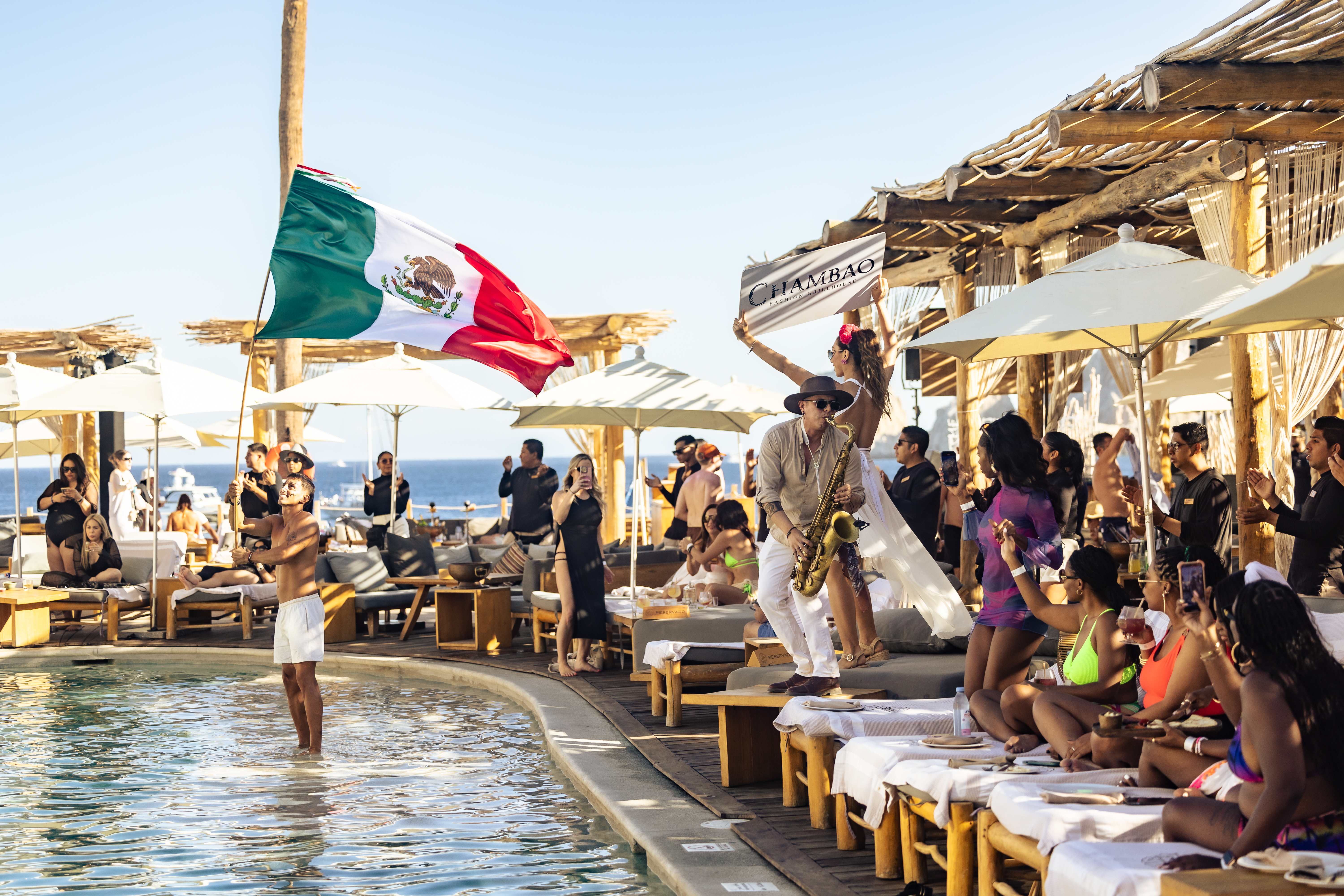,regionOfInterest=(3000,2000))
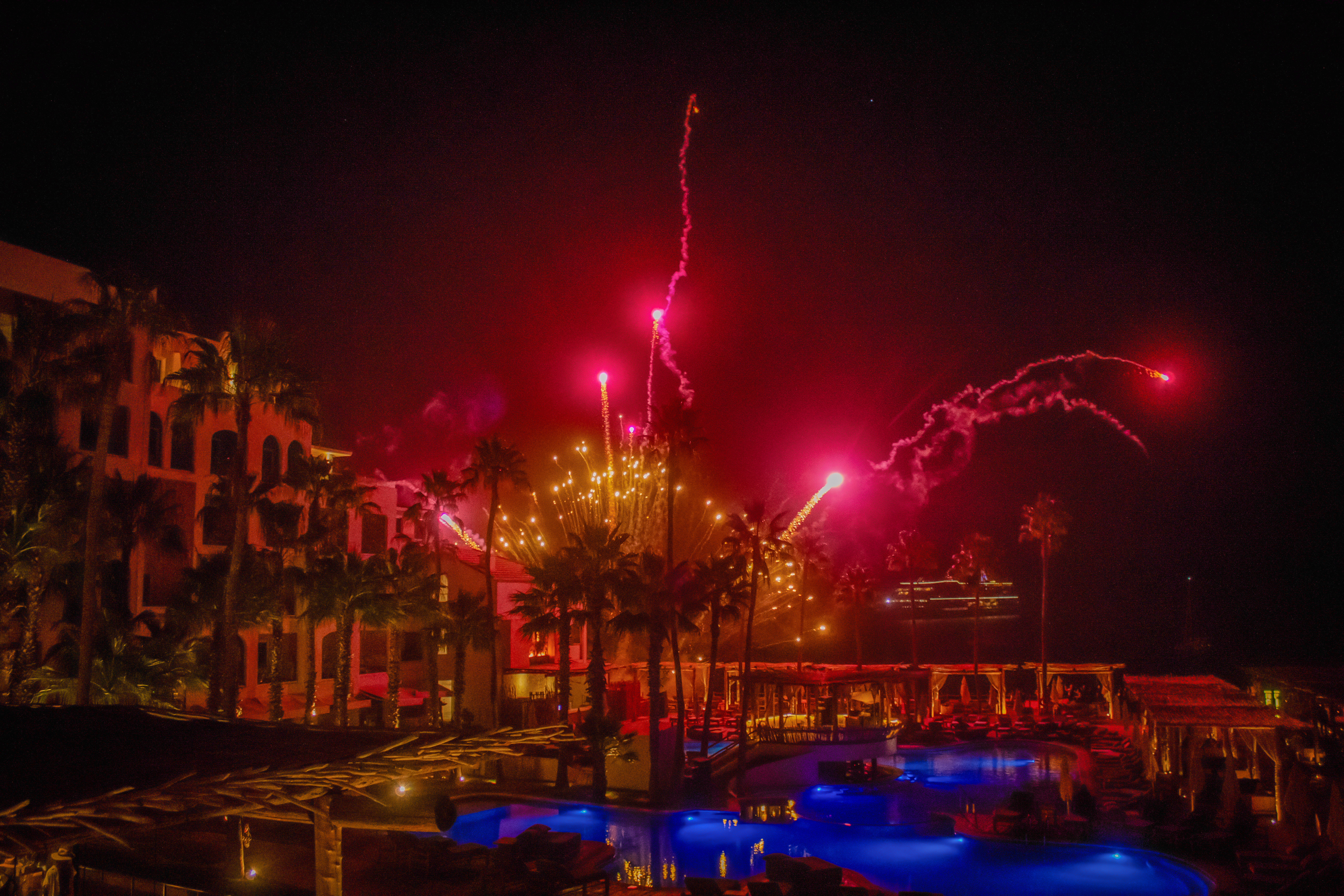,regionOfInterest=(2592,1728))
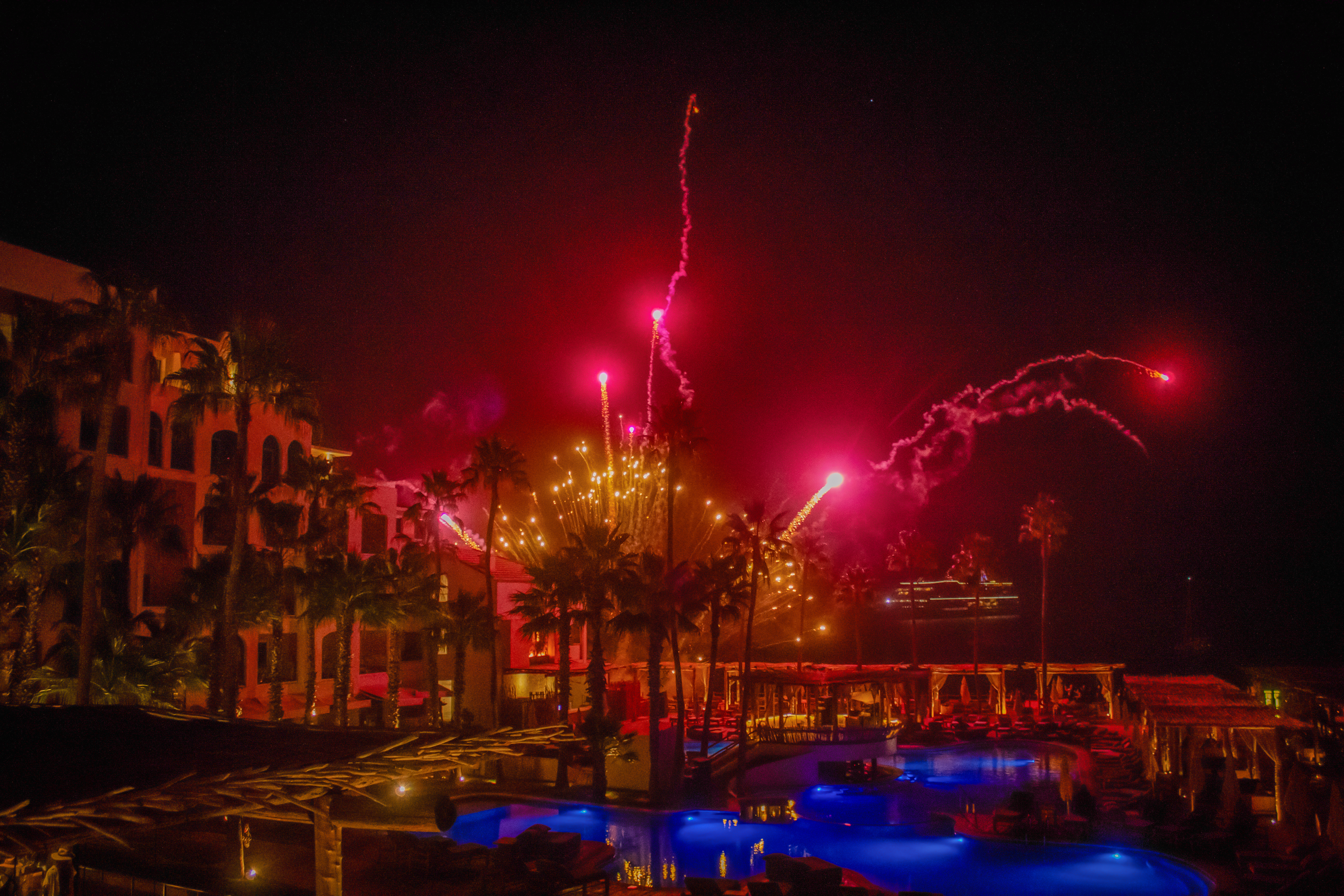,regionOfInterest=(2592,1728))
The Cry of Independence is the ceremony with which Mexico commemorates the start of the independence movement that began in 1810 and would culminate years later with the country's independence from Spain. Its origin dates back to the call made by the priest Miguel Hidalgo y Costilla in the town of Dolores, today Dolores Hidalgo, in the state of Guanajuato.
Known popularly as The Cry of Independence, it is usually associated with a speech given by Hidalgo. However, there is no definitive historical transcript of his exact words, so different versions have emerged over time. What is documented is that Hidalgo rang the bell of the parish church of Dolores and called on the population to rise up against the viceregal government.
That event came to be known as the Grito de Dolores and is considered the start of the Mexican War of Independence. Over the years, that insurgent call evolved into one of the most important patriotic ceremonies in the country.
Currently, both the President of the Republic from the National Palace of Mexico City and governors and mayors replicate the ceremony from institutional buildings before thousands of people gathered in squares and public spaces.
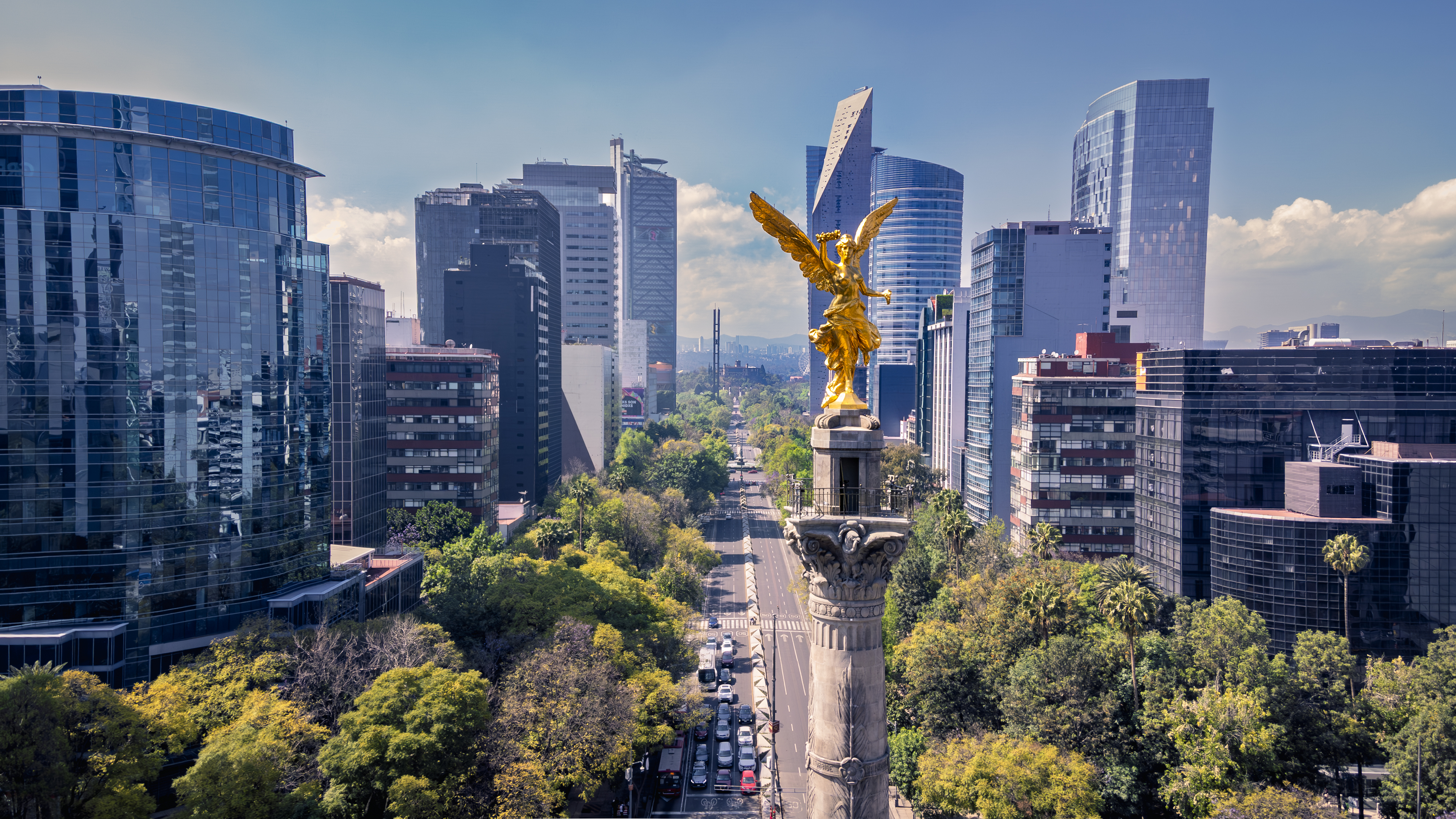,regionOfInterest=(2000,1125))
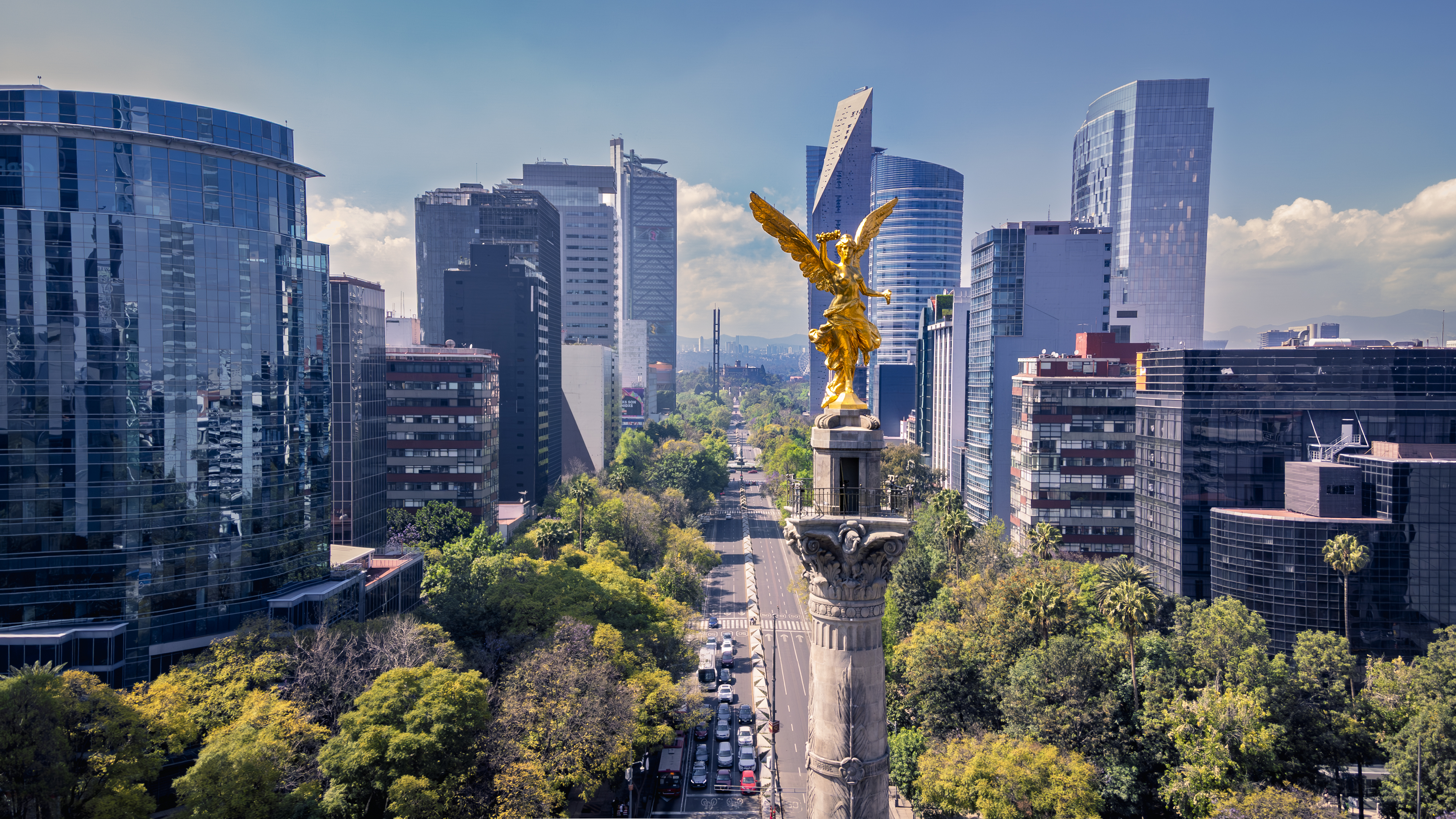,regionOfInterest=(2000,1125))
One of the most common questions among those visiting the country during these dates is when is the Cry of Independence. Although the official anniversary of the start of the independence struggle is 16 September, the Grito ceremony is celebrated on the night of 15 September, a few minutes before midnight. The festivities, however, begin much earlier and extend throughout practically the whole country.
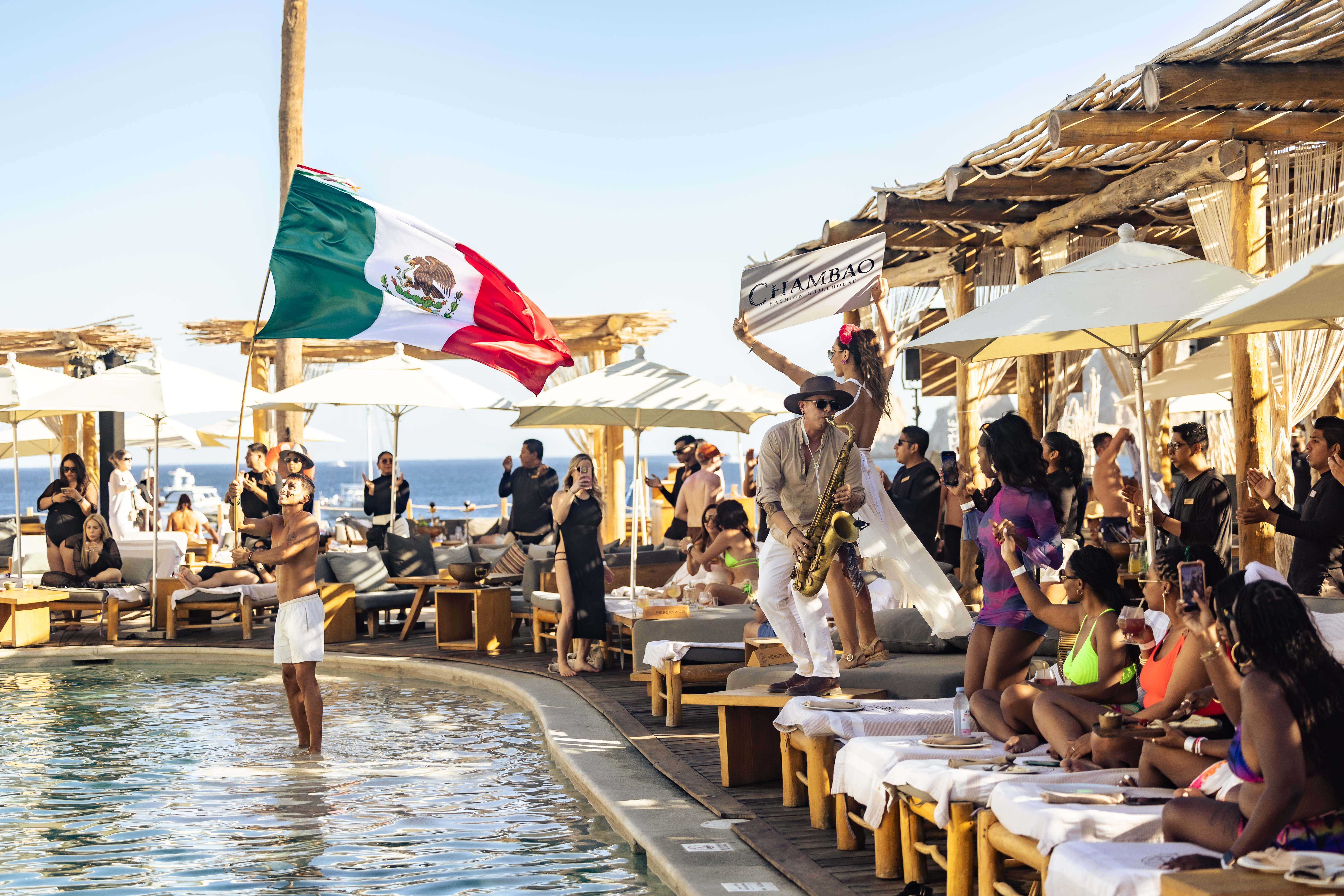
The most awaited moment arrives when the president appears on the main balcony of the National Palace, takes the flag of Mexico and pronounces a contemporary version of the traditional cry. Afterwards, he rings the bell and ends with the well-known: ¡Viva México! ¡Viva México! ¡Viva México!
Next, the Zócalo in Mexico City becomes the epicentre of a great popular celebration accompanied by music, shows and fireworks.
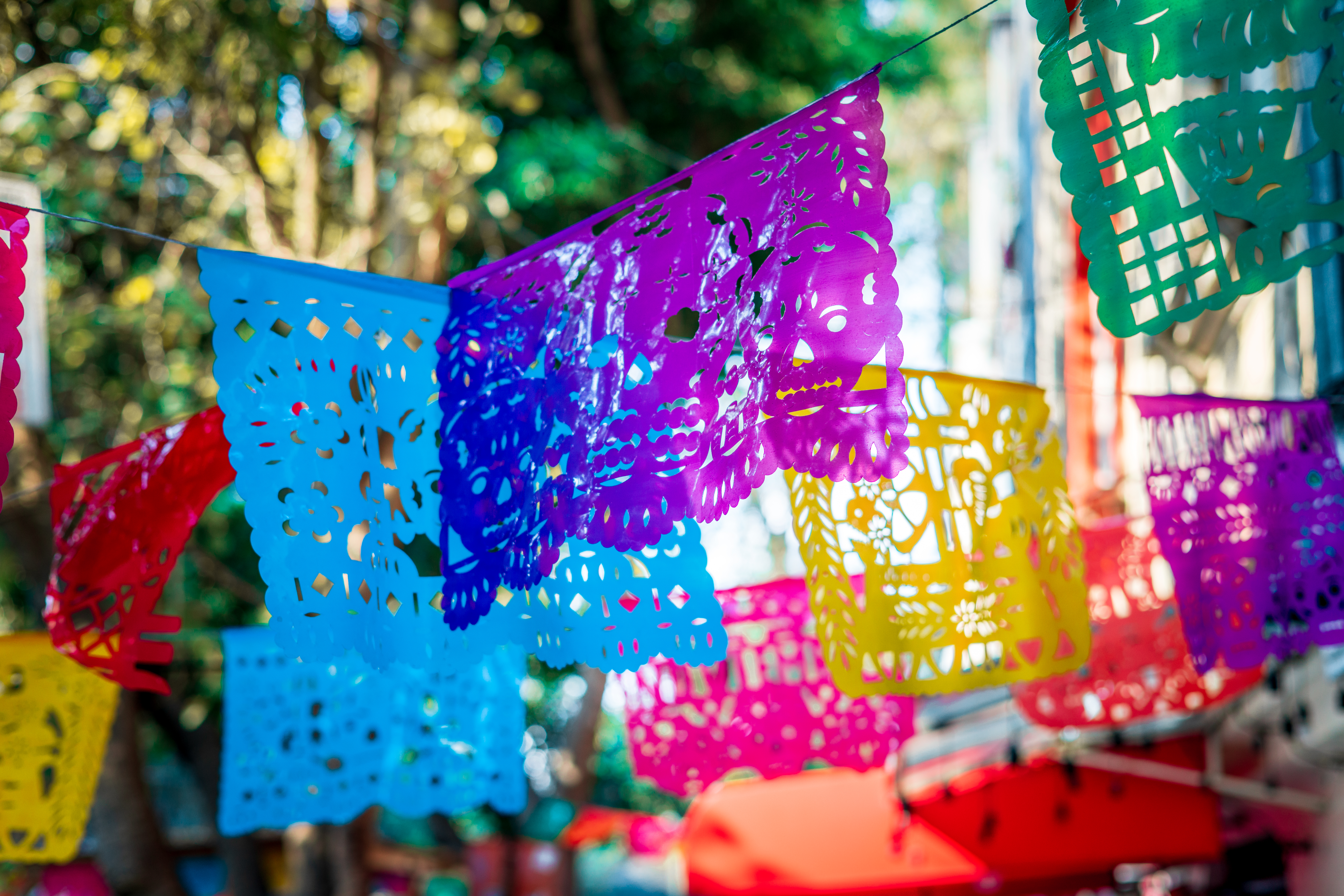,regionOfInterest=(4096,2732))
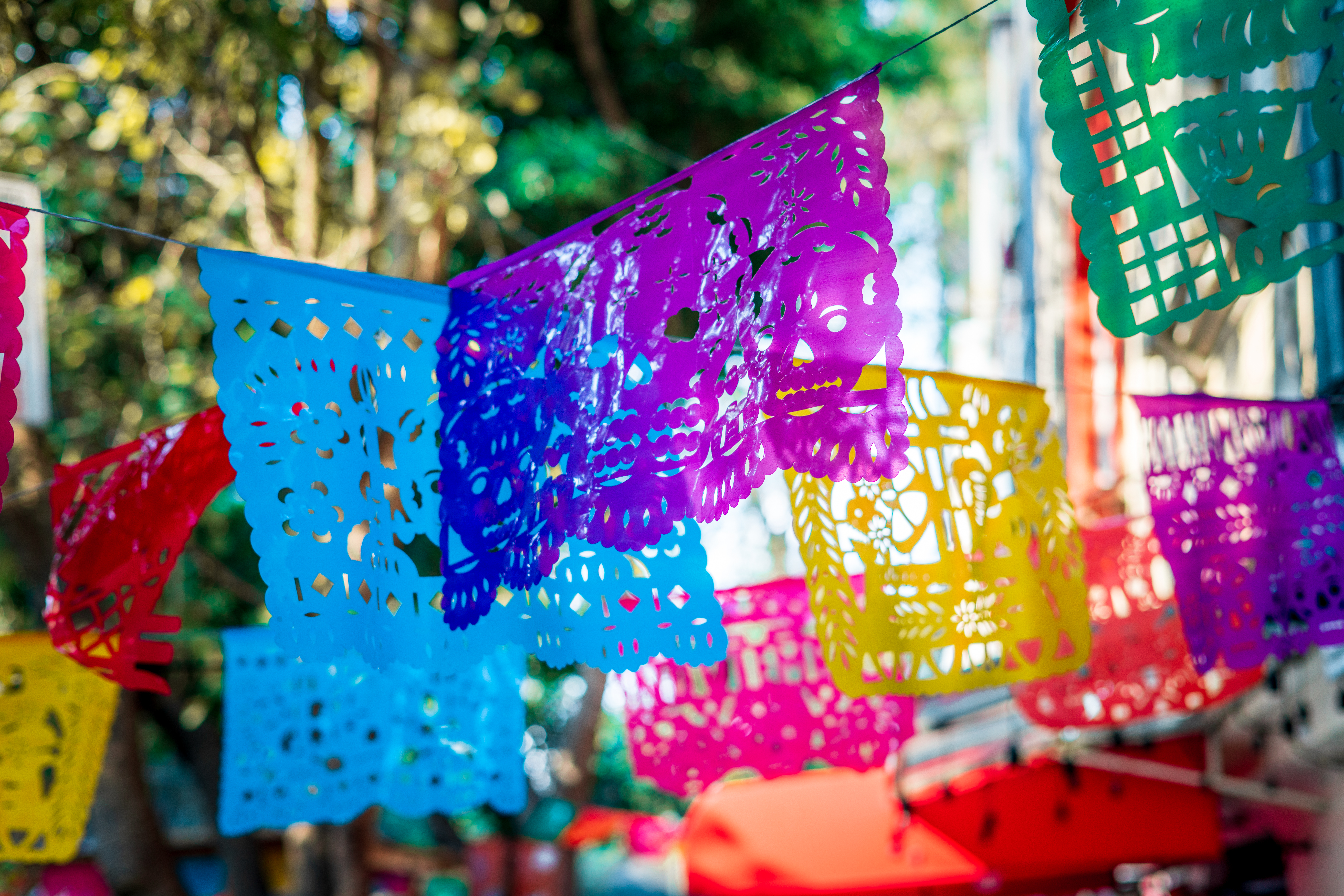,regionOfInterest=(4096,2732))
Mexico's Independence Day is celebrated on 16 September, one of the most important dates in the national calendar, as it commemorates the start of the historical process that culminated in the country's independence. To avoid confusion, it is worth distinguishing three key moments:
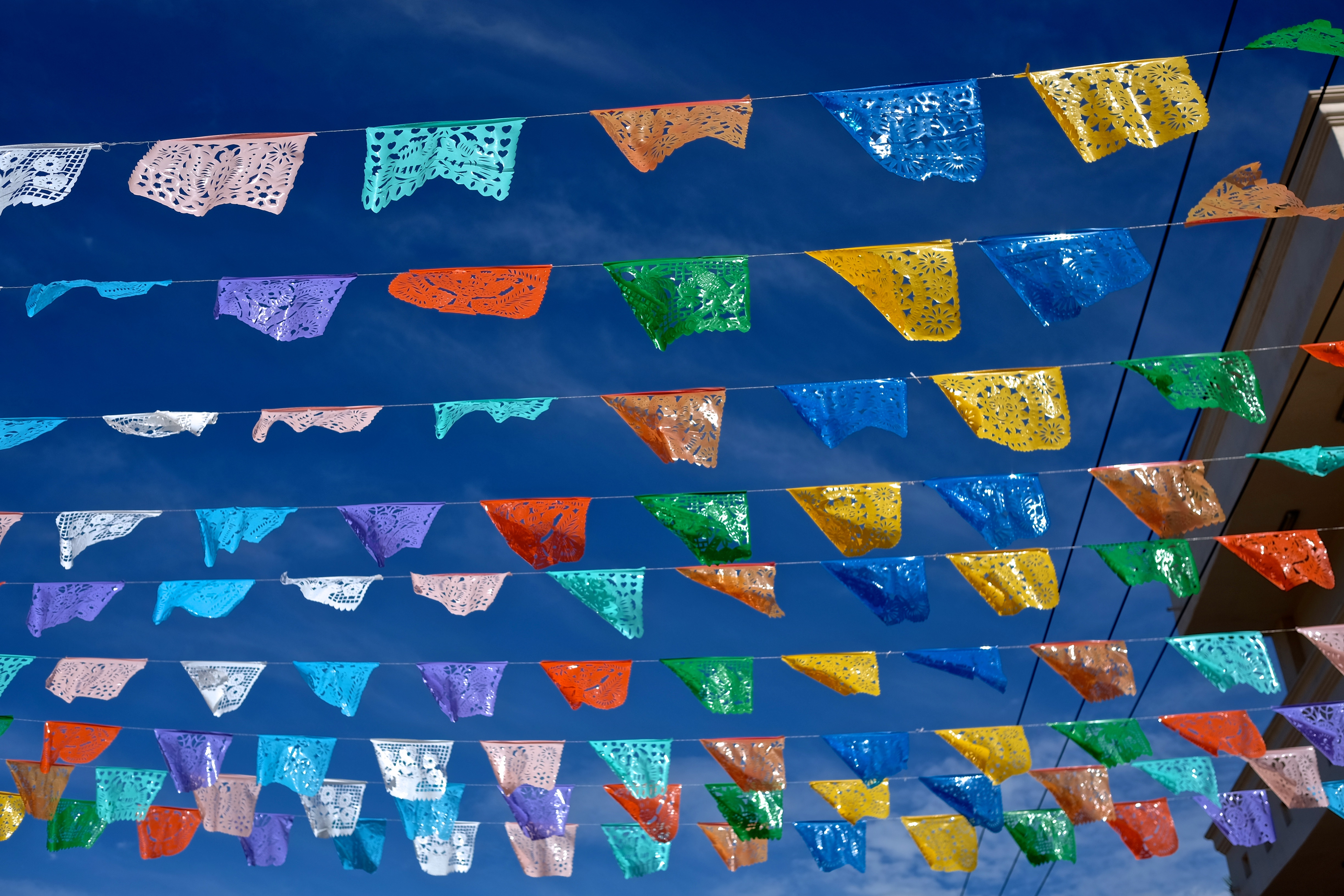
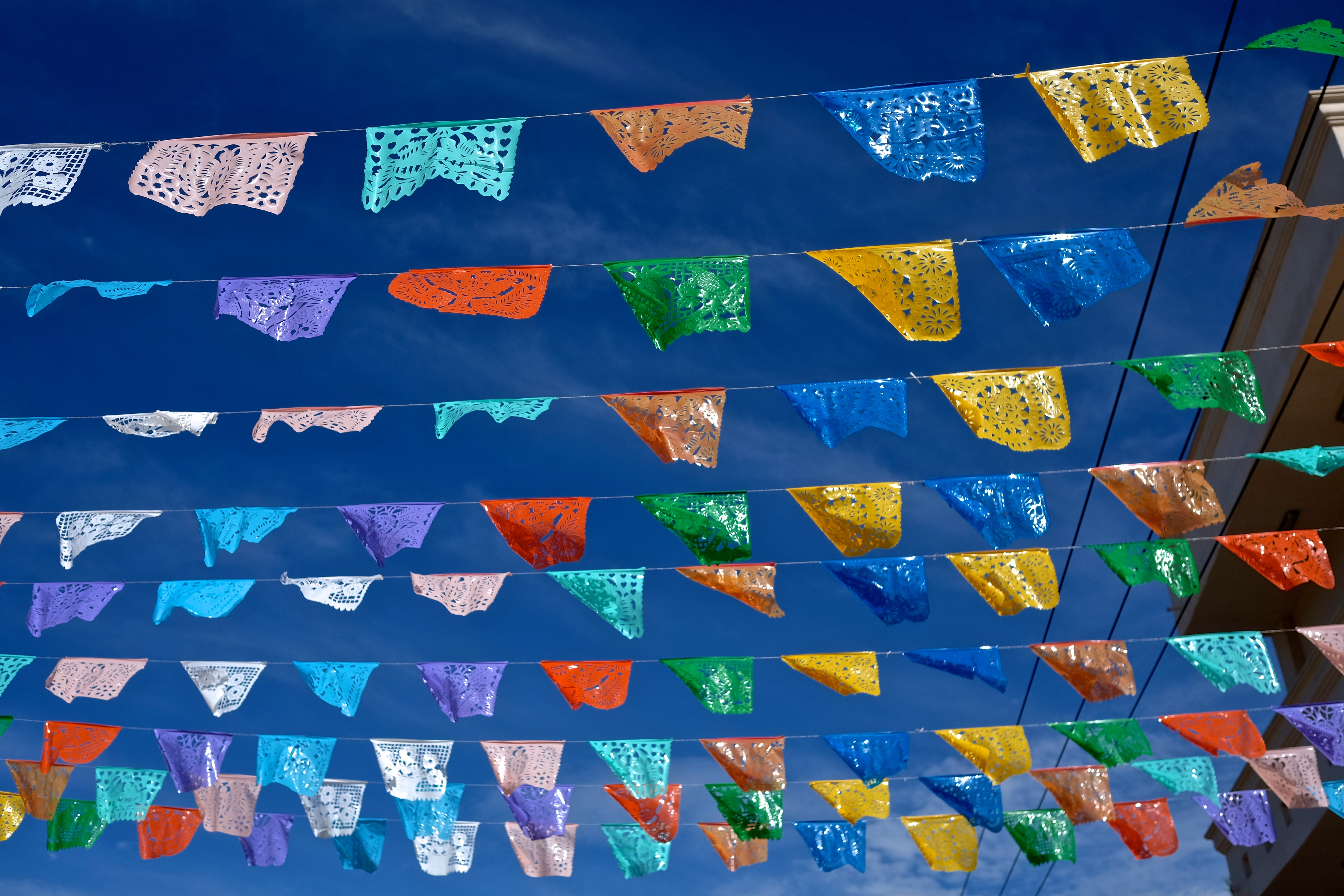
Furthermore, it is worth mentioning that the Cry of Independence is one of the most important festivals in Mexico and one of the best occasions to discover the cultural essence of the country. During these dates, cities and towns are filled with colour, music, gastronomy and traditions that allow you to experience the spirit of the national holidays up close, becoming an especially attractive experience for those visiting Mexico in September.
Therefore, those looking for when Mexico's Independence Day is celebrated should mark 16 September on the calendar, although the festive atmosphere starts from the night before.
The leading figure of this historical episode was Miguel Hidalgo y Costilla, a priest and one of the main leaders of the Mexican independence movement.
During the early hours of 16 September 1810, Hidalgo summoned the citizens of Dolores after the independence conspiracy had been discovered and there was a risk that its members would be arrested.
Together with him, other fundamental figures of independence participated, such as Ignacio Allende and Juan Aldama. Hidalgo used the church bells to call the population and start the uprising.
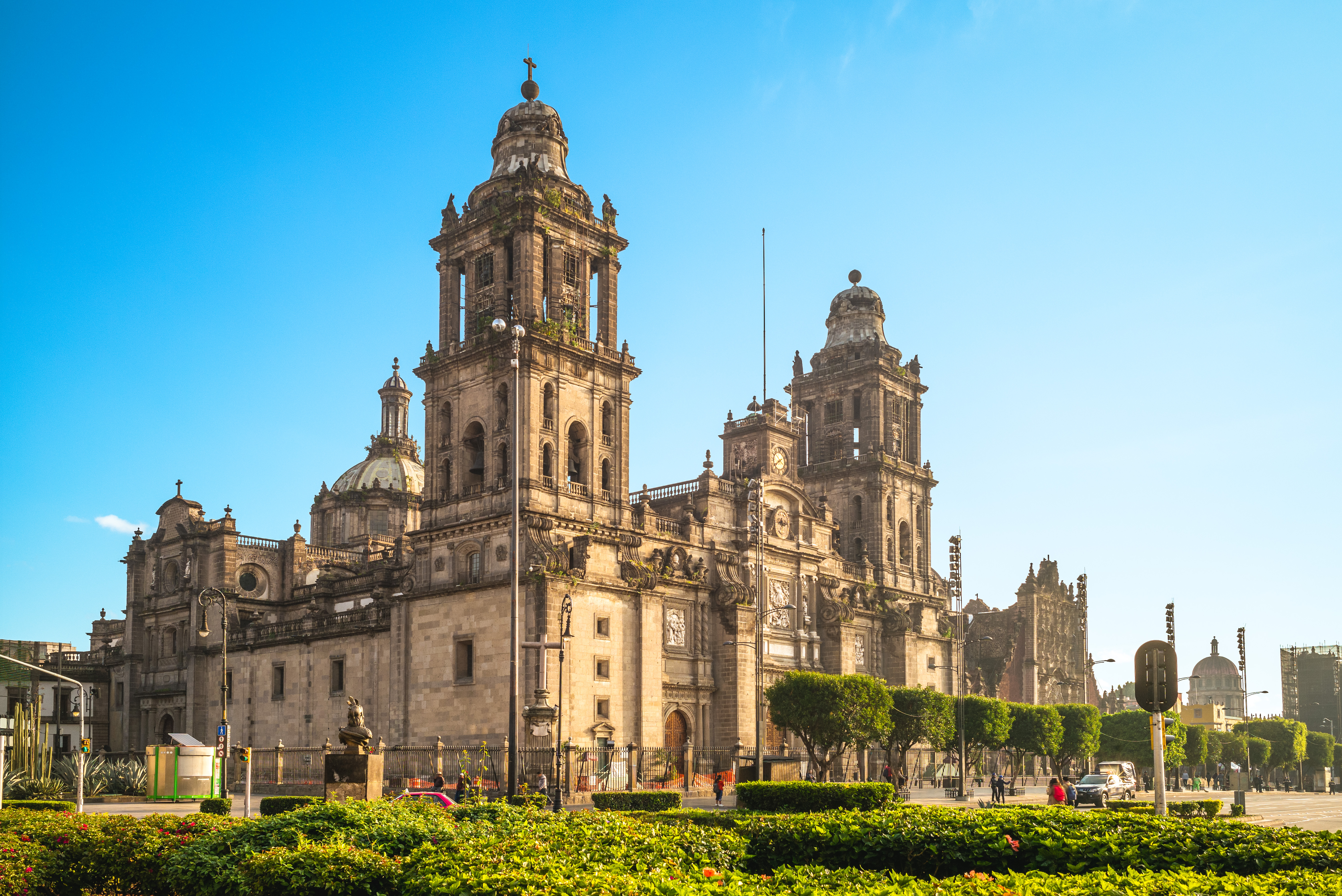,regionOfInterest=(2684,1793))
,regionOfInterest=(2684,1793))
The event that gave rise to this tradition took place in Dolores Hidalgo, in the state of Guanajuato, a town considered the Cradle of National Independence.
There is the Parroquia de Nuestra Señora de los Dolores, whose bell remains closely linked to the historical memory of the event. Visiting Dolores Hidalgo allows you to get to know the settings where one of the most relevant episodes in the history of Mexico began and better understand the origin of this national celebration.
One of the most interesting questions about this date is knowing what the Cry of Independence was like.
The truth is that the exact words spoken by Miguel Hidalgo that dawn in 1810 are not known with absolute certainty. Different testimonies collected later offer diverse versions of the speech. Some refer to religion, others to the homeland and others to the rejection of the viceregal government.
Therefore, there is no literal transcript considered completely reliable of the original Grito.
,regionOfInterest=(2448,1632))
,regionOfInterest=(2448,1632))
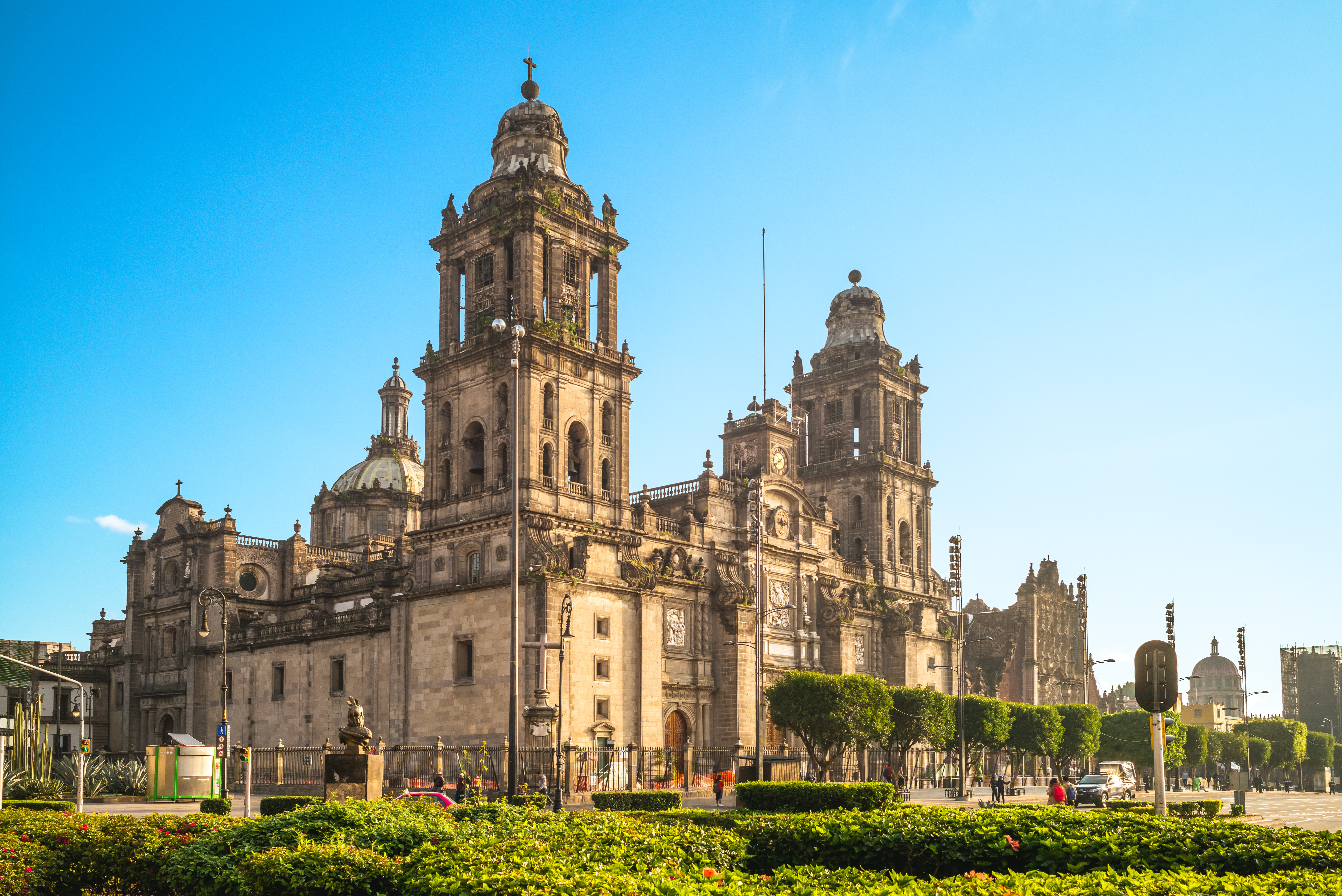
The Mexico's Independence Day ceremony reaches its peak in the Zócalo in Mexico City. On the night of 15 September, thousands of people gather in this iconic square to attend the event.
Minutes before 11pm, the president receives the national flag from a military escort at the National Palace, walks to the main balcony and symbolically recreates Miguel Hidalgo's call.
The ceremony includes several elements that have become symbols of the celebration:
Although the act held at the National Palace is the best known, practically all the cities and municipalities in the country organise similar ceremonies in squares and public buildings.
,regionOfInterest=(3976,2652))
,regionOfInterest=(3976,2652))
Gastronomy occupies a fundamental place during Mexico's Independence Day. During the so-called "Noche Mexicana", families and friends gather around traditional dishes that, in many cases, represent the colours of the national flag.
,regionOfInterest=(3694,2203))
,regionOfInterest=(3694,2203))
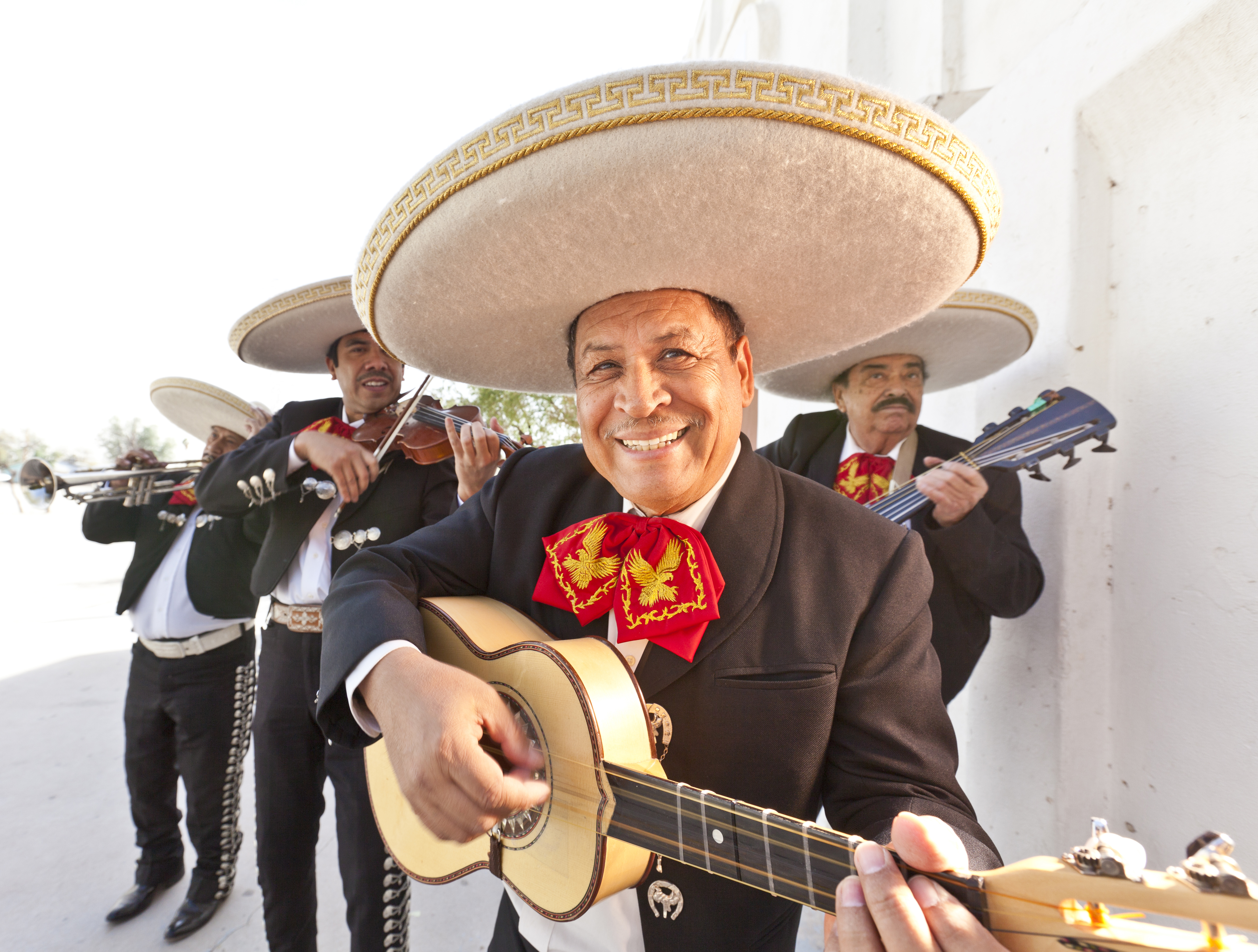
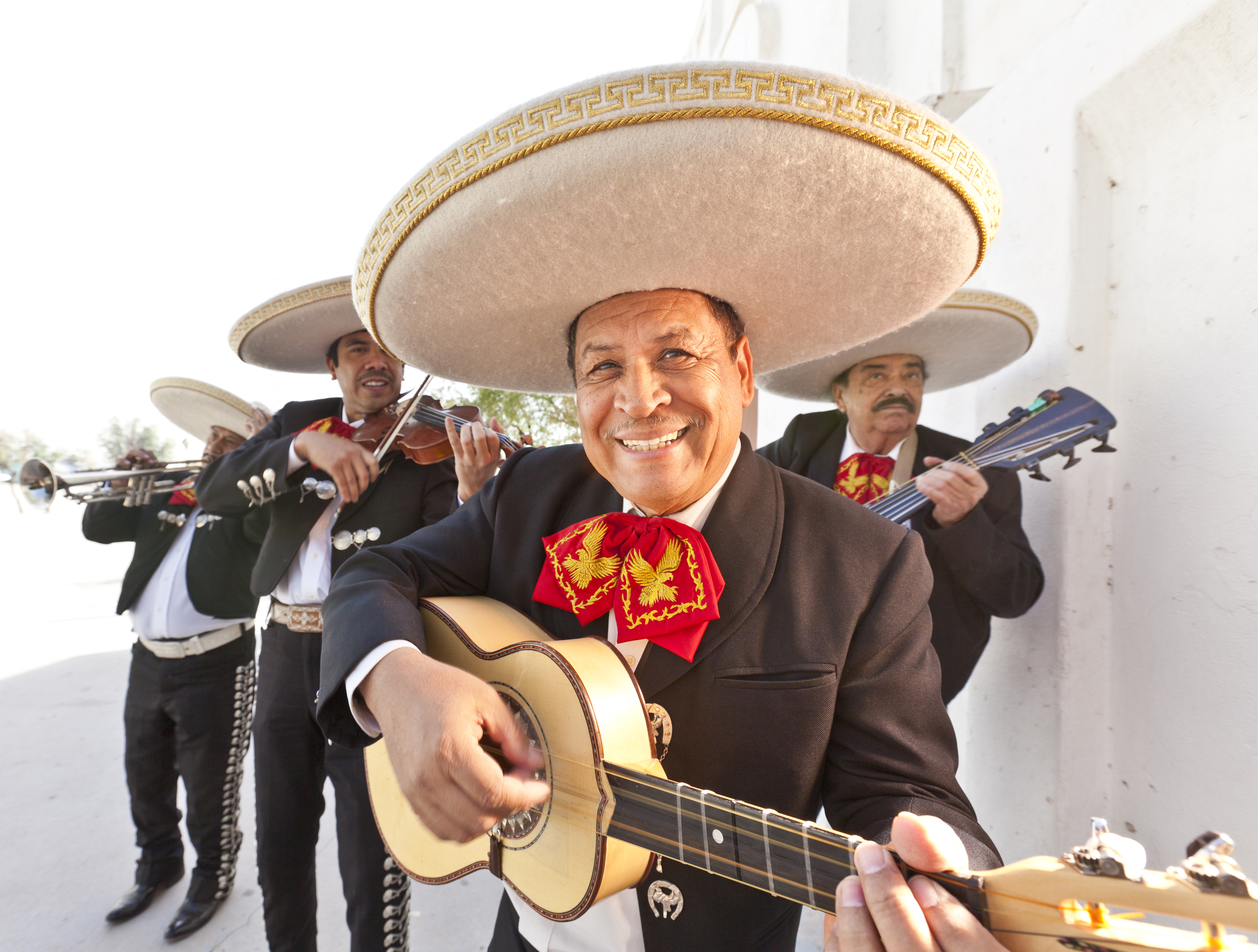
Music is one of the essential elements of Mexican national holidays. Mariachis, internationally recognised as one of the country's great cultural symbols, have a special prominence during these celebrations, although they share the space with other traditional genres.
Among the most representative dances, the jarabe tapatío stands out, considered one of the most iconic folkloric expressions of Mexico. Throughout the night, the music, the fireworks and the constant "¡Viva México!" create a unique atmosphere that makes these festivities one of the most authentic cultural experiences in the country, which attracts tourists from all over the world.
,regionOfInterest=(2473.5,1872))
,regionOfInterest=(2473.5,1872))
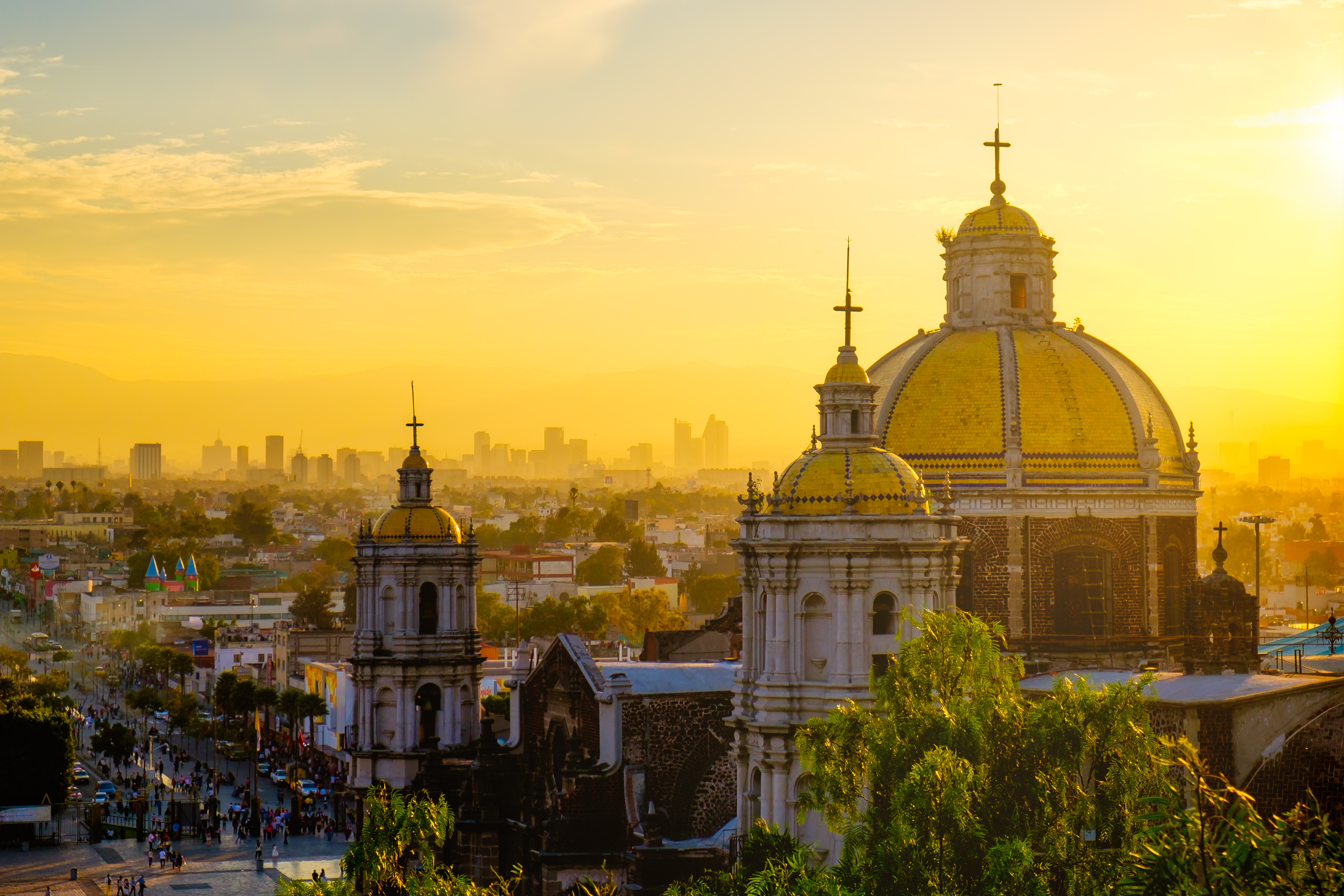
For those who want to experience this tradition at its best, Mexico City is one of the most special places in the country during the national holidays. The epicentre is in the Zócalo, the huge square located in front of the National Palace, where the presidential ceremony is held every year. Beyond the capital, there are other destinations especially recommended for enjoying the national holidays:
,regionOfInterest=(1656,2484))
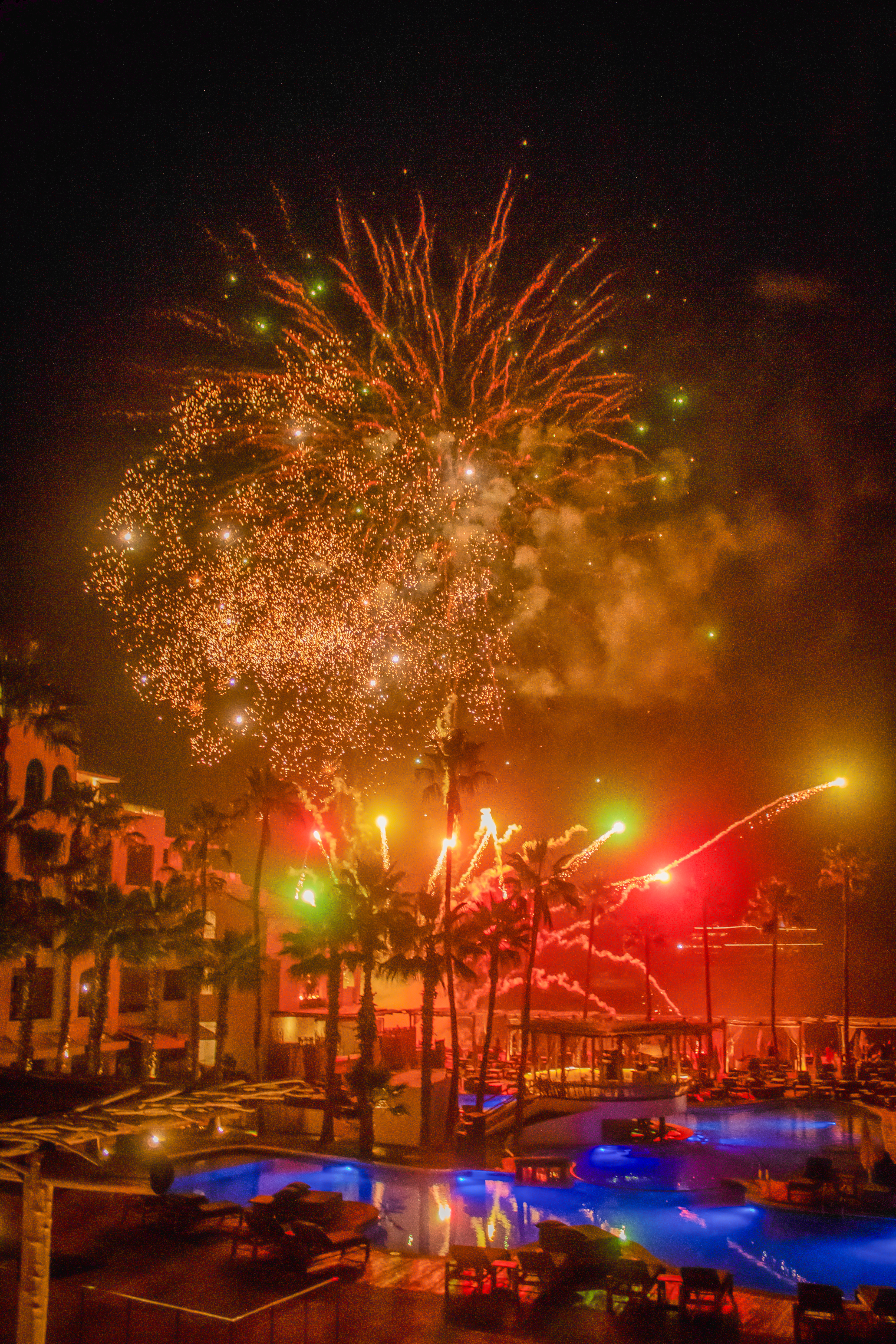,regionOfInterest=(1656,2484))
It is a massive event that brings together millions of people, so good planning is key. These practical tips allow you to enjoy the celebrations while avoiding setbacks:
,regionOfInterest=(4330,2886.5))
,regionOfInterest=(4330,2886.5))
There are several interesting facts that help to better understand the meaning of this celebration:
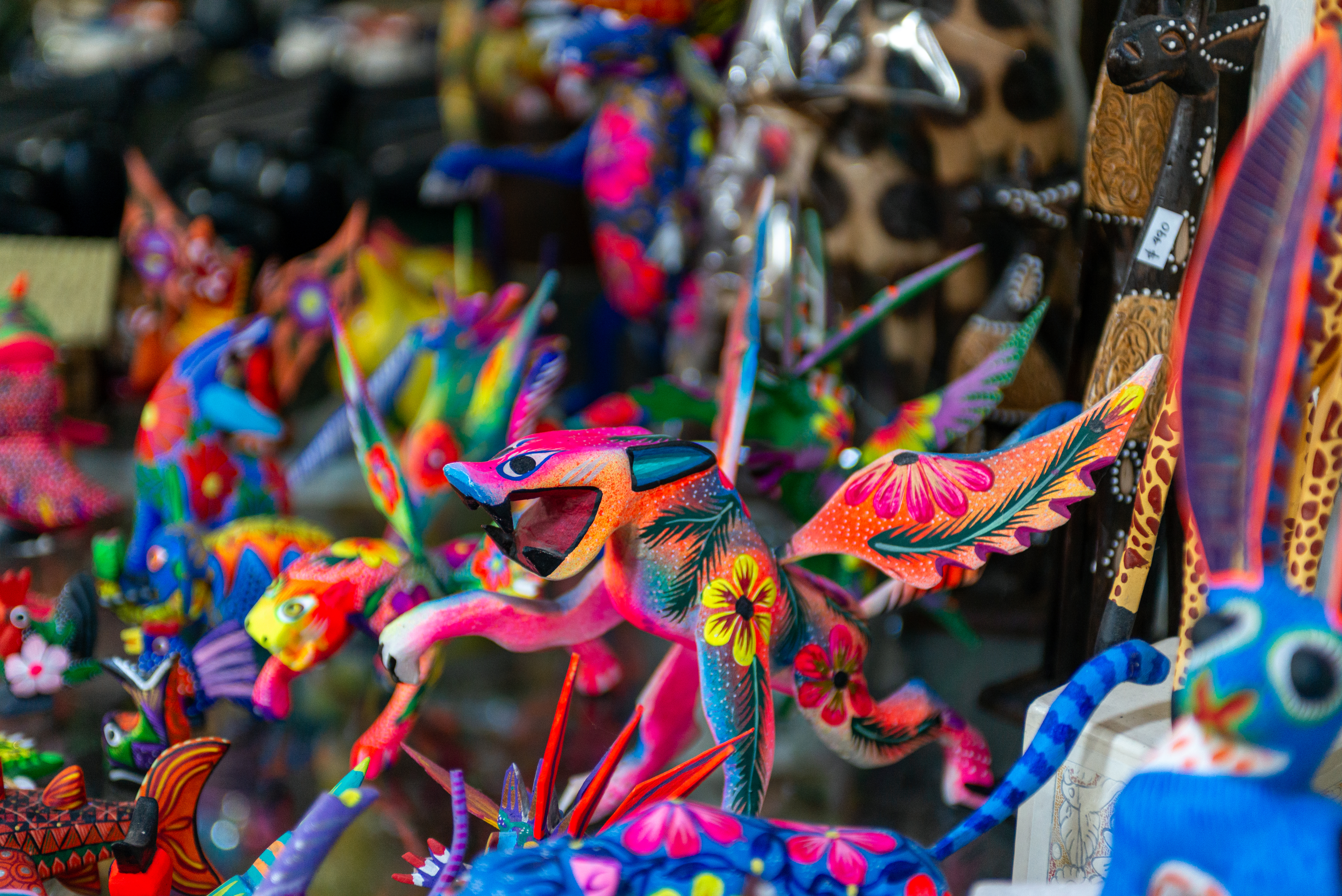,regionOfInterest=(3008,2008))
,regionOfInterest=(3008,2008))
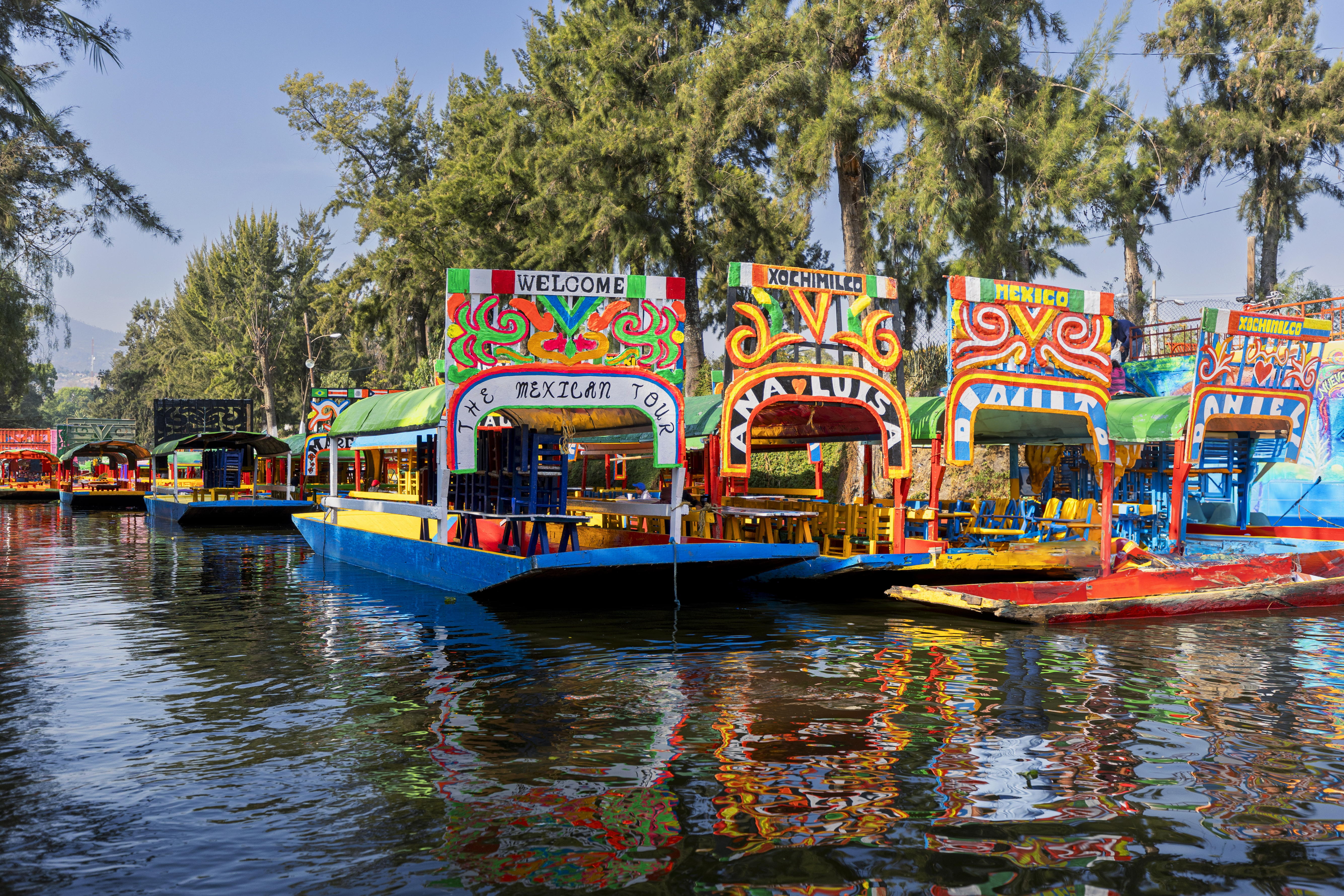
Travelling to Mexico during the Cry of Independence celebrations requires organising your stay in advance. 15 and 16 September are dates of great internal tourist movement, especially in destinations such as Mexico City, Guanajuato or Dolores Hidalgo.
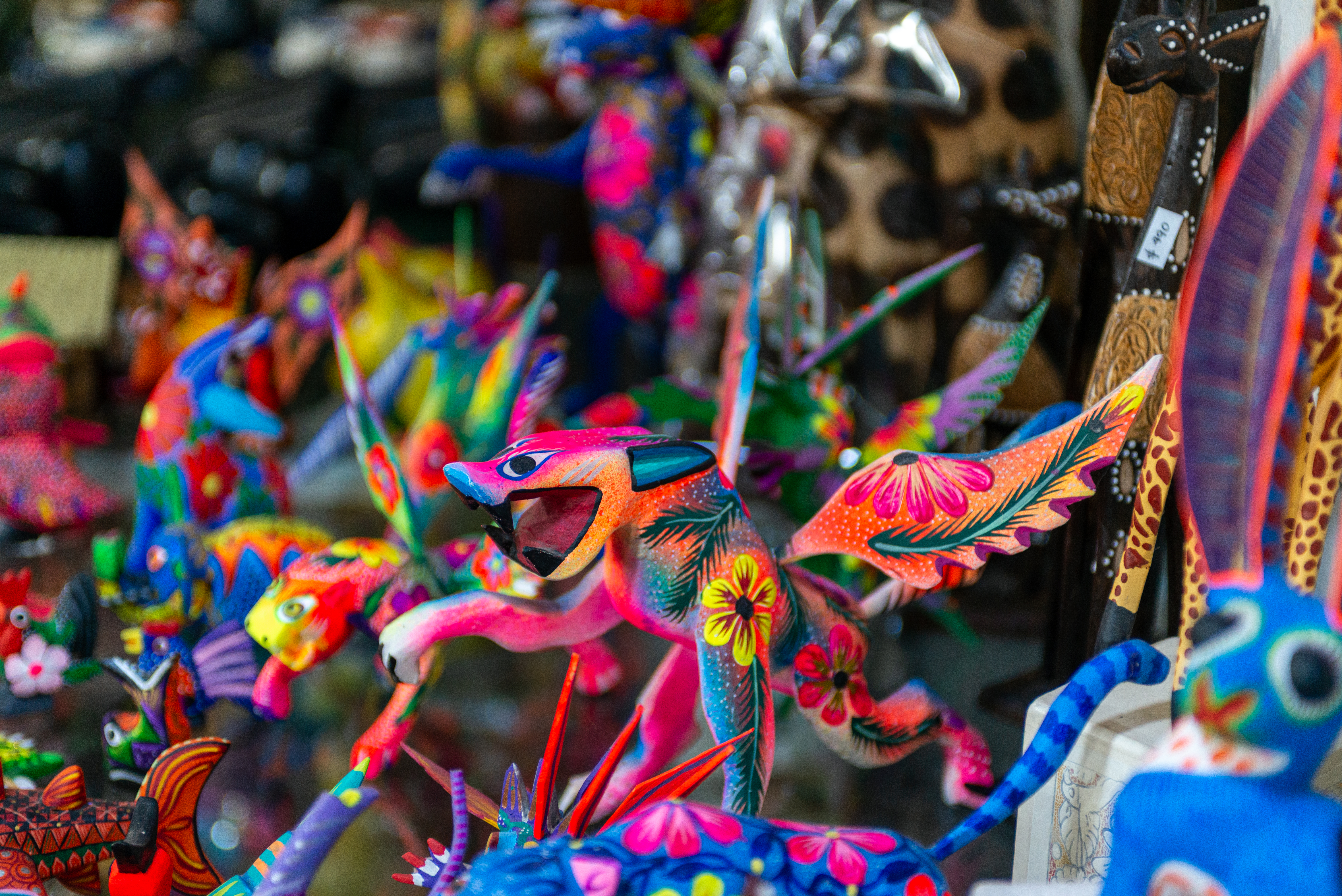
It is also recommended to check the local programme for each destination, as activities may include concerts, popular festivals, cultural events, fireworks displays and official ceremonies. Furthermore, these dates represent a perfect opportunity to discover some of the most iconic traditional dishes of Mexican gastronomy, which feature prominently during the celebrations.
Beyond the festive atmosphere, the Grito de Independencia is a manifestation deeply linked to the Mexican national identity. A tradition steeped in history, symbolism and emotion that every September brings millions of people together under the same cry: "¡Viva México!".
,regionOfInterest=(2670.5,1780.5))
,regionOfInterest=(2670.5,1780.5))
,regionOfInterest=(1476.5,981.5))
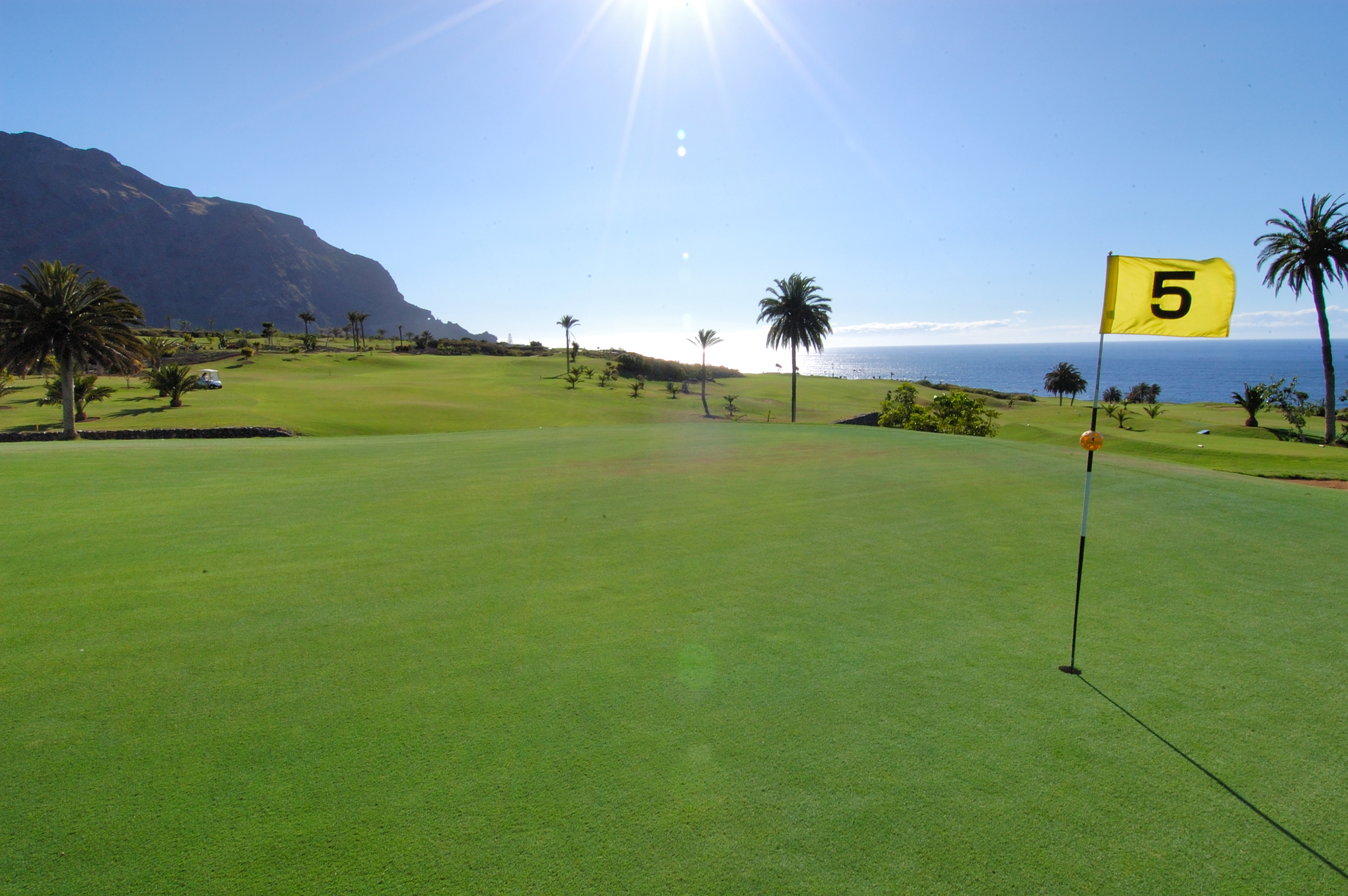,regionOfInterest=(1476.5,981.5))
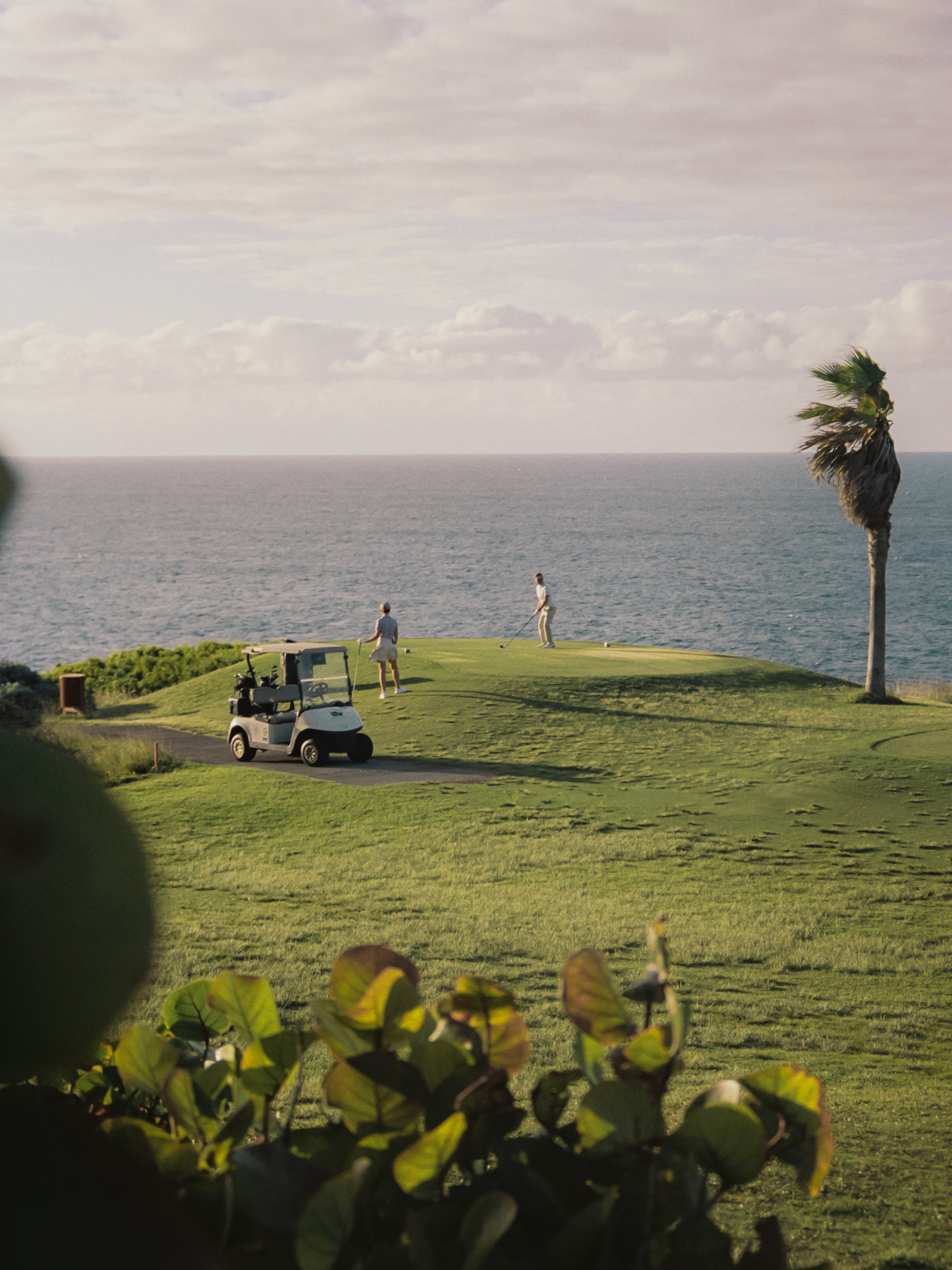,regionOfInterest=(1312.5,1750))
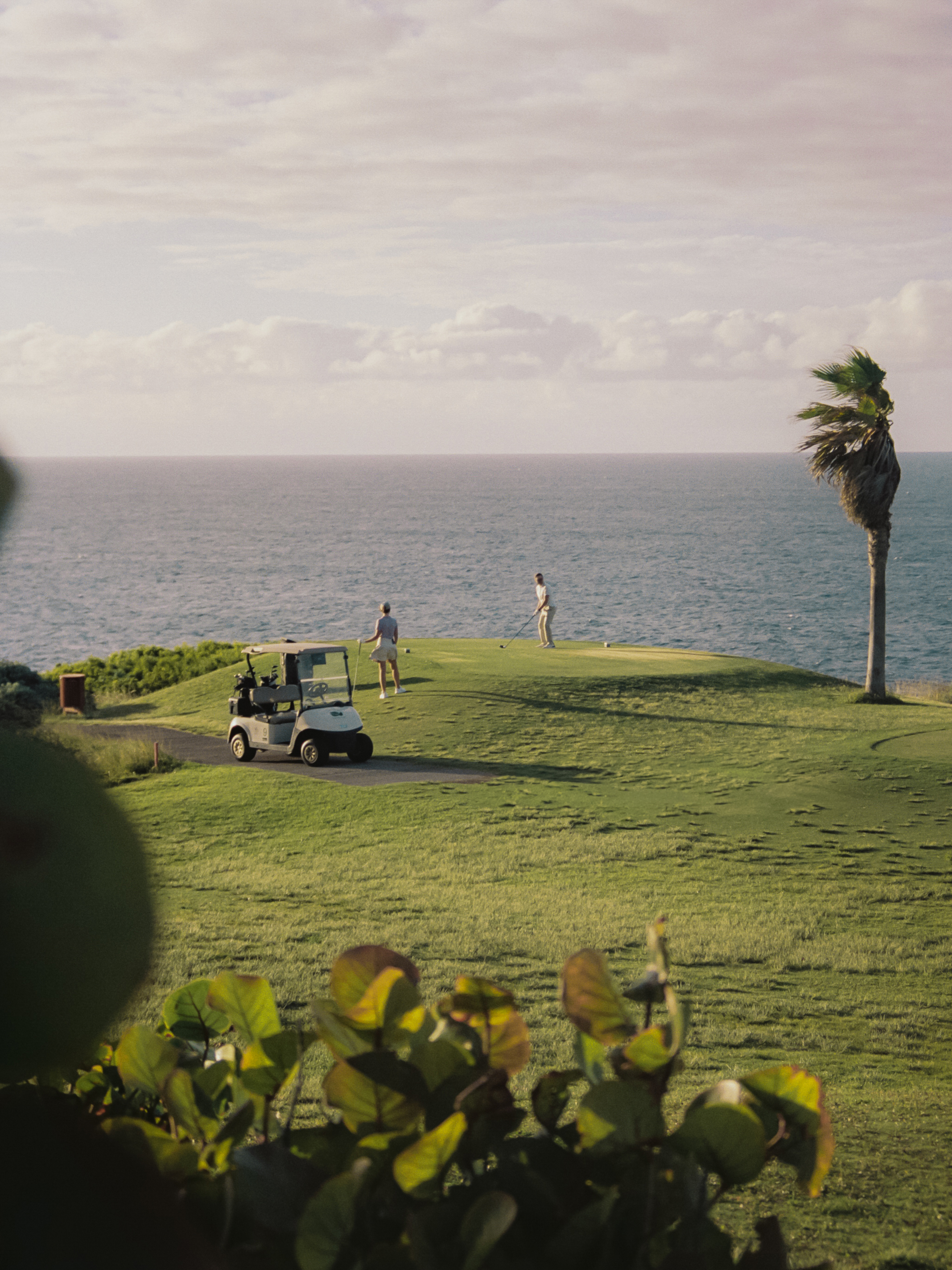,regionOfInterest=(1312.5,1750))
,regionOfInterest=(2000,3000))
,regionOfInterest=(2000,3000))
,regionOfInterest=(2240,3360))
,regionOfInterest=(2240,3360))
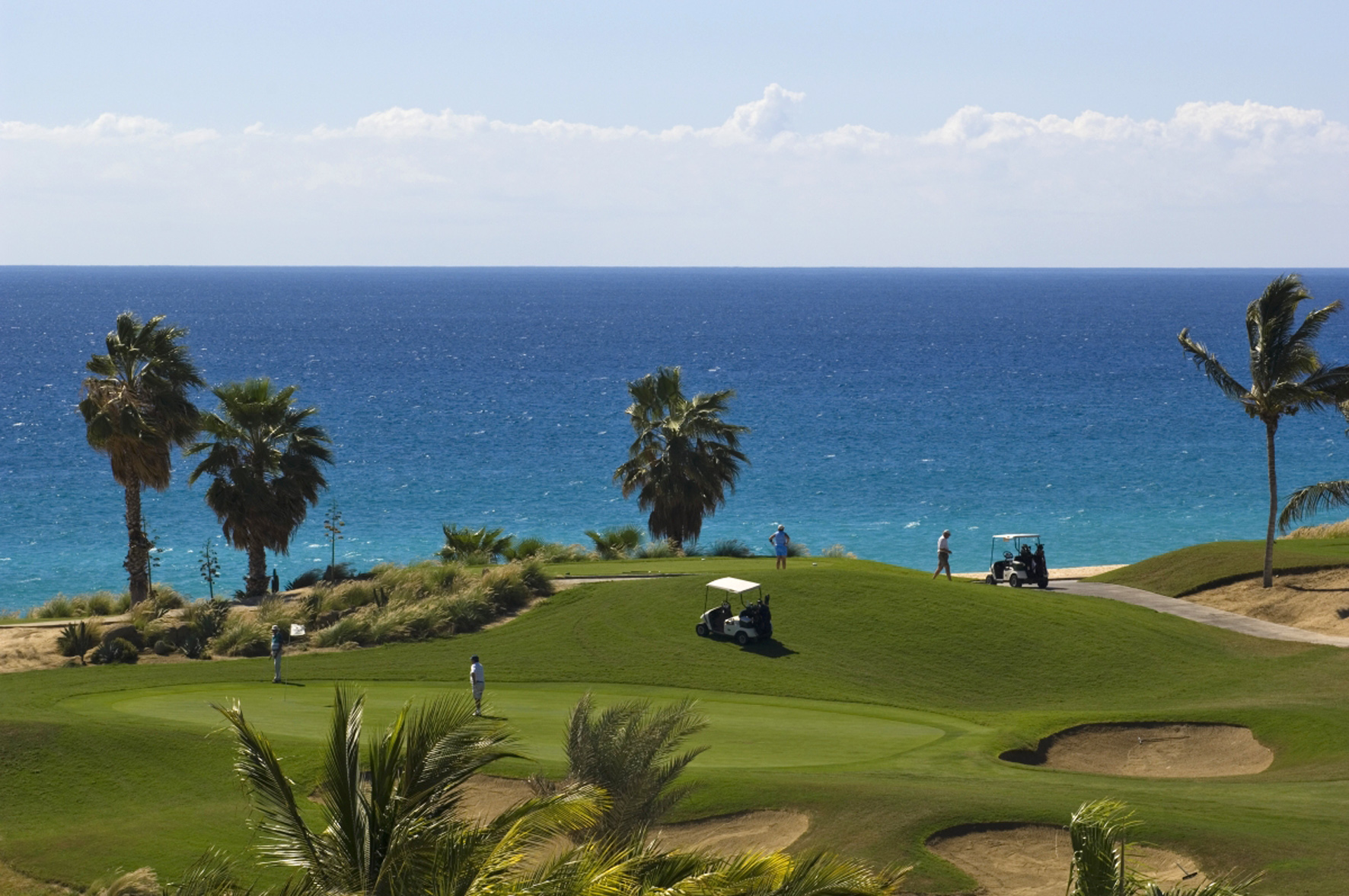,regionOfInterest=(886,588.5))
,regionOfInterest=(886,588.5))