Best Riverfront Hotels in Chiang Mai 2026: Stay Near the Ping River
,regionOfInterest=(1771.5,1181.5))
,regionOfInterest=(1771.5,1181.5))
Culture
,regionOfInterest=(3240,2160))
,regionOfInterest=(3240,2160))
Tenerife offers diverse landscapes and atmospheres, and a week allows for a broader exploration of the island. In those days, there's space to discover volcanoes, historic towns, cities open to the sea, and iconic natural spaces.
From there, this guide suggests what to see in Tenerife in 7 days with an organised itinerary. The route incorporates several places to visit in Tenerife and helps distribute visits more meaningfully.
,regionOfInterest=(627,627))
,regionOfInterest=(627,627))
Specialising in digital marketing and delving into the world of content creation for the tourism and hotel industry.
Culture
,regionOfInterest=(2150,1434))
,regionOfInterest=(2150,1434))
,regionOfInterest=(849,566))
,regionOfInterest=(849,566))
,regionOfInterest=(2150,1434))
,regionOfInterest=(2150,1434))
| Day | Focus of your trip | Main destinations |
| 1 | The power of the earth | Teide National Park, Vilaflor de Chasna, and Victoria Gardens. |
| 2 | Roots and laurisilva | San Cristóbal de La Laguna, Anaga, Las Teresitas beach, and Santa Cruz de Tenerife. |
| 3 | The garden of the Atlantic | La Orotava, Puerto de la Cruz, and the northern coast. |
| 4 | Tradition and architecture | Icod de los Vinos and Garachico. |
| 5 | The soul of the ravines | Masca and Los Gigantes Cliffs. |
| 6 | Relaxation and final elegance | Costa Adeje and Playa del Duque. |
| 7 | Farewell | Güímar. |
The 7-day route through Tenerife begins in the heart of the island, a place where time seems to stand still to offer you an incredible geological spectacle that will connect you with the island's pure energy.
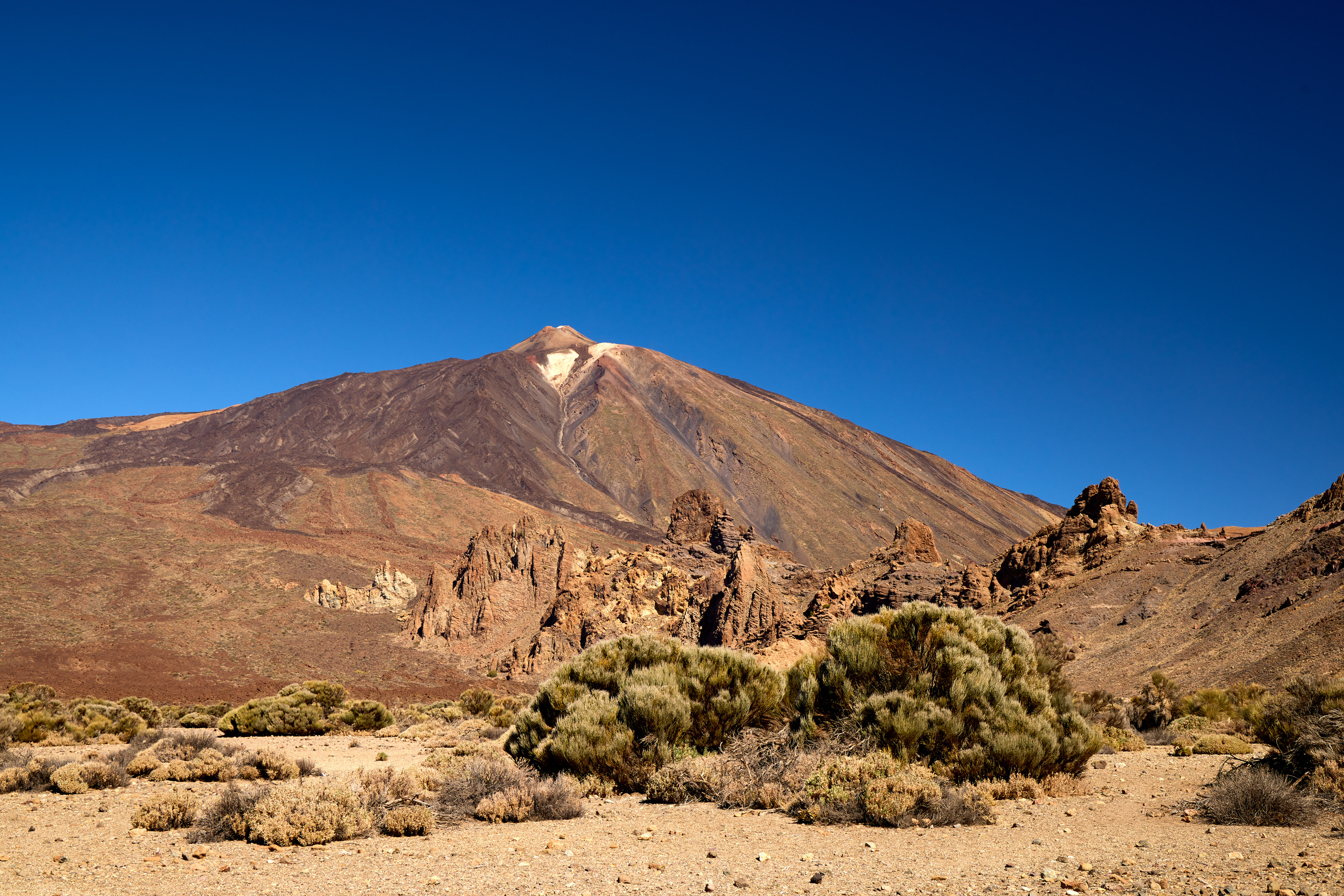
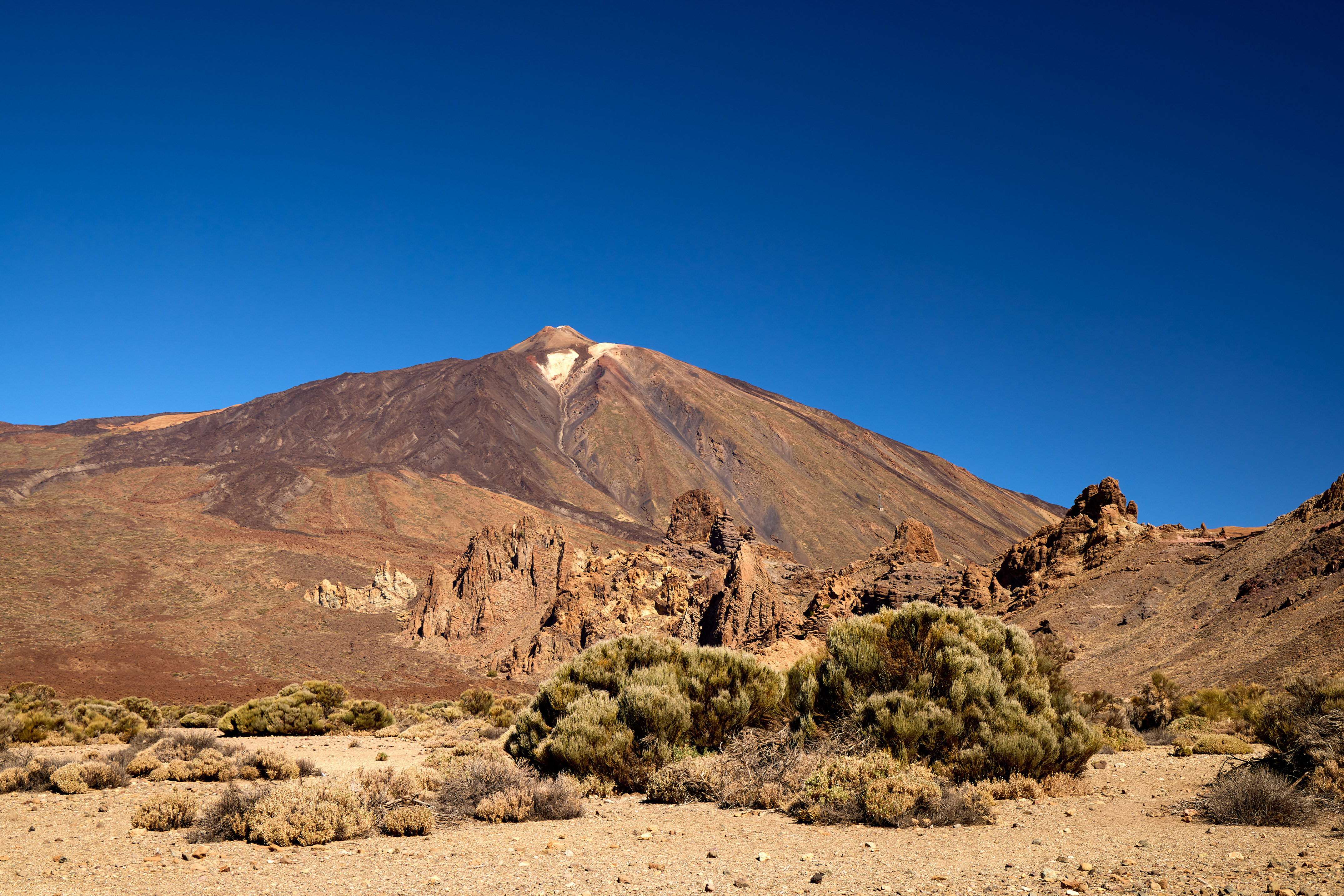
Teide National Park, a UNESCO World Heritage site, is much more than a volcano; it is a temple of peace and the volcanic heart of the island. There stands El Teide, the highest peak in Spain.
As it is a must-see on this 7-day Tenerife itinerary, it is worth dedicating time to walk around the Roques de García, where the lava formations will tell you stories of thousands of years.
If you want to enhance the experience, the cable car allows for a more complete visit to the park.
📍Check opening times and fares
Additionally, along the road that crosses it, you will find several viewpoints from which to contemplate the volcanic landscape.
After touring the park, the drive to Vilaflor will be about 20-25 minutes via the southern slope, allowing you to see the volcanic landscape and discover the purest air on the island.
Located at over 1,400 metres, Vilaflor de Chasna is the highest village in Spain, nestled among a sea of pine trees, and acts as the gateway to the summit of Teide.
Its cobbled streets and parish church invite a leisurely stroll, being the ideal place to sample the island's traditional pastries, such as bienmesabe or almond rosquetes. Here you can see the Pino Gordo, the thickest and tallest tree in all the Canary Islands.
Cross the heart of Teide National Park by road and take the TF-24. The journey will take approximately 50-60 minutes.
On the road descending from Teide, make several strategic stops at the viewpoints bordering the Corona Forestal. Places like the Mirador de Chipeque offer one of the best views on the island: Teide floating above a sea of clouds.
It's a sensation of absolute well-being to see the Canary pines merge with the blue horizon. You'll feel time stand still, offering a truly unique experience. This may take about 45 minutes if you make several stops.
Continue the descent via the TF-24 and join the TF-5 towards Puerto de la Cruz / La Orotava. The total drive takes approximately 1 hour depending on traffic.
Save some time in the afternoon for a stroll through the Victoria Gardens, in the historic centre of La Orotava, which stand out for their tiered structure and impeccable maintenance. Upon reaching the highest area, in front of the mausoleum, you will have an impressive panoramic view of La Orotava, allowing you to appreciate its colonial layout. It is the perfect place to see how the afternoon light bathes the historic facades in gold.
In just 10 minutes by car, you'll reach Puerto de la Cruz, the coastal heart of the north, to end the day by the sea.
Conclude this first day in Puerto de la Cruz. Plaza del Charco is its epicentre, a place where locals and visitors mingle under the Indian laurel trees. Walking towards the small Fishermen's Pier will allow you to feel the proximity of the sea and the hospitality of a town that faces the Atlantic. Dining at one of the nearby terraces, enjoying fresh fish, is the perfect end to this intense day.
,regionOfInterest=(3180,2120))
,regionOfInterest=(3180,2120))
Today combines two of Tenerife's most recognisable faces: the historical heritage of La Laguna and the natural landscape of Anaga.
Strolling through San Cristóbal de La Laguna is like travelling back in time with a modern and elegant touch. A city that reflects the island's open and Mediterranean character, its pastel-coloured colonial palaces and flower-filled courtyards offer a unique atmosphere.
It is advisable to visit the Cathedral and get lost in its pedestrian streets where university life creates a very relaxed atmosphere.
Leave the city behind to ascend to the Anaga Massif, where the green becomes much more intense. The journey to the viewpoints is about 20-25 minutes.
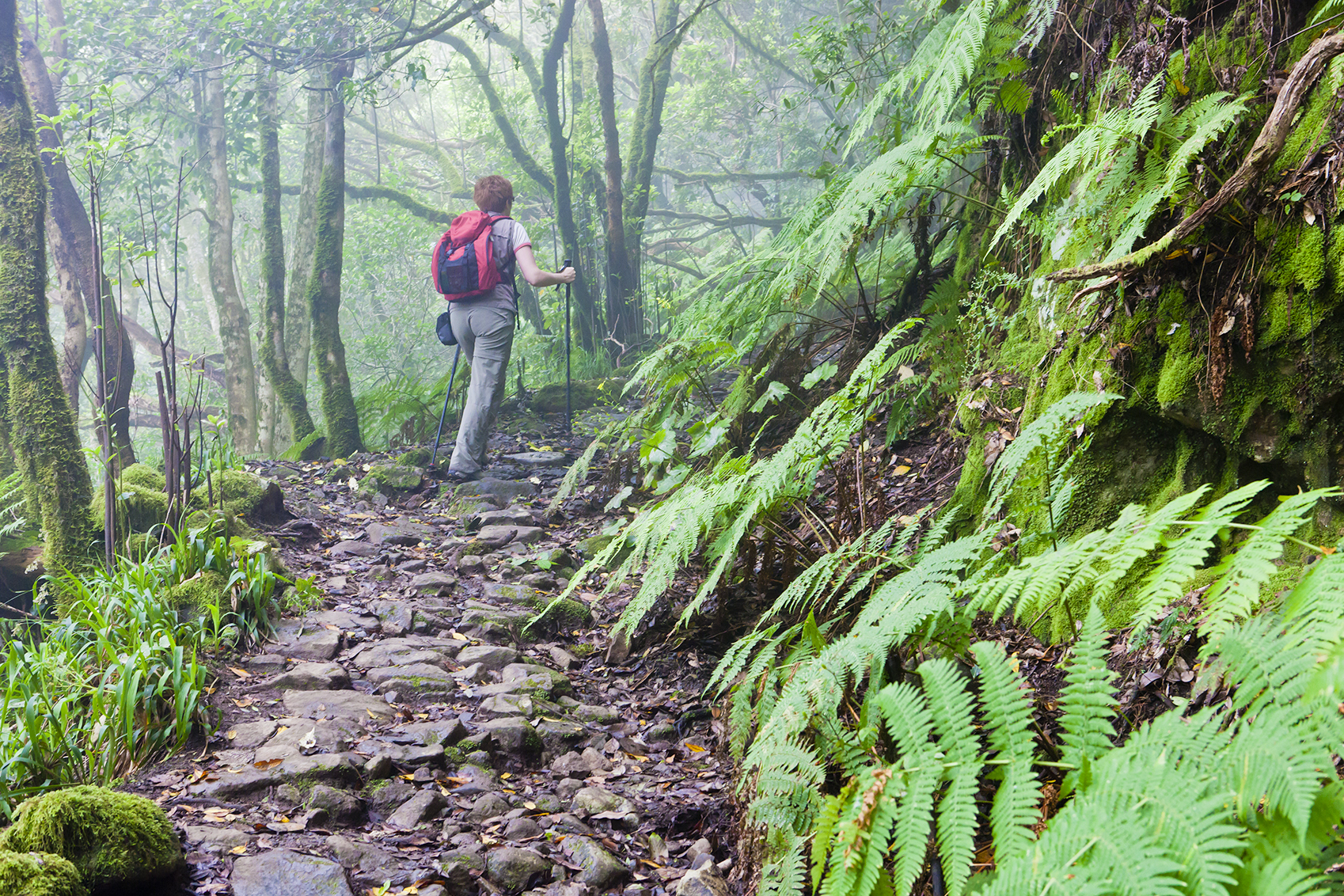
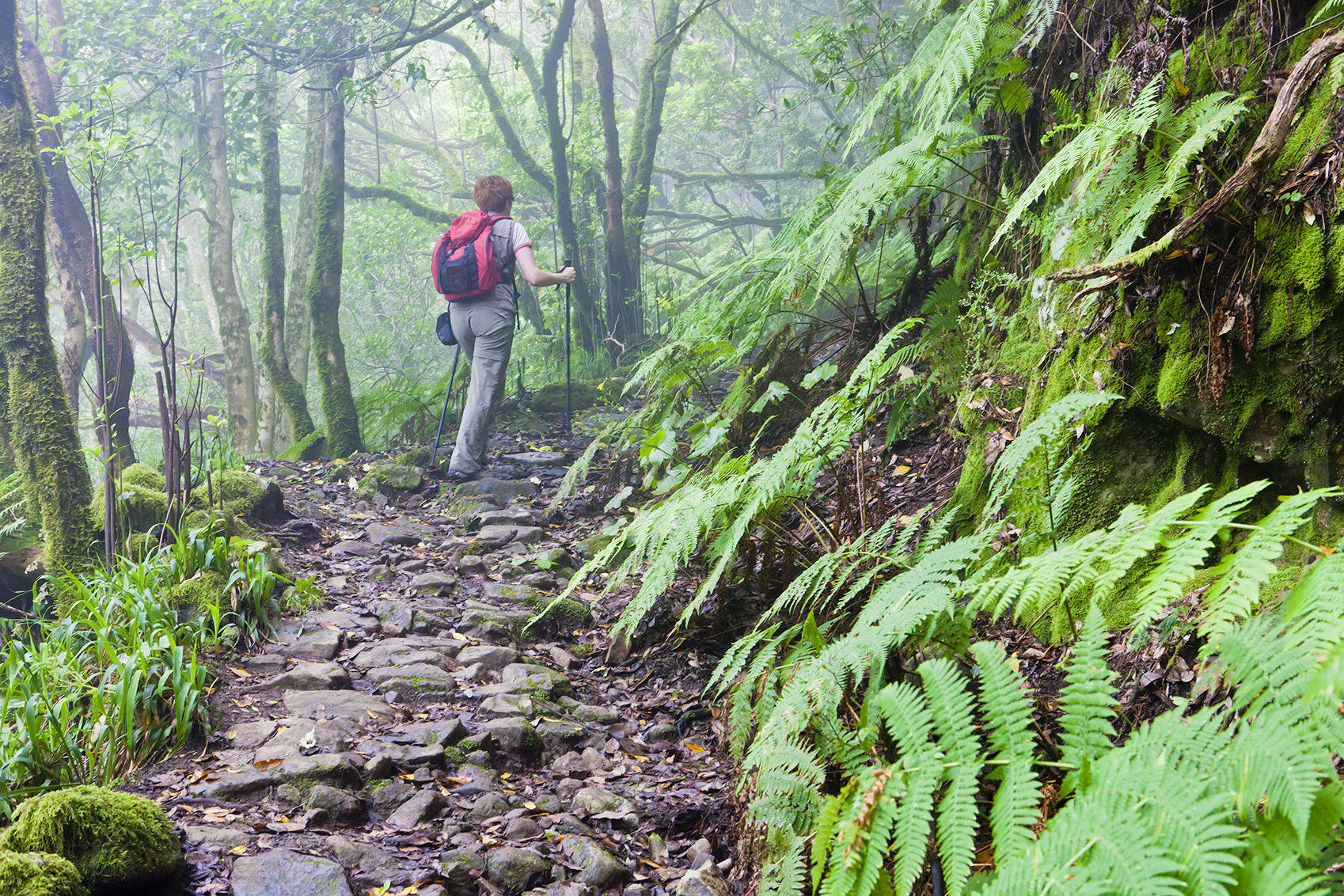
This laurisilva forest is a gift for your senses. Walking along the Sendero de los Sentidos (Path of the Senses) will allow you to touch, smell, and feel the humid and lush environment. It's an experience that will connect you with the purest essence of Tenerife. The viewpoints, such as that of Pico del Inglés, offer views you cannot miss.
Descend towards the coast via the Taganana road or directly towards Santa Cruz, a journey of about 30-40 minutes.
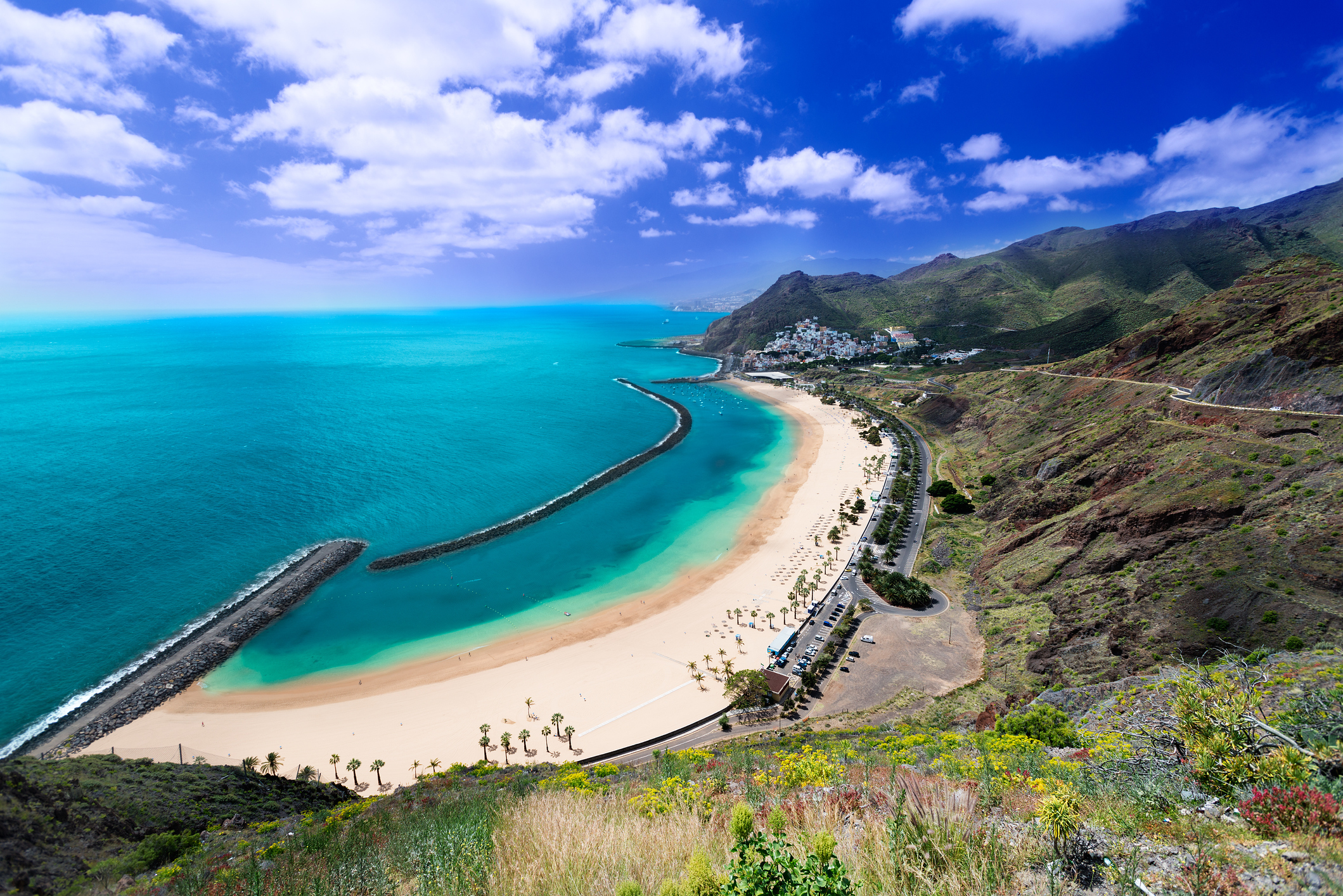
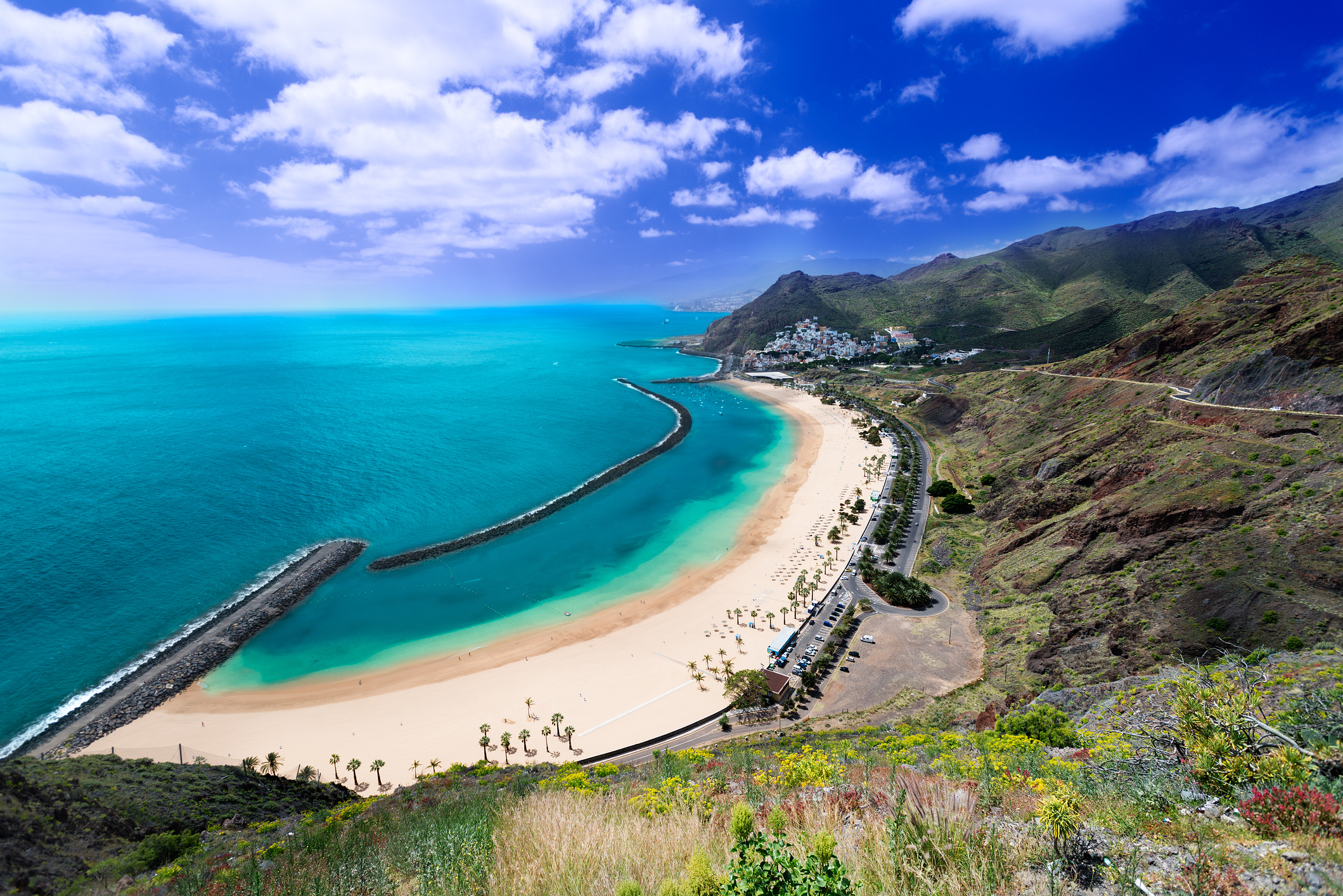
Las Teresitas Beach is famous for its golden sand and its sheltered location between mountains. A beach with sand brought from the Sahara, it is one of the most pleasant places to enjoy the sea during your seven-day trip to Tenerife.
From the beach, Santa Cruz de Tenerife is only a 10-minute drive away.
This afternoon is dedicated to Santa Cruz de Tenerife, the island's capital, which combines modern architecture, culture, and wide avenues. One of its main icons is the Auditorio de Tenerife, designed by Calatrava, which symbolises a wave breaking against the sea.
Right next door, the Palmetum offers a botanical garden specialising in palm trees from around the world, which is an oasis of well-being.
In this guide, you'll discover what to visit in Santa Cruz de Tenerife in full detail.
Walking, within a maximum of 10-15 minutes from any point in the city, you'll reach the old town and the famous Calle de la Noria.
In Santa Cruz de Tenerife, end the day in the old town and its well-known Calle de la Noria. This corner is the soul of Santa Cruz's nightlife, where traditional colourful houses host contemporary venues perfect for a drink, with lively terraces.
The third day of this 7-day Tenerife route will take you to one of the most charming places in the north of the island. An area that combines traditional architecture, volcanic landscapes, and viewpoints from which to admire the Atlantic Ocean.
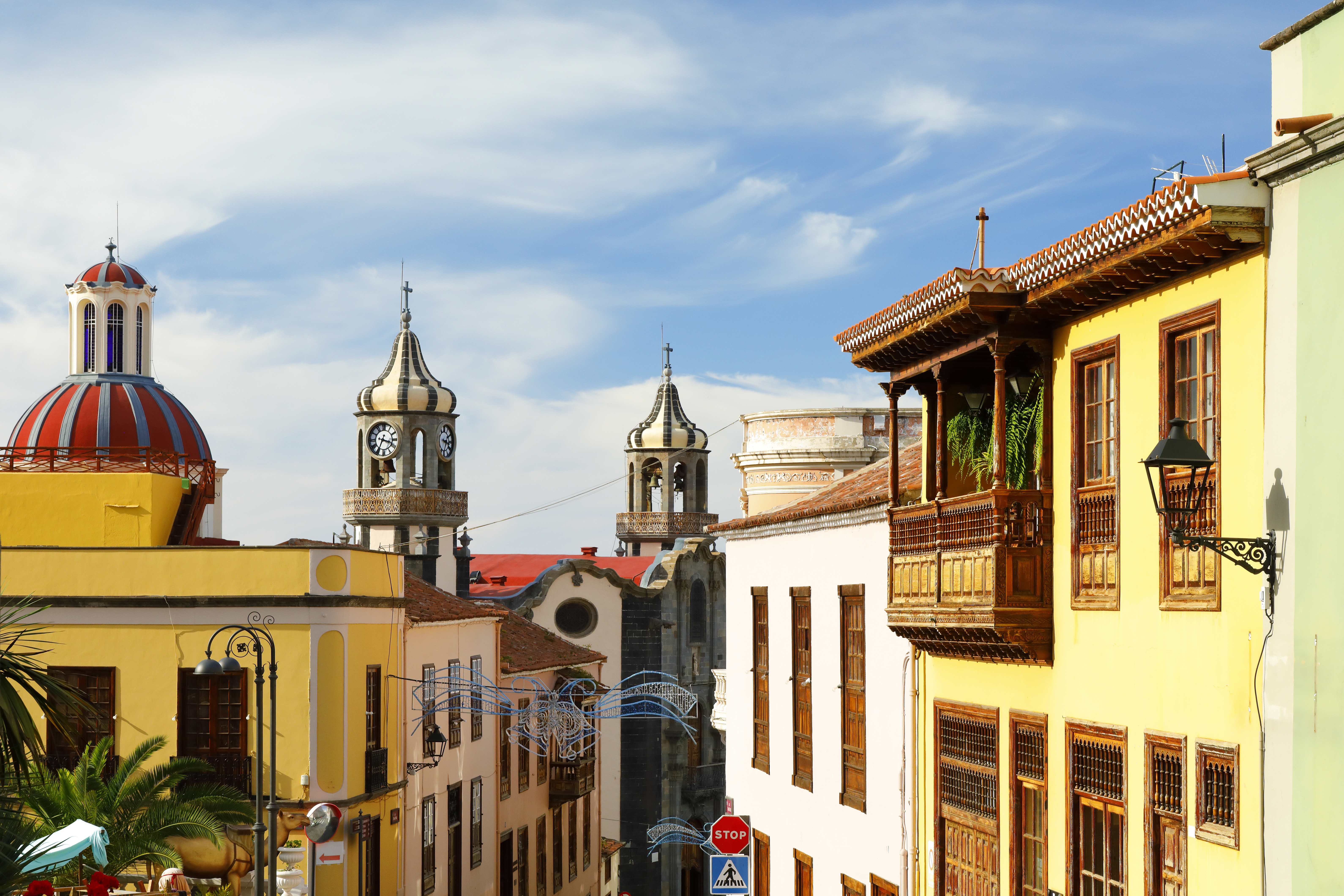
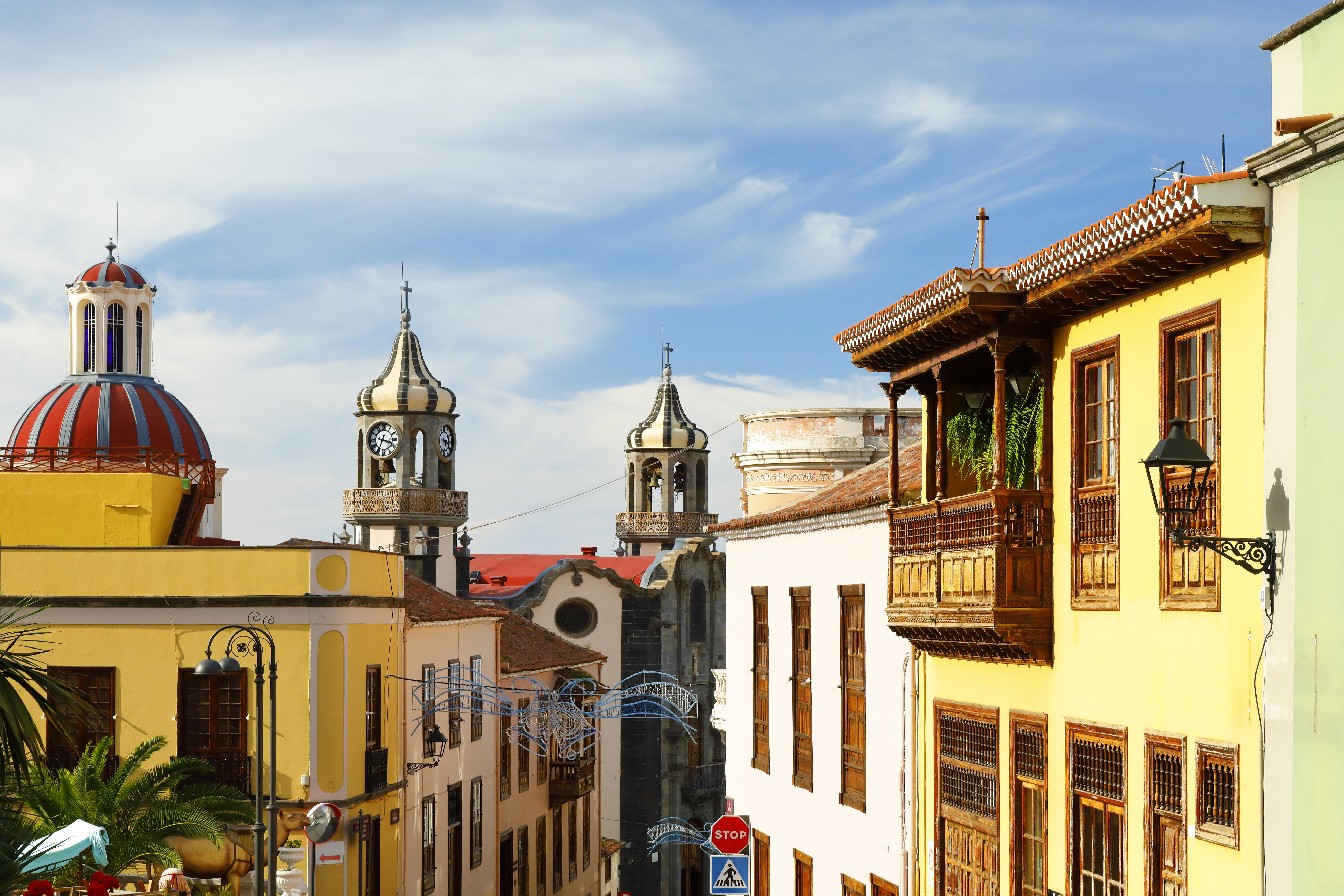
The municipality of La Orotava is one of the essential places to include in any week-long Tenerife itinerary. Its historic centre preserves some of the most beautiful stately homes on the island, with carved wooden balconies that reflect traditional Canarian architecture.
One of the most interesting aspects is its relationship with the volcanic landscape of the Orotava Valley, a fertile territory that stretches from the slopes of Teide to the northern coast.
From here, you can head towards the coast towards Puerto de la Cruz, just about a 10-minute drive away.
An essential place in any 7-day Tenerife tourist guide, Puerto de la Cruz is one of the island's most historic tourist towns. Unlike the south, it retains a more traditional atmosphere, with quiet squares, seaside promenades, and subtropical gardens.
Strolling along its promenade allows you to admire the ocean while the waves crash against the volcanic formations of the coast. Here you'll find lively squares where you can feel the unhurried rhythm of the north of the island.
From Puerto de la Cruz, you can continue the journey by car to the viewpoints on the northern coast on short trips of between 10 and 20 minutes.
The north coast of Tenerife is full of natural viewpoints from which to admire the ocean and the volcanic landscapes that characterise this part of the island. As dusk falls, the views towards the Atlantic and Teide create one of the most special moments of the trip. Here you have more ideas on what to visit in northern Tenerife.
,regionOfInterest=(1791,1200))
,regionOfInterest=(1791,1200))
The fourth day of this Tenerife itinerary in 7 days takes you to the northwest of the island, an area where historic villages coexist with very unique volcanic landscapes. Here you will discover some of the most beautiful municipalities in the entire archipelago.
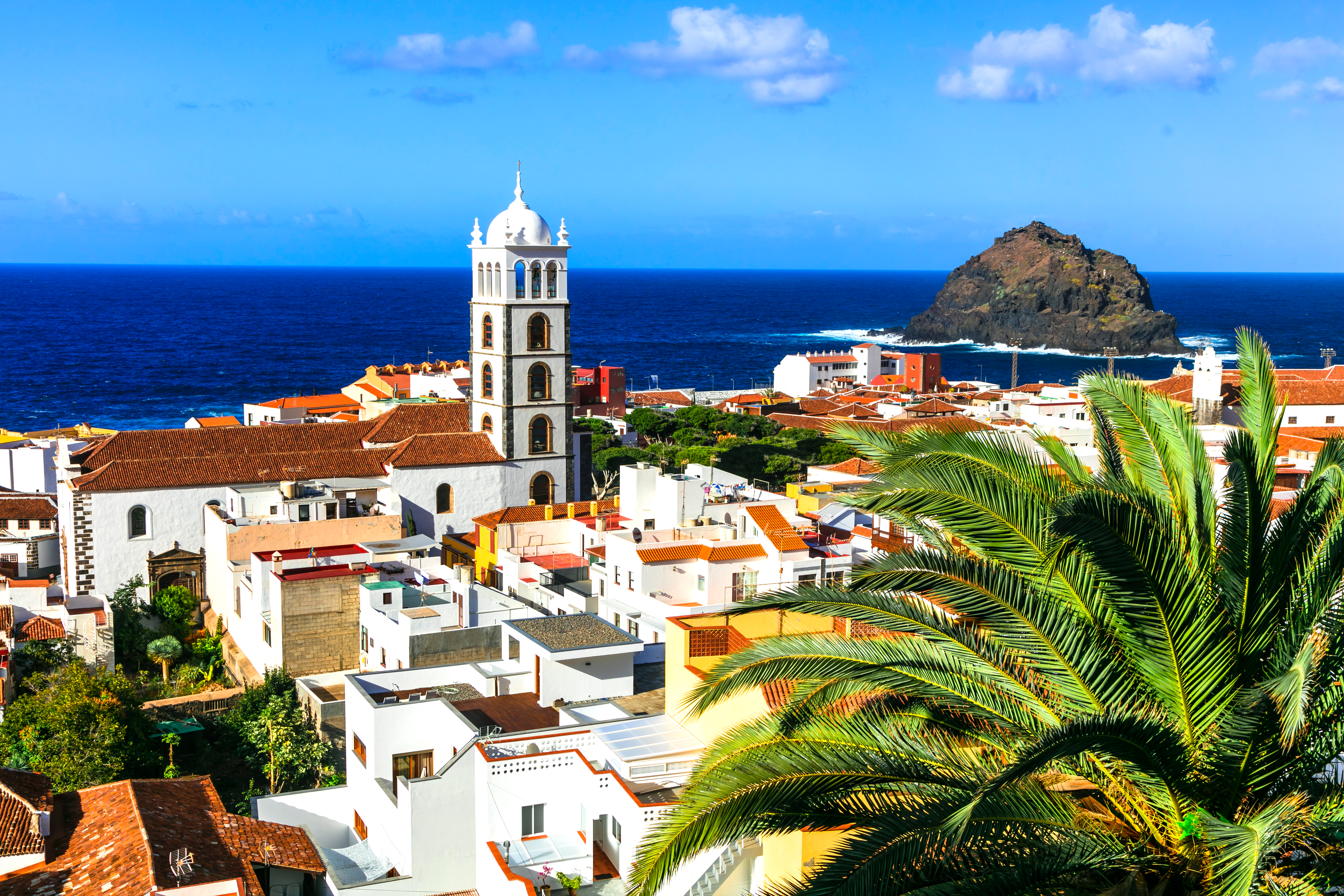
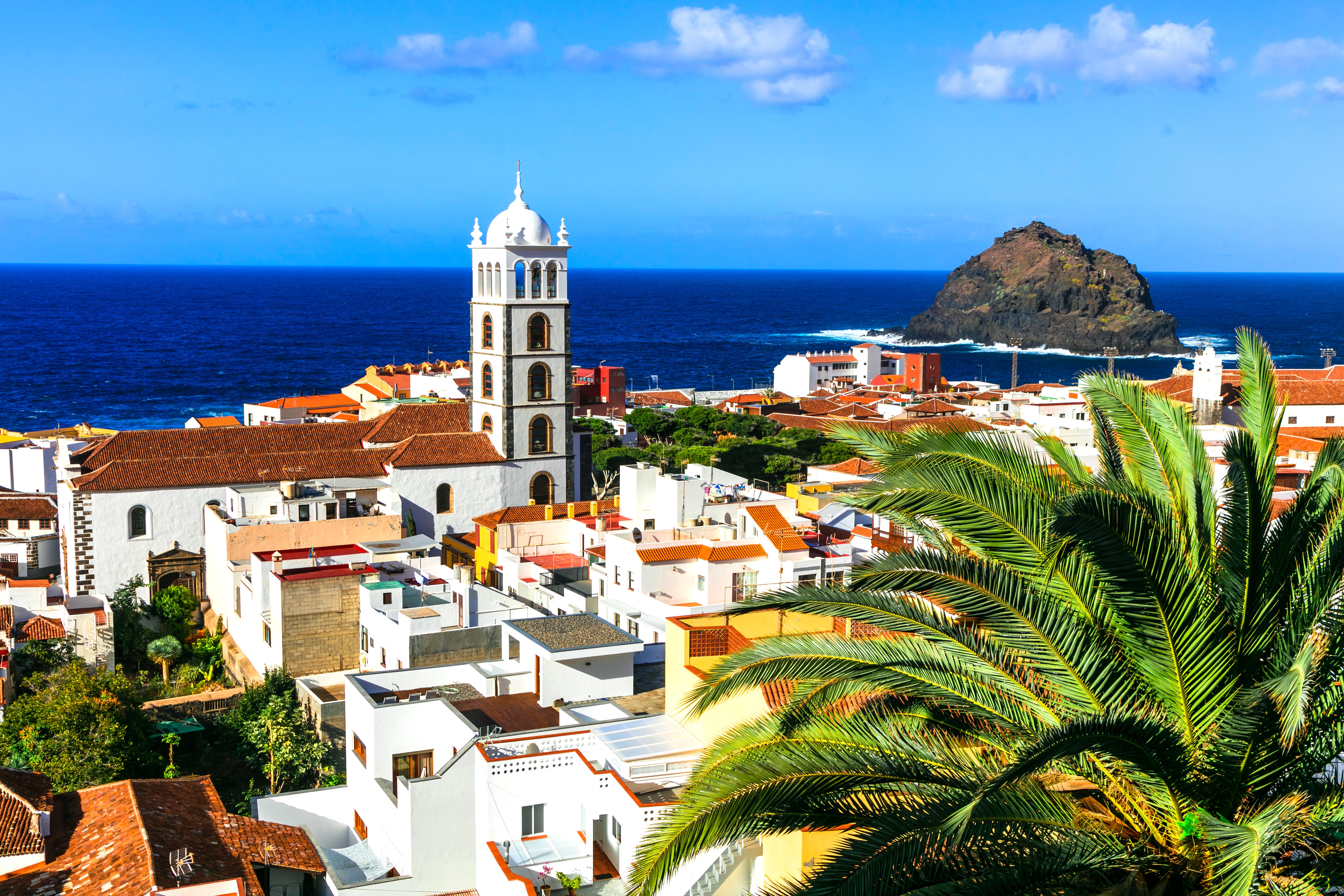
The town of Garachico is one of the most historic places in Tenerife. In the 17th century, it was one of the most important commercial ports on the island until a volcanic eruption forever changed its landscape.
Lava flows covered part of the municipality, but over time, the inhabitants rebuilt the town, creating the charm that today makes it one of the most special destinations. Its cobbled streets, historic squares, and natural pools formed by solidified lava offer a unique combination of history and nature.
From here, you can continue to Icod de los Vinos, inland in the north of the island, in about 10-15 minutes by car.
The municipality of Icod de los Vinos is famous for housing one of the most important natural symbols of the Canary Islands: the Millennial Dragon Tree. This legendary tree is several centuries old and is part of the island's cultural identity.
Strolling through the town centre allows you to discover traditional houses, quiet squares, and viewpoints with incredible views.
When you finish your visit, continue driving along the north coast or, if you prefer, head towards the northwestern viewpoints.
The northern coast of Tenerife offers some of the most authentic and spectacular landscapes on the island. Here, lava flows mix with small volcanic coves and cliffs that showcase the power of the Atlantic Ocean.
The northwestern viewpoints are on the same road. The total journey can take between 1 and 2 hours depending on the stops you make.
As night falls, the northwestern viewpoints offer impressive panoramas of the ocean and the island's volcanic terrain that are highly recommended.
Today the journey becomes epic. You'll feel the magnitude of the island with an intimacy and connection that will make this day unforgettable.
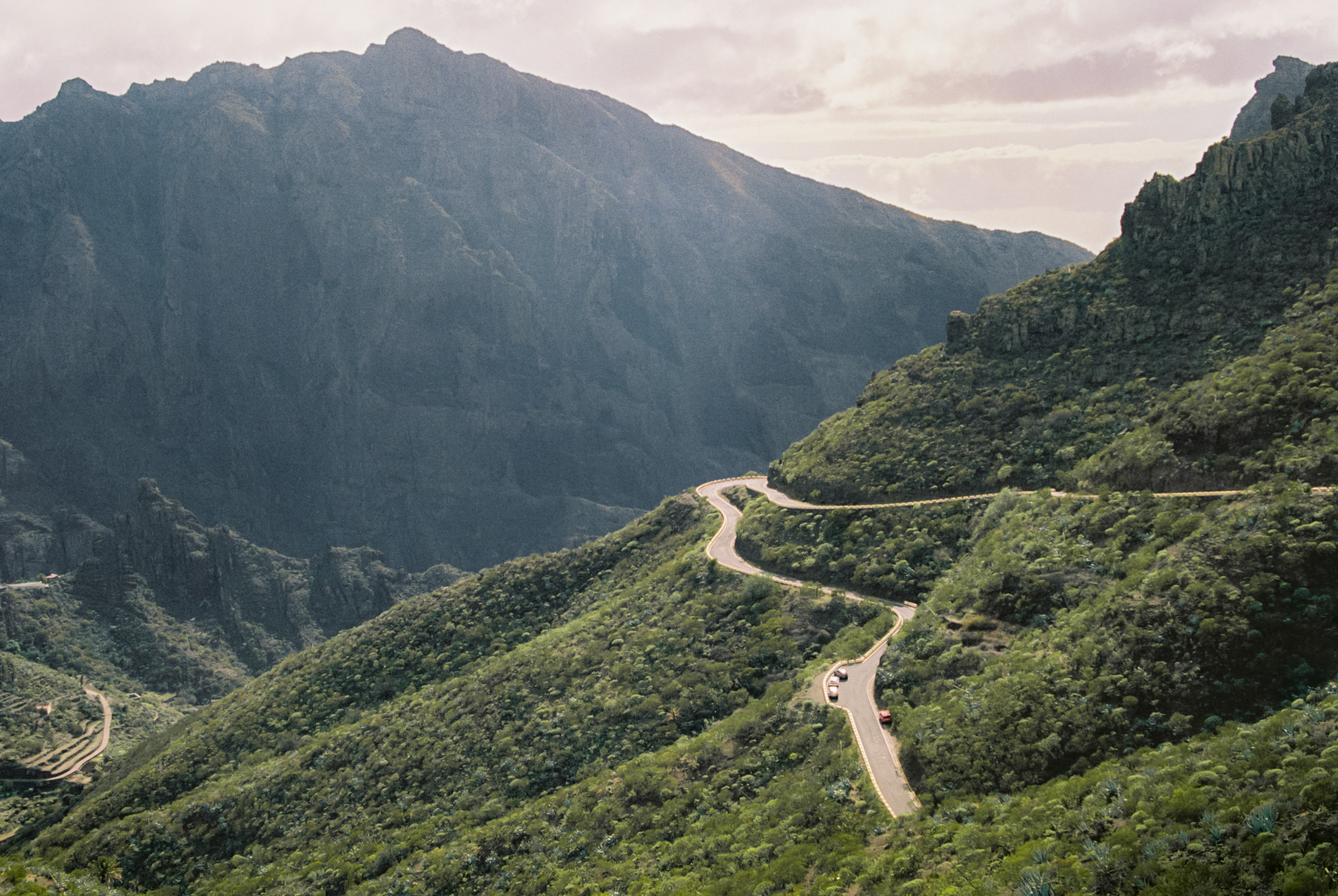
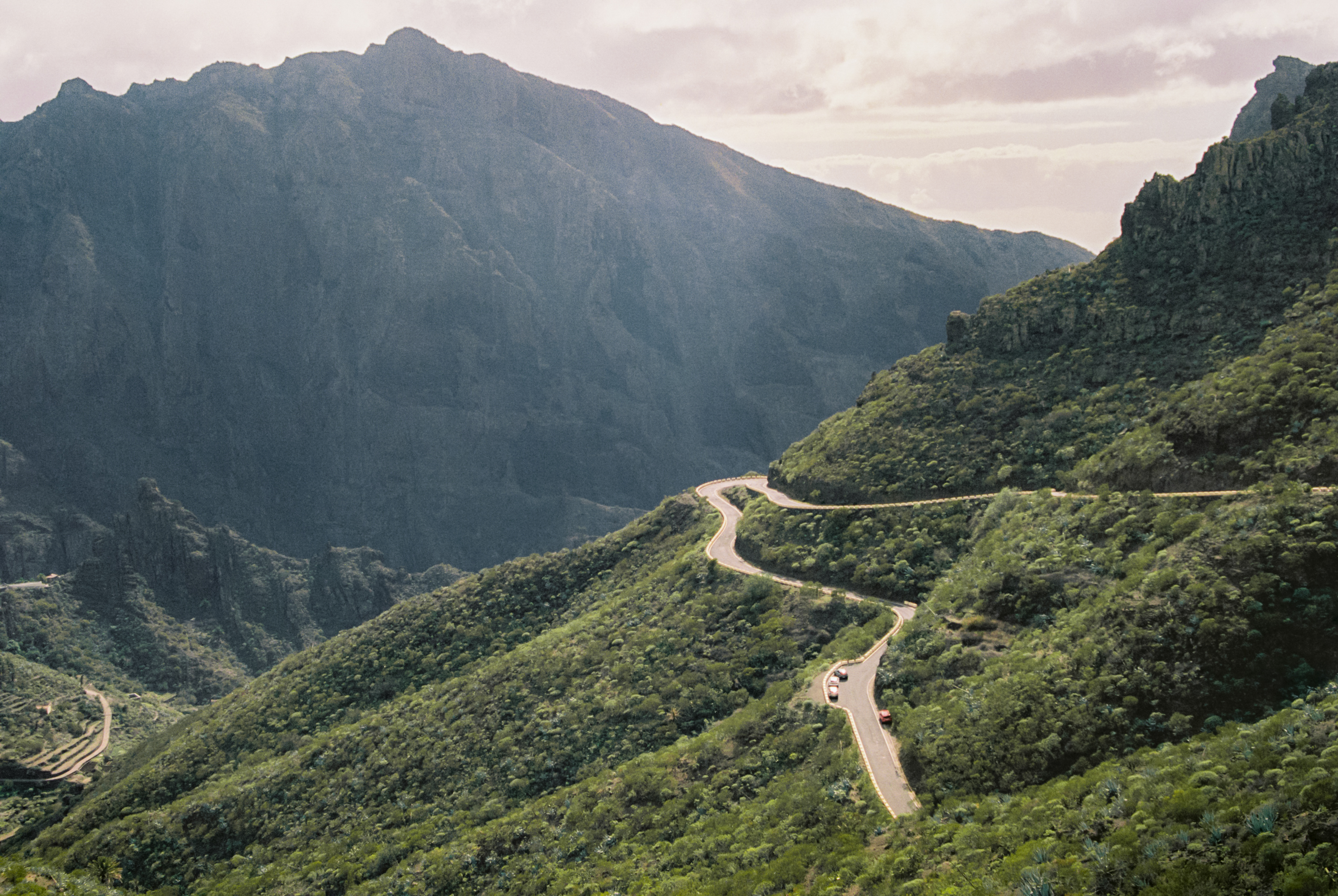
Hidden among deep ravines, the village of Masca is a miracle of rural architecture. Its stone houses and solitary palm trees create a scene where silence is the protagonist.
From Masca, descend the mountain road towards Los Gigantes on a journey of about 40-50 minutes, marked by curves and spectacular viewpoints.
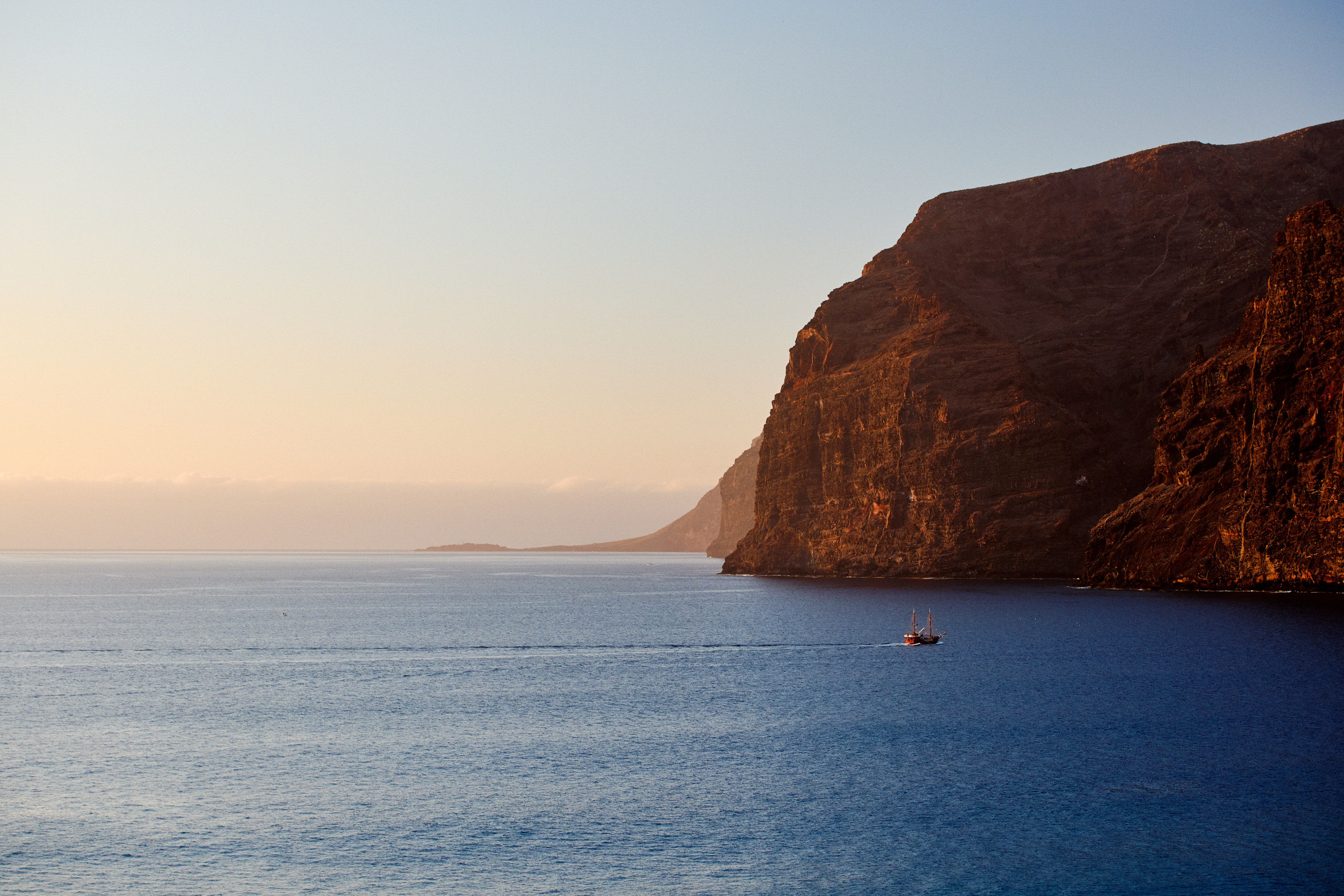
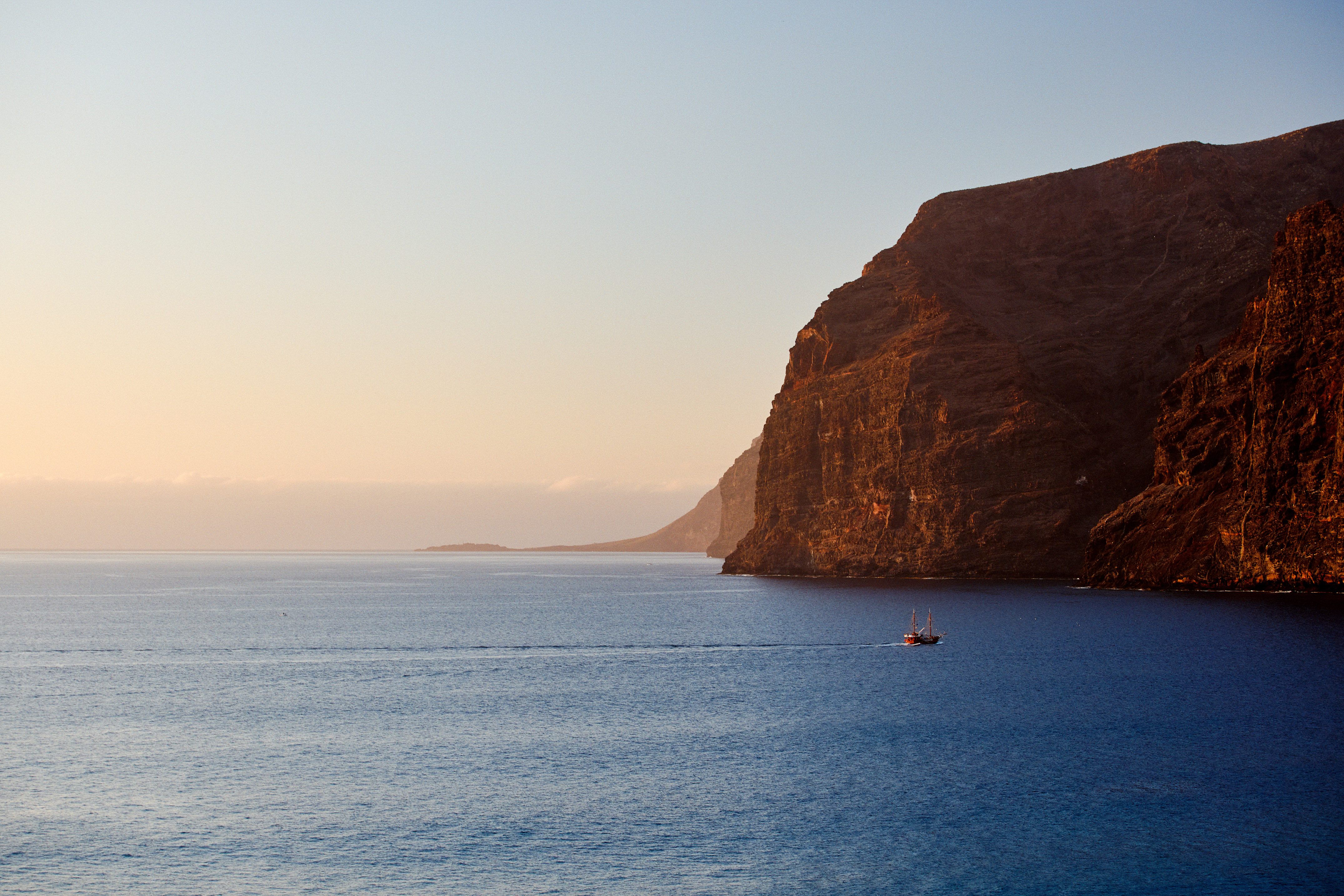
The Los Gigantes Cliffs represent the power of nature. These are vertical walls that plunge into the sea from a height of 600 metres, offering a visual spectacle. You can take a boat trip to spot cetaceans in their natural habitat; see dolphins and pilot whales.
Take a stroll to the next point on the route. It will be no more than 15-20 minutes.
A great idea for the end of the day is a leisurely stroll along the coastal path connecting Los Gigantes with Puerto de Santiago. Walking to the sound of waves crashing against the basalt is a truly unique experience that will connect you with the island's natural spontaneity.
At the end of the walk, you'll find small terraces where you can enjoy a glass of local Malvasia wine. The distant lighting of the cliffs adds a special touch to the evening.
,regionOfInterest=(1181,826))
,regionOfInterest=(1181,826))
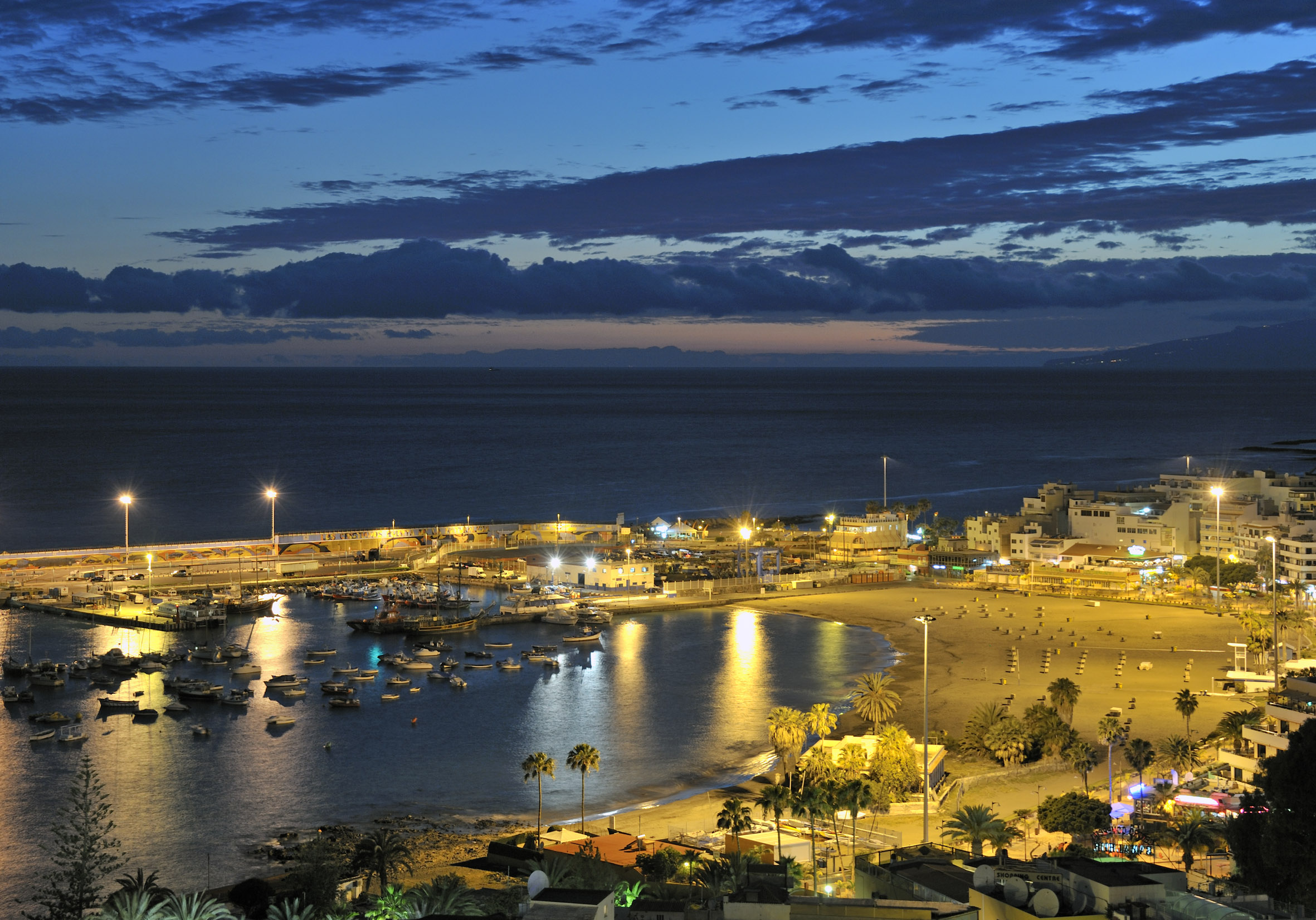
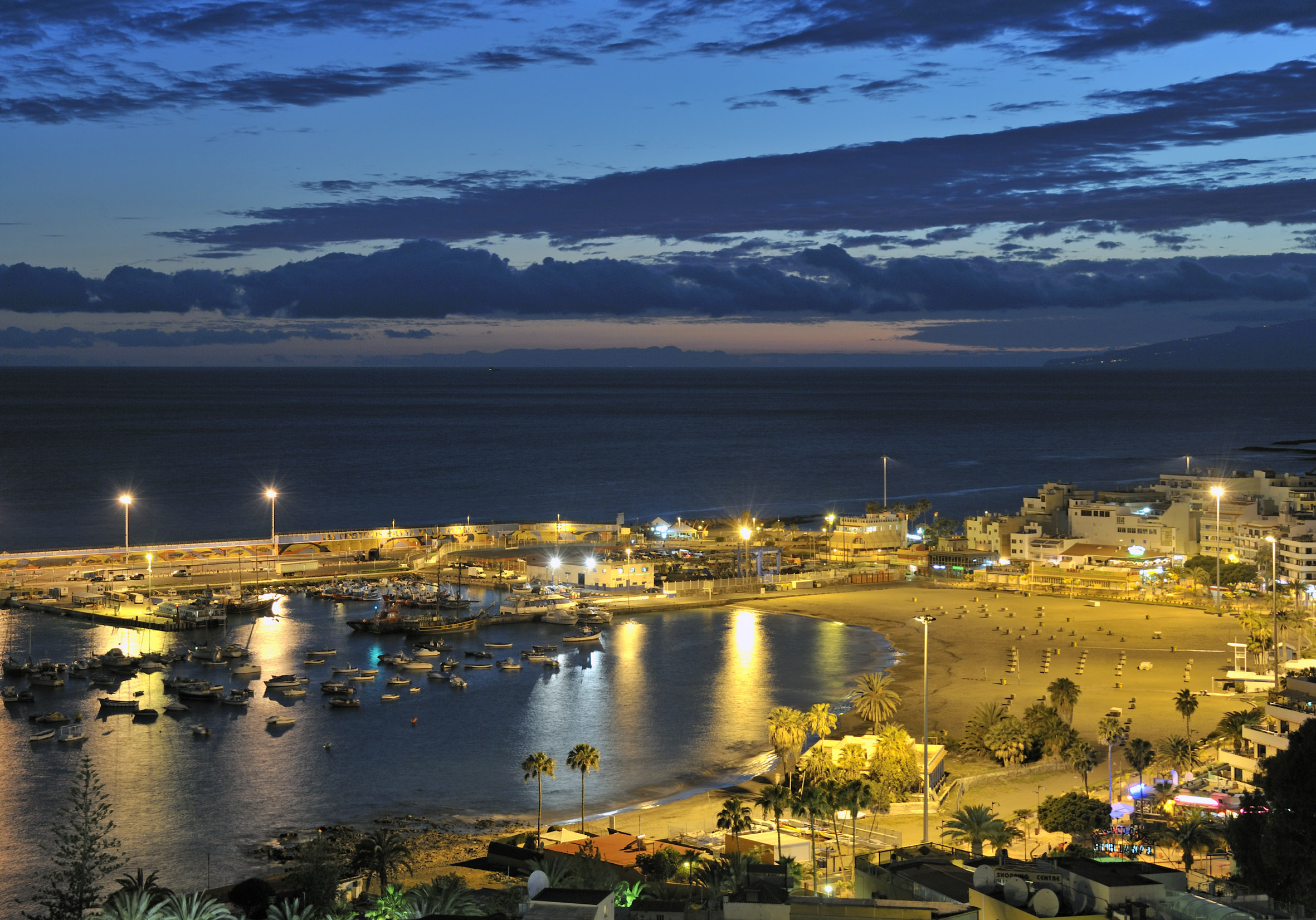
After several days exploring volcanic landscapes, historic villages, and natural parks, it's time to explore the sunniest part of the island.
One of the island's most well-known, Playa del Duque is famous for its light sand and clear, calm waters. It's a perfect place to stop for a while, relax, and enjoy the coastal atmosphere.
Then, the promenades of Costa Adeje, full of flowers and sea breeze, invite you for a walk under the sun, as you discover small coves, sea-view terraces, and viewpoints from which to observe the horizon. This is one of the liveliest and most elegant areas in the south of the island.
Next, you can easily reach the Golden Mile in about 10 minutes by car or a pleasant walk along the sea.
Take advantage of this afternoon to explore the famous Golden Mile, between Playa de las Américas and Costa Adeje. This boulevard is the epicentre of elegance in southern Tenerife. Strolling among its palm trees and fountains while discovering boutiques and shops of all kinds is a foolproof plan.
It's the ideal time to find that special souvenir to remember your trip.
The next area is about a 20-minute walk away. The walk is well worth it.
Tonight, you can visit an exclusive beach club in the Costa Adeje area. Watching the sky turn pink over the Atlantic is an experience in itself, in an atmosphere of sophistication and total relaxation.
The last day of this 7-day Tenerife tourist guide is perfect for discovering a lesser-known area of the island, where volcanic landscapes blend with small villages and open natural spaces.
We start the day in the Güímar Valley, an agricultural area surrounded by volcanic mountains that showcases a very authentic part of the Tenerife landscape. This valley extends between the coast and the slopes of Teide National Park, creating a natural environment where cultivated fields contrast with the volcanic terrain.
From the valley, you can continue driving towards the coast to discover some of the most interesting volcanic landscapes in eastern Tenerife. It will take you between 10 and 15 minutes.
The eastern coast of Tenerife is formed by ancient lava flows that, over time, have been shaped by wind and sea. One of the most famous places in this area is Malpaís de Güímar, a protected natural space where you can walk among fields of solidified lava and observe how vegetation has slowly colonised this volcanic landscape.
Exploring the Malpaís can take between 1 and 2 hours depending on the route you choose.
The last sunset of the trip can be a good time to conclude the route. Imposing volcanoes, ancient forests, historic villages, and beautiful beaches lead you to discover a destination you'll want to return to.
Each day of this itinerary allows you to discover a different side of the island, and ending the trip with a seaside stroll or a quiet dinner is the best way to say goodbye.
,regionOfInterest=(1059.5,707))
,regionOfInterest=(1059.5,707))
The best advice is to let yourself be carried away by the island's natural spontaneity. Tenerife is not just a place to visit; it's an experience to feel. Whenever possible, seek contact with the locals. And don't be afraid to change your plans if the weather gifts you a special sunset in an unexpected place.
Other day-by-day guides for your trip to Tenerife:
,regionOfInterest=(2852,1899.5))
,regionOfInterest=(2852,1899.5))
,regionOfInterest=(3067,2036))
,regionOfInterest=(3067,2036))
,regionOfInterest=(3008,2008))
,regionOfInterest=(3008,2008))
,regionOfInterest=(3680,2456))
,regionOfInterest=(3680,2456))
,regionOfInterest=(1944,1296))
,regionOfInterest=(1944,1296))