Altos de Chavón: a village with a Mediterranean feel in the heart of the Dominican Caribbean
,regionOfInterest=(2100,1400))
,regionOfInterest=(2100,1400))
Culture
,regionOfInterest=(1376,768))
,regionOfInterest=(1376,768))
,regionOfInterest=(2960.5,1951.5))
,regionOfInterest=(2960.5,1951.5))
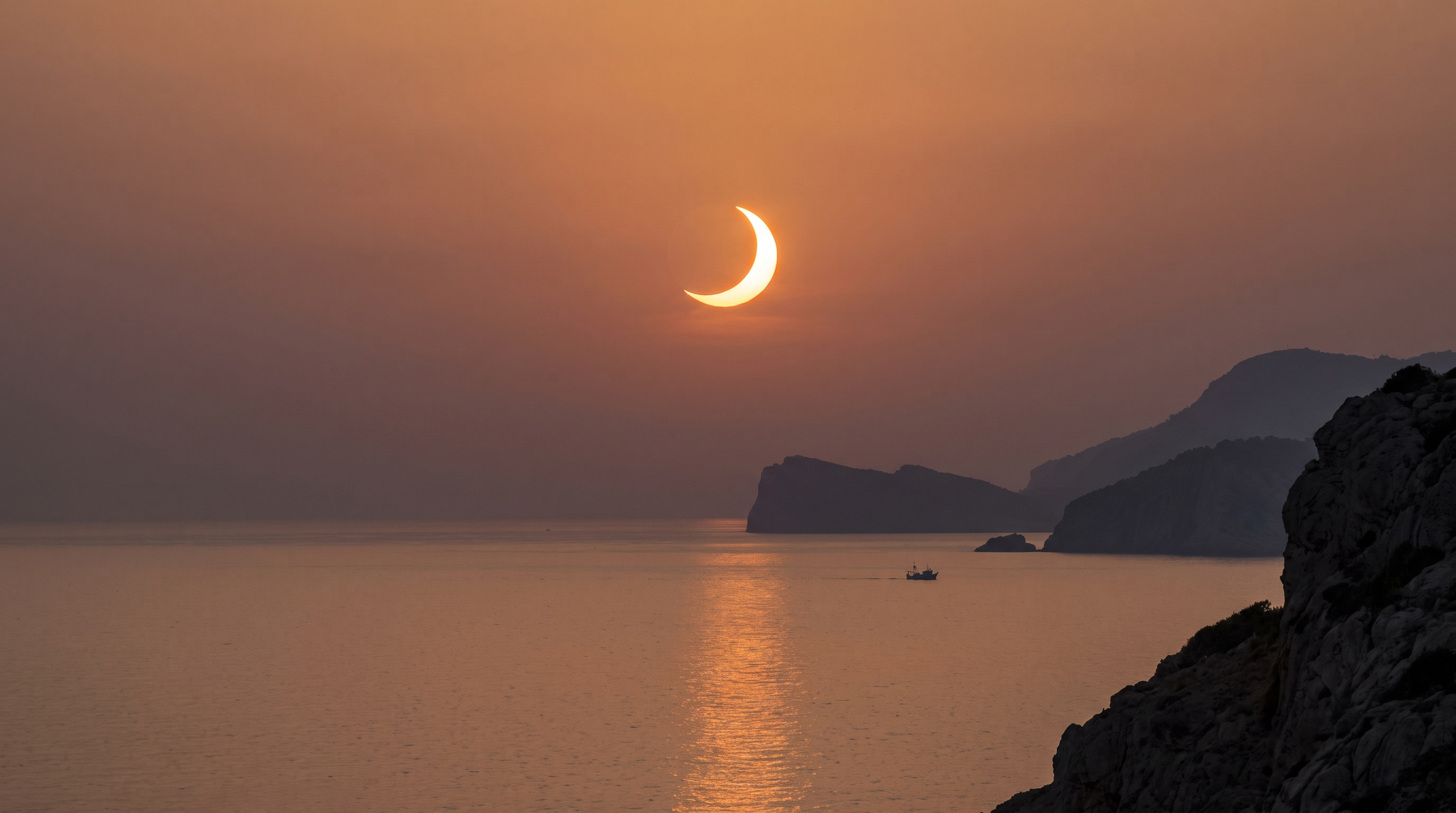
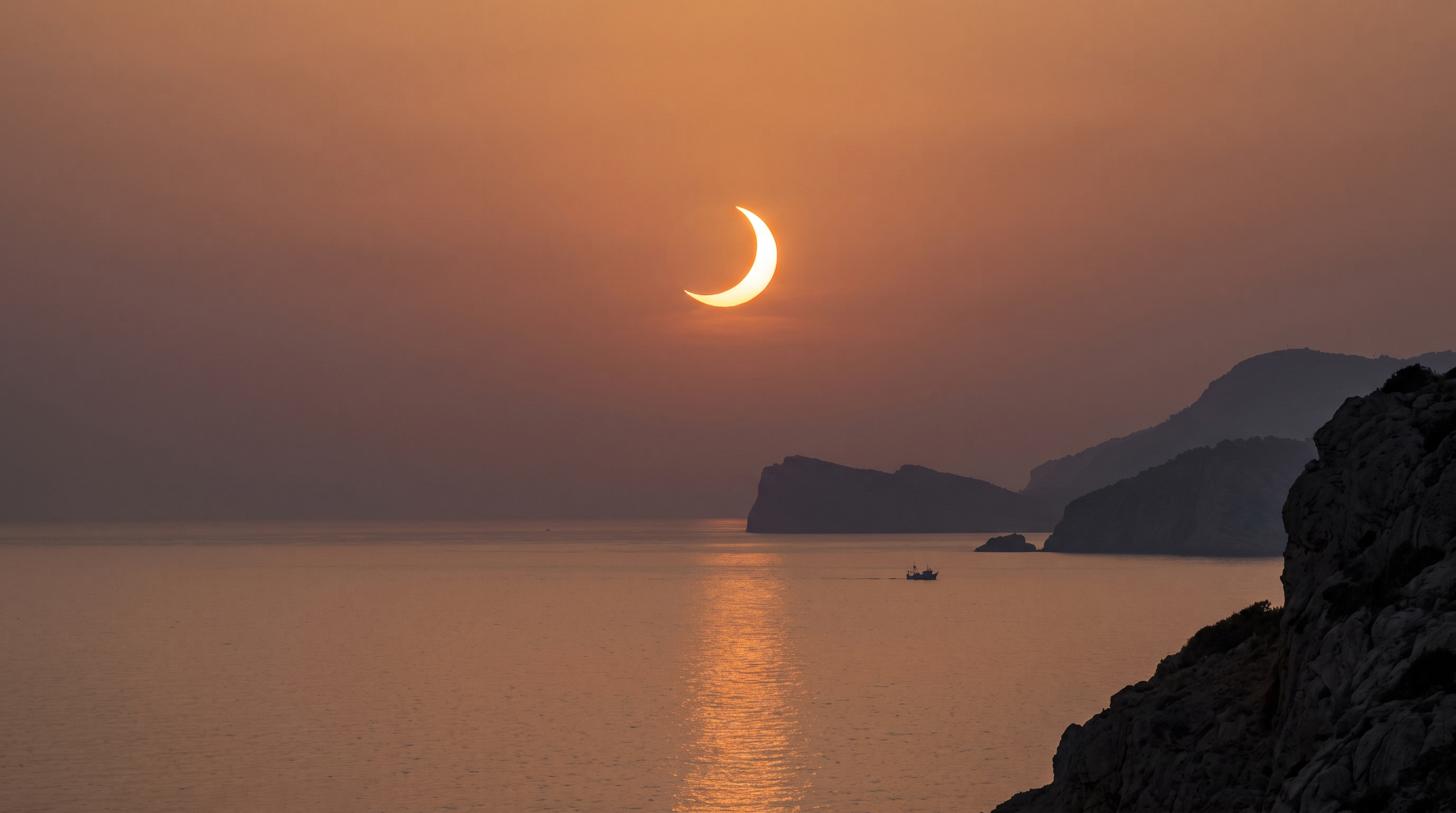
There are phenomena that only occur a few times in the same place and which, for a few minutes, make thousands of people look at the sky at the same time. One of them will take place on 12 August 2026, when Spain will become the epicentre of a spectacular total solar eclipse. This is an exceptional event that has not been experienced on the peninsula for over a century and will take decades to happen again.
The eclipse's path will cross different parts of Spanish territory, allowing you to enjoy this phenomenon from various areas of the country. From the Mediterranean coast to the Cantabrian coast, passing through the Balearic Islands, in this guide you will discover where to watch the 2026 solar eclipse in Spain so you can start preparing everything to witness a unique event in which the Moon will completely hide the Sun's light for a few minutes.
If you want to know when the 2026 solar eclipse is, what the best places to observe it are and how to do so safely, keep reading. Here you will find all the information necessary to organise the experience and enjoy one of the most anticipated astronomical events of recent years to the fullest.
,regionOfInterest=(512,482))
,regionOfInterest=(512,482))
Digital marketing specialist with a passion for travel, writing, and discovering what makes every destination unique.
Culture
,regionOfInterest=(2120,1416))
,regionOfInterest=(2120,1416))
,regionOfInterest=(1333,2000))
,regionOfInterest=(1333,2000))
,regionOfInterest=(1764,1236))
,regionOfInterest=(1764,1236))
The solar eclipse will take place on Wednesday 12 August 2026, in the middle of summer. Spain will be located within the path of totality, which will allow for ideal conditions to observe this phenomenon.
Although the partial phase will begin in the mid-afternoon, the peak moment, when the day briefly turns into night, will occur in the late afternoon, just before sunset. The peak of the eclipse will occur approximately between 20:30 and 20:35, depending on the location from which it is observed.
| Information | Approximate data |
| Date | Wednesday 12 August 2026 |
| Type of eclipse | Total solar eclipse |
| Partial start | Around 19:30 |
| Peak of the eclipse | Between 20:30 and 20:35, depending on the location |
| End of the phenomenon | Around 21:20 |
| Duration of totality | Between 1 and 2 minutes, depending on the location |
These figures are indicative and it is not possible to say what time the solar eclipse is exactly, as it may vary slightly from one area to another.
Tip: As it occurs so close to sunset, the Sun will be very low on the horizon (barely a few degrees above the west). This means that to enjoy the totality you will need to look for elevated points or areas completely free of obstacles towards the west, such as open beaches or viewpoints clear of mountains and buildings.
,regionOfInterest=(2044.5,2045.5))
,regionOfInterest=(2044.5,2045.5))
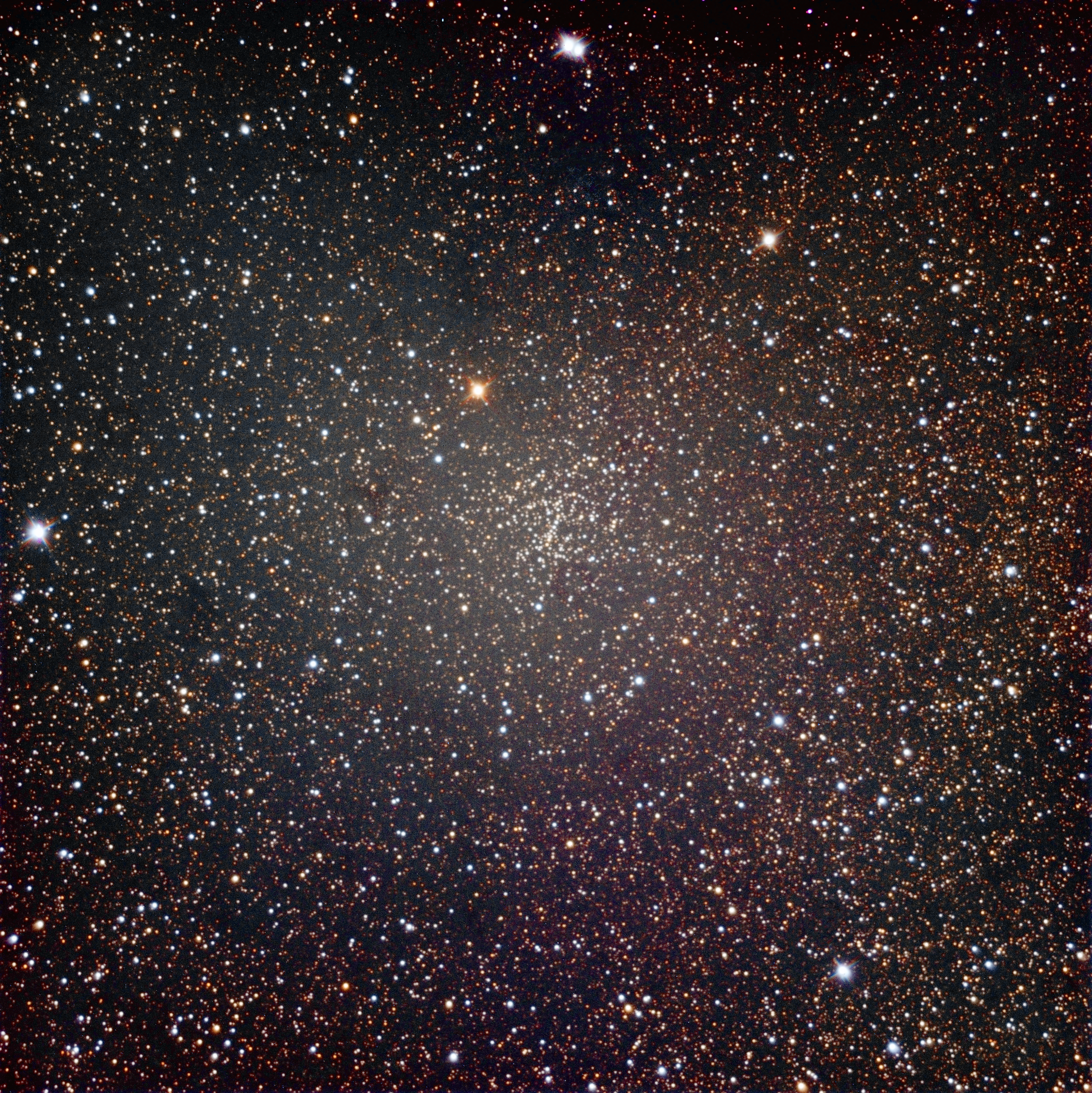
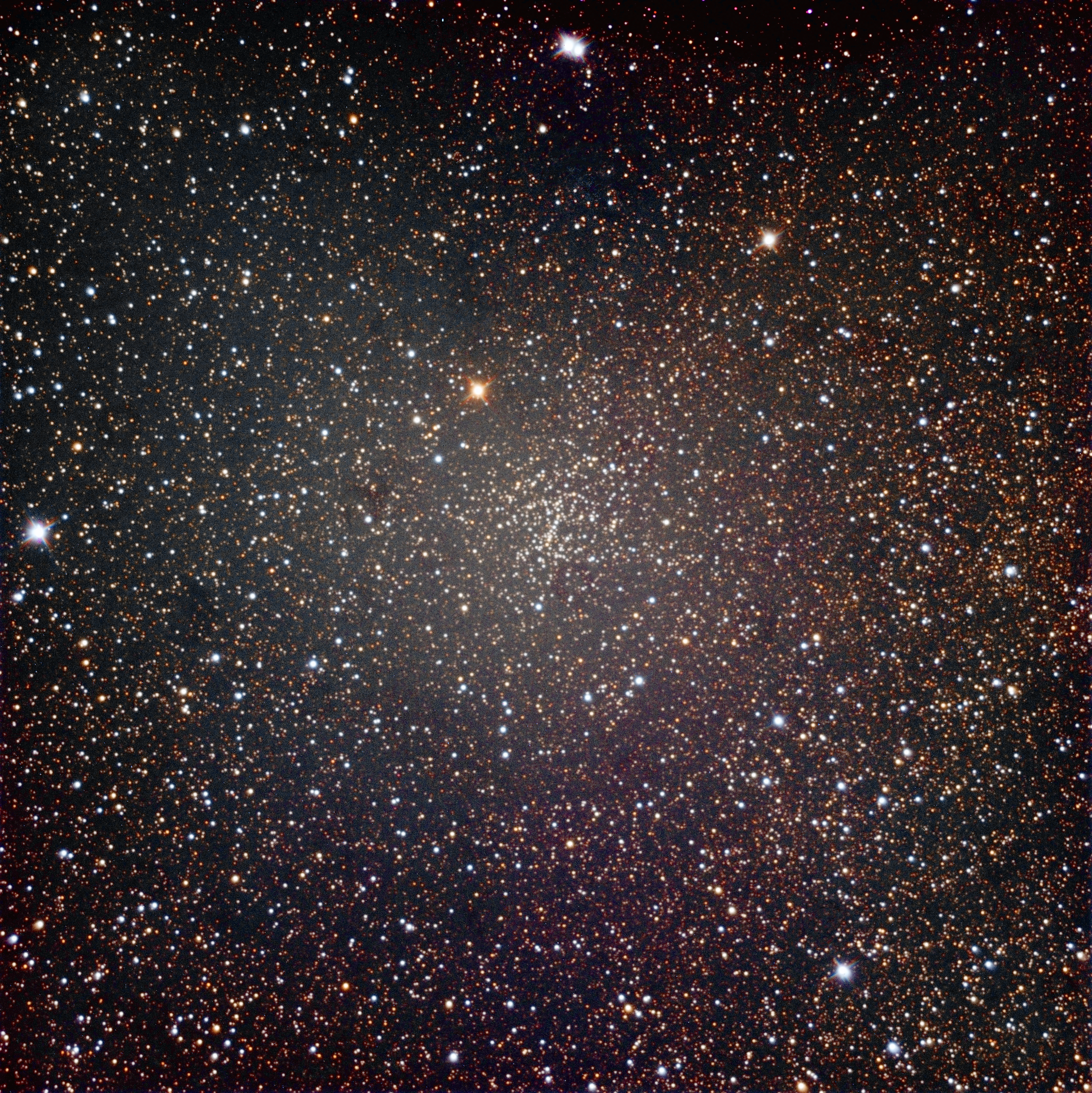
Not all solar eclipses are the same. Unlike partial eclipses, where the Sun simply appears "bitten" by the Moon, a total eclipse transforms the environment completely. Furthermore, it can only be observed from a narrow strip of the planet known as the path of totality. And precisely that strip will cross Spain, making it one of the best places in Europe to experience this event.
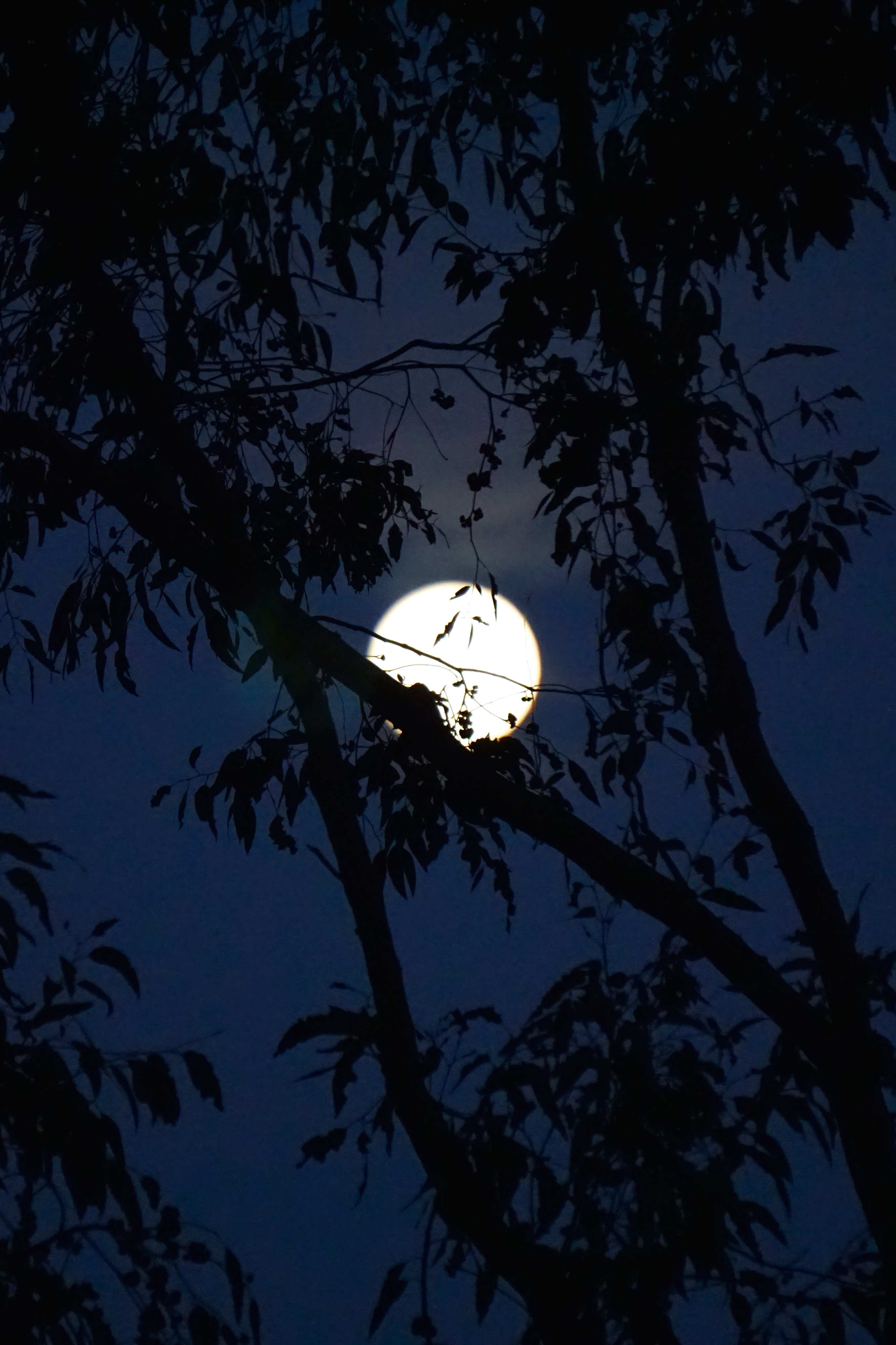
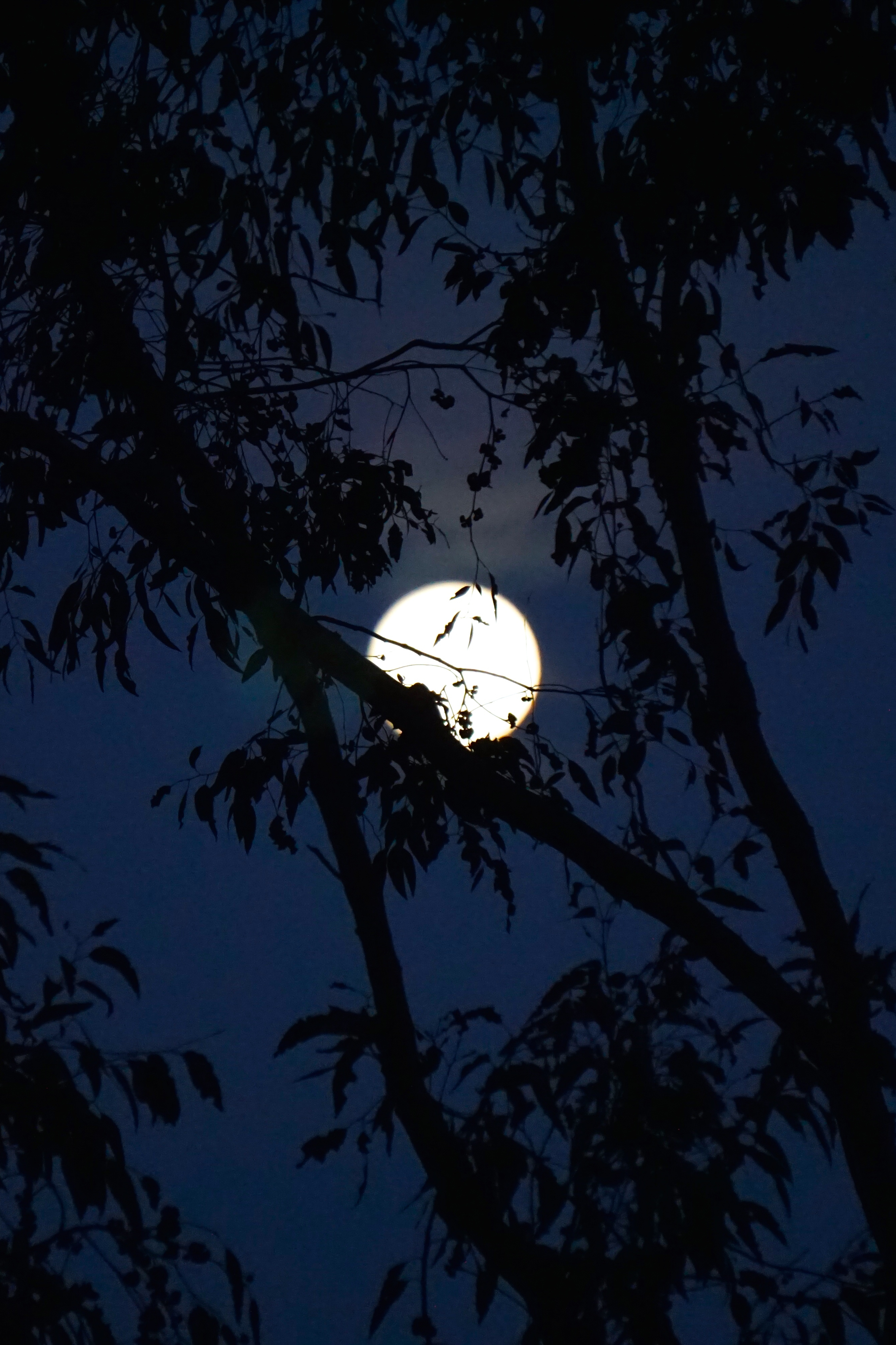
When the Moon completely hides the solar disc, the temperature will suddenly drop by several degrees, the wind will calm down and the daylight will give way to a 360-degree twilight. It will be the only moment in which the solar corona can be observed with the naked eye, a luminous structure that normally remains hidden by the intense brightness of the Sun.
Although the duration of the solar eclipse will be brief, between one and two minutes depending on the destination, it promises to be an unforgettable experience. Therefore, it is worth organising a getaway to witness this event from some of the most privileged points in the country.
To make the most of the experience, it is essential to be located within the path of totality, which will be approximately 290 kilometres wide. Outside of it, the eclipse will only be seen partially.
Below, we discover where the 2026 solar eclipse will be seen and what some of the best places in Spain are to contemplate it:
,regionOfInterest=(2000,3000))
,regionOfInterest=(2000,3000))
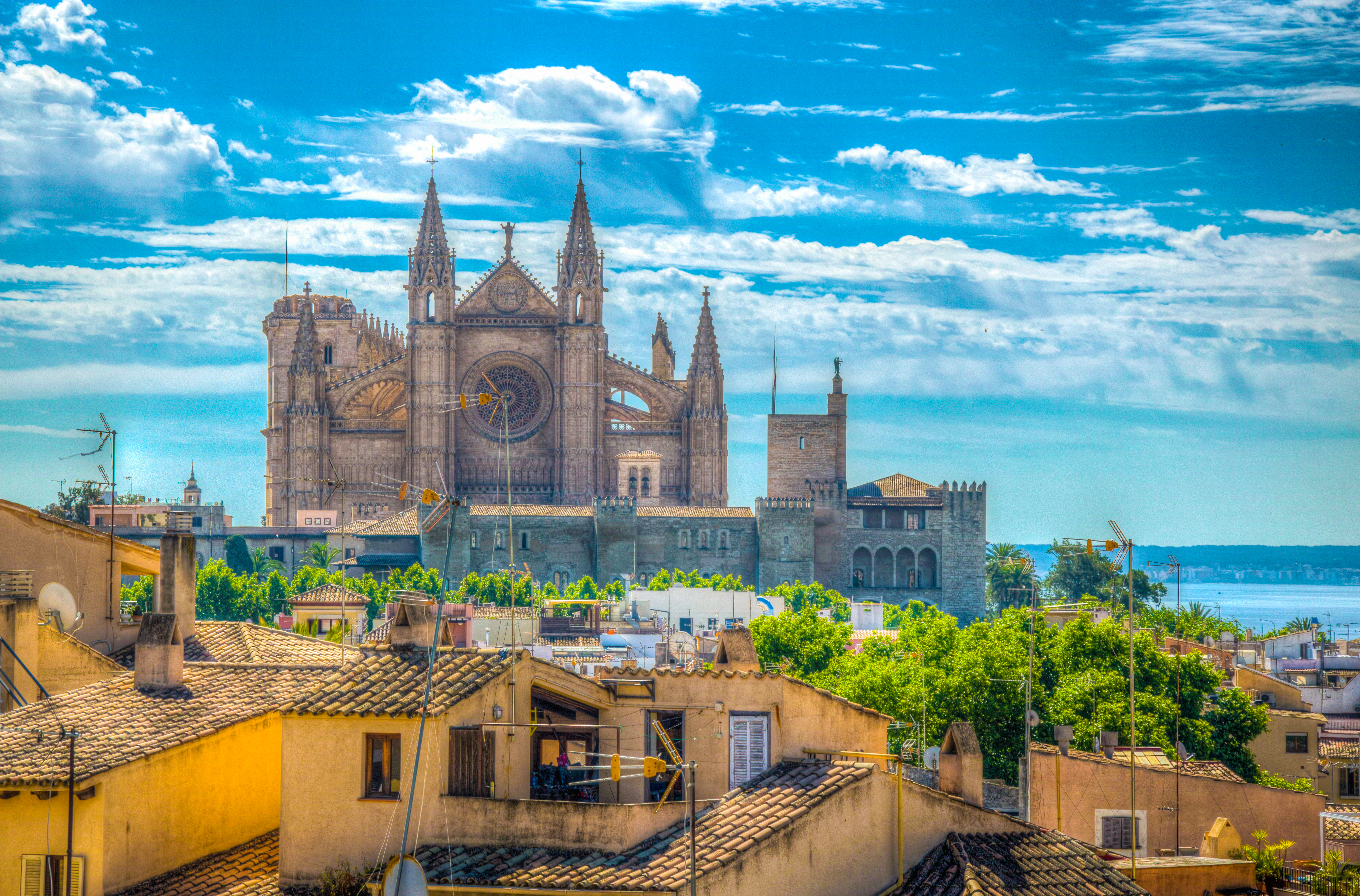
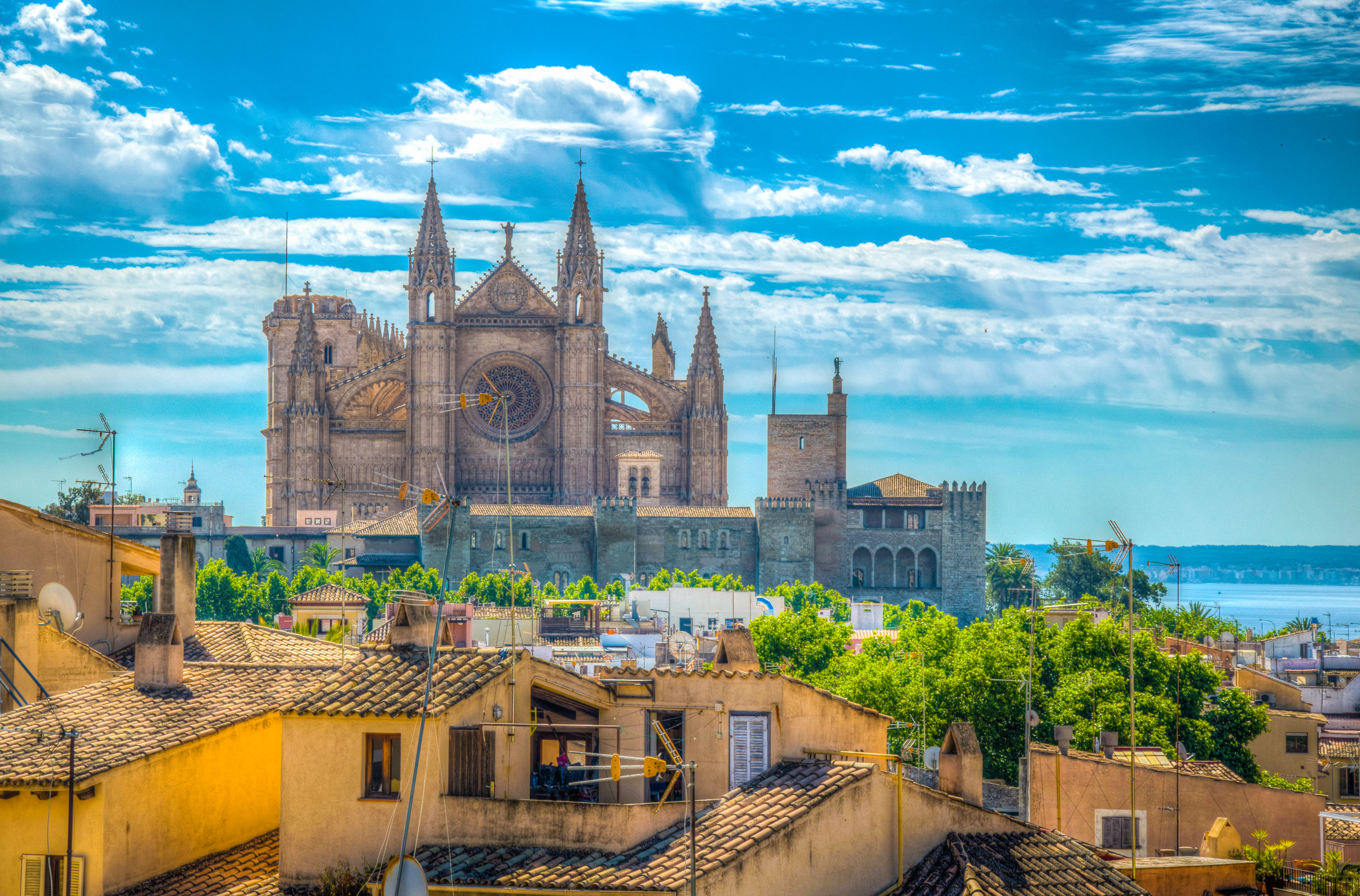
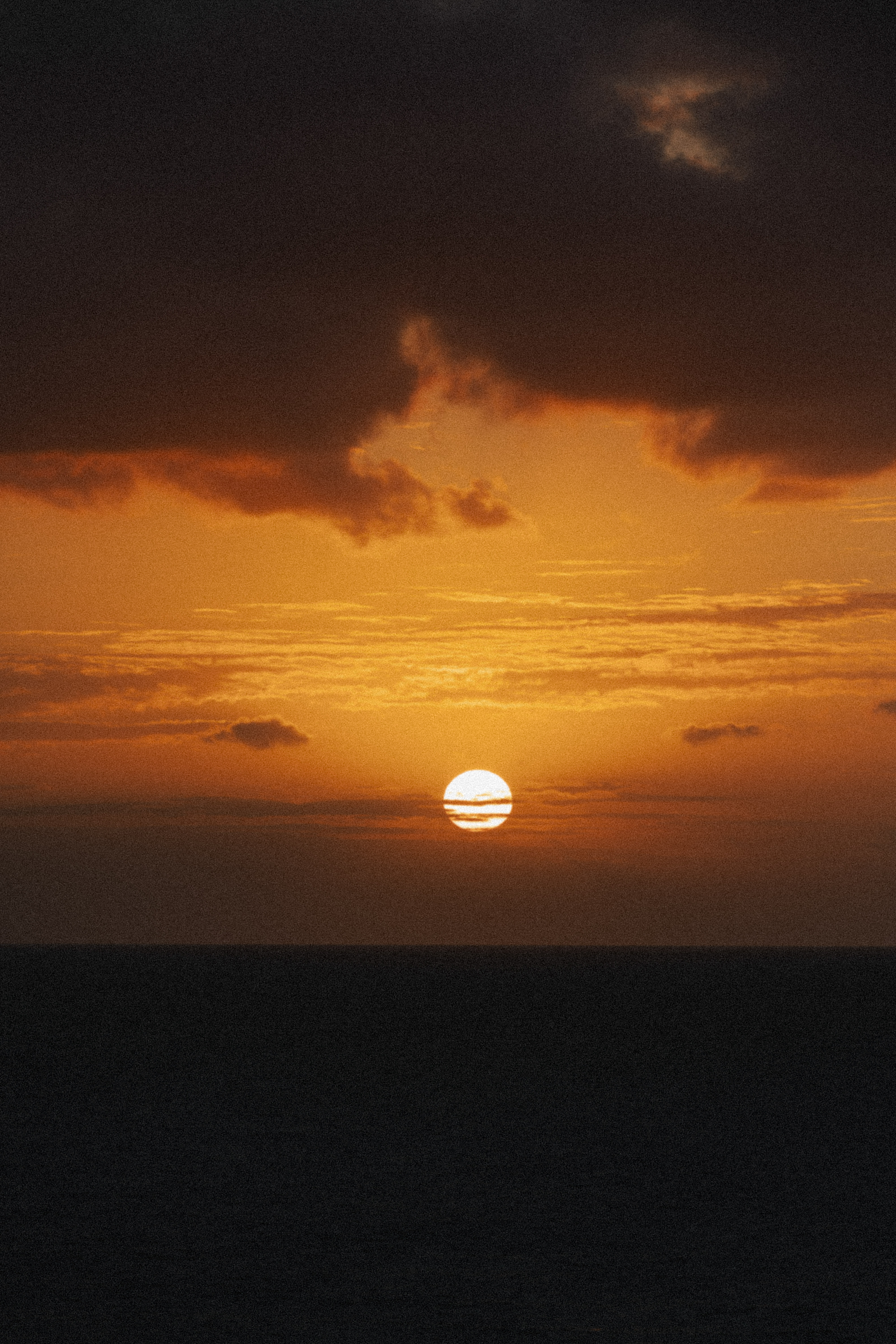
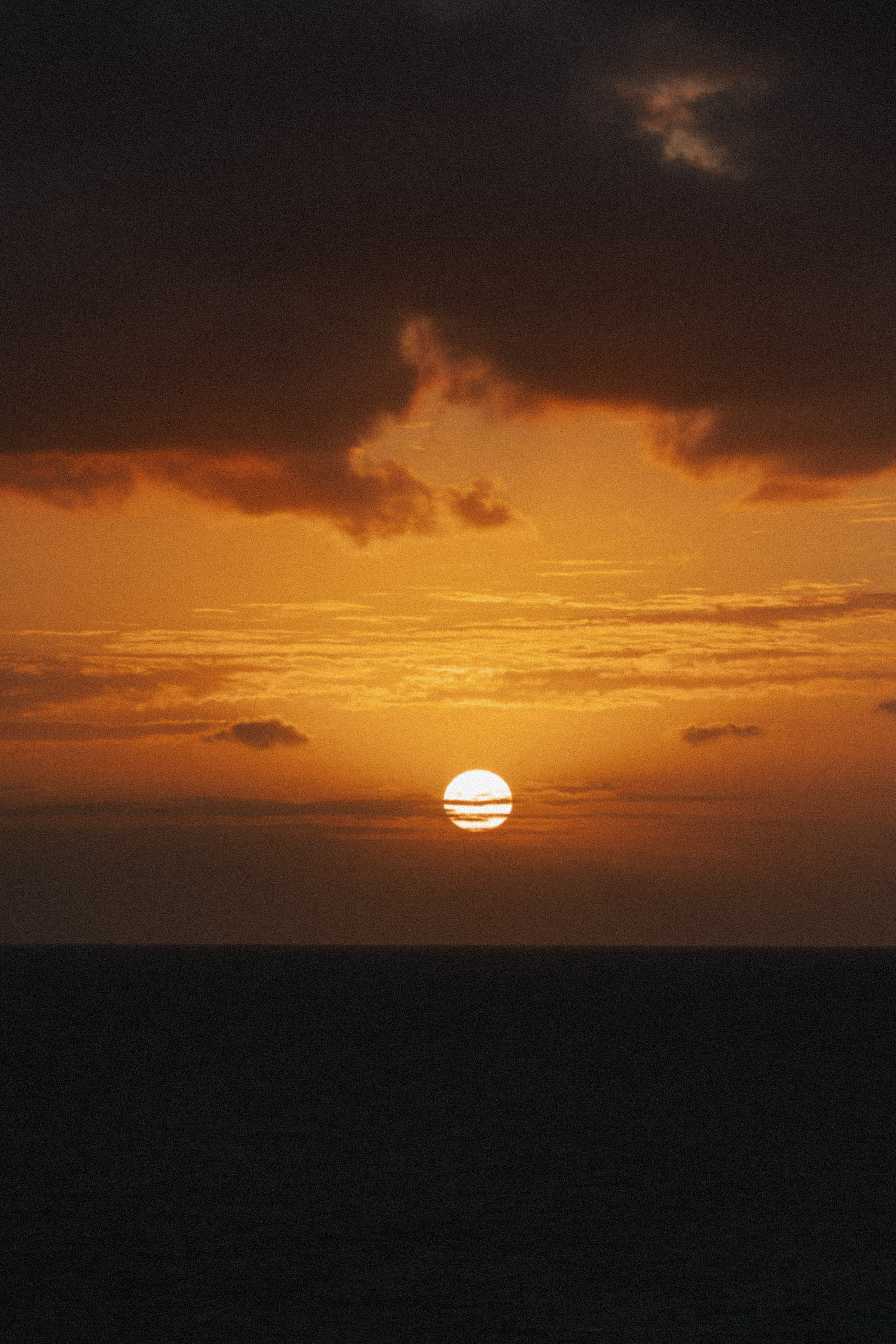
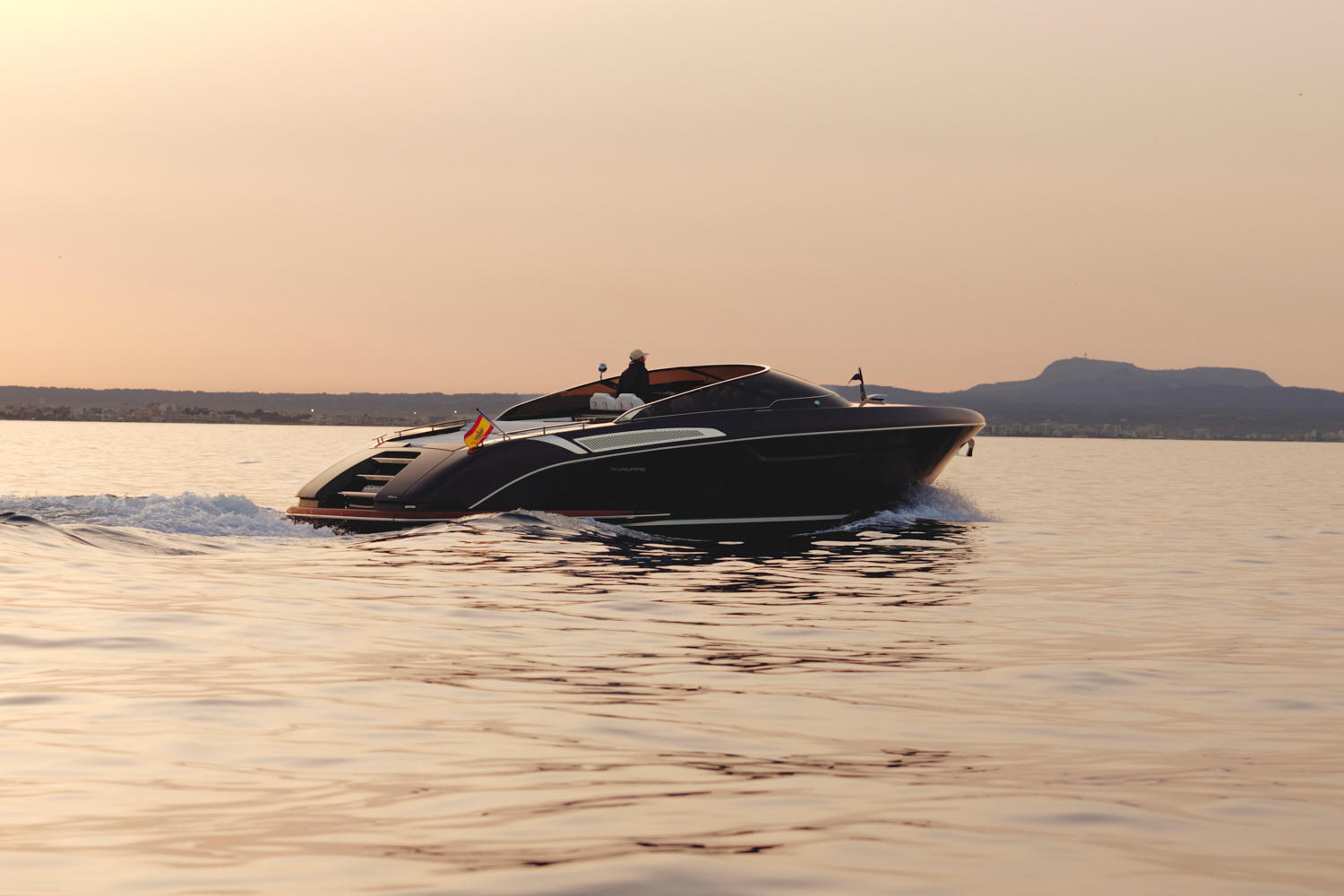
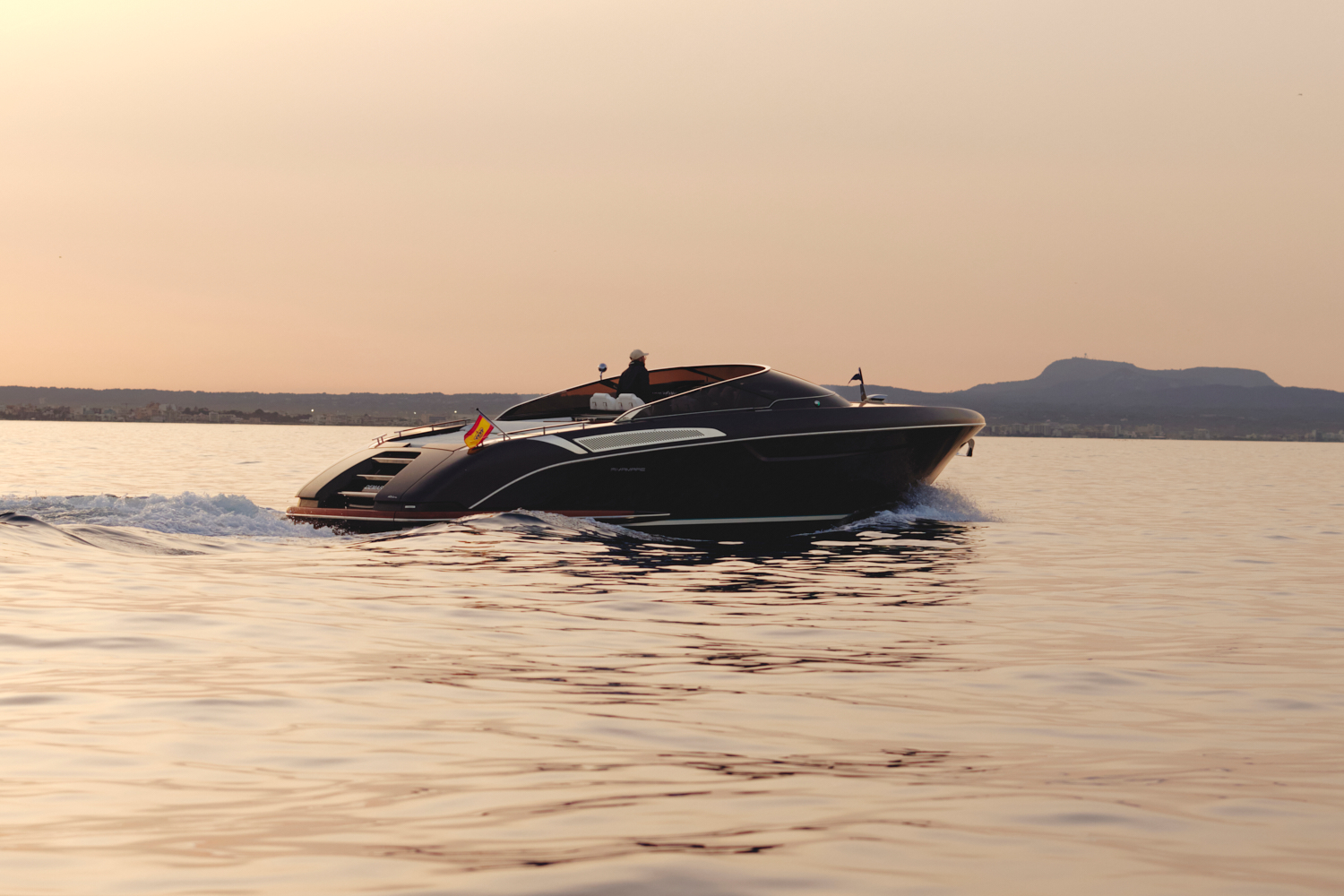
One of the best destinations to watch the solar eclipse will be Mallorca, which will give you the opportunity to combine a holiday with an exceptional astronomical event.
By being in the eastern part of the path of totality, the culmination of the eclipse will coincide almost exactly with the last moments before sunset. During those minutes, the solar corona will be visible over the Mediterranean horizon, creating an image that is difficult to forget. It will, without a doubt, be an extraordinary sunset.
Among the best places to observe the phenomenon, the Serra de Tramuntana stands out, which has numerous natural viewpoints facing west and offers ideal conditions for contemplating the eclipse.
Other prominent enclaves are Cap de Formentor, the Ses Ànimes viewpoint or the surroundings of towns such as Deià and Valldemossa, authentic balconies over the sea. However, any beach or cove on the west coast of Mallorca will be an excellent option to enjoy the spectacle.
If you want to know more details about the times and the best locations, don't miss this guide on the solar eclipse in Mallorca.
,regionOfInterest=(750,500))
,regionOfInterest=(750,500))
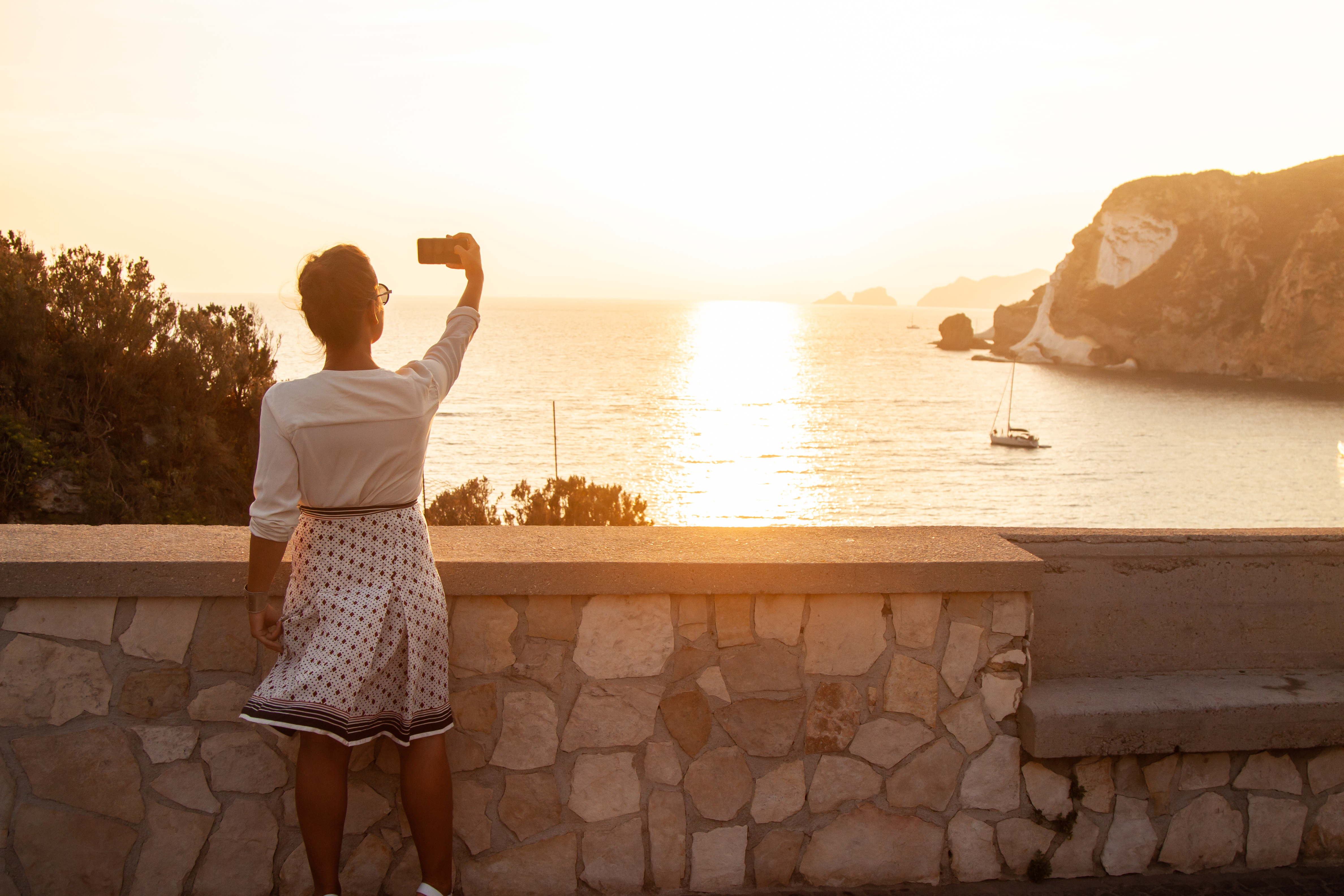
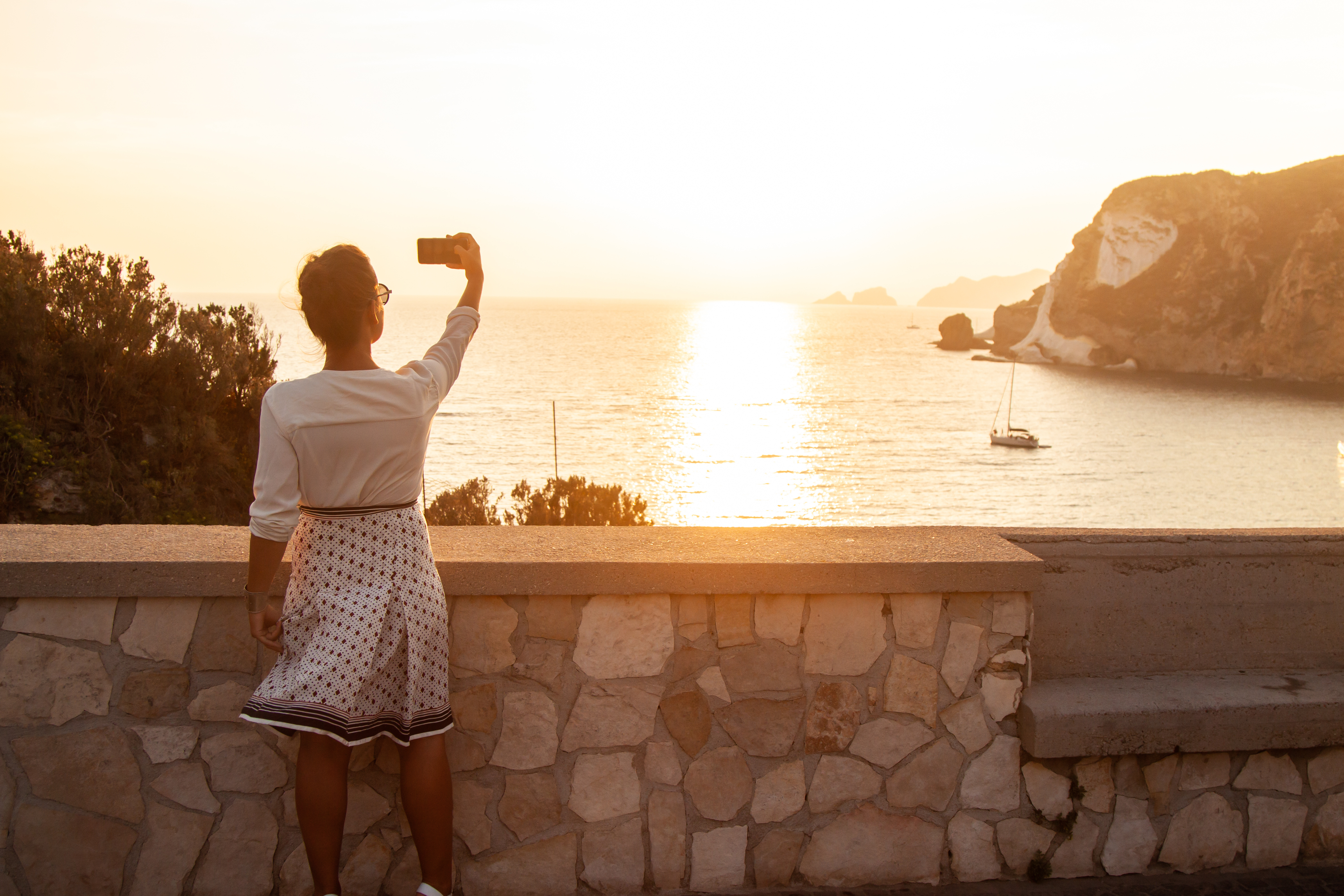
The coast of Galicia will have the honour of being the first region on the Iberian Peninsula to welcome the lunar penumbra. The Atlantic Ocean, the promenades and the numerous natural viewpoints spread throughout the region will offer magnificent conditions for contemplating the eclipse, especially in A Coruña and other points on the coast.
If you want to enjoy an unforgettable scene, the lighthouses on the coast of A Coruña, such as the one in Fisterra, considered for centuries to be the end of the known world, or the mythical Tower of Hercules, will be privileged places for observation.
Likewise, the viewpoints of the Rías Altas and the surroundings of the Costa da Morte will offer an elevated and clear perspective towards the western horizon, ideal for contemplating the eclipse in the last moments of the day.
In this guide dedicated to the solar eclipse in Galicia you will find the best locations, approximate times and recommendations for organising the visit.
,regionOfInterest=(2376,1584))
,regionOfInterest=(2376,1584))
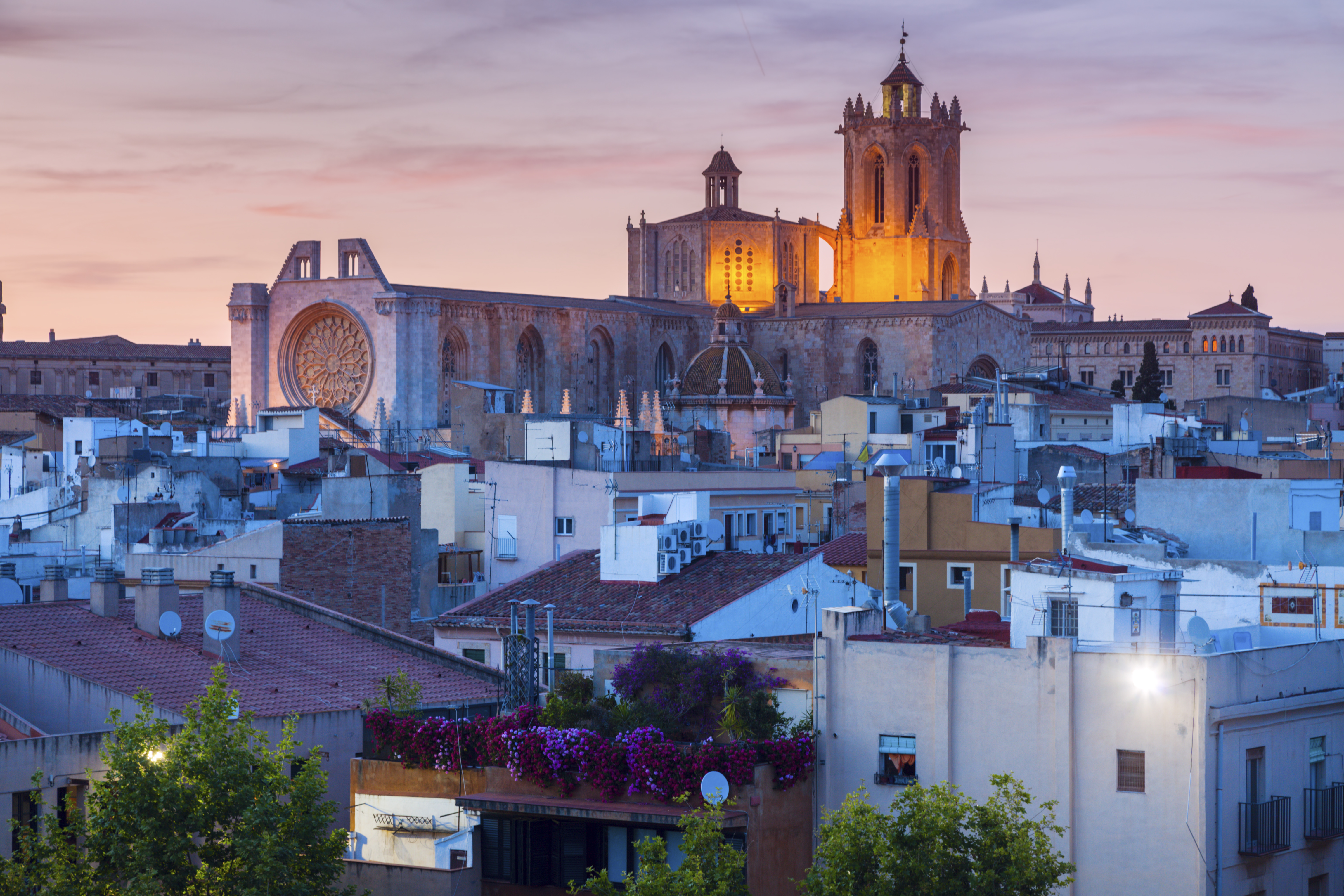
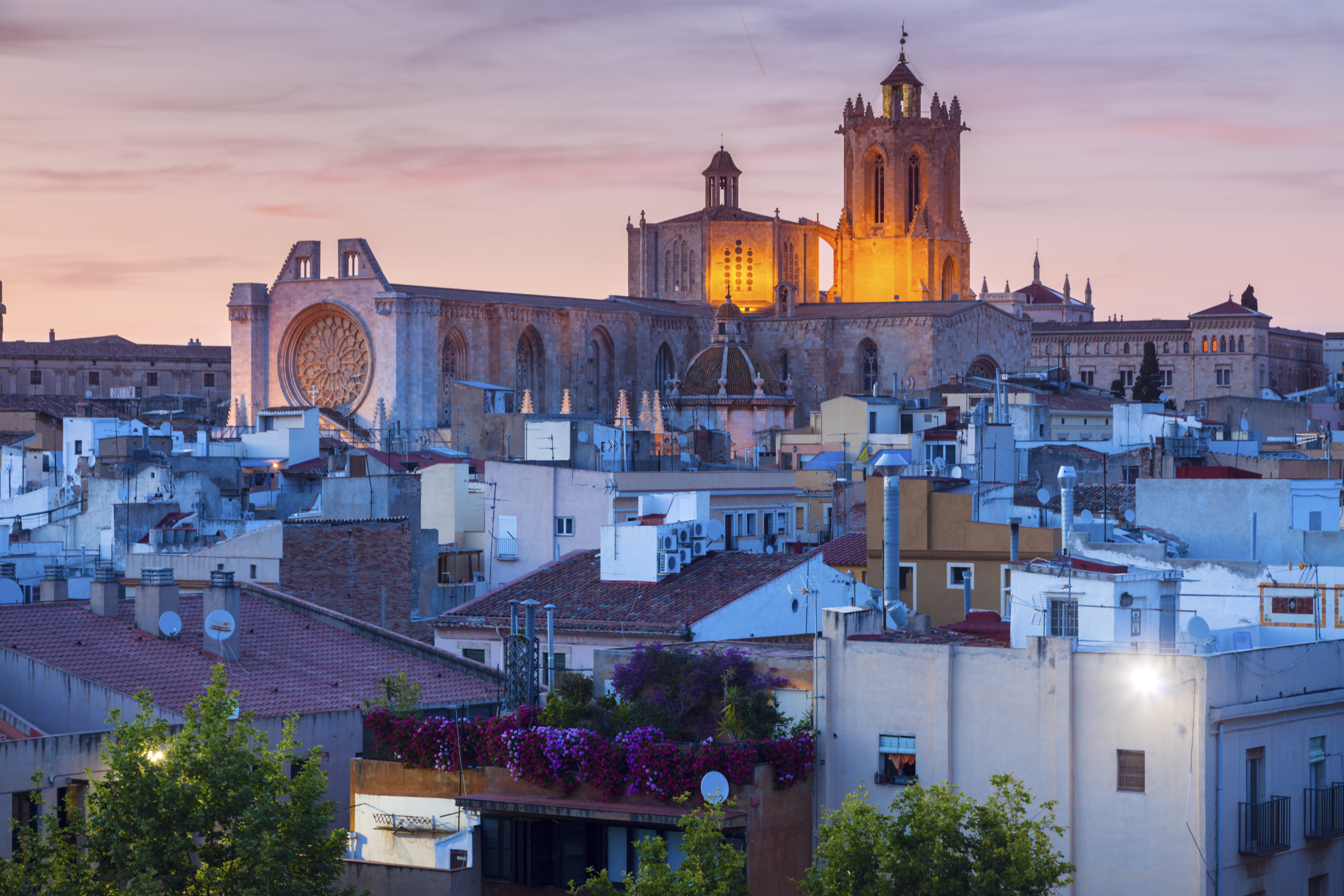
The province of Tarragona stands out as one of the most strategic observation points in north-east Spain, being very close to the axis of totality.
The beaches of the Costa Daurada, its viewpoints over the Mediterranean and the extraordinary Roman heritage of Tarragona will create an exceptional setting to contemplate this event in a unique environment.
In the specific guide on the solar eclipse in Catalonia you will be able to discover which are the best areas from which to follow the phenomenon and recommendations to organise everything.
,regionOfInterest=(2300,1533.5))
,regionOfInterest=(2300,1533.5))
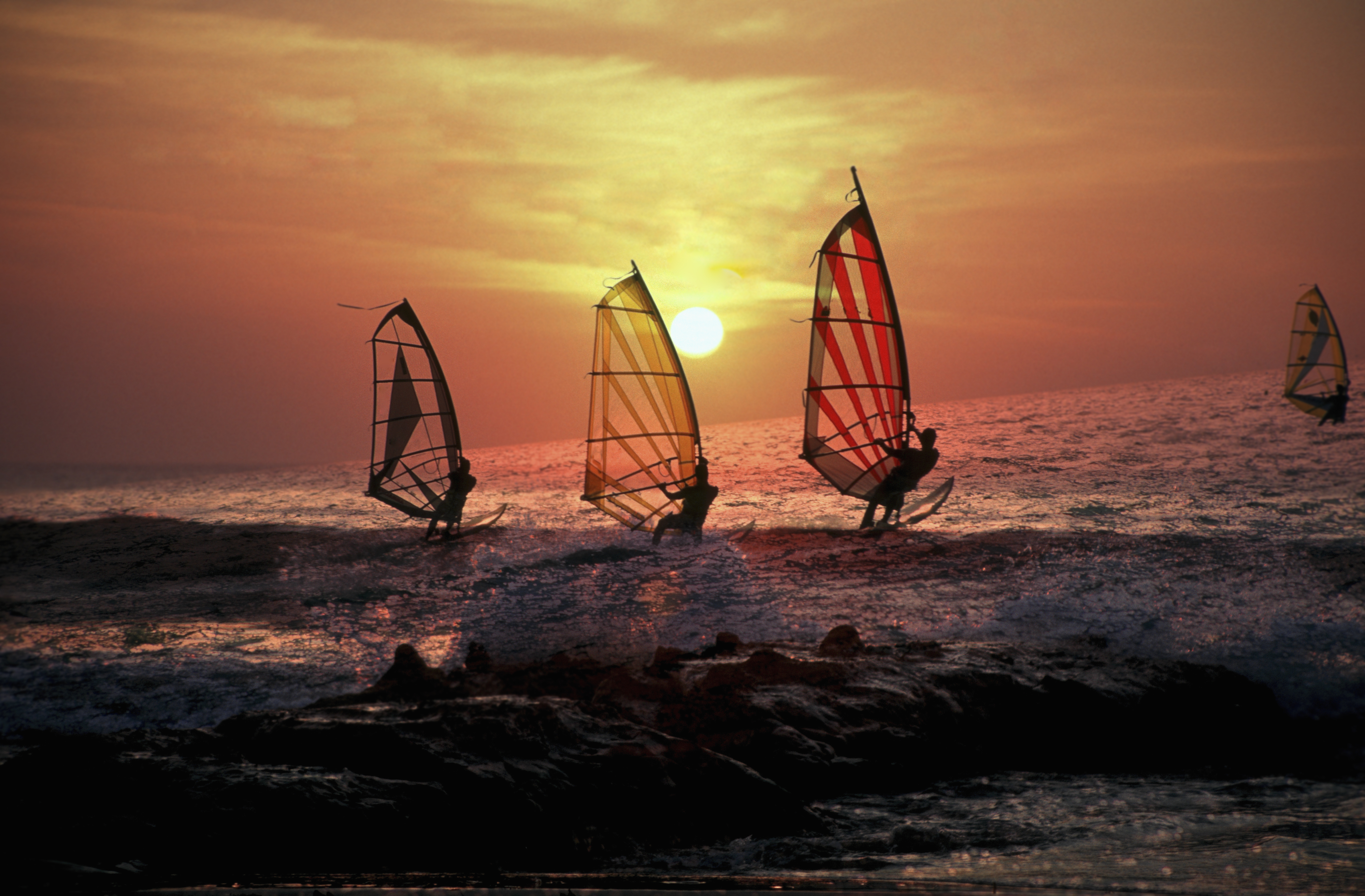
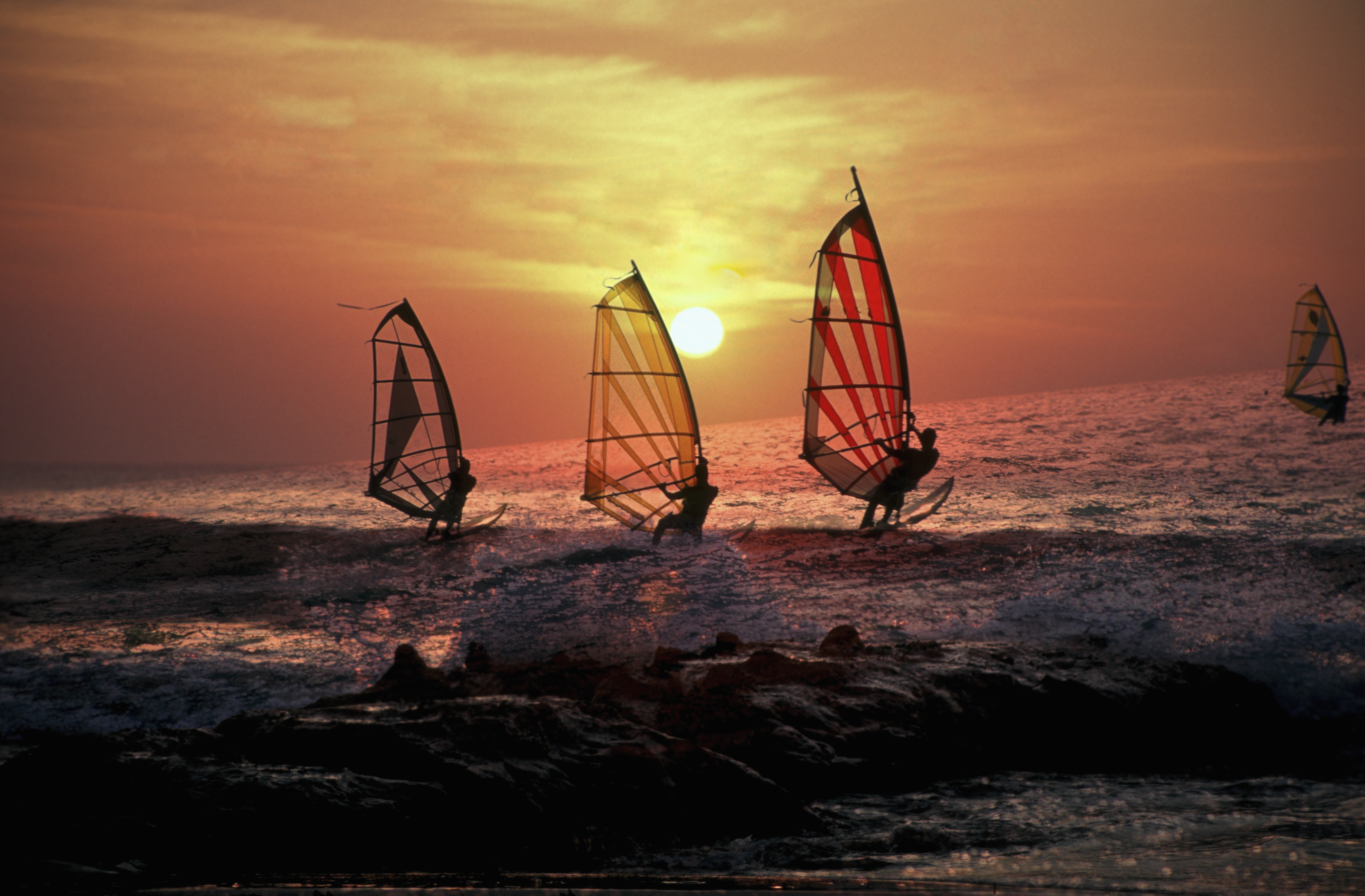
The coast of Valencia has excellent conditions for watching the eclipse, combining clear skies with one of the most comfortable service infrastructures in all of Spain.
Urban beaches, promenades and coastal viewpoints will offer wide views towards the horizon, allowing you to follow the evolution of the eclipse in an environment where the Mediterranean will be one of the great protagonists.
If you want to know the best locations and have all the practical information to enjoy the experience, consult this guide on the solar eclipse in Valencia, where you will find recommendations for observing the phenomenon safely and making the most of this unique event.
,regionOfInterest=(2000,1313))
,regionOfInterest=(2000,1313))
Few cities will concentrate as much expectation during the 2026 solar eclipse in Spain as Zaragoza. Located fully within the path of totality, it will enjoy one of the longest periods of totality in Spain, which will make it one of the most coveted destinations to observe this phenomenon.
If you are thinking of experiencing the eclipse from the Aragonese capital, this guide on the solar eclipse in Zaragoza gathers approximate times, location recommendations and practical tips to organise the day and enjoy the experience to the fullest.
,regionOfInterest=(1750.5,1750.5))
,regionOfInterest=(1750.5,1750.5))
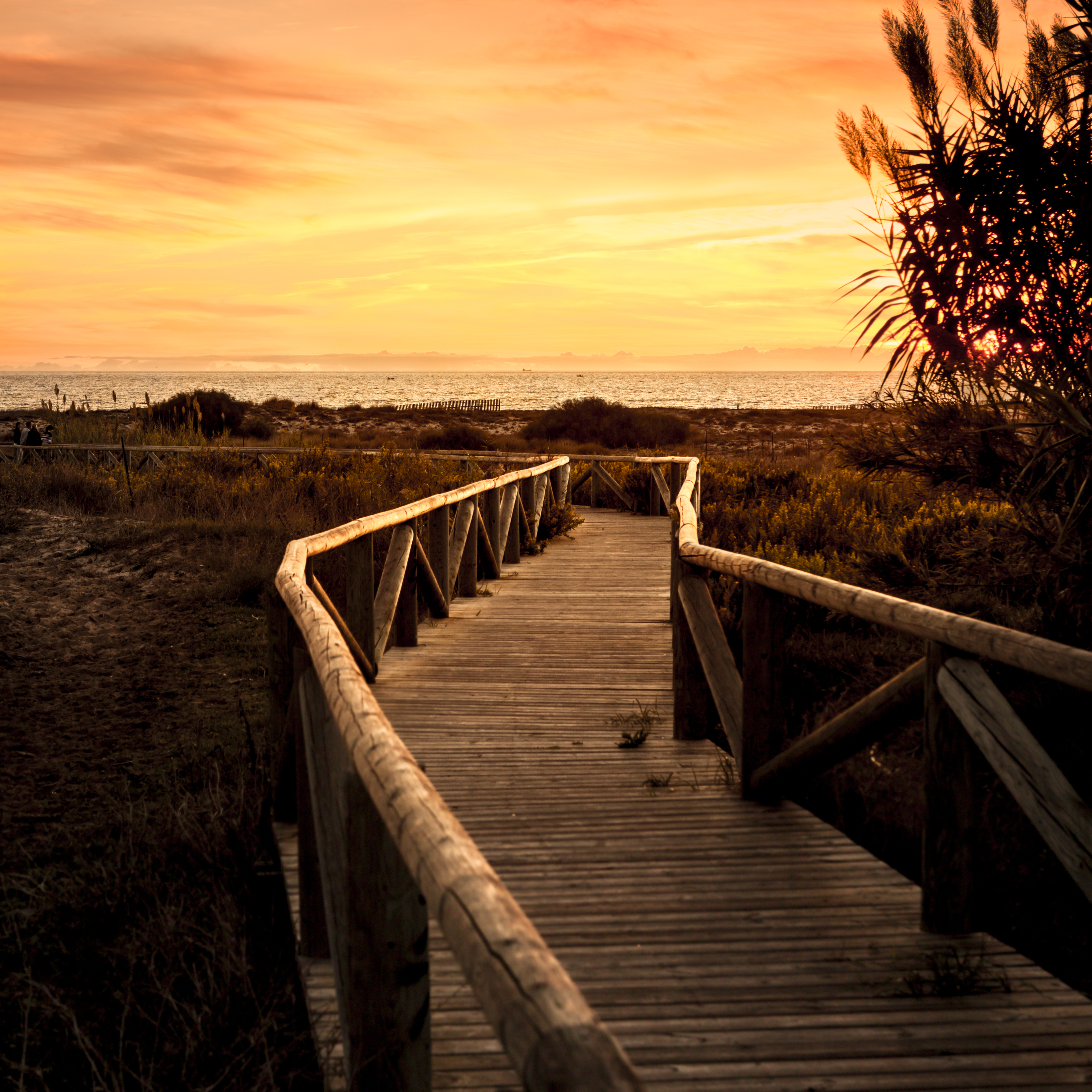
The coast of the Basque Country will offer a completely different setting to follow the eclipse. Cliffs, urban beaches and promenades will allow you to contemplate the phenomenon with the Cantabrian Sea as a backdrop.
Both Bilbao and San Sebastian (Donostia) will be excellent observation points, although the Basque Country has numerous corners from which to observe how the light changes progressively until it reaches totality.
If you want to organise your trip in detail, the guide on the solar eclipse in the Basque Country gathers information on the best locations, times and recommendations to enjoy the spectacle in the best conditions and with total safety.
,regionOfInterest=(2732,4096))
,regionOfInterest=(2732,4096))
If Mallorca will be one of the great protagonists of the Mediterranean, Menorca will offer a much quieter experience. The island, declared a Biosphere Reserve, has very low light pollution and is clearly committed to the conservation of its pristine landscapes, factors that will contribute to the spectacular change in light caused by the eclipse being perceived with special intensity.
It will also be an excellent opportunity to discover the island for several days and enjoy this astronomical event from one of the most privileged enclaves in the Mediterranean.
If you are planning the experience, don't miss this guide on the solar eclipse in Menorca, where you will find the best observation areas, practical tips and all the information necessary to enjoy this unique phenomenon to the fullest.
,regionOfInterest=(1857.5,1238.5))
,regionOfInterest=(1857.5,1238.5))
Knowing how to watch the solar eclipse correctly is just as important as choosing a good place to contemplate it. Because looking at the sun directly, even when it is almost completely covered by the Moon, can cause irreparable damage to the retina.
The only safe way to observe the eclipse during the partial phases is to use specific eclipse glasses that comply with the ISO 12312-2 standard. These glasses are designed to filter solar radiation and completely protect your eyesight.
Conversely, you must be clear that conventional sunglasses, tinted lenses or any homemade method you can think of do not offer sufficient protection and, therefore, should never be used.
If you are going to use binoculars, telescopes or a camera, you must place approved solar filters in front of the lenses.
Now that you know when there will be a solar eclipse in Spain and what time it will be, you only have to decide from which corner you are going to experience this exceptional event.
And if you want to turn this event into an unforgettable getaway, Meliá hotels in some of the destinations included in the path of totality will offer special proposals to enjoy the eclipse from privileged locations, with exclusive experiences and services that will facilitate a comfortable and safe observation.
,regionOfInterest=(2732,1820))
,regionOfInterest=(2732,1820))
,regionOfInterest=(2262,1508))
,regionOfInterest=(2262,1508))
,regionOfInterest=(2565.5,1505.5))
,regionOfInterest=(2565.5,1505.5))
,regionOfInterest=(1927.5,1285))
,regionOfInterest=(1927.5,1285))
,regionOfInterest=(3976,2652))
,regionOfInterest=(3976,2652))