,regionOfInterest=(1476.5,997))
,regionOfInterest=(1476.5,997))
Chiang Mai Gate Night Market 2026: Complete Visitor Guide
,regionOfInterest=(688,384))
,regionOfInterest=(688,384))
Culture
,regionOfInterest=(2736,1824))
,regionOfInterest=(2736,1824))
Galicia will be one of the most privileged places in Europe to witness the 12 August 2026 solar eclipse, one of the most anticipated astronomical phenomena of the last few decades. On that day, the Moon will pass between the Earth and the Sun, producing a total solar eclipse that will transform the Galician landscape for a few minutes, offering an unforgettable image over the Atlantic Ocean.
I have prepared a practical guide to the solar eclipse in Galicia in which I tell you everything you need to know so you don't miss a thing: from exact times by location to the best coastal coordinates, essential safety tips and the keys to immortalising the moment.
So if you want to know where to see the 2026 solar eclipse in Galicia, read on and get ready to enjoy a unique moment that will be etched in your memory forever.
,regionOfInterest=(500,500))
,regionOfInterest=(500,500))
All-terrain writer specialising in tourism, fashion and trends. A curious soul, traveller, reader and sports enthusiast, keen to discover every corner of the world.
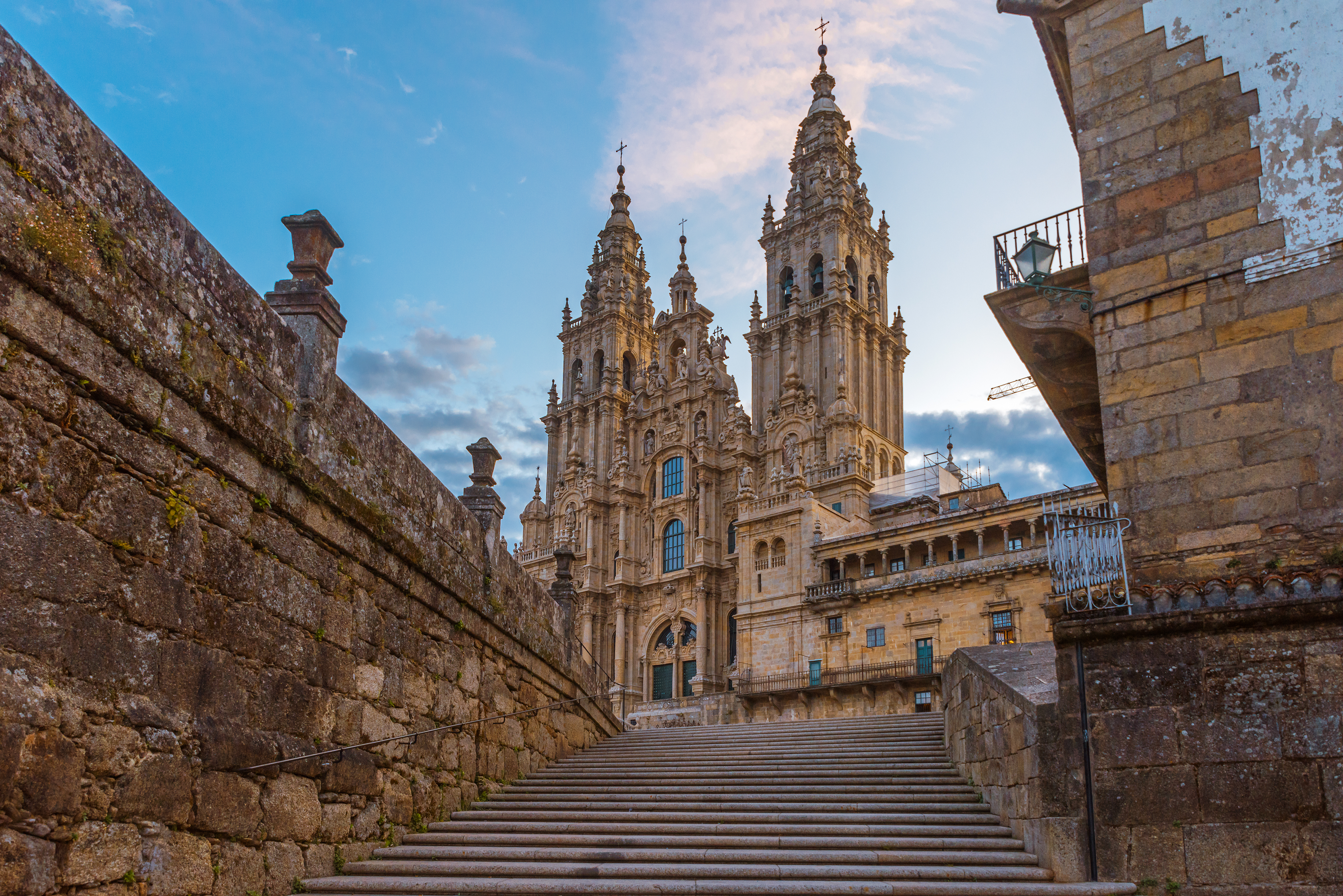,regionOfInterest=(2250,1501.5))
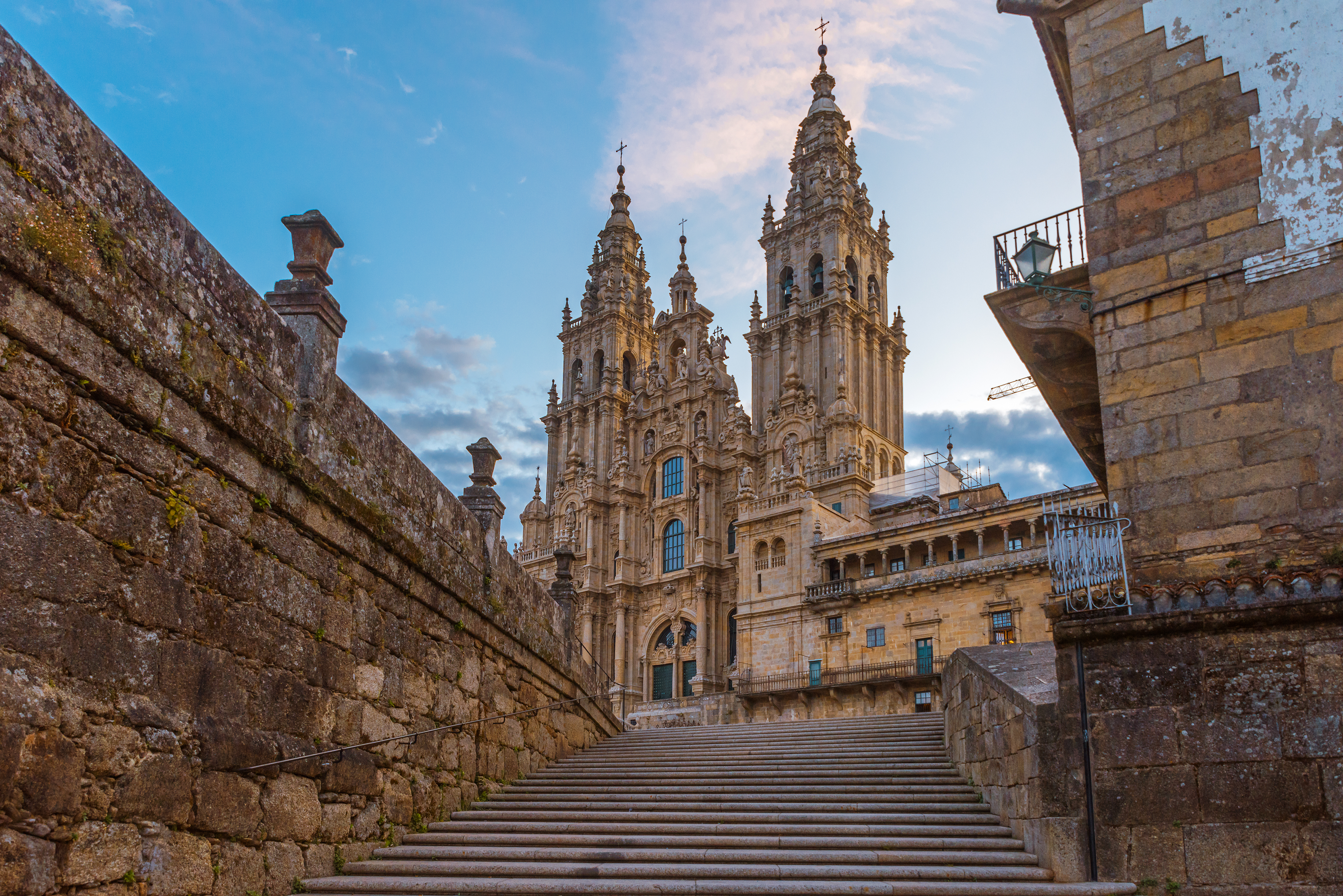,regionOfInterest=(2250,1501.5))
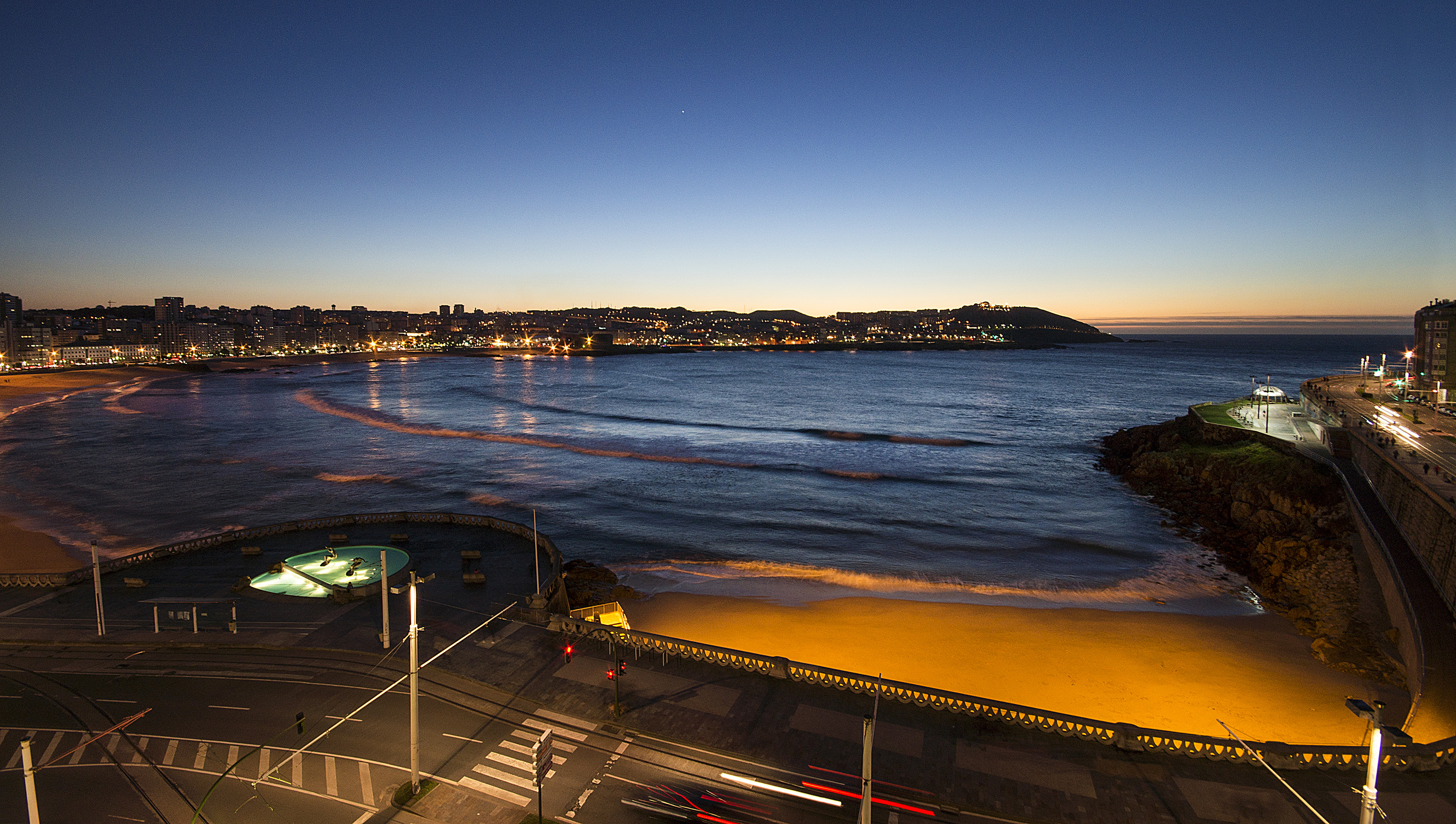,regionOfInterest=(1476.5,835.5))
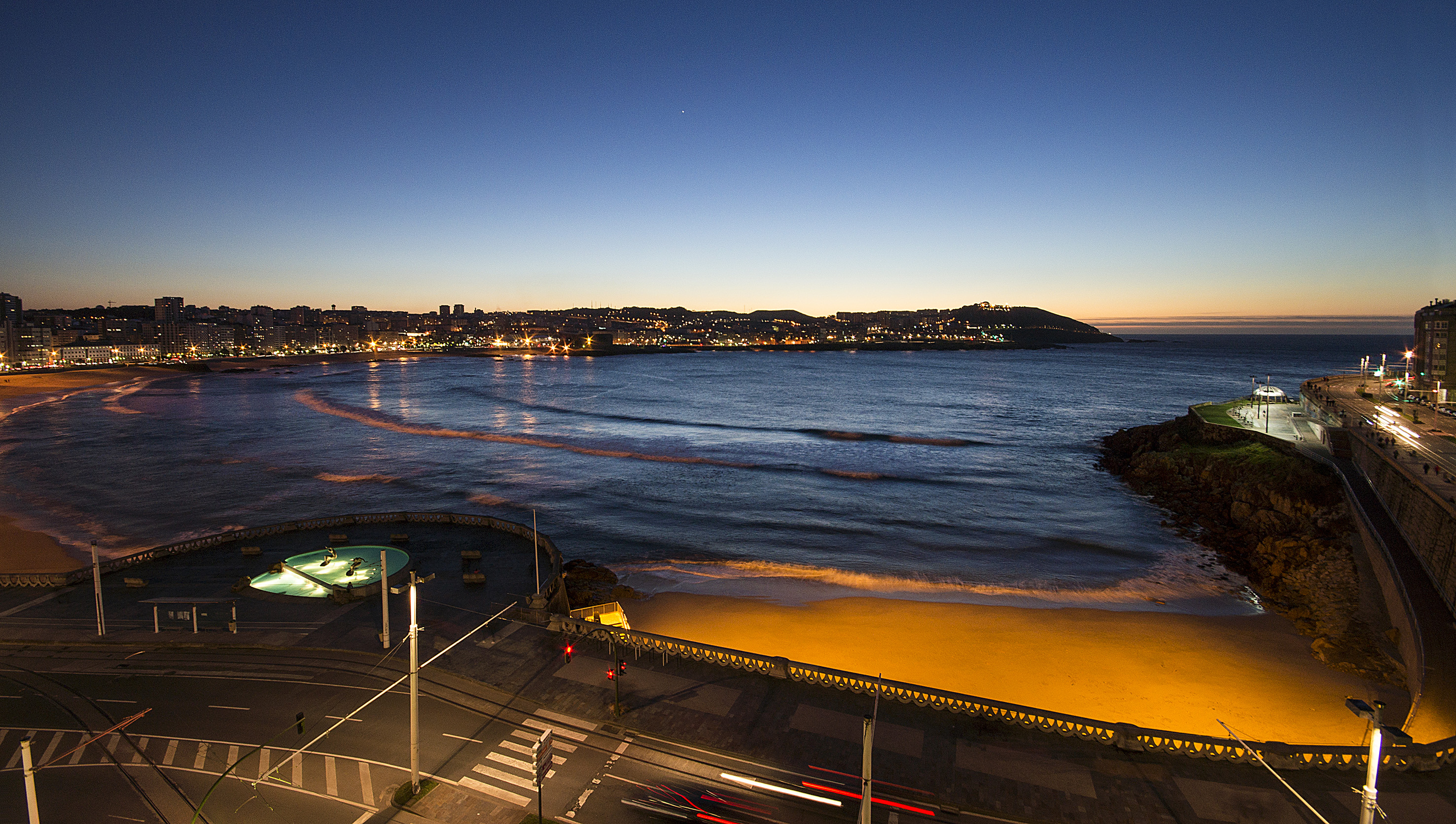,regionOfInterest=(1476.5,835.5))
,regionOfInterest=(2625,1750))
,regionOfInterest=(2625,1750))
The 2026 solar eclipse in Galicia will be one of the most important and long-awaited astronomical events in many years. The path of totality will cross a large part of the north of the peninsula, allowing numerous Galician towns to enjoy the most anticipated moment of the phenomenon: when the Moon completely covers the solar disc for a few moments.
As it happens late in the afternoon, the light transition will be simply spectacular, as the intensity of the light will gradually decrease, temperatures will drop by several degrees and the natural environment will take on a magnetic twilight tone just before the Sun sets in the ocean.
Although the exact time will vary depending on the point from which you observe it, this is forecast to be the time of the 2026 solar eclipse in Galicia approximately:
|
Information |
Approximate time |
|
Date |
12 August 2026 |
|
Type of eclipse |
Total solar eclipse |
|
Start of partial eclipse |
19:32h |
|
Start of totality |
20:29h |
|
Duration of totality |
Between 1 and 2 minutes (depending on location) |
|
End of eclipse |
21:28h |
These times are indicative and may have small variations as you move towards the interior or north of the region.
,regionOfInterest=(1476.5,997))
,regionOfInterest=(1476.5,997))
The opportunity to witness the path of totality of a solar eclipse from a specific point on Earth is something that usually happens once in a lifetime, as these phenomena take decades, or even centuries, to repeat themselves in the same place.
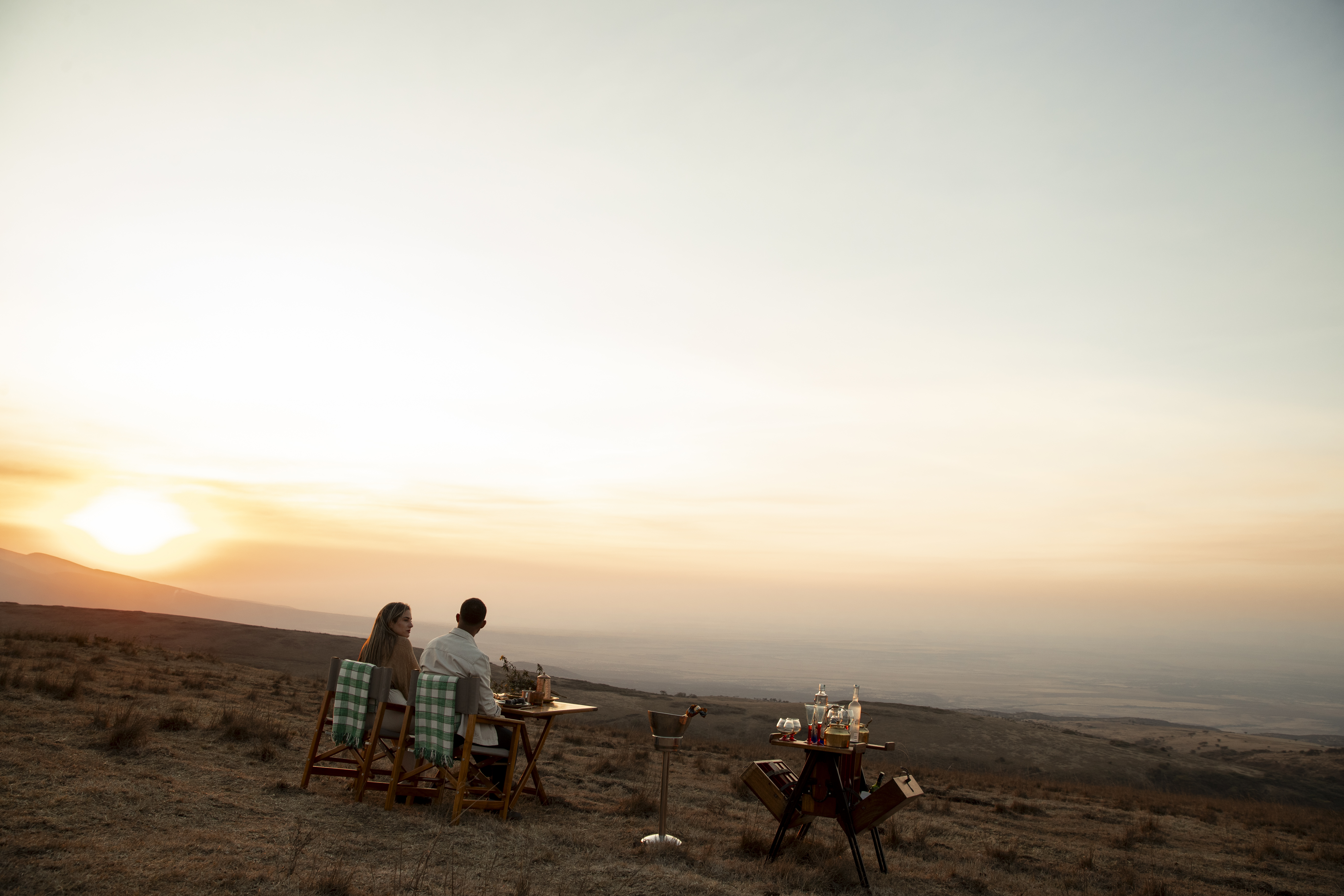
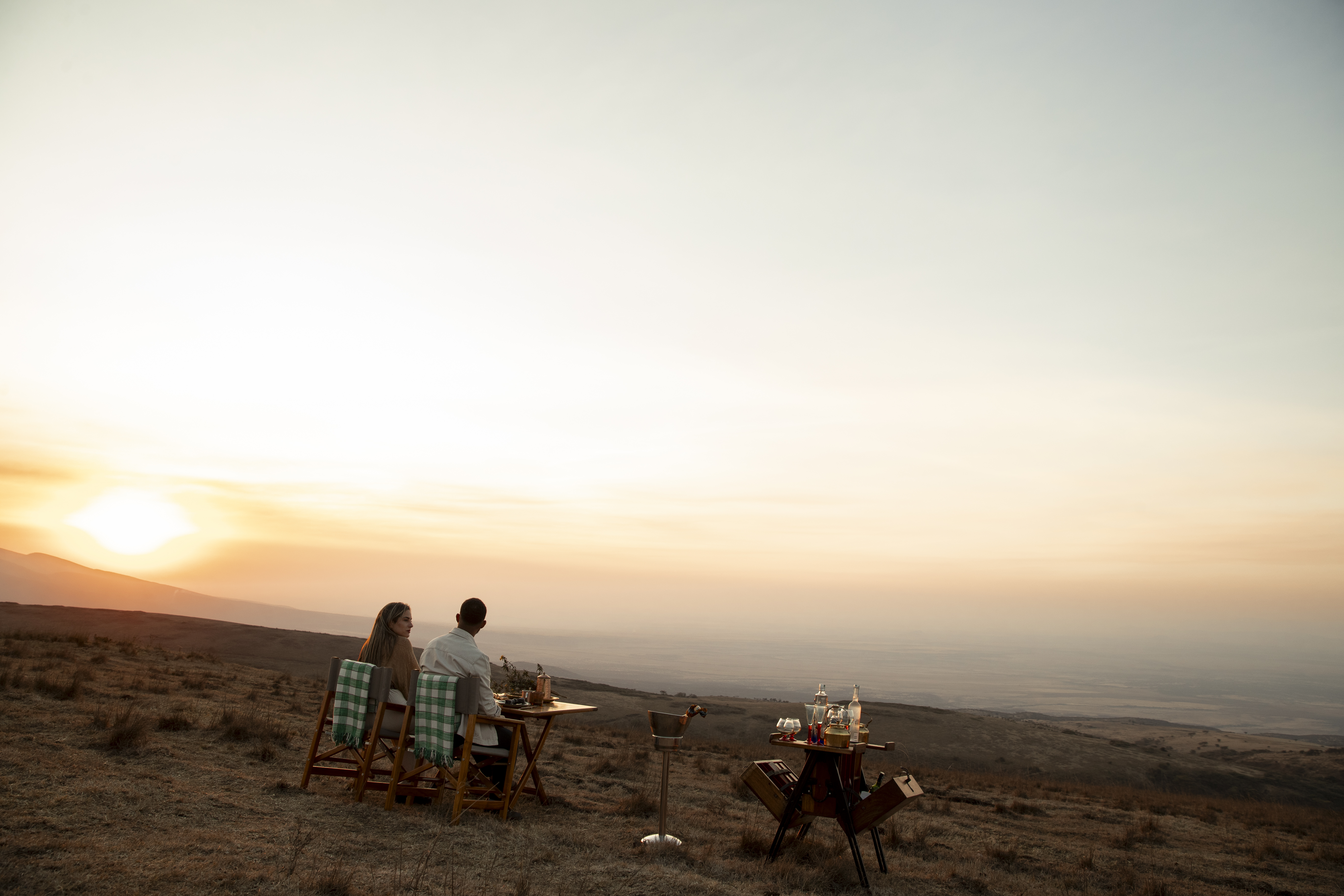
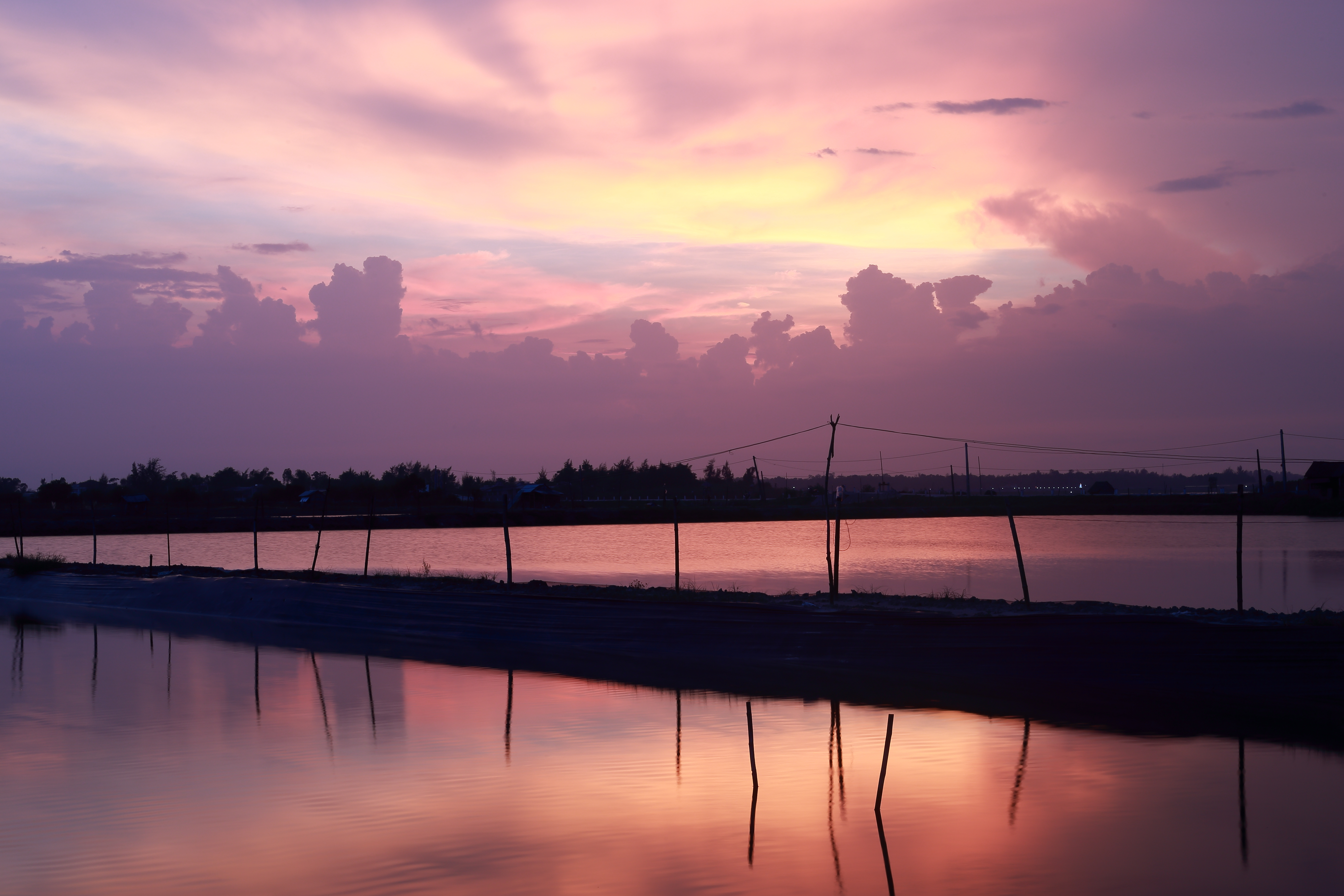
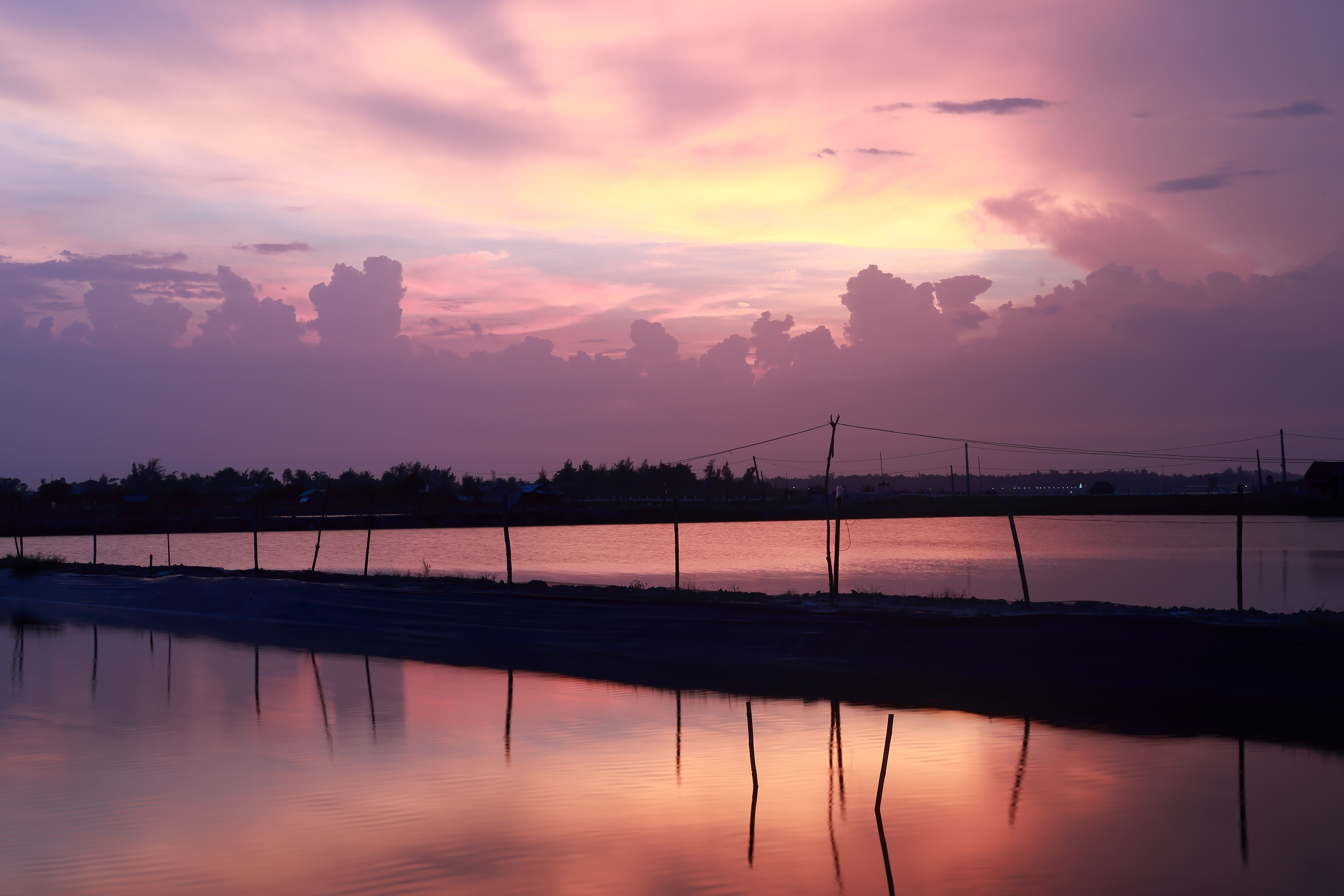
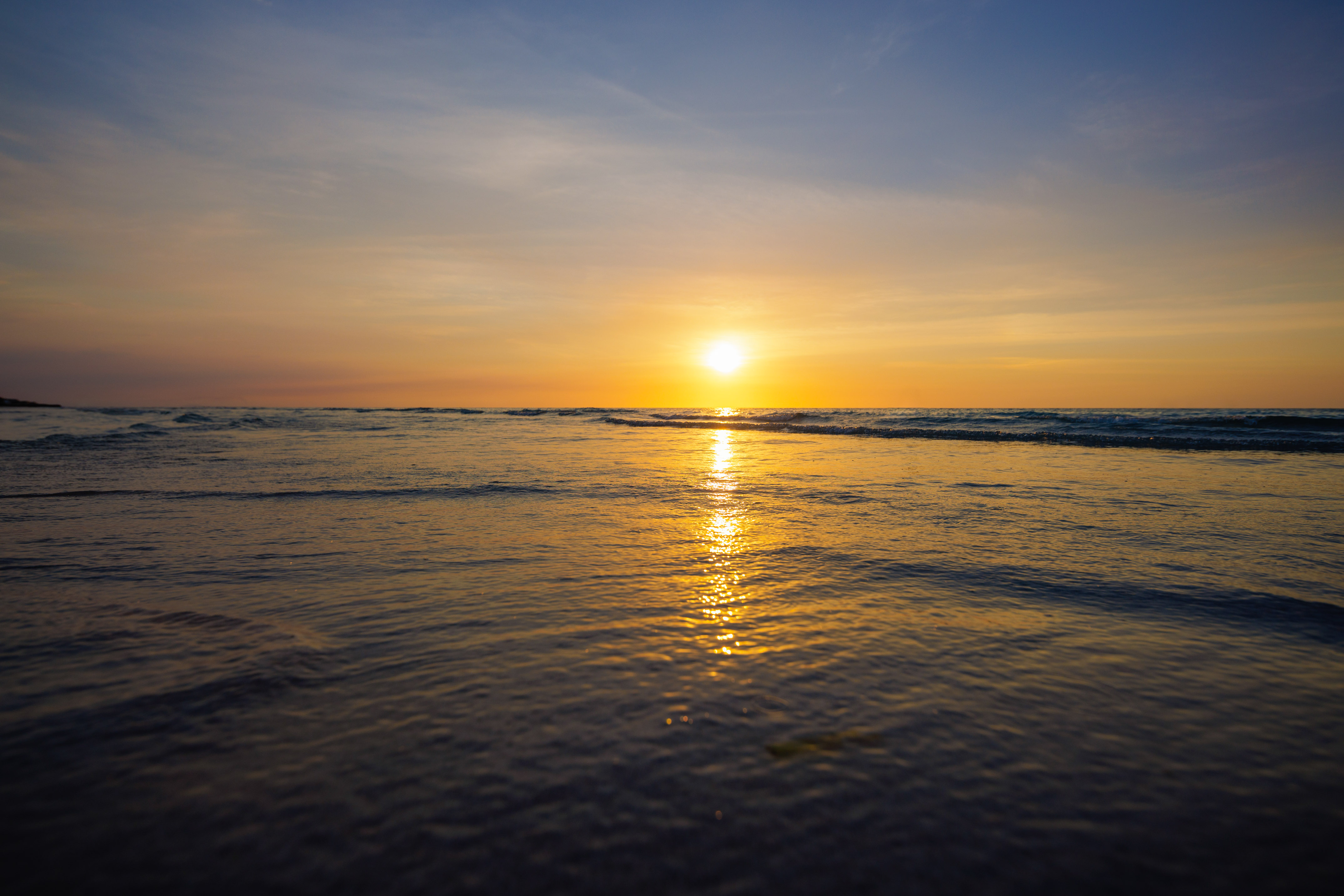
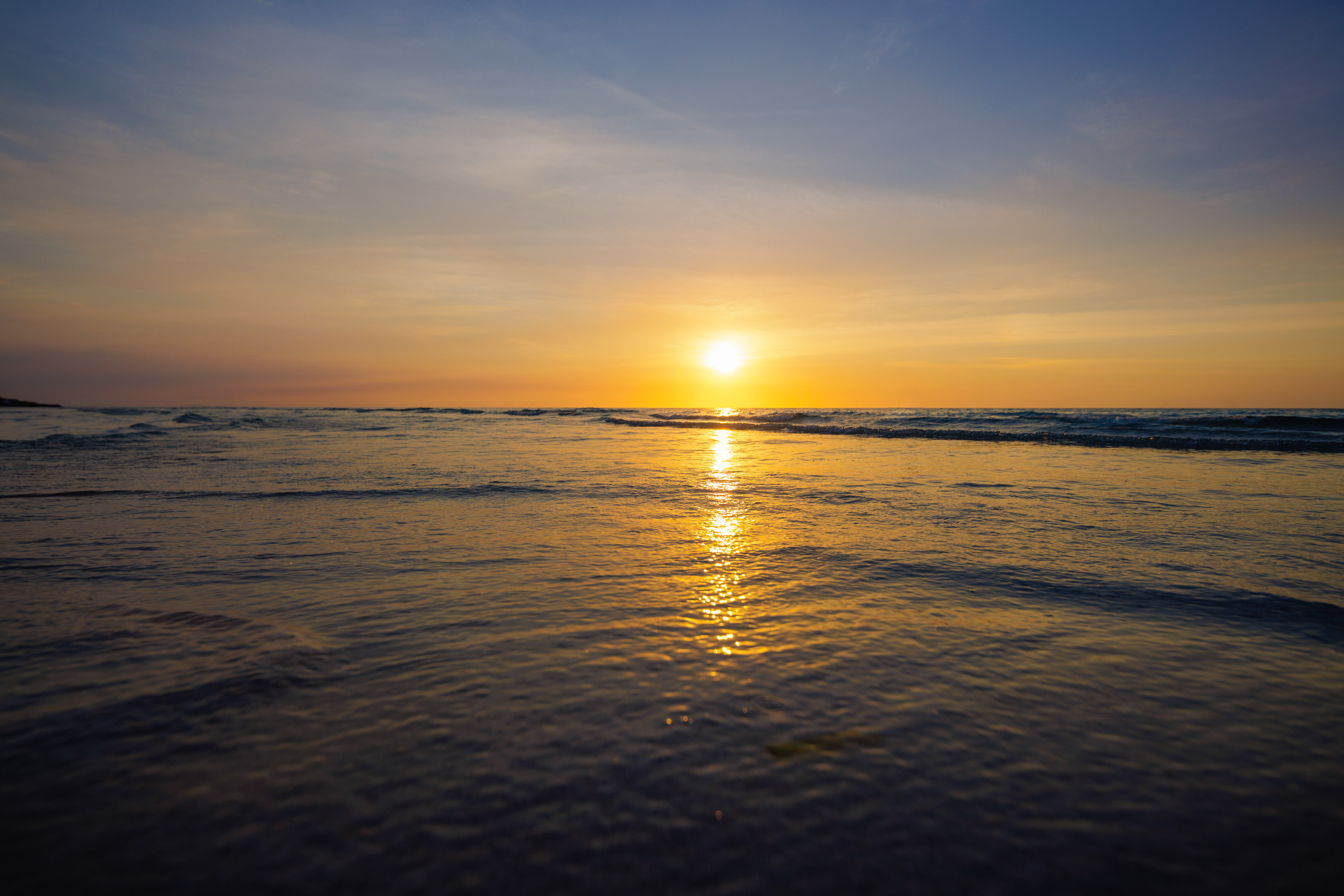
In the case of the solar eclipse of 12 August in Galicia, we must add an unbeatable aesthetic factor, and that is that the total phase will occur with the Sun at a very low height above the western horizon, right during the Galician sunset. This means that the solar corona will be drawn directly on the line of the Atlantic sea, creating a wild visual contrast between the profiles of the capes and the dark silhouette of the Moon.
A photographic and sensory image that will hardly be seen again in Galicia in the coming generations.
To make the most of the experience, the key is to choose the right place from which to observe the eclipse. As it occurs at sunset, you need to look for locations where the western horizon is completely clear and without visual obstacles.
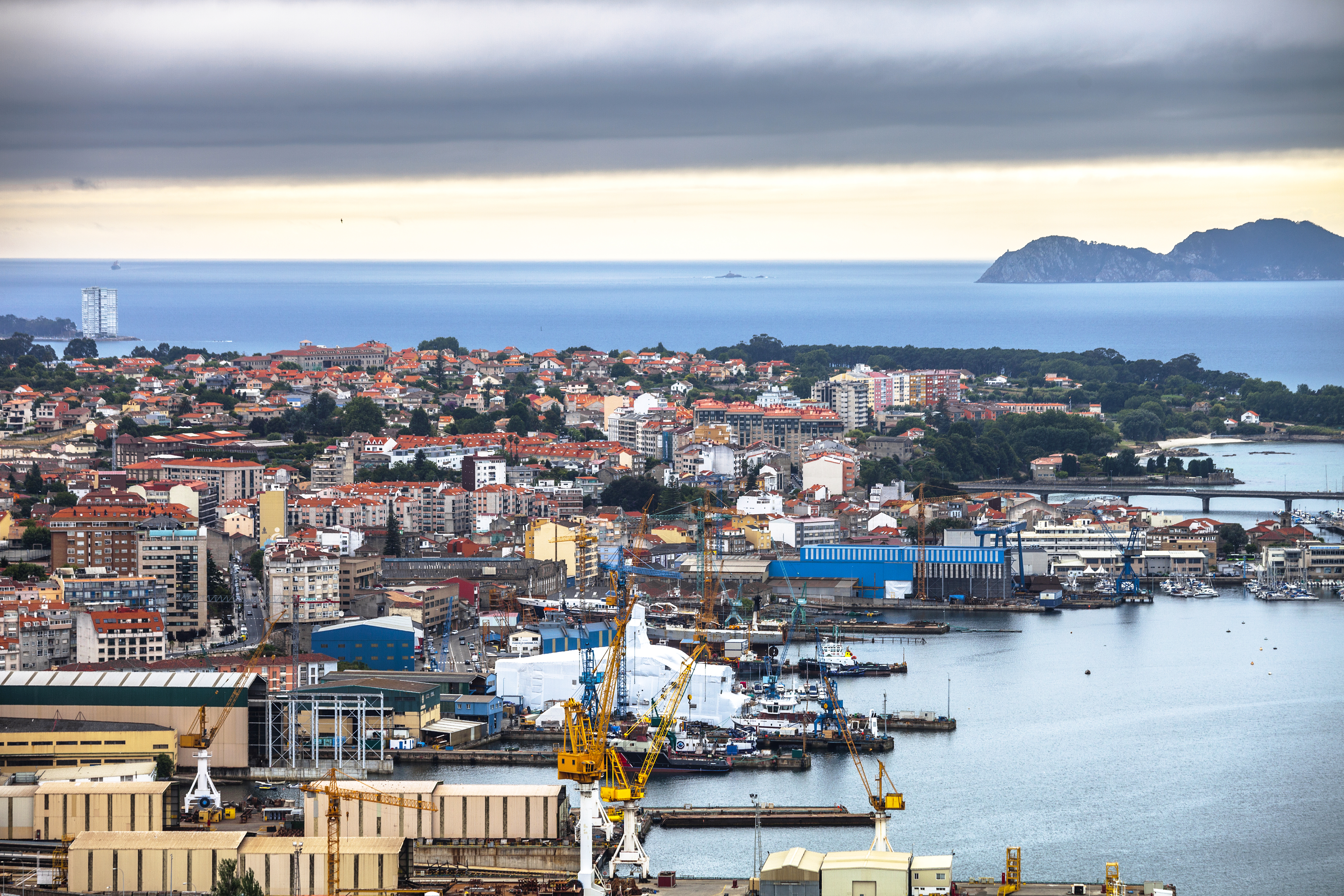
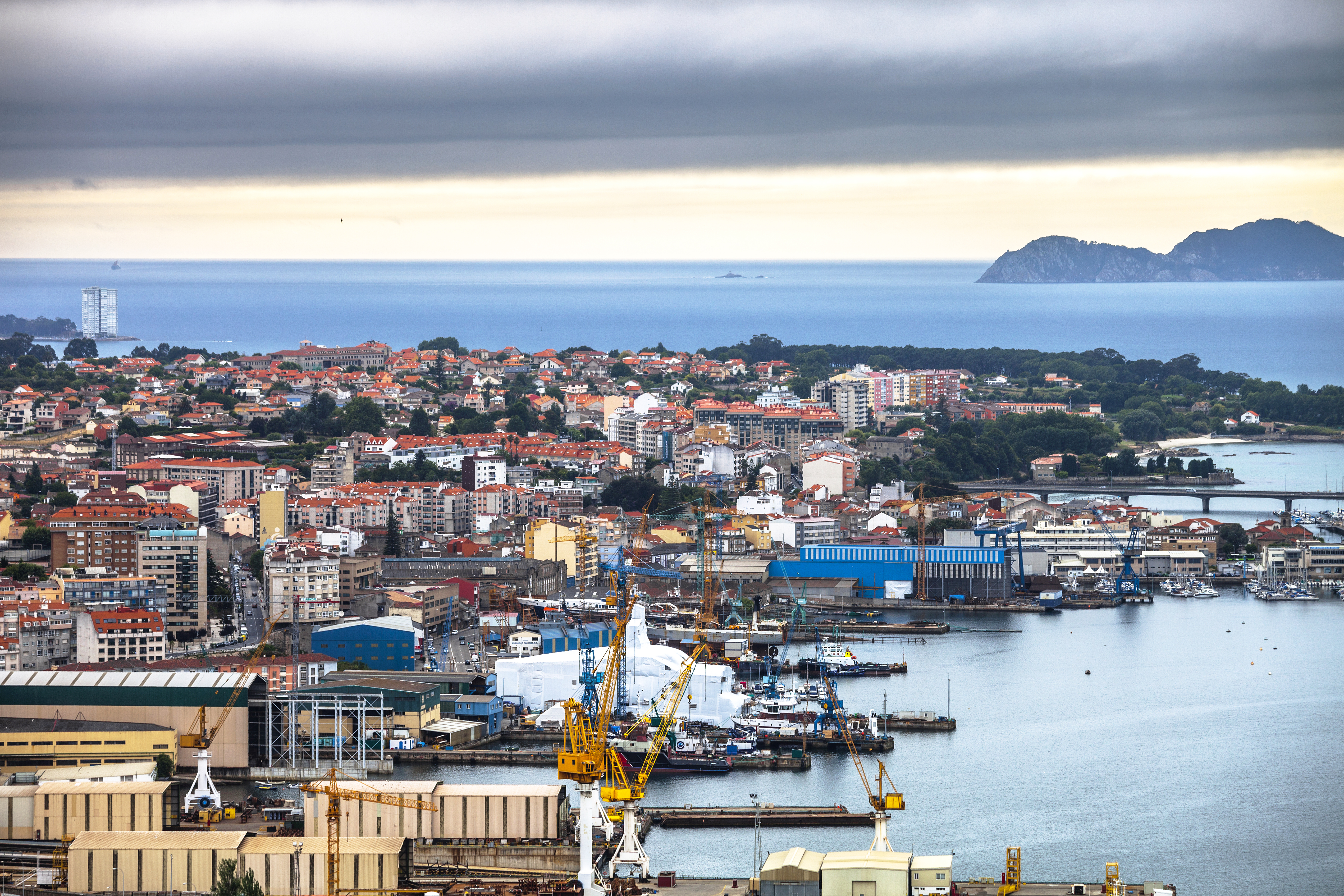
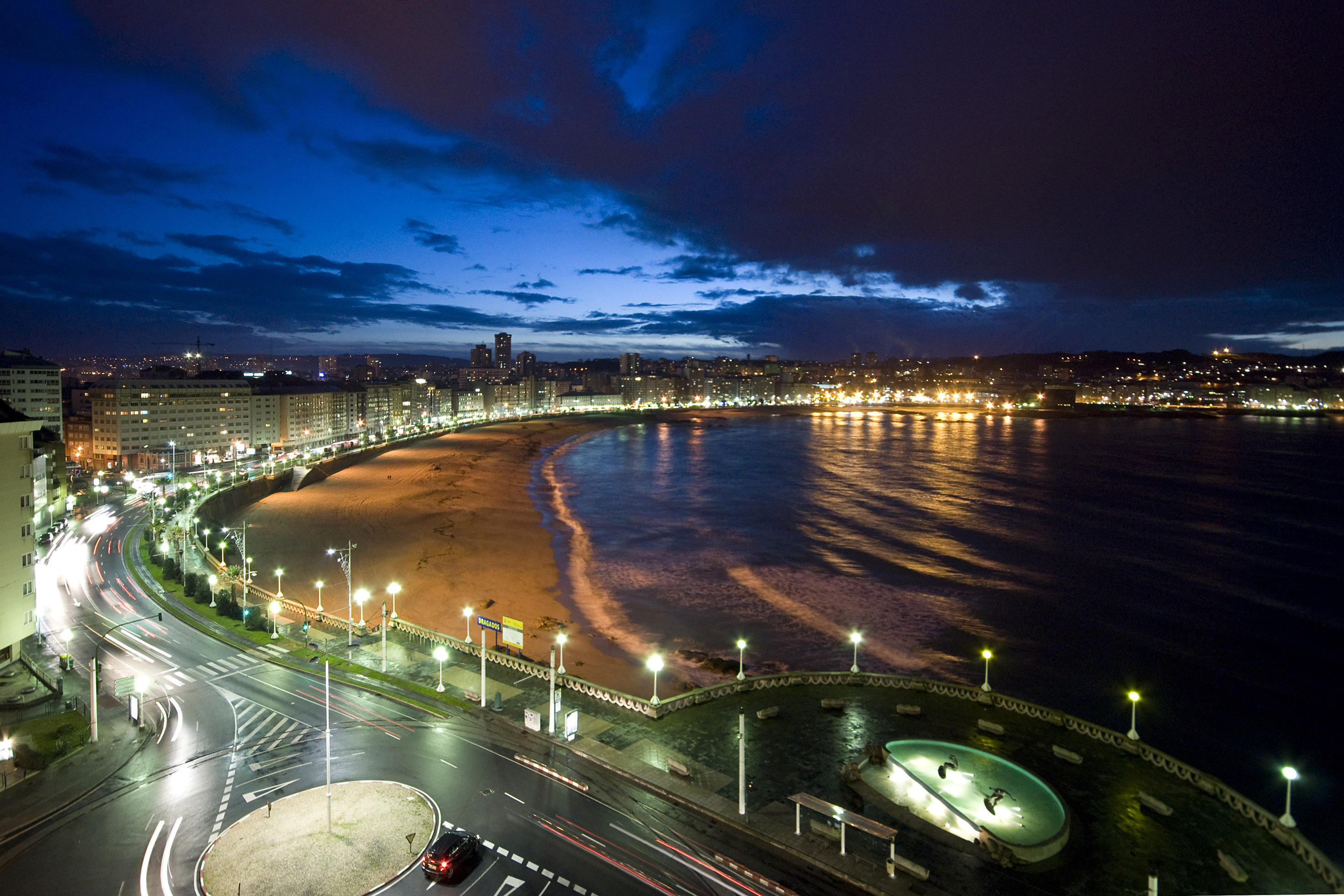
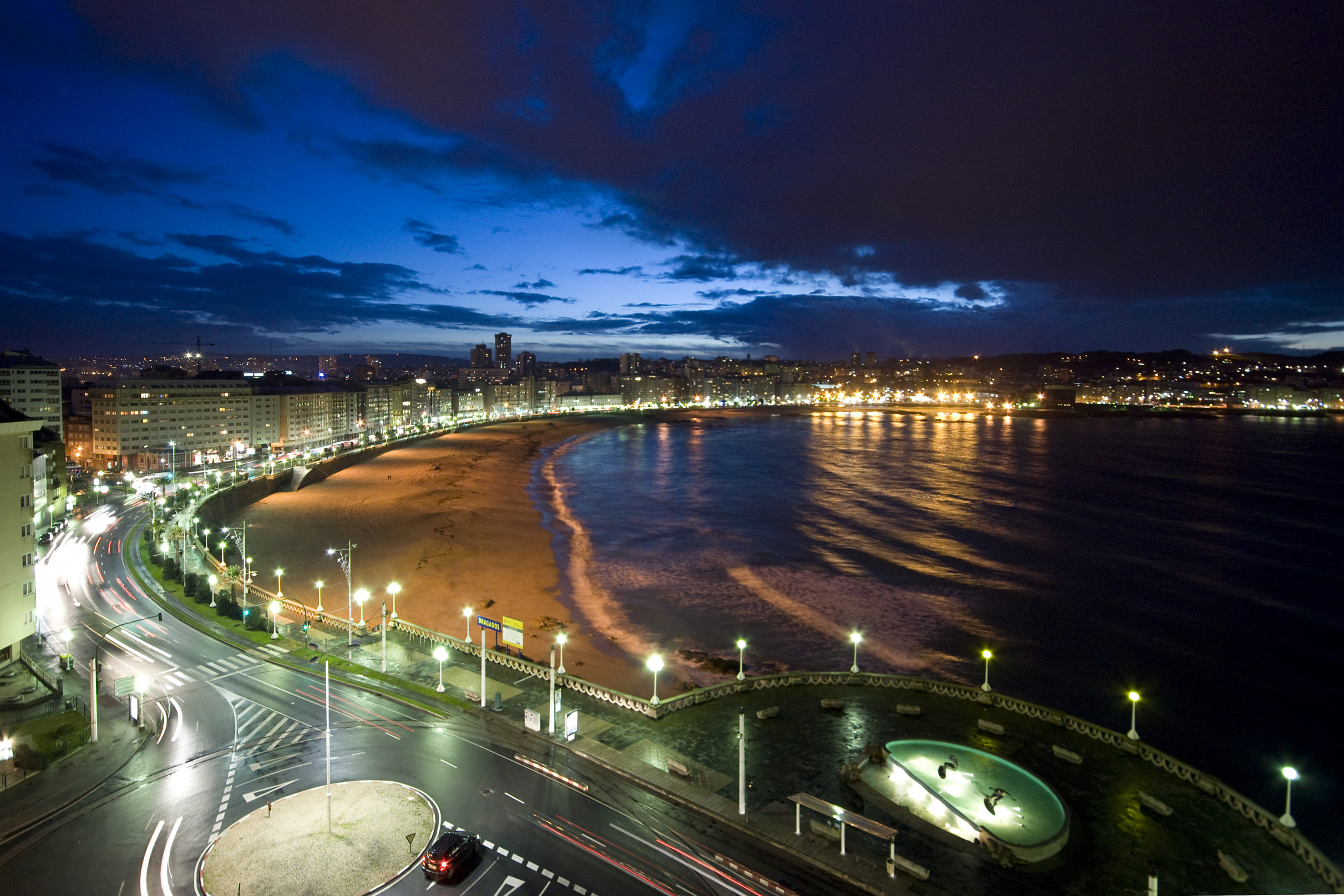
The coast of A Coruña and the Rías Altas are some of the most privileged areas to contemplate the eclipse thanks to their geography, their orientation towards the west and their wide horizons open to the Atlantic Ocean. This ideal location allows you to observe the phenomenon with the sun very low over the sea, which, added to the low light pollution of many of its towns, makes this coastline one of the best places to enjoy the experience.
These are some of the best locations to see the solar eclipse in Galicia:
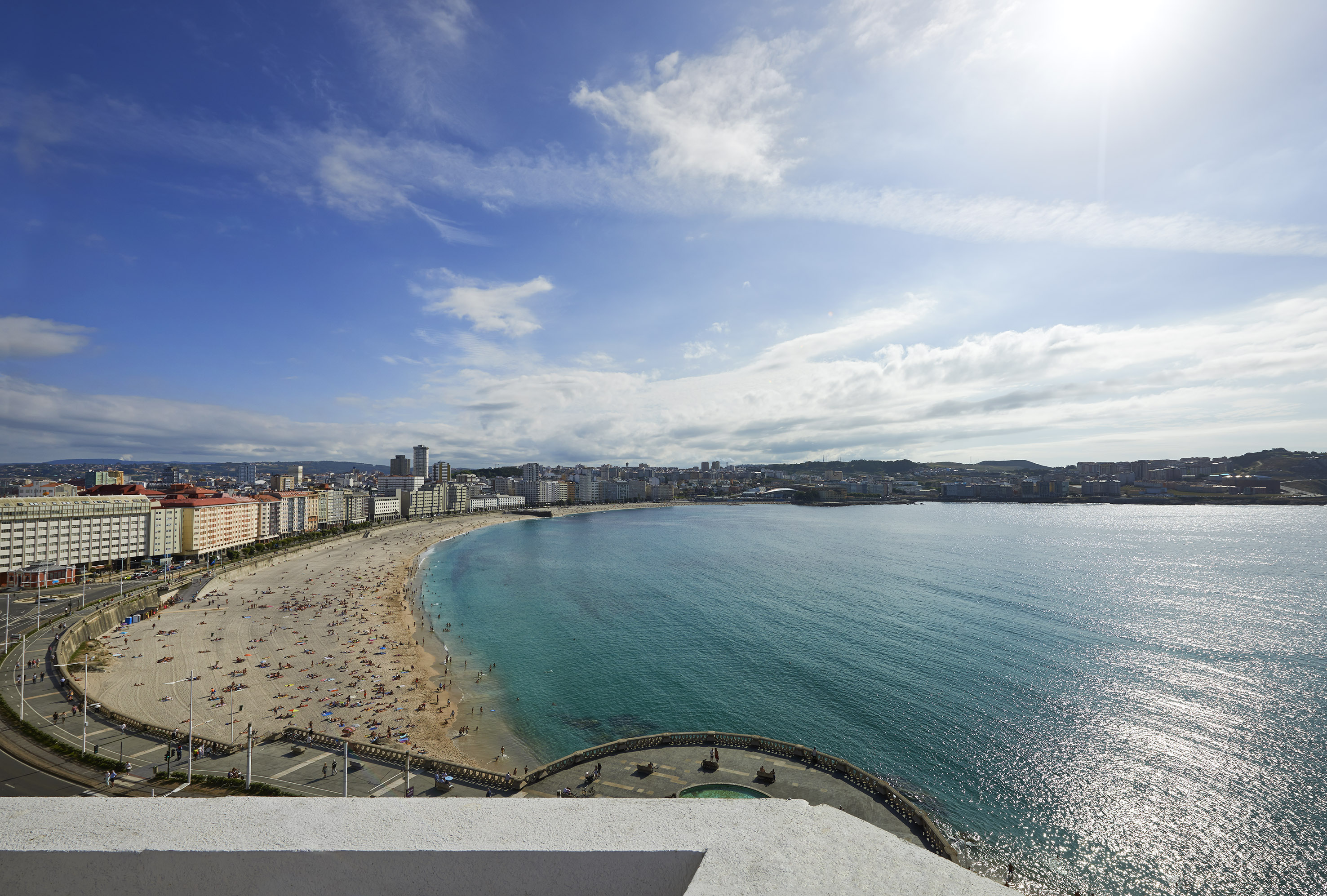
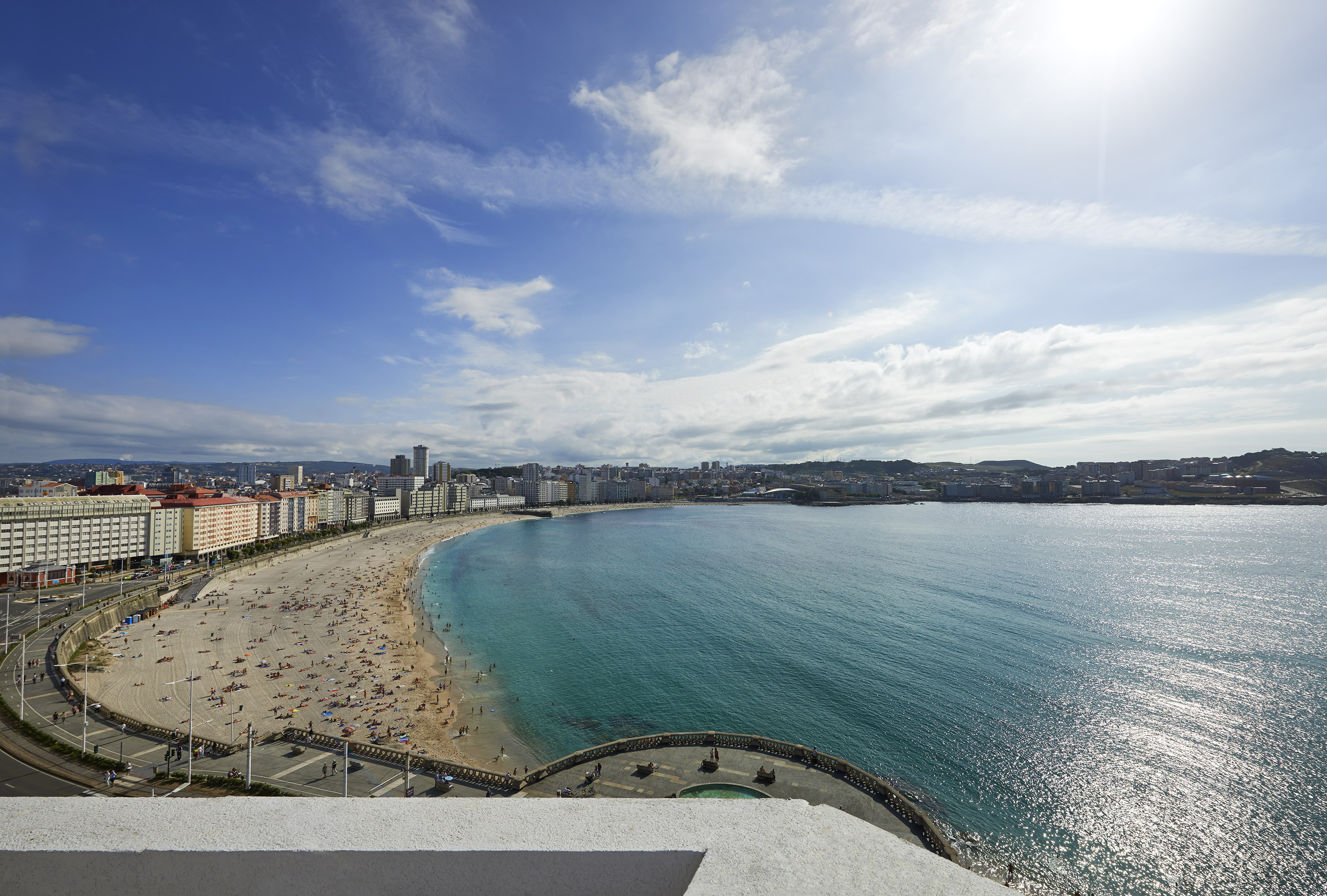
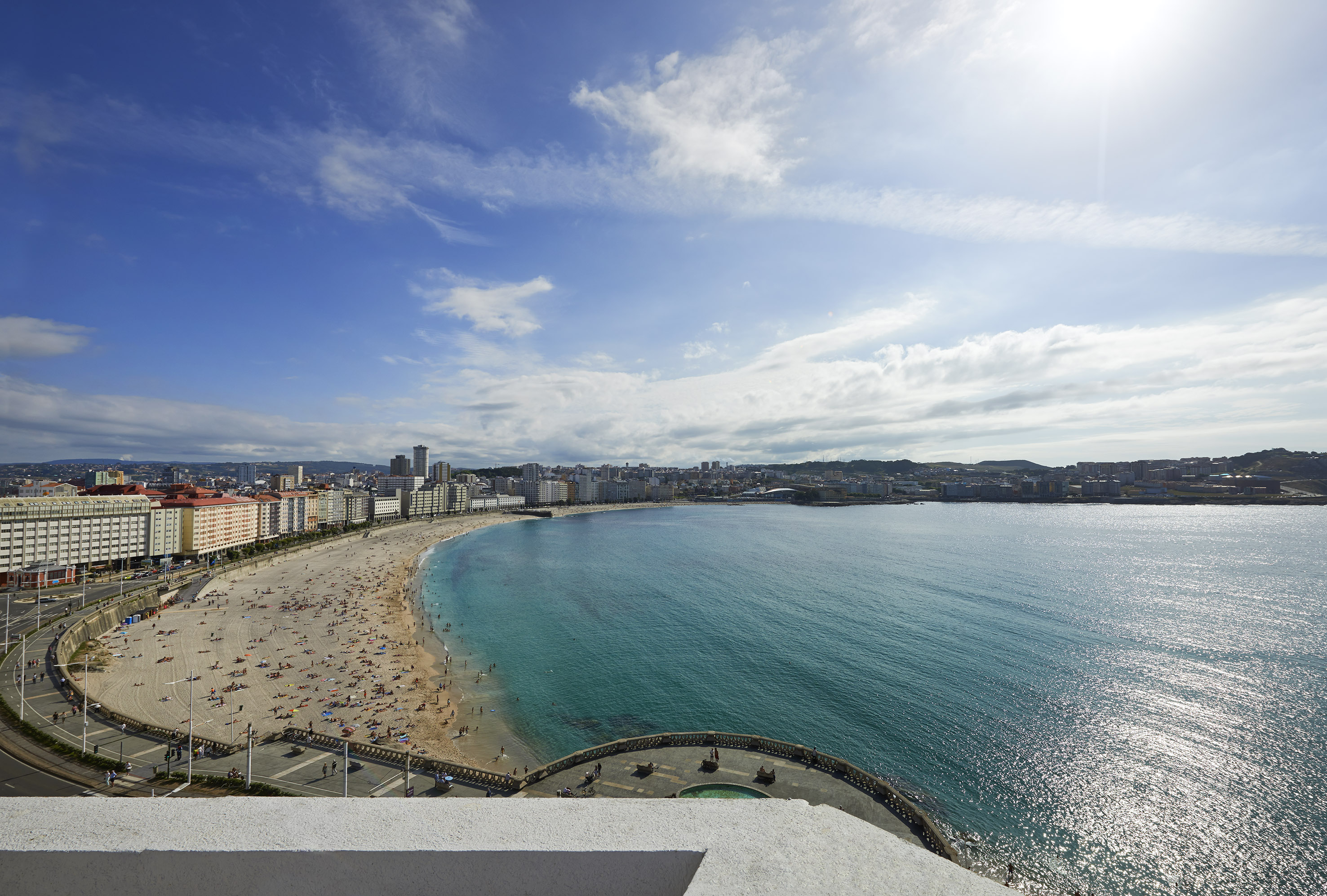
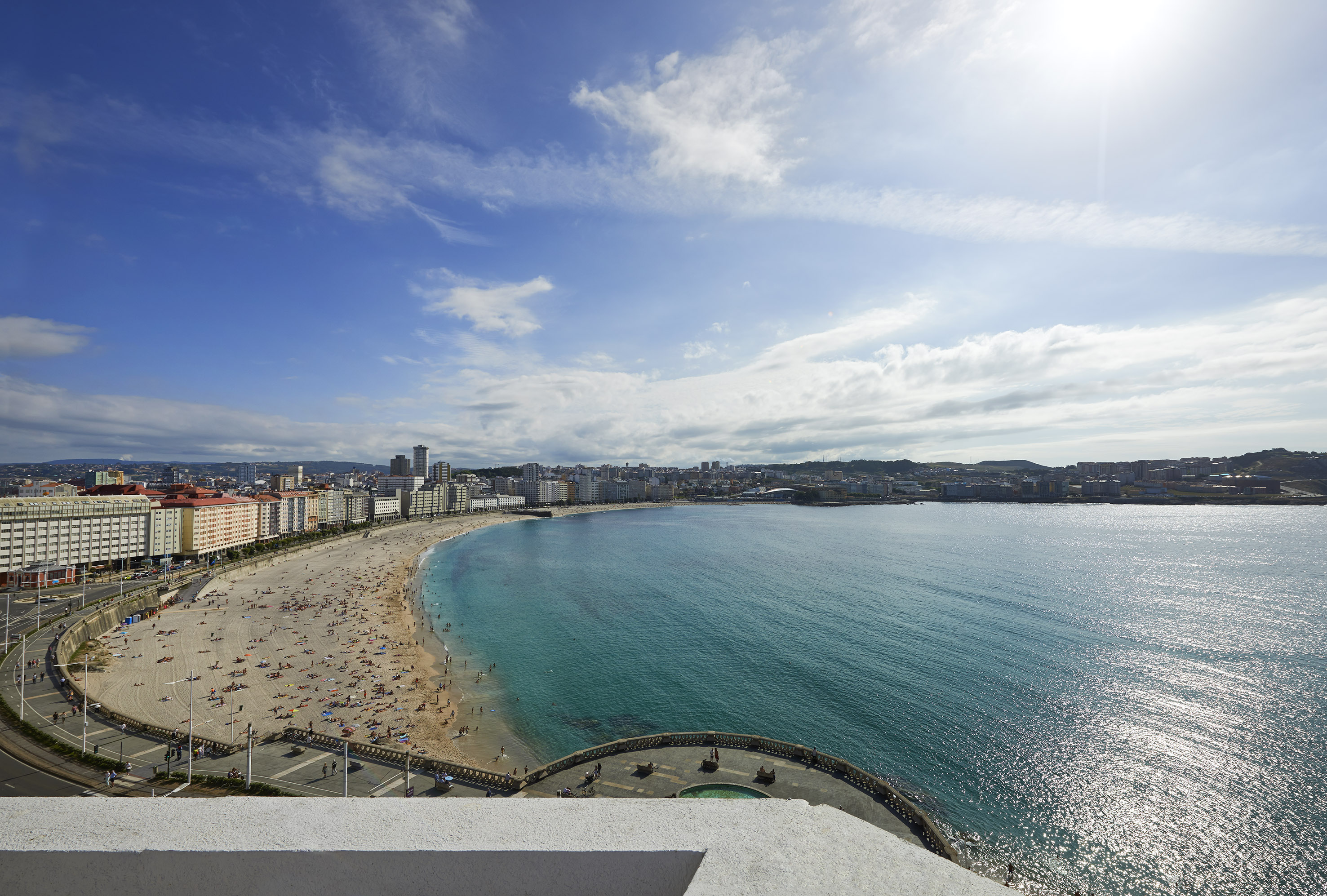
One of the most special proposals to experience this moment will be the one organised by the Meliá Maria Pita, located in front of Riazor beach, in A Coruña. Thanks to its privileged location next to the Atlantic, the hotel will become a magnificent observation point to contemplate the eclipse with the sea as a backdrop.
On the occasion of this event, the hotel will host an “Eclipse Garden Party”, an experience designed to enjoy the phenomenon in a different way. From 18:30 to 21:30 the hotel terrace will host a special evening in which the observation of the eclipse will be combined with live DJ music, a toast, candy bar, appetisers and an atmosphere designed to turn an exceptional astronomical date into an unforgettable memory. In addition, approved glasses will be provided to all attendees. The price of the experience will be 35 euros for adults and 25 euros for children.
Beyond the eclipse itself, the proposal invites you to experience a different summer afternoon, in one of the most emblematic enclaves of A Coruña and with privileged views over the Atlantic.
The excitement of witnessing a solar eclipse should not make us forget the health of our eyes. Solar radiation can cause irreversible damage to the retina if we look directly at the Sun without proper protection, even if it is 99% covered.
Read on because we tell you how to see the 2026 solar eclipse in Galicia without taking unnecessary risks:
It is also advisable to arrive well in advance at the chosen location. The solar eclipse of 12 August in Galicia will attract thousands of people, especially in coastal areas and the main viewpoints, so good planning will allow you to enjoy it much more when the moment arrives.
Finally, I recommend taking a look at the weather forecast during the previous days. Although August usually offers good conditions for observation, you know that in Galicia the sky can change from one moment to the next.
,regionOfInterest=(1476.5,984.5))
,regionOfInterest=(1476.5,984.5))
A total eclipse is a unique opportunity to bring astronomy closer to the little ones in the house. Few experiences manage to awaken as much curiosity as seeing how the sky begins to darken in the middle of summer while the landscape completely changes its appearance.
If you plan to experience this moment with children, the key is to turn the experience into an attractive and fun activity. Explaining to them in a simple way what is happening, preparing a small snack for the wait and using special binoculars adapted for solar observation will make them remember this day for a long time.
Children will be surprised to see how the light goes out little by little or how the temperature changes. These are small details that make the eclipse a true educational experience in the open air.
,regionOfInterest=(2736,1824))
,regionOfInterest=(2736,1824))
Capturing an eclipse with your camera is not just about pointing it at the Sun. Keep in mind that the light is constantly changing and the phenomenon lasts only a few minutes, so you must have everything prepared before the moment arrives.
I'll tell you how to photograph the solar eclipse with both a camera and your mobile phone.
If you have an SLR or mirrorless camera, it is best to use a tripod to maintain stability. In addition, telephoto lenses will allow you to obtain very detailed images of the solar disc, although it may also be a good idea to alternate with wider shots that include the Galician landscape.
During all partial phases it will be essential to use a specific solar filter placed in front of the lens. In addition to protecting the camera sensor, it will allow you to obtain correctly exposed photographs.
Another recommendation is to shoot in RAW format, as this format retains much more information and makes it easier to subsequently adjust exposure, contrast or colour without losing quality.
Current mobile phones allow you to obtain spectacular results. However, instead of using the digital zoom, try to take advantage of the professional mode of the device if available. Slightly reducing the exposure will help to better preserve the details of the sky.
However, one of the best photographs may not be of the Sun itself. The eclipse completely transforms the environment, and capturing people's reactions, the change of light on the beaches, the profile of the lighthouses or the silhouette of the Galician coastline under a darkened sky can give you much more original and different images that will perfectly convey how the phenomenon was experienced.
,regionOfInterest=(2150,1434))
,regionOfInterest=(2150,1434))
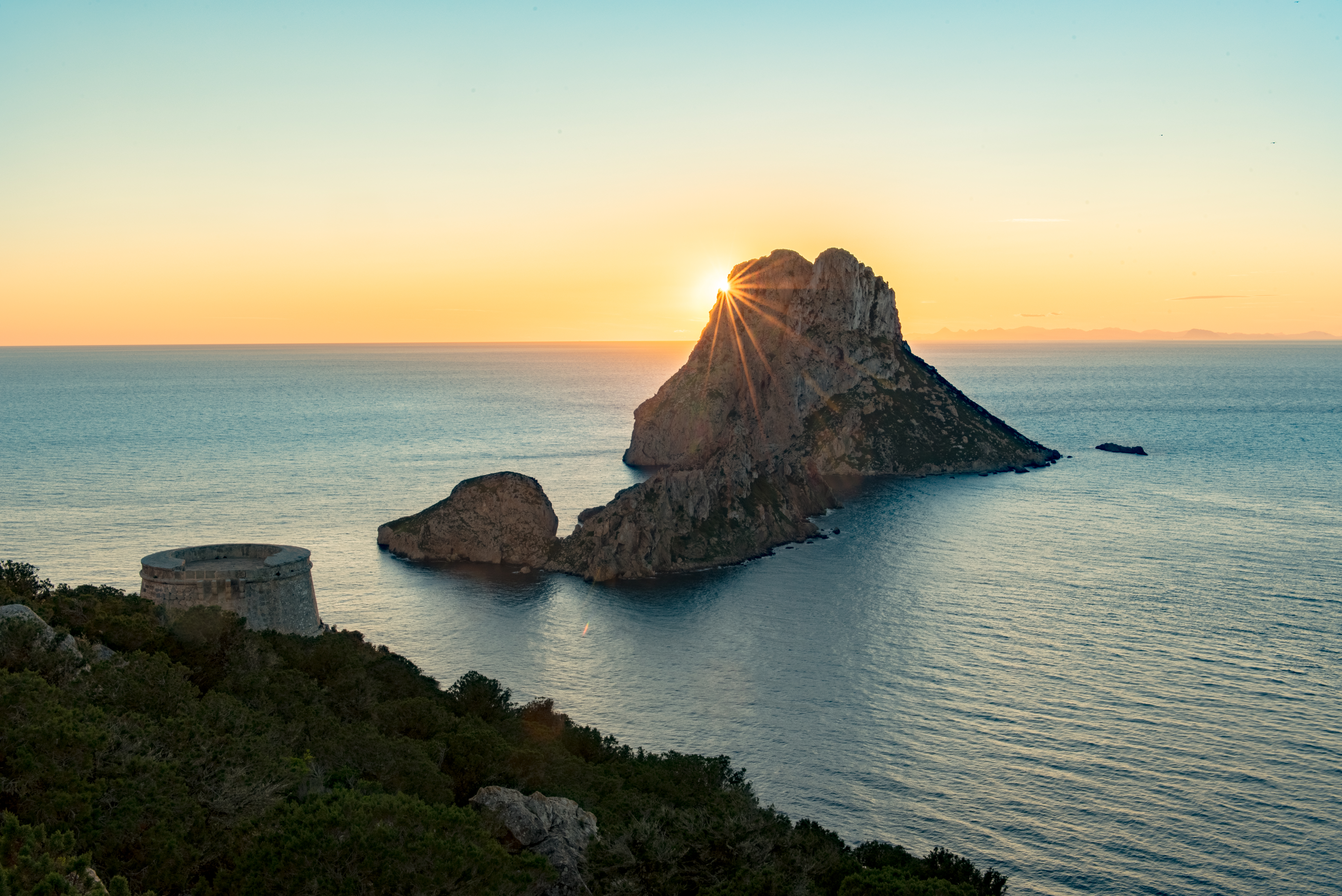
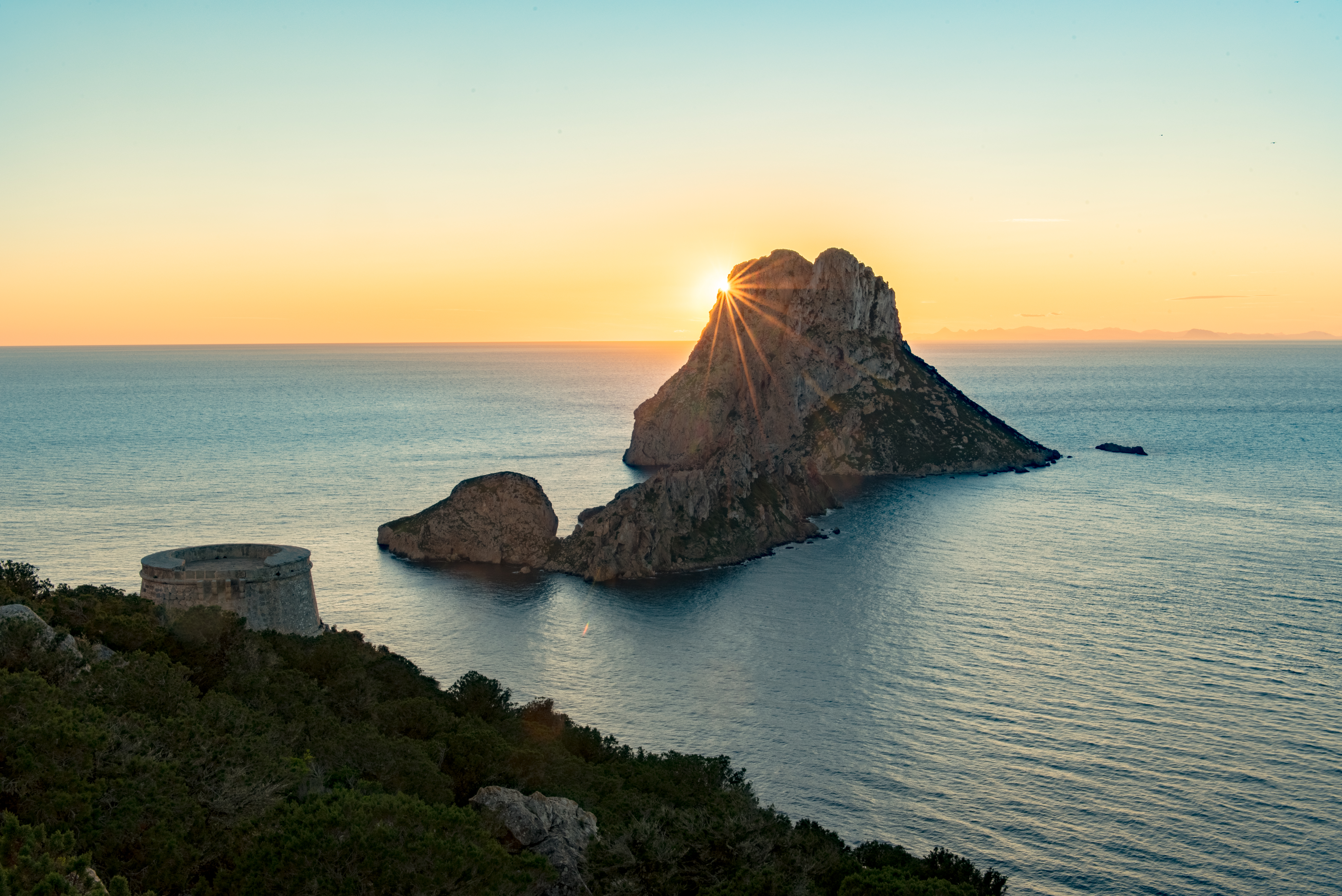
The 2026 solar eclipse in Galicia will be an opportunity to contemplate one of the greatest spectacles that nature offers from a privileged setting.
Good preparation, choosing the right location and following safety recommendations are the keys to fully enjoying an event that is not known when it will be repeated.
And, if you want to make this moment an even more special experience, remember that the Meliá Maria Pita offers a proposal designed to experience the eclipse in a different way. Its terrace facing the sea, live music, the toast and the atmosphere created for the occasion will make the observation of the sky also become a celebration of summer.
It is important to consider that some of these observation points could have access restrictions or a high concentration of the public on the day of the eclipse. For this reason, it is appropriate to check the planned mobility measures, schedule the transfer in advance and arrive with enough time to ensure an optimal location.
,regionOfInterest=(3007.5,2008))
,regionOfInterest=(3007.5,2008))
Nature
Experiences
Exclusive
,regionOfInterest=(1476.5,981.5))
,regionOfInterest=(1476.5,981.5))
,regionOfInterest=(1312.5,1750))
,regionOfInterest=(1312.5,1750))
,regionOfInterest=(2240,3360))
,regionOfInterest=(2240,3360))
,regionOfInterest=(3120,1755))
,regionOfInterest=(3120,1755))
,regionOfInterest=(886,588.5))
,regionOfInterest=(886,588.5))