,regionOfInterest=(2556,1917))
Chiang Mai Gate Night Market 2026: Complete Visitor Guide
,regionOfInterest=(688,384))
,regionOfInterest=(688,384))
Culture
,regionOfInterest=(2560,1920))
,regionOfInterest=(2560,1920))
Visiting the Molino de Inca in Torremolinos means discovering one of the most tranquil, green, and historic spaces on the Costa del Sol. This botanical garden combines nature, heritage, and water in a Mediterranean and Oriental-inspired setting.
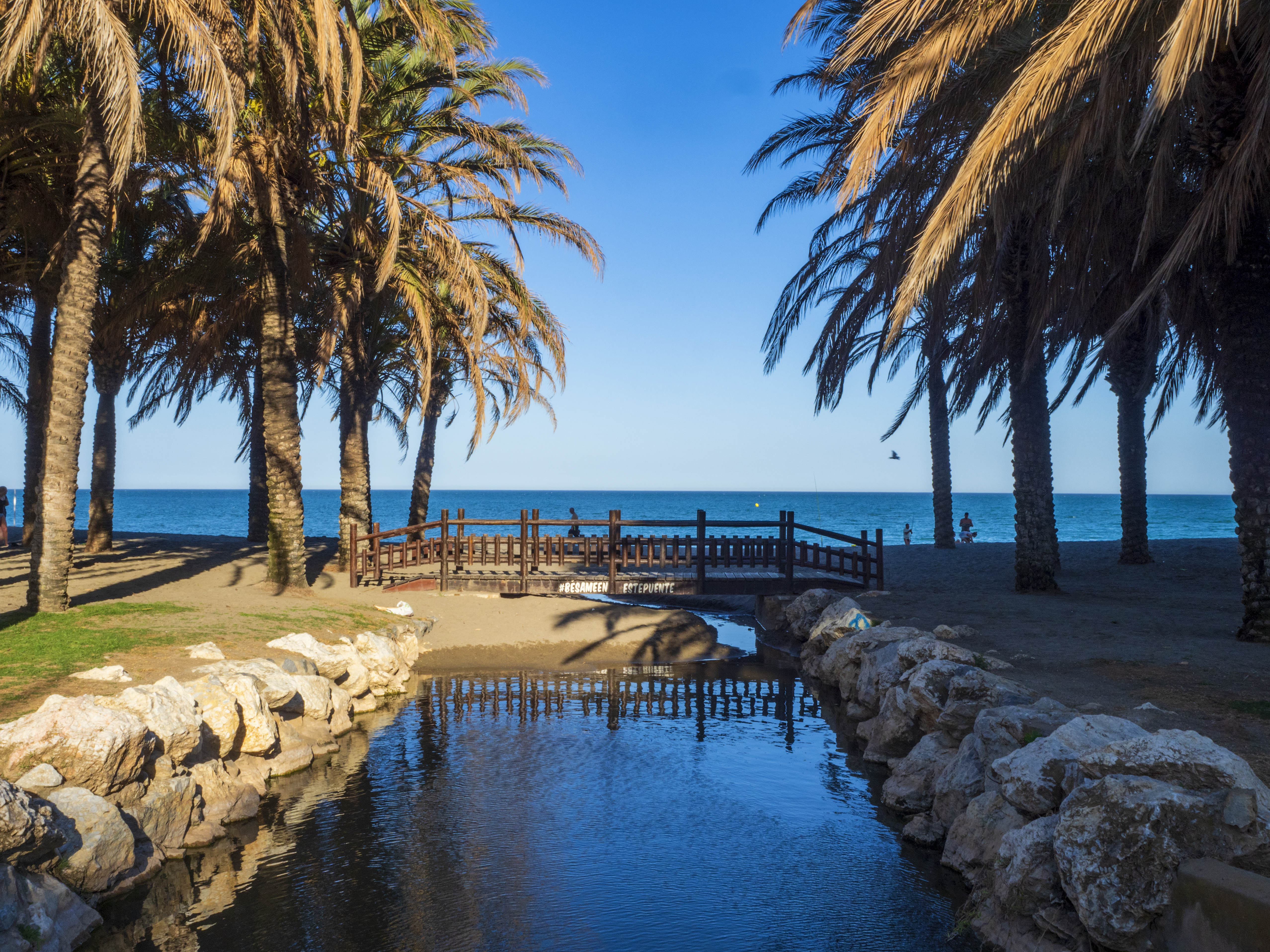
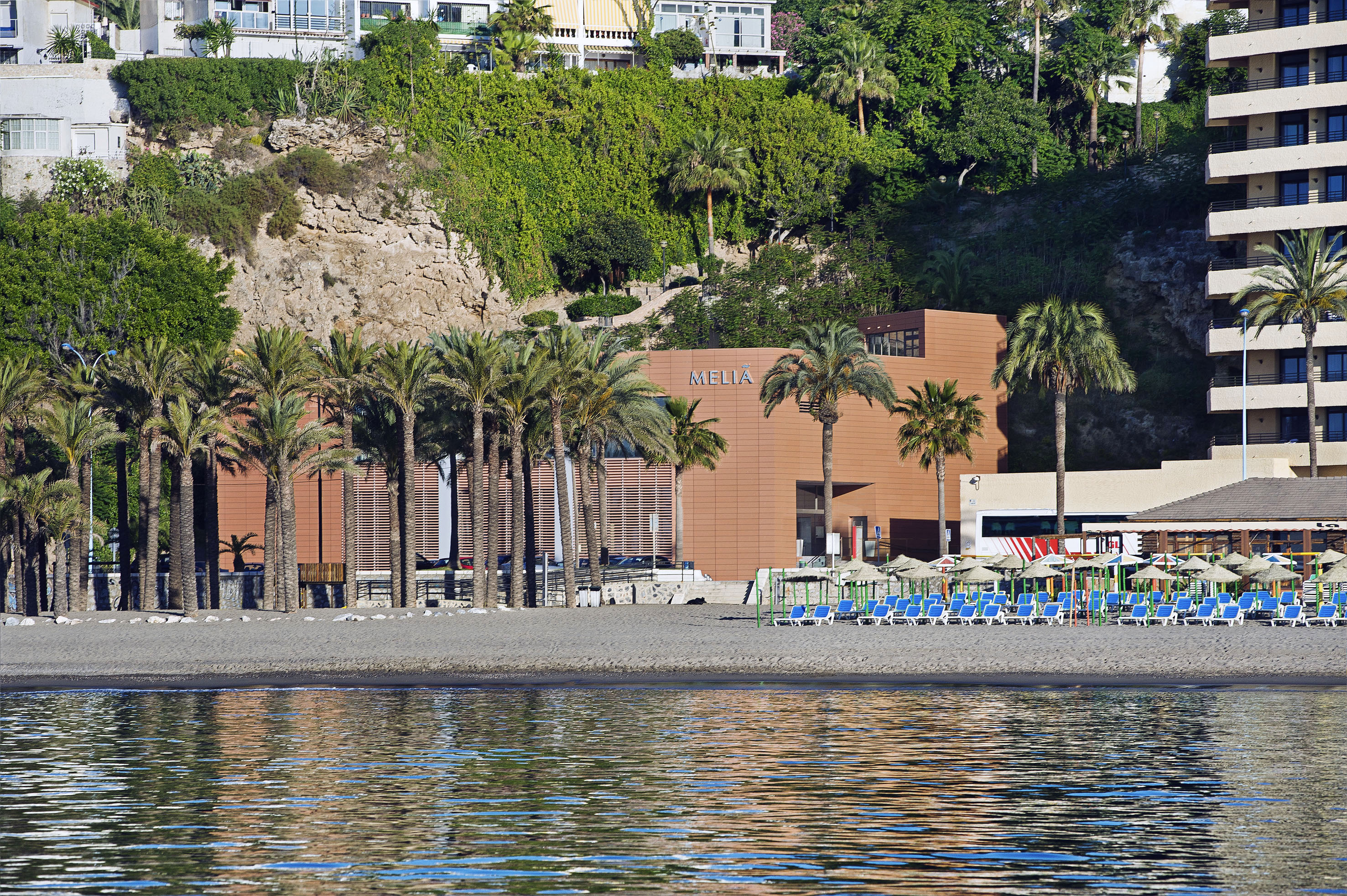
If you're wondering what to see in Torremolinos, the Molino de Inca Botanical Garden should be high on your list: an oasis of peace just a few minutes from the centre and Los Álamos beach, ideal for connecting with nature and enjoying the most relaxed essence of the municipality.
Culture
,regionOfInterest=(2000,1335))
,regionOfInterest=(2000,1335))
,regionOfInterest=(1512,2016))
,regionOfInterest=(1512,2016))
,regionOfInterest=(2556,1917))
,regionOfInterest=(2556,1917))
,regionOfInterest=(1476.5,982.5))
,regionOfInterest=(1476.5,982.5))
The Molino de Inca Botanical Garden is much more than a garden. It's one of Torremolinos' most visited parks and a historic site where the old flour mill, which used the waters of the Inca spring, is still preserved. Today, its fountains, water wheels, and canals remain central features, surrounding visitors with the sound of water and the scent of flowers.
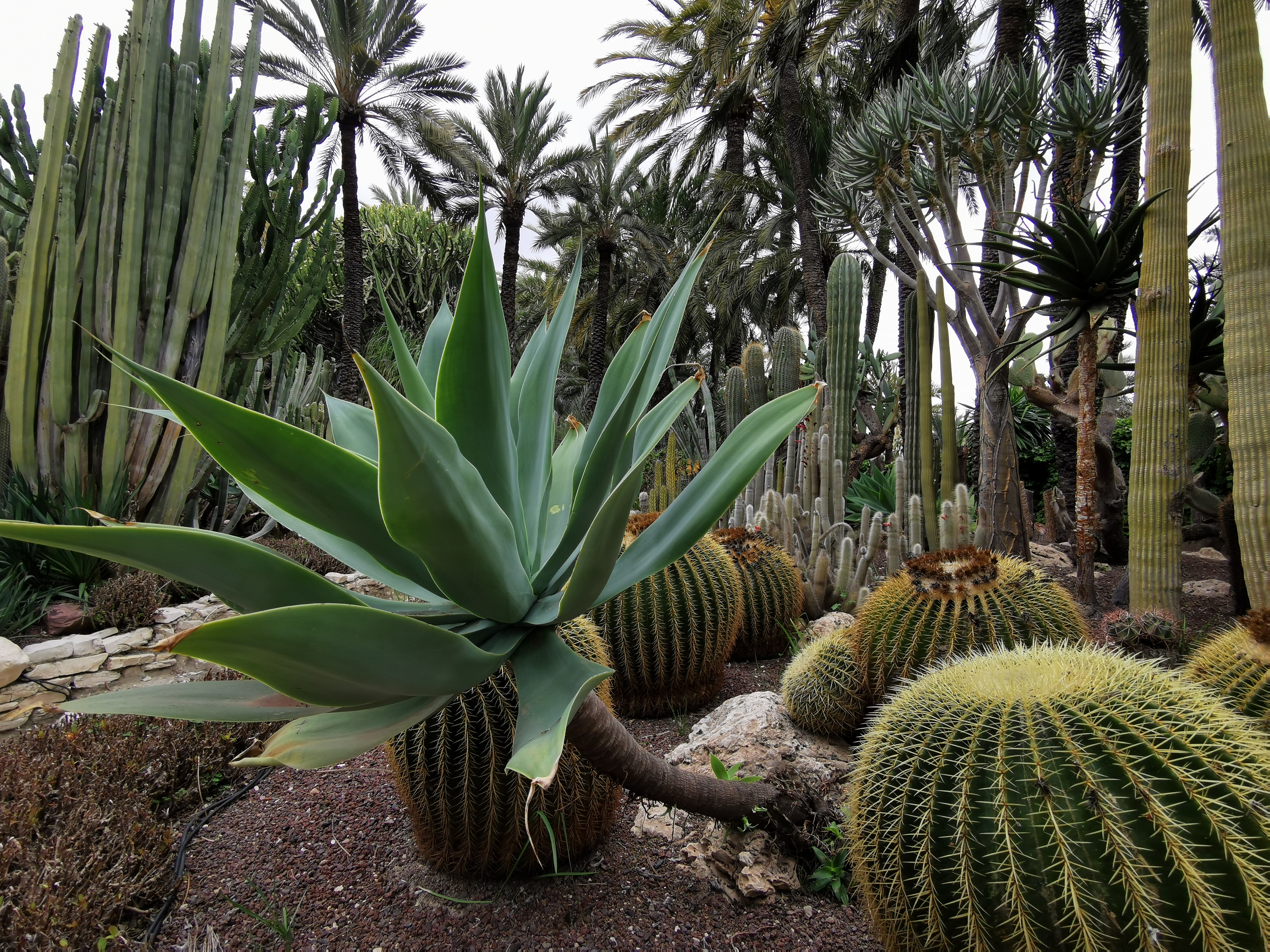
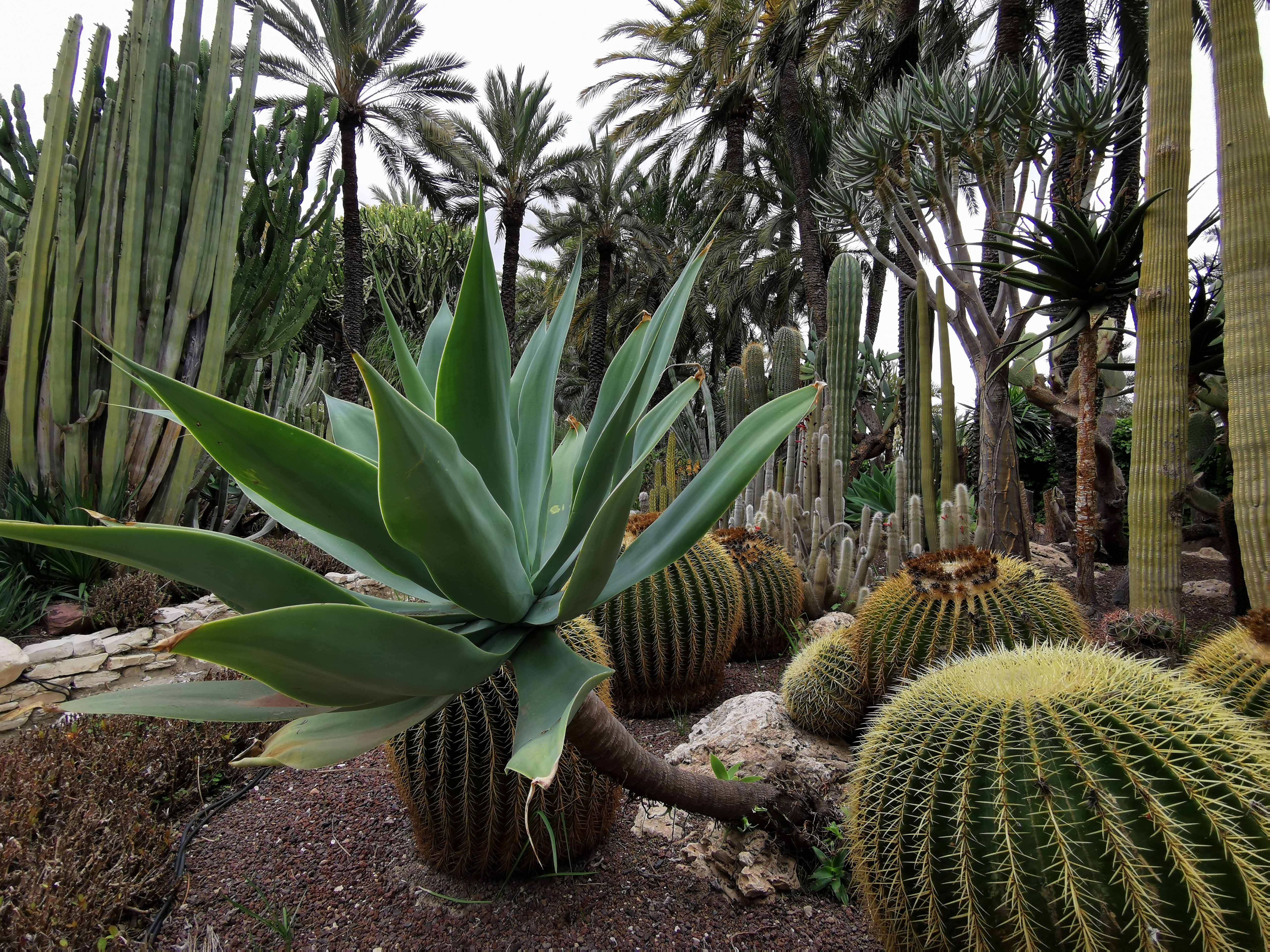
Within the Molino de Inca Botanical Garden, you can admire over 150 species of trees and plants from five continents, as well as a small Japanese Garden and a surprising Cypress Labyrinth. It's an ideal botanical stroll for travellers seeking a peaceful plan with cultural value within Torremolinos.
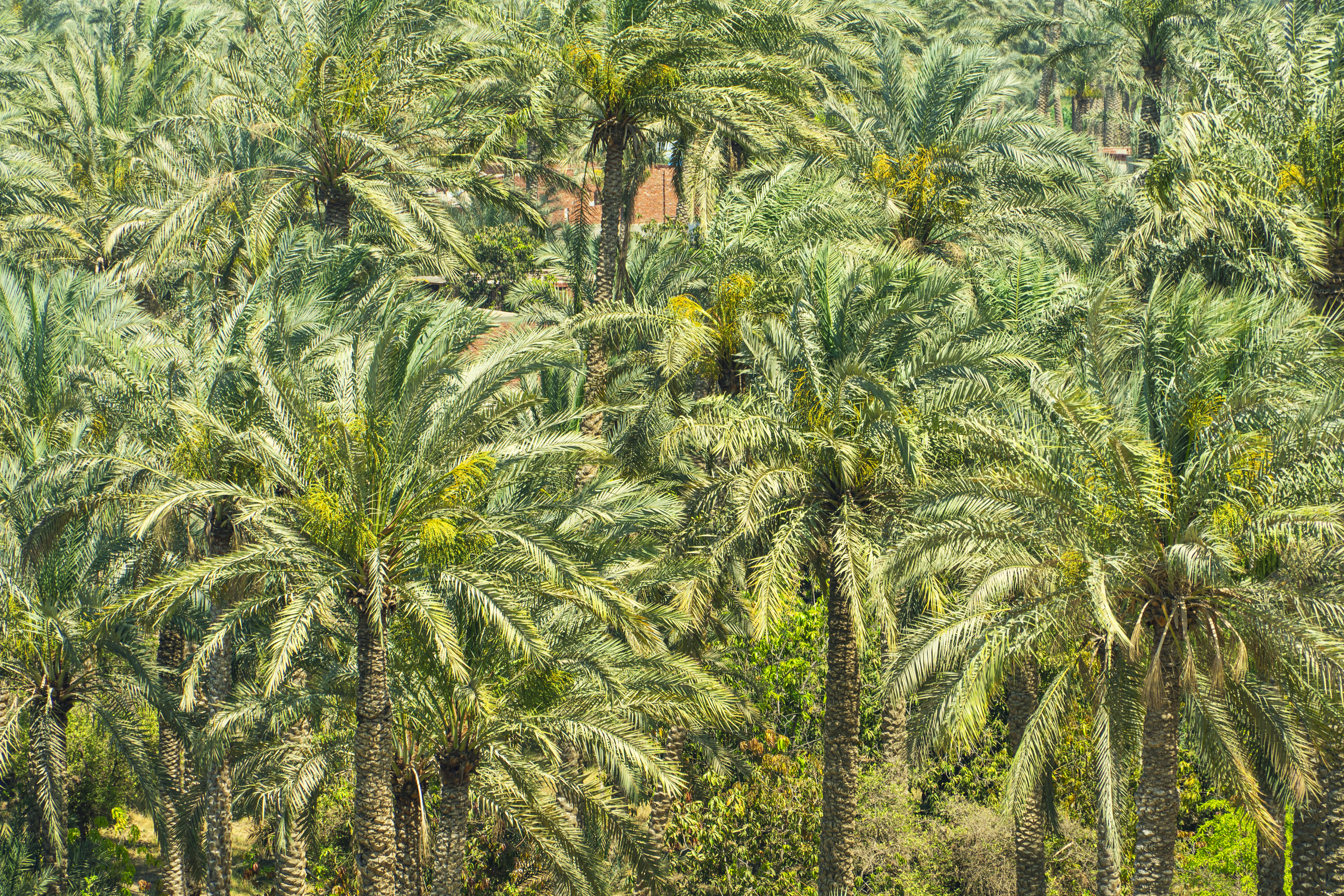
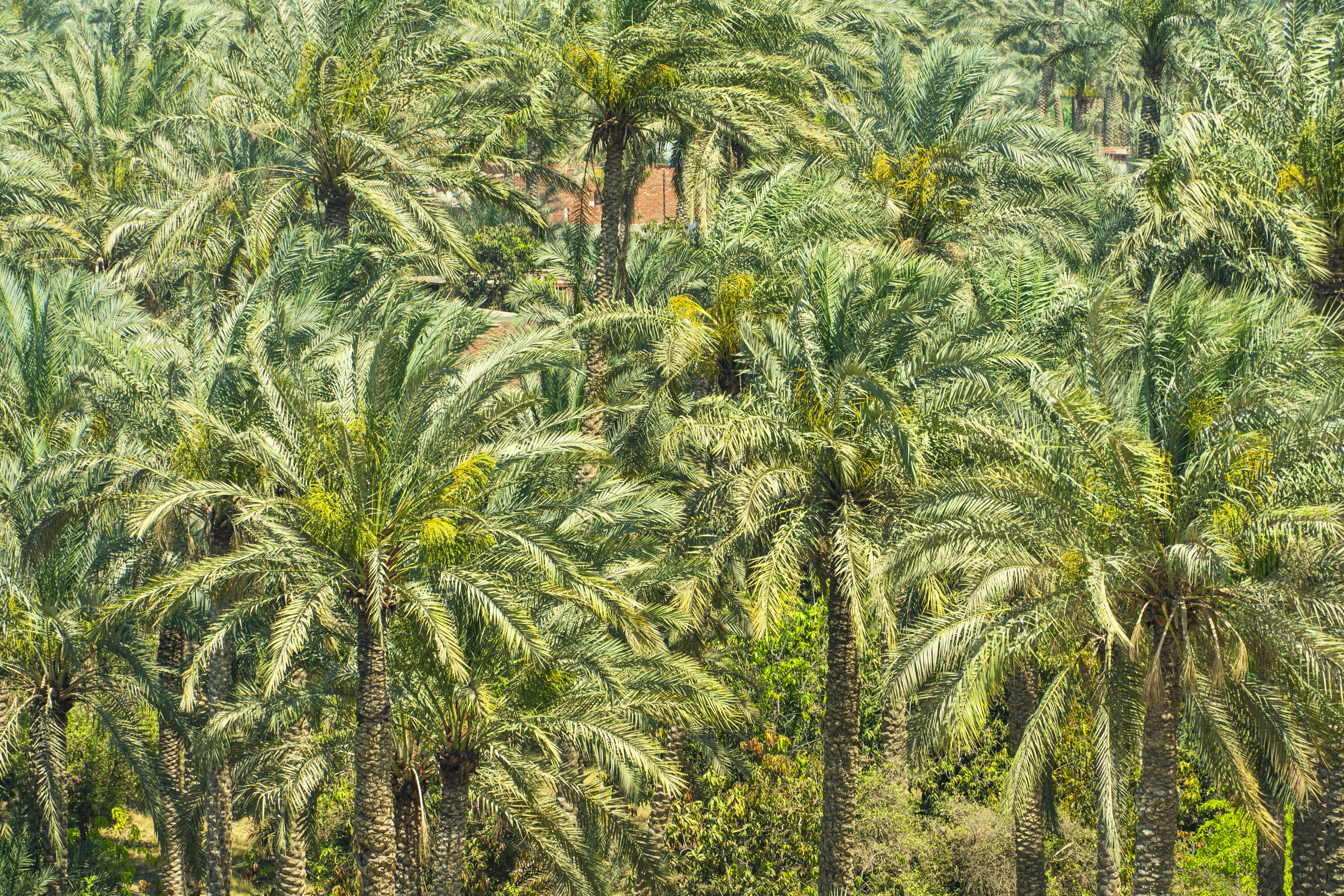
The main route takes you along paths filled with palm trees, water lilies, and ponds with aquatic birds. Its design blends Mediterranean and Oriental styles, achieving a visual balance that invites you to disconnect from the urban bustle.
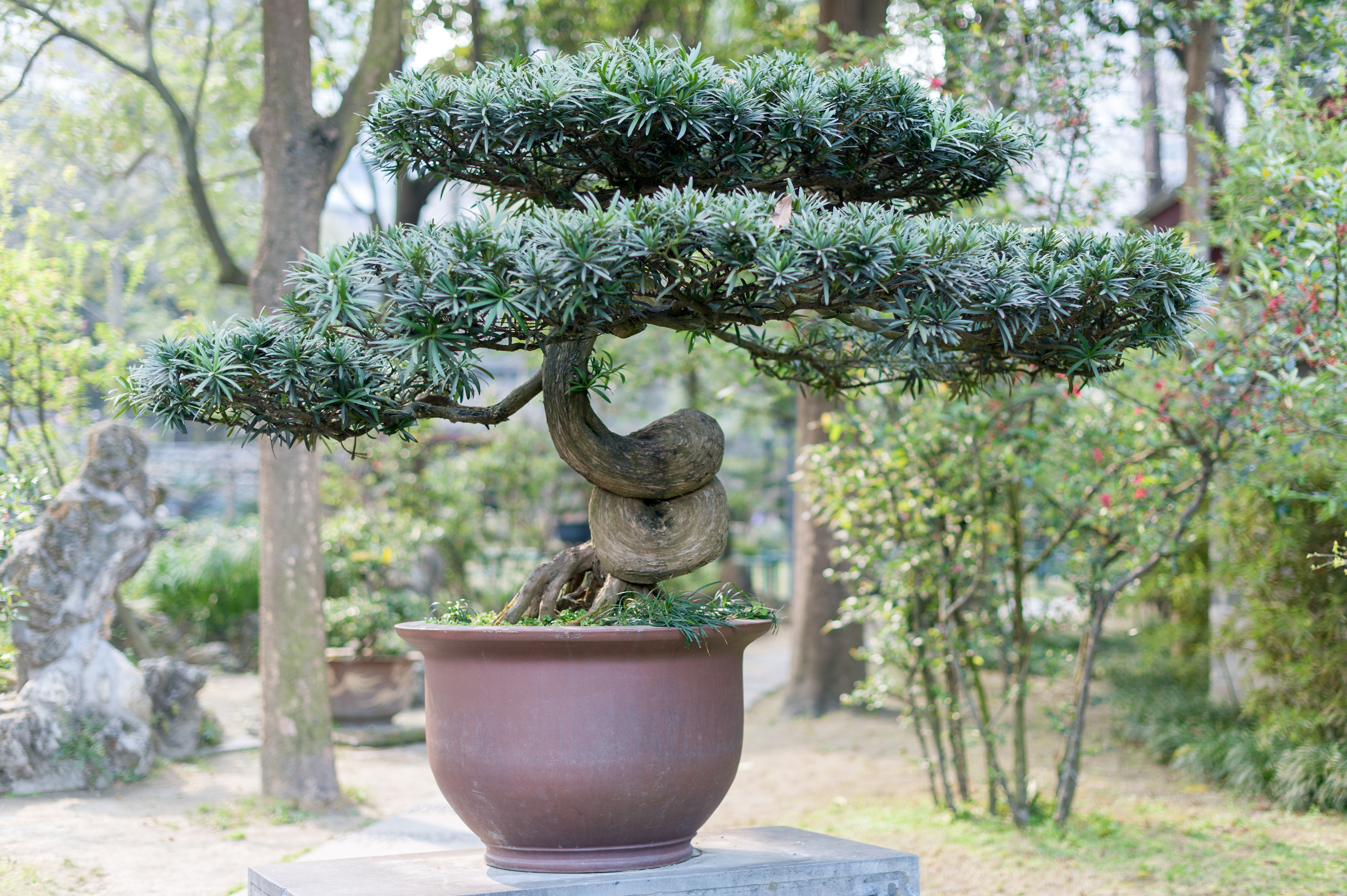
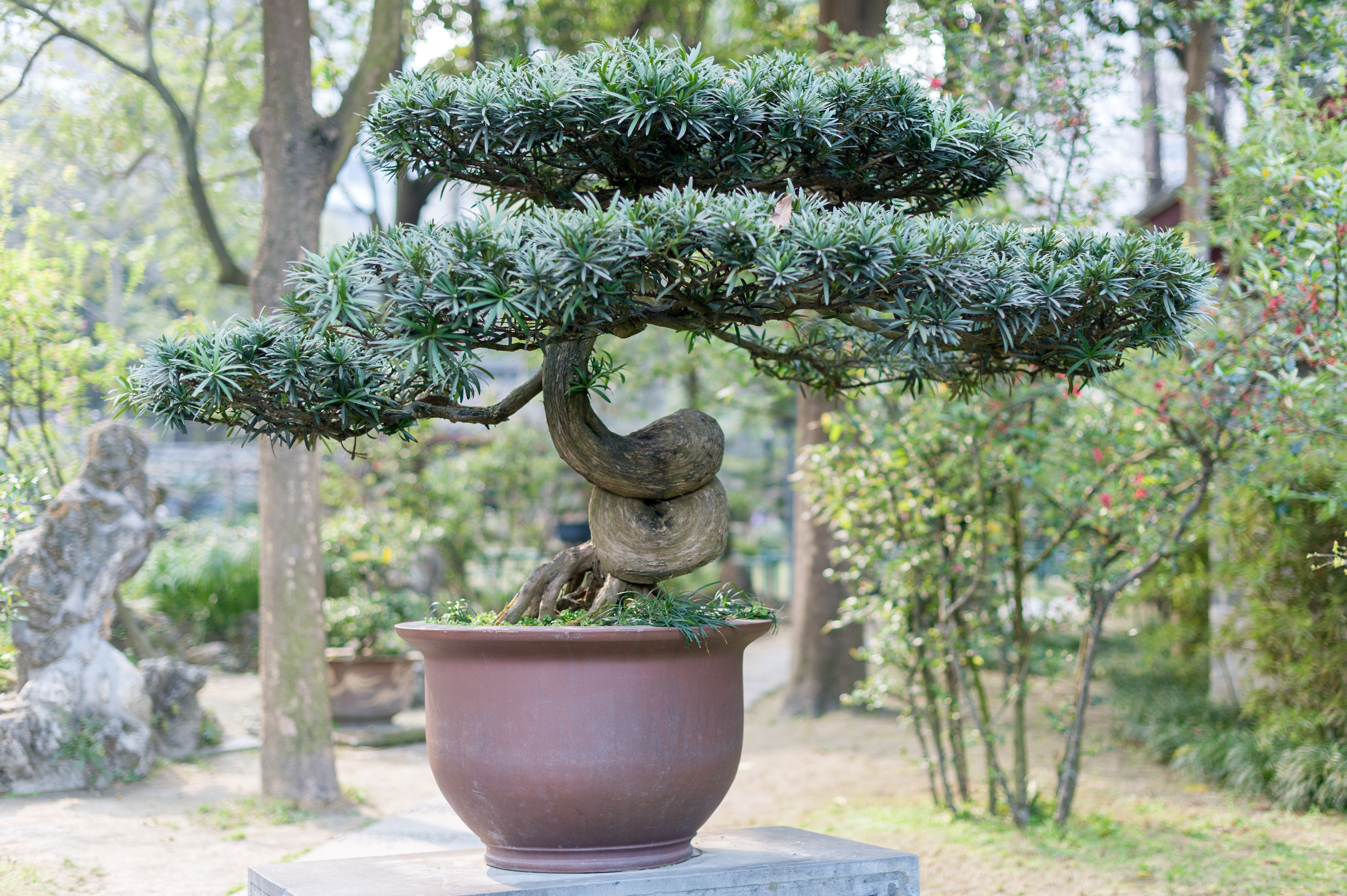
One of the most special corners is the Zen Garden, where raked gravel and bonsai trees create an atmosphere of total serenity. Inspired by Japanese philosophy, it represents the connection between humans and nature.
The mill that gives the site its name has been restored to show how the 18th-century hydraulic mechanisms worked. Inside, the Water Museum explains the role these mills played in the economic development of Torremolinos.
A fun and photogenic space: a vegetable labyrinth formed by dozens of perfectly maintained cypresses. From its centre, you get one of the best views of the botanical ensemble.
📍 Check the opening hours, activities, and exhibitions at Molino de Inca.
,regionOfInterest=(2128,1416))
,regionOfInterest=(2128,1416))
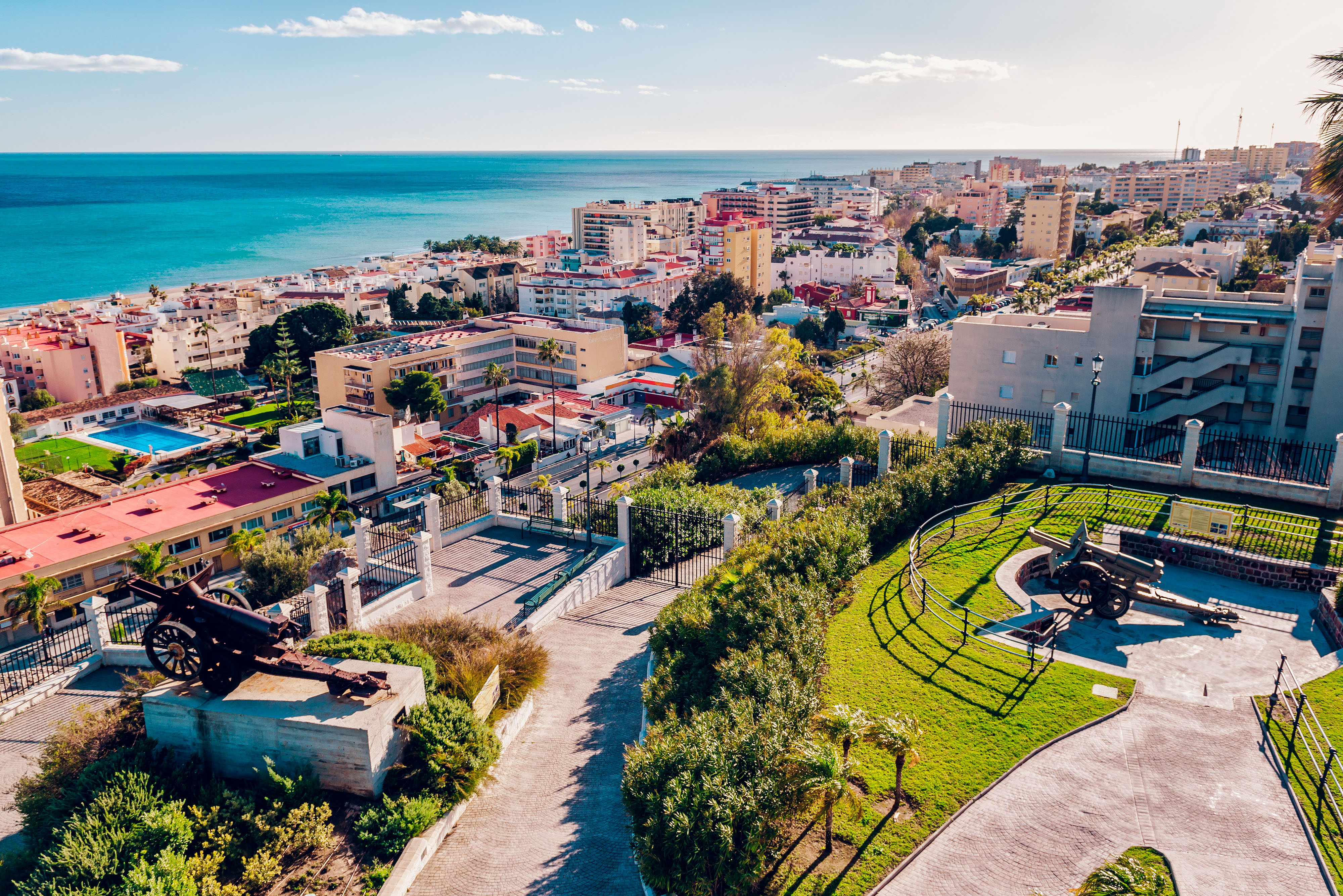
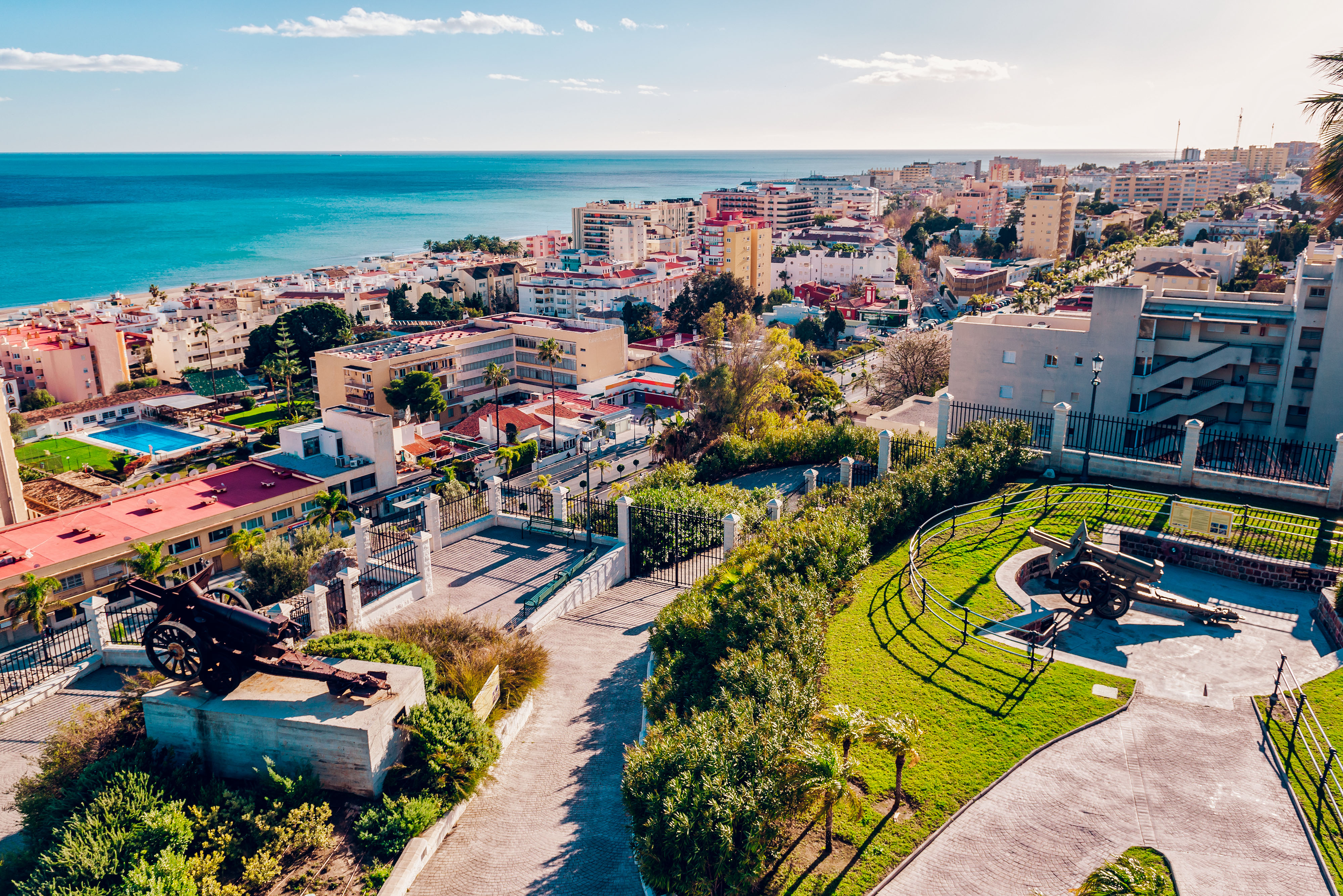
A short distance away is the Parque de la Batería, with its artificial lake and sea viewpoints. You can also continue walking towards the centre to visit the Pablo Ruiz Picasso Cultural Centre, which often hosts exhibitions and cultural activities.
These routes allow you to combine nature, art, and urban strolls in a single day, offering a complete experience in Torremolinos.
If you visit the Molino during the San Miguel Fiestas, the patron saint of Torremolinos, you'll experience the most authentic atmosphere of the town. The celebrations are concentrated in emblematic places such as Calle San Miguel, Plaza Costa del Sol, and the historic Torre de Pimentel, where music, colour, and local gastronomy merge.
Close to the garden, you'll find restaurants where you can try authentic fried fish, coquinas (clams), or Malagueñan salad. If you're interested in architecture, don't miss a visit to the Casa de los Navajas, a gem of neo-Mudéjar style that reflects the splendour of Torremolinos in the early 20th century.
Morning:
Start with a stroll through the Molino de Inca and dedicate a few hours to exploring its gardens, the mill, and the labyrinth.
Midday:
Enjoy a typical Malagueñan meal in the surroundings or head to the Pablo Ruiz Picasso Cultural Centre to explore an exhibition.
Afternoon:
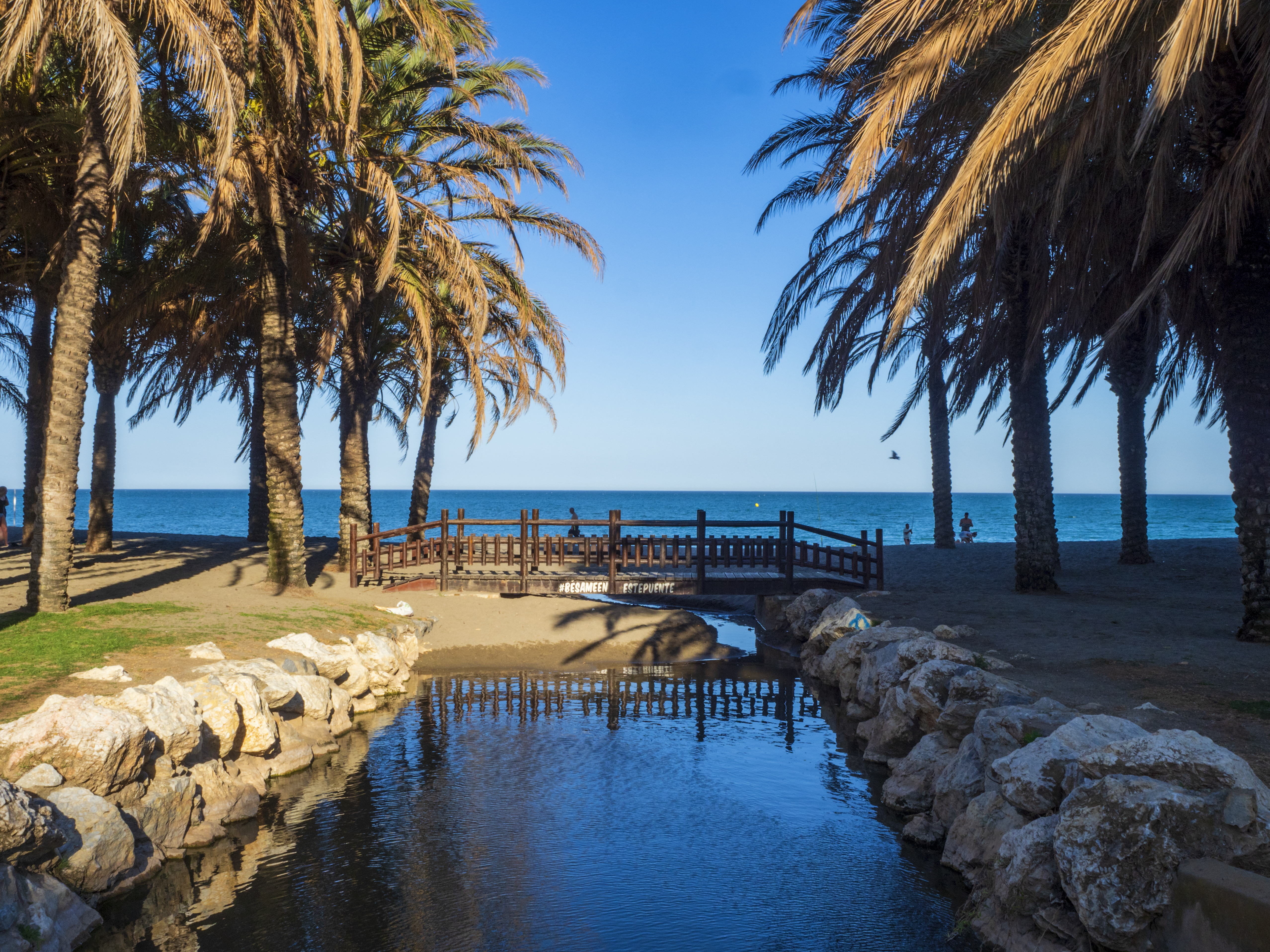
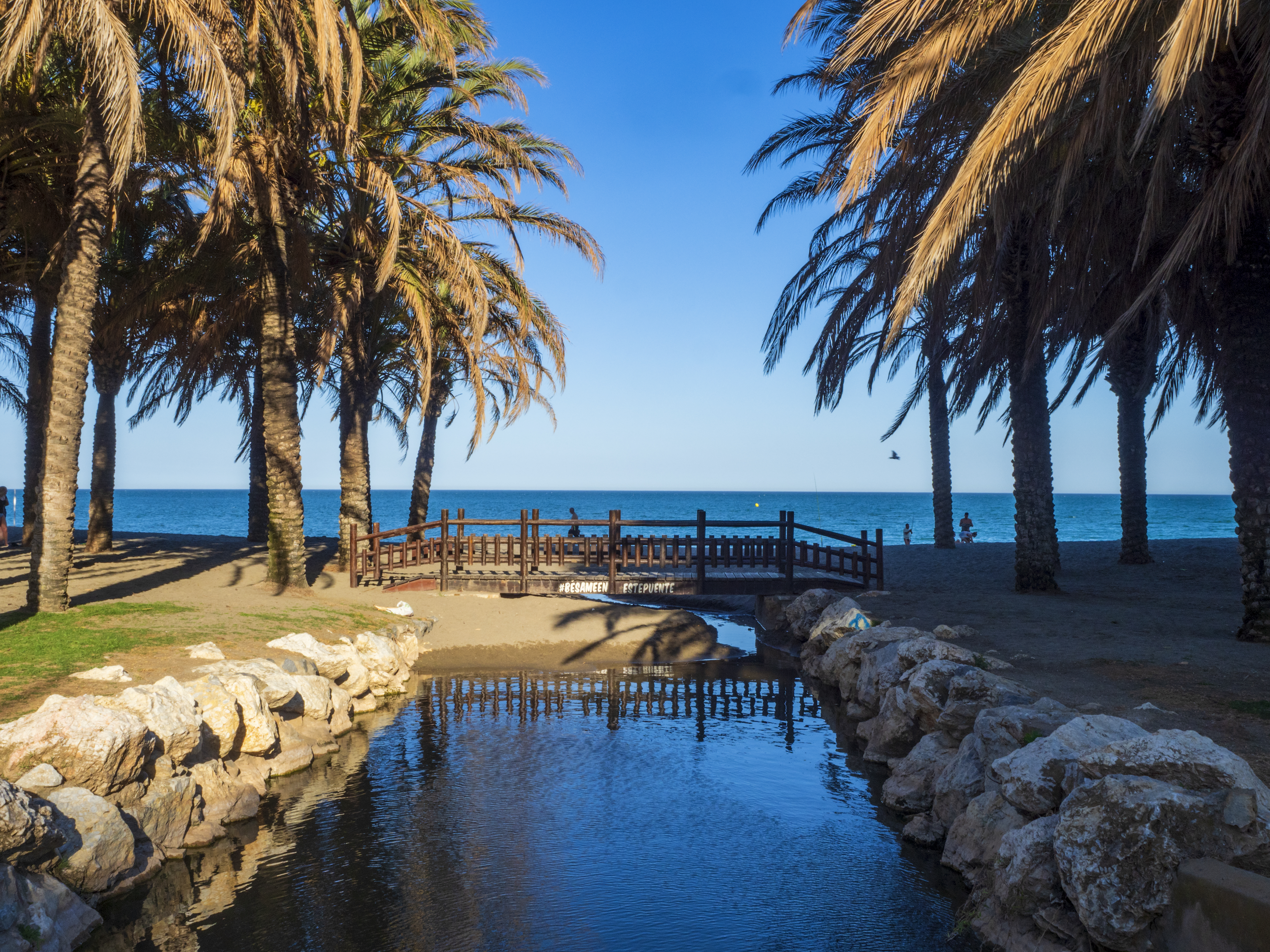
Conclude the day at Los Álamos Beach, enjoying the sunset by the Mediterranean.
,regionOfInterest=(2777.5,1851.5))
,regionOfInterest=(2777.5,1851.5))
📍 Visit Google Maps for all the recommended points of interest.
,regionOfInterest=(200,200))
,regionOfInterest=(200,200))
,regionOfInterest=(1476.5,981.5))
,regionOfInterest=(1476.5,981.5))
,regionOfInterest=(1312.5,1750))
,regionOfInterest=(1312.5,1750))
,regionOfInterest=(2240,3360))
,regionOfInterest=(2240,3360))
,regionOfInterest=(3120,1755))
,regionOfInterest=(3120,1755))
,regionOfInterest=(886,588.5))
,regionOfInterest=(886,588.5))