,regionOfInterest=(2394,1596))
Best golf courses in Estepona
,regionOfInterest=(3120,1755))
,regionOfInterest=(3120,1755))
Culture
,regionOfInterest=(4330,2886.5))
,regionOfInterest=(4330,2886.5))
,regionOfInterest=(500,500))
,regionOfInterest=(500,500))
All-terrain writer specialising in tourism, fashion and trends. A curious soul, traveller, reader and sports enthusiast, keen to discover every corner of the world.
Culture
With over seven centuries of history, Mexico City is the heart and one of the best-kept secrets in the entire country. One of the most fascinating capitals in the Americas, this immense metropolis built on the foundations of the ancient and mystical Tenochtitlan perfectly combines colonial buildings, avant-garde skyscrapers, neighbourhoods full of personality, and some of the most important museums in the world.
A destination where cultural richness is evident on every corner, beyond its size, what really makes the city special is the great variety of experiences it offers, which you will find in this Mexico City tourist guide, designed to help you make the most of your trip.
From exploring an archaeological site, strolling through a neighbourhood like Coyoacán, visiting a museum, or enjoying Mexican gastronomy in one of its traditional markets, if you want to know what to see in Mexico City, keep reading as I tell you which places you have to visit.
,regionOfInterest=(2000,1125))
,regionOfInterest=(2000,1125))
,regionOfInterest=(2394,1596))
,regionOfInterest=(2394,1596))
,regionOfInterest=(2880,1920))
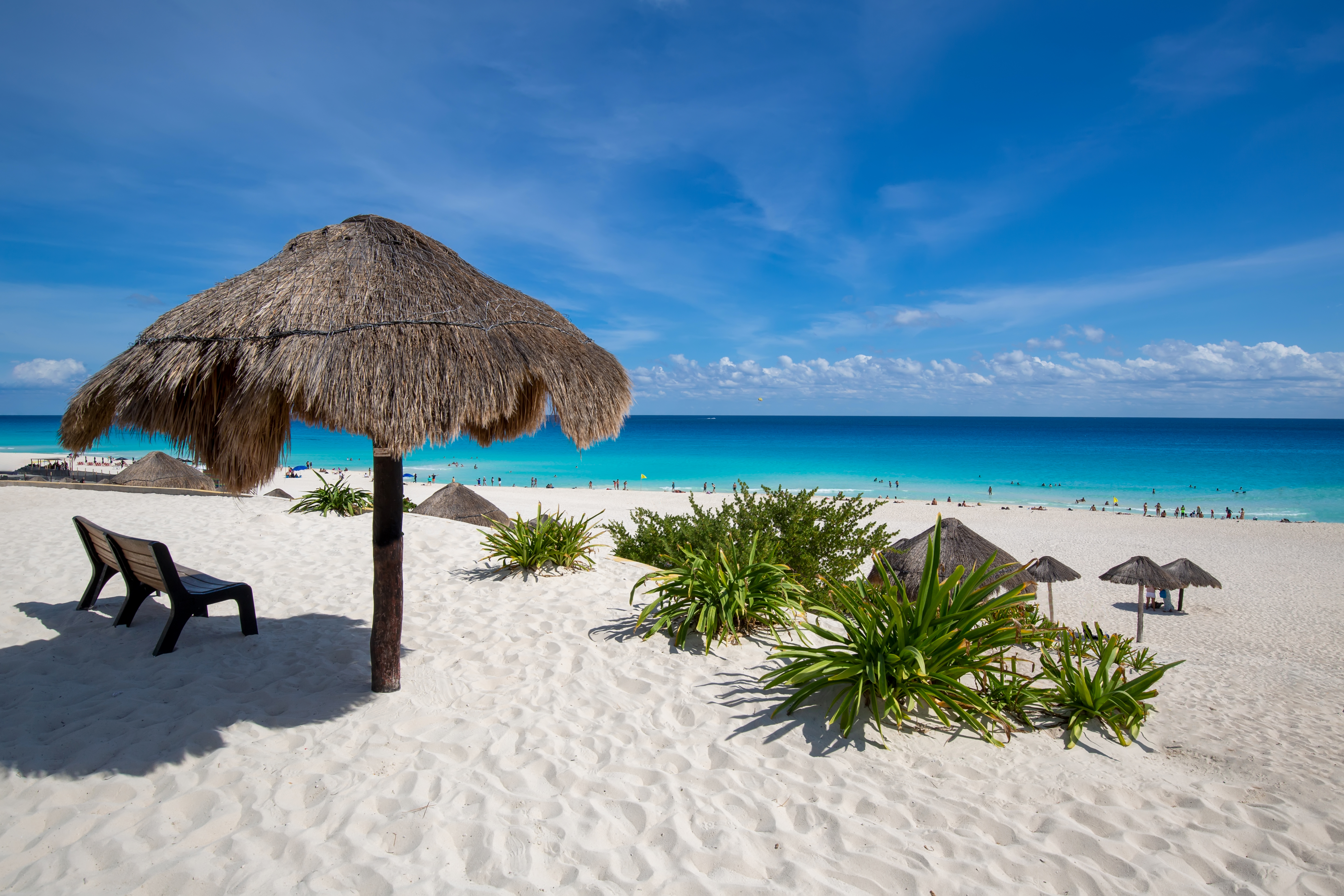,regionOfInterest=(2880,1920))
First of all, the first thing is to be clear about how to get to Mexico City. The best and fastest option is to fly to the Benito Juárez International Airport of Mexico City (AICM), which connects directly with the main capitals of the world.
From the airport, it is easy to get to the city centre by public transport. You can use Metro Line 5 (Terminal Aérea station) or Metrobús Line 4, which connects directly to the Historic Centre. You will also find authorised taxis and private transport services available at both terminals.
Mexico City also has excellent road, bus, and air connections with the rest of the country. Its four bus terminals (North, South, West, and East) link with the main national destinations, while rail systems such as the Buenavista–AIFA Train and the El Insurgente interurban train facilitate regional mobility. Thanks to this extensive transport network, the capital is an excellent starting point for travelling around Mexico.
Deciding what to do in Mexico City can be complicated due to the enormous number of attractions and plans that the capital offers for all tastes. In addition, the city is ideal for excursions to such impressive places as Teotihuacán, which for me is one of the most essential visits.
The dynamism of tourism in Mexico City is in its ability to offer incredible contrasts in just a few kilometres. You can start the day seeing internationally famous historic murals, continue sailing through ancient pre-Hispanic canals, and finish by dancing a ranchera by a group of mariachis under the lights of the square.
In fact, when you start designing your plans in Mexico City, you will quickly see that the capital requires a very dynamic trip in which comfortable footwear is non-negotiable. The range of options is so large that good planning is key.
My advice for your itinerary in Mexico City is to combine tourist visits with moments of rest in its parks and squares. Take advantage of its extensive and economical public transport network to move easily between the main attractions. This way, you will have time to enjoy the aroma of nixtamalised corn in the streets, the shade of the centuries-old trees, and the warmth of the locals.
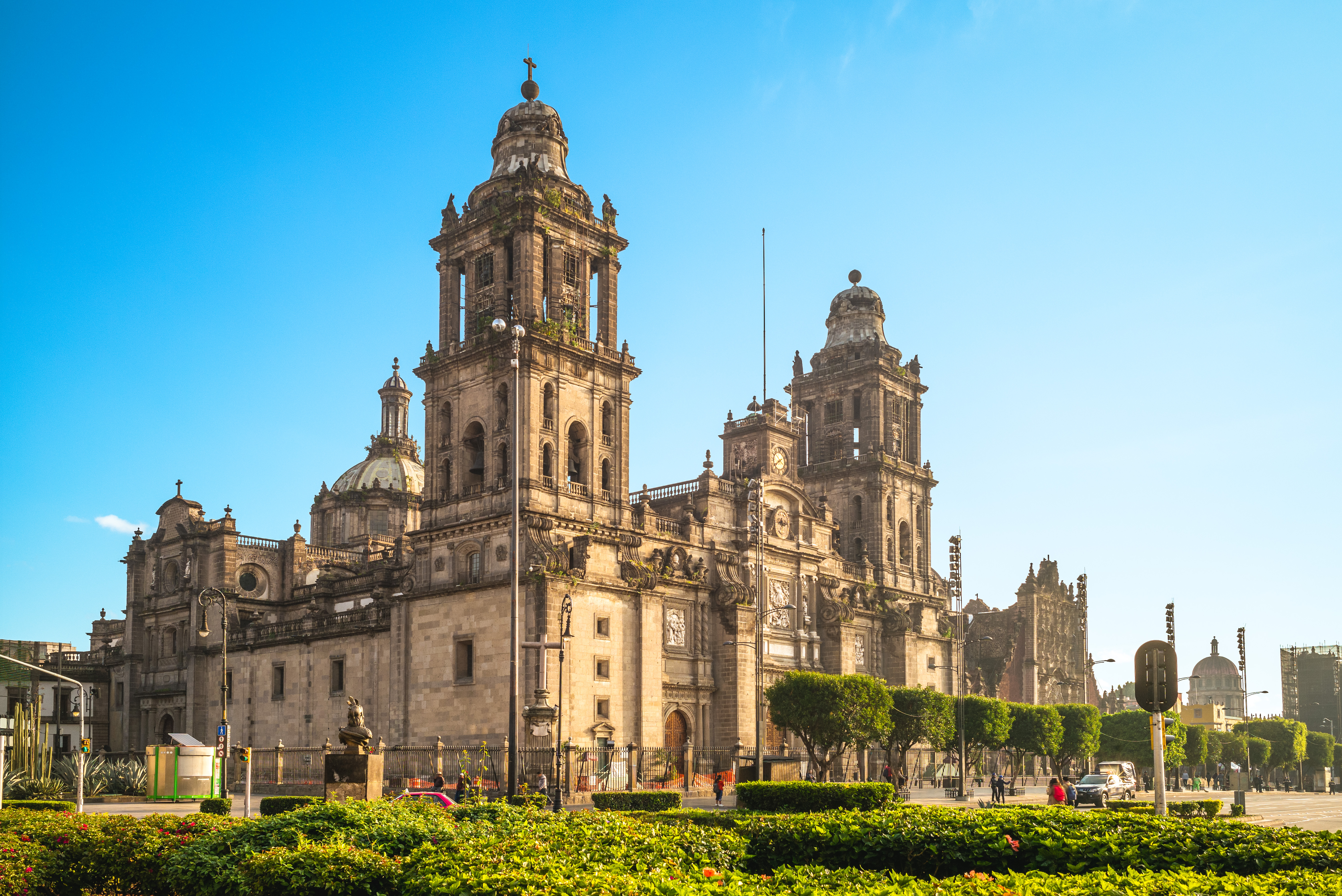,regionOfInterest=(2684,1793))
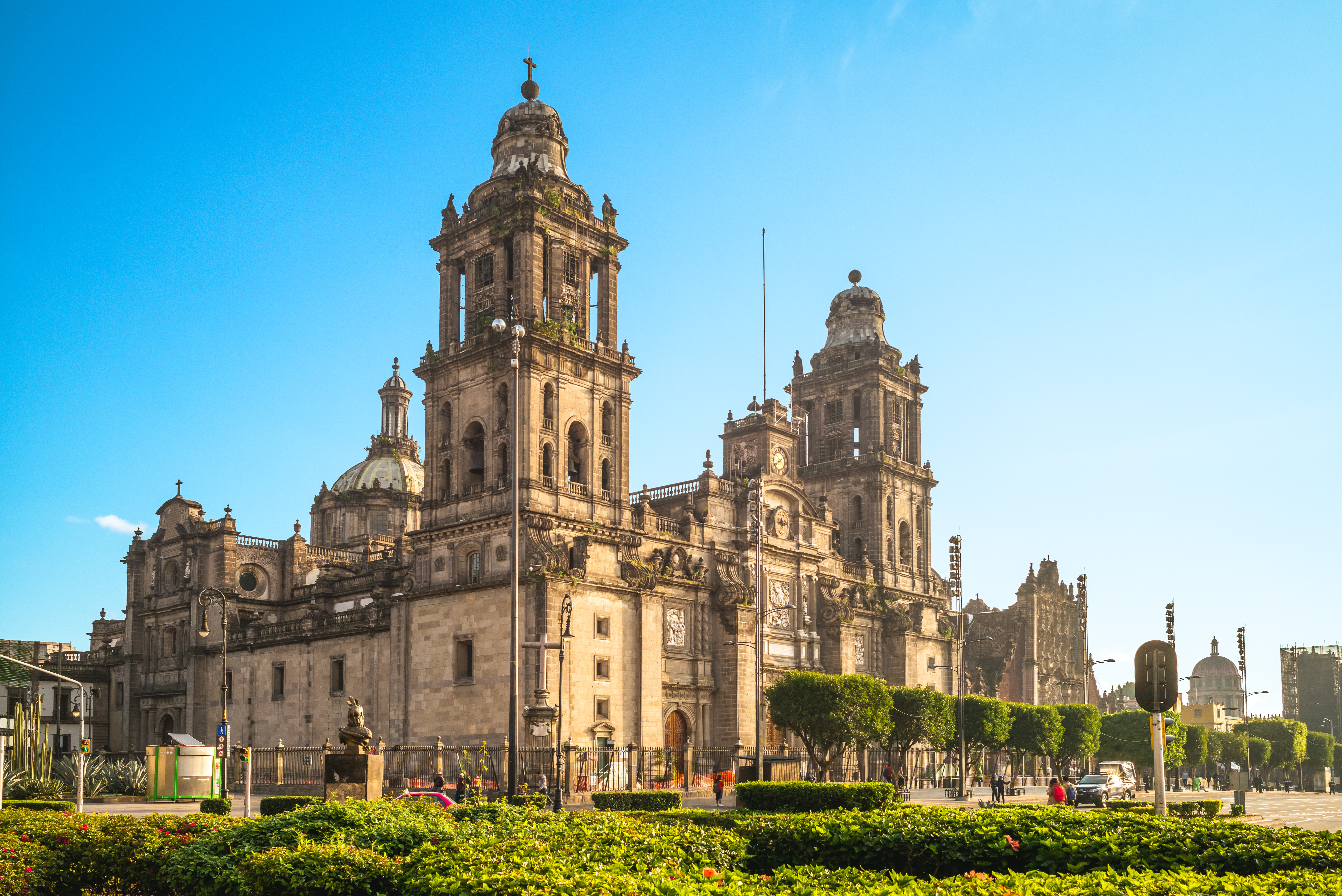,regionOfInterest=(2684,1793))
The Plaza de la Constitución, better known as the Zócalo, is the authentic heart of the capital and one of the main sites to see in Mexico City. Surrounded by historic buildings, this huge square has been the scene of some of the most important events in the country's history and is the best starting point for any tour of the city's historic centre.
Located next to the Zócalo, the Metropolitan Cathedral of Mexico City is the largest cathedral in Latin America and one of the most impressive colonial buildings on the entire continent.
Built between the 16th and 19th centuries on the grounds of the ancient sacred precinct of Tenochtitlan, the Metropolitan Cathedral combines Renaissance, Baroque, and Neoclassical elements with great harmony, the result of almost three centuries of construction. Its monumental quarry stone façade and characteristic red tezontle walls make it one of the most impressive colonial buildings in the Americas. Inside, the magnificent Altar of the Kings, the wood-carved choir, numerous chapels, and an important collection of sacred art stand out, reflecting the historical and artistic wealth of Mexico's main Catholic temple.
The Palacio de Bellas Artes is one of the great architectural icons and one of the main symbols of the city. It is an imposing building clad in white marble that elegantly combines Art Nouveau and Neoclassical styles on the exterior, while its interior surprises with exquisite Art Deco decoration.
One of the quintessential sites to visit in Mexico City, in addition to being the country's top institution dedicated to opera, music, and dance, it houses some of the most important murals by artists such as Diego Rivera, David Alfaro Siqueiros, José Clemente Orozco, or Rufino Tamayo. Whenever you can, it is worth attending a performance to also admire its spectacular stage and the famous Tiffany glass curtain.
In the Templo Mayor, you can find the remains of the ancient ceremonial centre of Tenochtitlán. Very close to the Zócalo, this archaeological site allows you to discover what the capital of the Mexica empire was like before the arrival of the Spanish and constitutes an essential visit for those who wish to know the history of the city.
The tour includes the ruins of the main temples dedicated to Huitzilopochtli and Tláloc, as well as a magnificent museum where hundreds of pieces found during the excavations are exhibited, such as sculptures, offerings, and ceremonial objects that help to understand the greatness of the Mexica civilisation.
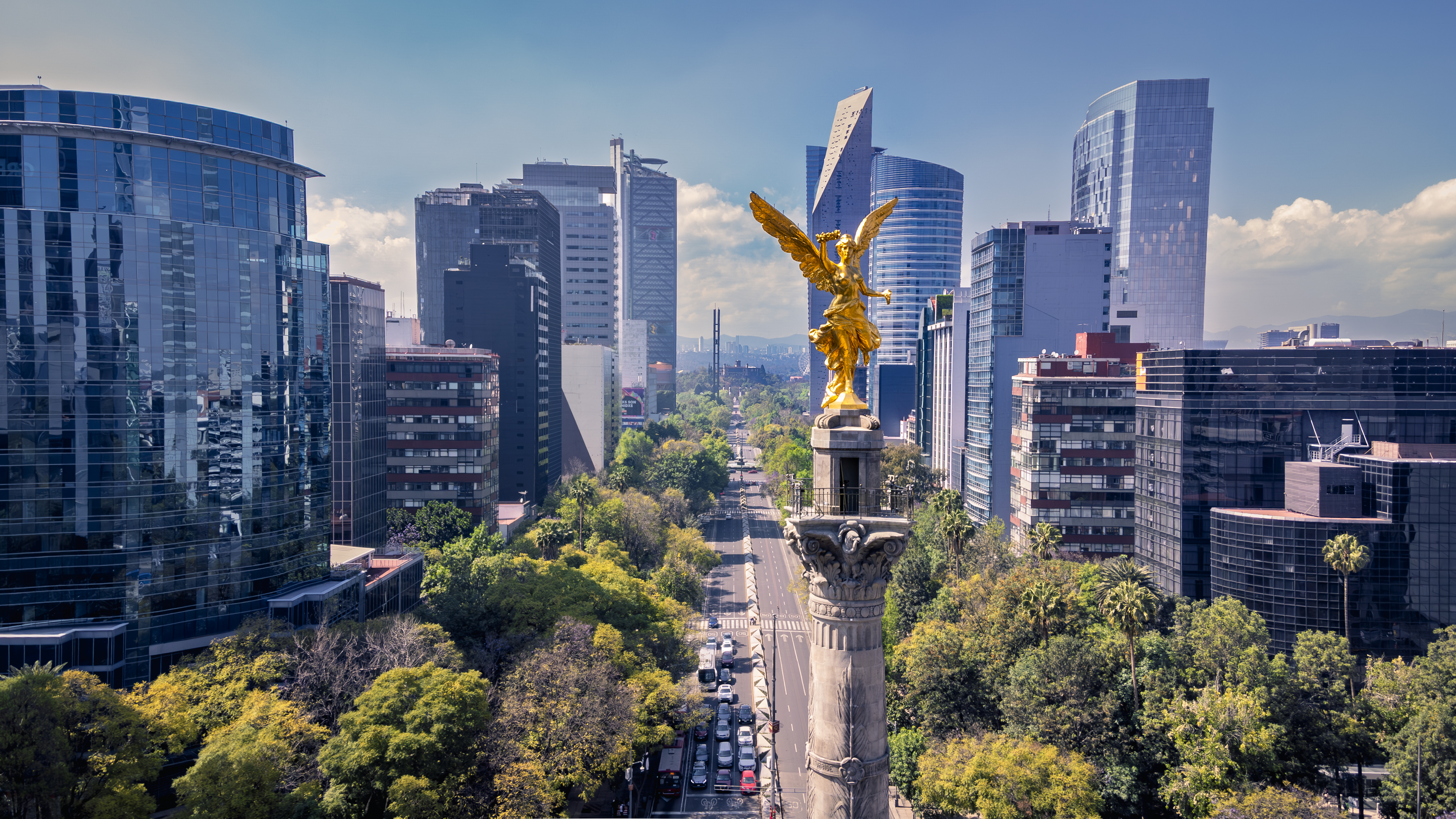
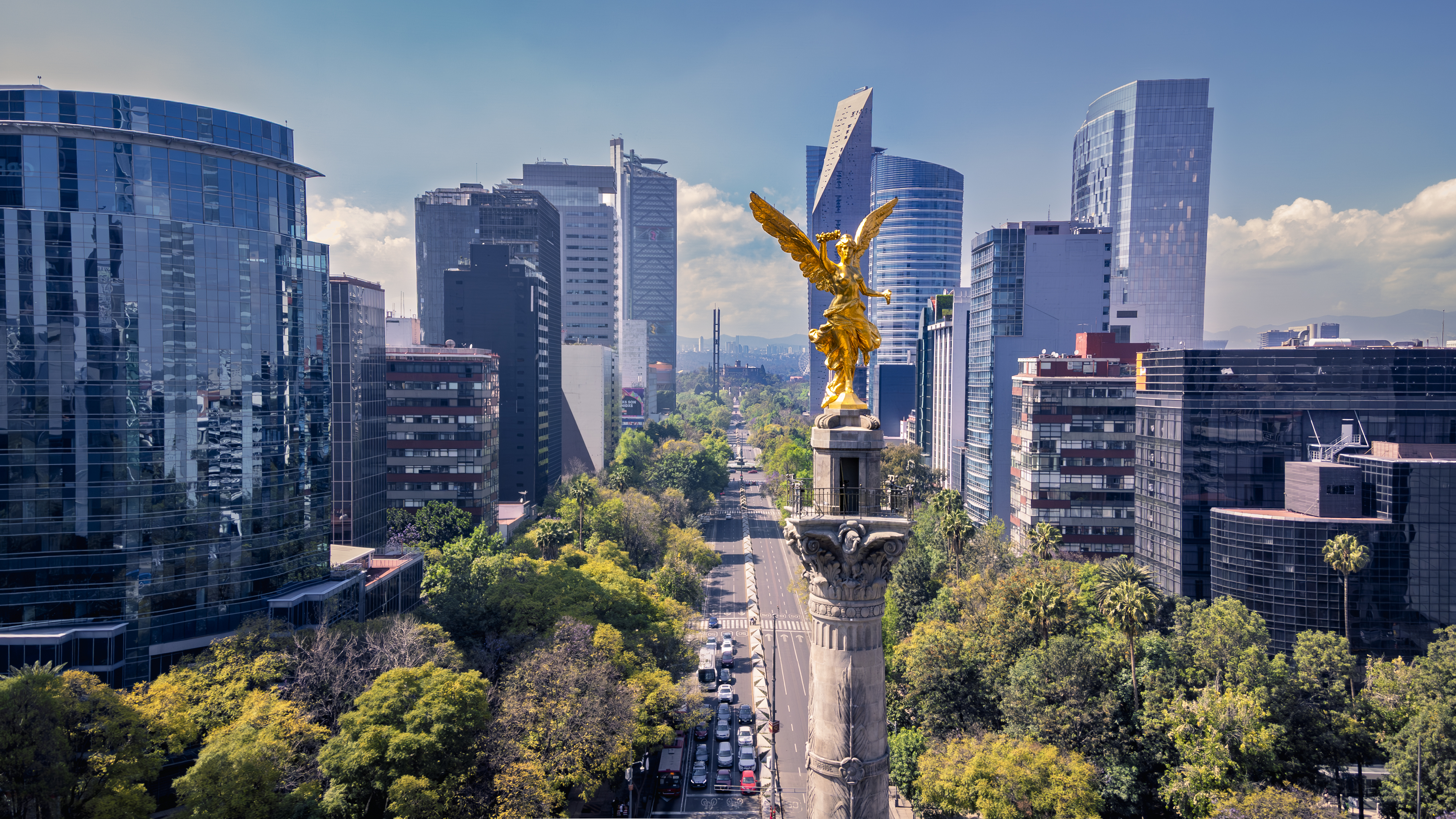
Imposingly located in one of the most iconic roundabouts of the Paseo de la Reforma, the Angel of Independence is a colossal honorary column considered the most representative civil monument of Mexico City.
Crowned by a spectacular bronze sculpture covered in gold that represents the Winged Victory, it was inaugurated in 1910 to commemorate the centenary of the start of the War of Independence. Inside, it houses a mausoleum with the remains of some of the main independence heroes and its viewpoint offers one of the best views of the Paseo de la Reforma.
Considered one of the best in its category, the National Museum of Anthropology has the most important archaeological collection in Mexico. Among its most famous pieces are the Sun Stone and multiple sculptures belonging to the Maya, Mexica, Olmec, or Zapotec civilisations.
Also known as the Blue House, the Frida Kahlo Museum was the home of the Mexican painter for much of her life. Located in the Coyoacán neighbourhood, it allows you to better understand the work and personality of one of the most influential artists of the 20th century and one of the most important personalities in the history of Mexico.
Located in the modern Polanco area, the Soumaya Museum stands out for its futuristic curved façade covered by thousands of shiny aluminium hexagons. It houses an invaluable private collection of international art that includes the largest collection of sculptures by Auguste Rodin outside of France.
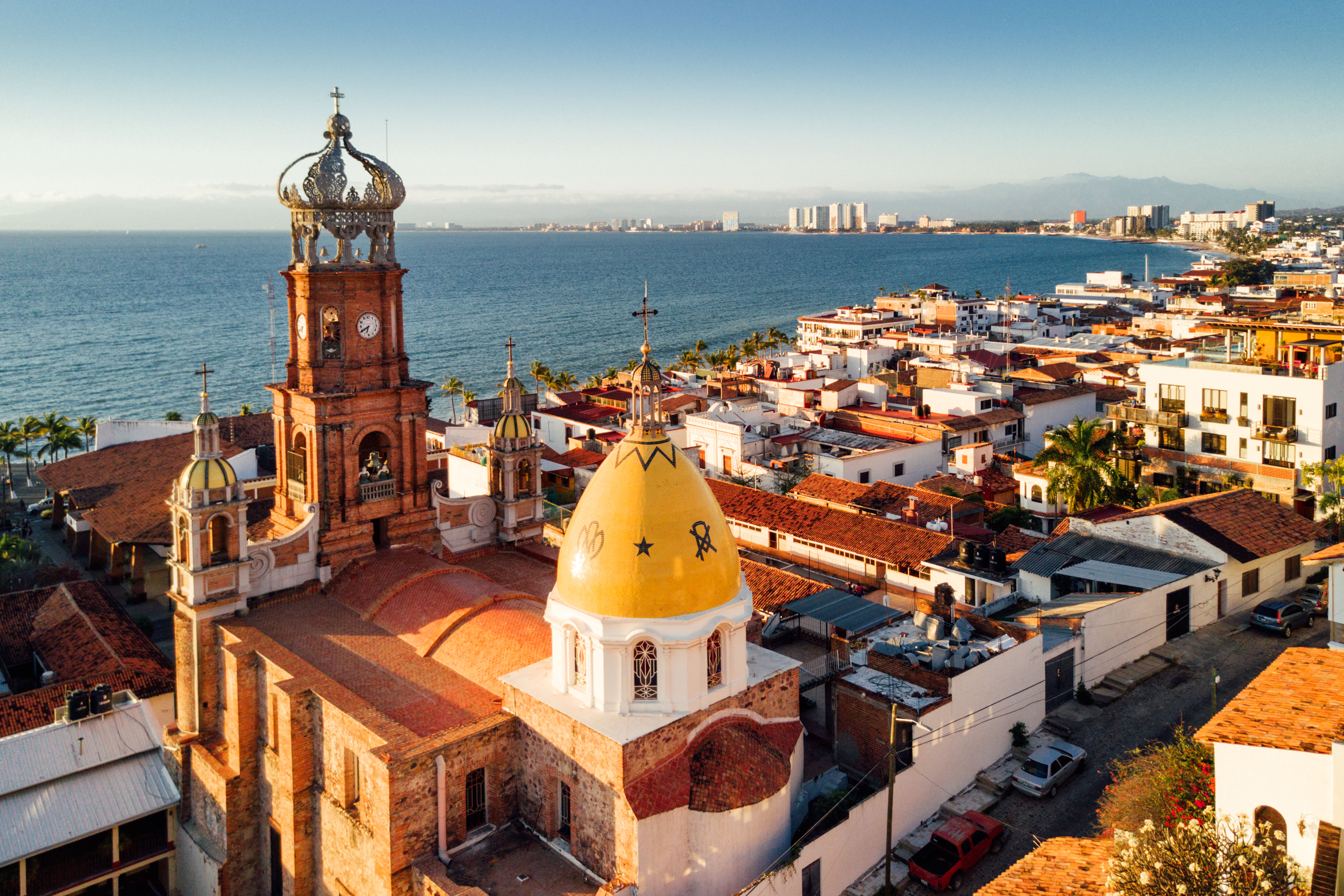,regionOfInterest=(2806,1870.5))
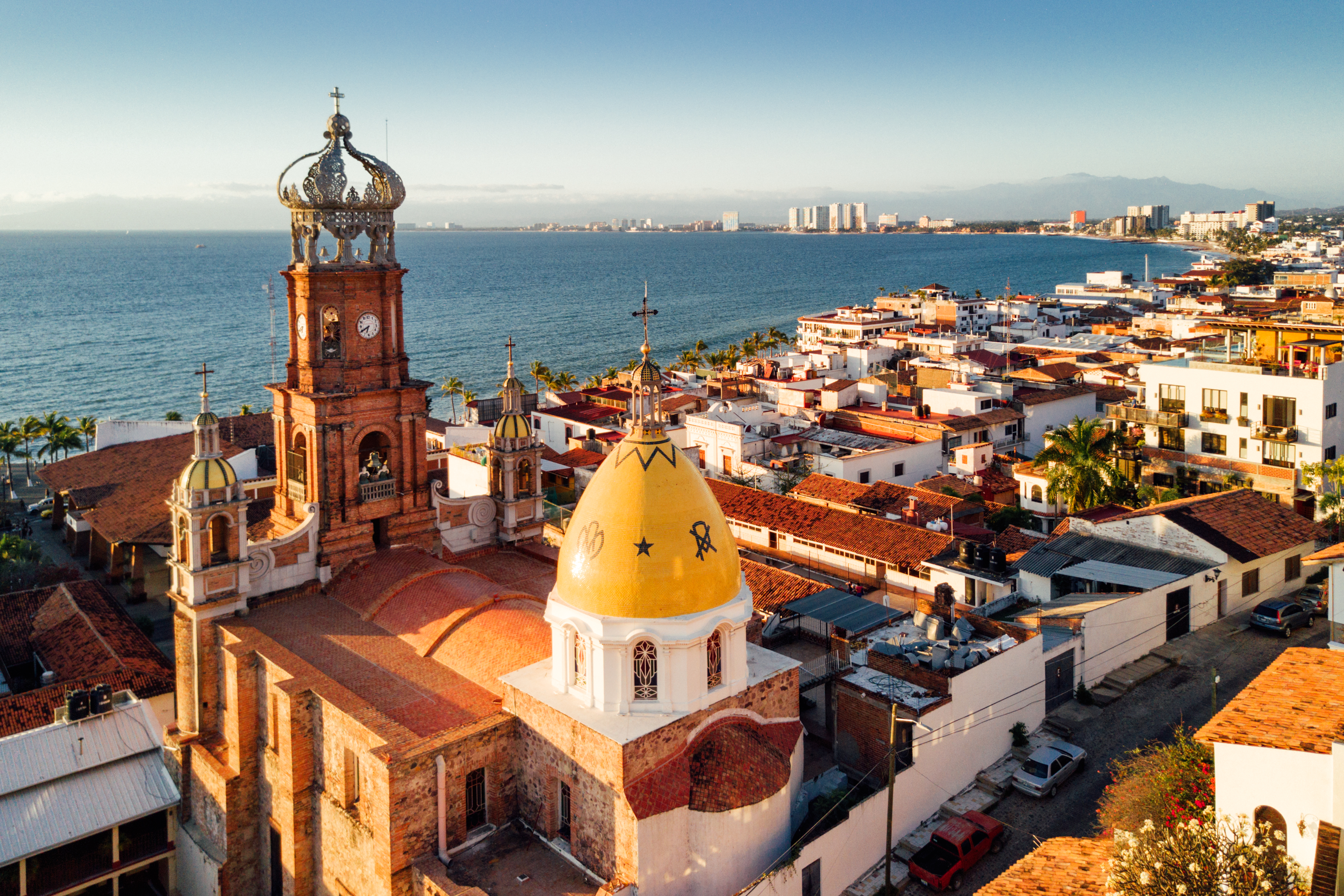,regionOfInterest=(2806,1870.5))
This historic and bohemian southern neighbourhood preserves a peaceful colonial village atmosphere that contrasts completely with the fast pace of the rest of the metropolis. Coyoacán is world-famous for its tree-lined squares (such as the Centenario Garden and Plaza Hidalgo), its cobbled streets, its traditional speciality coffee shops, and its 16th and 17th-century mansions, establishing itself as one of the essential places to stroll by day or night.
During the last few years, Roma Norte has positioned itself firmly as one of the most modern, artistic, and sought-after neighbourhoods in the capital. Designed at the beginning of the 20th century, it stands out for its beautiful European-style architecture, its tree-lined medians such as that of Avenida Álvaro Obregón, and a vibrant cultural offer full of contemporary art galleries, independent bookstores, and signature coffee shops that attract both international travellers and locals daily.
Immediately next to Roma is Condesa, an area that perfectly embodies the most cosmopolitan, relaxed, and green side of the capital. The highlight of this neighbourhood is its circular urban layout that surrounds the leafy Parque México and Parque España, which are ideal for walking. It is the epicentre of the city's nightlife and culinary scene thanks to its excellent gastronomic offer, which ranges from small bistros and signature restaurants to lively designer bars.
One of the largest urban parks in the world and one of the main places to discover in Mexico City, the Bosque de Chapultepec is twice the size of Central Park in New York.
Currently divided into four sections following its recent expansion, it combines centuries-old paths populated with ahuehuete trees with navigable artificial lakes. The park houses the Chapultepec Castle on Chapulín Hill, which stands out historically for being the only royal castle in the Americas that was inhabited by monarchs (Emperor Maximilian I of Habsburg and his wife Carlota). It is also worth noting the presence of the well-known National Museum of Anthropology, which is not at the top next to the castle, but in a flat area of the first section on Avenida Paseo de la Reforma.
Declared a UNESCO World Heritage Site, the iconic Xochimilco canals represent the last vestige of the ancient lake and chinampa system that covered the Valley of Mexico in pre-Hispanic times. These artificial agricultural islands, created by the Mexica centuries ago, are still used today and constitute an extraordinary example of traditional hydraulic engineering. Today, Xochimilco is one of the most picturesque places in the city, where you can travel its waters aboard colourful trajineras, enjoy local gastronomy, and listen to mariachis and other traditional music groups. Among its most famous corners is the enigmatic Island of the Dolls, a small islet covered by hundreds of dolls hanging from the trees that, according to legend, were placed by a former caretaker to ward off the spirit of a girl who died in the canals.
The Plaza de las Tres Culturas is a unique and historic open-air space where three overlapping historical eras converge at a single glance: the pre-Hispanic archaeological zones of the Aztec pyramids of Tlatelolco, the 16th-century Spanish colonial temple of Santiago Apóstol, and the modern 20th-century residential and architectural complex.
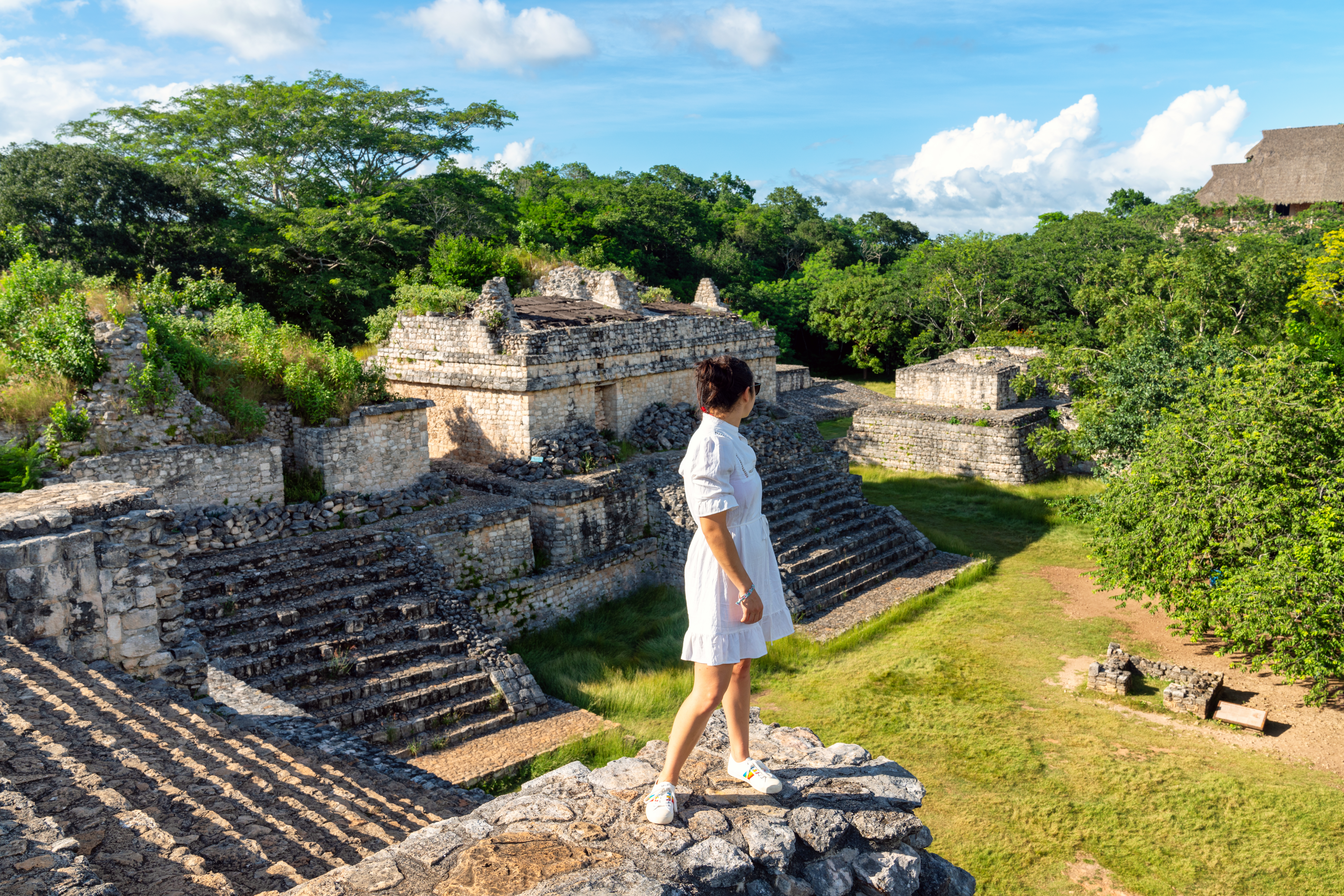,regionOfInterest=(3976,2652))
,regionOfInterest=(3976,2652))
Less than an hour from the capital is Teotihuacán, one of the most impressive pre-Hispanic cities in the world. Known as the "City of the Gods", it houses the Pyramids of the Sun and the Moon, connected by the very long Avenue of the Dead.
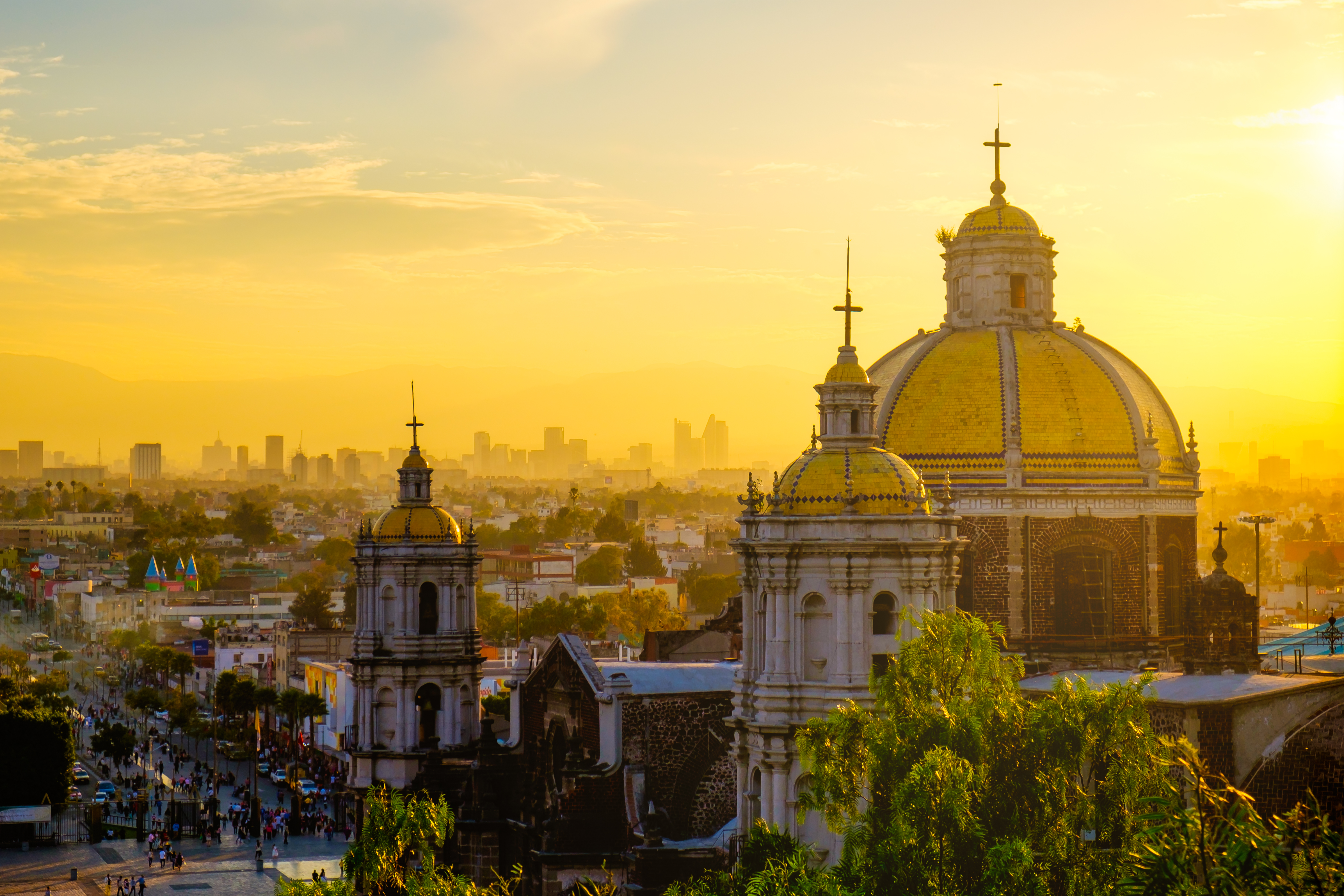
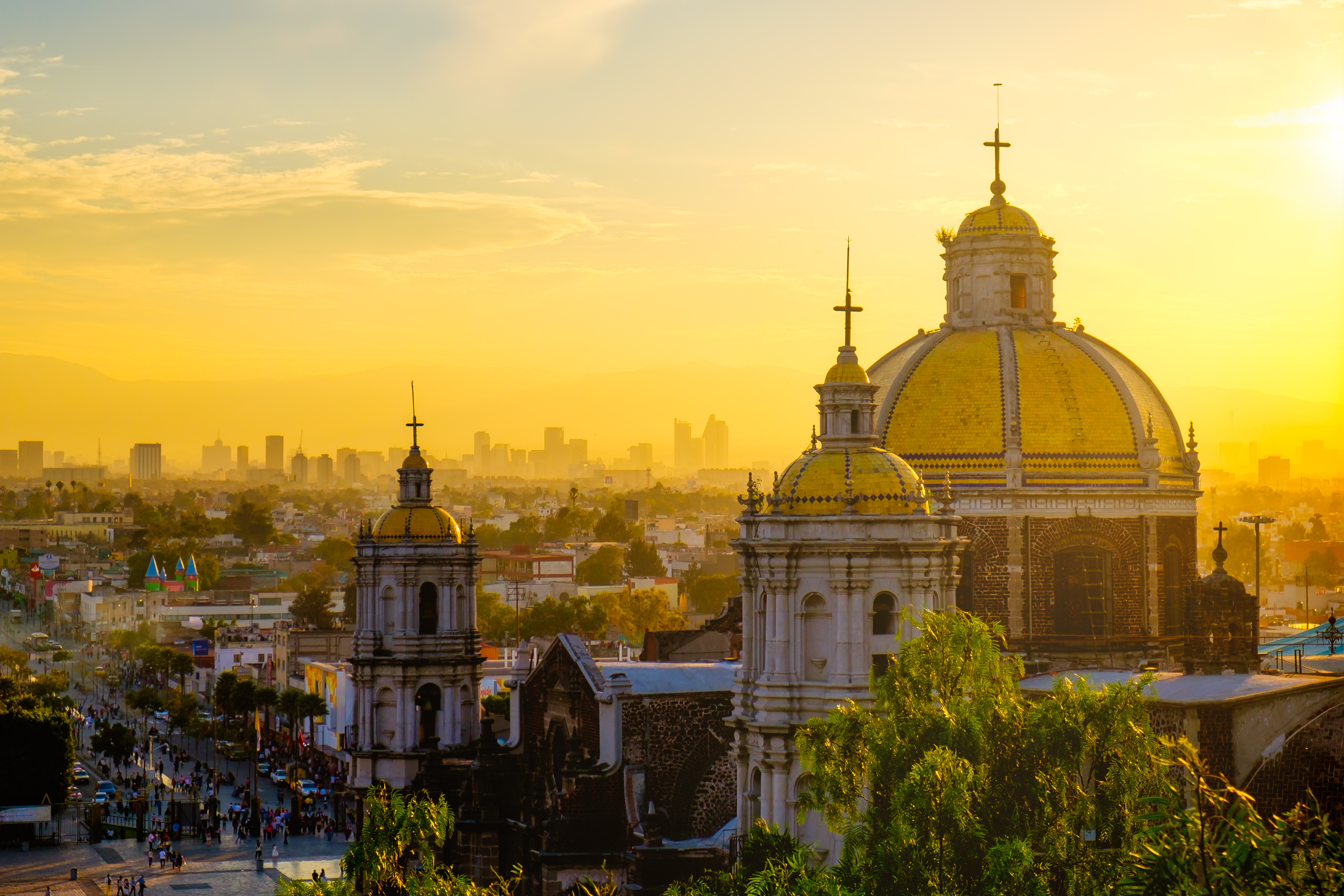
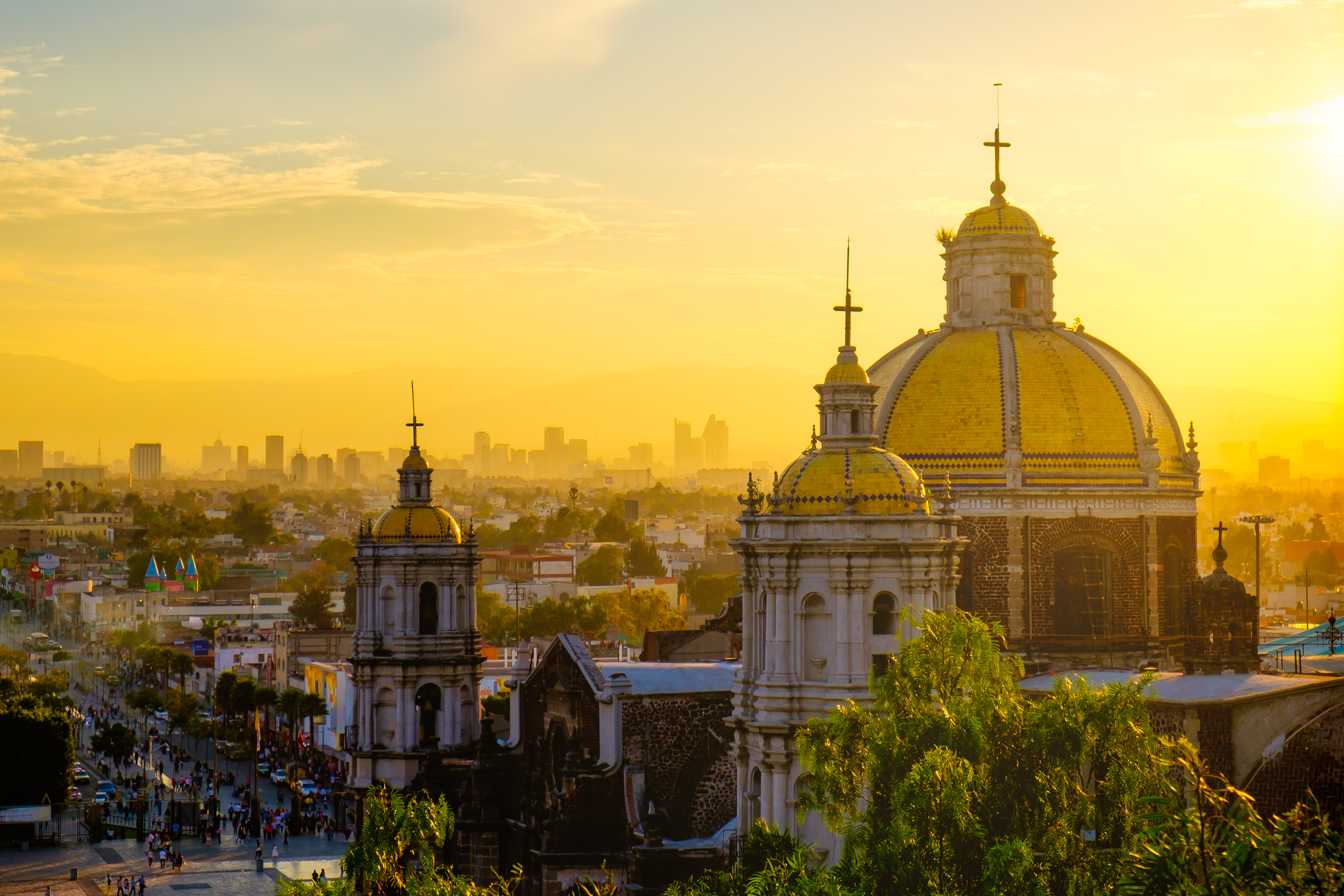
The Basilica of Santa María de Guadalupe is the main Catholic pilgrimage centre in Mexico and one of the most visited religious sanctuaries in the world. Located in the north of the capital, this site brings together an extraordinary collection of religious buildings from different eras, where the 18th-century Old Basilica and the modern New Basilica, inaugurated in 1976 and designed by the architect Pedro Ramírez Vázquez, coexist. In addition to its enormous architectural and historical value, the complex houses the venerated image of the Virgin of Guadalupe, considered the patron saint of Mexico and one of the greatest religious and cultural symbols of the country.
One of the largest markets in Latin America and an excellent opportunity to discover local gastronomy, in the Mercado de La Merced you will find multiple stalls offering fruit, spices, traditional products, and simply delicious typical Mexican food.
The Mercado de Coyoacán is one of the best options to try Mexican antojitos such as tostadas, quesadillas, or pozole, in addition to buying crafts and local products. Its traditional atmosphere and its location in one of the most picturesque neighbourhoods in the city make it a highly recommended stop.
The gastronomy of Mexico City combines the traditional pre-Hispanic recipes of the peoples of the valley with the contemporary gastronomic avant-garde of the local markets. For me, it has one of the best culinary offerings not only in Mexico, but in the whole world, highlighting the following dishes both for their flavour and for their representative character of the city:
,regionOfInterest=(3976,2652))
,regionOfInterest=(3976,2652))
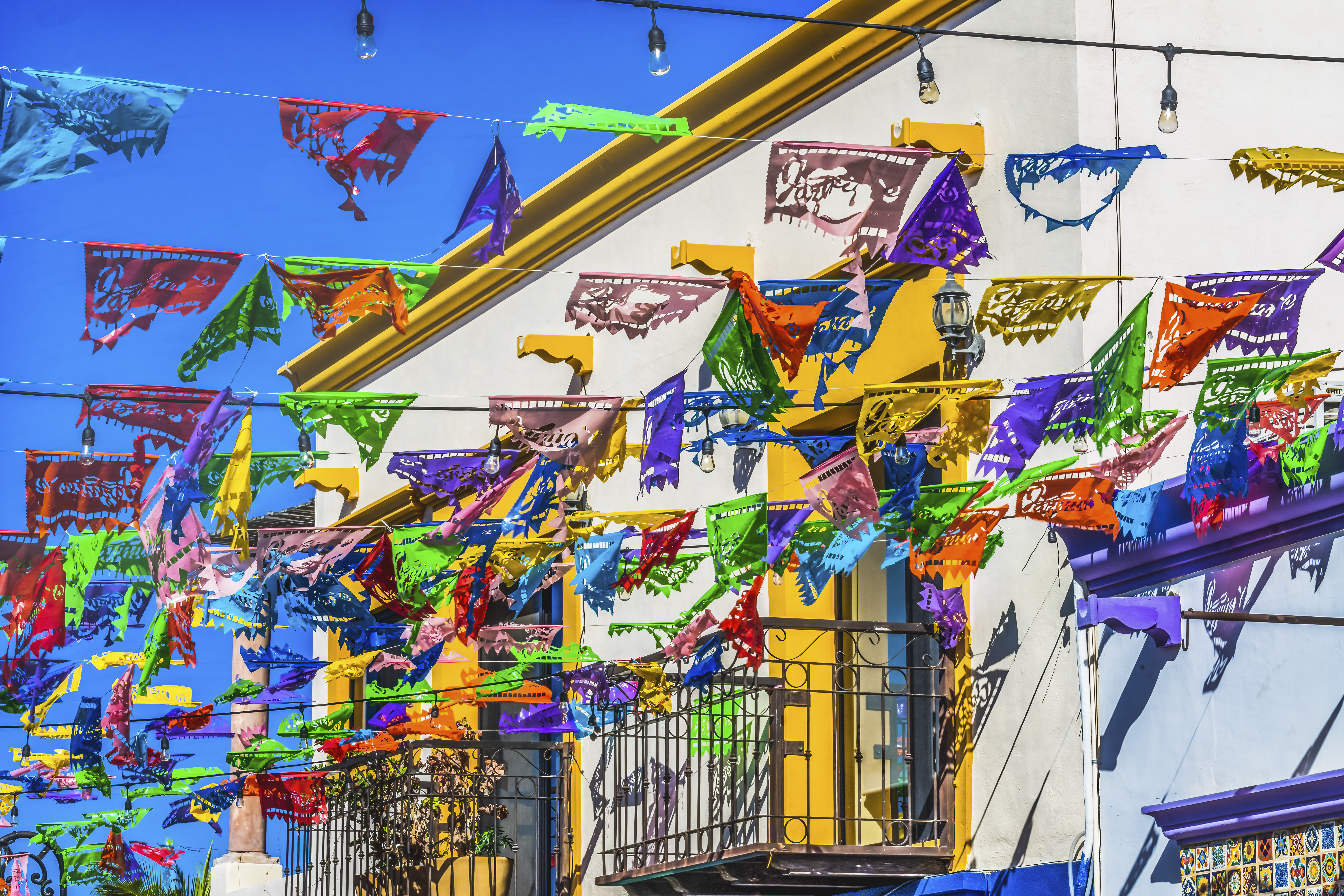
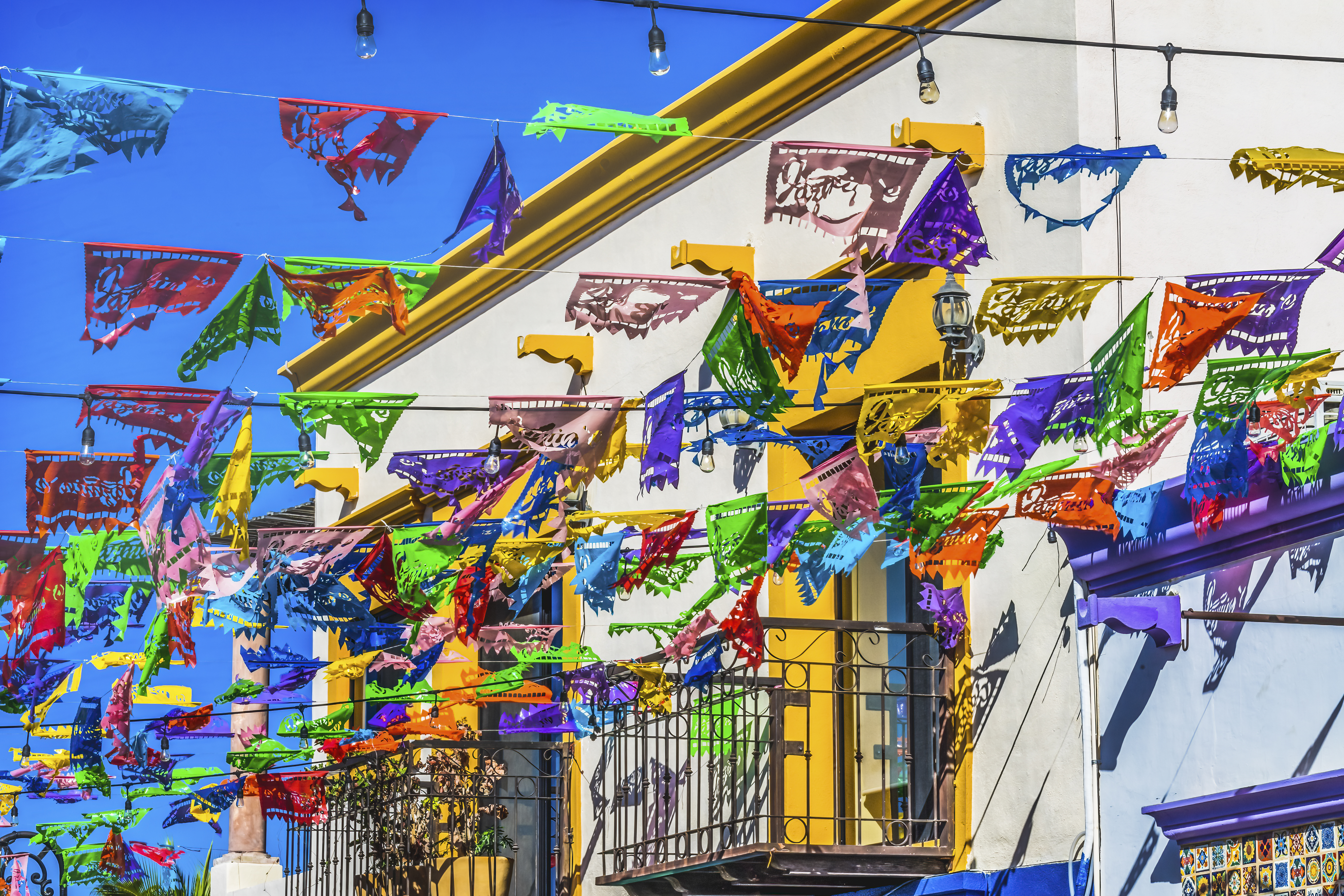
These are some of the main celebrations and traditions of Mexico City that will allow you to delve fully into the deep roots of identity and the popular mysticism of the capital:
,regionOfInterest=(3000,2000))
,regionOfInterest=(3000,2000))
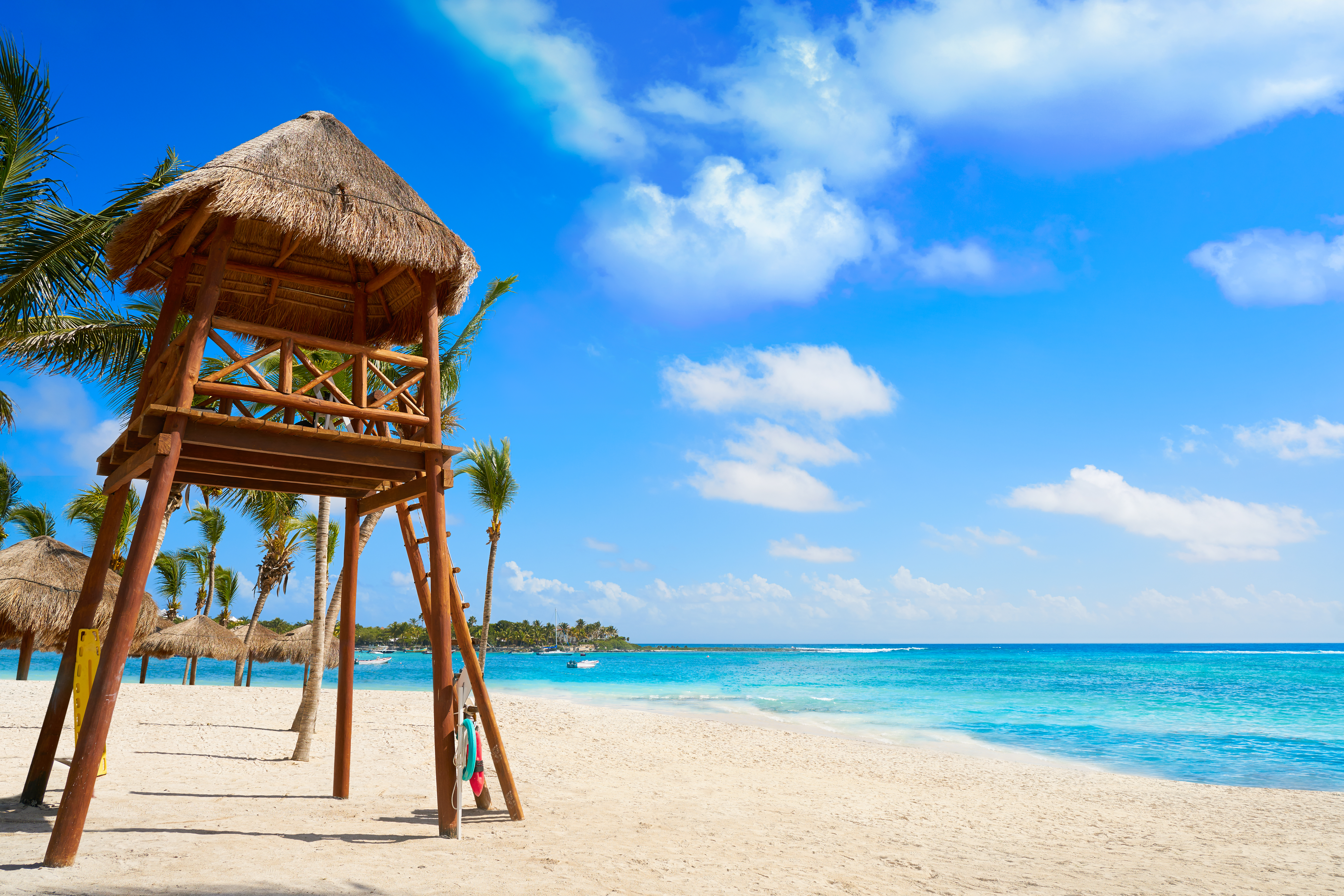
The truth is that travelling with children to Mexico City is a sure-fire success thanks to the immense number of activities, facilities, and plans designed for the little ones, always adapting them a little to them. These are some of the best things I can think of to do with the kids:
,regionOfInterest=(3976,2652))
,regionOfInterest=(3976,2652))
If you are only going to be in the capital for 24 hours and want to know what to see in Mexico City in 1 day, I propose this concentrated route so you can optimise your time and make the most of it:
📍 To help you organise your routes and optimise your travel, here is our map with tourist points of interest. On it, you will find geolocated all the monuments, museums, markets, and essential neighbourhoods that we have mentioned in this guide.
,regionOfInterest=(4001.5,2732))
,regionOfInterest=(4001.5,2732))
,regionOfInterest=(1476.5,981.5))
,regionOfInterest=(1476.5,981.5))
,regionOfInterest=(1312.5,1750))
,regionOfInterest=(1312.5,1750))
,regionOfInterest=(2000,3000))
,regionOfInterest=(2000,3000))
,regionOfInterest=(2240,3360))
,regionOfInterest=(2240,3360))
,regionOfInterest=(886,588.5))
,regionOfInterest=(886,588.5))