,regionOfInterest=(1060.5,707))
,regionOfInterest=(1060.5,707))
Guide to visiting the Camp Nou Tour: what to see and tips for making the most of it
,regionOfInterest=(2570.5,1446))
,regionOfInterest=(2570.5,1446))
Experiences
,regionOfInterest=(2500,1735.5))
,regionOfInterest=(2500,1735.5))
20 min reading time
Culture
History
Adventure
Experiences
Routes
,regionOfInterest=(189,208))
,regionOfInterest=(189,208))
A journalist by training and digital at heart, she tells stories through what she sees, experiences, and feels, drawing inspiration from what unfolds in hotels, airports, and conversations.
,regionOfInterest=(4096,2732))
,regionOfInterest=(4096,2732))
,regionOfInterest=(2500,1667.5))
,regionOfInterest=(2500,1667.5))
,regionOfInterest=(1920,2880))
,regionOfInterest=(1920,2880))
,regionOfInterest=(2500,1667.5))
,regionOfInterest=(2500,1667.5))
Although many people may not believe it, Stonehenge is not just stones in a circle. It is actually a megalithic construction that is thousands of years old that combines 3 different disciplines: astronomy, engineering and spirituality. A mystery, as the reasons why this construction was built and the reasons that led to it being forgotten remain unknown. A very special symbol built without modern technology (showing the ingenuity of ancient cultures) and whose purpose: whether it was a place for burial, ritual or solar temple, we still don’t know!
Attributed to the Romans, Saxons, Danes, Druids, Britain’s first agricultural communities (and no doubt Merlin the magician!) suggests that the investment of time and human effort that went into the years, Stonehenge was designed with a very special purpose. The most likely theories would be that it was a prehistoric ritual center aligned with the movement of the Sun, something vital for the first agricultural communities that depended entirely on the seasonal cycle, or, according to recent studies, that it was a symbol of unity and collaboration between different Neolithic communities after discovering that the stone on the altar is of Scottish origin.
In reality, Stonehenge has always been there. It was never hidden or buried, meaning that it has been visible to anyone who explored the area since ancient times. However, if we are talking in archaeological terms, this megalithic construction "reappeared" from the 17th century when John Aubrey wanted to research its origin and purpose. Later, William Stukeley in the 18th century documented it with drawings and theories that linked it with the Druids (although this was later demonstrated to be incorrect).
Although it is a question that archaeologists still ask... Stonehenge is believed to have been built between the end of the Neolithic (Stone Age) and the beginning of the Bronze Age, between 3100 and 1600 BC This amazing and colossal construction took place in stages and over the course of around 80 generations, almost 1,600 years! Undoubtedly quite a feat if we have the technology that existed at that time more than 4,500 years ago.
Located near AmesBURY in Wiltshire in the south of England, our giant monument is about 13 kilometers north of Salisbury (a charming medieval town) and 140 kilometers from London. If we focus on the area, Stonehenge stood in the middle of a large plain known as Salisbury Plain, with rolling landscapes, green fields and open skies. And it’s even better! Up to 2,300 prehistoric sites have been found there.
If you like the freedom to stop wherever you wish and set your own pace, visiting Stonehenge by car may be one of your best options. From London, it will take you around 2 hours. Stonehenge has a car park that costs €3 (if you’re not a member) and you can book it through the Pay By Phone app, so you don’t have to worry about where to park. Stay in a hotel that is well connected or that offers car rental options. Take a look at the Meliá hotels in London with perfect locations for it.
,regionOfInterest=(1476.5,843.5))
,regionOfInterest=(1476.5,843.5))
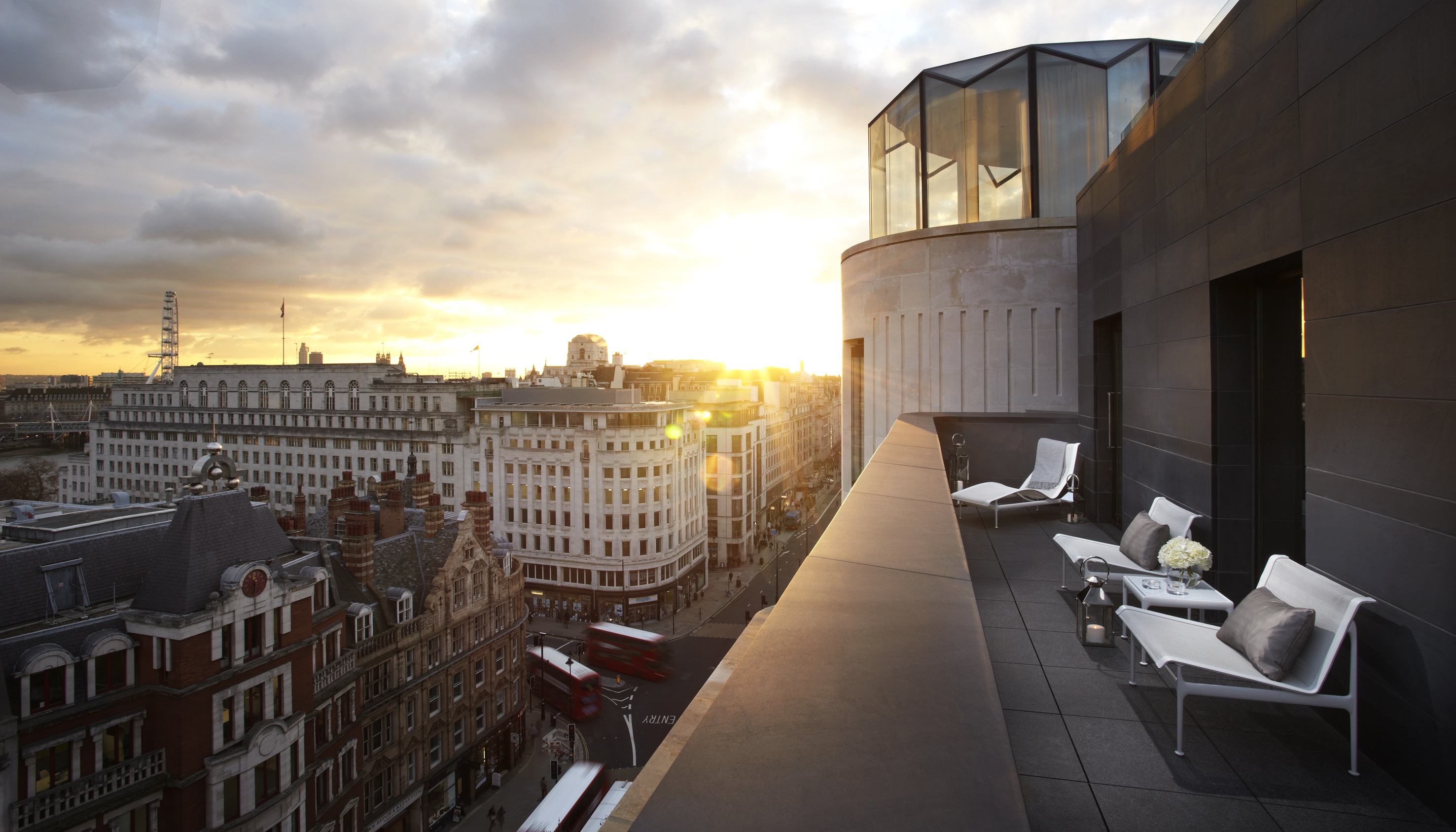
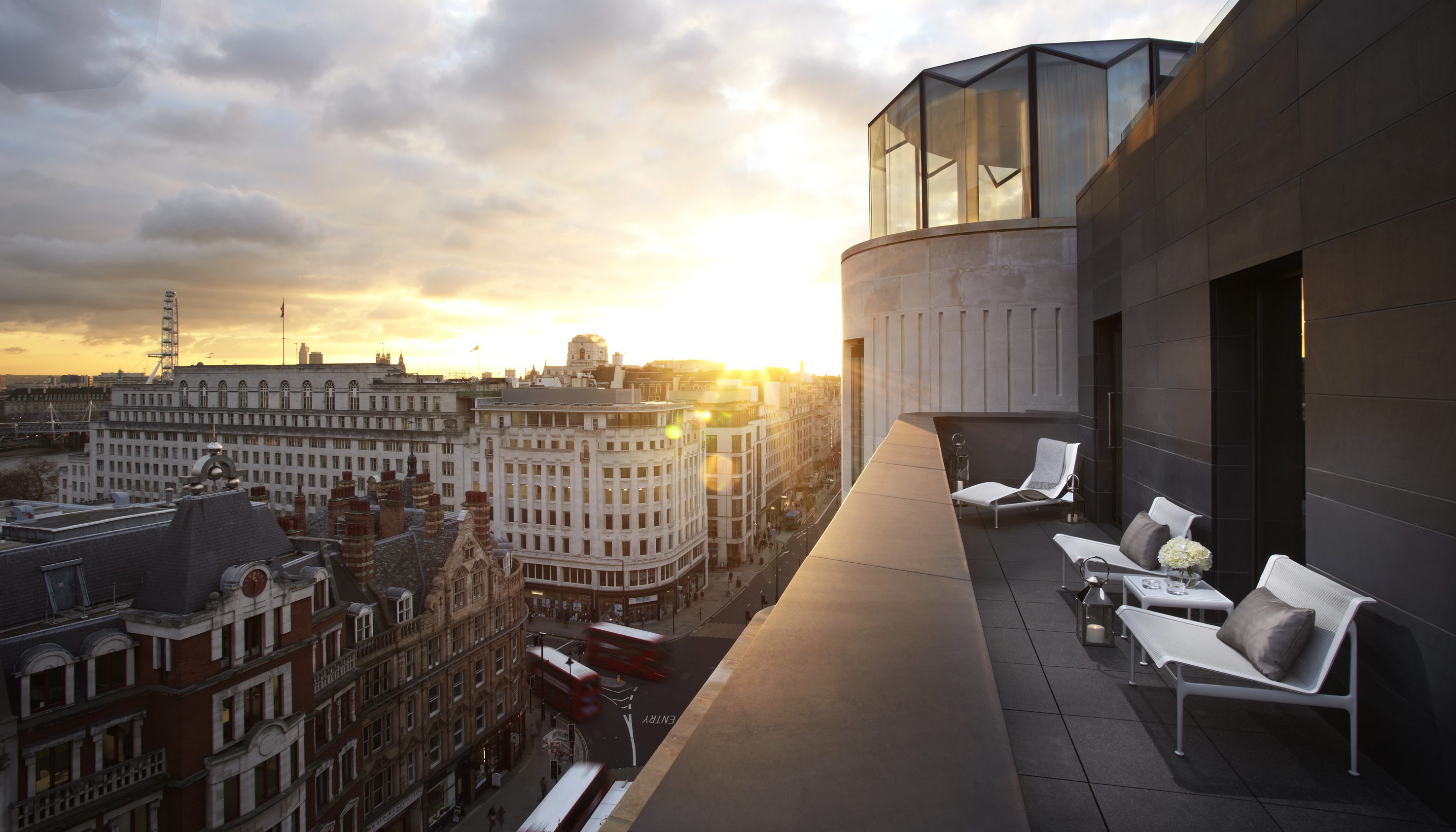
Yes, in fact, it’s the most popular option! Although it takes a little longer than going by car, you can head for Salisbury (as there is no train to Stonehenge) and from there take a special bus called the Stonehenge Tour Bus which will take about 35 minutes to arrive. If you are staying in London, for example at the ME London, you can walk to Waterloo station about 15 minutes away and take a direct line to SalisBUry (takes about 1:30 hours) and then walk for a few minutes to St Paul's Church and take the bus that I have indicated. So easy!
There is no public service as such, but there are companies that organize bus tours that can pick you up, wait for you and then drop you off in London. A kind of all-inclusive service that offers you transport, entrance to Stonehenge and (in some cases) a guide in a wide range of languages. Many organized tours leave from central locations such as Victoria Coach Station (if you stay at the Meliá London Kensington Meliá Collection, 15 minutes by train!). Or for example, Stonehenge Tour Bus leaves from Salisbury and given the price (which I have calculated) it would be more or less the same 😉.
It’s not mandatory, you can go by car, combine train and bus, or even by bike. But if you like to have everything organized for you, there are great companies to help you with this visit. Of course! If you plan to see Stonehenge at sunrise or sunset, I recommend you do so with English Heritage - the "Stone Circle Experience” allows you to visit without the crowds (sessions with a maximum of 52 people), visiting the stone circle and with a guide who can tell you absolutely everything.
The tour is divided into two areas. On the one hand, the megalithic monument with huge blocks of stone (some of them weighing more than 20 tons) placed in the shape of concentric circles; and a well-designed, interactive visitor center with an archaeological exhibition with more than 250 objects found in the area. You can also explore a reconstruction of Neolithic houses showing how the people who built Stonehenge lived.
Tip: Bring your headphones to enjoy the free audio guides in the English Heritage app.
Yes indeed. Although you can buy tickets to see Stonehenge at the ticket office, you have to choose a specific time to visit the archaeological remains. Our schedules fill up quickly, especially in summer and at the weekend, so my recommendation is that you book online as soon as possible on the official English Heritage website. This allows you to organize your stay in advance to make the most of your time during your holiday in London.
You can spend as much time as you want at Stonehenge exploring the exhibition, the Stone Circle and the Neolithic houses area. If you need a little more information, the average duration of the visit is usually around 2/3 hours. The stone circle will take you about 30/45 minutes and the visitor center between 45 minutes and 1 hour more or less. The tour also includes a short bus transfer from the visitor center to the archaeological site. Check out all the routes they have prepared on English Heritage.
Stonehenge is open every day from 9:30am to 4:30pm, so whether you want to visit depends on your plans. If you are looking for few people, you should visit first thing in the morning or late in the afternoon. If you need the best light to take photos, know that it will be soft in the morning and golden in the evening. And if you prefer to enjoy a special experience during the summer or winter solstice, be ready to share the moment with a lot of people as it is free on those days and you are allowed inside the stone circle.
Tip: To avoid the crowds, go during the week and avoid July and August.
Yes, the entrance price to Stonehenge varies according to your age. And if you are a student or traveling with your family, you can also choose to enjoy more affordable prices. The funds raised for this historic monument and many others in England allow English Heritage to continue working on conservation and maintenance processes for all of them, maintaining safety standards and protecting the natural environment surrounds them.
Yes indeed! And they say it's one of the most magical experiences you could ever imagine. There are several ways to see the sunrise at Stonehenge: as I was saying, book the "Stone Circle Experience" organized by English Heritage, or visit the summer and winter solstice for free. The problem with the second option is the number of people who gather there to see how the sun perfectly aligns with the main stone, the HEEL STONE. This is full of symbolism, energy and spirituality that can be disturbed by crowds.
Tip: If you choose the second option, try to arrive early or even camp in the area.
The region itself has one of the most fascinating archaeological sites in the world, so in addition to Stonehenge, there are other prehistoric sites just as attractive such as Avebury (with another impressive stone circle), Durrington Walls (a Neolithic village) or Woodhenge ( with a wooden structure of similar design). You can also visit the town of Salisbury with its magnificent Gothic cathedral, or organize a longer excursion to stop off in Bath or Bristol.
It is difficult to define a person’s itinerary without knowing what makes them want to travel: if you are someone who wants to see it all or who prefer a tasty stop for lunch. If we want to take advantage of the day to see Stonehenge, my two suggestions would be:
Option 1
Wake up early to leave London around 8am to ensure you get to Stonehenge on the 10am. As mentioned above, the visit usually lasts between 2 and 3 hours, meaning we should end around lunch time. The best option in such a case would be to visit Salisbury for a leisurely lunch, a walk through the city and its famous cathedral, and a chance to stop off in a shop and buy a souvenir before returning to London.
Option 2
Another alternative would be to start early to visit Stonehenge in the morning, finish around noon and, right after, visit other nearby prehistoric sites such as Durrington Walls or Woodhenge. You can then head to Salisbury for a much easier lunch. In the afternoon, visit the Old Sarum, an ancient fortress with spectacular views, and ready to return to Londonbetween5pm and 6pm
,regionOfInterest=(2000,3000))
,regionOfInterest=(2000,3000))
Comfortable clothes and something for the rain. Remember you are in England so the weather is usually unstable and with rain. And if we add that Stonehenge is outdoors and in a windy area, a warm clothes doesn’t miss (but make sure you layer up! They will protect you better from the wind and rain). There’s also no shade, so if it’s sunny on a day, pack your hat, goggles and sunscreen. Ah! And don't forget to wear comfortable, closed shoes.
No, Stonehenge is not one of the seven wonders of the ancient world, although in 1986 it was declared a World Heritage Site by UNESCO, making it one of the first monuments in the UK to receive this distinction. As a unique testimonial to human ingenuity, built in prehistoric times, its archaeological, cultural and historical importance earned it this prestigious recognition.
I love to travel in the low season, especially to avoid the typical summer crowds or extreme temperatures. So whenever I can, I try not to travel in summer or at Christmas... Although, of course, it’s not always possible to choose! If you have flexibility, I would recommend not visiting Stonehenge in the high season, and especially between June and August, as that is when there are a lot of tourists and it can be a bit stressful. If you visit in spring or autumn, the experience will be much more peaceful and pleasant.
Although scientists are still not absolutely certain how Stonehenge was made, it is believed (remember that the wheel had not yet been invented) that they may have used sleds, wooden rolling pins and a lot of human strength! The circle contains two types of stone: the sarsen (large sandstone rocks about 4 meters high, 2 meters wide and weighing more than 20 tons) and the smaller “bluestones” brought from other places in Gales - and even from Scotland, more than 200 km away).
Etymologically speaking, we can say that Stonehenge means "stone hanger", since stone is "stone" and henge, although it is a term from the Old English, can also be associated with the concepts of "hang" or "hinge". That is why it is not surprising that the name refers to vertical stones with horizontal lintels, as if they were "hung". Henge was also a concept related to circular structures formed by a moat and an embankment, generally with an entrance focused on astronomical events such as the solstices.
Yes, there are megalithic stone circles in other countries, such as Scotland (Callanish), France (Carnac), Ireland and other places in Europe, although none as big or as popular as this one in English. In addition, a prehistoric megalithic monument similar to Stonehenge or the Woodhenge wooden circle, also located in England, was recently discovered in Denmark. The new find consists of 45 wooden posts that are 4,000 years old.
,regionOfInterest=(1800,1012.5))
,regionOfInterest=(1800,1012.5))
It's up to you. If you are one of those people who is passionate about history, undecipherable enigmas, connections, mysticism and astronomy, I sincerely believe that this visit will be a much more enriching trip than you can imagine. However, if you think when you see Stonehenge that “yes, it was a huge construction, but that’s now history”, I’m afraid this is not a visit for you.
That is the end of my research! I hope that it has been useful and that resolves any doubts you may have about this megalithic construction. I also hope that I have given you some suggestions on the best itinerary for visiting Stonehenge from London, as well as letting you know about some of the nearby places you might like.
Now it's up to you to enjoy the adventure! Remember that if you like to travel alone, the train + Stonehenge Bus combination will be perfect. If you prefer not to worry, you can also take an organized excursion. And if you prefer on the road, renting a car is the best option for you. In either case, the trip will be well worth it.
,regionOfInterest=(725,325))
,regionOfInterest=(725,325))
,regionOfInterest=(1992.5,1328.5))
,regionOfInterest=(1992.5,1328.5))
,regionOfInterest=(1824,2736))
,regionOfInterest=(1824,2736))
,regionOfInterest=(1644.5,1284))
,regionOfInterest=(1644.5,1284))
,regionOfInterest=(2840,4260))
,regionOfInterest=(2840,4260))