,regionOfInterest=(2900.5,1949.5))
,regionOfInterest=(2900.5,1949.5))
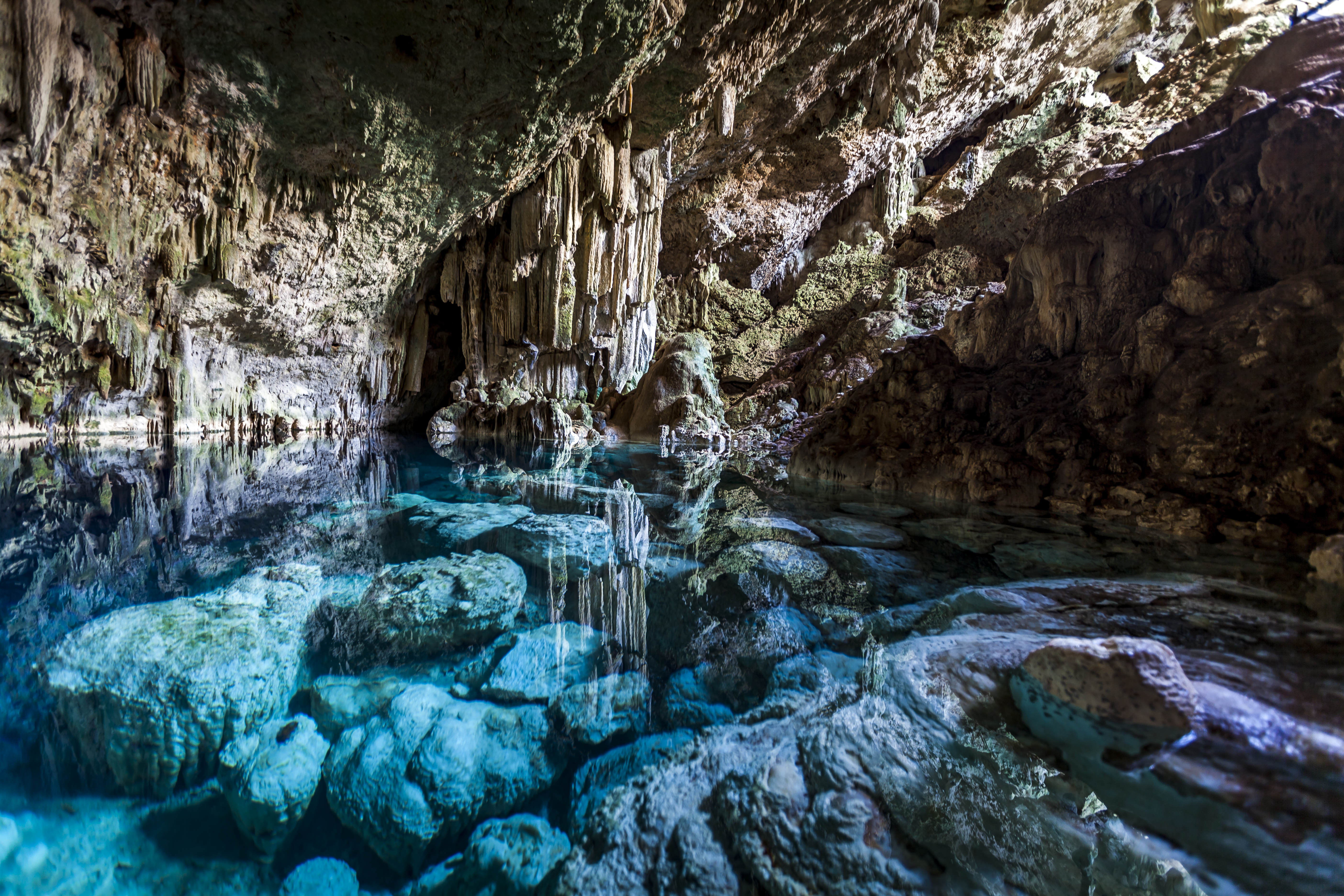
Hoyo Azul: a hidden cenote in Cap Cana
,regionOfInterest=(2808,1872))
,regionOfInterest=(2808,1872))
Holidays
,regionOfInterest=(1023,575.5))
,regionOfInterest=(1023,575.5))
Culture
,regionOfInterest=(500,500))
,regionOfInterest=(500,500))
All-terrain writer specialising in tourism, fashion and trends. A curious soul, traveller, reader and sports enthusiast, keen to discover every corner of the world.
,regionOfInterest=(800,446.5))
,regionOfInterest=(800,446.5))
,regionOfInterest=(800,446.5))
,regionOfInterest=(800,446.5))
,regionOfInterest=(800,446.5))
,regionOfInterest=(800,446.5))
,regionOfInterest=(800,446.5))
,regionOfInterest=(800,446.5))
The name, the physics of the lantern itself, and how the tradition grew from a temple ritual into a citywide event all shape what the festival actually is. Here is each.
,regionOfInterest=(1023,575.5))
,regionOfInterest=(1023,575.5))
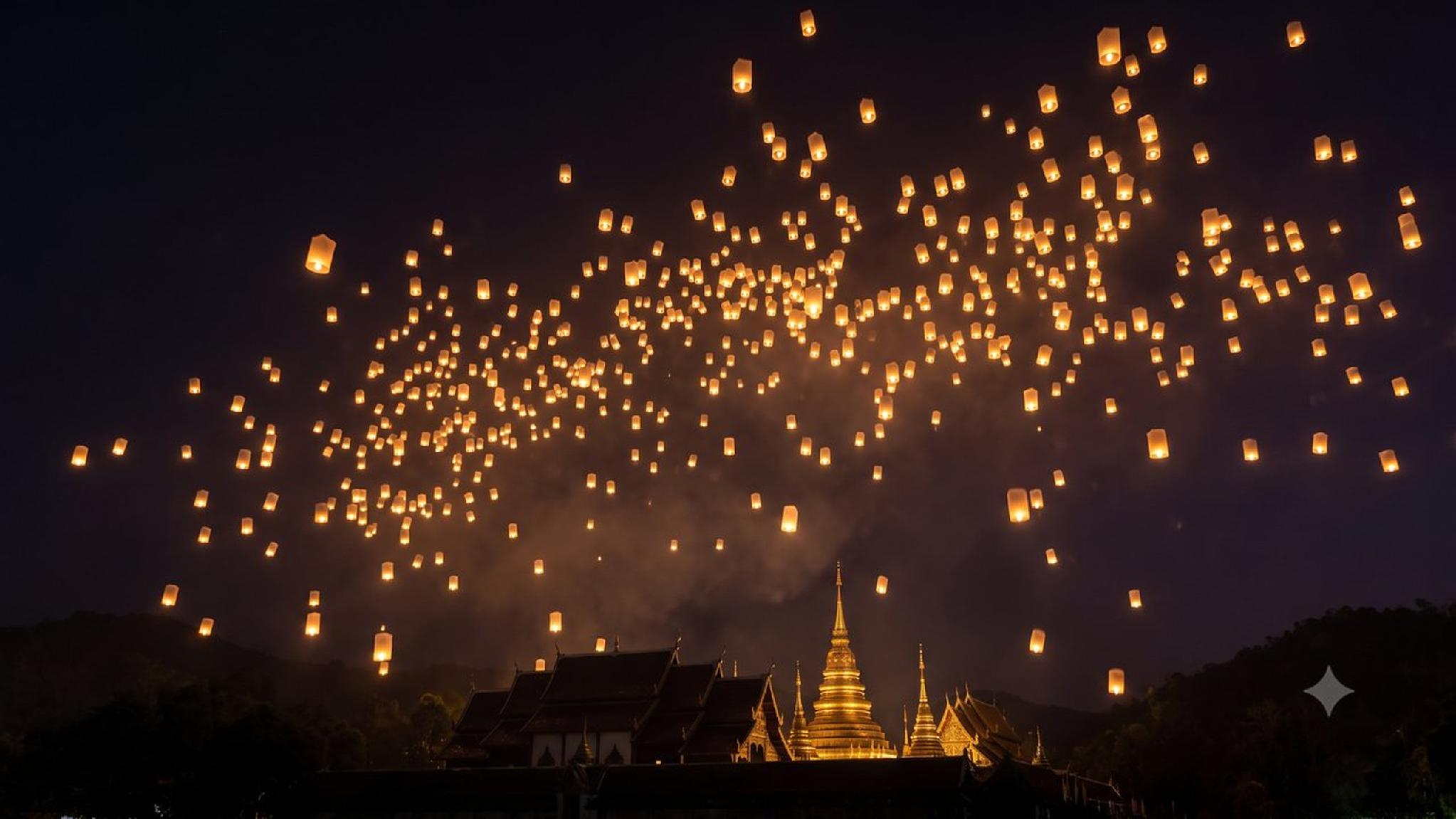
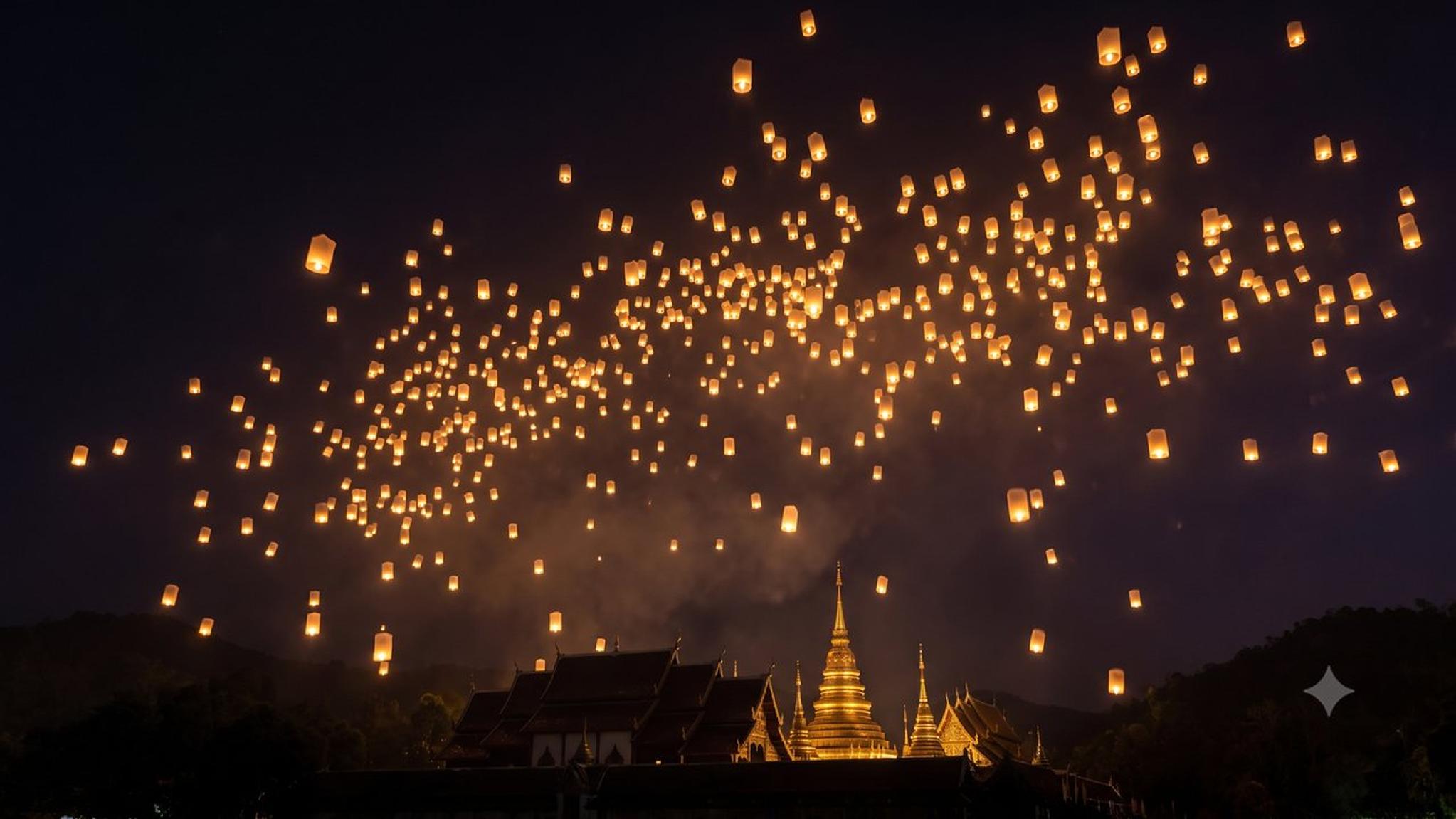
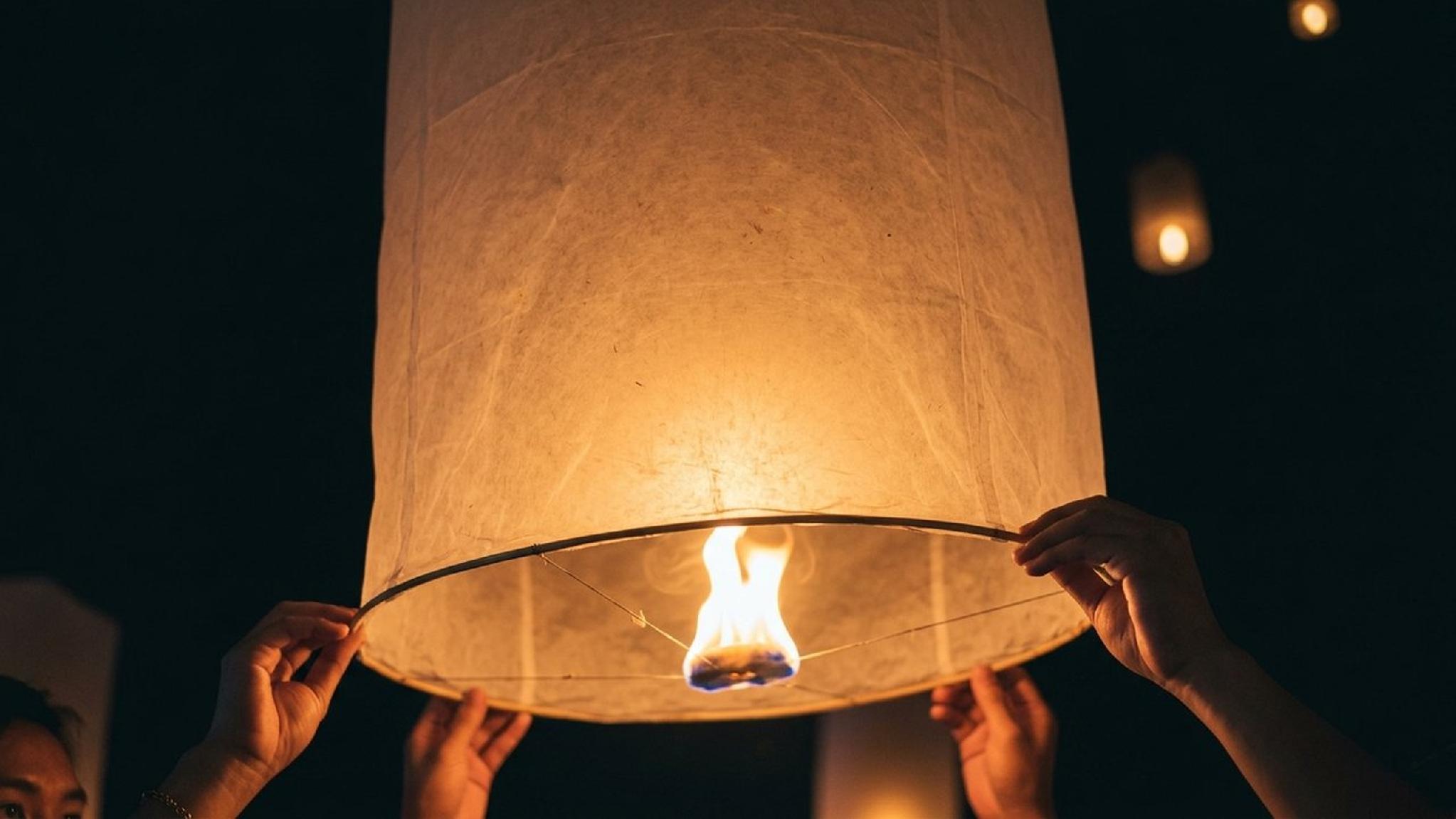
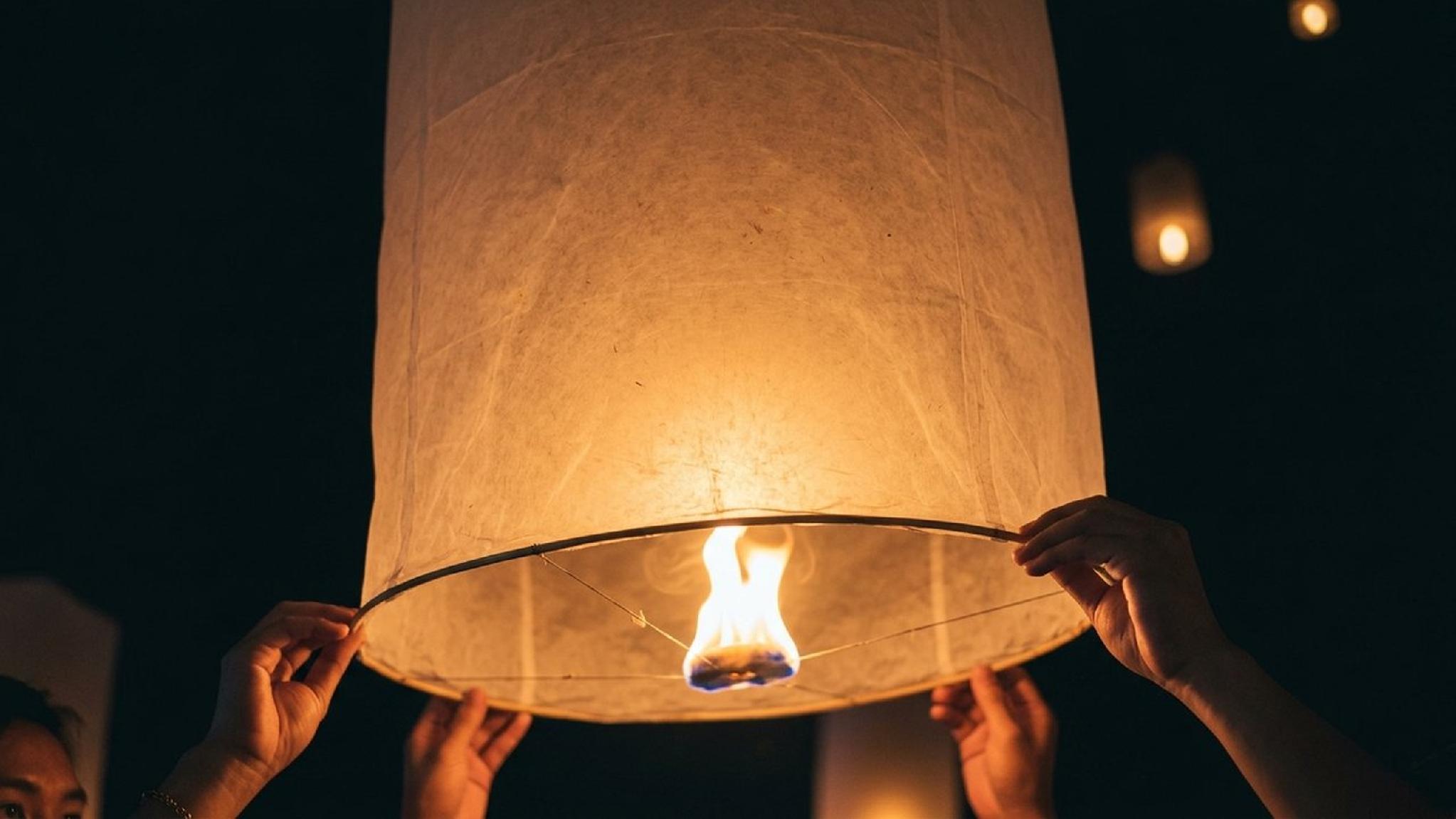
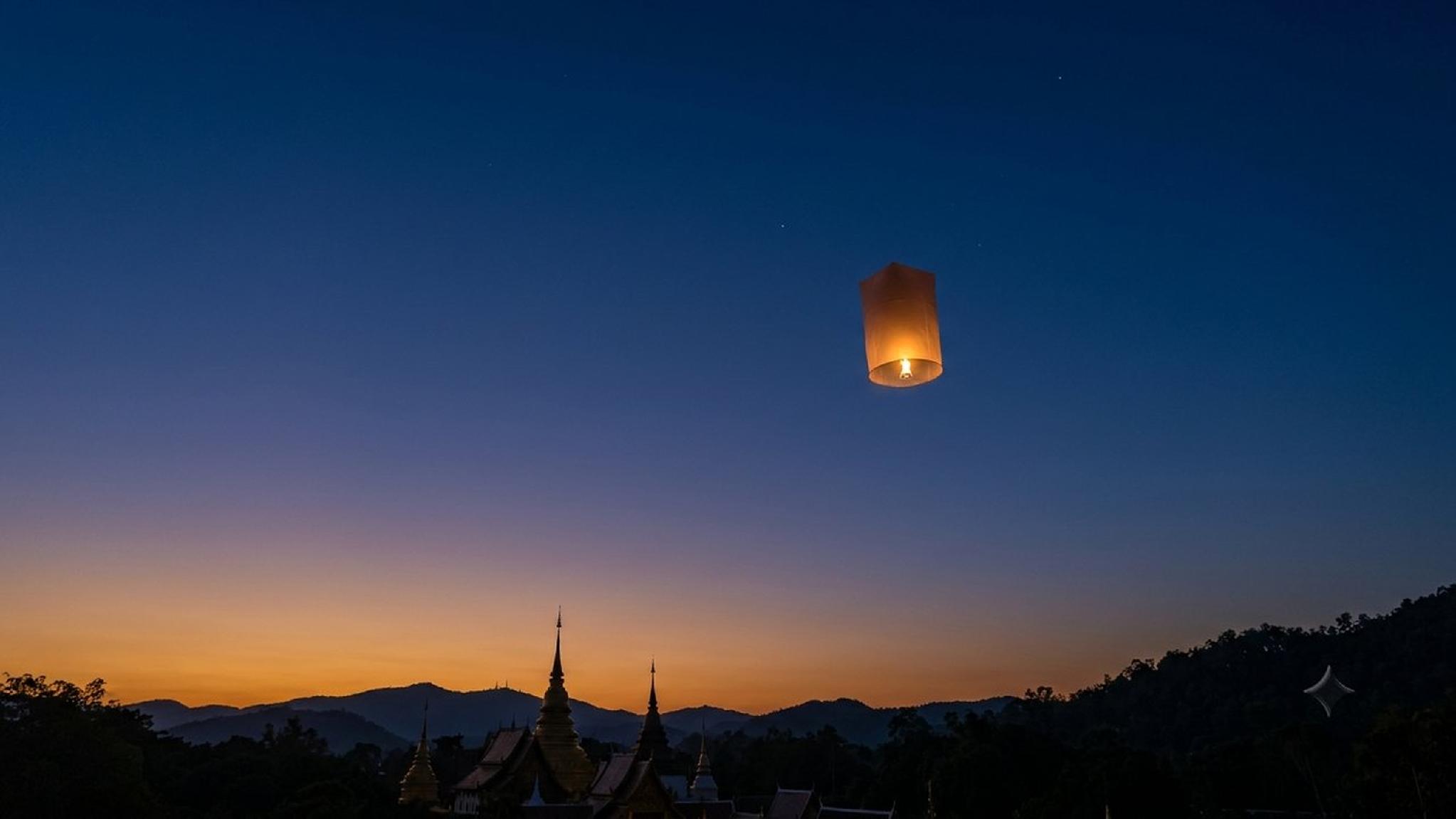
Yi Peng takes its name from the Lanna lunar calendar: yi means two, and peng refers to a full moon day, so the festival marks the full moon of the second Lanna month, a calendar that runs roughly two months ahead of central Thailand's and lands this observance in November. It traces back around 700 to 800 years to the Lanna Kingdom, with early forms of the tradition, known as Loy Khomot, recorded even earlier under the Hariphunchai Kingdom based in what is now Lamphun.
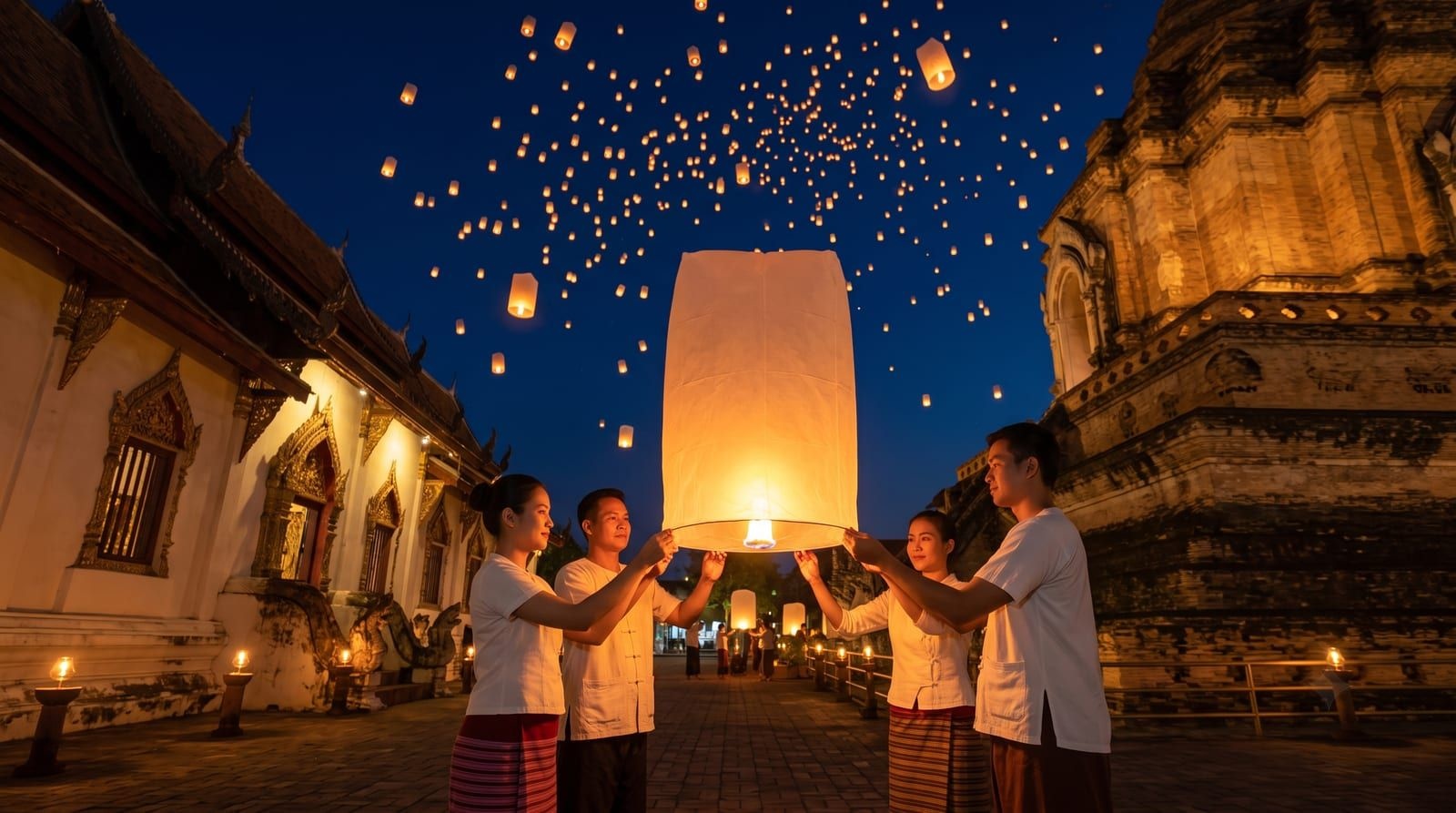
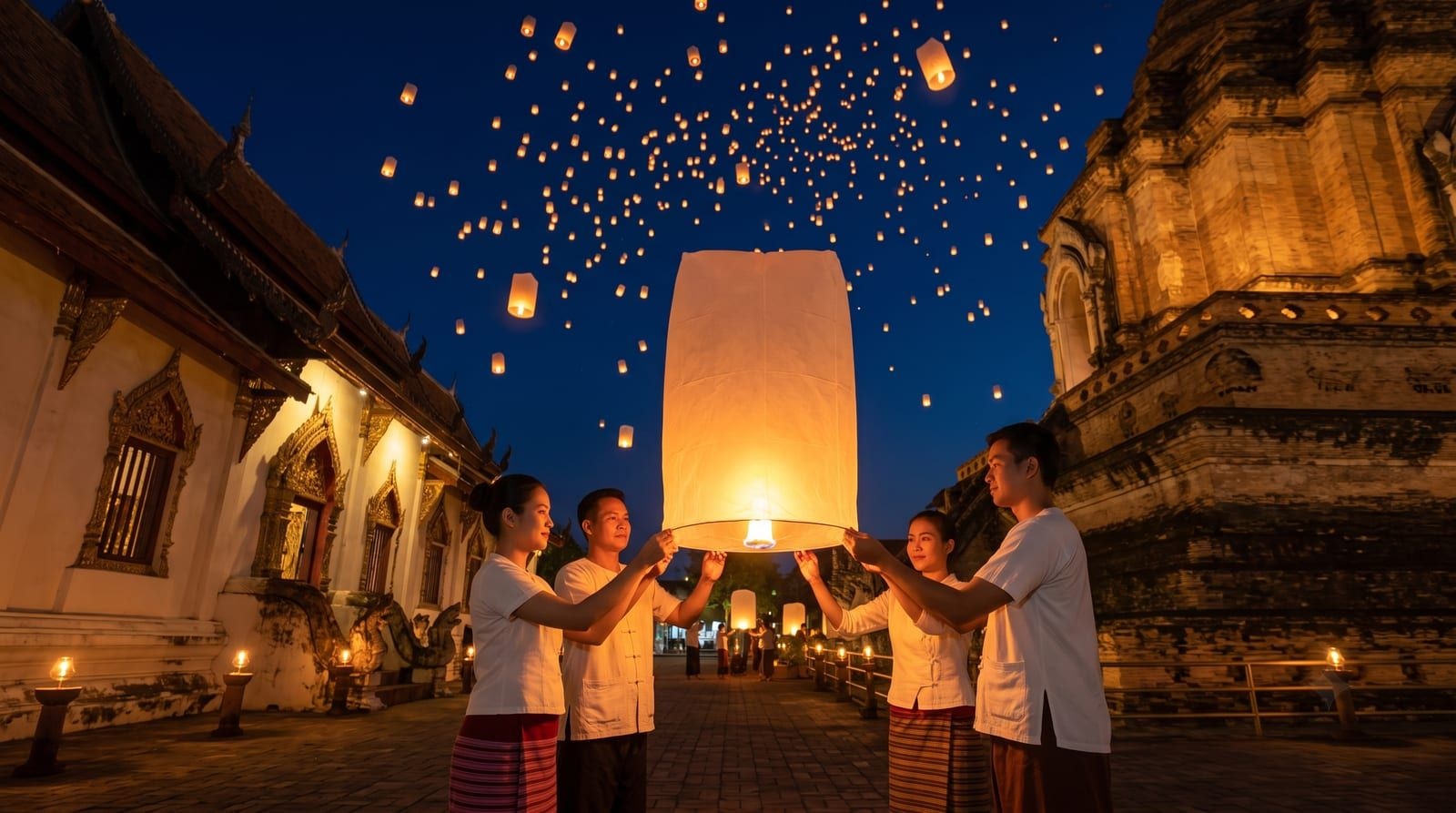
The khom loi themselves, thin rice paper stretched over a bamboo or wire frame, work on simple physics: a small fuel cell or candle heats the air trapped inside the paper shell until it generates enough lift to float. In Lanna belief, releasing one carries away a year's worth of misfortune and sends a wish upward, toward the heavens rather than downstream the way a Loy Krathong offering does. That single distinction, up instead of out onto the water, is the cultural core of Yi Peng Chiang Mai and the reason it reads as a distinct festival even though it shares its week with Loy Krathong nationwide.
,regionOfInterest=(1023,575.5))
,regionOfInterest=(1023,575.5))
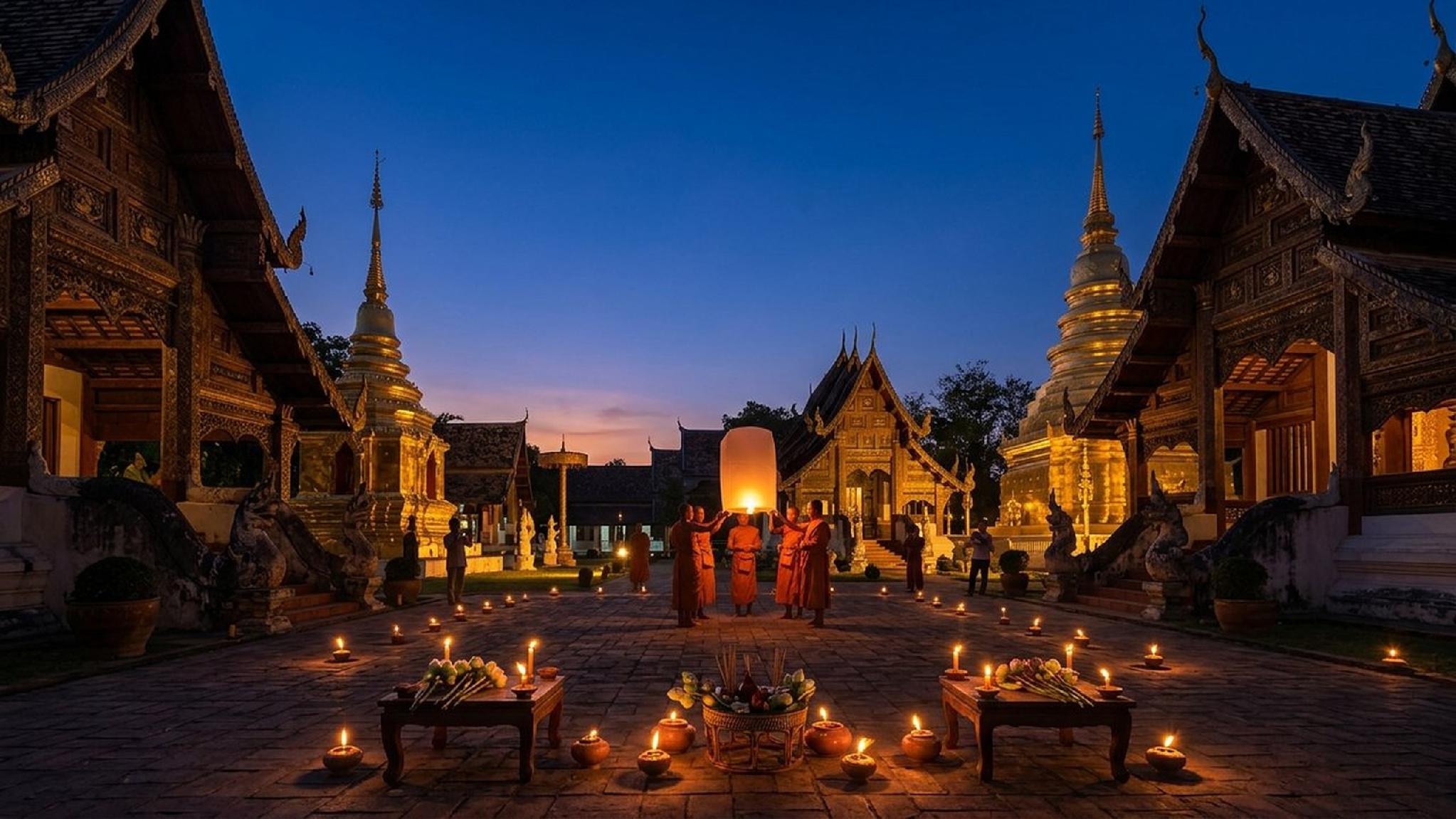
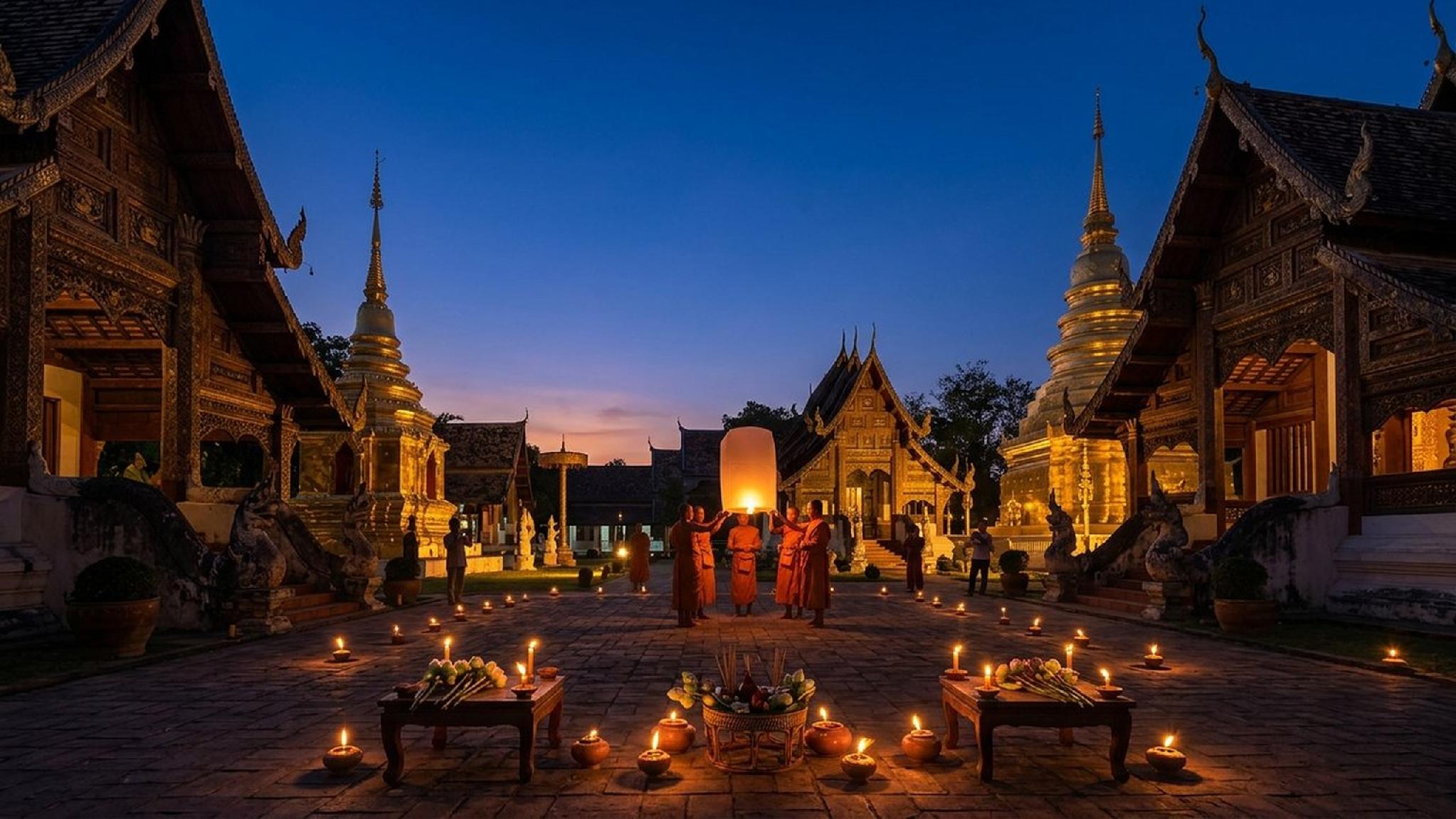
Although the tradition began inside temple walls, chanting monks releasing lanterns as an act of merit rather than a public spectacle, it has grown well beyond that over the past few decades into the citywide, internationally known event Chiang Mai now hosts every November. Locals still treat the temple side of it, offerings, chanting, candlelight, as the actual observance, while the large ticketed release most visitors picture is a newer, tourism-driven layer built on top of the older custom rather than a replacement for it.
A separate, often-repeated legend credits Nang Noppamas, a consort in the Sukhothai royal court, with crafting the first krathong centuries ago, though that story belongs to Loy Krathong's central Thai history rather than the Lanna history behind sky lanterns. It is one more reason the two festivals get conflated so often outside Thailand, and worth knowing before assuming a krathong-making class covers the lantern tradition too, or the other way around.
,regionOfInterest=(1023,575.5))
,regionOfInterest=(1023,575.5))
The official 2026 window for Yi Peng Chiang Mai runs 24 to 26 November, with the main lantern releases and temple ceremonies concentrated on the 24th and 25th. Because the date follows the Lanna lunar calendar rather than a fixed Gregorian date, it shifts from year to year, so this specific 2026 window should not be assumed to repeat exactly for any other year. Here is how the three days actually build.
| DATE | WHAT HAPPENS |
| 24 November | Temple ceremonies and candlelight processions begin; ticketed mass releases at peak demand |
| 25 November | Main lantern releases and temple activities continue; Loy Krathong falls in the same window |
| 26 November | Quieter close; fewer organised events but plenty of lingering atmosphere |
Loy Krathong falls within the same window in 2026, since the Lanna calendar's second month lines up with the Thai lunar calendar's twelfth month nationwide. Expect the city to be at its fullest for the entire three-day stretch, not just a single peak night, with events, temple activities, and both free and ticketed releases spread across all three dates.
November evenings run noticeably cooler than the rest of the year, comfortable enough for standing outside for hours at a stretch but still worth a light layer after sunset, particularly down by the river where the breeze picks up once the sun is gone.
Where to go splits into three genuinely different options: the legal reality every visitor needs to know first, the licensed venues that sell an actual release, and the free spots for watching rather than releasing. Here is each in turn.
,regionOfInterest=(1376,768))
,regionOfInterest=(1376,768))
Releasing a sky lantern inside Chiang Mai municipality itself is against the law outside of specific licensed venues, with fines reaching 60,000 baht for an ordinary violation and considerably harsher penalties, up to five years in prison and a 200,000 baht fine, for releases inside the air safety zones around Chiang Mai International Airport. A release that starts a fire carries an even steeper penalty. This is the single most important fact for anyone hoping to personally send a lantern into the sky during Yi Peng Chiang Mai: it has to happen at a licensed venue, not from a rooftop, a garden, or a riverside spot inside the city.
,regionOfInterest=(1023,575.5))
,regionOfInterest=(1023,575.5))
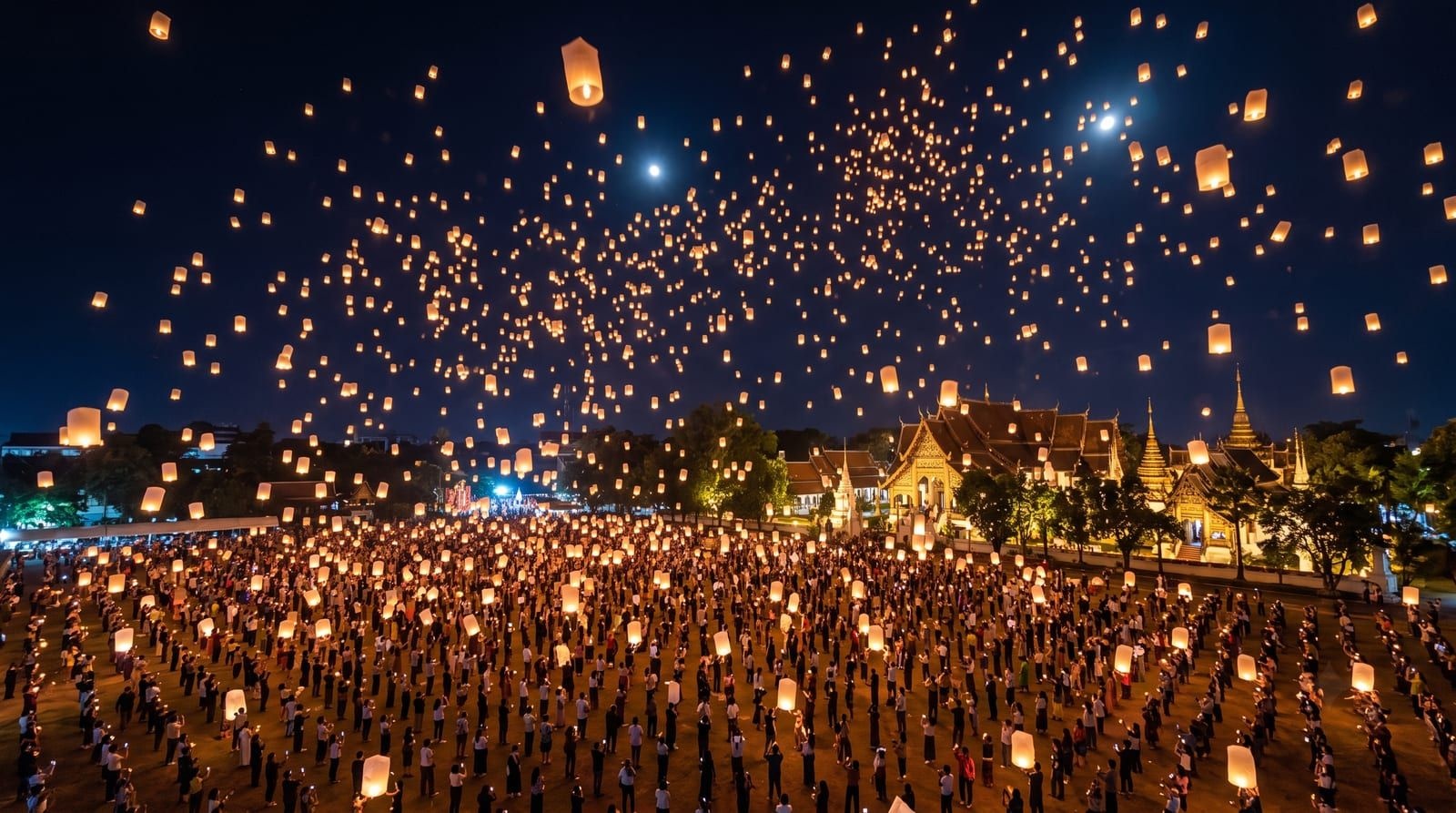
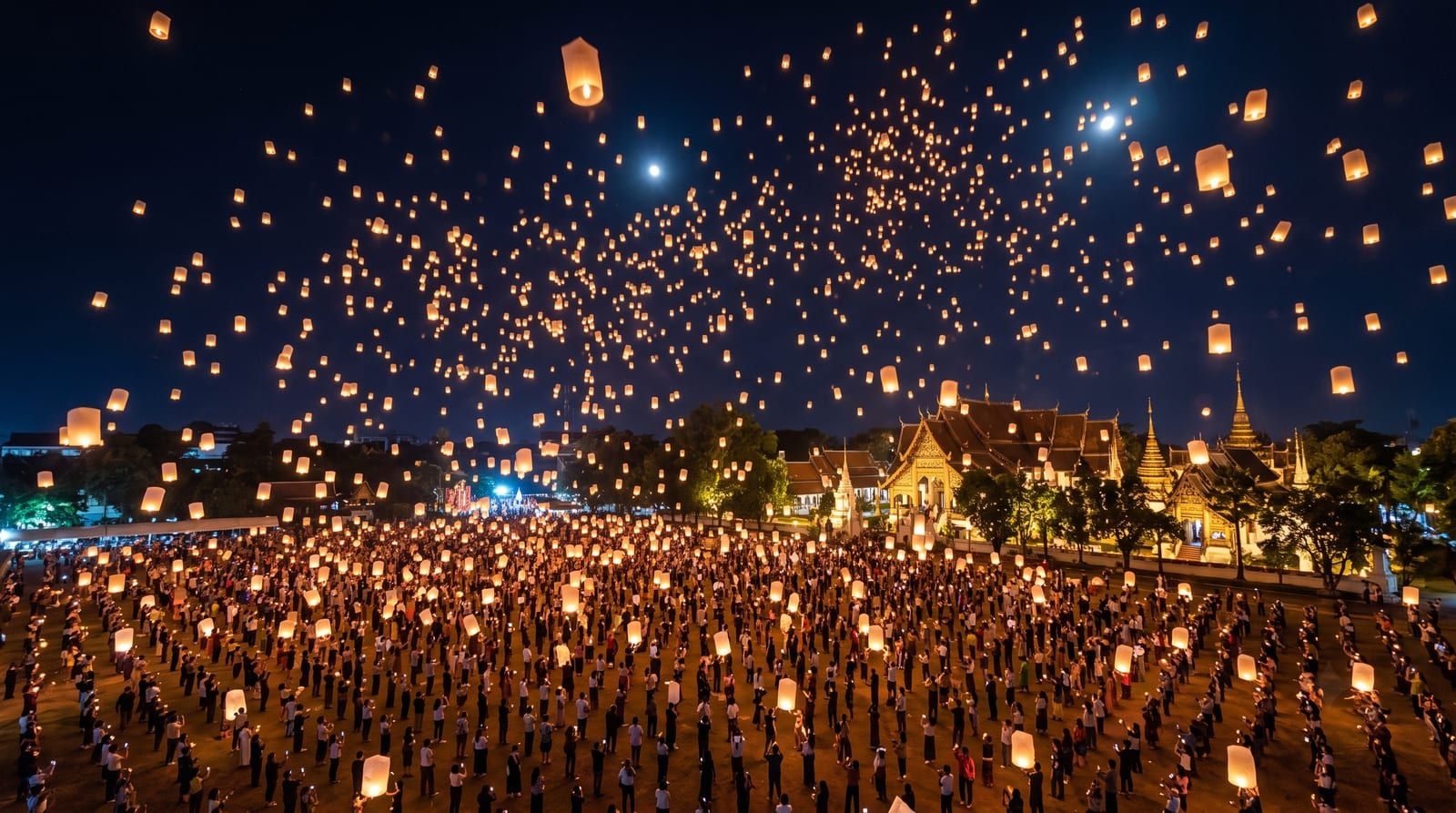
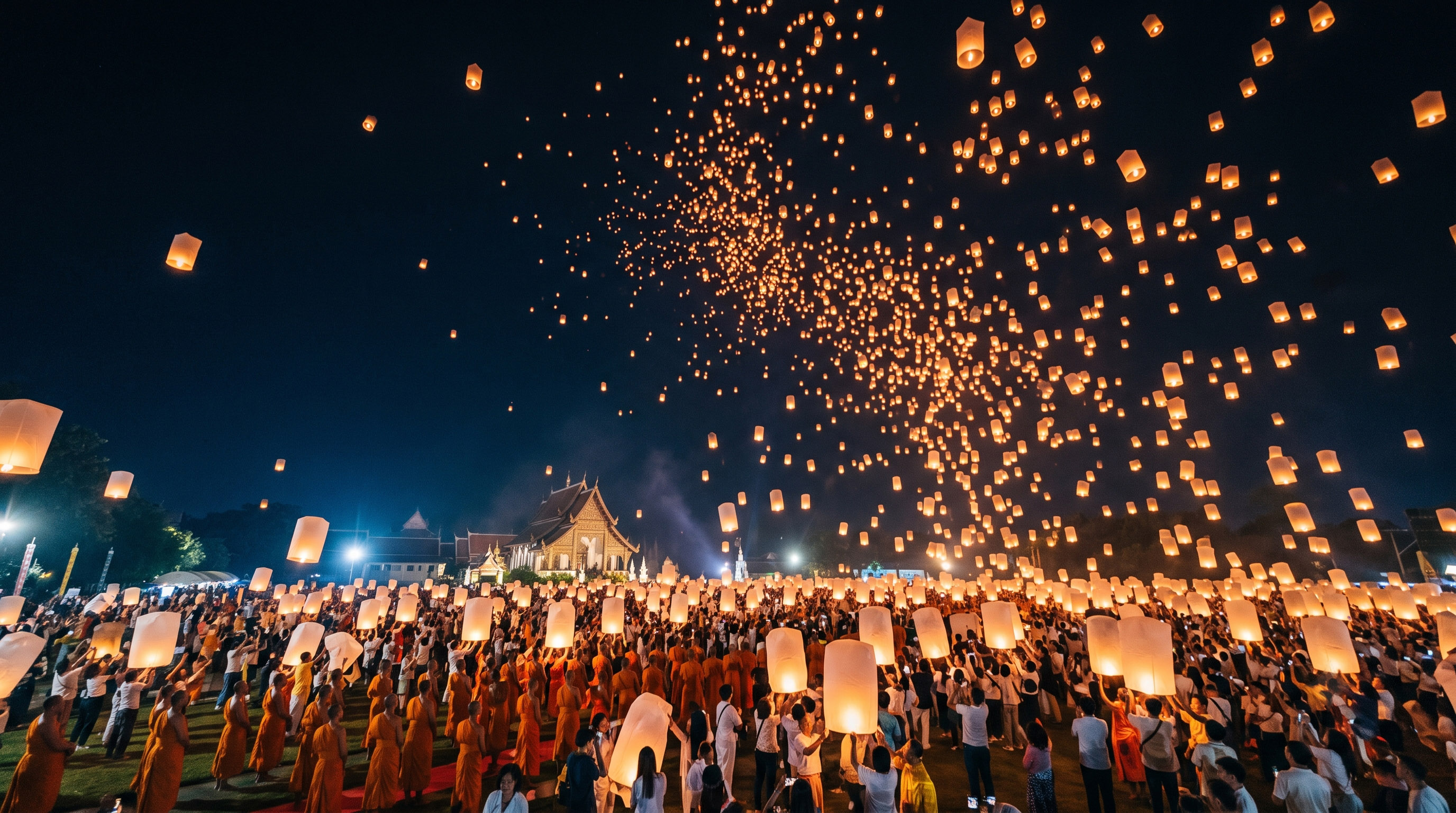
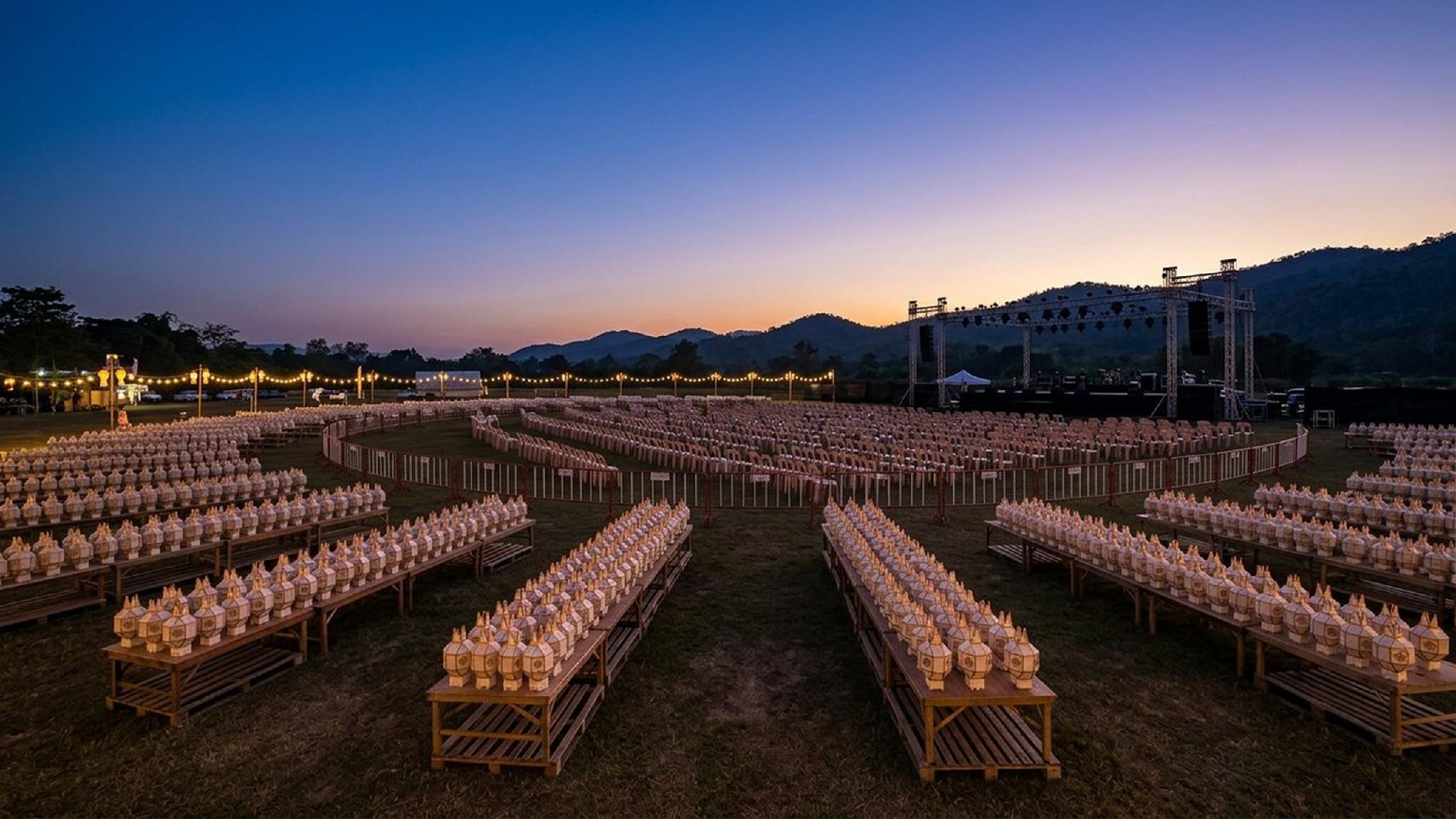
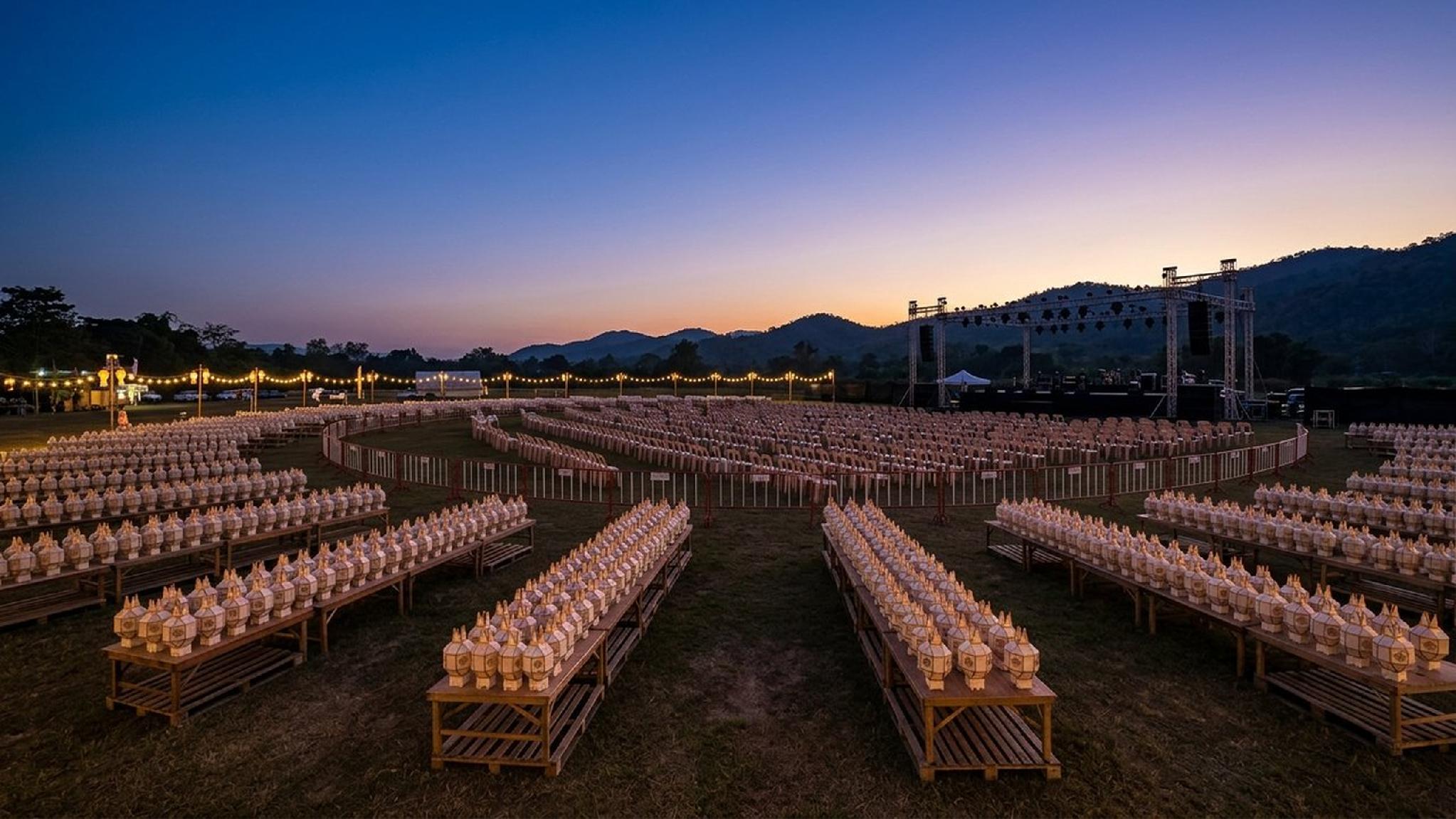
The CAD Cultural Centre in Mae On district, outside the city, is the largest of these licensed venues and the one most travellers book, drawing more than 25,000 attendees a night across ticket tiers that run roughly 4,600 to 15,500 baht (about US$140 to US$460), typically bundling a return transfer, a buffet dinner, a Lanna dance performance, and the lantern itself. Gassan Panorama and Heritage Sky Lanterns run smaller licensed releases on the same nights for travellers who want a less crowded version of the same experience.
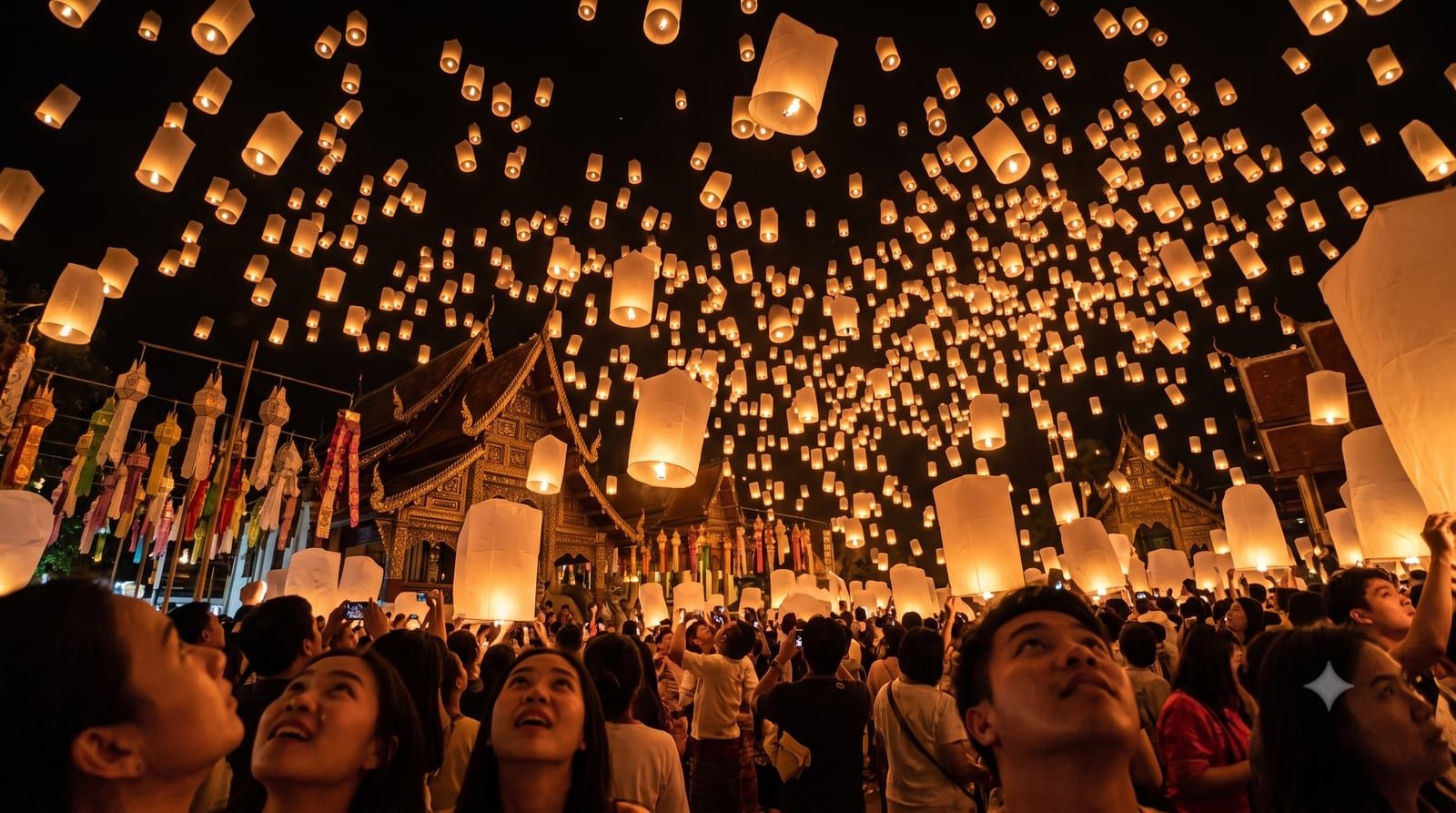
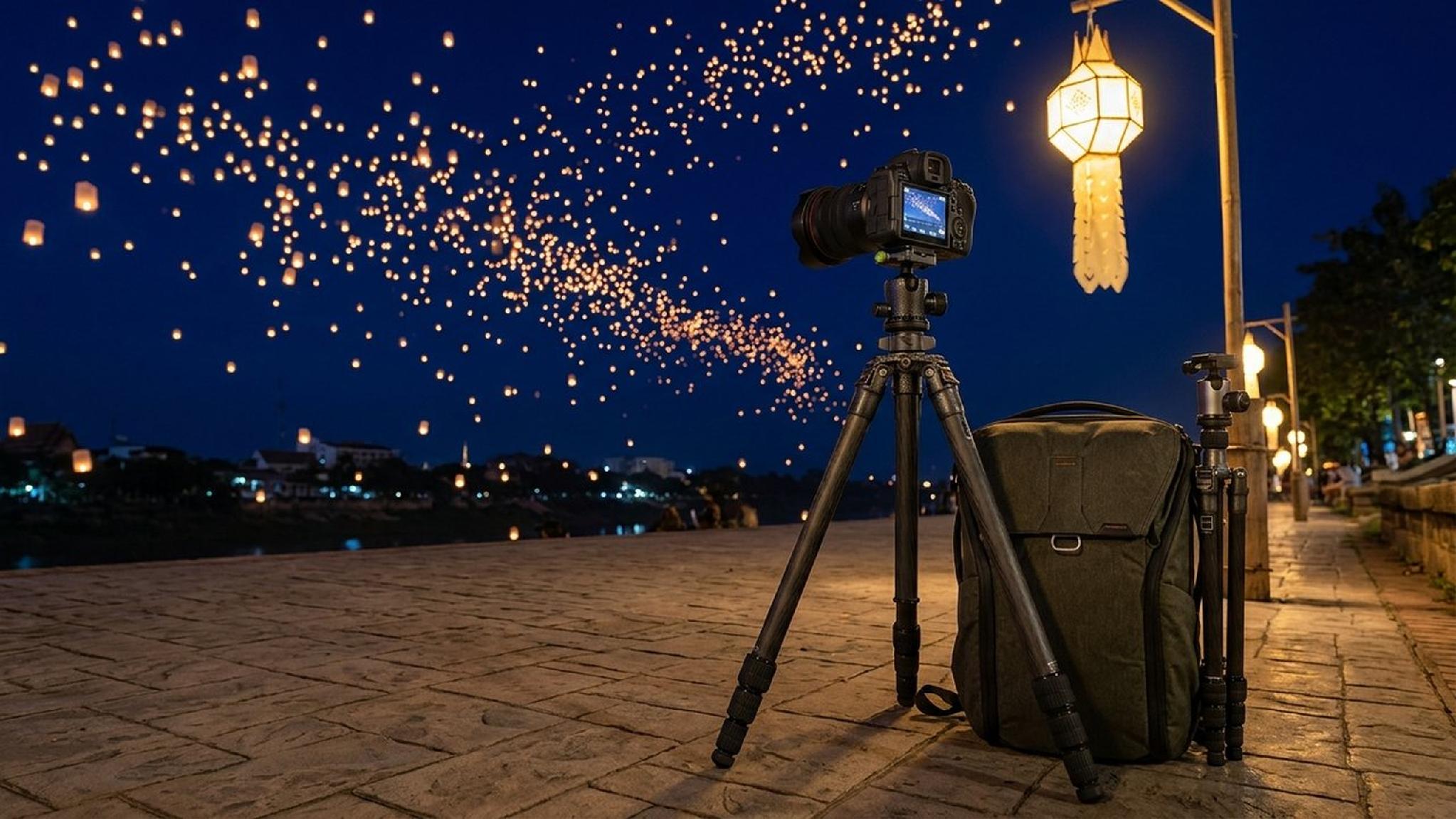
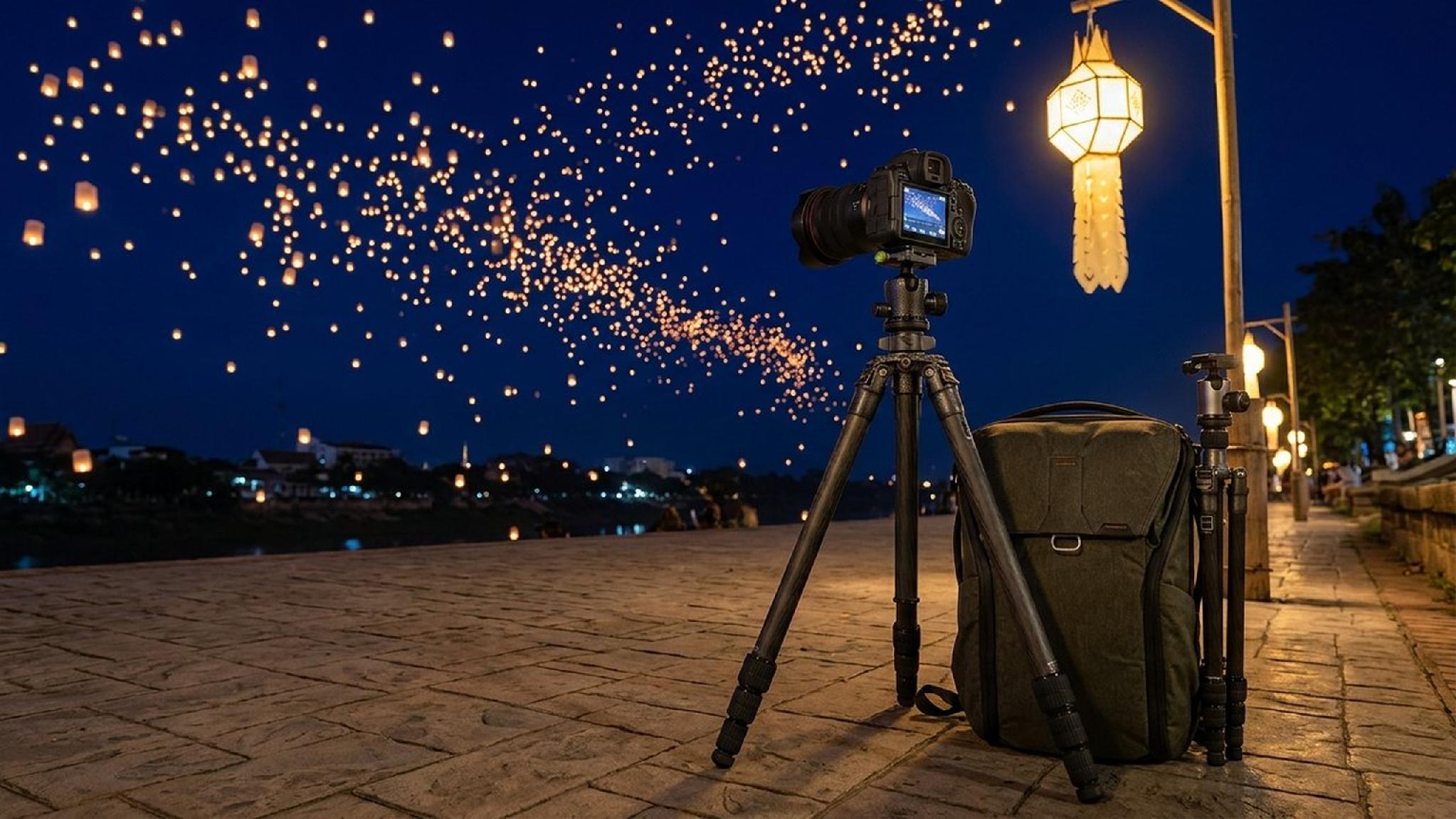
A typical ticketed evening starts well before the release itself. Guests usually arrive an hour or more ahead for the dinner service and the Lanna dance performance, then move to an open field or dedicated launch area as darkness sets in, where staff hand out a lantern per person and the whole group releases together on a signal rather than individually and at random. That synchronised moment, hundreds of lanterns lifting off within the same minute, is the specific spectacle these venues are built around and the reason tickets sell out as far ahead as they do. A wide-angle lens tends to serve that specific moment better than a zoomed-in shot of a single lantern, since it is the sheer number lifting off together that makes the scene worth capturing in the first place.
Detailed Information:
,regionOfInterest=(1023,575.5))
,regionOfInterest=(1023,575.5))
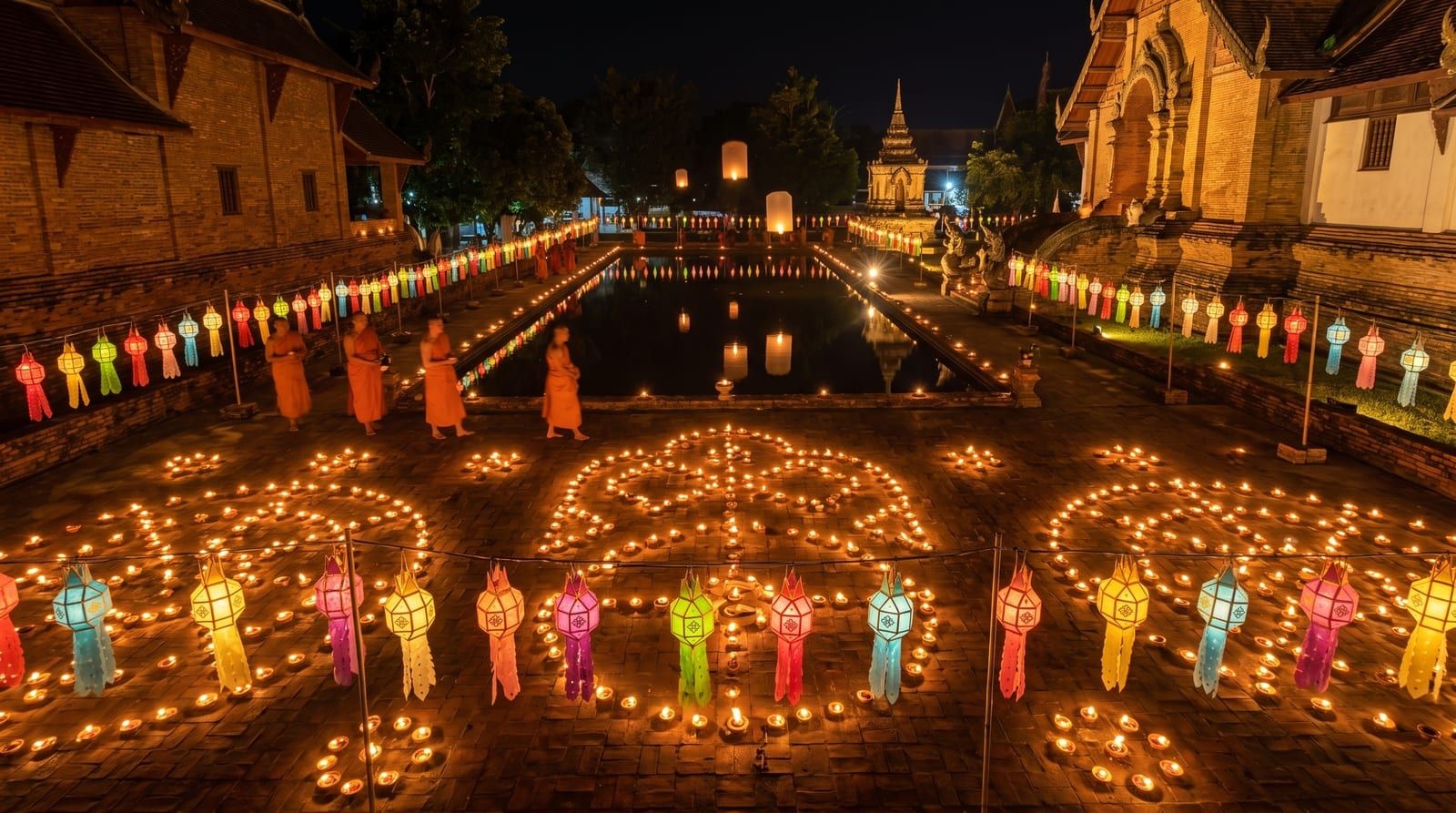
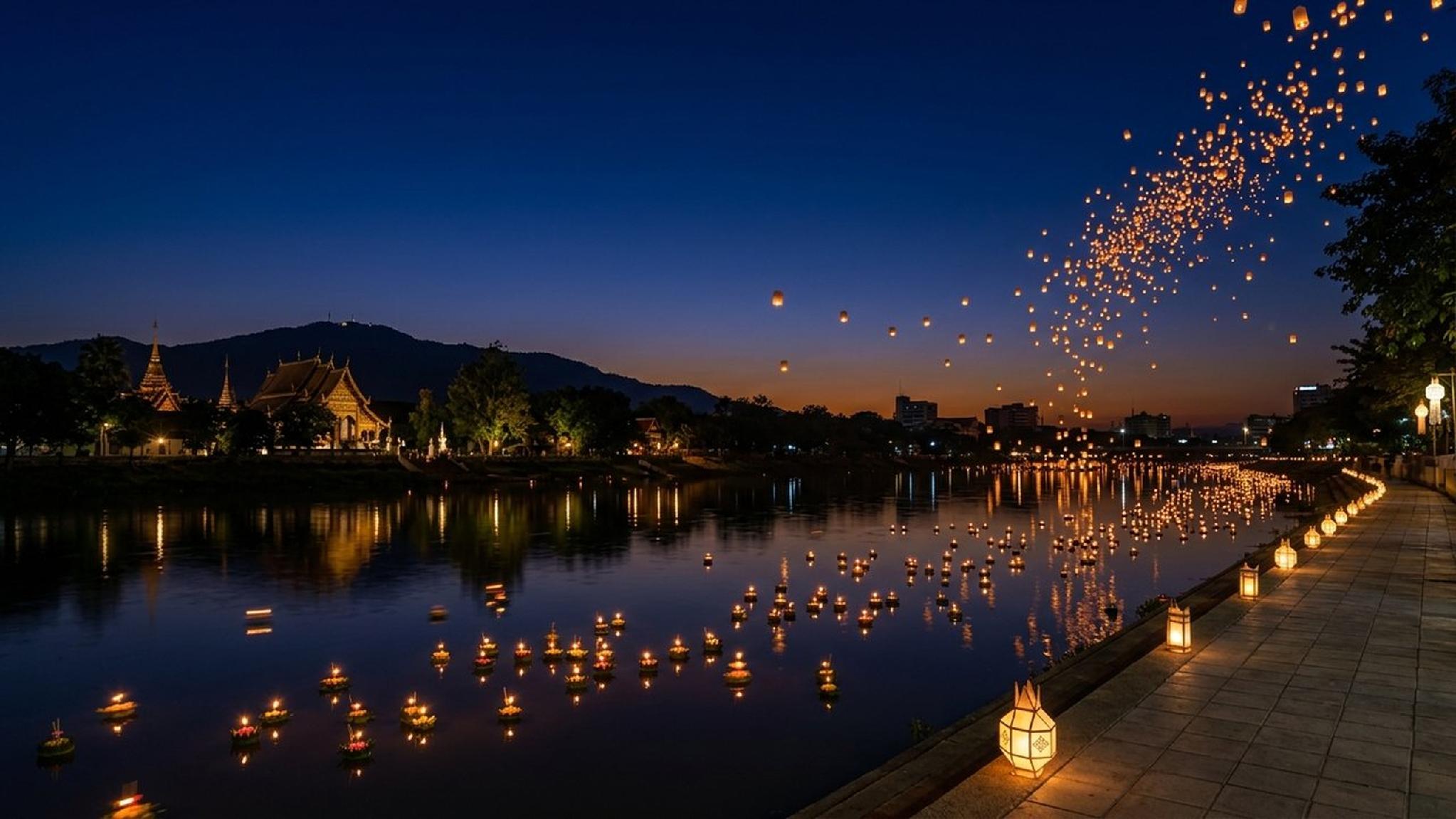
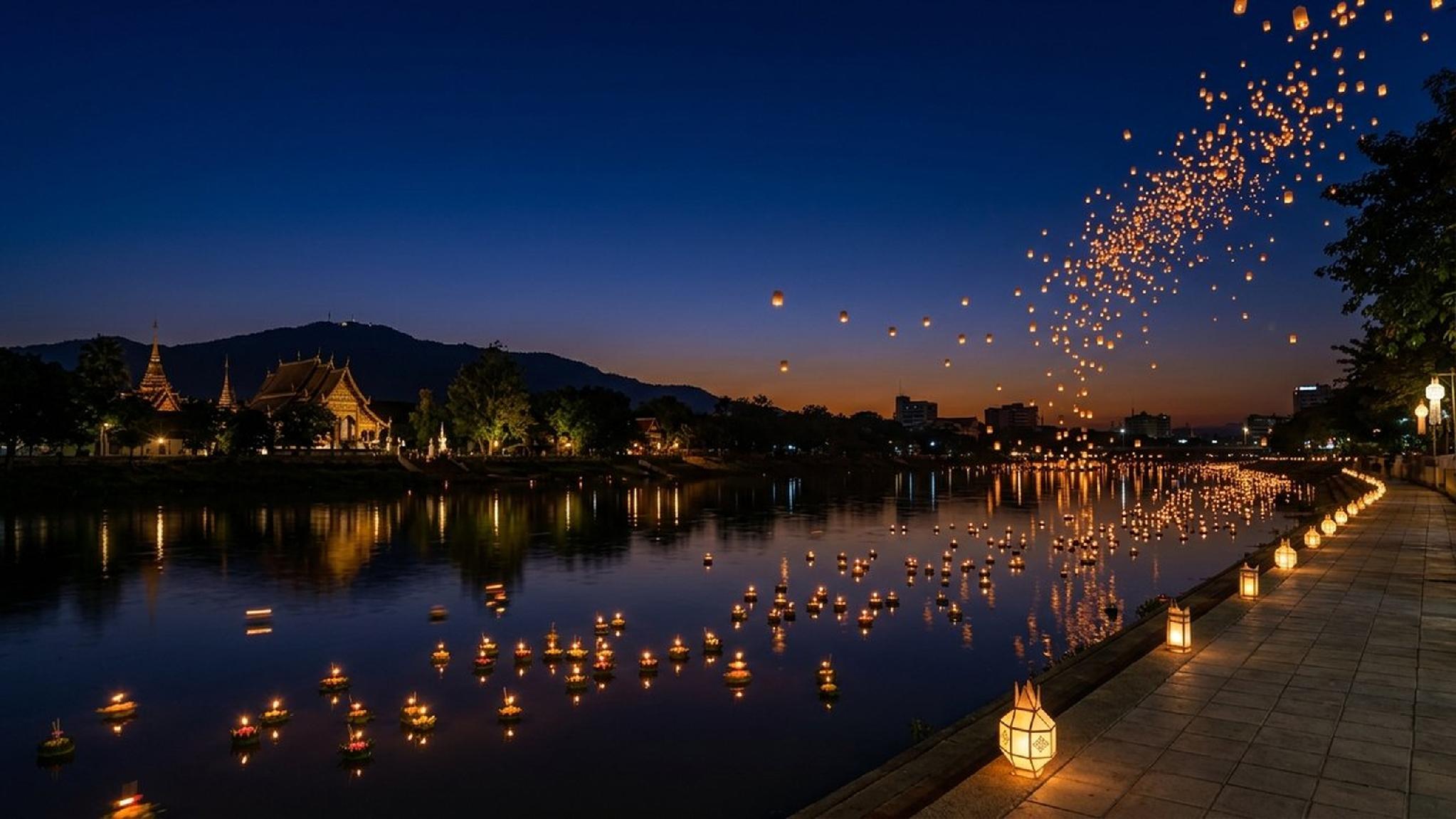
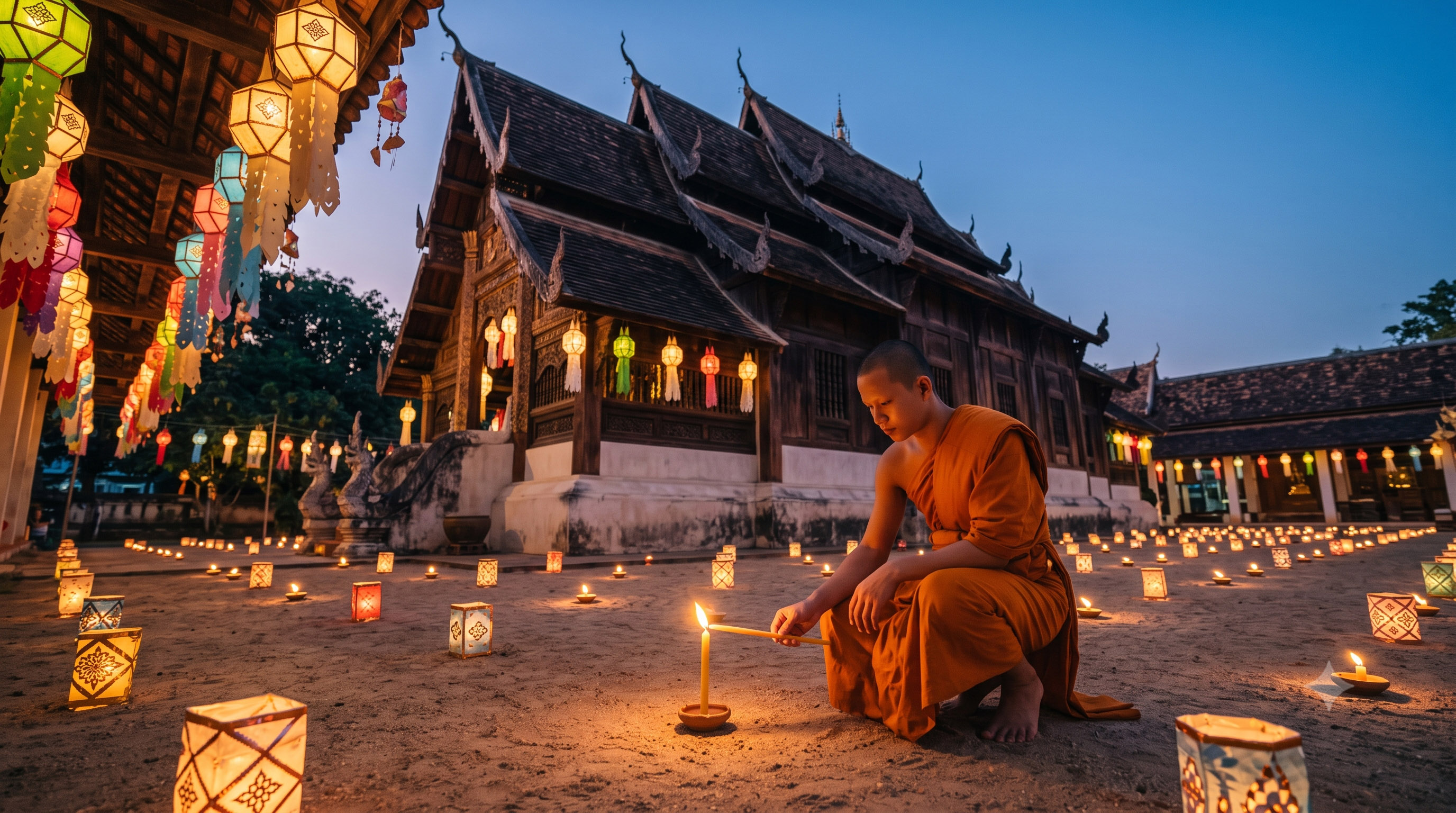
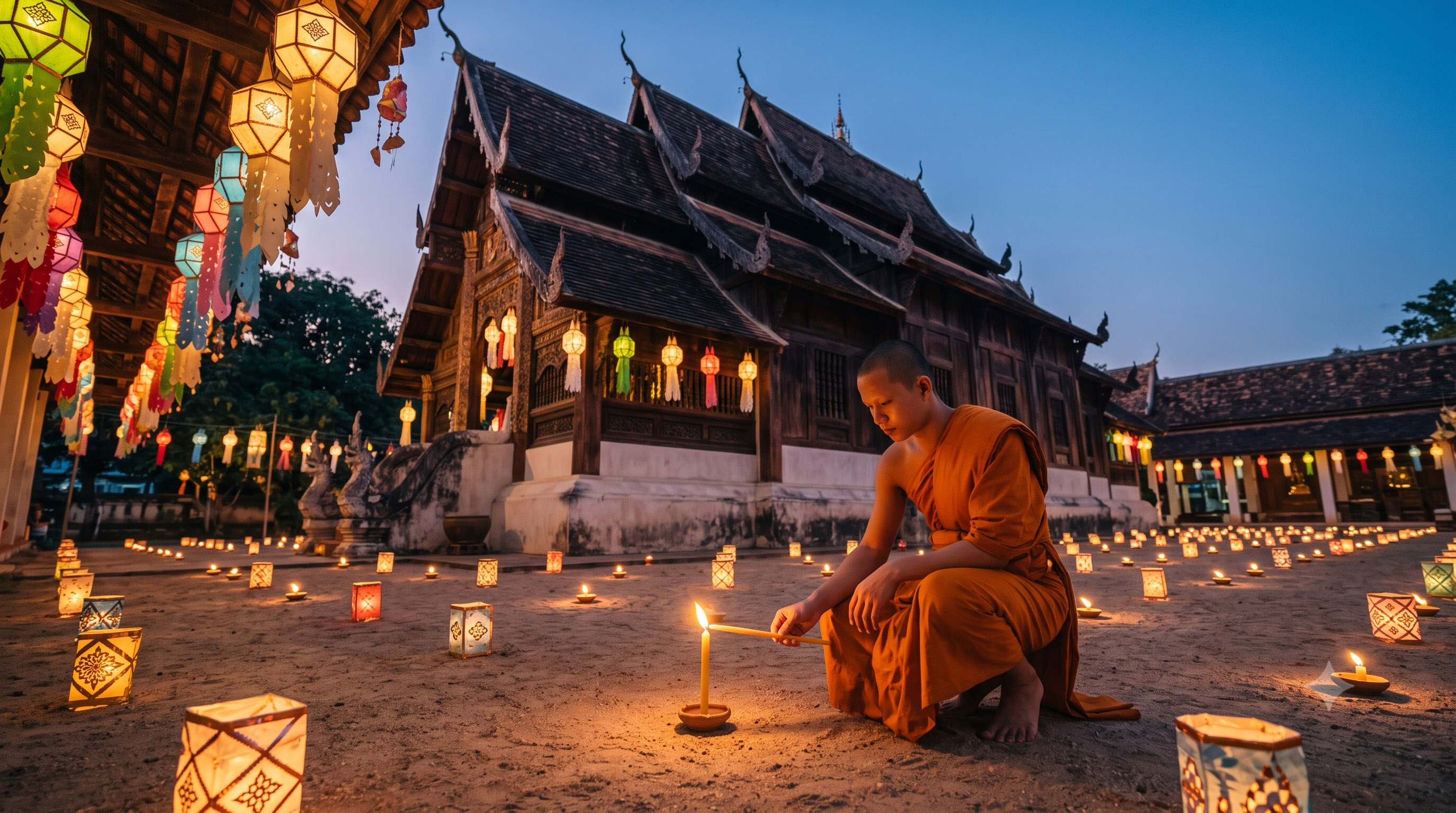
Free viewing, rather than free releasing, concentrates around the Old City and the Ping River. Wat Phan Tao, its grounds lined with paper lanterns and candlelight reflecting off the temple pond while monks chant inside, is widely considered the most photogenic free spot, and arriving before sunset matters since space fills fast.
Built almost entirely from teak in the 19th century as a temporary residence for monks before Wat Chedi Luang's own restoration, the temple's dark wooden hall photographs especially well once the lanterns and candles are lit against it. The Three Kings Monument hosts dance performances and community candle-lighting through the evening, Tha Phae Gate carries the loudest street-level atmosphere with food stalls and performers, and Nawarat Bridge along the Ping River gives an unobstructed view of krathongs drifting downstream and, on a clear night, the distant glow of licensed releases lighting up the sky beyond the city.
Crowds build steadily rather than all at once at the free spots too. Wat Phan Tao and the Three Kings Monument both feel manageable in the late afternoon and noticeably tighter by 8 or 9pm, so treating the early evening as the main event rather than an afterthought tends to produce a better night than arriving fashionably late and working from the back of a crowd.
At Wat Phan Tao and any other temple running its own ceremony that week, the same modest dress code and quiet, respectful distance expected at any Chiang Mai temple applies just as much here, since the candlelight and offerings are acts of devotion for the people taking part rather than decoration arranged for visiting photographers.
,regionOfInterest=(1376,768))
,regionOfInterest=(1376,768))
Licensed venues cap attendance for safety reasons and simply cannot add more tickets once a night sells out, and the same demand spills over into flights, hotel rooms, and even the free viewing spots. A short checklist covers most of what actually trips up first-time visitors to Yi Peng Chiang Mai.
,regionOfInterest=(1023,575.5))
,regionOfInterest=(1023,575.5))
The two festivals share a week and a set of underlying beliefs, letting go of misfortune and making a wish for the year ahead, but the ritual objects and their direction differ. Yi Peng is a Lanna-specific tradition built around khom loi released upward into the sky, while Loy Krathong is observed nationwide around small floating offerings, krathongs, set adrift on rivers and canals. The table below lays out the practical differences a visitor actually needs to plan around.
| Aspect | Yi Peng | Loy Krathong |
| Ritual object | Khom loi (sky lantern) | Krathong (floating offering) |
| Direction | Released upward into the sky | Set adrift on water |
| Origin | Lanna Kingdom, Northern Thailand specific | Observed nationwide across Thailand |
| Where to take part | Licensed venues only inside Chiang Mai | Riverbanks and canals citywide, no ticket needed |
| 2026 dates in Chiang Mai | 24 to 26 November | 24 to 26 November |
In practice, most visitors experience both on the same trip: floating a krathong is legal and welcomed almost anywhere along the Ping River, while joining an actual lantern release means booking one of the licensed venues covered above rather than attempting anything within the city itself.
Because tour operators and hotels alike often bundle the two festivals into a single lantern festival package, it is worth checking exactly what a booking includes before paying. A Loy Krathong-focused package might cover a krathong-making class and a river cruise with no sky lantern involved at all, while a package specifically built around Yi Peng Chiang Mai should include the khom loi release itself, not just a view of someone else's.
A traveller with only one evening to spare should think about which image they are actually chasing. Floating candlelight along the Ping River fits easily into a single low-key evening with no advance ticket required, while a mass lantern release needs a booked seat at a licensed venue and a longer commitment to the evening's schedule, so a single free night realistically means the riverside version rather than both traditions at once. Splitting a two-night trip across both, a riverside evening on the first night and a booked release on the second, avoids that trade-off entirely for anyone with the extra day to spare.
A licensed venue solves the legal and safety side of Yi Peng Chiang Mai, but the environmental footprint still comes down to individual choices. Rice paper and bamboo frames break down naturally once a lantern eventually falls back to earth, while cheaper versions built around a wire ring do not, leaving scraps of metal scattered across farmland well after the festival ends; asking a venue whether its lanterns use a fully biodegradable frame is a reasonable question before booking.
The same applies to a krathong: banana leaf, flowers, and biodegradable material leave far less behind in the Ping River the next morning than a base made of bread or foam. Bringing a small bag to pack out any wrapper or packaging from the evening, rather than assuming venue staff will quietly handle it later, keeps the tradition intact for the version of Yi Peng Chiang Mai the next visitor gets to see and enjoy.
The dry season that runs alongside Yi Peng Chiang Mai also raises the stakes outside the city itself, where farmland and forest edges near Mae On and other rural release areas are especially vulnerable to an ember that drifts further than expected. Licensed venues generally choose open fields well clear of dry brush for exactly this reason, one more argument for using an approved site rather than deciding a quiet backyard or empty lot inside the city looks safe enough.
Cleanup crews at the larger licensed venues typically sweep the release field the following morning to collect any lanterns that came down nearby rather than drifting further out, and choosing a venue that can describe this process specifically is a reasonable way to judge how seriously it takes the environmental side of the event rather than treating the release itself as the only thing that matters. Asking a tour operator directly whether biodegradable frames are standard or an optional upgrade is worth the extra minute before paying for a package.
,regionOfInterest=(1771.5,1181.5))
,regionOfInterest=(1771.5,1181.5))
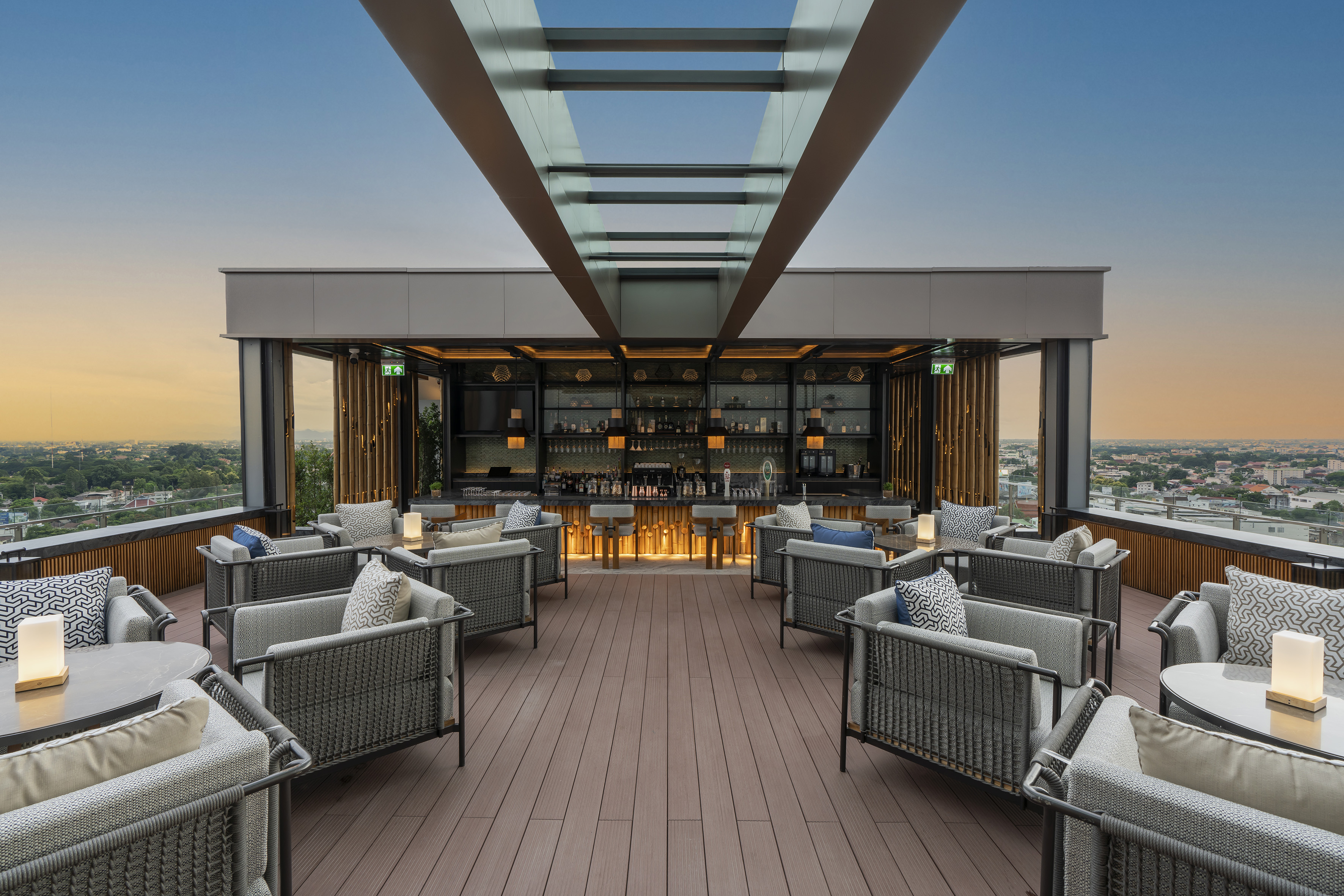
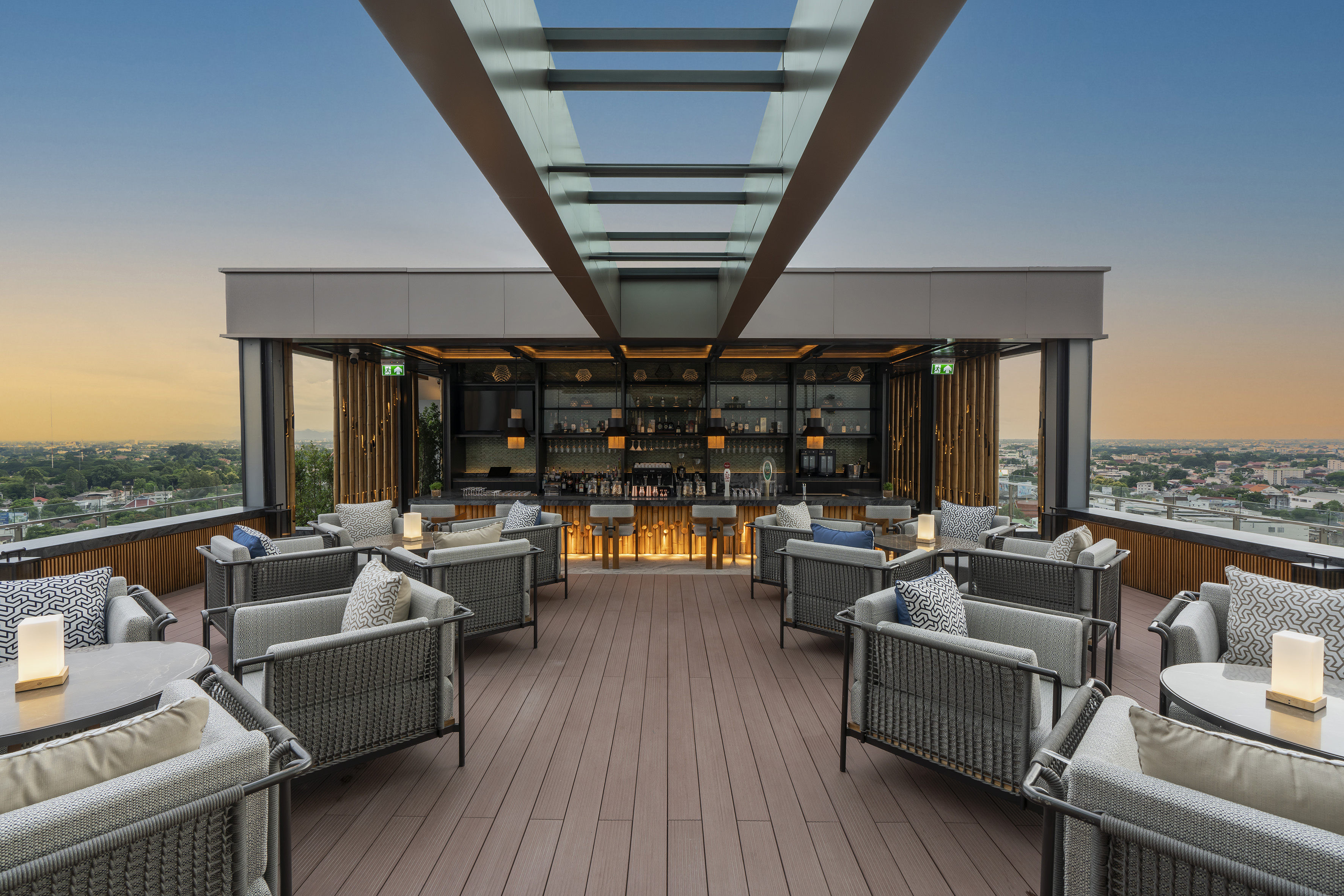
Since an actual lantern release only happens at licensed venues outside the city, nobody should expect the sky directly over central Chiang Mai to fill with hundreds of lanterns on cue. What a height advantage does offer during Yi Peng Chiang Mai week is a comfortable, uncrowded way to take in the wider atmosphere, the Old City's temples lit for the occasion, the Ping River dotted with krathong candlelight below, and on a clear night, a distant glow on the horizon from the licensed releases out toward Mae On, without needing to fight for a spot at a free viewing point on the ground.
MAI The Sky Bar, on the 22nd floor of Meliá Chiang Mai, is built for exactly that kind of evening. The venue splits across two connected levels joined by a glass bridge, with the lower tier, sometimes called the Lower Rooftop, set up around low round tables and sleek lounge chairs for a slower pace than the upper bar.
November's cool season lands right as Yi Peng does, which makes an evening at height noticeably more comfortable here than during the hot or rainy months, cool enough to linger over a plate rather than duck back inside.
The kitchen leans into the same Spanish thread that runs through the rest of the hotel: mixed grill skewers and croquetas from the cold cuts board, fresh summer rolls with a sweet tamarind dip, and a salmon tiradito finished with mango passion fruit dressing, avocado mousse, and pickled onion, a more layered version of the dish than a simple ceviche-style plate.
For a quieter option that skips the bar scene entirely, the west-facing rooms on The Level's upper floors look out toward Doi Suthep, the same direction the sunset falls each evening, and come with access to The Level Lounge on the 21st floor for a private breakfast, afternoon tea, and early-evening drinks without needing to leave the building at all during the busiest week of the year.
Because Yi Peng Chiang Mai is one of the busiest weeks the hotel sees all year, a table at MAI The Sky Bar is worth reserving several days ahead rather than walking in and hoping for space, particularly for the evenings of the 24th and 25th when both hotel guests and outside diners are angling for the same view.
The same height advantage works just as well the morning after. Laan Na Kitchen's breakfast buffet, with its Mediterranean and Thai stations looking back out toward the Old City, offers a calmer way to close out the festival than joining the crowds still clearing away from the free viewing spots and the riverbank the night before left behind.
Neither option promises a sky full of lanterns directly overhead, and no honest guide to Yi Peng Chiang Mai should claim otherwise, but both offer a genuinely comfortable, less chaotic way to spend the evenings around the festival itself, which for a lot of travellers ends up mattering just as much as the release itself.
,regionOfInterest=(1024,682.5))
,regionOfInterest=(1024,682.5))
Between the licensed release venues, the free temple and riverside viewing spots, and the legal reality that keeps personal lantern releases out of the city centre, Yi Peng Chiang Mai rewards a bit of planning far more than it rewards showing up and improvising.
Book the ticketed release early if launching a lantern matters, get to Wat Phan Tao or the Ping River well before sunset if a free evening is the plan, and pick a base that makes either option a short trip rather than a long one, and the whole week turns from a logistical puzzle into the one everyone actually came to see, lanterns overhead or not.
,regionOfInterest=(1023,575.5))
,regionOfInterest=(1023,575.5))
Yi Peng Chiang Mai falls within the official 24 to 26 November 2026 window, with the main lantern releases and temple ceremonies concentrated on the 24th and 25th, the same period as Loy Krathong.
Watching is free at spots like Wat Phan Tao, the Three Kings Monument, and along the Ping River, but actually releasing a lantern requires a ticket to a licensed venue outside the city, since personal releases inside Chiang Mai municipality are against the law.
Yi Peng is the Lanna tradition of releasing sky lanterns upward, unique to Northern Thailand, while Loy Krathong is the nationwide tradition of floating small offerings on water. Both fall in the same week in Chiang Mai because the Lanna and central Thai lunar calendars align at this point in the year.
Only for actually releasing a lantern, which requires a ticket to a licensed venue such as the CAD Cultural Centre. Watching the festival atmosphere at free public spots around the Old City and the Ping River needs no ticket at all.
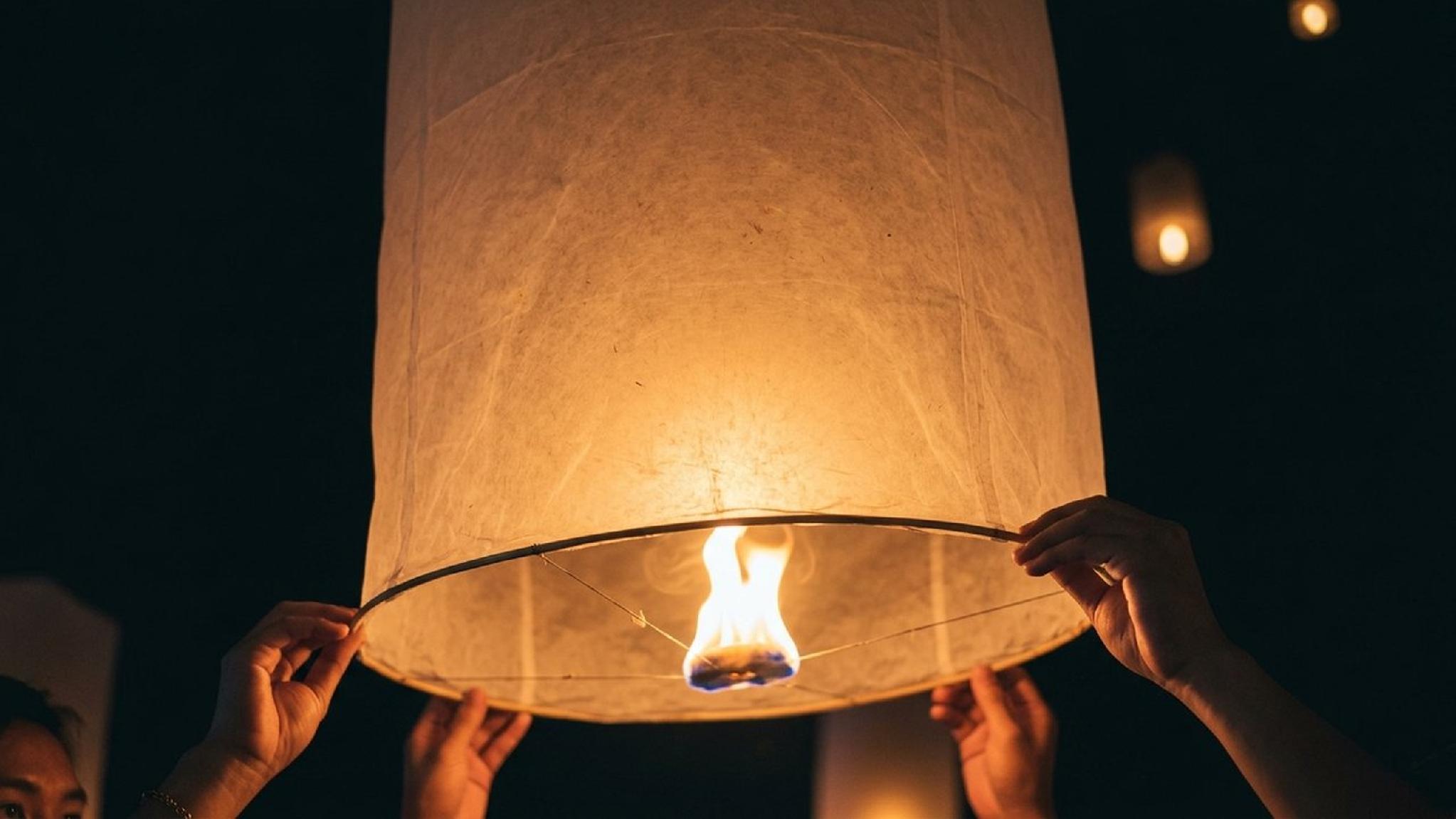
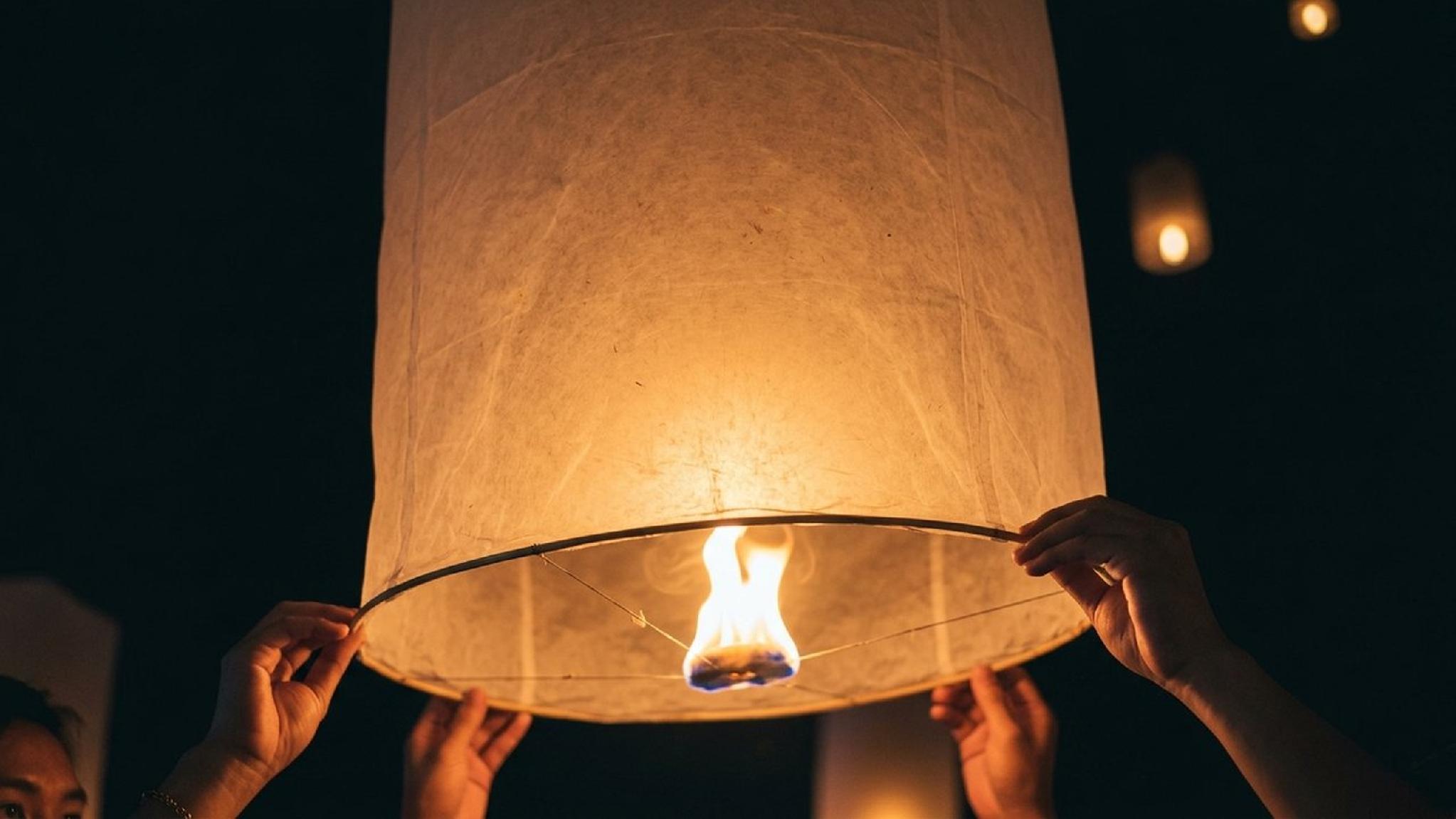
The first lantern lifts off quietly, one small orange glow rising from a temple courtyard, and within minutes a hundred more follow until the whole sky over the Old City looks like it is drifting upward too. That moment is what brings most travellers to Chiang Mai in late November, and it is worth planning around properly rather than showing up and hoping for the best.
This guide covers what Yi Peng Chiang Mai actually is, the confirmed 2026 dates, where the free viewing happens versus where a paid ticket is genuinely required, and the handful of details, booking, safety, and etiquette among them, that make the real difference between a frustrating night and the one everyone actually came for.
,regionOfInterest=(1476.5,980.5))
,regionOfInterest=(1476.5,980.5))
,regionOfInterest=(1496,1996))
,regionOfInterest=(1496,1996))
,regionOfInterest=(2732,1820))
,regionOfInterest=(2732,1820))
,regionOfInterest=(1392,924))
,regionOfInterest=(1392,924))
,regionOfInterest=(2121,1414))
,regionOfInterest=(2121,1414))