,regionOfInterest=(2880,1920))
,regionOfInterest=(2880,1920))
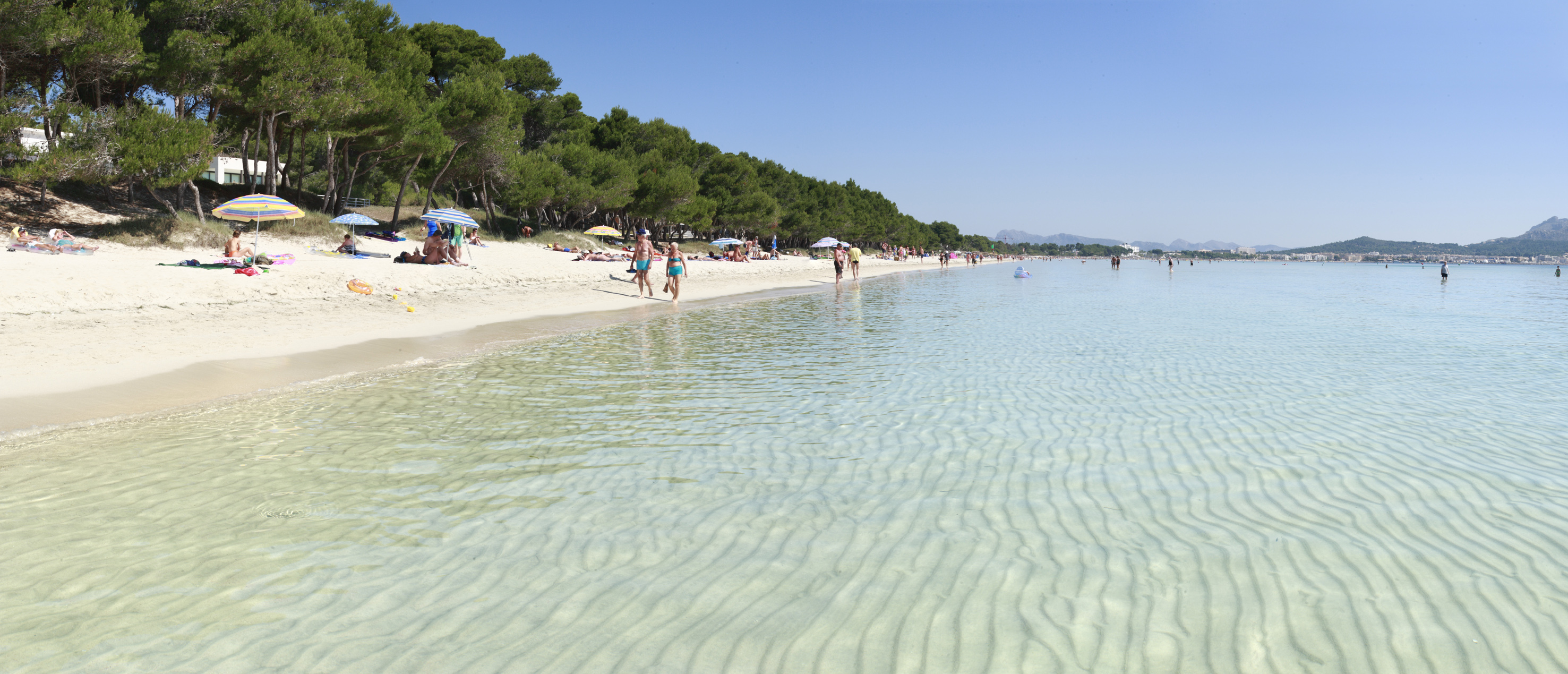
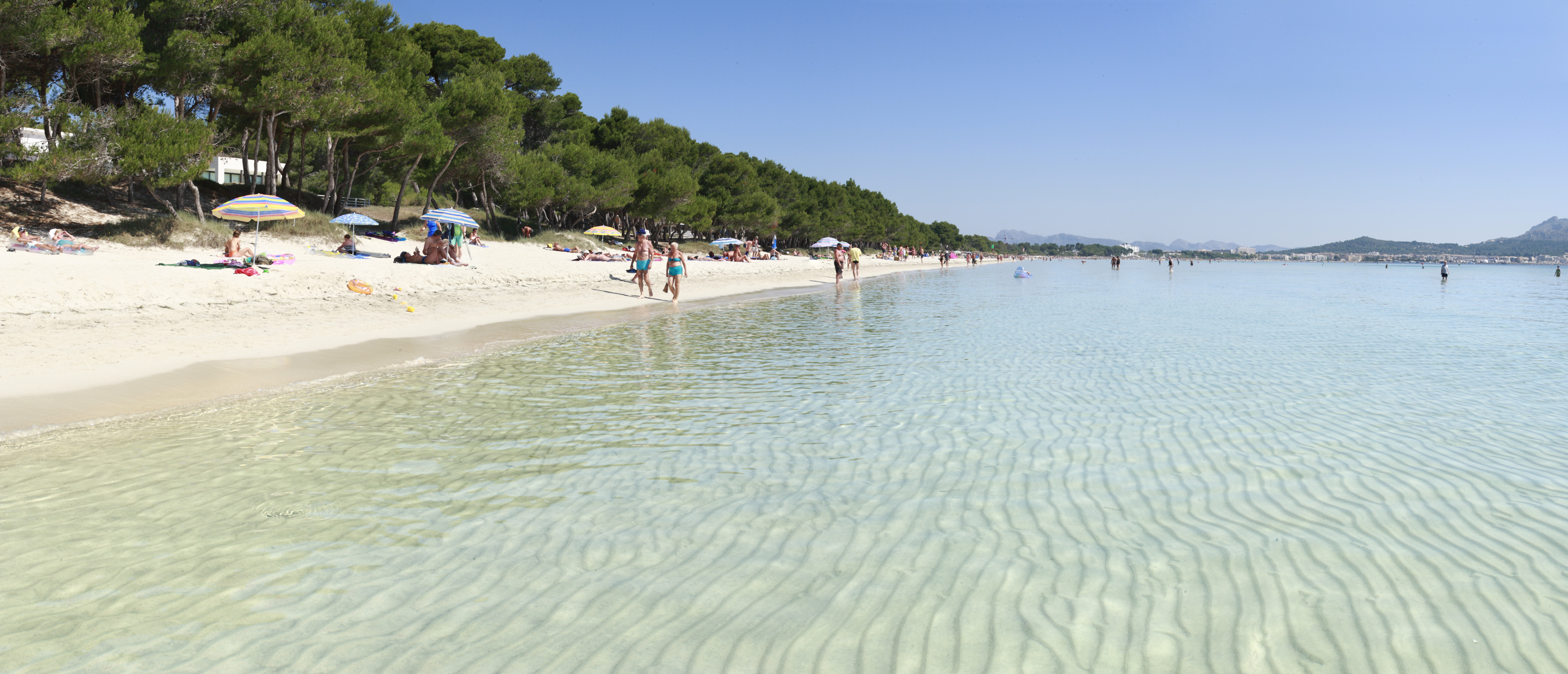
The best coves in Mallorca
,regionOfInterest=(707.5,1059.5))
,regionOfInterest=(707.5,1059.5))
Culture
,regionOfInterest=(3248,2166.5))
,regionOfInterest=(3248,2166.5))
,regionOfInterest=(2180.932992,2140.0404479999997))
,regionOfInterest=(2180.932992,2140.0404479999997))
,regionOfInterest=(2313,1542))
,regionOfInterest=(2313,1542))
,regionOfInterest=(1376,768))
,regionOfInterest=(1376,768))
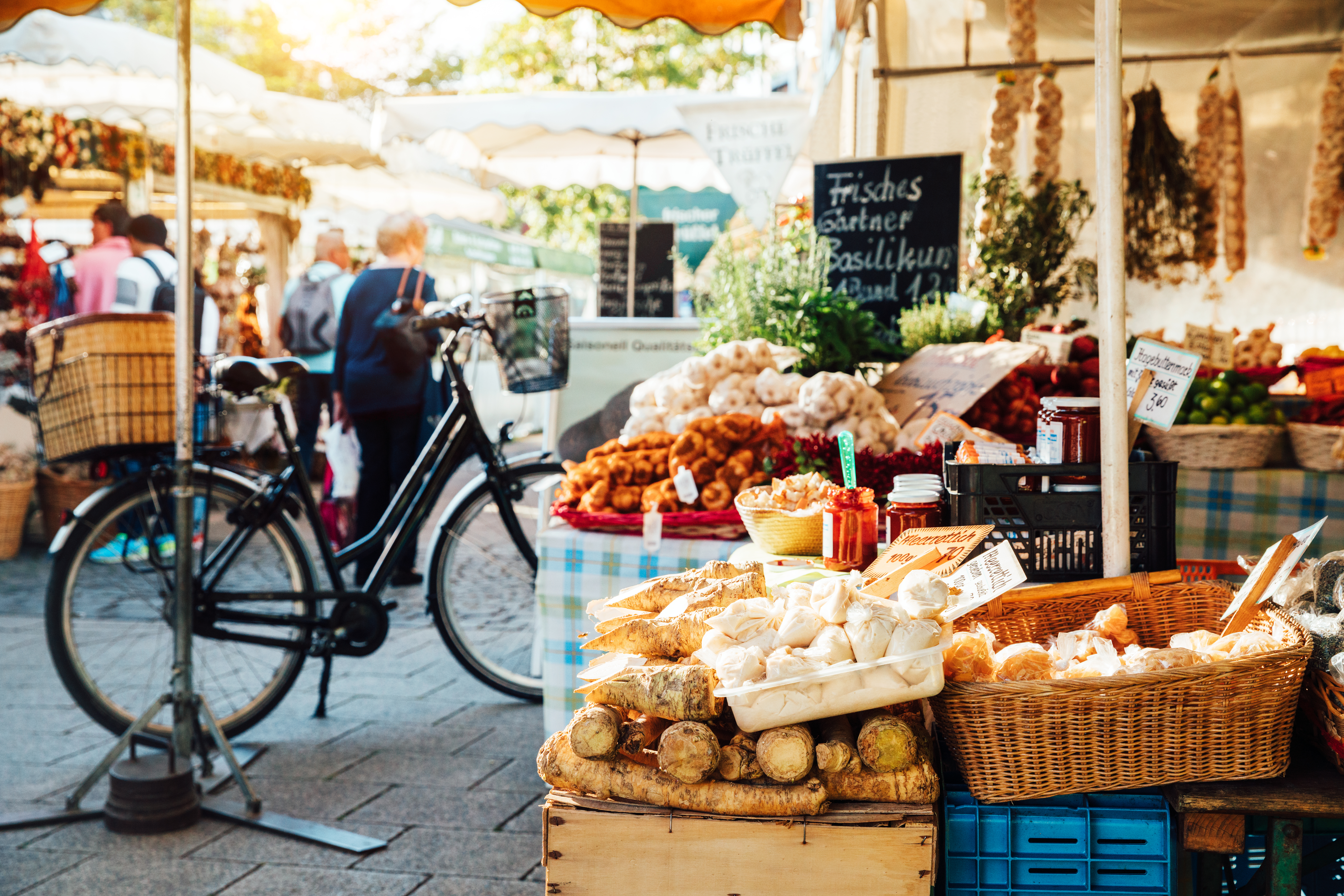
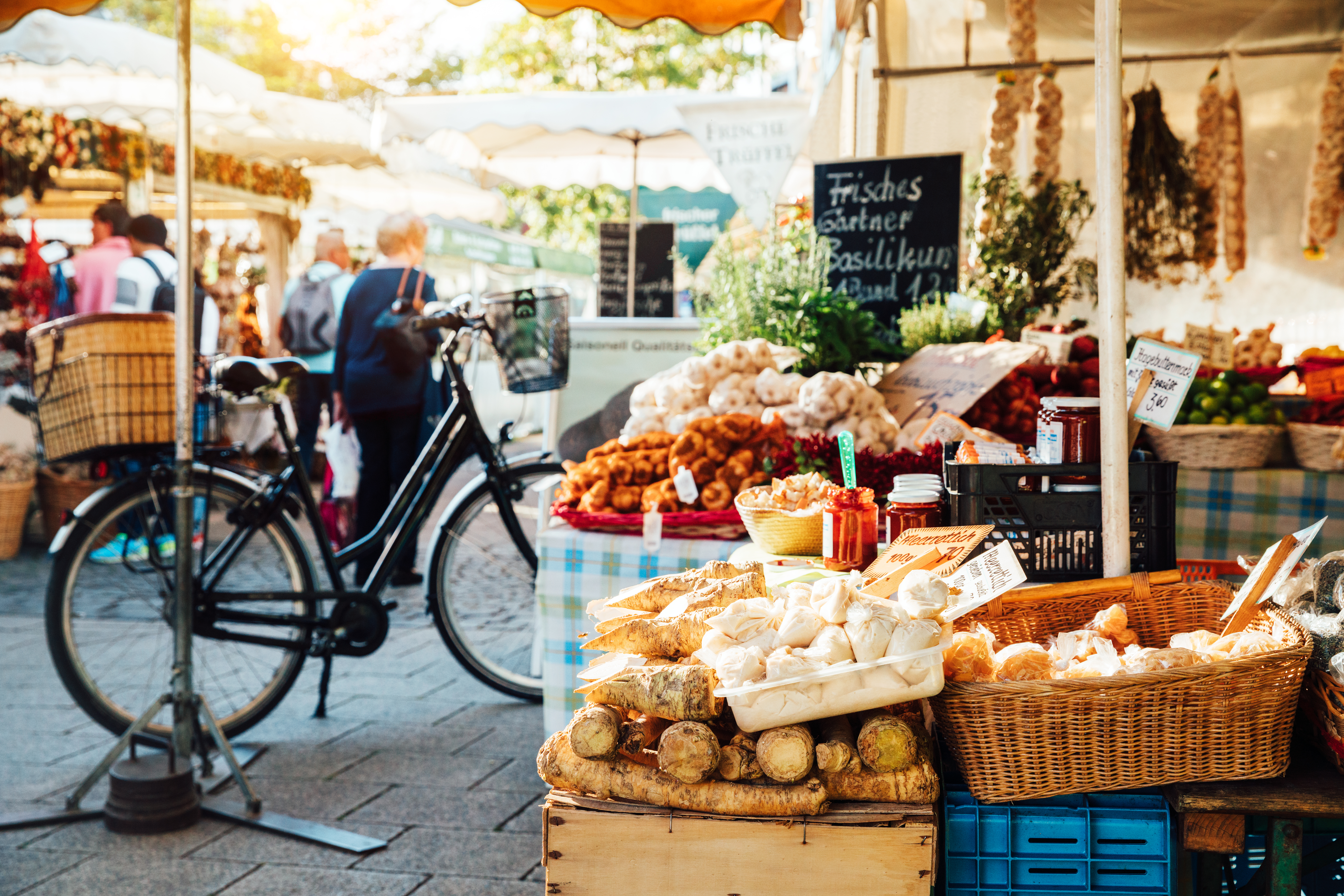
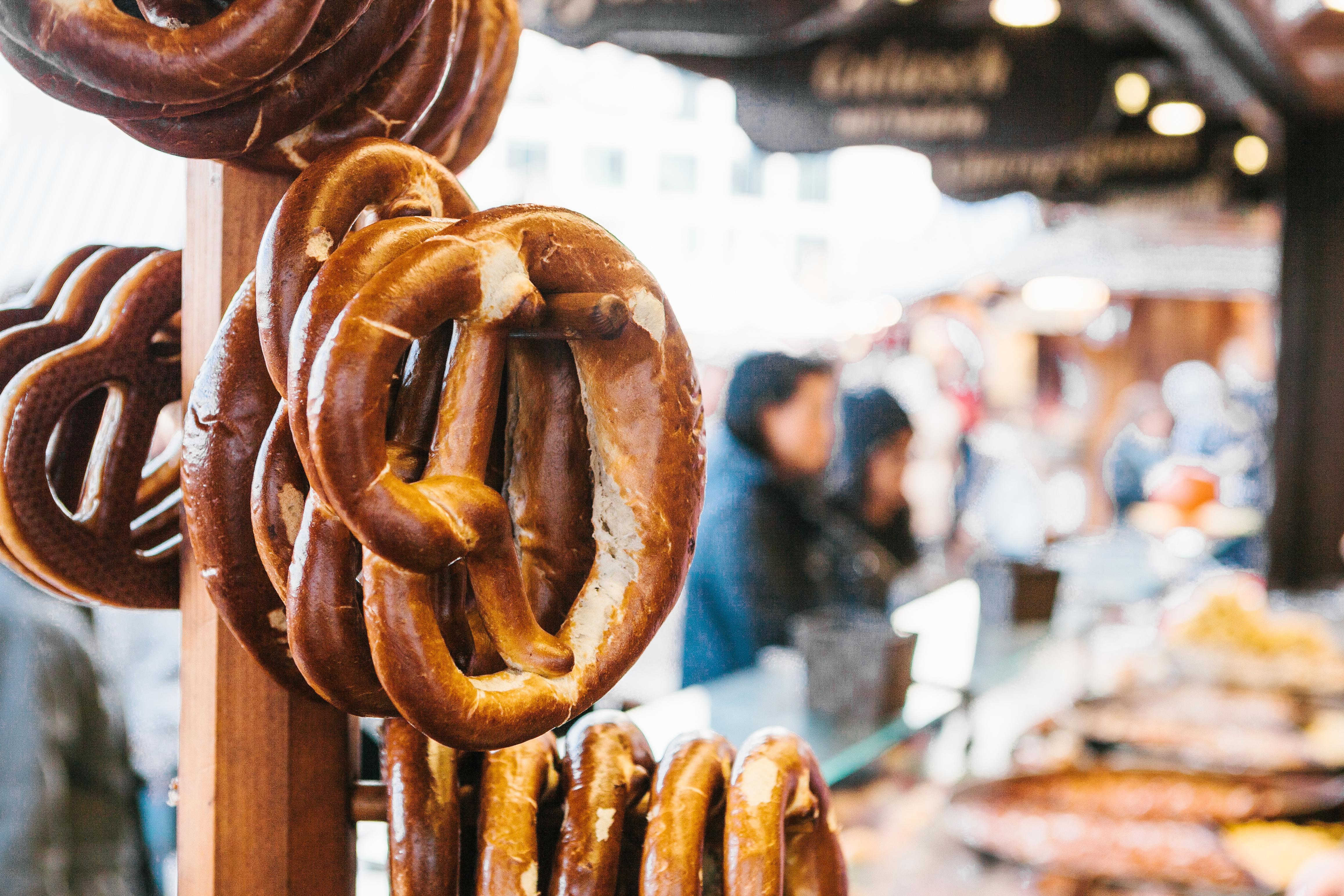
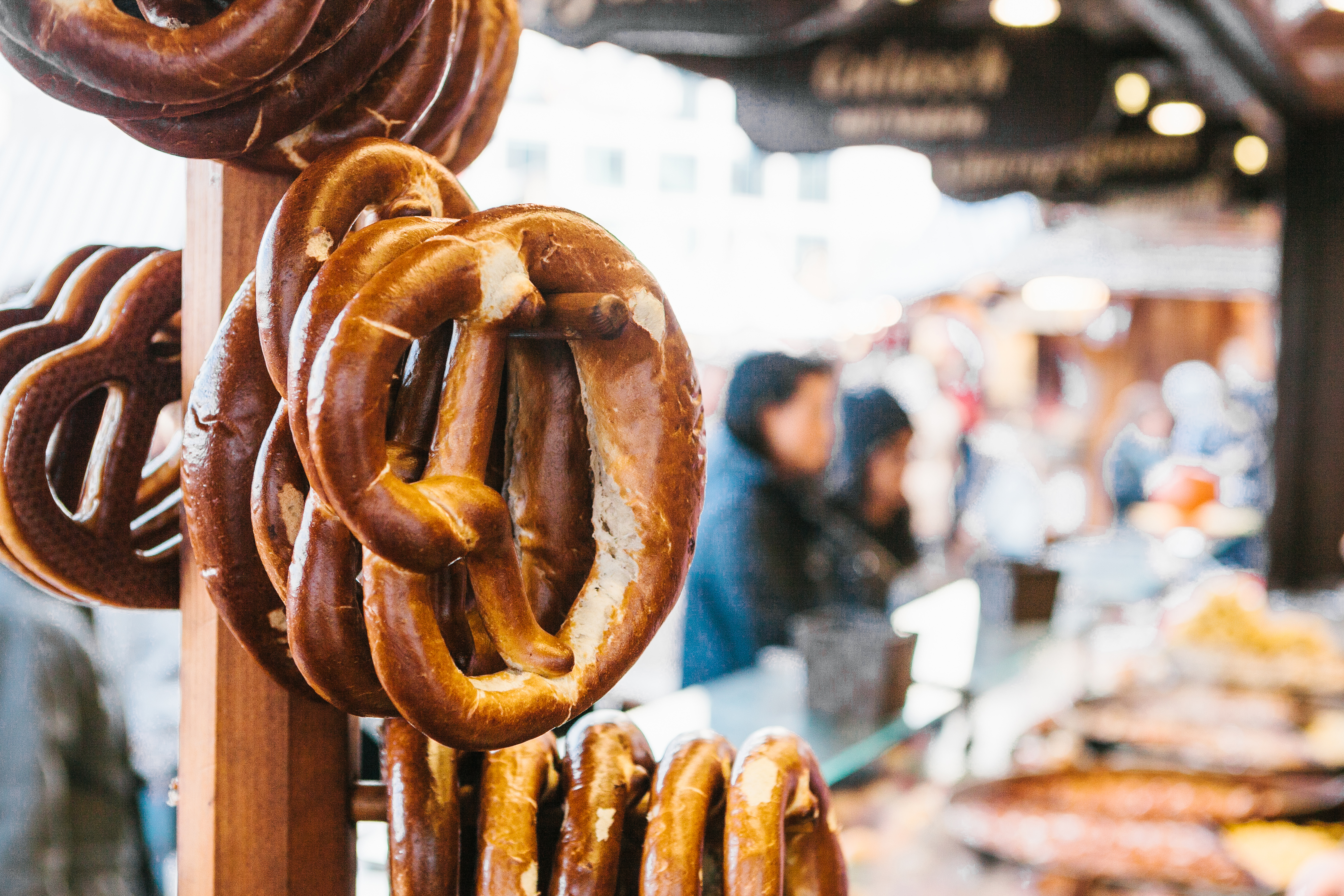
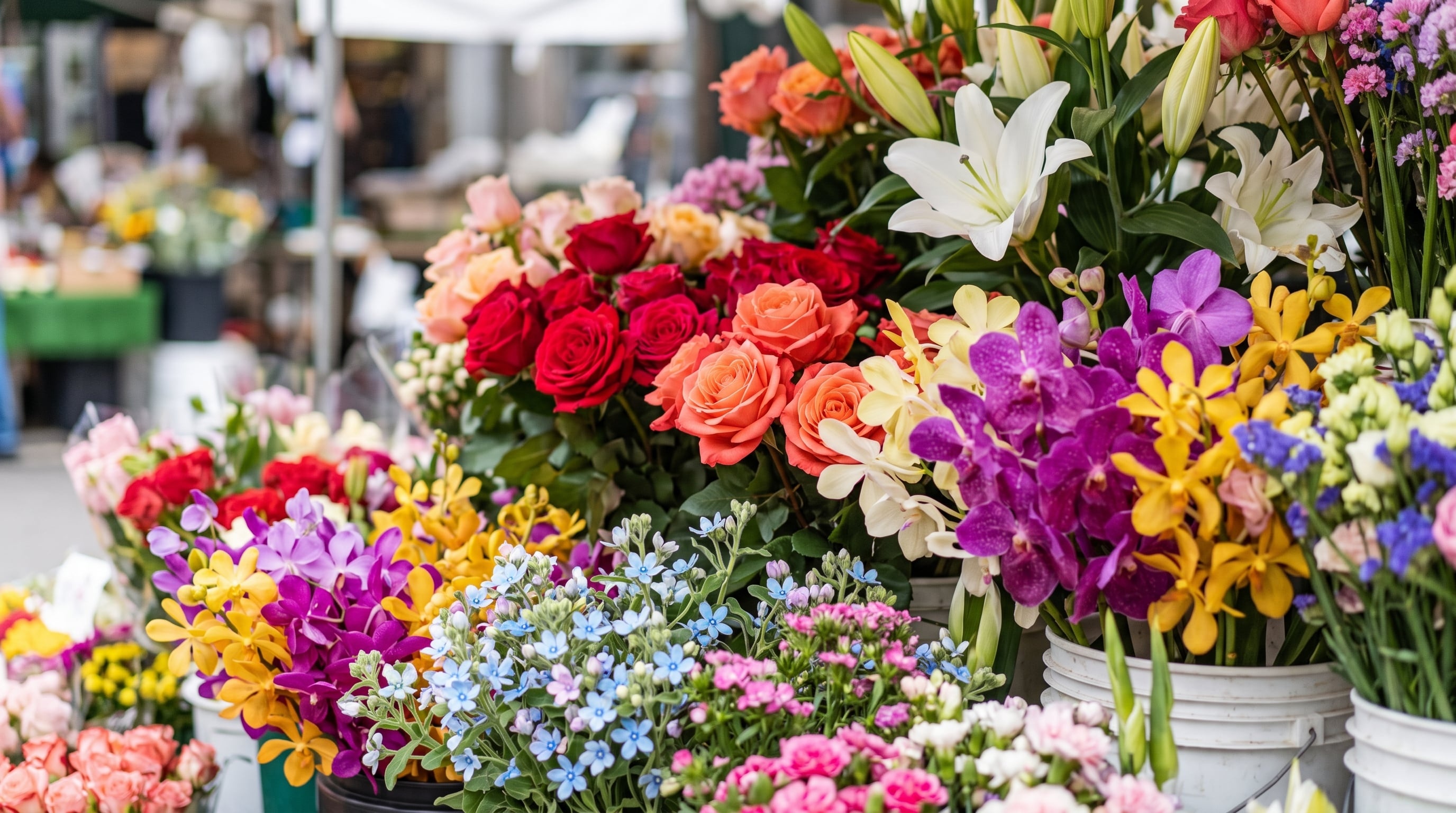
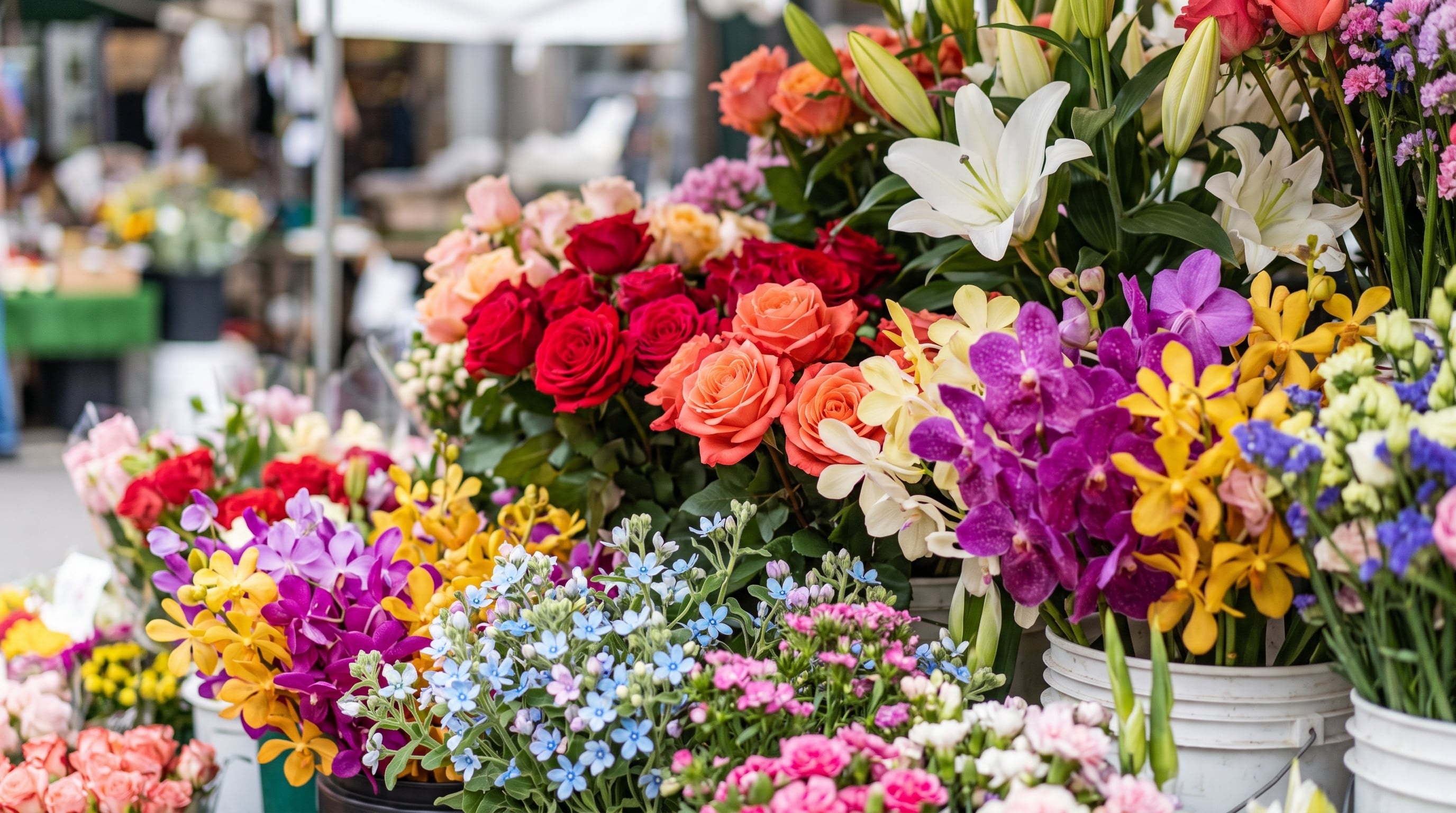
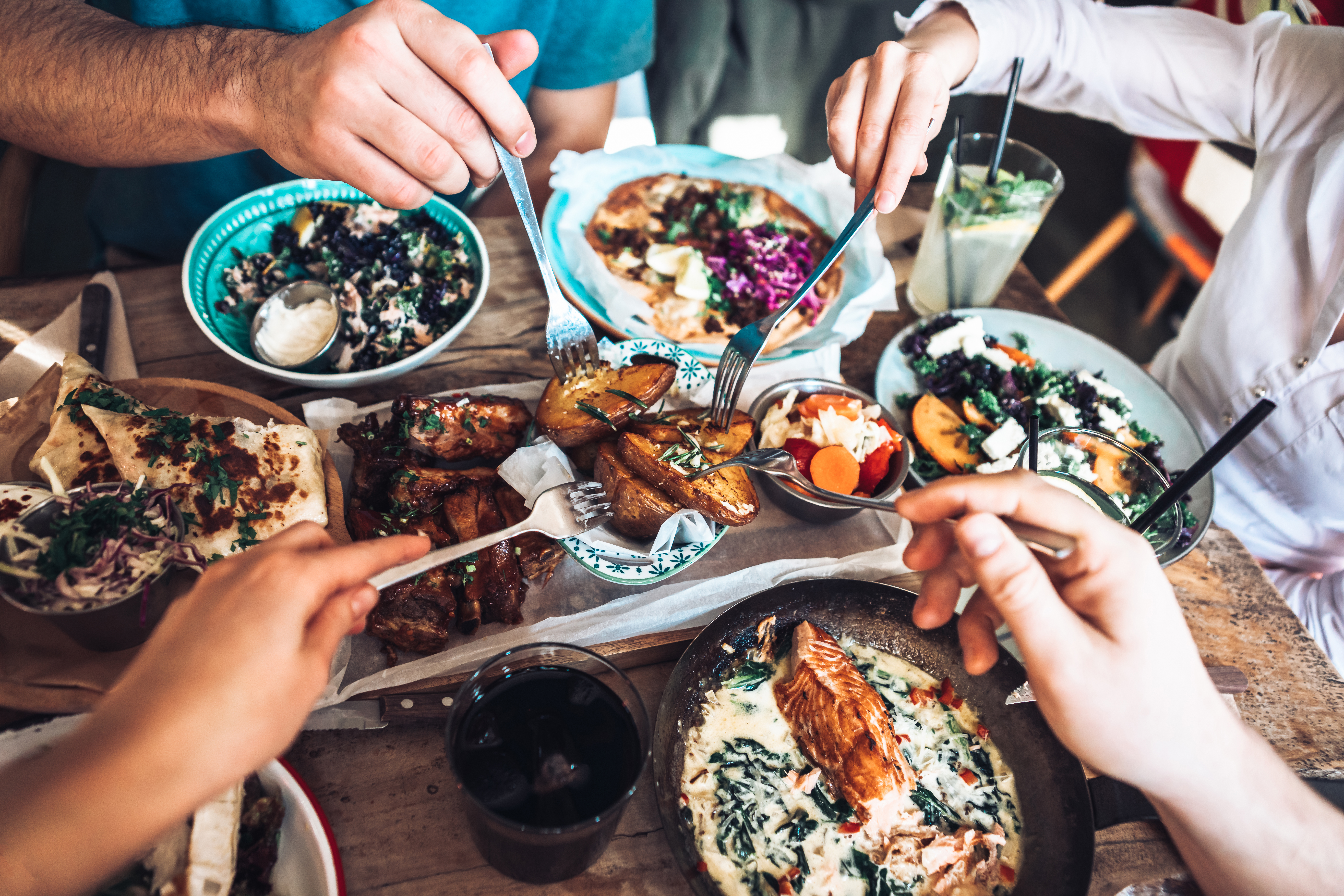
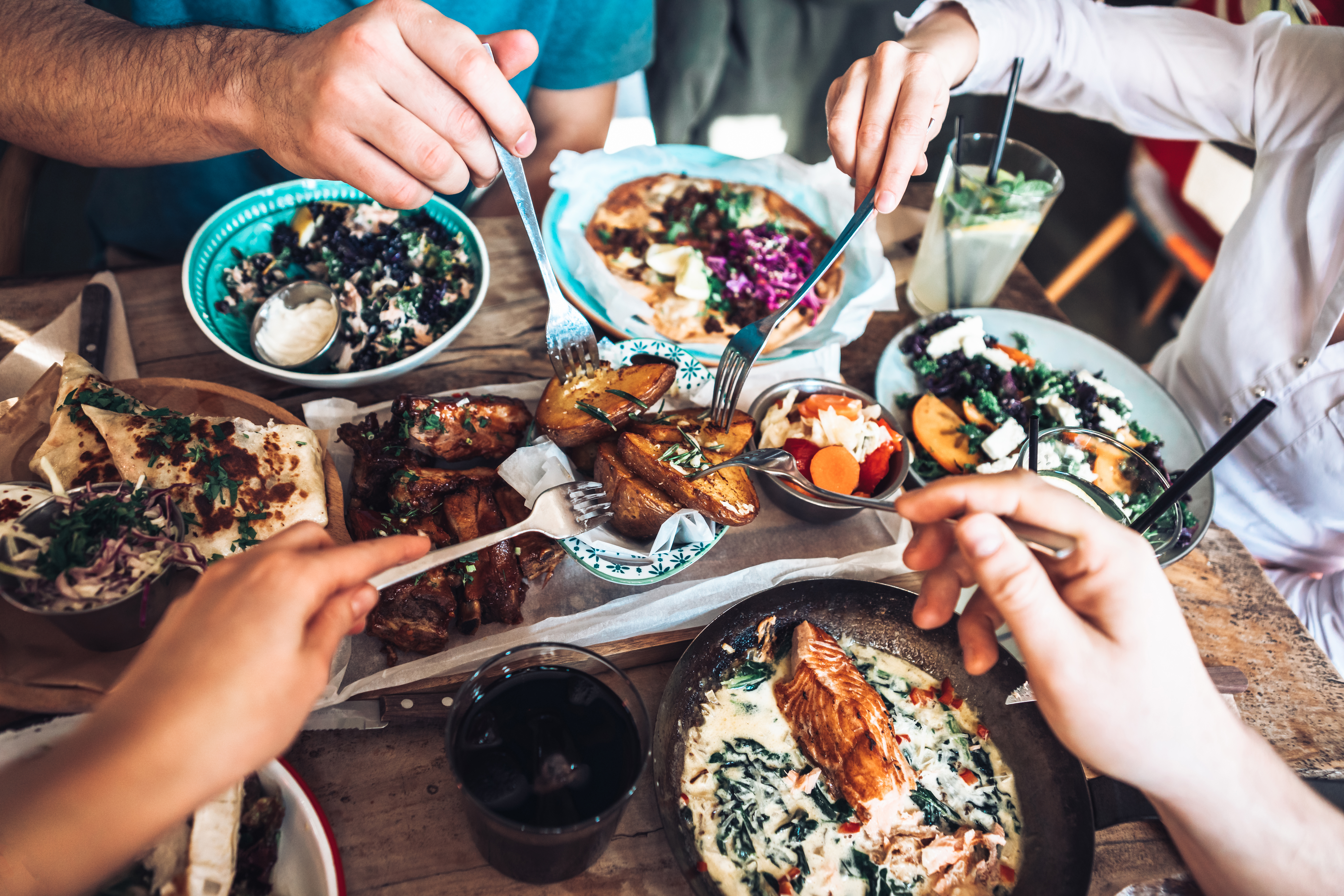
One of the great attractions is the atmosphere of the Viktualienmarkt, where you will find fruit and vegetable stalls, cheeses, cold meats, flowers, delicatessen products, and specialties of different origins. In the centre is the Maibaum (Maypole), one of the most recognisable images of the market, decorated with figures and motifs related to life and traditions in Munich. The Viktualienmarkt currently brings together more than 100 traders, who offer a wide variety of food, flowers, and specialties. The market's commercial tradition dates back to 1807 and has been part of the Bavarian Inventory of Intangible Cultural Heritage since 2014, a recognition that highlights the commercial customs and market culture passed down from generation to generation. Another of its great attractions is the culinary offer of the restaurants at the Viktualienmarkt and prepared food stalls spread throughout the premises, where you can find everything from Bavarian specialties and small appetisers to hot dishes to enjoy while you walk around the market. In the centre of the premises is also its biergarten, where beers from the six major breweries in Munich are served on a rotating basis, changing approximately every five or six weeks. In addition, you can bring your own Brotzeit or snack to accompany your drink, although drinks must be purchased there. And the seasons of the year are also part of the experience, as, thanks to seasonal products and local celebrations, the market is constantly changing in appearance and colour, so it is possible that every time you visit the area you will find a very different atmosphere.
Although it is true that it is in the heart of the city and you cannot miss it, my advice is to check the map of the Viktualienmarkt in Munich to know how to locate the different sectors, the toilets and choose the stalls that interest you most.
Address:
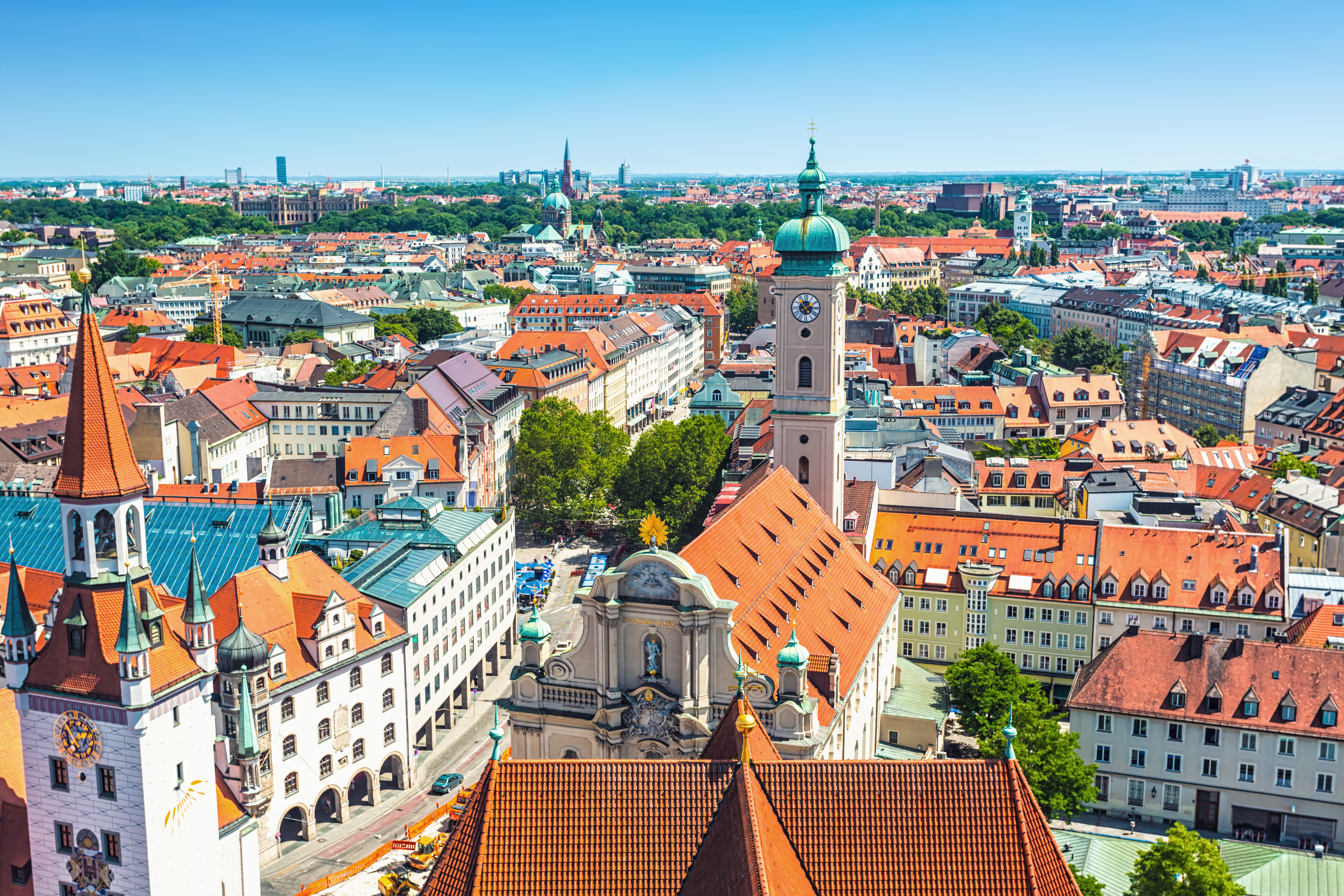
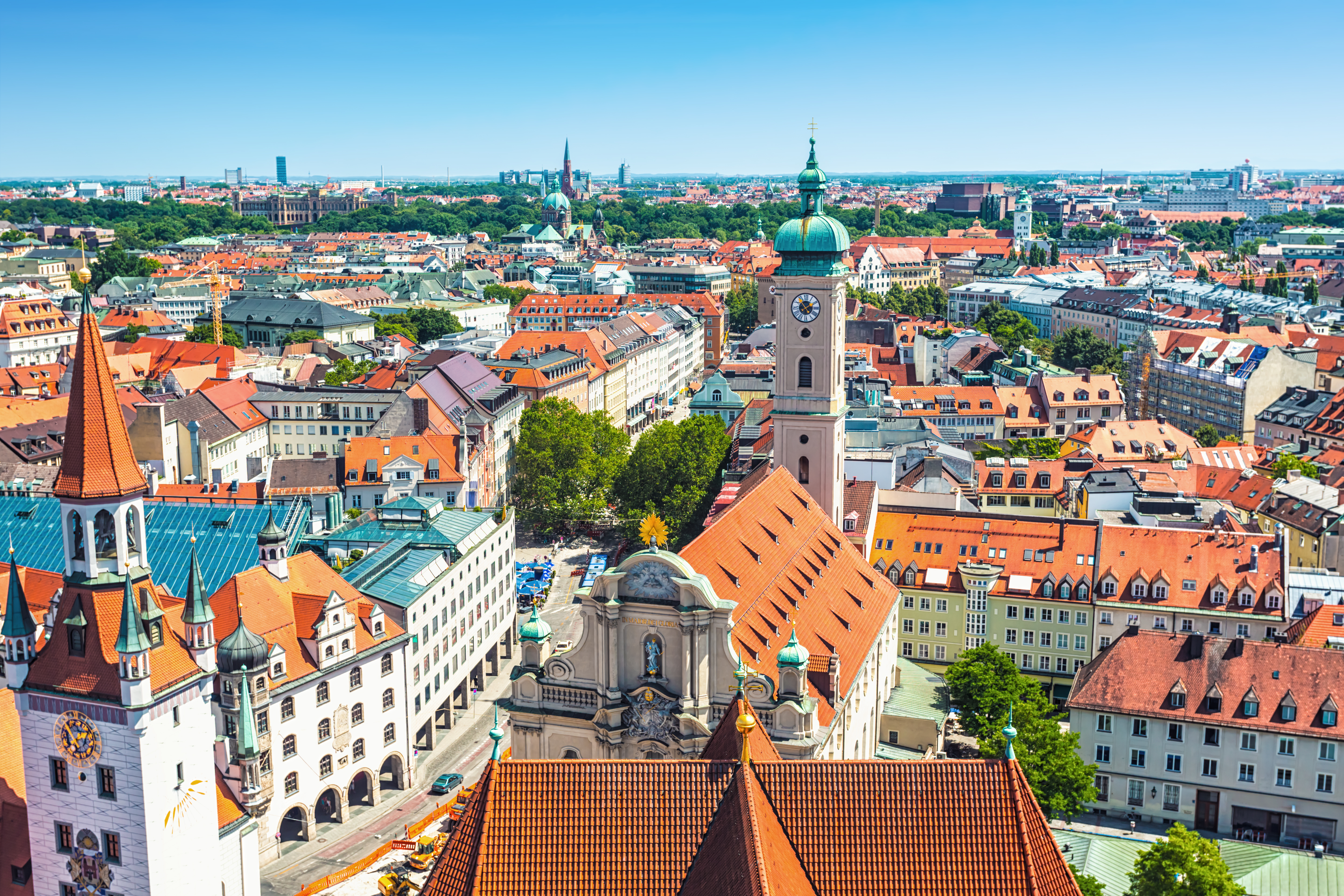
The location of the Viktualienmarkt is in the heart of Munich's old town, just a few minutes' walk from Marienplatz and next to St. Peter's Church (Alter Peter). The market occupies a large space between the Church of the Holy Spirit, Frauenstraße and other streets in the historic centre.
Viktualienmarkt, 80331 Munich, Germany.
How to get to the Viktualienmarkt:
If you are not sure how to get there, the most convenient option is to use Munich's public transport. You can take any S-Bahn line that runs through the central section or the U3 and U6 U-Bahn lines to Marienplatz station. From there, you will reach the market in just a three-minute walk by following the signs for the “Viktualienmarkt/Tal” exit.
If you prefer to move around on the surface, you can also arrive directly by bus (line 132), which has a stop next to the market, or by tram (line 16), getting off at the nearby Reichenbachplatz station.
Parking at the Viktualienmarkt:
If you are going to visit the Viktualienmarkt, the most practical thing to do is to use public transport, as the market is located in a pedestrian zone and parking possibilities in its immediate vicinity are very limited.
Viktualienmarkt opening hours:
The Viktualienmarkt is open from Monday to Saturday, and is closed on Sundays and public holidays. Although the general opening hours of the venue are from 8am to 8pm, each stall is free to set its own. To be on the safe side, the core of commercial activity (when you will find all the stalls open) is concentrated from 10am to 6pm on weekdays, and on Saturdays until 3pm. Keep in mind that in the winter months some food stalls close earlier, while the catering establishments and their famous Biergarten tend to extend their hours a little longer
Viktualienmarkt map:
Among the main attractions of the Viktualienmarkt are its atmosphere, the variety of products and the possibility of combining a stroll through the stalls with a gastronomic break in the market itself. The diversity of food, specialities and food establishments makes it an interesting stop both for those who want to buy local products and for those who are simply looking to try some typical Munich flavours.
As is the case with many markets in the centre of large cities, the Viktualienmarkt can be especially crowded during peak hours, when the food stalls and the Biergarten concentrate a large part of the activity. If you prefer to explore it more calmly, Munich's own tourist information recommends visiting it in the morning, when it is usually less crowded.
,regionOfInterest=(3976,2652))
,regionOfInterest=(3976,2652))
Here are some recommendations for visiting the Viktualienmarkt that will help you enjoy the experience even more:
After the Viktualienmarkt, you have many iconic places to visit in the surroundings of the market that cannot be missing from your route, and which you will reach in just a few minutes on foot. These are my favourites:
Just two minutes' walk away is the Marienplatz, the main square and heart of the city. Here you can admire the imposing New Town Hall (Neues Rathaus) with its famous carillon (Glockenspiel) and the Old Town Hall.
Located between Marienplatz and the market, St. Peter's Church is the oldest parish in Munich and one of the essential visits in this area of the old town. Don't leave without climbing its tower: after about 300 steps you will reach the viewpoint, from where you can contemplate the Viktualienmarkt, Marienplatz, and the rooftops of the historic centre. On clear days, the panoramic view can even reach the Alps.
Very close by are the two iconic onion-domed towers of the Cathedral of Our Lady, the most famous and recognisable Gothic temple on the Munich skyline.
Less than a five-minute walk away you will reach the Hofbräuhaus, one of the best-known breweries in Munich and one of the places most associated with the Bavarian beer tradition. Founded in 1589, it is a good place to learn about part of the city's beer and gastronomic culture, in an atmosphere marked by Bavarian tradition.
Heading towards the north of the historic centre, about a ten-minute walk away, you will reach the Residenz, the old urban palace of the rulers of Bavaria. For centuries it was the residence of dukes, electors, and Bavarian kings, and today it allows you to tour its halls, courtyards, art collections, and Treasury.
,regionOfInterest=(3894,2597.5))
,regionOfInterest=(3894,2597.5))
One of those places capable of bringing you closer to Munich through its flavours and traditions, the Viktualienmarkt cannot be missing from your tour of the city. Strolling among its stalls, discovering local products, trying some Bavarian specialty, and sitting in its biergarten will allow you to get to know a different facet of the Bavarian capital. Visiting the Viktualienmarkt is a perfect way to combine gastronomy, culture, and local atmosphere in the heart of the historic centre. Reserve some time on your trip to explore it without haste, let yourself be carried away by its aromas, and enjoy the daily life of Munich.
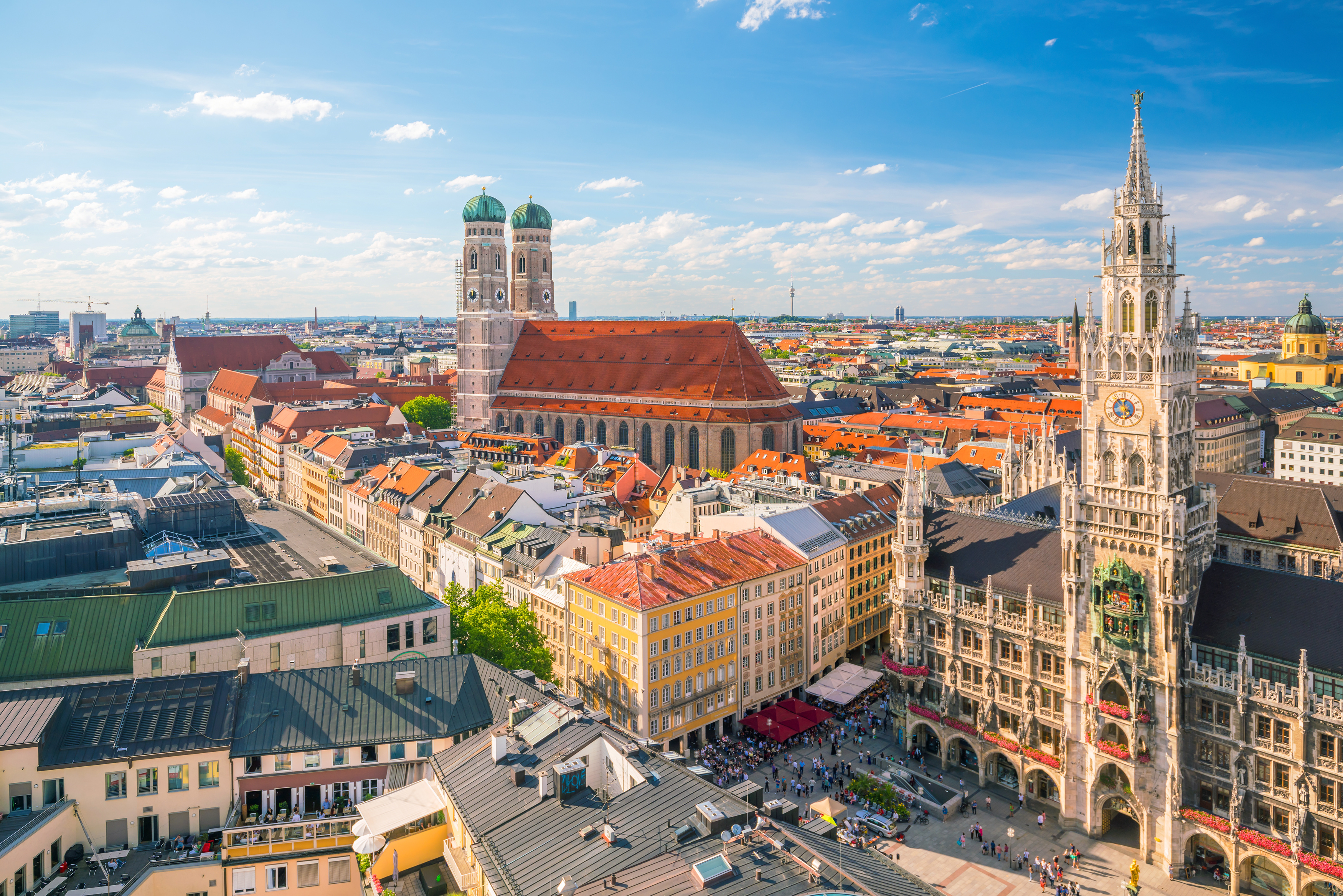,regionOfInterest=(1750,1167.5))
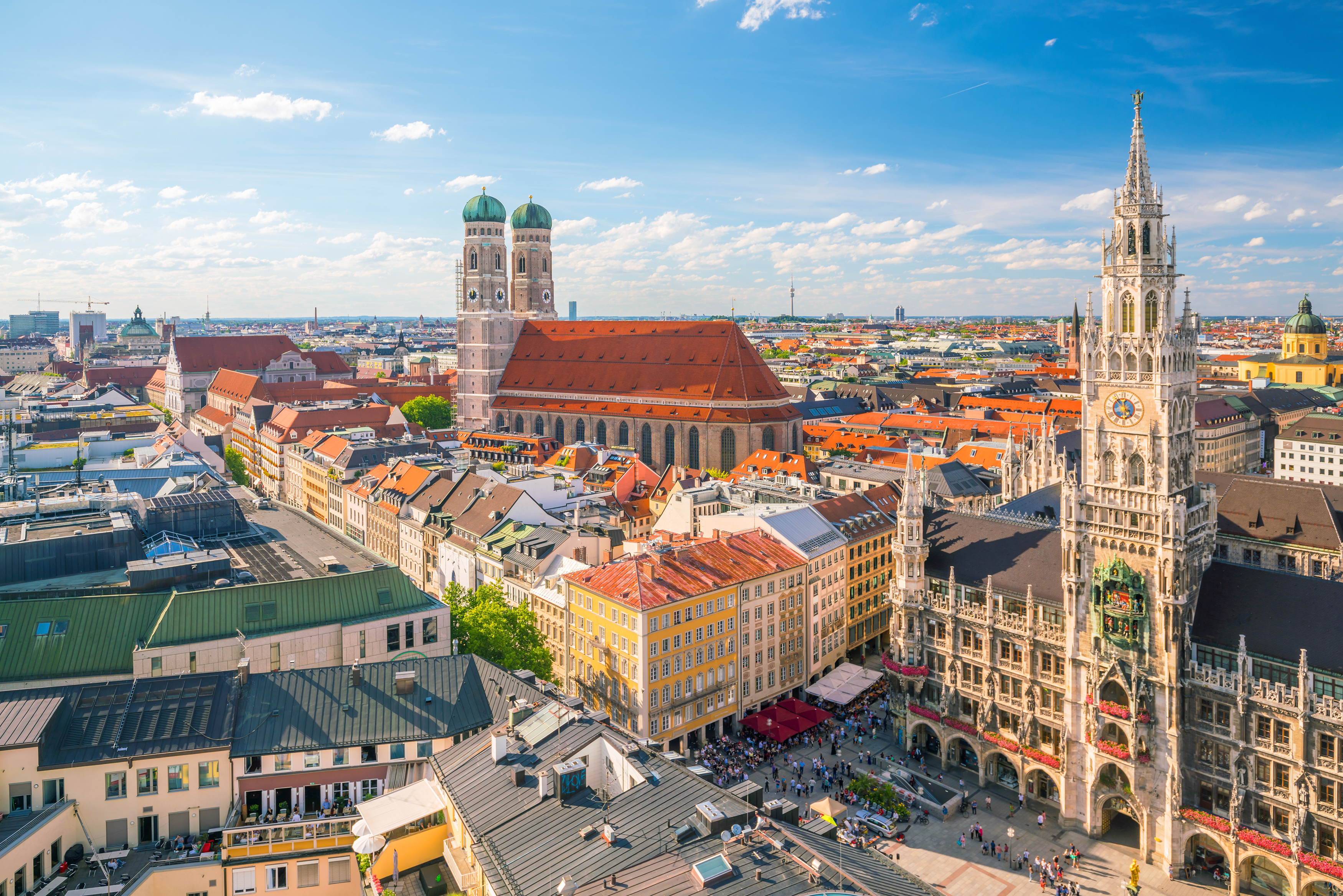,regionOfInterest=(1750,1167.5))
Where Bavarian tradition meets the best local gastronomy. The Viktualienmarkt is the most famous open-air market in Munich and one of the most iconic spaces that you are sure to visit on your trip. A place that is a paradise for gastronomy lovers where you will find everything from local products to the greatest gourmet delicacies.
The Viktualienmarkt in Munich is located in the heart of the old town, just a few steps from Marienplatz, and brings together numerous food, flower, and specialty stalls spread over a large area. Strolling among its stalls allows you to discover regional products, international offerings, and different options for eating in one of the most characteristic spaces in the city centre. Much more than a food market, its official name comes from the Latin word victualia, which means "provisions" or "food". The contrast between the traditional fresh produce stalls, the seasonal flowers, and the great atmosphere of its central biergarten creates one of the most characteristic images of life in Munich. The history of the Viktualienmarkt in its current location began in 1807, when King Maximilian I Joseph ordered part of the market to be moved from the current Marienplatz to a plot of land located between the Church of the Holy Spirit and Frauenstraße, as the square had become too small for the trade of grain and other agricultural products. Since then, the market has grown and evolved to become one of the main gastronomic spaces in the old town. It currently occupies about 18,591 square metres and brings together more than 100 traders, with a wide range of food, flowers, and regional and international specialties. Considered one of the main food markets in the centre of Munich, in the Viktualienmarkt you will find everything from fruit and vegetables to meat, game, poultry, fish, cheese, dairy products, bread, pastries, and spices. The offer is completed with flowers, plants, honey, tea, wine, and other specialties, as well as food stalls, cafes, and restaurants. Here I am going to tell you the highlights of the Viktualienmarkt so that you can make the most of one of the main places to visit in Munich.
Culture
,regionOfInterest=(500,500))
,regionOfInterest=(500,500))
All-terrain writer specialising in tourism, fashion and trends. A curious soul, traveller, reader and sports enthusiast, keen to discover every corner of the world.
,regionOfInterest=(2880,1920))
,regionOfInterest=(2880,1920))
,regionOfInterest=(1619.5,1121))
,regionOfInterest=(1619.5,1121))
,regionOfInterest=(1476.5,634.5))
,regionOfInterest=(1476.5,634.5))
,regionOfInterest=(2273,1523))
,regionOfInterest=(2273,1523))
,regionOfInterest=(1564,1200))
,regionOfInterest=(1564,1200))