,regionOfInterest=(2880,1920))
,regionOfInterest=(2880,1920))
The best areas to stay in Mallorca
,regionOfInterest=(2273,1523))
,regionOfInterest=(2273,1523))
Culture
,regionOfInterest=(3000,2000))
,regionOfInterest=(3000,2000))
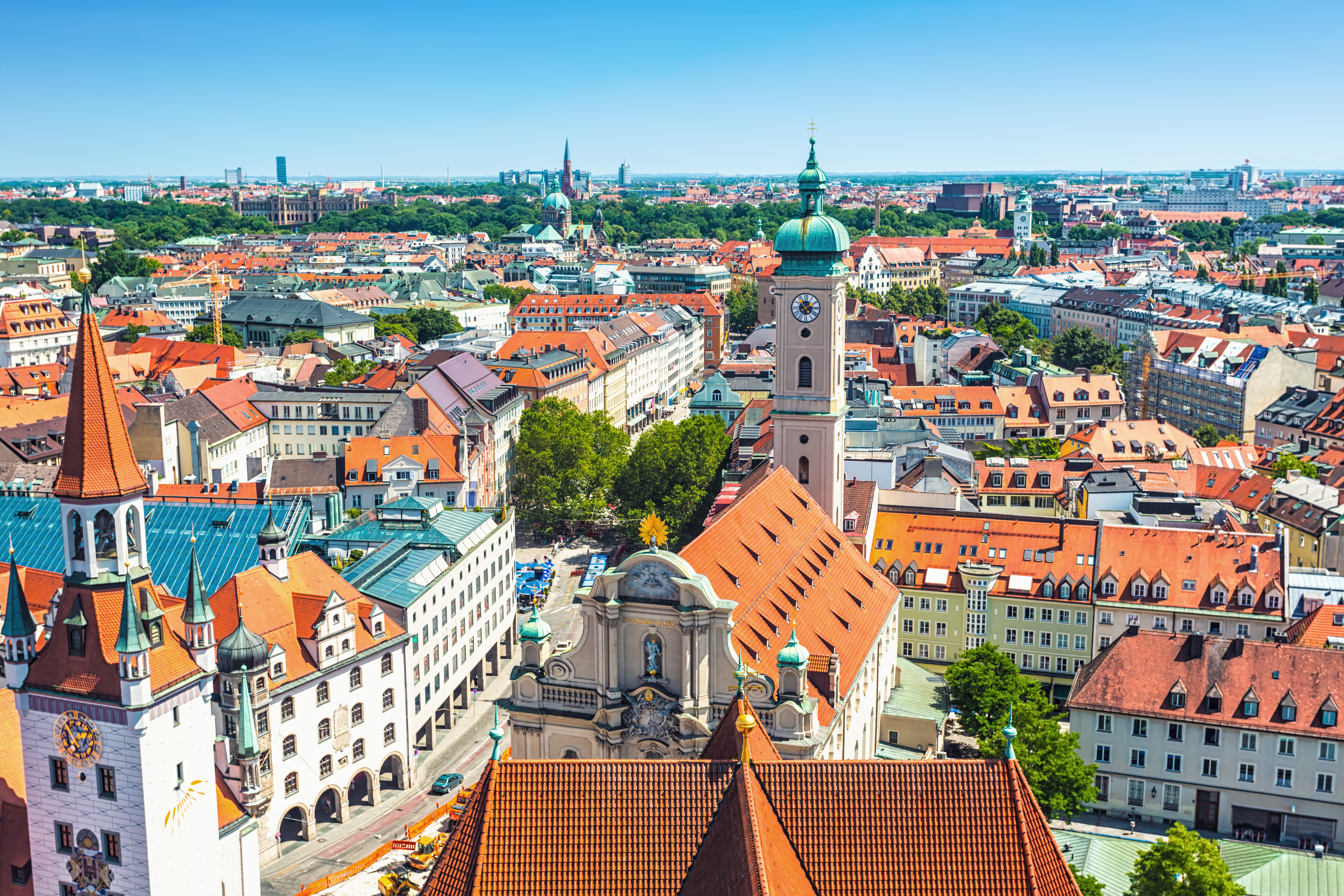
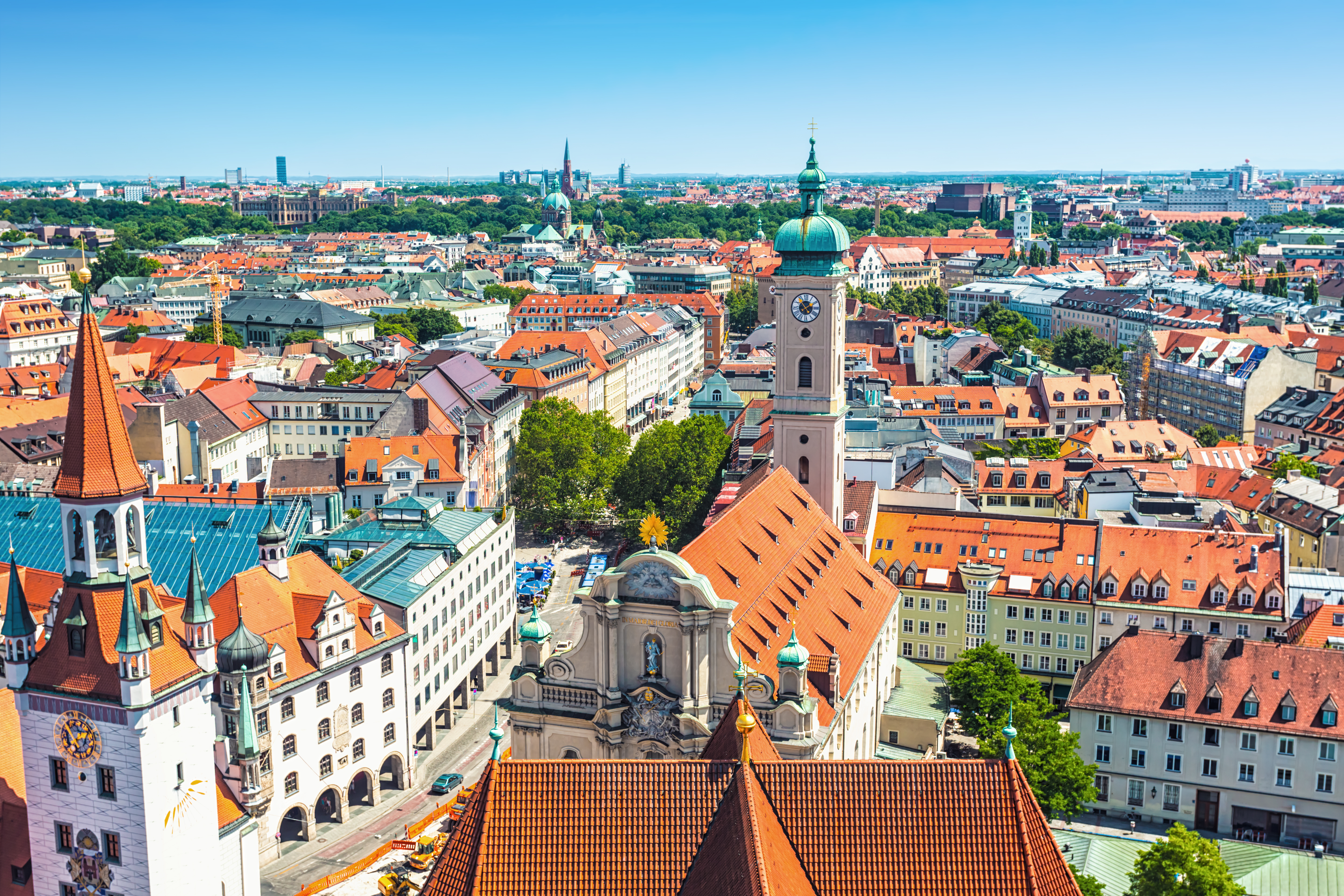
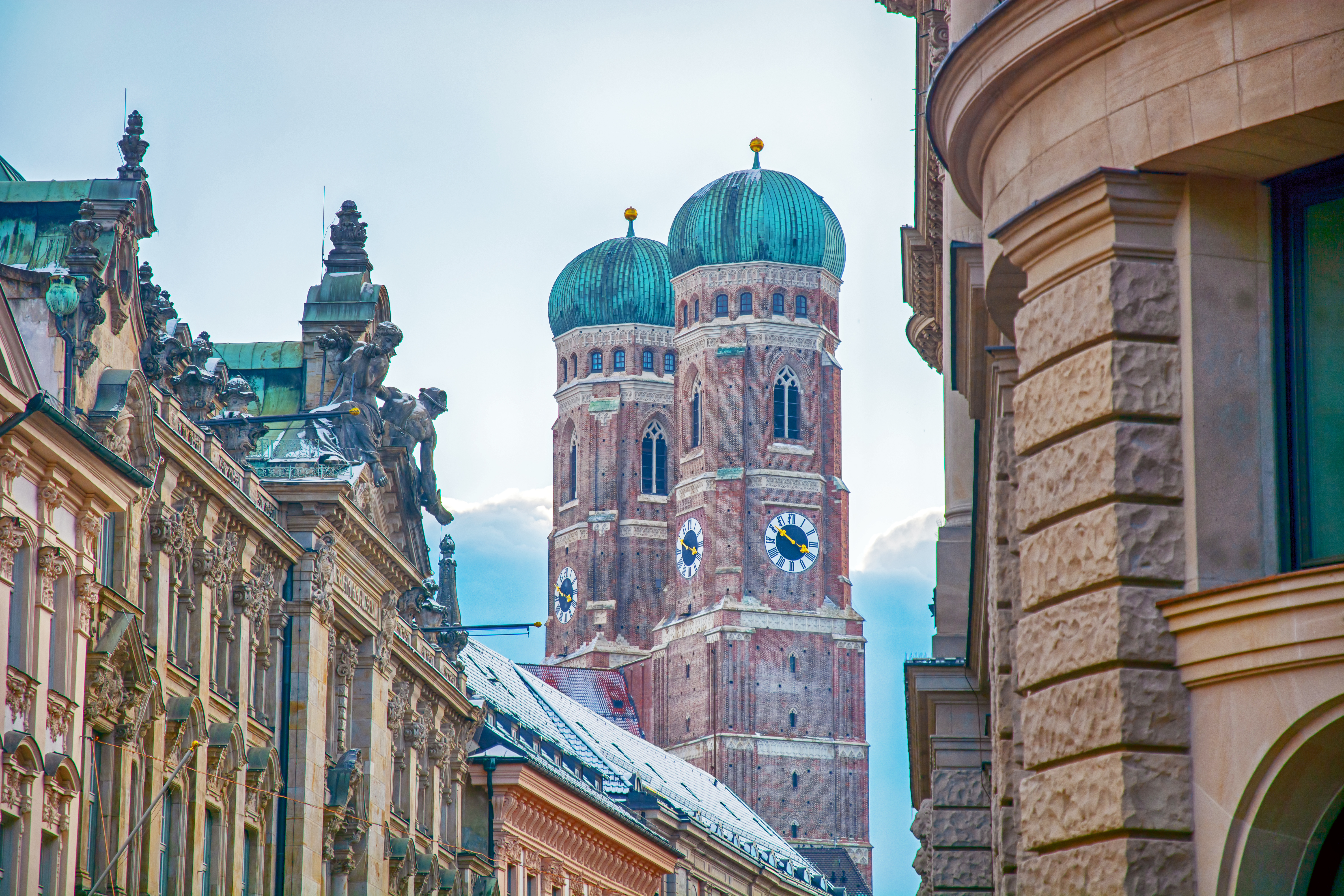
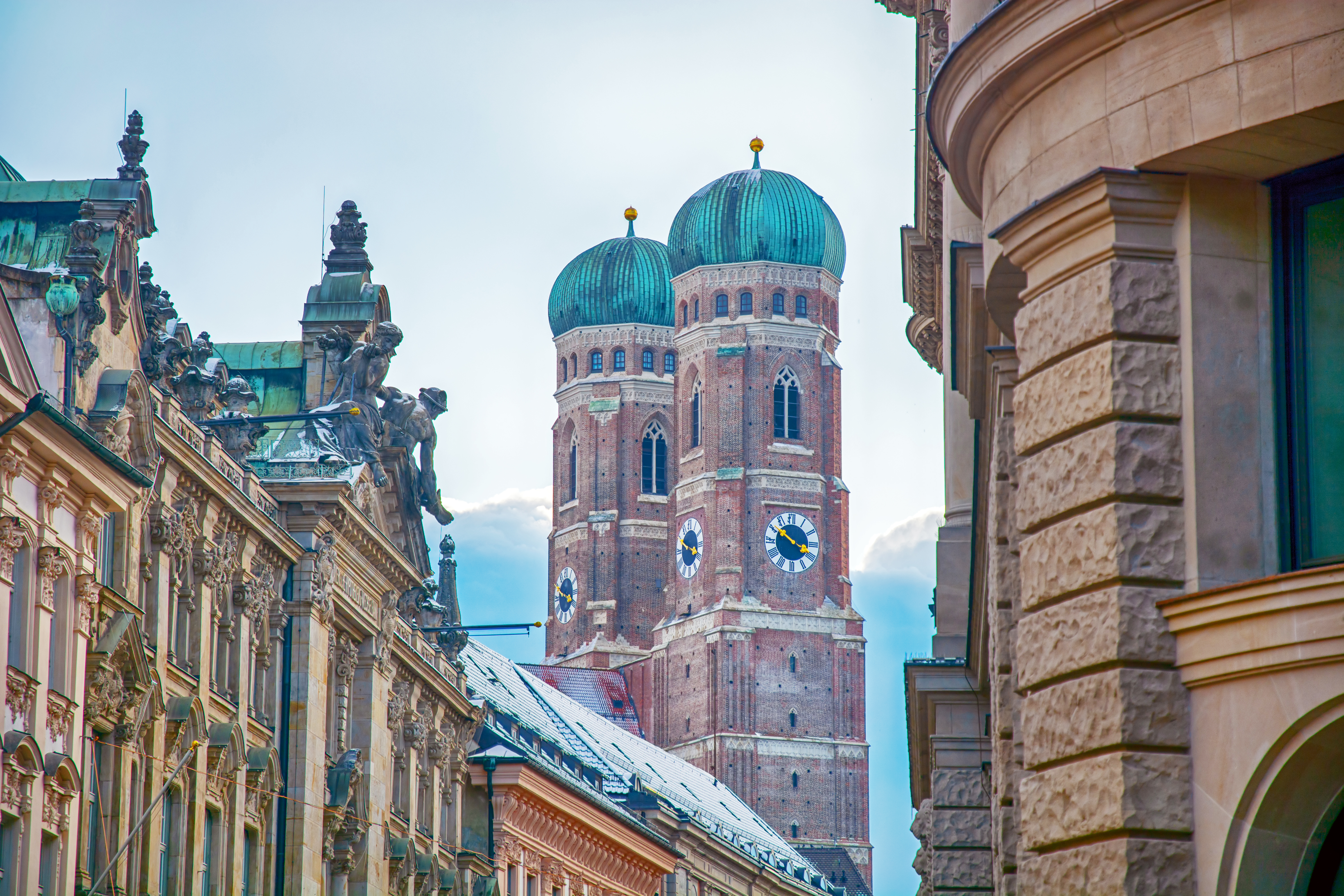
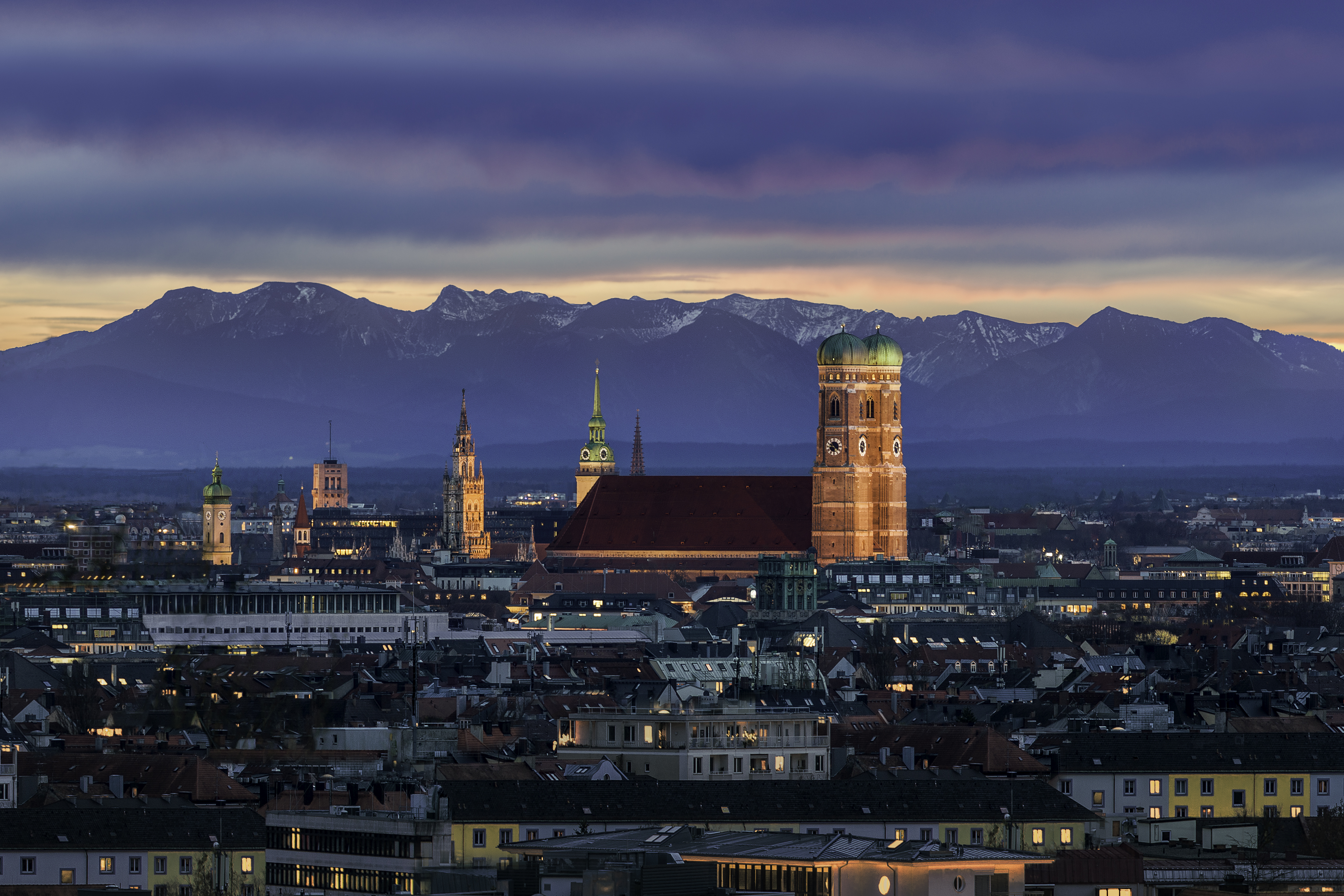
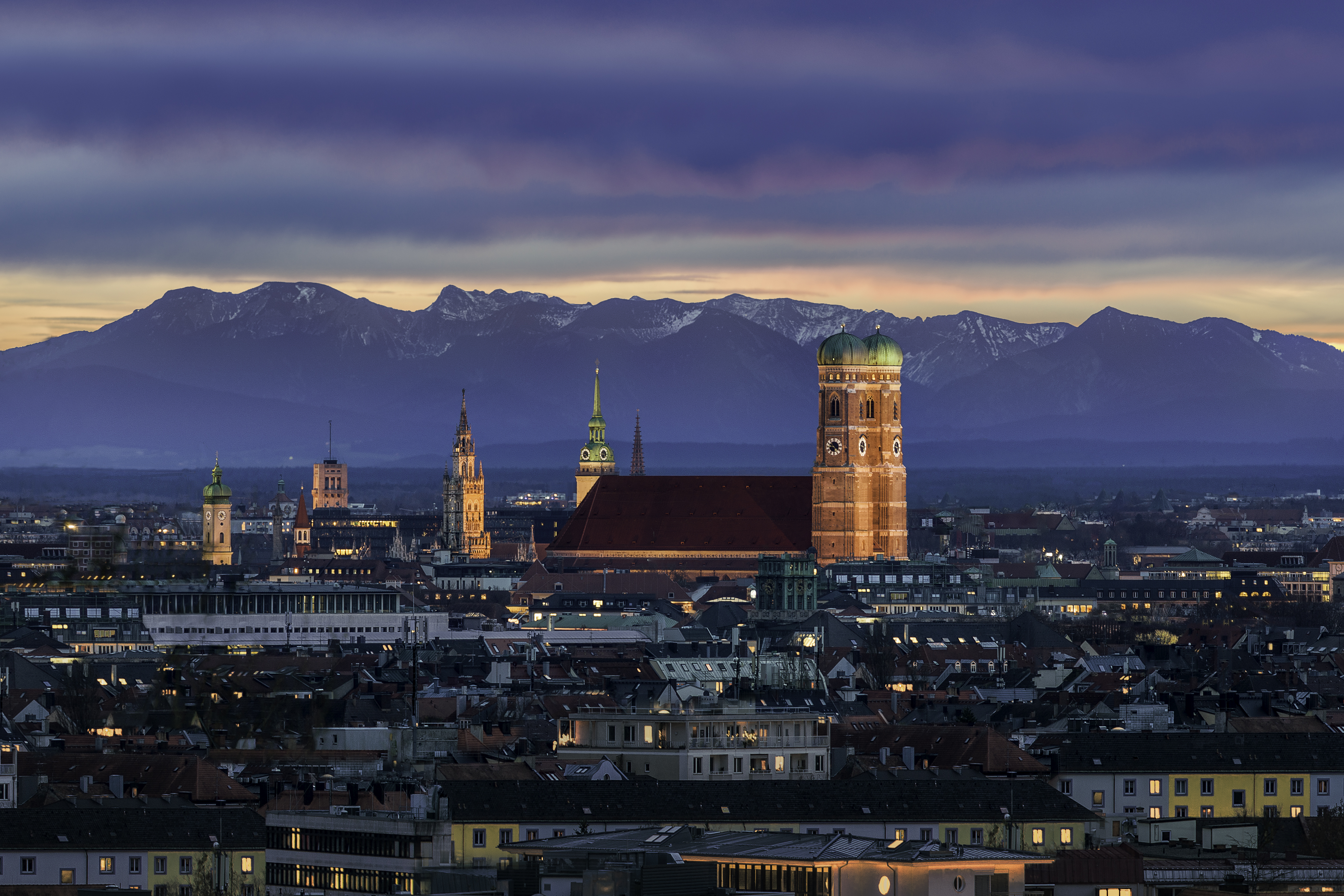
Did you know that in Munich there is an urban planning law that prevents buildings from being built taller than its cathedral towers? That is how seriously the people of Munich take the Frauenkirche, the Gothic temple that has crowned the city's skyline for over five centuries.
You don't need to know about architecture to recognise the Munich Cathedral, one of the most important symbols in all of Bavaria, whose two square towers, topped by curious green onion-shaped domes, can be seen from almost anywhere in the city centre.
One of those places that you simply must visit in Munich, its official name is Dom zu Unserer Lieben Frau (Cathedral of Our Dear Lady), although it is almost never used outside of official documents. For everyone, both locals and tourists, this cathedral is simply the Frauenkirche, and that is how it will appear throughout the rest of this guide.
Behind its red brick walls lies more than just a religious building: centuries-old legends, imperial tombs and a history marked by reconstruction after the Second World War.
,regionOfInterest=(2800,1866.5))
,regionOfInterest=(2800,1866.5))
,regionOfInterest=(2151,1434))
,regionOfInterest=(2151,1434))
,regionOfInterest=(3894,2597.5))
,regionOfInterest=(3894,2597.5))
The first thing you should know is that construction began in 1468 and the temple was consecrated just twenty years later, in 1494, a construction speed that was unusual for the time. The famous domes of its towers, however, were not installed until 1525.
Standing almost 99 metres tall, its twin towers remain the city's urban ceiling. Since 2004, there has been a municipal regulation that prohibits the construction of any buildings that could cast a shadow over them, both in the historic centre and in the first urban ring, which explains why there are no skyscrapers in the Munich skyline that can compete with the Frauenkirche.
The Second World War left a deep mark on the building. The bombing destroyed much of its interior, so most of what you will find when you enter is the result of a subsequent, much more sober reconstruction. Even so, some original elements survived and remain almost intact.
After a brief look at its history, as soon as you cross the main door you will come across the most talked-about mark in the entire temple: the Teufelstritt or "devil's footprint". Legend has it that the architect Jörg von Halsbach tricked the devil by promising him a church without windows in exchange for his soul. Satisfied when he checked from that exact spot that the columns hid the huge stained-glass windows, he laughed out loud... until he took one more step and discovered the trap. Furious, he stomped hard on the floor, leaving this mark, which survived intact even through the bombing that devastated the rest of the interior.
In fact, the windows of the Frauenkirche are the true protagonists of the deception and, today, one of the greatest attractions of the interior, as their stained glass lets in light that floods the central nave with colour, contrasting with the simplicity of the rest of the decor following the reconstruction.
Among the elements that did manage to survive, the mausoleum of Louis IV, Holy Roman Emperor, stands out, as well as the altar dedicated to Saint Andrew and several tombs of the Archbishops of Munich housed in the temple's crypt.
The location of the Munich Cathedral takes you to the city centre, next to other major tourist attractions, so you will have no trouble getting there. Even so, I will answer any possible questions below.
Address:
The cathedral is located just a few metres from Marienplatz, in the heart of the old town, making it an almost automatic stop on any walking route through the city centre.
Frauenplatz 1, 80331 München, Germany.
How to get to the Frauenkirche:
Getting there by public transport is the most comfortable and simple option thanks to its central location. You can get off at the Marienplatz station (lines U3, U6 and all S-Bahn lines from S1 to S8) and walk for just two minutes, or use the Karlsplatz/Stachus stop (lines U4, U5) if you are coming from the west of the city.
If you are in the centre, you can get there on foot without the need for transport, as most tourist spots in the historic centre are less than a fifteen-minute walk away.
Parking at the Frauenkirche:
As it is a pedestrian area, forget about arriving by car at the door. The most reasonable option is to leave it in one of the underground car parks in the centre and continue the rest of the way on foot.
Map of the Frauenkirche:
Visiting the Munich Cathedral is free of charge. Entry to the temple is free all year round. You will only have to pay to go up the south tower, from where you can enjoy spectacular panoramic views from a glass-enclosed viewpoint. The ascent requires climbing 89 steps up a narrow spiral staircase before accessing the modern lift that takes you to the platform, so it is not a space accessible to people with reduced mobility. Entry to the tower costs 7.50 € for adults and 5.50 € for children aged 7 to 16 (free for children under 7), and tickets are purchased at the temple's official shop (Domshop).
It is advisable to check the viewpoint's opening hours before you go: it is open from Monday to Saturday from 10:00am to 5:00pm, and on Sundays and public holidays from 11:30am to 5:00pm (last entry is at 4:30pm). In general, the general opening hours of the Frauenkirche are from 8:00am to 8:00pm every day, although tourist access is completely restricted during the celebration of mass.
Among the comments left by visitors, there is a consensus that the exterior is much more impressive than the interior. The solidity of its towers and the uniqueness of its domes generate expectations that, in some cases, are not quite met upon entering, given that the simplicity of the reconstructed interior contrasts with more ornate Gothic temples in other European cities.
As a drawback, several comment that they have found the towers closed to the public due to restoration work on some dates, so if you want to go up to see the city from the heights, it is worth confirming that they will be open.
Although you will have no trouble getting there and will simply need to keep your eyes open, here are a few details that will be useful before visiting the cathedral:
,regionOfInterest=(2850,1900))
,regionOfInterest=(2850,1900))
After the Munich Cathedral, there are many other interesting places to visit just a few minutes' walk away. These are my favourites:
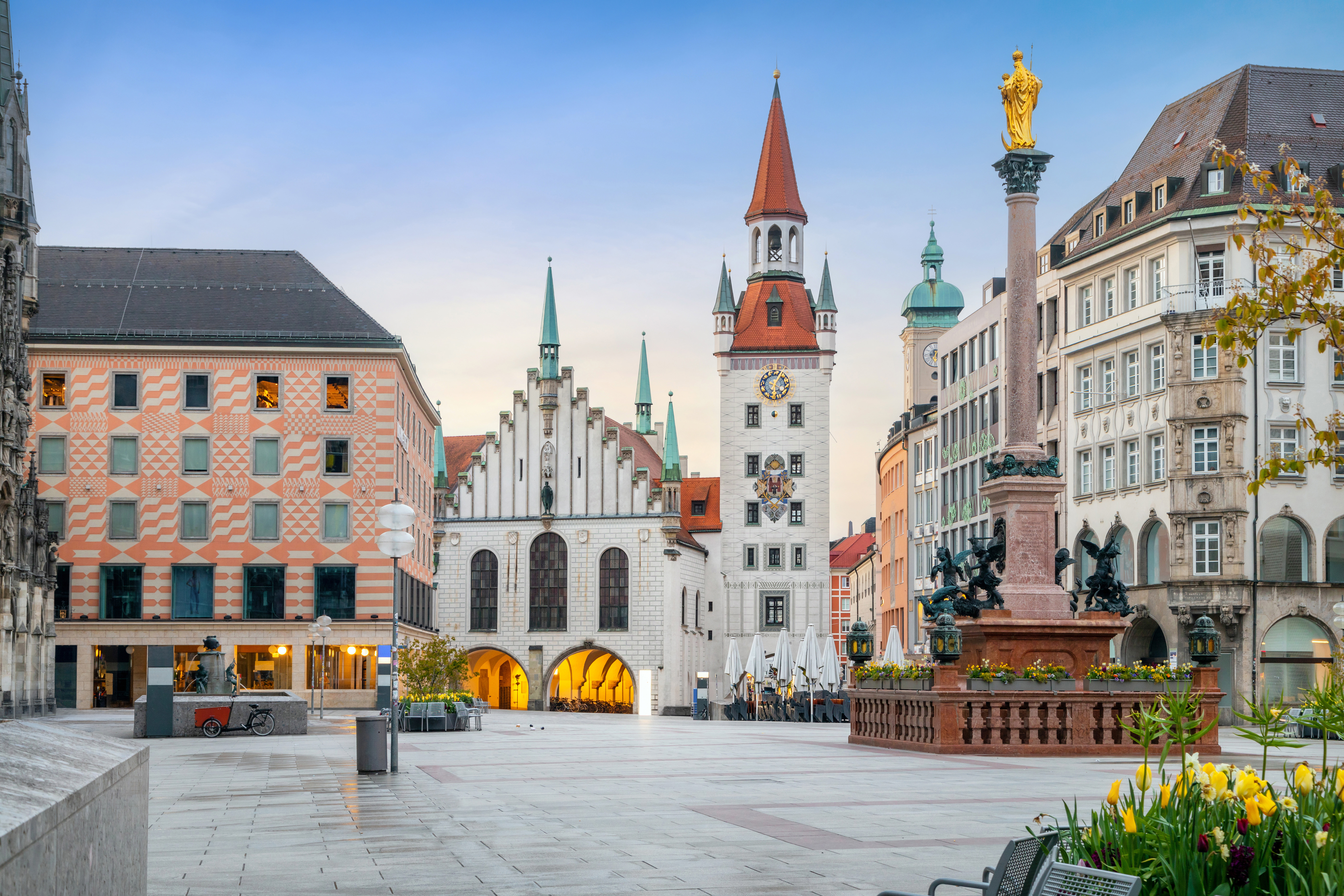
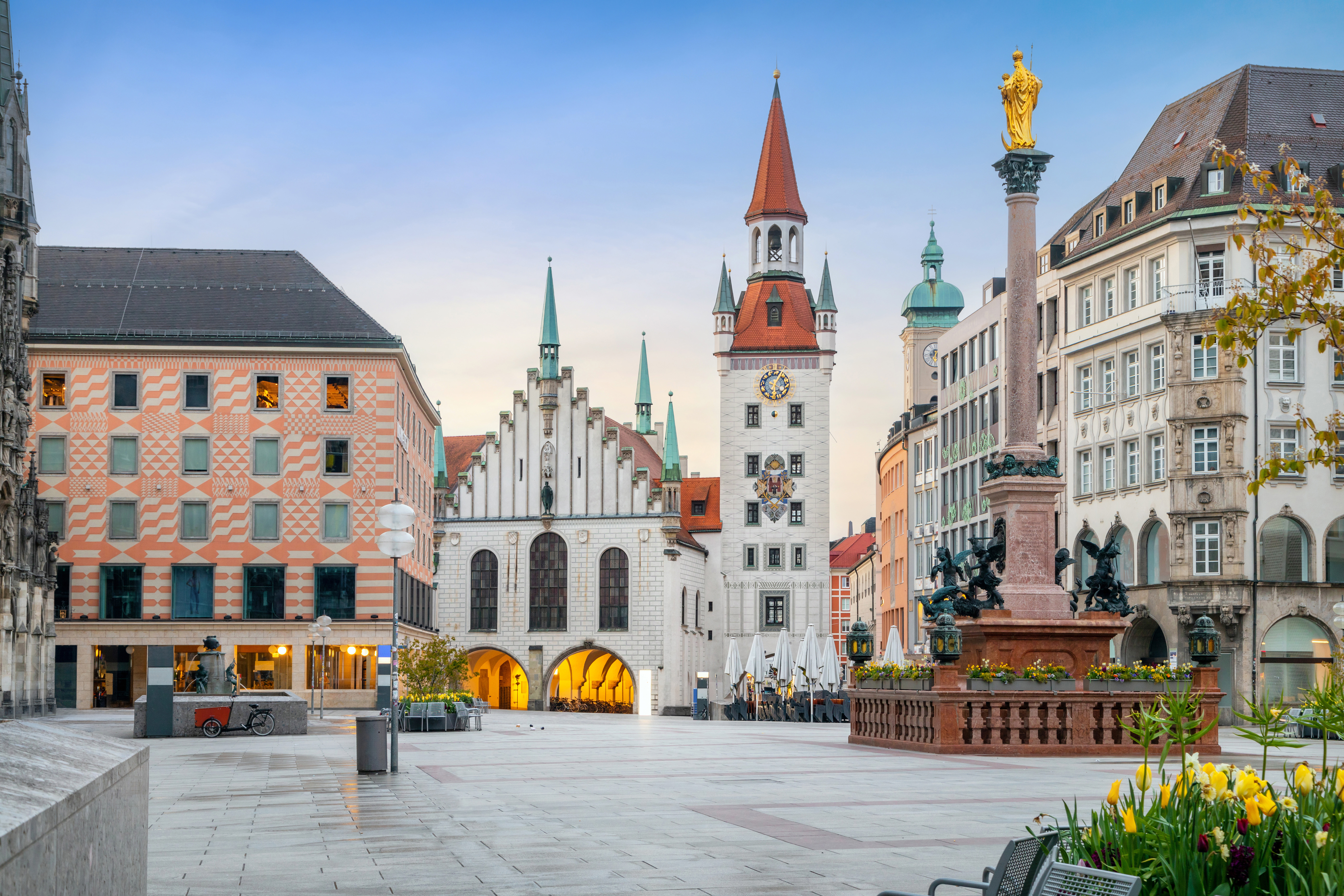
A few metres from the Frauenkirche is Marienplatz, the city's central square, presided over by the New Town Hall and its famous glockenspiel, which is one of the most anticipated spectacles for anyone who visits.
Walking for five minutes you will reach the Viktualienmarkt, the most popular gourmet market in Munich, with stalls selling sausages, cheeses, flowers and several biergartens perfect for taking a break between monuments.
Very close to the old town stands St. Peter's Church, whose tower offers views that many consider even better than those of the Frauenkirche itself, with the town hall and the Bavarian Alps in the background on clear days.
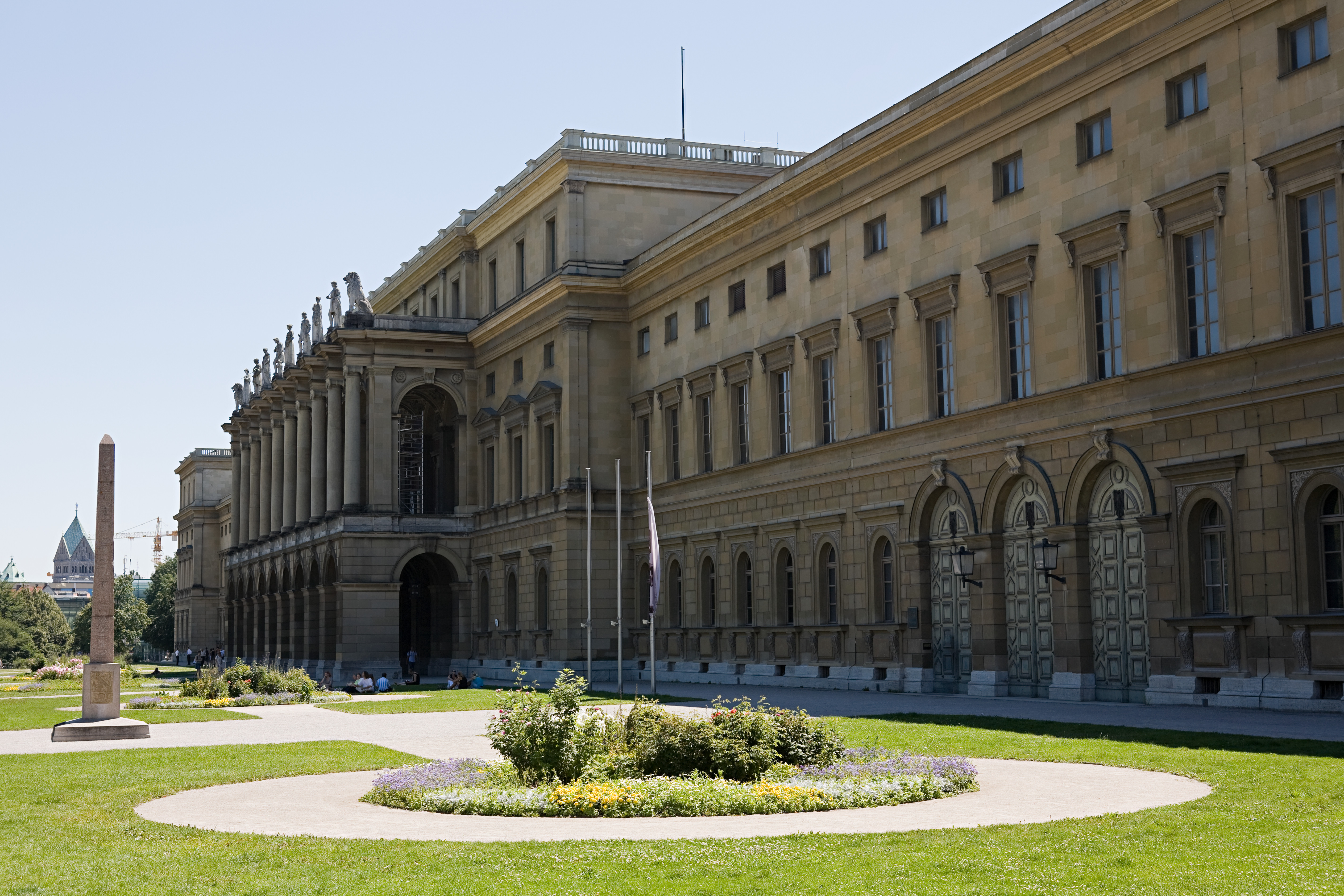
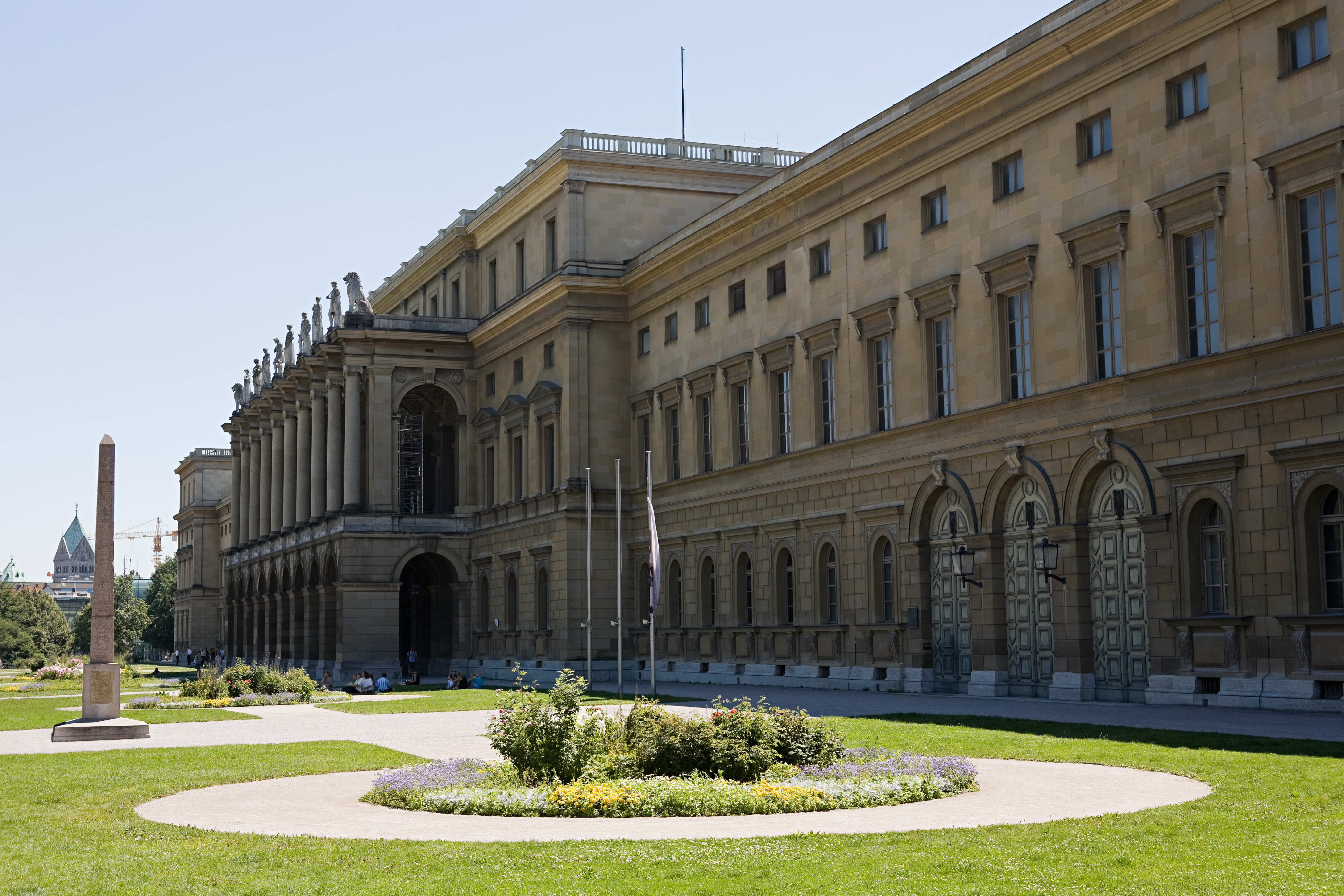
A few minutes' walk away is the Munich Residenz, the former residence of the dukes and kings of Bavaria, which has dozens of rooms and a treasury museum that is worth a visit, especially if you want to learn about the history of the Wittelsbach dynasty.
If you feel like changing the pace for some nature, the English Garden is just over a twenty-minute walk away, with its endless meadows and its famous surf wave in the heart of the city.
The reality is that few buildings sum up the identity of a city as well as this cathedral sums up that of Munich. It is true that it is not the most ornate temple in Europe, nor the one that hides the most artistic treasures, but its silhouette has been marking the pace of every generation of Munich residents for centuries.
You might leave the interior of the Frauenkirche thinking you expected something different, and that is normal, as the war took away a good part of its original ornamentation and what remains today is, above all, a functional and sober building.
If you are going to explore Munich on foot, my advice is to visit this temple. You won't need more than half an hour to understand why it remains, almost six hundred years later, the visual reference for the entire city.
,regionOfInterest=(500,500))
,regionOfInterest=(500,500))
All-terrain writer specialising in tourism, fashion and trends. A curious soul, traveller, reader and sports enthusiast, keen to discover every corner of the world.
Culture
,regionOfInterest=(1476.5,634.5))
,regionOfInterest=(1476.5,634.5))
,regionOfInterest=(1619.5,1121))
,regionOfInterest=(1619.5,1121))
,regionOfInterest=(707.5,1059.5))
,regionOfInterest=(707.5,1059.5))
,regionOfInterest=(2880,1920))
,regionOfInterest=(2880,1920))
,regionOfInterest=(2150,1433.5))
,regionOfInterest=(2150,1433.5))