The best coves in Mallorca
,regionOfInterest=(707.5,1059.5))
,regionOfInterest=(707.5,1059.5))
Culture
,regionOfInterest=(2067,1254.5))
,regionOfInterest=(2067,1254.5))
Where the desert meets the Atlantic Ocean, the Dunas de Corralejo are one of the most surprising landscapes on the island and an essential visit during your route through Fuerteventura. In this guide, you will discover what makes this protected natural space special, which are its best beaches, and everything you need to know to organise your visit.
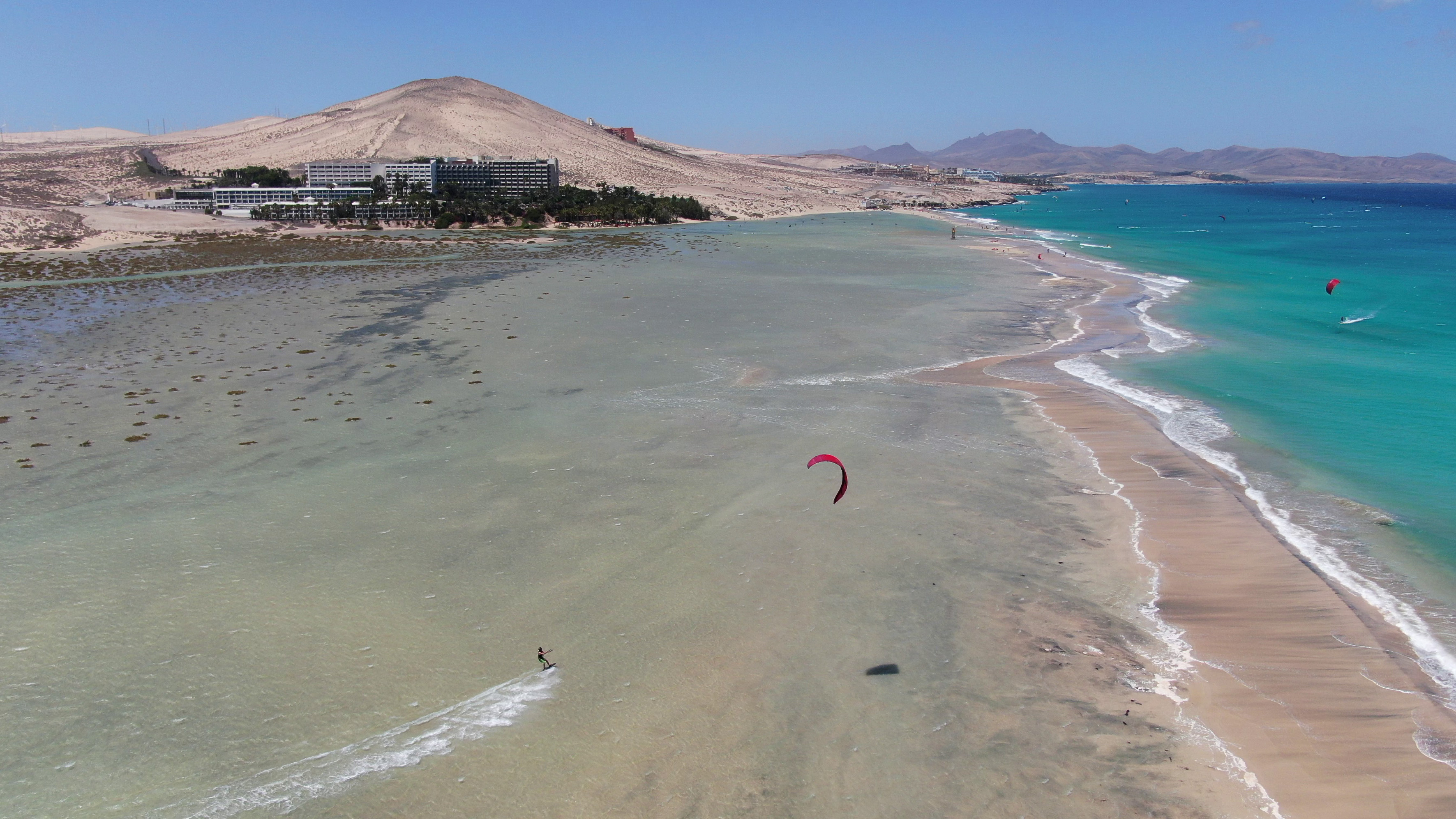
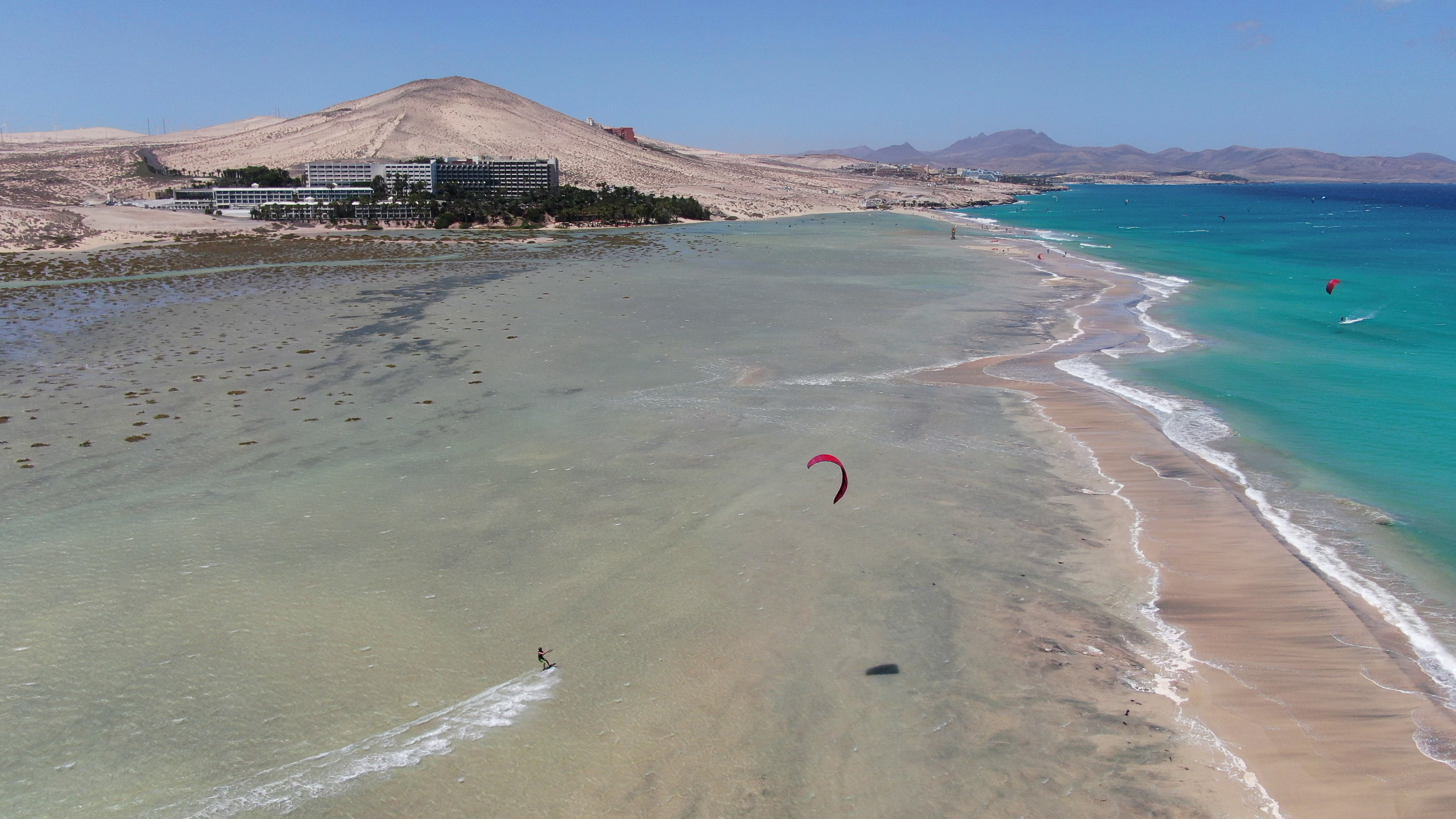
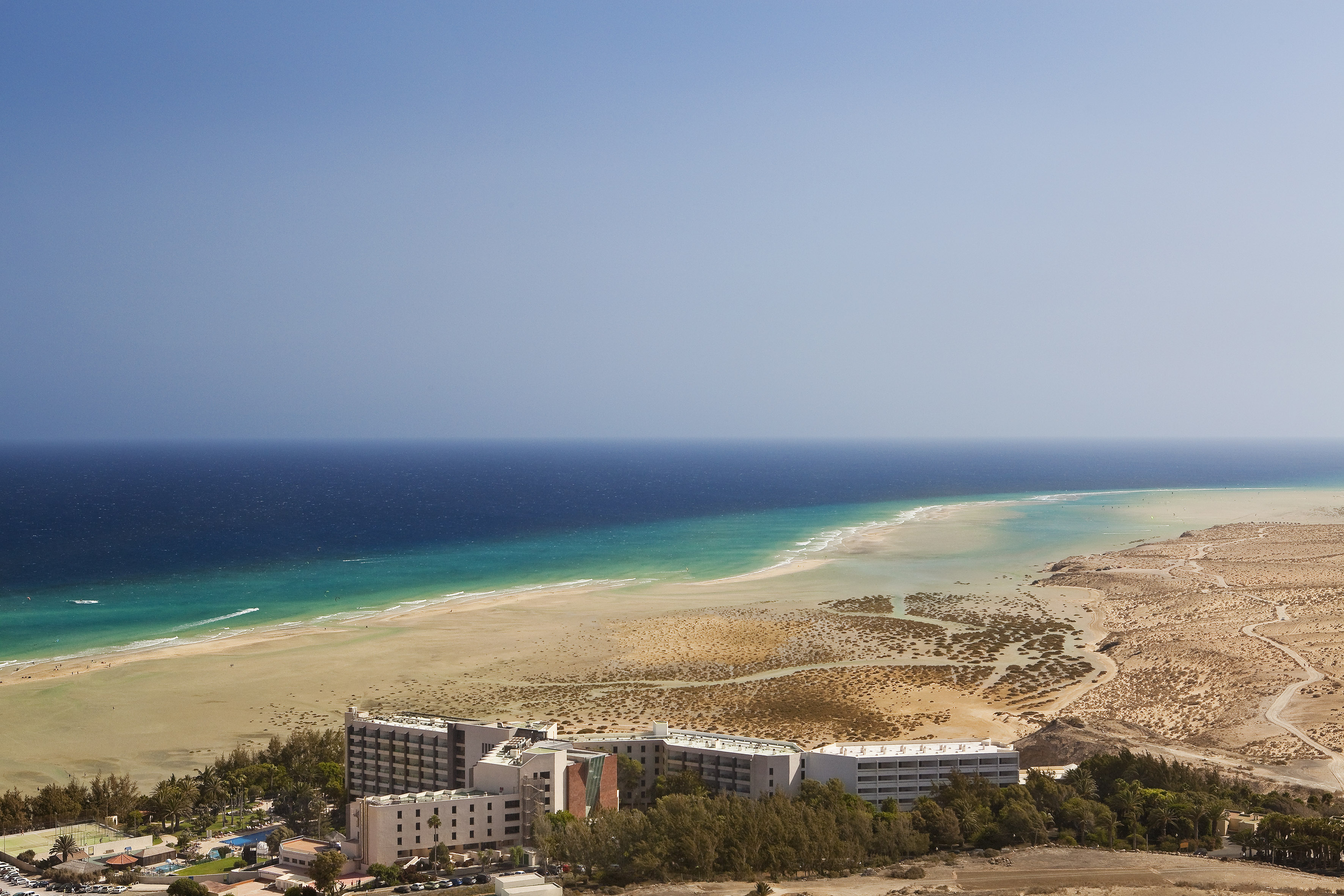
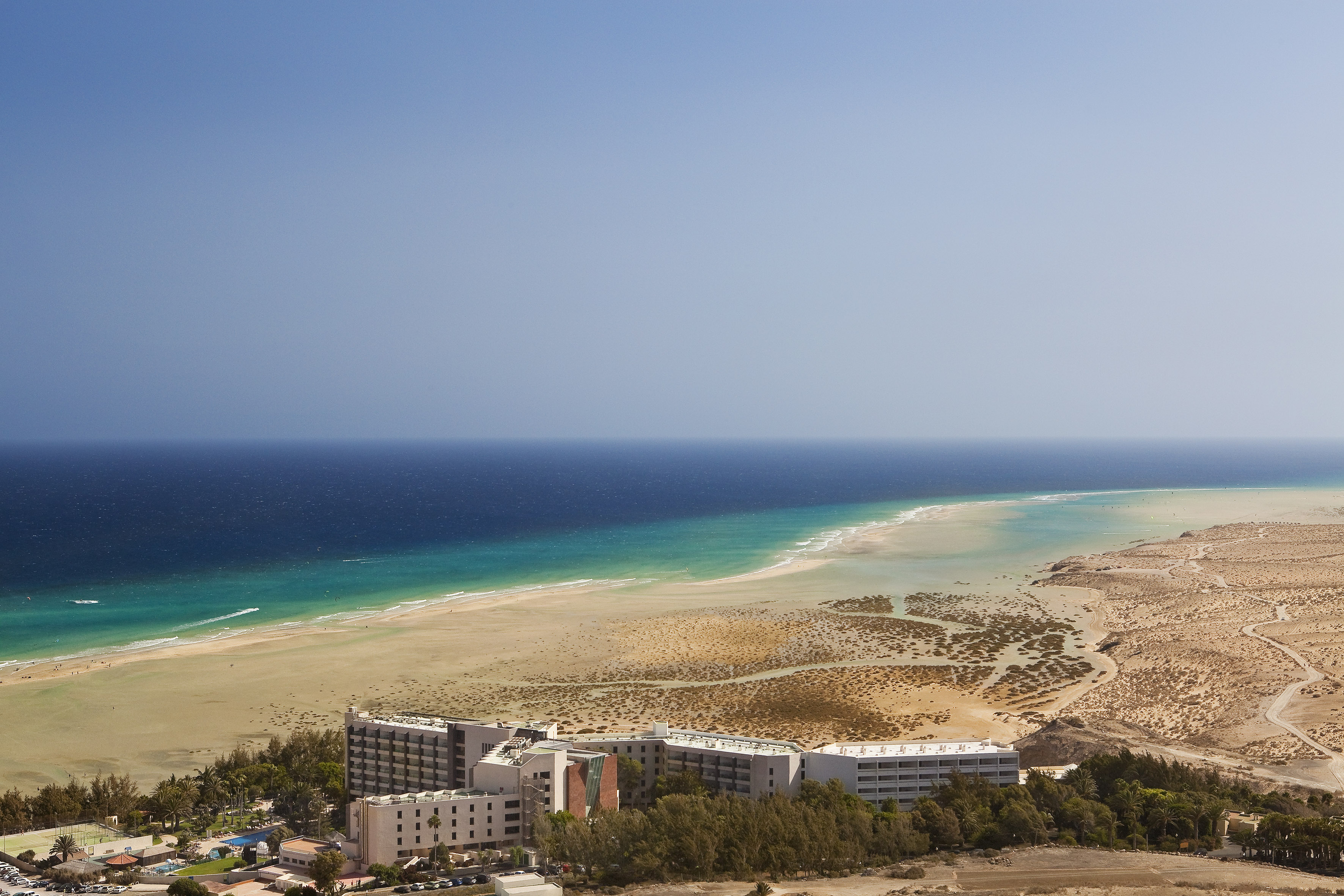
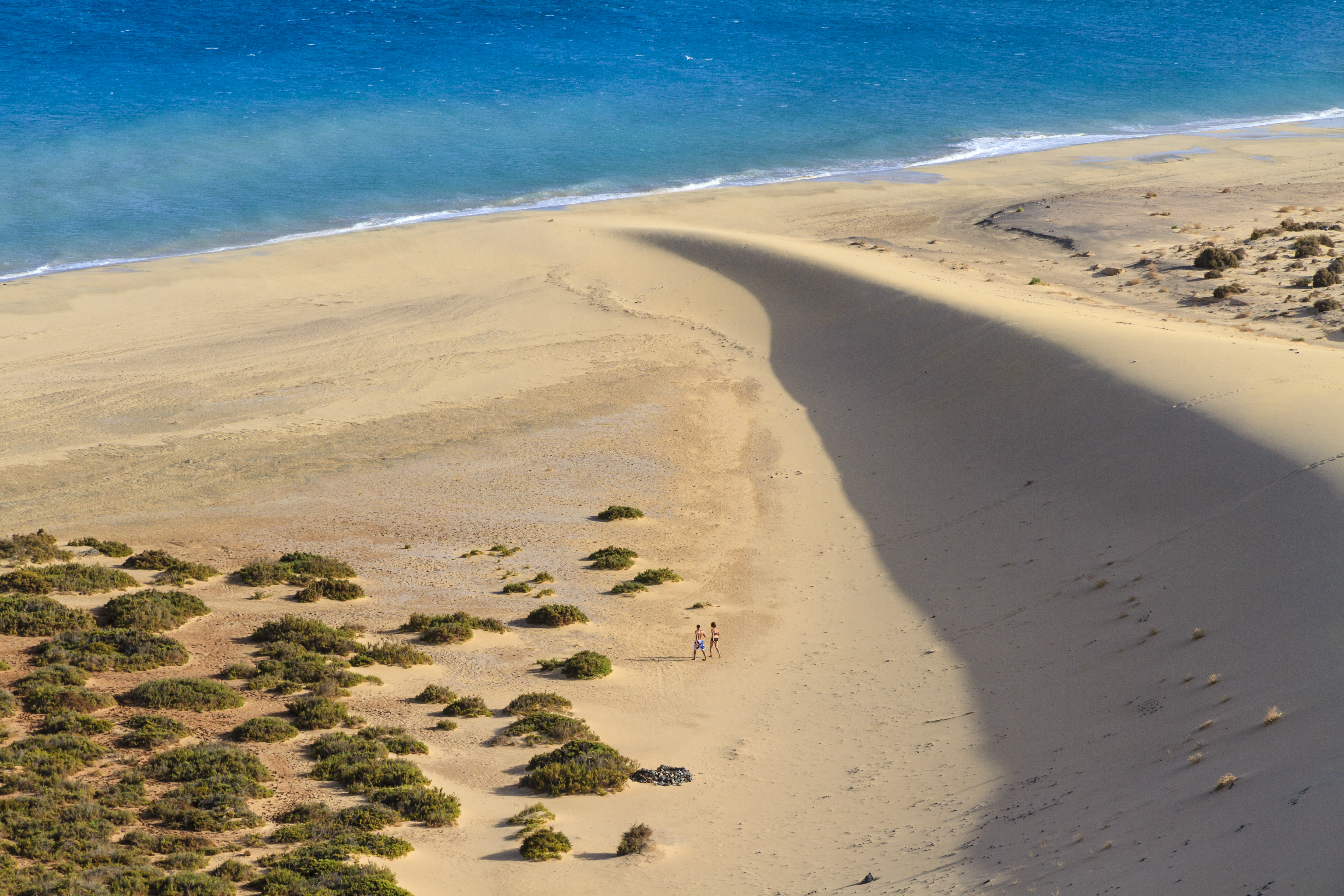
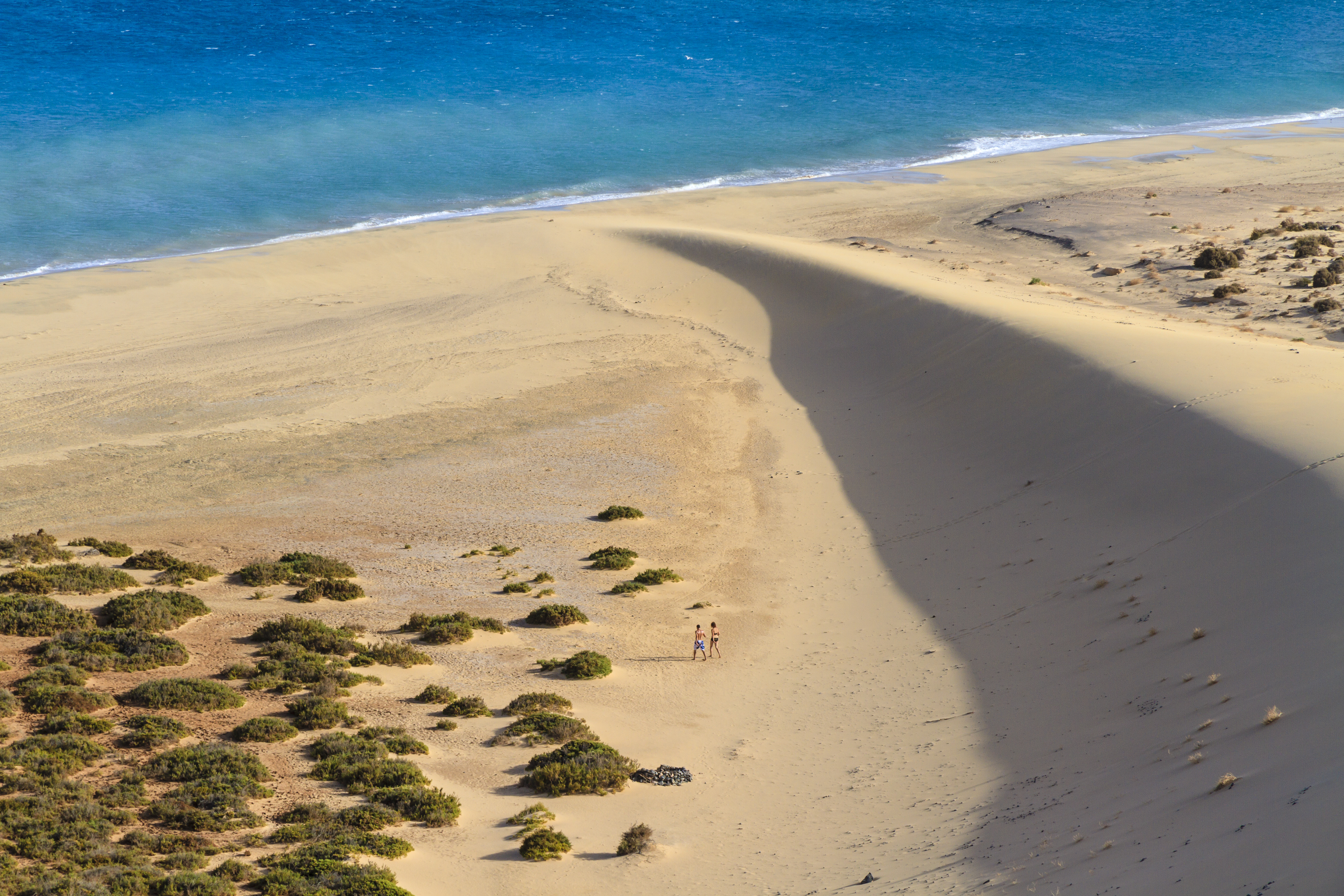
Situated in the north of Fuerteventura, the Dunas de Corralejo form an immense field of light-coloured sand that stretches alongside the Atlantic Ocean, one of those settings that leaves you speechless from the very first moment. The contrast between the dunes, kilometres of fine golden sand, with the turquoise blue of the sea and the volcanic origin of the island, creates one of the most characteristic landscapes of the Canary Islands archipelago.
Although many people know it as the Parque Nacional de las Dunas de Corralejo, its official name is Parque Natural de Corralejo. Originally, in 1982, it was classified together with the neighbouring islet under the single name of Parque Natural de las Dunas de Corralejo e Islote de Lobos. However, in 1994, the Canary Islands Law on Natural Spaces separated it administratively, granting it its current official and definitive name. Be that as it may, this protected space has an enormous surface area of more than 2,600 hectares where the volcanic nature and large accumulations of sand create a unique setting in the Canary Islands.
Considered one of the most important dune ecosystems in the archipelago, this protected space is much more than a place for sunbathing. Here I am going to tell you everything you need to know about the Dunas de Corralejo, a place where you can walk along trails between the dunes, relax on practically virgin beaches, practise water sports or simply stop to contemplate a landscape that changes constantly with the action of the wind.
,regionOfInterest=(500,500))
,regionOfInterest=(500,500))
All-terrain writer specialising in tourism, fashion and trends. A curious soul, traveller, reader and sports enthusiast, keen to discover every corner of the world.
Culture
,regionOfInterest=(1771.5,997))
,regionOfInterest=(1771.5,997))
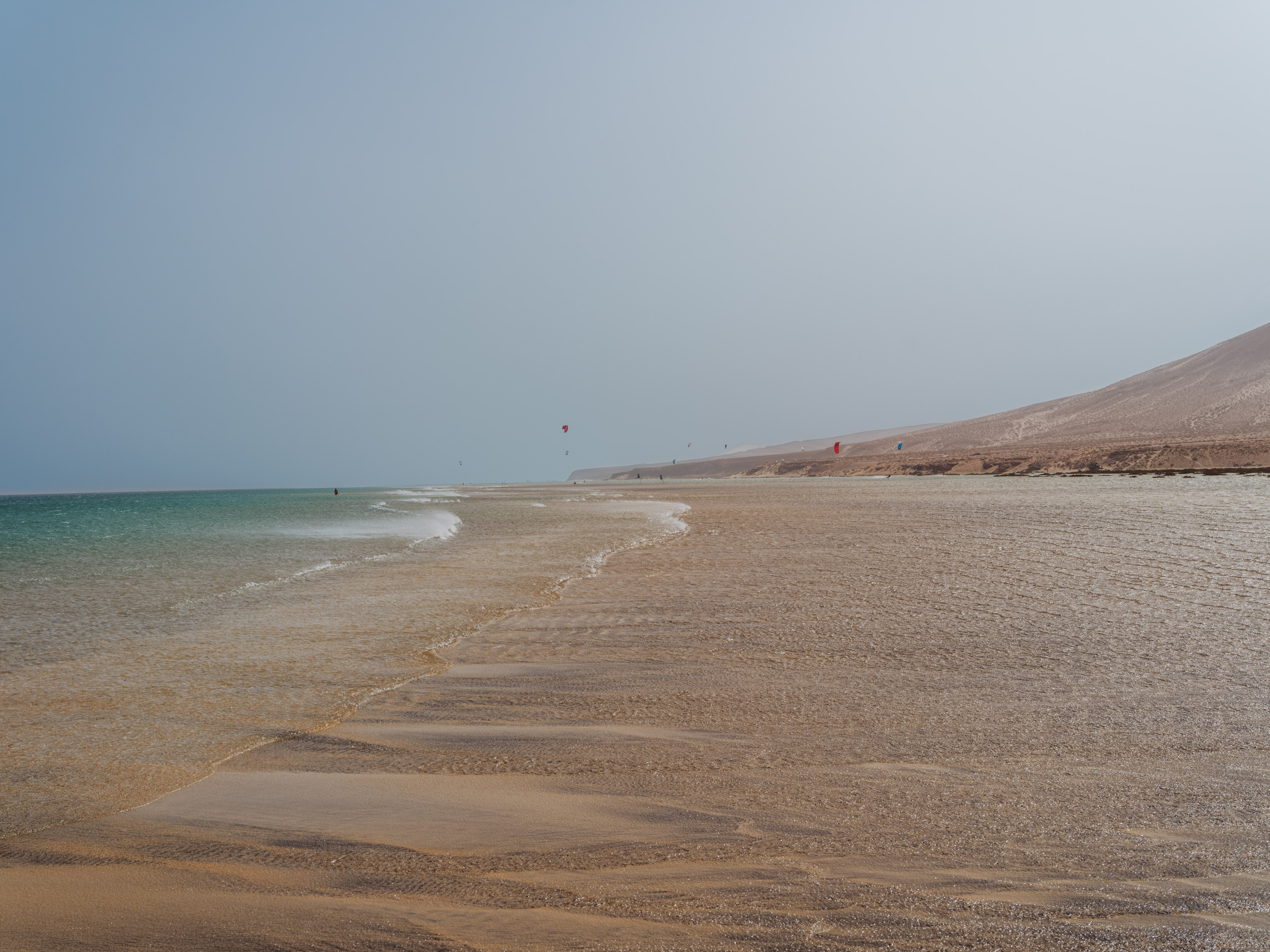,regionOfInterest=(2150,1612.5))
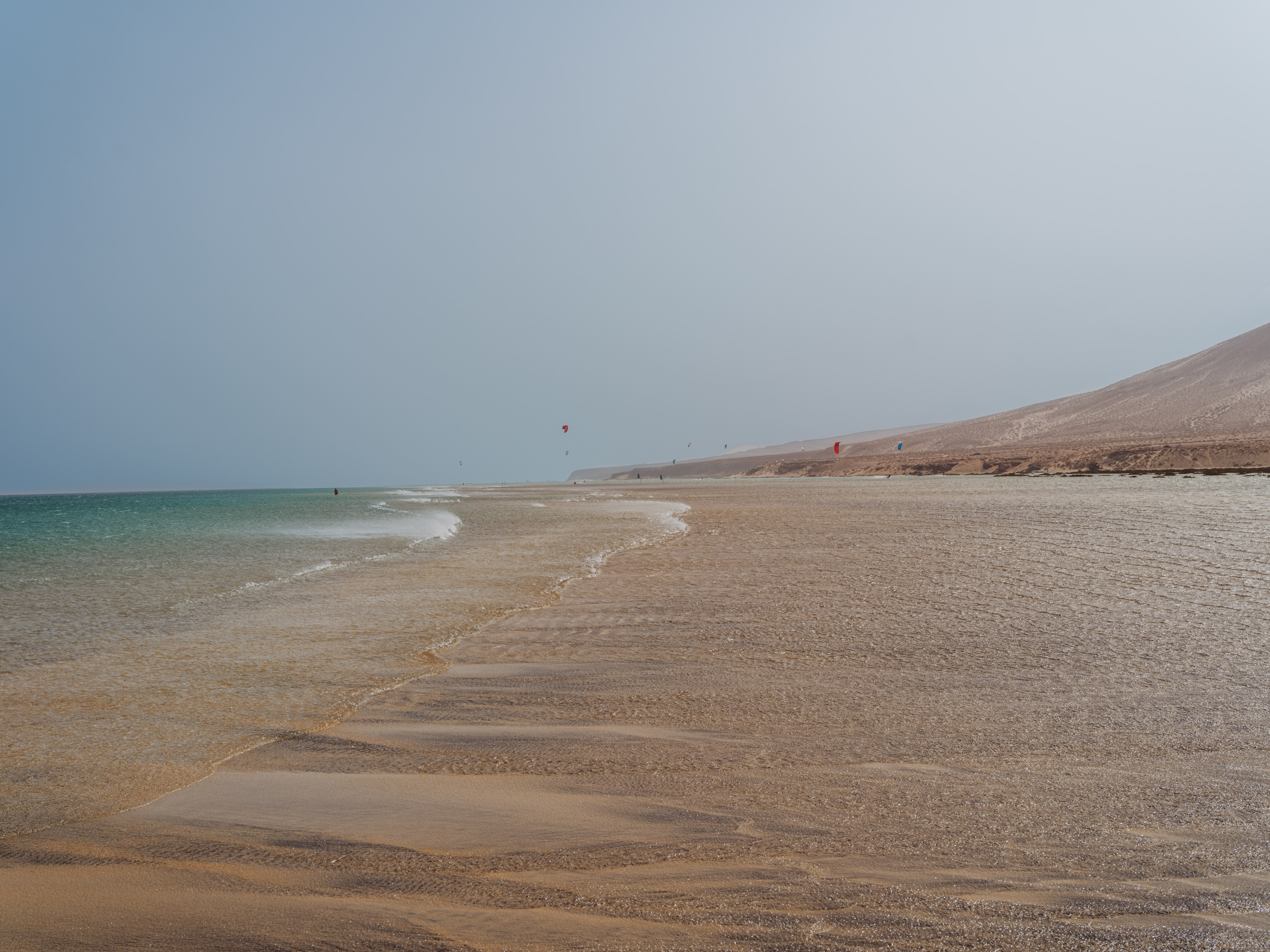,regionOfInterest=(2150,1612.5))
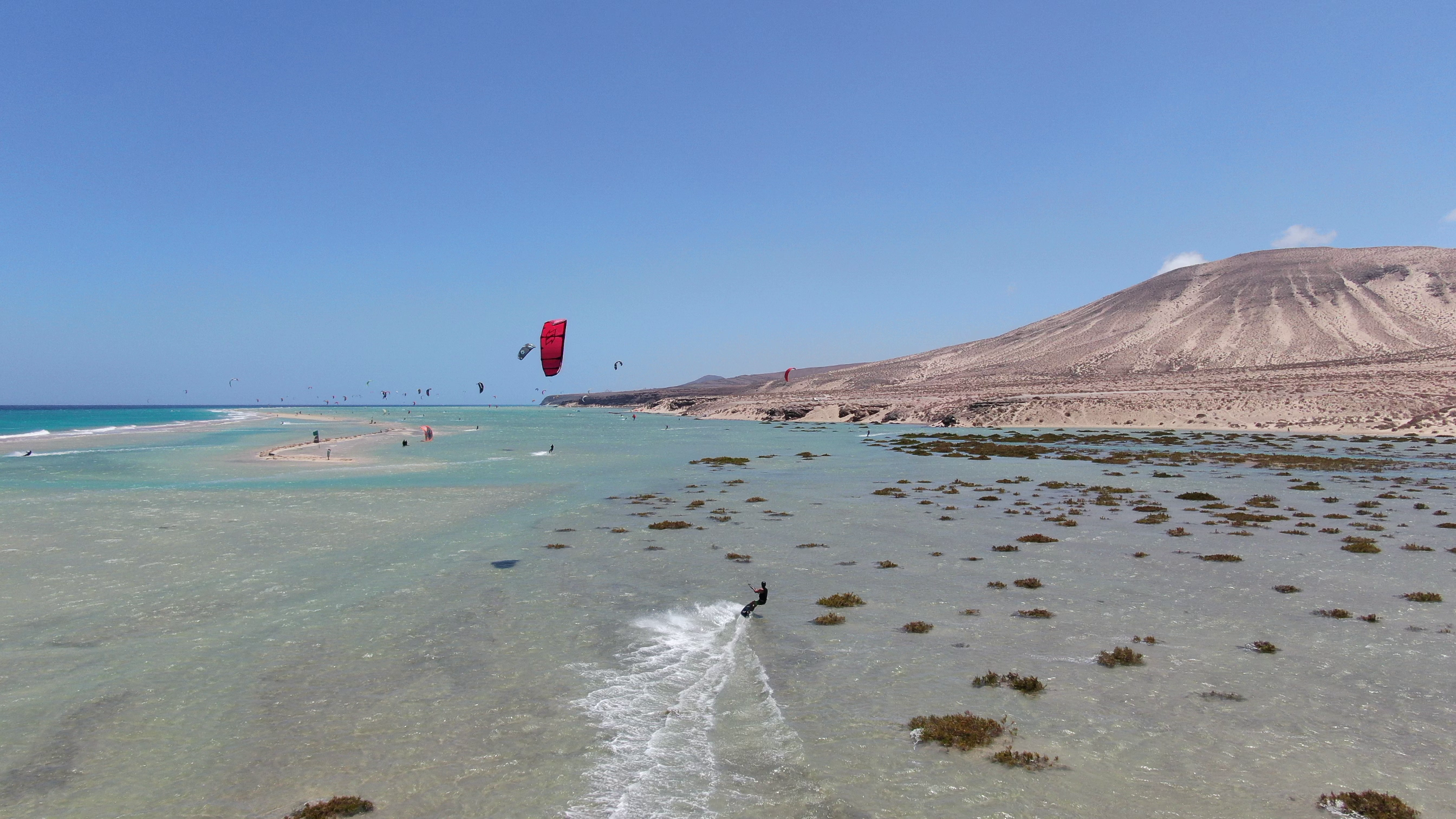,regionOfInterest=(1344,756))
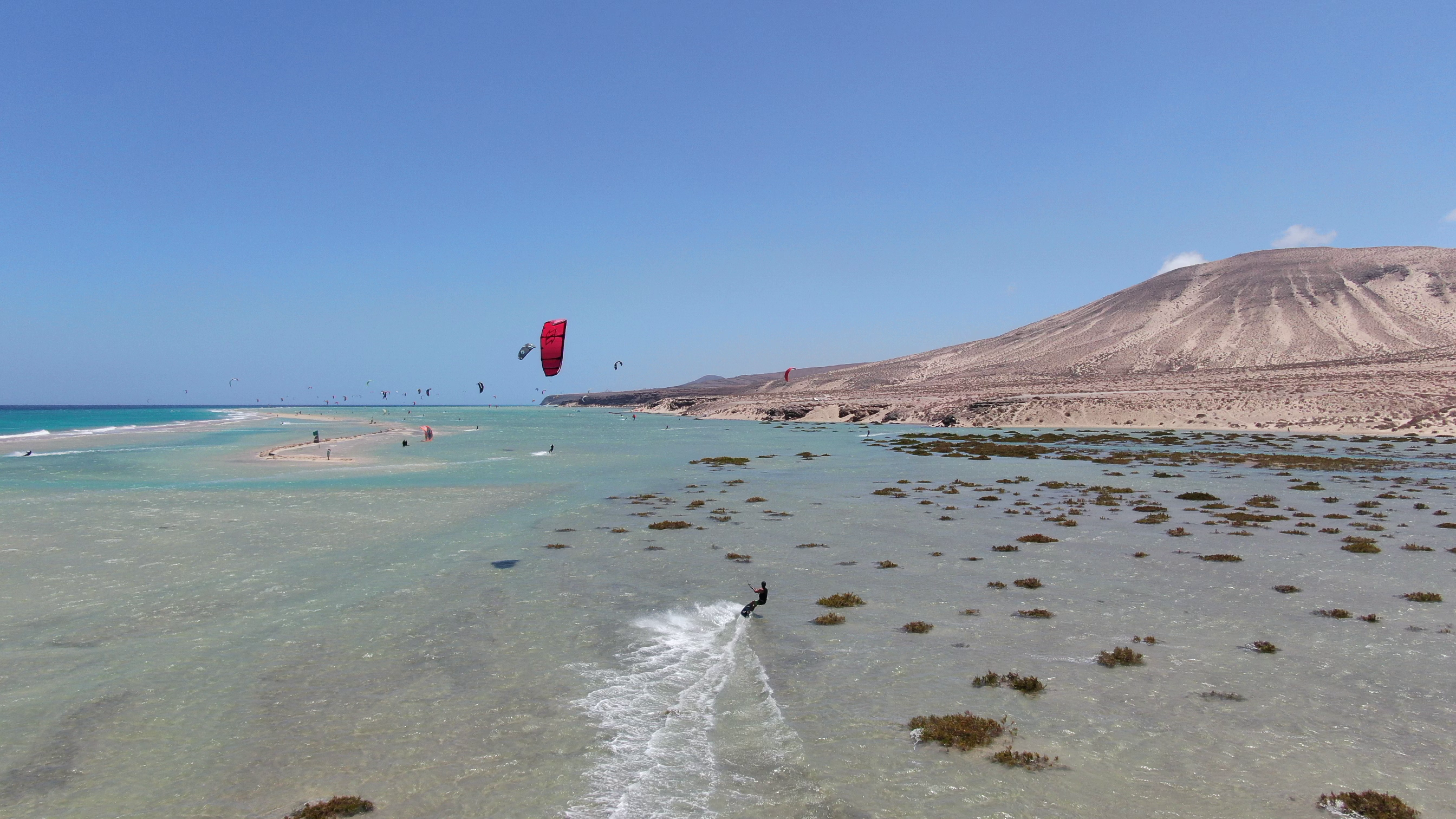,regionOfInterest=(1344,756))
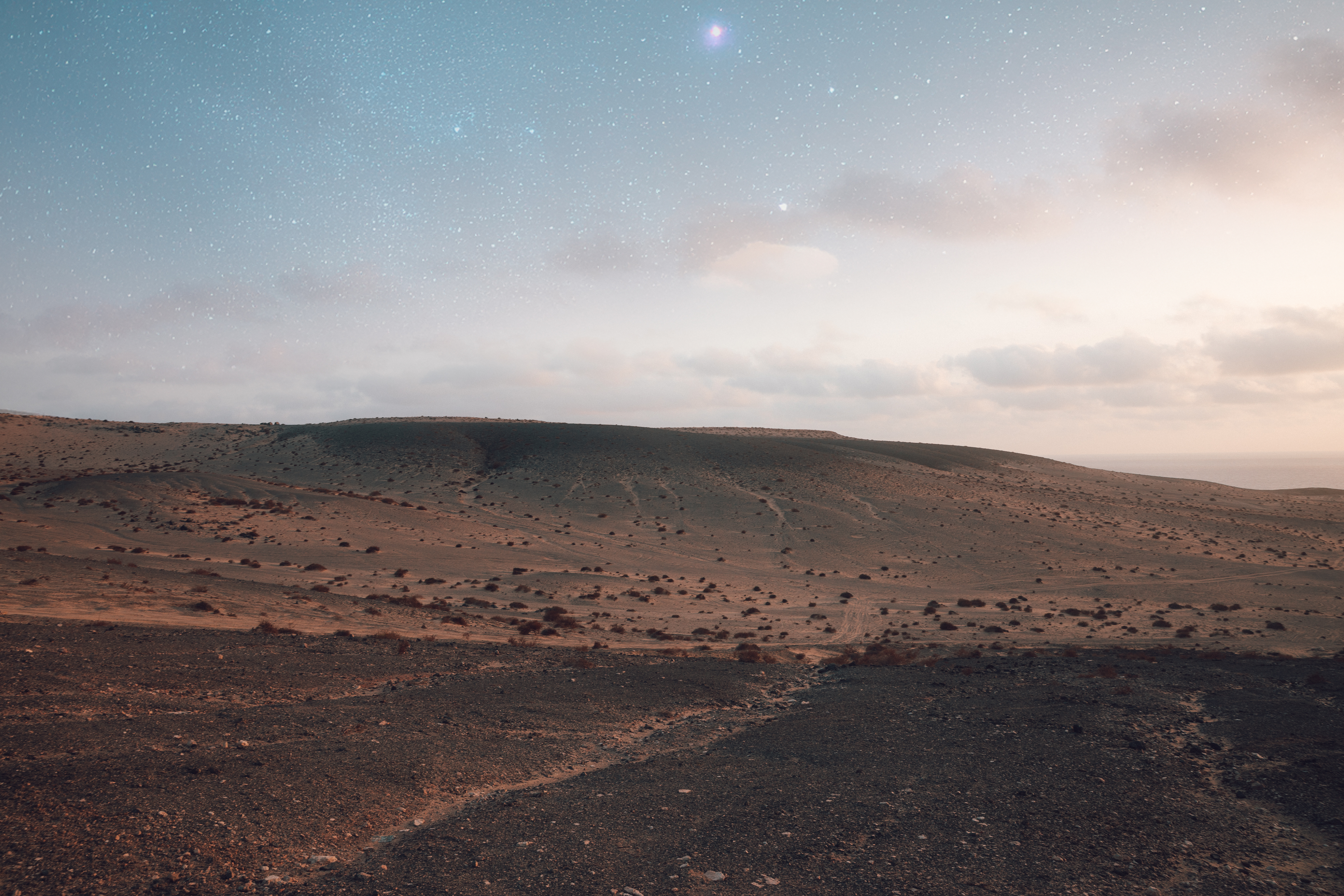,regionOfInterest=(3360,2240))
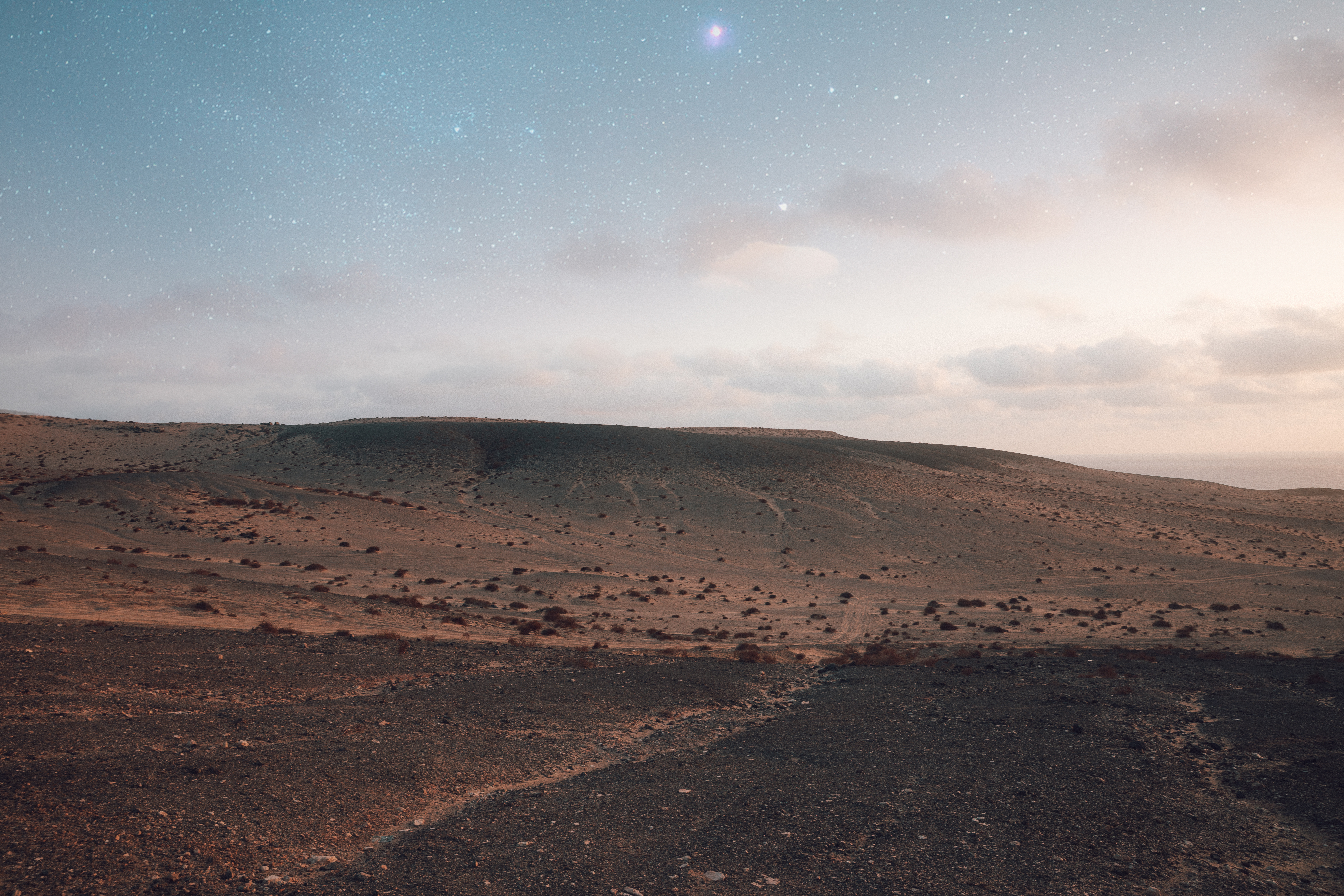,regionOfInterest=(3360,2240))
The first thing that catches your attention upon arrival is the immensity of the landscape. For several kilometres, you will only find light-coloured sand dunes, small elevations modelled by the wind and the Atlantic Ocean on the horizon, as a backdrop. An environment that offers a very different image to the one many associate with the Canary Islands and which surprises from the very first moment.
With more than two thousand hectares of surface area, it is the largest expanse of sand in the entire Canary Islands archipelago. The sand, formed mainly by the erosion of seashells and microscopic organisms, creates a dreamlike Saharan landscape by the coast. Crossing it by road is an experience in itself.
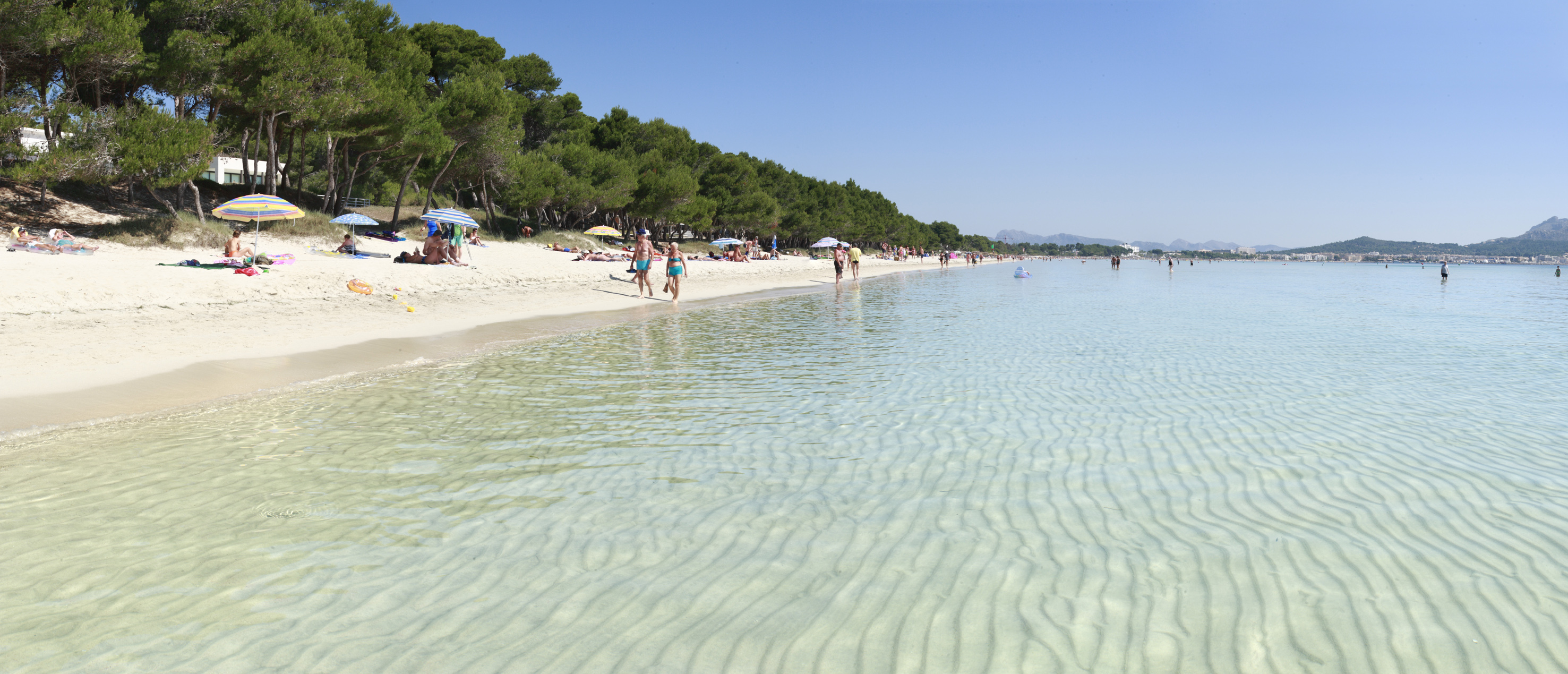
Another of its great attractions are the beaches of the Dunas de Corralejo, which stretch along the natural park. You will find wide stretches of sand with transparent waters where you can relax, walk along the shore or enjoy a swim with privileged views of the Isla de Lobos.
And the wind is also part of the experience, as, thanks to it, the dunes are constantly changing shape, so it is possible that every time you visit the area you will encounter a different landscape.
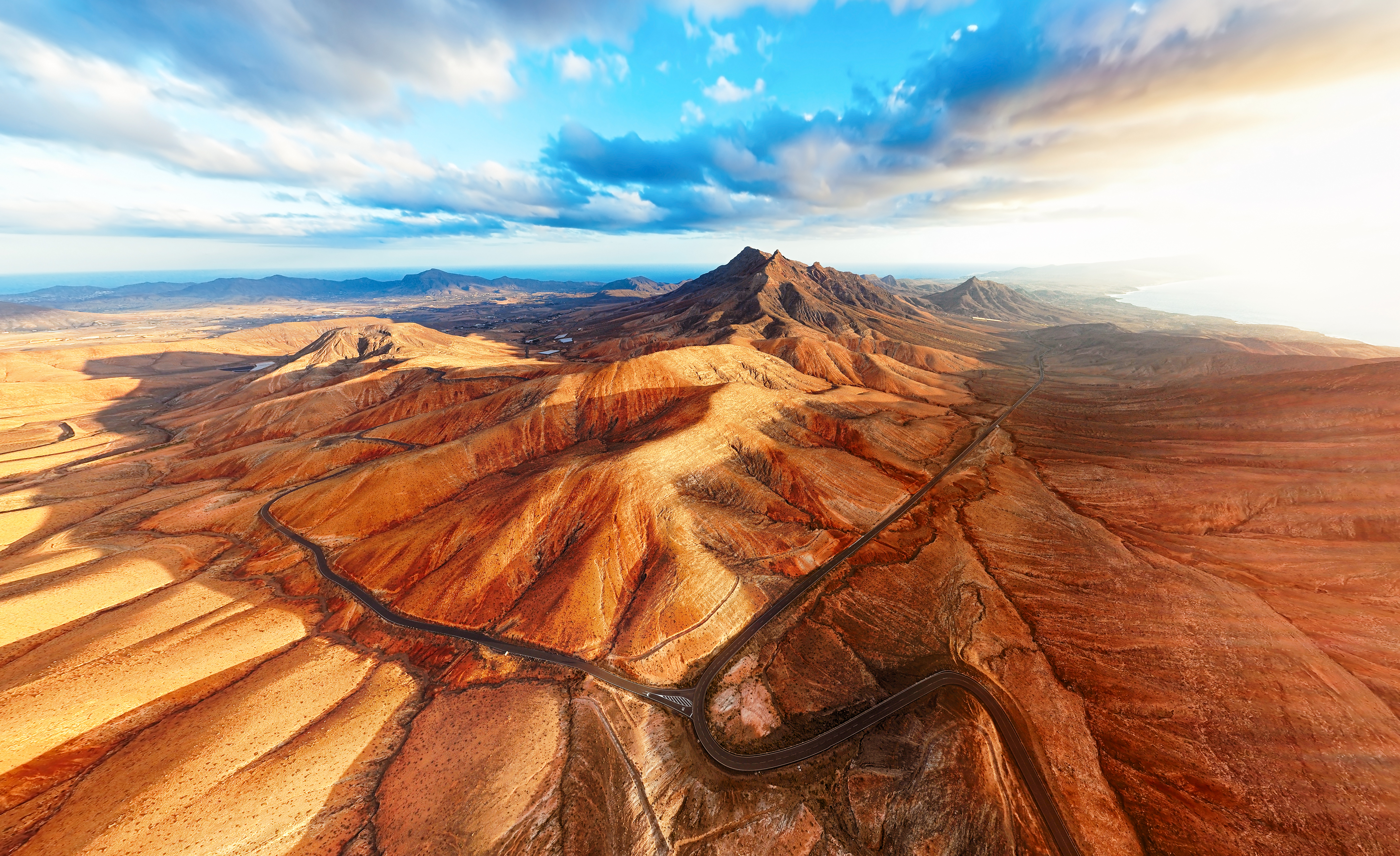,regionOfInterest=(2458.5,1504))
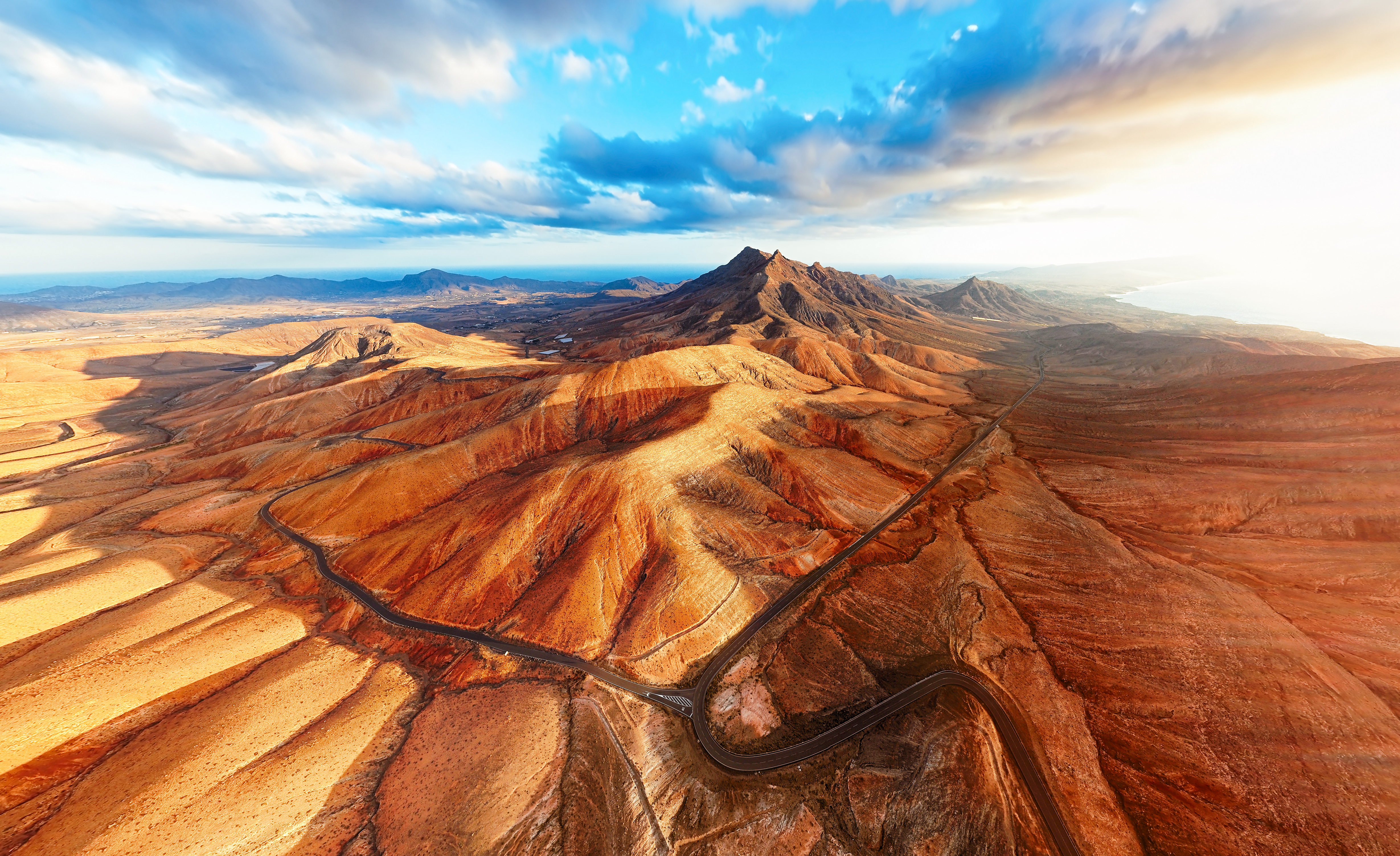,regionOfInterest=(2458.5,1504))
Before starting your visit, it is worth checking the map of the Dunas de Corralejo to locate the main access points and choose the area that interests you most. Thanks to its good road connections, getting there is very easy both from Corralejo and from other points in the north of Fuerteventura.
If you are wondering where the Dunas de Corralejo are, the park extends along the northeast coast of the island, crossed from north to south by the FV-1 island road.
FV-1 road, between kilometres 18 and 22, Corralejo, Fuerteventura.
If you don't know how to get to the Dunas de Corralejo, I recommend going by car, which is the most comfortable and fastest option. If you are leaving from Puerto del Rosario, you just have to take the FV-1 road heading north for about 25 or 30 minutes. And if you are leaving from Corralejo, you will be there in just 5 minutes. The road literally crosses the heart of the dunes, allowing you to enjoy some amazing views.
If you prefer or don't have a car, you can also go by bus. Line 6 connects Puerto del Rosario with Corralejo and makes stops very close to the main access points to the park.
Parking at the Dunas de Corralejo is relatively simple, as there are several designated lay-bys along the FV-1 road from which you can access the beaches directly. Remember that it is forbidden to park on the protected sand of the park or outside the authorised areas, to protect this natural space. During the summer, on holidays and at weekends, it is advisable to arrive early to find a space more easily.
,regionOfInterest=(1771.5,1181))
,regionOfInterest=(1771.5,1181))
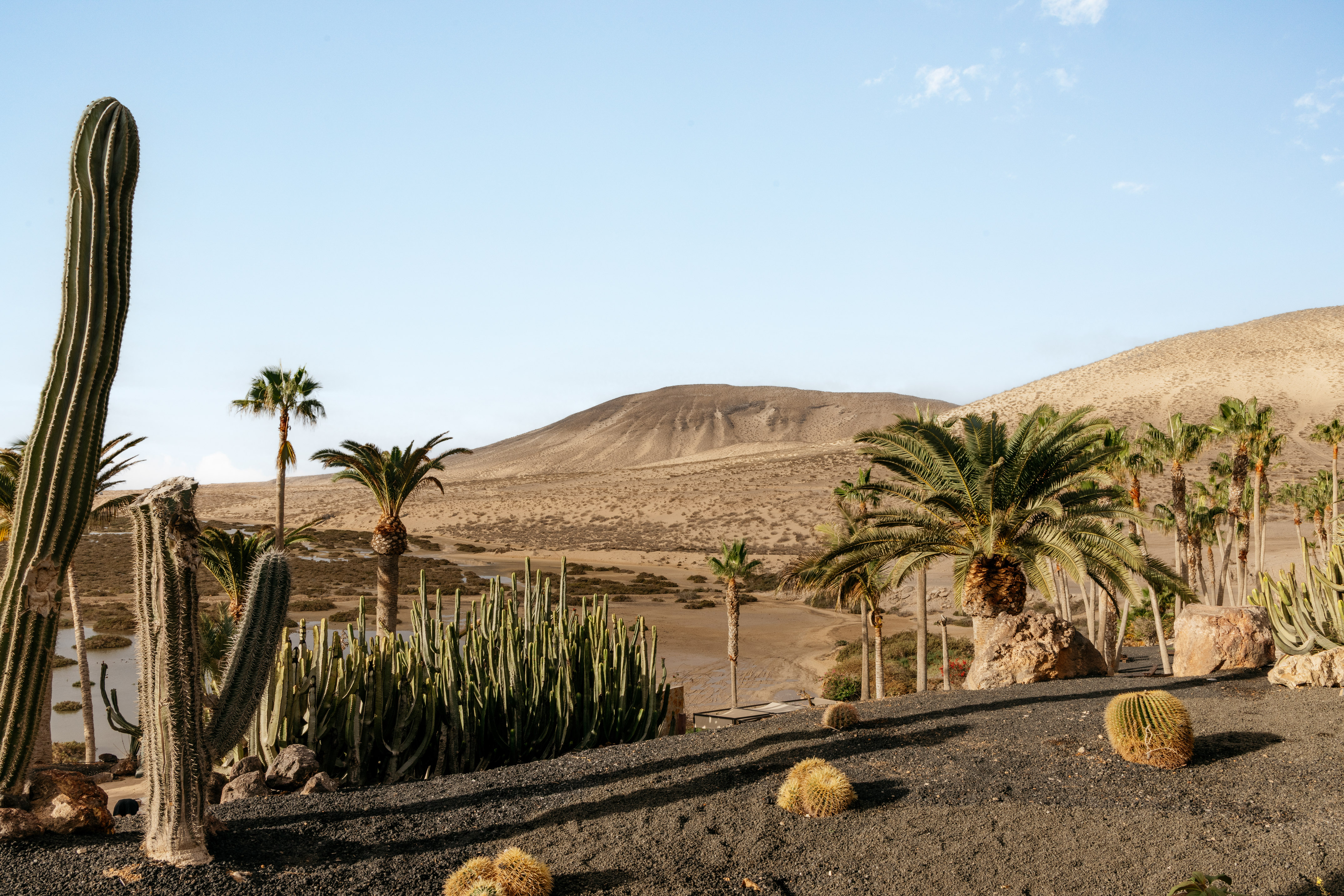
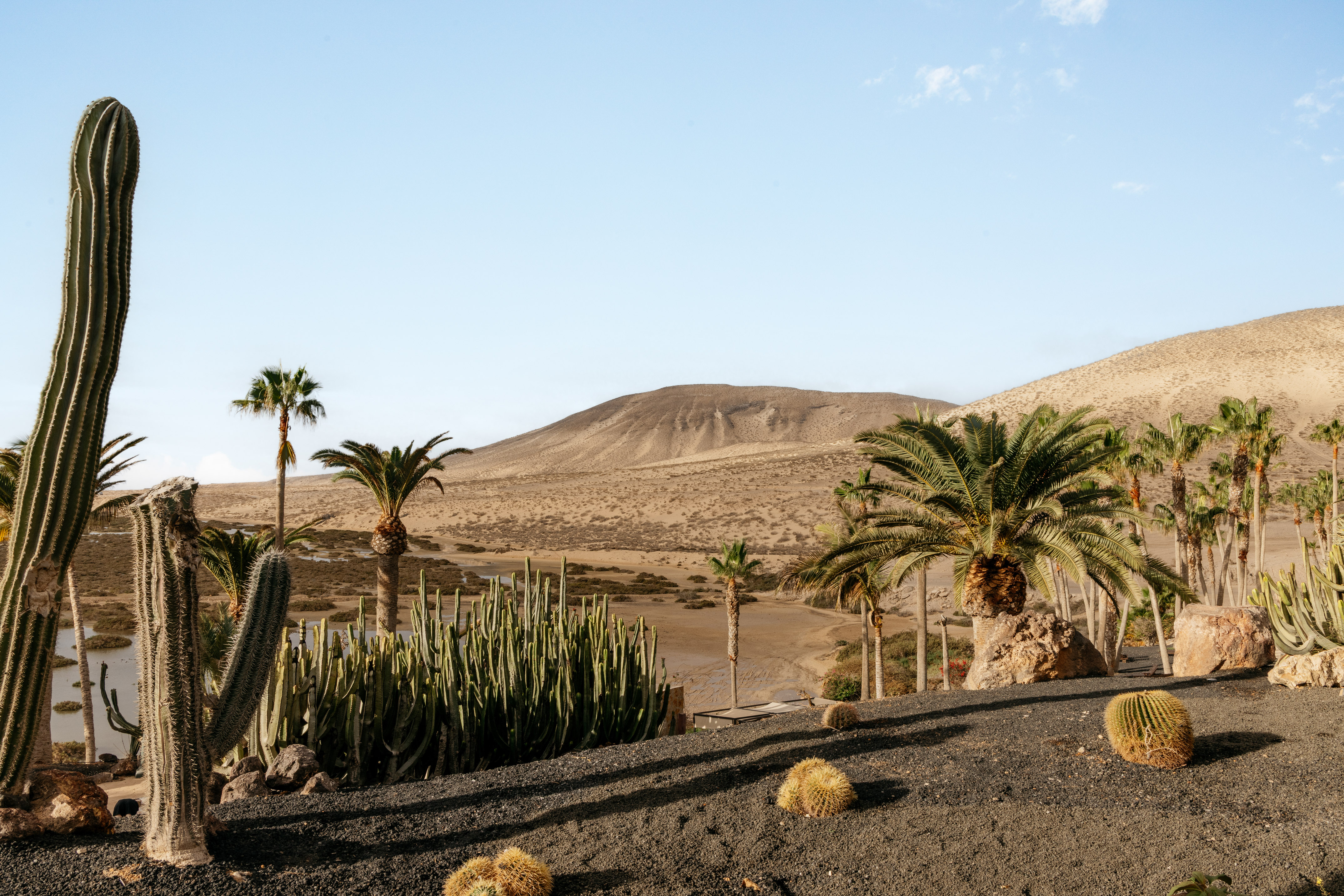
Most reviews of the Dunas de Corralejo agree that it is one of those places that exceeds expectations. Many people arrive thinking they will only find a beach and end up discovering one of the most spectacular and surprising landscapes in the entire archipelago.
What travellers highlight most in their reviews is the sense of vastness and the natural beauty of the landscape, where the contrast of the golden sand with the crystal-clear water is simply incredible. It is one of the most photographed landscapes in Fuerteventura.
On the downside, some point out that it can be quite windy on certain days of the year and that the roadside parking areas fill up quickly during the middle of the day, especially in high season.
,regionOfInterest=(2150,1434))
,regionOfInterest=(2150,1434))
Although they are very accessible, the climate of Fuerteventura and the characteristics of the terrain mean that good planning is key to enjoying the experience much more. Here are some tips for visiting the Dunas de Corralejo that I think will come in handy:
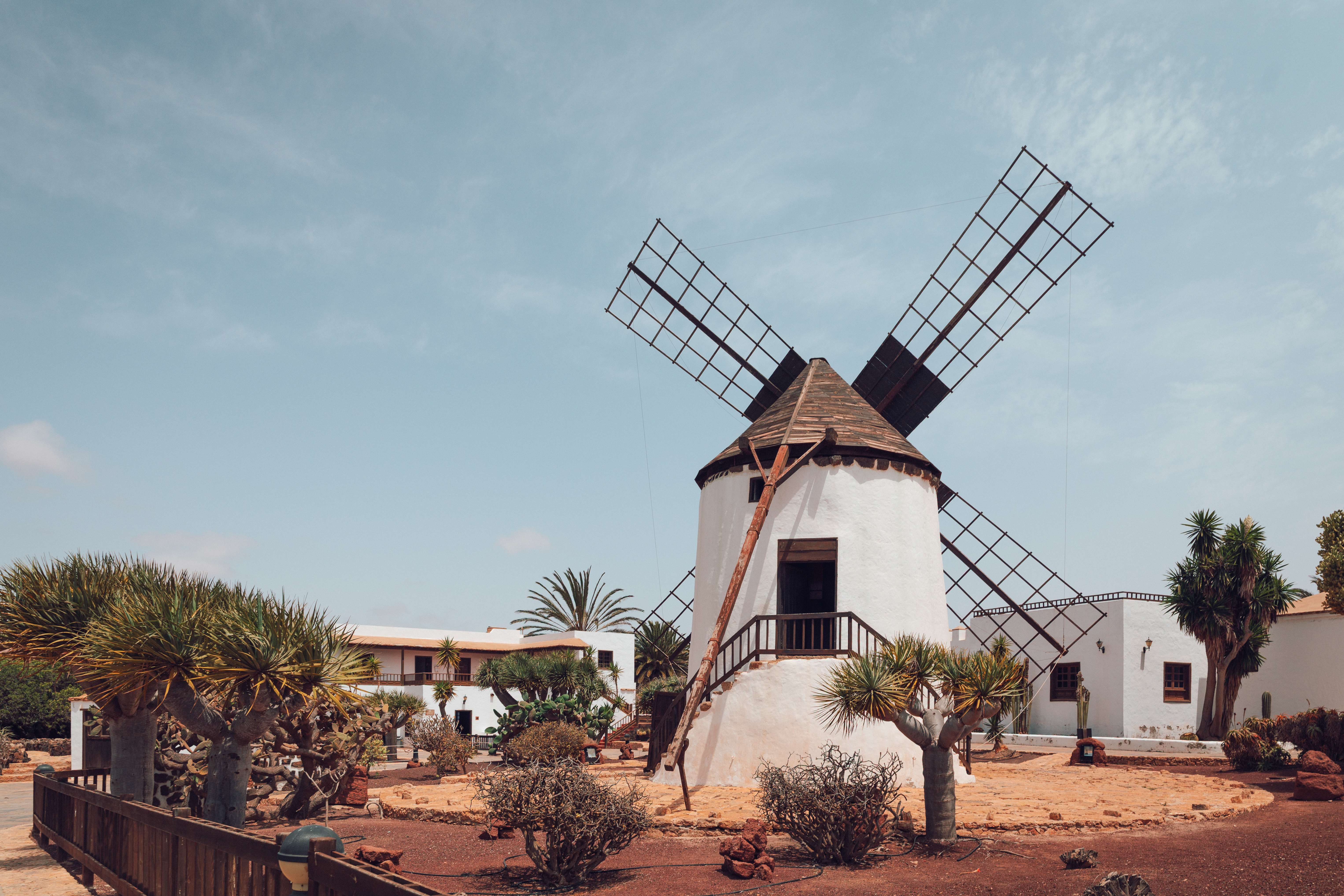,regionOfInterest=(3052,2034.5))
,regionOfInterest=(3052,2034.5))
If you want to make the most of your excursion to the dunes, in the surroundings of the park there are many other places worth visiting and plans to make that adapt to all tastes. In the north of Fuerteventura, these are some of my recommendations:
The Grandes Playas de Corralejo are part of the natural park itself and are one of the main reasons why thousands of travellers visit this area each year. They stretch for several kilometres next to the dunes and offer some of the most impressive landscapes in Fuerteventura.
Just five minutes by car to the north is Corralejo, an old fishing village that has become one of the most important tourist destinations in Fuerteventura, having managed to preserve its seafaring essence.
From the port of Corralejo itself, you can go to the Isla de Lobos on one of the many ferries, catamarans and water-taxis that leave throughout the day. It is a small protected islet where there are no cars and which only allows a limited number of visitors per day, ideal for disconnecting in the heart of nature.
Very close to Corralejo is the Playa del Bajo de la Burra, which is one of the most curious beaches in the entire Canary Islands. Known as Popcorn Beach, it owes its fame to small calcareous formations that cover a large part of the shore and resemble popcorn.
If you like panoramic views, you have to climb Montaña Roja, an old volcanic cone located next to Corralejo from which you will get spectacular views of the natural park, the Isla de Lobos and a large part of the north of Fuerteventura.
Heading towards the northwest coast of the island, about twenty minutes by car, you will arrive in El Cotillo. This quiet village stands out for its famous white sand coves known as "Los Lagos", where volcanic rock reefs form incredible natural swimming pools with crystal-clear water and no waves, perfect for swimming in total tranquillity.
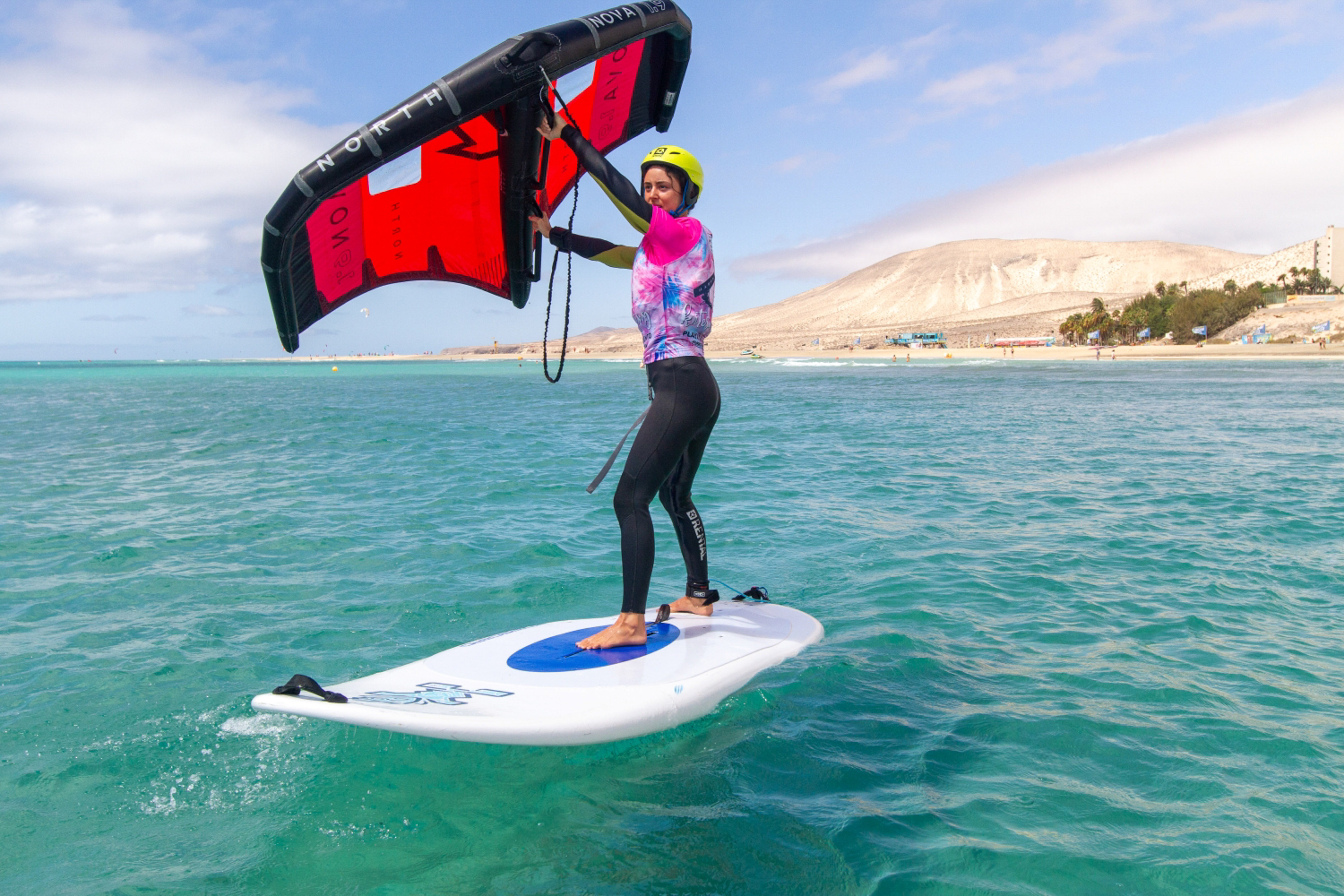,regionOfInterest=(2150,1433.5))
,regionOfInterest=(2150,1433.5))
If you are looking for one of those places capable of surprising you from the very first moment, the Dunas de Corralejo cannot be missing from your trip to Fuerteventura. Walking among its dunes, relaxing on its beaches and contemplating the contrast between the sand and the Atlantic is an experience that reflects the natural beauty of the island like few others.
,regionOfInterest=(2400,1600))
,regionOfInterest=(2400,1600))
,regionOfInterest=(2880,1920))
,regionOfInterest=(2880,1920))
,regionOfInterest=(1619.5,1121))
,regionOfInterest=(1619.5,1121))
,regionOfInterest=(1476.5,634.5))
,regionOfInterest=(1476.5,634.5))
,regionOfInterest=(2273,1523))
,regionOfInterest=(2273,1523))
,regionOfInterest=(1564,1200))
,regionOfInterest=(1564,1200))