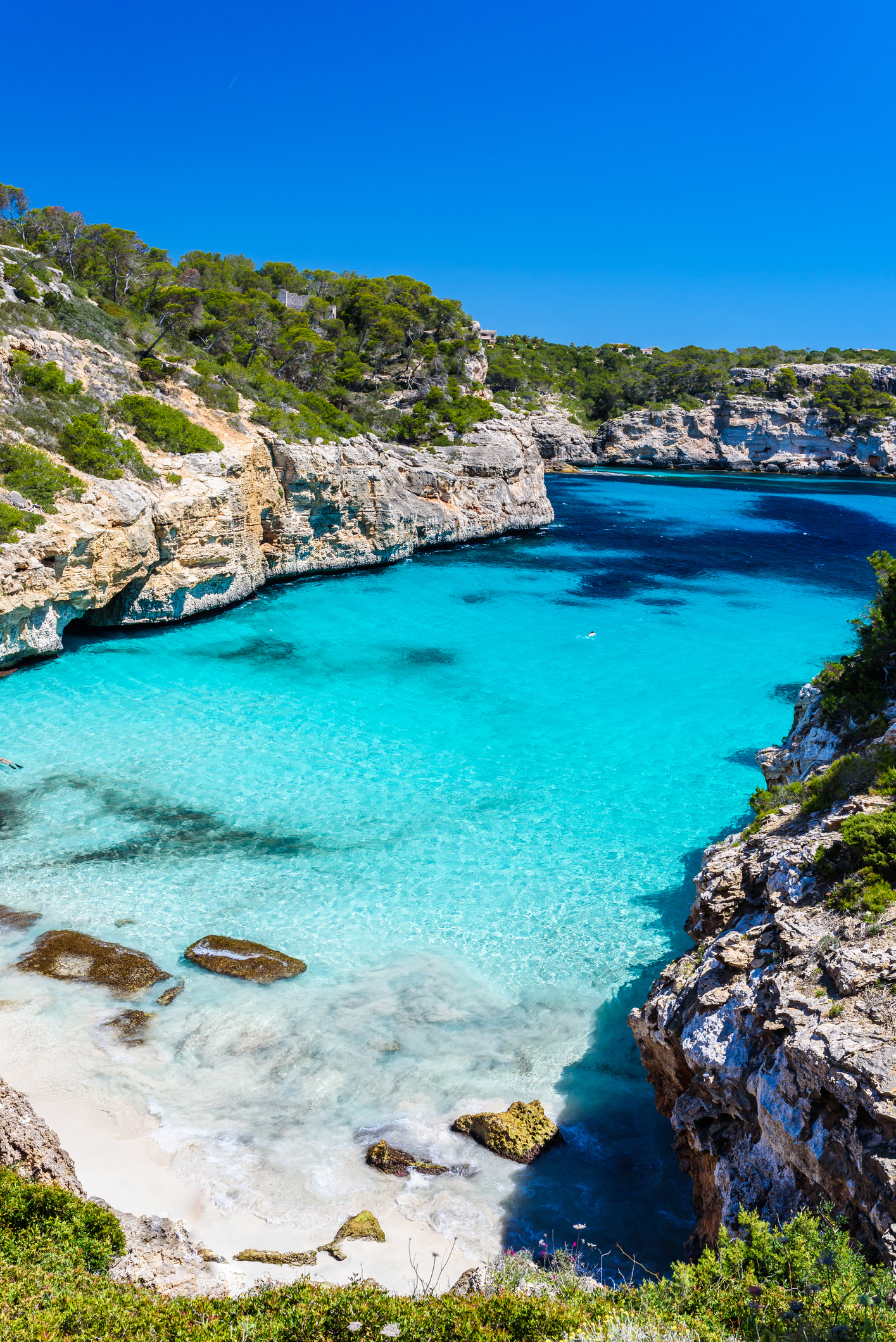
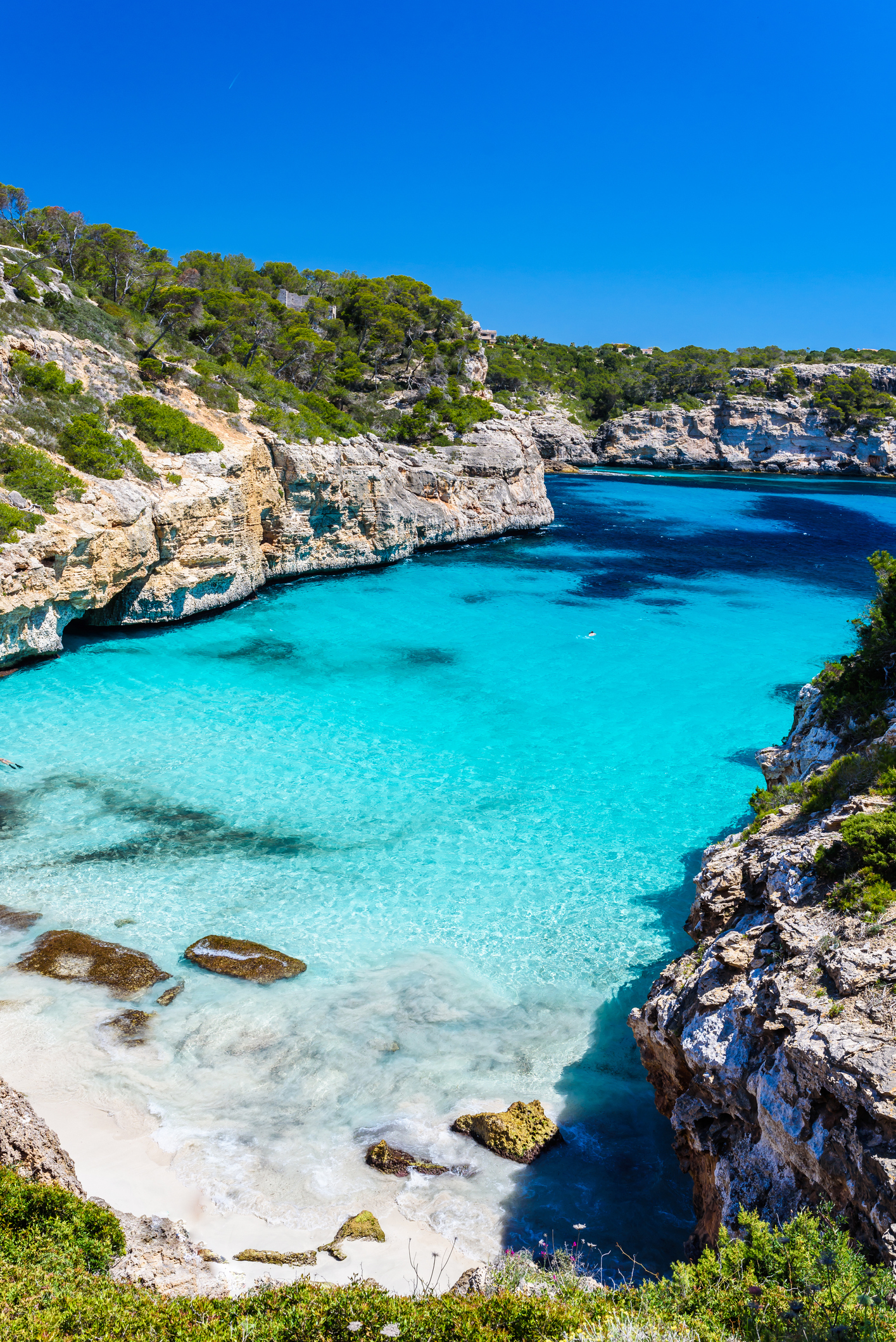
The best coves in Mallorca
,regionOfInterest=(707.5,1059.5))
,regionOfInterest=(707.5,1059.5))
Culture
,regionOfInterest=(2000,1125))
,regionOfInterest=(2000,1125))
,regionOfInterest=(1771.5,997))
,regionOfInterest=(1771.5,997))
,regionOfInterest=(500,500))
,regionOfInterest=(500,500))
All-terrain writer specialising in tourism, fashion and trends. A curious soul, traveller, reader and sports enthusiast, keen to discover every corner of the world.
Culture
If you want to include one of the places with the greatest geological value on the island in your list of places to see in Fuerteventura, you must visit the Cuevas de Ajuy, natural caves that allow you to discover some of the oldest geological materials in the Canary Islands.
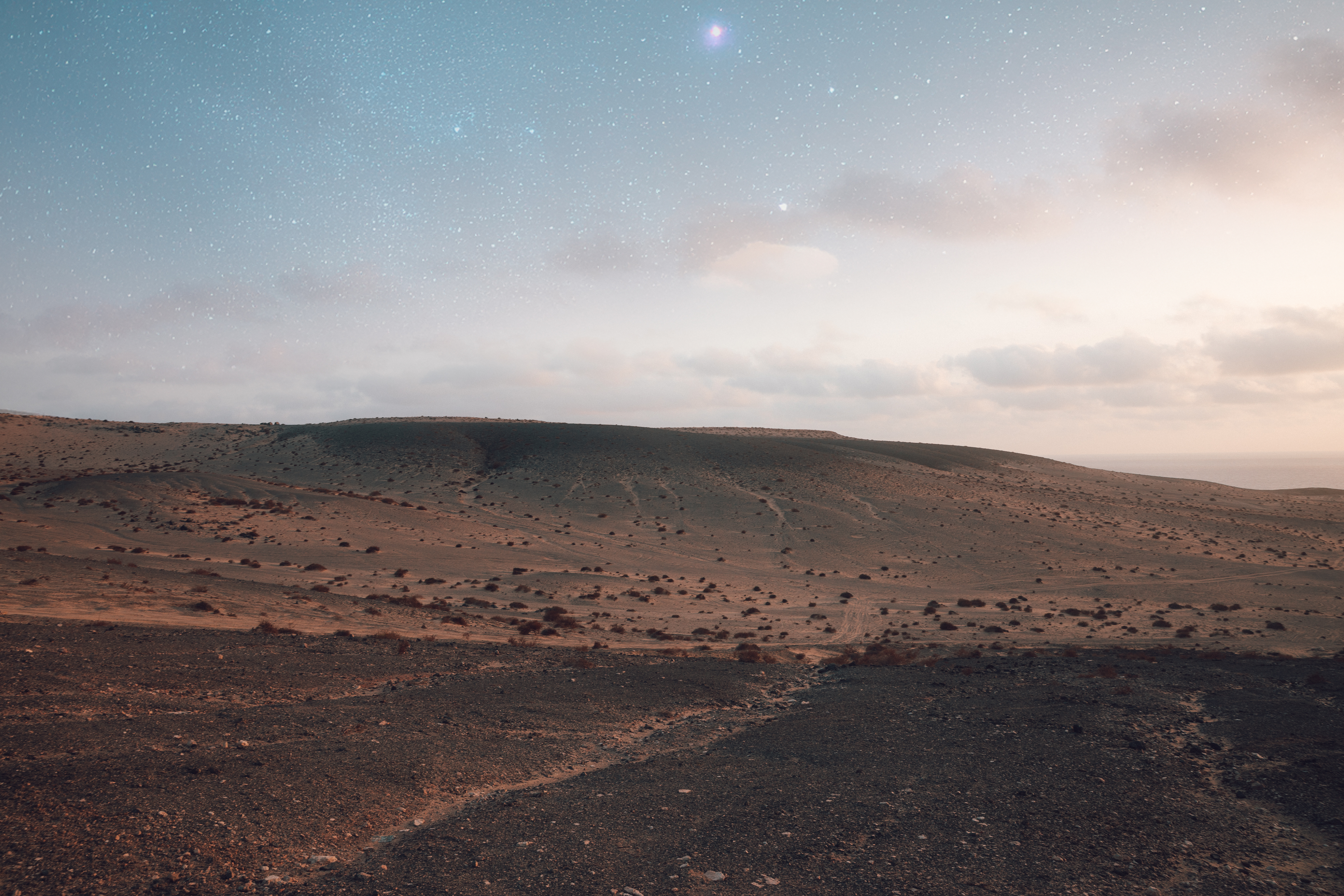
Located on the west coast of Fuerteventura, these caves are part of a landscape shaped over millions of years by the action of the ocean. Here, you can walk on rocks over 100 million years old, which originated long before the formation of the current islands, when the continents of Africa and America were beginning to separate.
Of great geological and historical importance, the Cuevas de Ajuy are one of the most visited natural spaces in the municipality of Pájara. In addition, the route to reach them, along a path that runs next to the cliffs, offers magnificent views of the Atlantic Ocean and makes the visit an even more complete experience.
Their official name is Monumento Natural de las Cuevas de Ajuy, a space protected for its extraordinary geological and landscape value. The contrast between the dark volcanic rock, the black sand of the beach, and the intense blue of the Atlantic creates one of the most unique landscapes in Fuerteventura. Although many people also know them as the Cuevas Negras de Ajuy.
In my opinion, you don't need to have knowledge of geology to enjoy this place. It is enough to walk the path calmly, stop to contemplate the landscape, and let yourself be surprised by a corner that allows you to better understand the origin and geological evolution of Fuerteventura.
,regionOfInterest=(3360,2240))
,regionOfInterest=(3360,2240))
,regionOfInterest=(2000,3000))
,regionOfInterest=(2000,3000))
,regionOfInterest=(3360,2240))
,regionOfInterest=(3360,2240))
One of the most special parts of the visit is the path that borders the cliffs until you reach the caves. The route offers beautiful views of the Atlantic and allows you to appreciate the force with which the sea has shaped this landscape over millions of years.
Although because of their appearance many people know them as the cuevas volcánicas de Ajuy, they are actually cavities excavated by the action of the ocean on ancient volcanic and sedimentary materials. Marine erosion has shaped these grottoes, making them one of the most unique geological enclaves in Fuerteventura.
The caves open up in the middle of the cliff wall, where the constant sound of the surf, the dark colour of the rocks, and the intense blue of the ocean create a landscape very different from that of the beaches in the south of the island.
Their greatest interest, however, lies in the geological history they preserve. The materials that outcrop in this environment are among the oldest in the Canary Islands and some are approximately 70 million years old, long before the formation of Fuerteventura. Precisely for this reason, the Monumento Natural de las Cuevas de Ajuy is considered one of the most valuable geological enclaves in the archipelago.
During the visit you will discover:
It is a place where the landscape helps you understand how nature has been slowly transforming the coast over thousands and thousands of generations.
,regionOfInterest=(1213,1658))
,regionOfInterest=(1213,1658))
Getting to the Cuevas de Ajuy is quite simple. You travel along a road that crosses some of the most characteristic landscapes of the interior of the island, ending practically next to the small town of Ajuy.
If you are looking for how to access the Cuevas de Ajuy, you will first have to reach the town, in the municipality of Pájara. From there begins a perfectly conditioned path that runs next to the cliffs.
Calle la Pleamar, 2, 35628 Ajuy, Pájara, Las Palmas, Fuerteventura.
The journey by car is very easy along the FV-621 road that goes down directly to the coast:
Once you park the car, you have to do what is known as the Cuevas de Ajuy route. The path starts at the northern end of the black beach, goes up some well-signposted stone ramps and steps, and borders the cliffs for about 500 metres until you reach the stairs that go down into the interior of the caverns.
The best option is to park in the public car park right at the entrance to the town of Ajuy. From there you will only have to walk a few minutes to the beach, where the path that takes you to the caves begins.
The visit is completely free. As it is an open natural space, there is no entrance fee to pay.
The caves are open 24 hours a day, 365 days a year. However, it is essential to always go during daylight hours for safety. Also, avoid approaching when the state of the sea is not suitable.
The round trip usually takes between 30 and 40 minutes depending on your pace. Afterwards, the visit to the interior of the caves will depend on the time you want to dedicate to it.
The reviews of the Cuevas de Ajuy coincide in highlighting that the visit exceeds the expectations of many travellers. Those who arrive thinking that they will only find caves by the sea end up discovering one of the most spectacular landscapes in all of Fuerteventura.
Among the most valued aspects are the views offered by the path, the ease of accessing the natural monument, and the possibility of contemplating one of the most unique geological enclaves in Fuerteventura.
If you are planning to visit the Cuevas de Ajuy, these are some of the recommendations most repeated by those who have already been there:
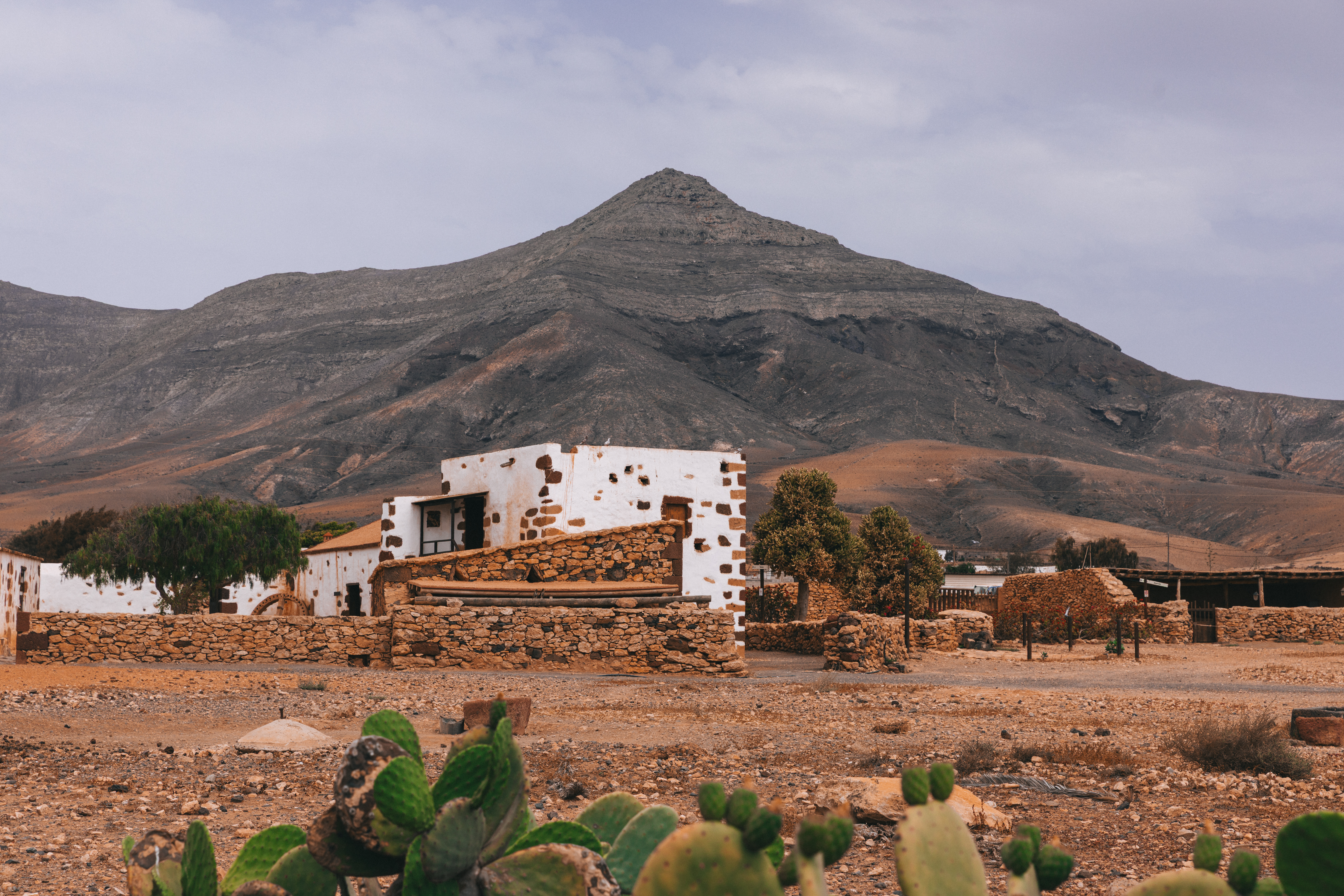
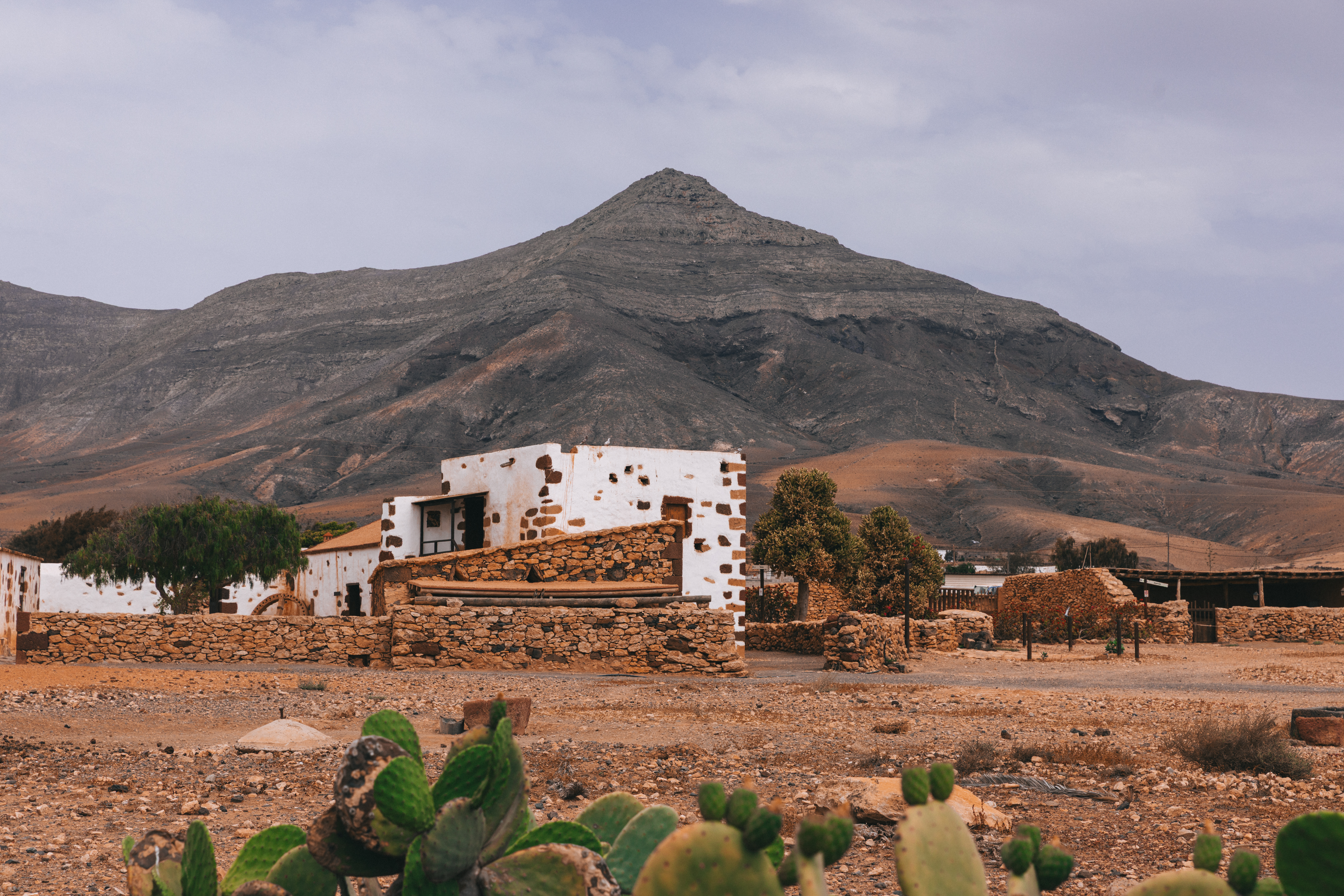
,regionOfInterest=(1996,1371))
,regionOfInterest=(1996,1371))
Although the excursion to the Cuevas de Ajuy does not present great difficulty, there are some details that are worth keeping in mind before starting the route, as the path runs along the cliffs and it is important to do it with caution.
If it is your first time in Ajuy, take note of these tips:
Visiting the Cuevas de Ajuy is a good excuse to discover one of the most authentic areas in the centre-west of the island of Fuerteventura and enjoy a super complete day combining sea, gastronomy, and culture in equal parts. These are some of the most recommended destinations a few kilometres from the caves:
Before or after touring the caves you have to go to the Playa de Ajuy. Its black volcanic sand contrasts with the intense blue of the Atlantic and offers an image very different from the large golden sand beaches of the south of Fuerteventura.
Ajuy preserves the atmosphere of a small fishing village where time seems to pass a little slower, with quiet streets, houses that maintain traditional architecture, and a promenade by the sea that invites you to walk without haste.
The town of Ajuy is one of the best places in Fuerteventura to eat fresh fish brought in by local fishermen, papas arrugadas, and a delicious majorero cheese with direct views of the beach.
About twenty minutes by car is the Barranco de las Peñitas, one of the most surprising natural spaces in the interior of Fuerteventura. Its volcanic rock walls, palm groves, and the small reservoir that forms after the rains create a landscape very different from what is usually associated with the island. In addition, it is a place highly appreciated by hiking enthusiasts, as several routes start from here that lead to natural viewpoints and the hermitage of La Peña, one of the places with the greatest historical and cultural value in Fuerteventura.
Just ten minutes by car inland you will reach Pájara, a small town that invites you to wander its streets without haste. Its squares full of vegetation, the traditional Canarian houses, and the quiet atmosphere make it a very pleasant stop during the route. Do not leave without visiting the Iglesia de Nuestra Señora de la Regla, one of the most unique buildings in Fuerteventura, whose stone façade stands out for its striking Aztec-inspired reliefs, an unusual element in the religious architecture of the Canary Islands.
The road that connects Pájara with Ajuy offers several natural viewpoints where it is worth stopping to contemplate the cliffs of the western coast, the Atlantic Ocean, and some of the most rugged landscapes of Fuerteventura. Among them, the Mirador de Las Peñitas stands out, from where you get a magnificent panoramic view of the ravine of the same name and the mountains that surround it, although throughout the route you will also find numerous points where you can stop for a few minutes and enjoy the views.
,regionOfInterest=(2067,1254.5))
,regionOfInterest=(2067,1254.5))
The Cuevas de Ajuy prove that Fuerteventura is much more than white sand beaches. Here, the true protagonist is the landscape, nature in its purest form. The rocks tell a story that began millions of years before the island existed as we know it today, while the ocean continues to slowly transform the cliffs with each tide.
,regionOfInterest=(2400,1600))
,regionOfInterest=(2400,1600))
,regionOfInterest=(2880,1920))
,regionOfInterest=(2880,1920))
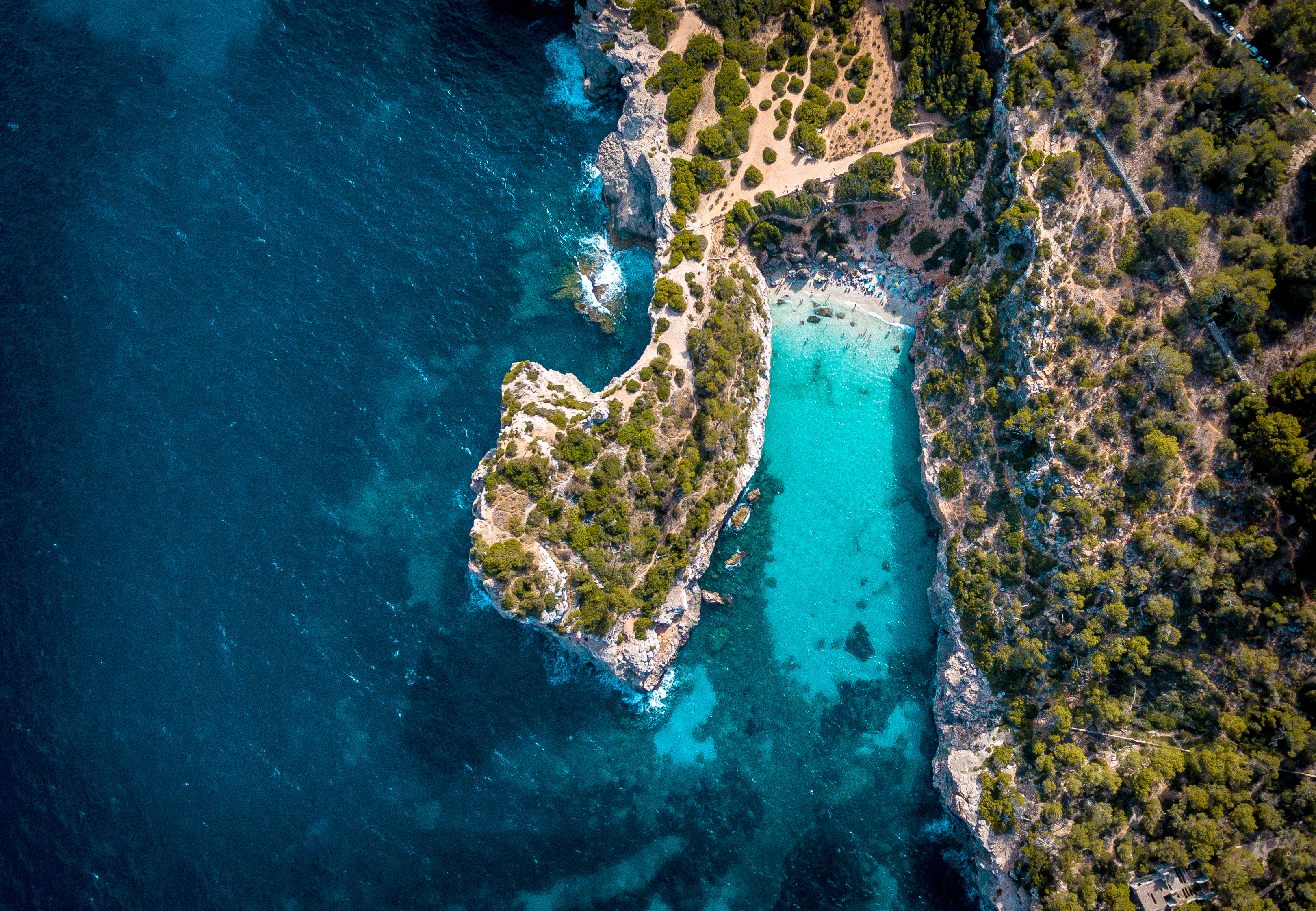,regionOfInterest=(1619.5,1121))
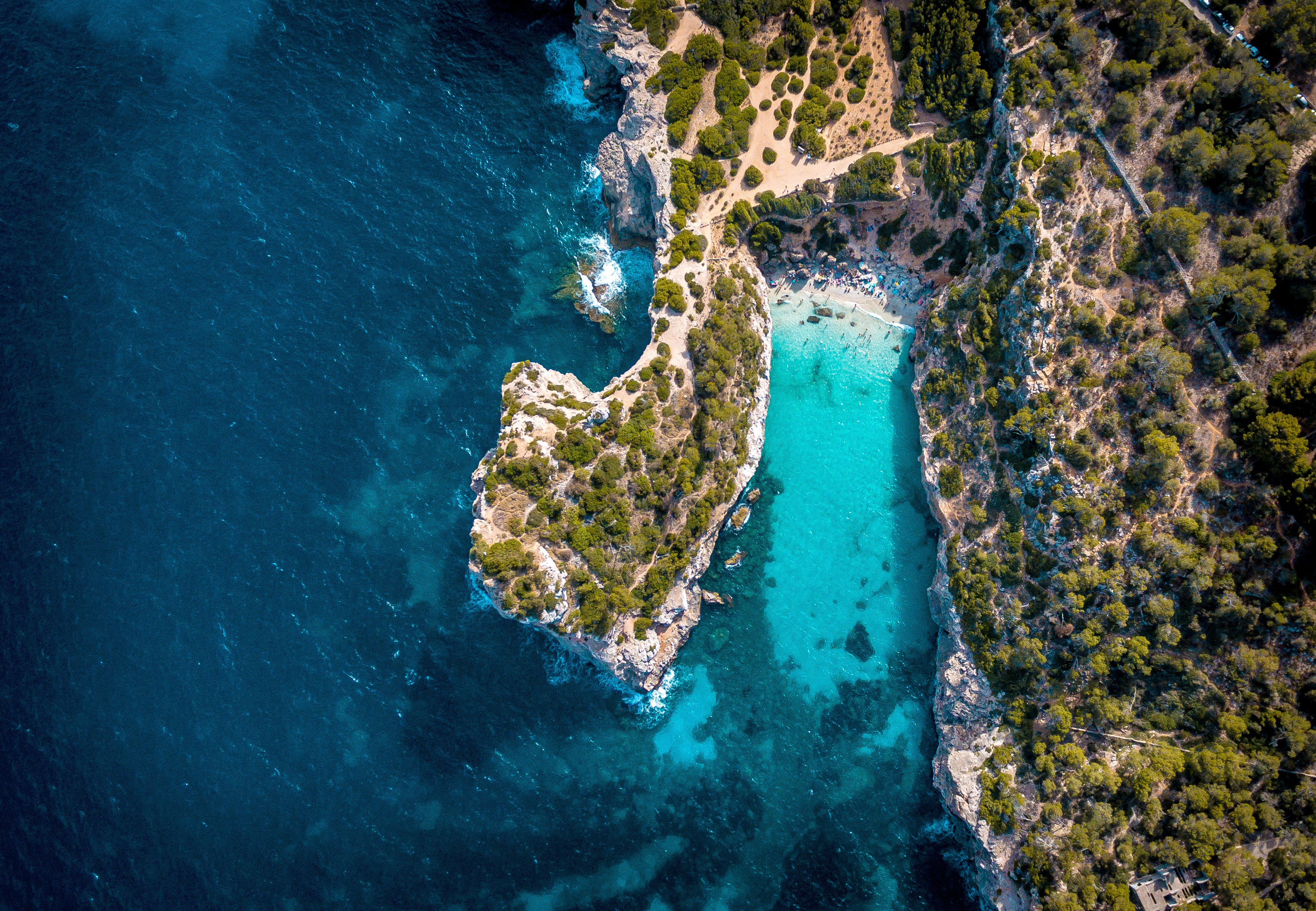,regionOfInterest=(1619.5,1121))
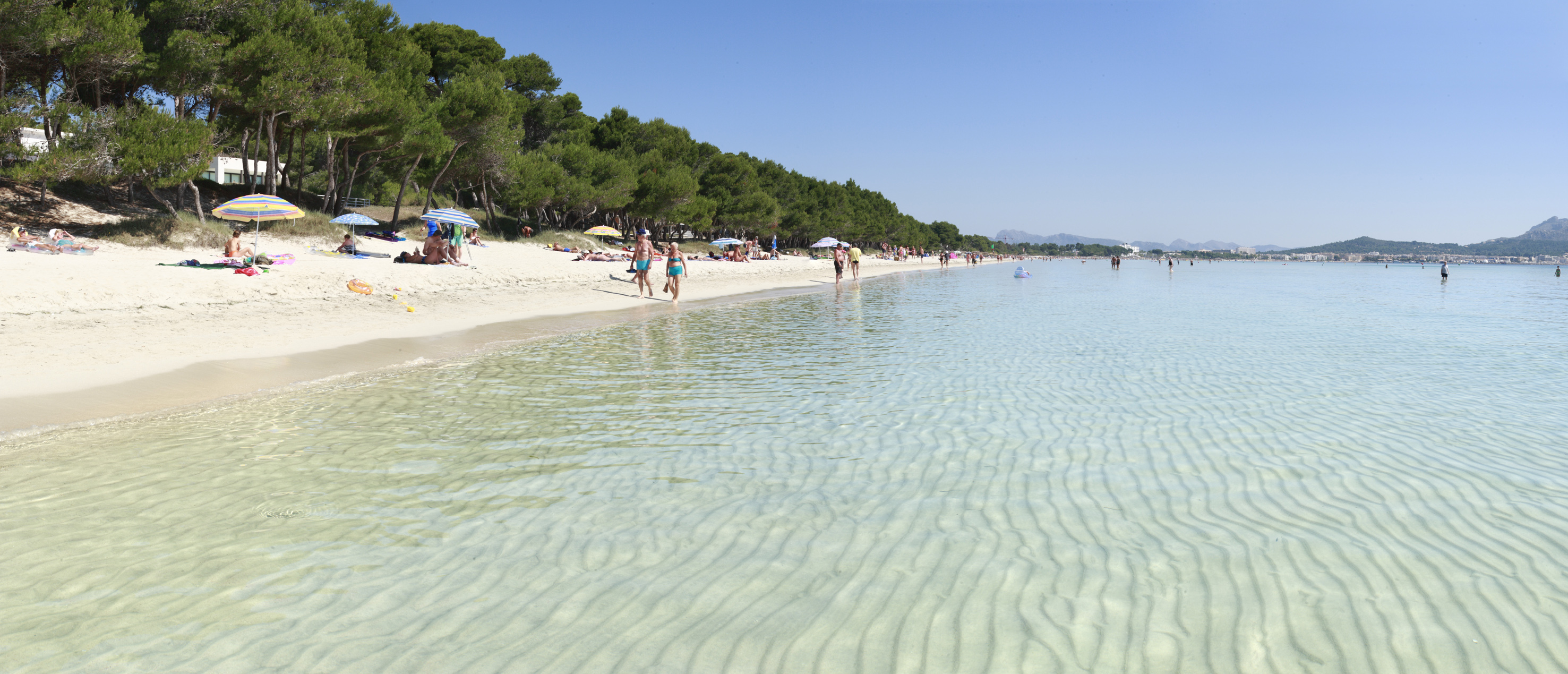,regionOfInterest=(1476.5,634.5))
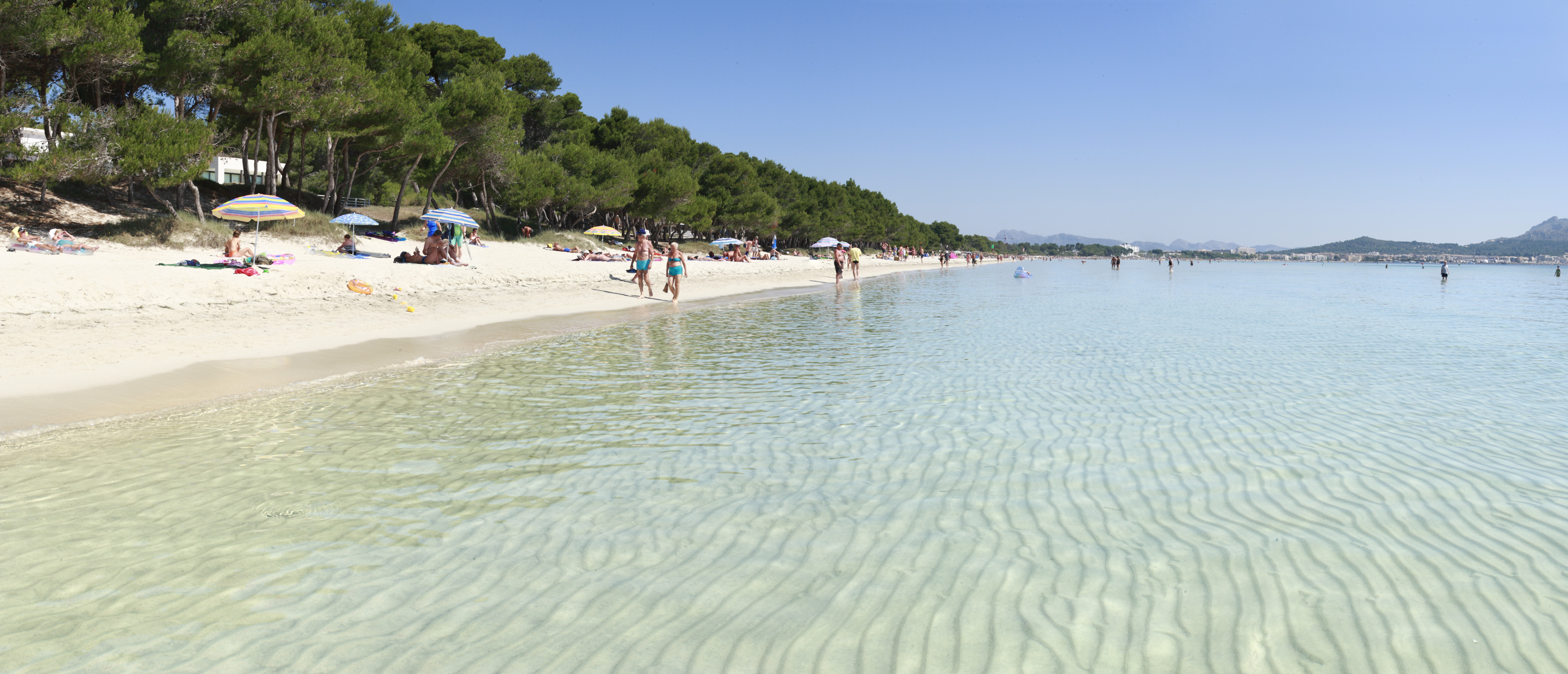,regionOfInterest=(1476.5,634.5))
,regionOfInterest=(2273,1523))
,regionOfInterest=(2273,1523))
,regionOfInterest=(1564,1200))
,regionOfInterest=(1564,1200))