The best coves in Mallorca
,regionOfInterest=(707.5,1059.5))
,regionOfInterest=(707.5,1059.5))
Culture
,regionOfInterest=(2643.5,1762.5))
,regionOfInterest=(2643.5,1762.5))
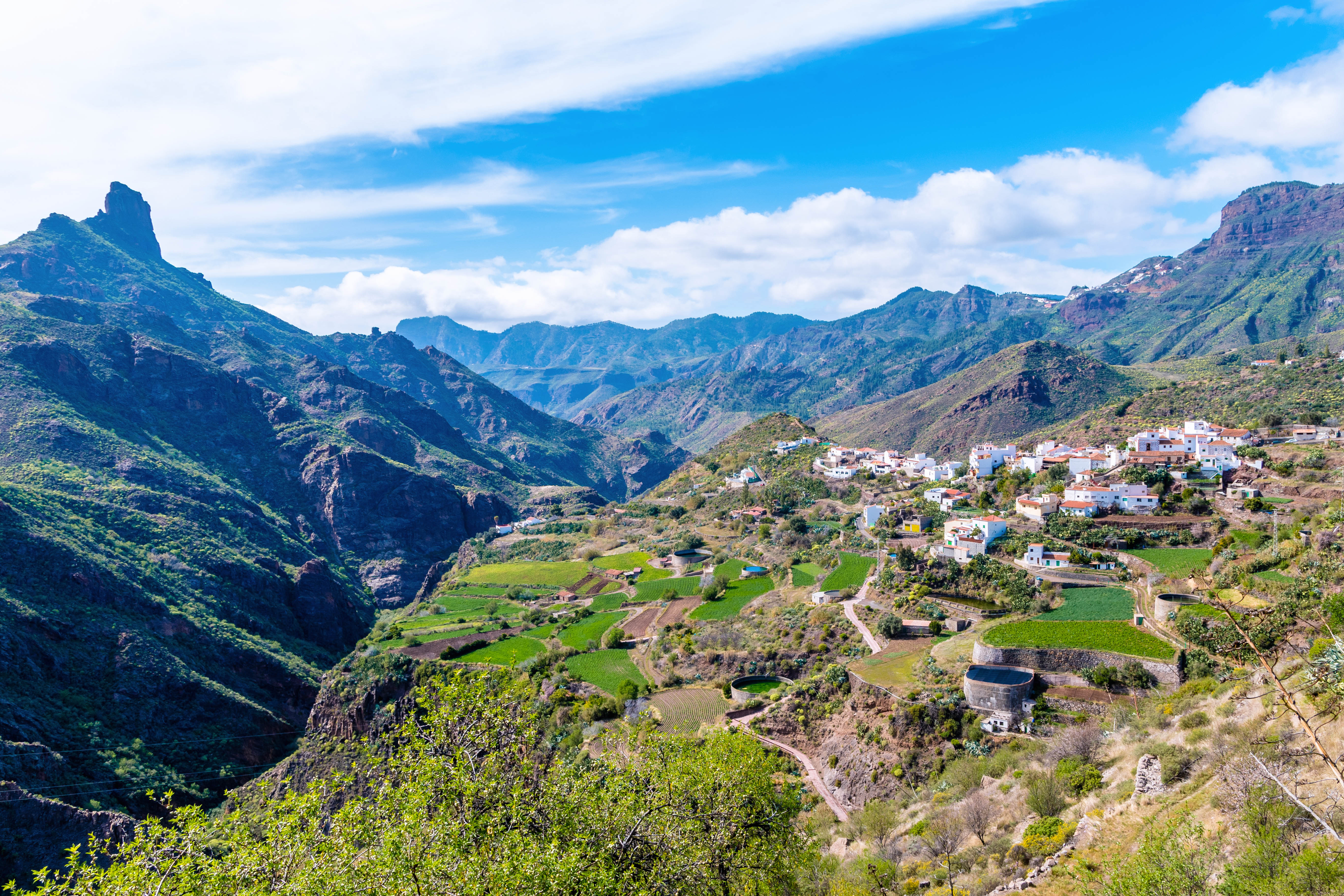
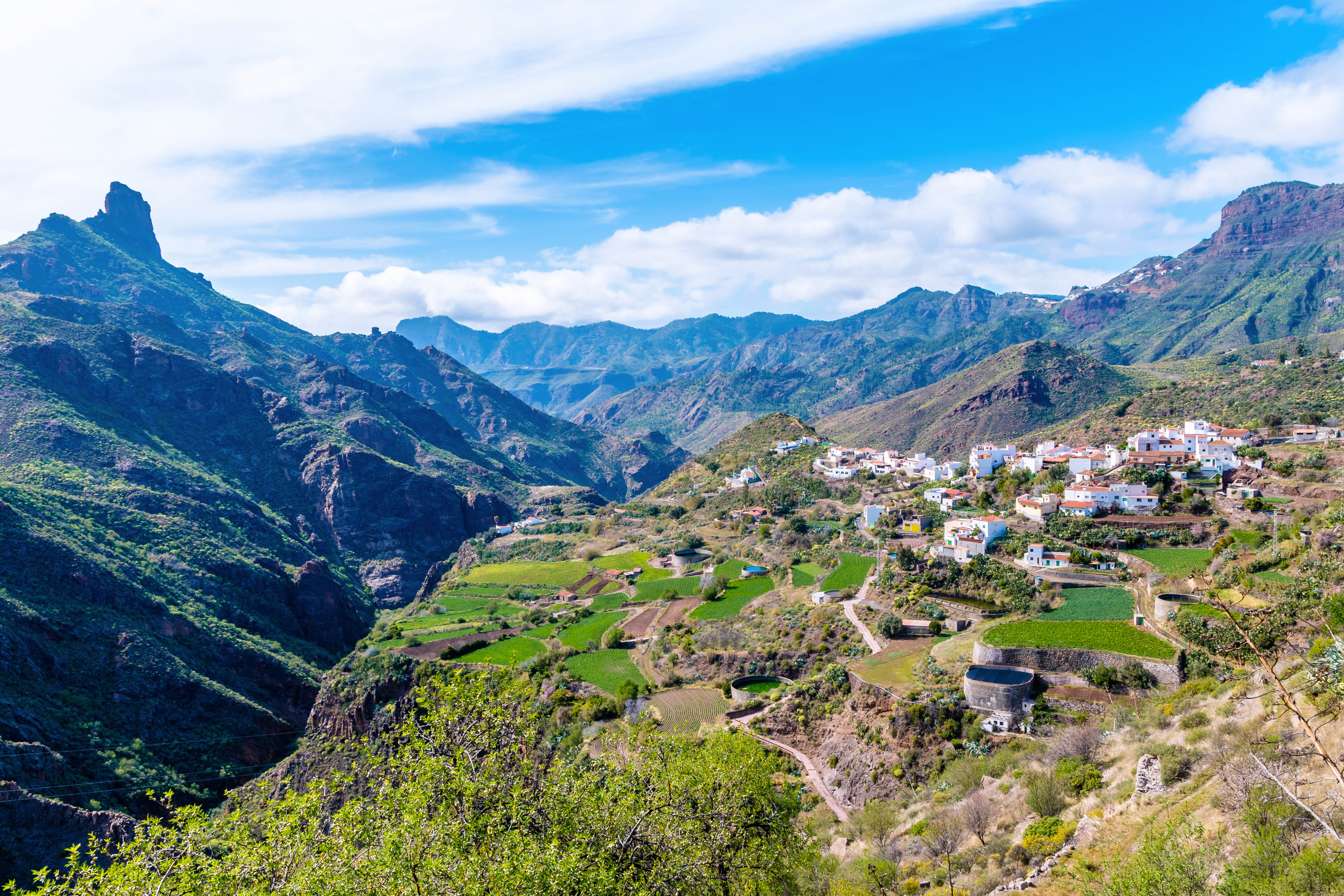
Some places stand out for their beaches, others for their landscapes, and some for their atmosphere. Well, Betancuria has a little of everything, although what really makes it so special is its history.
Founded at the beginning of the 15th century, Betancuria was the first capital of Fuerteventura and for centuries played a key role in the island's history. Today, it preserves a good part of that legacy among cobbled streets, whitewashed houses, and historic buildings that reflect the past of one of the oldest municipalities in the archipelago.
Surrounded by mountains, palm groves, and ravines, this town is one of those places to visit in Fuerteventura that offer a different perspective of the island. Far from the atmosphere of the coastal areas, here the focus is on heritage, culture, and inland landscapes, making it an essential stop to understand the essence of Fuerteventura.
If you are planning a trip and want to know what to see in Betancuria, you will find a municipality that brings together some of the most important monuments on the island, several viewpoints with views of the volcanic landscape, museums that help you understand its history, and a gastronomy based on traditional Fuerteventura products and recipes.
Culture
,regionOfInterest=(500,500))
,regionOfInterest=(500,500))
All-terrain writer specialising in tourism, fashion and trends. A curious soul, traveller, reader and sports enthusiast, keen to discover every corner of the world.
,regionOfInterest=(1771.5,997))
,regionOfInterest=(1771.5,997))
,regionOfInterest=(2400,1600))
,regionOfInterest=(2400,1600))
,regionOfInterest=(1996,1371))
,regionOfInterest=(1996,1371))
,regionOfInterest=(532.5,800))
,regionOfInterest=(532.5,800))
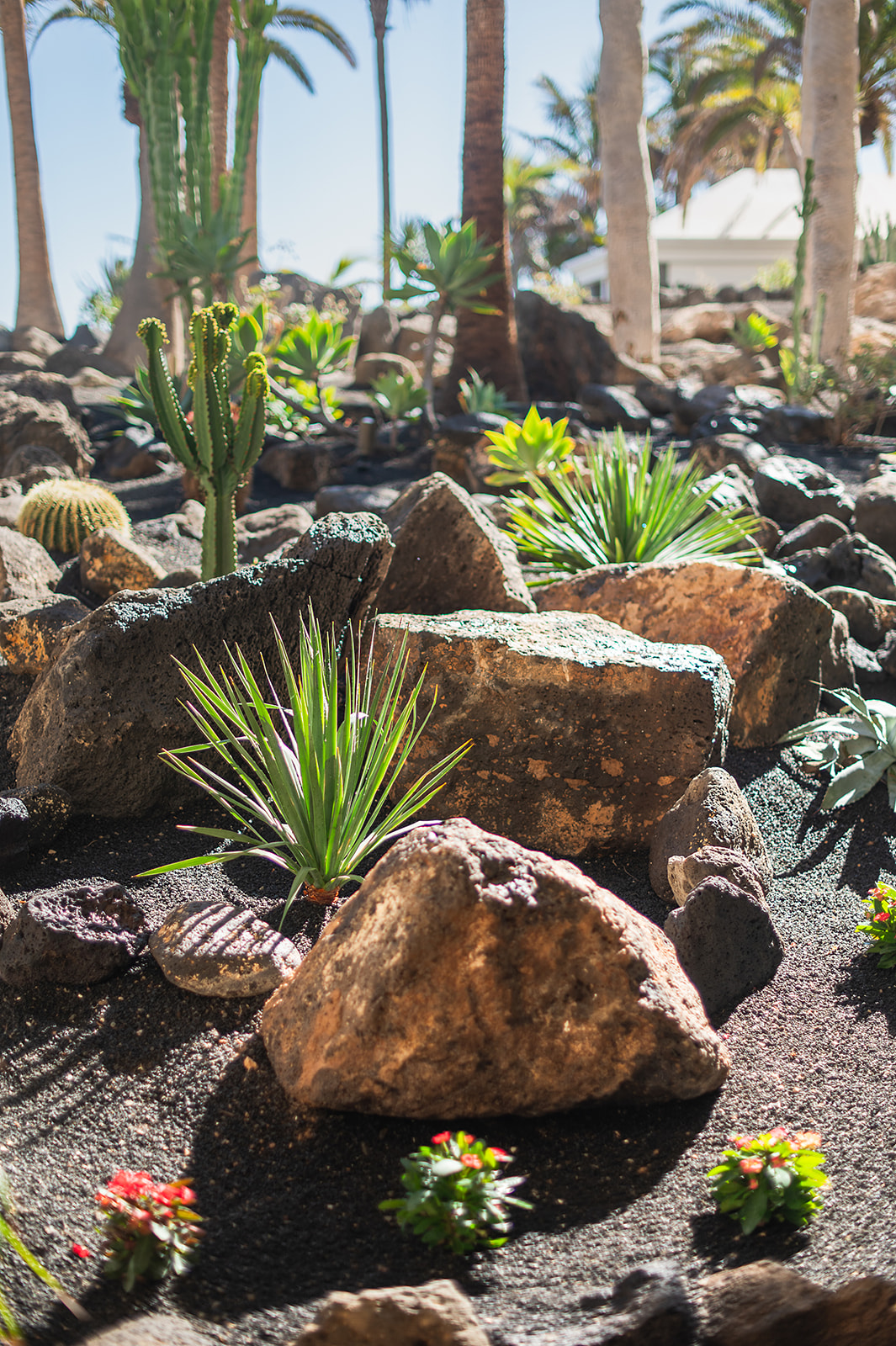
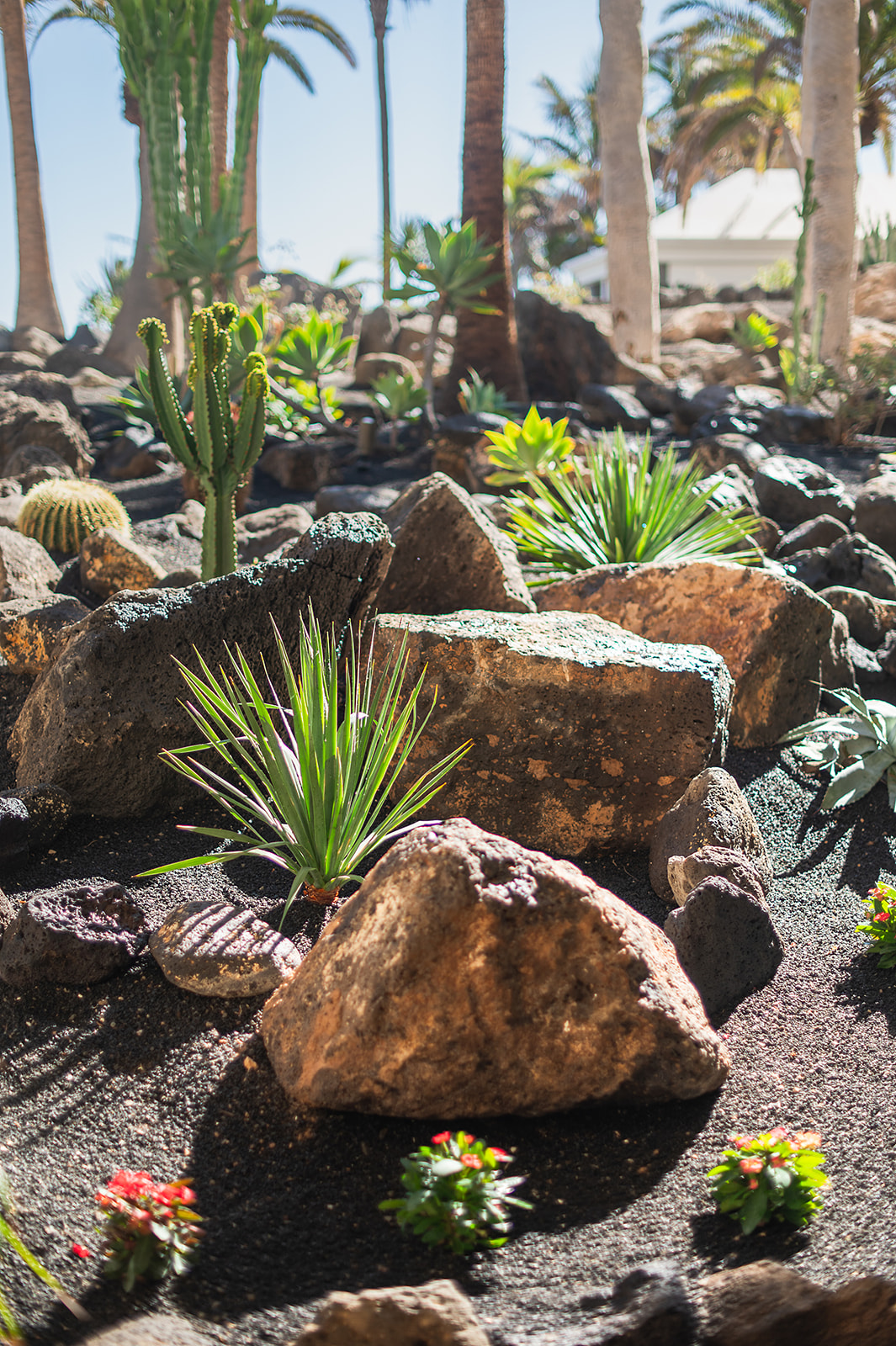
Despite being a small town, Betancuria should be enjoyed calmly, dedicating several hours to it and forgetting about the clock. I encourage you to wander aimlessly through its streets, stopping at every square, every building, and every viewpoint you come across.
Tourism in Betancuria revolves around its extraordinary heritage. It was here that much of Fuerteventura's history began after the Castilian conquest, and that legacy remains very present in churches, convents, and perfectly preserved traditional buildings.
Among the main things to do in Betancuria, these are some of my favourites:
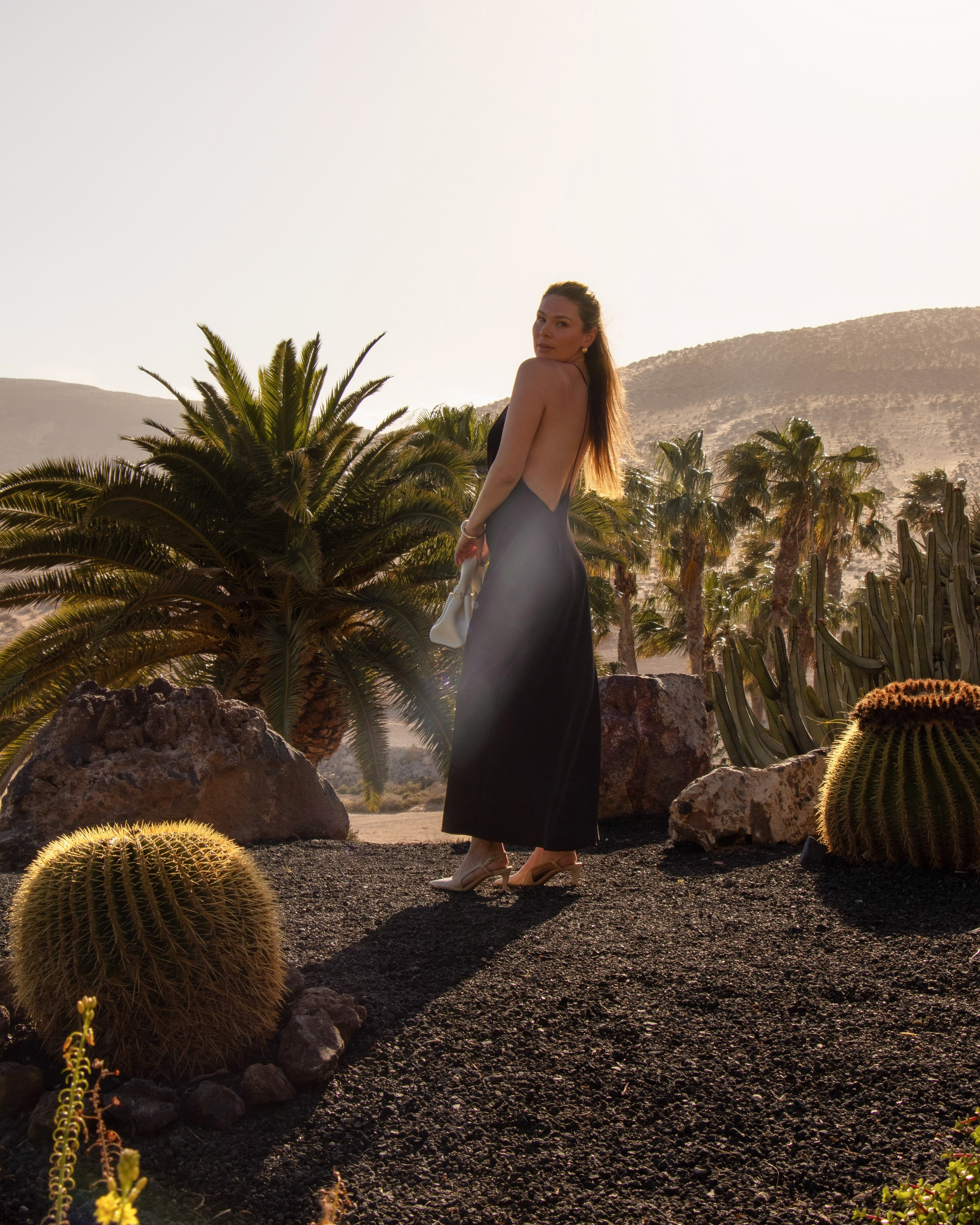
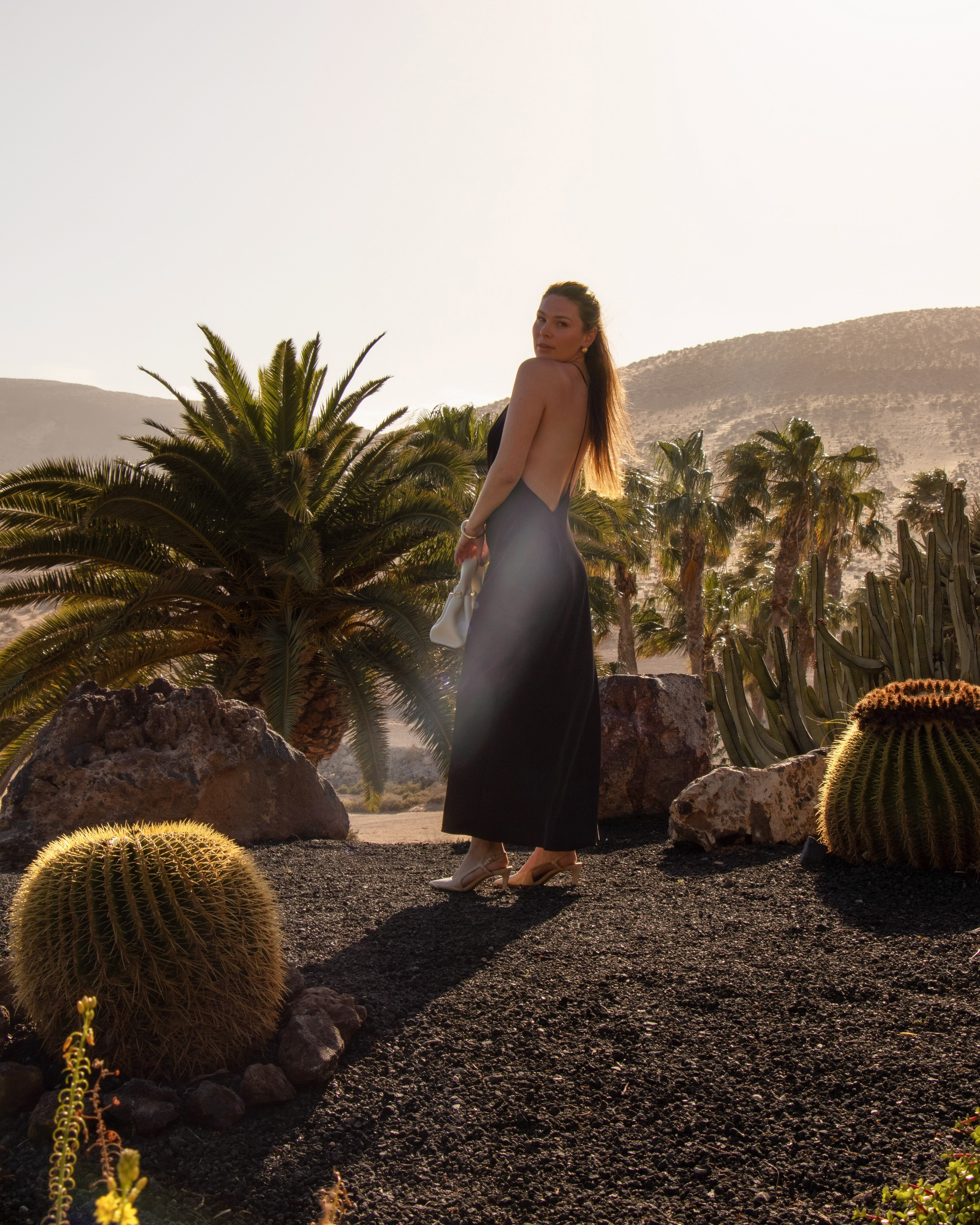
Likewise, Betancuria is a favourite destination for lovers of photography and rural tourism. Its surroundings, surrounded by mountains, offer one of the most spectacular landscapes of the interior of Fuerteventura, very different from those typical of the large beaches.
,regionOfInterest=(2000,2500))
,regionOfInterest=(2000,2500))
The Mother Church of Santa María is the spiritual and historic symbol of the municipality. Originally built in the 15th century in a Gothic-Norman style, it was destroyed in 1593 by the hordes of the Berber corsair Xaban Arráez and, subsequently, masterfully rebuilt in the 17th century by combining Baroque, Mudéjar, and Renaissance elements.
Its gleaming white facade and elegant stone tower stand out above the canopy of palm trees in the valley. Inside its vaulted interior are valuable polychrome wood altarpieces, artisanal Mudéjar ceilings, and the venerated image of the Immaculate Conception.
A few metres from the historic centre appear the ruins of the old Franciscan Convent of San Buenaventura, the first cenobite (a historic term used to refer to a monastery or community of monks or nuns who live together following a religious rule) built in the Canary archipelago (around 1416).
Although today only part of its walls are preserved, this place allows you to get an idea of the importance that Betancuria had as a religious and administrative centre during the colonial era.
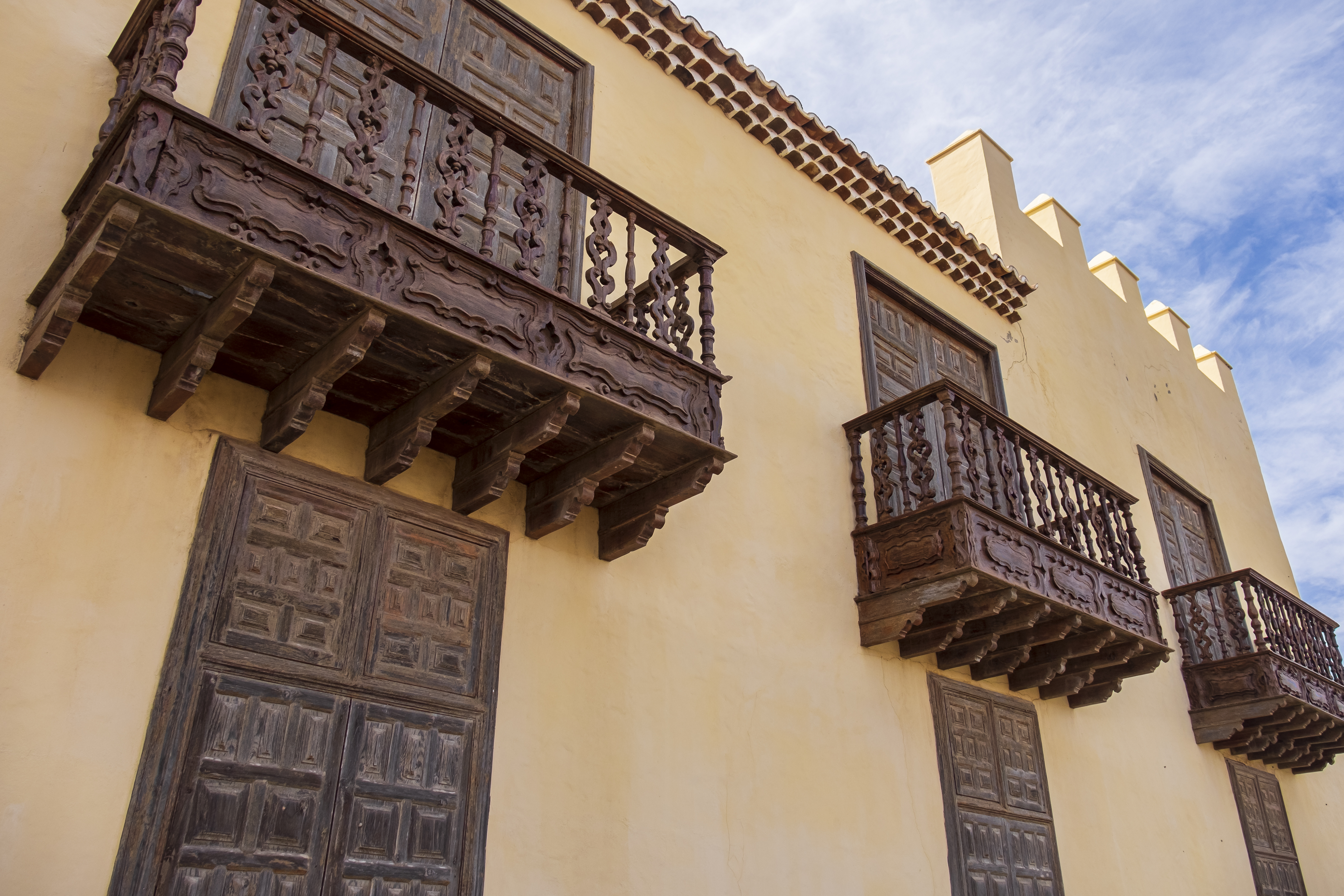
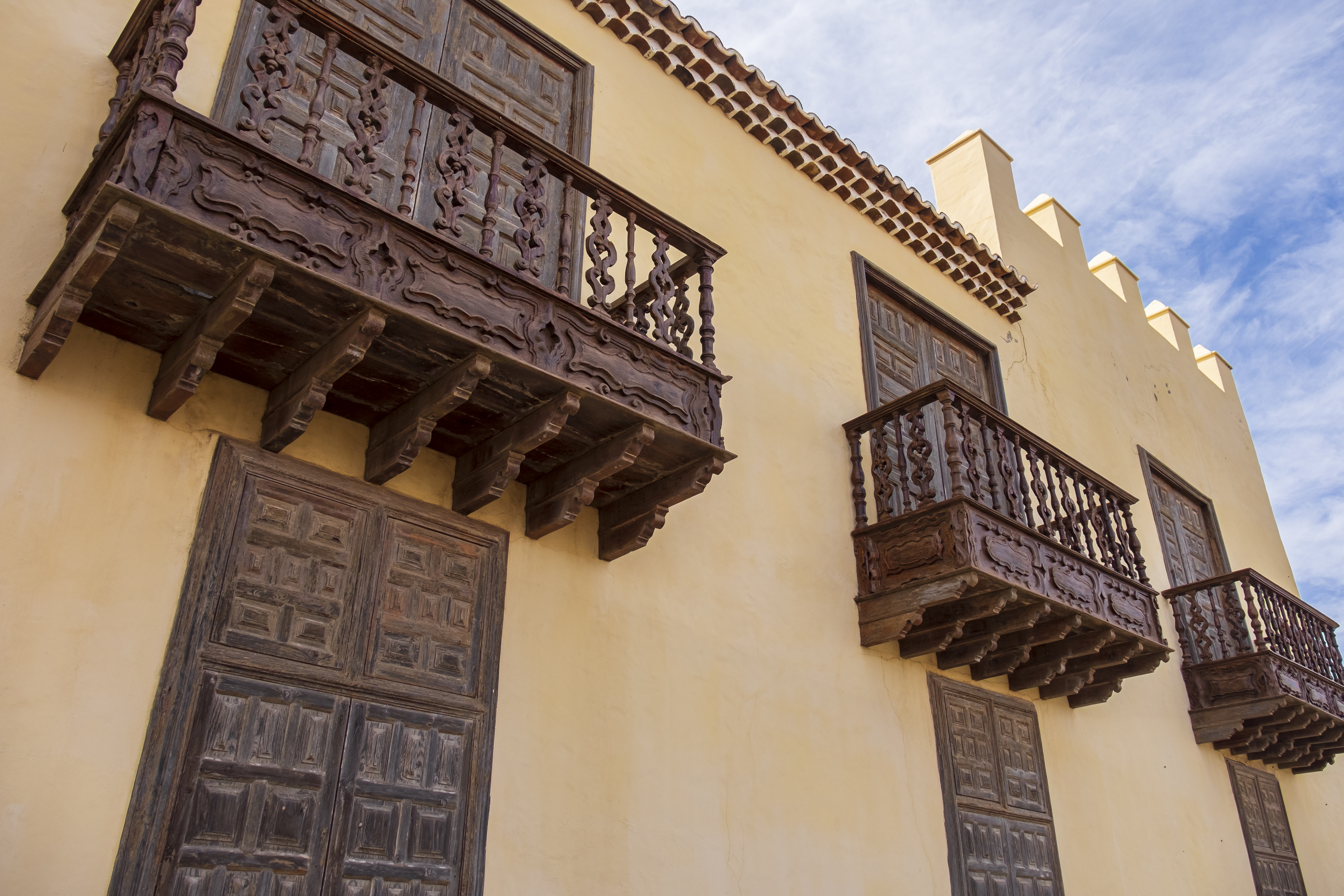
Beyond its monuments, strolling through the streets of Betancuria also allows you to discover the traditional architecture of the island. Many of the old stately homes and peasant houses preserve original elements, such as whitewashed facades, stone walls, carved wooden doors, and balconies made with Canary pine.
Some of these historic buildings have been restored and today house craft workshops, small art galleries, charming accommodation, and restaurants that preserve the interior patios, where the vegetation, colourful bougainvillea, and stone fountains create a peaceful atmosphere. Exploring them is a good way to get to know how the town has evolved without losing its identity.
Exploring the historic centre of Betancuria on foot will allow you to step back six centuries in time. Declared a Historic-Artistic Site in 1979, its layout means that every street leads you to a small square, a historic building, or a corner full of flowers.
The excellent preservation of the historic complex makes it easy to imagine what the first capital of Fuerteventura was like several centuries ago.
The social and scenic epicentre of the town, the Plaza de Santa María is surrounded by traditional buildings and presided over by the church, and this is where much of the local life gathers.
I recommend arriving at the square early in the morning to see how the golden light hits the historic facades, in an atmosphere of absolute peace where the only sound you hear will be that of the birds and the wind in the leaves.
One of the greatest pleasures of Betancuria is simply walking aimlessly and without haste through its narrow cobbled streets that maintain a very well-kept aesthetic, where you will find craft shops, patios full of plants, historic facades, and corners worth seeing.
,regionOfInterest=(2100.5,1400.5))
,regionOfInterest=(2100.5,1400.5))
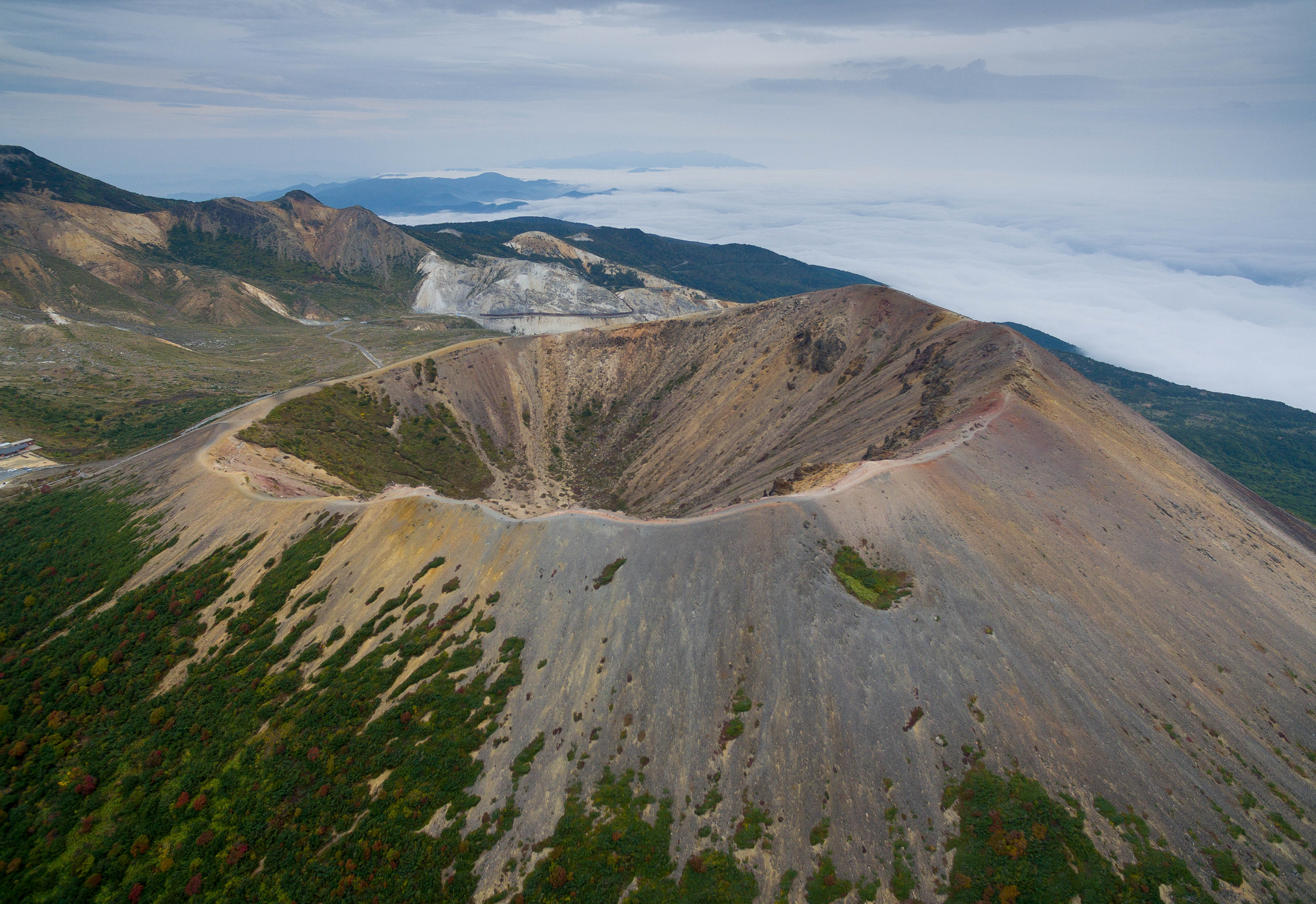
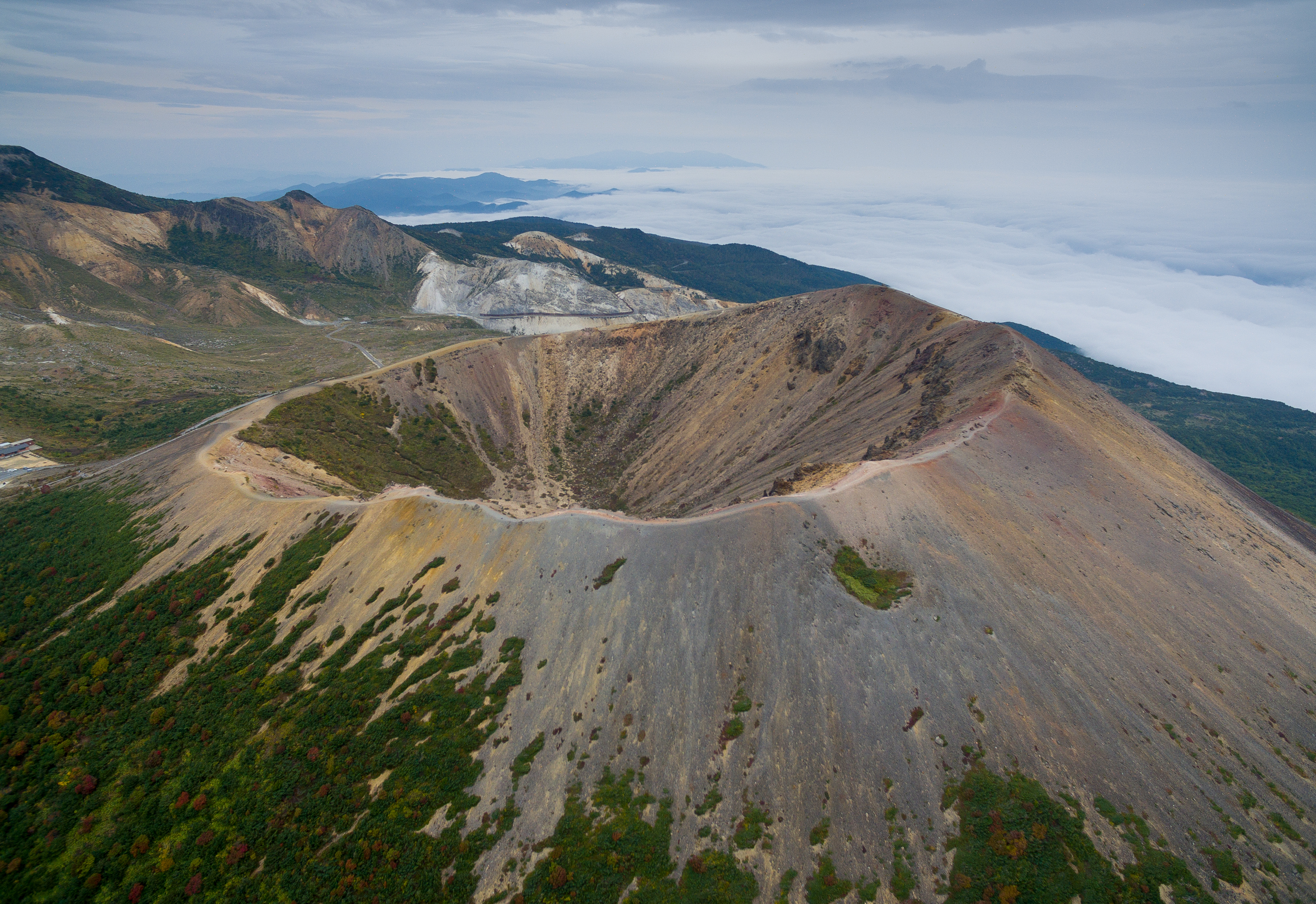
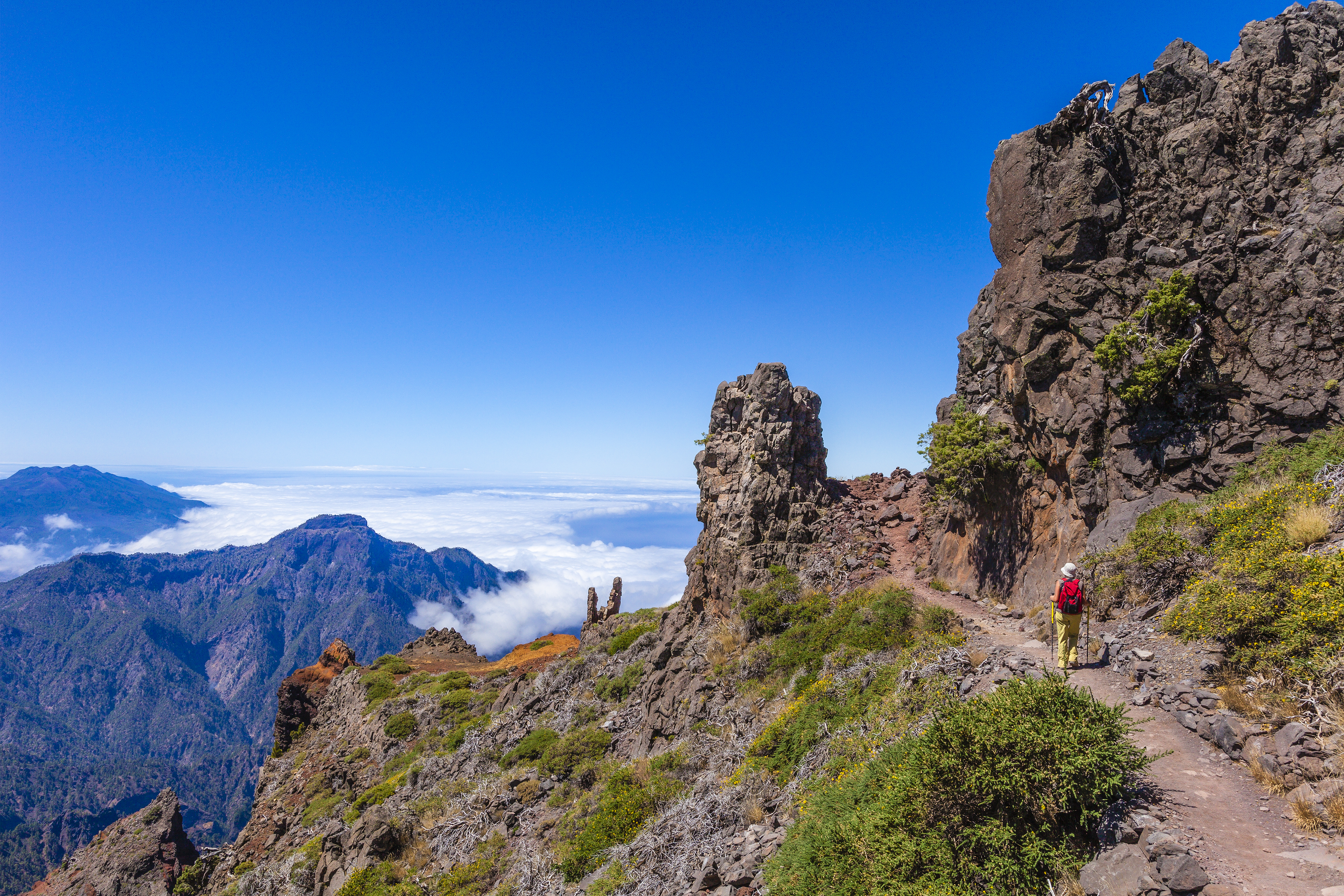
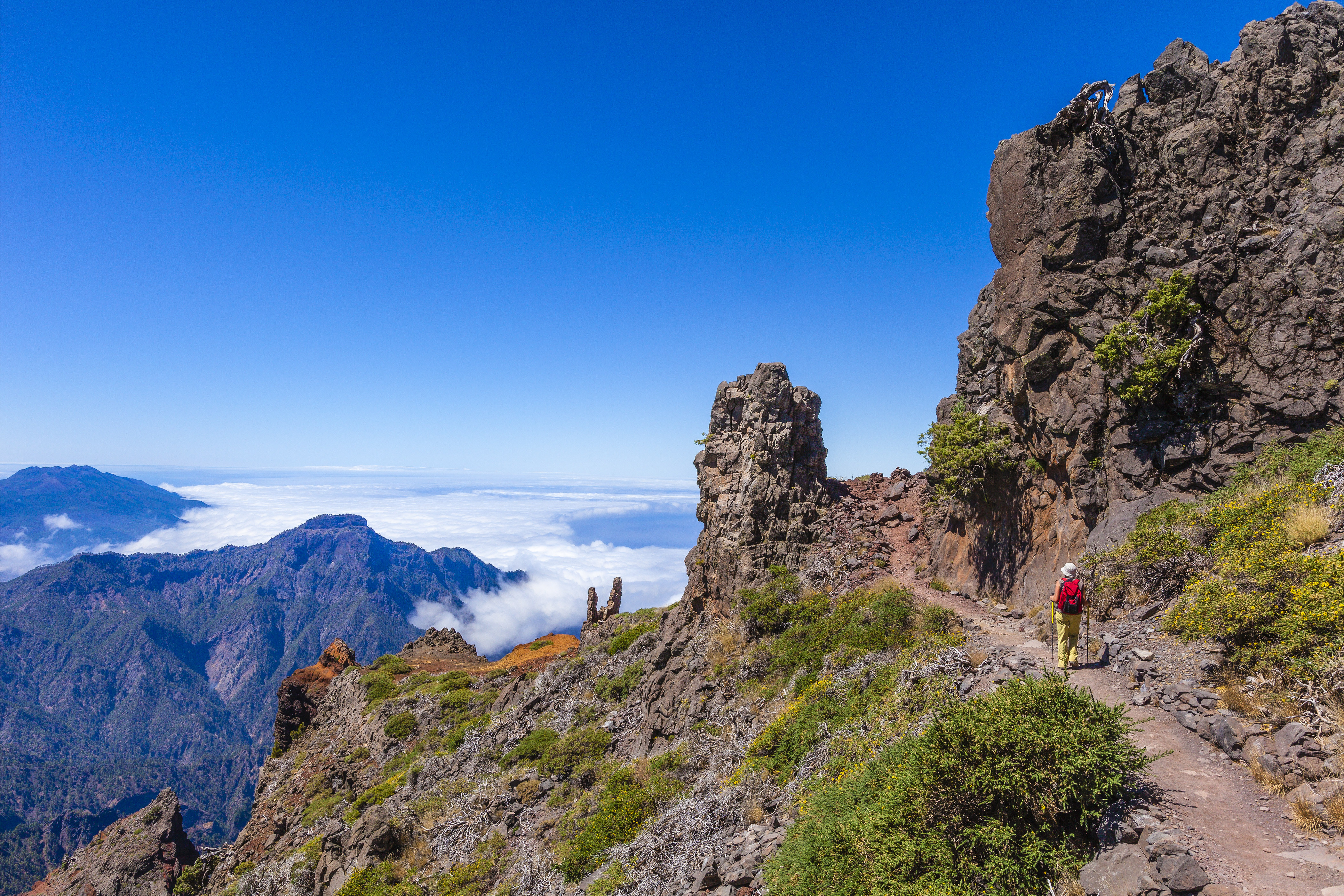
Beyond the historic centre, the Betancuria Rural Park surrounds the entire municipality. It is a protected area of almost 17,000 hectares of incalculable geological and scenic value.
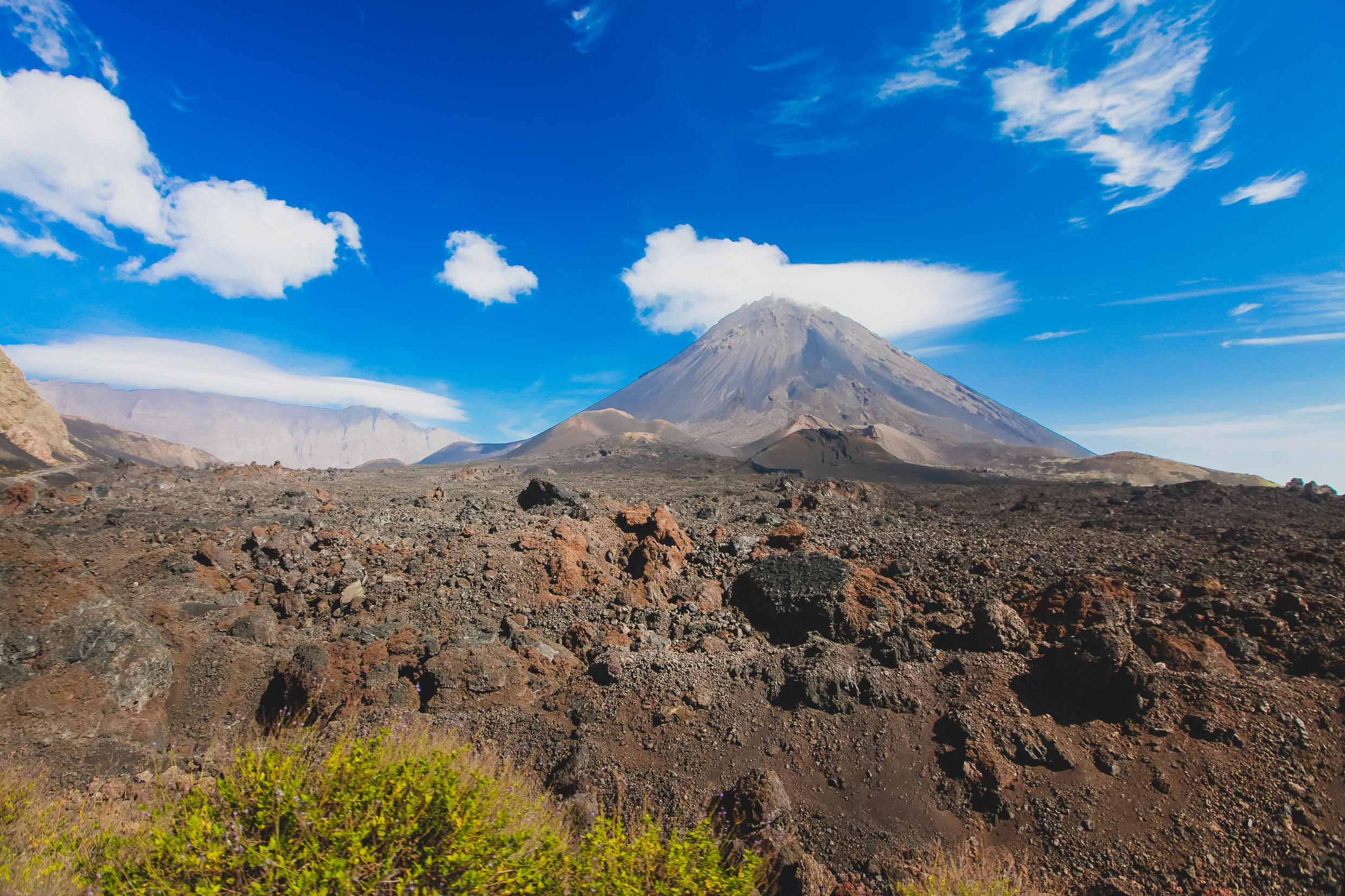
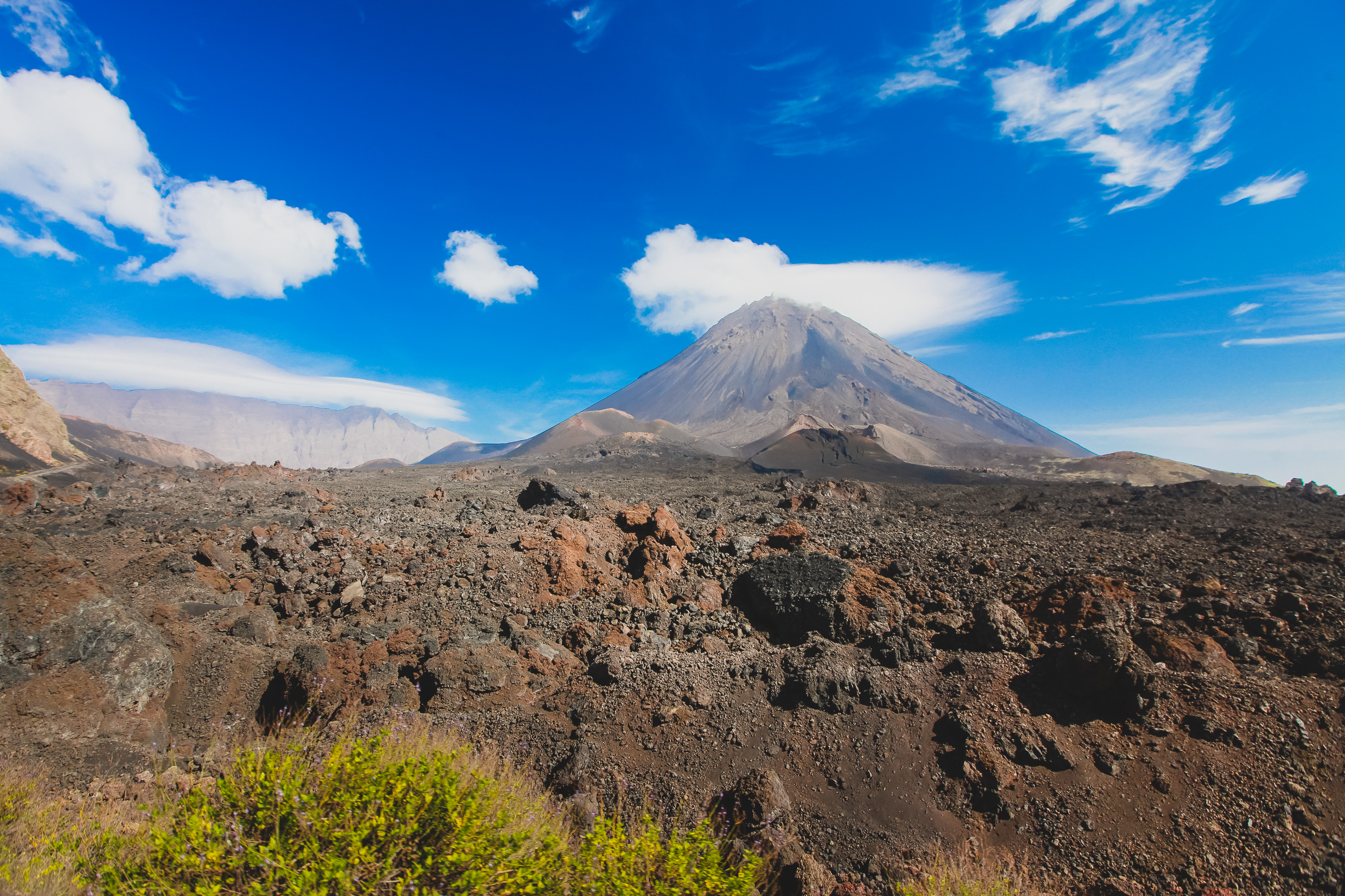
This Basal Complex represents the oldest geological structure of Fuerteventura and the entire archipelago.
The Betancuria Valley offers one of the most characteristic images of the interior of Fuerteventura, protected from the aggressive sea breezes and blessed by underground water pockets.
Driving along the road that crosses the valley will allow you to enjoy incredible images of the 'gavias' (traditional cultivation system to retain scarce rainwater), stone terraces, and palm groves.
A few kilometres from Betancuria, at an altitude of more than 600 metres, the Morro Velosa Viewpoint is the great watchtower of the island's interior. Designed by the famous artist from Lanzarote, César Manrique, it integrates exceptionally well into the mountain using stone, wood, and Canarian tiles.
From here you will have a spectacular view of the centre and north of Fuerteventura, and for that reason alone, for me, it is an absolutely essential stop on your route through Betancuria.
Just a few minutes from the historic centre appears Vega de Río Palmas, one of the most picturesque and green rural corners of the interior of Fuerteventura. Protected by high rock walls and dotted with orange and vegetable gardens, this quiet hamlet will allow you to enjoy total tranquility.
In its centre is the Hermitage of Our Lady of the Rock (Ermita de Nuestra Señora de la Peña), a stone temple that guards 'la Peñita', the small alabaster carving of the Patron Saint of Fuerteventura. Every September, the Vega dresses up for the most famous and crowded pilgrimage in the Majorero calendar.
If you follow the route towards the west coast you will reach Ajuy, a small fishing village that is famous for its black sand beach, as well as for having one of the most important geological spaces in the Canary Islands.
I am talking about the Caves of Ajuy, which if you like nature, are an essential visit. Formed millions of years ago, the path that leads to them offers spectacular views over the ocean and the imposing cliffs.
Located in the centre-south of the island, Pájara is another of the villages that is worth a visit for its quiet atmosphere and the historic value of its urban centre. Its main symbol is the Church of Our Lady of Regla, built in the 17th century and considered one of the most unique temples in Fuerteventura.
What is most striking is its facade, decorated with reliefs of plant, animal, and geometric inspiration that are not repeated in any other church in the Canary Islands. Over the years, numerous theories have emerged about its origin, from possible pre-Hispanic influences to references to American art brought after the conquest, although none have been fully confirmed. Beyond this enigma, it is worth entering the temple to contemplate its interior and see one of the religious buildings with the greatest historic value on the island.
If you want to understand what Fuerteventura was like before the arrival of Europeans, get your ticket for the Archaeological Museum of Betancuria. Its permanent exhibition covers the history of the island's ancient settlers, known as the 'majos', allowing you to see tools, ceramic pieces, everyday objects, and other audiovisual resources that help you understand their way of life.
Located next to the Church of Santa María, the Museum of Sacred Art offers an excellent collection of paintings, sculptures, gold and silverware, and liturgical objects related to the religious history of Betancuria.
Although it is not a very large museum, it will help you discover the important role that the former capital of Fuerteventura played during the first centuries of colonisation.
,regionOfInterest=(1240,826.5))
,regionOfInterest=(1240,826.5))
One of the best plans to do here is to walk along one of the trails of the Betancuria Rural Park, where there are several routes adapted to different levels that cross ravines, volcanic mountains, and ancient paths used for centuries by the island's inhabitants.
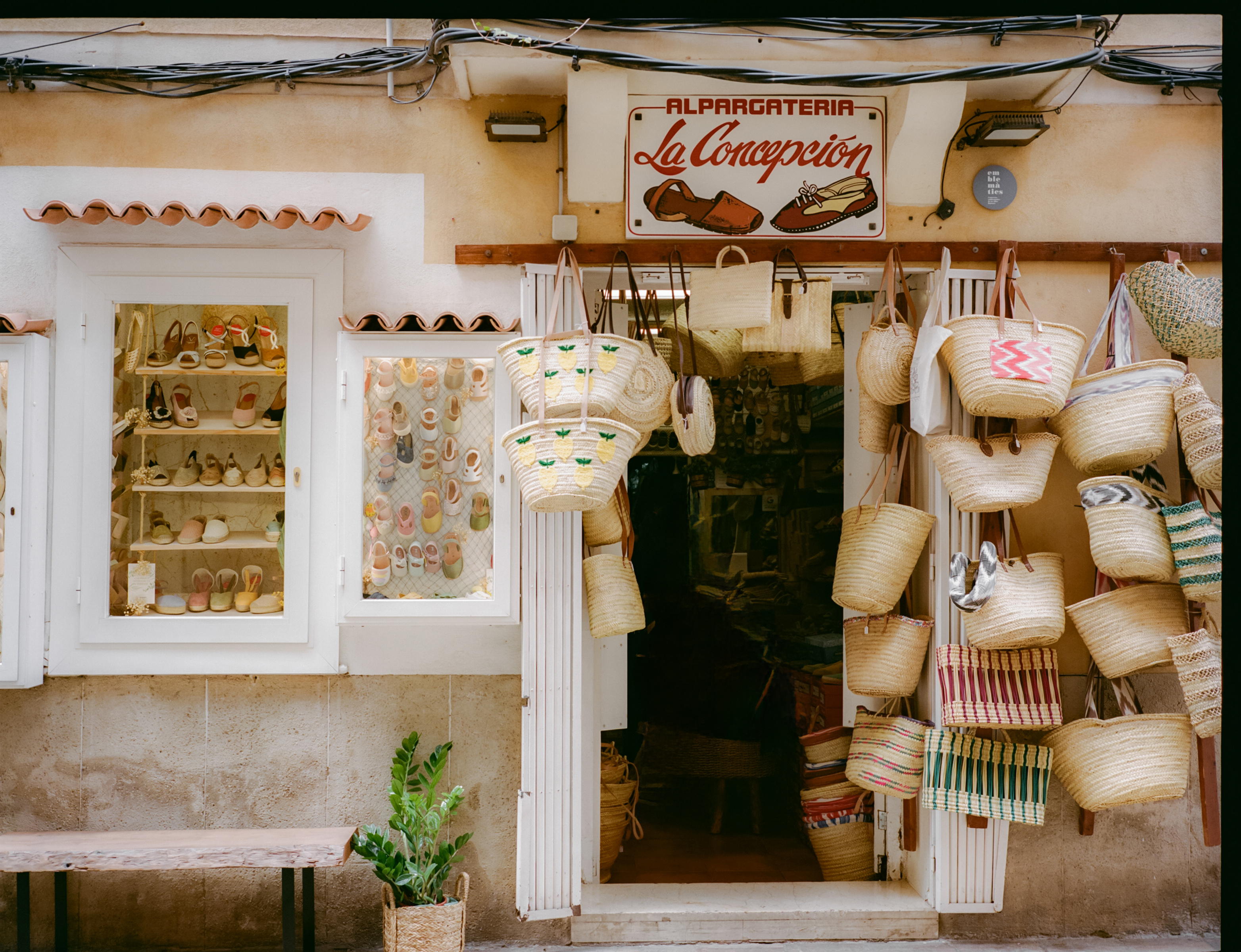
It is also worth stopping at some of the small craft shops scattered throughout the historic centre. Many sell products made on the island, such as pottery, textiles, handmade soaps, or pieces made with volcanic stone.
The gastronomy of Betancuria is a faithful reflection of the traditional recipes of the Majorero land, which is based on top-quality local ingredients and slow-cooked preparations.
The undisputed king of the table is Majorero Cheese (made with milk from native breed goats), served in its different stages of maturation: fresh, semi-cured fried with jam, or cured with a coating of paprika or 'gofio'.
And among the traditional stews and meat dishes, the following stand out:
For a sweet touch, nothing beats the specialities made with palm honey, local almonds, and fresh cheese, such as handmade shortbread or the traditional bienmesabe.
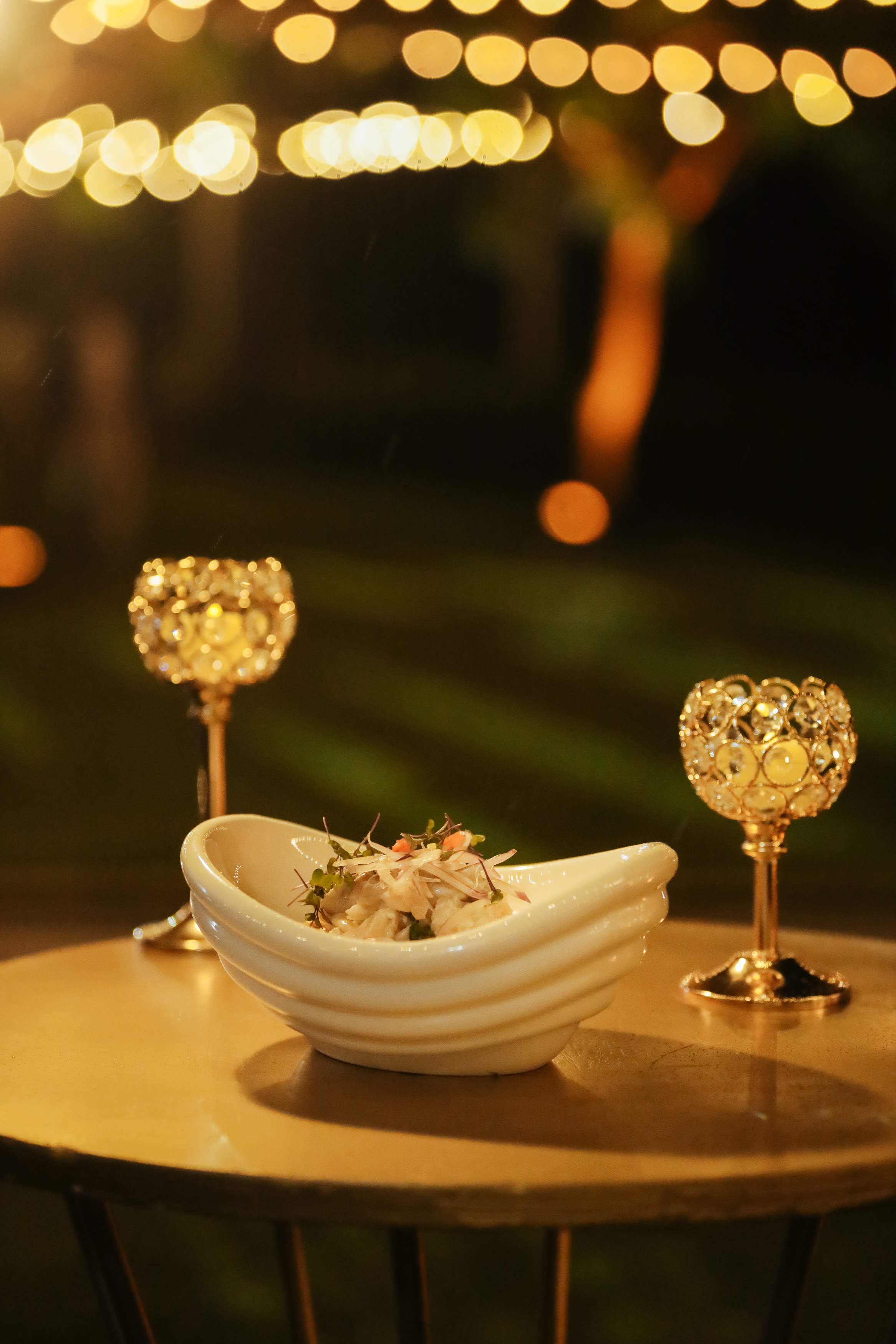,regionOfInterest=(1166.5,1750))
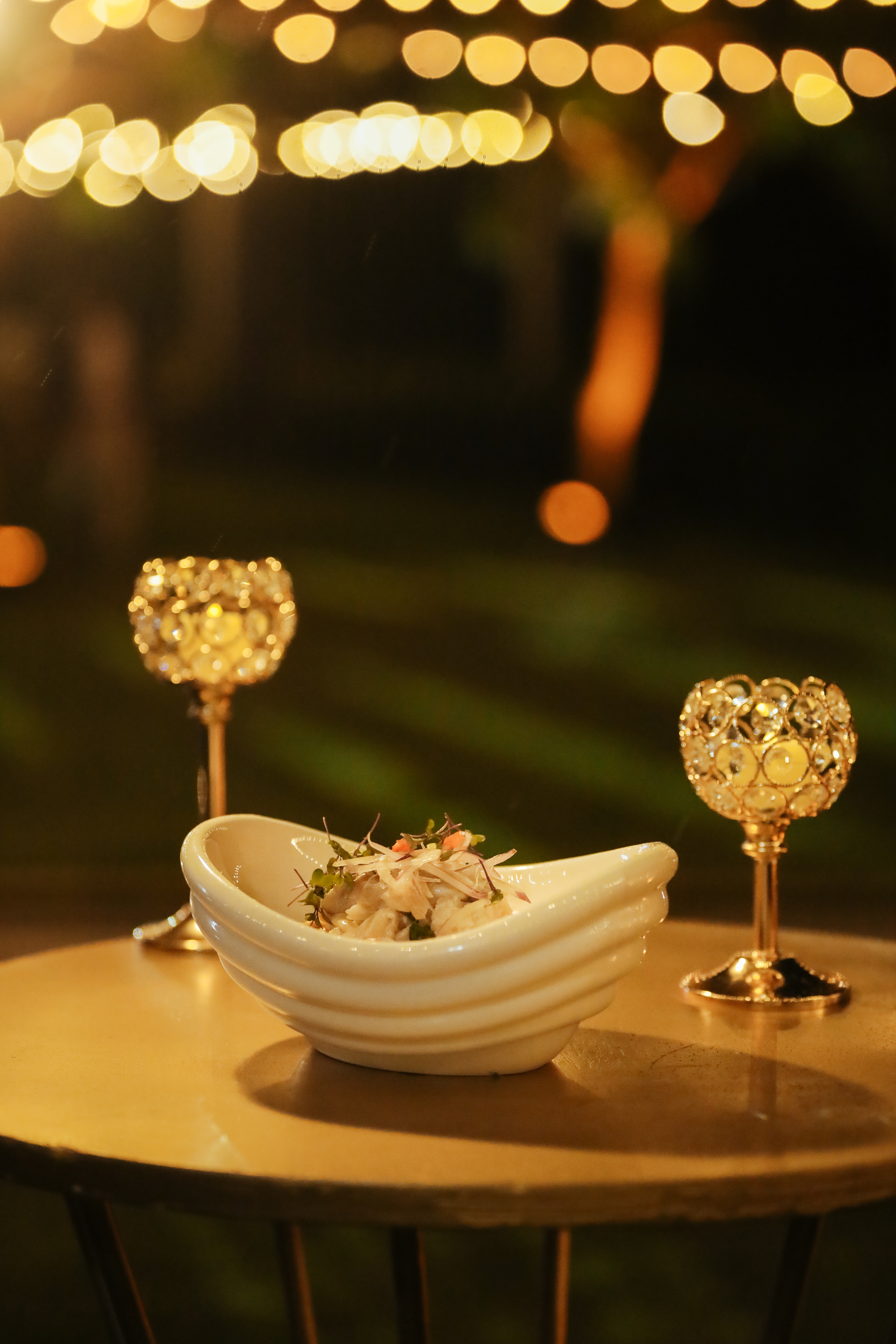,regionOfInterest=(1166.5,1750))
The most important celebration takes place in Vega de Río Palmas, where every September the Pilgrimage of Our Lady of the Rock (Romería de Nuestra Señora de la Peña), patron saint of Fuerteventura, is held. Thousands of people participate in this pilgrimage from all corners of the island, making it one of the most important religious and cultural events of the year.
Betancuria is one of those destinations where you don't need major attractions to enjoy time with the family. Its size, the tranquility of its streets, and the natural surroundings make it a very comfortable place to explore with children.
The little ones will enjoy strolling through the streets of the historic centre, discovering the interior of the Church of Santa María, or visiting the Archaeological Museum, where they can learn how the ancient settlers of Fuerteventura lived.
And, of course, no family trip is complete without a stop to try an ice cream or one of the traditional sweets made in the cafes of the historic centre.
Although it is a place that should be enjoyed at a leisurely pace, 24 hours are enough to discover its main attractions, and I have prepared an itinerary in which I tell you what to see in Betancuria in one day so you can go directly to its must-see spots.
Start by exploring the historic centre, which is considered one of the most beautiful heritage sites in the Canary Islands, where you will have to make stops at the Church of Santa María, the Museum of Sacred Art, and the ruins of the Convent of San Buenaventura.
The time has come to discover Majorero gastronomy. In the restaurants in the centre, you can taste specialities such as Majorero cheese, goat meat, 'papas arrugadas' (wrinkled potatoes) with 'mojo' sauce, or some of the traditional dishes made with local products.
After eating, take the opportunity to stroll next to the Plaza de Santa María and enjoy the atmosphere that surrounds it.
Start the afternoon by visiting the Morro Velosa Viewpoint, from where you will get one of the best panoramic views of Fuerteventura. If you still have time, go to Vega de Río Palmas or take a short excursion to Ajuy, where you can contemplate the spectacular western coast of the island and its famous caves.
To make it easier for you to organise your visit, here is a tourist map with all the points of interest in Betancuria. This way you will be able to locate each place at a glance and plan the route in the most comfortable way.
Betancuria is one of those places to be enjoyed without rushing. More than a collection of monuments, it is a town that invites you to stroll slowly, stop in every square, and discover the history hidden in its streets. My advice is to set aside a few hours to explore its historic centre at a leisurely pace and complete your visit by heading to one of the nearby viewpoints or villages.
If you are looking to get to know the most authentic Fuerteventura, far from the most crowded beaches, here you will find a different landscape, full of heritage, nature, and tradition. Because, when it comes to what to see in Betancuria, the most special thing is not just what you visit, but the feeling of travelling to the place where the island's history began.
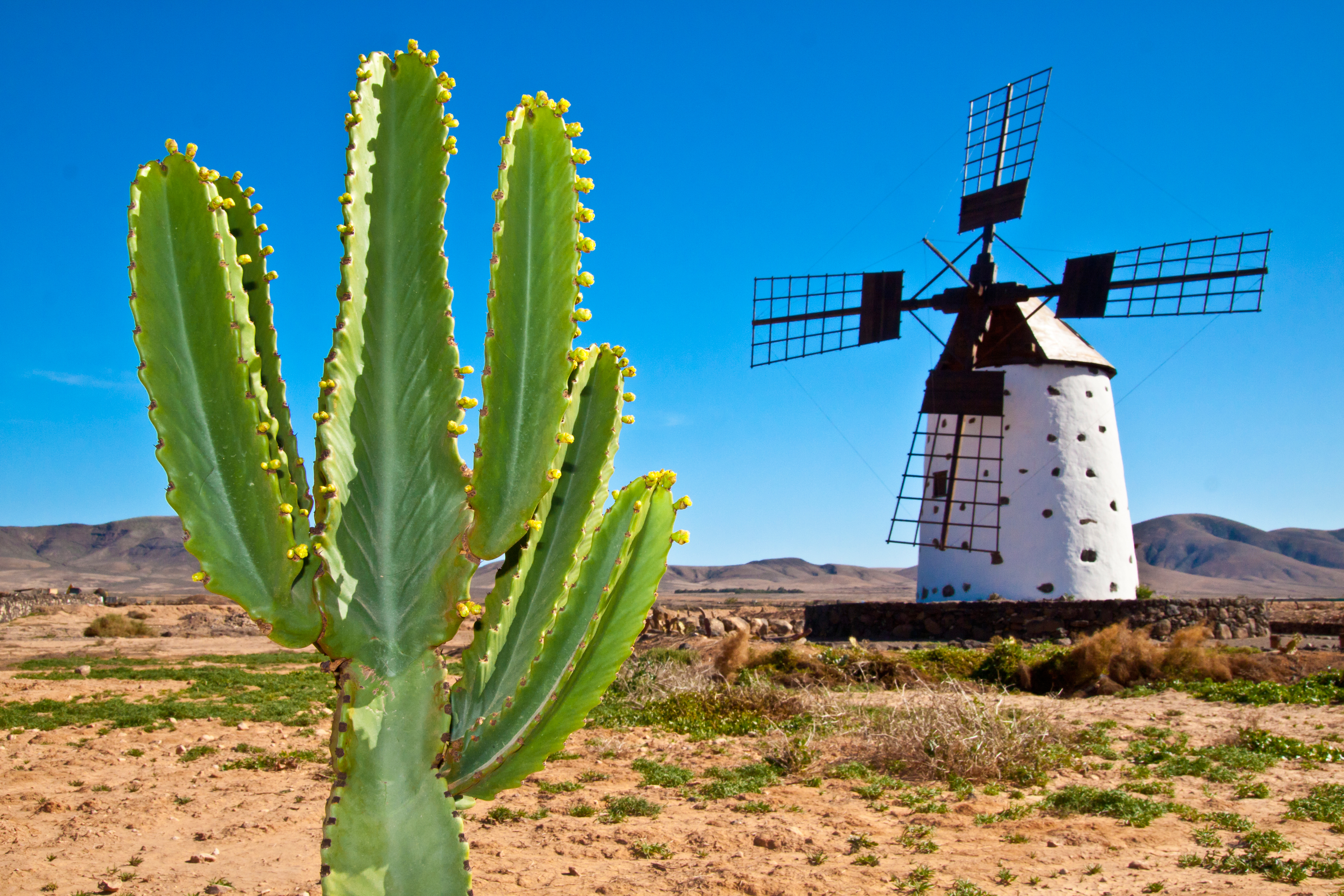,regionOfInterest=(2376,1584))
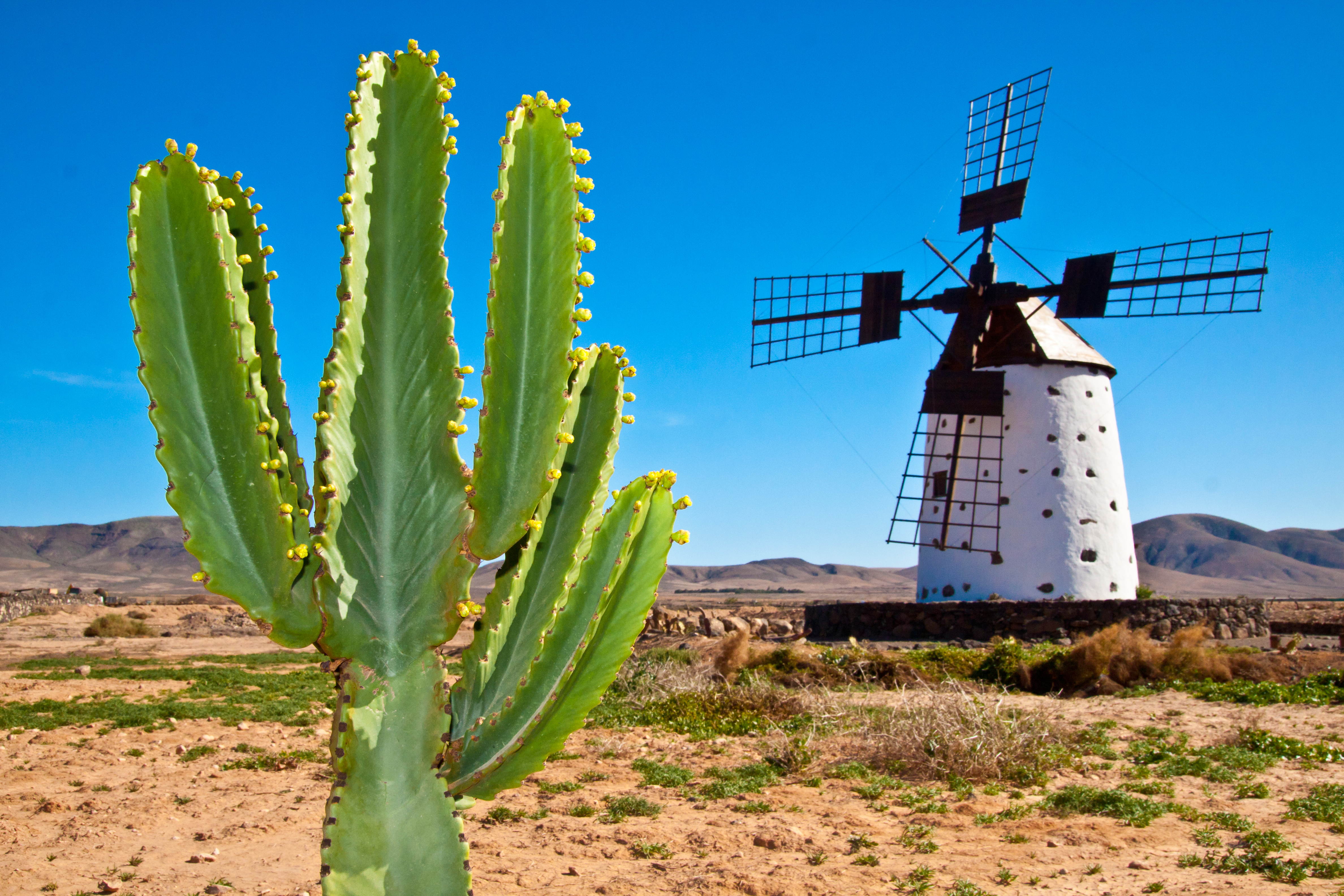,regionOfInterest=(2376,1584))
,regionOfInterest=(2880,1920))
,regionOfInterest=(2880,1920))
,regionOfInterest=(1619.5,1121))
,regionOfInterest=(1619.5,1121))
,regionOfInterest=(1476.5,634.5))
,regionOfInterest=(1476.5,634.5))
,regionOfInterest=(2273,1523))
,regionOfInterest=(2273,1523))
,regionOfInterest=(1564,1200))
,regionOfInterest=(1564,1200))