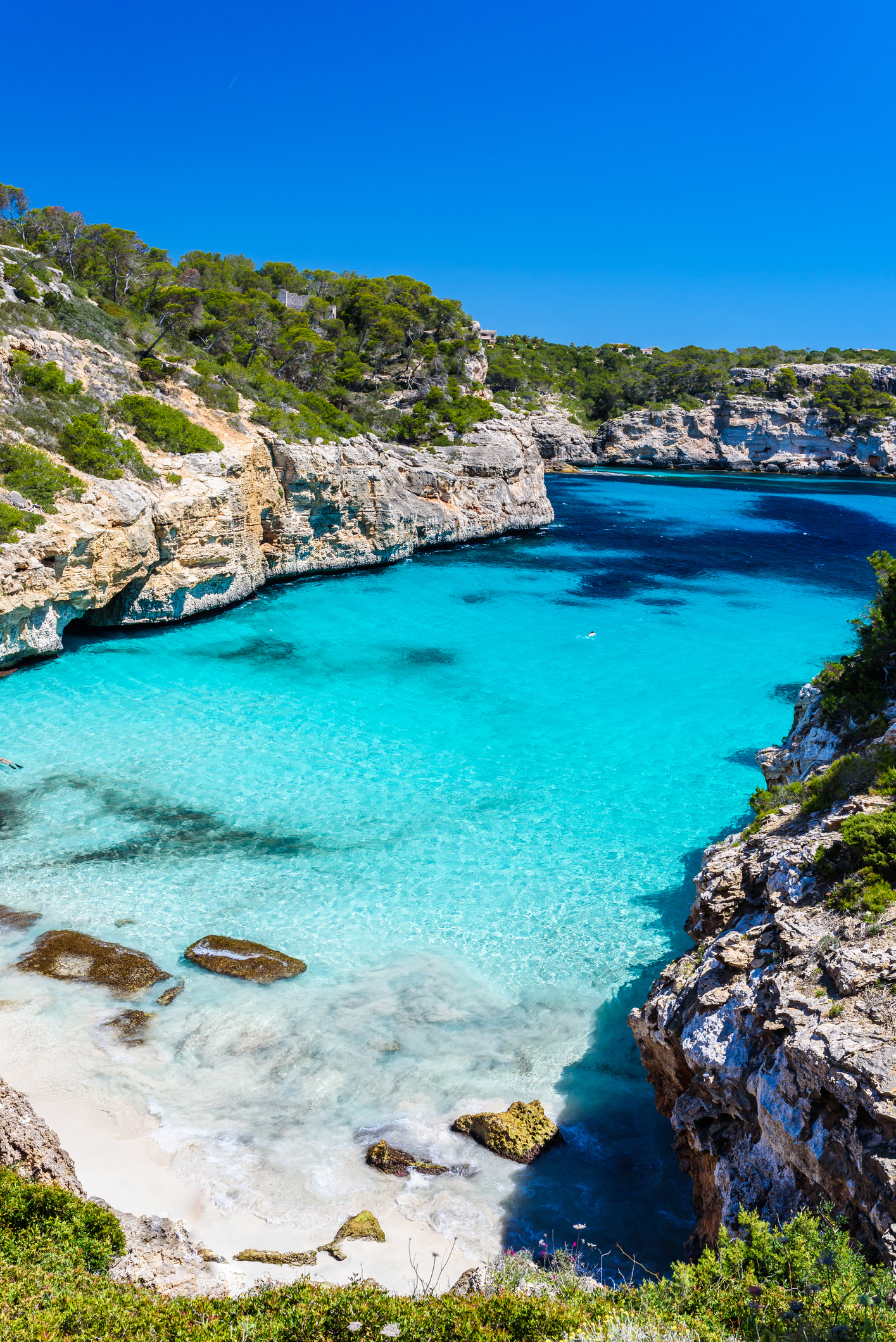
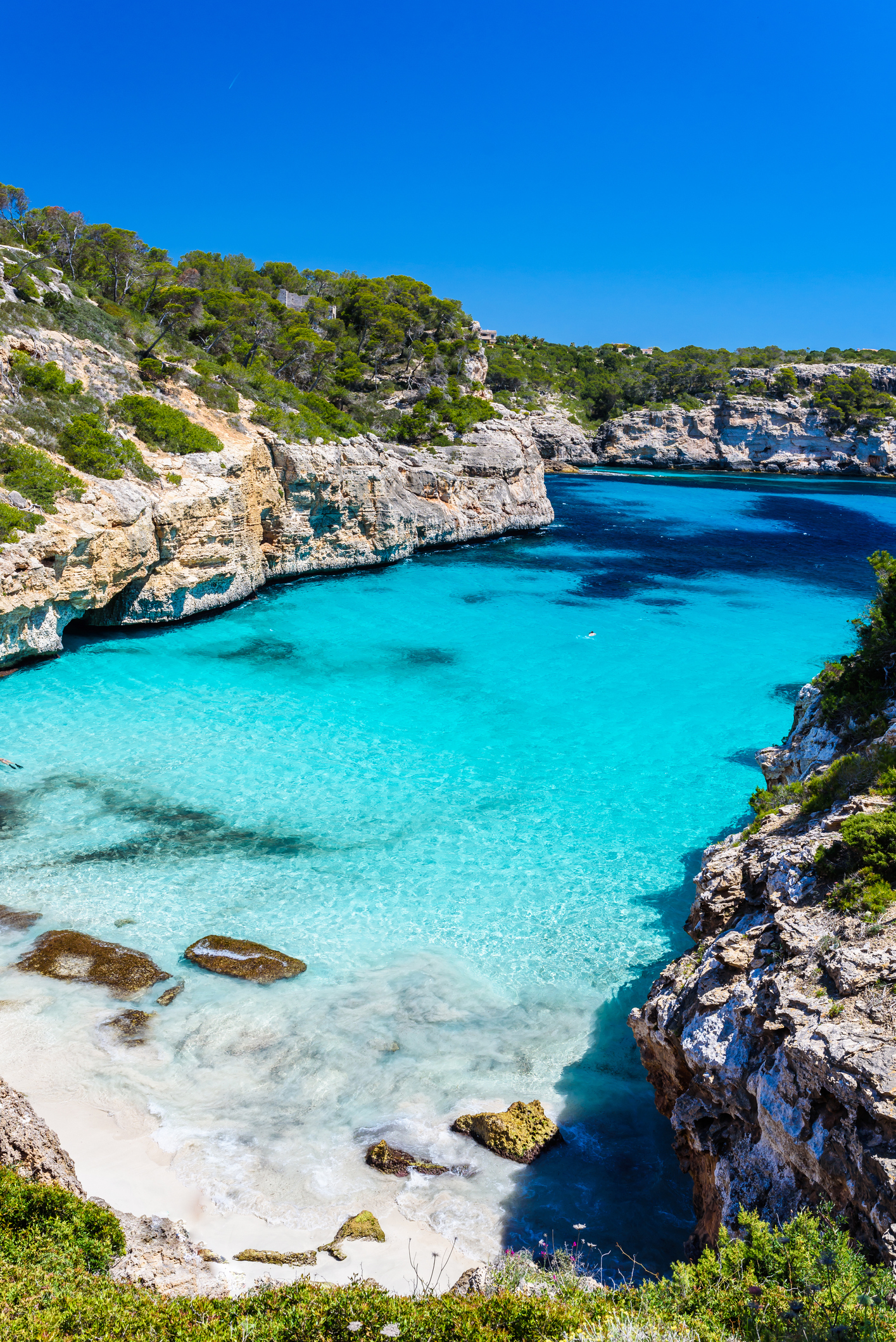
The best coves in Mallorca
,regionOfInterest=(707.5,1059.5))
,regionOfInterest=(707.5,1059.5))
Culture
,regionOfInterest=(2150,1612.5))
,regionOfInterest=(2150,1612.5))
,regionOfInterest=(1771.5,997))
,regionOfInterest=(1771.5,997))
Culture
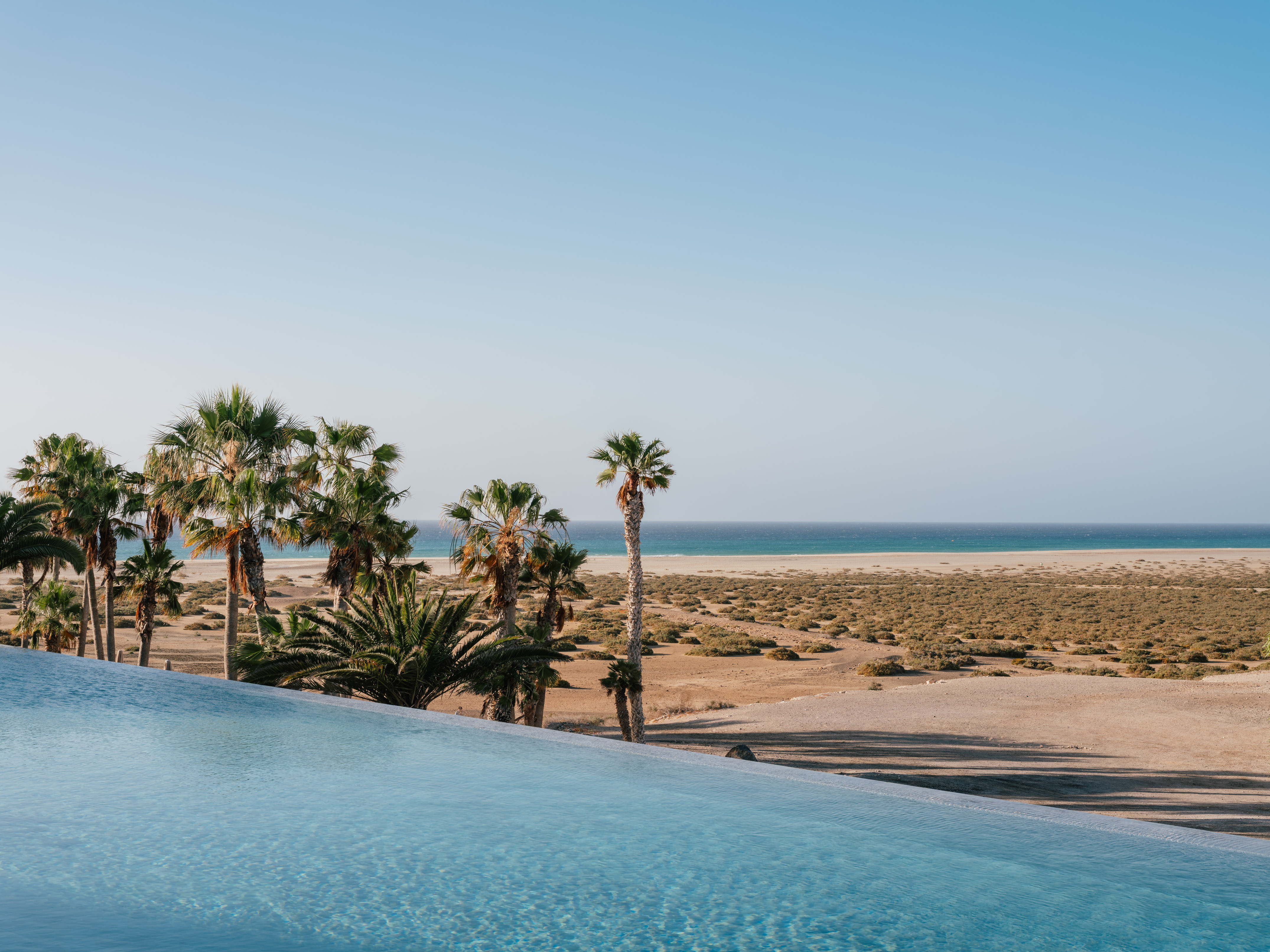
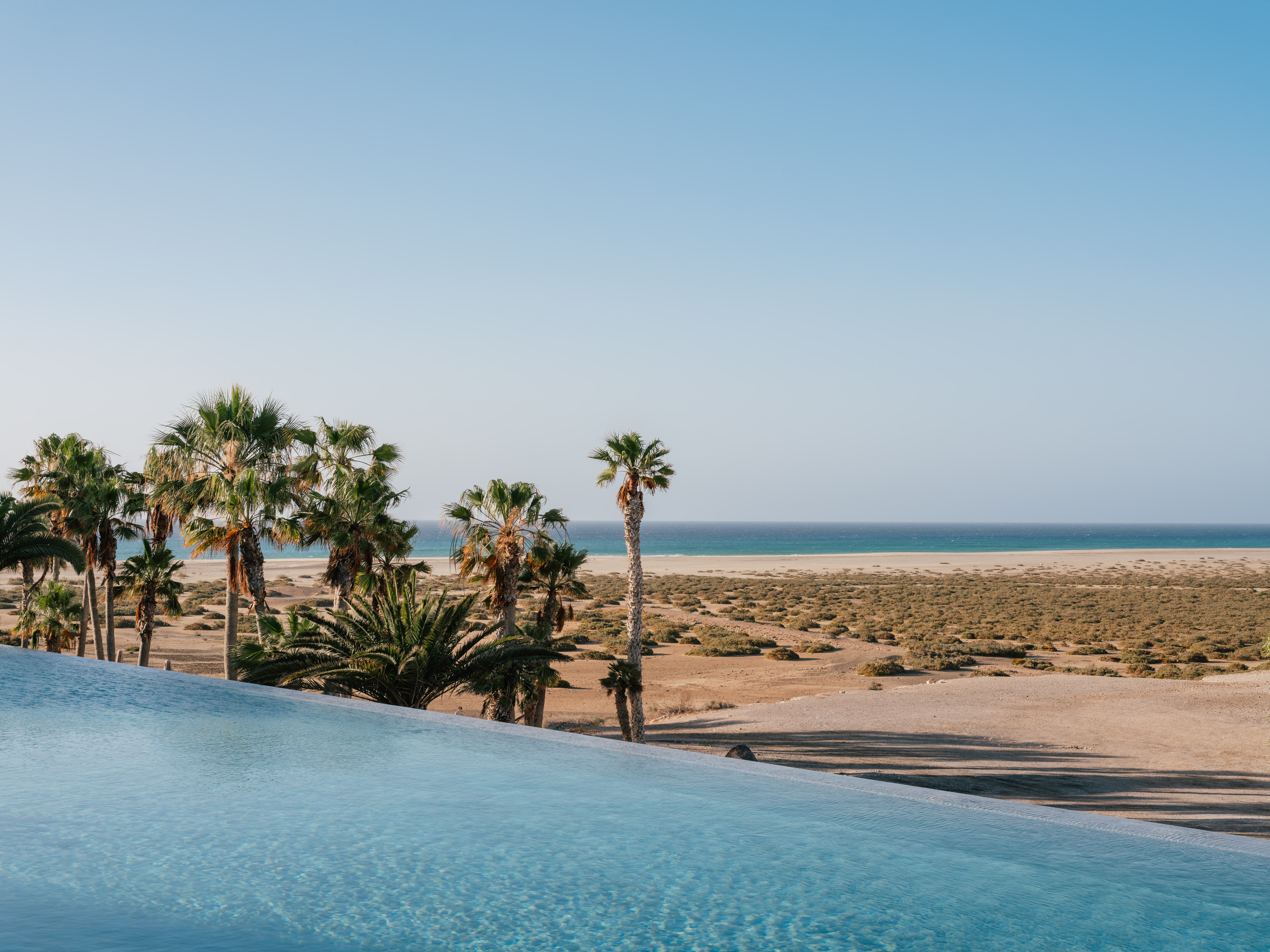
If there is one part of the island that has absolutely everything to make you fall in love from the very first minute, it is the north of Fuerteventura. In just a few kilometres, you can go from walking among huge white sand dunes to getting lost in a charming little village, swimming on spectacular beaches or gazing at the ocean from a lighthouse surrounded by cliffs.
An area that invites you to explore it at your own pace and which occupies a prominent place in any Fuerteventura guide. Here, a maritime atmosphere, outdoor life and some of the most impressive landscapes on the island blend together, with infinite dunes, volcanoes and waves that attract surfers from all over the world.
If you are organising your trip and wondering what to see in the north of Fuerteventura, you will find a wide variety of places and experiences to enjoy this area of the island to the fullest. A perfect combination of nature, postcard-perfect villages, water sports and unforgettable sunsets awaits you.
In this guide, you will discover what to visit in the north of Fuerteventura to plan your trip easily and make the most of your stay.
,regionOfInterest=(512,482))
,regionOfInterest=(512,482))
Digital marketing specialist with a passion for travel, writing, and discovering what makes every destination unique.
,regionOfInterest=(2400,1600))
,regionOfInterest=(2400,1600))
,regionOfInterest=(2400,1600))
,regionOfInterest=(2400,1600))
,regionOfInterest=(2556,1864.5))
,regionOfInterest=(2556,1864.5))
One of the best things about the north of the island is the variety of plans it offers. You can start the day watching the sunrise on a beach, explore a volcano in the morning, eat in a fishing village and end the afternoon watching the sun go down from a lighthouse.
Tourism in the north of Fuerteventura adapts to all types of travellers. Want to relax in the sun? You will find kilometres of beaches. Prefer something more adventurous? You can try your hand at surfing, go on a quad bike route or hike up to the crater of a volcano.
Among the main things to do in the north of Fuerteventura are exploring the Corralejo Dunes Natural Park, visiting the island of Lobos, discovering El Cotillo, climbing the Calderón Hondo volcano or strolling through the quiet streets of La Oliva.
The best way to explore this area is usually by car, as most of these places are within a short distance of each other, which allows you to organise a comfortable route and make the most of each day.
,regionOfInterest=(4096,2732))
,regionOfInterest=(4096,2732))
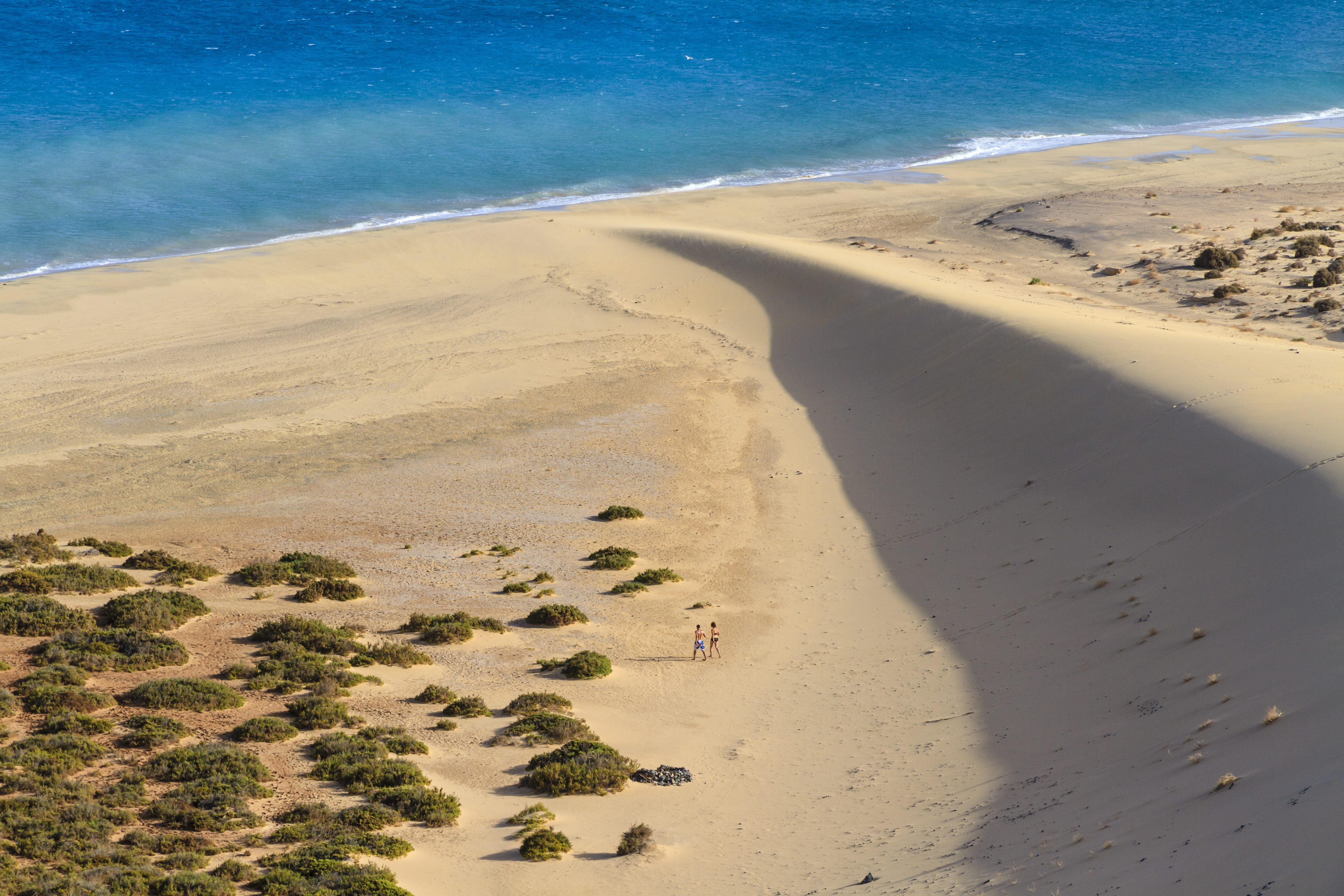
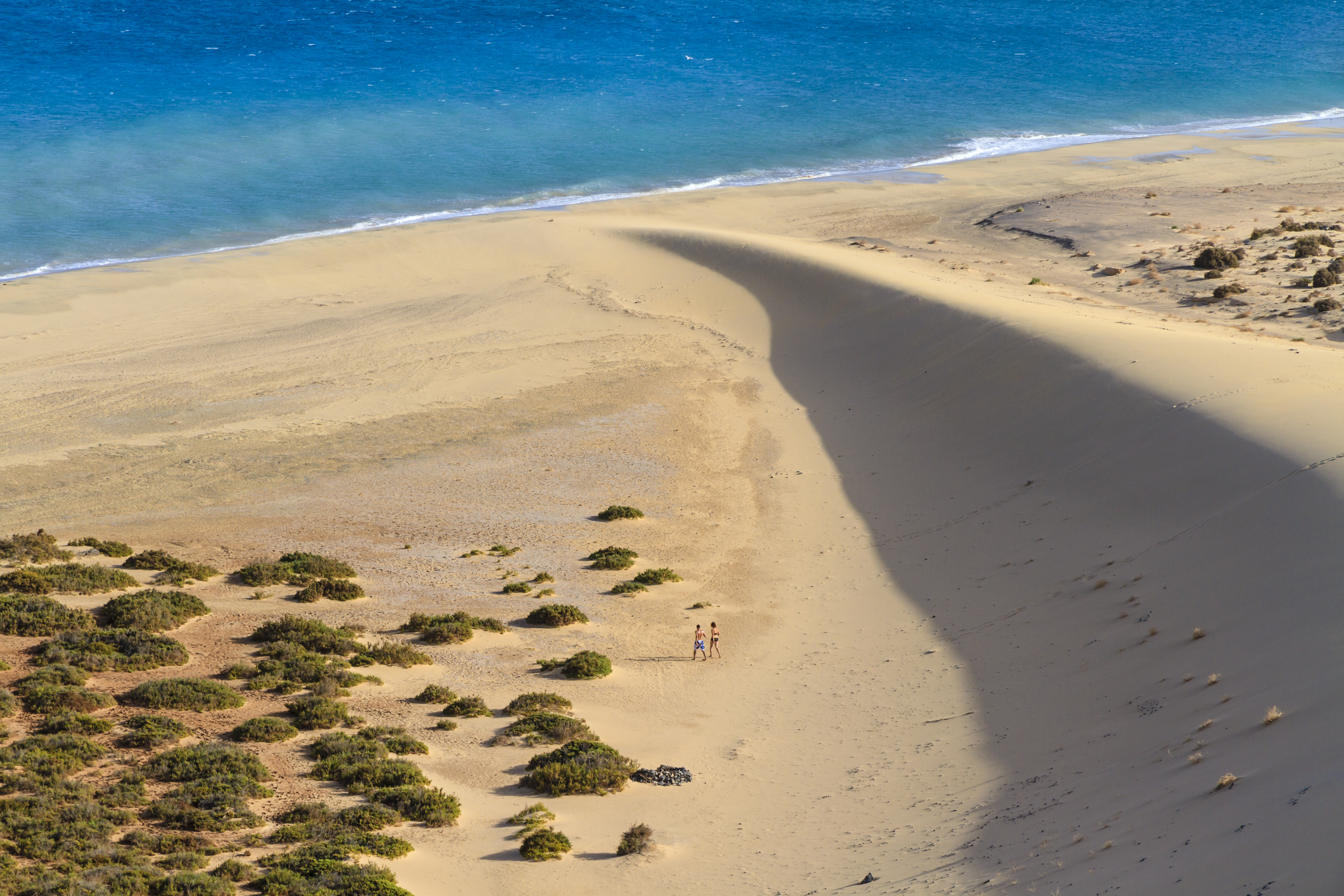
If there is one place that cannot be missed on any trip to the north of the island, it is the Corralejo Natural Park, a spectacular landscape of white sand dunes that stretches alongside the turquoise waters of the Atlantic.
There are more than 2,600 protected hectares where the dunes constantly change to the rhythm of the wind. Walking over this immense landscape of sand while the ocean appears on the horizon is one of the most unforgettable images of Fuerteventura.
About 15-20 minutes by boat from Corralejo is the Islote de Lobos Natural Park, a small paradise where there are no roads, traffic or large buildings.
It is a protected natural reserve full of trails that invite you to discover places such as La Caldera volcano, the historic Martiño Lighthouse and the famous El Puertito lagoon, where the water is so clean and crystal-clear that the boats seem to be suspended in the air.
In El Cotillo is the El Tostón Lighthouse, one of the best-known and most iconic on the island. In addition to enjoying the views over the Atlantic, here you can visit the Traditional Fishing Museum and watch one of the best sunsets in Fuerteventura.
You don't need to be an expert hiker to climb Calderón Hondo, one of the most accessible volcanoes in the north of Fuerteventura. The route is simple and the views from the edge of the crater allow you to contemplate much of the island's volcanic landscape, so the effort is totally worth it.
,regionOfInterest=(3683.5,2457))
,regionOfInterest=(3683.5,2457))
Talking about the best places to see in the north of Fuerteventura is, inevitably, talking about its beaches. The north coast of the island is a real wonder, with options for all tastes: from extensive stretches of white sand to small coves with crystal-clear water.
The Grandes Playas de Corralejo are probably the most famous beaches in the north. They extend over several kilometres of fine white sand, bordered by crystal-clear turquoise waters. As they are located within the Corralejo Natural Park, they retain a practically unspoilt environment.
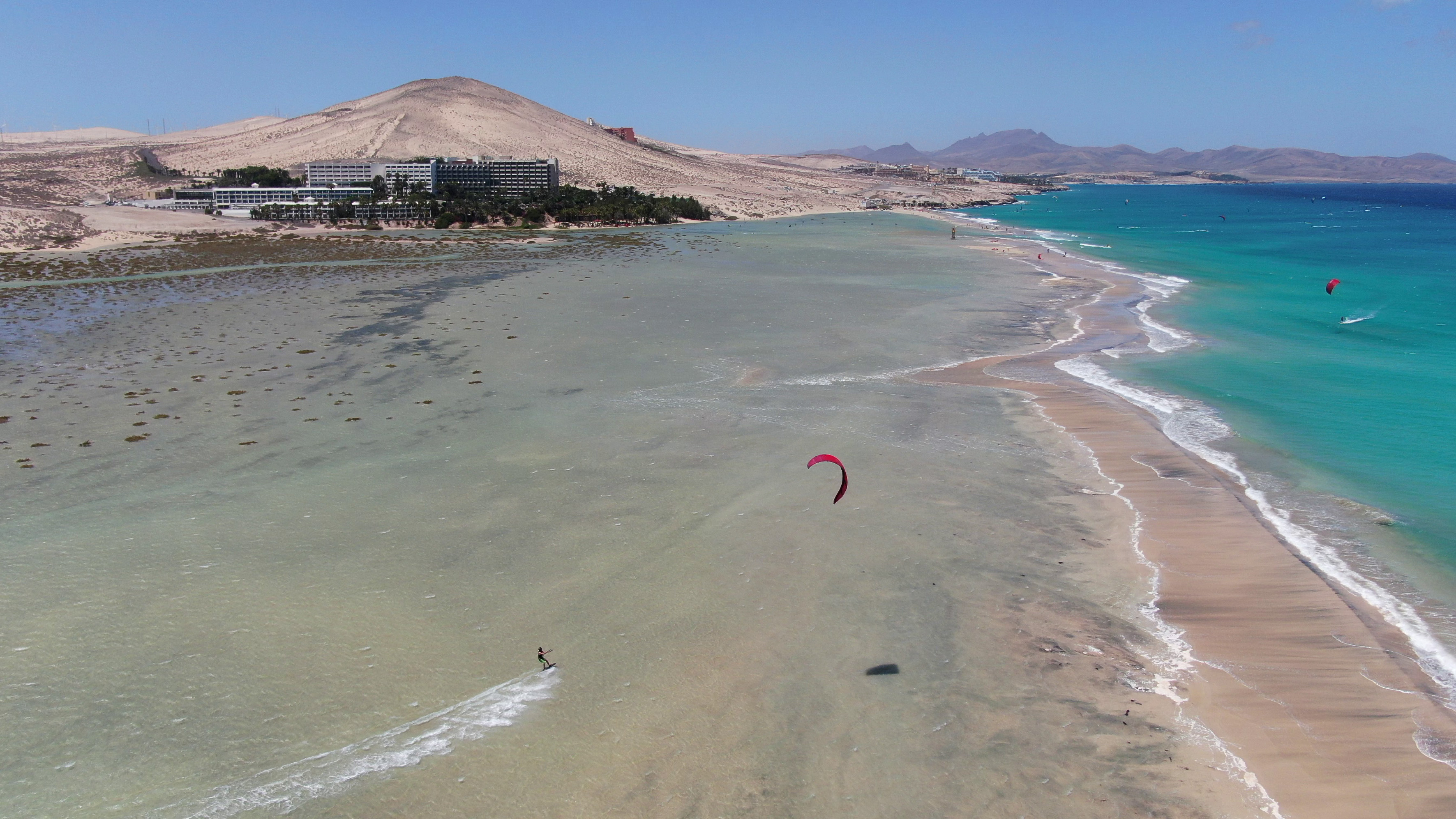
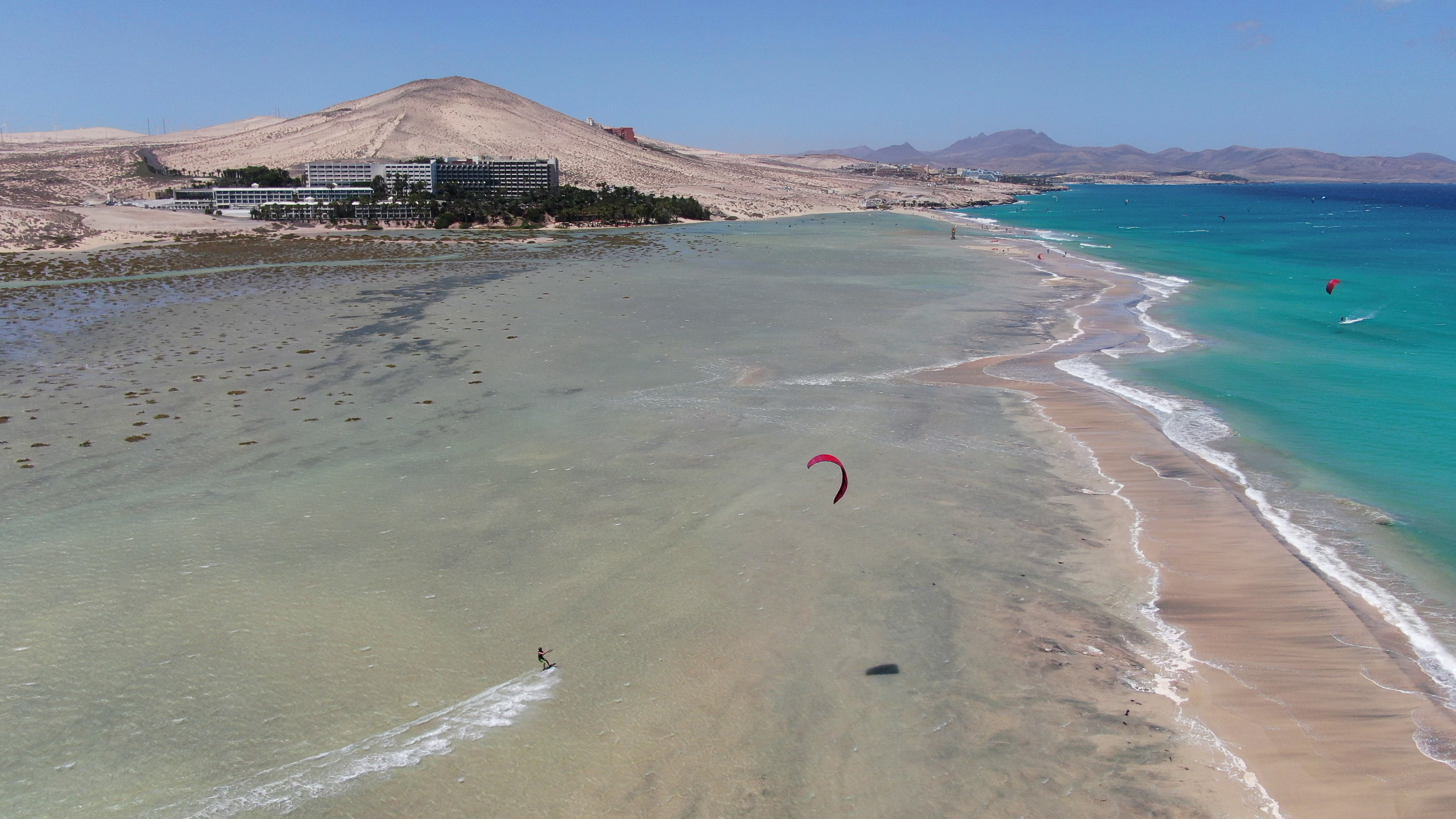
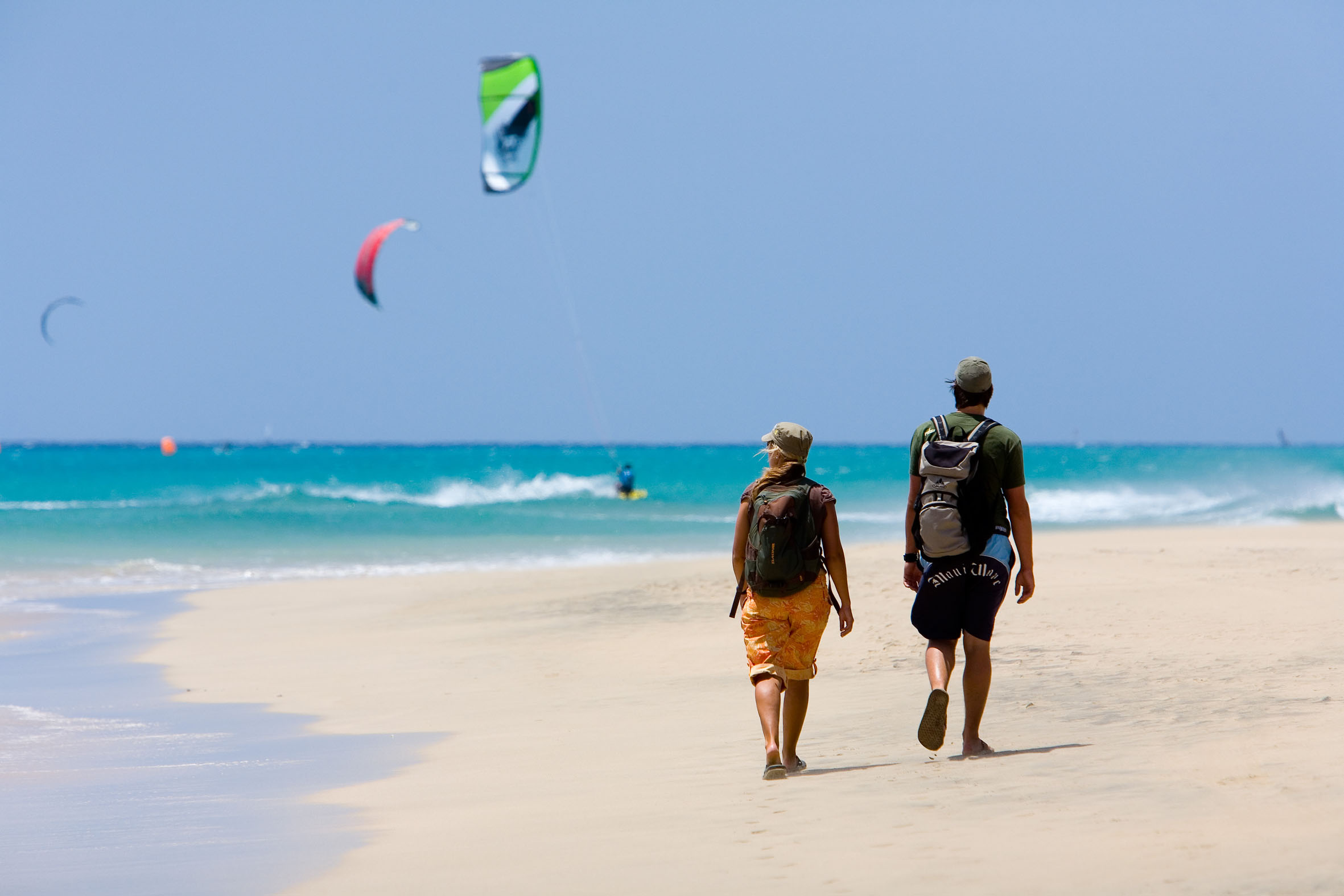
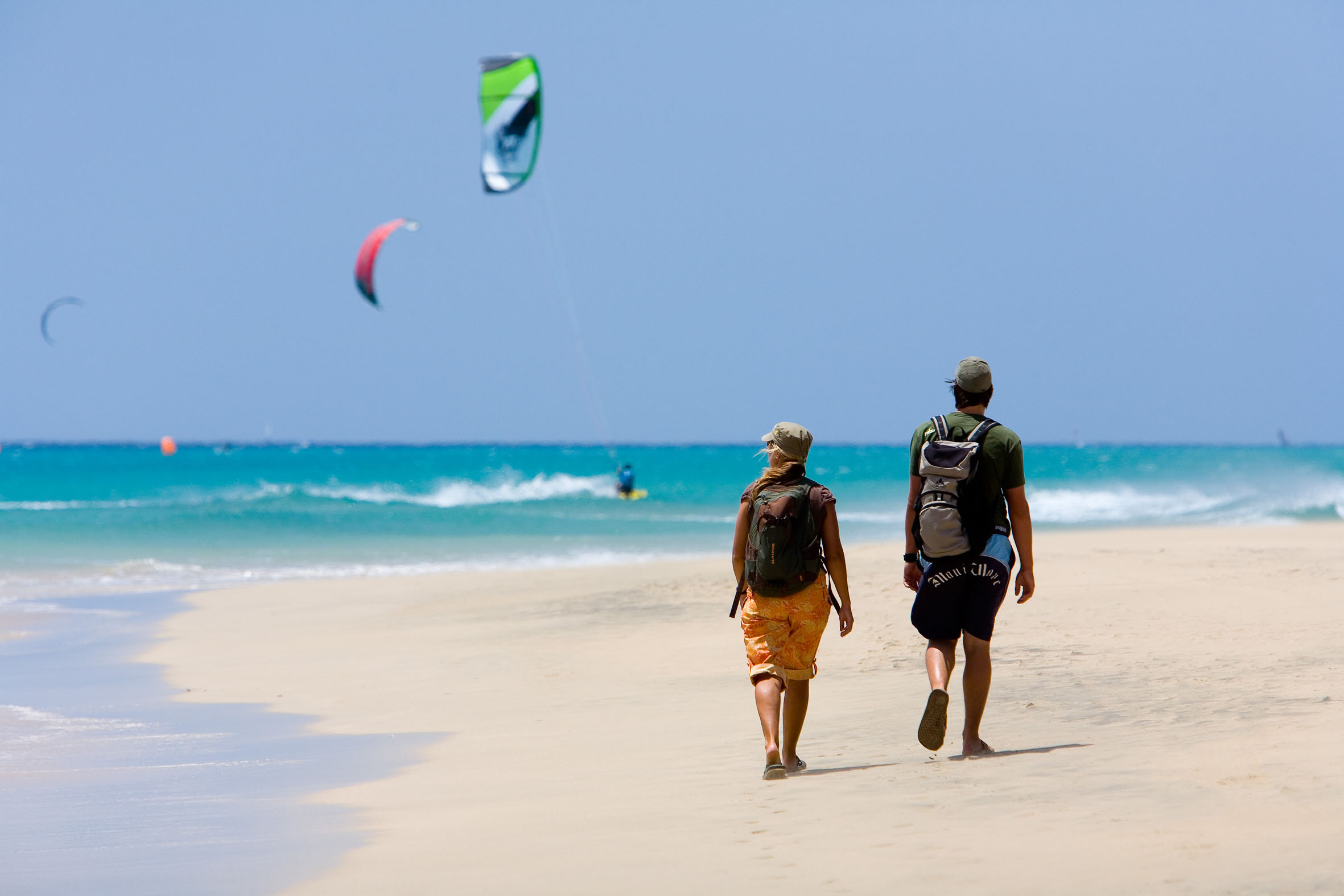
They are ideal for those looking to relax and swim, as well as for water sports enthusiasts such as kitesurfing or windsurfing. If I had to choose just one beach in the north of Fuerteventura, it would probably be this one.
Located in El Cotillo, Playa de La Concha stands out for its shallow waters and quiet atmosphere. Protected by a natural barrier of volcanic rock, it forms a kind of natural pool perfect for swimming or enjoying a day at the beach with the family. It is one of the best options for those travelling with children.
Very close to the old town of El Cotillo is Playa del Castillo, a wide stretch of golden sand perfect for resting after exploring the village or enjoying a meal by the sea. At sunset, the light creates an especially beautiful landscape.
One of the most curious beaches in Fuerteventura and one of the most popular on social media is Playa del Bajo de la Burra, also known as Popcorn Beach. Its fame is due to the thousands of white fragments of calcareous origin that cover the shore and which are surprisingly reminiscent of popcorn.
Mind you, although it may be tempting, it is forbidden to take these natural formations home as a souvenir, as they are part of the island's ecosystem.
,regionOfInterest=(4058.5,2707))
,regionOfInterest=(4058.5,2707))
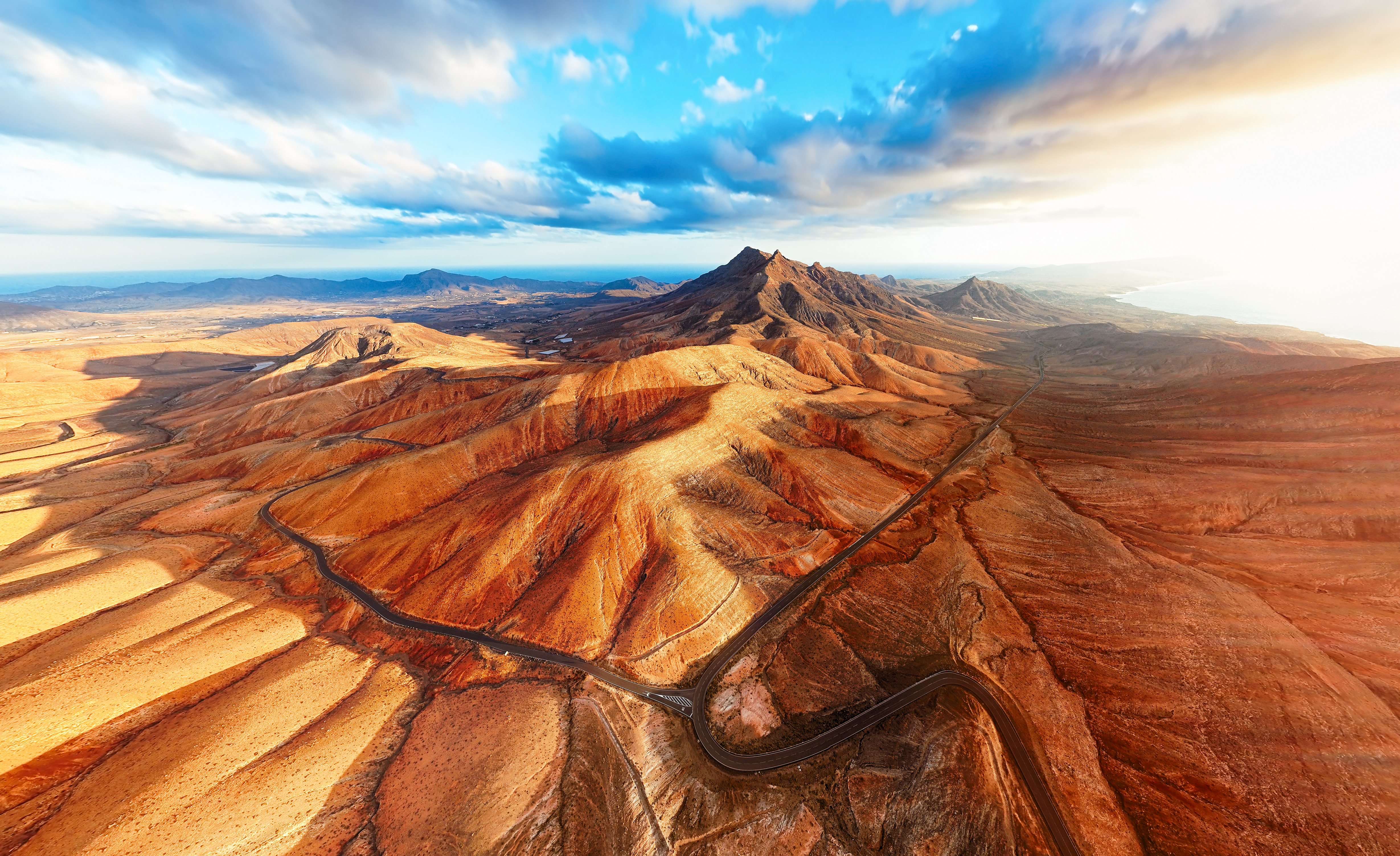
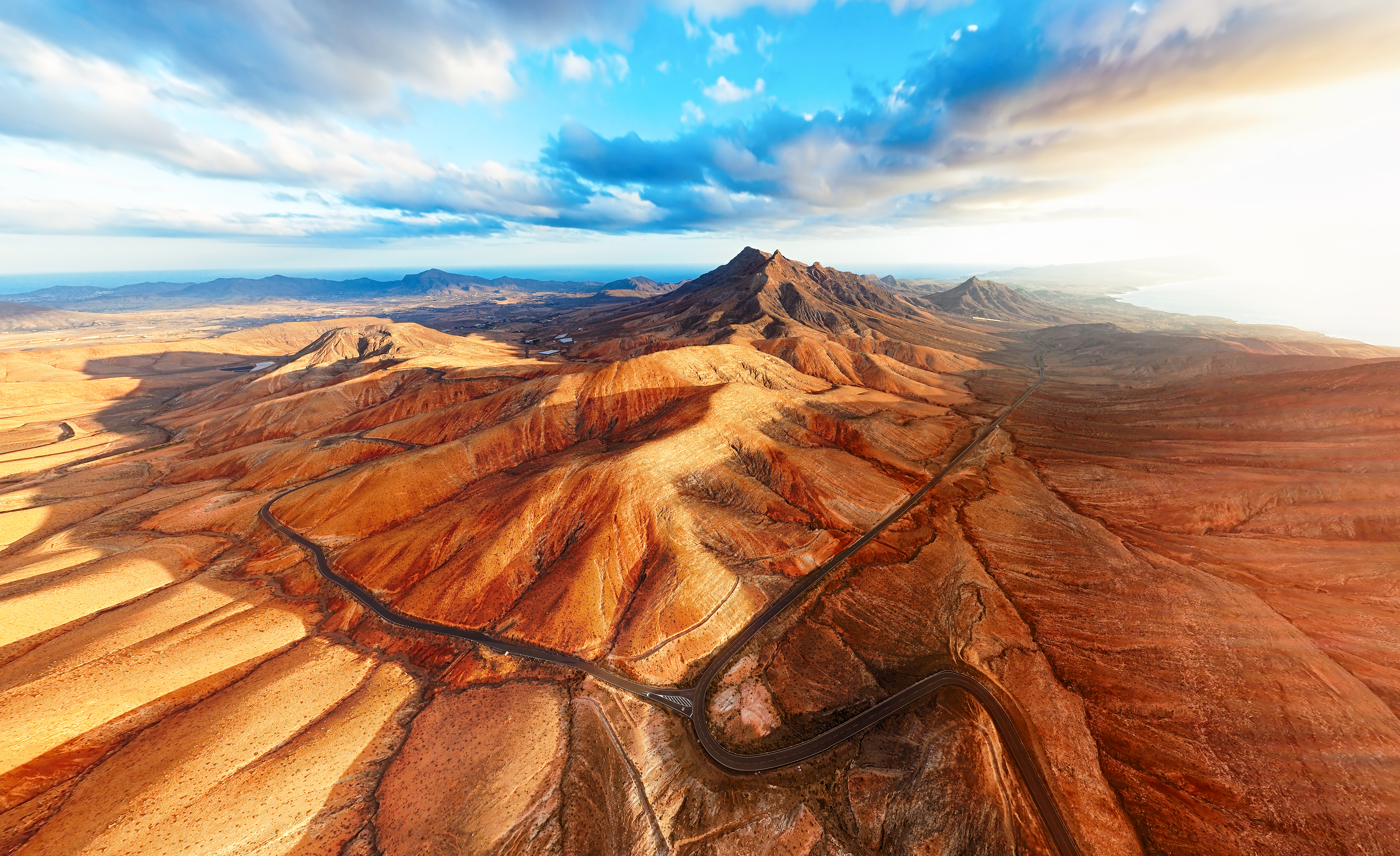
If you like discovering volcanic landscapes, make a note of this place. The Malpaís de la Arena Natural Monument is a protected space formed by lava flows, volcanic cones and vegetation perfectly adapted to the island's climate.
It is a much less well-known corner than the dunes of Corralejo, but highly recommended for getting to know another facet of Fuerteventura.
The west coast of the north of the island offers a completely different landscape to that of Corralejo, in which cliffs, strong waves and spectacular views of the Atlantic predominate. Exploring this area at the end of the afternoon is one of those simple plans that is always worth it.
Tindaya Mountain is one of the most iconic and enigmatic places in Fuerteventura. Considered sacred by the island's ancient inhabitants, it still preserves rock carvings known as podomorphs, which make it one of the most important archaeological sites in the archipelago.
Although access to certain areas is currently regulated to protect the environment, contemplating it from the surroundings allows you to appreciate the importance that this place has had throughout history.
,regionOfInterest=(2536.5,1539))
,regionOfInterest=(2536.5,1539))
The tourist engine of the north of the island, Corralejo went from being a small fishing village to becoming one of the liveliest towns in Fuerteventura and one of those places you always want to return to.
What stands out most is that its old town and the Muelle Chico area have managed to preserve part of their maritime essence, combined with a wide gastronomic offer, shops specialising in surfing and pleasant walks by the sea.
If you are looking for a quieter atmosphere, El Cotillo is a safe bet. On the west coast, the rhythm here is much slower, inviting you to stroll without rushing. Its old fishing port, the restaurants facing the ocean and its spectacular sunsets make it one of the most charming villages in the north of Fuerteventura.
Inland, halfway between Corralejo and El Cotillo, is Lajares, considered by many to be the most bohemian village on the island and one of the main meeting points for the surfing community.
It stands out for its artisan bakeries, speciality coffee shops and small shops linked to surfing and the local lifestyle. In addition, several hiking routes start from here, including the popular climb to Calderón Hondo.
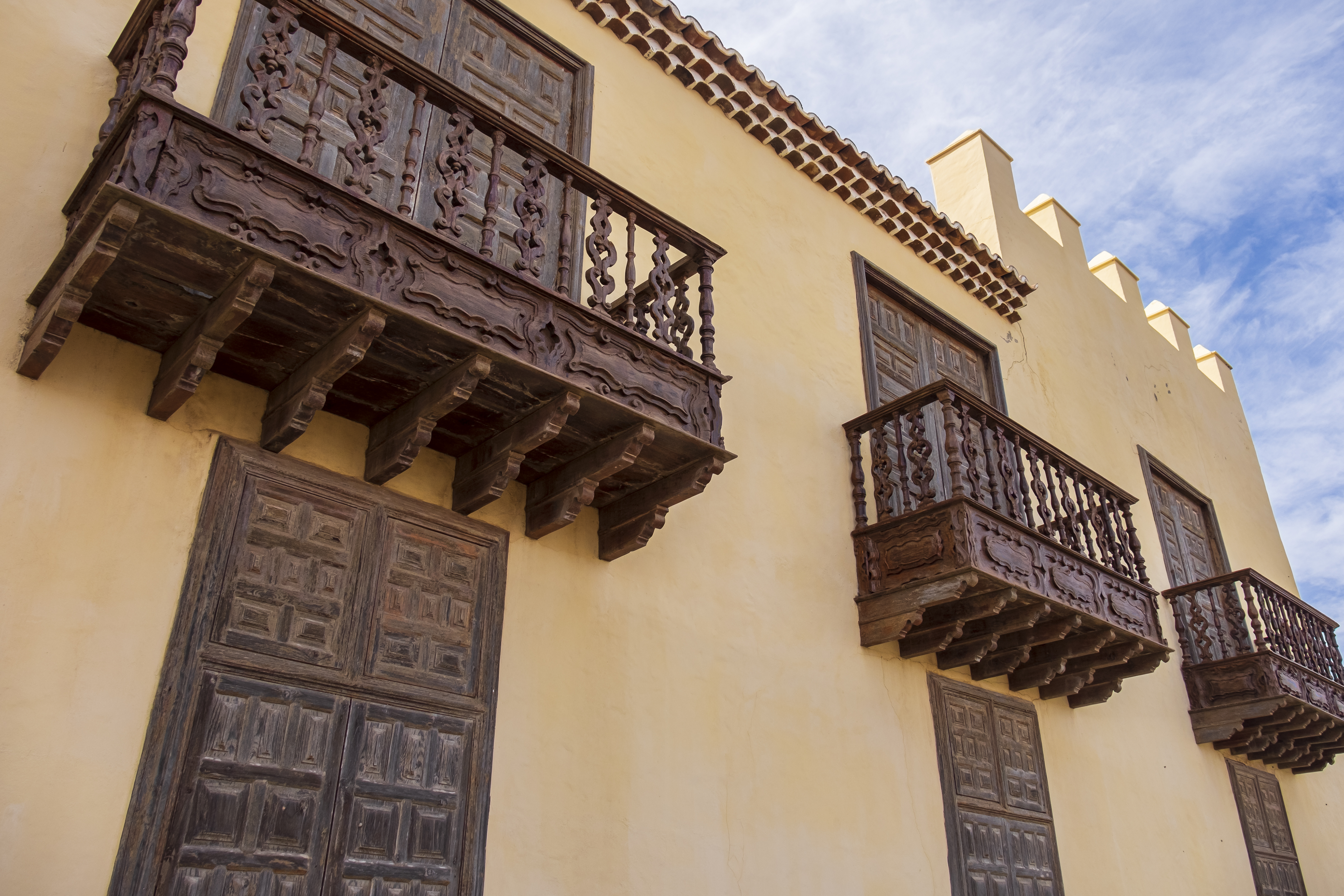
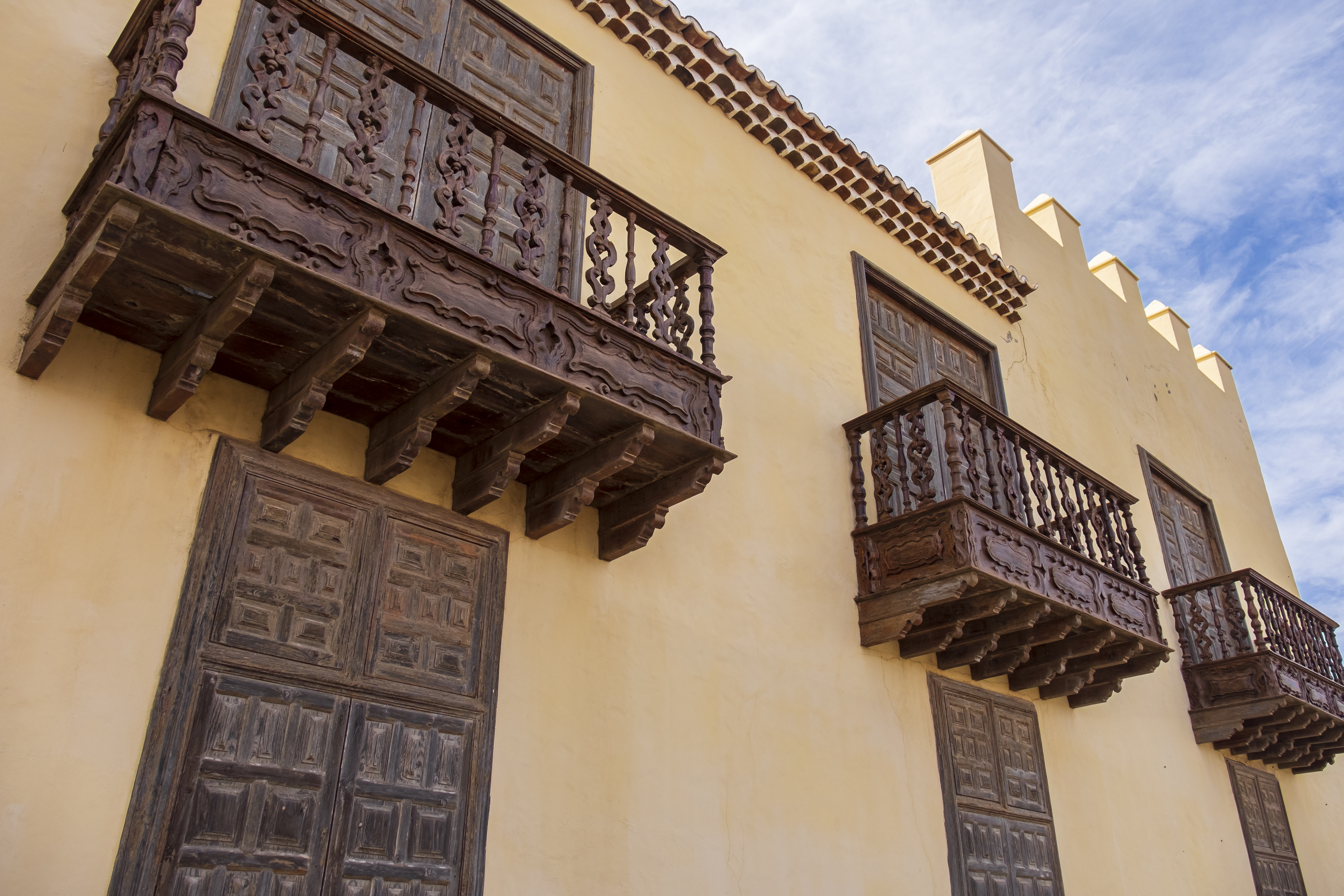
If you want to take a break from the beach and breathe in a bit of history, La Oliva offers a very interesting combination of heritage and history. It was the administrative capital of the island for a long time, and strolling through its streets allows you to discover traditional buildings such as the Casa de los Coroneles, one of the most historic and important in Fuerteventura.
,regionOfInterest=(4096,2732))
,regionOfInterest=(4096,2732))
Next to the El Tostón Lighthouse, the Traditional Fishing Museum explains how this activity has evolved in Fuerteventura and the close relationship that the island's inhabitants have maintained with the ocean over the centuries.
The visit is short, but very interesting for better understanding the history of this area.
If you coincide with any of the markets organised in towns like Lajares or La Oliva, it is worth a visit. You will find local handicrafts, products made with aloe vera, majorero cheeses, ceramics and small souvenirs that are very different from those usually sold in the more touristy shops.
,regionOfInterest=(3976,2652))
,regionOfInterest=(3976,2652))
Travelling through the north of Fuerteventura is also a good opportunity to discover the island's traditional cuisine.
In the restaurants of Corralejo and El Cotillo, fresh fish is usually the main star. It is common to find species such as parrotfish (vieja), wreckfish (cherne), octopus or squid, almost always accompanied by the classic papas arrugadas with mojo.
Of course, you cannot miss the majorero cheese, considered one of the most representative products of Fuerteventura. If you have the chance, it is worth trying it both plain and grilled.
And to finish, there is nothing better than a dessert made with gofio, honey or almonds, flavours very much linked to the Canarian gastronomic tradition.
,regionOfInterest=(2150,1434.5))
,regionOfInterest=(2150,1434.5))
Throughout the year, the villages in the north of Fuerteventura celebrate different festivals that keep the island's traditions alive.
In Corralejo, the Virgen del Carmen festivals stand out, with the traditional maritime procession, while in La Oliva and Lajares, pilgrimages, craft markets and cultural events are organised that bring together both locals and tourists.
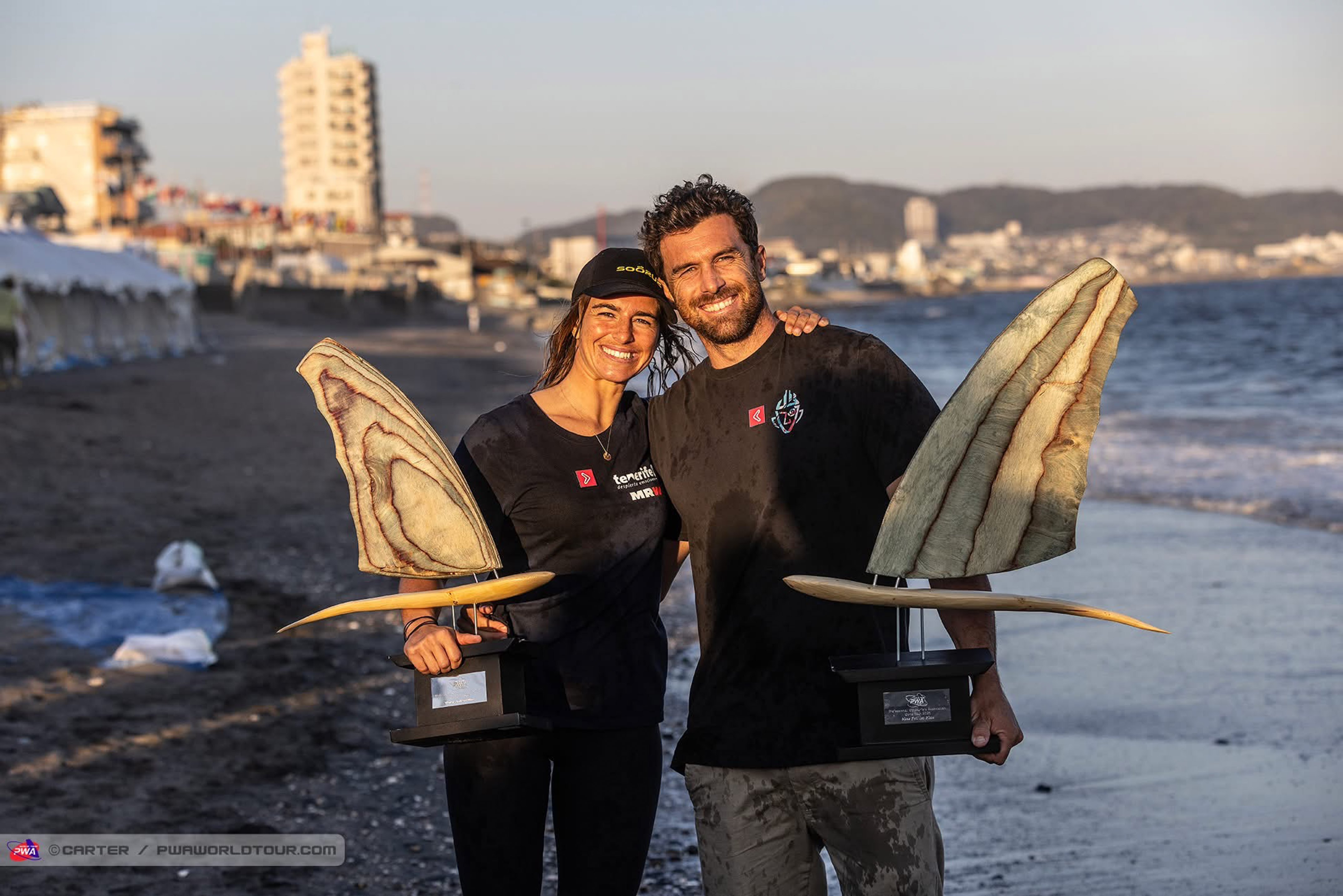
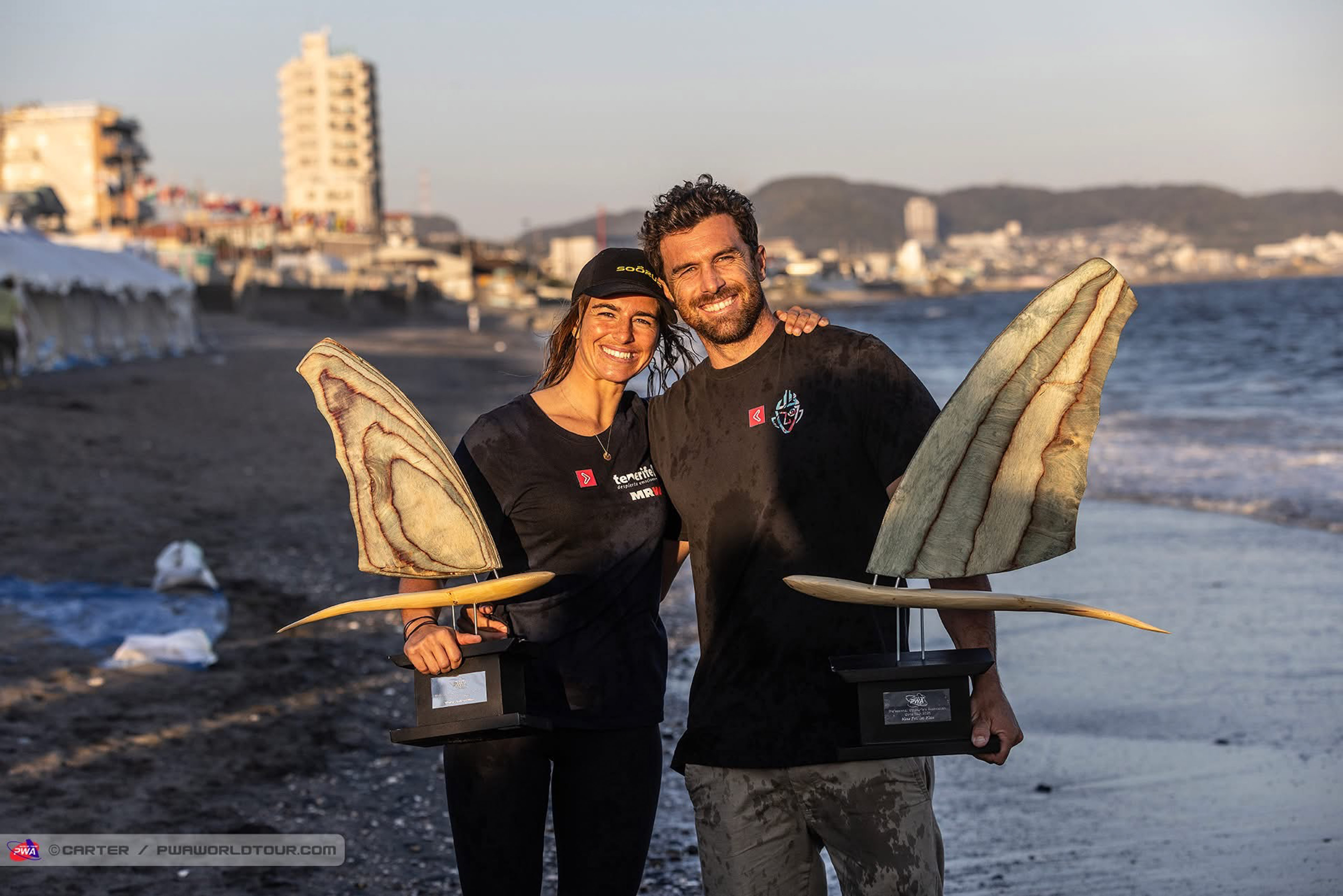
In addition, the north of Fuerteventura hosts different surfing, windsurfing and kitesurfing championships, taking advantage of the excellent conditions offered by the wind and waves for much of the year. These events attract athletes from all over the world and are part of the identity of this area of the island.
,regionOfInterest=(1181,787.5))
,regionOfInterest=(1181,787.5))
The north of Fuerteventura is a very comfortable area to explore with the family. Children can play in the calm waters of Playa de La Concha, climb the Calderón Hondo via a simple route or enjoy a boat trip to the island of Lobos.
If you also fancy a different plan, you can visit the Traditional Fishing Museum or spend the afternoon strolling around the port of Corralejo while enjoying an ice cream with sea views.
,regionOfInterest=(3723,2483))
,regionOfInterest=(3723,2483))
If you only have one day to discover this part of the island, don't worry. As the distances are short, it is possible to visit several of its best-known places. So you can make the most of it, here is a North Fuerteventura route in one day that will allow you to get straight to the point:
The north of Fuerteventura is one of those areas that invites you to travel without rushing. Even if you have a planned route, it is easy to end up taking a detour to discover a secluded beach, stop at a viewpoint or extend a meal by the sea longer than planned.
My recommendation is to combine essential places like the dunes of Corralejo or El Cotillo with other lesser-known corners. Often, these are the places that end up becoming the best memories of the trip and where you can appreciate the quiet and natural character of this part of the island with more authenticity.
,regionOfInterest=(2458.5,1504))
,regionOfInterest=(2458.5,1504))
,regionOfInterest=(2880,1920))
,regionOfInterest=(2880,1920))
,regionOfInterest=(1619.5,1121))
,regionOfInterest=(1619.5,1121))
,regionOfInterest=(1476.5,634.5))
,regionOfInterest=(1476.5,634.5))
,regionOfInterest=(2273,1523))
,regionOfInterest=(2273,1523))
,regionOfInterest=(1564,1200))
,regionOfInterest=(1564,1200))