,regionOfInterest=(1750,1076))
,regionOfInterest=(1750,1076))
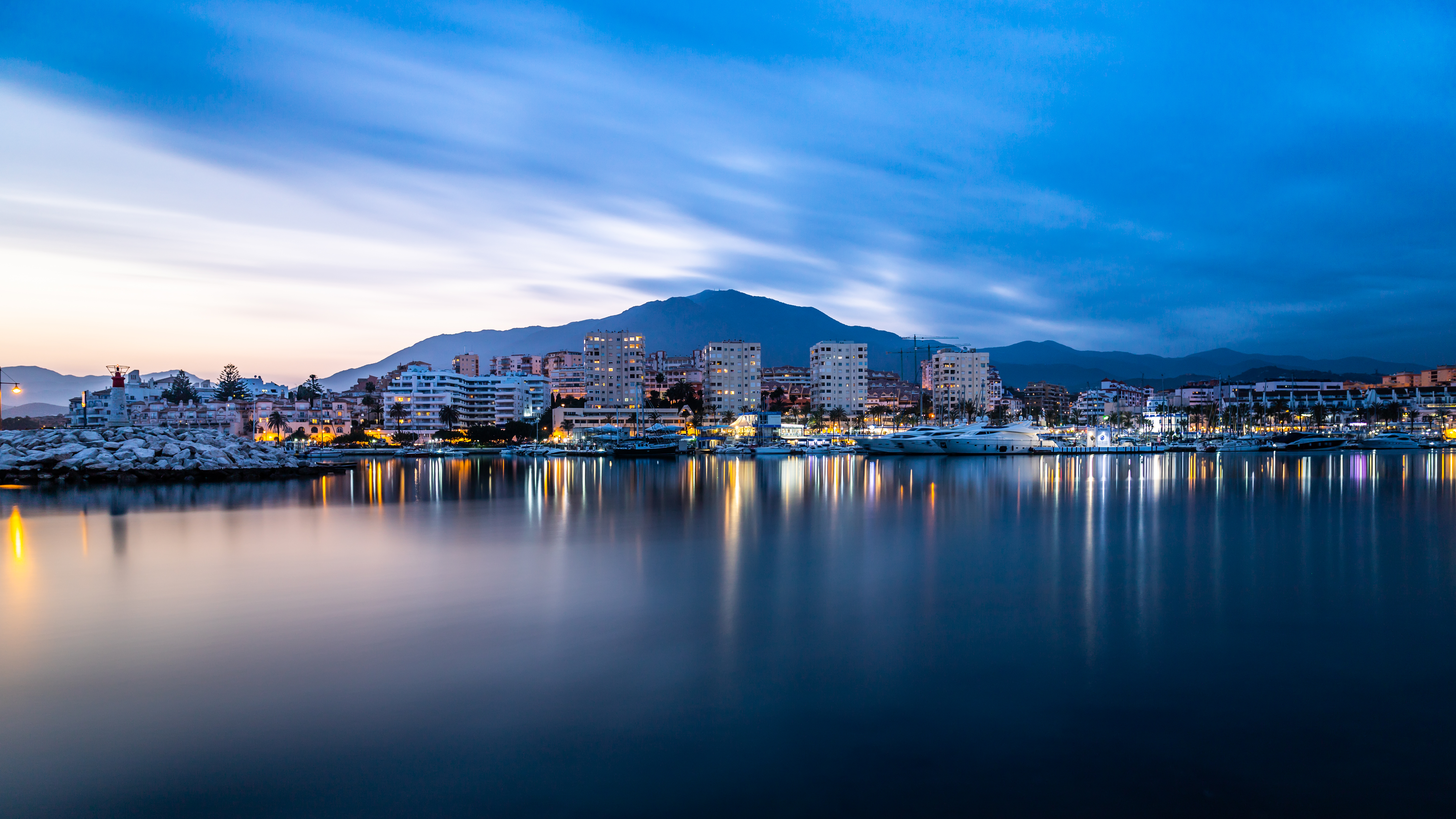
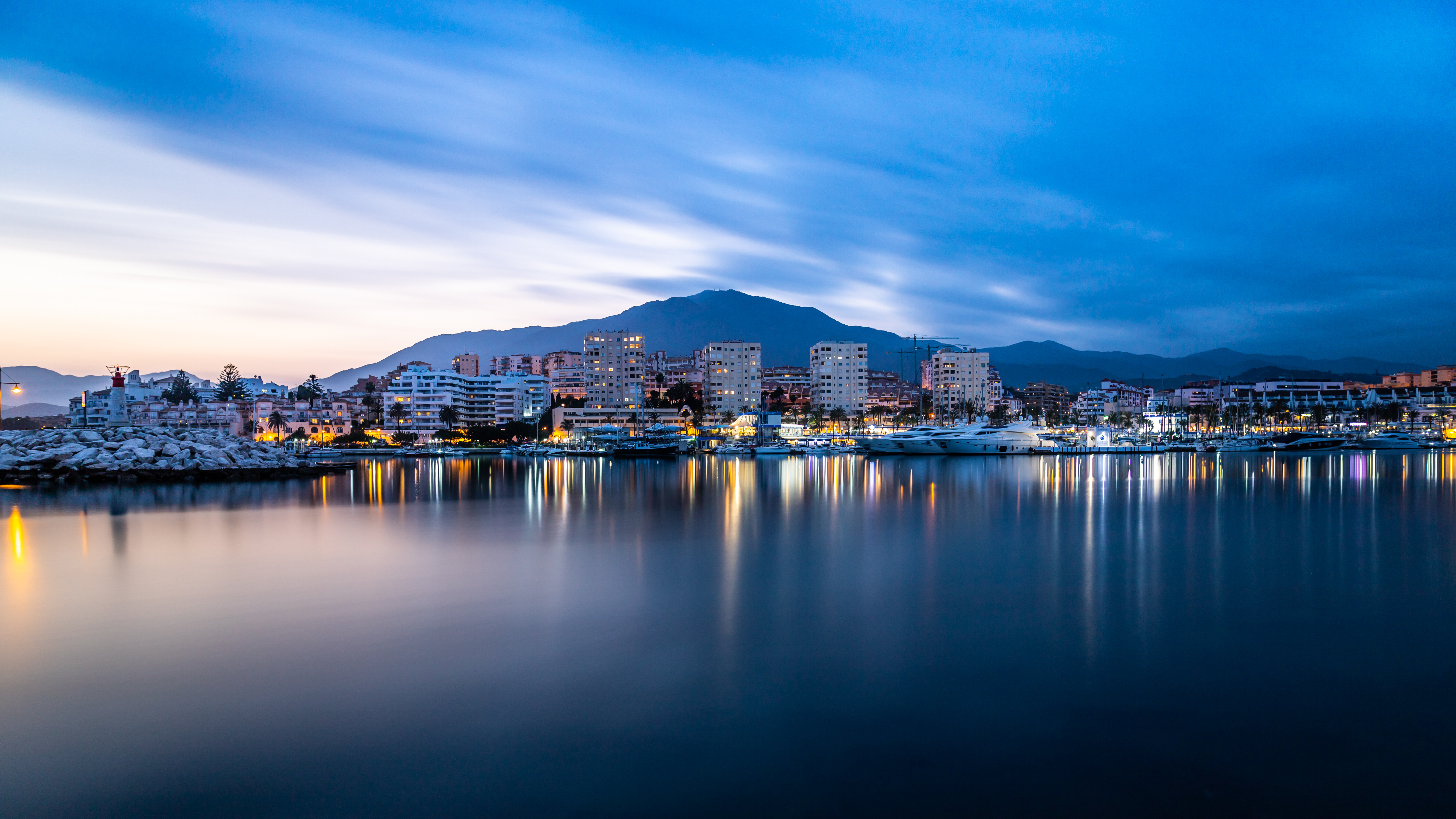
Best golf courses in Estepona
,regionOfInterest=(3120,1755))
,regionOfInterest=(3120,1755))
Culture
,regionOfInterest=(3315.5,2138.5))
,regionOfInterest=(3315.5,2138.5))
It is true that exploring Barcelona in 2 days can be a truly intense experience, but perfectly feasible if you have good planning with the most important sites and things to do in Barcelona.
In this guide to Barcelona in 2 days, you will find a route designed to make the most of every minute in the Catalan capital, including the city's major icons, its most historic neighbourhoods, modern avant-garde areas, and some plans to enjoy the most authentic Barcelona atmosphere.
,regionOfInterest=(719,822.5))
,regionOfInterest=(719,822.5))
Journalist and a lover of travel filled with new experiences. Writing and travelling merge to give her the privilege of sharing what she discovers in every corner of the world.
,regionOfInterest=(3008,2008))
,regionOfInterest=(3008,2008))
,regionOfInterest=(4157,2771.5))
,regionOfInterest=(4157,2771.5))
,regionOfInterest=(3553.5,1999))
,regionOfInterest=(3553.5,1999))
| Day | Route focus | Main areas |
| 1 | Must-see Barcelona | Sagrada Familia, Passeig de Gràcia, Gothic Quarter and El Born |
| 2 | Culture, views, and sea | Montjuïc, El Raval, Barceloneta and coast |
This 2-day itinerary in Barcelona begins with the city's most emblematic sites. Here you have a very complete day where you will tour from Gaudí's most famous works to the medieval heart of the city, allowing you to understand its evolution from the 13th century to that characteristic Modernism.
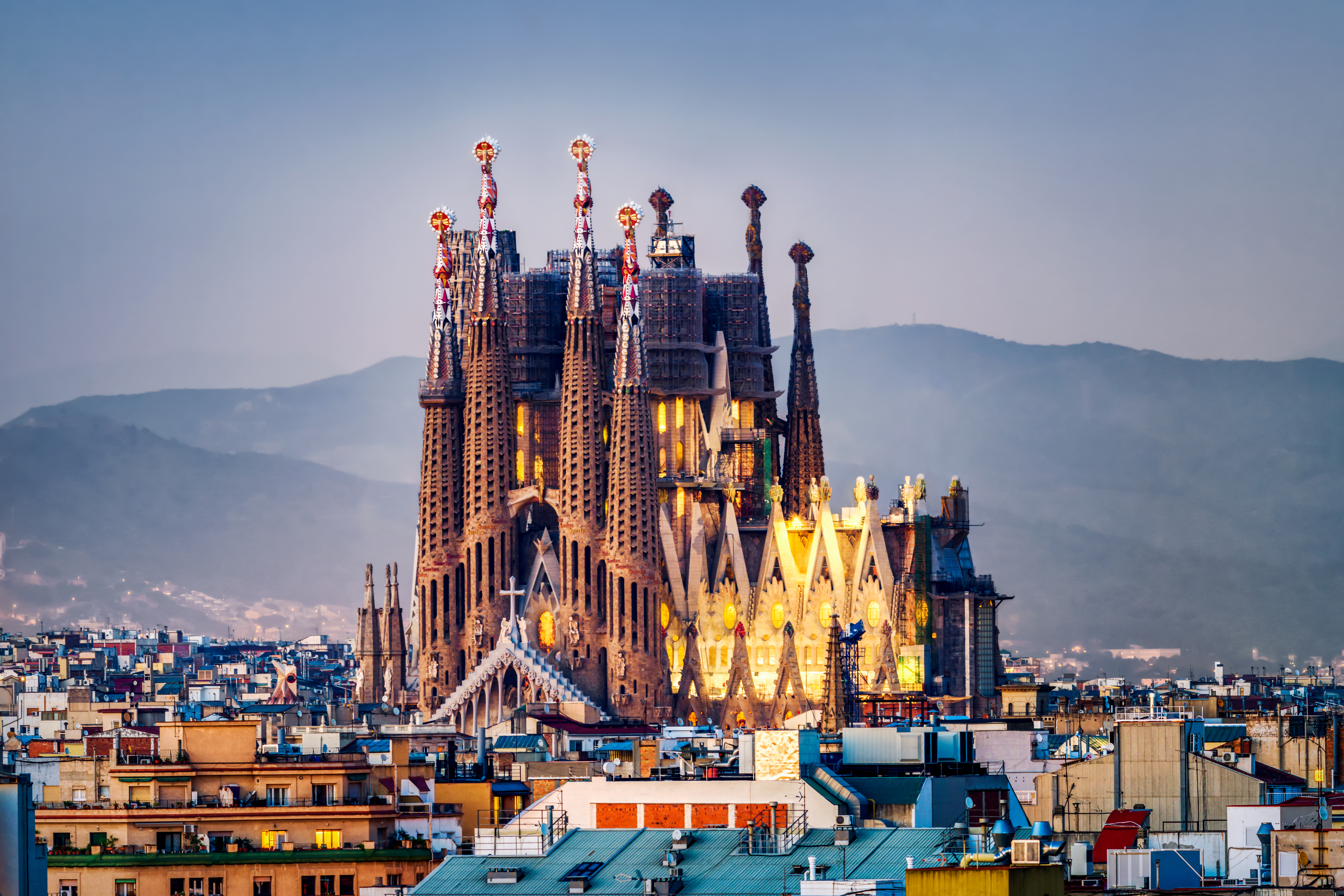
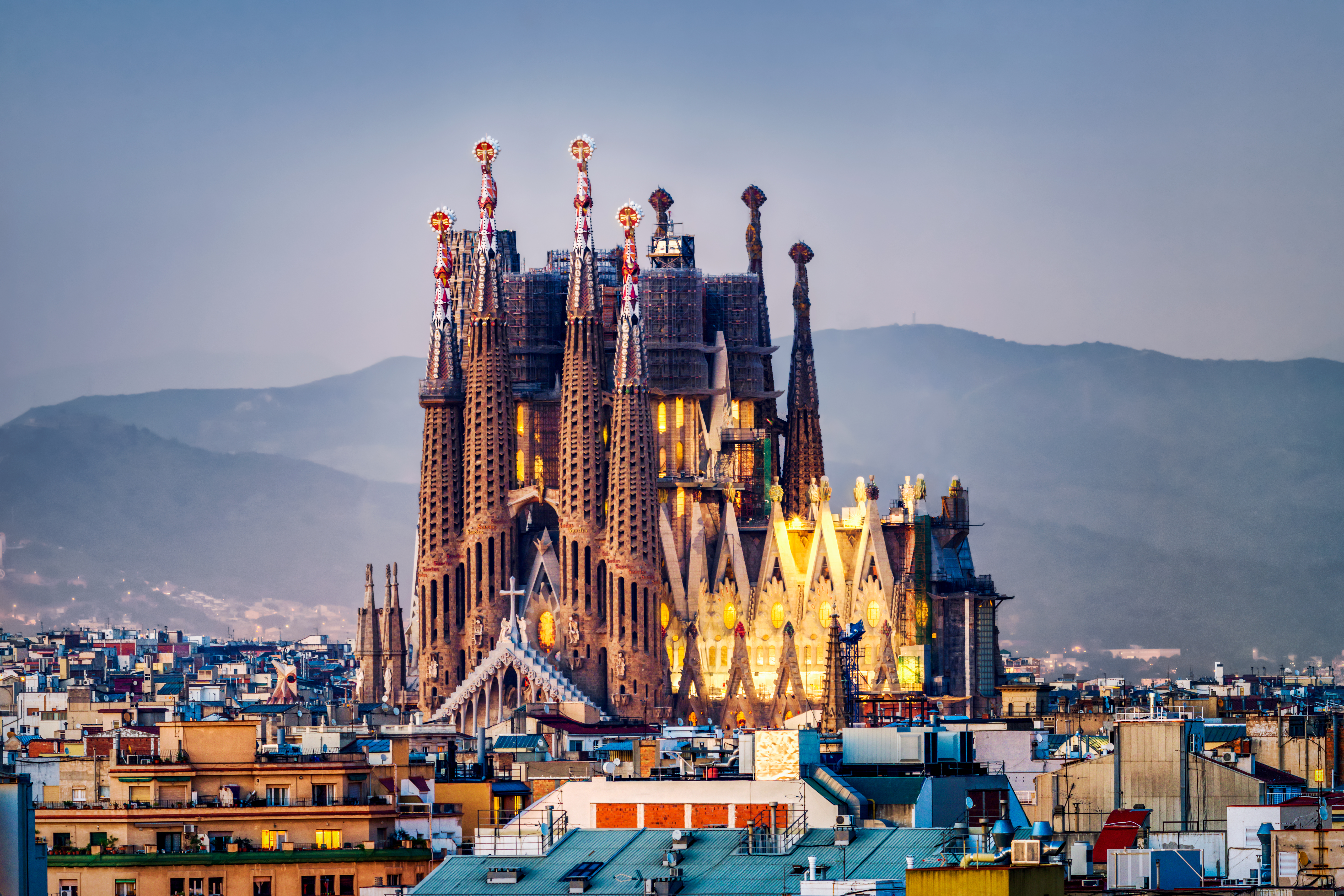
The Sagrada Familia is the undisputed symbol of Barcelona and a masterpiece of universal architecture. This basilica, on which Antoni Gaudí worked for over 40 years, is a stone forest that combines mysticism, nature, and the most revolutionary engineering.
The exterior impresses with its façades: the Nativity façade, detailed and organic, and the Passion façade, more austere and dramatic. The interior is a spectacle of light, where the enormous branching columns support vaults that resemble tree canopies, while the stained-glass windows filter sunlight, creating a gradient of colours that changes with the time of day. It is, without a doubt, the essential stop on any 2-day Barcelona route.
📍Check opening hours and prices
From here you can reach the next stop by metro (lines L2 or L5) in about 10 minutes to Passeig de Gràcia.
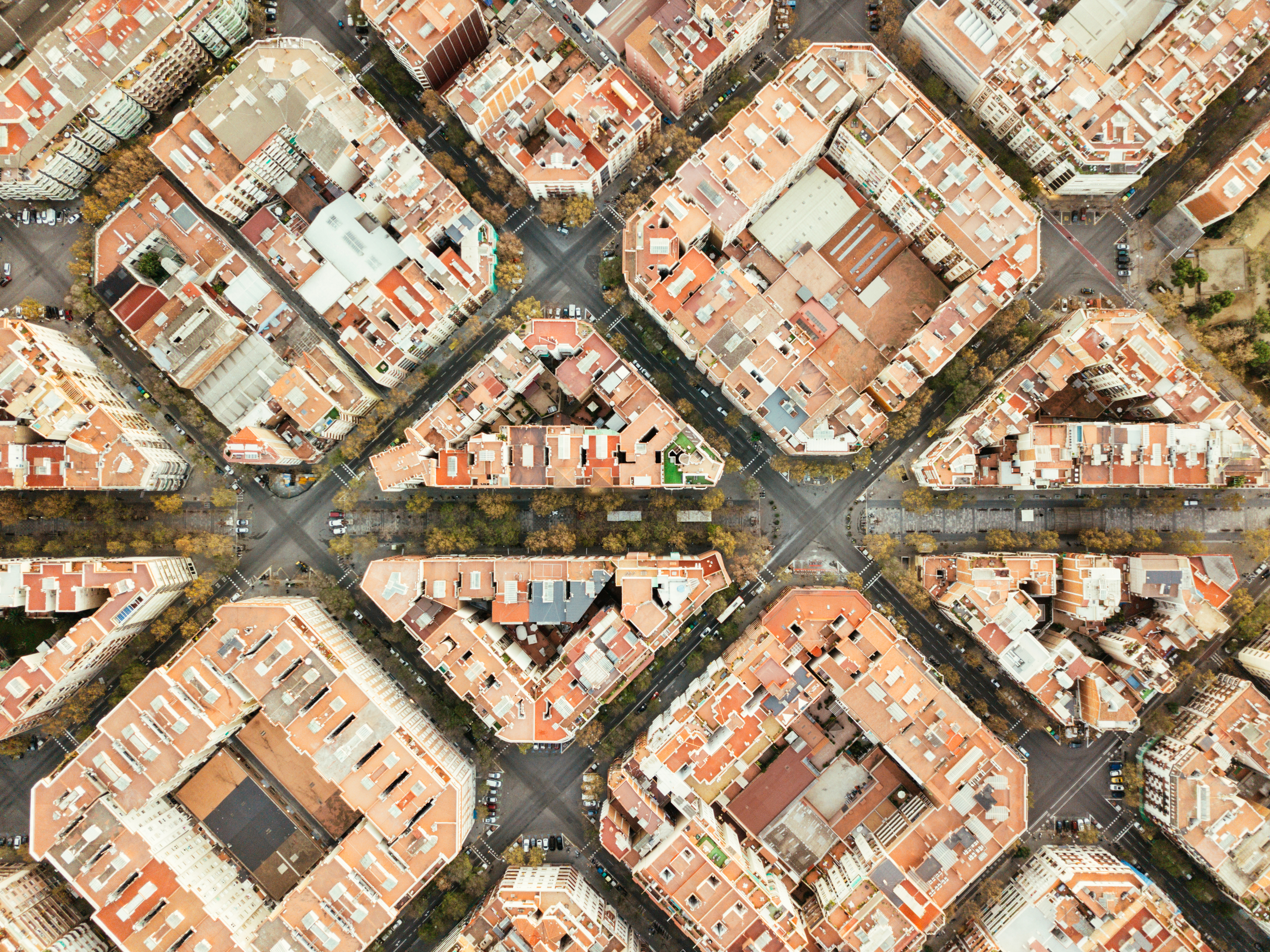
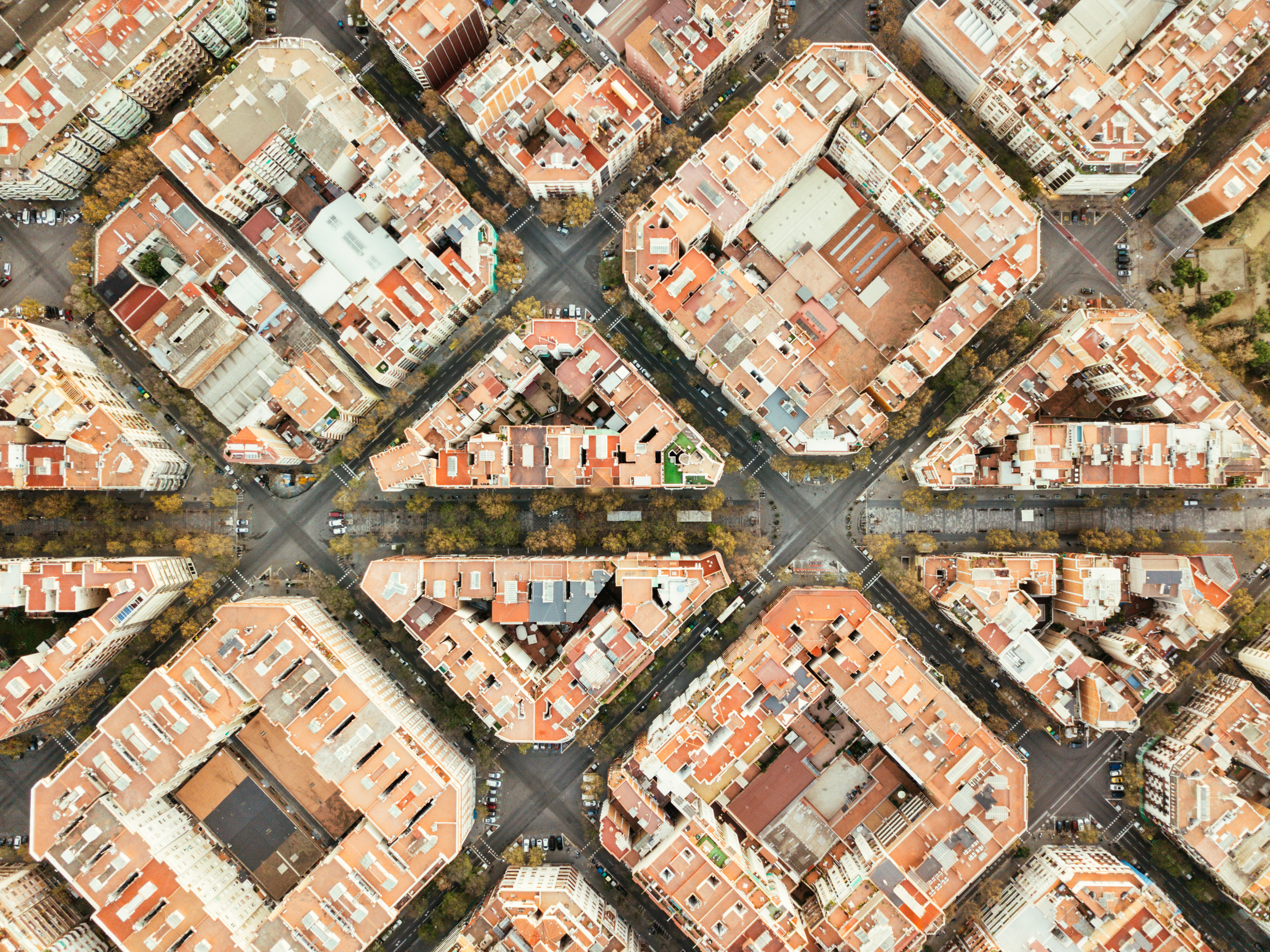
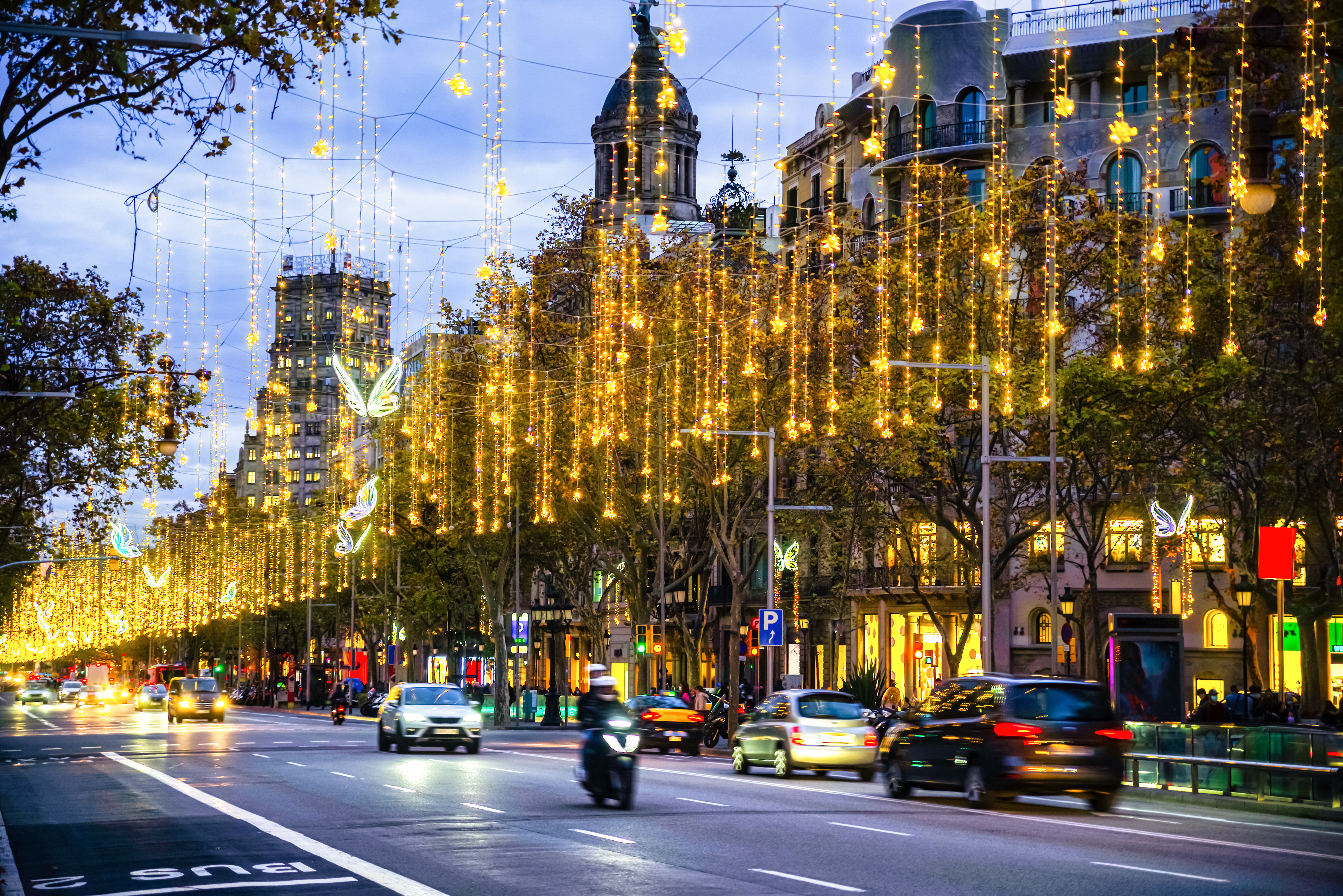
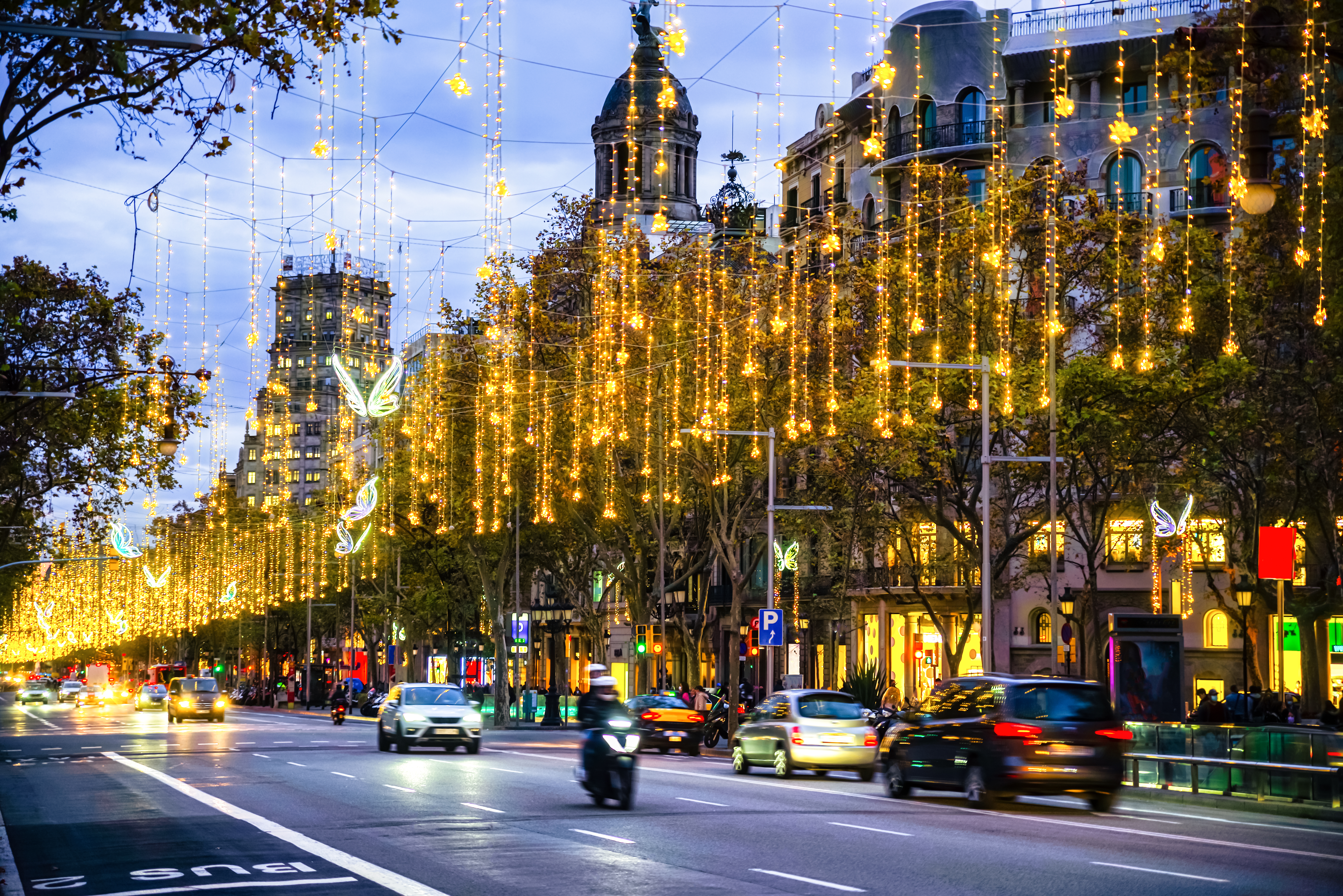
Passeig de Gràcia is Barcelona's most glamorous avenue, where the Catalan bourgeoisie historically competed to build the most spectacular buildings. Today it is one of the largest open-air Modernist museums.
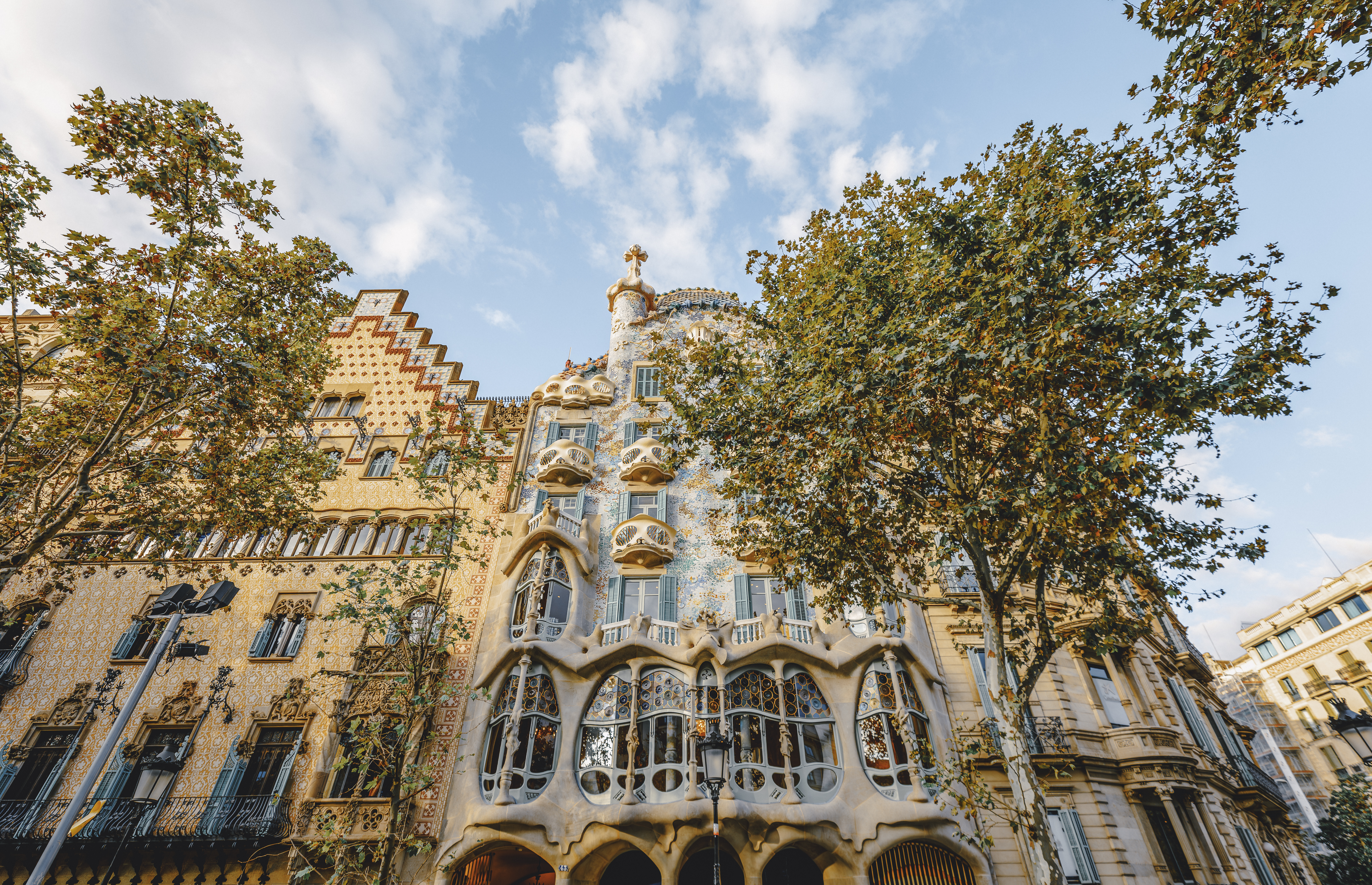
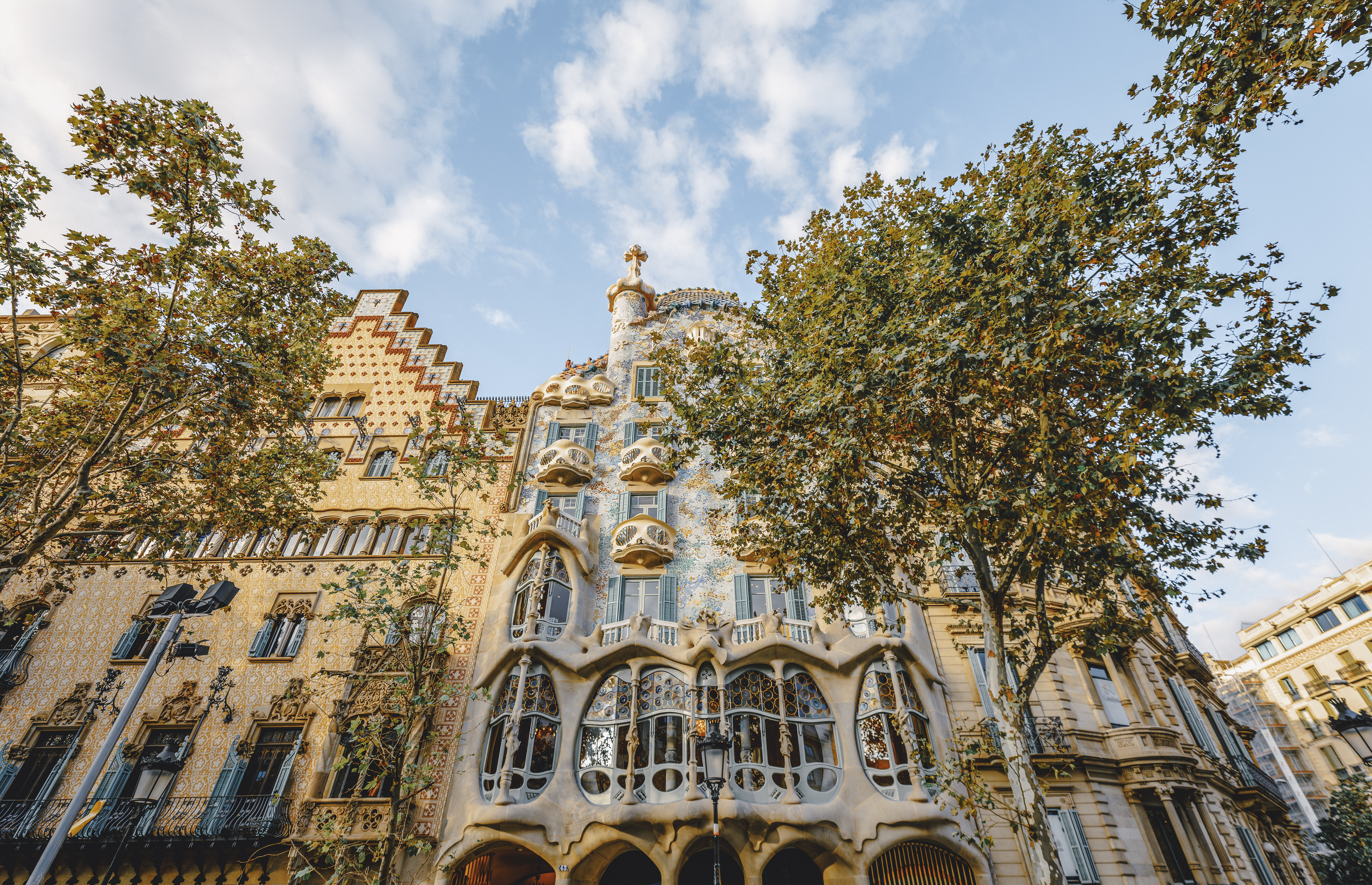
Casa Batlló stands out, a jewel of architecture where Gaudí unleashed his imagination: a façade covered in glass and ceramic mosaics (trencadís) that simulates sea waves or a dragon's skin.
📍Check opening hours and prices
Just a few metres away is Casa Milà, known as La Pedrera, famous for its undulating limestone forms and its fantastic rooftop with chimneys that look like petrified warriors.
📍Check opening hours and prices
You can continue the walk towards Plaça de Catalunya in about 15-20 minutes through the commercial heart.
The Gothic Quarter is the oldest neighbourhood in Barcelona, considered the soul of the city by Barcelonians themselves. Its narrow, labyrinthine streets hide vestiges of Roman Barcino and beautiful medieval palaces.
In this labyrinth, you will find the Barcelona Cathedral, officially the Cathedral of the Holy Cross and Saint Eulalia, with its imposing Gothic façade and its famous cloister inhabited by thirteen white geese.
Don't miss Plaça de Sant Jaume, home to the City Hall and the Generalitat, or Plaça del Rei, where time seems to have stood still in the 14th century. It is one of the best places to wander aimlessly and discover lesser-known corners like Plaça de Sant Felip Neri.
From here you can reach the next location in less than 10 minutes on foot, crossing Via Laietana.
The El Born neighbourhood (or La Ribera) is the perfect blend of a noble past and bohemian modernity. It was once the centre of guilds and medieval jousts, and today it is one of the most vibrant areas of the city, full of art galleries and designer shops.
Here stands the prestigious Basilica of Santa Maria del Mar, the finest example of Catalan Gothic architecture, known for its elegance and austerity. Also essential is the Mercat del Born, an iron structure from the 19th century that now protects a unique archaeological site with remains of the city after the siege of 1714.
Just a 5-minute walk away, you can follow the route towards Las Ramblas to continue enjoying the area at your leisure.
One of Spain's most famous promenades, Las Ramblas connects Plaça de Catalunya with the Columbus Monument. Here, the atmosphere is very lively 24 hours a day, 365 days a year.
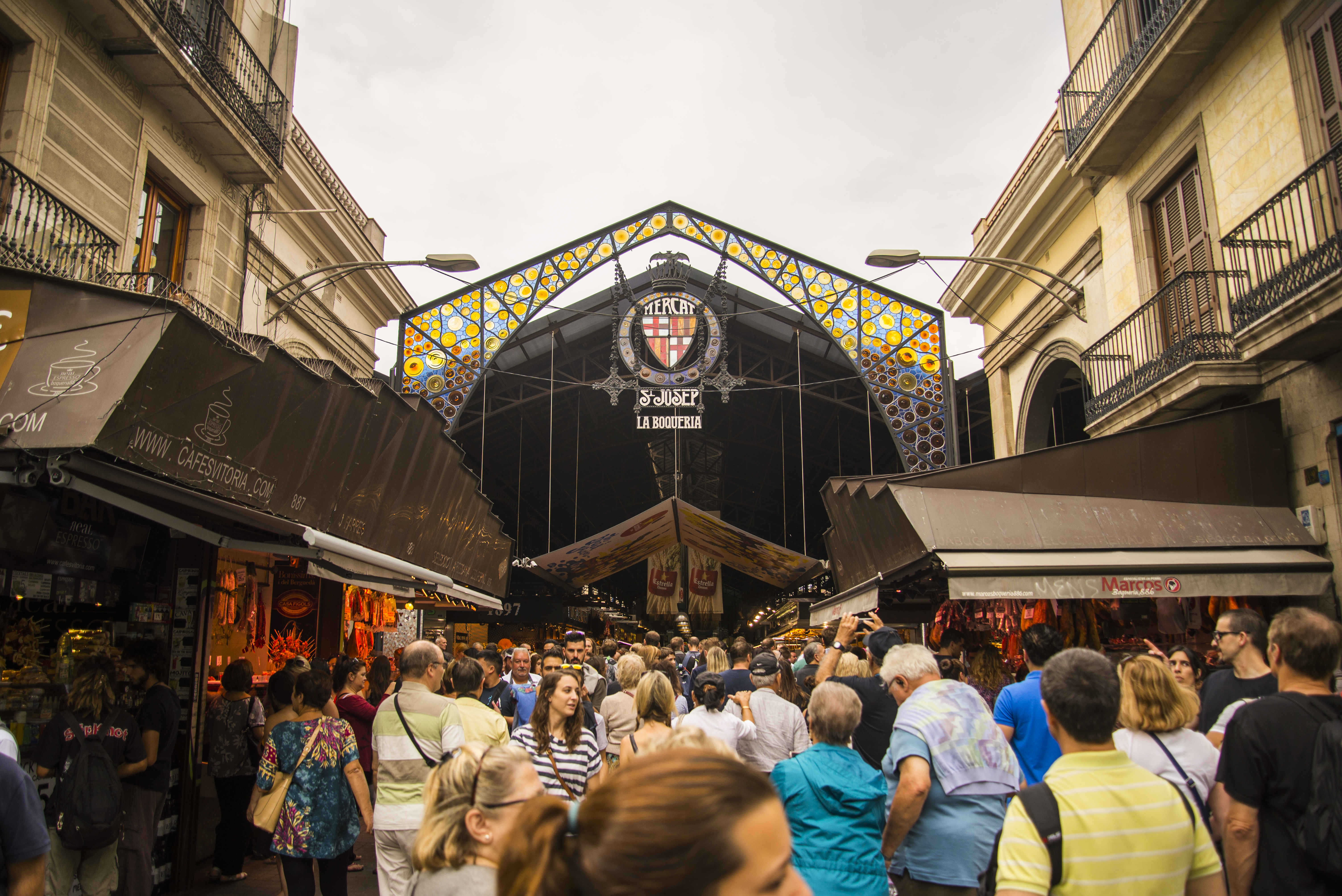
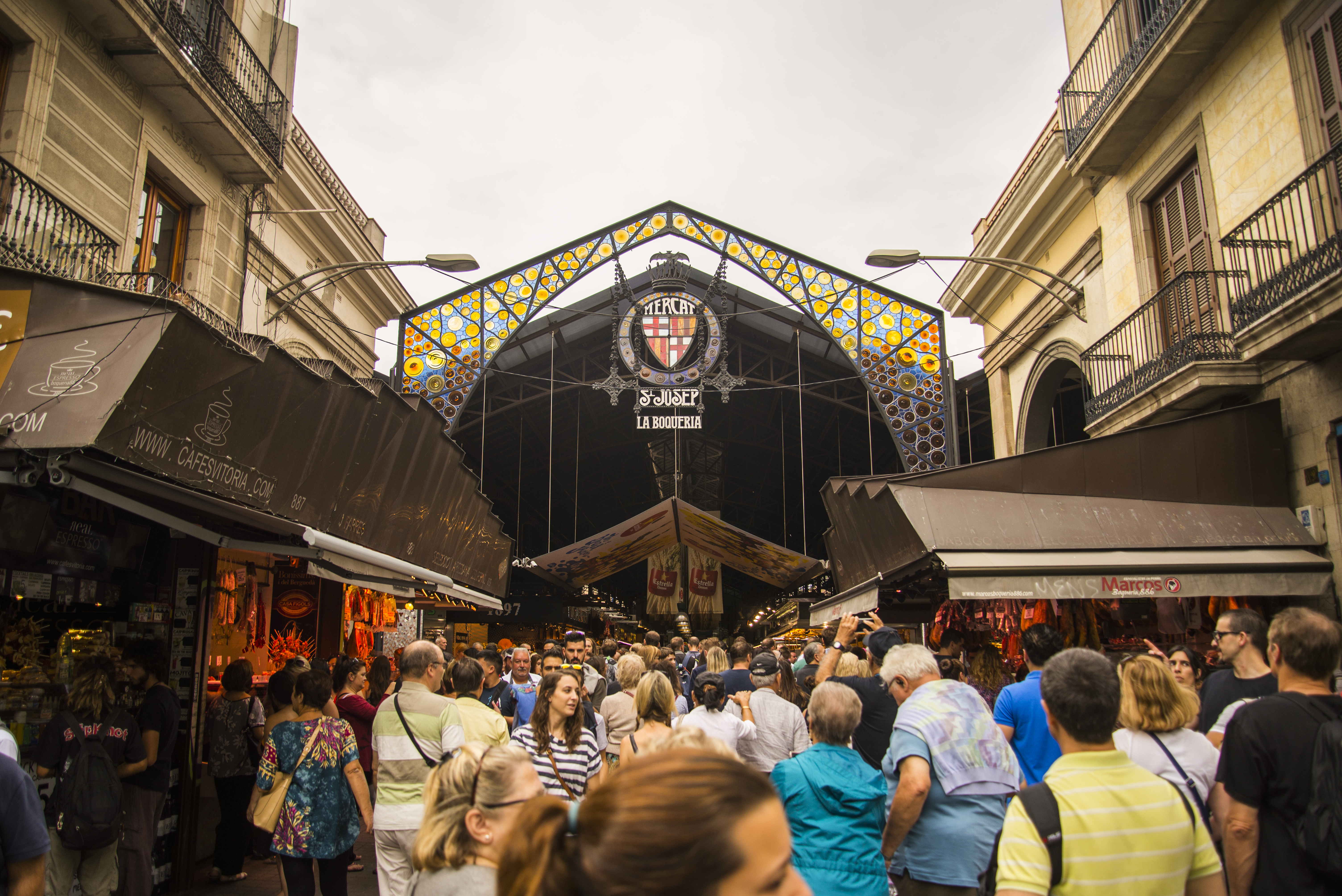
About halfway along, you will find the La Boqueria Market, a gastronomic temple where the colours and aromas of local produce create an unforgettable sensory experience.
Just a few steps away is Plaça Reial, with its characteristic palm trees and lampposts designed by a young Gaudí, ideal for dinner or a drink.
,regionOfInterest=(1996,1496))
,regionOfInterest=(1996,1496))
The second day of this tour of Barcelona in 2 days combines culture, nature, and the blue of the Mediterranean. It will be a more relaxed day, designed to see the city from above and from the shore.
Montjuïc mountain is the green lung of Barcelona and a huge cultural and sports complex, as it is home to the Olympic Stadium Lluís Companys and the Olympic Ring, which played an essential role during the 1992 Olympic Games.
Here you can visit Montjuïc Castle, a former military fortress with 360-degree views over the port and the city. Going down, you will find the Palau Nacional, home to the National Art Museum of Catalonia (MNAC), which boasts a collection of Romanesque art considered the best in the world. It is also recommended to visit the Mies van der Rohe Pavilion, a landmark of modern architecture.
From here you can go down to the next point by cable car to enjoy the views or by bus (line 150) in about 15-20 minutes.
Designed for the 1929 International Exposition, Plaça d'Espanya is one of the most monumental sites in the city, flanked by the two imposing 47-metre-high Venetian Towers that mark the beginning of Avinguda de la Reina Maria Cristina.
From here, you have a spectacular perspective towards the Magic Fountain of Montjuïc and the Palau Nacional in the background. You can also go up to the terrace of the former bullring, Las Arenas, now a shopping centre, from where you will have a circular view of the entire area.
You can go to the next point by metro (line L3) or walk if you like walking (20-25 min) along Gran Via.
Formerly known as the "Chinatown", El Raval is probably the neighbourhood with the most personality and diversity in Barcelona, and an epicentre of contemporary culture.
Here you will find the MACBA (Museum of Contemporary Art of Barcelona), with its iconic white façade designed by Richard Meier, and the CCCB (Centre of Contemporary Culture of Barcelona), which always offers avant-garde exhibitions. It is a perfect area to discover small artisan shops, artist studios, and the famous Botero's Cat, a huge bronze sculpture that is already a symbol of the neighbourhood.
You can move to the next point by crossing the Drassanes area towards the sea in about 15 minutes.
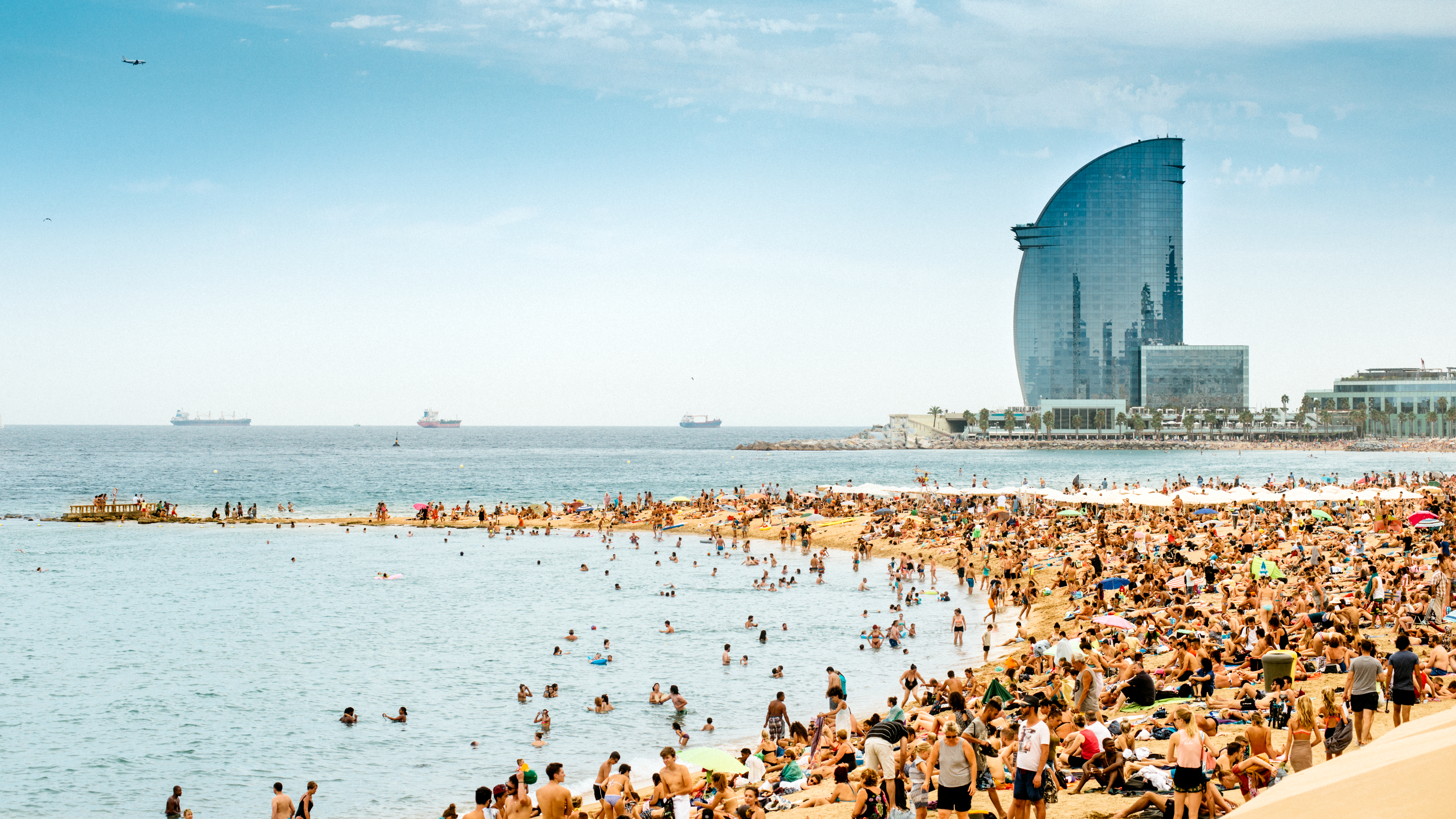
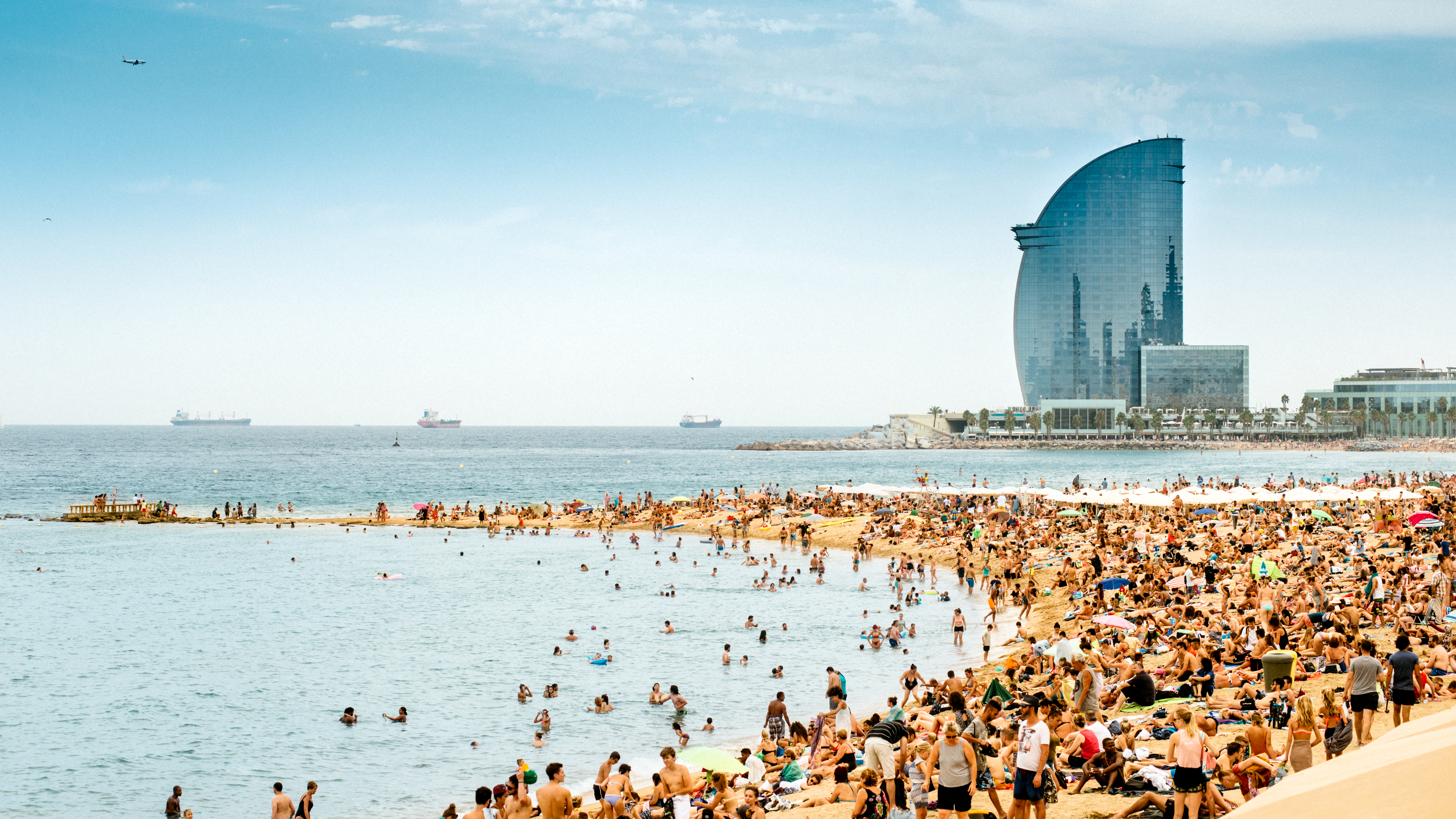
The perfect place to see the contrast between the seafaring tradition and the modern profile of the hotels on the coast is La Barceloneta, a former fishing district that still retains that seaside village feel with narrow streets and clothes drying on balconies.
Its beach is the ideal place to feel the Mediterranean, stroll along the promenade, or have an aperitif at one of its historic beach bars. It is a fundamental part of any plan for what to do in Barcelona in 2 days to recharge your energy with the sea as the protagonist.
You can easily continue walking north along the promenade.
Built for the '92 Olympics, Port Olímpic is today an idyllic area for a stroll under the stars. Here, the two tallest towers in the city (Hotel Arts and Torre Mapfre) stand out, as does Frank Gehry's impressive Golden Fish sculpture, which shines brightly in the illuminated Barcelona night.
It is an area full of life, with a wide range of restaurants facing the sea and entertainment venues, offering a perfect closing to this Barcelona in 2 days guide.
Here are the maps for this 2-day Barcelona itinerary with each of the points mentioned in the guide:
📍View full route on Google Maps
,regionOfInterest=(3680,2456))
,regionOfInterest=(3680,2456))
The key to this Barcelona route in 2 days is managing your time effectively, as Barcelona can be overwhelming if not planned in advance. For example, if you need tickets for any monument or show, purchase them online to save yourself the queues or, worse still, finding a "sold out" sign.
Although 48 hours may seem short, this 2-day Barcelona route is designed to give you a complete and exciting overview of a city that is not just visited, but felt, savoured, and lived in its streets.
Other Barcelona guides by days:
,regionOfInterest=(1476.5,981.5))
,regionOfInterest=(1476.5,981.5))
,regionOfInterest=(1312.5,1750))
,regionOfInterest=(1312.5,1750))
,regionOfInterest=(2000,3000))
,regionOfInterest=(2000,3000))
,regionOfInterest=(2240,3360))
,regionOfInterest=(2240,3360))
,regionOfInterest=(886,588.5))
,regionOfInterest=(886,588.5))