,regionOfInterest=(1750,1076))
,regionOfInterest=(1750,1076))
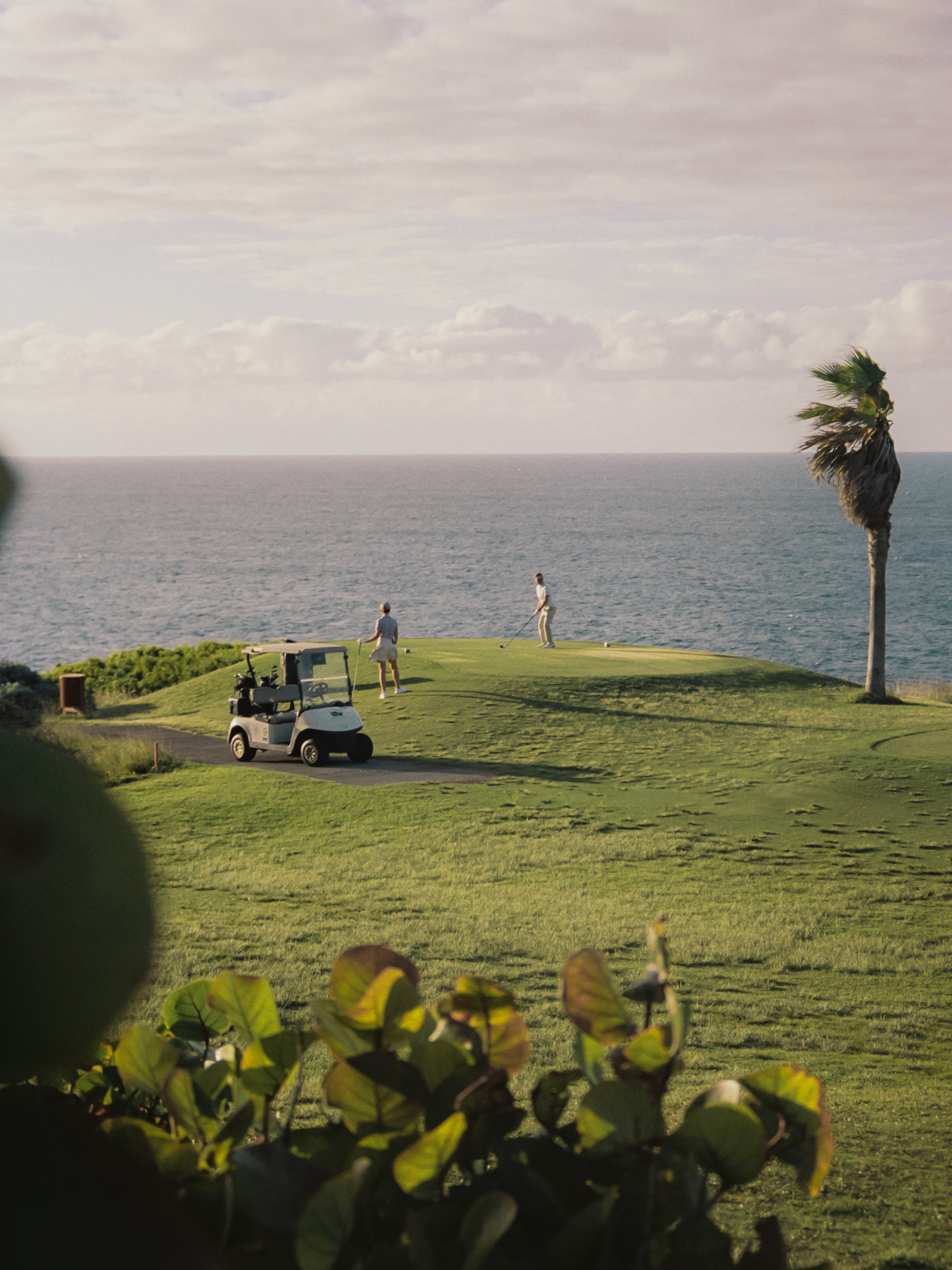
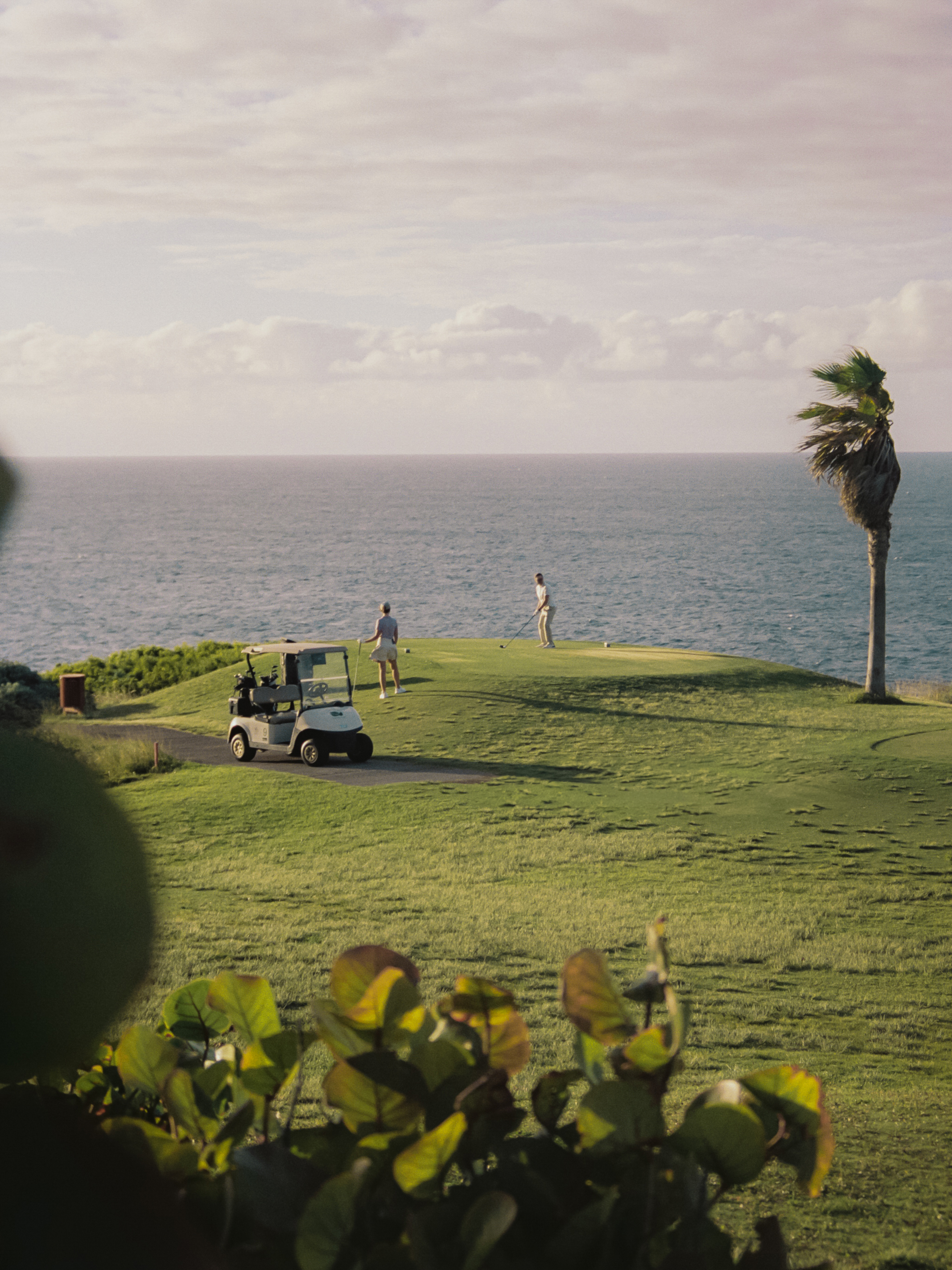
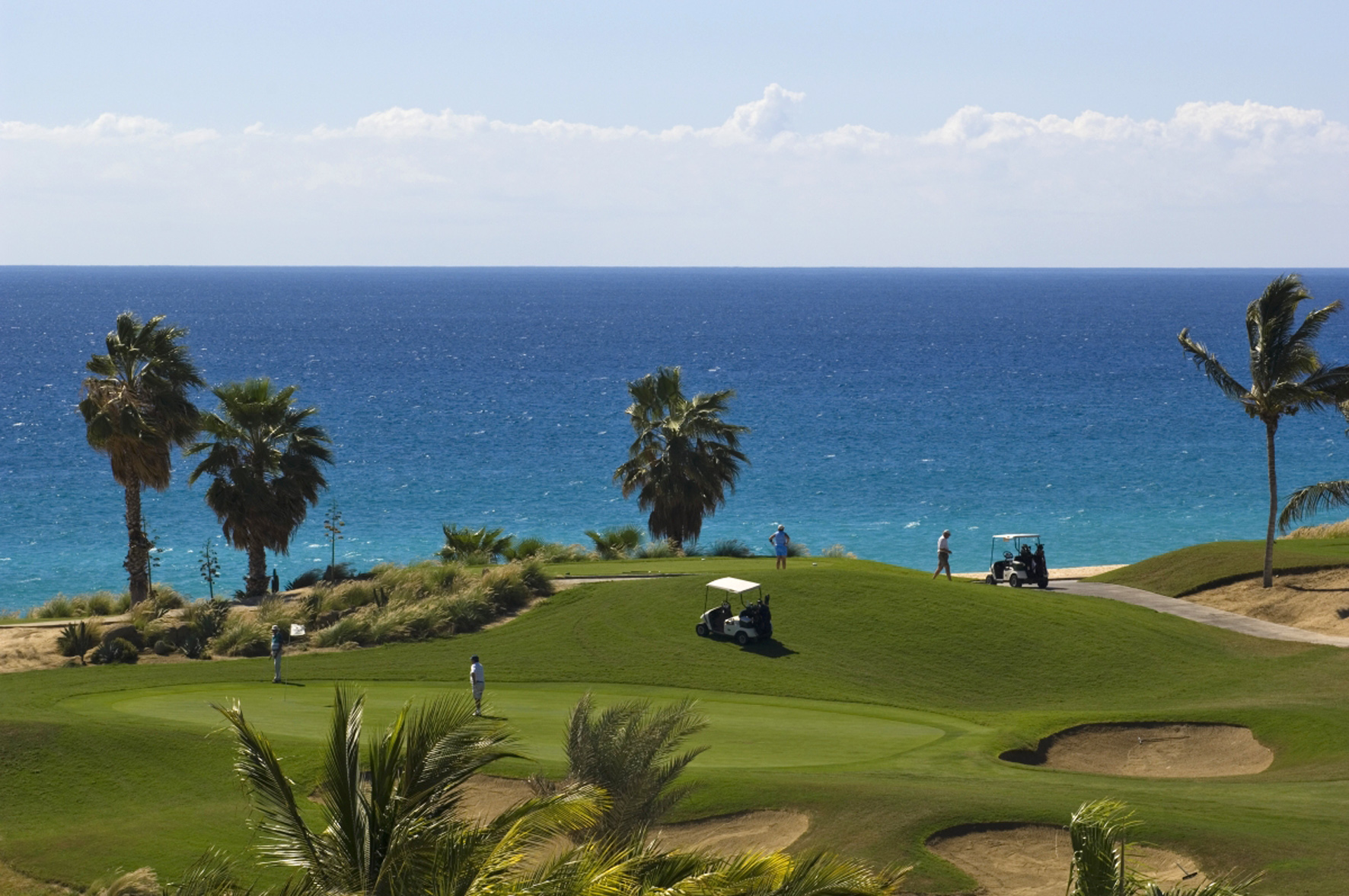
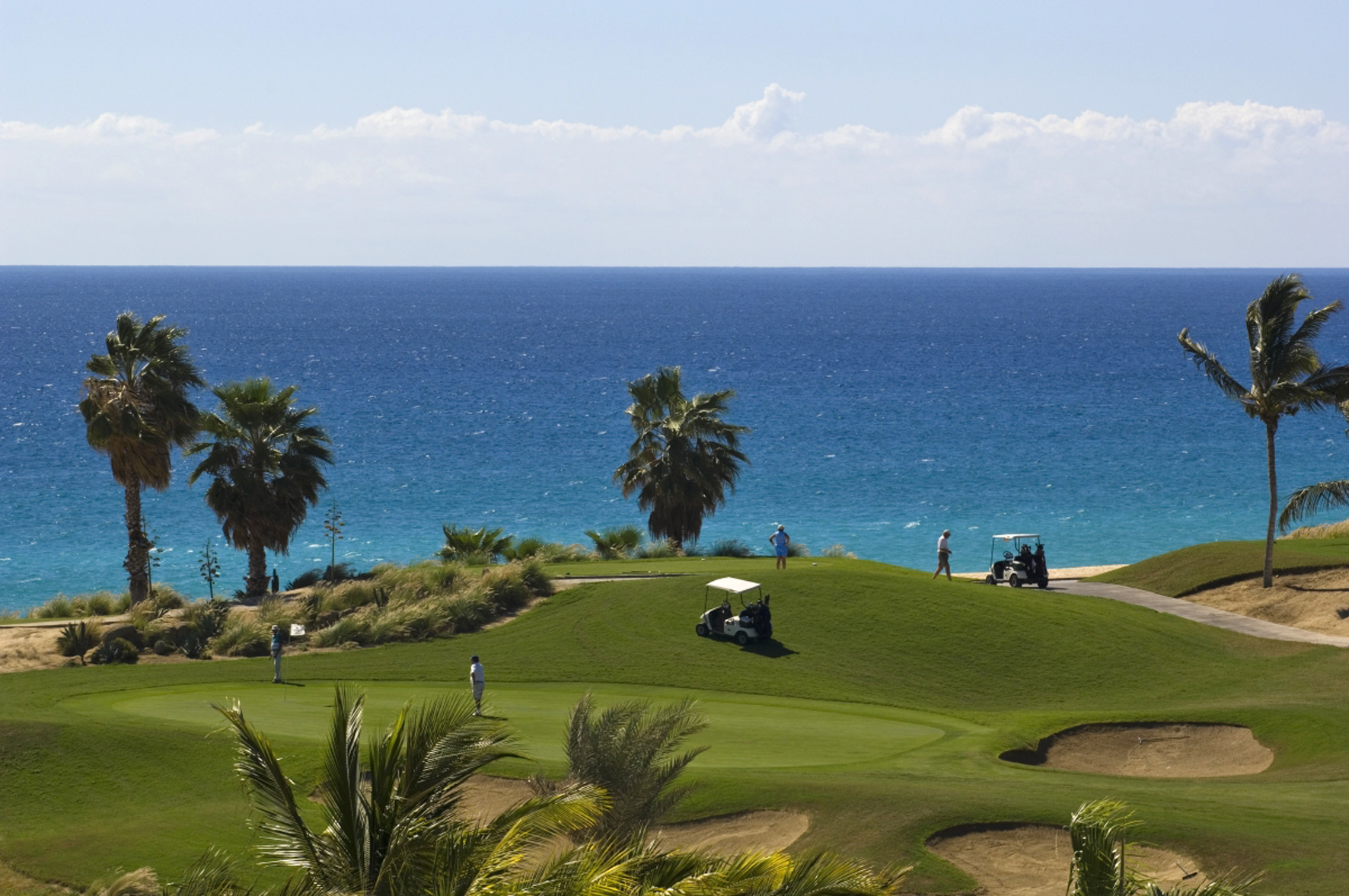
Best golf courses in Estepona
,regionOfInterest=(3120,1755))
,regionOfInterest=(3120,1755))
Culture
,regionOfInterest=(1200,1500))
,regionOfInterest=(1200,1500))
Unlike shorter itineraries, seeing Barcelona in 4 days gives you time to explore and discover the city at a relaxed pace. You'll be able to not only visit its main monuments but also discover lesser-known neighbourhoods, experience Catalan culture, and even add a themed experience or excursion.
In this guide, you'll find a thoughtfully designed and clear itinerary of places to visit in Barcelona, so you know where to go and how to get there, simply focusing on enjoying your trip and all that the 'City of Counts' has to offer.
,regionOfInterest=(719,822.5))
,regionOfInterest=(719,822.5))
Journalist and a lover of travel filled with new experiences. Writing and travelling merge to give her the privilege of sharing what she discovers in every corner of the world.
,regionOfInterest=(2880,1794))
,regionOfInterest=(2880,1794))
,regionOfInterest=(1728,1152))
,regionOfInterest=(1728,1152))
,regionOfInterest=(2000,1334))
,regionOfInterest=(2000,1334))
| Day | Route focus | Main areas |
| 1 | City icons | Sagrada Familia, Passeig de Gràcia, Gothic Quarter |
| 2 | Culture and sea | Montjuïc, El Raval, Barceloneta |
| 3 | Gaudí and charming neighbourhoods | Park Güell, Gràcia, El Born |
| 4 | Experiences and alternatives | Tibidabo, Camp Nou or nearby excursion |
I'm starting this 4-day Barcelona itinerary with the city's great icons. It's the perfect starting point to understand the Catalan essence of the city and marvel at the legacy of Modernism.
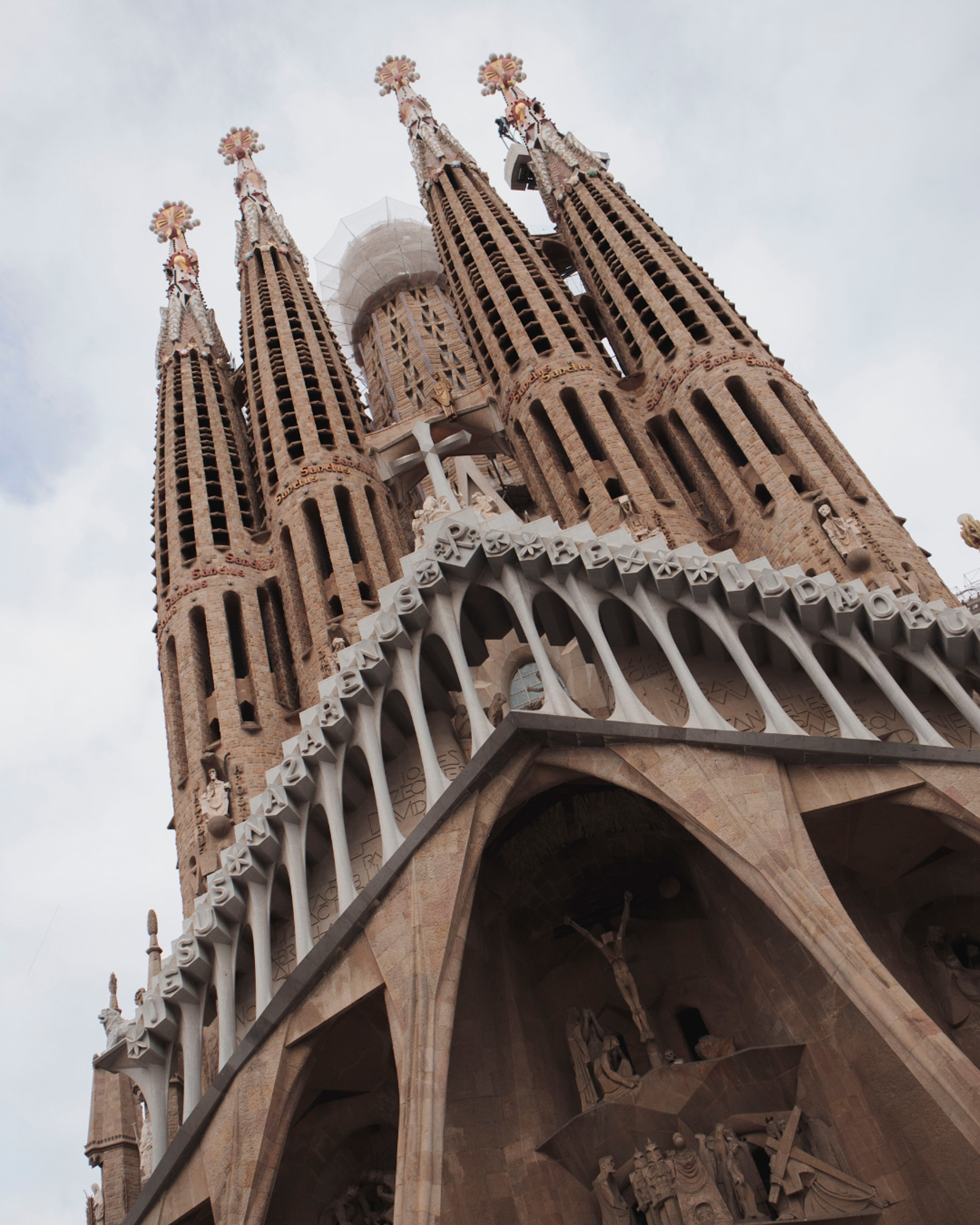
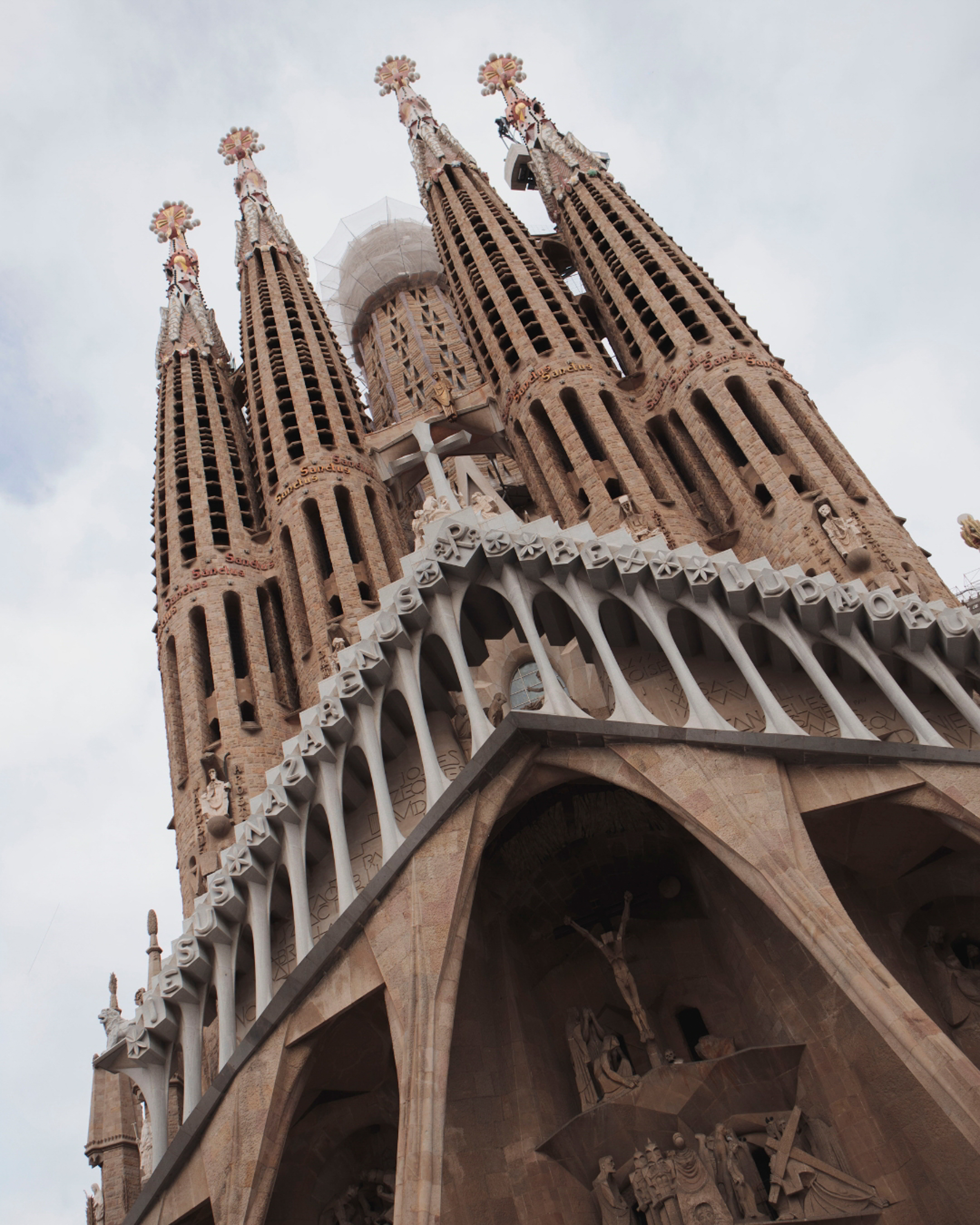
The Sagrada Familia is Barcelona's most famous monument and Antoni Gaudí's masterpiece. This basilica, still under construction, is an architectural poem that combines nature, mysticism, and revolutionary construction techniques.
Its exterior, with the Nativity and Passion facades, narrates the life of Christ through organic sculptures. Its interior is a forest of columns branching out under luminous vaults, creating a unique spiritual atmosphere thanks to the stained-glass windows that bathe the space in vibrant colours.
I recommend booking your tickets weeks in advance and choosing the first slot of the morning to avoid queues and crowds.
📍Check opening times and prices
To get to the next point, take metro line 2 or 5 from the "Sagrada Familia" station to "Passeig de Gràcia" (approx. 10 minutes).
Passeig de Gràcia is one of Europe's most elegant avenues. Walking along it is like contemplating the luxury of 19th-century Catalan bourgeoisie. Here, the Casa Batlló, with its mosaic facade reminiscent of a fantastical creature's skin, and Casa Milà (La Pedrera), famous for its undulating stone forms and its rooftop filled with chimneys that seem like guardians from another era, stand out.
📍Casa Batlló: opening times and prices
📍La Pedrera: opening times and prices
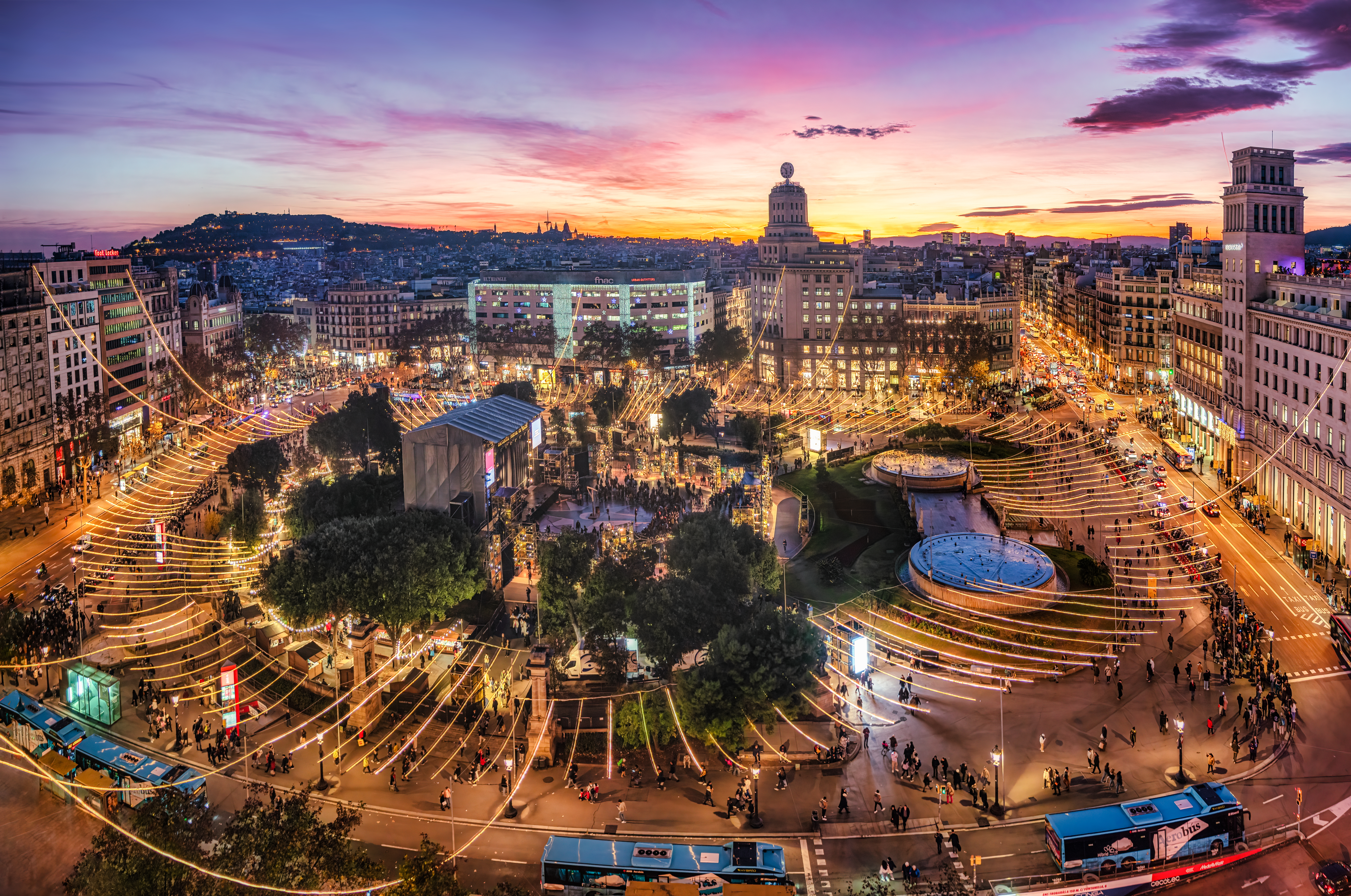
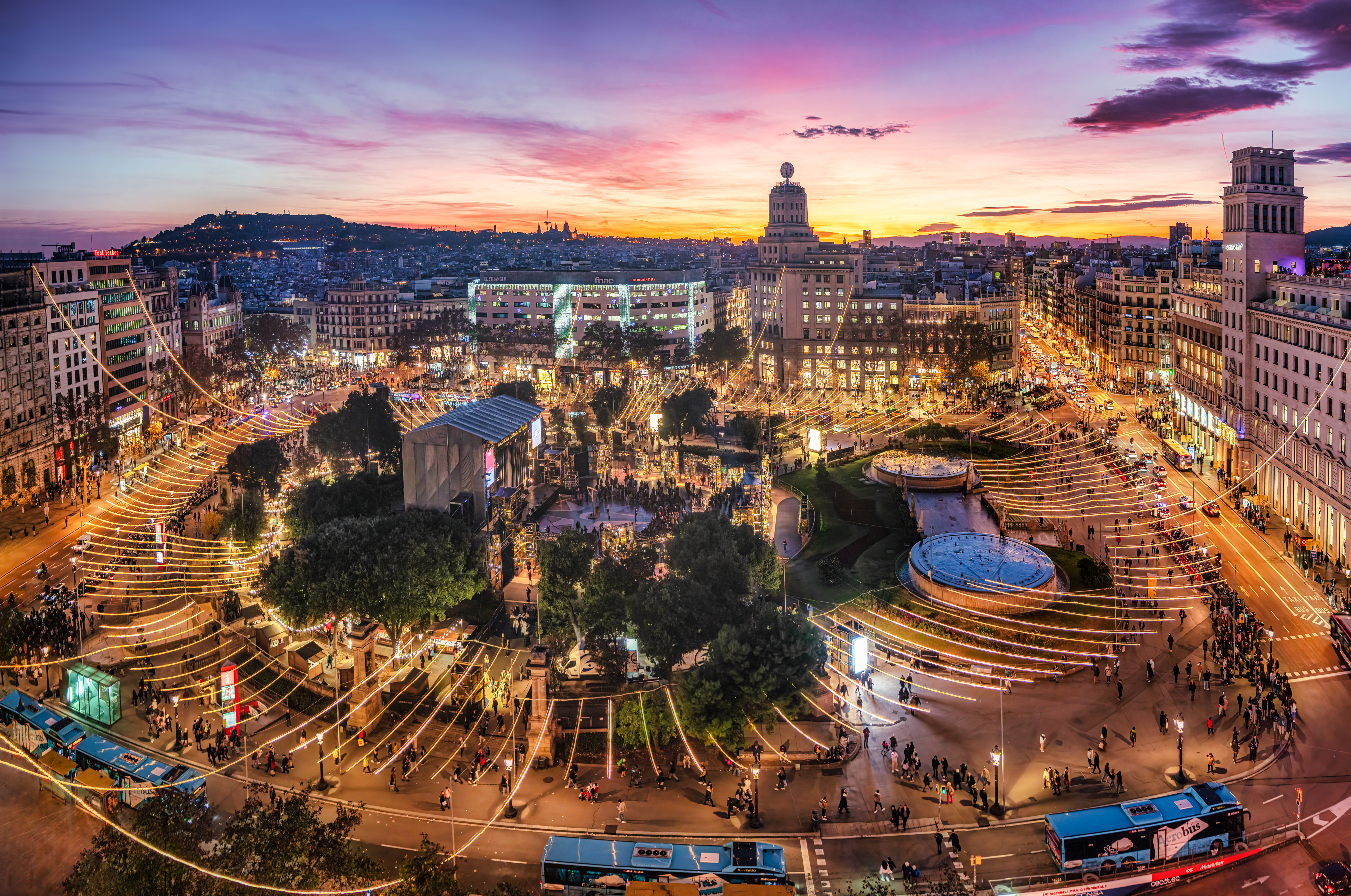
From here, you can walk down Passeig de Gràcia towards Plaça de Catalunya in about 15 minutes.
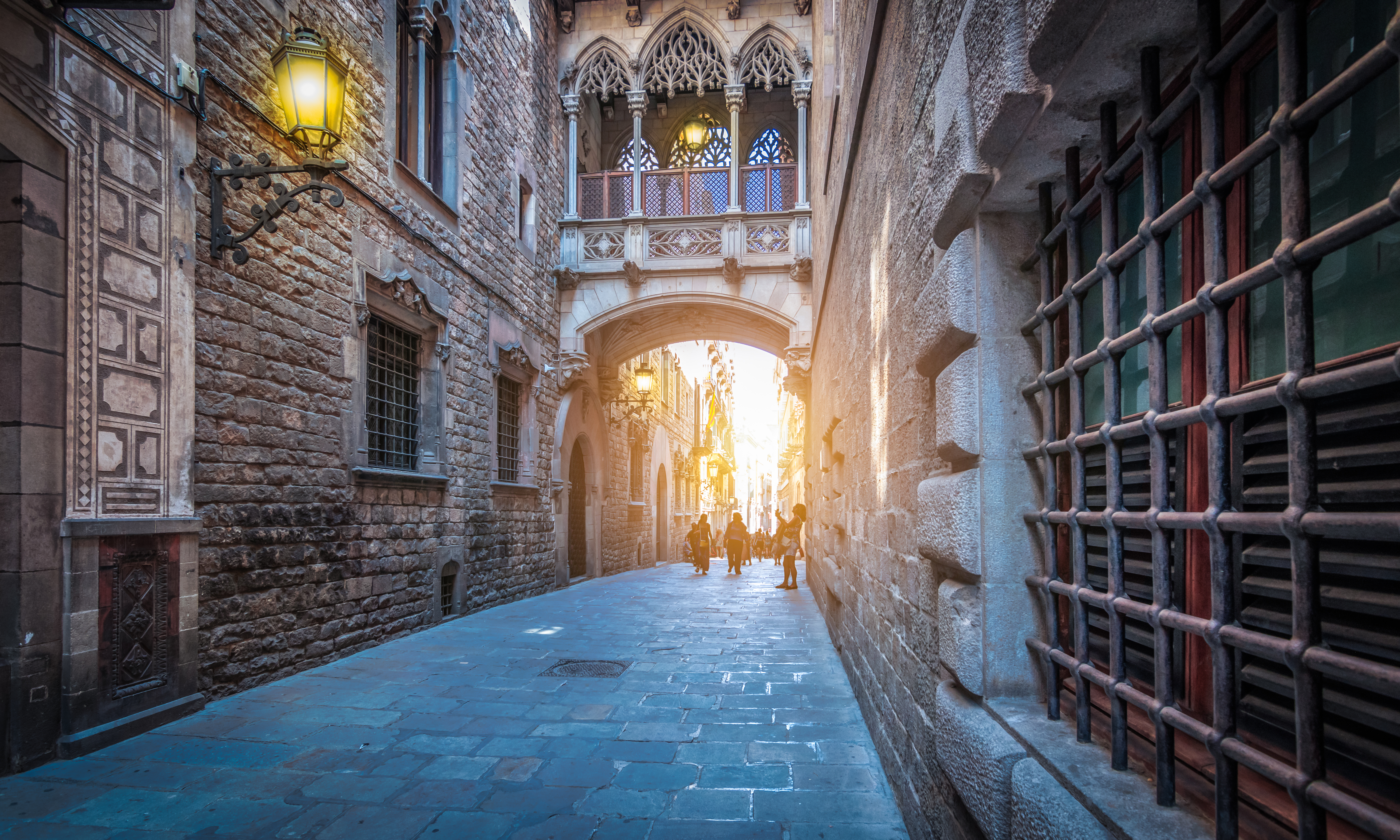
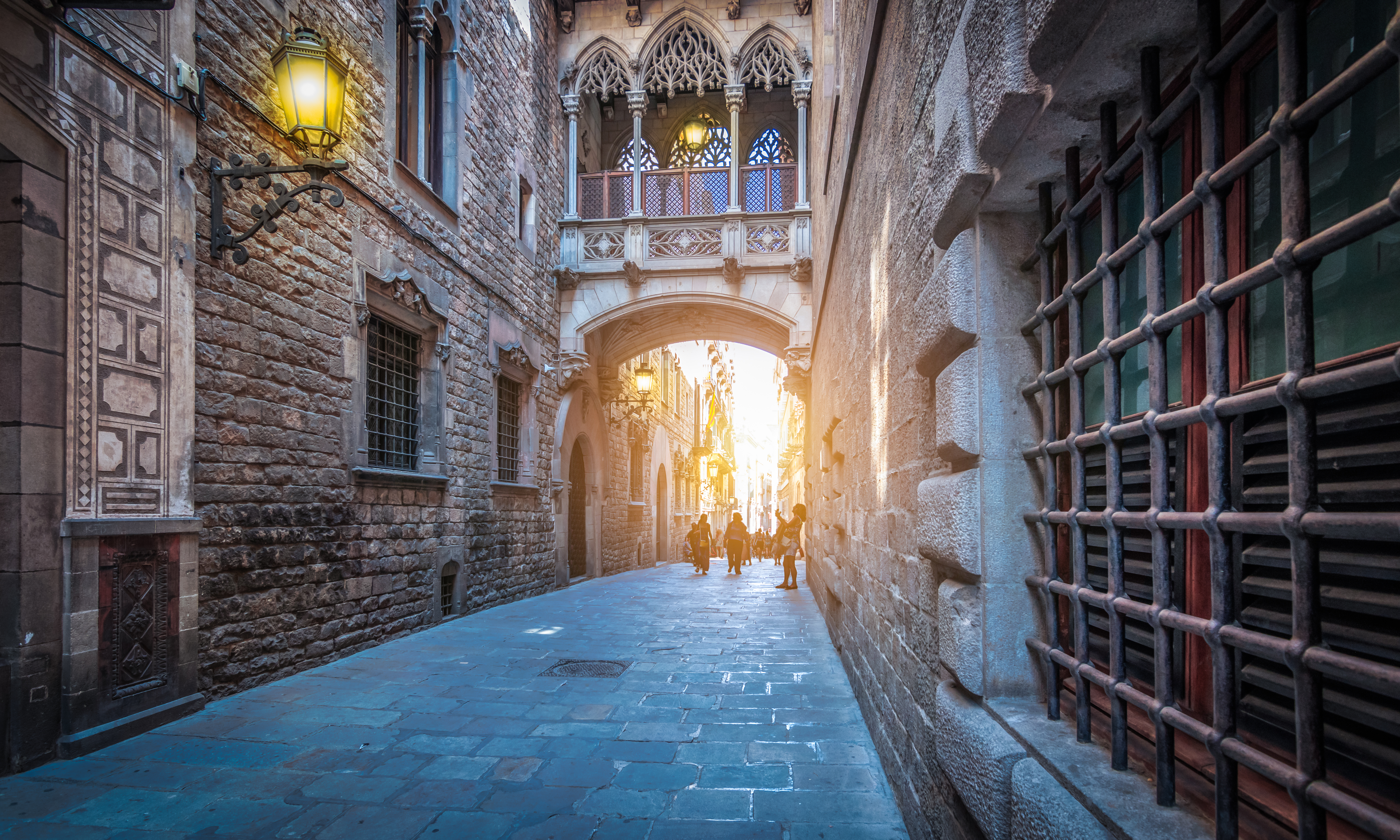
The Gothic Quarter is the medieval heart of the city; a labyrinth of stone where Roman Barcino was born. Its narrow streets hide emblematic squares like Sant Felip Neri, as well as remains of the old city walls and, above all, the imposing Barcelona Cathedral, a masterful example of Gothic architecture, with a cloister inhabited by thirteen white geese.
Continue on foot from the Cathedral Square towards the lower part of the neighbourhood in just 5 minutes to connect with the next point.
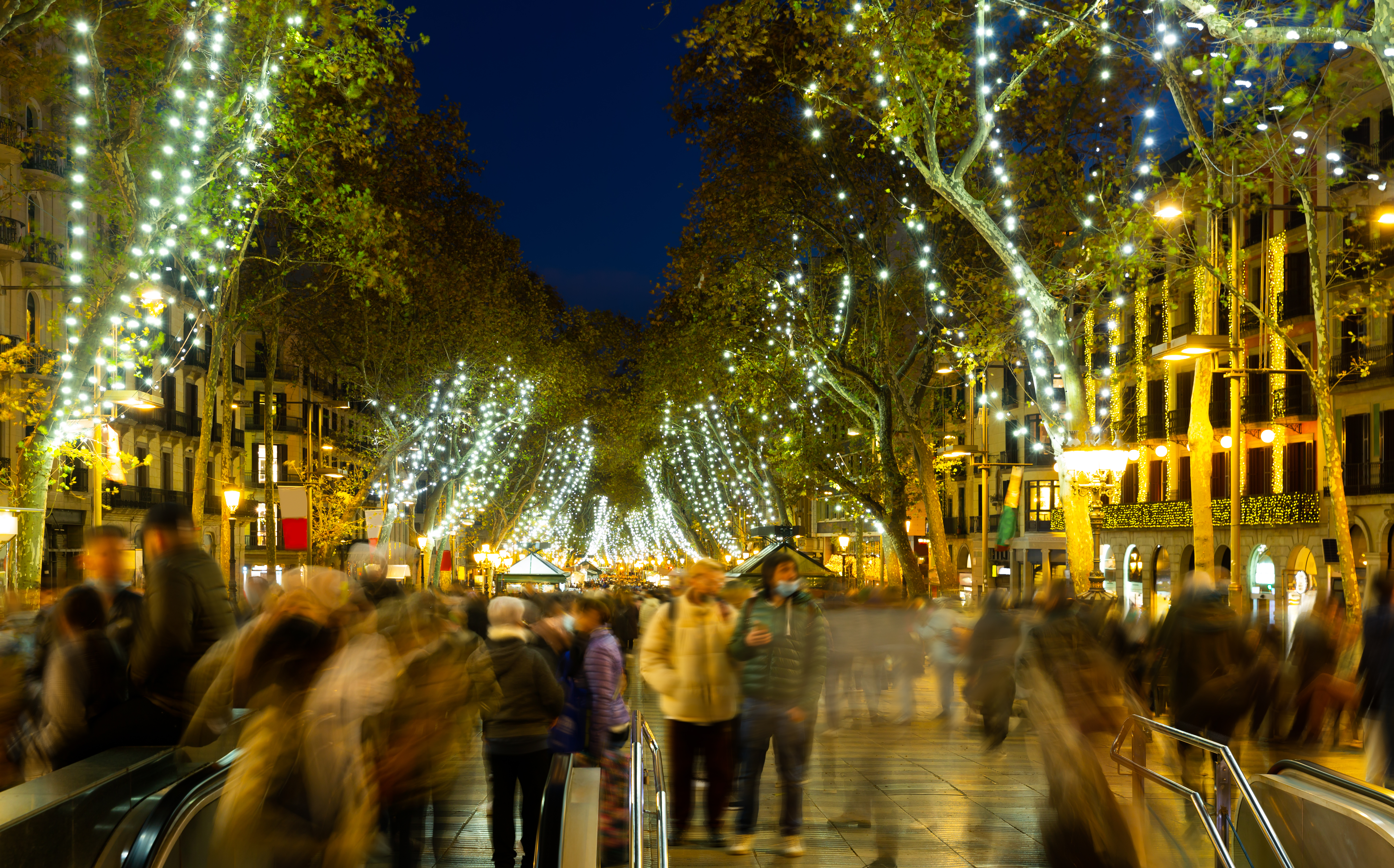
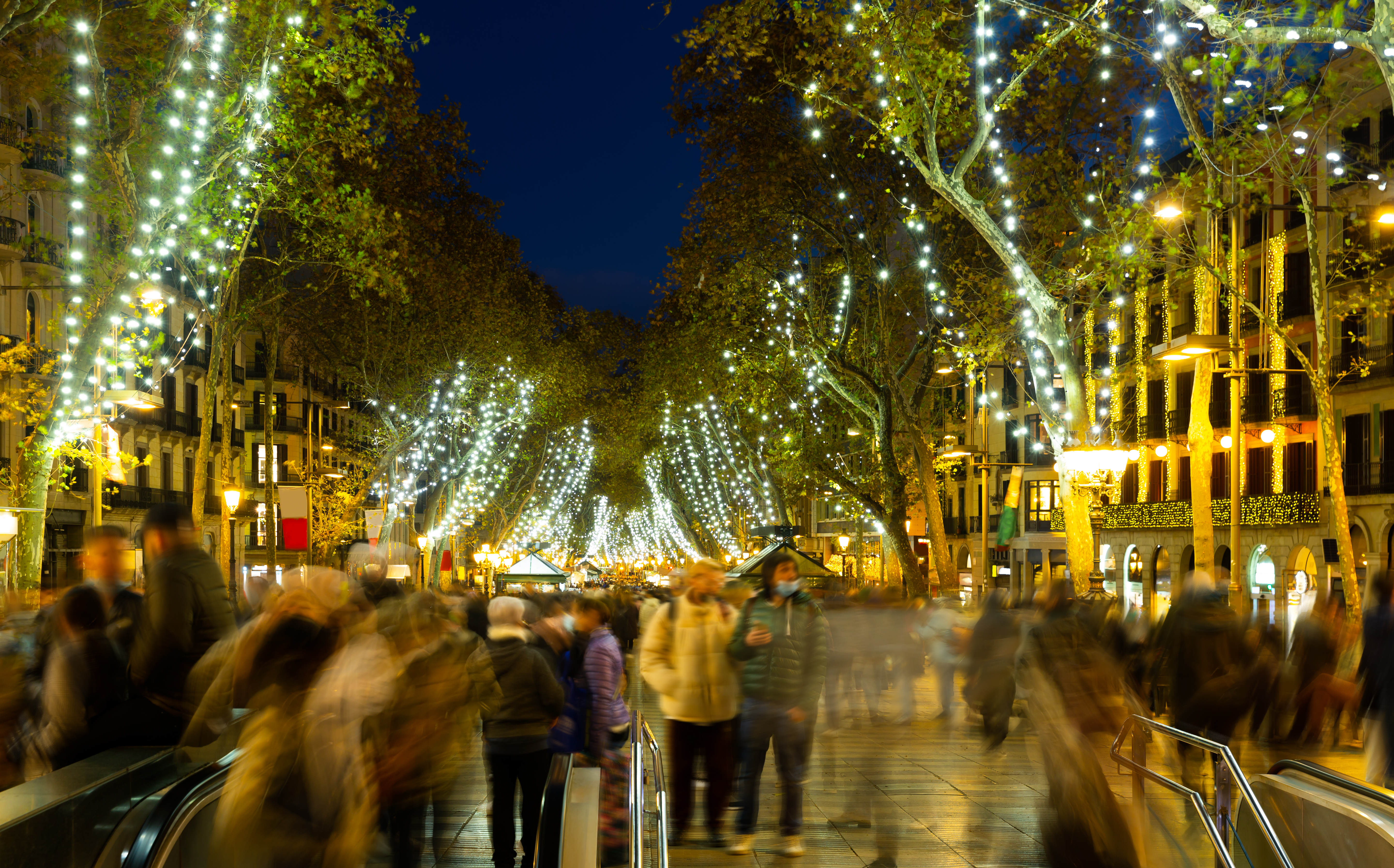
Las Ramblas is the city's most famous and lively boulevard, connecting Plaça de Catalunya with the sea. It's the perfect place to soak up the most authentic Barcelona atmosphere and visit the La Boqueria Market, a festival of colours, flavours, and fresh produce. Take the opportunity for a gastronomic stop and try some Catalan specialities.
The market is located halfway down Las Ramblas, so you can reach it on foot in less than 10 minutes from any point in the central Gothic Quarter.
End this first day in Barcelona with a dinner in the old town, where restaurants hidden in medieval palaces offer a magical atmosphere. Afterwards, on your way back to your accommodation, enjoy a peaceful stroll under the light of the city centre's modernist streetlamps.
,regionOfInterest=(4341,2879))
,regionOfInterest=(4341,2879))
The second day of this 4-day Barcelona route combines mountain, culture, and the Mediterranean breeze.
The Montjuïc mountain is a privileged balcony overlooking Barcelona's port, where you can visit the National Art Museum of Catalonia (MNAC), world-renowned for its collection of Romanesque frescoes.
Don't miss Montjuïc Castle, a military fortress offering 360-degree views over the coast and the city. It's an area of gardens and parks ideal for strolling, disconnecting, and breathing in some fresh air.
To descend from the mountain towards the centre, the most convenient option is bus 150 or the cable car to the foot of the mountain (approx. 15-20 minutes).
Plaça d'Espanya is one of Barcelona's main hubs, built for the 1929 International Exposition. With its Venetian Towers and proximity to the Magic Fountain, it serves as a triumphal entrance to Montjuïc mountain.
Take metro line 3 (green) to the "Liceu" or "Drassanes" station (approx. 12 minutes) to enter El Raval.
El Raval is a multicultural and vibrant neighbourhood home to the MACBA (Museum of Contemporary Art). It's an area full of contrasts, artist studios, and vintage shops showcasing the city's most alternative and modern side.
From the heart of El Raval, walk towards the sea through Drassanes, a stroll of about 15-20 minutes until you reach the coast.
Barceloneta is a former fishing district that is, in my opinion, the perfect place to relax by the sea. Its beach and promenade are ideal for enjoying the Mediterranean atmosphere and trying some good Catalan tapas. Don't forget to try the classic pa amb tomàquet.
Continue walking along the promenade northwards for about 10-15 minutes.
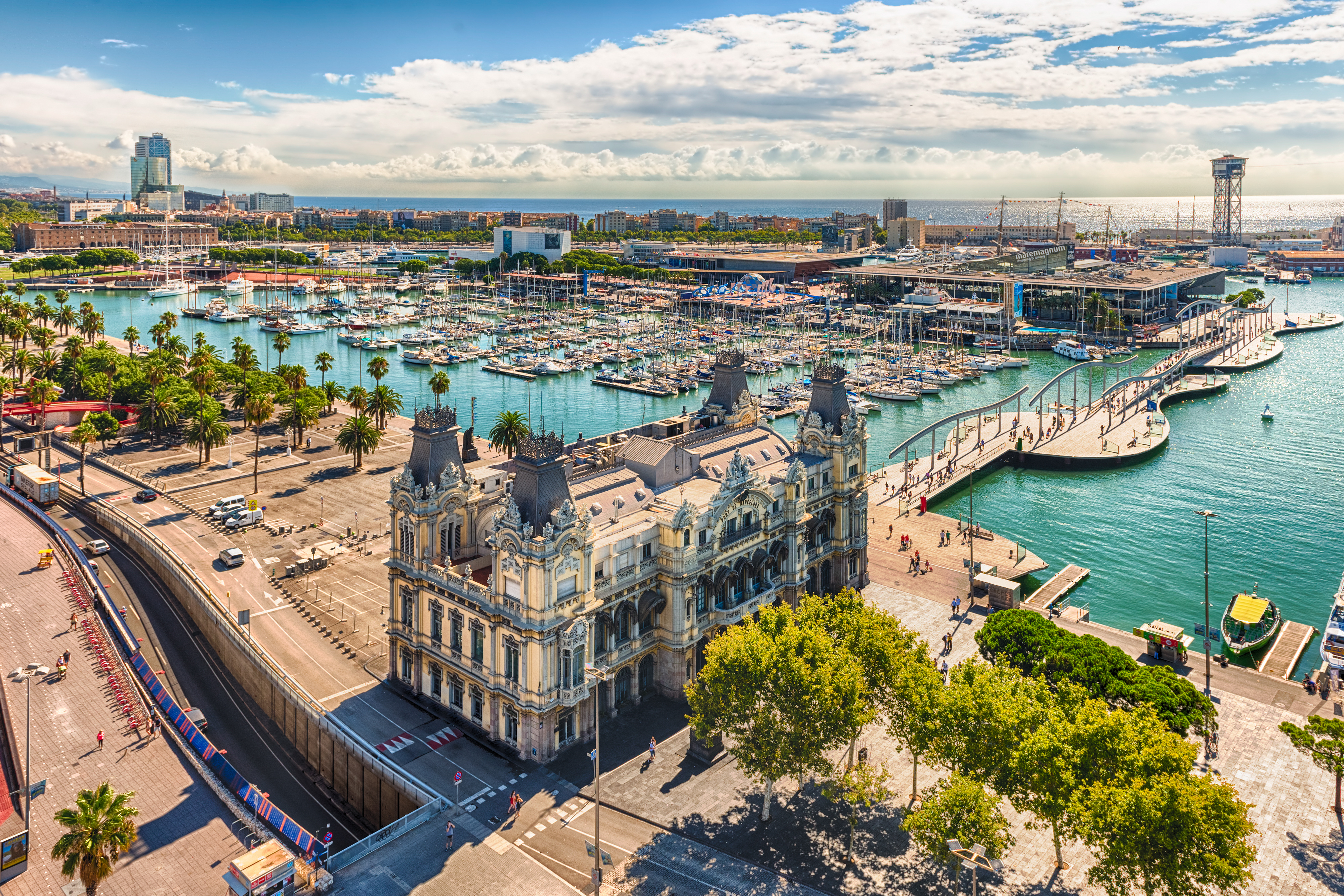
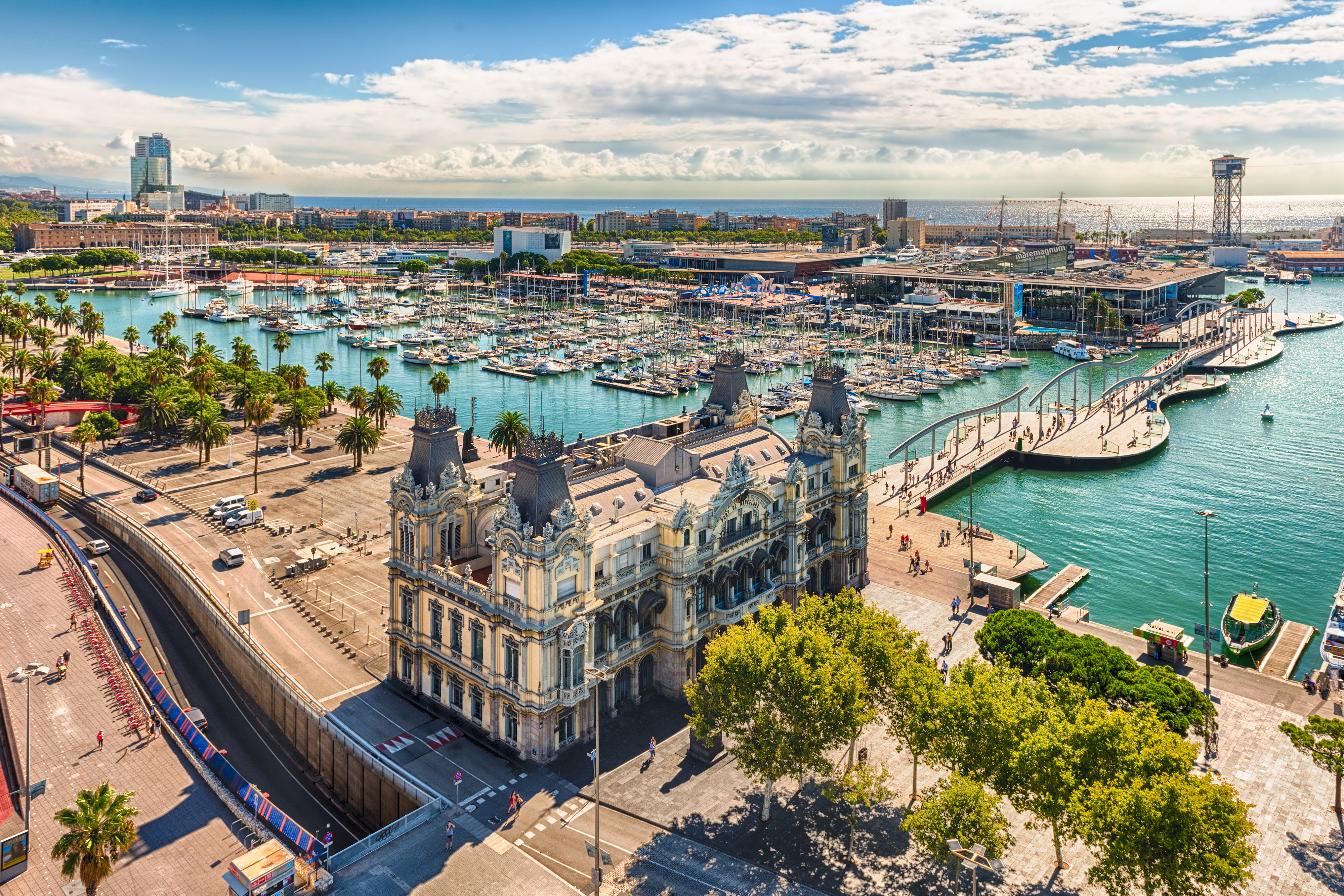
Port Olímpic, with its iconic towers and Frank Gehry's Golden Fish sculpture, is the ideal place for a moonlit stroll and dinner at one of its many restaurants overlooking the sea, ending the day with the sound of the waves in the background.
,regionOfInterest=(1728,1152))
,regionOfInterest=(1728,1152))
This day is designed to delve a little deeper into Barcelona's creativity and discover areas with a more intimate charm, with that bohemian touch so characteristic of the city.
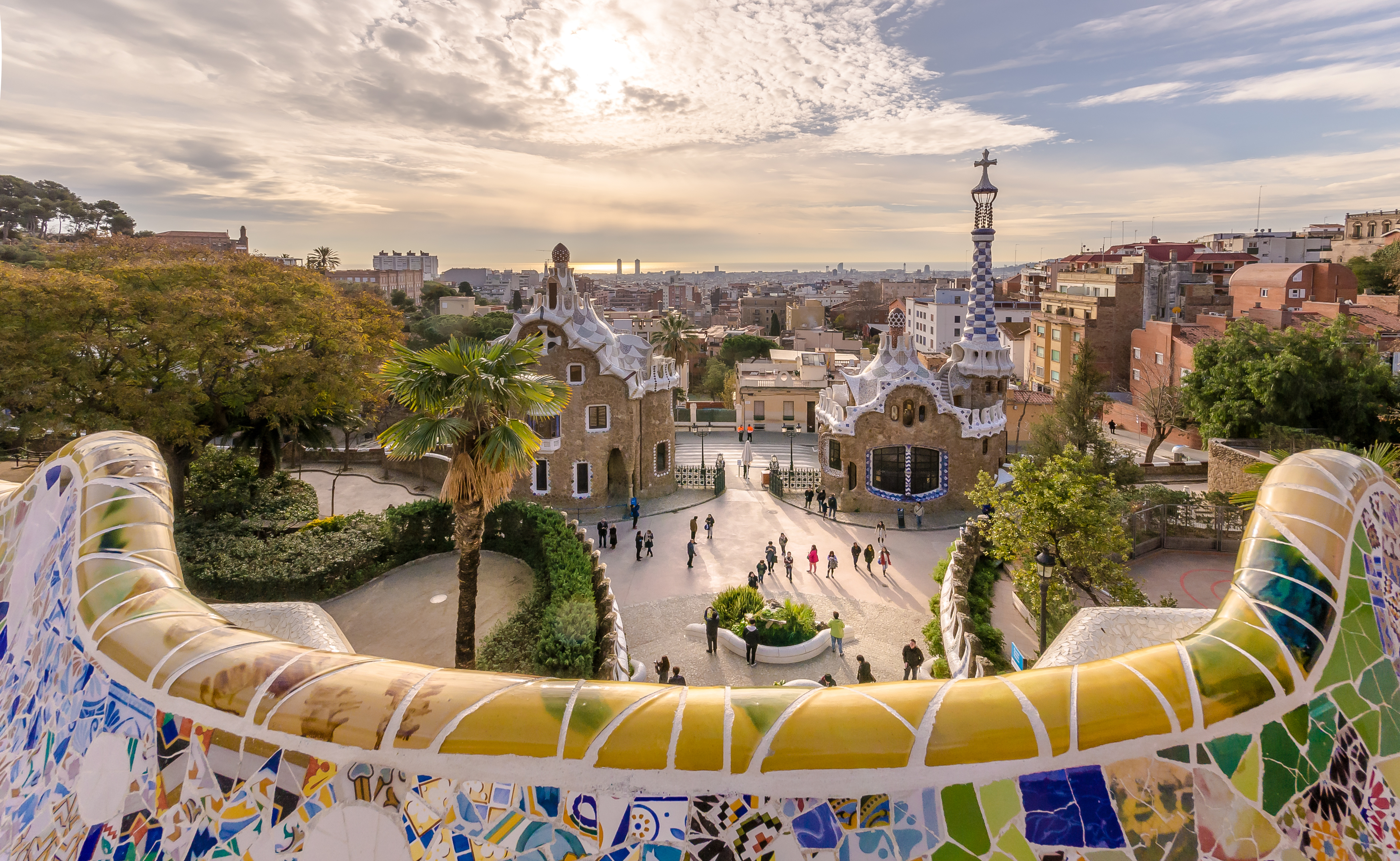
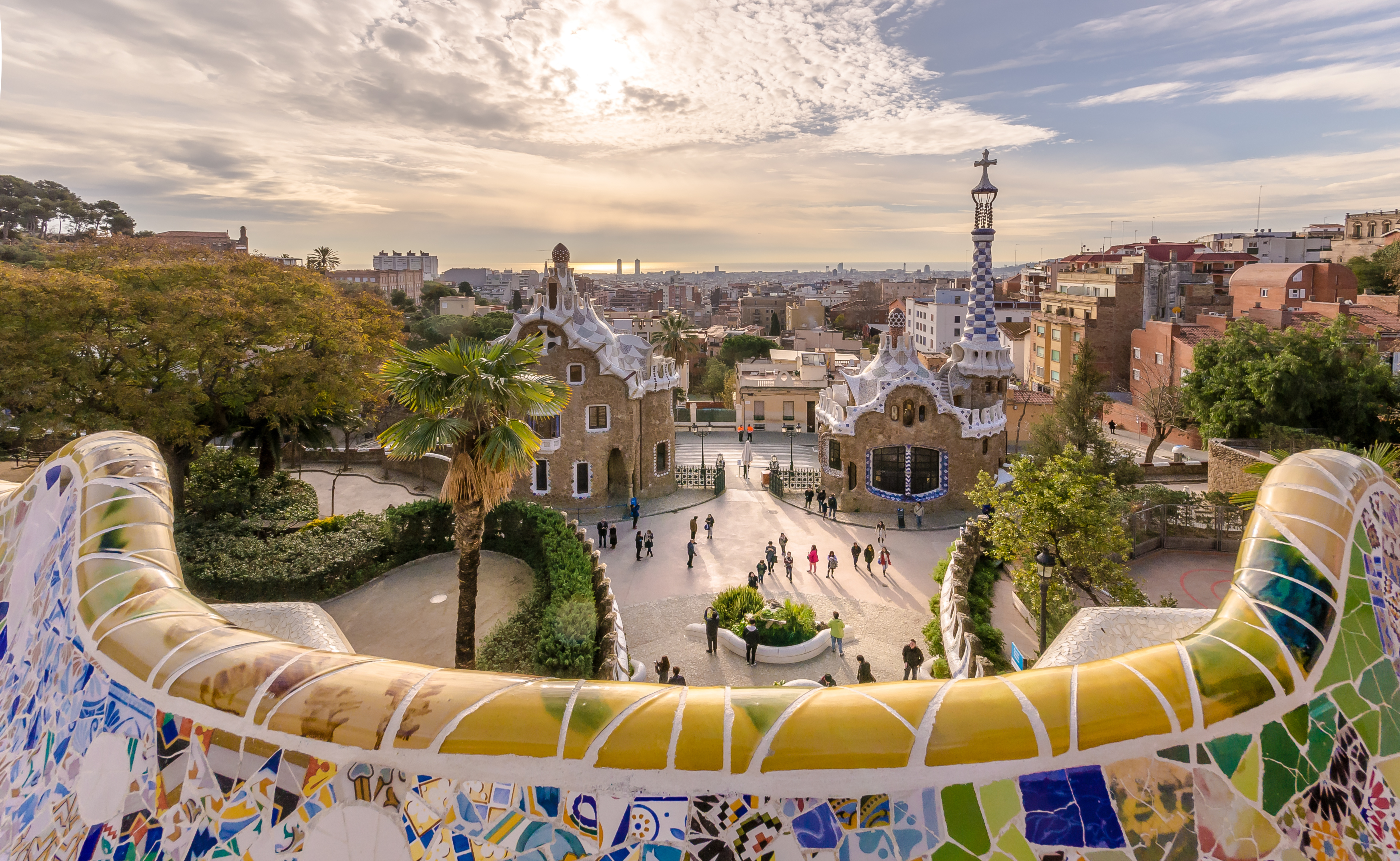
Park Güell is where Gaudí let his imagination run wild to create a residential garden that seems straight out of a dream. Its organic shapes, the famous mosaic salamander, and the panoramic views over all of Barcelona make it an essential visit to understand the symbiosis between architecture and nature.
To get to the next point, take bus V19 or walk down the streets of Vallcarca (approx. 15 minutes).
Possibly the neighbourhood with the most personality in Barcelona, Gràcia is a former independent town that retains a very traditional air with lively squares (like Plaça de la Virreina), alongside a wide range of small shops and artisan gastronomy that make it unique and welcoming.
To get to the next destination, take metro line 4 (yellow) from "Joanic" to "Jaume I" (approx. 15 minutes).
El Born combines the city's rawest history with the chicest modernity. Here you can visit the Basilica of Santa Maria del Mar, known as "the people's cathedral" for its sobriety and elegance, and wander through its streets full of design galleries.
Thanks to its pedestrian streets, this neighbourhood can be explored entirely on foot.
Enjoy a dinner in El Born or Gràcia, two of the best areas for going out and having a drink, where you'll find everything from traditional taverns to signature cocktail bars in an unbeatable atmosphere.
,regionOfInterest=(3000,1800.5))
,regionOfInterest=(3000,1800.5))
On this final part of your 4-day Barcelona route, you have the opportunity to experience two of the most iconic and different experiences the city has to offer in the morning, leaving the centre to explore more authentic Catalonia in the afternoon.
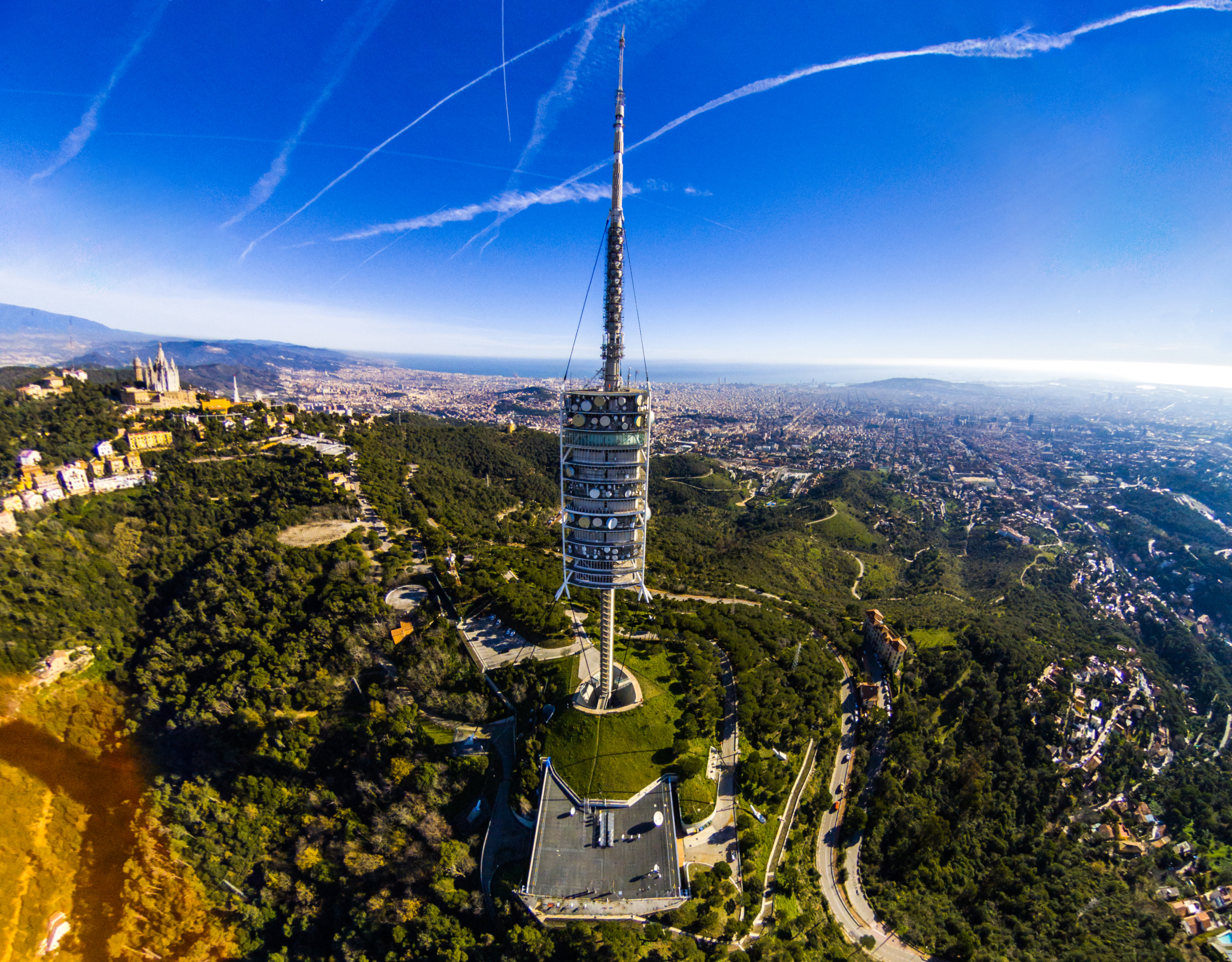
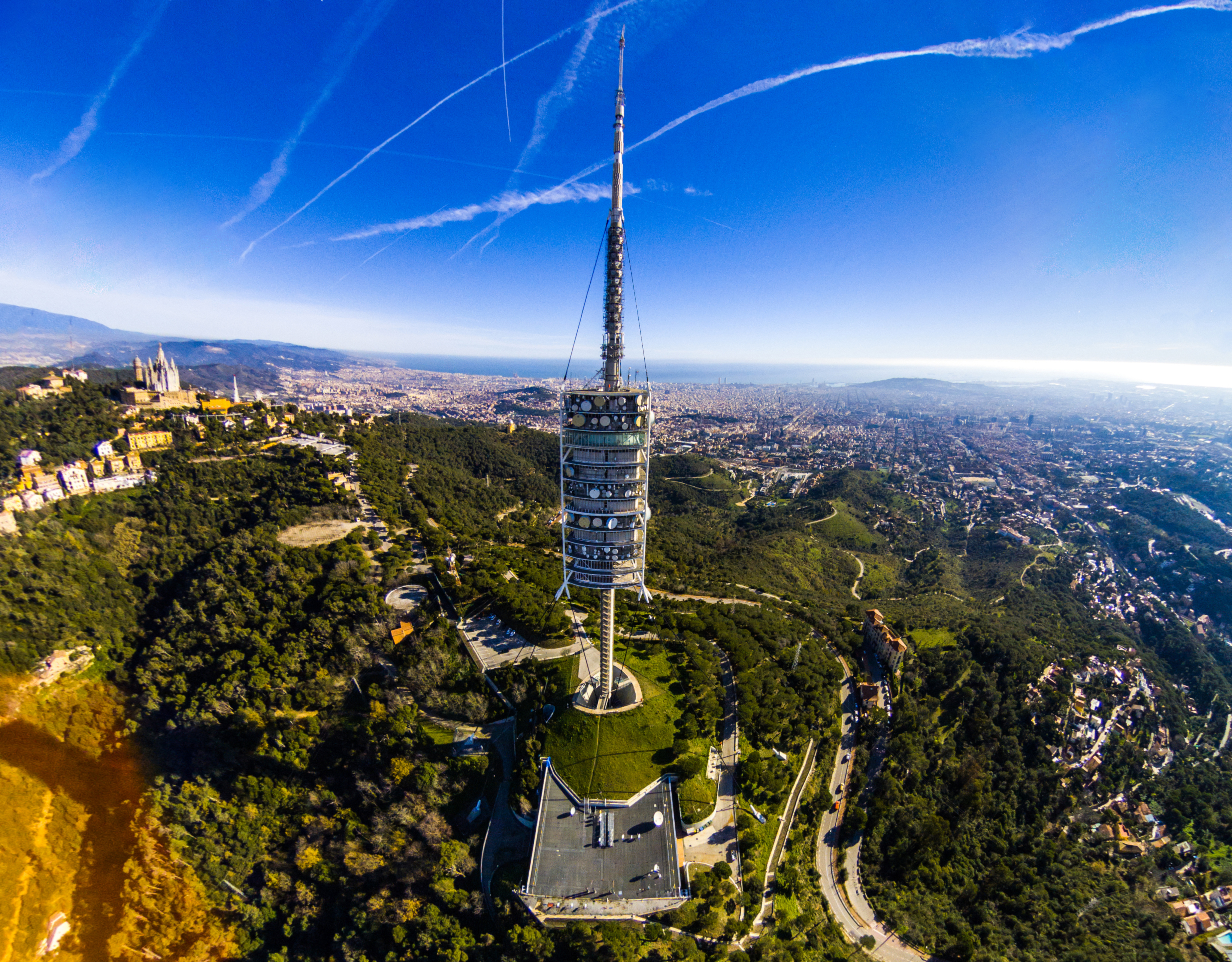
Tibidabo is the highest point in the Collserola mountain range. At the summit stands the Temple Expiatori del Sagrat Cor and the Tibidabo Amusement Park, one of the oldest in the world.
If you can and dare, take the historic Funicular Cuca de Llum up here, which offers the most spectacular and complete views of Barcelona and the sea. It's an incredible experience.
To descend from Tibidabo, the Funicular Cuca de Llum connects you with city buses in 15 minutes.
For sports fans, a visit to "Camp Nou", FC Barcelona's stadium, is a must. Exploring the museum, the pitch, and feeling the history of one of the world's most successful clubs allows you to understand why Barça is "més que un club" (more than a club).
I recommend booking your visit in advance as it is one of the city's most in-demand attractions.
The capital of the Maresme region, Mataró combines extensive beaches with an interesting modernist legacy, including the Nau Gaudí, the Catalan architect's first work.
I recommend taking the opportunity to stroll through its historic centre and promenade, as everything is quite close and easily walkable.
The cities of Sabadell and Terrassa, with a significant industrial past, are part of the Vallès region and offer interesting historical and cultural heritage.
Terrassa particularly stands out for the Monumental Complex of the Churches of Sant Pere (Seu d’Ègara), a gem of medieval European art.
Sabadell, on the other hand, is known for its textile heritage and industrial past, visible in spaces such as the Torre de l’Aigua or the Museum of Labour and Industry, as well as a lively urban centre with extensive shopping areas and parks.
Both cities are well-connected by public transport from Barcelona (train and commuter rail), making them easy to visit.
A neighbourhood that is an escape in itself on the outskirts of the city, Poblenou offers a mix of old factories converted into lofts that are worth visiting. Its famous seaside-scented Rambla is also perfect for concluding your trip.
Visit the area in the late afternoon, when the atmosphere is more relaxed and the terraces are livelier.
To better organise your 4-day Barcelona itinerary, here are the different routes with the location of each destination:
📍View full route on Google Maps
📍View full route on Google Maps
📍View full route on Google Maps
,regionOfInterest=(1644.5,1284))
,regionOfInterest=(1644.5,1284))
My advice for discovering Barcelona in 4 days is to plan your transfers between locations very carefully. The metro runs perfectly and is fast, but I only recommend it for slightly longer distances. Whenever possible, walk.
Furthermore, getting up early is key. Keep in mind that Gaudí's monuments receive thousands of visitors daily, so arriving first thing in the morning will not only allow you to take better photos but also avoid the long queues that form throughout the day.Other day-by-day Barcelona guides:
,regionOfInterest=(1476.5,981.5))
,regionOfInterest=(1476.5,981.5))
,regionOfInterest=(1312.5,1750))
,regionOfInterest=(1312.5,1750))
,regionOfInterest=(2000,3000))
,regionOfInterest=(2000,3000))
,regionOfInterest=(2240,3360))
,regionOfInterest=(2240,3360))
,regionOfInterest=(886,588.5))
,regionOfInterest=(886,588.5))