,regionOfInterest=(1750,1076))
,regionOfInterest=(1750,1076))
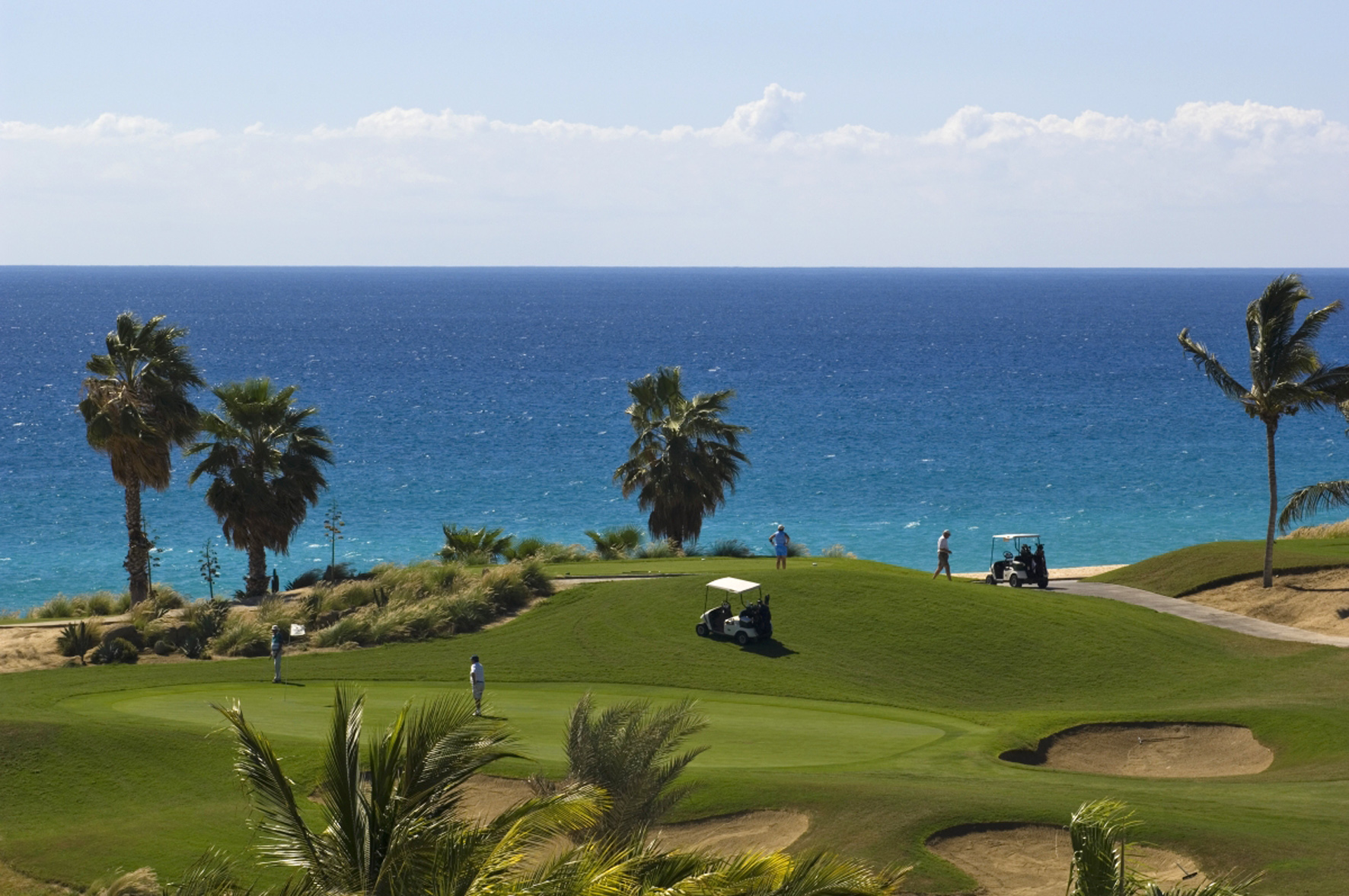
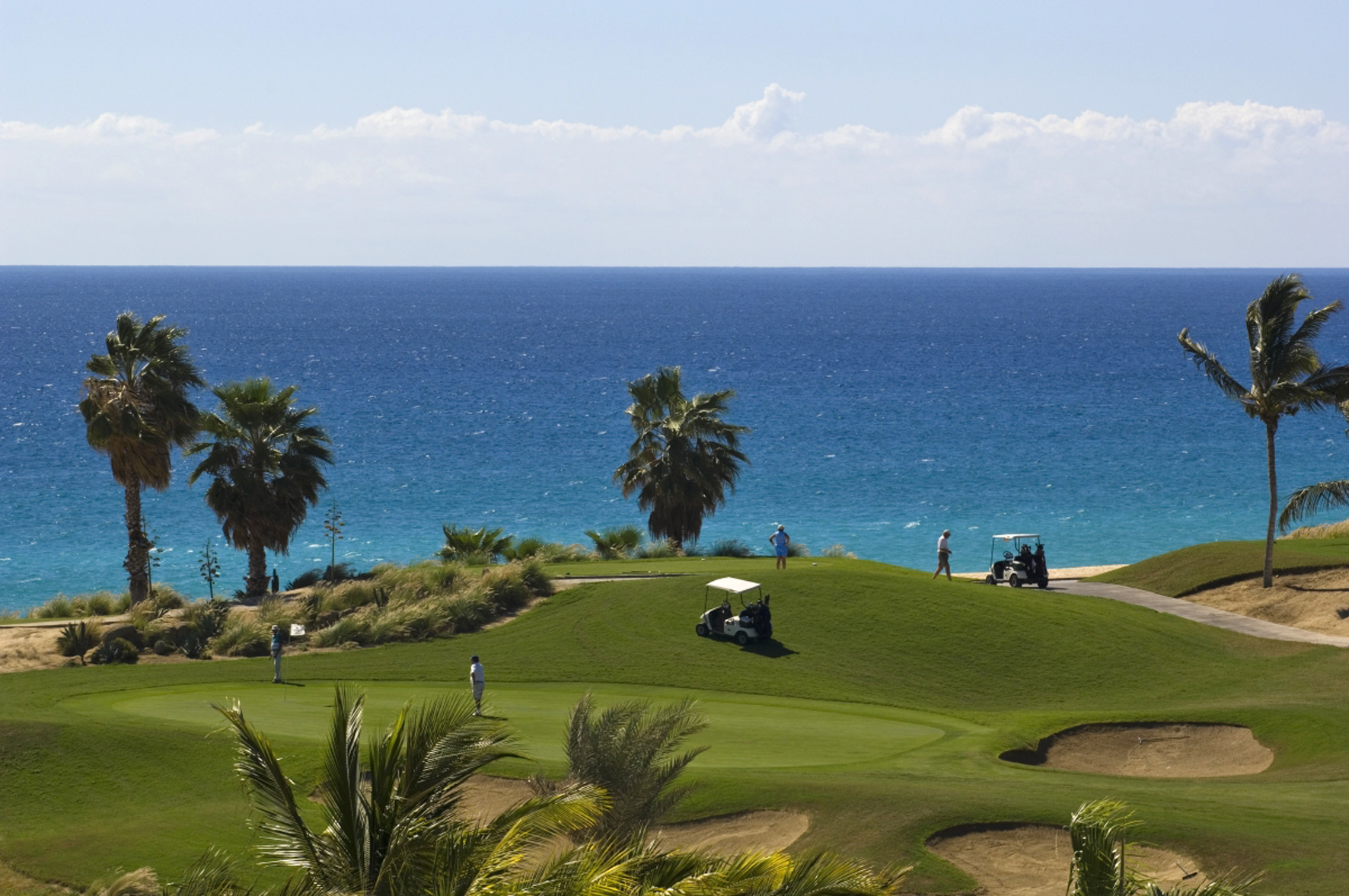
Best golf courses in Estepona
,regionOfInterest=(3120,1755))
,regionOfInterest=(3120,1755))
Culture
,regionOfInterest=(2880,1920))
,regionOfInterest=(2880,1920))
From experience, 72 hours is more than enough time to get to know the Catalan capital in a fairly complete and unhurried way, as long as you have a good guide on what to see in Barcelona in 3 days to make the most of every minute of your stay.
There are many places to see in Barcelona, from neighbourhoods with history and their own personality, to incredible viewpoints, monuments or relaxing areas by the sea. Therefore, knowing what to see and, above all, how to get around between points of interest, is key to making the most of your visit.Here is an itinerary for Barcelona in 3 days that includes the city's main tourist attractions, ordered by proximity to minimise travel time.
,regionOfInterest=(3000,1800.5))
,regionOfInterest=(3000,1800.5))
,regionOfInterest=(1476.5,984.5))
,regionOfInterest=(1476.5,984.5))
,regionOfInterest=(1771.5,1157))
,regionOfInterest=(1771.5,1157))
| Day | Route focus | Main areas |
| 1 | Must-sees and historic centre | Sagrada Familia, Passeig de Gràcia, Gothic Quarter and El Born |
| 2 | Culture, viewpoints and the sea | Montjuïc, El Raval and Barceloneta |
| 3 | Charming neighbourhoods and views | Park Güell, Gràcia and Bunkers del Carmel |
This first day of what to visit in Barcelona in 3 days is dedicated to the great architectural icons and the origins of the city. It's the best way to get a first taste of the contrast between modernist and medieval Barcelona.
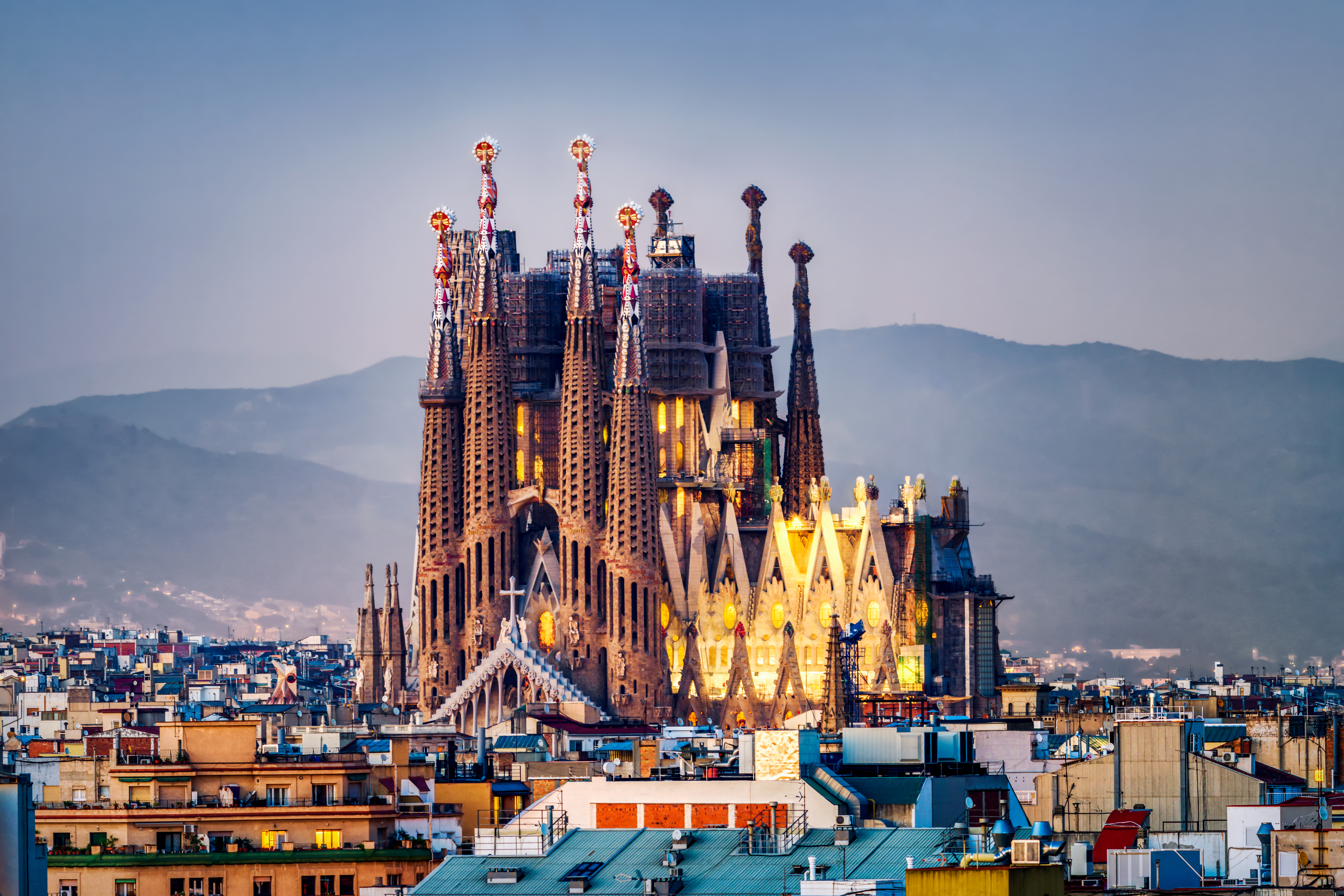
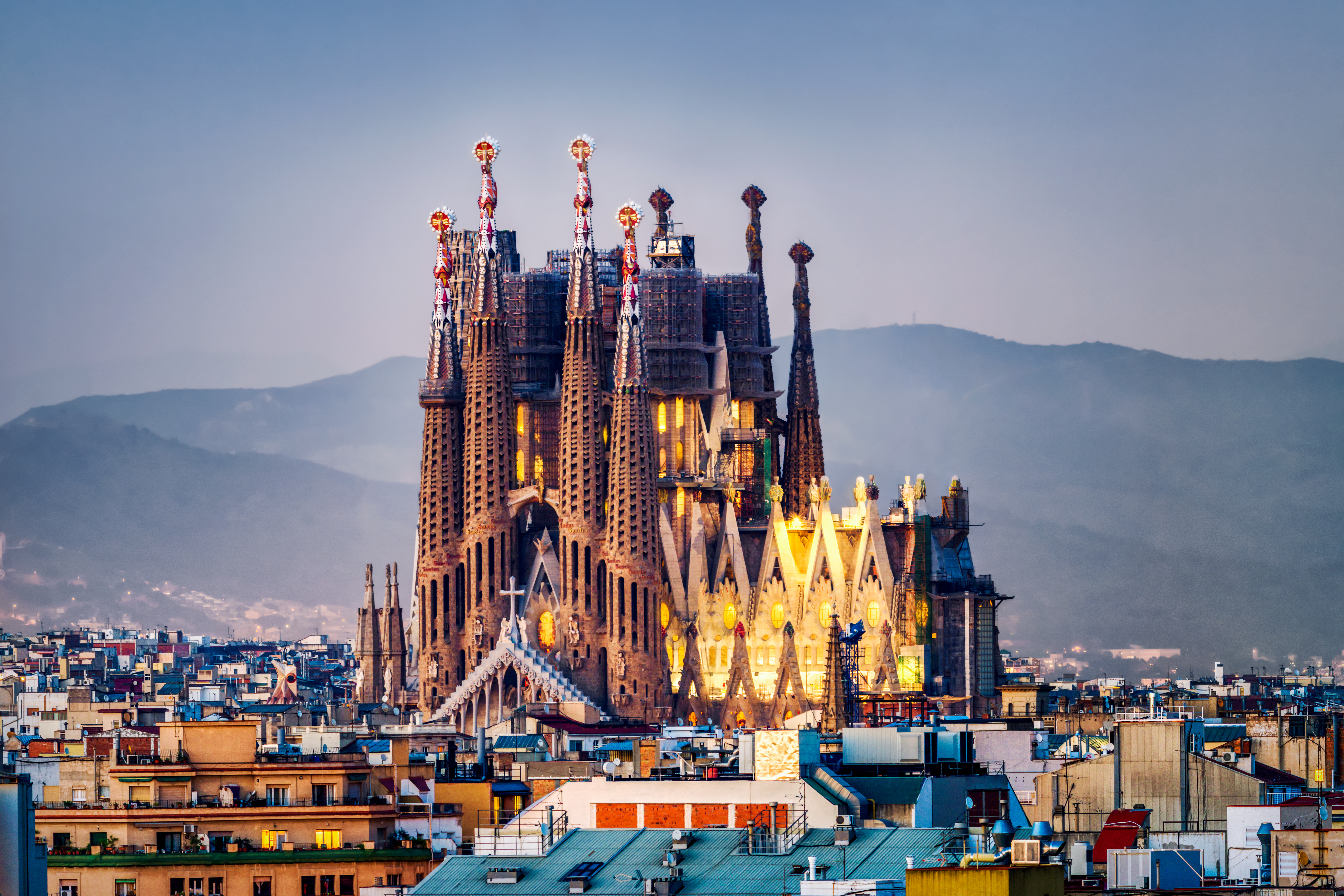
Much more than a church, the Sagrada Familia is Antoni Gaudí's architectural legacy. This expiatory temple, whose towers rise towards the sky, is a marvel of geometry where straight lines do not exist, as it imitates the forms of nature.
Inside, you will feel small before a canopy of stone that branches out like a sacred forest. The orientation of its stained-glass windows allows the morning light to bathe the altar in cool tones (blues and greens) while the afternoon light floods the nave with warm reds and oranges, creating a visual spectacle that alone justifies the trip.
📍Check opening times and prices
From here you can reach the next point by metro (lines L2 or L5) in about 10 minutes.
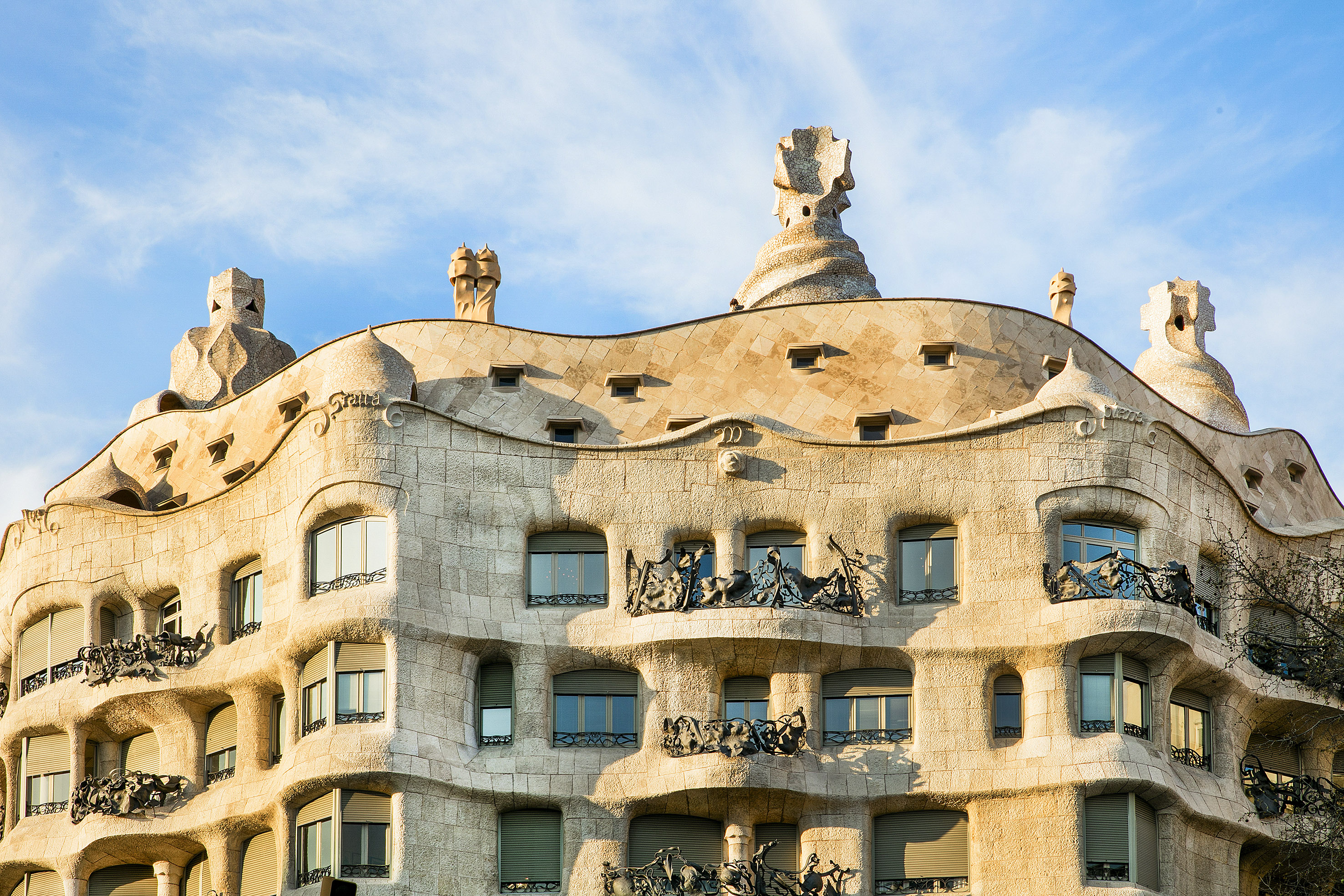
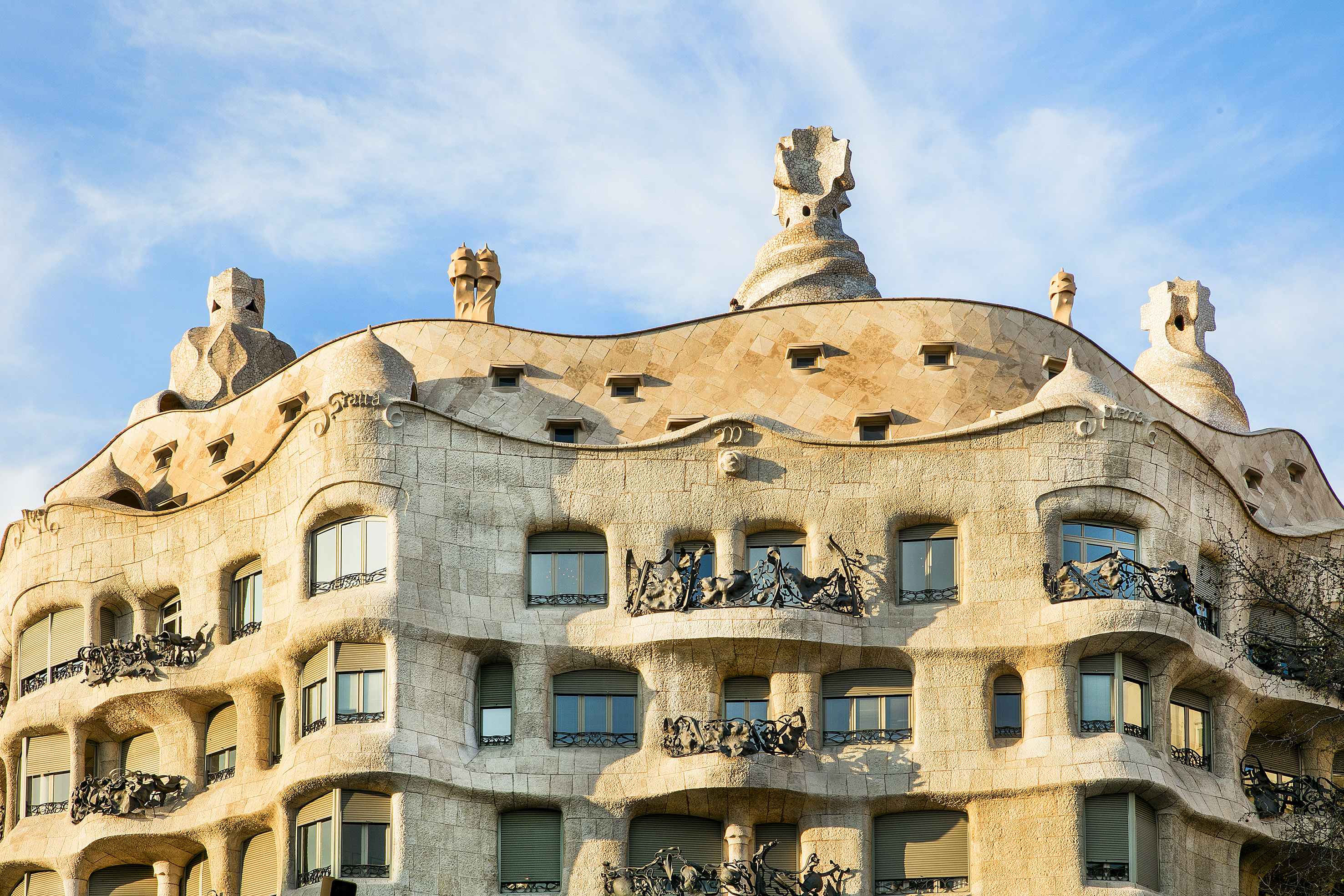
The Passeig de Gràcia is the showcase of late 19th-century luxury and art. As you walk along its hexagonal tiled pavements (also designed by Gaudí), you will come across Casa Batlló, an explosion of colour whose facade evokes the legend of Saint George and the Dragon with its shimmering scale-like roof.
📍Check opening times and prices
Just a few steps away is Casa Milà, known as La Pedrera, which breaks with all established norms with its undulating stone facade that seems sculpted by the wind. Both are World Heritage sites and showcase the power of Barcelona at the time.
📍Check opening times and prices
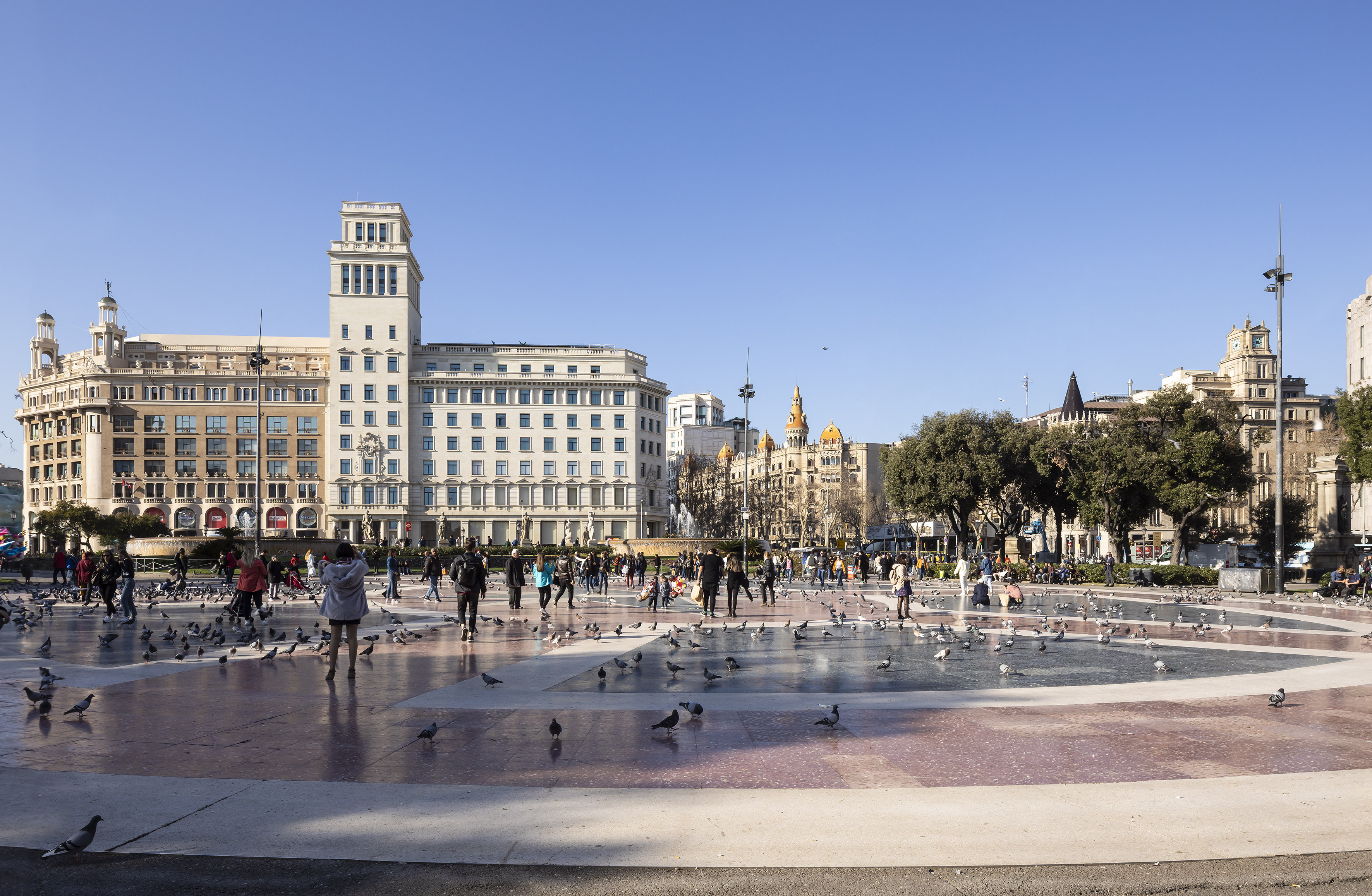
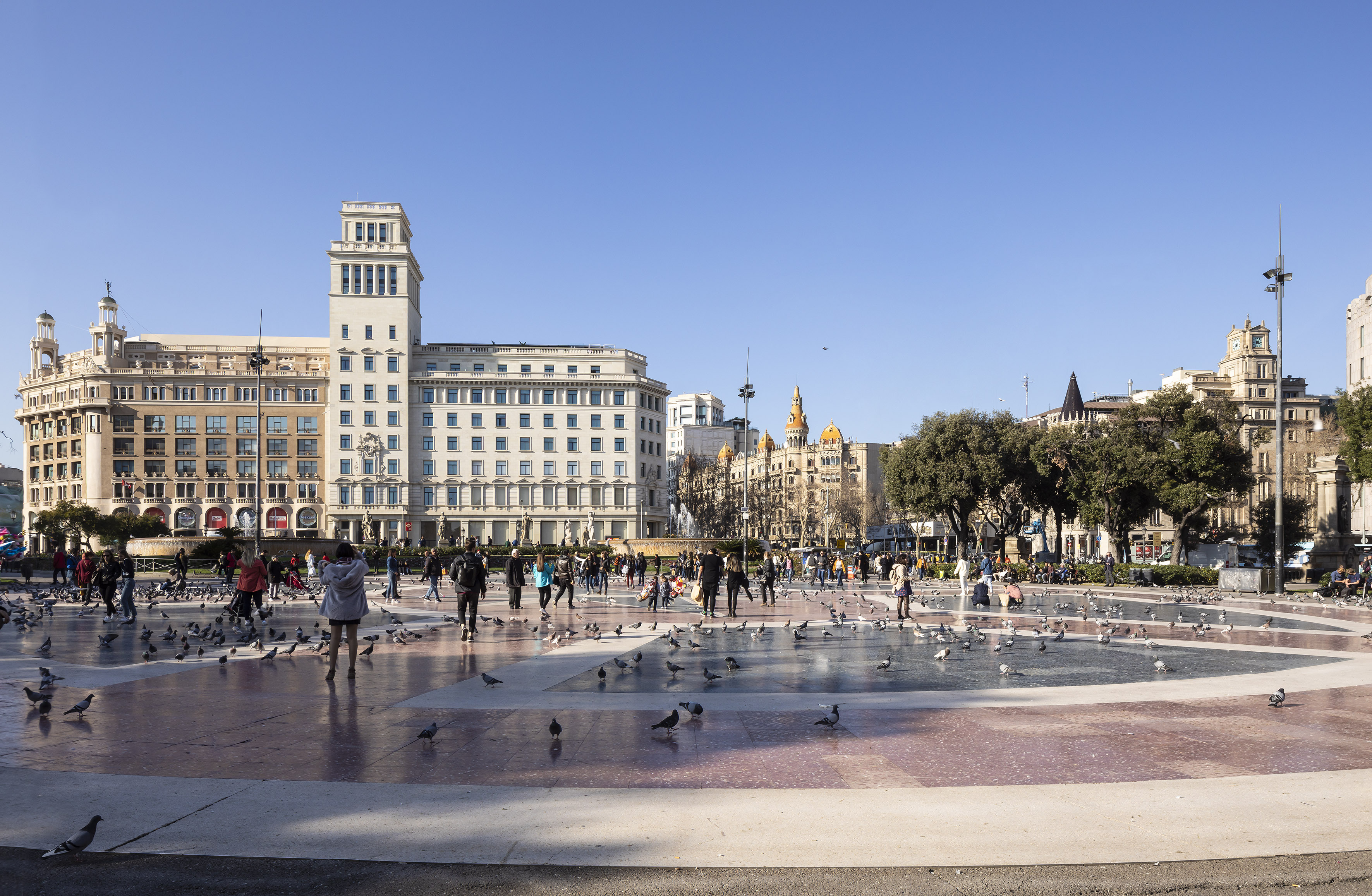
You can continue the tour on foot towards the centre (Plaça de Catalunya) in about 15-20 minutes.
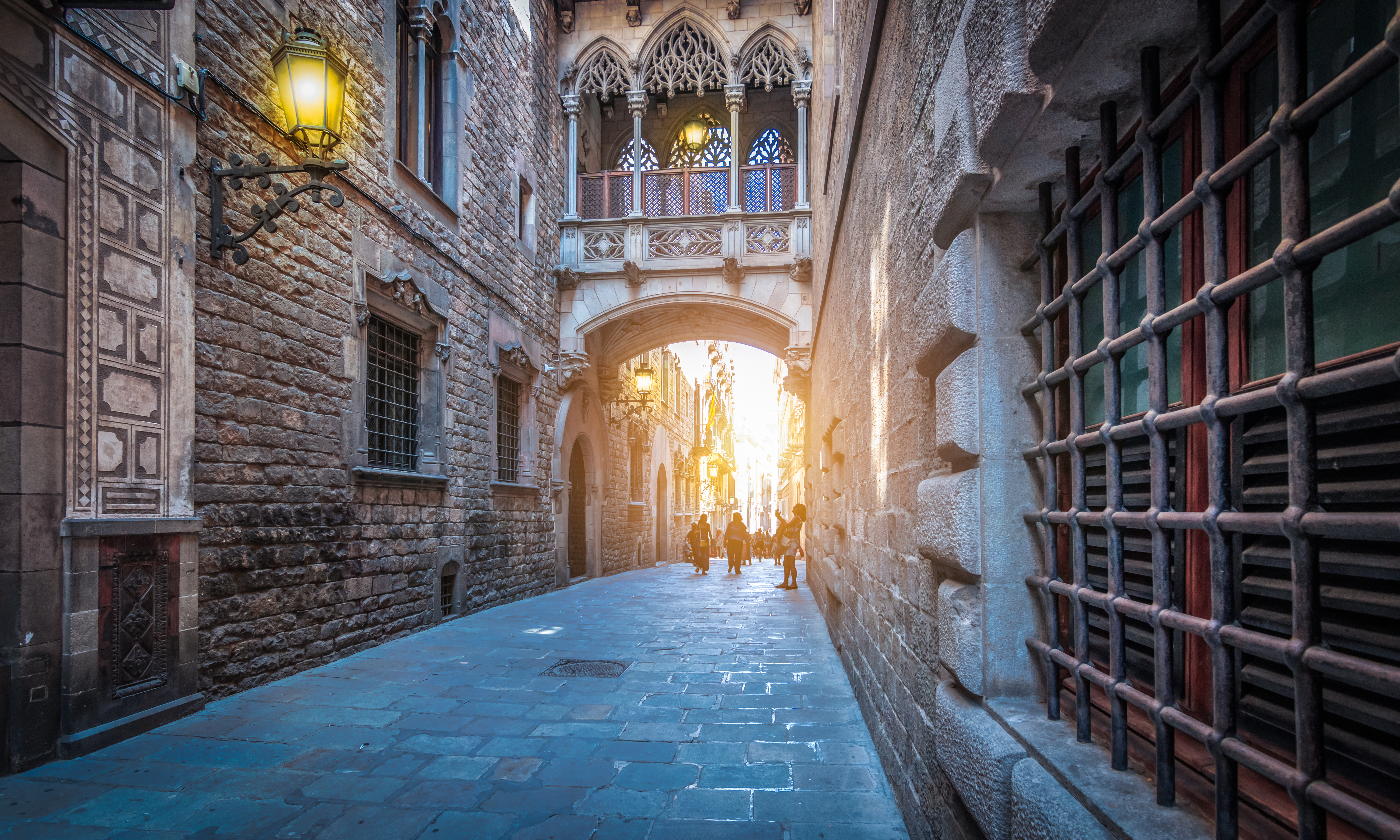
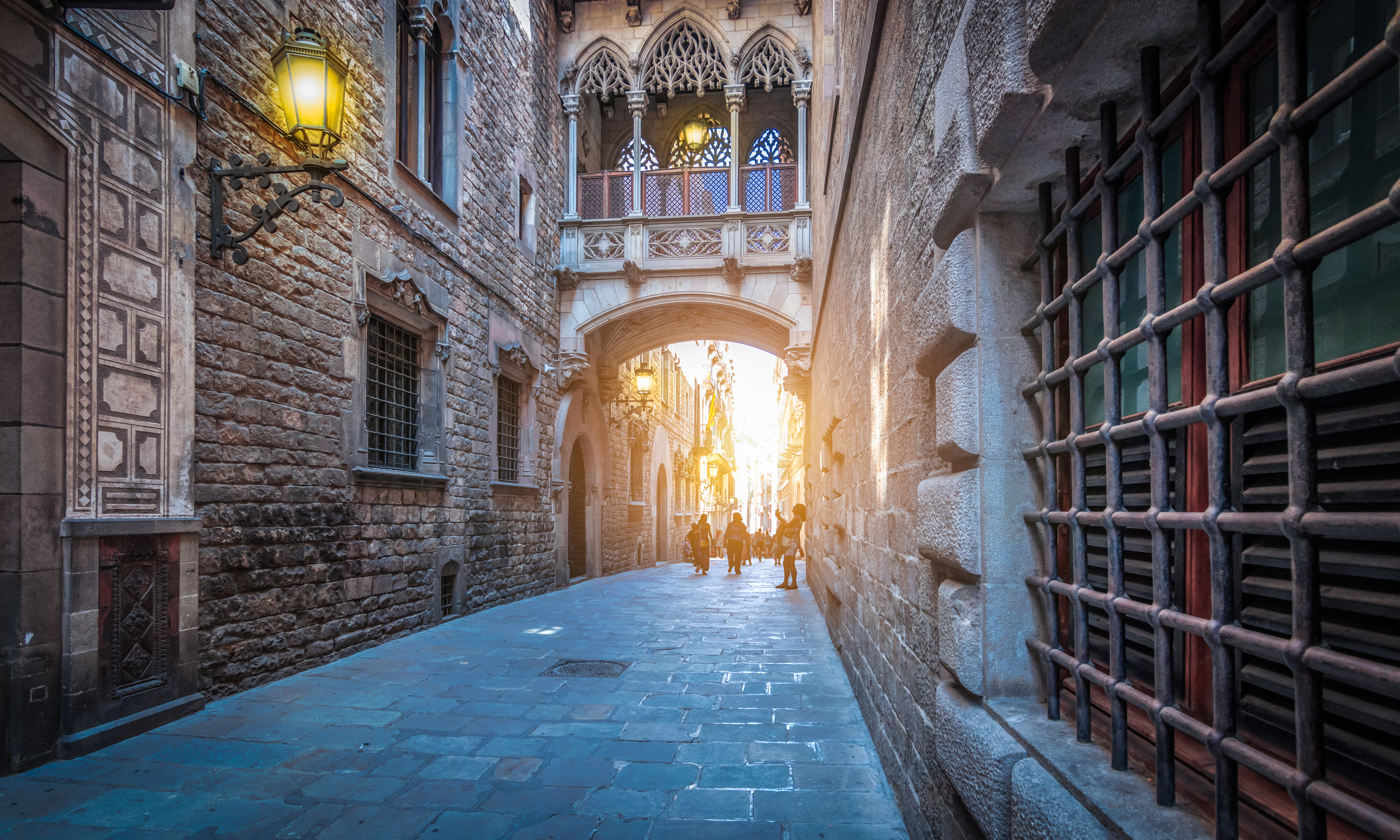
The Gothic Quarter is the medieval heart of Barcelona, a labyrinth of narrow streets where it's easy to lose your sense of direction and suddenly find yourself in charming squares.
Here you will find the Barcelona Cathedral, an exquisite example of Catalan Gothic with a cloister full of legends. You cannot miss visiting Plaça de Sant Jaume, where political power resides in opposing historic buildings, nor Plaça del Rei, a monumental complex that was the residence of the Counts of Barcelona and Kings of Aragon.
From here you can go to the next point in less than 10 minutes on foot, crossing the lively Carrer de la Argenteria.
One of the most characterful neighbourhoods in the city, El Born was an old artisan district that today is one of the trendiest areas in the city, full of local craft workshops and avant-garde gastronomy.
Here, the Basilica of Santa Maria del Mar, built by the neighbours and dockworkers themselves in the 14th century, stands out for its elegance and unparalleled acoustics.
In this neighbourhood, you will also find the Born Cultural and Memorial Centre, where the ruins of the city destroyed after the siege of 1714 are preserved under an iron structure.
Both places are very close within the same neighbourhood, so you can visit them easily on foot.
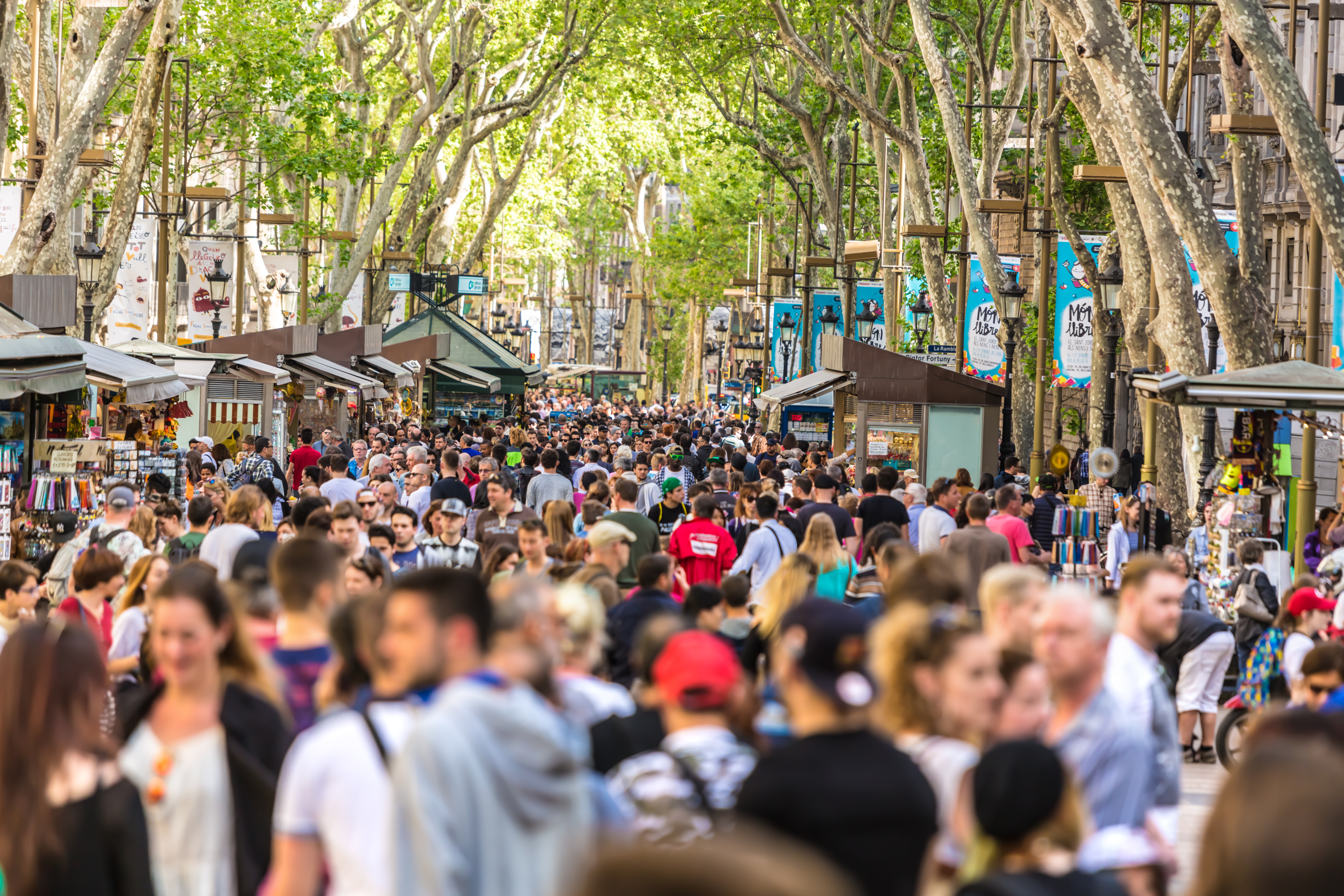
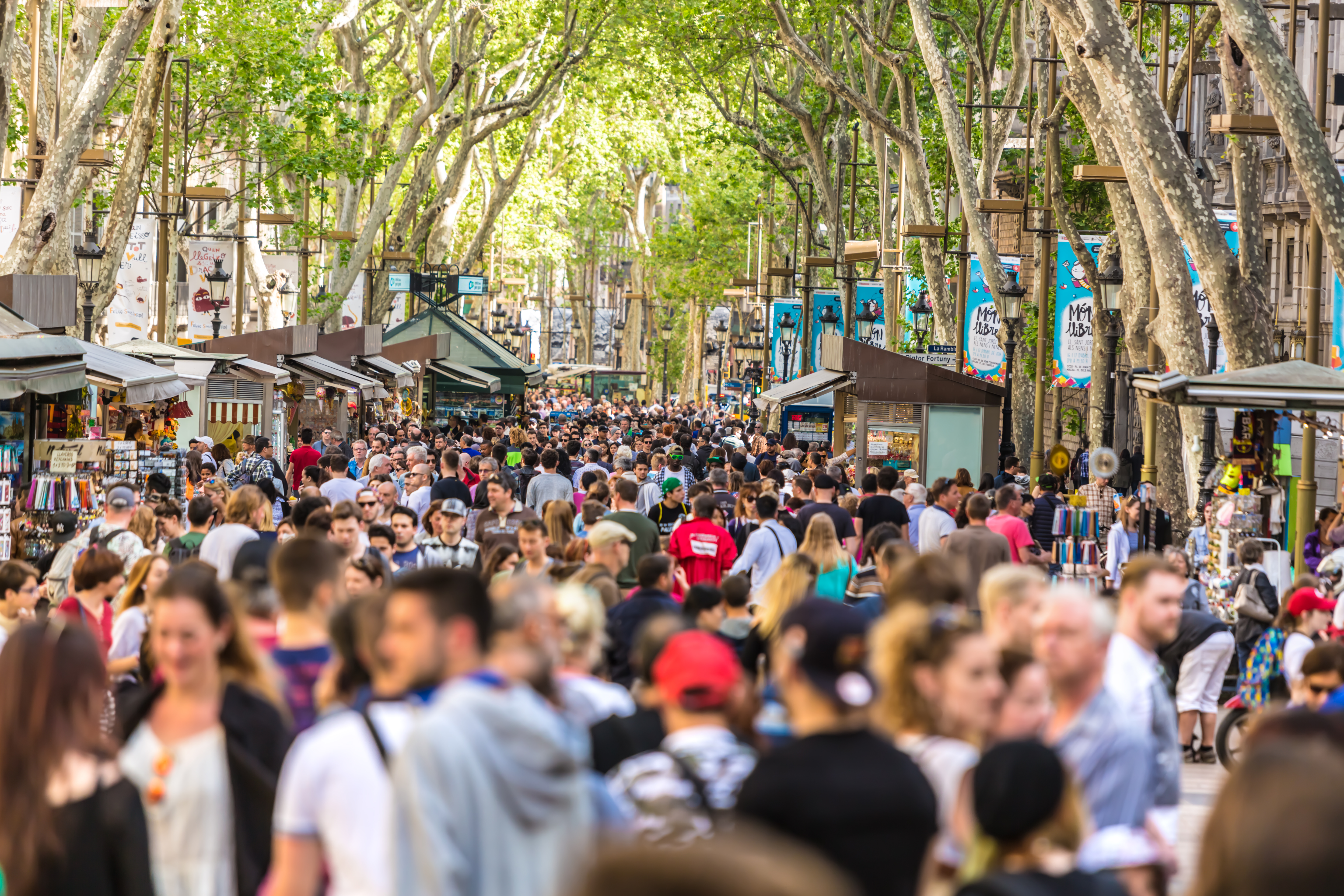
The umbilical cord connecting the city to the port, a stroll down Las Ramblas at night will allow you to observe Barcelona's constant heartbeat: from the Liceu (the grand opera house) to the hustle and bustle of the Boqueria Market. It is a sensory experience of sounds, lights, and people that represents the most cosmopolitan and open facet of the Catalan capital.
,regionOfInterest=(3553.5,1999))
,regionOfInterest=(3553.5,1999))
On the second day of this guide on what to do in Barcelona for 3 days, you will combine the majesty of the magic mountain, the pulse of the popular neighbourhoods and the fresh Mediterranean breeze.
The Montjuïc mountain is an oasis of history and nature, at the top of which stands Montjuïc Castle, a fortress with panoramic views that stretch from the open sea to the Pyrenees on clear days.
Halfway up is the National Palace, home to the National Art Museum of Catalonia (MNAC), famous for housing the most important collection of Romanesque mural painting in the world. It is an ideal area for strolling among botanical gardens and stadiums that hold the city's Olympic spirit.
From here you can descend by cable car, bus (line 150) or funicular in about 15-20 minutes.
Plaça d'Espanya is one of the most monumental entrances to the city. Its Venetian Towers flank the access to the mountain, creating one of Barcelona's most classic sights. From here you can appreciate the grandeur of the Magic Fountain and the architectural axis leading up to Montjuïc.
You can go to the next point by metro (line L3) or enjoy a 20-minute walk.
A multicultural, dense and vibrant neighbourhood, El Raval is the epicentre of urban culture, where the MACBA (Museum of Contemporary Art) with its immense square full of skaters, and the CCCB (Centre of Contemporary Culture) set the cultural rhythm of the neighbourhood. Here you can discover independent bookshops and some of the city's most historic corners, such as the old Hospital de la Santa Creu.
You can walk to the next point in about 15-20 minutes towards the coast.
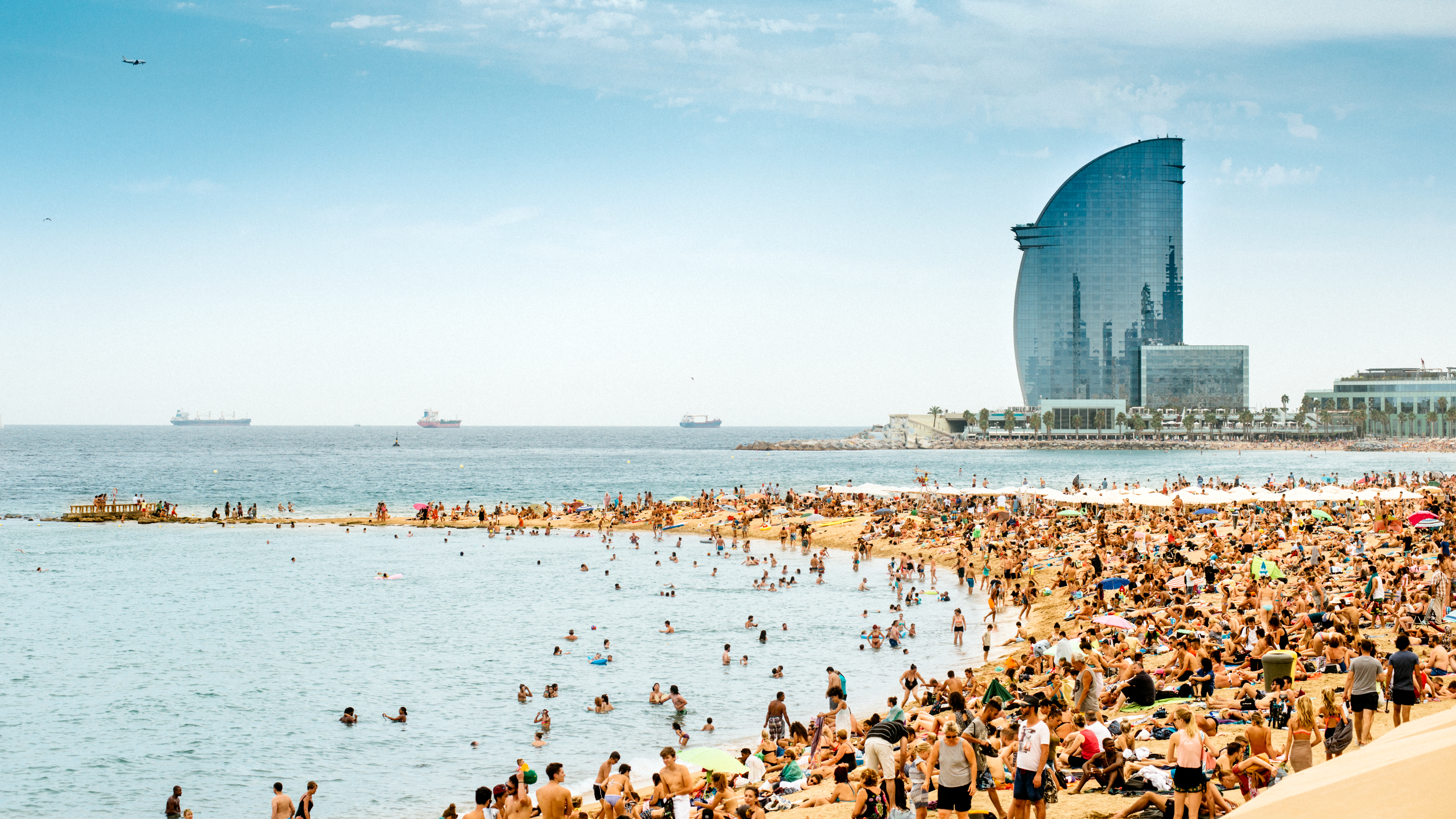
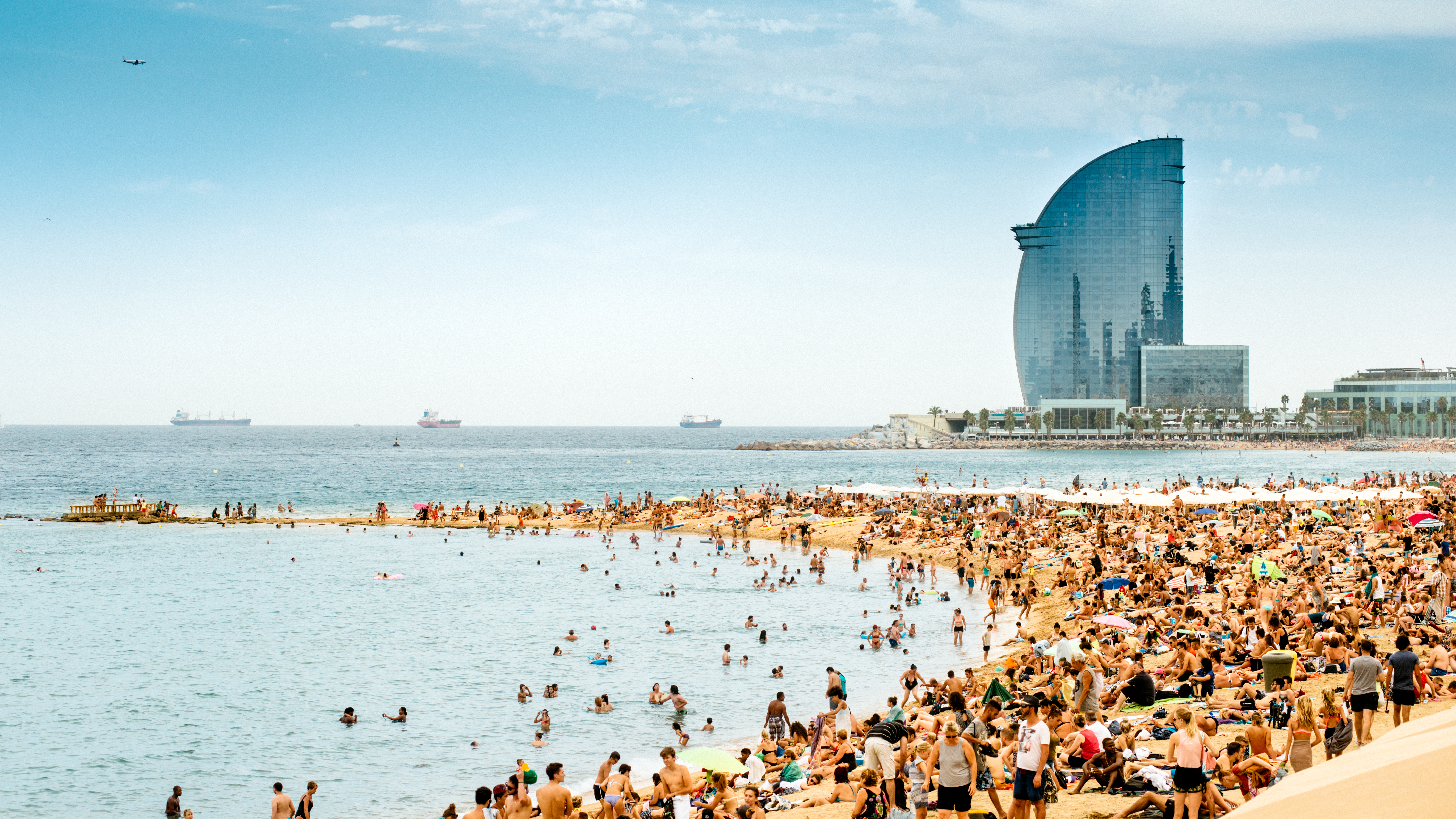
The maritime soul of Barcelona, Barceloneta is a neighbourhood full of beach life and seafood gastronomy, which was formerly a fishing area. Strolling along its beaches or the Passeig de Joan de Borbó is a must on any route to visit Barcelona in 3 days, allowing you to feel the most Mediterranean atmosphere of the city.
You can continue walking along the promenade to the north, enjoying the sculptures and the sea.
The Port Olímpic offers a relaxed yet sophisticated atmosphere, different from the rest of the city. It is ideal for an evening stroll, enjoying the terraces by the yachts and contemplating the modern silhouette of Barcelona's coastline, with Gehry's Golden Fish illuminated as the main feature.
,regionOfInterest=(1750,1076))
,regionOfInterest=(1750,1076))
The last stage of this 3-day itinerary in Barcelona is dedicated to the quieter areas and the highest points of the city so you can say goodbye with the best photos.
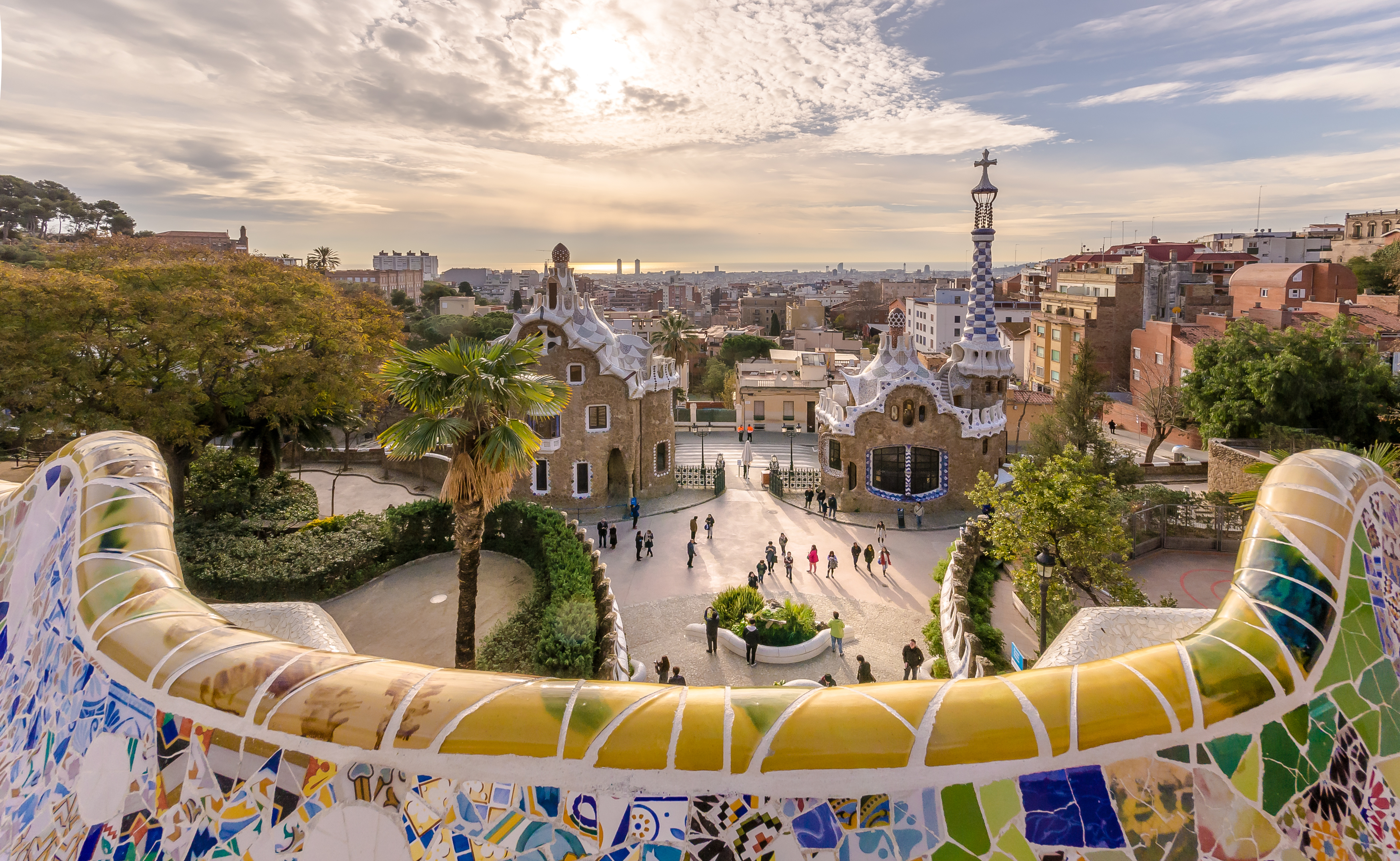
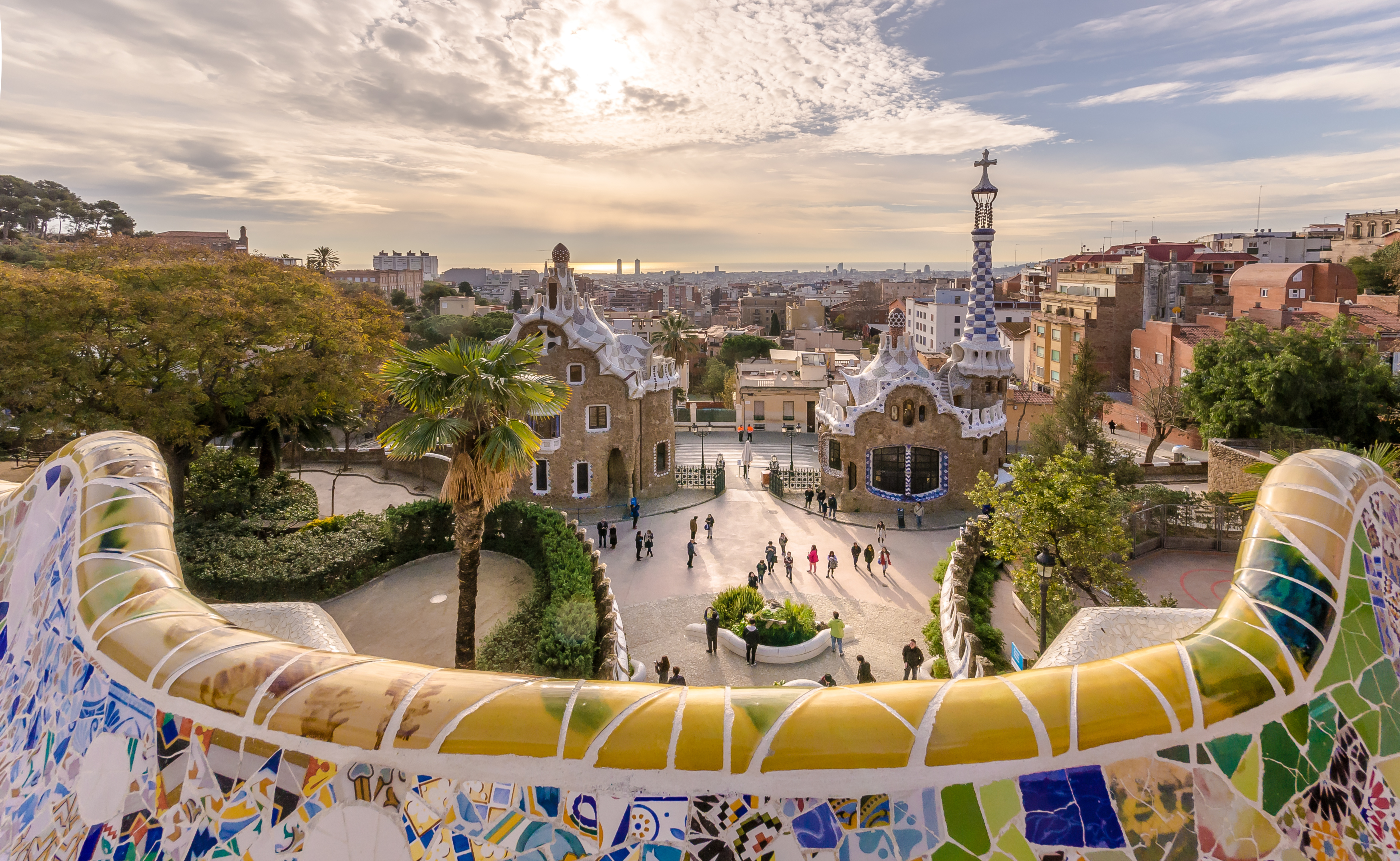
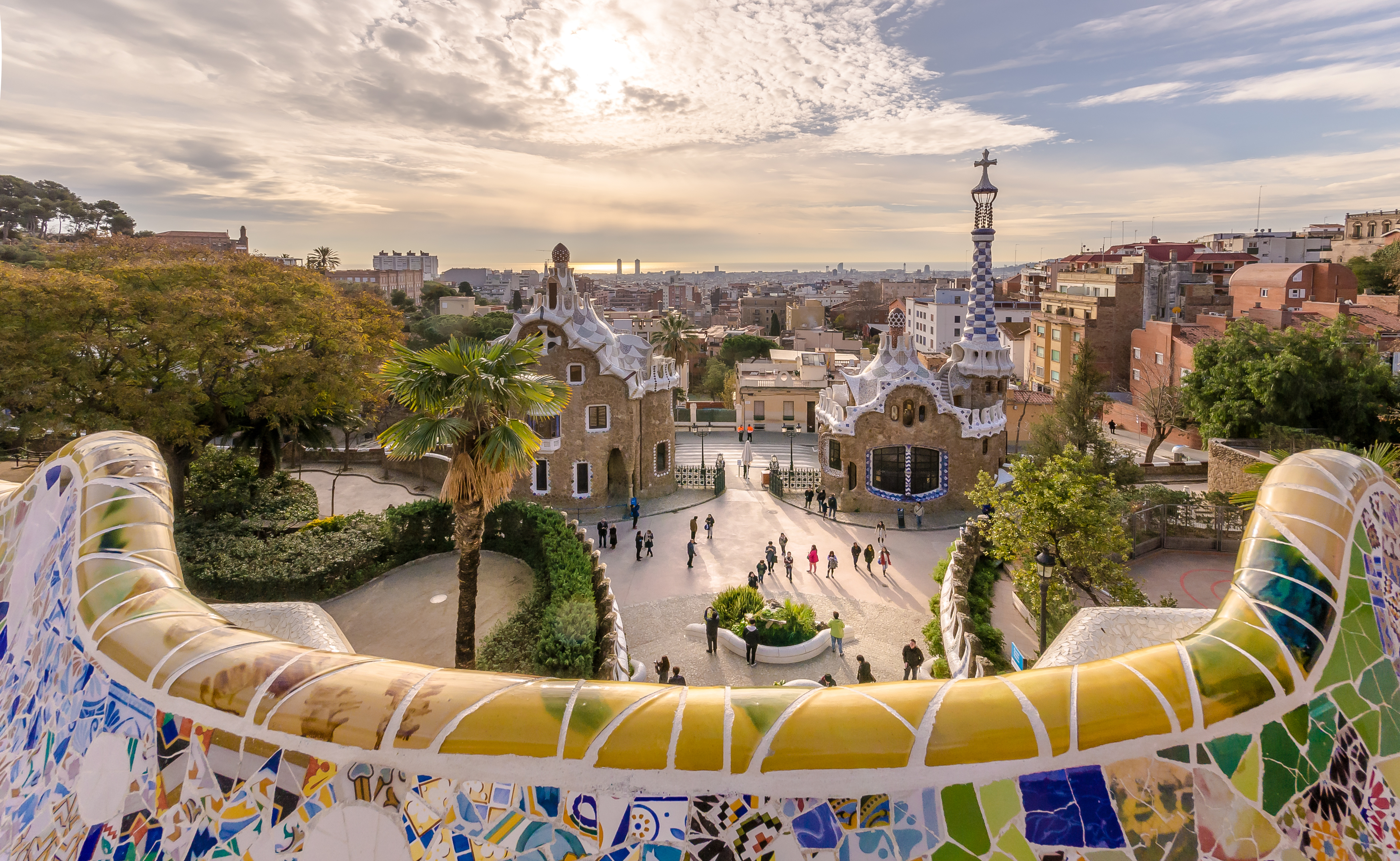
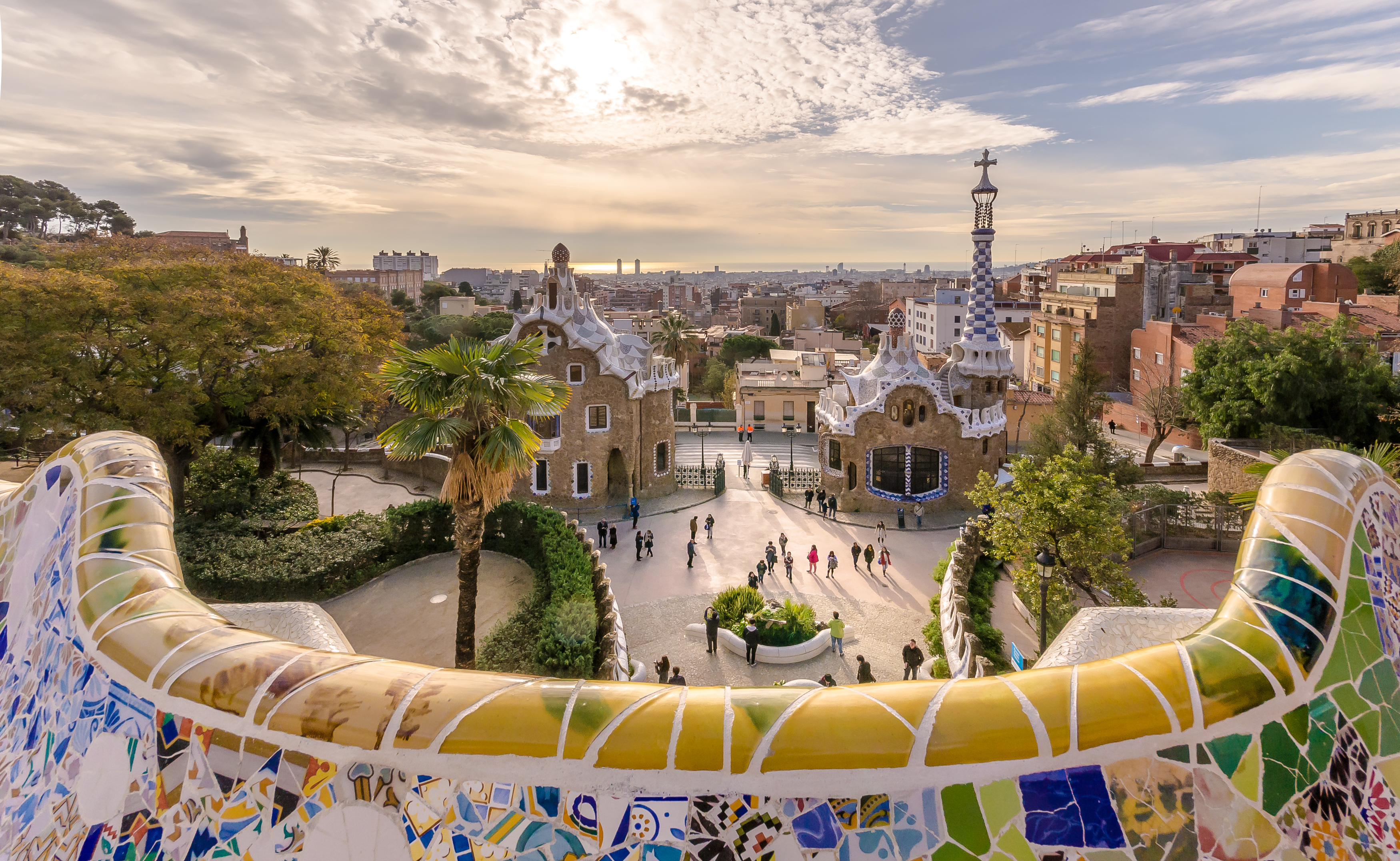
Park Güell is where Gaudí fused architecture and nature in complete harmony. Its viaducts that resemble caves, the famous Greek theatre square with its serpentine mosaic bench, and the iconic dragon staircase seem straight out of a fairy tale.
From here you will have one of the most famous views of Barcelona, with the entrance pavilions and the city stretching out towards the sea. Coming here is well worth it.
📍Check opening times and prices
From here you can go to the next point by bus (line v19) or taxi in about 10-15 minutes down the hill.
The Gràcia neighbourhood has managed to preserve the essence of when it was an independent village separate from the city. It has a local, bohemian, and very tranquil atmosphere, away from the noise and stress of the centre. Its squares, such as Plaça del Sol or Plaça de la Virreina, are the heart of Gràcia residents' lives, ideal for sitting down to enjoy a terrace and watch Barcelona life go by.
It is a neighbourhood designed to be explored easily on foot.
Located on top of Turó de la Rovira, the Bunkers del Carmel, old anti-aircraft batteries, offer the best 360-degree panoramic view of Barcelona. It is the trendy spot to watch the sunset, where the Eixample grid is perfectly visible from above and the Sagrada Familia stands out from the rest of the buildings.
You can get there by bus (lines V19 or 22) or taxi in about 15-20 minutes.
The Sant Pau Recinte Modernista, a work by Lluís Domènech i Montaner, is a lesser-known but equally impressive gem as Gaudí's works. Its red brick pavilions, colourful domes, and tiles make it the largest modernist complex in Europe.
You can easily get there by metro (line L4) or taxi from the previous area.
With its characteristic grid layout, the Eixample is the perfect area to end your trip in style. Strolling through its wide streets and dining at one of the restaurants on Carrer Enric Granados or near Rambla Catalunya will allow you to enjoy a more elegant and relaxed local atmosphere, putting the finishing touch to a perfect getaway.
To follow this Barcelona itinerary in 3 days, I recommend organising yourself with these maps by area:
📍View full route on Google Maps
📍View full route on Google Maps
,regionOfInterest=(4157,2771.5))
,regionOfInterest=(4157,2771.5))
In my opinion, three days in Barcelona is the ideal amount of time to fall head over heels in love with the city without ending up exhausted from rushing. Through this itinerary, you will have travelled through time from the ruins under El Born to the avant-garde of El Raval, passing through Gaudí's organic dreams in Park Güell.
You will leave Barcelona having seen its main tourist attractions, but also having tasted the flavour of its neighbourhoods and contemplated its profile from above. A city that always holds a new secret for your next visit.
Other Barcelona guides by day:
,regionOfInterest=(719,822.5))
,regionOfInterest=(719,822.5))
Journalist and a lover of travel filled with new experiences. Writing and travelling merge to give her the privilege of sharing what she discovers in every corner of the world.
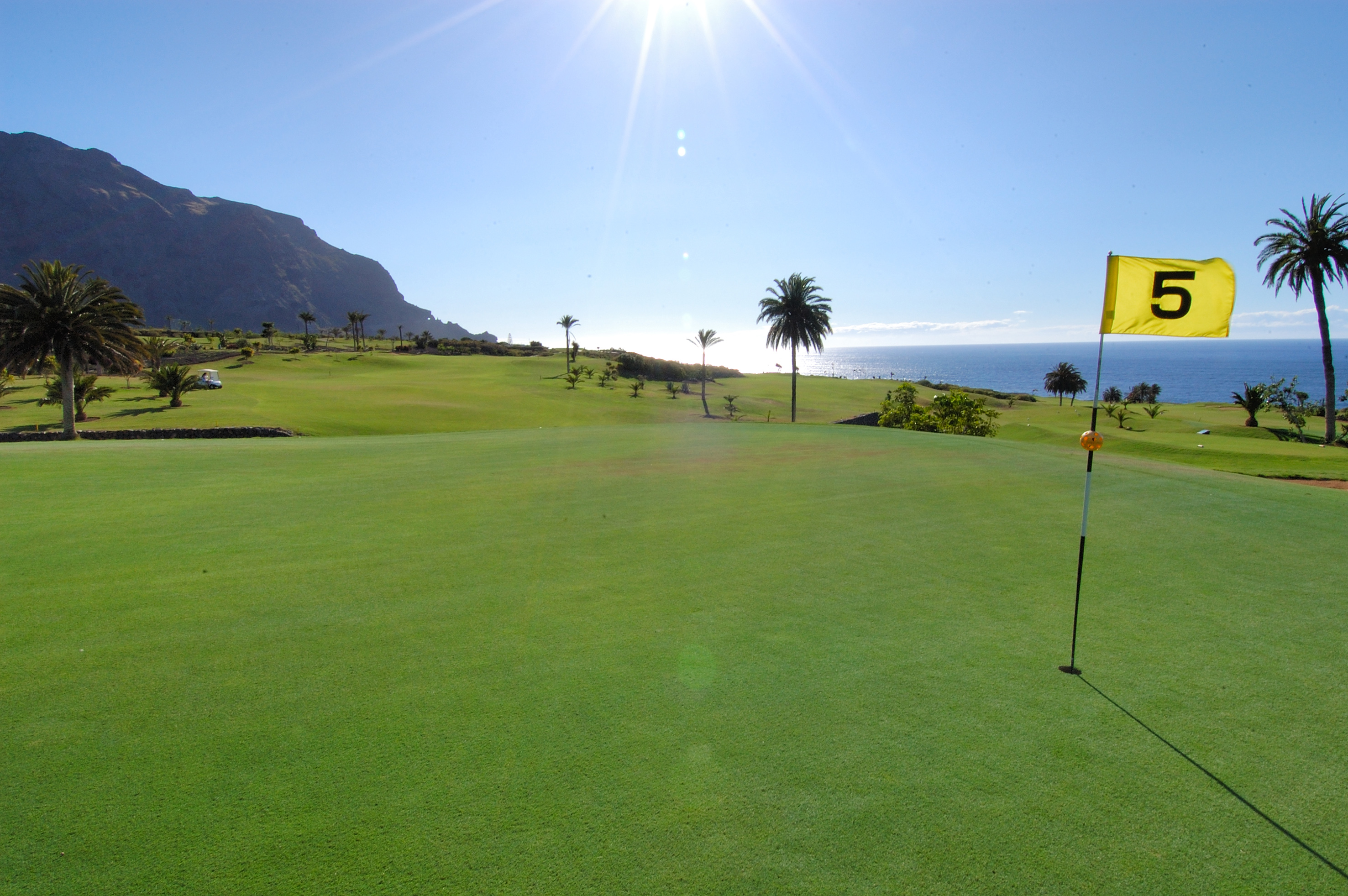,regionOfInterest=(1476.5,981.5))
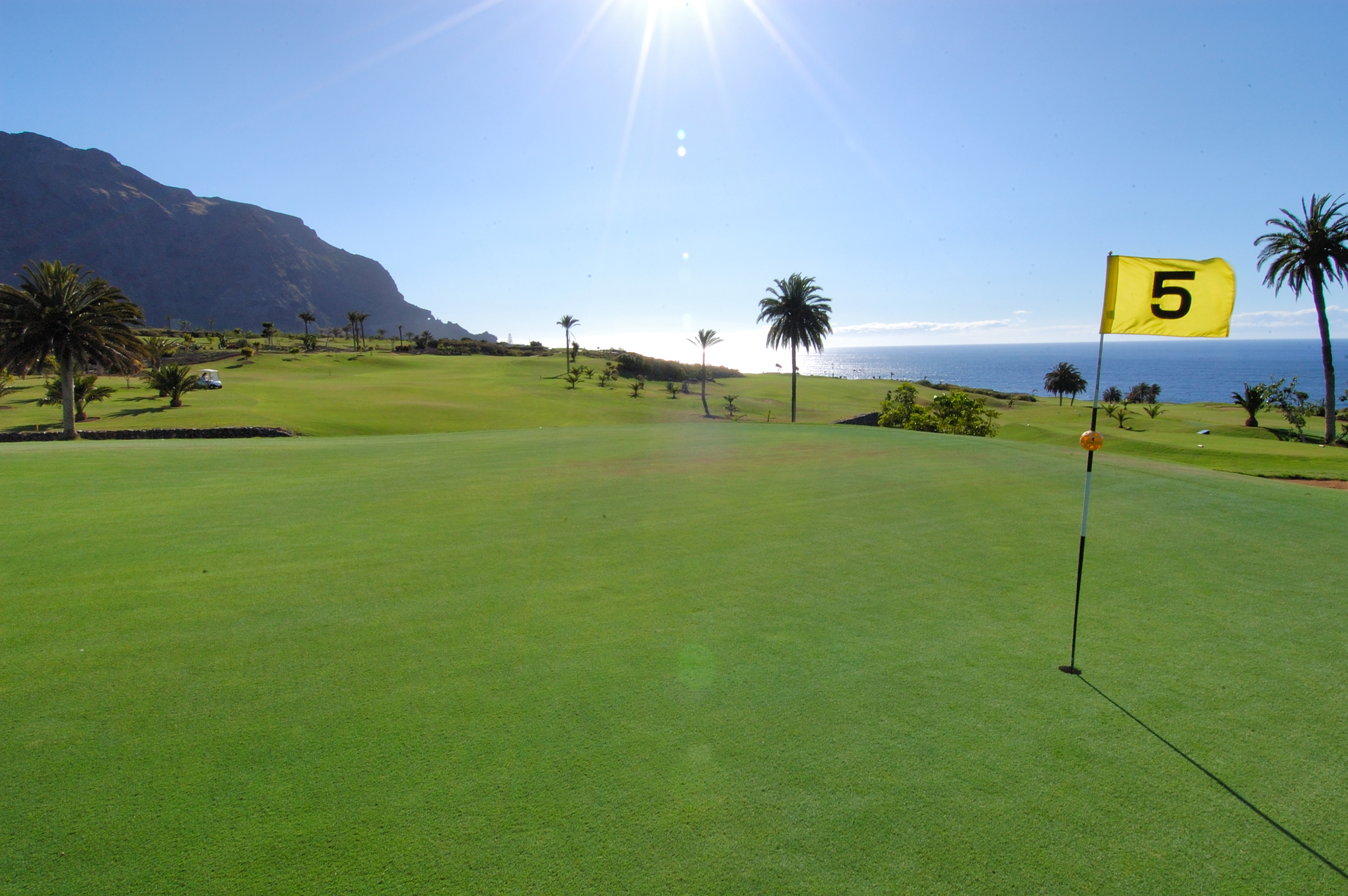,regionOfInterest=(1476.5,981.5))
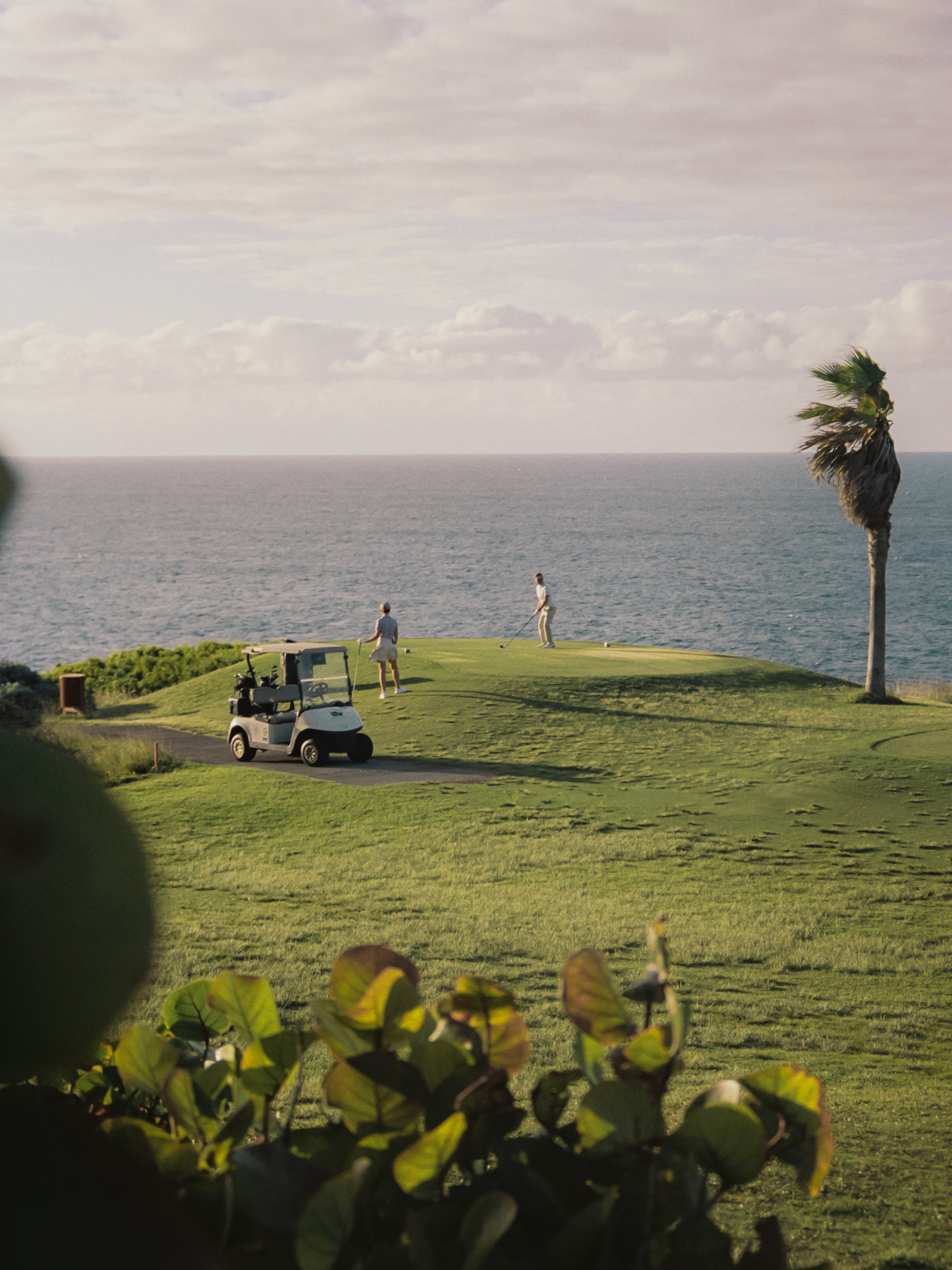,regionOfInterest=(1312.5,1750))
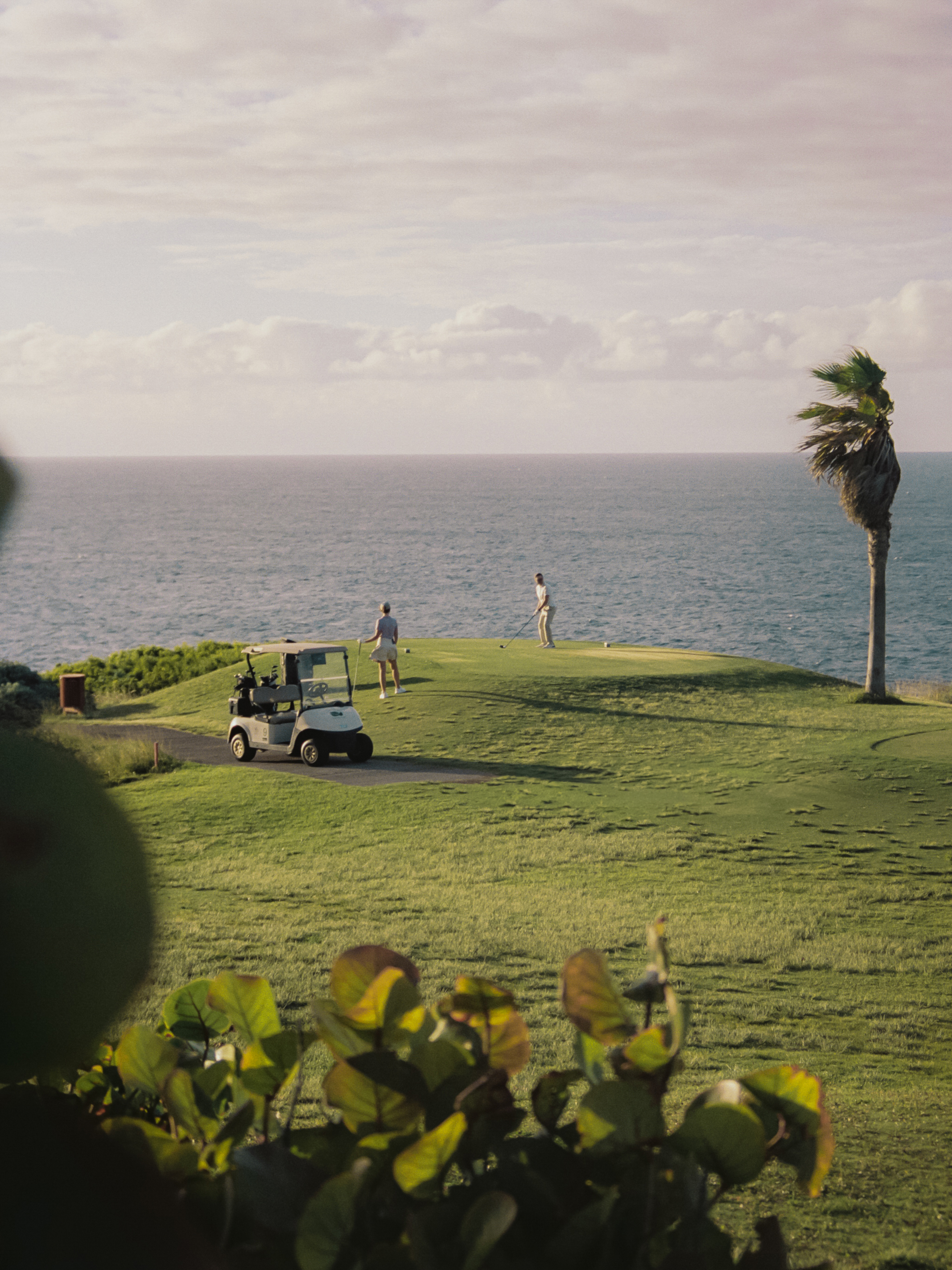,regionOfInterest=(1312.5,1750))
,regionOfInterest=(2000,3000))
,regionOfInterest=(2000,3000))
,regionOfInterest=(2240,3360))
,regionOfInterest=(2240,3360))
,regionOfInterest=(886,588.5))
,regionOfInterest=(886,588.5))