,regionOfInterest=(2900.5,1949.5))
,regionOfInterest=(2900.5,1949.5))
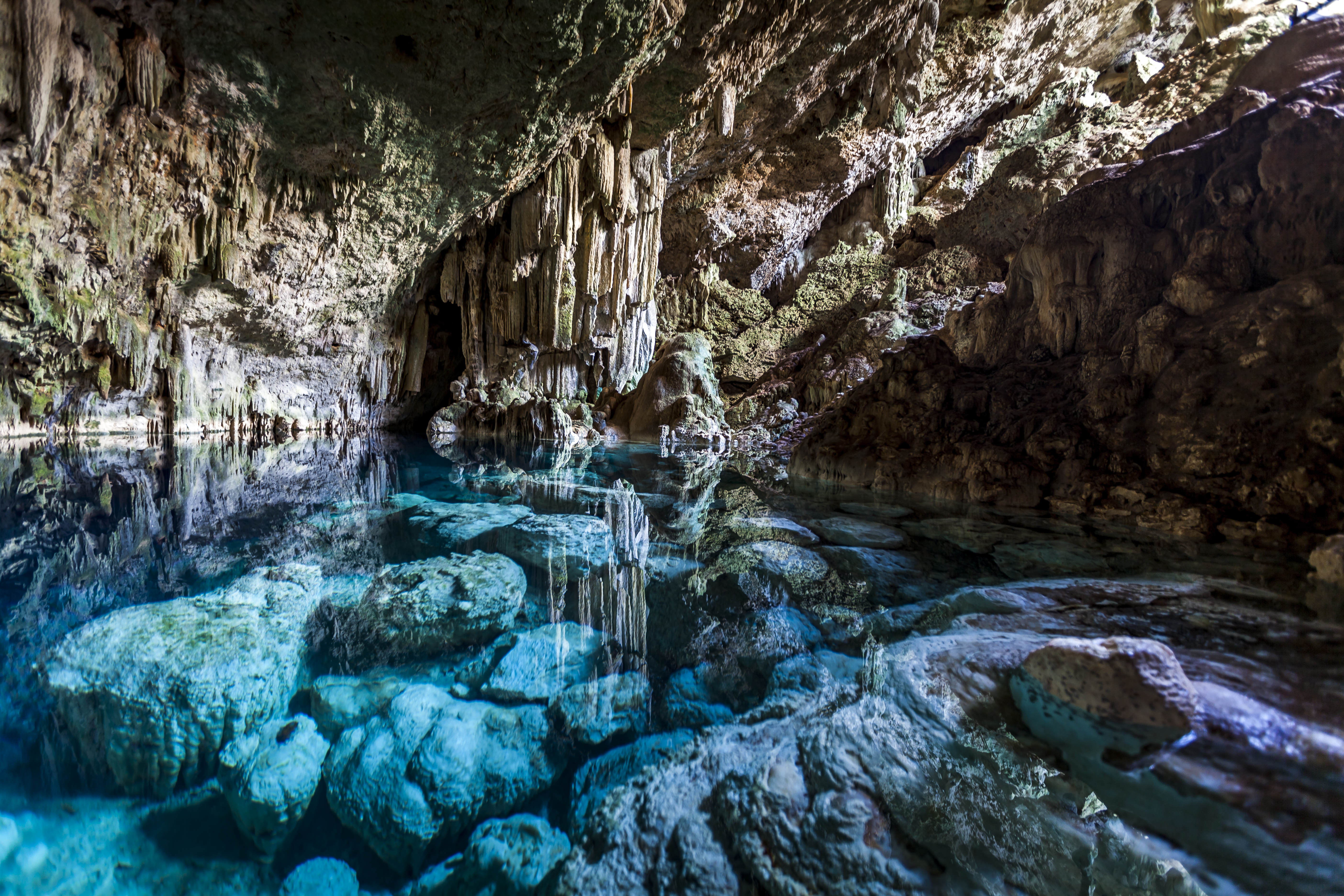
Hoyo Azul: a hidden cenote in Cap Cana
,regionOfInterest=(2808,1872))
,regionOfInterest=(2808,1872))
Holidays
,regionOfInterest=(1023,575.5))
,regionOfInterest=(1023,575.5))
Culture
,regionOfInterest=(512,482))
,regionOfInterest=(512,482))
Digital marketing specialist with a passion for travel, writing, and discovering what makes every destination unique.
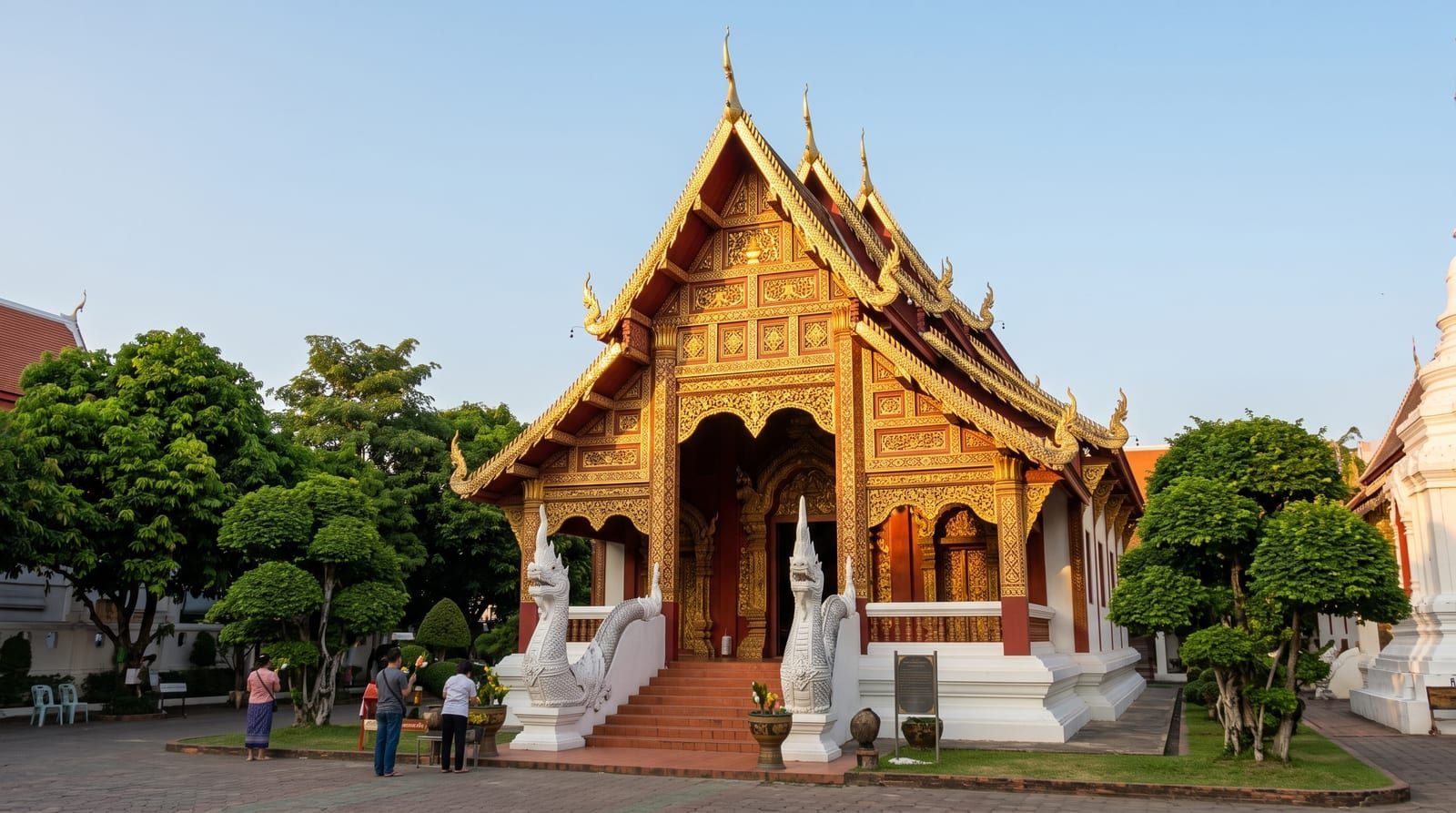
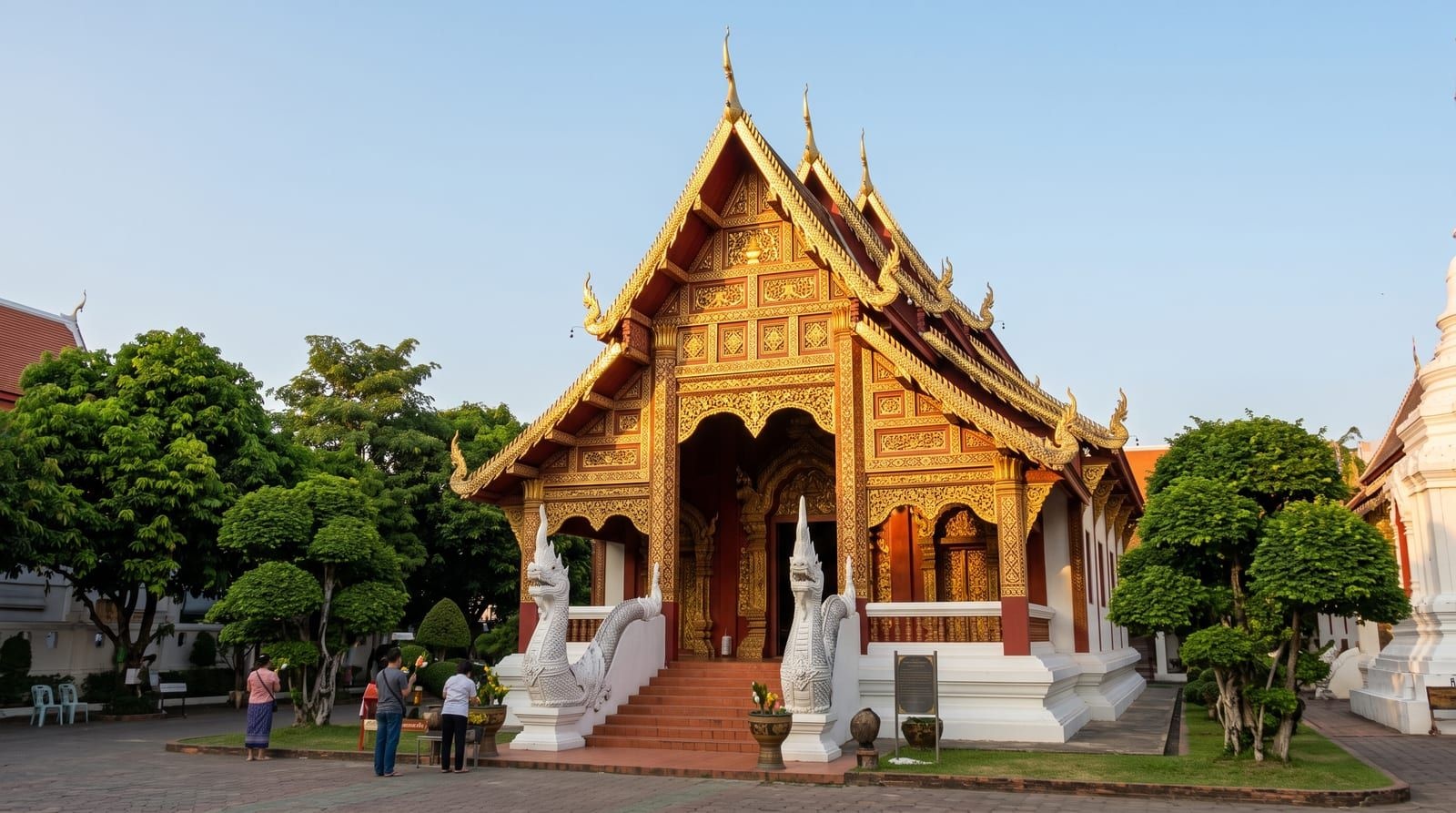
You can read the story of Chiang Mai's founding carved into stone, if you know which ordination hall to walk into and what to actually look for once inside. Most visitors miss it entirely, but a 1581 stele sitting on a temple porch a short walk from Tha Phae Gate records the exact hour the city was founded, alongside four centuries of restorations that followed.
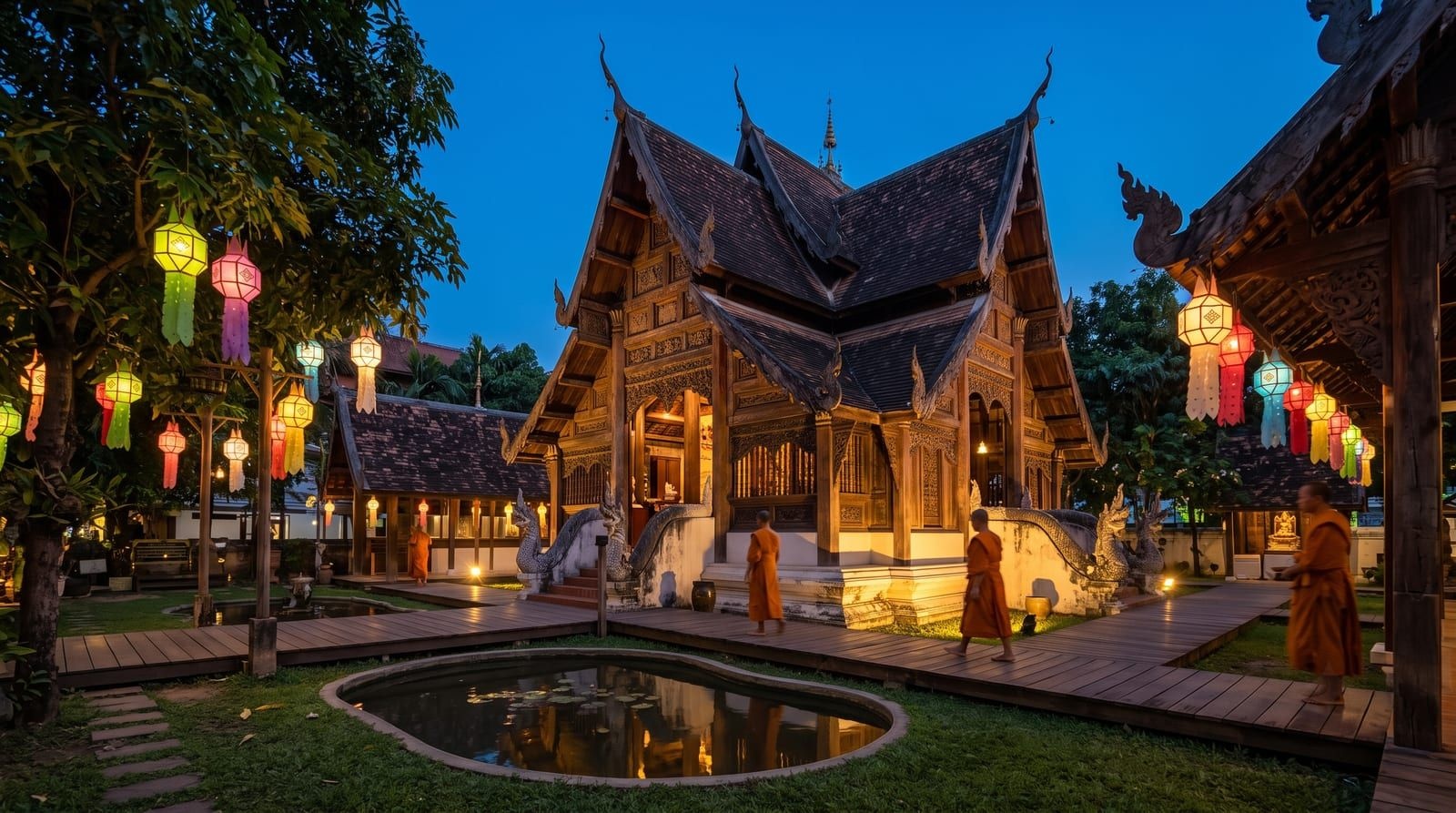
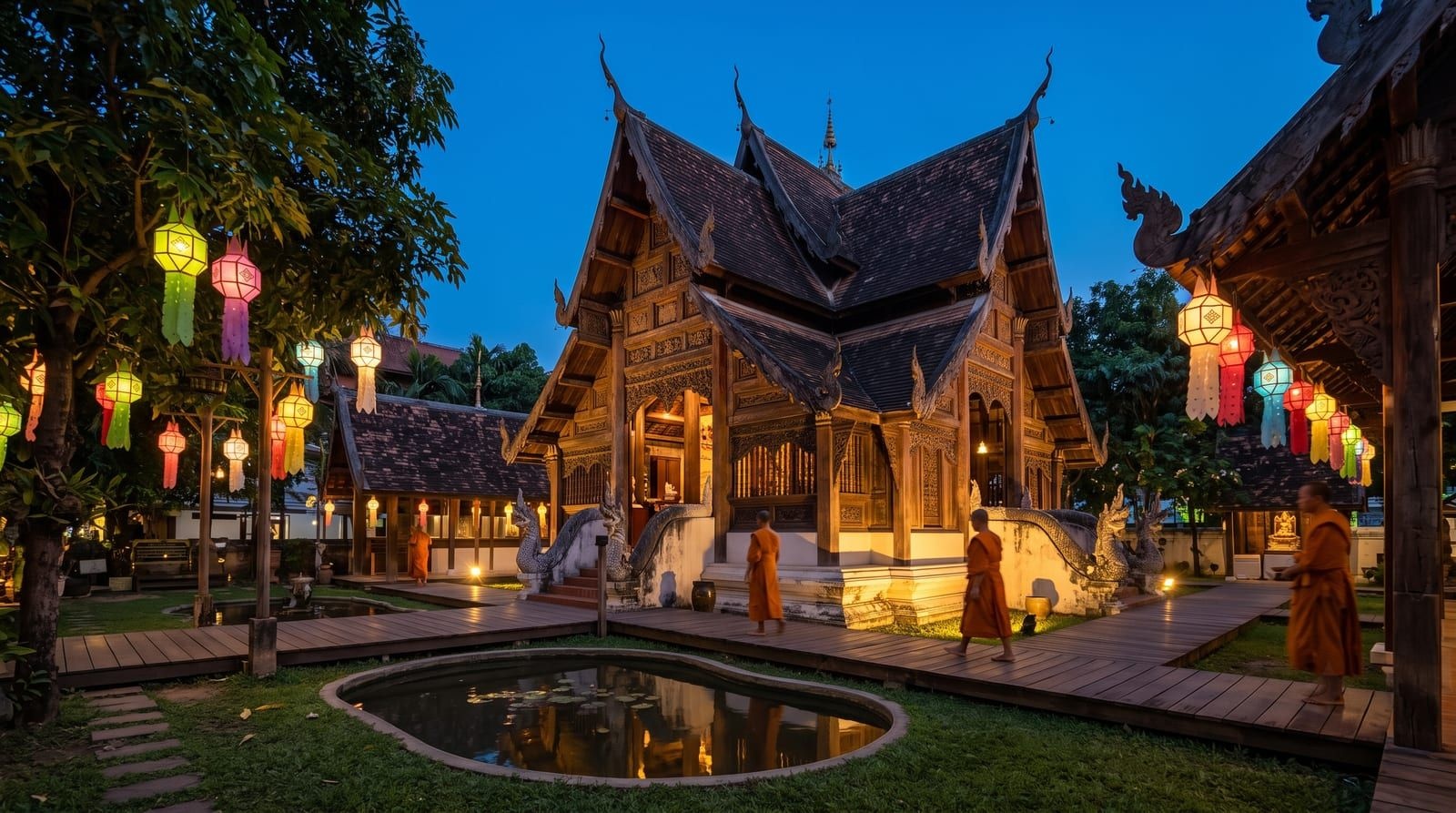
That single detail says a lot about what makes an old city temple in Chiang Mai worth more than a quick photo stop. This guide covers the six most worthwhile inside the moat, their real history, a walking route between them, and the dress code and fees that apply at each.
,regionOfInterest=(800,446.5))
,regionOfInterest=(800,446.5))
,regionOfInterest=(800,446.5))
,regionOfInterest=(800,446.5))
,regionOfInterest=(800,446.5))
,regionOfInterest=(800,446.5))
,regionOfInterest=(800,446.5))
,regionOfInterest=(800,446.5))
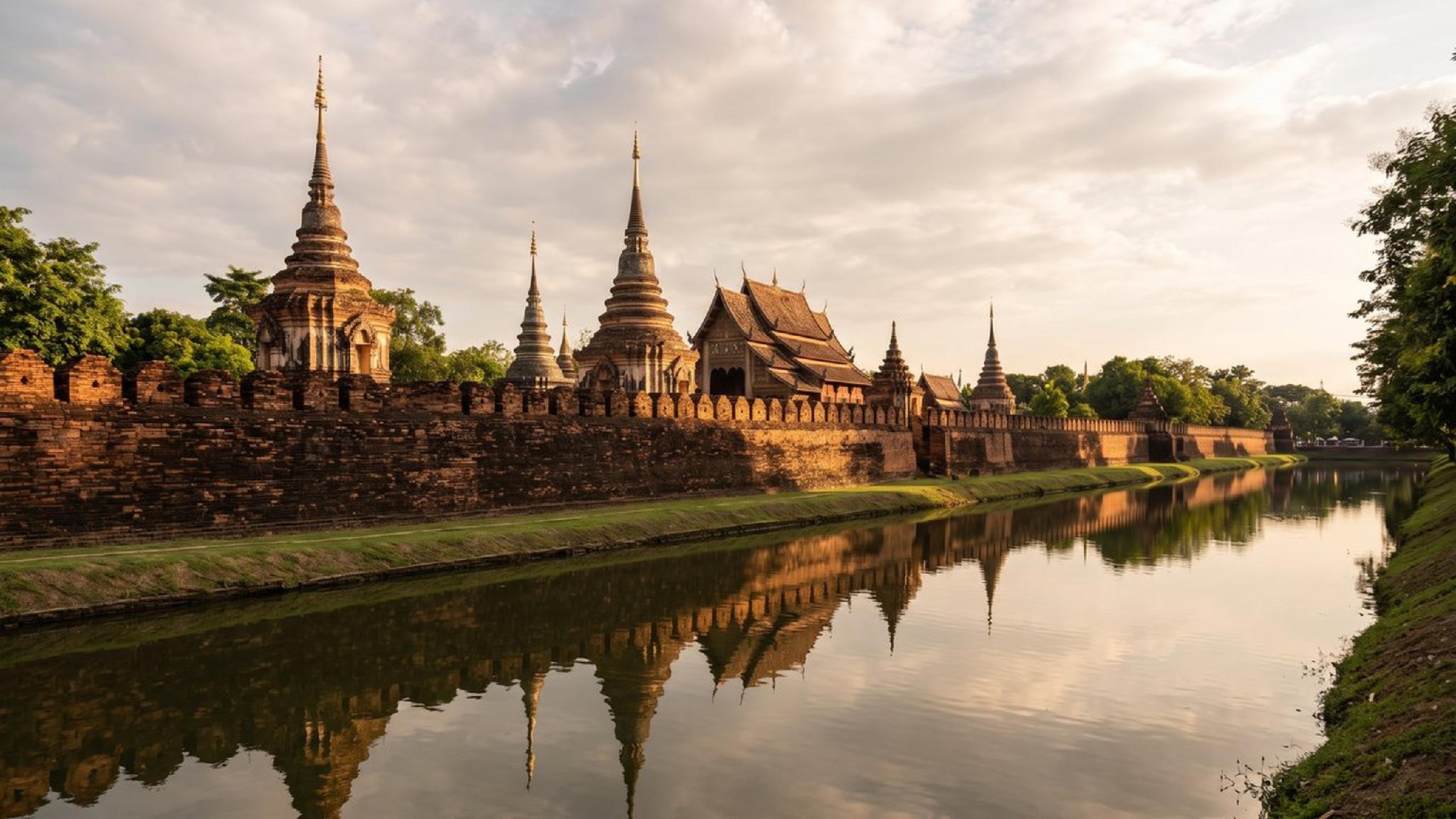
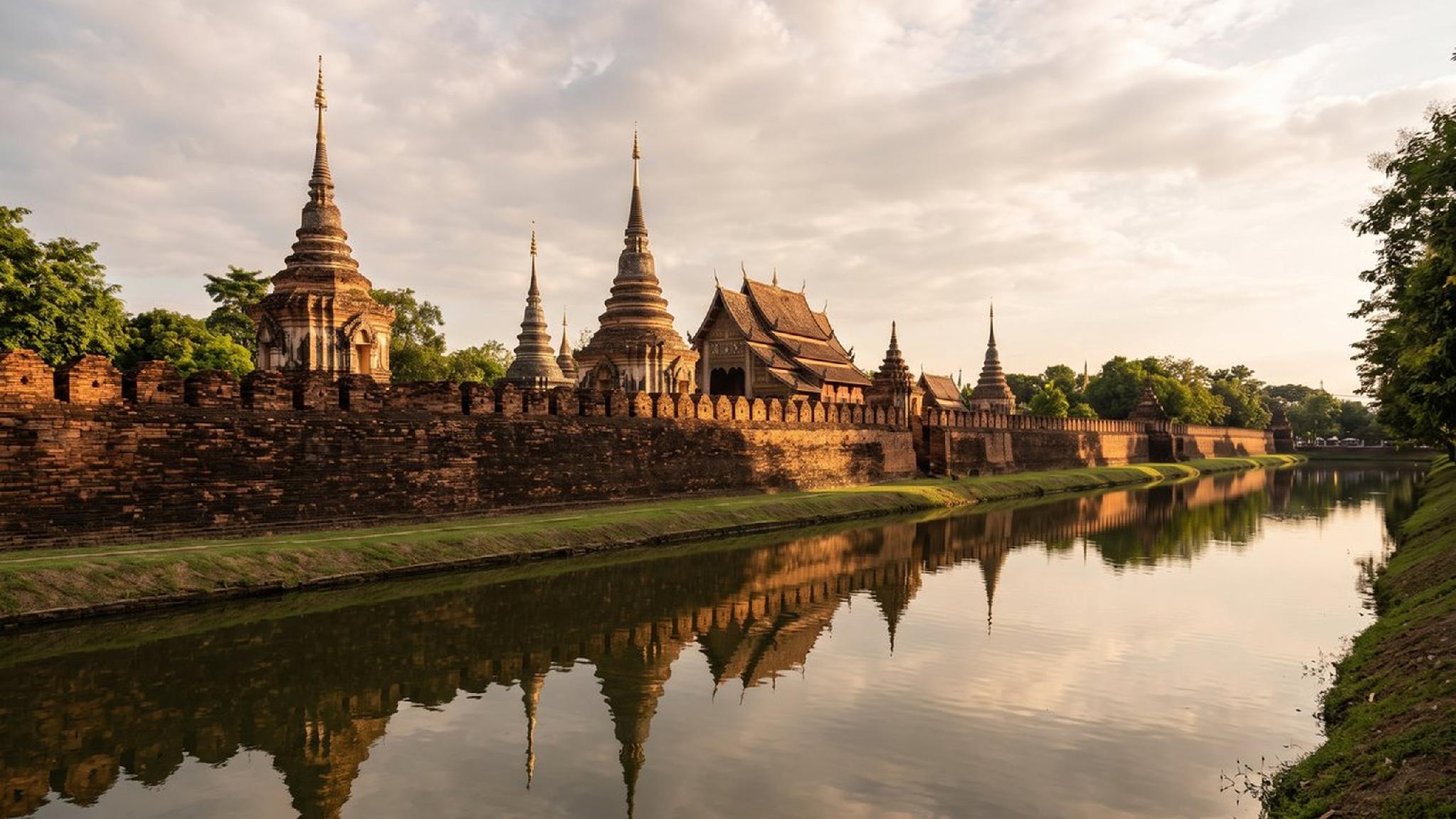
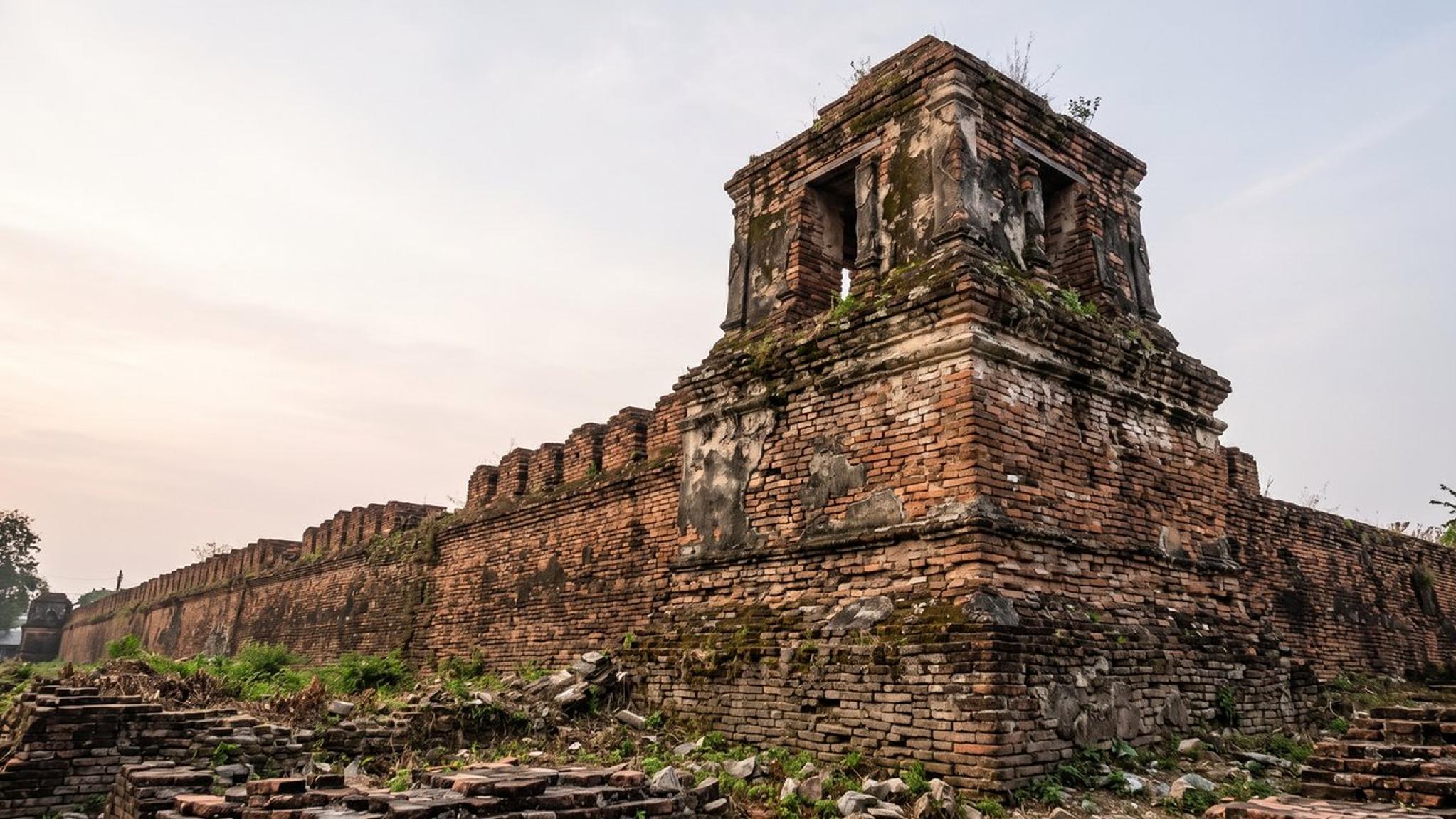
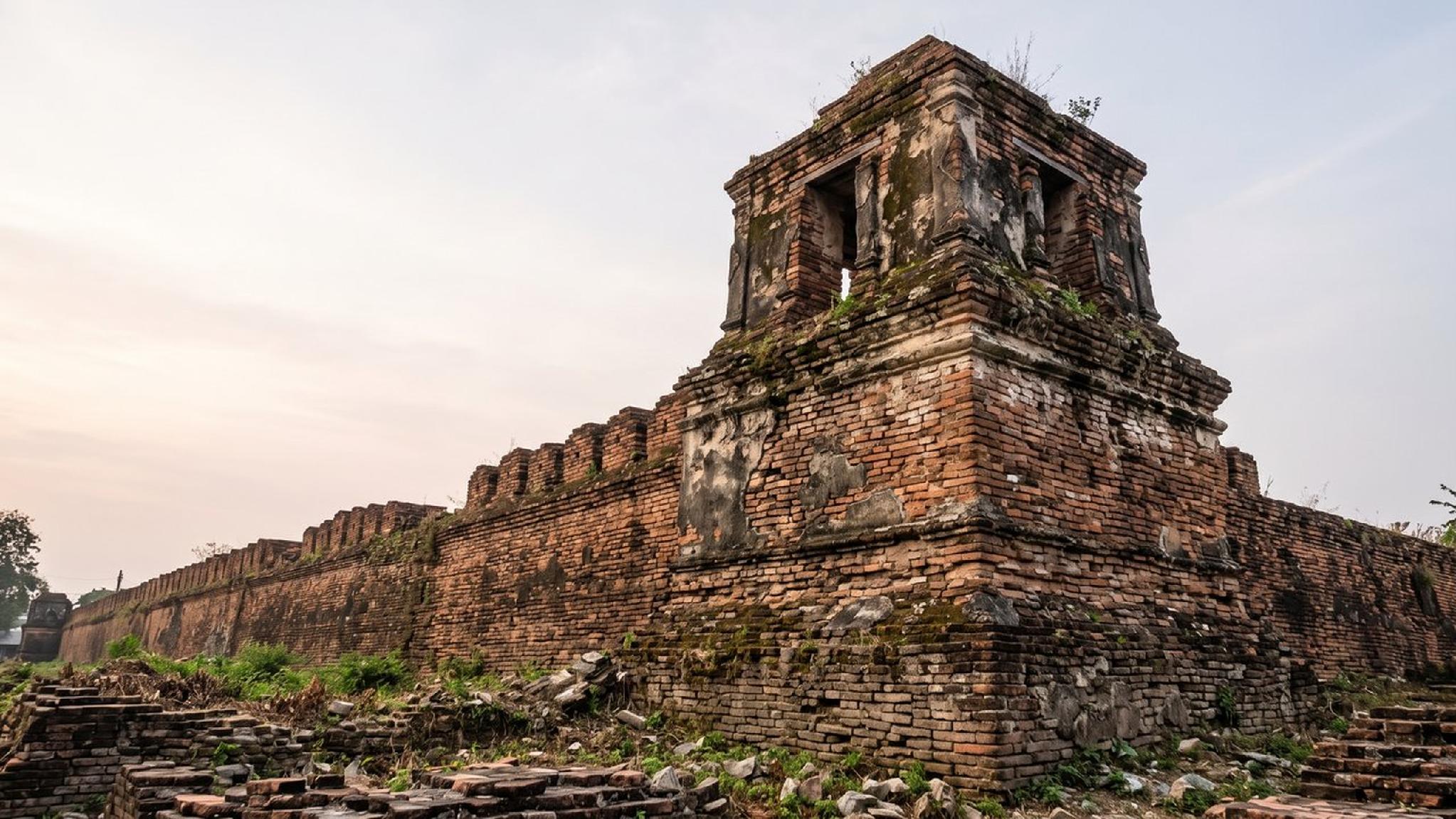
King Mangrai founded Chiang Mai on 12 April 1296 as the new capital of the Lanna kingdom, laying it out as a walled, moated rectangle roughly 1.6 kilometres on each side, a shape still clearly visible on any map of the city today. More than 30 temples now sit inside those walls, several built within a generation of the city's founding and steadily added to for the next six centuries as Lanna rulers, and later Burmese governors during a long occupation, left their own mark on the skyline.
This concentration of temples is part of why Chiang Mai's historic core sits on Thailand's UNESCO World Heritage Tentative List alongside Doi Suthep, a nomination the Thai government moved forward in January 2026. Every old city temple covered in this guide sits inside that same proposed heritage boundary.
,regionOfInterest=(1023,575.5))
,regionOfInterest=(1023,575.5))
These three anchor most people's mental map of the Old City, and each rewards a longer look than the standard photo-and-move-on visit most itineraries allow.
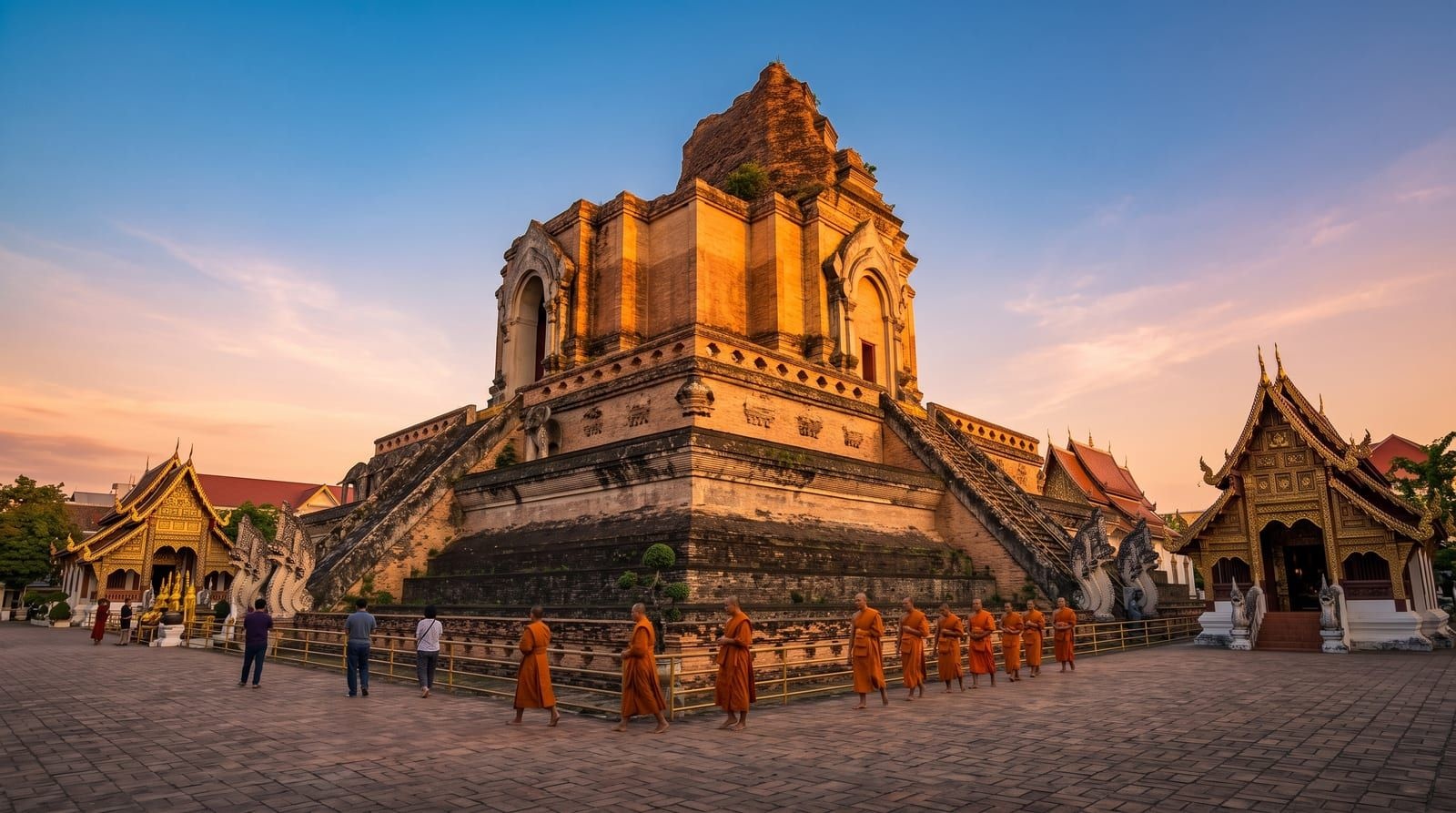
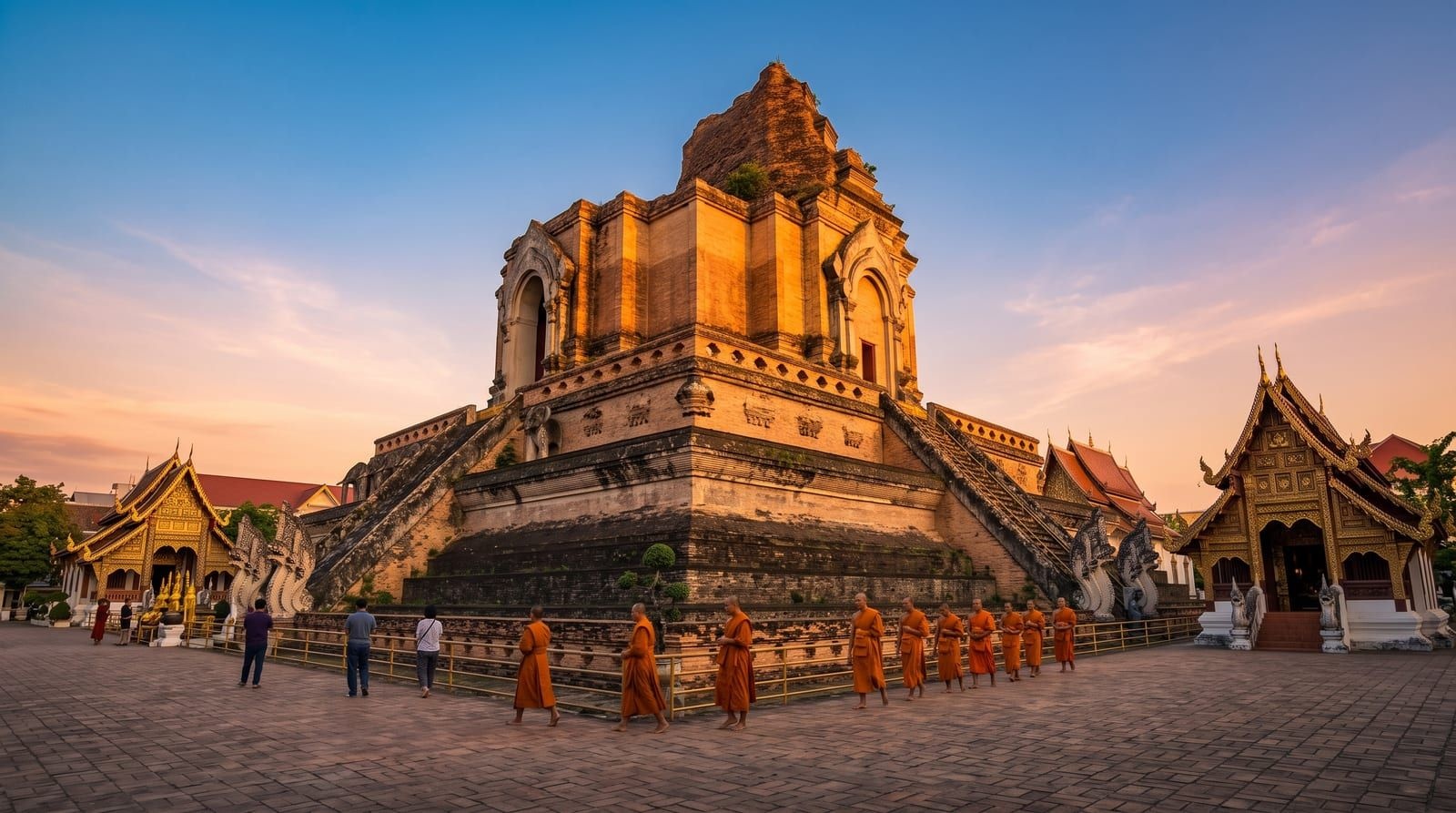
Completed in 1475 under King Tilokarat at over 80 metres tall, before a 1545 earthquake sheared off its upper third, Wat Chedi Luang is the largest structure any old city temple on this list can claim.
Less well known is Phra Chao Attarot, a nine-metre standing Buddha cast in the late 14th century inside a wihan near the entrance, its hand raised in the Abhaya gesture of reassurance, quietly overlooked by visitors heading straight for the main chedi. The Emerald Buddha itself, now Thailand's most revered image and kept in Bangkok, rested inside the chedi for nearly a century before it was eventually moved on.
Beneath a huge gum tree near the compound's entrance sits Lak Muang, a small shrine built in 1940 that locals consider the seat of the city's guardian spirit; tradition holds that disaster follows if the tree itself ever falls. It stands only a short walk from Sao Inthakin, Chiang Mai's city pillar shrine, on the same grounds.
Notably, the chedi has never been fully rebuilt to its original height, a deliberate choice rather than an oversight, which leaves the earthquake damage visible and gives the whole structure a genuine sense of age that a fully restored version would not carry.
Detailed Information:
,regionOfInterest=(1023,575.5))
,regionOfInterest=(1023,575.5))
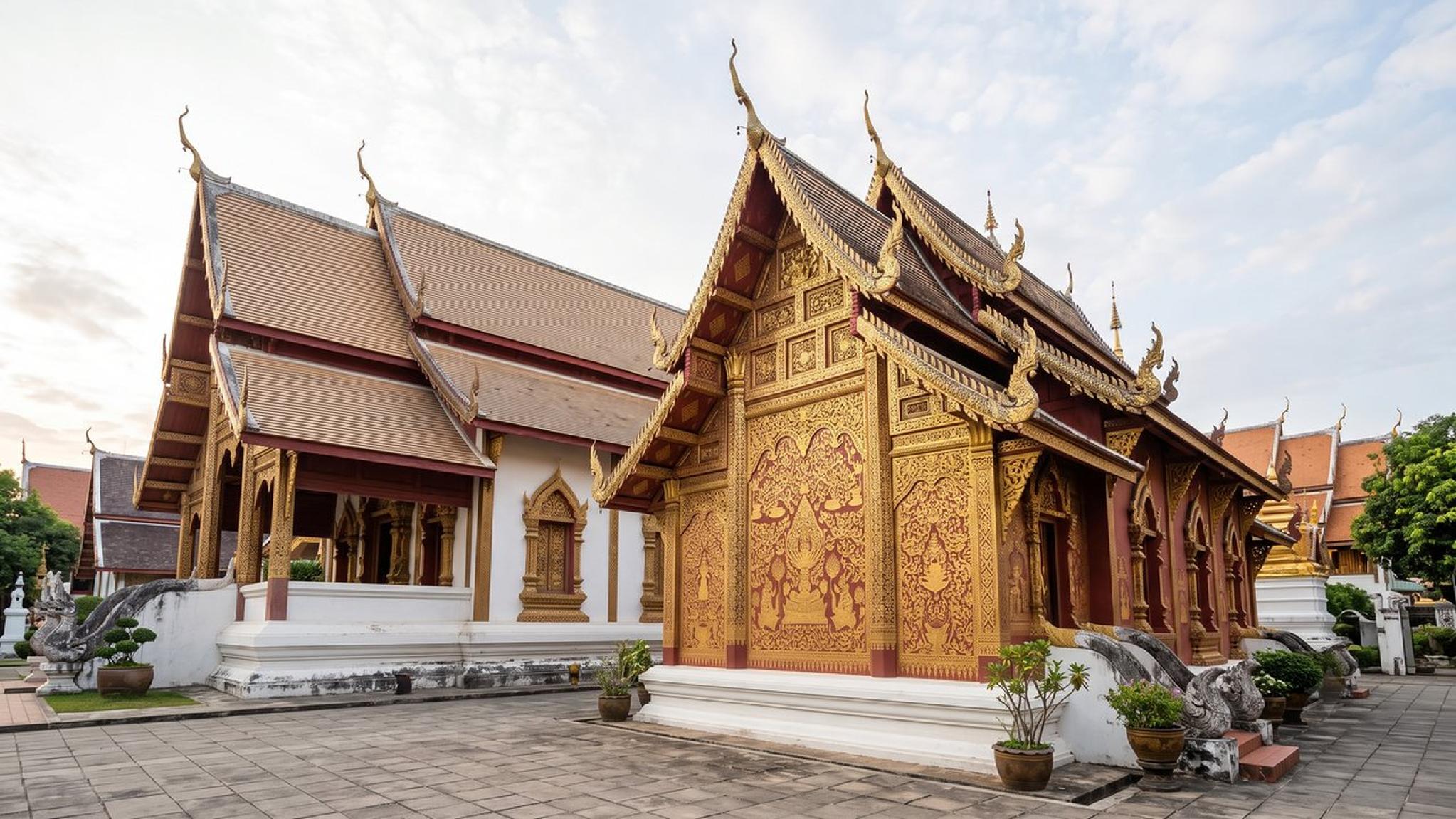
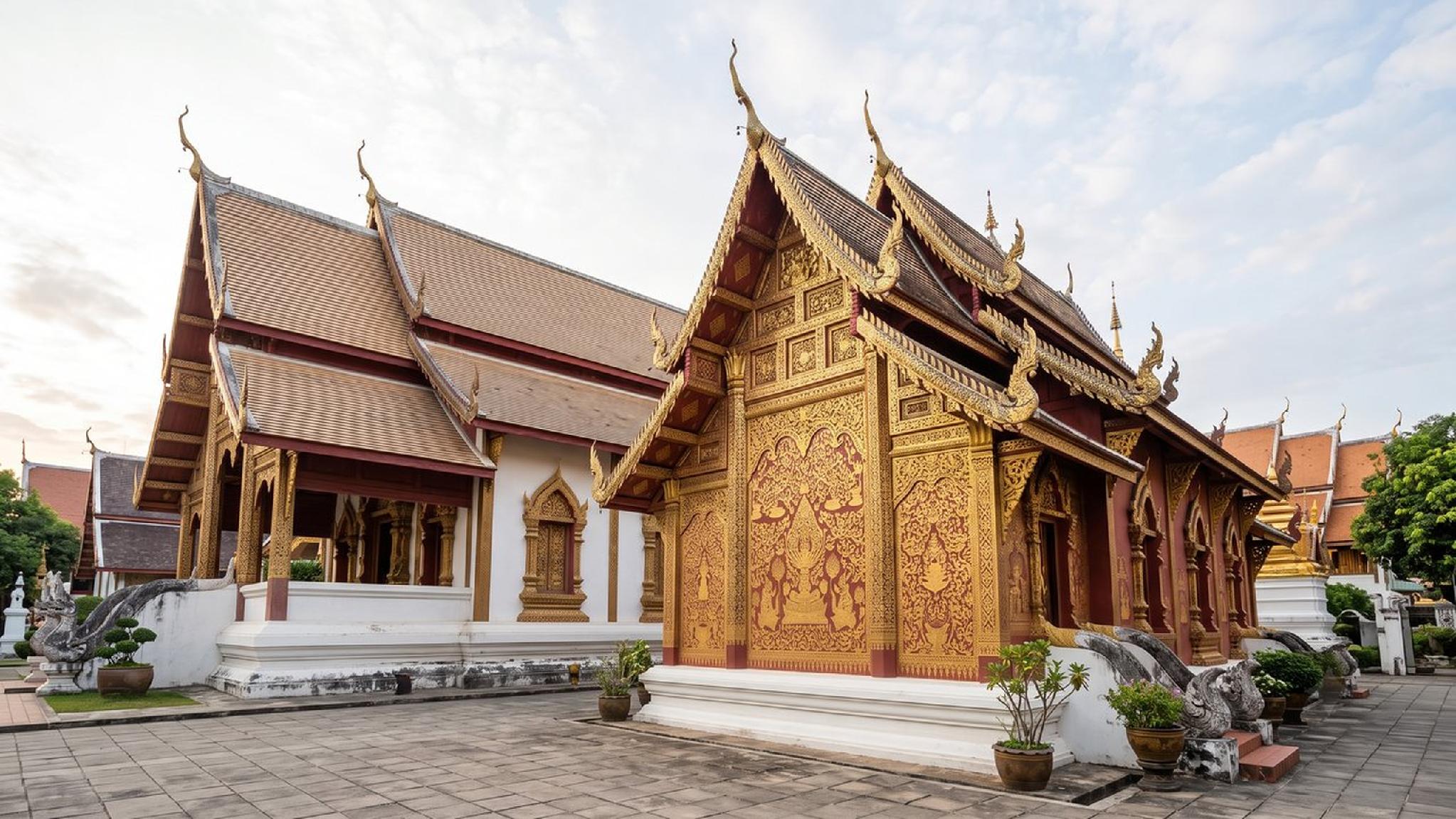
Founded in 1345 under King Phayu, this old city temple holds the Phra Buddha Sihing image inside the Lai Kham viharn, considered one of Northern Thailand's finest surviving examples of Lanna design.
Less photographed but arguably more remarkable is the Ho Trai, a scripture library raised on a tall stone base to protect its manuscripts from flooding and pests, its base carved with guardian Devata figures and its wooden upper structure finished in glass mosaic and gilded lacquer.
The ubosot nearby holds a mondop-style shrine tower and its own copy of the Emerald Buddha, a detail most visitors never learn about since the building stays locked outside of specific ceremonies. Makara figures disgorging carved lions guard the Ho Trai's entrance, an unusual pairing rarely seen elsewhere in the city, and the steep steps up to the library are worth climbing for the view of the carving alone, even without access inside.
Detailed Information:
,regionOfInterest=(1023,575.5))
,regionOfInterest=(1023,575.5))
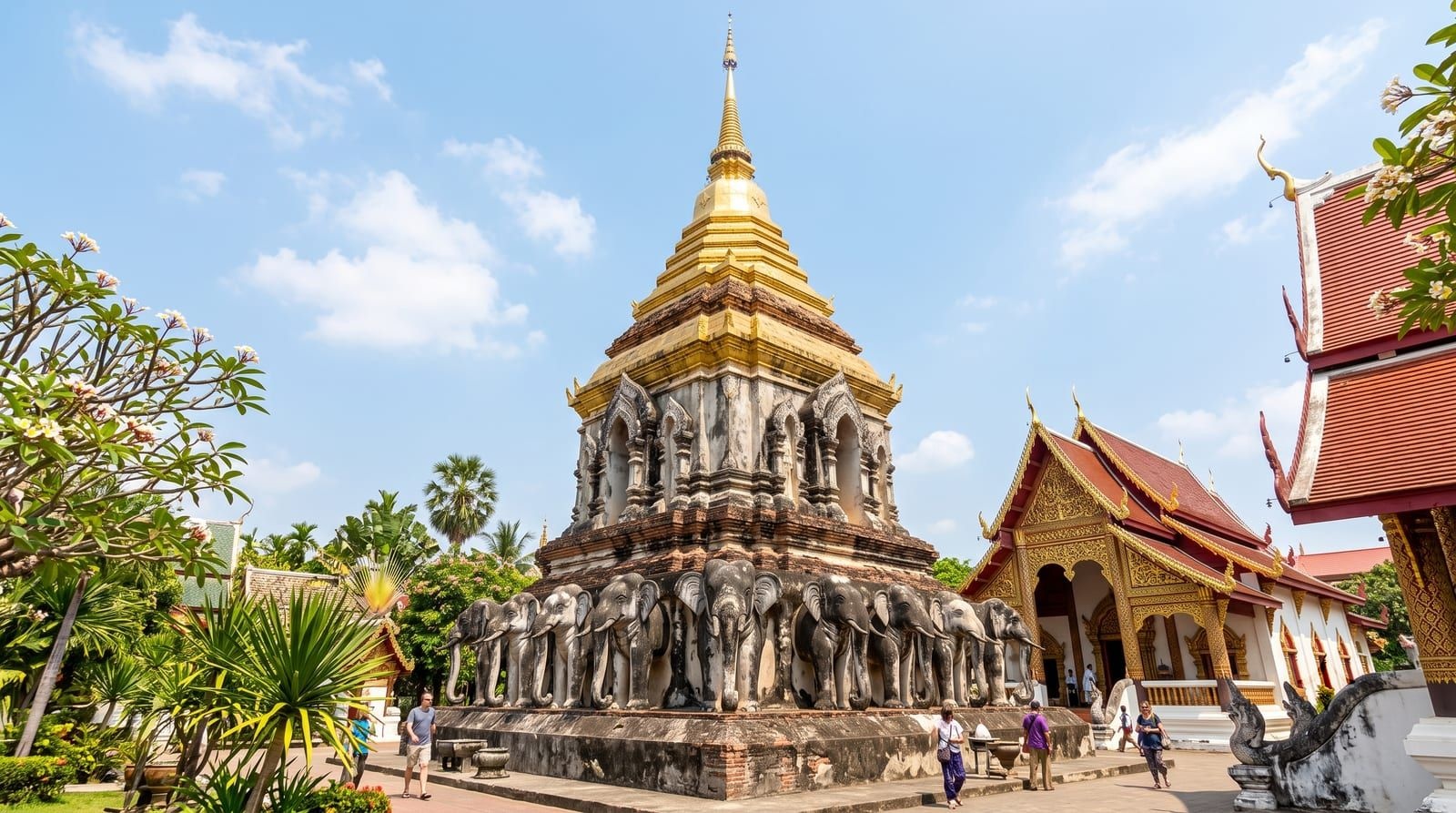
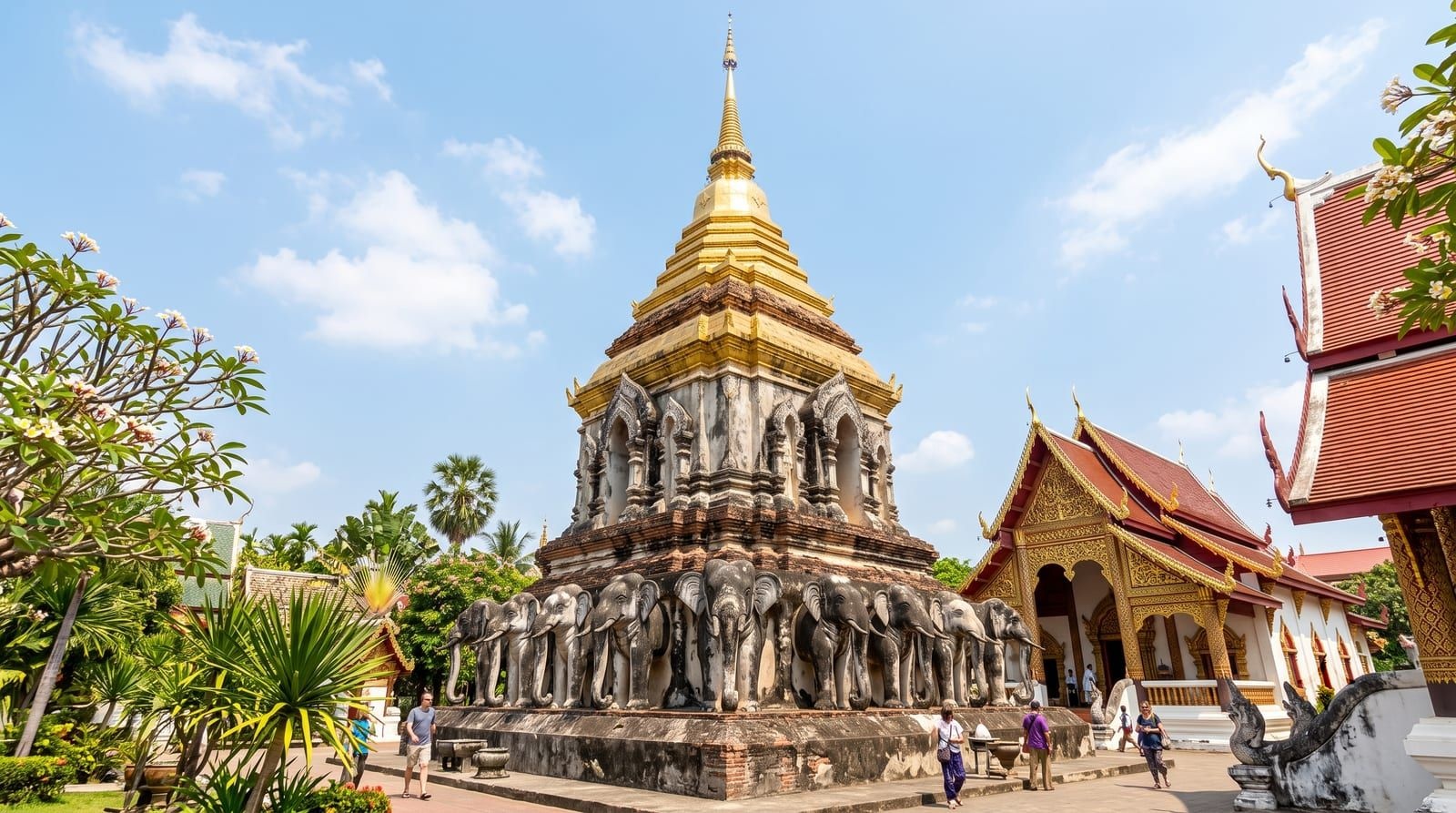
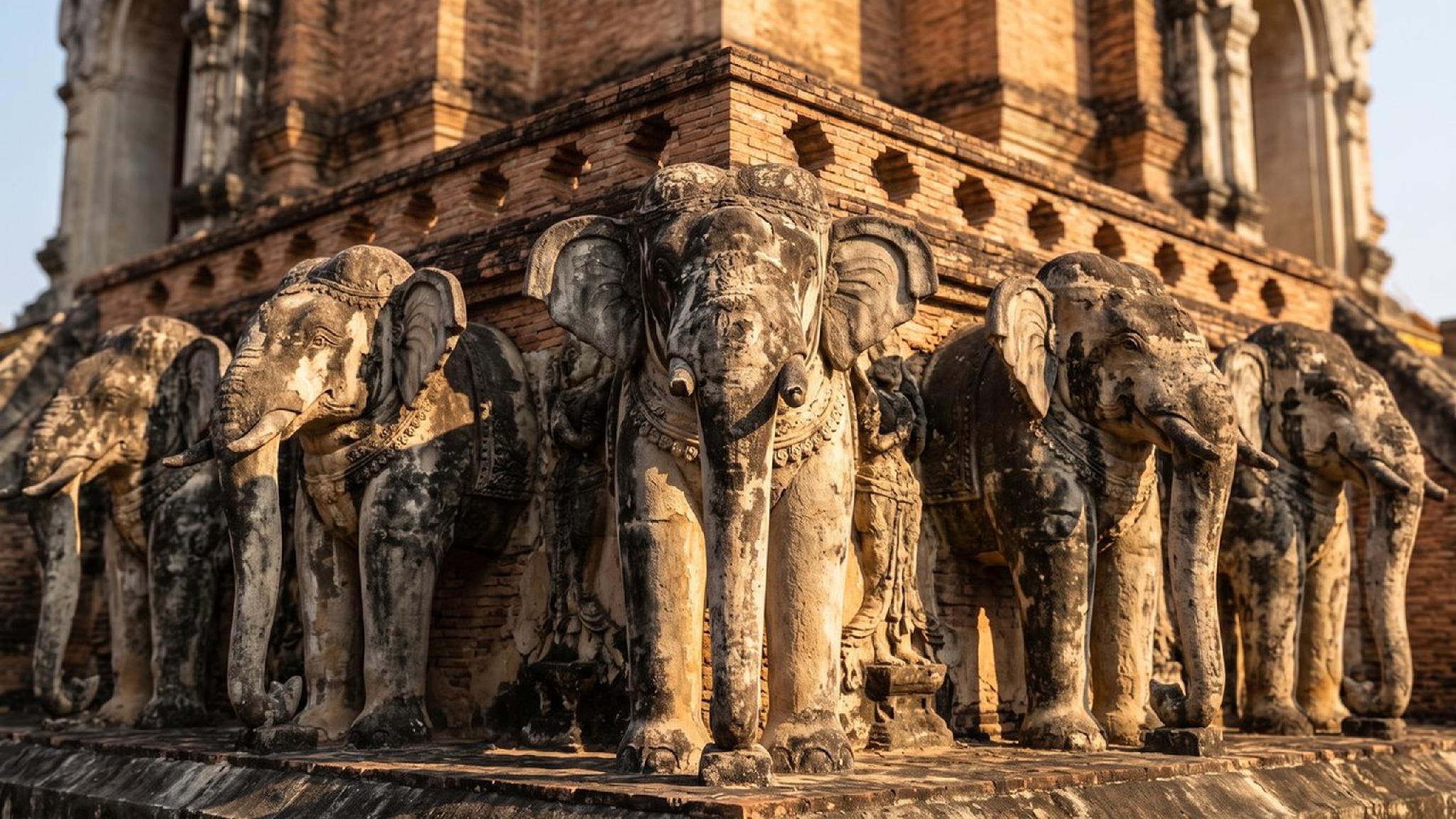
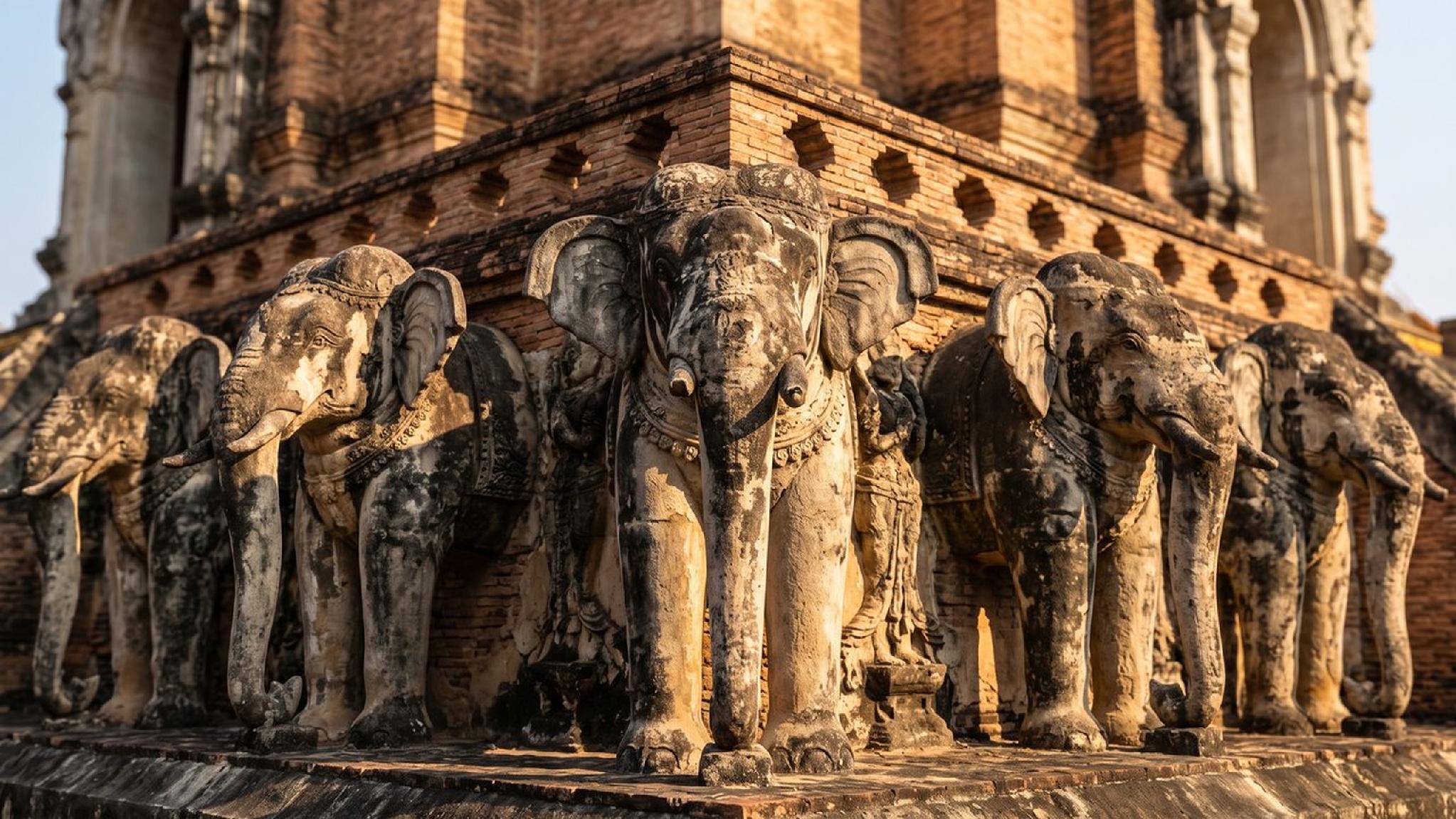
As Chiang Mai's oldest temple, founded in 1296 or 1297 by King Mangrai himself, this old city temple holds something no other stop on this list can offer: a stone stele from 1581, sitting on the ubosot's front porch, that records the exact founding hour of the city (4am on 12 April 1296) along with King Mangrai's alliances with the rulers of Sukhothai and Phayao, and a running list of restorations carried out in 1471, 1558, 1571, and 1581 itself.
The Chedi Chang Lom, ringed at its base by 15 life-sized stucco elephants, and the Phra Sila Buddha, a Sri Lankan image reputedly more than a thousand years old, round out a temple that functions almost like a readable timeline of the city itself.
A standing Buddha inscribed with the date 1465 sits nearby, the oldest dated Lanna statue known, adding one more layer to a temple that keeps rewarding a closer look rather than a quick walk past the chedi.
Detailed Information:
,regionOfInterest=(1023,575.5))
,regionOfInterest=(1023,575.5))
These three rarely make a first-timer's list, which is exactly why they are worth the short detour.
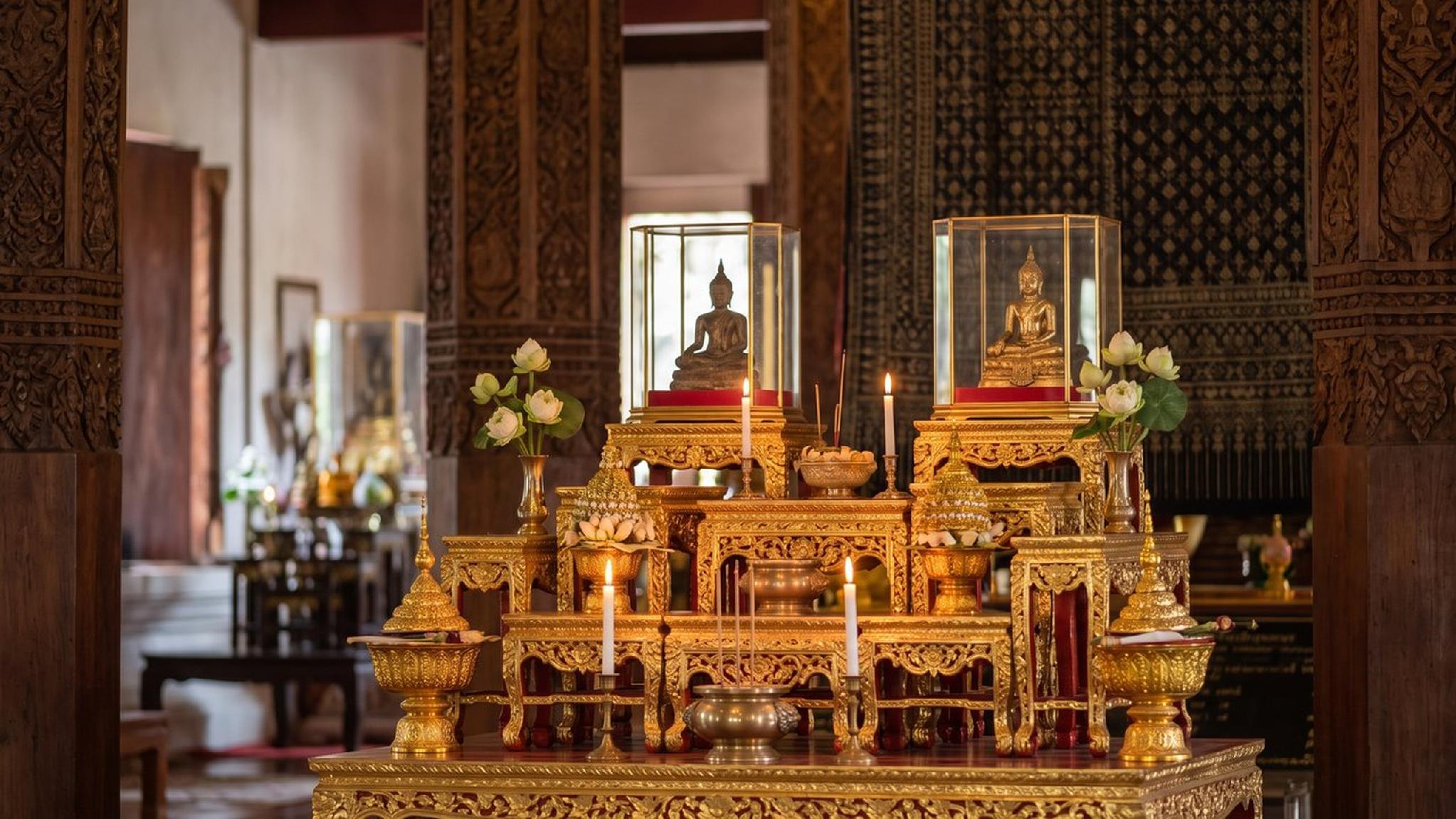
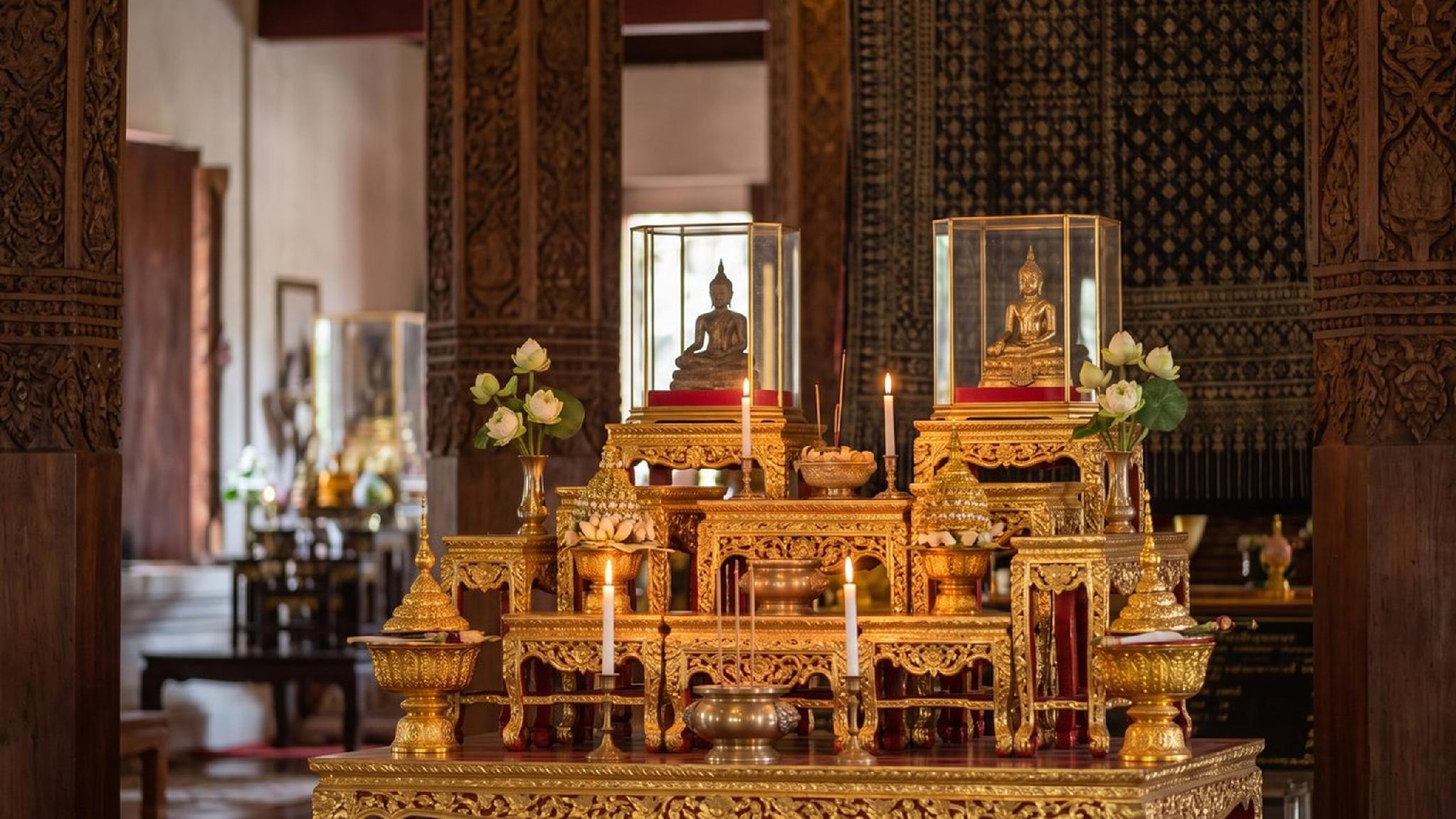
Before Chiang Mai's city pillar moved to Wat Chedi Luang in 1800 under King Kawila, it stood here, at what was then called Wat Sadue Mueang, the temple of the city's navel. The pillar-veneration custom itself predates the Thai Yuan founders of Chiang Mai, adopted from the Lawa people who lived on the site first.
Two brick stupas inside the courtyard, an octagonal one from the 14th century and a circular one from the 15th or 16th, are genuinely ancient; the current main hall is a comparatively recent Lanna-style reconstruction.
Because the pillar itself moved on two centuries ago, this stop draws a fraction of the visitors that Wat Chedi Luang does, which makes it one of the quietest places on this route to actually sit and take in the two ancient stupas without a crowd building around them.
Detailed Information:
,regionOfInterest=(1023,575.5))
,regionOfInterest=(1023,575.5))
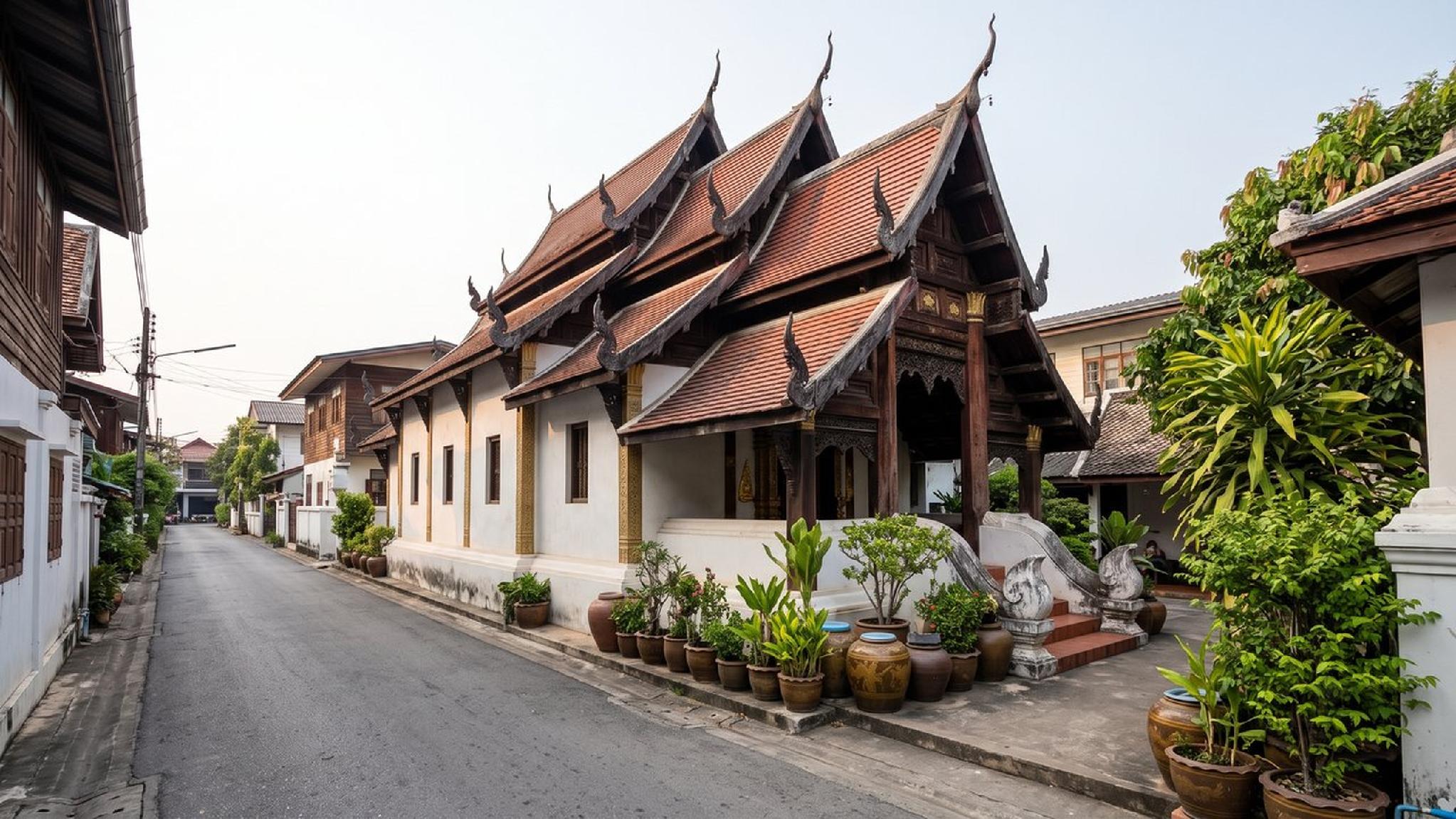
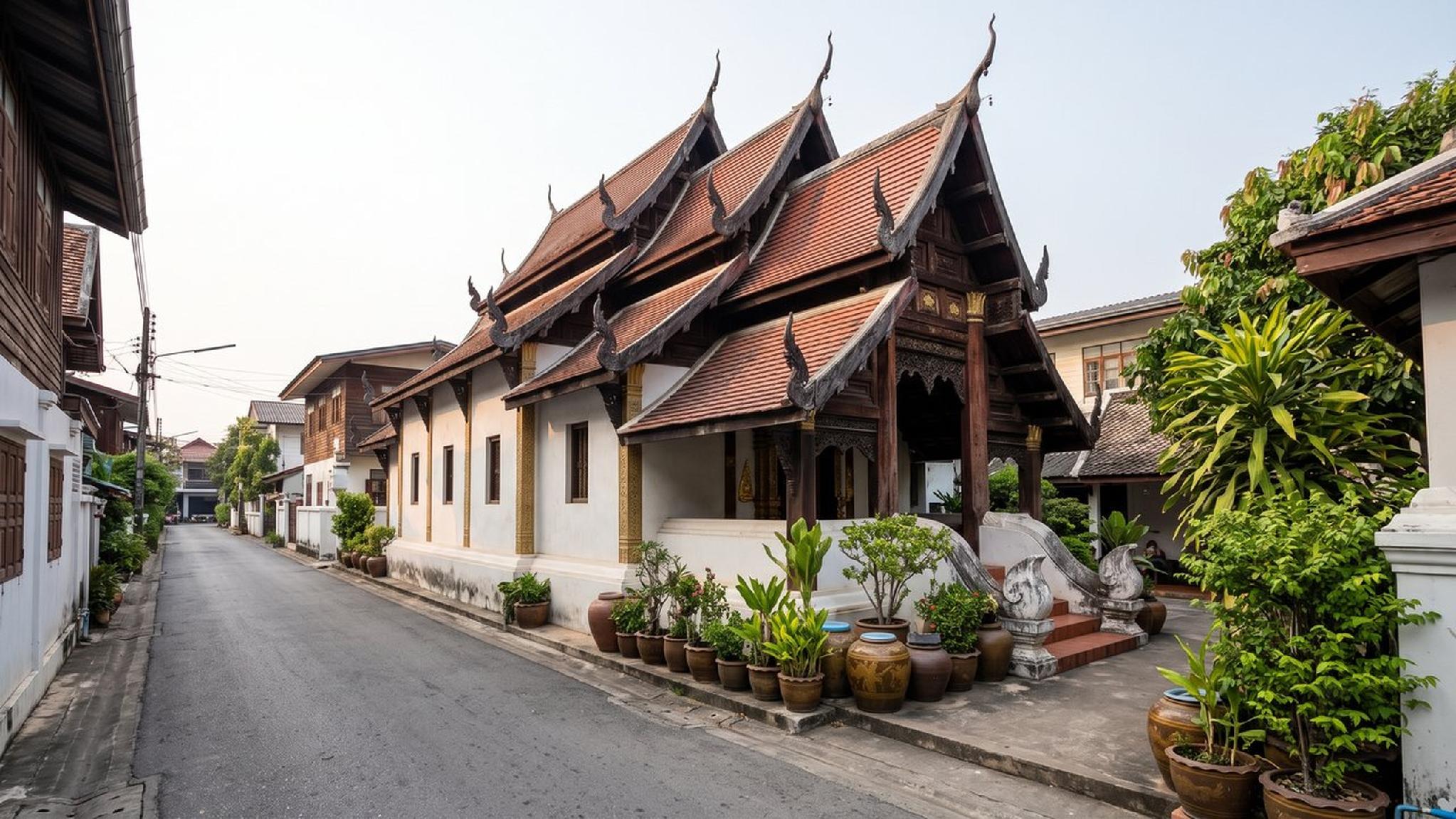
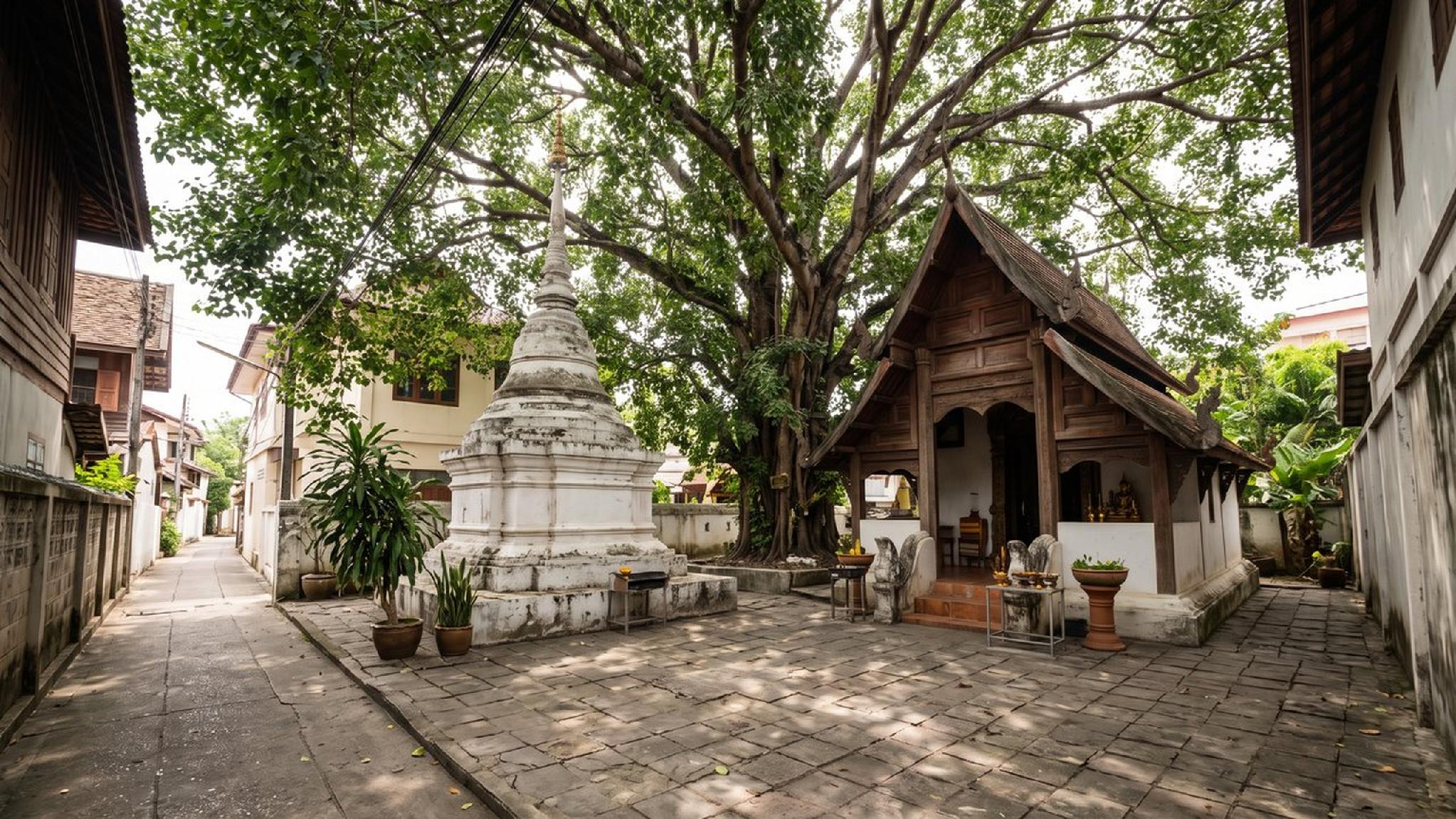
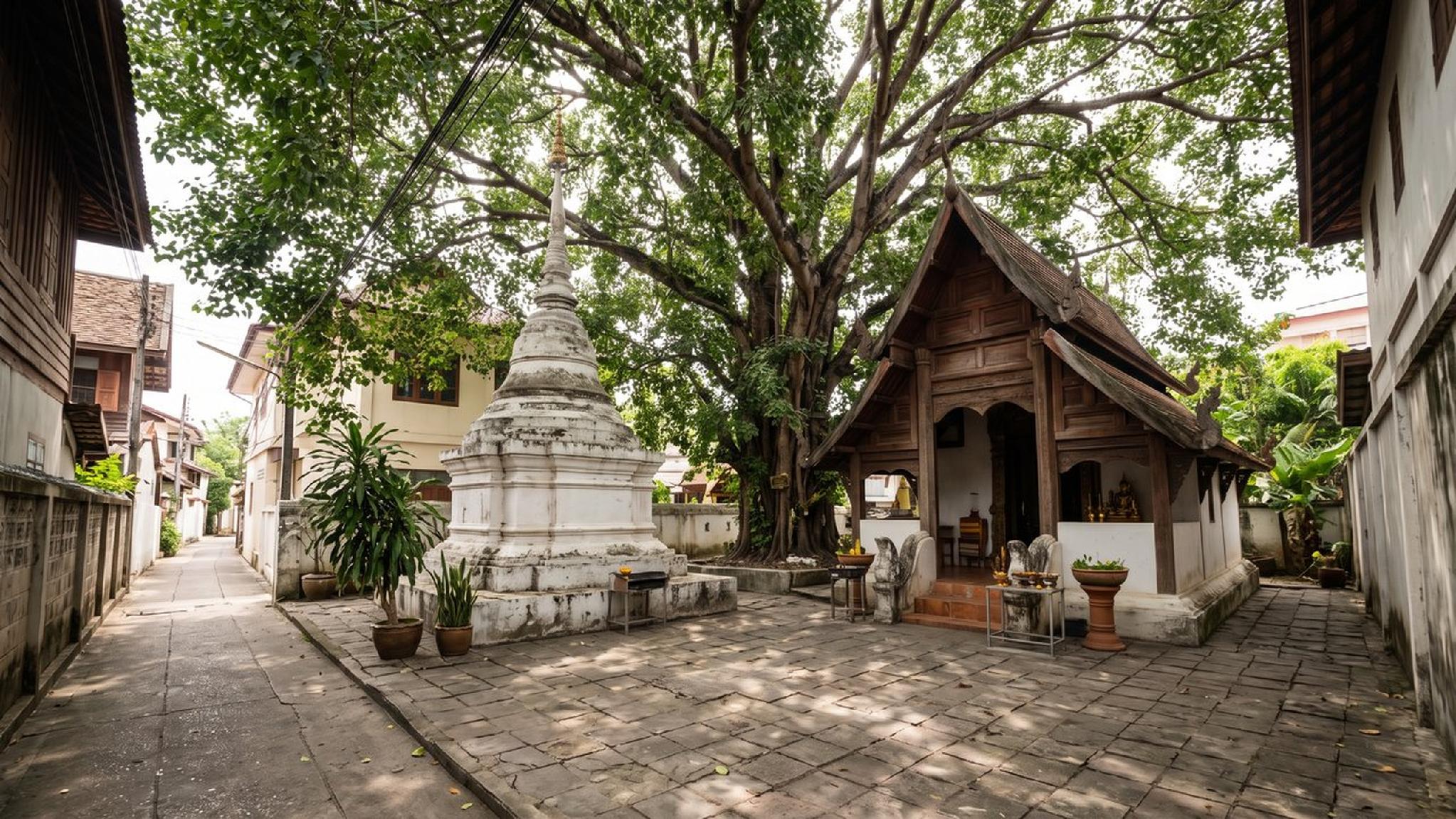
Founded in the early 1500s under King Mueang Kaeo and originally known as Wat Ton Mak Nua, this old city temple takes its current name, meaning temple of good fortune, from a later era.
Its scripture repository, decorated with Lanna-style floral stucco from 1829, and a 19th century assembly hall with an Ayutthaya-influenced carved wooden gable, regilded during 2000s renovations, both reward a slow look rather than a walk-by.
Old chronicles even record a monk from this temple, Chao Kihut, becoming ruler of Chiang Mai in 1761, an unusual detail for a temple that otherwise sits quietly off the main tourist path, overshadowed by its far more famous neighbours a few streets over.
Detailed Information:
,regionOfInterest=(1023,575.5))
,regionOfInterest=(1023,575.5))
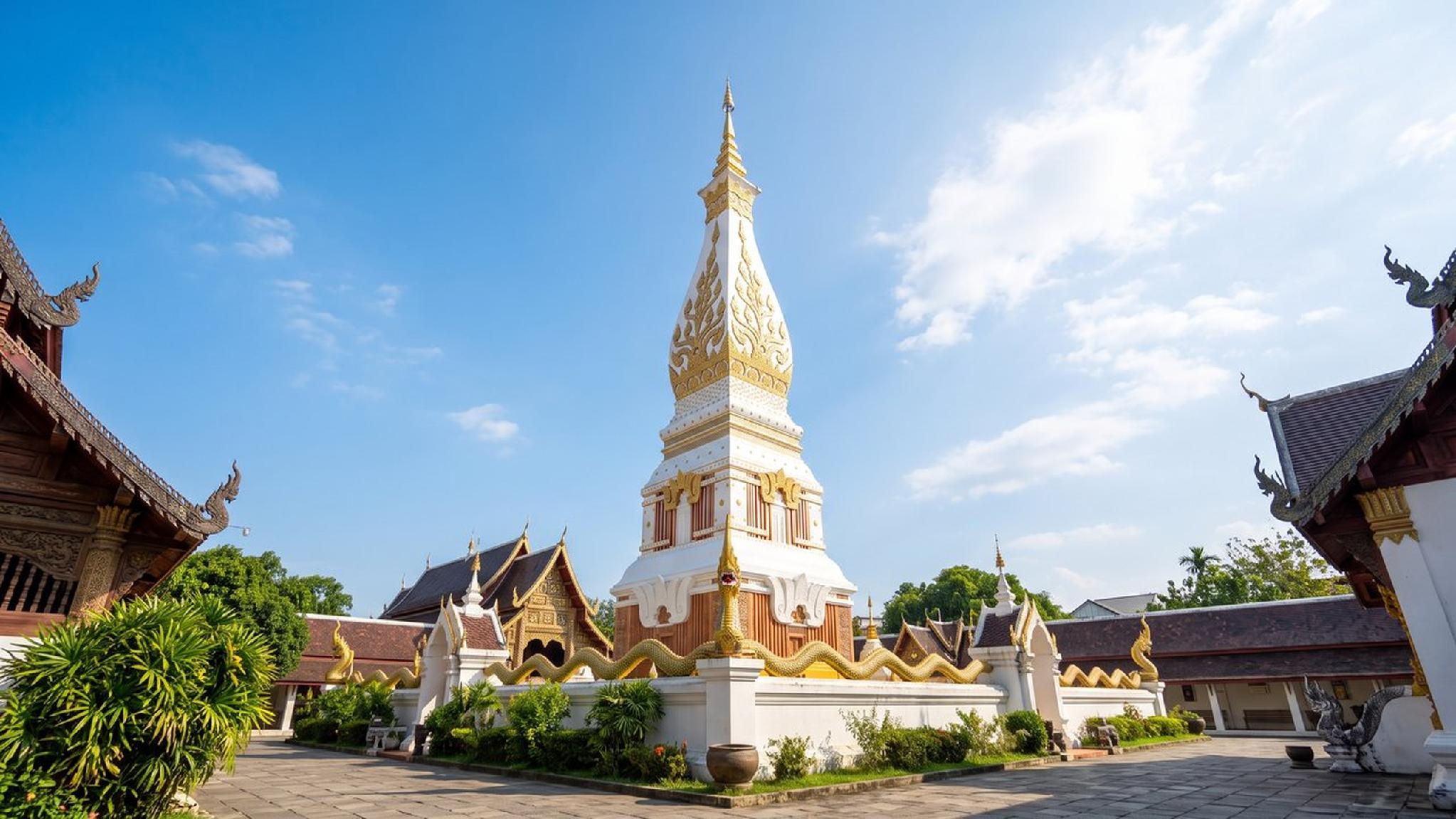
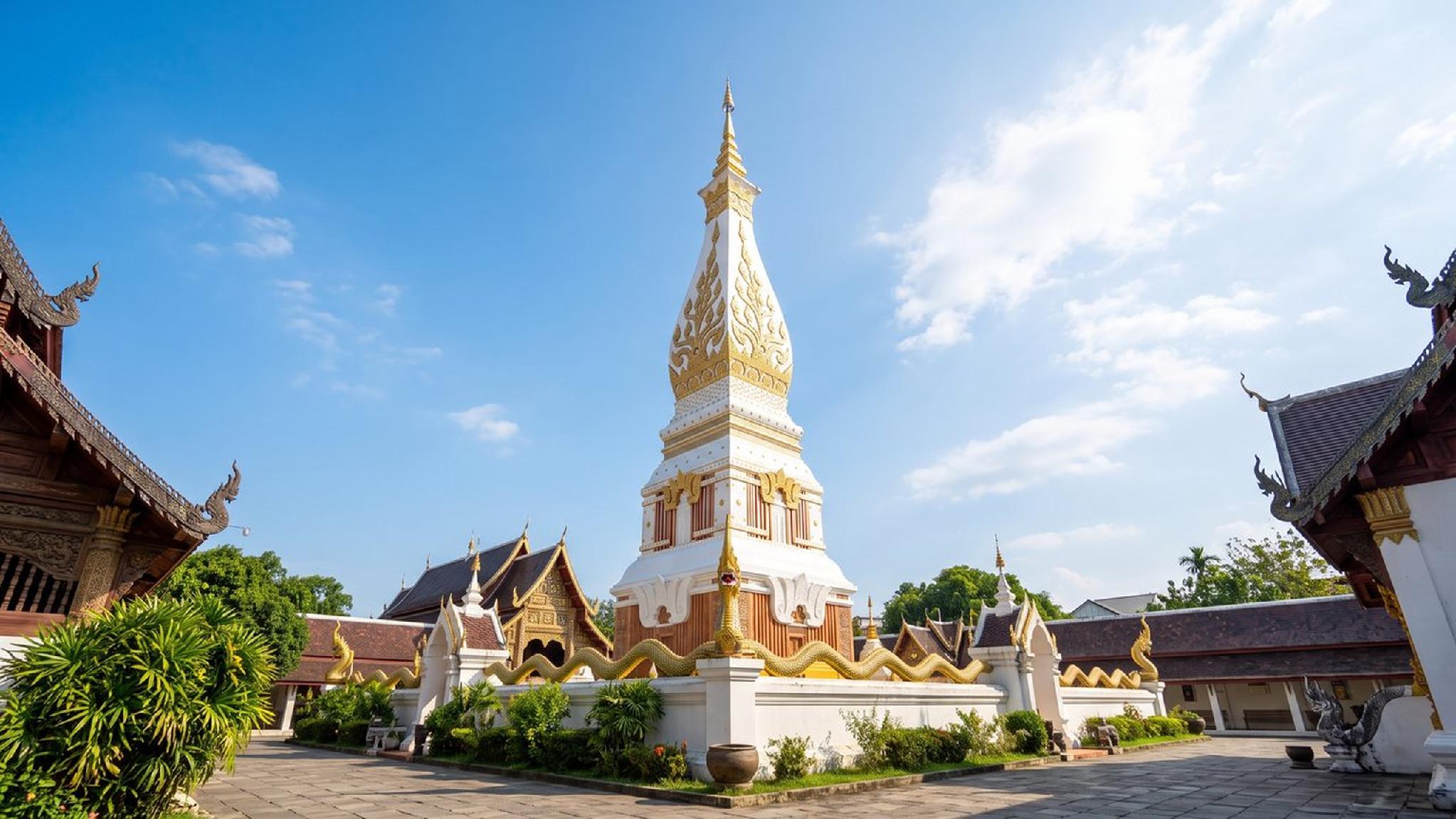
This old city temple's viharn started life as a royal residence for the ruler Kawilorot in the 1860s before his successor converted it for religious use in 1878. Its Burmese-style chedi, gilded and finished in colourful glass mosaic, blends a Burmese bell shape with Lanna floral detail, and the ubosot's kinnara-topped roofline is a genuine fusion of both traditions rather than a straightforward copy of either.
A scripture library built to the west of the main hall in 1869 rounds out the compound, and the approach from Tha Phae Road runs longer than expected, which keeps casual foot traffic lower here than at temples sitting directly on a main thoroughfare.
Detailed Information:
With all six covered, here is a quick summary to use for planning.
|
Temple |
Highlight |
Entry Fee |
|
Wat Chedi Luang |
The 15th century ruined chedi and Phra Chao Attarot |
About 40 baht |
|
Wat Phra Singh |
The Ho Trai scripture library and Phra Buddha Sihing |
About 20 to 40 baht |
|
Wat Chiang Man |
The 1581 founding-date stele |
Free |
|
Wat Inthakhin Sadue Mueang |
The original city pillar site |
Free |
|
Wat Duang Di |
19th century Lanna stucco and woodwork |
Free |
|
Wat Saen Fang |
A Burmese-Lanna royal residence turned viharn |
Free |
,regionOfInterest=(1023,575.5))
,regionOfInterest=(1023,575.5))
Every old city temple on this list is built from the same basic vocabulary, even when the details differ. A chedi, the bell-shaped tower, is the most sacred structure, originally built to house a Buddha relic and later the ashes of Lanna royalty. A viharn is the assembly hall where monks and lay people gather, generally open to visitors, while an ubosot, or ordination hall, is reserved for monastic ceremonies and marked by boundary stones called sima, which is why several on this list stay locked outside specific occasions.
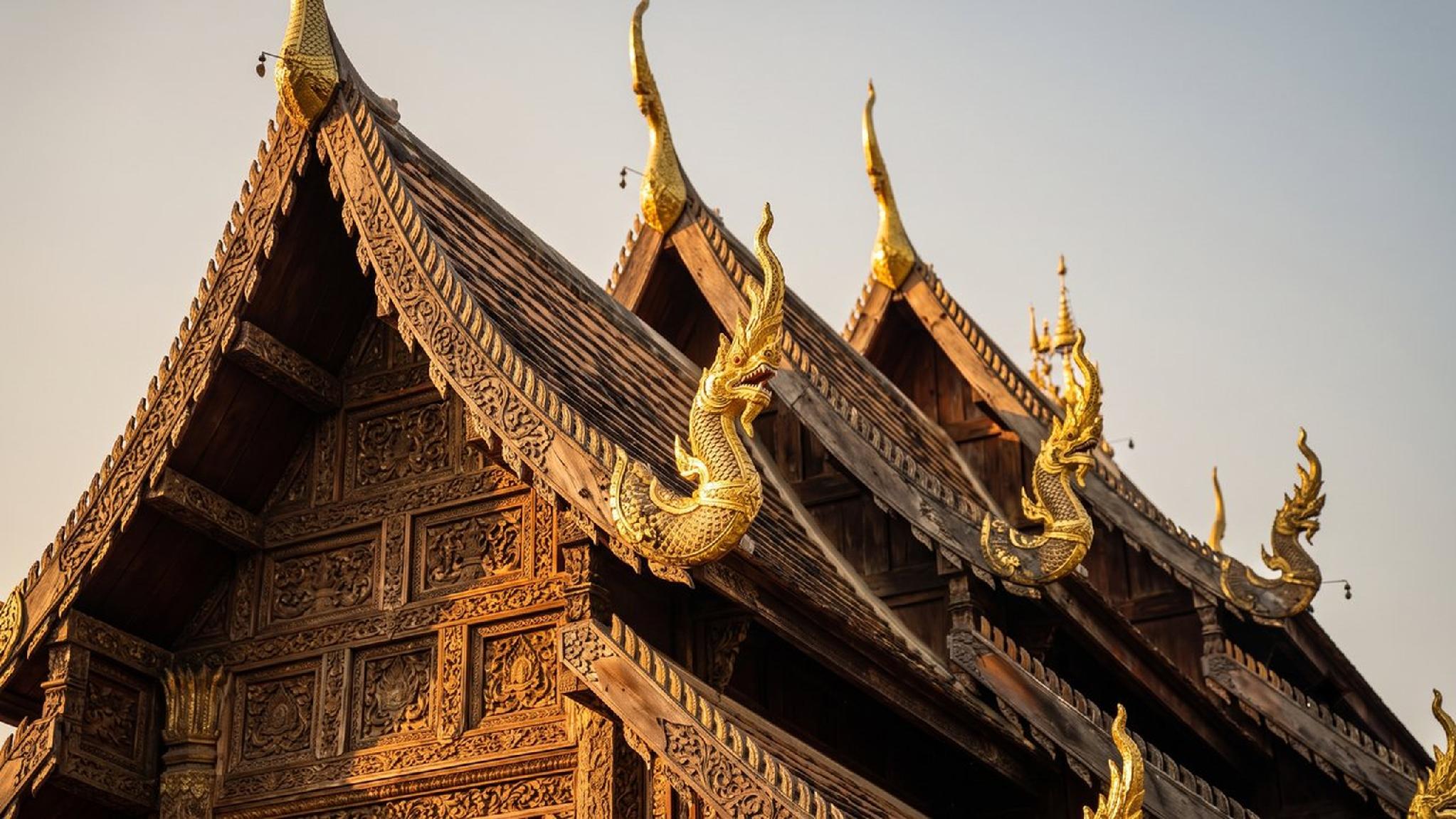
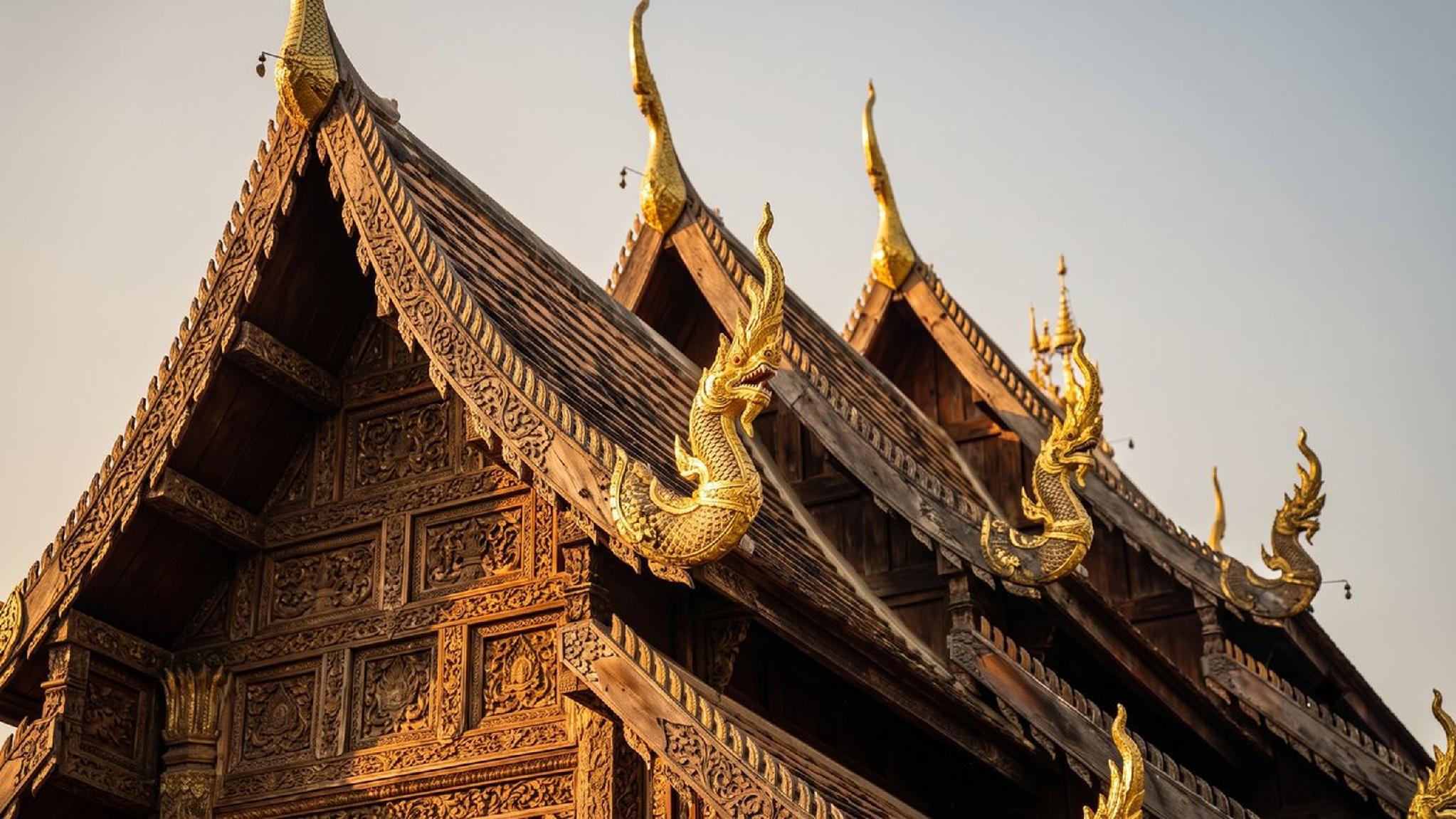
Roofs carry most of the visual signature: multi-tiered, steeply pitched, and finished at each corner with a chofah, a slender finial representing Garuda. The Lanna version of this ornament typically fuses a bird's head with an elephant's, a nod to the animal most associated with the region. Naga serpents run the length of gables and staircases alike, protective figures borrowed from older Hindu-Buddhist mythology rather than a purely decorative flourish.
Teak carving is the other constant, visible in gables, pillars, and door panels across nearly every old city temple regardless of when it was actually built, and the Burmese influence seen at Wat Saen Fang and, further out, at Wat Lok Moli, reflects a long period of Burmese rule that left its own stylistic mark on Lanna buildings without ever fully replacing the local vocabulary underneath it.
Colour tells its own part of the story too. Gold leaf marks the most sacred surfaces, applied by worshippers as an act of merit rather than decoration for its own sake, while red and black lacquer, often layered under gold leaf or glass mosaic, protected wood from Chiang Mai's humid climate long before modern sealants existed.
Glass mosaic itself, glittering in small coloured tiles across many of these facades, arrived through Burmese and Shan craftsmen and became such a fixture of the local style that it now reads as distinctly Lanna rather than borrowed.
,regionOfInterest=(1023,575.5))
,regionOfInterest=(1023,575.5))
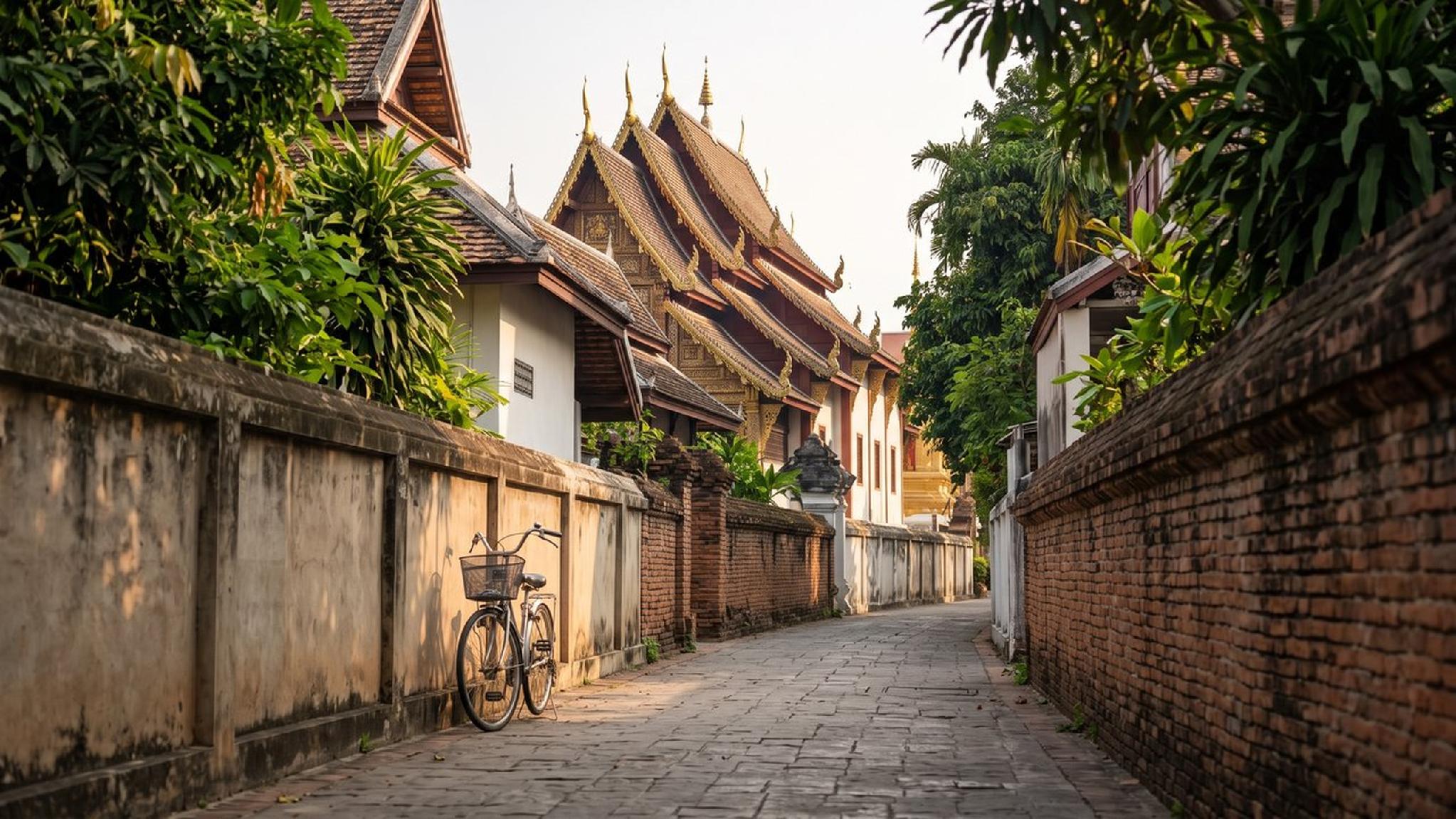
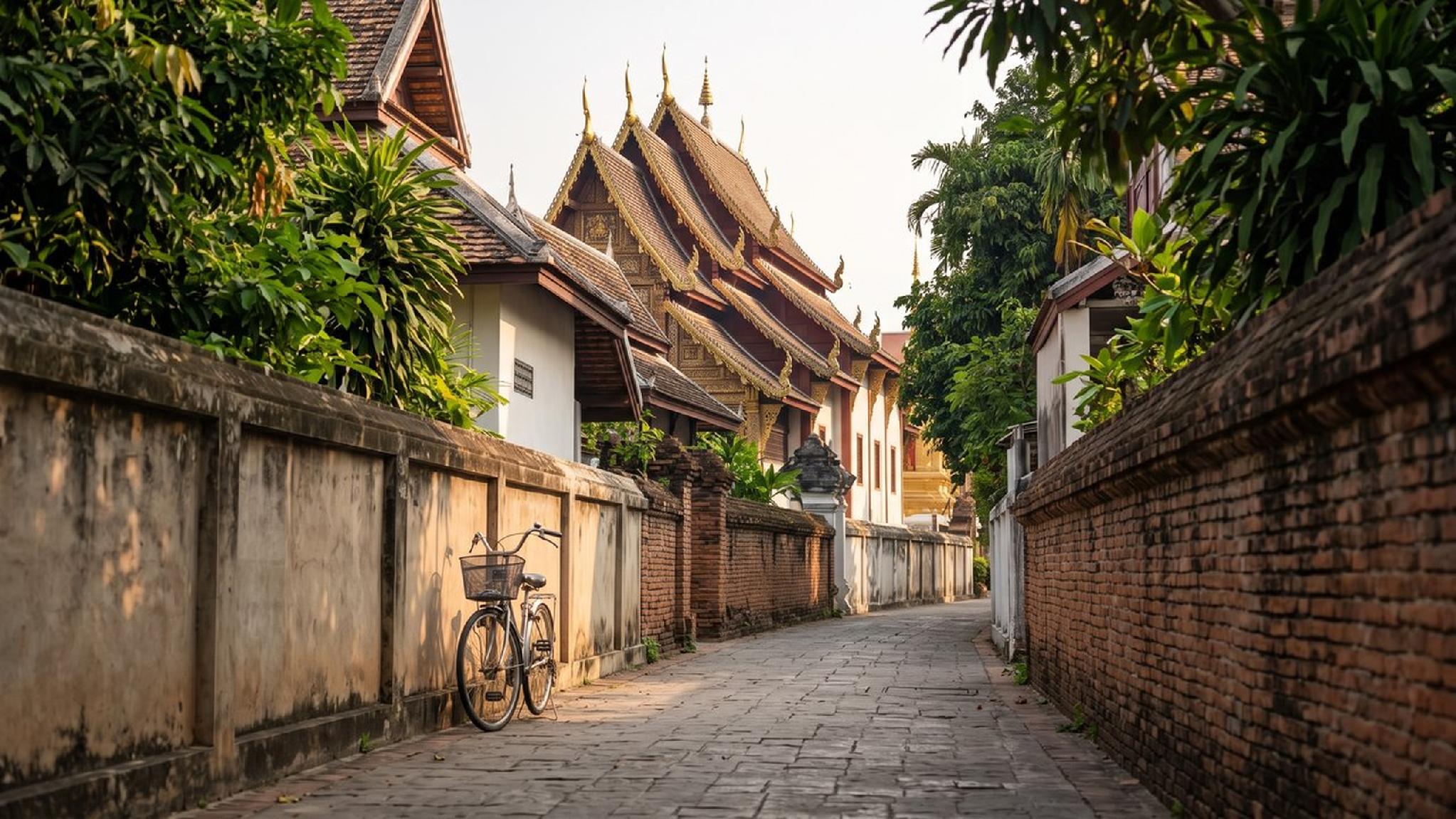
All six sit close enough together that a single unhurried morning covers the lot on foot, starting early before the heat and the crowds both build.
|
Stop |
Temple |
Walk From Previous Stop |
|
1 |
Wat Chedi Luang |
Starting point |
|
2 |
Wat Inthakhin Sadue Mueang |
About 5 minutes |
|
3 |
Wat Phra Singh |
About 10 minutes |
|
4 |
Wat Duang Di |
About 8 minutes |
|
5 |
Wat Chiang Man |
About 10 minutes |
|
6 |
Wat Saen Fang |
About 20 minutes, or a short songthaew ride |
Wat Saen Fang sits far enough east, near Tha Phae Gate, that most people save it for last and either walk the remaining distance at a relaxed pace or catch a quick ride rather than adding another 20 minutes onto tired legs. Reversing the order works just as well for anyone starting from a hotel nearer the eastern side of the moat.
Total walking time between all six stops, not counting time spent inside each one, comes to a little over an hour, which leaves plenty of room for a genuinely slow pace, a coffee stop along the way, or simply lingering longer at whichever stop ends up being the morning's favourite. Building in an hour or two of buffer beyond the raw walking time turns the route from a checklist into an actual, unhurried morning out.
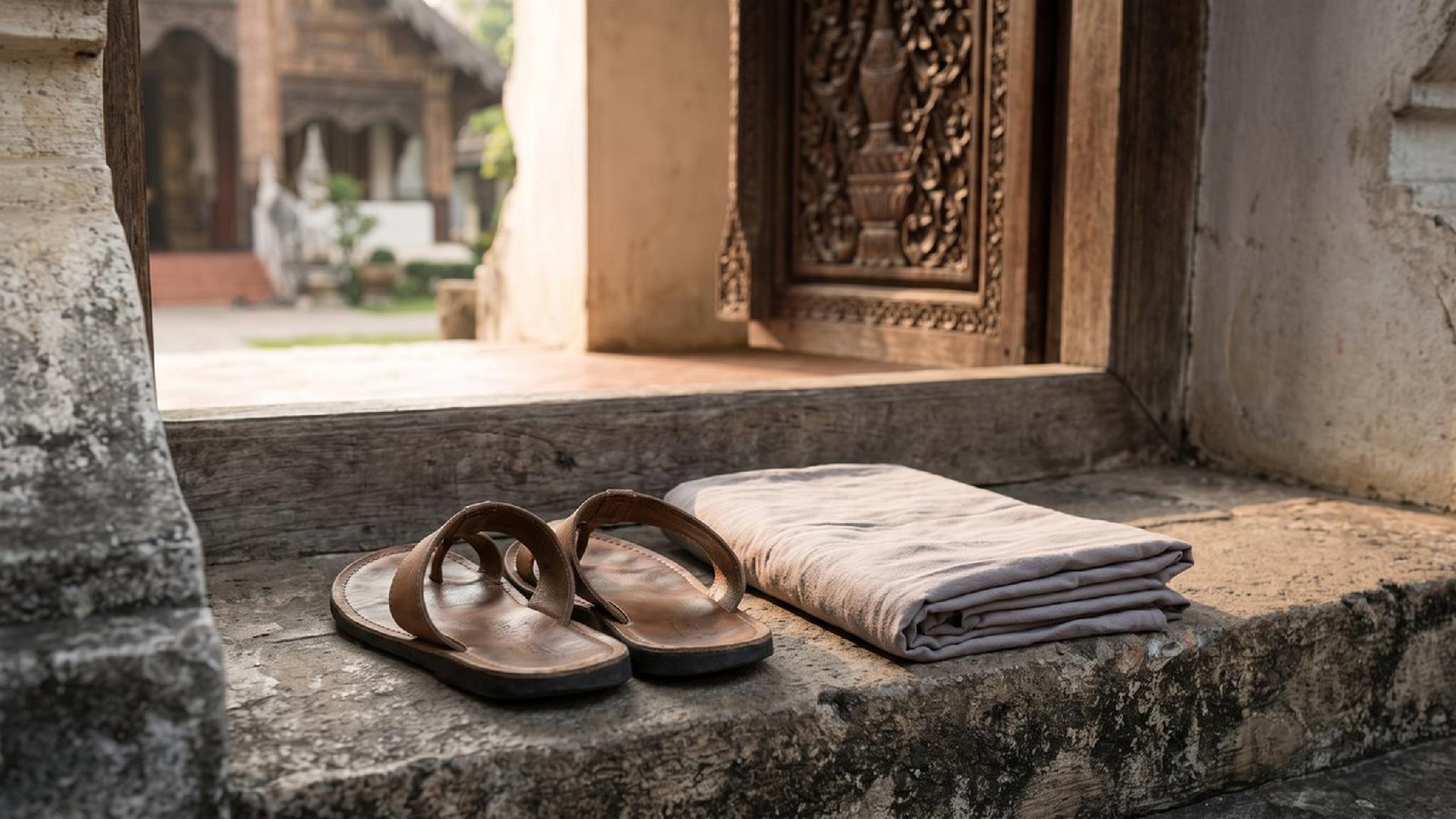
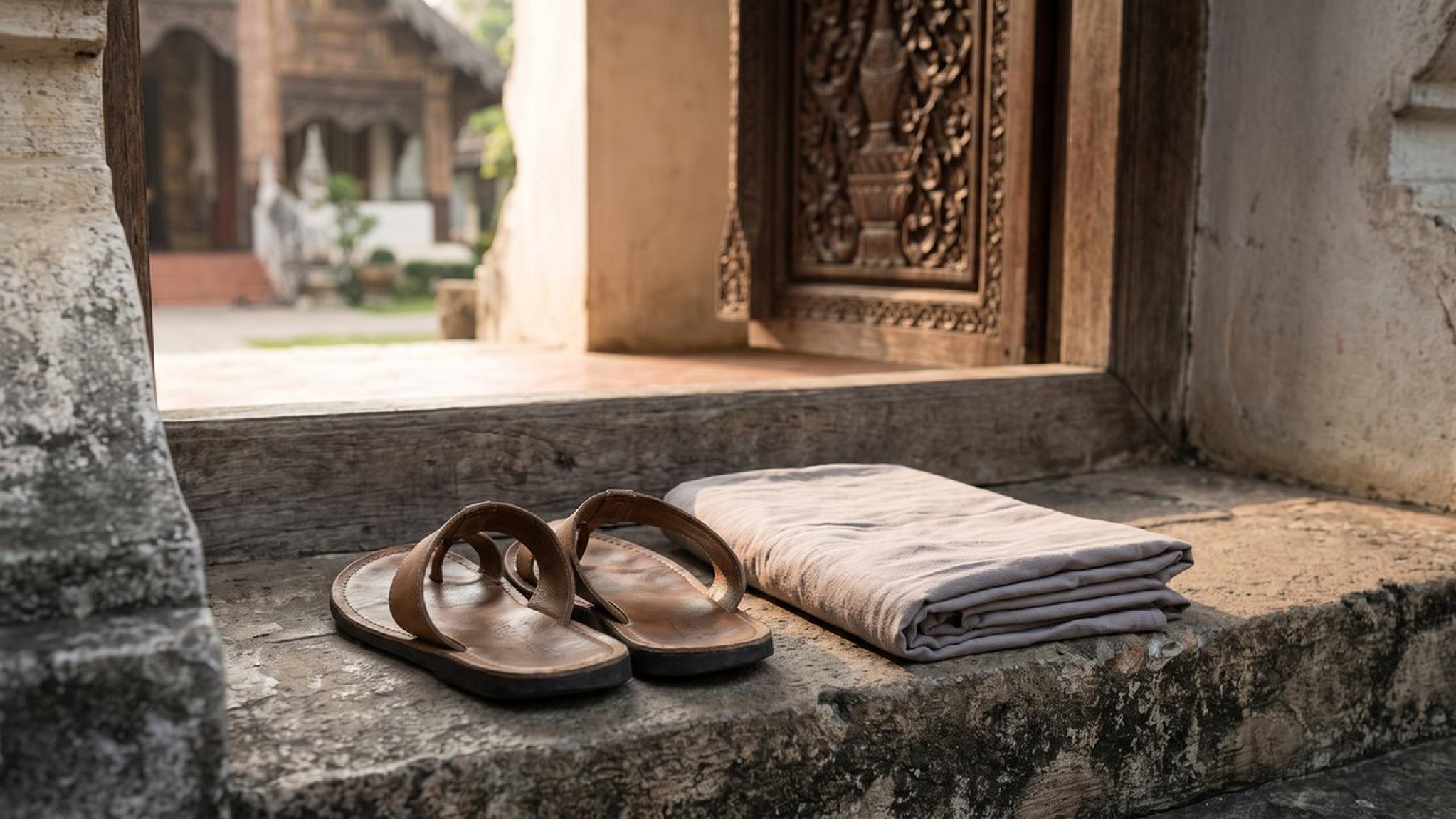
The same handful of rules cover every old city temple on this list, regardless of whether it charges an entrance fee or not.
Wat Chedi Luang and Wat Phra Singh are the only two on this list that charge anything at all, generally 20 to 40 baht (about US$0.60 to US$1.15), with the remaining four free to enter on a purely voluntary donation basis.
,regionOfInterest=(1023,575.5))
,regionOfInterest=(1023,575.5))
Early morning, ideally before 8am, beats every other slot of the day for an old city temple visit: the light is softer, the crowds are thinner, and the heat has not yet built to the point where standing in an unshaded courtyard becomes uncomfortable. Weekday mornings run noticeably quieter than weekends, when both local visitors and tour groups tend to cluster around Wat Chedi Luang and Wat Phra Singh in particular.
For photography, the hour after sunrise gives the warmest light on gilded chedis and carved teak alike, and shooting from a low angle up toward a roofline tends to capture the tiered structure and chofah detail better than a straight-on shot.
Overcast days, common during the rainy season from roughly June to October, actually suit interior shots of murals and carved woodwork better than harsh midday sun does.
Cool season, from around November through February, is the single most comfortable stretch of the year to spend a full morning walking between temples, with lower humidity and daytime temperatures that rarely climb uncomfortable before noon.
,regionOfInterest=(1023,575.5))
,regionOfInterest=(1023,575.5))
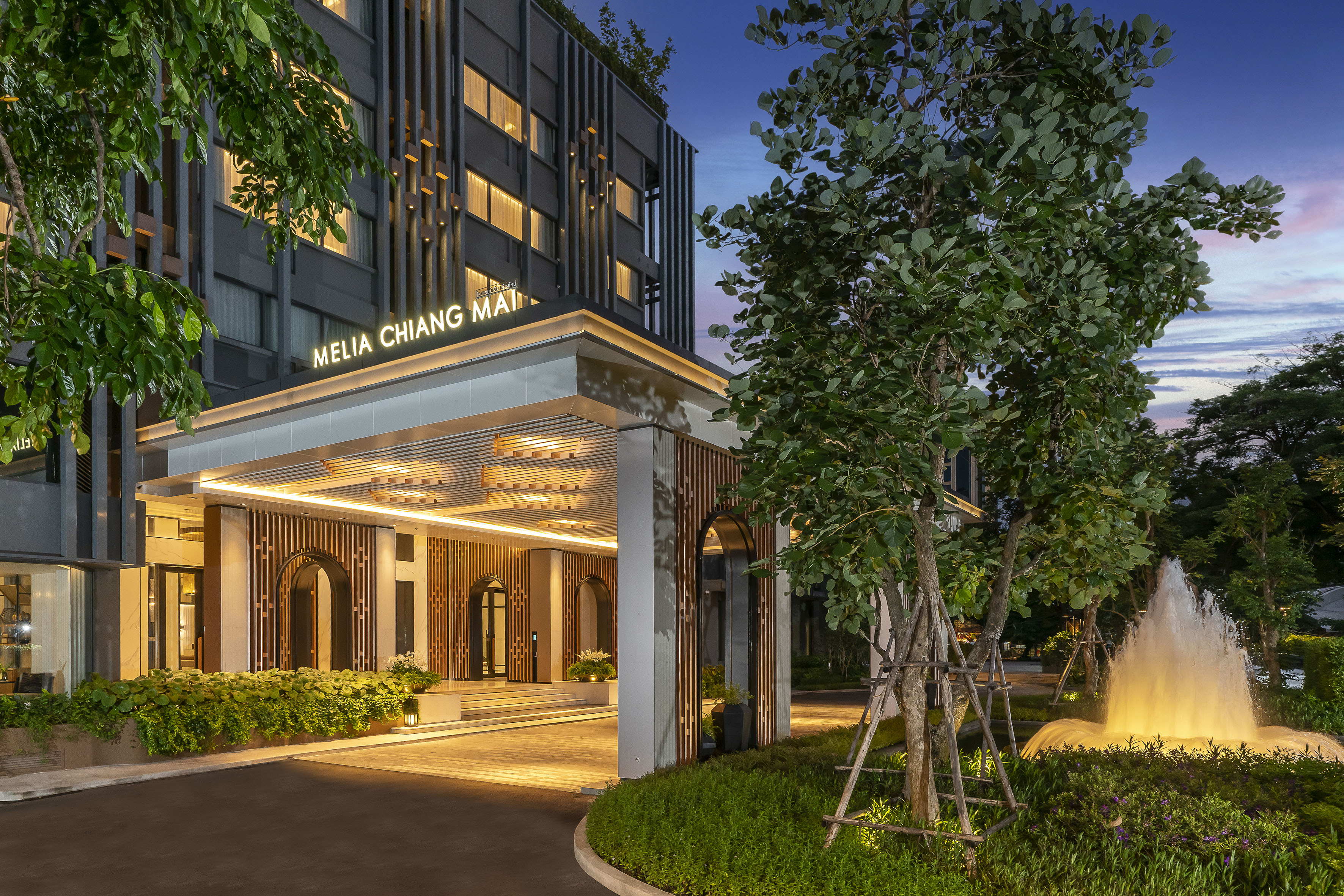
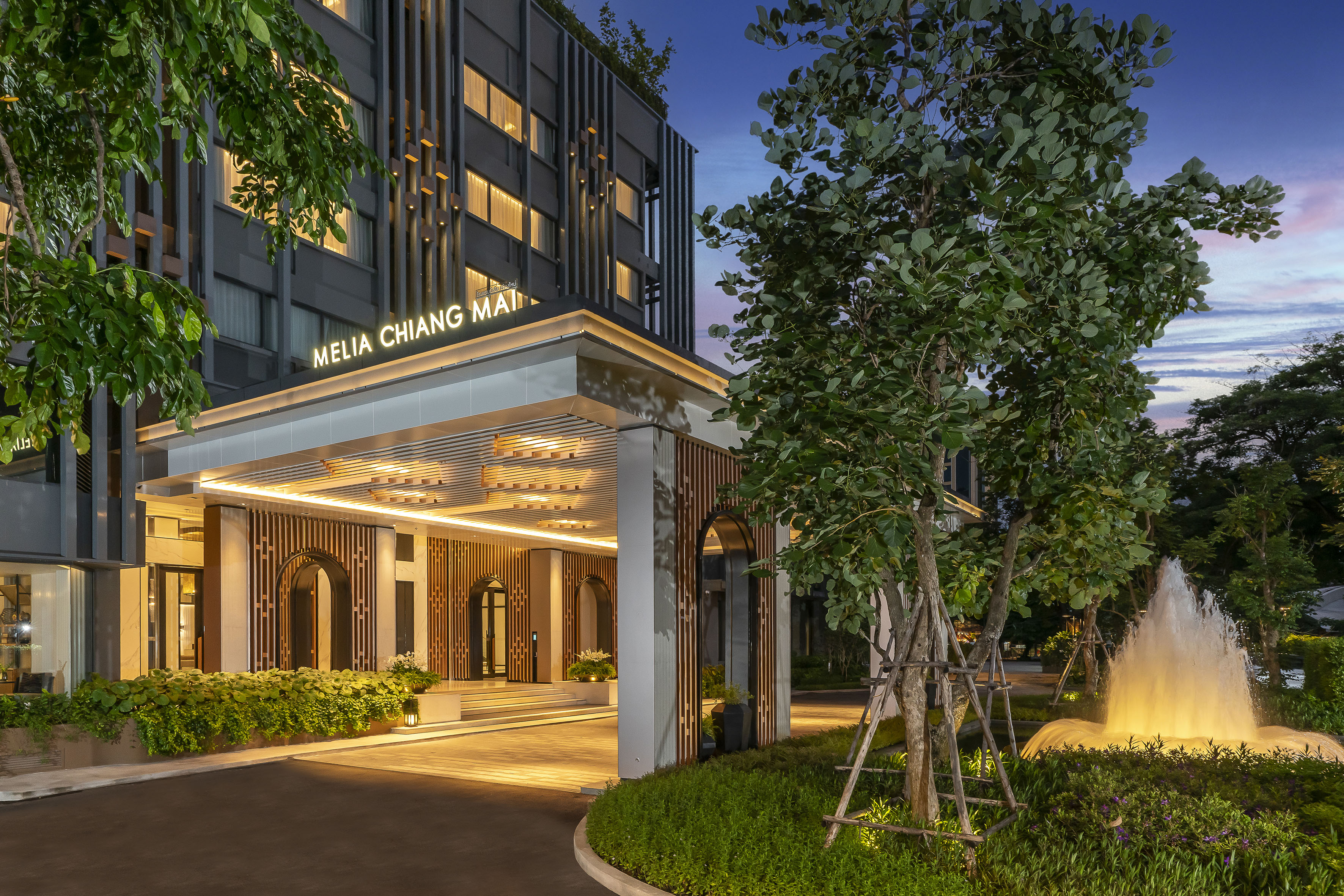
A morning spent walking between six centuries-old buildings in modest clothing, in Chiang Mai heat, tends to end with tired legs and a genuine need for air conditioning rather than another attraction. Meliá Chiang Mai sits about 1.5 kilometres from the moat, close enough that the walking route above is a short ride away rather than a long one, while still offering a clean line between temple-hopping and modern comfort once the morning is done.
The Premium Room, at 44 square metres with a king or Hollywood twin bed and teakwood bedside tables, echoes the carved wood running through every old city temple on this list without needing to leave the room to appreciate it, a small, unplanned continuity between the morning's sightseeing and the room it ends in.
The outdoor pool and Tien Pool Bar do more work than they might elsewhere on a temple-heavy day specifically: after several hours in modest, often warm clothing and closed shoes, a proper swim resets the body in a way a shaded café simply cannot, and poolside drinks and light bites mean lunch does not require getting dressed again to leave the property.
Reliable Wi-Fi and individually controlled air conditioning matter more here than on a typical leisure day too, since route-planning between temples tends to happen on the move, and stepping from a hot courtyard into a properly cooled room is a genuine relief rather than a minor comfort.
For an evening view back over the same Old City covered on foot that morning, MAI The Sky Bar on the 22nd floor gives a rooftop vantage over the moat and rooftops below, a quieter bookend to the day than heading back out into the streets.
For anyone extending the morning into an afternoon, the hotel's location also keeps the Night Bazaar and the Ping River within easy reach, so a temple-focused morning does not need to dictate the rest of the day.
Splitting a trip between the Old City's history in the morning and a different part of the city in the afternoon tends to make both halves feel less rushed than trying to cover everything on foot from a single starting point.
None of this replaces the temples themselves, but a base that turns recovery into an afterthought rather than a second logistics problem tends to make the whole morning easier to enjoy in the first place.
,regionOfInterest=(1771.5,1181.5))
,regionOfInterest=(1771.5,1181.5))
Six temples, six different reasons to slow down, and every one of them sits close enough together that skipping any single old city temple on this list is a matter of choice rather than logistics.
Start early, dress modestly, and read the stele at Wat Chiang Man before moving on, since it is easy to miss and genuinely explains why the rest of the morning's stops exist in the first place. Whether this is a first visit built around the three biggest names or a return trip aimed squarely at the quieter three, the same short walk between them holds up either way.
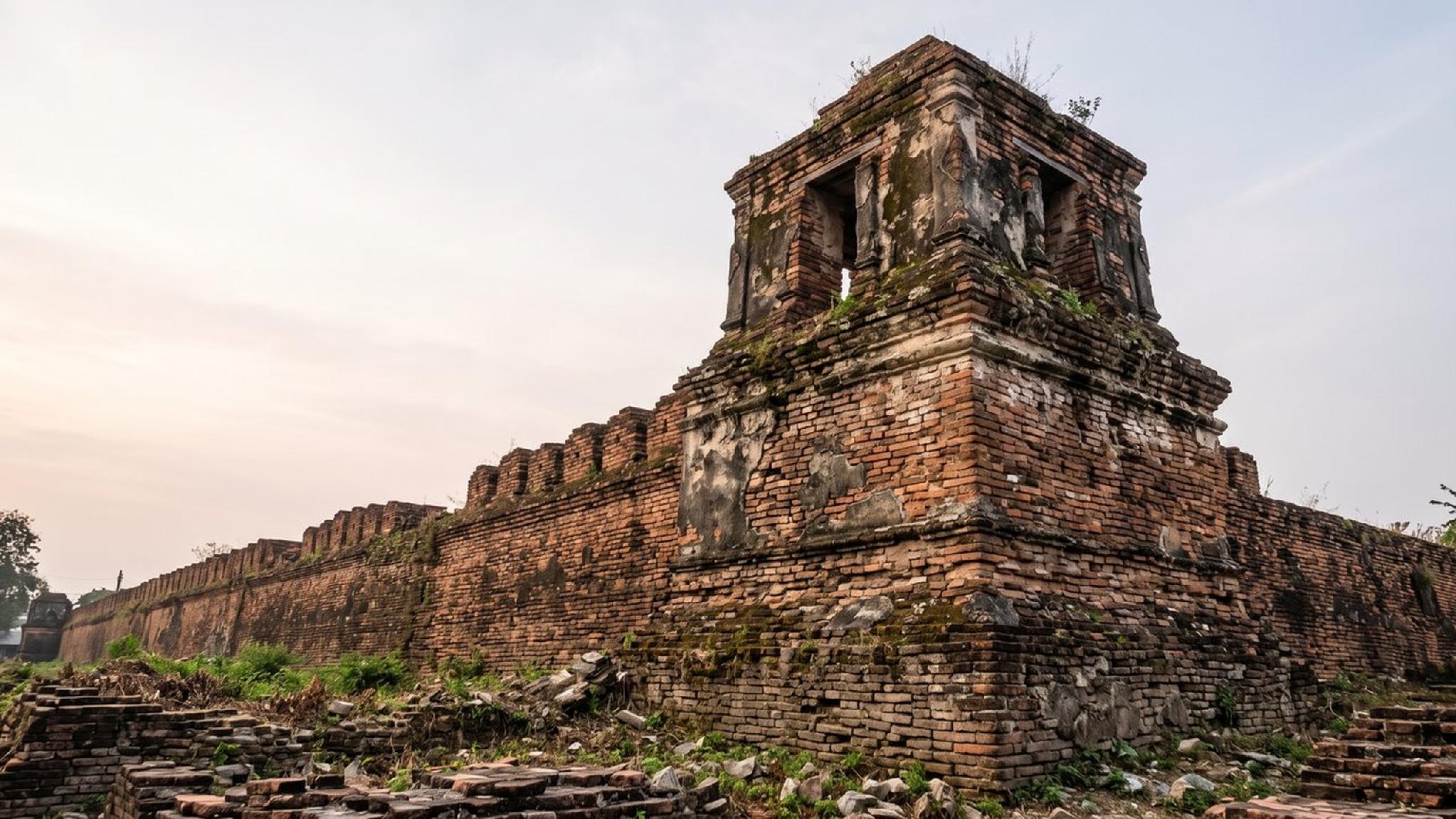,regionOfInterest=(1023,575.5))
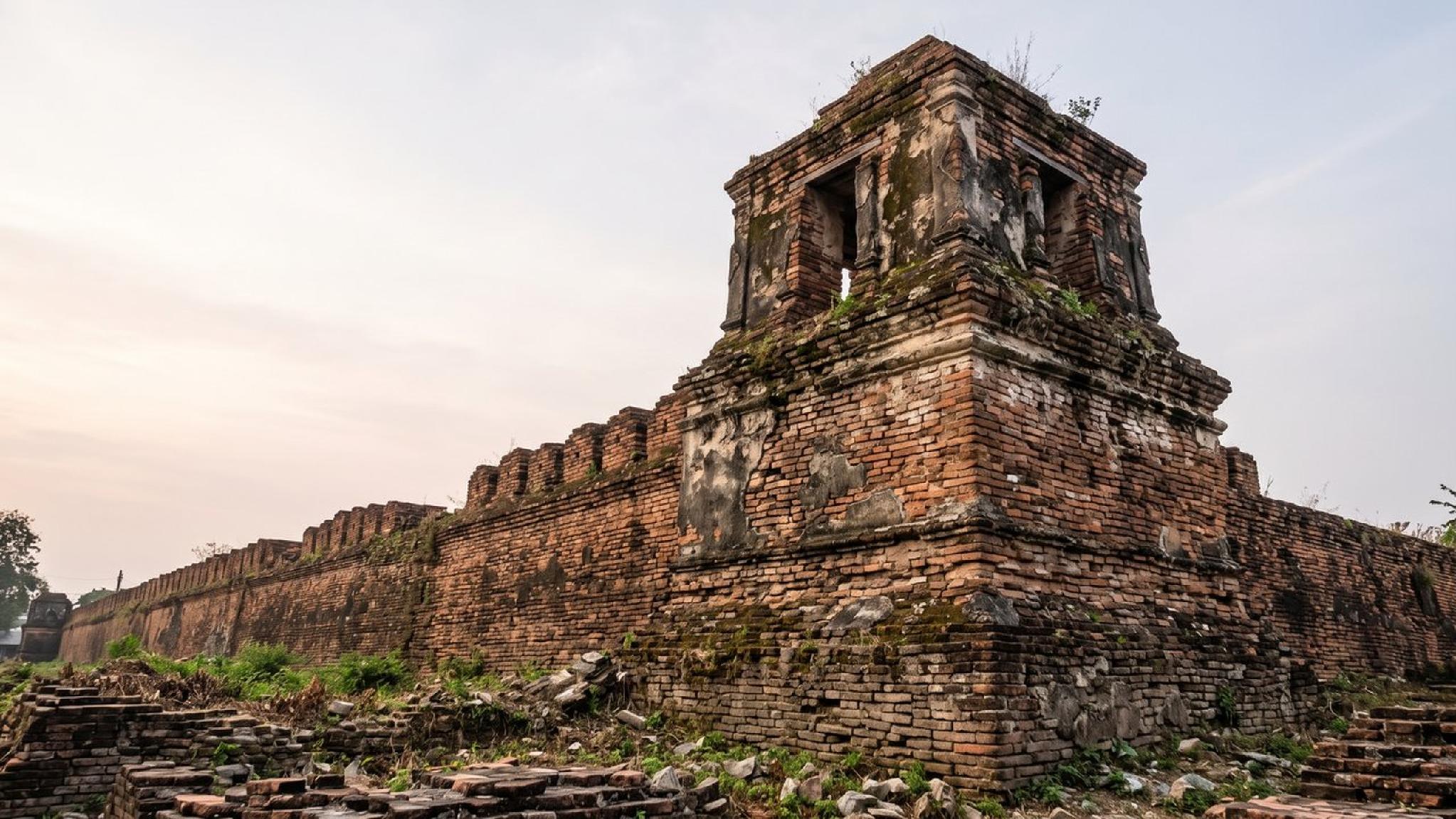,regionOfInterest=(1023,575.5))
How old is Chiang Mai's Old City?
Chiang Mai's Old City dates to 1296, when King Mangrai founded it as the new Lanna capital and laid out the walled, moated rectangle that still defines the city's historic core today.
Which temple is the oldest in Chiang Mai?
Wat Chiang Man, founded in 1296 or 1297 by King Mangrai himself, is generally considered the oldest old city temple in Chiang Mai, and its 1581 stone stele records the exact hour the city itself was founded.
Can you walk between Old City temples?
Yes, all six covered in this guide sit within about a 20 to 30 minute walk of each other, close enough to cover in a single unhurried morning without needing a songthaew or ride-hailing app between any of them.
Is there an entrance fee for Old City temples?
Most are free or donation-based; Wat Chedi Luang and Wat Phra Singh are the exceptions, each charging roughly 20 to 40 baht (about US$0.60 to US$1.15) for foreign visitors.
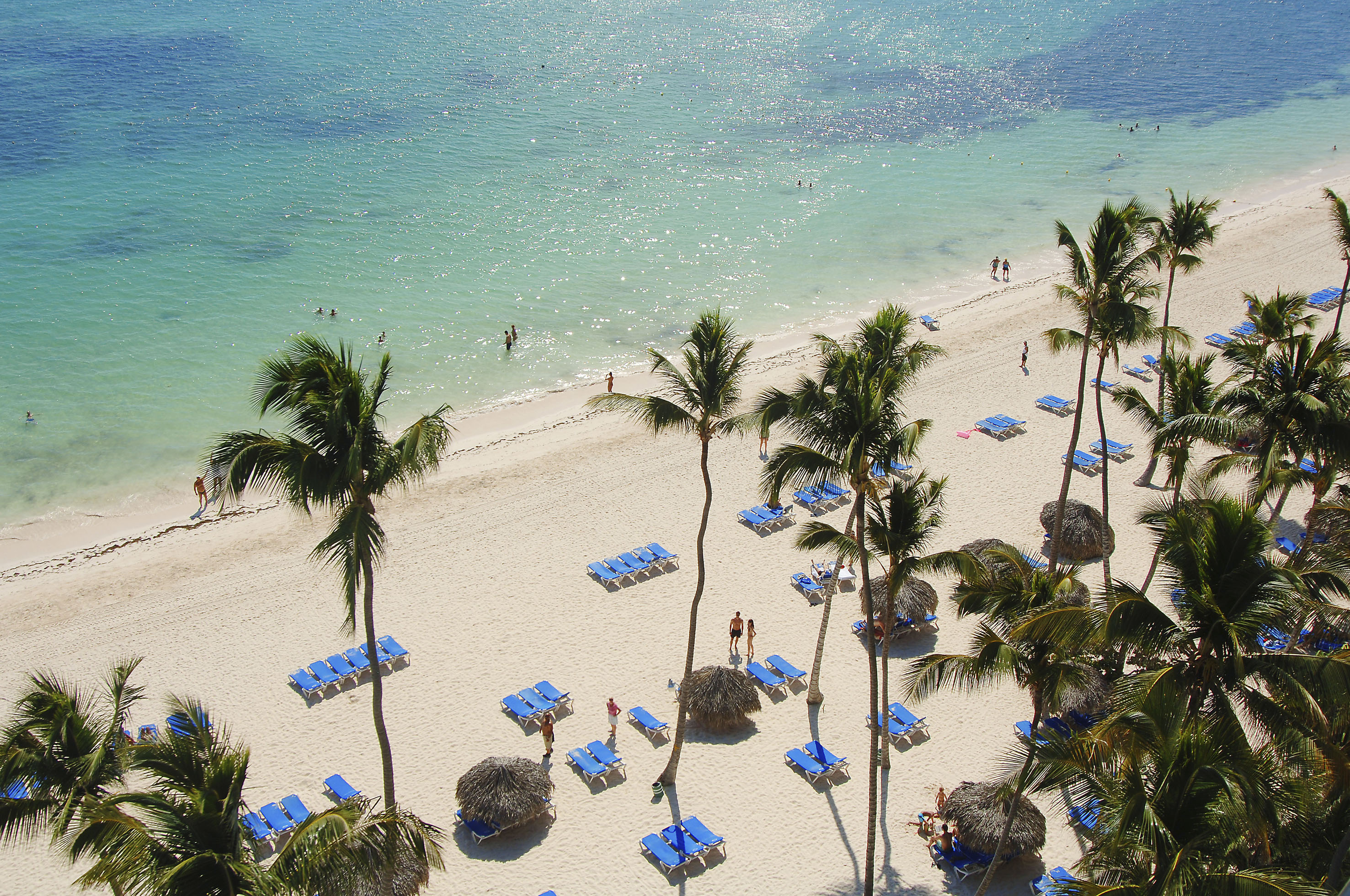,regionOfInterest=(1476.5,980.5))
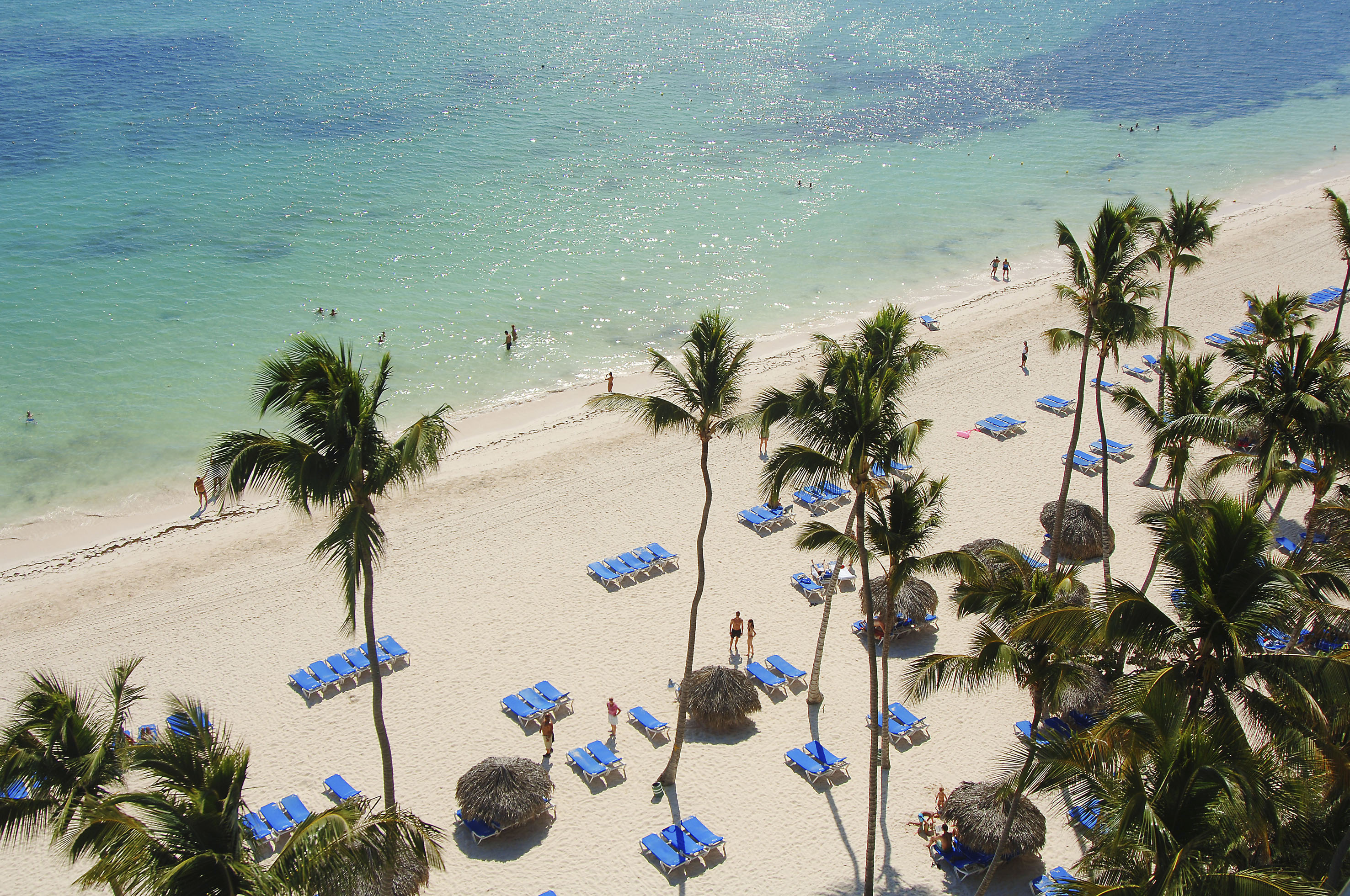,regionOfInterest=(1476.5,980.5))
,regionOfInterest=(1496,1996))
,regionOfInterest=(1496,1996))
,regionOfInterest=(2732,1820))
,regionOfInterest=(2732,1820))
,regionOfInterest=(1392,924))
,regionOfInterest=(1392,924))
,regionOfInterest=(2121,1414))
,regionOfInterest=(2121,1414))