,regionOfInterest=(2900.5,1949.5))
,regionOfInterest=(2900.5,1949.5))
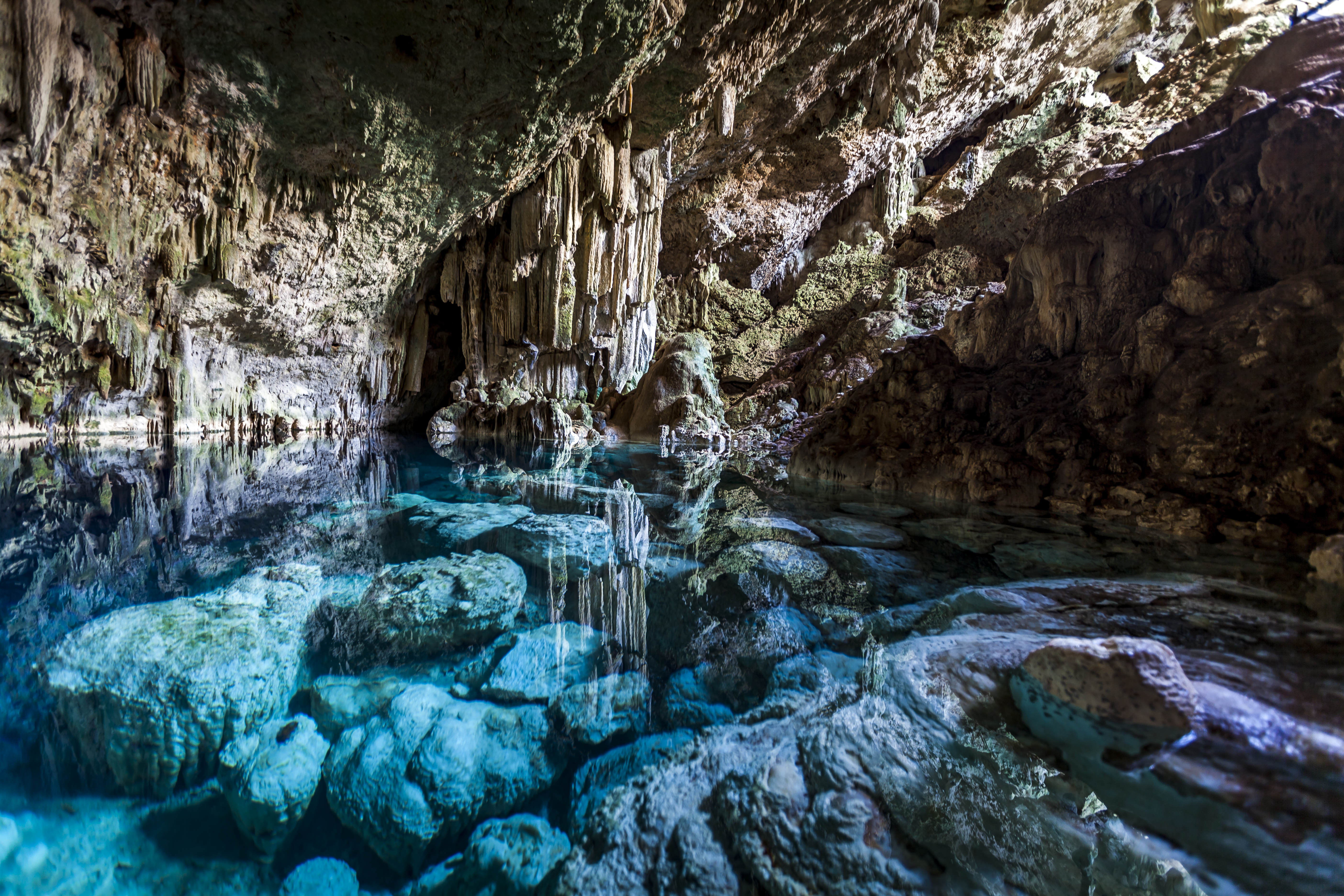
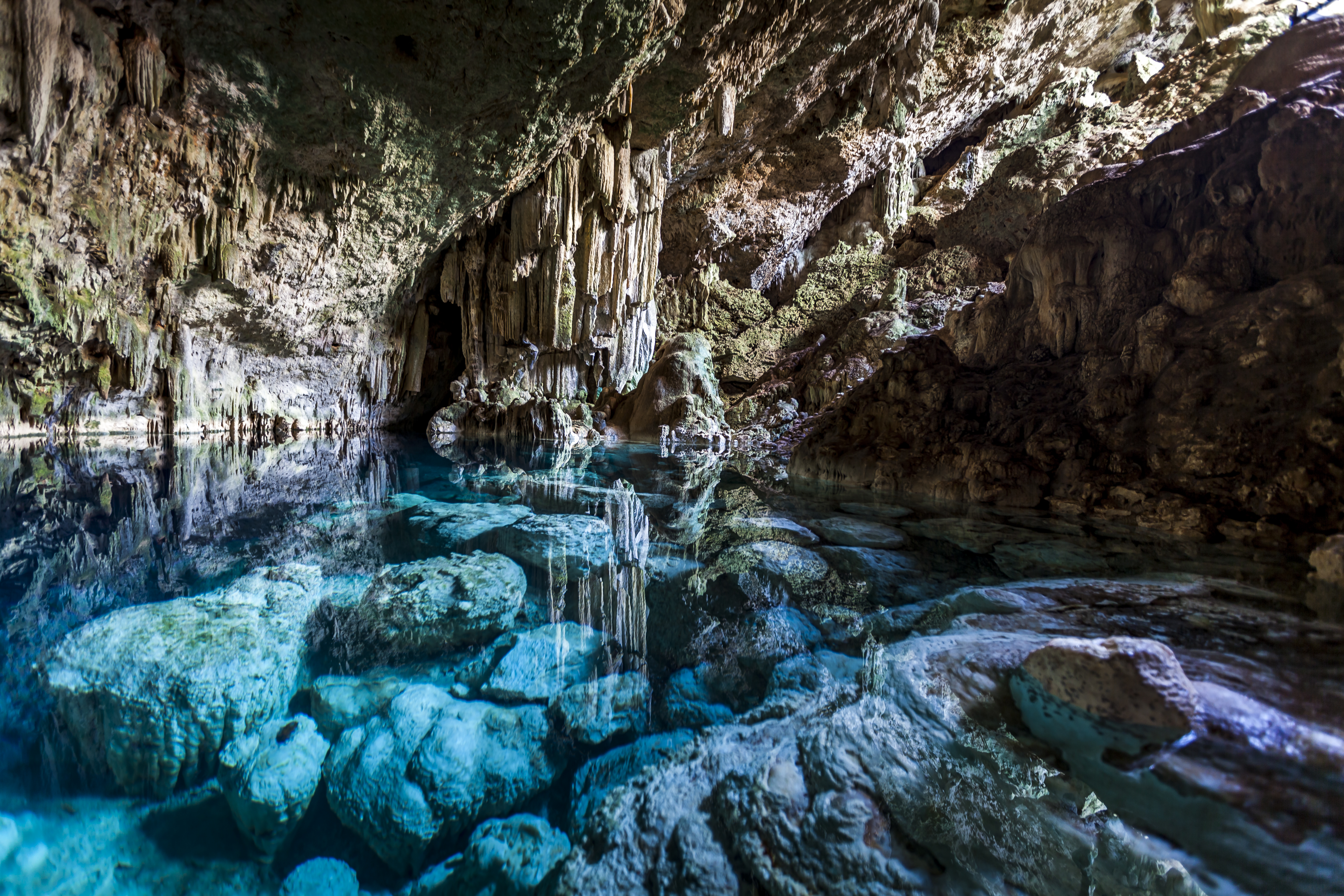
Hoyo Azul: a hidden cenote in Cap Cana
,regionOfInterest=(2808,1872))
,regionOfInterest=(2808,1872))
Holidays
,regionOfInterest=(1023,575.5))
,regionOfInterest=(1023,575.5))
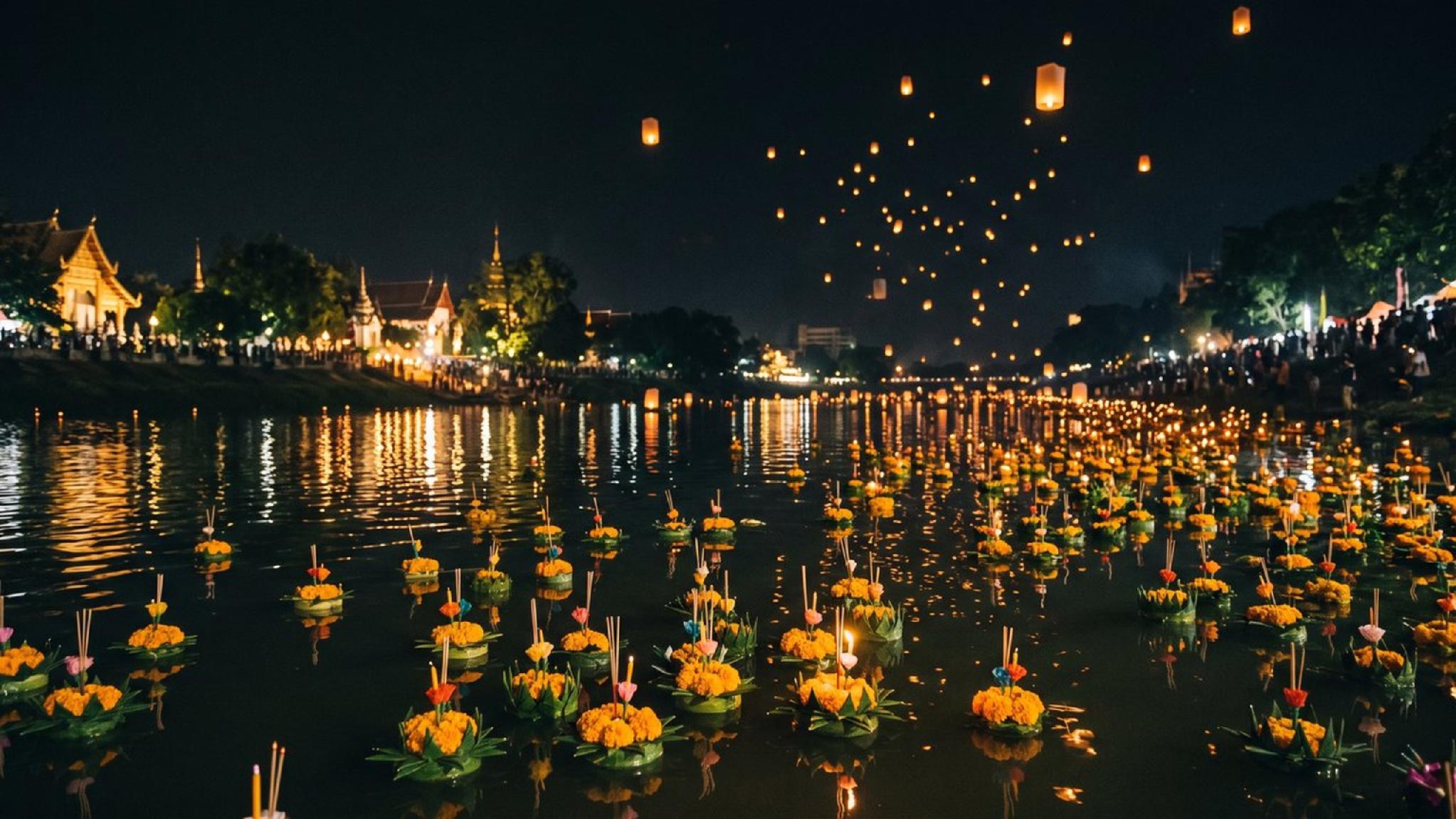
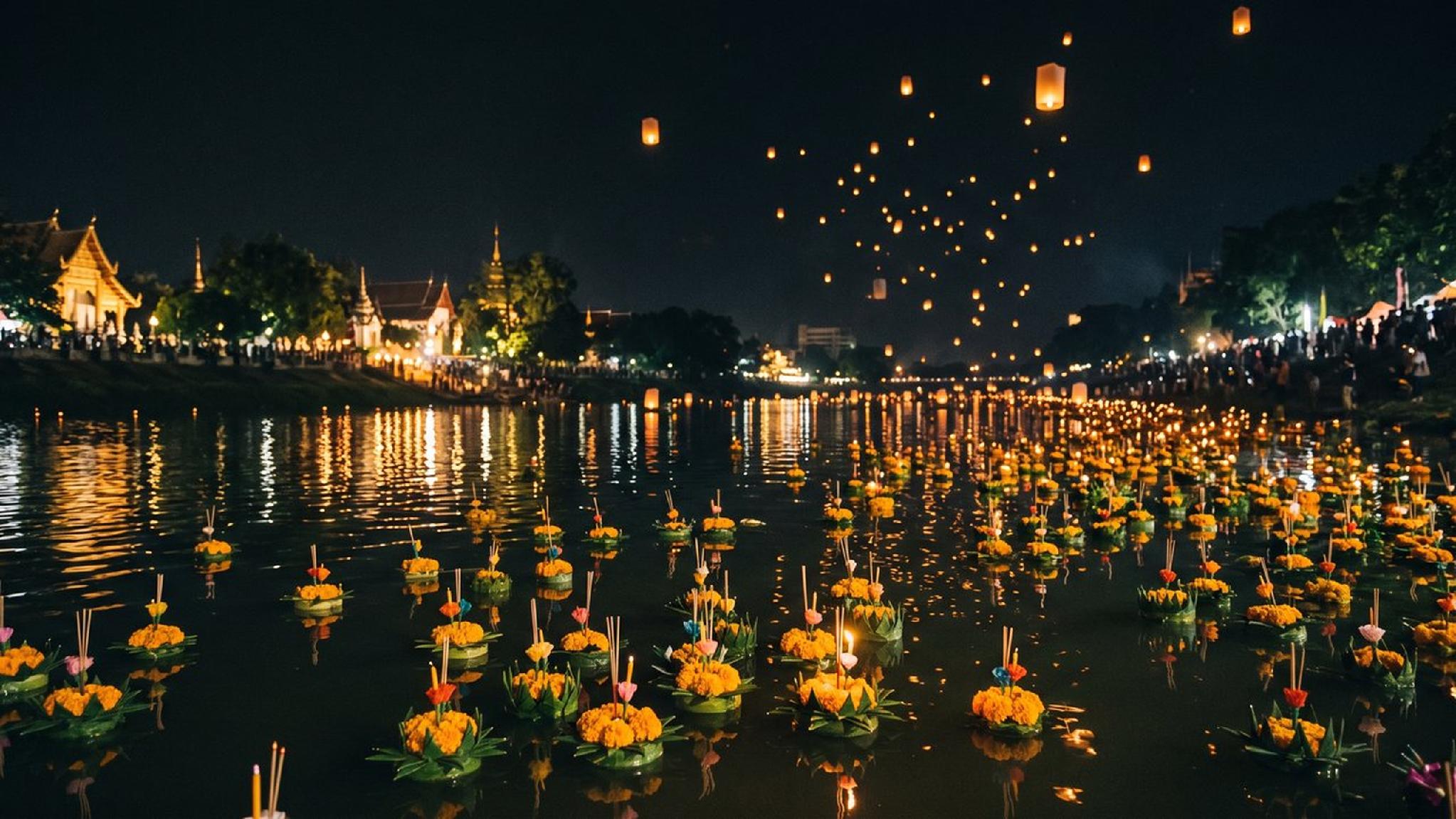
Officials in Chiang Mai have cleared as much as 70 tonnes of krathong waste from the Ping River the morning after a single night of floating, a real measure of just how many small paper and banana-leaf boats go into the water here across one ordinary evening.
That single number says a lot about how seriously this city takes Loy Krathong Chiang Mai, from the riverside spots that fill up hours before dark to the eco-friendly materials local officials now push hard for. This guide covers the real 2026 dates, where to go, how to make and float a krathong properly, and how to do it with less left behind in the water the next morning, whether this is a first visit or a repeat one built around a favourite spot from a previous year.
Culture
,regionOfInterest=(500,500))
,regionOfInterest=(500,500))
All-terrain writer specialising in tourism, fashion and trends. A curious soul, traveller, reader and sports enthusiast, keen to discover every corner of the world.
,regionOfInterest=(688,384))
,regionOfInterest=(688,384))
,regionOfInterest=(688,384))
,regionOfInterest=(688,384))
,regionOfInterest=(688,384))
,regionOfInterest=(688,384))
,regionOfInterest=(688,384))
,regionOfInterest=(688,384))
The festival's meaning and its most-told legend come first, followed by how it differs from Yi Peng and how it grew into the citywide event seen today.
,regionOfInterest=(1023,575.5))
,regionOfInterest=(1023,575.5))
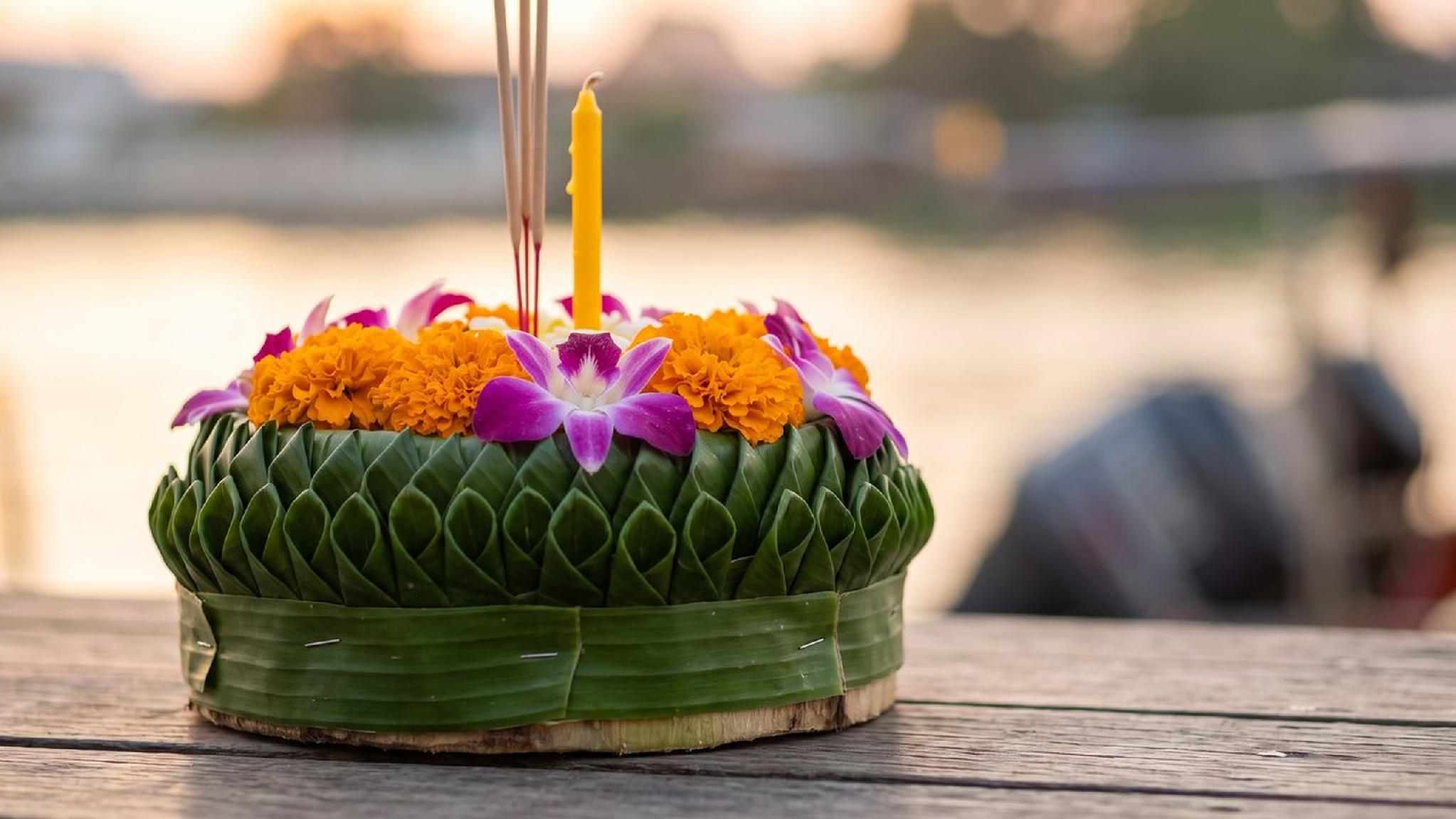
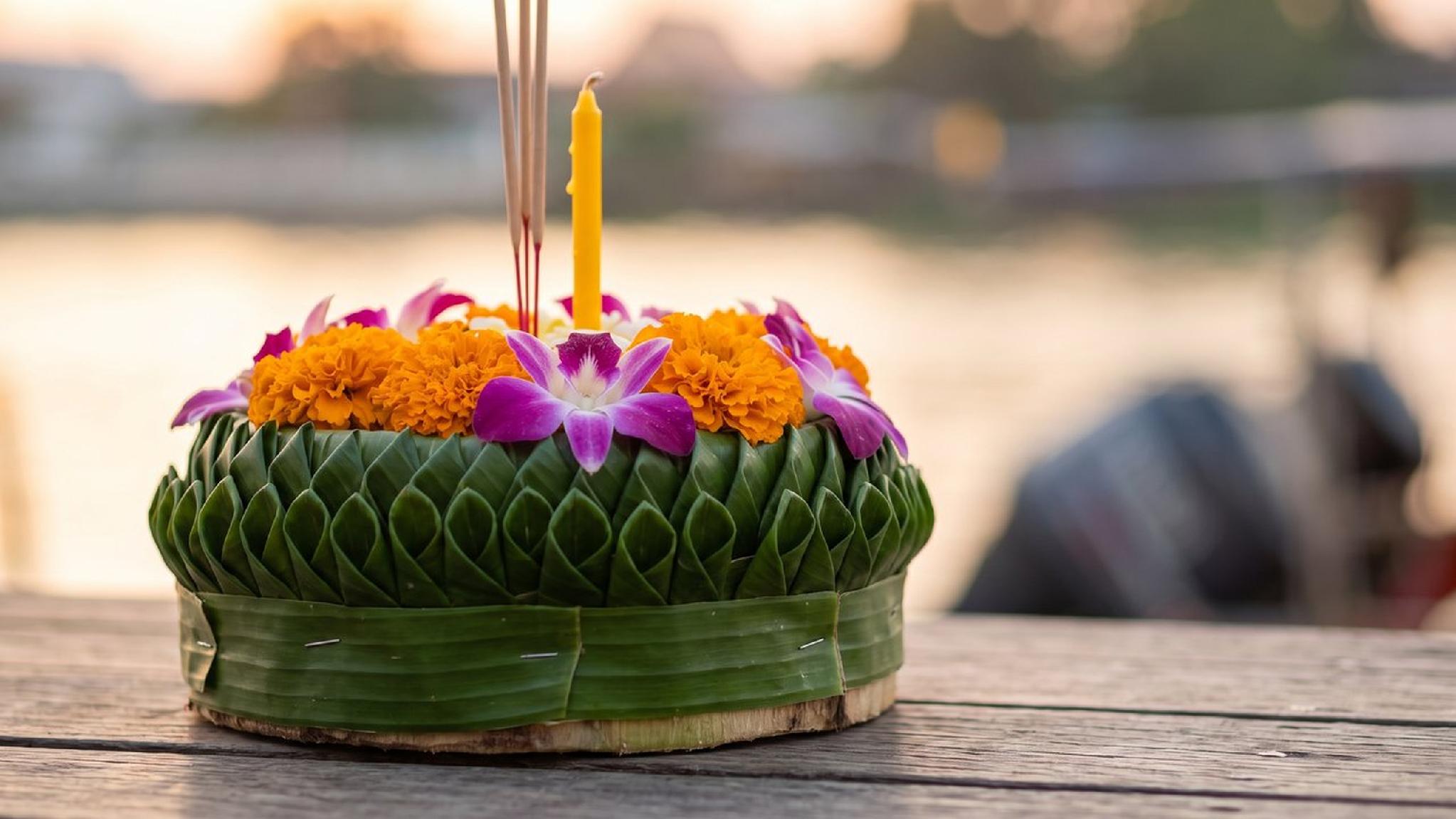
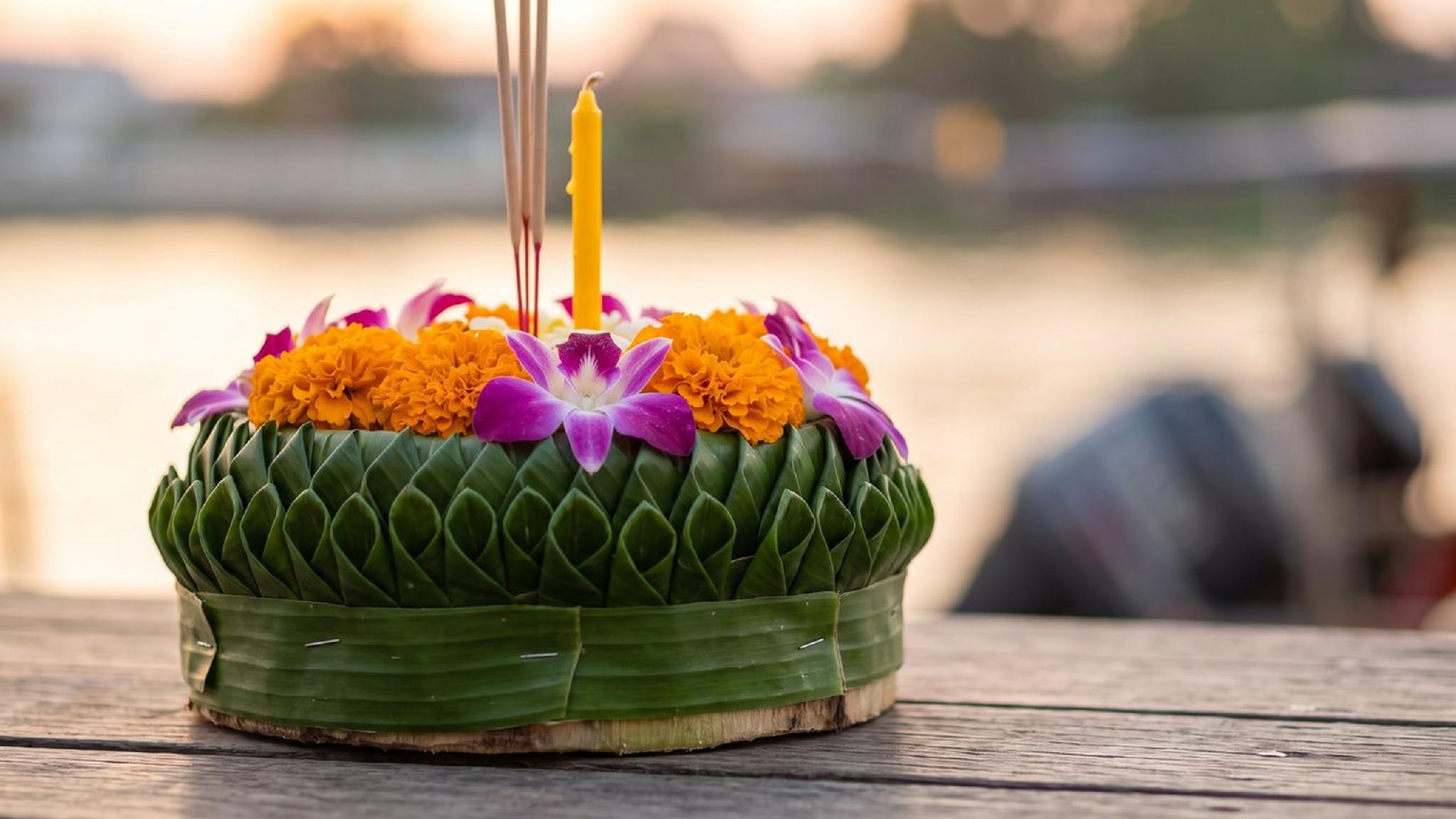
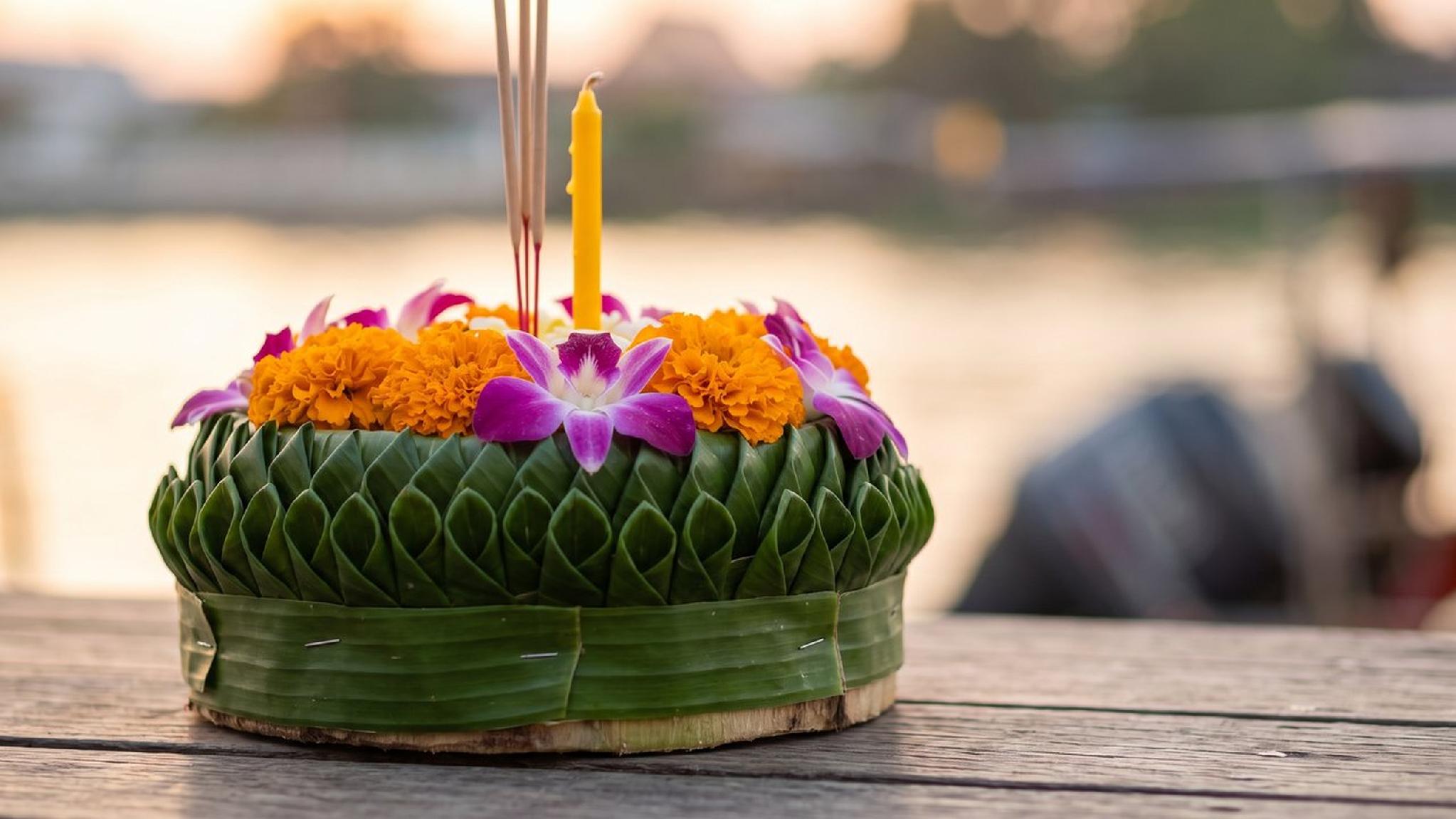
Loy means to float, and a krathong is the small vessel itself, traditionally a slice of banana trunk layered with folded banana leaf, flowers, incense, and a candle. Setting one adrift on a river or canal is an act of thanks to Phra Mae Khongkha, the water goddess, and a way of letting go of a year's bad luck and ill will, sometimes with a strand of hair or a small coin tucked inside as a symbolic personal offering.
The most repeated origin story credits Nang Noppamas, a consort in the Sukhothai royal court, with crafting the first elaborate krathong for a royal barge ceremony centuries ago, a legend that belongs specifically to central Thailand's history of the festival. Most historians treat the story itself as a much later addition layered onto an older, simpler practice of honouring rivers and waterways that predates any single royal court, closer to an animist gesture of respect than a courtly invention.
,regionOfInterest=(1023,575.5))
,regionOfInterest=(1023,575.5))
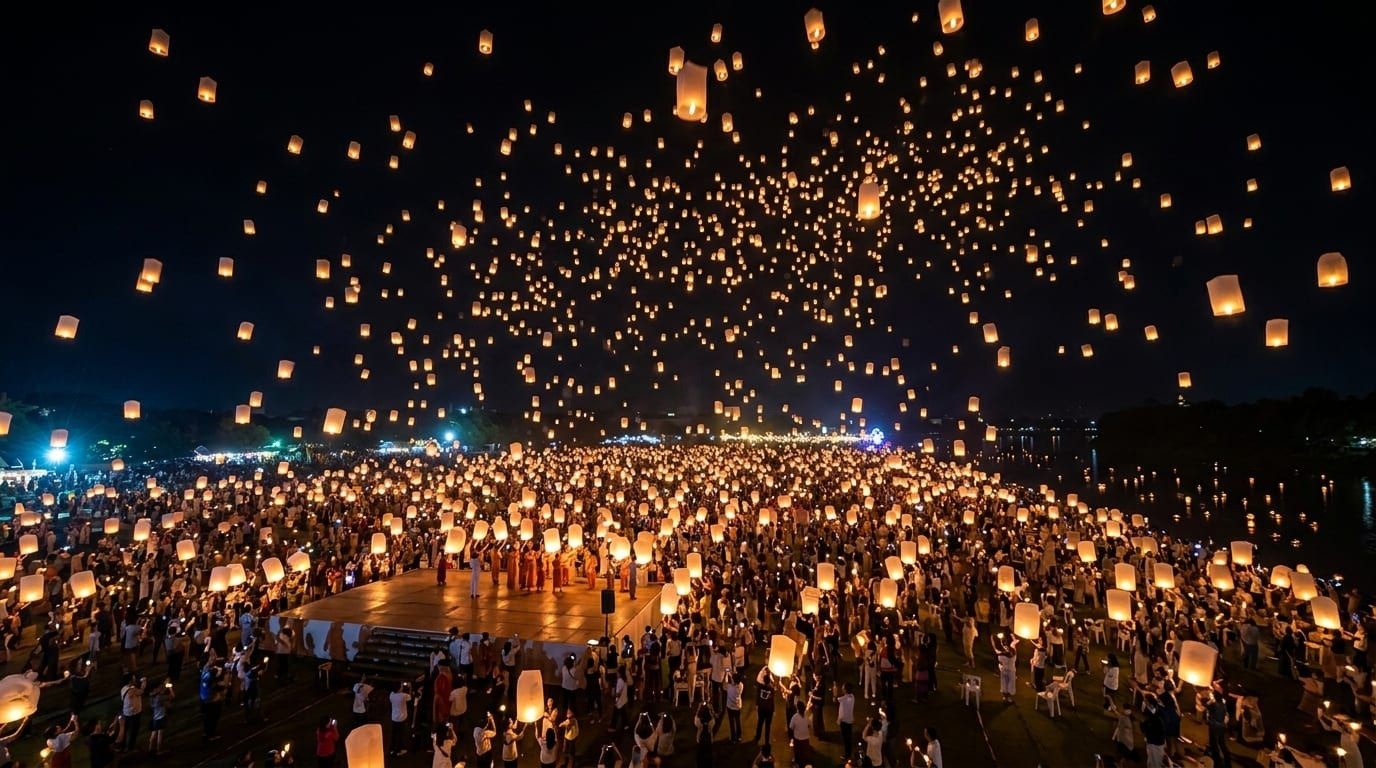
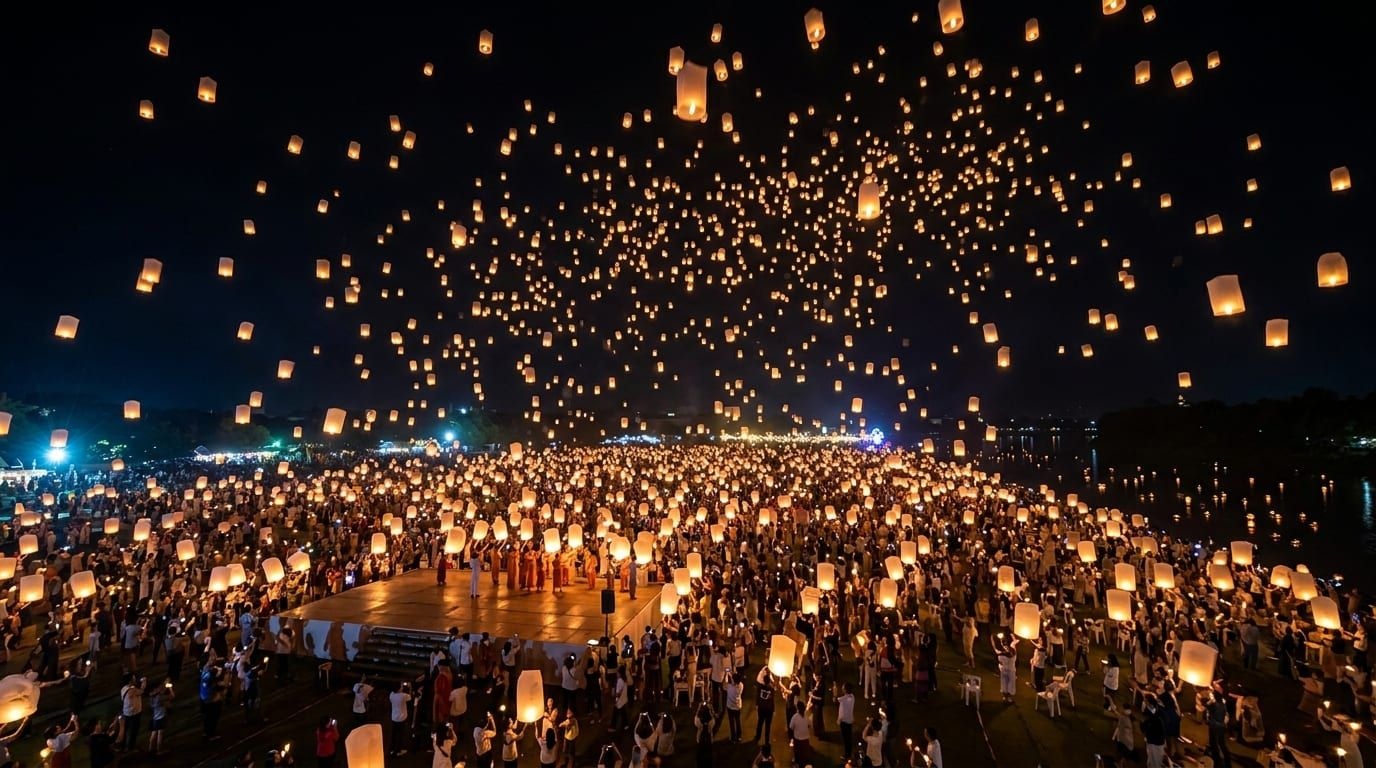
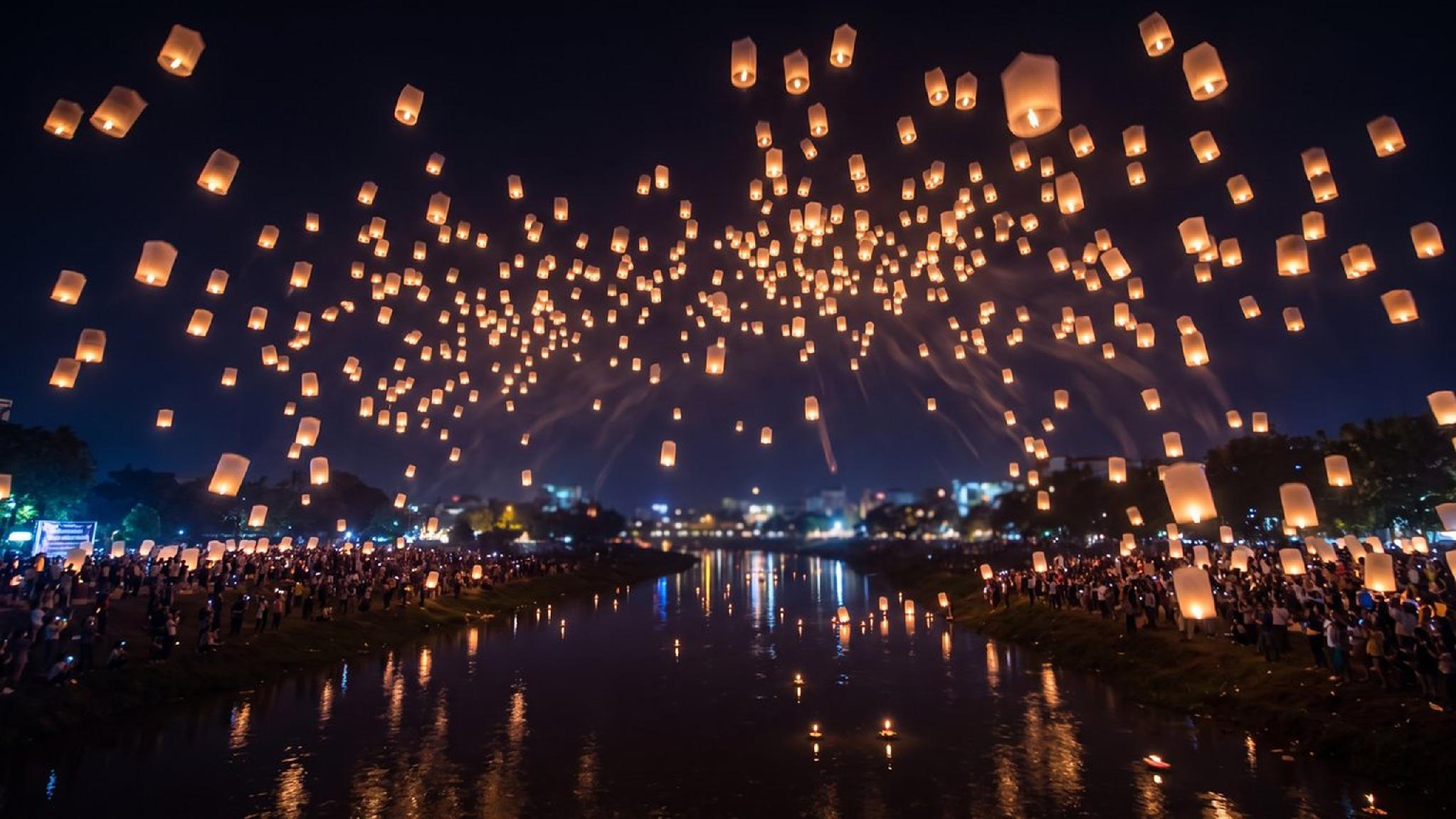
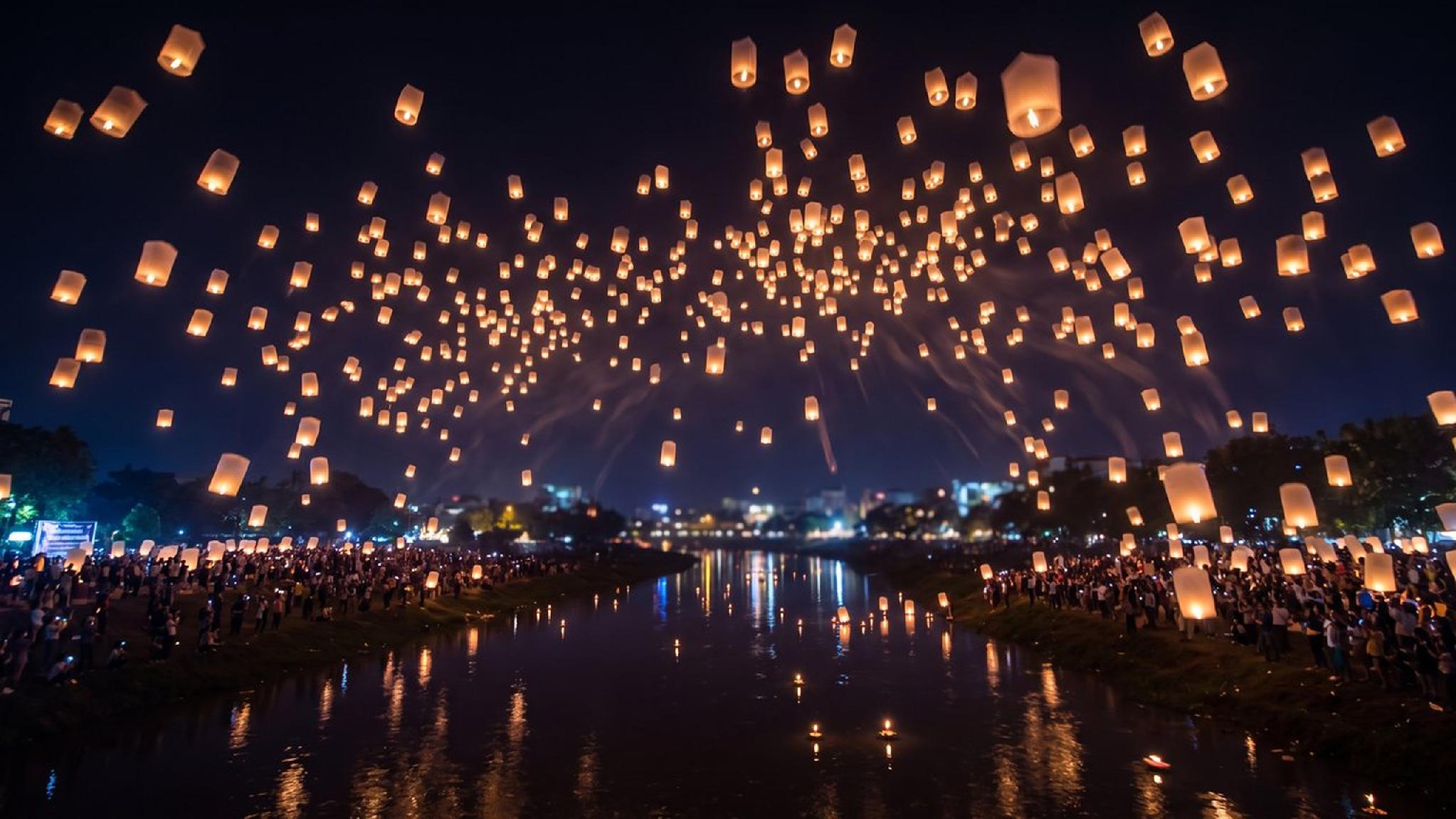
In Chiang Mai specifically, Loy Krathong shares its week with Yi Peng, the separate Lanna tradition of releasing sky lanterns upward rather than floating offerings downstream, so the same November nights carry two distinct customs layered on top of each other rather than one festival under two names. Visitors researching Loy Krathong Chiang Mai online often find the two conflated in search results and marketing alike, which makes it worth knowing going in that a krathong on the water and a lantern in the sky are separate traditions with separate histories, even sharing the same city and the same week.
What used to be a quieter household or village practice, a family walking down to a canal after dark with a single krathong, has grown into the large public event covering the whole riverside today, driven partly by decades of tourism promotion and partly by Thai communities abroad keeping the custom alive far from any river at all. The core gesture has not changed much even as the scale around it has, a small floating offering carrying away whatever the year left behind.
,regionOfInterest=(1023,575.5))
,regionOfInterest=(1023,575.5))
Loy Krathong Chiang Mai falls on 24 and 25 November 2026, with the 25th landing on the actual full moon date that anchors the festival each year. The evening builds around a fixed rhythm rather than one single peak moment. Here is how the two nights actually unfold.
| TIME | WHAT HAPPENS |
| Around 6pm | Parade sets off from Tha Phae Gate toward the Chiang Mai Municipality Office |
| Sunset (roughly 6:30 to 7pm) | Parade wraps up; crowds shift toward the riverbanks |
| 7pm to 10pm | Main riverside celebrations and krathong-floating |
| Past 10pm, into midnight | Fireworks and firecrackers continue in pockets across the city |
Because Yi Peng falls in the same 24 to 26 November window, a traveller does not need to pick one festival over the other on this trip. The practical difference is simply where the two evenings pull attention: Loy Krathong Chiang Mai keeps most of the action at ground level along the river, while Yi Peng's ticketed lantern releases happen at licensed venues outside the city, so a single evening can realistically include a walk to the riverbank without needing to book anything in advance.
Cool season arrives right alongside this festival window, with evenings running noticeably more comfortable than the hot or rainy months, though a light layer still helps once the sun is down and a breeze picks up along the water.
The whole stretch worth knowing sits along less than two kilometres of the Ping River, from the busiest single spot down to a handful of noticeably quieter alternatives. Here is where to head, depending on how much crowd is part of the plan.
,regionOfInterest=(1023,575.5))
,regionOfInterest=(1023,575.5))
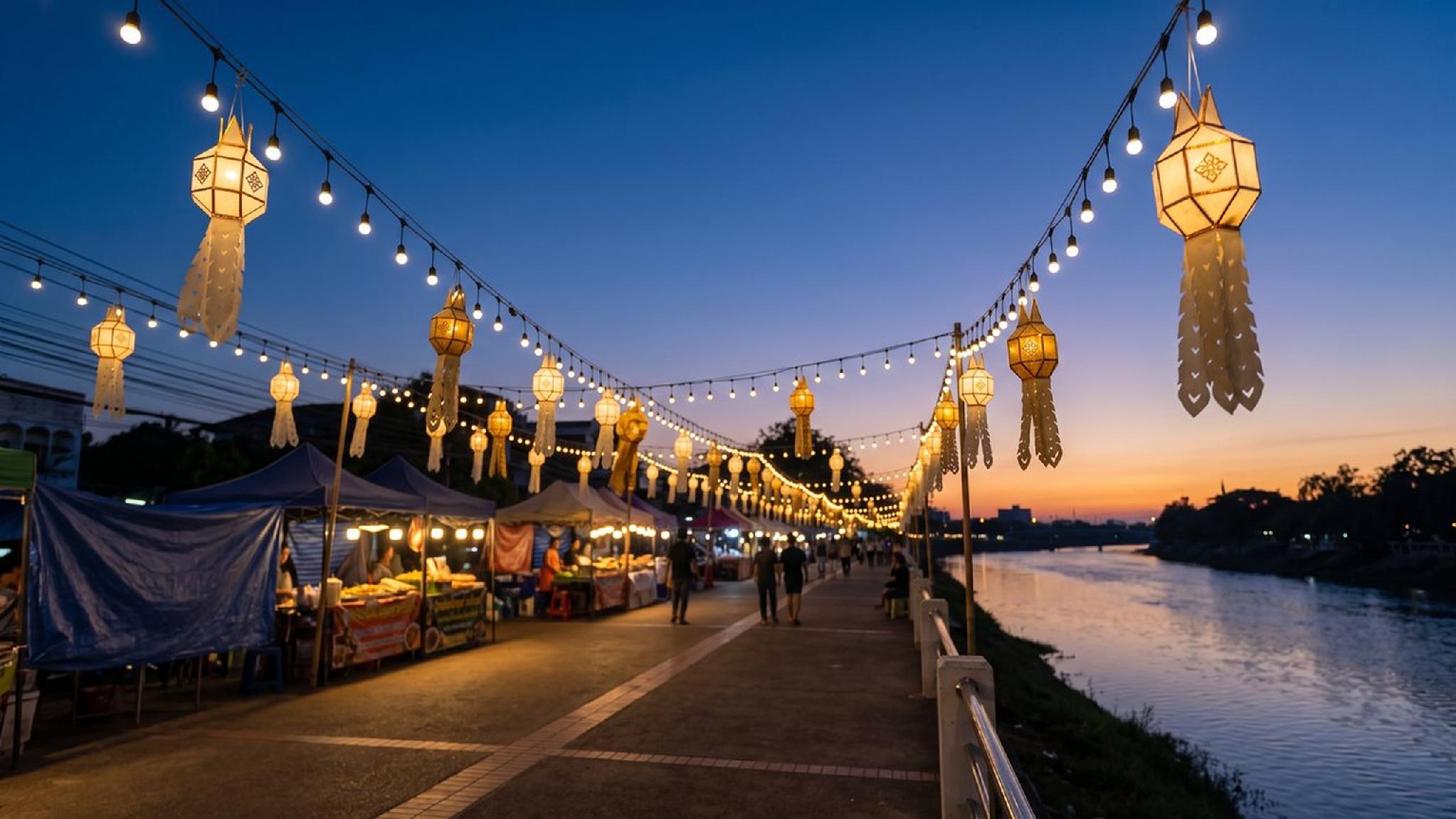
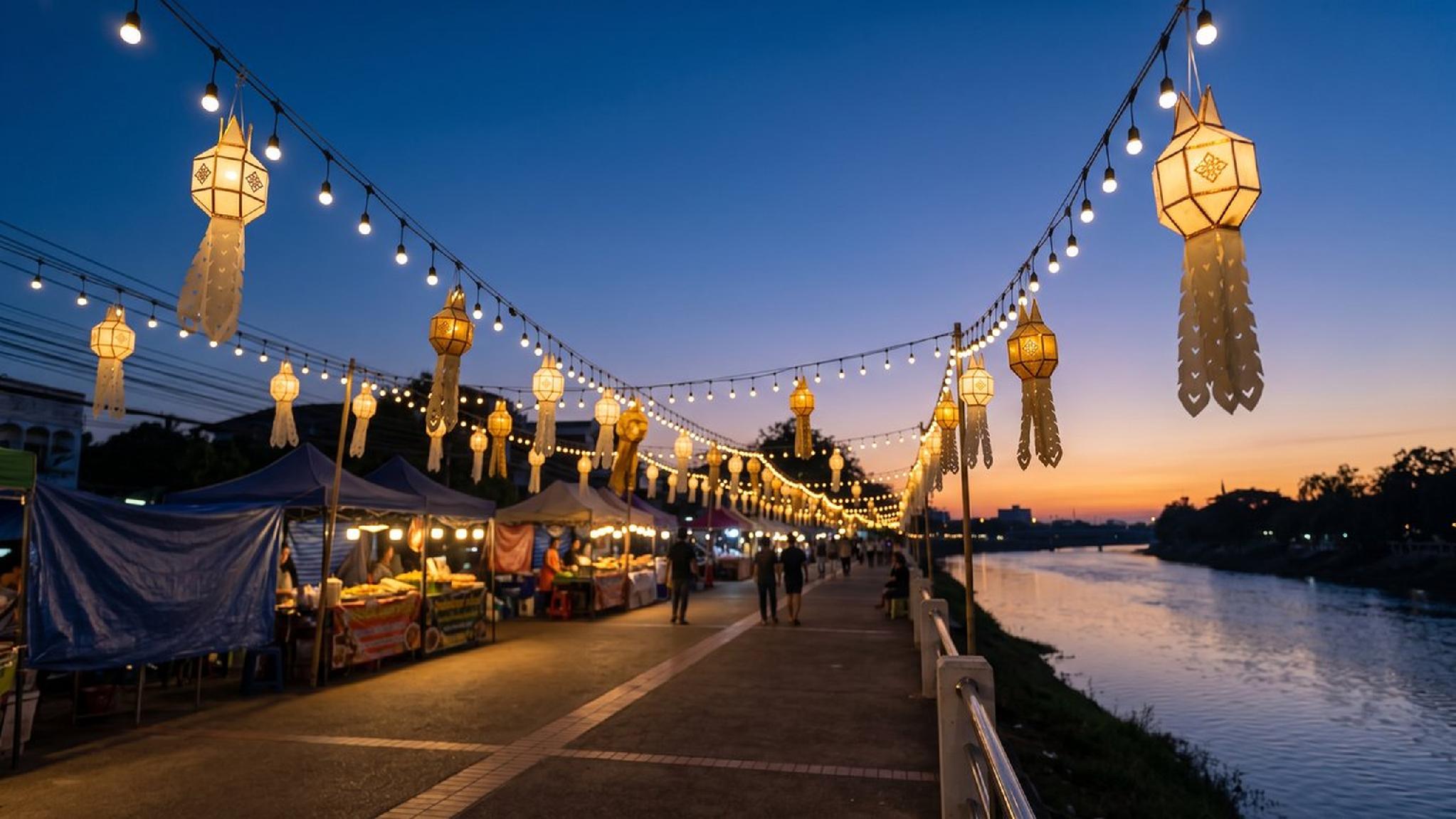
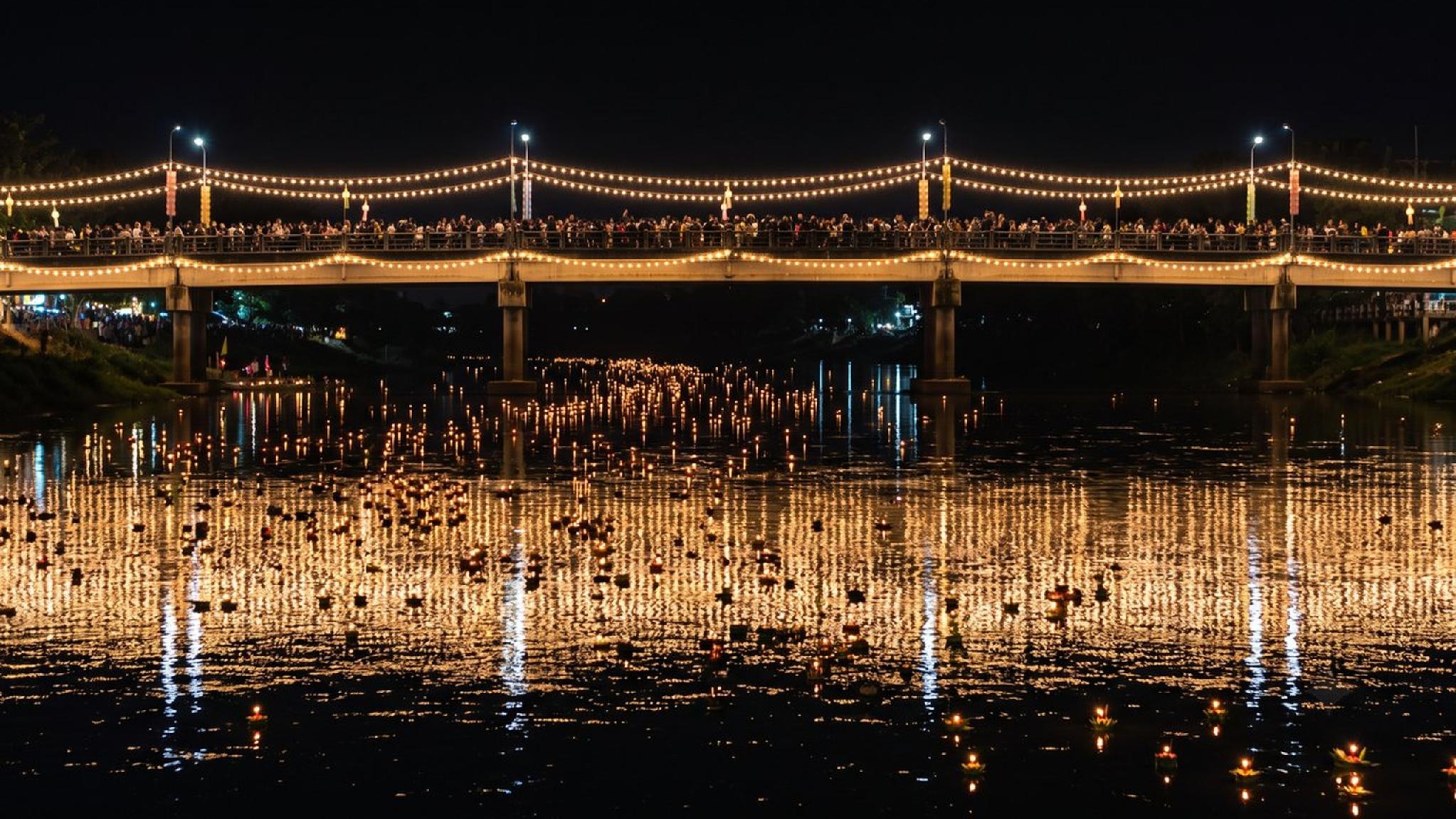
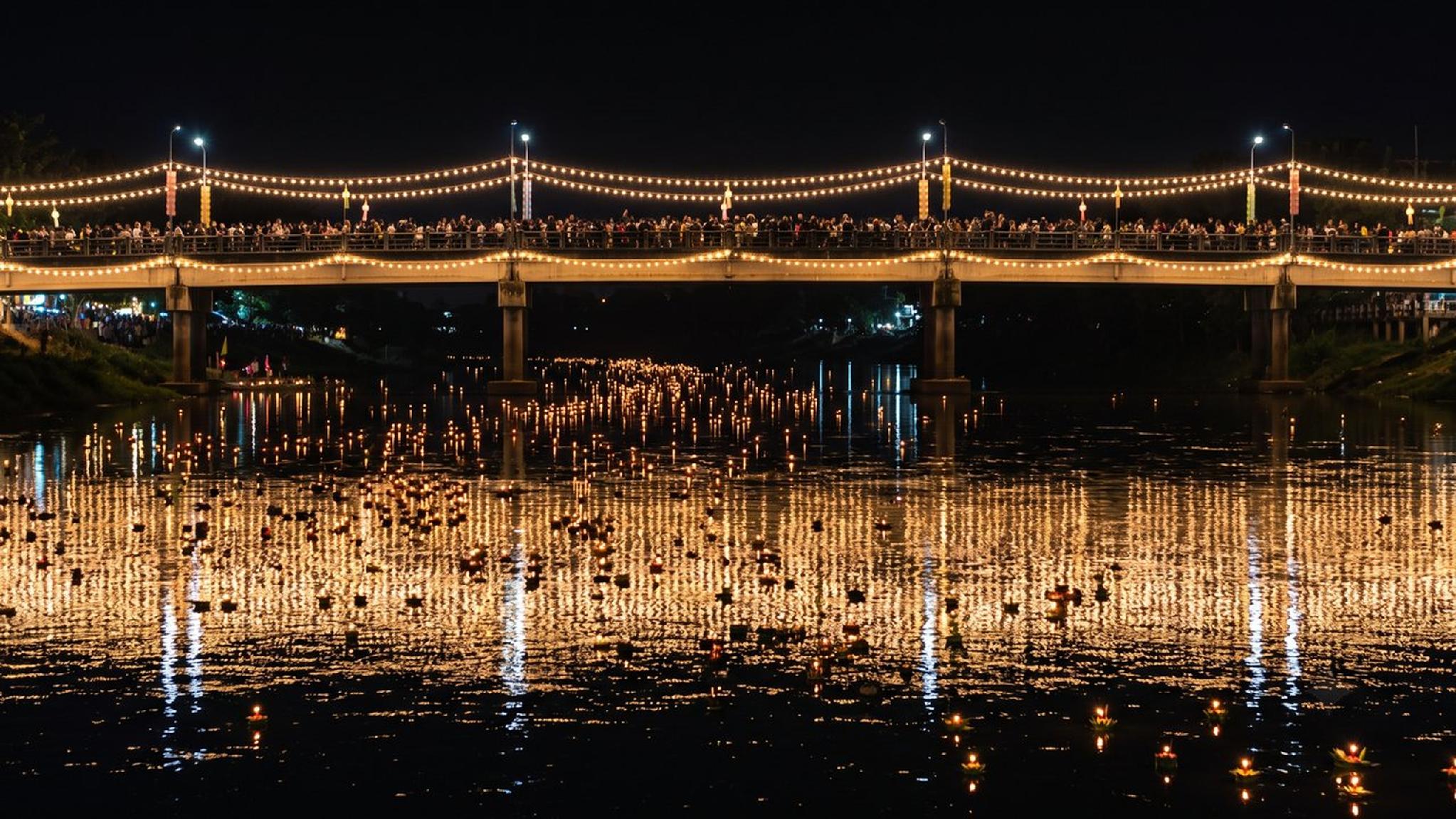
Nawarat Bridge is the single most recognisable spot for Loy Krathong Chiang Mai, and also the most crowded, so walking a short distance along the bank in either direction usually finds noticeably more room without losing the view. The stretch of the Ping River between the Iron Bridge and Nakorn Ping Bridge sees the densest concentration of krathongs on the water itself, a striking sight for anyone content to watch rather than fight for a launch spot.
,regionOfInterest=(1023,575.5))
,regionOfInterest=(1023,575.5))
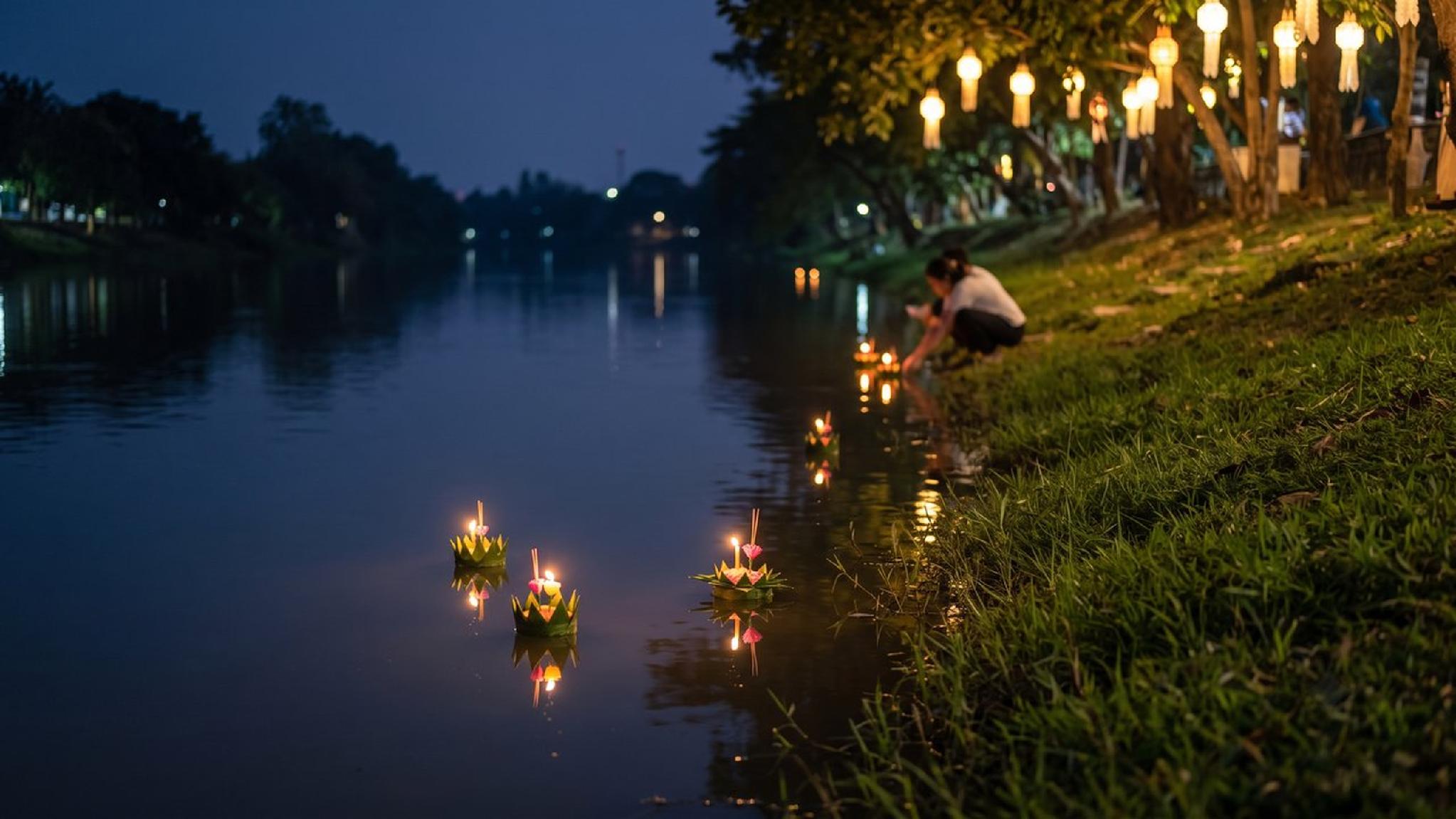
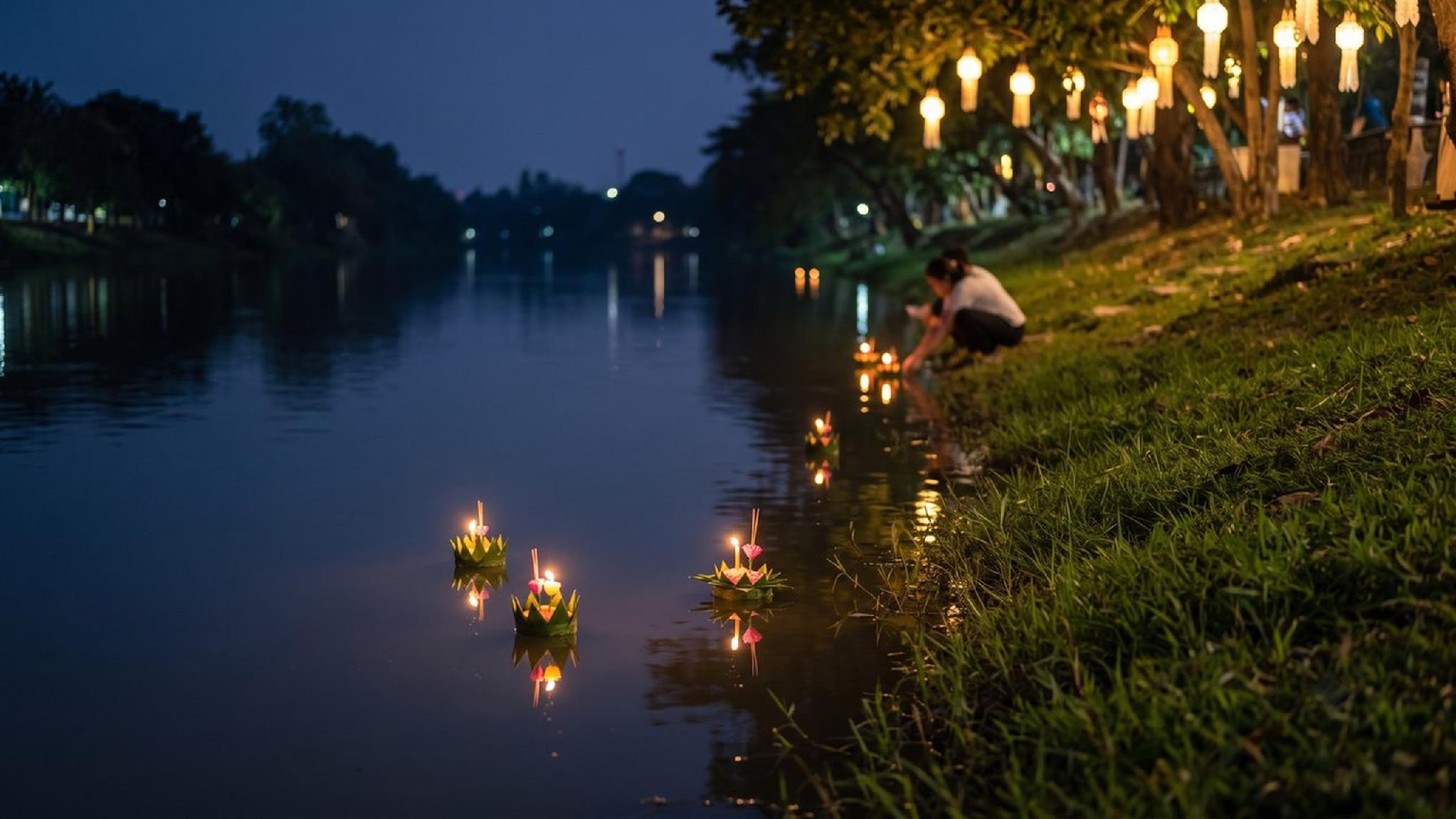
The riverside nearer the Old City offers the easiest access along with the most food stalls and vendor stands, while the Iron Bridge area itself runs a touch quieter than the main bridges without losing much of the atmosphere. Tha Phae Gate suits anyone building an evening around the parade first and the river second, since it sits right on the parade route rather than directly on the water.
None of these spots require a long trip to reach, and they sit close enough together that walking between two or three of them across the evening, the parade at Tha Phae Gate, then a launch spot near the Old City, then a quieter stretch toward the Iron Bridge, works just as well as picking one and staying put all night.
Boat operators along a few stretches of the river also run short krathong-viewing rides during the festival window, a paid option worth considering for anyone who wants to watch the water from a slightly different angle than the crowded bank, though none of it is necessary to enjoy the evening properly since the free riverside view works just as well for most visitors.
| SPOT | CROWD LEVEL | BEST FOR |
| Nawarat Bridge | Very busy | The classic view, arrive early |
| Iron Bridge to Nakorn Ping Bridge | Busy on the water, calmer on the bank | Watching the densest cluster of krathongs float by |
| Riverside near the Old City | Busy | Easy access and food stalls |
| Iron Bridge area | Moderate | A quieter stretch with the same river |
| Tha Phae Gate | Very busy | Catching the parade before heading to the river |
,regionOfInterest=(1023,575.5))
,regionOfInterest=(1023,575.5))
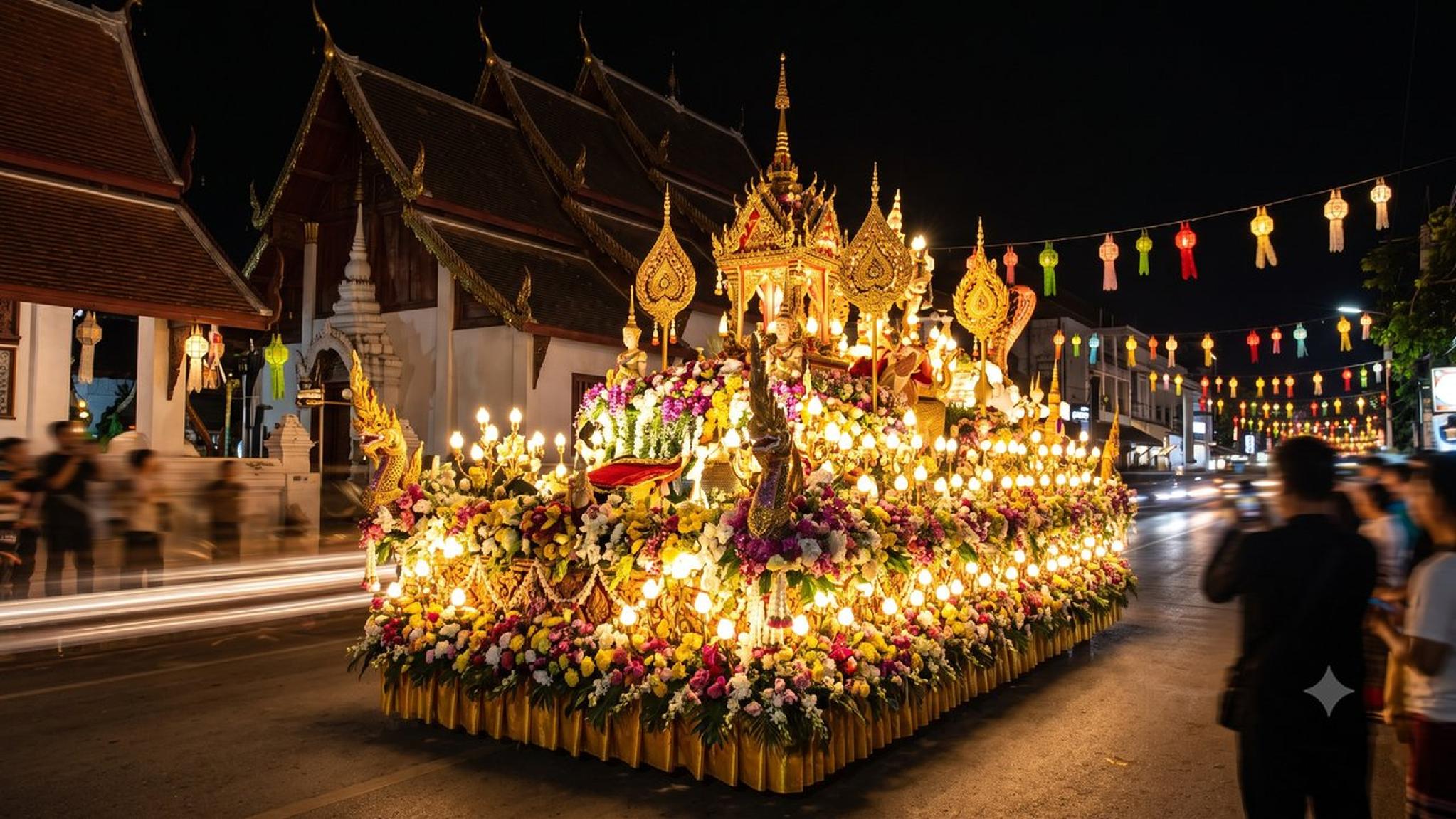
The evening parade moves from Tha Phae Gate through the Old City to the Chiang Mai Municipality Office starting around 6pm, with floats, traditional Lanna costume, and cultural performances drawing crowds several people deep along the entire route well before the krathong-floating itself even begins. Community groups, schools, and temples all take part, which gives the parade a genuinely local feel rather than a staged show built purely for visitors passing through.
Once the parade passes, most of the crowd naturally drifts toward the riverbanks, so timing an arrival at the water for shortly after the parade wraps up tends to catch the evening at its fullest without the earlier bottleneck of parade-watching crowds still lining the street.
Individual floats typically represent a school, a temple, or a neighbourhood association, each with its own theme built around the year's harvest, a local legend, or simply an elaborate float of flowers and lights, and marching bands or drum troupes usually fill the gaps between floats rather than leaving long stretches of quiet street. For anyone treating Loy Krathong Chiang Mai as a single big night rather than a multi-day trip, catching even the tail end of this parade before heading to the river covers most of what the city puts on show.
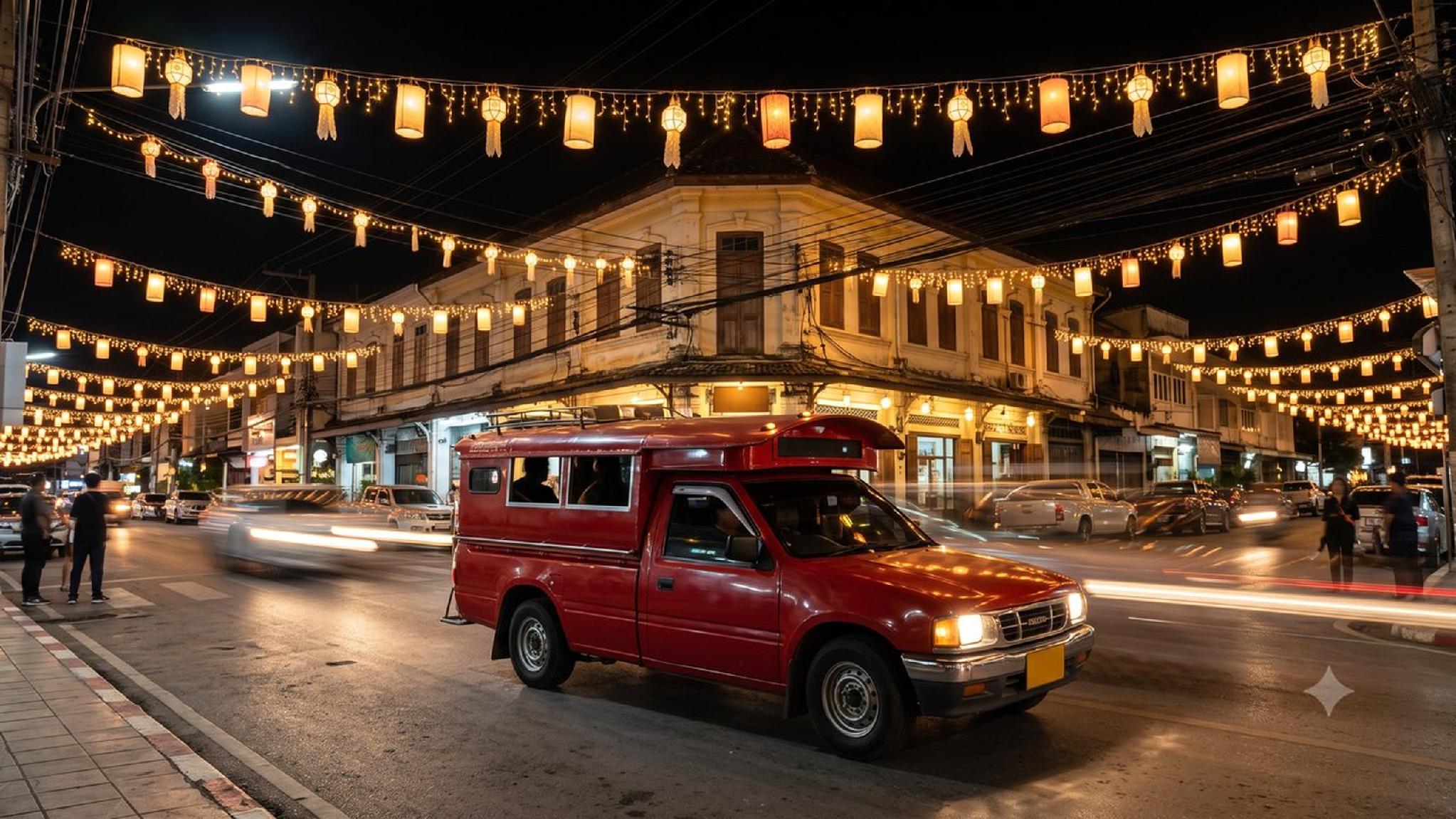
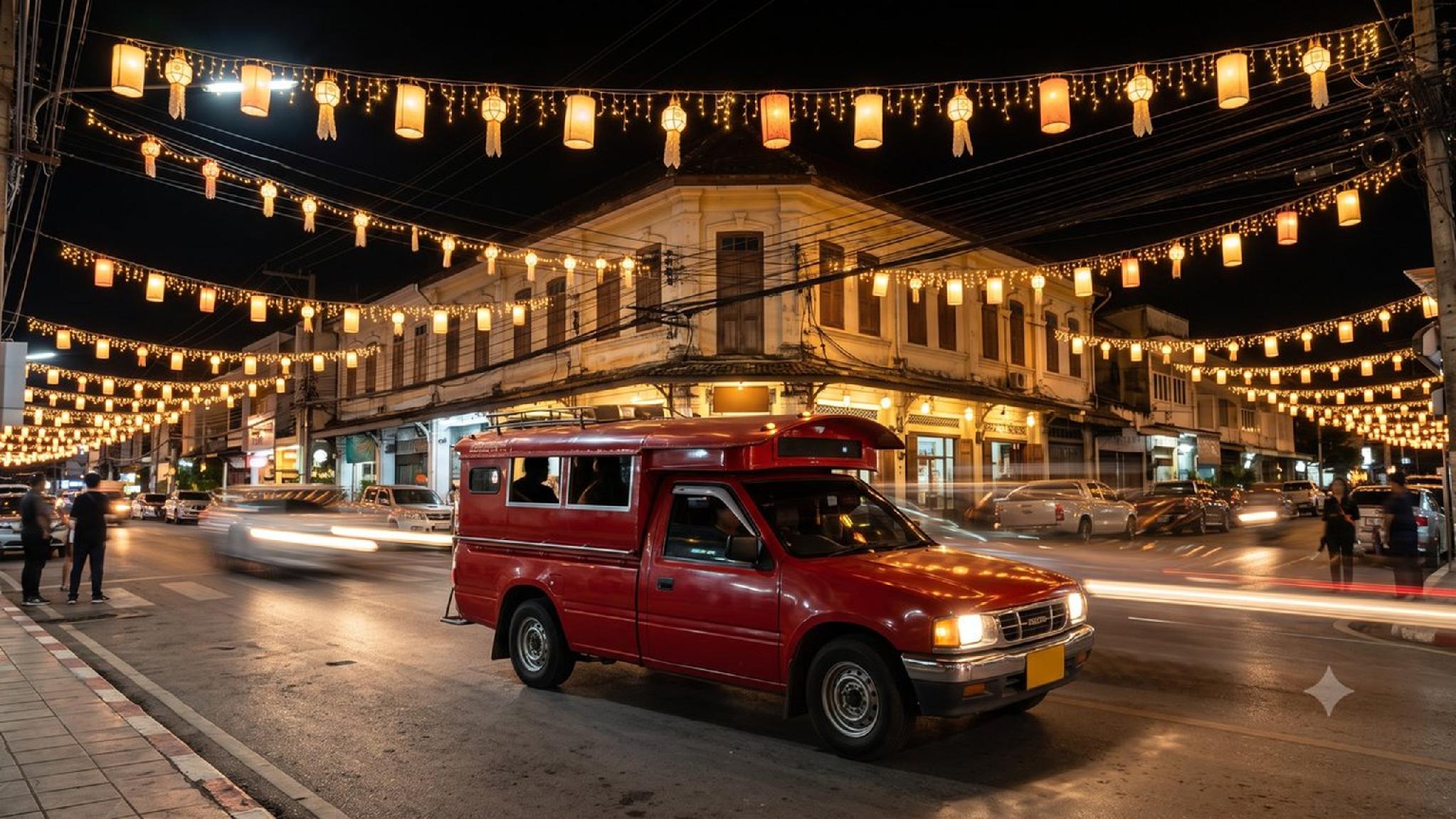
Shops and buildings along the route generally string up their own lanterns and lights for the occasion regardless of whether they are directly involved in the parade, so even the walk to a viewing spot tends to feel decorated rather than incidental, a small extra layer of atmosphere that a photo of the parade itself does not always capture.
,regionOfInterest=(1023,575.5))
,regionOfInterest=(1023,575.5))
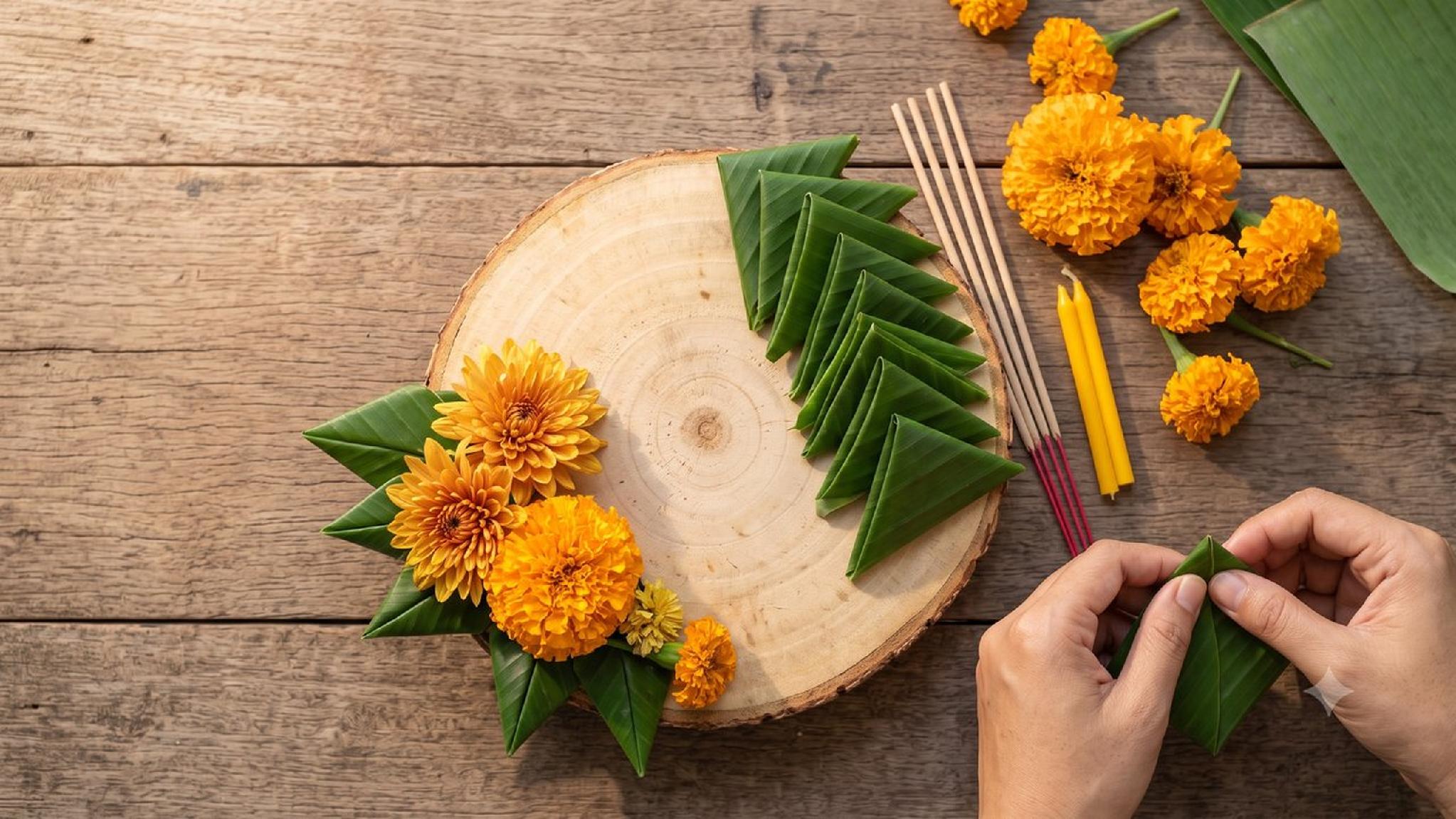
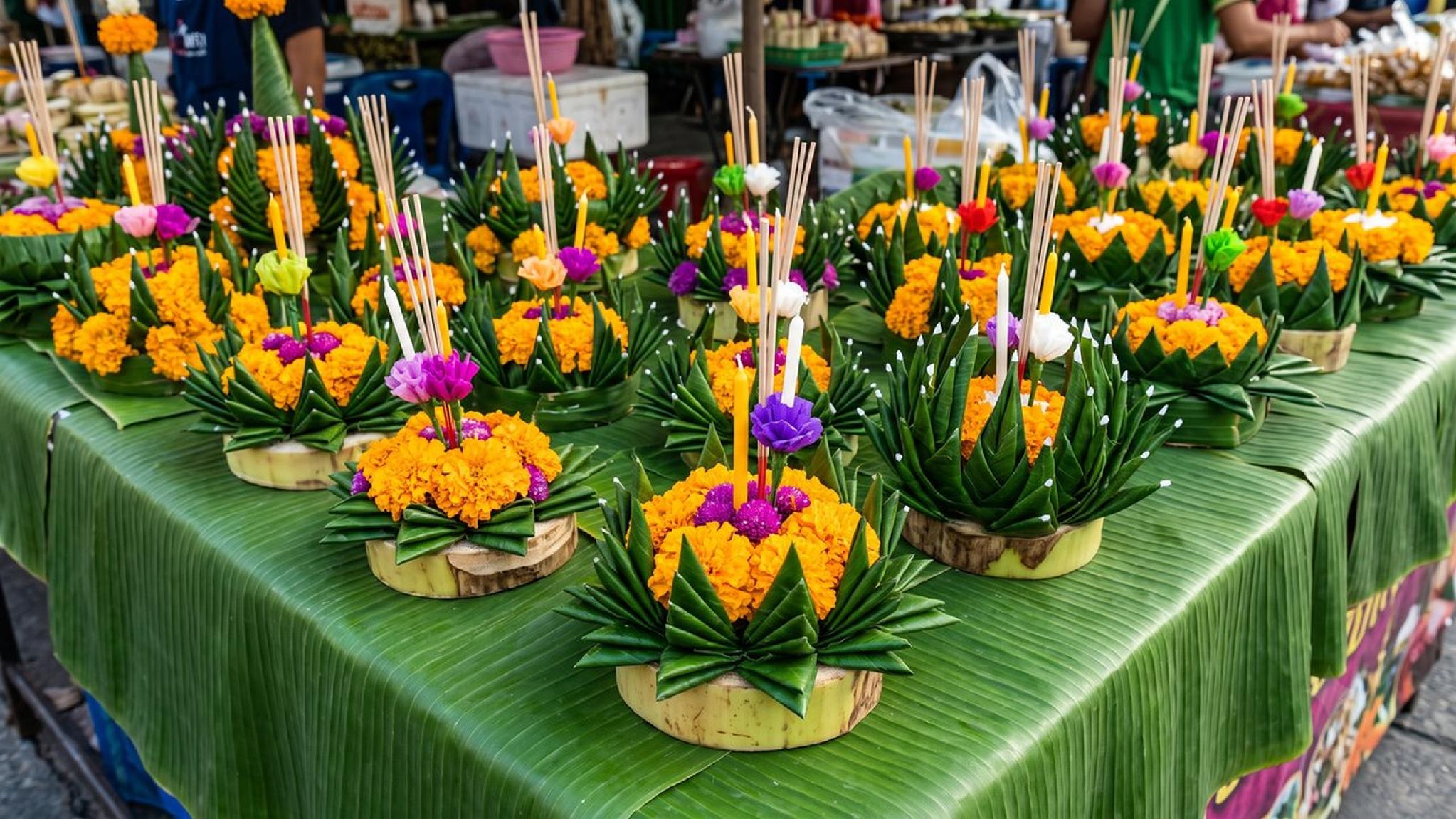
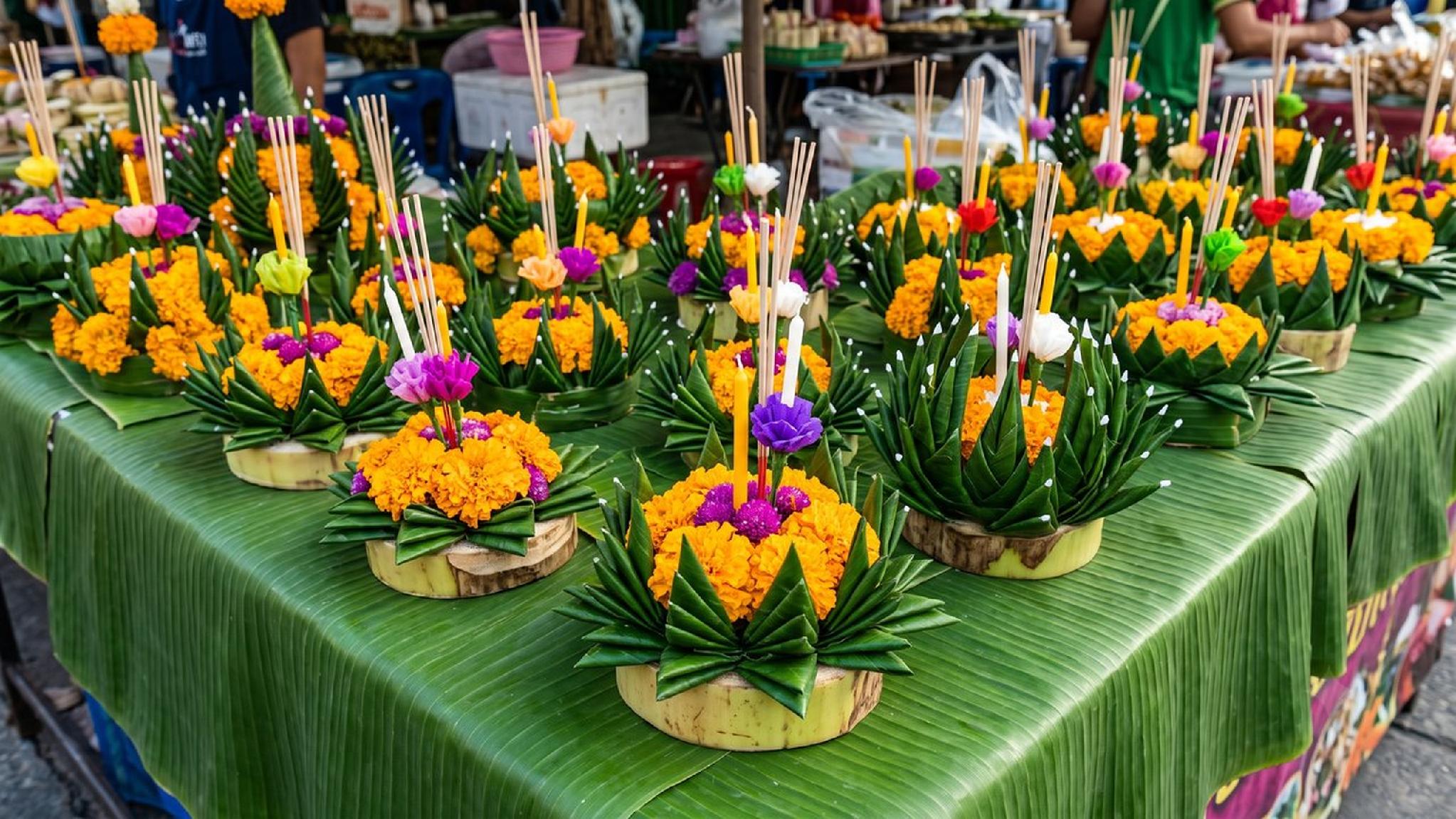
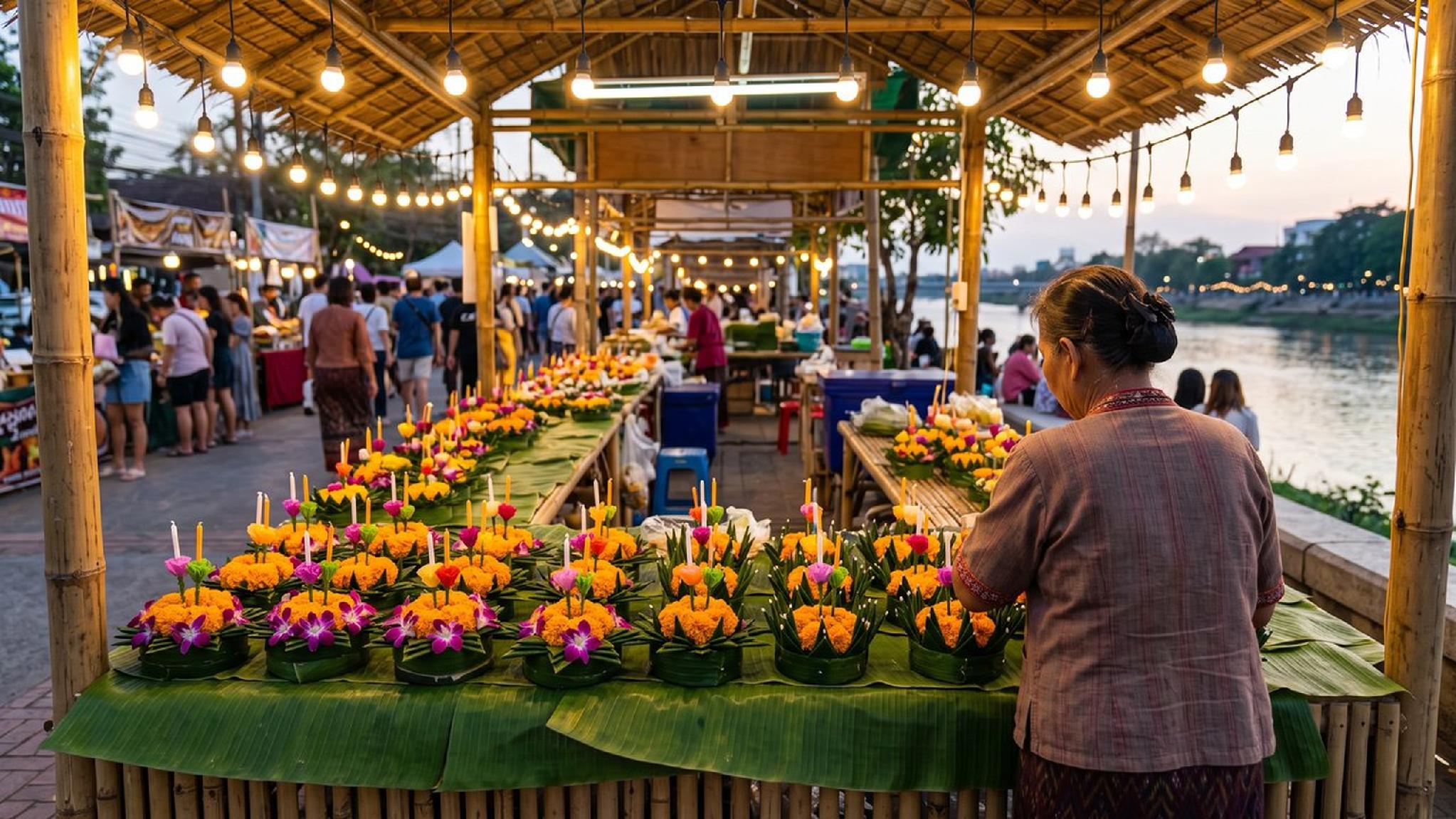
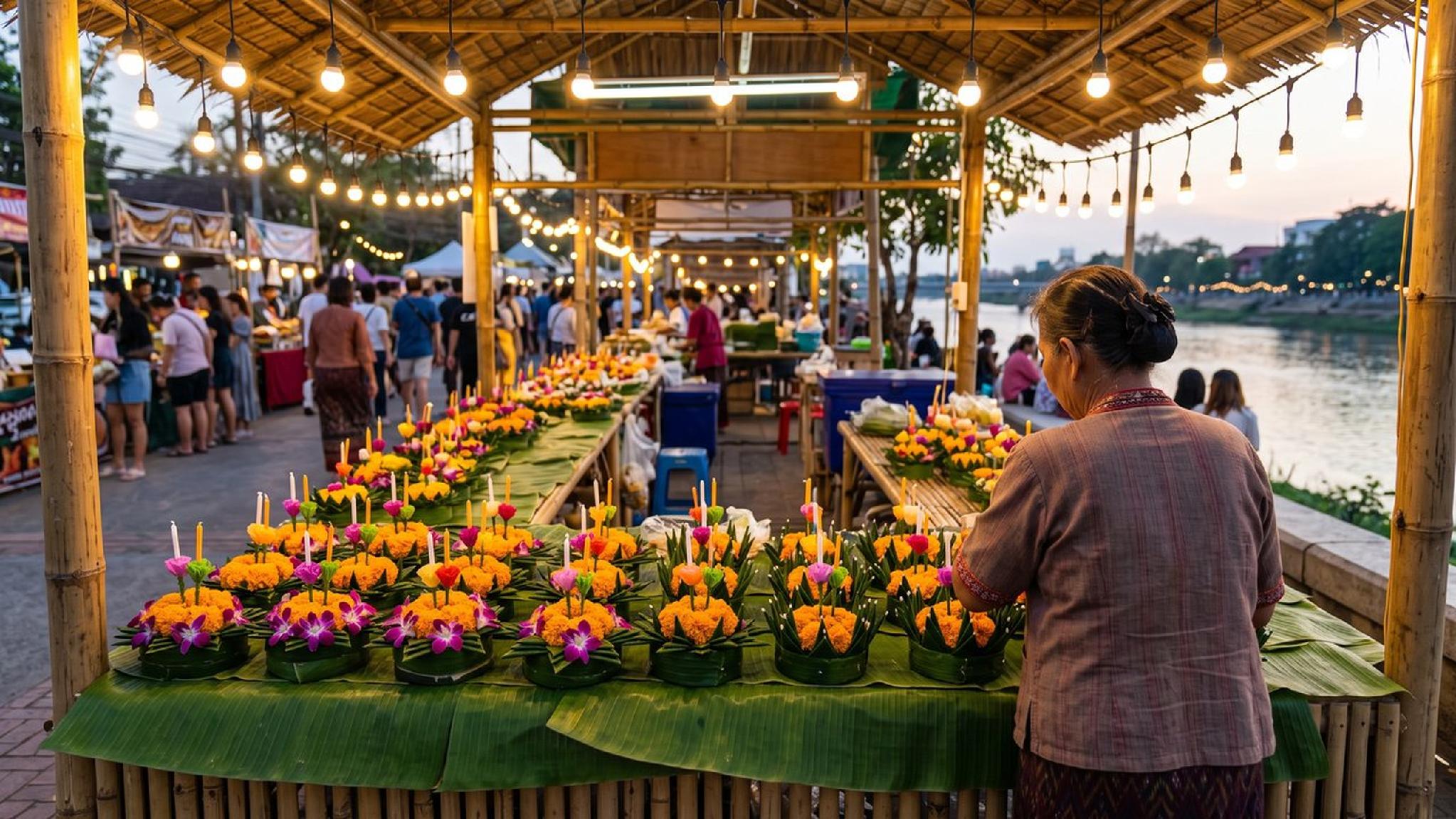
Vendors sell ready-made krathongs at every riverside stall for a small price, generally somewhere between 20 and 60 baht (roughly US$0.60 to US$1.70) depending on how elaborate the flower arrangement is, but making one takes only a few minutes and turns the evening into more than a spectator event, particularly for a family or a group wanting something to do together before heading down to the water.
Making a krathong at home or at a hotel beforehand and carrying it to the river already lit is generally discouraged, both for safety walking through a crowd with an open flame and because the candle tends to blow out before it ever reaches the water. Lighting it at the water's edge, right before setting it down, keeps the flame intact for the brief float and avoids carrying fire through a packed street unnecessarily.
The city's own waste totals, the specific materials that hold up best, and how to actually build or buy a cleaner krathong all matter here. Here is each.
,regionOfInterest=(1023,575.5))
,regionOfInterest=(1023,575.5))
That 70-tonne waste figure from the introduction is actually part of a longer downward trend, since Chiang Mai's own totals have fallen from year to year as more of what goes into the river breaks down naturally rather than lingering. Nationwide, officials now report that around 96 percent of collected krathongs are made from natural materials, with foam versions down to a small single-digit share, a real shift from a decade ago.
Bangkok's own campaigns, zero-foam pushes and designated eco-friendly float zones at well over a hundred locations across the capital, give a sense of how far this shift has come nationwide over roughly a decade, and Chiang Mai's own falling waste totals reflect the same trend on a smaller river and a smaller city. None of it requires giving up the tradition itself, only choosing what the krathong is actually made from before it goes in the water.
,regionOfInterest=(1023,575.5))
,regionOfInterest=(1023,575.5))
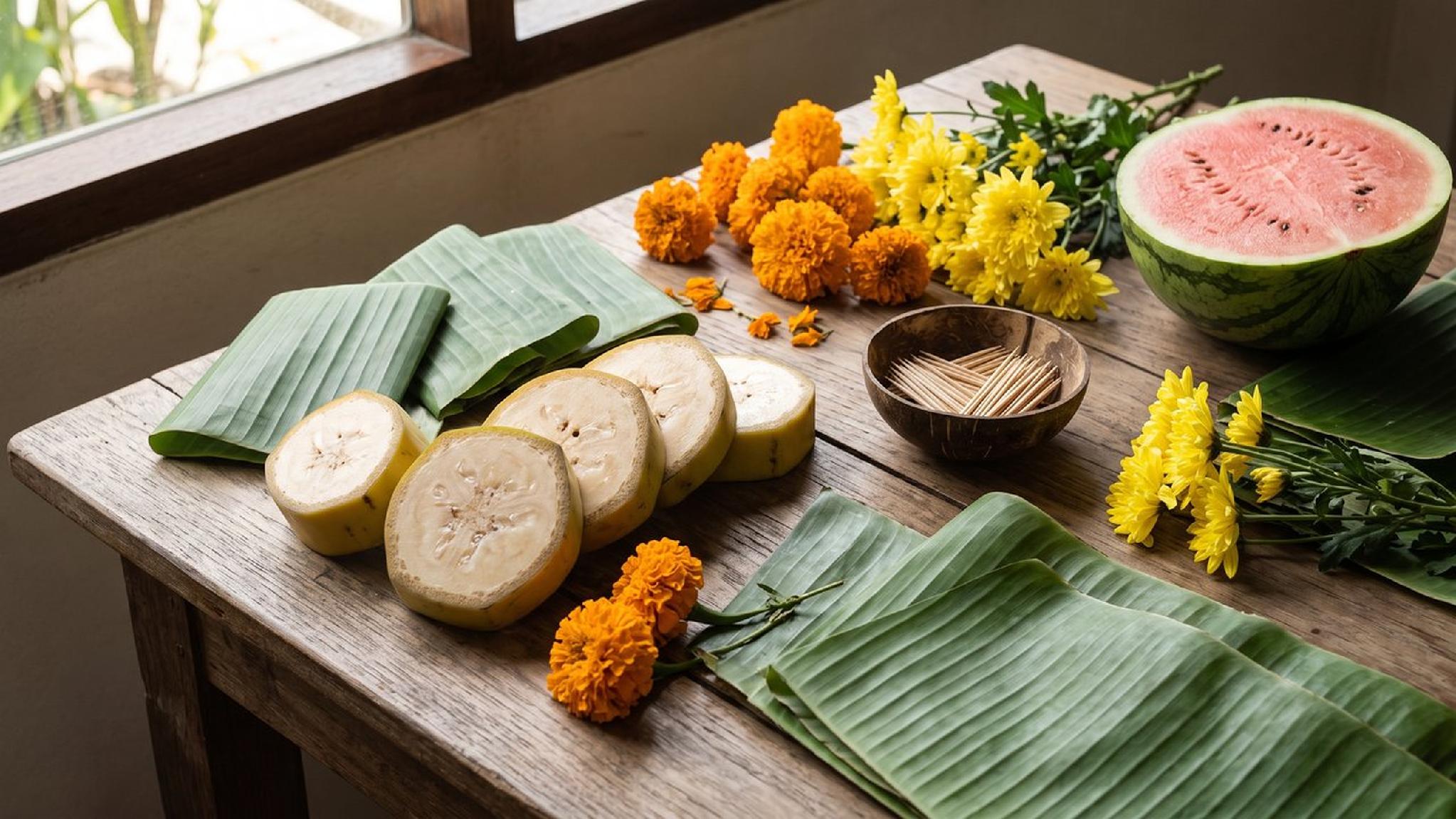
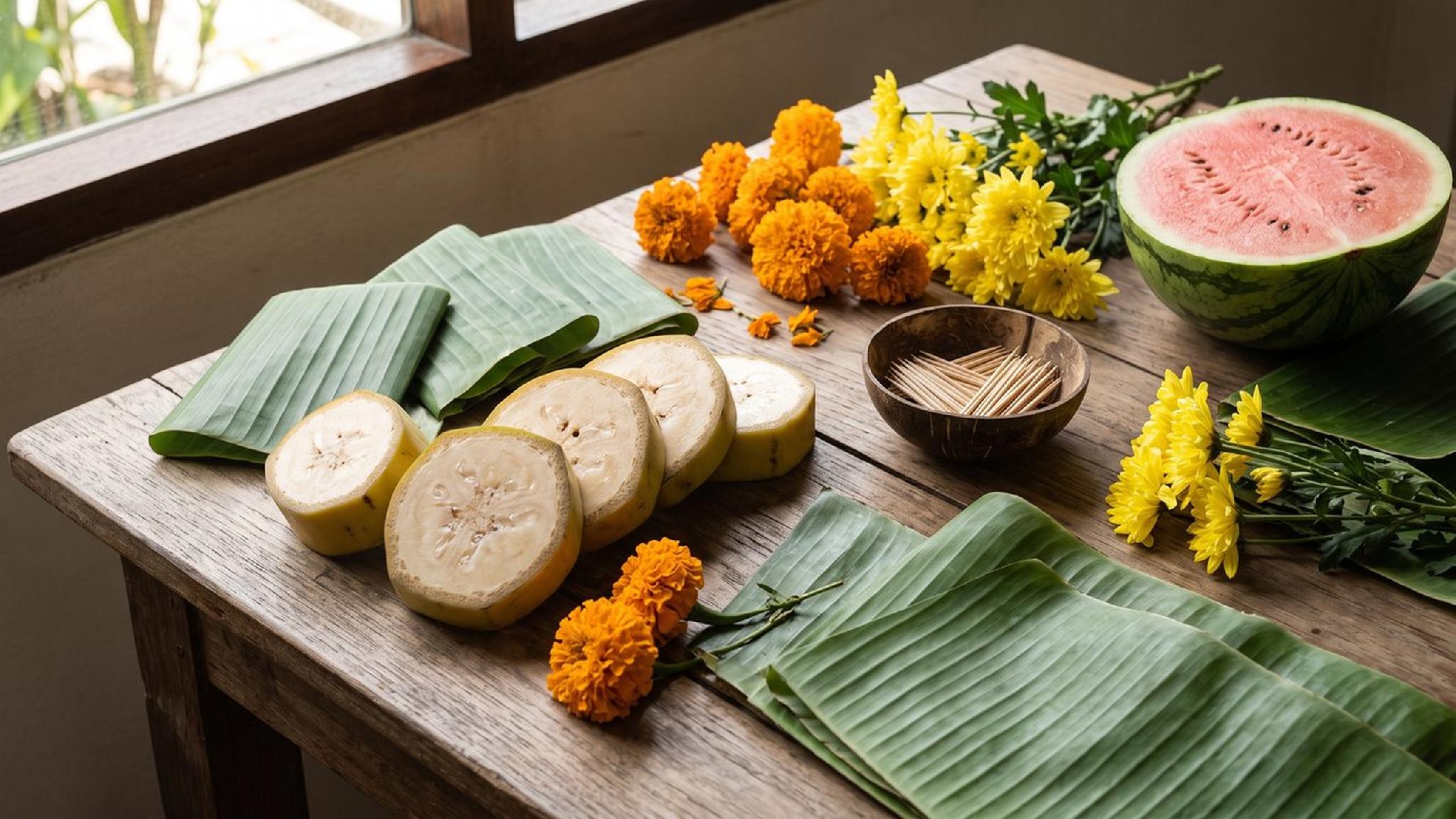
Banana trunk and leaf remain the gold standard since they decompose fully and quickly, and watermelon rind makes a genuinely good biodegradable base that fish can safely eat afterward. Bread krathongs get marketed as an eco option but authorities have started warning against them in enclosed or slow-moving water, since a large amount of bread breaking down at once can spike acidity and harm the same aquatic life the gesture is meant to respect; ice krathongs, which simply melt away, avoid that problem entirely for anyone who wants a truly zero-trace option.
,regionOfInterest=(1023,575.5))
,regionOfInterest=(1023,575.5))
A pin made from a toothpick rather than a metal staple, a candle set directly into the banana trunk rather than held by a plastic clip, and flowers left loose rather than wired into place all add up to a krathong that leaves nothing behind once it decomposes, which is really the entire point of choosing natural materials for Loy Krathong Chiang Mai in the first place.
Buying a ready-made krathong from a riverside vendor rather than assembling one at all is not a lesser way to take part either, so long as the materials hold up to the same standard. Asking a vendor what the base and pins are made from takes a few seconds and settles the question either way, a small habit that adds up across the thousands of krathongs that go into the river on a single night in Chiang Mai.
Getting there and finding a bed comes first, then the noise and packing details worth planning around.
,regionOfInterest=(1023,575.5))
,regionOfInterest=(1023,575.5))
Crowds concentrate hardest right around Nawarat Bridge and Tha Phae Gate between about 7pm and 9pm, so arriving a full hour ahead of that window secures both a decent riverside spot and a proper view of the parade passing by. A songthaew, tuk-tuk, or ride-hailing app covers the short distance from most parts of the city to the riverside for a modest fare, though traffic slows down considerably once the parade closes several roads through the Old City for the evening.
Rooms across the city book out well ahead of this specific week, the same window Yi Peng shares, so locking in accommodation three to four months out rather than a few weeks before tends to leave far more choice and a better rate than waiting.
,regionOfInterest=(1023,575.5))
,regionOfInterest=(1023,575.5))
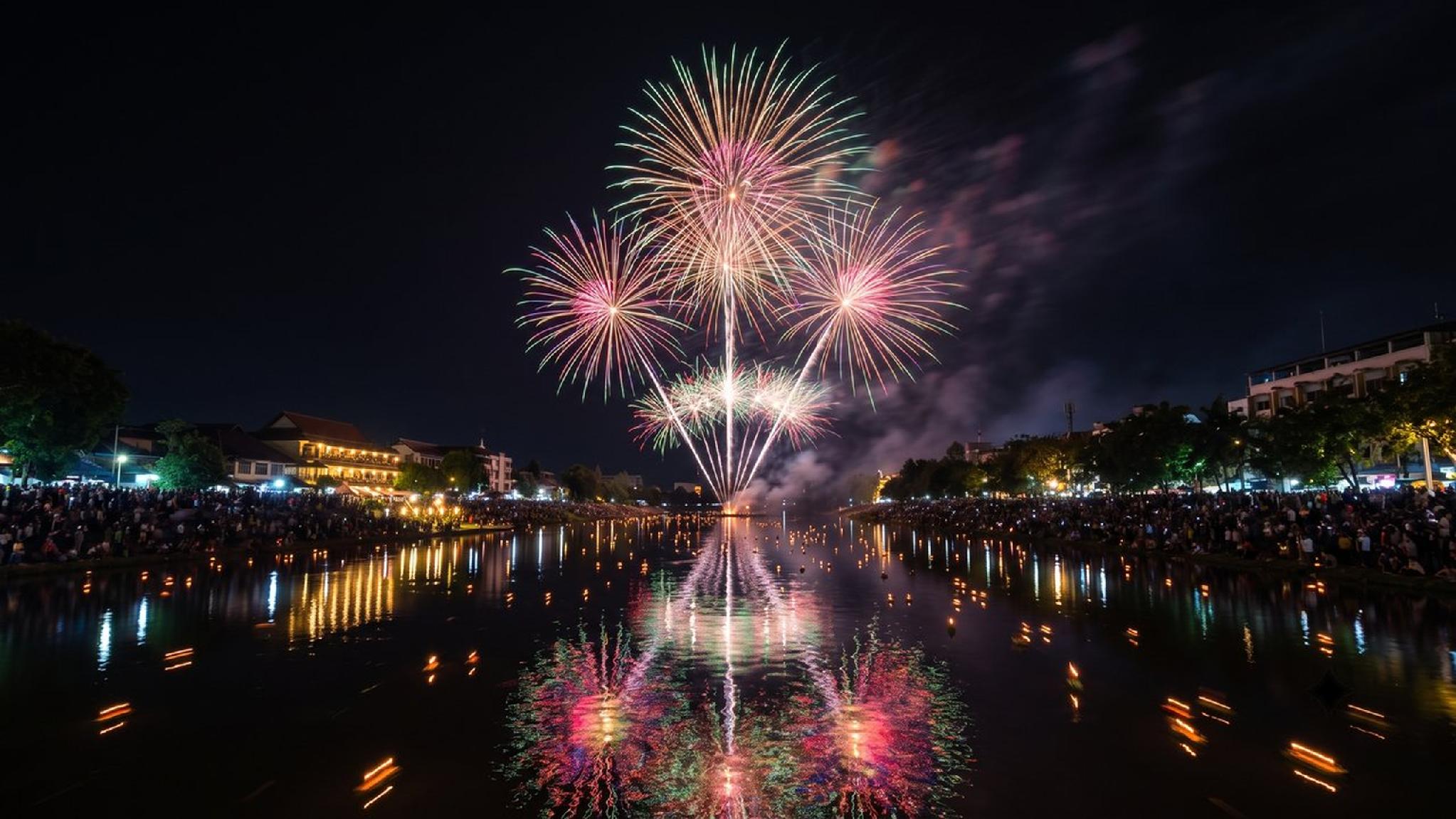
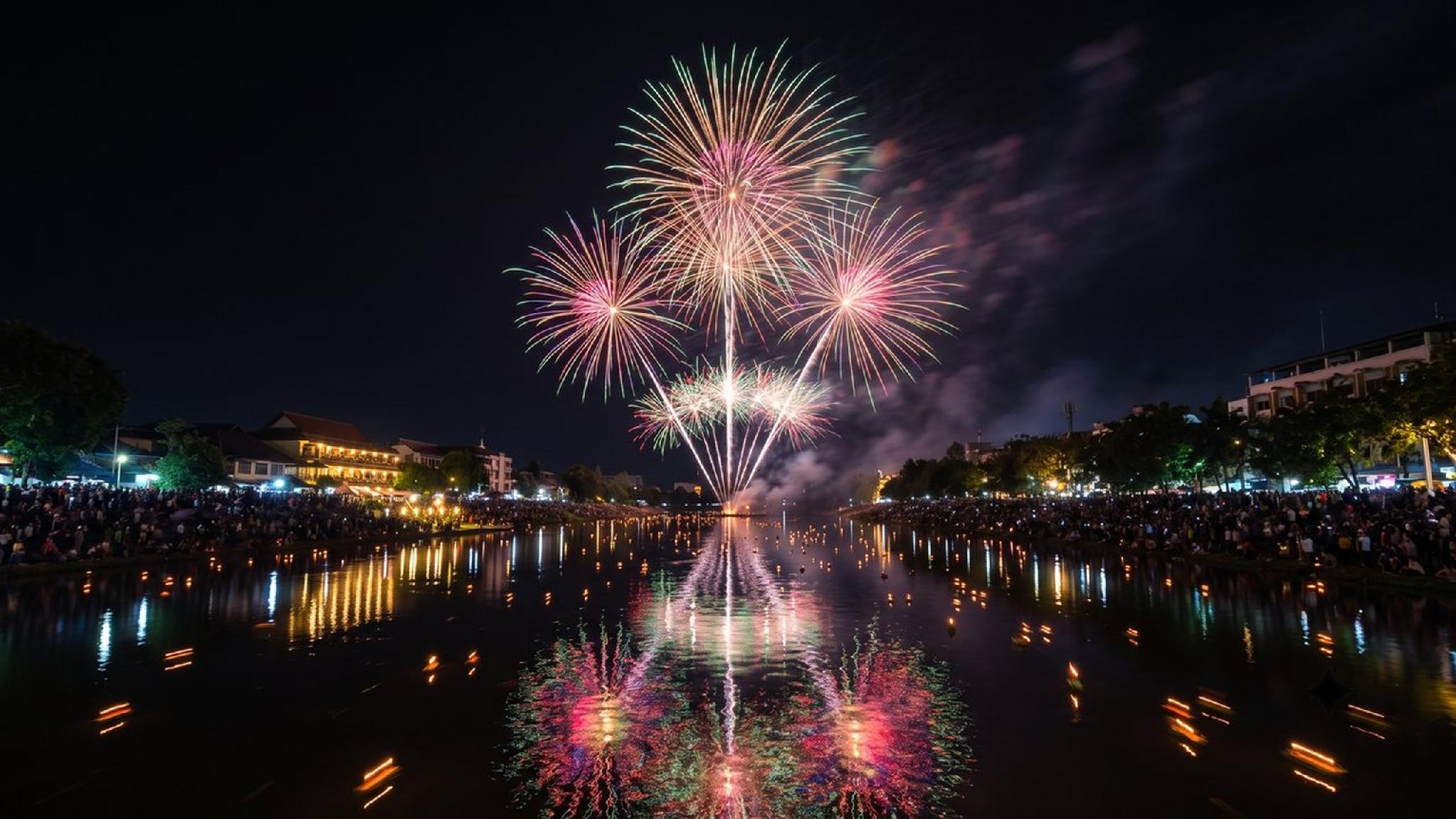
Fireworks and firecrackers continuing past midnight are worth planning around too, particularly for anyone with young children or an early flight the next morning, since the noise carries well beyond the immediate riverside area and does not reliably taper off at any fixed hour. A room set back a block or two from the busiest stretch of the Ping River tends to sleep considerably better than one directly on top of the action.
A short packing list covers most of what the evening actually needs: enough small cash for a ready-made krathong or a food stall snack, a lighter or matches if bringing a hand-made one, a small bag to carry out any wrapper or packaging, and shoes that can handle a muddy riverbank rather than sandals that slide off in the crowd.
,regionOfInterest=(1771.5,1181.5))
,regionOfInterest=(1771.5,1181.5))
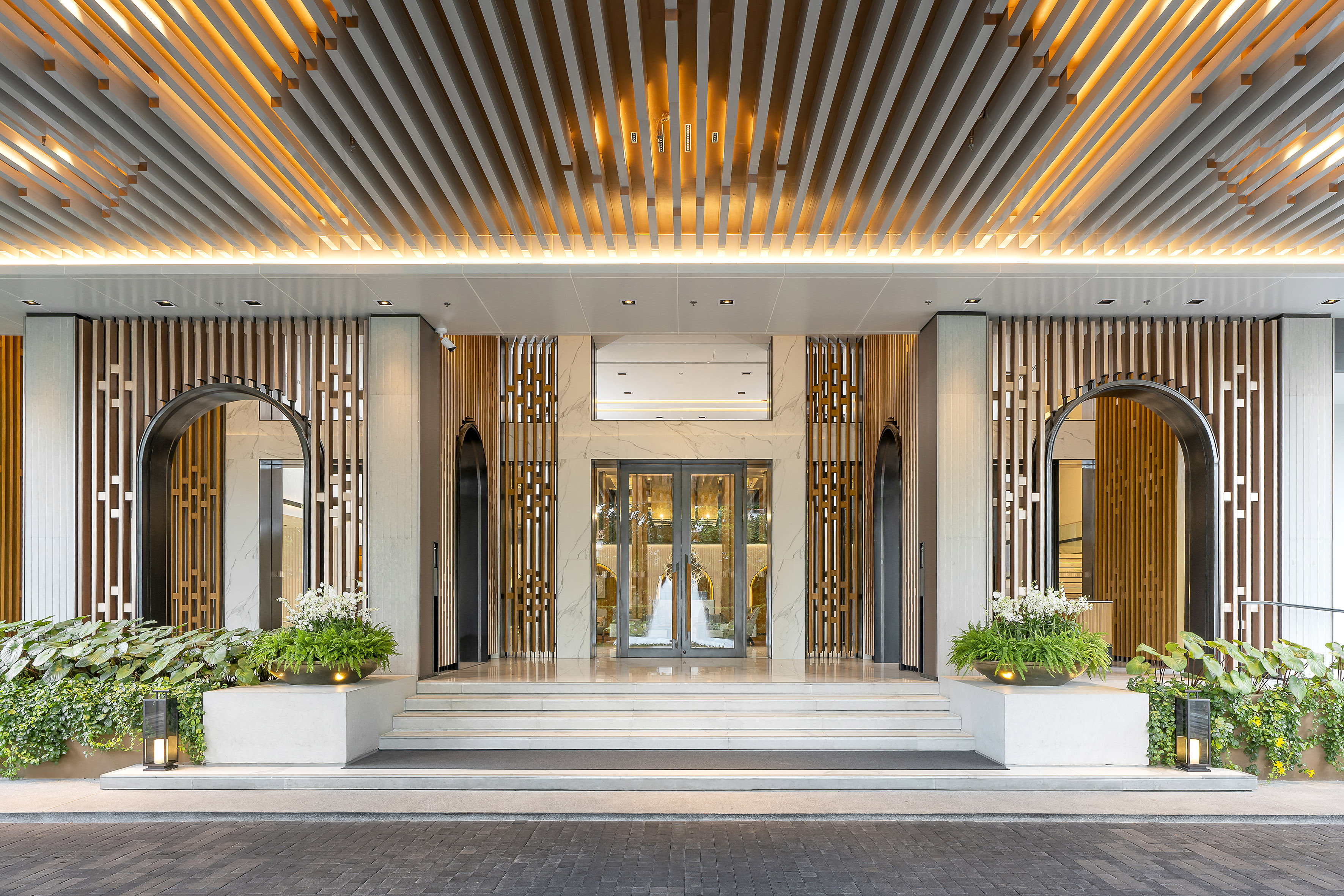
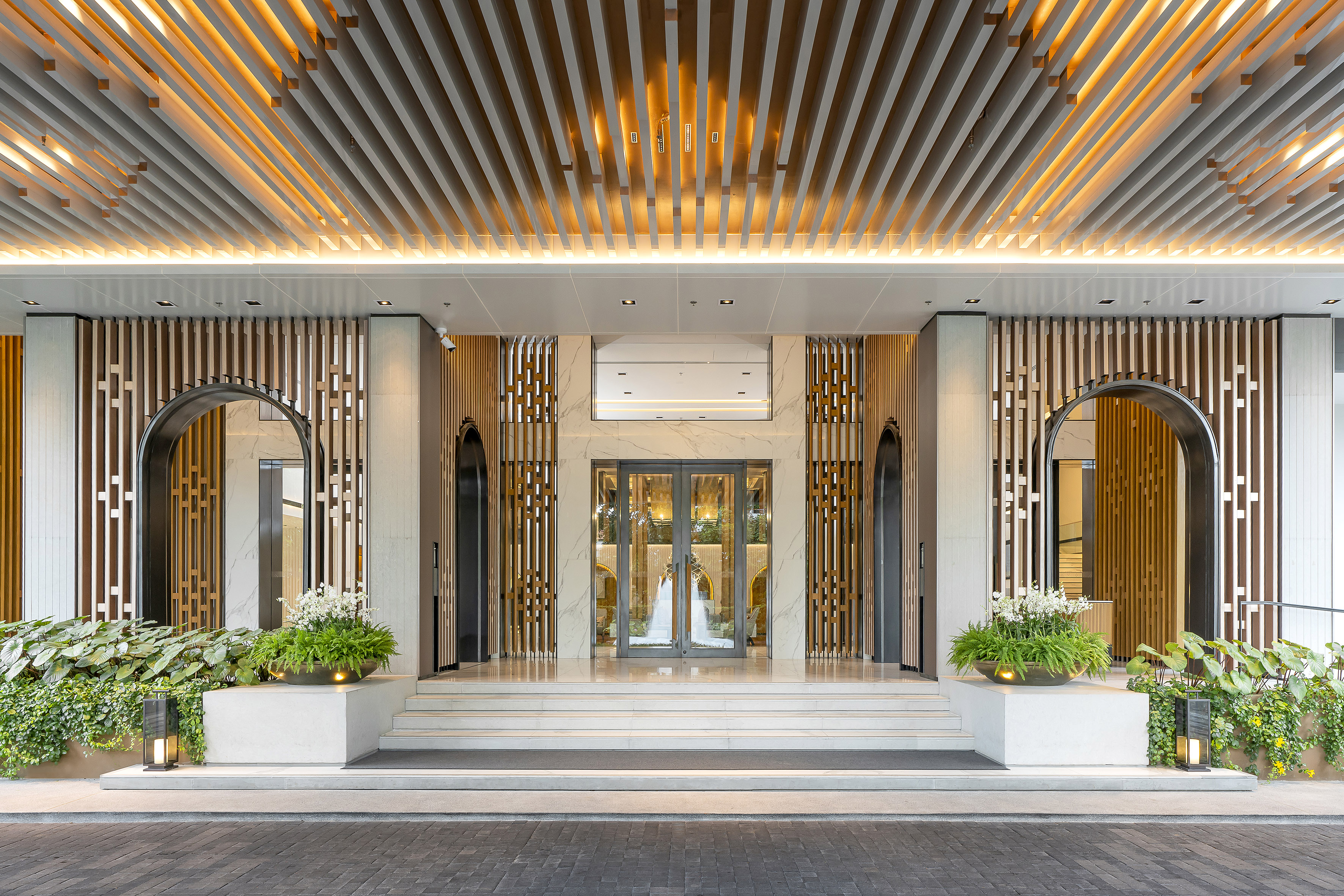
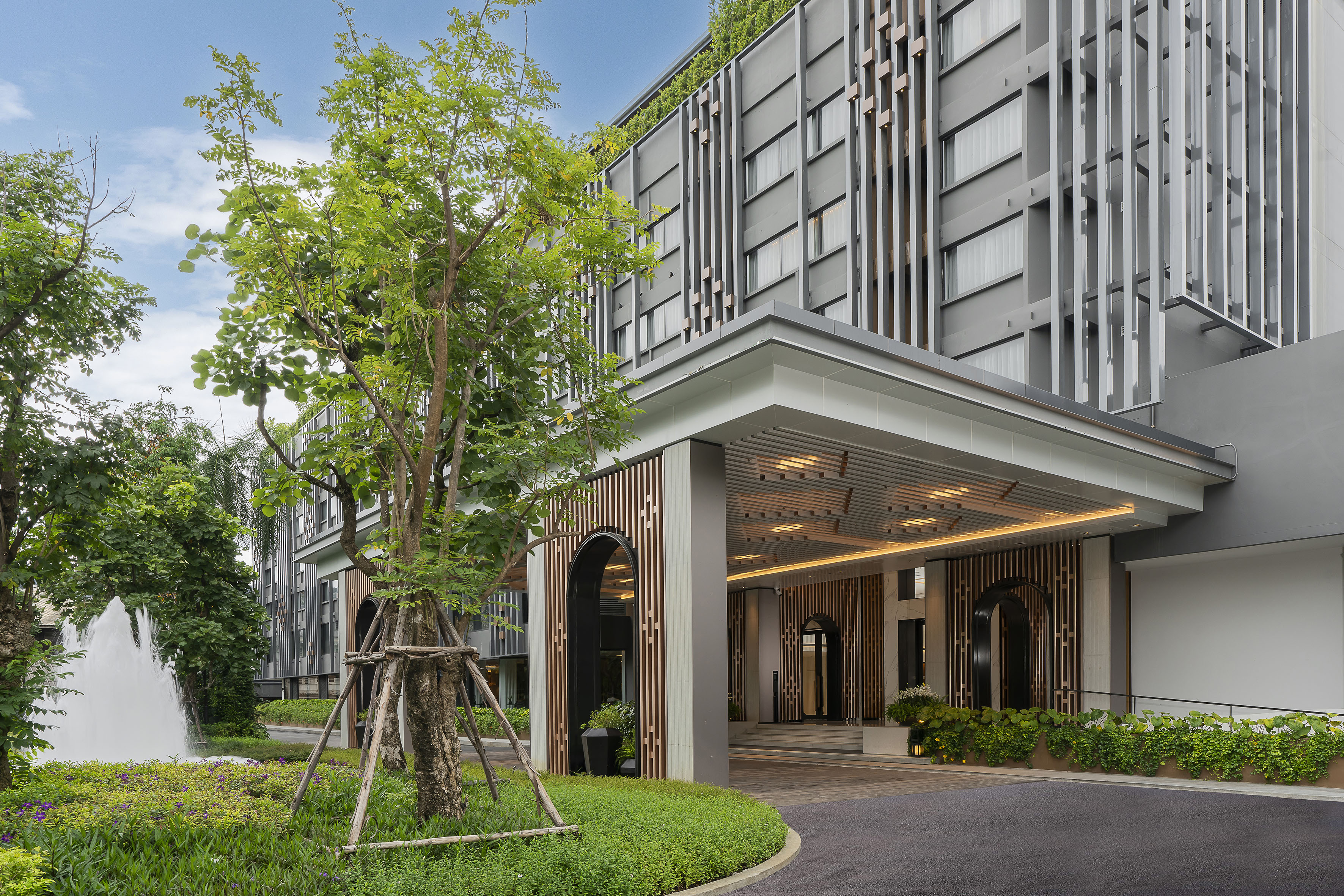
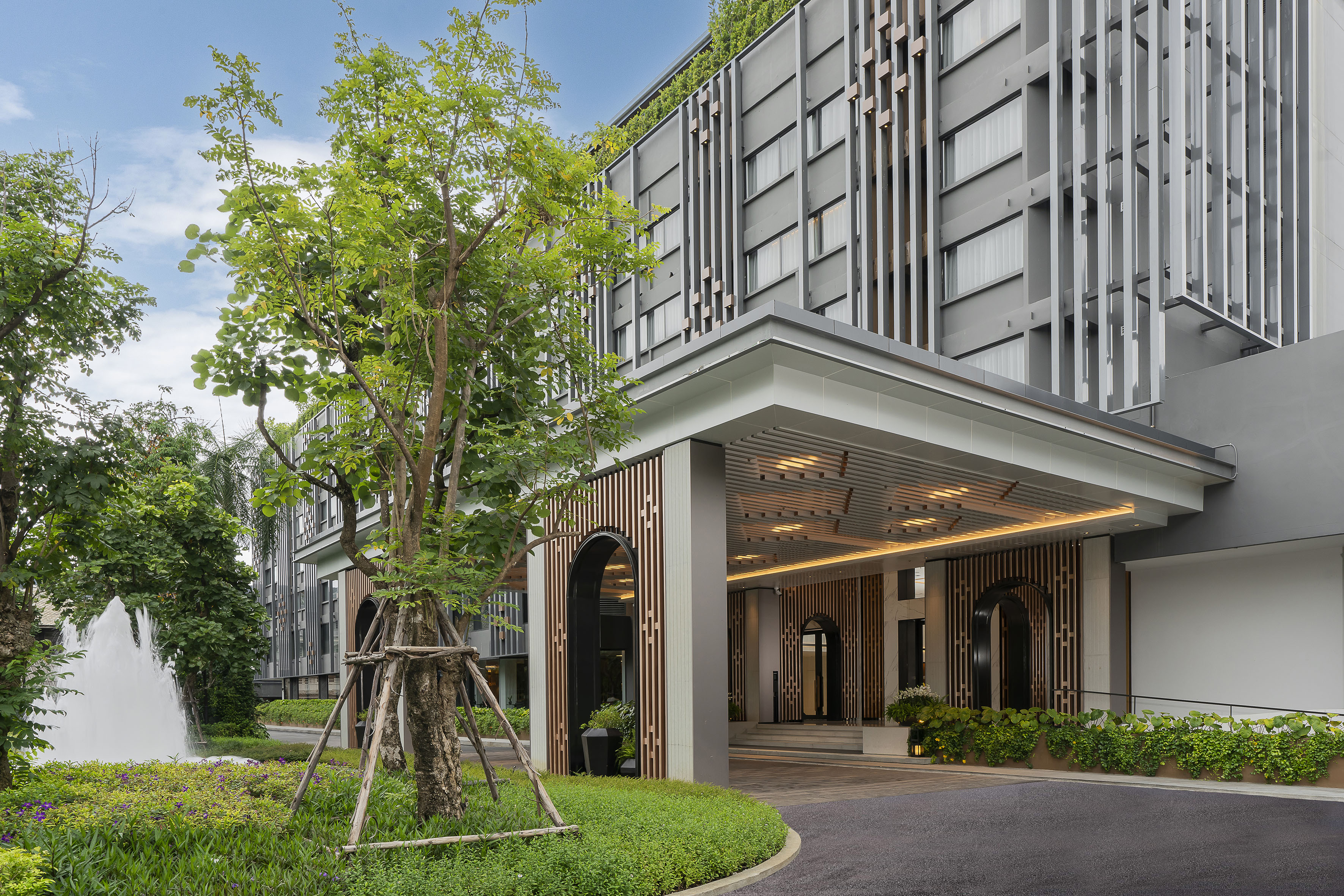
Meliá Chiang Mai sits close enough to the Ping River that floating a krathong does not require much more than a short walk from the lobby, an easy way to take part in Loy Krathong Chiang Mai without needing transport there and back after dark.
East-facing Meliá Room units pick up the river's morning light rather than the mountain sunset, a small but genuine detail for anyone who wants the Ping River as part of the view rather than just a walk away.
Mai Restaurant & Bar, the hotel's 21st floor signature restaurant, makes a fitting way to close out the evening, watching the same stretch of river light up with floating candles from height after spending the earlier part of the night down on the bank itself.
The à la carte menu runs six appetisers, three soups, three rice and noodle dishes, and nine main courses, built around contemporary Northern Thai cooking with a Mediterranean thread running through the technique rather than the ingredients.
The restaurant's own Organic Longan Project underpins its best-known dessert, Lum Yai Pudding, an organic longan pudding finished with butterscotch sauce and coconut ice cream, sourced through a partnership built specifically around the same Northern Thai orchards the fruit itself comes from. Pairing a river night with a meal built around a local ingredient's own supply chain rounds out an evening that started with a candle set adrift a few floors below.
During the festival window, Mai Restaurant & Bar swaps its everyday à la carte format for a dedicated four-course Loy Krathong menu, created specifically for the occasion by Executive Chef Suksant "Billy" Chutinthratip and Sous Chef Karn Phojun rather than repeating the regular lineup.
The menu opens with a trio of Thai appetisers, a crispy shrimp basket, an egg net-wrapped peppery shrimp parcel, and a golden parcel stuffed with chicken curry, followed by a tom yum soup built on a paste of wild chili, prawns, and winter mushroom.
The main course comes down to a choice between baked salmon trout with green chili relish, wok-fried edible ferns, and safflower rice, or slow-cooked pork ribs in a Khao Soi curry sauce served with home-pickled vegetables, garbanzo beans, and potato.
A Loy Krathong treasure basket closes out the meal, a small collection of Thai desserts served together rather than a single plated course, a fitting way to end a dinner built entirely around the festival itself.
Reservations are worth making a few days ahead for either the 24th or the 25th specifically, since the same view that makes the restaurant appealing on an ordinary night draws a noticeably fuller room once the river below is lit up with hundreds of candles rather than its usual evening traffic.
None of this requires much planning ahead beyond booking the table itself, since the walk to the river and back takes only a few minutes either way. For a festival built around water and light, ending the night looking down at both from height is a fitting way to close out Loy Krathong Chiang Mai rather than an afterthought tacked onto the evening.
,regionOfInterest=(1771.5,1181.5))
,regionOfInterest=(1771.5,1181.5))
Between the riverside crowds, the parade winding through the Old City, and a krathong built by hand rather than bought from a stall, Loy Krathong Chiang Mai rewards showing up early and choosing natural materials over convenience.
Pick a stretch of the Ping River away from the densest crowd if a calmer evening matters more than the biggest spectacle, build a krathong from banana leaf and real flowers rather than foam, and the festival leaves behind exactly what it is meant to: a little less bad luck, and a little less waste in the water the next morning for the crews and volunteers who spend that morning clearing the river back to normal.
,regionOfInterest=(1023,575.5))
,regionOfInterest=(1023,575.5))
Loy Krathong Chiang Mai falls on 24 and 25 November 2026, with the 25th landing on the festival's full moon date and main riverside celebrations running roughly 7pm to 10pm both nights.
The core act is floating a small krathong, traditionally banana trunk, leaf, flowers, incense, and a candle, on a river or canal as an offering of thanks and a way of letting go of the past year's misfortune, alongside a parade, food stalls, and general riverside festivities that run well into the night.
Nawarat Bridge and the surrounding stretch of the Ping River are the most iconic spots in Chiang Mai, though walking a short distance along the bank toward the Iron Bridge finds a calmer view without losing the atmosphere, and Tha Phae Gate suits anyone who wants the parade as well as the river.
A krathong made from banana trunk, leaf, and real flowers breaks down naturally and does little harm, which is why around 96 percent of the krathongs collected nationwide are now made from natural materials. Foam, plastic, and even bread versions floated in enclosed or slow-moving water are the ones genuinely worth avoiding, since they either fail to decompose at all or can quietly harm water quality as they break down over the following days.
,regionOfInterest=(1476.5,980.5))
,regionOfInterest=(1476.5,980.5))
,regionOfInterest=(1496,1996))
,regionOfInterest=(1496,1996))
,regionOfInterest=(2732,1820))
,regionOfInterest=(2732,1820))
,regionOfInterest=(1392,924))
,regionOfInterest=(1392,924))
,regionOfInterest=(2121,1414))
,regionOfInterest=(2121,1414))