,regionOfInterest=(2900.5,1949.5))
,regionOfInterest=(2900.5,1949.5))
Best beaches in Cancún
,regionOfInterest=(2538,1573))
,regionOfInterest=(2538,1573))
Holidays
,regionOfInterest=(1023,575.5))
,regionOfInterest=(1023,575.5))
Most people assume November is the only real answer to the best time to visit Chiang Mai, and the lantern festivals that month certainly make a strong case for the assumption. The fuller answer is a good deal broader than a single month, though, and there are two genuinely distinct windows worth weighing against each other rather than defaulting to whichever one tops a generic list.
This guide breaks down both of Chiang Mai's travel windows honestly, the cool season from November to February and the rainy season from May to October, along with a month-by-month view, so a trip can be planned around what actually matters most: weather, crowds, price, or a specific festival, rather than a single blanket answer to the best time to visit Chiang Mai that ignores what any individual traveller is actually after.
,regionOfInterest=(512,482))
,regionOfInterest=(512,482))
Digital marketing specialist with a passion for travel, writing, and discovering what makes every destination unique.
,regionOfInterest=(800,446.5))
,regionOfInterest=(800,446.5))
,regionOfInterest=(800,446.5))
,regionOfInterest=(800,446.5))
,regionOfInterest=(800,446.5))
,regionOfInterest=(800,446.5))
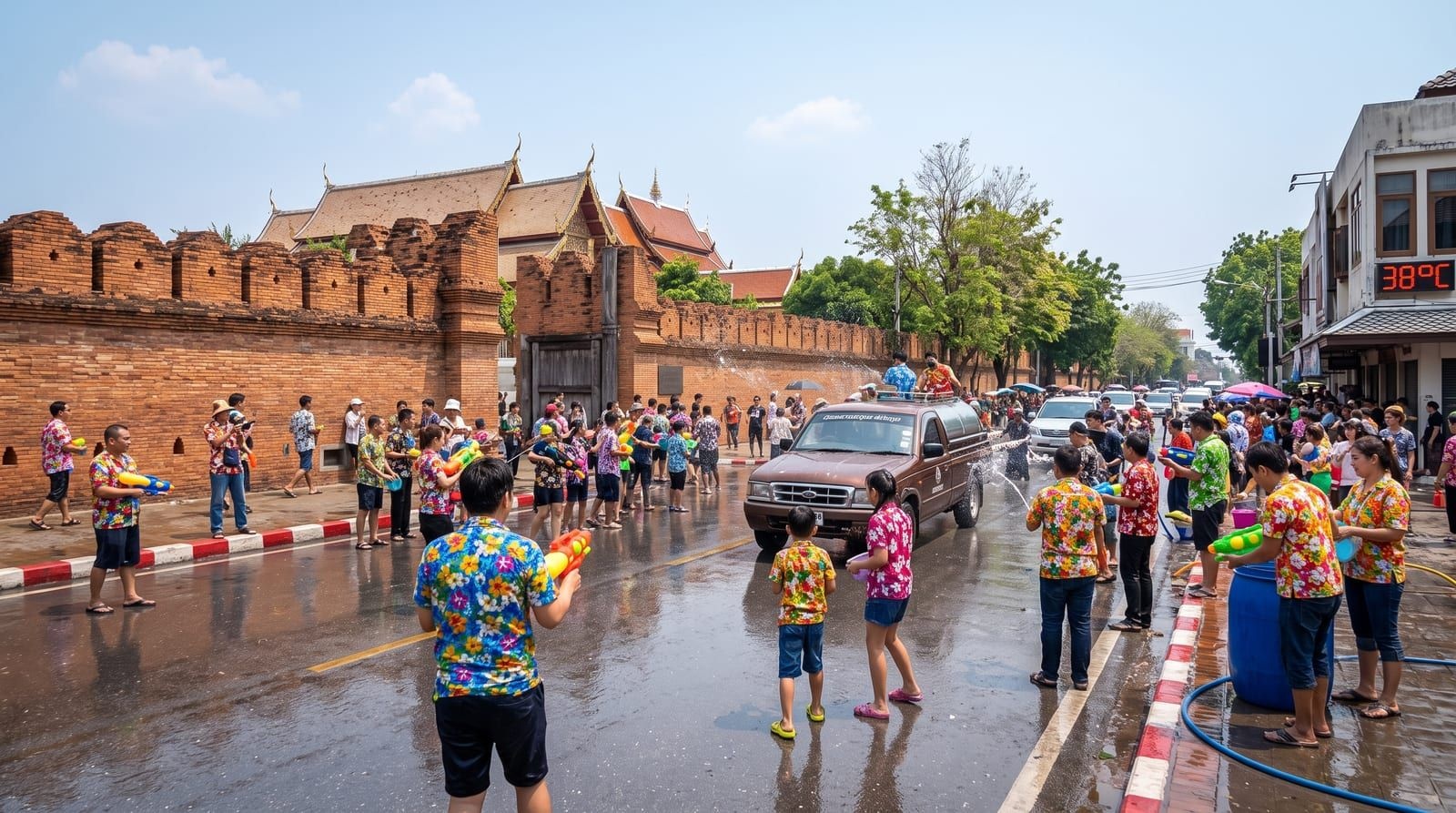,regionOfInterest=(800,446.5))
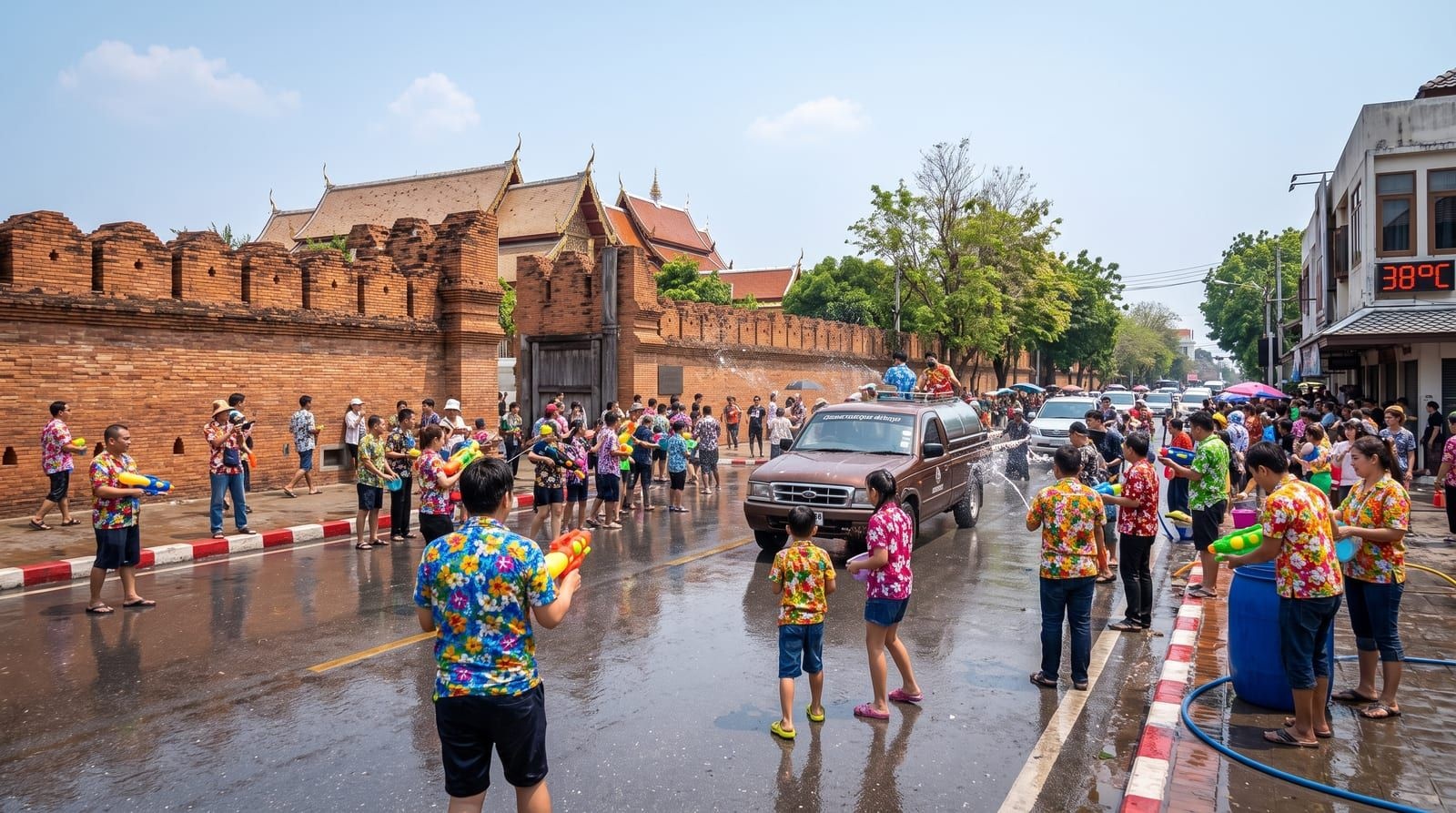,regionOfInterest=(800,446.5))
Chiang Mai runs on two clear travel windows rather than the four seasons most travellers expect.
Cool season, roughly November through February, brings the most comfortable daytime temperatures and the clearest skies of the year.
Rainy season, May through October, brings afternoon downpours, lush green hillsides, and the lowest prices of the year. Here is how the two compare at a glance.
|
Season |
Months |
Key Trait |
|
Cool Season |
November to February |
Clearest skies, most comfortable temperatures, peak prices |
|
Rainy Season |
May to October |
Afternoon downpours, lush scenery, lowest prices |
Neither one is wrong for a visit, but each rewards a slightly different kind of planning, worth keeping in mind when working out the best time to visit Chiang Mai for your own priorities.
,regionOfInterest=(300,200))
,regionOfInterest=(300,200))
November through February is the closest thing to a universal answer for the best time to visit Chiang Mai: daytime temperatures sit around 26 to 28 degrees Celsius, mornings and evenings cool down to a genuinely crisp 13 to 15 degrees in December and January, and skies stay clear enough for mountain views most days. Yi Peng and Loy Krathong fall in late November, adding a genuine highlight rather than just good weather.
The trade-off is real too: this is peak season, so hotel rates climb, popular temples and markets get busier, and booking flights or rooms at the last minute costs noticeably more than doing it three or four months ahead.
Within cool season itself, early November and February tend to run a shade quieter than the December and January peak, a useful detail for anyone chasing the best time to visit Chiang Mai without also chasing the very highest prices of the year. Late November specifically overlaps with Yi Peng and Loy Krathong, so expect that particular week to book out fastest of all regardless of which shoulder month it otherwise falls in.
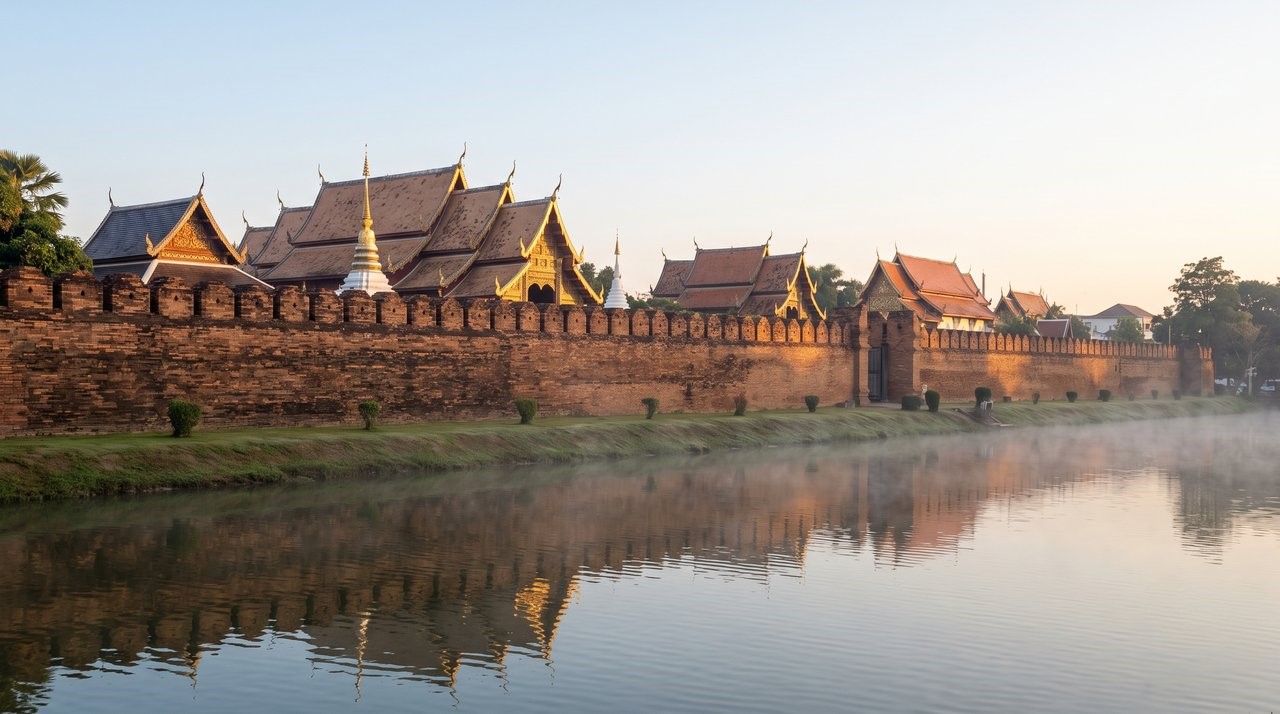,regionOfInterest=(640,357))
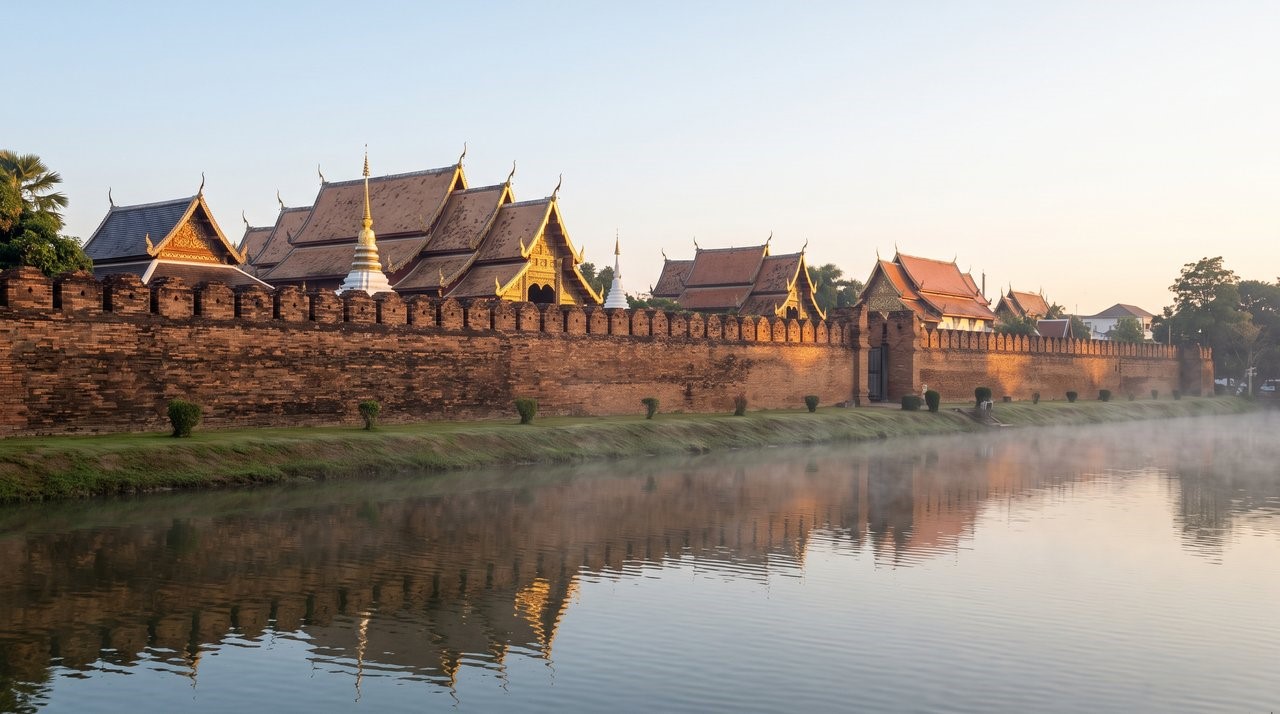,regionOfInterest=(640,357))
Cool season covers four months that do not all feel the same. Here is how the weather actually behaves, what falls on the calendar, and how to handle the crowds that come with the year's most popular window.
Daytime temperatures across November to February sit comfortably in the mid to high twenties, warm enough for a full day outdoors without the humidity that defines the rest of the year. The bigger surprise for most first-time visitors is the drop after sunset: December and January mornings regularly start around 13 to 15 degrees in the city, and considerably colder on Doi Suthep or Doi Inthanon, where a light jacket stops being optional.
Packing works best in layers rather than around a single forecast. A t-shirt and light trousers cover the middle of the day, a fleece or light jacket covers early mornings and evenings, and something warmer again is worth having for any sunrise trip up into the mountains. Rain is rare enough through these months that a compact umbrella covers whatever does arrive, and comfortable walking shoes matter more than anything weatherproof.
,regionOfInterest=(960,640))
,regionOfInterest=(960,640))
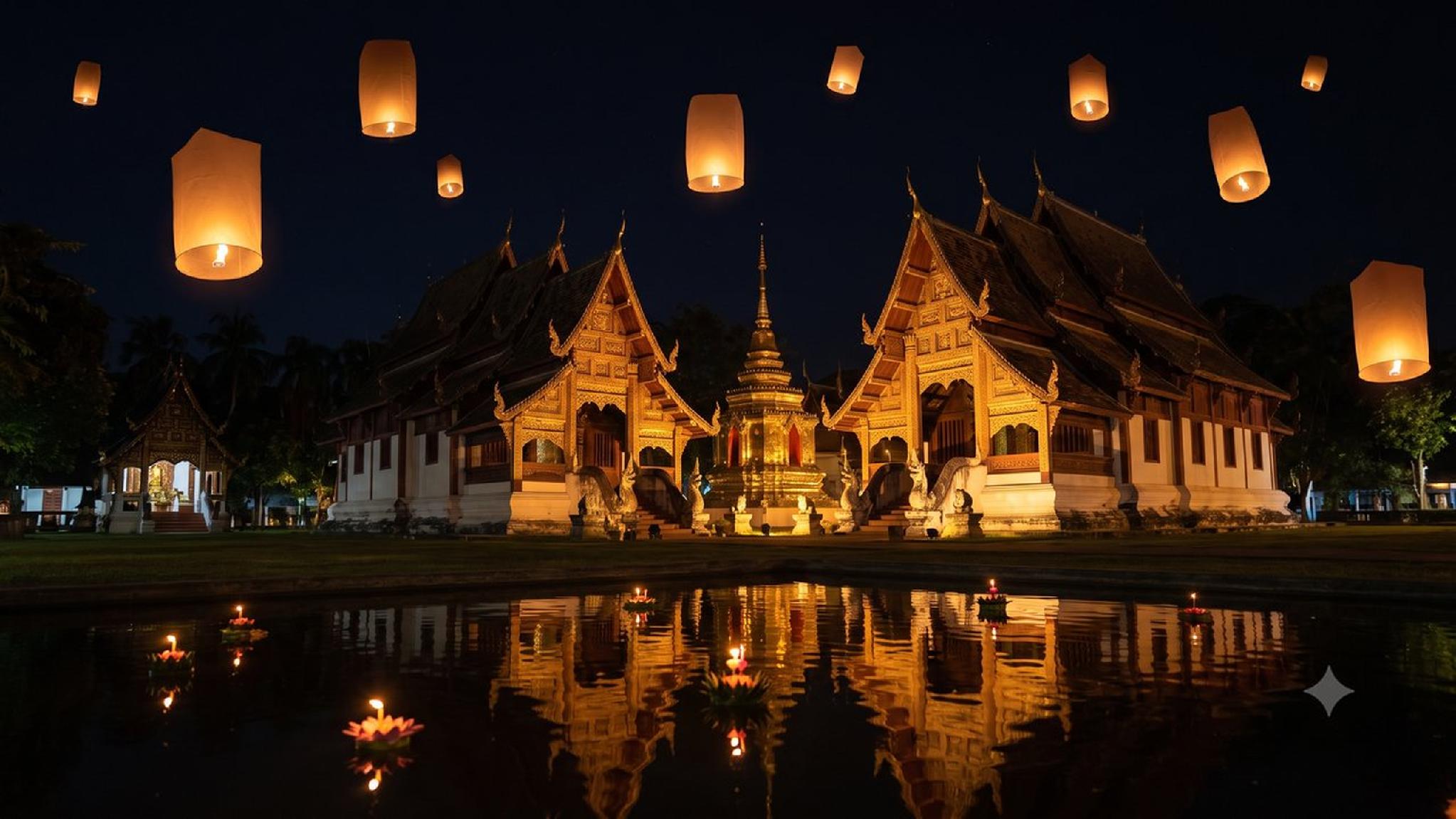
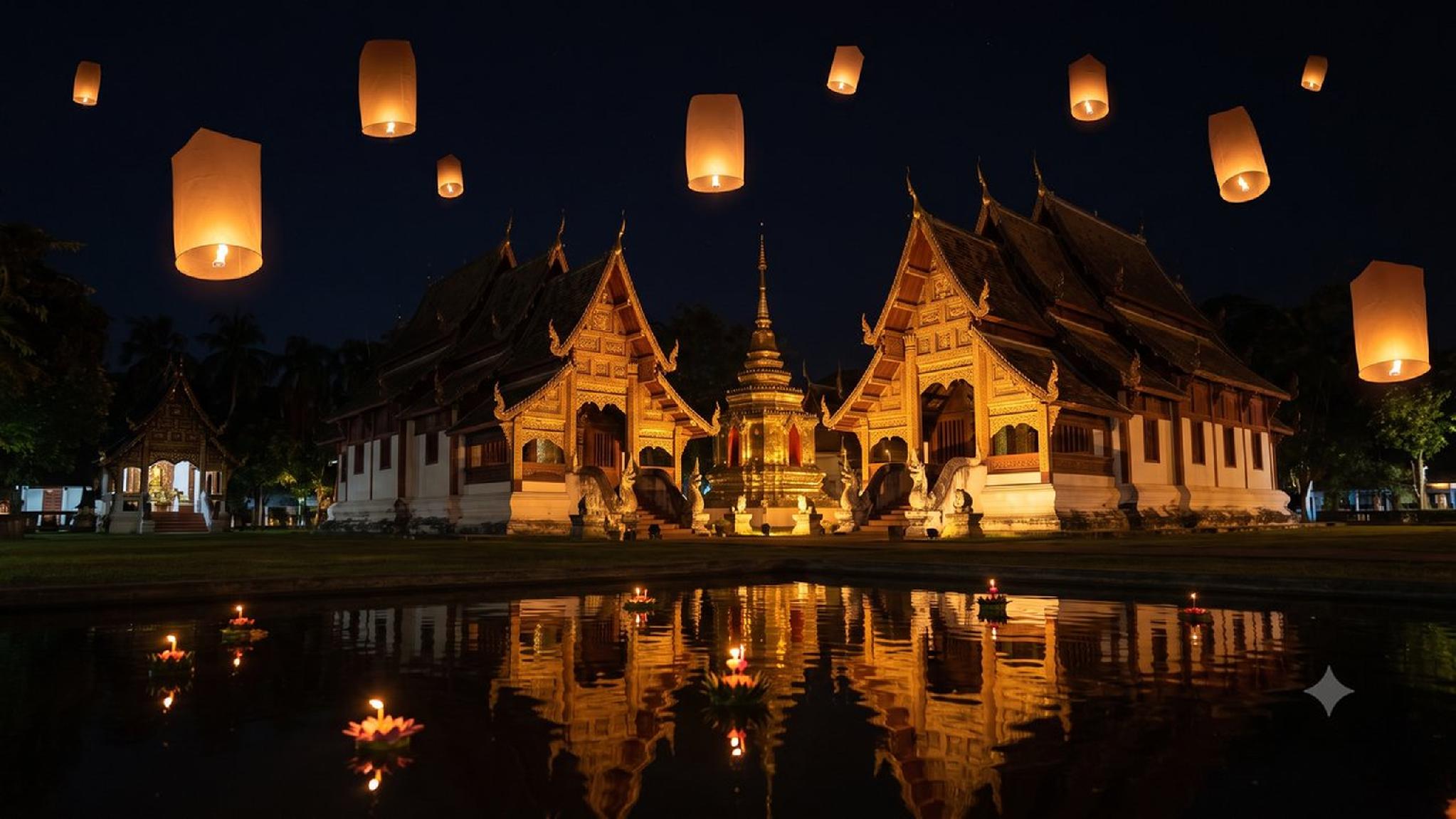
Most of the city's best-known dates land inside this window, which is part of why it books out the way it does. Yi Peng and Loy Krathong fall in late November and draw the single heaviest week of demand on the whole calendar, with sky lanterns and floating krathongs running across the same few nights.
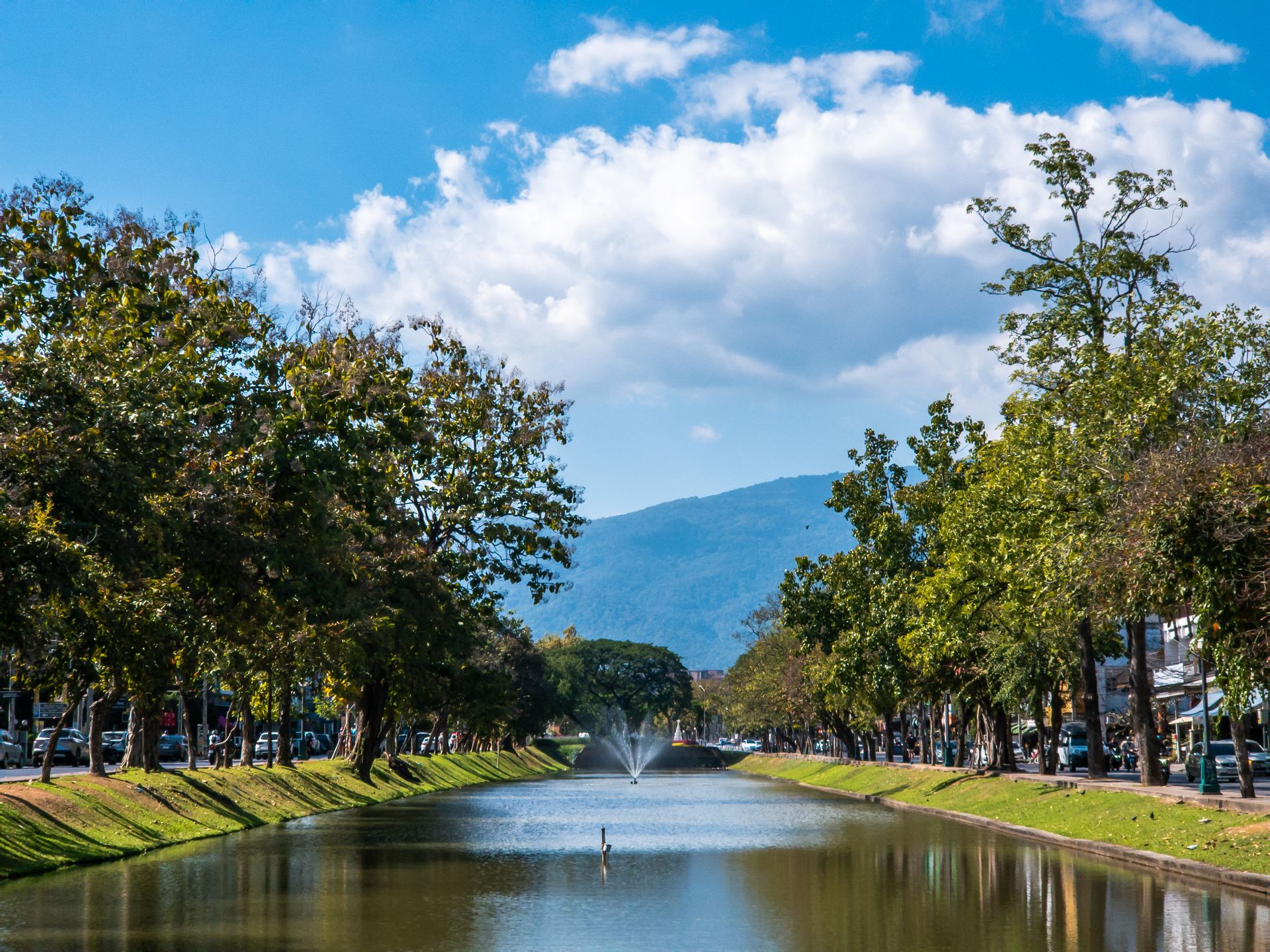
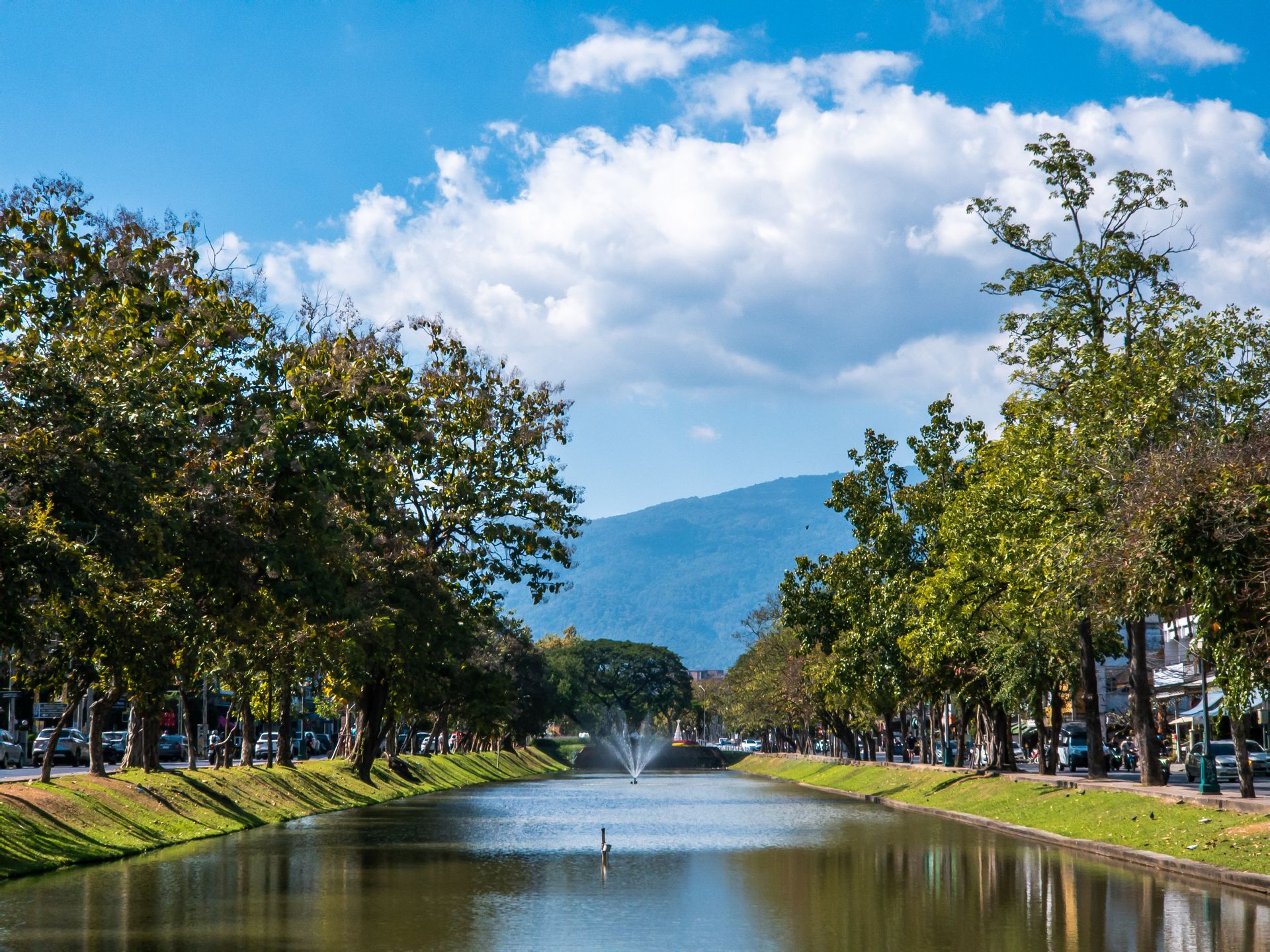
December and January are quieter on the festival front but busier in the city itself, with the Christmas and New Year stretch bringing peak international arrivals and the Sunday Walking Street market running at its most crowded of the year. February then picks up again with the Chiang Mai Flower Festival, usually the first weekend of the month, built around a parade of flower-covered floats through the Old City and free entry to the displays at Nong Buak Haad Park.
Anyone weighing the best time to visit Chiang Mai around a specific event should treat late November as the one date genuinely worth building an entire itinerary around, and the rest of cool season as flexible.
,regionOfInterest=(960,720))
,regionOfInterest=(960,720))
Cool season's one real drawback is that everyone else has worked out the same thing. The crowds concentrate in predictable places at predictable hours, though, which makes them easier to plan around than the headline visitor numbers suggest.
Doi Suthep, the Old City's main temples, and the weekend walking streets absorb most of the pressure, and all three thin out noticeably outside the middle of the day. A short list covers most of what actually helps.
,regionOfInterest=(1023,575.5))
,regionOfInterest=(1023,575.5))
May through October splits fairly cleanly into what the season gets right and what it asks a traveller to plan around. Here is both.
,regionOfInterest=(1023,575.5))
,regionOfInterest=(1023,575.5))
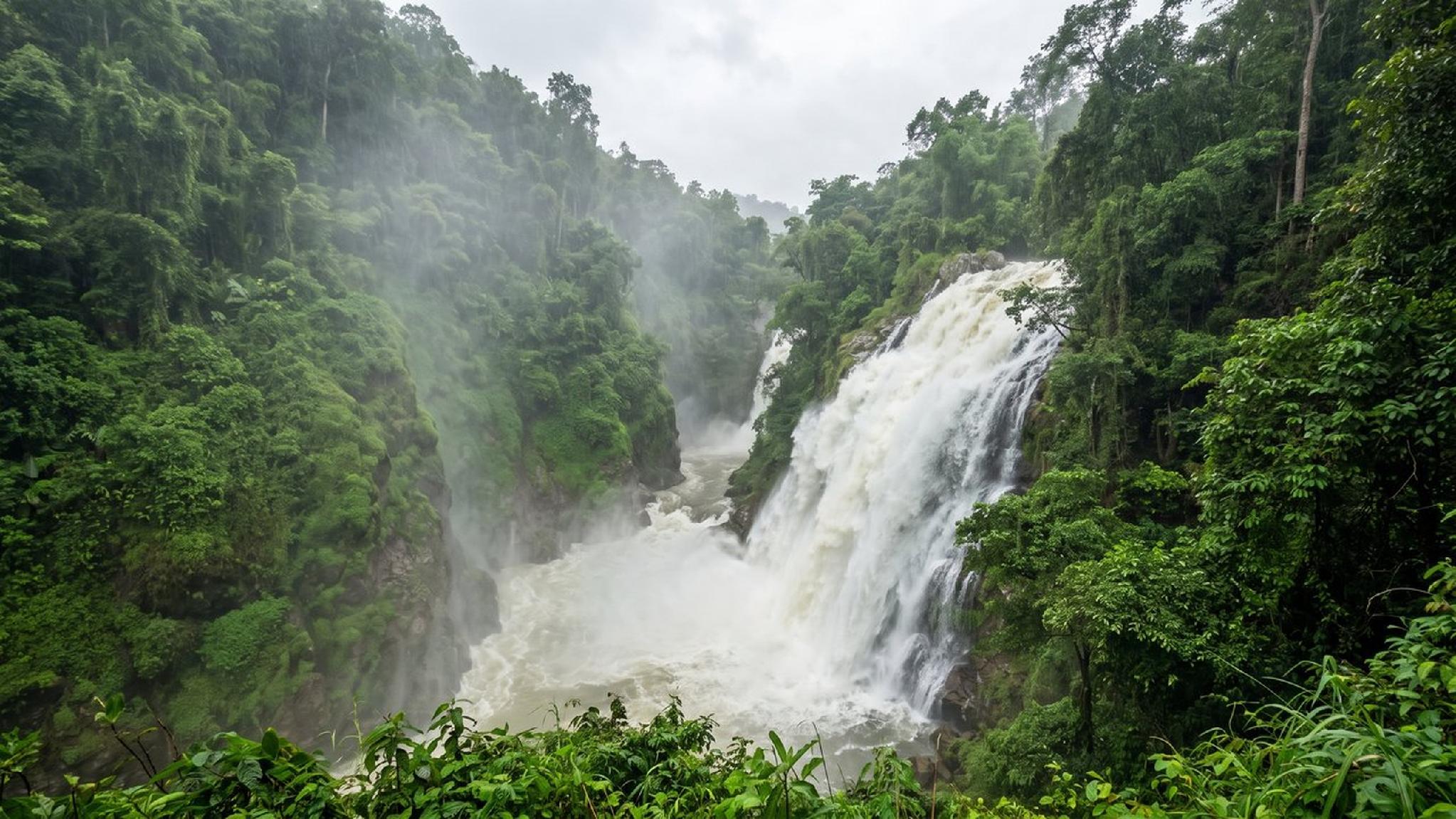
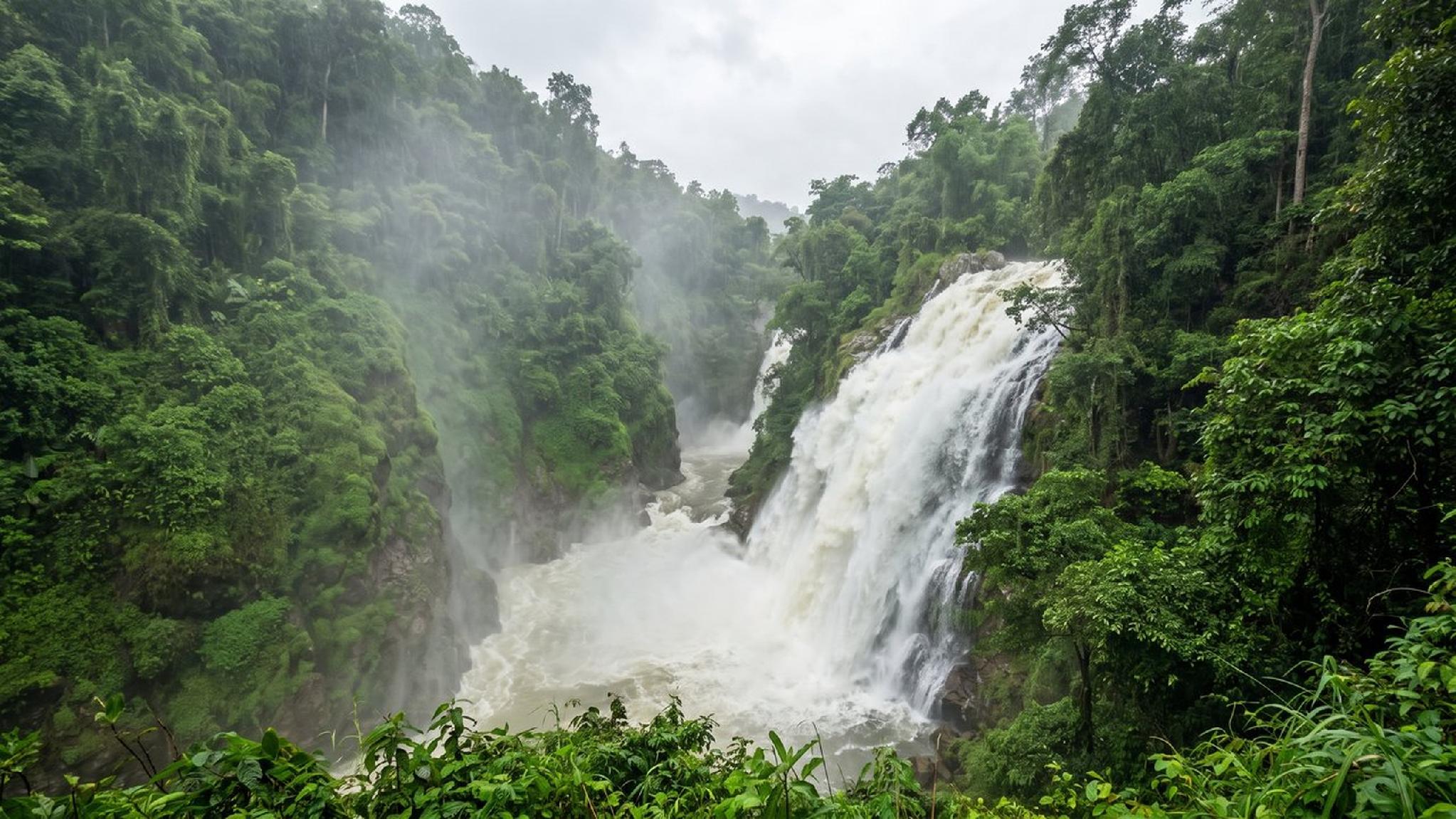
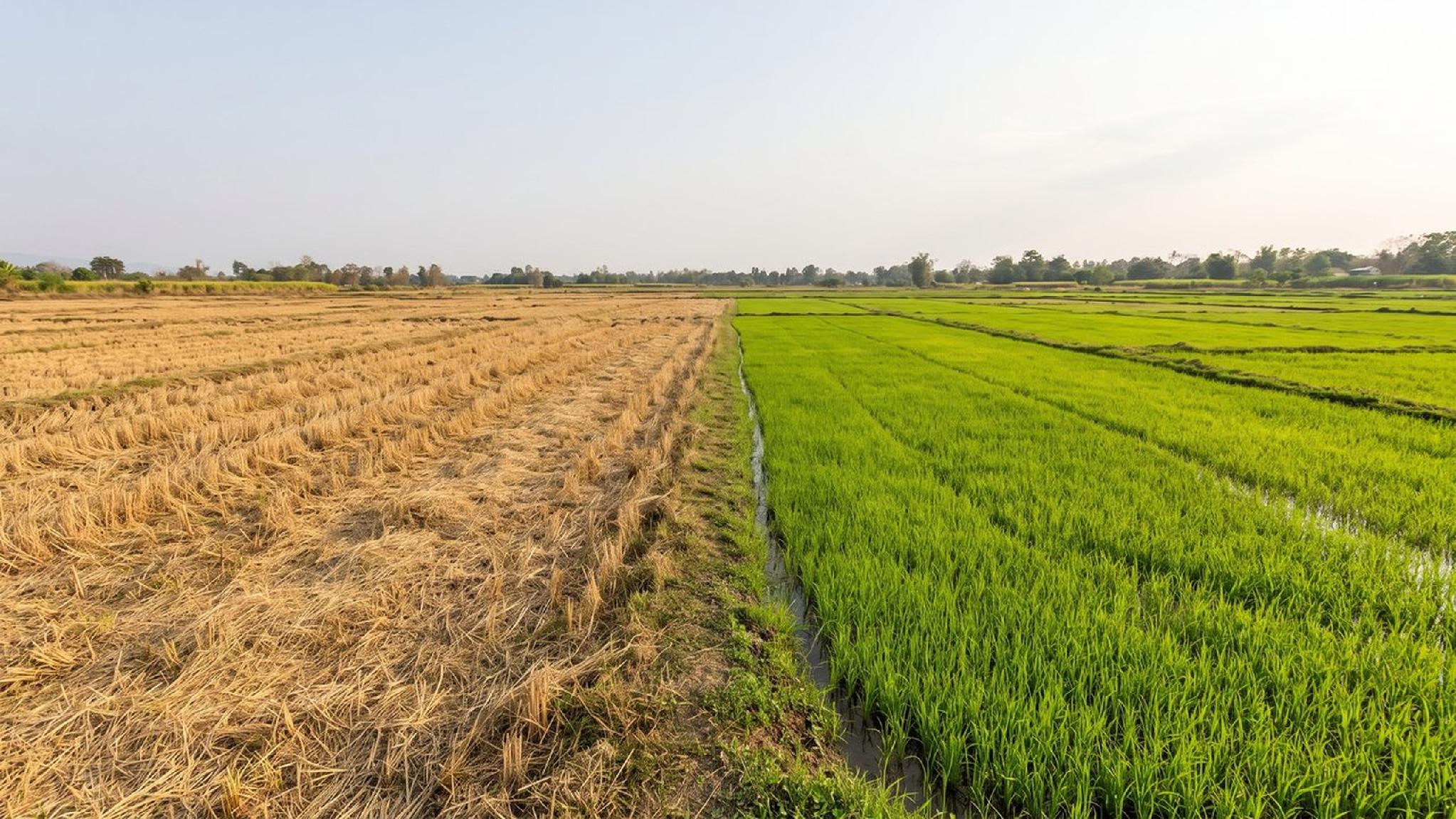
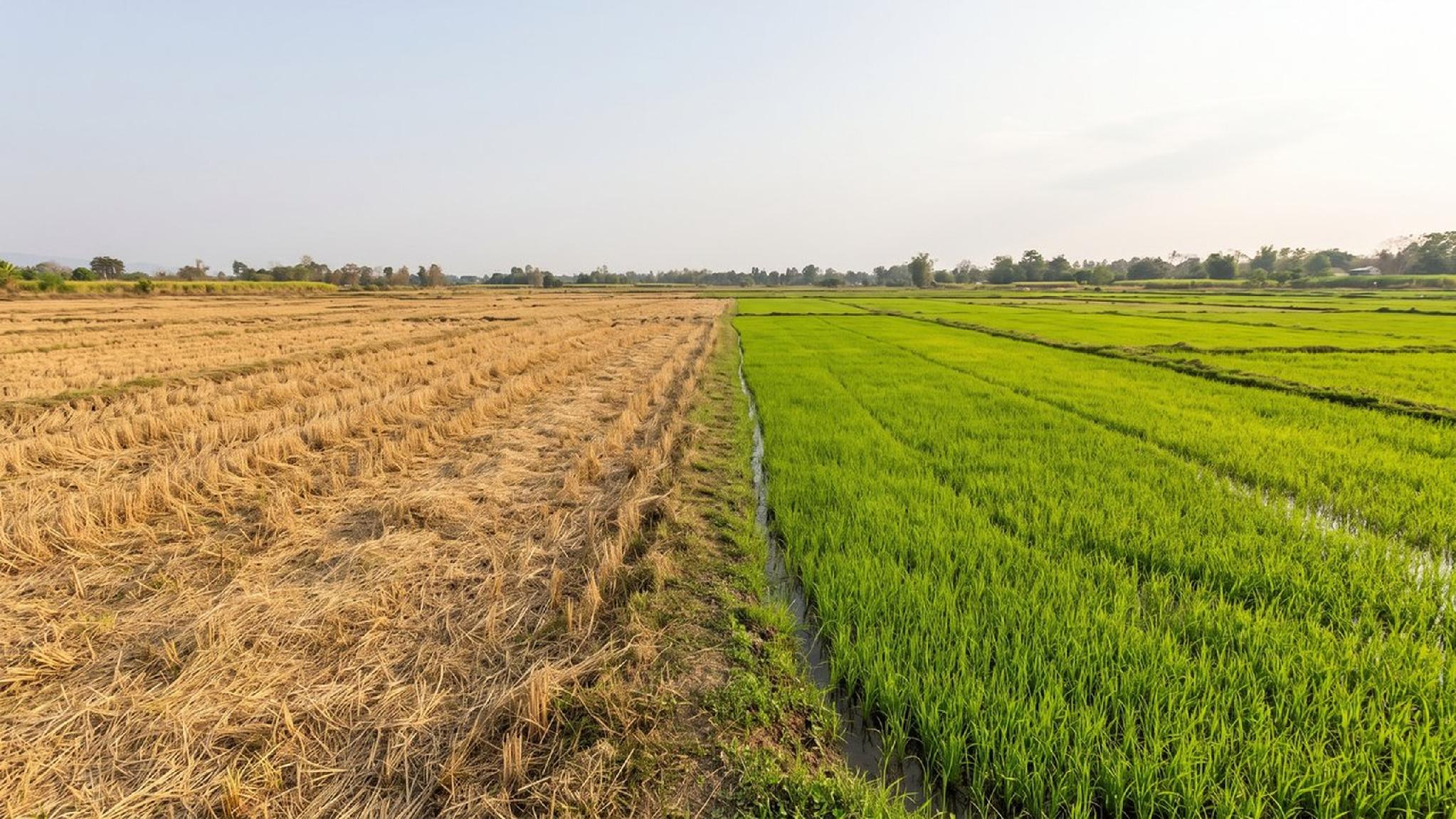
May through October brings the year's lushest scenery, waterfalls running at full strength, and by far the best hotel and flight prices, sometimes 40 to 50 percent below cool-season rates. Rain tends to arrive in short, heavy afternoon bursts rather than settling in for a full day, which still leaves mornings clear for sightseeing more often than the season's reputation suggests.
Waterfalls specifically look their best during rainy season, running at a fraction of their cool-season flow the rest of the year, which makes June through September the actual best time to visit Chiang Mai for anyone specifically chasing waterfall photography over comfortable, dry sightseeing weather.
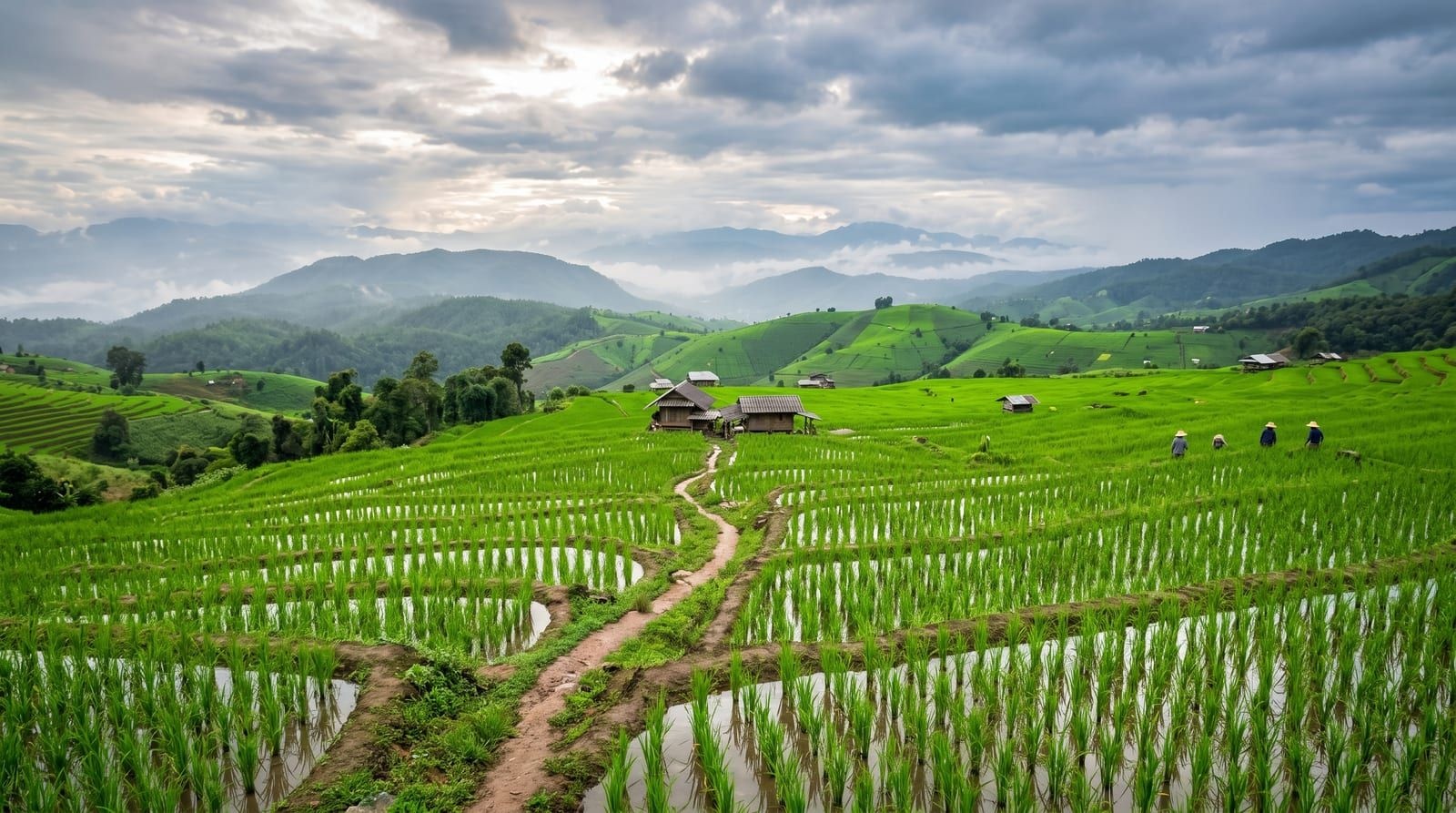
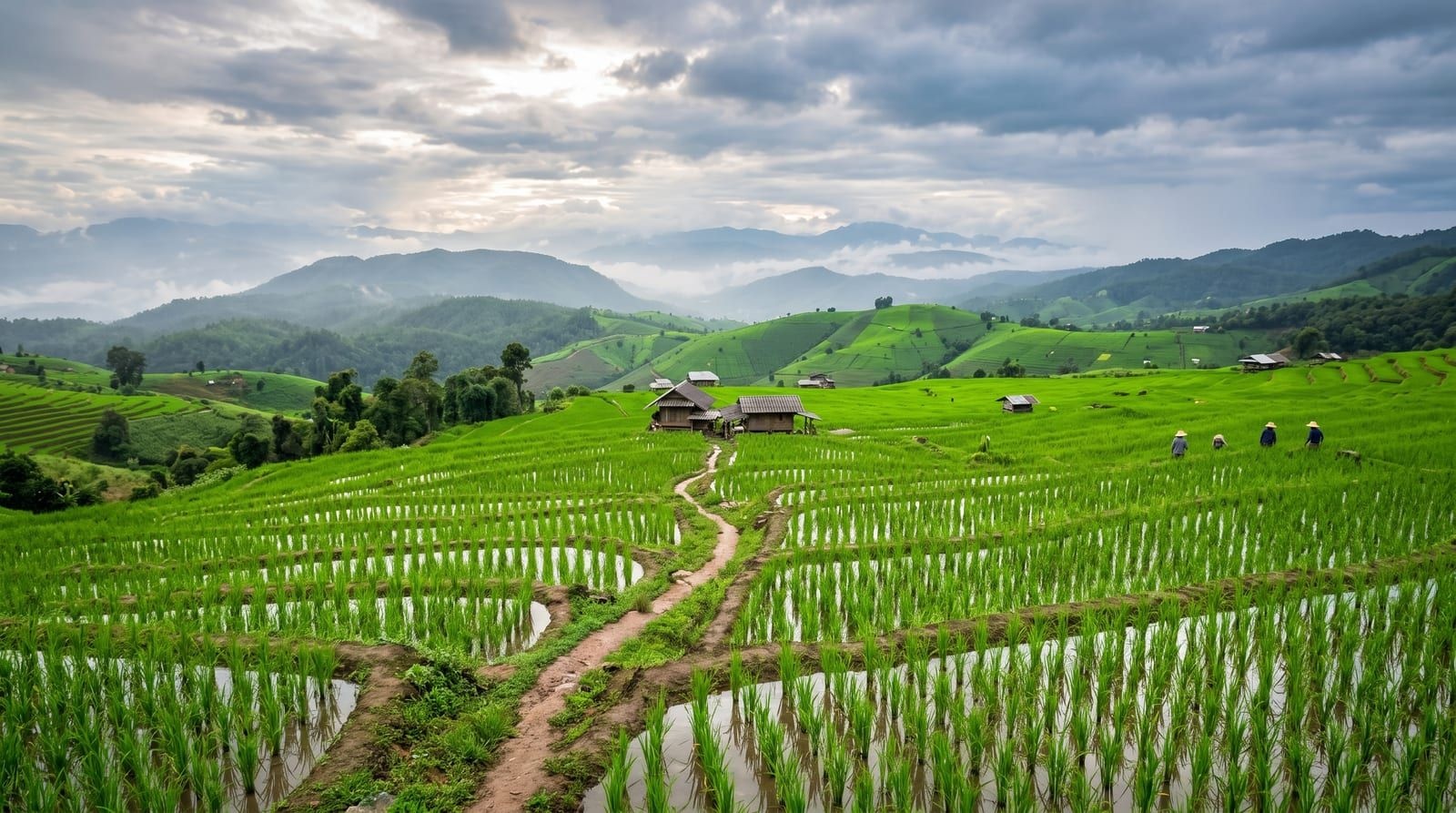
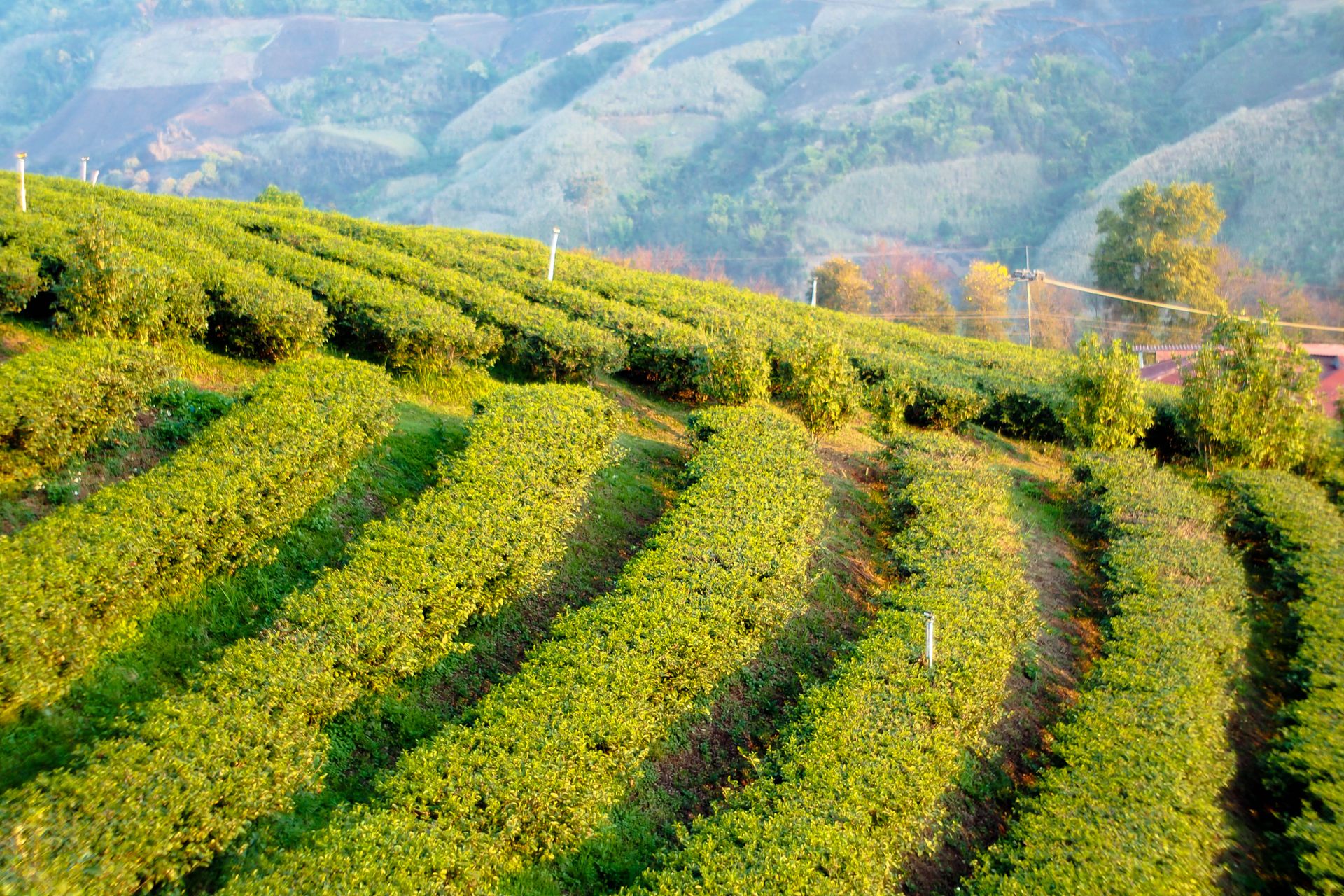
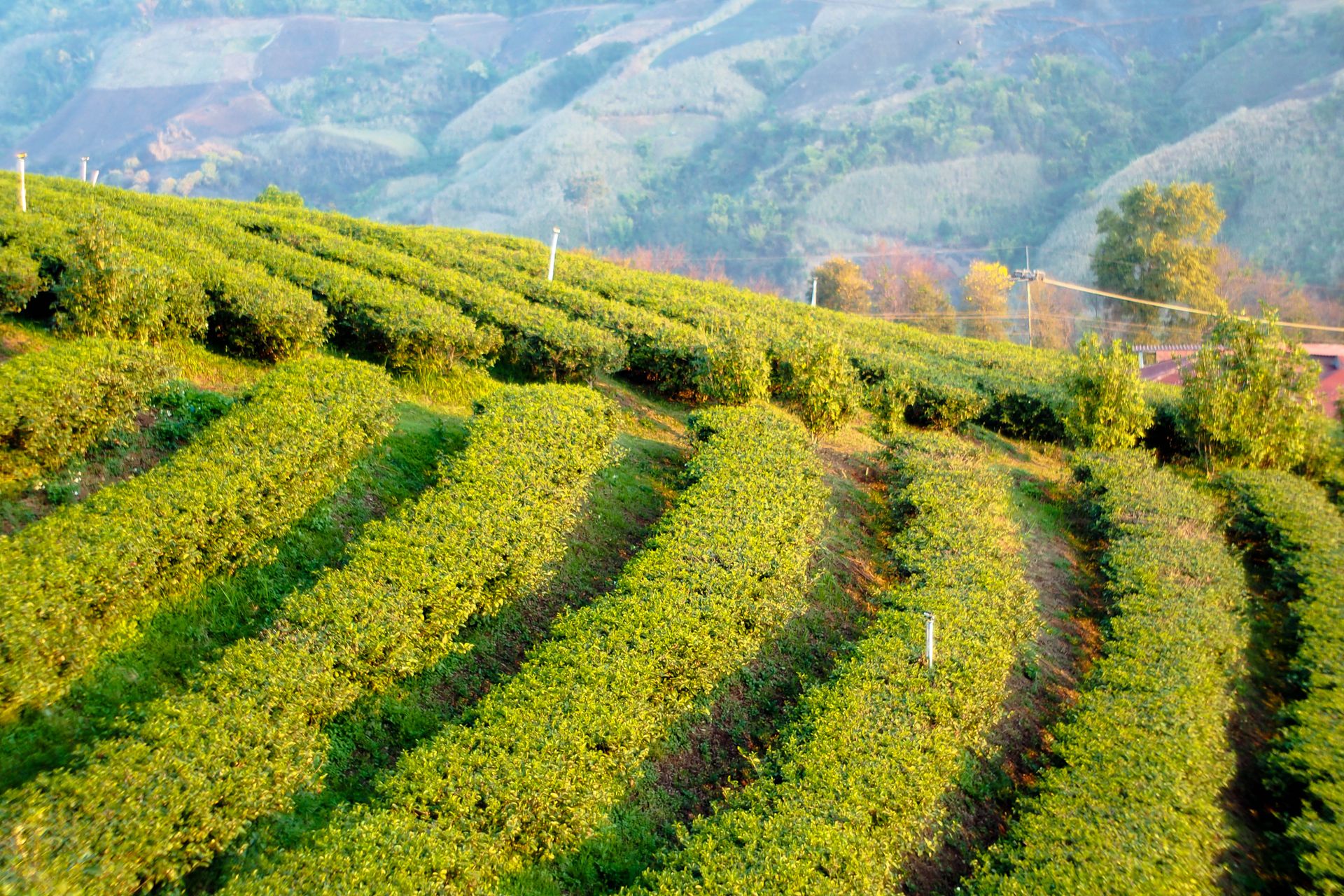
Rice terraces around the province also turn a genuinely vivid green during these months, a different look entirely from the dry, brown-toned hillsides cool season leaves behind.
Fewer travellers overall also means shorter queues at the handful of attractions that do get crowded, temples and the more famous markets especially, and a noticeably more relaxed pace to service across restaurants and hotels that are not rushing to turn tables during their own busiest months of the year.
,regionOfInterest=(1023,575.5))
,regionOfInterest=(1023,575.5))
The trade-offs are mostly practical: mountain roads to villages and waterfalls slow down and occasionally close after heavy rain, some hiking trails turn genuinely muddy, and outdoor festivals need a backup plan. Packing a proper rain jacket rather than relying on an umbrella, and building a museum or two into the itinerary as a rainy-day fallback, covers most of what actually goes wrong.
Storms tend to build steadily through the afternoon and clear again by evening more often than not, so scheduling outdoor plans for the morning and treating late afternoon as a natural, built-in break, a coffee, a meal, or a museum, works with the season's actual daily rhythm rather than fighting against it.
,regionOfInterest=(1023,575.5))
,regionOfInterest=(1023,575.5))
Matching the season to what actually matters most on a trip beats defaulting to whichever month tops a generic list. Here is the best window for six common priorities.
|
Travel Goal |
Best Window |
Why |
|
Festivals |
November (Yi Peng, Loy Krathong) |
Accepts the crowds and higher prices that come with the year's biggest week |
|
Lowest budget |
June to August |
Rainy season prices without its own peak rainfall |
|
Outdoor activity (trekking, waterfalls, Doi Inthanon) |
Late October into November, or January into February |
Comfortable temperatures either side of the December and January price peak |
|
Clear skies and comfort |
Cool season, November to February |
Most reliable conditions of the year, at a higher cost |
|
Temples, museums and cultural sightseeing |
Any season, cool season most pleasant for walking outdoors |
Indoor and Old City activities hold up well year round |
|
No strong preference (first-time visitors) |
Cool season as the default |
Only worth trading for deep rainy season with a specific reason, usually price |
These goals do not need to be picked in isolation either. Late October into early November tends to overlap comfort, budget, and outdoor activity all at once, the tail end of rainy season pricing with cool season weather already settling in, before the November festival crowds and peak rates fully arrive.
Treating that overlap window as a genuine option, rather than assuming a single priority rules out every other one, often produces the best-value trip on the whole calendar.
,regionOfInterest=(1023,575.5))
,regionOfInterest=(1023,575.5))
Reading month to month rather than season to season matters because the edges of each season behave differently from its middle. Early November still carries a touch of rainy-season humidity before cool season properly settles in, and early May can start wet or stay dry for another fortnight depending on the year, so treating any single month as a guaranteed outcome rather than a strong likelihood keeps expectations realistic.
The table below is a starting point rather than a guarantee, since any given year can run a week or two ahead of or behind this general pattern.
|
Month |
Season |
What to Expect |
|
November |
Cool |
Best all-round month; Yi Peng and Loy Krathong |
|
December |
Cool |
Clear skies, cool mornings, peak prices |
|
January |
Cool |
Clear skies, cool mornings, peak prices |
|
February |
Cool |
Comfortable and noticeably quieter than the December peak |
|
May |
Early rainy |
First rains; greenery returning |
|
June to August |
Rainy |
Lowest prices; short afternoon downpours |
|
September |
Rainy |
Heaviest rainfall of the year in most years |
|
October |
Late rainy |
Rain tapering off; good value still available |
How far ahead to book depends entirely on which season a trip lands in. Here is the lead time each one actually needs.
|
Season |
Booking Lead Time |
Notes |
|
Cool season (Nov to Feb) |
3 to 4 months ahead |
Needed for a reasonable rate and a real choice of dates |
|
Rainy season (May to Oct) |
A few weeks |
Demand stays low enough that availability holds until arrival |
Flight prices follow a similar curve to hotel rates, climbing steadily from October through the November and December peak, then easing through spring before dropping to their lowest point of the year in the deep rainy months of July and August.
Booking a flight the moment travel dates are confirmed, rather than waiting to see how the weather forecast looks closer to the date, tends to save considerably more than any last-minute deal makes up for.
Domestic routes from Bangkok tend to move on their own separate booking curve from the international ones, with seat sales appearing more often in the shoulder months of May, June, September, and October than during the cool season peak, so a traveller with flexible dates can sometimes catch a genuinely cheap domestic fare even while hotel rates elsewhere in the city stay comparatively firm.
,regionOfInterest=(1771.5,1181.5))
,regionOfInterest=(1771.5,1181.5))
A hotel cannot stop a rainy afternoon's downpour, but it can make one considerably easier to sit out. Meliá Chiang Mai keeps indoor options genuinely worth choosing rather than treating them as a fallback, useful whichever season actually shows up during a stay.
The Family Room, at 54 square metres with its own separate sitting area and toys already in the room, gives a family stuck indoors on a wet afternoon considerably more space to spread out than a standard room does.
The Kidsdom covers the same afternoon for younger guests with an entirely TV/gaming zone, indoor activities rather than a tablet propped up in the room. Both matter more on a weather-disrupted day than on a clear one, since a family confined to a single hotel room for several hours tends to feel the day's weather far more acutely than a solo traveller with a book and a balcony would.
YHI Spa earns a genuine look during the rainy months specifically. An Aromatic Massage, built around scented oils chosen for their calming, soothing effect rather than deep muscle work, suits an afternoon much better spent indoors than pushing through a full outdoor itinerary in the rain. It is a small thing, but treating a washed-out afternoon as a spa afternoon rather than a wasted one changes how the whole stretch of a trip actually feels in hindsight.
Mai Restaurant & Bar, on the 21st floor, turns a rainy evening into something worth looking forward to rather than enduring: watching a downpour move across the Ping River valley from indoors, air-conditioned and dry, is a different experience entirely from getting caught in the same rain at street level.
The 24-hour Fitness Centre covers a similar role for anyone who would normally run or walk outdoors but would rather not during a wet week, free weights and cardio equipment indoors standing in for a jog around the Old City moat. without the exposure. Between the gym, the spa, and indoor dining, a full day can genuinely pass without stepping outside at all, useful to know rather than something to feel guilty about on the wrong kind of afternoon.
None of this is a reason to plan a trip around the hotel rather than the city. It is simply a way to make whichever season does show up easier to sit through, rather than pretending the weather does not matter at all, and rather than writing off an otherwise good trip over an afternoon that a bit of planning and some genuinely comfortable indoor time can reasonably offset.
,regionOfInterest=(1771.5,1181.5))
,regionOfInterest=(1771.5,1181.5))
November through February remains the safest, most comfortable answer to the best time to visit Chiang Mai for most travellers, but it is not the only reasonable one: a smaller budget points toward June through August, and a festival-first trip points toward November specifically. Anyone still undecided between the two seasons after reading this far should default to cool season unless a specific reason, price above all, makes May through October genuinely worth the trade-off.
The one thing worth checking closer to the date is the rainy season's daily rhythm, since mornings stay clear far more often than the season's reputation suggests and afternoons are where the flexibility needs to sit. No single answer to the best time to visit Chiang Mai fits every traveller equally, and that is really the point: matching the season to the trip's actual priorities beats defaulting to whichever month happens to top a generic list.
,regionOfInterest=(1023,575.5))
,regionOfInterest=(1023,575.5))
What is the best month to visit Chiang Mai?
November is generally considered the best single month, combining cool, clear weather with the Yi Peng and Loy Krathong lantern festivals, though December and January offer similarly comfortable conditions with slightly fewer crowds. Most rankings of the best time to visit Chiang Mai put these three months at the very top for exactly this reason.
When is the cool season in Chiang Mai?
The cool season runs from November through February, with daytime temperatures around 26 to 28 degrees Celsius and mornings dipping to 13 to 15 degrees in December and January. It brings the clearest skies and the most comfortable walking weather of the year, along with the highest hotel rates.
Is it worth visiting Chiang Mai in the rainy season?
Yes, for the right traveller: rain tends to arrive in short afternoon bursts rather than all day, prices drop significantly, and the countryside turns noticeably greener, though mountain road trips and outdoor festivals need more flexible planning.
What is the cheapest time to visit Chiang Mai?
June through August, early in rainy season, generally offers the lowest hotel and flight prices, sometimes 40 to 50 percent below cool-season peak rates, while still avoiding the heaviest rainfall of the year, which tends to fall in September. For a budget-focused answer to the best time to visit Chiang Mai, this three-month window is usually the strongest option on the calendar.
Culture
,regionOfInterest=(1258,1408))
,regionOfInterest=(1258,1408))
,regionOfInterest=(2808,1872))
,regionOfInterest=(2808,1872))
,regionOfInterest=(707.5,1059.5))
,regionOfInterest=(707.5,1059.5))
,regionOfInterest=(2150,1471))
,regionOfInterest=(2150,1471))
,regionOfInterest=(1619.5,1121))
,regionOfInterest=(1619.5,1121))