,regionOfInterest=(1771.5,1181))
,regionOfInterest=(1771.5,1181))
Best Christmas markets in Andorra
,regionOfInterest=(3008,2008))
,regionOfInterest=(3008,2008))
Culture
,regionOfInterest=(2736,1824))
,regionOfInterest=(2736,1824))
Culture
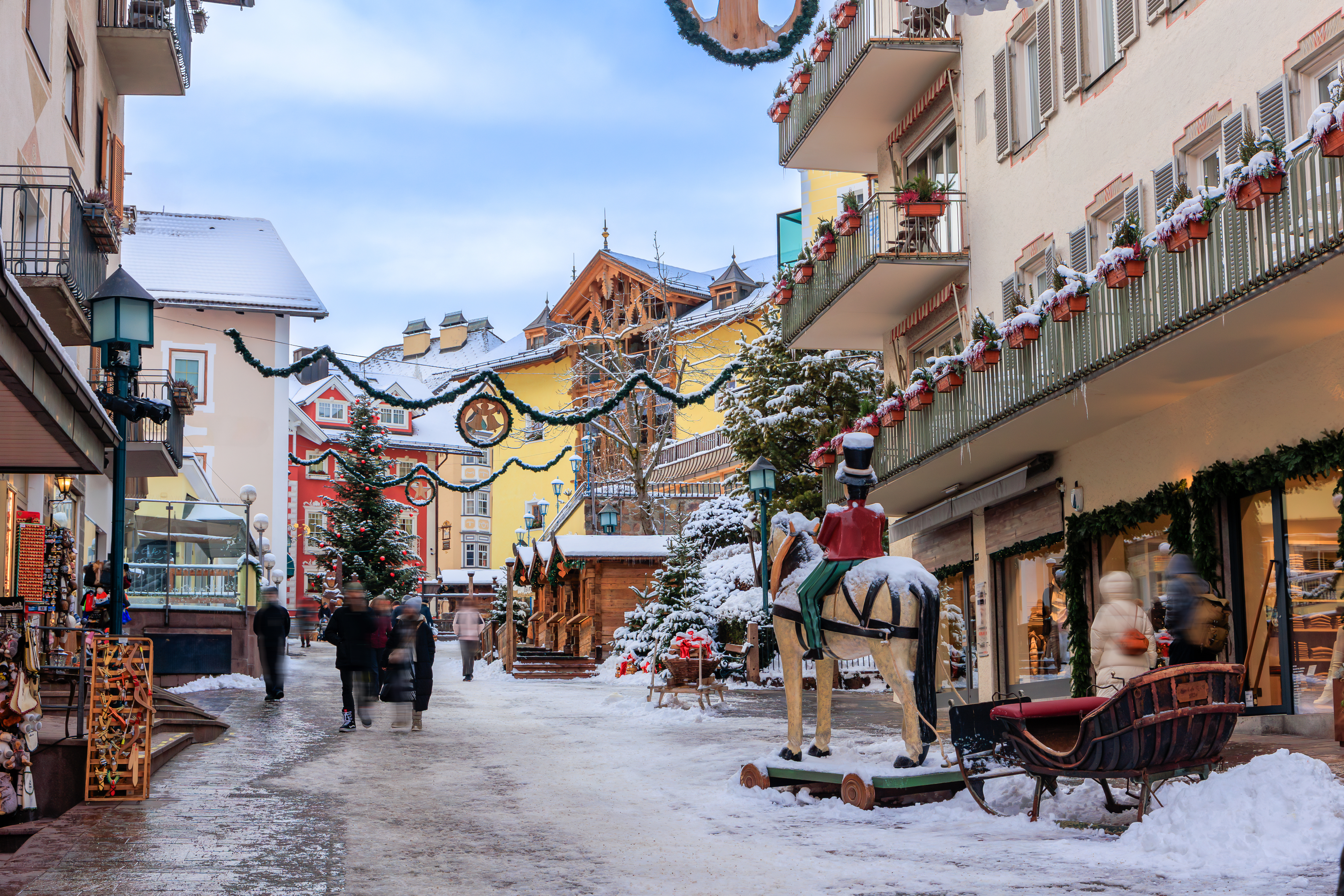
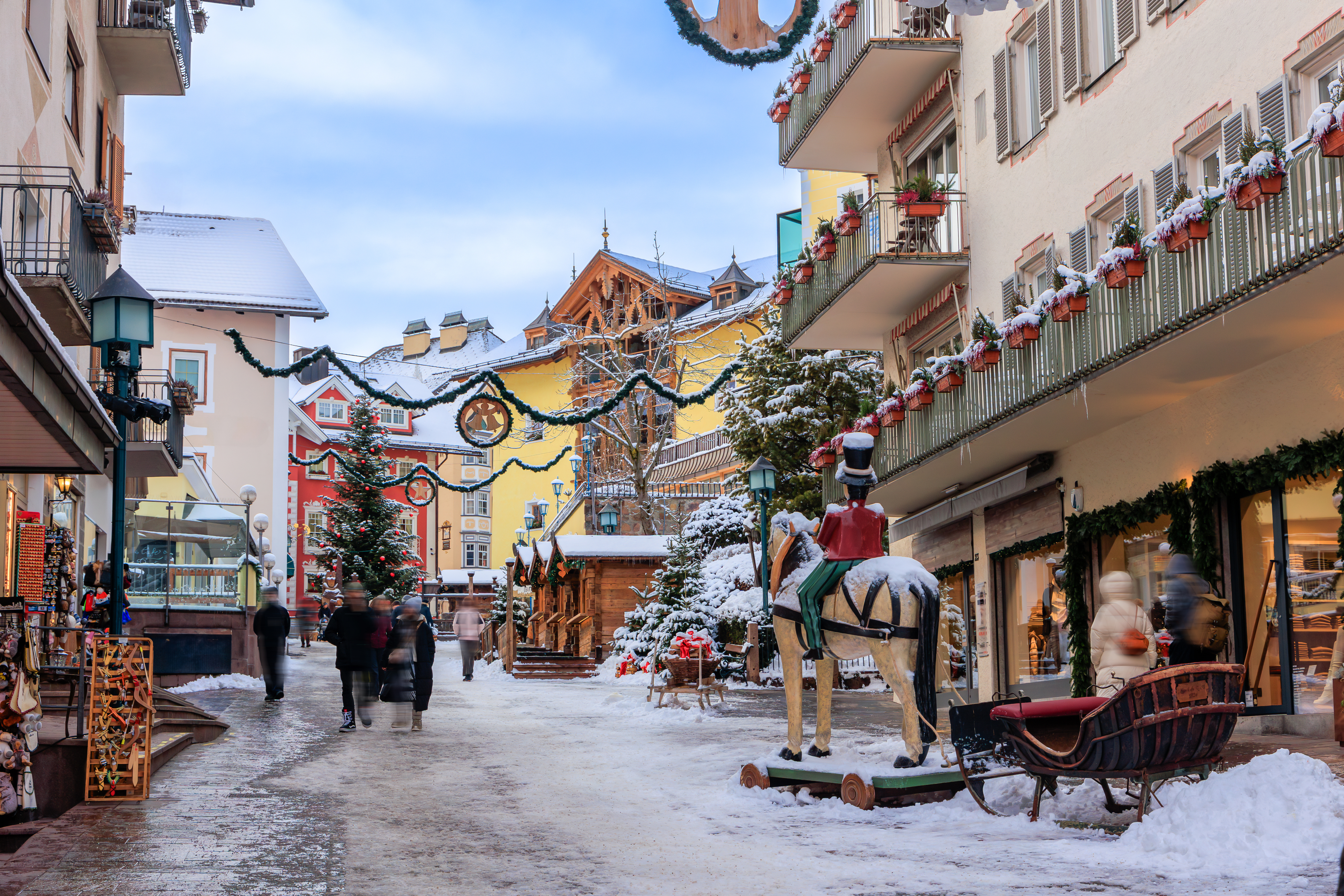
Italy celebrates Christmas in very different ways depending on the region. In the north, especially in South Tyrol, Trentino and the Aosta Valley, the wooden stalls, hot drinks and alpine crafts are reminiscent of Central European markets. In Tuscany, Lombardy or Lazio, the markets are integrated into historic squares, next to cathedrals, palaces and some of the country's best-known monuments.
Christmas markets in Italy therefore allow for very different types of trips. Bolzano and Merano stand out for their alpine tradition, Aosta brings its stalls to the heart of the city and Arezzo sets up a Tyrolean-inspired market in one of the great medieval squares of Tuscany. Florence, Milan, Trento and Rome complete the tour with very different proposals.
Visiting them is also an opportunity to discover the diversity of Italian Christmas traditions. The panettone is closely linked to Milan, the pandoro to Verona and the struffoli are part of the Christmas pastries of Campania. These flavours are joined by torrone, zelten, vin brulé, cured meats, cheeses and other specialities that change as the trip progresses from one region to another.
,regionOfInterest=(500,500))
,regionOfInterest=(500,500))
All-terrain writer specialising in tourism, fashion and trends. A curious soul, traveller, reader and sports enthusiast, keen to discover every corner of the world.
,regionOfInterest=(2726.5,1604.5))
,regionOfInterest=(2726.5,1604.5))
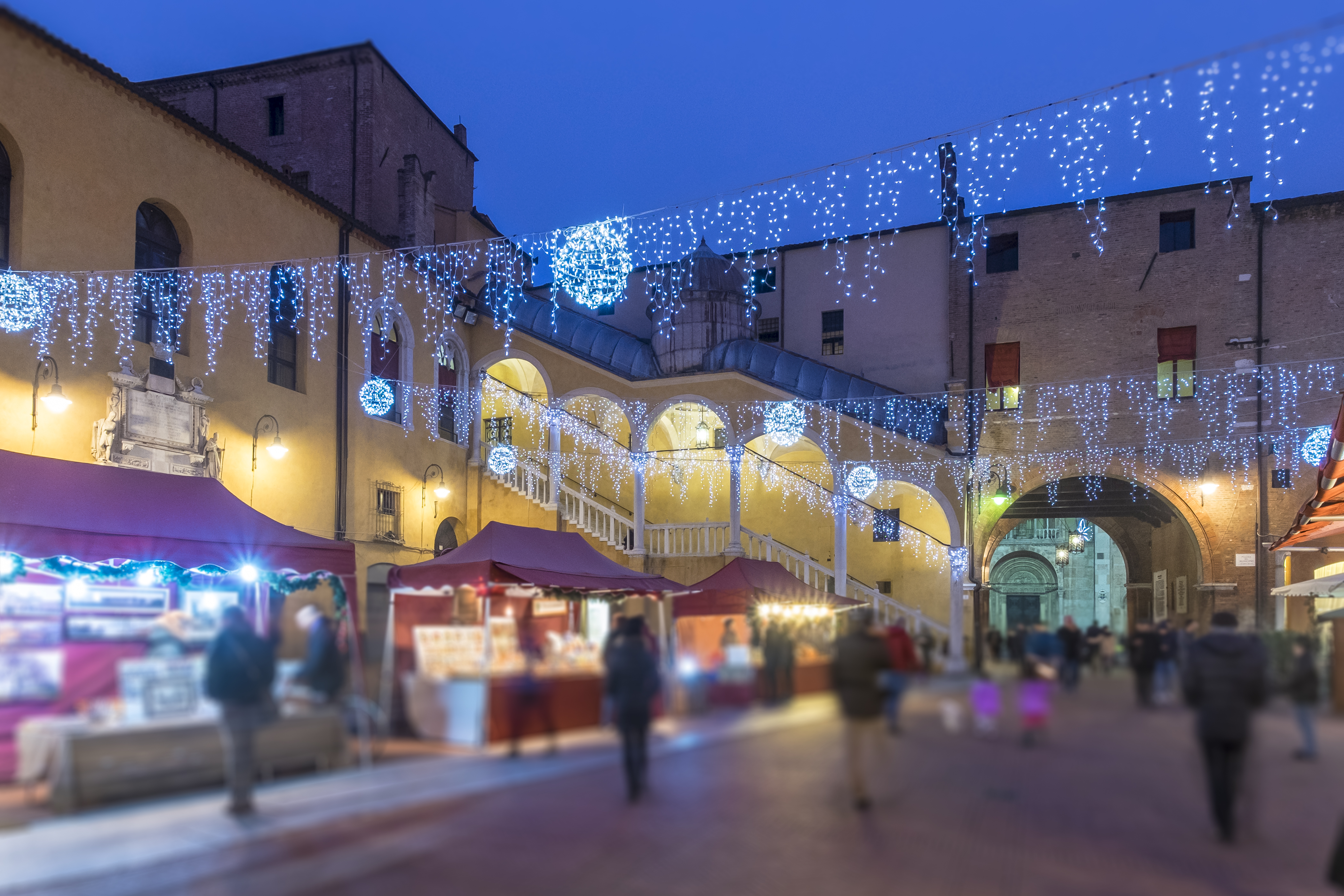,regionOfInterest=(2100.5,1400.5))
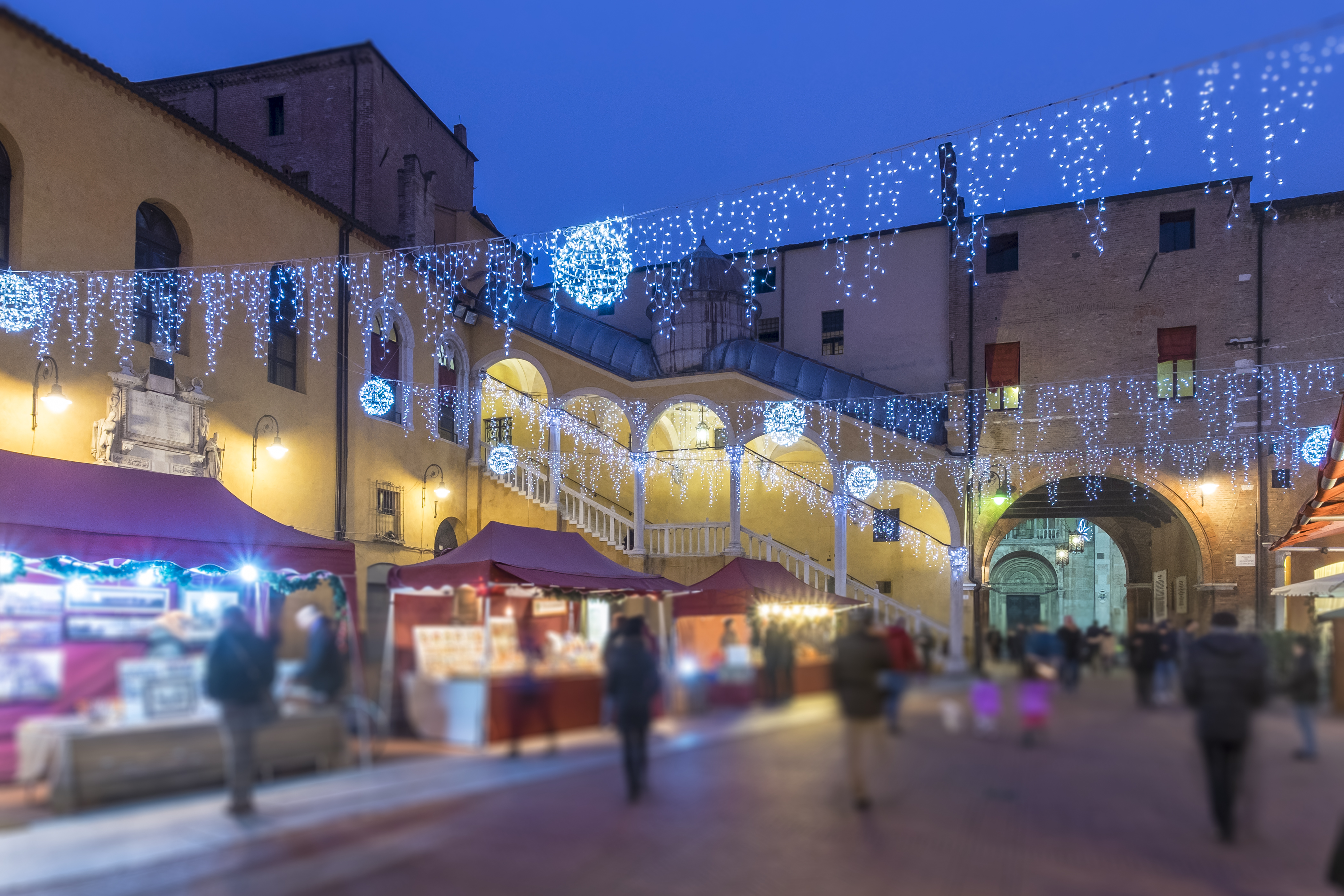,regionOfInterest=(2100.5,1400.5))
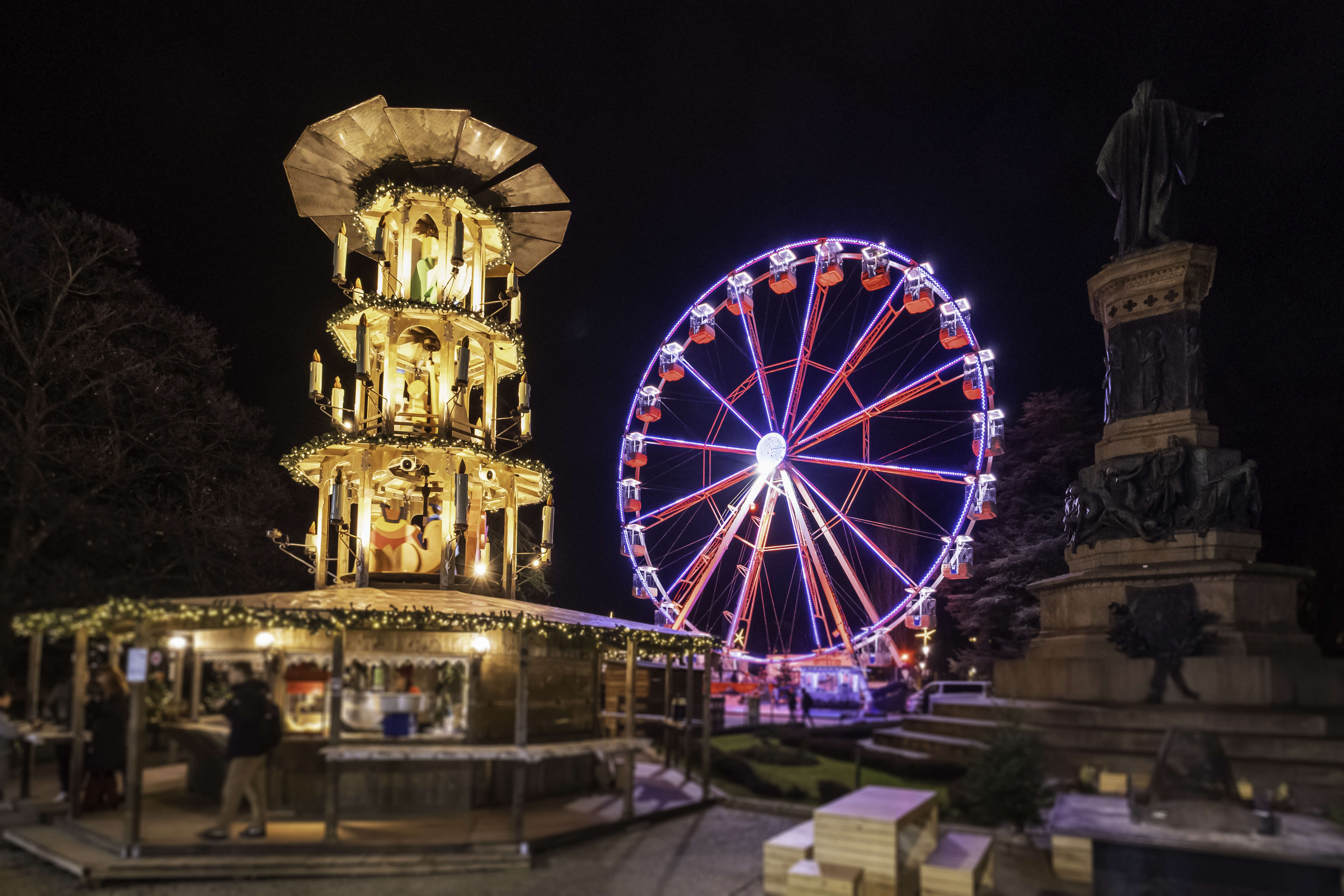,regionOfInterest=(3000,2000))
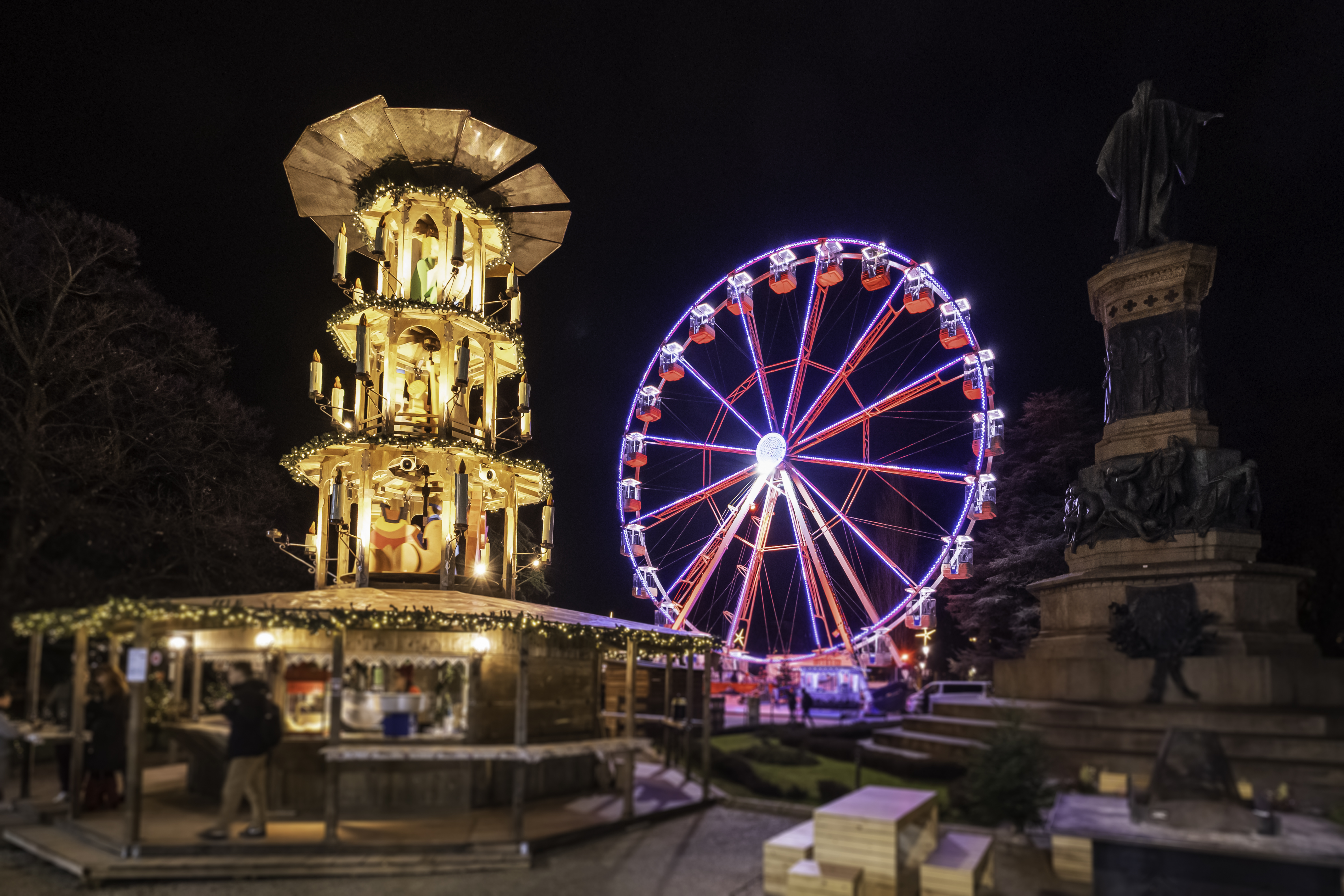,regionOfInterest=(3000,2000))
Italian Christmas combines family celebrations, gastronomy, religious traditions and customs that vary significantly between regions. The presepe, or nativity scene, occupies an especially important place. One of its best-known expressions can be found in Naples, where the workshops on Via San Gregorio Armeno craft figures all year round and take on special prominence during the Christmas weeks.
The table also changes depending on the place. The Vigilia, the dinner on 24 December, is traditionally associated in many areas and families with fish and seafood dishes. However, there is no single Christmas Eve menu valid for all of Italy: the recipes and customs depend to a large extent on each region.
On 25 December, the Pranzo di Natale usually becomes a long family meal. Filled pastas, broths, lasagnas and meats are part of different regional repertoires. Rather than talking about a single Italian menu, it is more accurate to understand the Christmas meal as a sum of local traditions.
Desserts are one of the elements that best connect the different regions. The panettone is closely linked to Milan and its traditional recipe incorporates raisins and candied fruit. The pandoro comes from Verona and is recognised by its characteristic star shape and its icing sugar coating. Both are currently consumed throughout Italy.
In Campania, you will find struffoli, small balls of fried dough covered with honey and decorated. The torrone, made in different versions with ingredients such as honey and nuts, also has an important tradition in different parts of Italy.
The Epiphany also has special weight. The figure of la Befana, who according to tradition visits children during the night before 6 January, helps to understand why Italian celebrations extend beyond New Year's Day and why some markets continue until Three Kings' Day.
Italian Christmas markets begin to appear mainly during November, although there is no common date for the whole country. Some major events begin mid-month, while other markets linked to Advent open closer to the end of November.
The differences also have to do with their format. There are markets that remain set up for several weeks and others that function as fairs or trade meetings of much more limited duration. In the alpine regions, moreover, the markets are part of a deeply rooted Advent tradition.
For this reason, it is advisable to check each market individually. In this guide, specific dates are reserved for the individual market listings: they are only shown when they are confirmed for the 2026 edition and, otherwise, are indicated as pending confirmation.
,regionOfInterest=(4128,2752))
,regionOfInterest=(4128,2752))
For this selection, we have taken into account the tradition of the market, its setting, the actual presence of commercial stalls, crafts, gastronomy and its interest within a trip. The result combines large alpine markets with urban proposals in Tuscany, Lombardy, Trentino and Rome.
| Market | Editorial rating | Location | Ideal for |
|---|---|---|---|
| Mercatino di Natale di Bolzano | ★★★★★ | Bolzano, South Tyrol | Alpine tradition and crafts |
| Mercatini di Natale di Merano | ★★★★★ | Merano, South Tyrol | Alpine atmosphere and gastronomy |
| Marché Vert Noël | ★★★★★ | Aosta, Aosta Valley | Local products and alpine setting |
| Villaggio Tirolese di Arezzo | ★★★★★ | Arezzo, Tuscany | Christmas market and cultural getaway |
| Mercato di Natale di Santa Croce | ★★★★☆ | Florence, Tuscany | Christmas in a monumental city |
| Mercatino di Natale in Duomo | ★★★★☆ | Milan, Lombardy | Shopping and urban Christmas |
| Mercatino di Natale di Trento | ★★★★☆ | Trento, Trentino | Products and alpine tradition |
| Festa della Befana di Piazza Navona | ★★★★☆ | Rome, Lazio | Roman tradition and family atmosphere |
Bolzano is one of the references for understanding the tradition of Christmas markets in northern Italy. Its Christkindlmarkt has Piazza Walther as its core and extends through other nearby spaces in the centre, with stalls dedicated to crafts, gifts and gastronomy.
The 2026 edition will have more than a hundred stalls. Among the characteristic products are handcrafted works, wooden objects and different creations from South Tyrol. Regional gastronomy provides speck, cured meats, strudel, traditional sweets and hot drinks.
The environment contributes to its appeal. Piazza Walther is located next to the Duomo and a few minutes from the pedestrian streets of the historic centre. The Central European influence is especially visible both in the aesthetics of the market and in its products and flavours.
Bolzano is also a good starting point to discover other Christmas markets in South Tyrol.
🗓️ Dates: 27 November 2026 – 6 January 2027.
📍 Location: Piazza Walther and the historic centre of Bolzano.
Merano offers a somewhat different interpretation of Christmas in South Tyrol. Its stalls are distributed mainly along the Passeggiata Lungo Passirio and Piazza Terme, although the Christmas atmosphere reaches other parts of the centre.
The urban landscape is one of its great differences. The market runs along the Passirio river and the Kurhaus, one of the most recognisable buildings in Merano. The proposal combines crafts with regional products and gastronomy in an environment marked by the city's architecture and the mountains.
Among the stalls, you can find gift ideas, decorations and products linked to the territory. Vin brulé and other hot specialities accompany a route that is different from that of a market concentrated in a single square.
It is an especially interesting option to combine gastronomy, shopping and walks through an alpine city of manageable dimensions.
🗓️ Dates: 26 November 2026 – 6 January 2027.
📍 Location: Passeggiata Lungo Passirio, Piazza Terme and the centre of Merano.
Aosta incorporates one of the most interesting alpine markets outside of Trentino-South Tyrol. The Marché Vert Noël transforms the city centre with stalls that bring together gastronomy, crafts and products related to the Aosta Valley.
Official tourist information highlights the presence of artisanal products, gastronomic specialities and wines from the territory. The local component has special importance and allows you to better understand one of the smallest alpine regions in Italy.
The market can also be combined with the historical heritage of Aosta. In the centre, important vestiges of the ancient Roman Augusta Praetoria are preserved, as well as religious buildings and streets that allow you to continue the walk after touring the stalls.
Although the Marché Vert Noël is confirmed as one of the great Christmas events in Aosta, a specific date for 2026 is not maintained until a sufficiently contrasted official confirmation of that calendar is available.
🗓️ Dates: pending confirmation for 2026.
📍 Location: centre of Aosta, Aosta Valley.
Arezzo proves that not all major alpine-inspired markets are in northern Italy. Piazza Grande, surrounded by some of the most recognisable historical buildings in the city, hosts a Tyrolean Village during Christmas with wooden stalls, gastronomy and craft products.
The proposal combines exhibitors, gift products and Tyrolean-inspired gastronomic specialities. Its aesthetics contrast with the Tuscan setting of Piazza Grande, a sloping medieval square presided over by the Logge Vasari.
Its main advantage lies precisely in the environment. The market is part of a more extensive Christmas programme throughout the centre of Arezzo and can be combined with the churches, palaces and historical streets of the city.
Arezzo also allows you to plan a Christmas route through Tuscany together with Florence, although both markets have different personalities and formats.
🗓️ Dates: 14 November – 27 December 2026.
📍 Location: Piazza Grande, Arezzo.
,regionOfInterest=(3067,2036))
,regionOfInterest=(3067,2036))
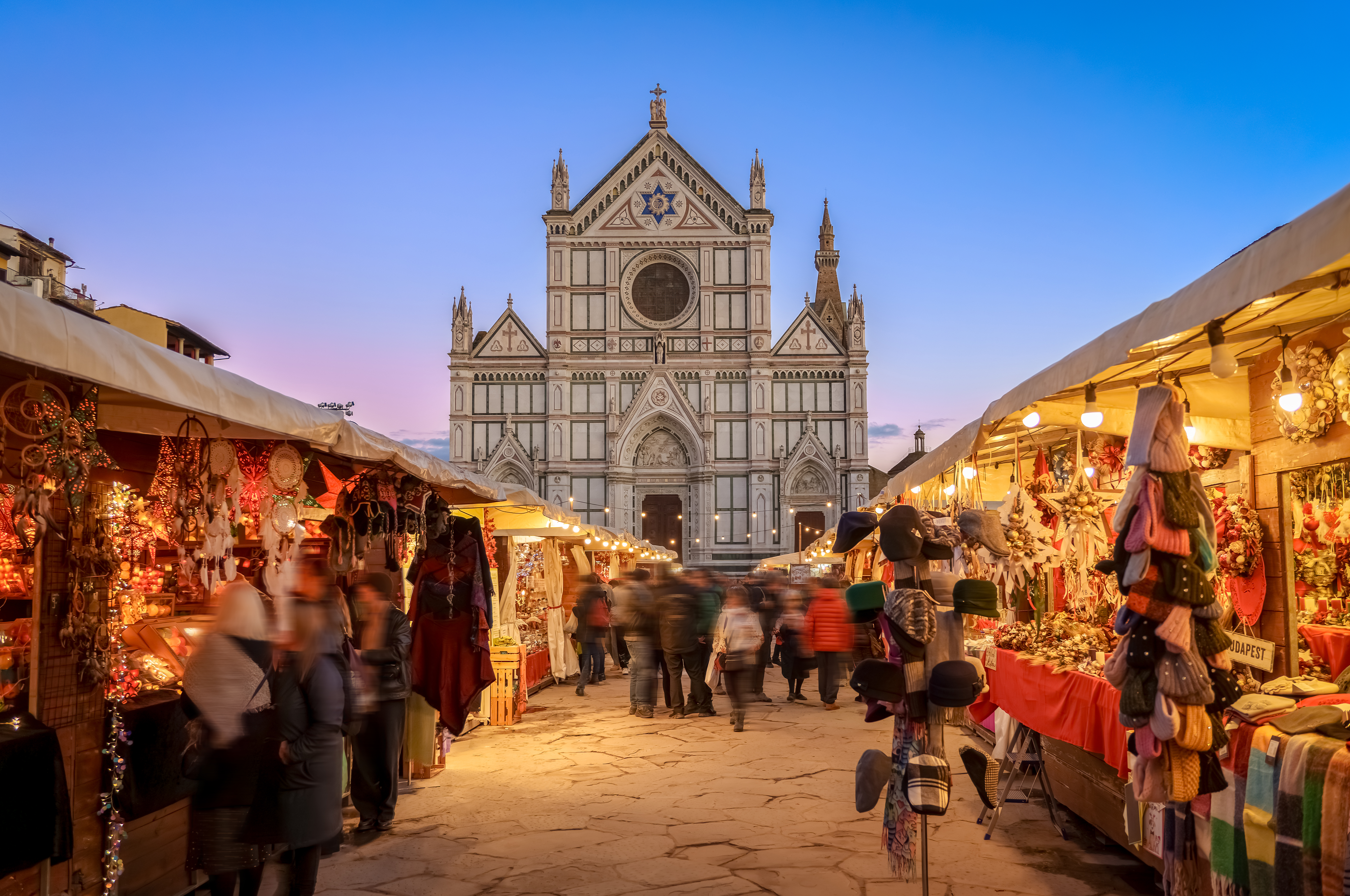
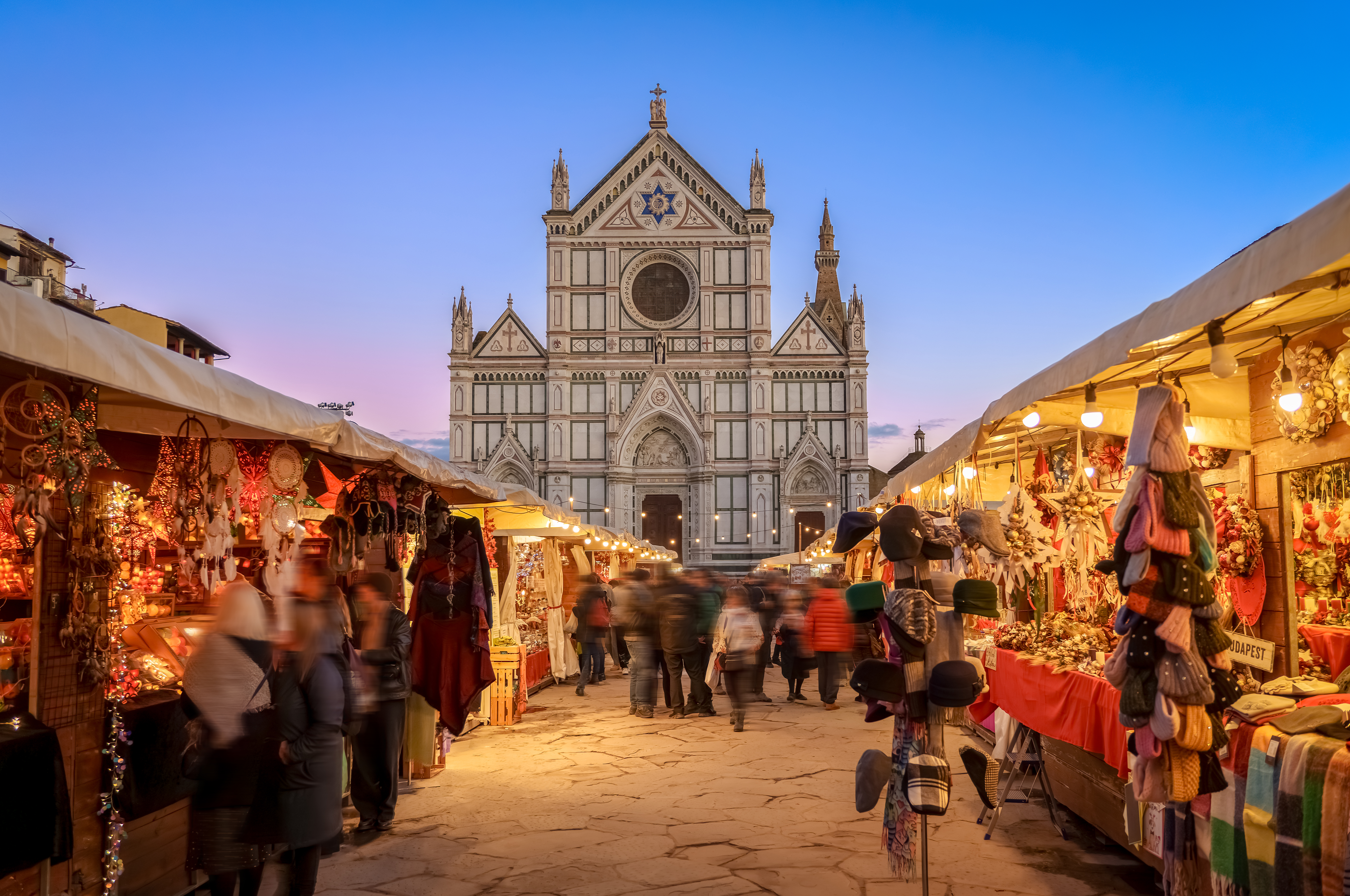
Florence installs its main Christmas market in front of the Basilica of Santa Croce. The Weihnachtsmarkt adopts the Central European format of wooden stalls, but does so within one of the most recognisable monumental spaces in the Florentine historic centre.
The programme brings together craft stalls, traditional European products, gastronomy, hot drinks, Christmas decorations and gift ideas. The market also incorporates different activities during its celebration.
Its location allows it to be easily integrated into a day in the historic centre. Santa Croce is within walking distance of Piazza della Signoria, Ponte Vecchio and the area around the Duomo, so the market can be part of a wider tour of Florence.
Unlike some of the large alpine markets, Santa Croce ends before Christmas Eve.
🗓️ Dates: 14 November – 20 December 2026.
📍 Location: Piazza Santa Croce, Florence.
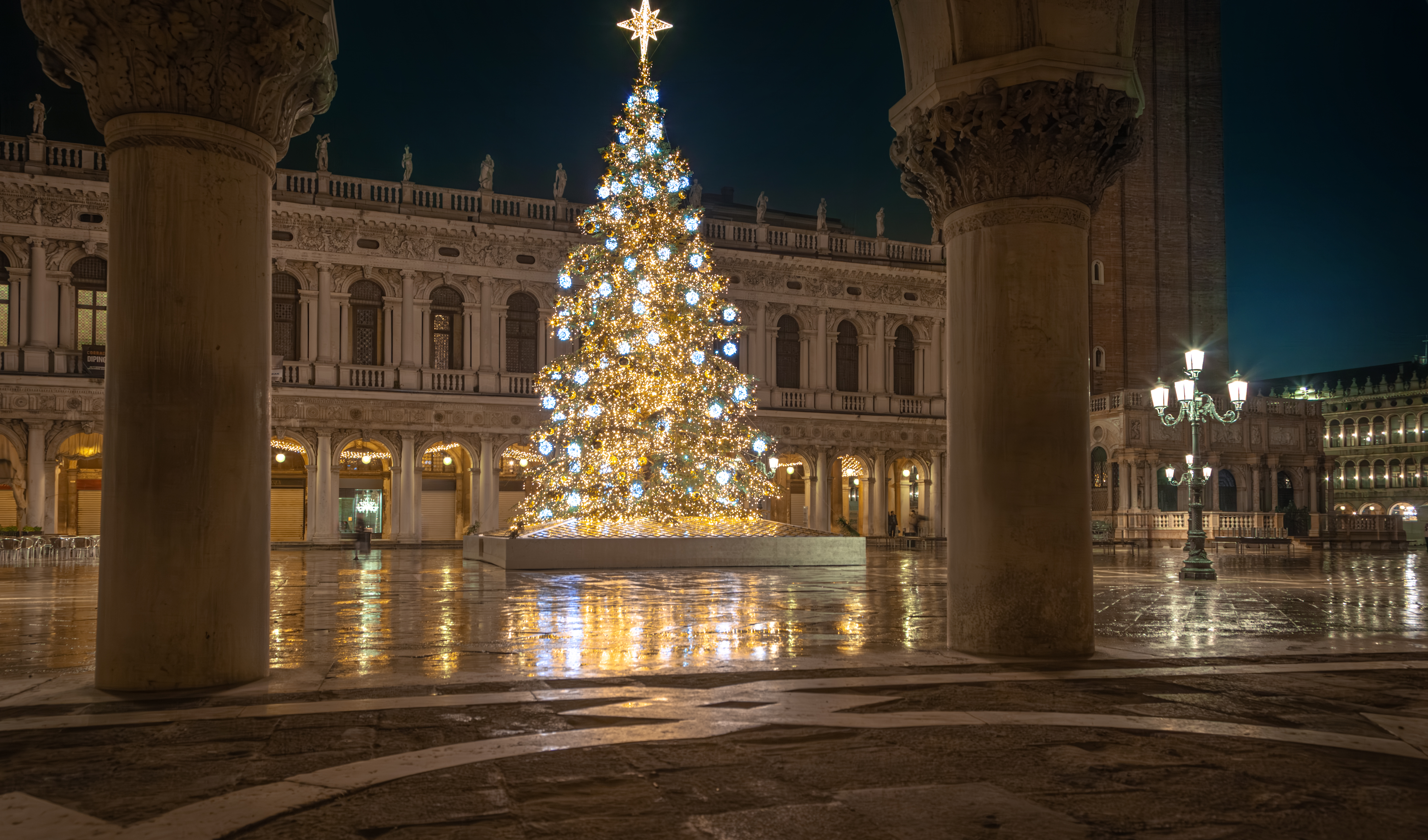
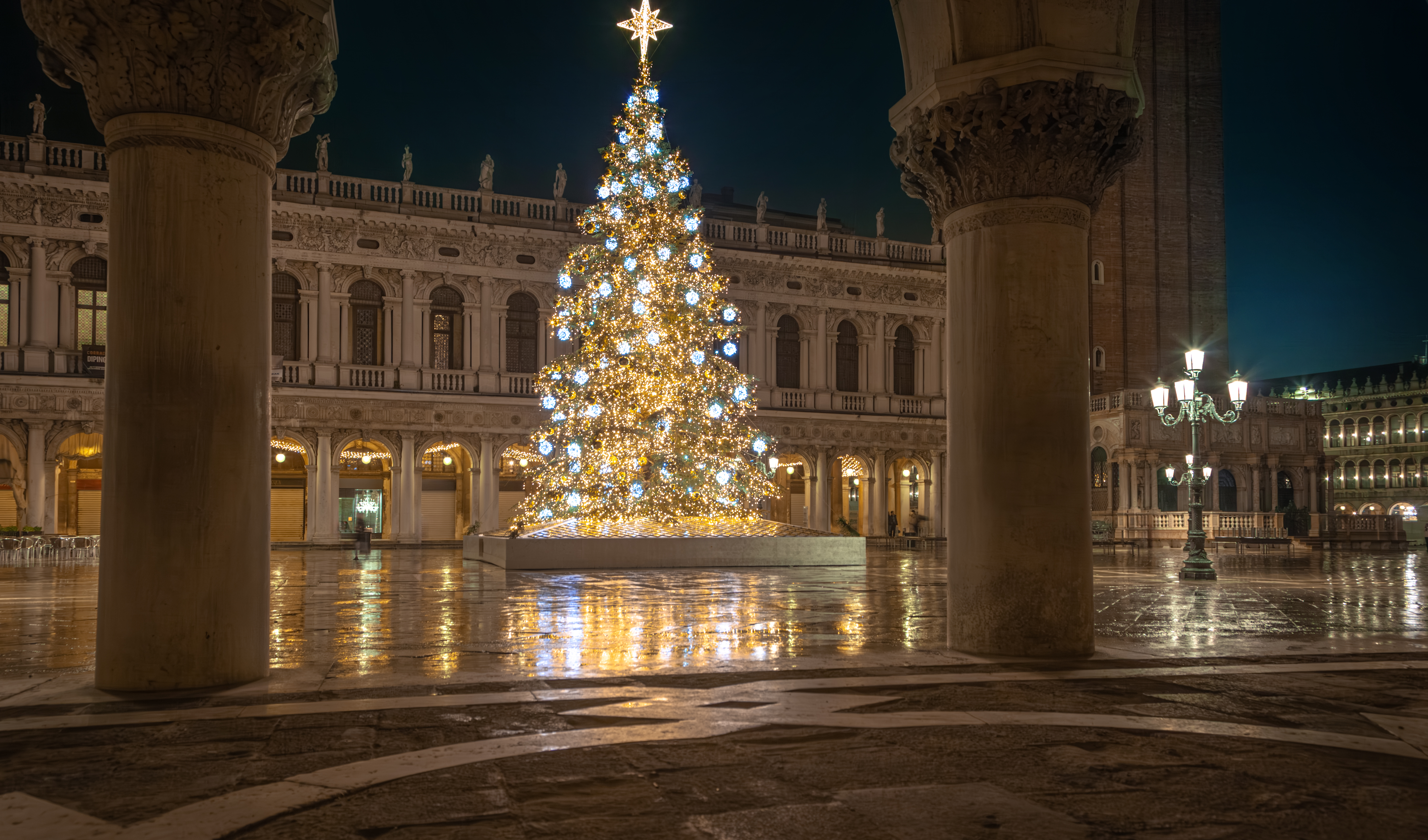
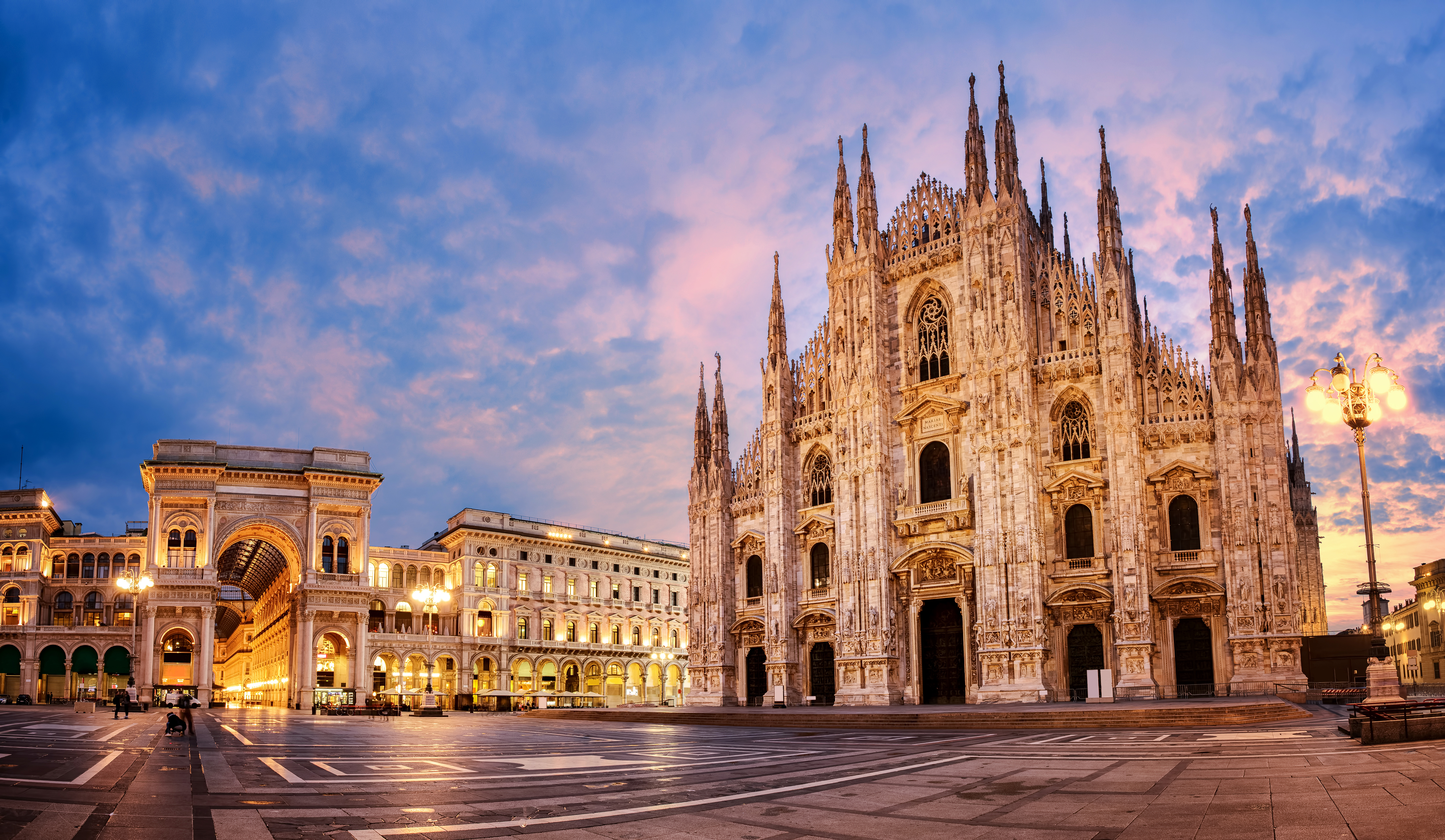
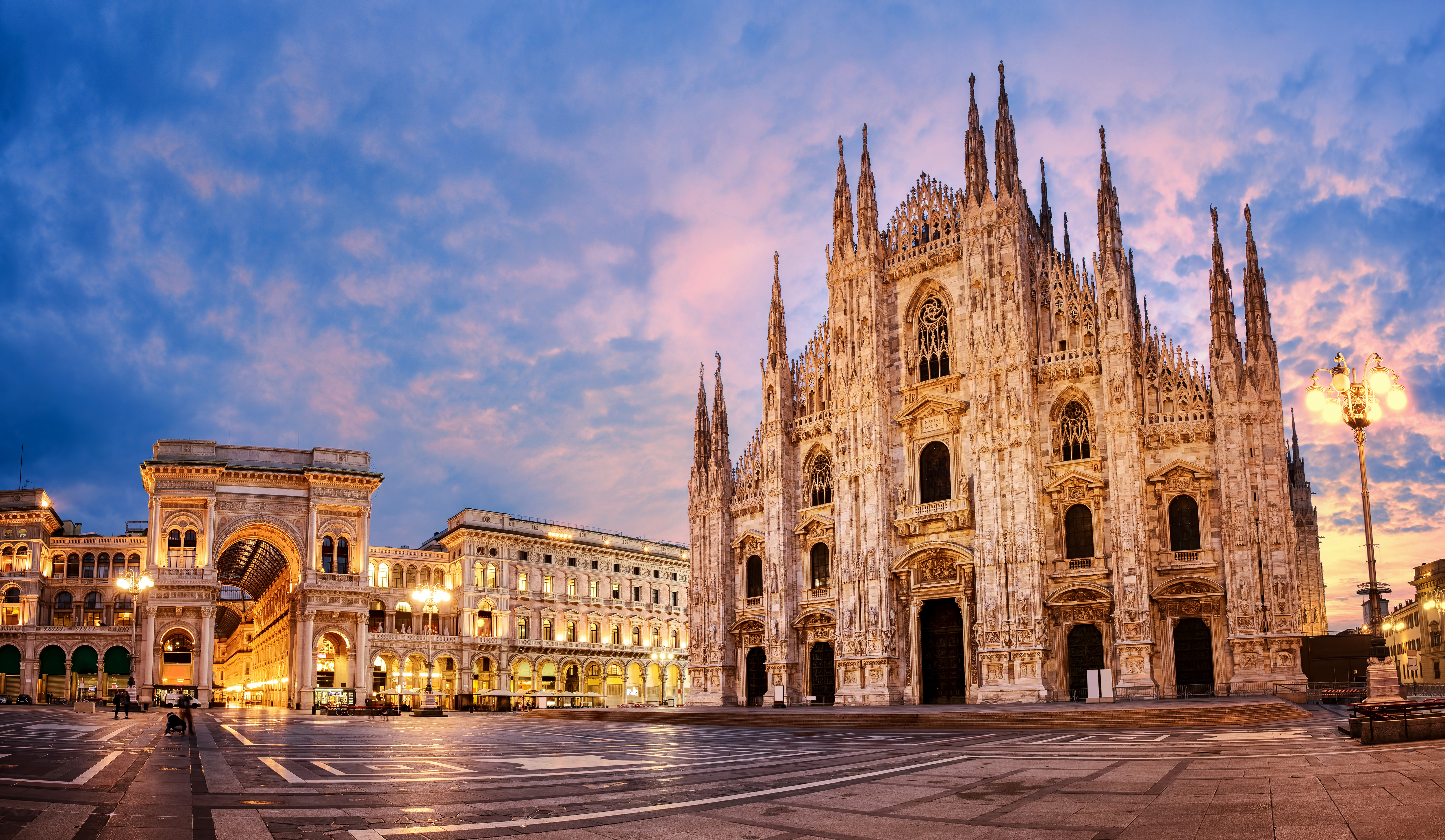
The main Christmas market in the centre of Milan occupies the area around the cathedral and turns Piazza Duomo into one of the commercial focal points of the holidays. The stalls bring together gastronomic products, crafts, decorations and gifts.
In previous editions, figures for nativity scenes, ornaments, toys, handmade jewellery and regional gastronomic specialities have appeared. As the specific composition of the exhibitors may change, these examples serve to explain the type of market and not as a guaranteed list for 2026.
Its location is one of its great attractions. The Duomo, the Galleria Vittorio Emanuele II and the main shopping streets are concentrated in the same area, which makes it easy to incorporate the stalls into a day in the centre of Milan.
The Milan City Council expressly includes the 2026-2027 edition of the market in its official call.
🗓️ Dates: 1 December 2026 – 6 January 2027.
📍 Location: Piazza Duomo and the area around the Cathedral of Milan.
Trento is another of the cities in northern Italy closely related to the tradition of Advent markets. The Christmas stalls occupy different spaces in the historic centre and combine crafts, regional products and gastronomy.
Piazza Fiera has historically been one of its most recognisable settings. Among the products associated with these markets are crafts, honey, liqueurs, ornaments and different mountain specialities.
Trentino gastronomy also provides its own products for these dates, such as the zelten, a Christmas sweet made with nuts and dried fruit. The cultural relationship with the alpine sphere is also appreciated in different specialities and hot drinks.
The celebration of the market is widely documented, but the calendars of previous seasons are not automatically transferred to the 2026 edition.
🗓️ Dates: pending confirmation for 2026.
📍 Location: historic centre of Trento.
Piazza Navona offers a very different Christmas from that of the alpine markets. Its historic Festa della Befana combines commercial stalls with a tradition especially linked to the Epiphany, a celebration with deep roots in Italy.
The market has a family component and maintains a close relationship with the figure of the Befana. Roma Capitale includes the celebration in its planning, but this does not translate into specific dates for 2026 while there is no sufficiently confirmed definitive calendar.
The setting is one of its great attractions. The stalls occupy Piazza Navona, around Bernini's Fontana dei Quattro Fiumi and surrounded by the baroque facades of the square.
It is an especially interesting proposal for those visiting Rome during the holidays who want to know an Italian tradition closely linked to the Epiphany.
🗓️ Dates: pending confirmation for 2026.
📍 Location: Piazza Navona, Rome.
Italian Christmas gastronomy cannot be summed up in a single menu. Each region maintains its own products and recipes, and that diversity is also appreciated when visiting the markets. Some foods belong especially to family meals and should not be taken for granted at the stalls.
Two of the great symbols are the panettone and the pandoro. The former is closely related to Milan and its traditional version incorporates raisins and candied fruit. The pandoro comes from Verona, has its characteristic star shape and is usually presented covered in icing sugar. Although their origins are regional, both are currently consumed throughout Italy.
In Campania, you will find struffoli, small balls of fried dough covered with honey and decorated. Italia.it includes them among the characteristic Christmas specialities of the south of the country and they are especially linked to Naples and Campania.
The torrone offers another example of regional diversity. It is made in different parts of Italy and has varieties prepared with honey and nuts. Cremona has a particularly well-known relationship with this sweet, although other regional traditions exist.
Alpine markets have another repertoire. In Bolzano and Merano, products such as speck, cured meats, cheeses and strudel appear. The vin brulé, hot spiced wine, is especially associated with the markets in this part of Italy. In Trentino, the zelten represents another of the Christmas specialities.
The Vigilia of 24 December is related in many areas to fish and seafood dishes instead of meat. Recipes change considerably between regions and families, so there is no single menu that can be presented as the Christmas Eve dinner for all of Italy.
The Pranzo di Natale on the 25th is usually an abundant family meal. Broths, filled pastas, lasagnas and meats appear in different regional traditions. Cappelletti in brodo, for example, are deeply rooted in certain areas of central and northern Italy, but are not presented as a universal dish of the country.
For shopping, Bolzano and Merano stand out for South Tyrolean crafts; Aosta incorporates products from the Aosta Valley; Arezzo combines crafts and Tyrolean-inspired proposals; Santa Croce brings together products from different origins; and Milan adds decoration, gifts and gastronomic specialities.
The closing of Italian markets depends on the region and the concept of each event. Some proposals end before Christmas Eve, while certain alpine and urban markets continue after 25 December.
Santa Croce, in Florence, is among the markets that end before Christmas. Arezzo continues during the last days of December, while Bolzano and Merano remain open during the period after Christmas.
Milan also keeps the Mercatino di Natale in Duomo after New Year's Day. This continuity allows markets to be found during the first days of January, although it should not be assumed that the same happens in all Italian cities.
The Epiphany has special importance in Italy and is part of the cycle of celebrations for these dates. In those markets whose 2026 calendar is not yet officially confirmed, this guide does not establish an estimated closing date either.
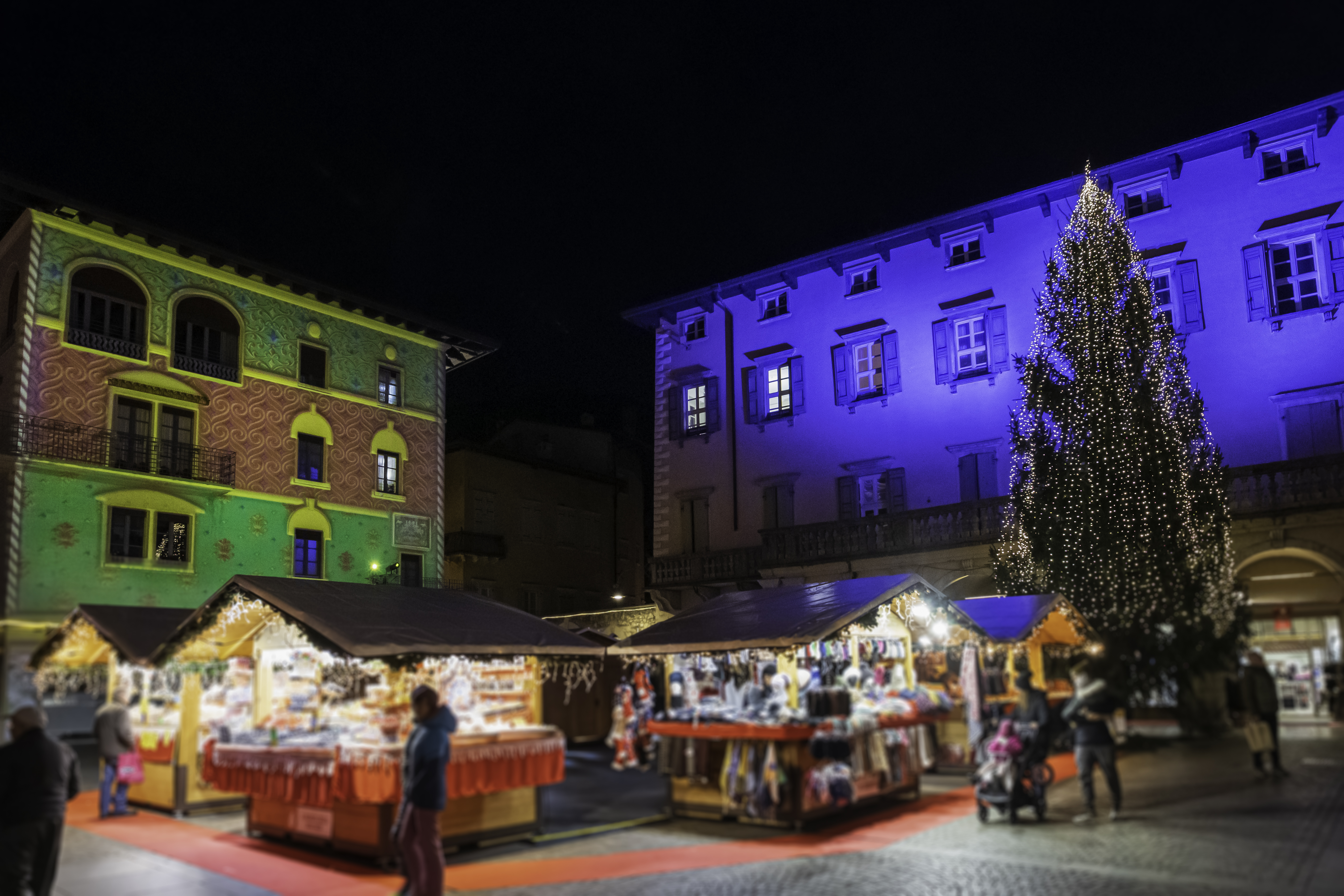,regionOfInterest=(2850,1900))
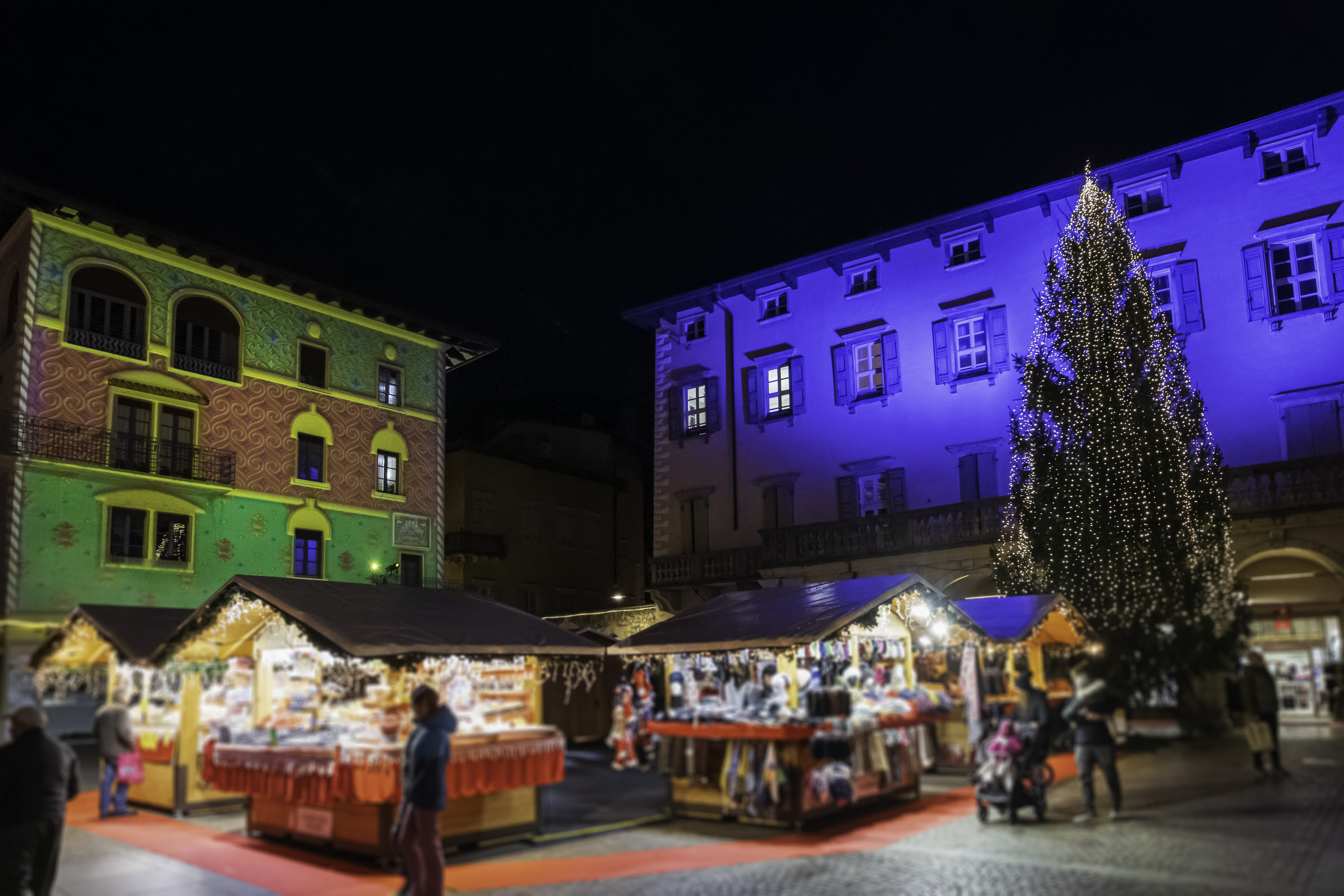,regionOfInterest=(2850,1900))
As this is a national guide, the selected markets are located in different regions and some are separated by hundreds of kilometres. Meliá Hotels International has establishments in Italian destinations such as Milan, Rome and Tuscany that can serve as a base for visiting some of the markets in this guide.
Travel times that are not sufficiently contrasted are not indicated. When the market is not in the same city as the hotel, the need to travel is pointed out instead of presenting a proximity that could be misleading.
| Hotel | Nearby market | Distance/transport | Approximate time | Advantage |
|---|---|---|---|---|
| Palazzo Cordusio Gran Meliá | Mercatino di Natale in Duomo | On foot through the centre of Milan | Depending on route | Central location in Milan |
| ME Milan Il Duca | Mercatino di Natale in Duomo | Public transport / on foot depending on route | Depending on route | Urban base for visiting Milan |
| Meliá Milano | Mercatino di Natale in Duomo | Metro / public transport | Depending on route | Connection to the centre of Milan |
| Villa Agrippina Gran Meliá | Festa della Befana di Piazza Navona | Urban travel | Depending on route | Accommodation in Rome |
| Tenuta di Artimino, The Meliá Collection | Tuscany markets | Road travel | Depending on destination | Base in Tuscany |
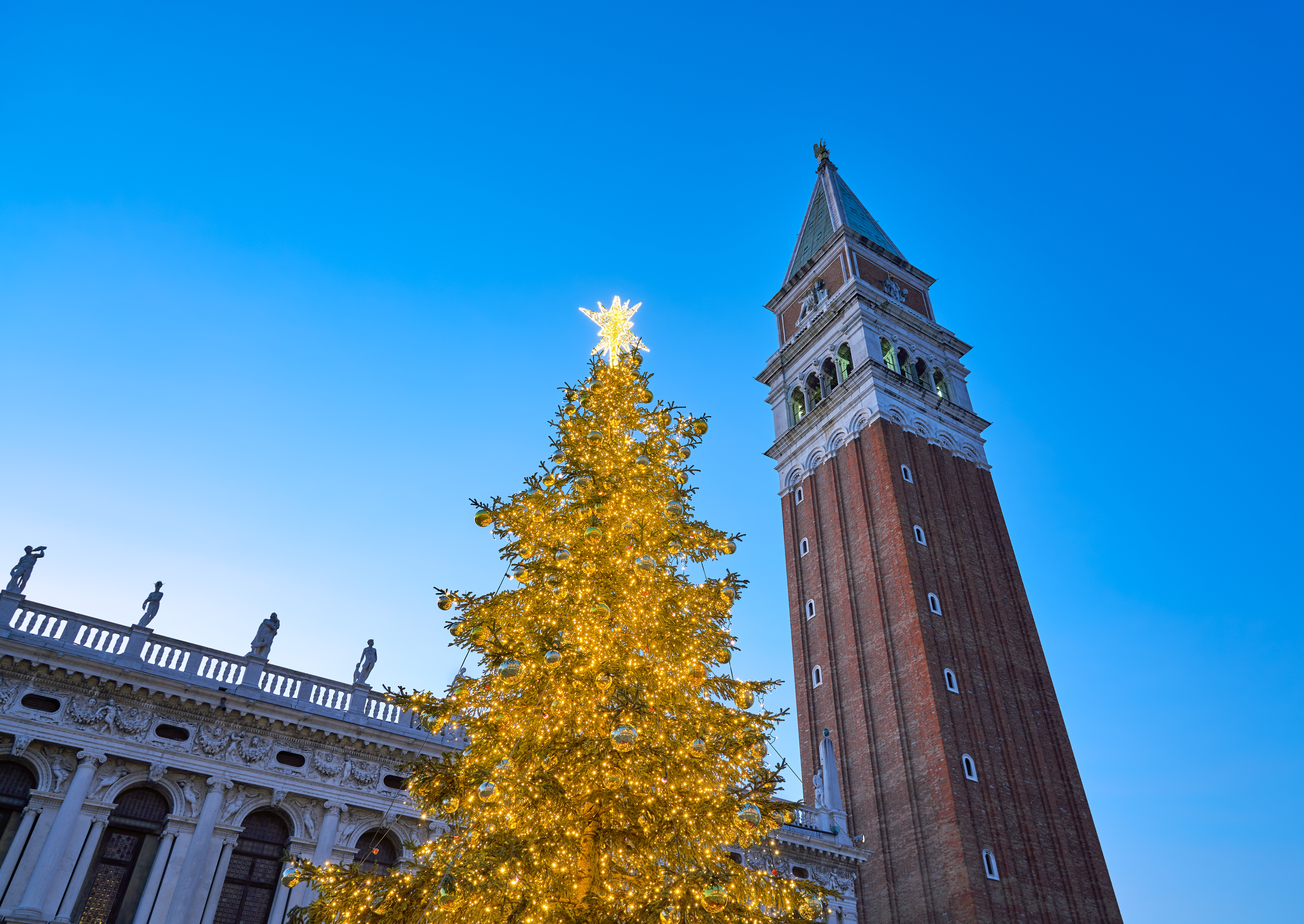,regionOfInterest=(3742.5,2652))
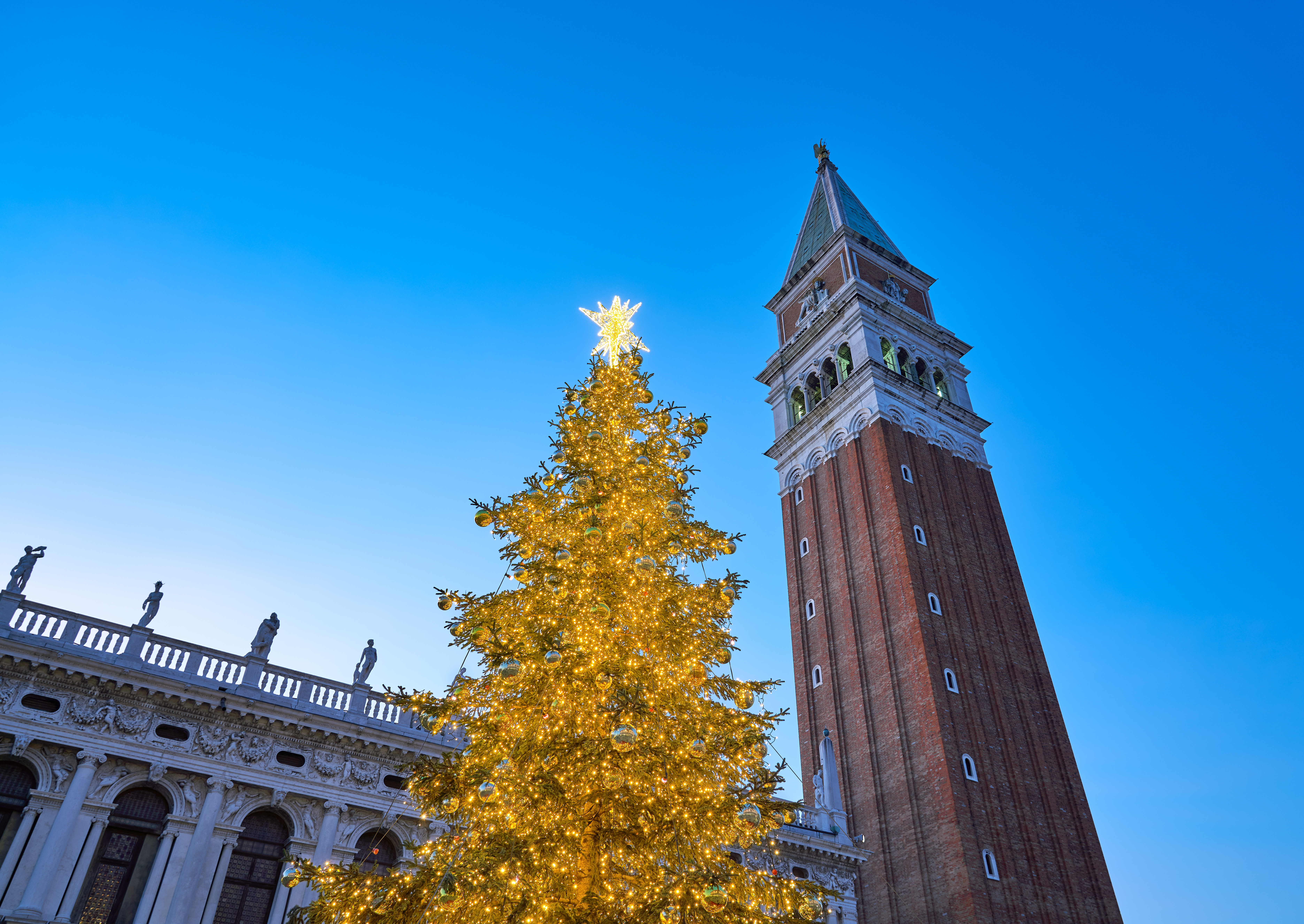,regionOfInterest=(3742.5,2652))
The markets are only part of the Italian celebrations. Nativity scenes constitute one of the best examples. In Naples, Via San Gregorio Armeno concentrates workshops specialising in presepe figures, from traditional characters to contemporary creations.
Gastronomy allows you to follow the Christmas route even outside the stalls. Milan is a particularly suitable place to discover the tradition of panettone, while Verona is closely related to pandoro. In Campania, sweets such as struffoli stand out and in other regions different varieties of torrone appear.
In Milan, there is also the historic Oh Bej! Oh Bej! fair, linked to the celebrations of Saint Ambrose. Its existence and tradition are widely documented, but a specific date for 2026 is not included while the corresponding official calendar is not available.
The Befana completes the Italian festive cycle. During the night before the Epiphany, tradition says that this old woman visits homes and leaves sweets and gifts for children. Her presence is especially visible in the celebrations at the beginning of January.
Therefore, organising a route through the Christmas markets of Italy implies first choosing what type of Christmas you want to experience. Bolzano and Merano allow you to get closer to the tradition of South Tyrol; Aosta adds the landscape and products of the Aosta Valley; Florence and Arezzo incorporate the markets into cities of enormous historical heritage; Milan combines shopping and gastronomy; and Rome contributes its own customs.
The table also changes as the trip progresses. A zelten or a strudel in the north, a panettone in Milan or some struffoli in Campania show the extent to which gastronomy is part of the Italian Christmas identity.
Between illuminated squares, wooden stalls, nativity scenes, regional sweets and the aroma of vin brulé, Christmas in Italy invites you to travel through the country slowly, discovering that each city keeps its own way of celebrating these dates.
,regionOfInterest=(3680,2456))
,regionOfInterest=(3680,2456))
,regionOfInterest=(2857.5,1856.5))
,regionOfInterest=(2857.5,1856.5))
,regionOfInterest=(1944,1296))
,regionOfInterest=(1944,1296))
,regionOfInterest=(2500,1454))
,regionOfInterest=(2500,1454))
,regionOfInterest=(2720.5,1813.5))
,regionOfInterest=(2720.5,1813.5))