,regionOfInterest=(2900.5,1949.5))
,regionOfInterest=(2900.5,1949.5))
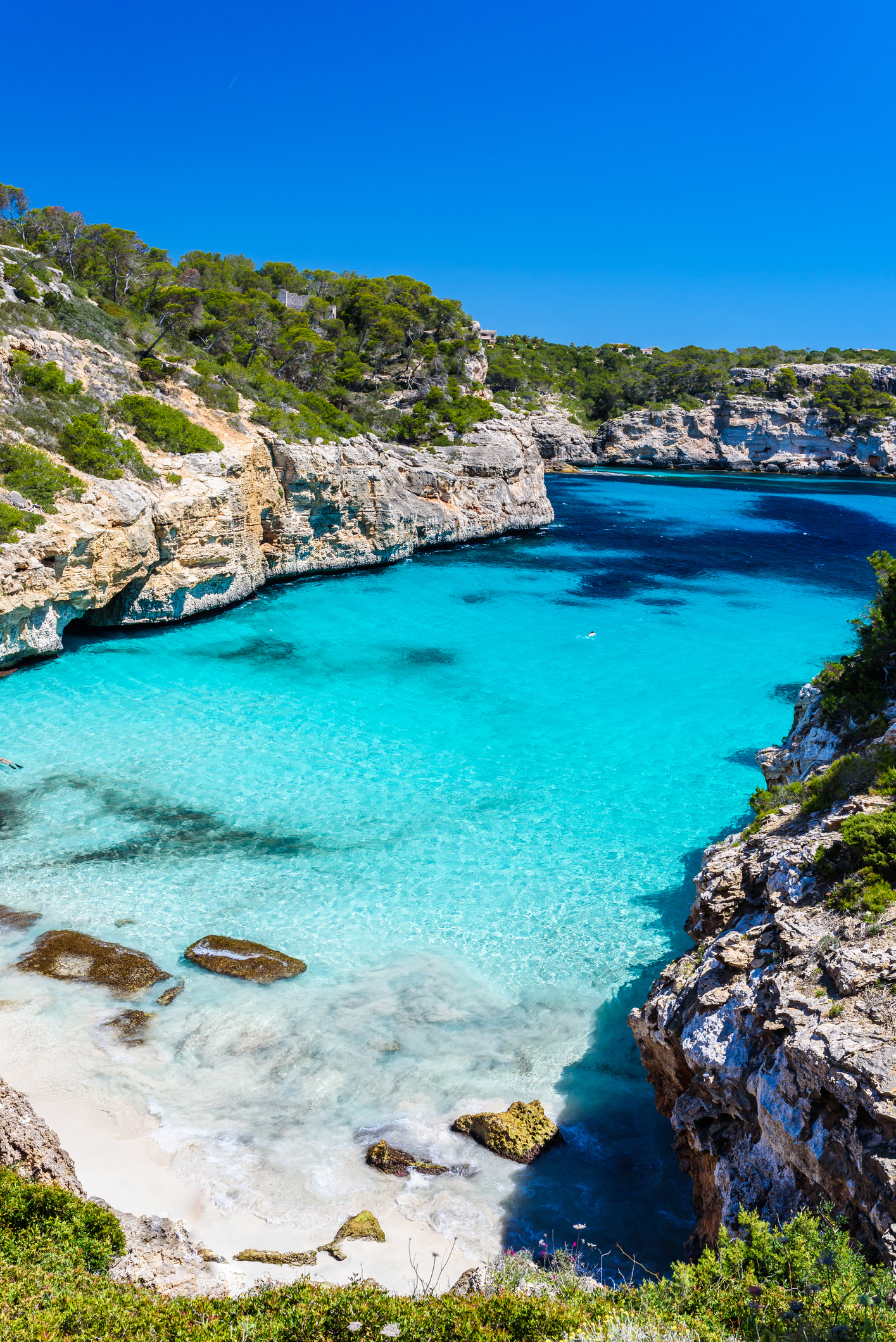
The best coves in Mallorca
,regionOfInterest=(707.5,1059.5))
,regionOfInterest=(707.5,1059.5))
Culture
,regionOfInterest=(1023,575.5))
,regionOfInterest=(1023,575.5))
You could spend a full week in Chiang Mai and still leave with an unfinished list. Golden temples, a highland national park, elephants living free of chains, and markets that only wake up after dark all sit within a short drive of the Old City walls, and none of it demands much more than a rough plan and a decent pair of shoes.
This guide rounds up the things to do in Chiang Mai that are genuinely worth the drive or the climb, from temple mornings and mountain air to elephants who no longer perform for anyone and a market that never quite closes.
Culture
,regionOfInterest=(500,500))
,regionOfInterest=(500,500))
All-terrain writer specialising in tourism, fashion and trends. A curious soul, traveller, reader and sports enthusiast, keen to discover every corner of the world.
,regionOfInterest=(800,446.5))
,regionOfInterest=(800,446.5))
,regionOfInterest=(800,446.5))
,regionOfInterest=(800,446.5))
,regionOfInterest=(800,446.5))
,regionOfInterest=(800,446.5))
,regionOfInterest=(800,446.5))
,regionOfInterest=(800,446.5))
Chiang Mai counts more than three hundred temples inside and around its old moat, more concentrated devotional architecture than almost anywhere else in the country outside Bangkok. Four of them reward a visit more than the rest, whether for the story behind the building or the view from where it sits.
,regionOfInterest=(1023,575.5))
,regionOfInterest=(1023,575.5))
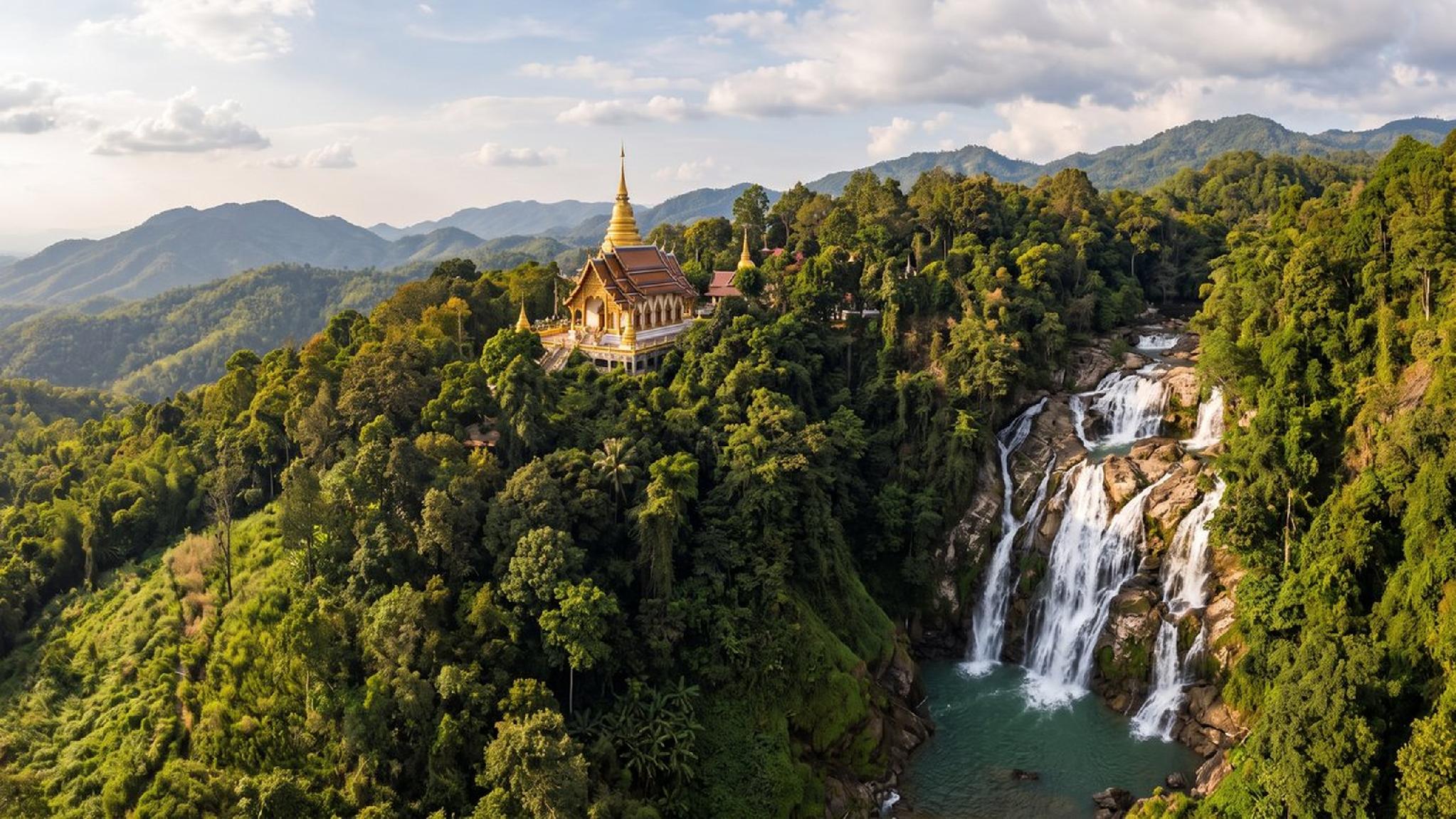
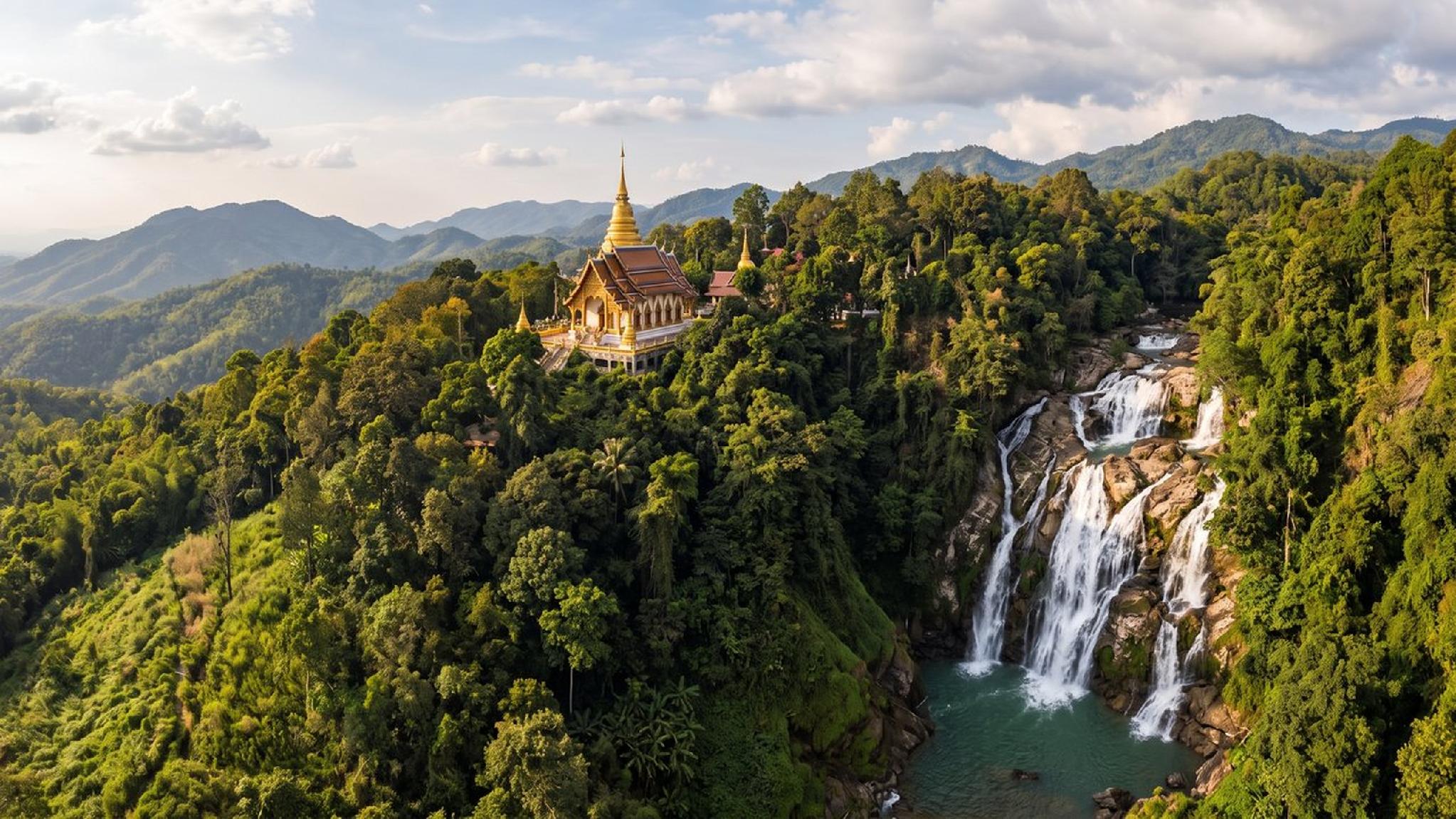
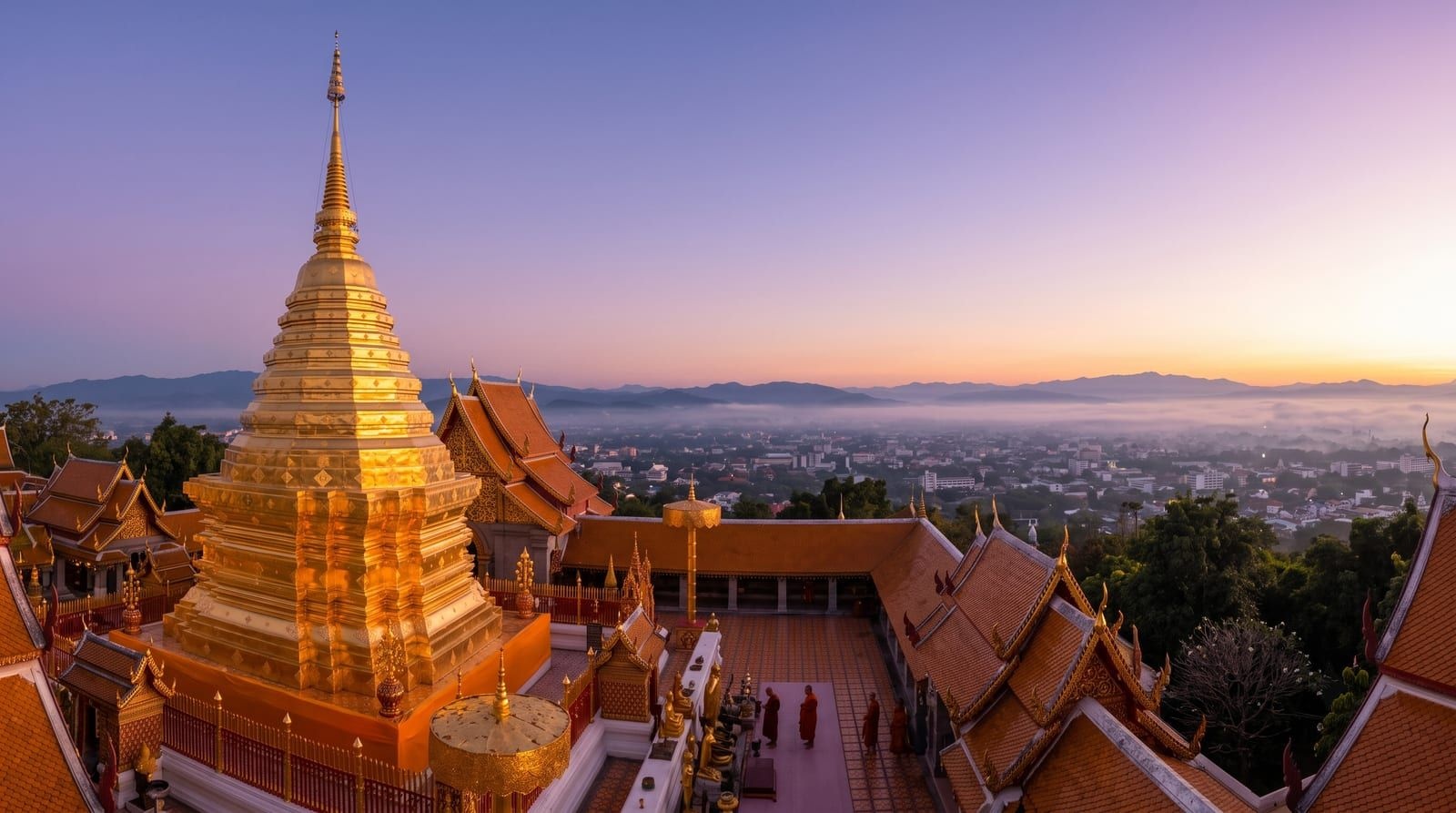
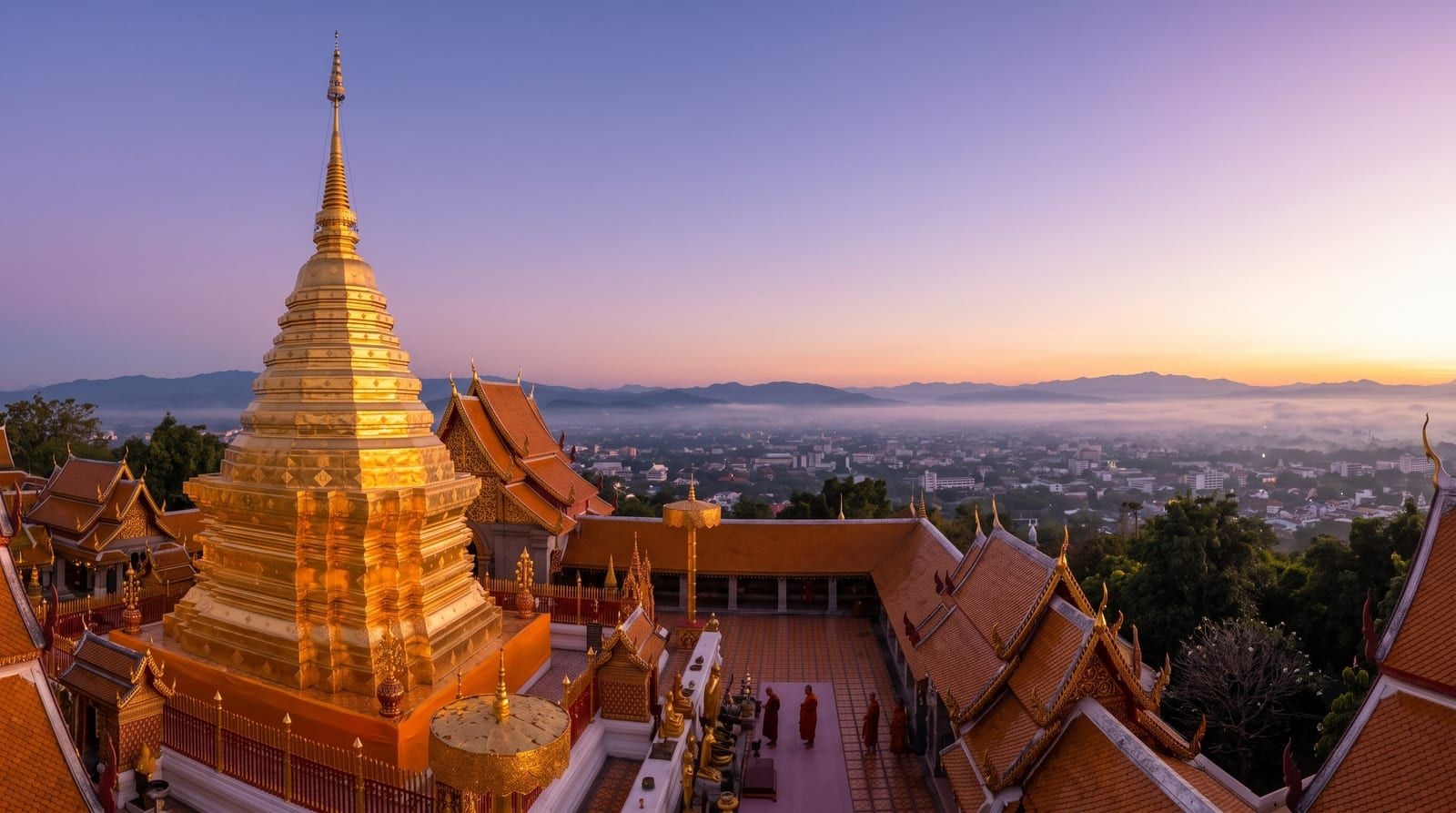
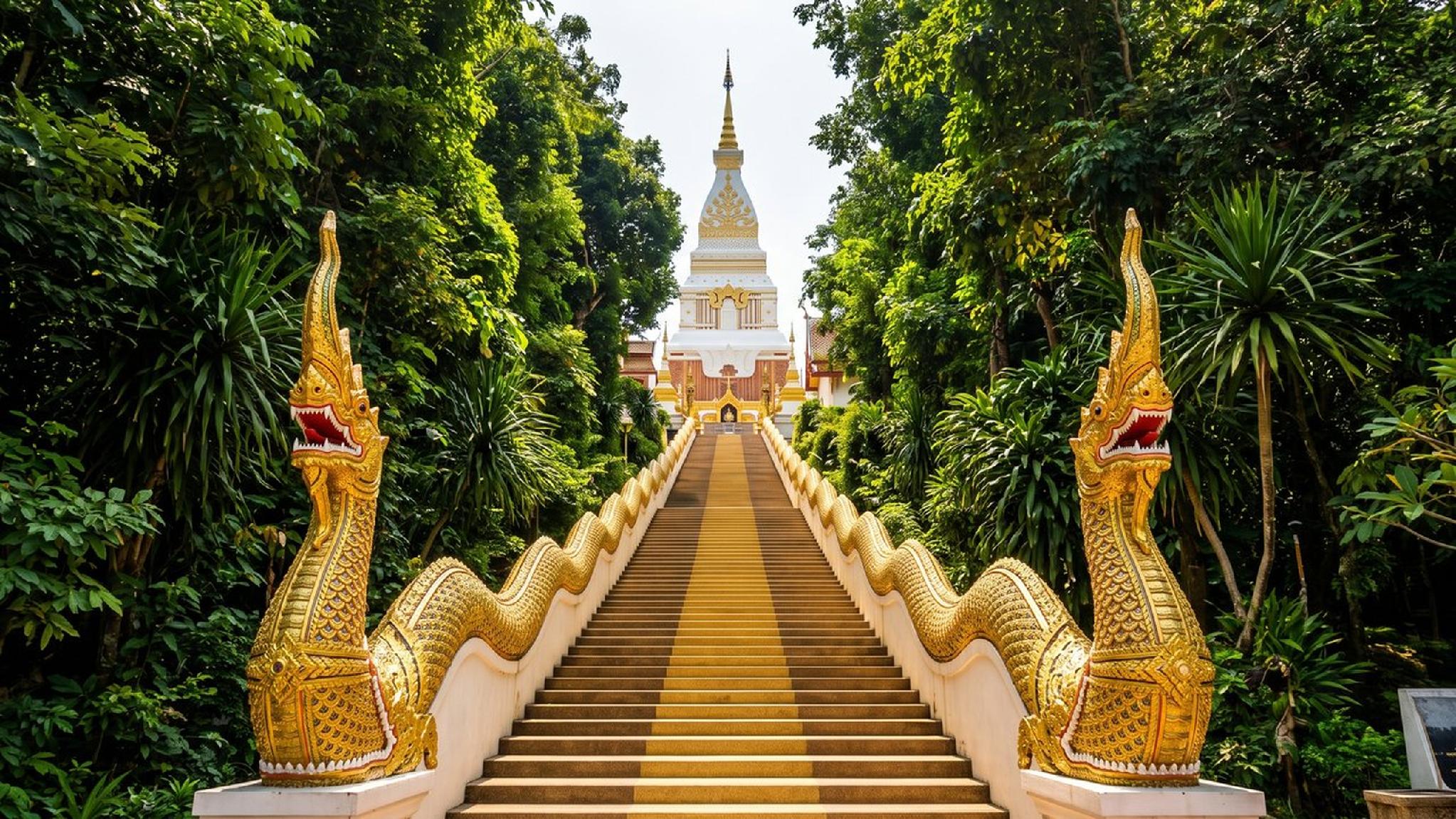
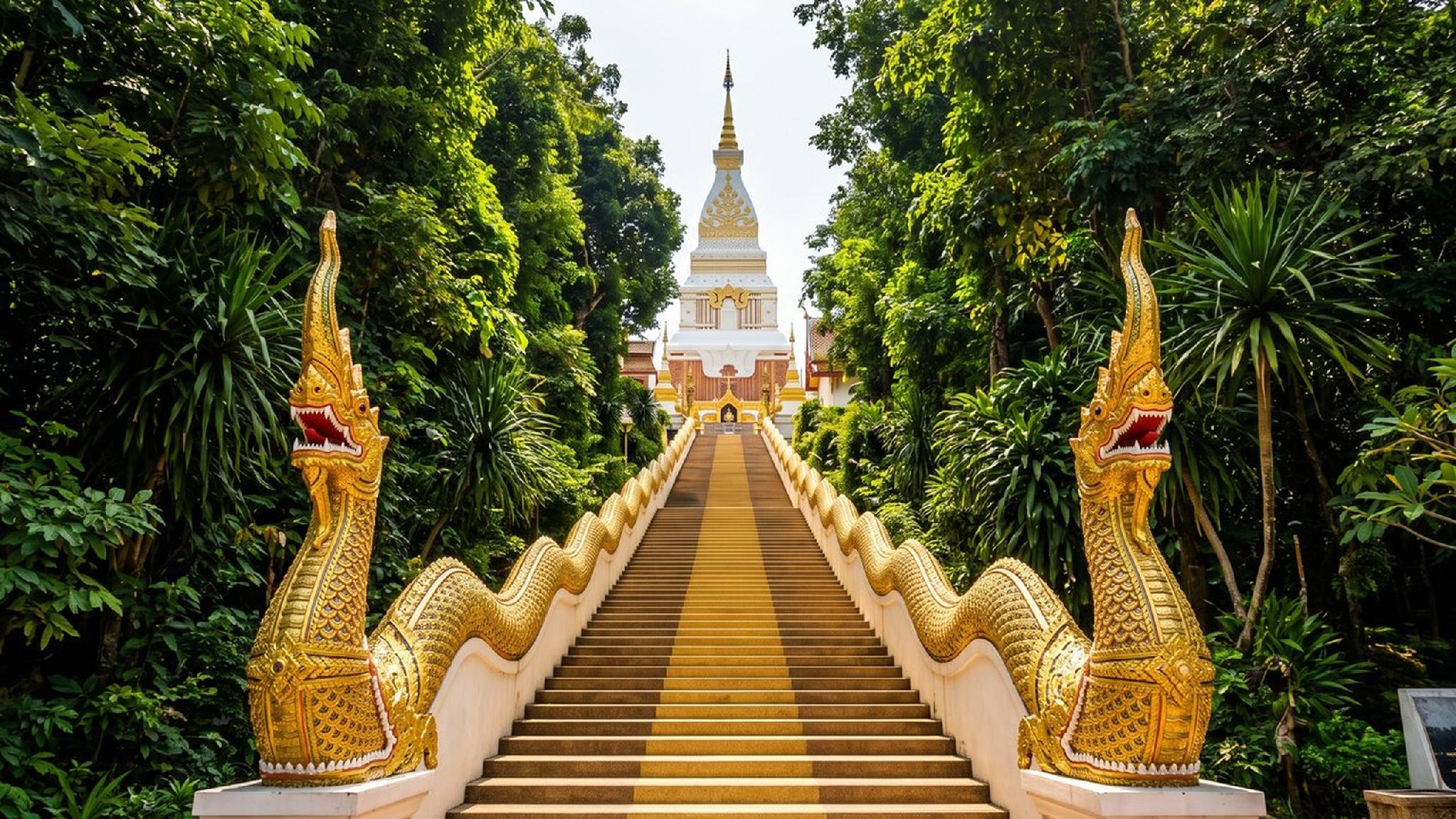
Wat Phra That Doi Suthep sits partway up the mountain that gives Chiang Mai its skyline, founded in 1383 by King Keu Naone to enshrine a relic believed to be a shard of the historical Buddha's shoulder bone. Temple legend says the relic was strapped to a white elephant and released into the jungle, and the animal's final resting spot marked out where the temple should stand, a story every guide on the mountain still repeats on the way up.
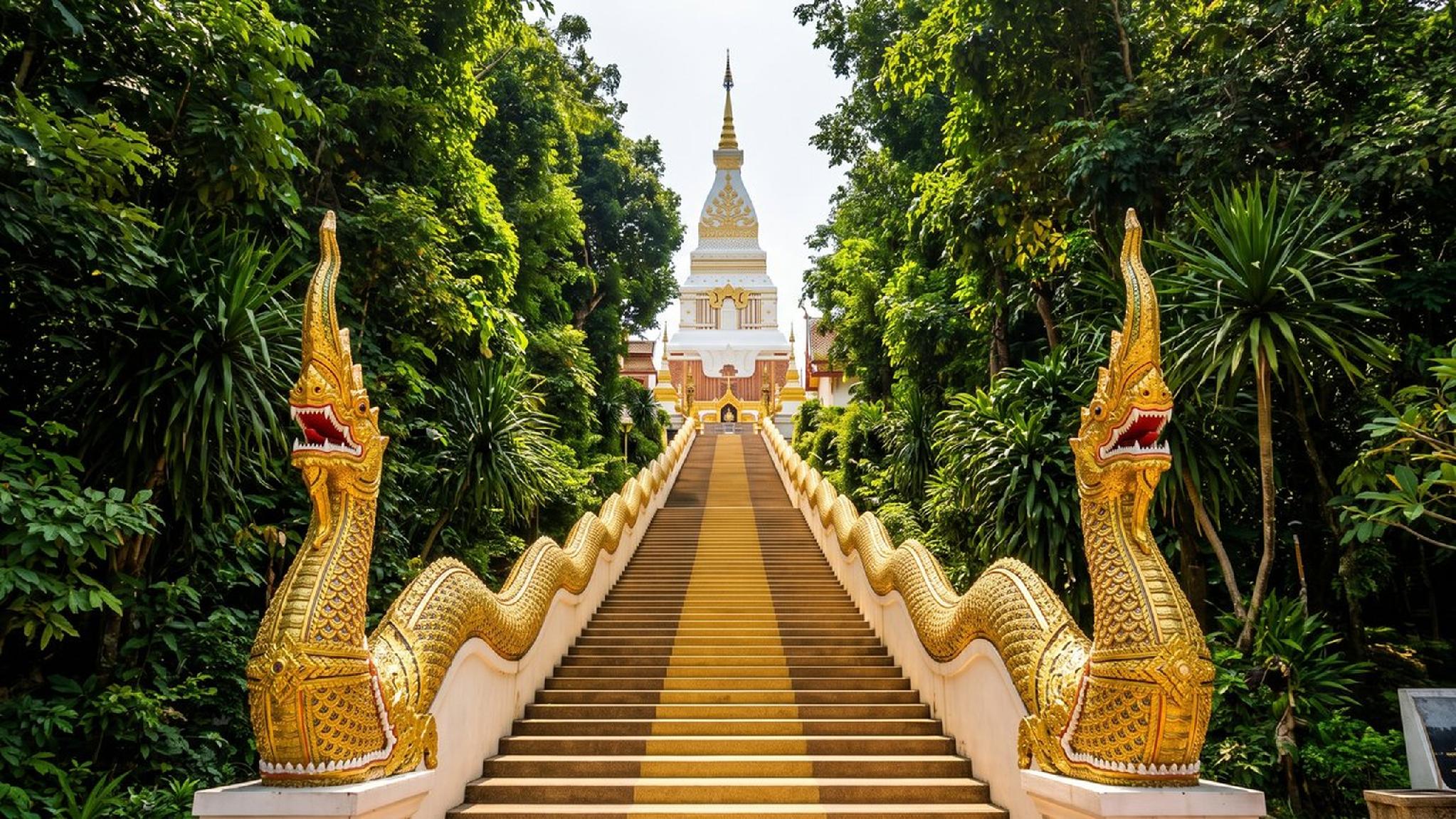
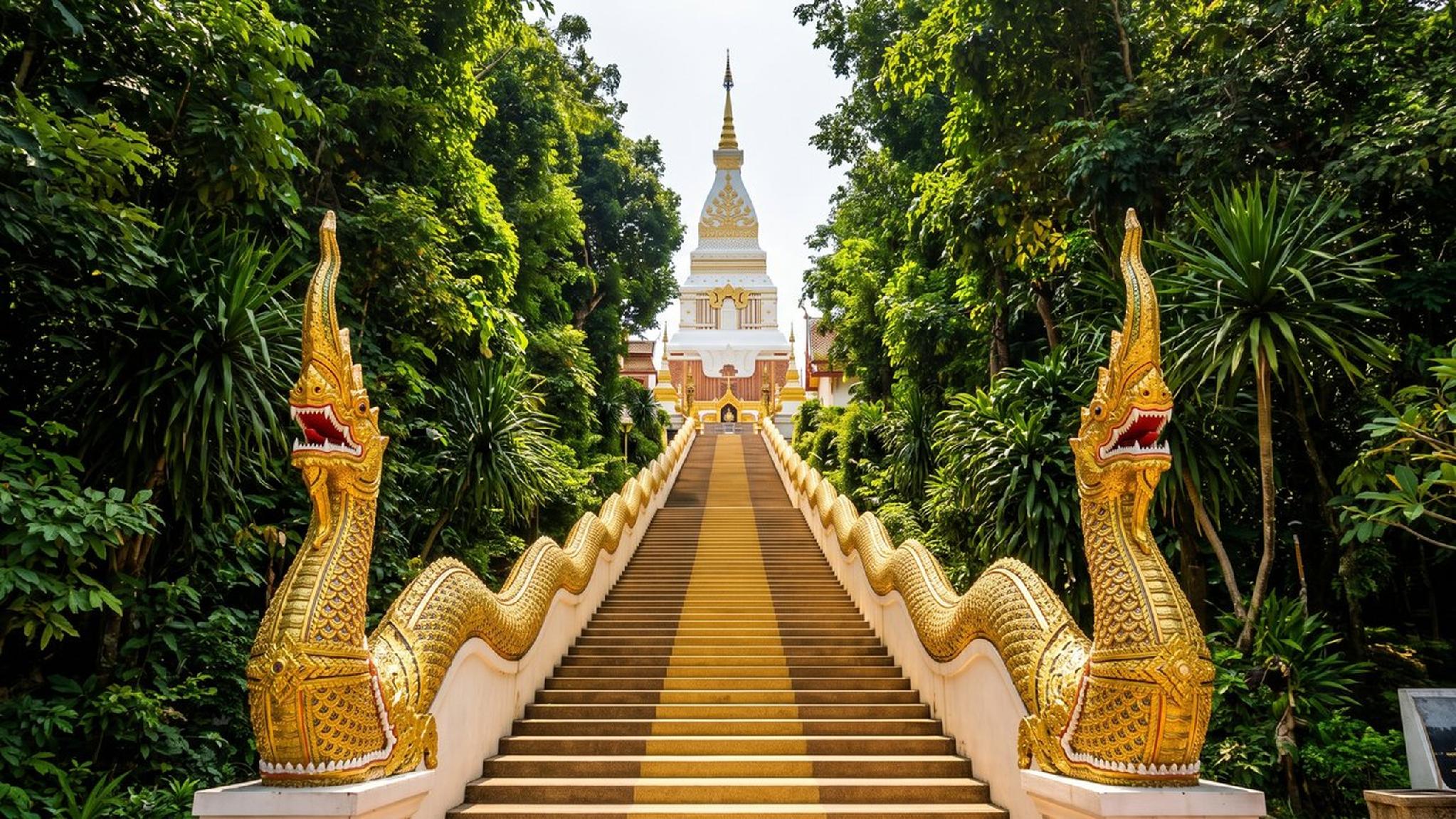
Reaching the temple means climbing the 306-step Naga Staircase, flanked by two seven-headed serpents said to be the longest naga balustrade in the country, though a funicular railway now carries visitors who would rather save their knees for later in the day. For anyone weighing which things to do in Chiang Mai to prioritise on a short trip, the terrace behind the golden chedi gives one of the best unbroken views of the city, and temple access itself carries no entrance fee following a 2025 change to how the surrounding national park charges for its separate trails and waterfalls.
,regionOfInterest=(1023,575.5))
,regionOfInterest=(1023,575.5))
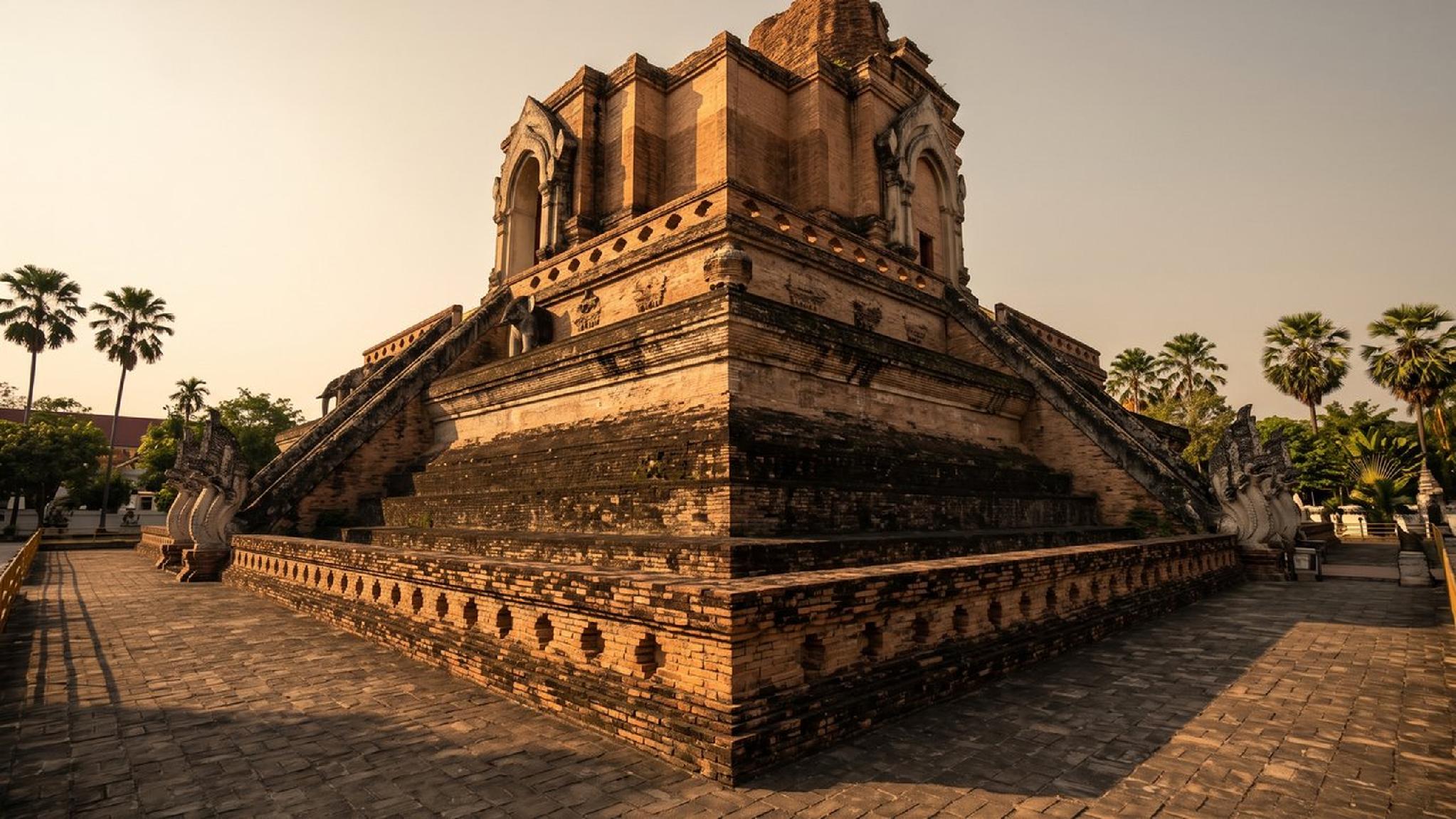
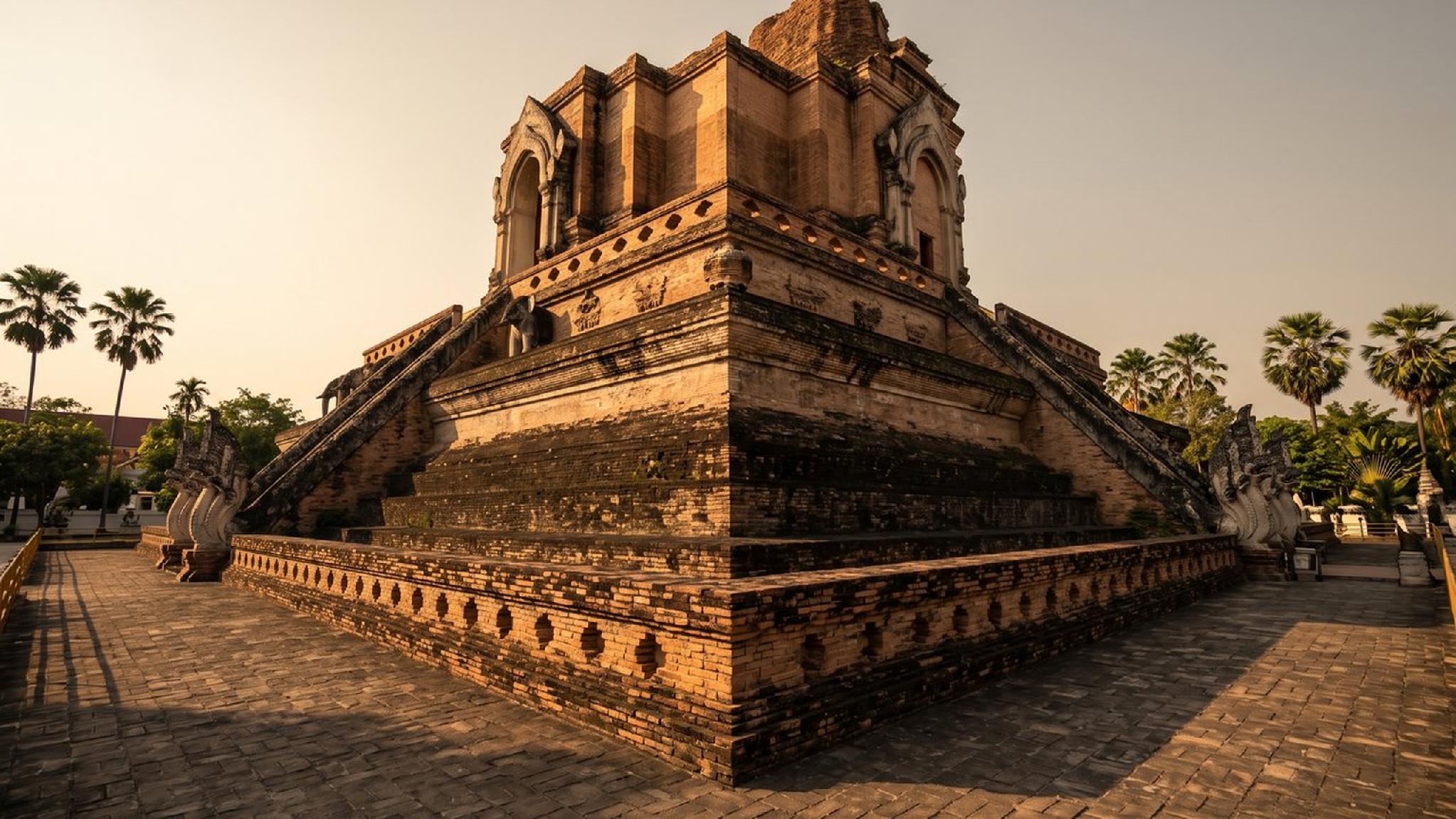
Wat Chedi Luang anchors the Old City around the ruins of a chedi that once stood over 80 metres tall, the tallest structure fourteenth-century Chiang Mai ever built, before a 1545 earthquake sheared off its upper third. The Emerald Buddha, now Thailand's most revered image and kept in Bangkok, rested here for nearly a century after King Tilokarat finished the chedi in 1475, and the truncated structure still standing today gives a genuine sense of scale that a fully restored temple would not.
Inside the compound, a small shrine holds Sao Inthakin, the city pillar first raised by King Mangrai when he founded Chiang Mai in 1296 and moved to its present home here in 1800. Locals still visit to renew their connection to the pillar during the annual Inthakin ceremony, and by long-standing custom only men are permitted inside the shrine itself, with women leaving offerings at the entrance.
,regionOfInterest=(1023,575.5))
,regionOfInterest=(1023,575.5))
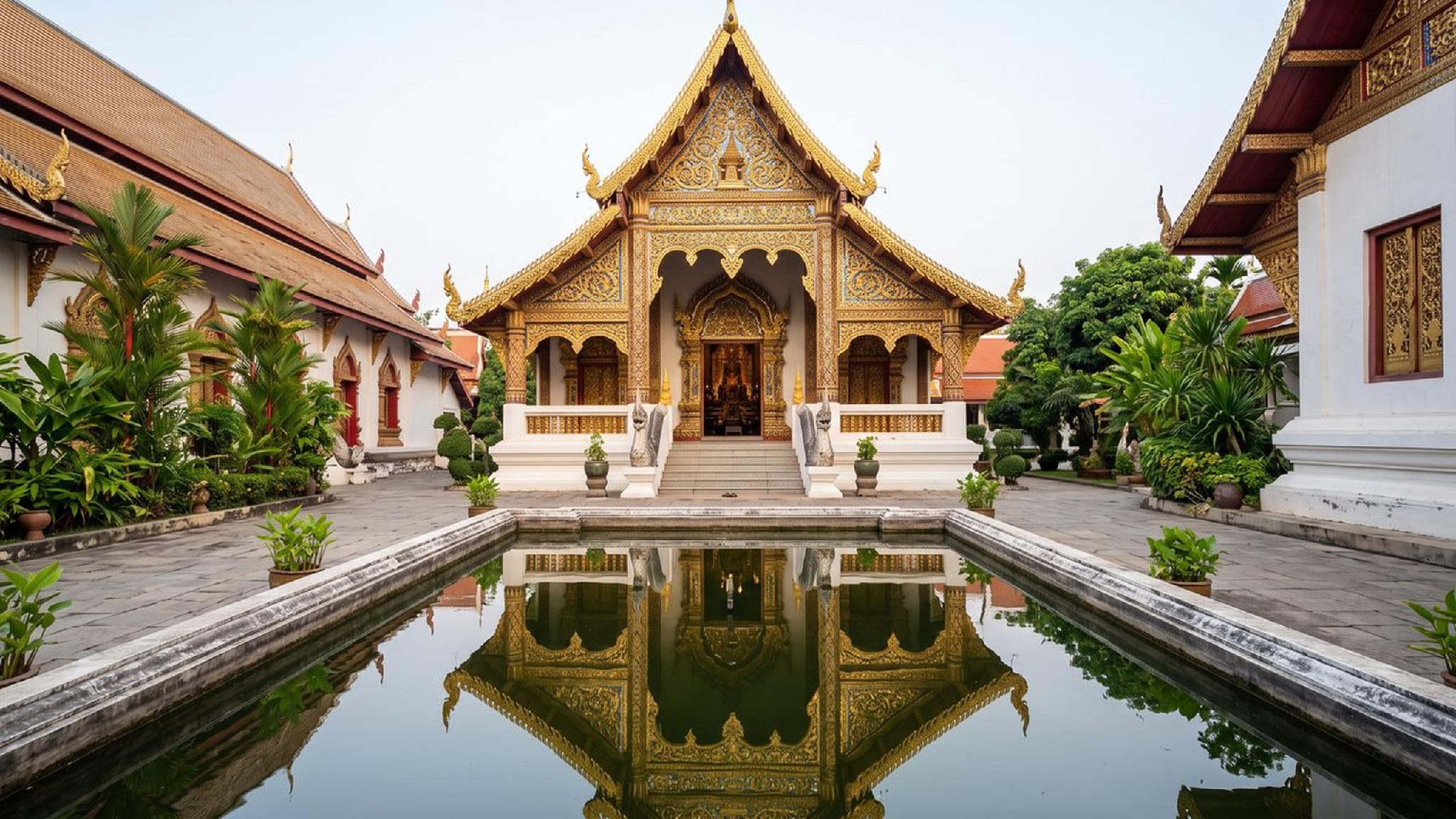
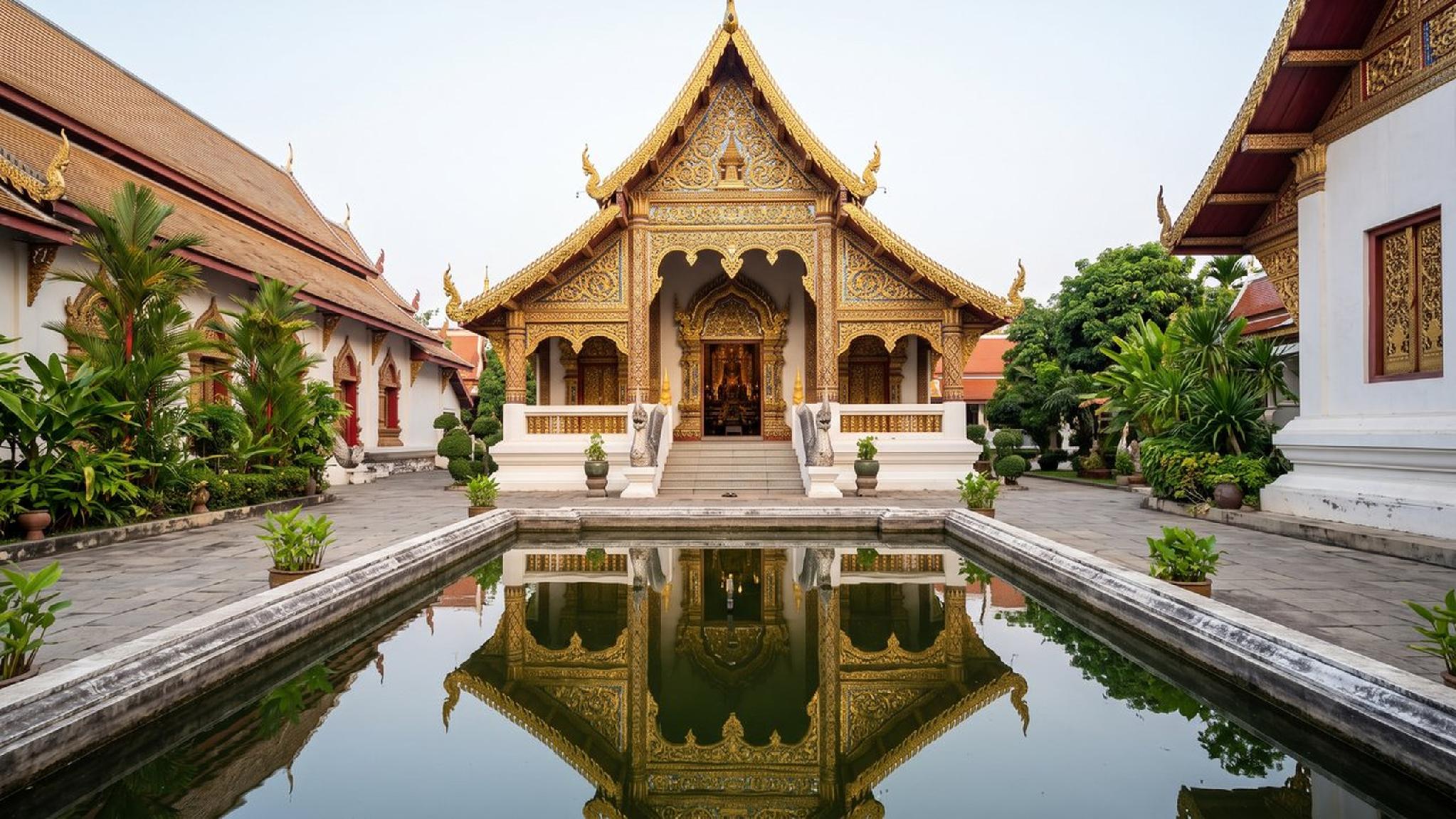
Wat Phra Singh, at the western end of the Old City, dates to 1345, when King Phayu began construction to house his father's ashes, and its Lai Kham viharn from the same century is considered one of the finest surviving examples of classic Lanna architecture. The temple may have been the Emerald Buddha's first home in the city before it moved to Wat Chedi Luang, and its gilded chedi, ringed with elephant sculptures, is worth circling on foot rather than photographing from one angle and moving on.
The temple's own treasure, the Phra Buddha Sihing image inside the Lai Kham viharn, leaves the building only once a year, carried through the city on a decorated carriage every April 13th as part of the Songkran festival. Crowds line the route to pour scented water over the image as it passes, a ritual believed to wash away the past year's misfortune before the new year begins.
,regionOfInterest=(1023,575.5))
,regionOfInterest=(1023,575.5))
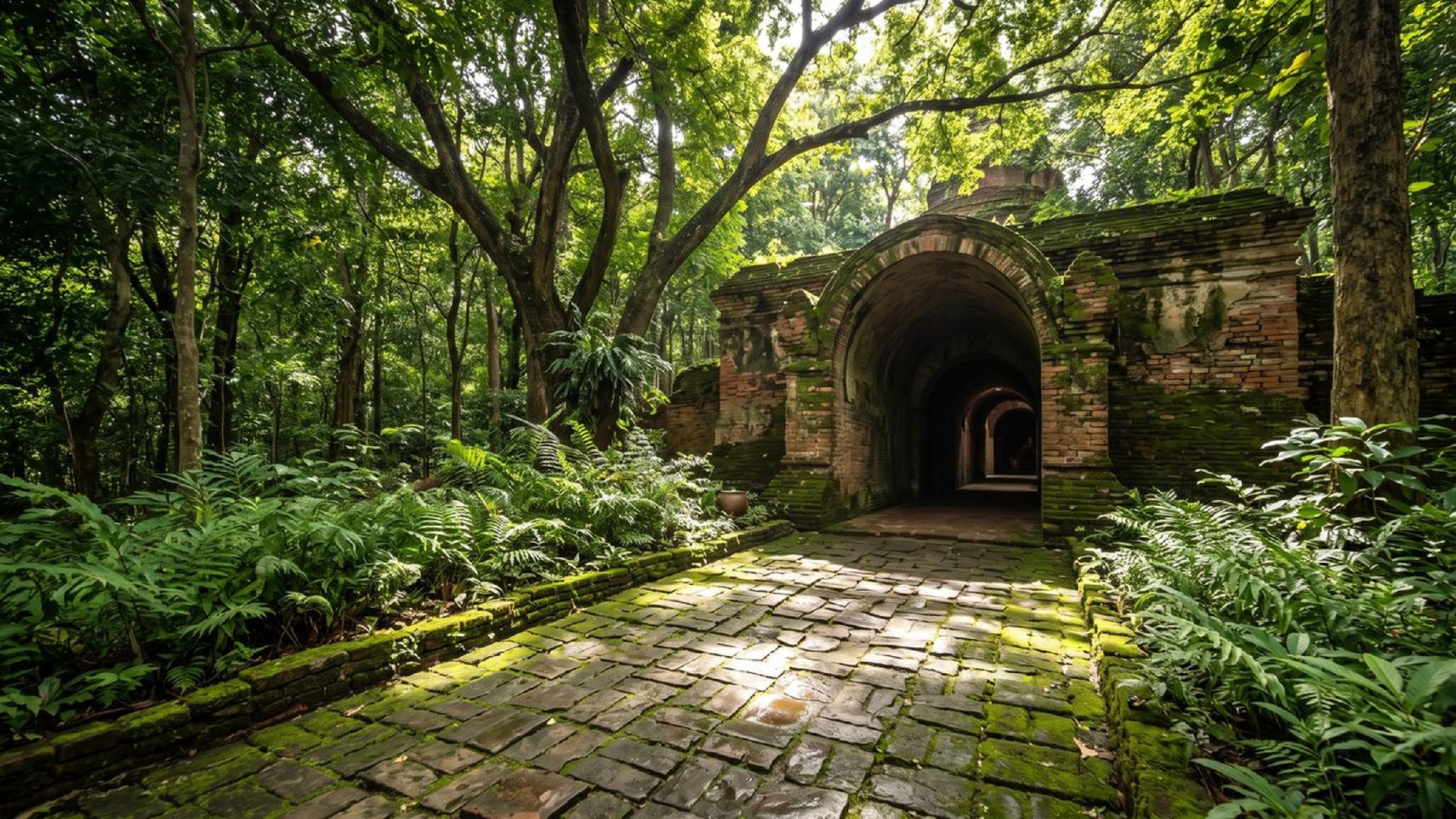
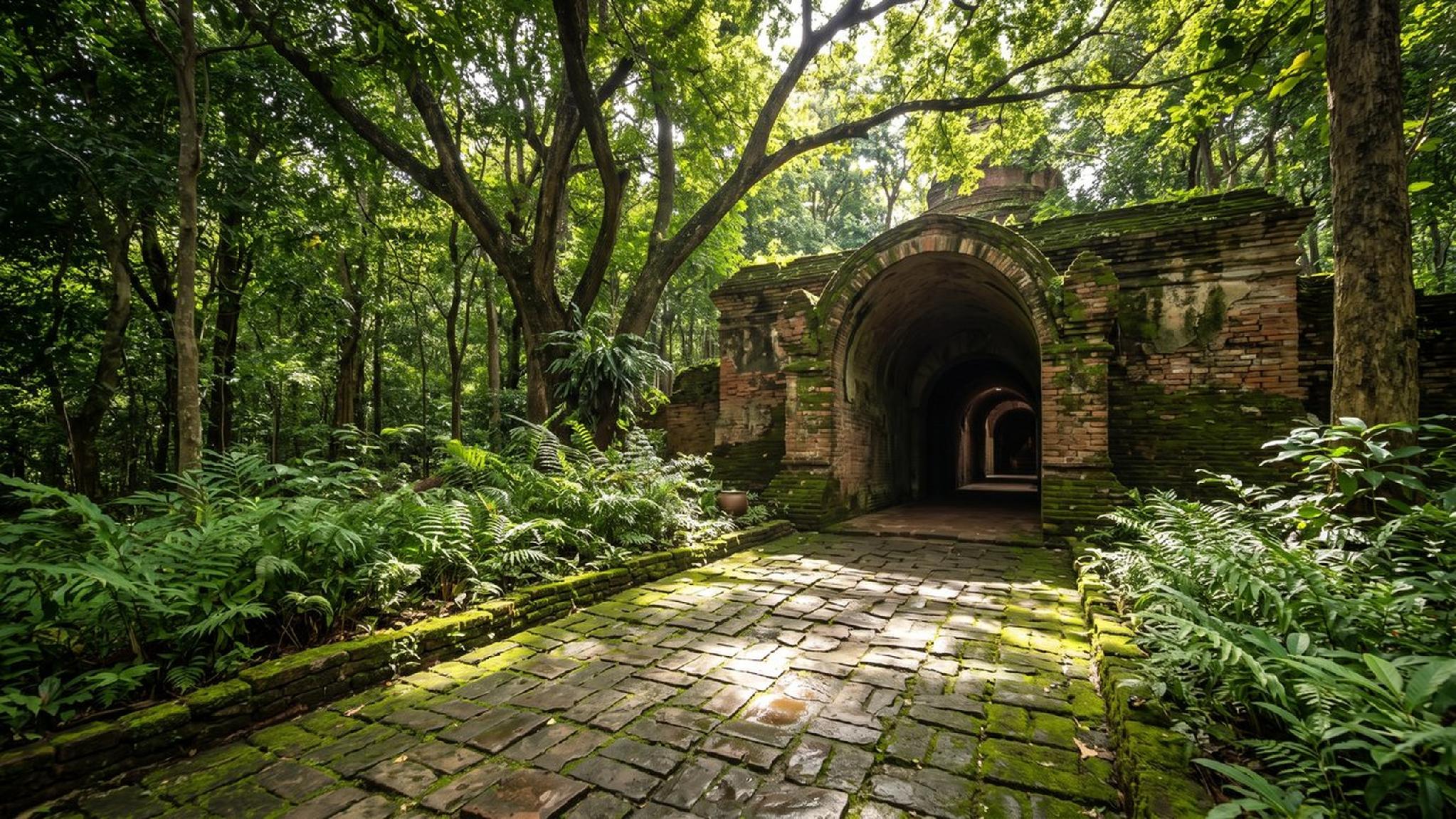
Wat Umong takes a different approach entirely, brick tunnels built into a forested mound just west of the Old City, commissioned around 1297 by King Mangrai, the founder of Chiang Mai, according to temple legend so a meditating monk could find the quiet the growing city could no longer offer him. The murals lining the tunnel walls and the mossy, tree-wrapped stupa above them have made it a working meditation centre since 1948, and it stays noticeably cooler and quieter than the more visited temples closer to the moat.
Beyond the temples, the province's highland side is where some of the most rewarding things to do in Chiang Mai actually happen, from Thailand's highest point to hill country barely thirty minutes past the last traffic light. The three stops below cover a range of paces, from an easy half-day drive to a full day of trekking.
,regionOfInterest=(1023,575.5))
,regionOfInterest=(1023,575.5))
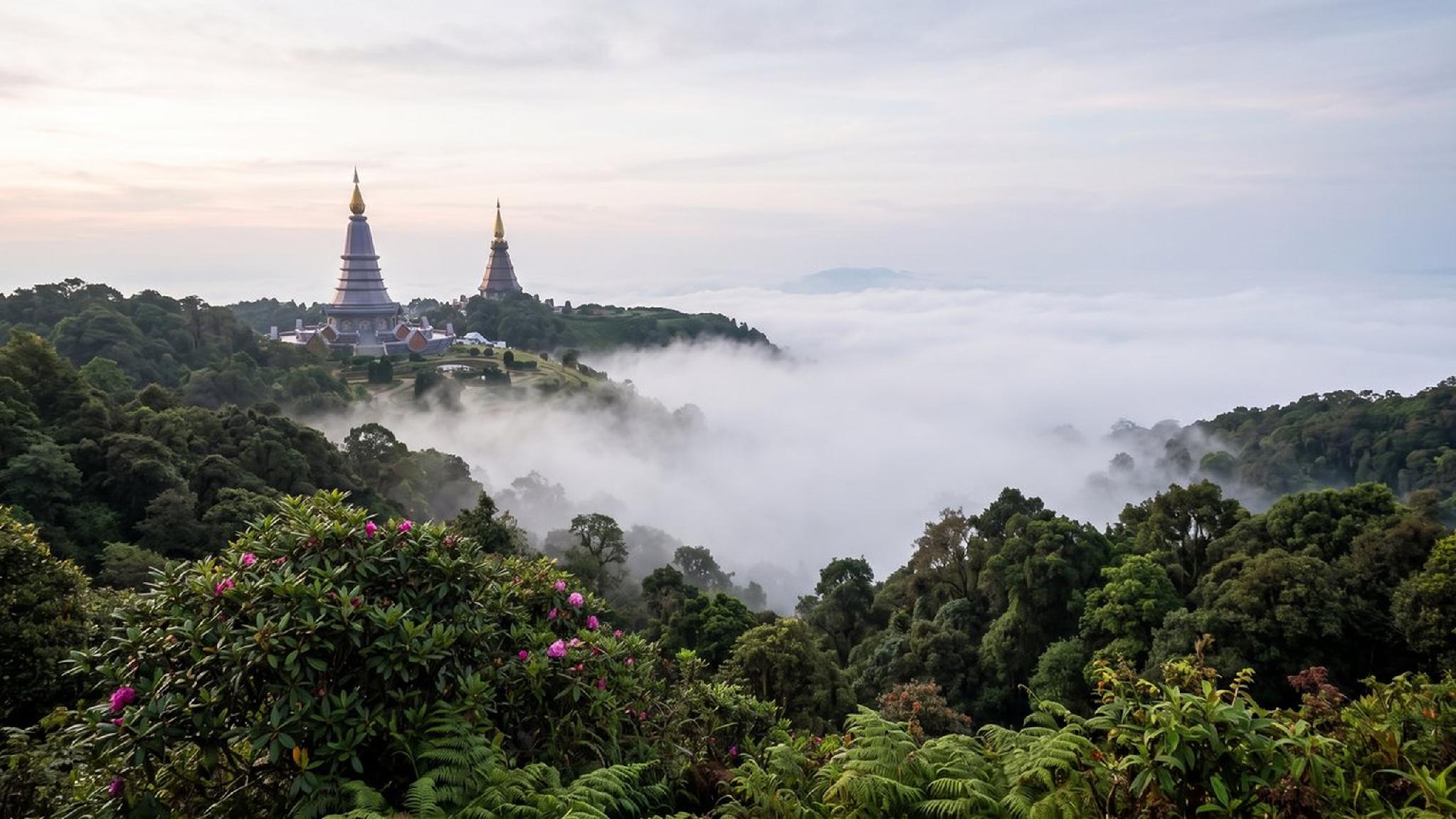
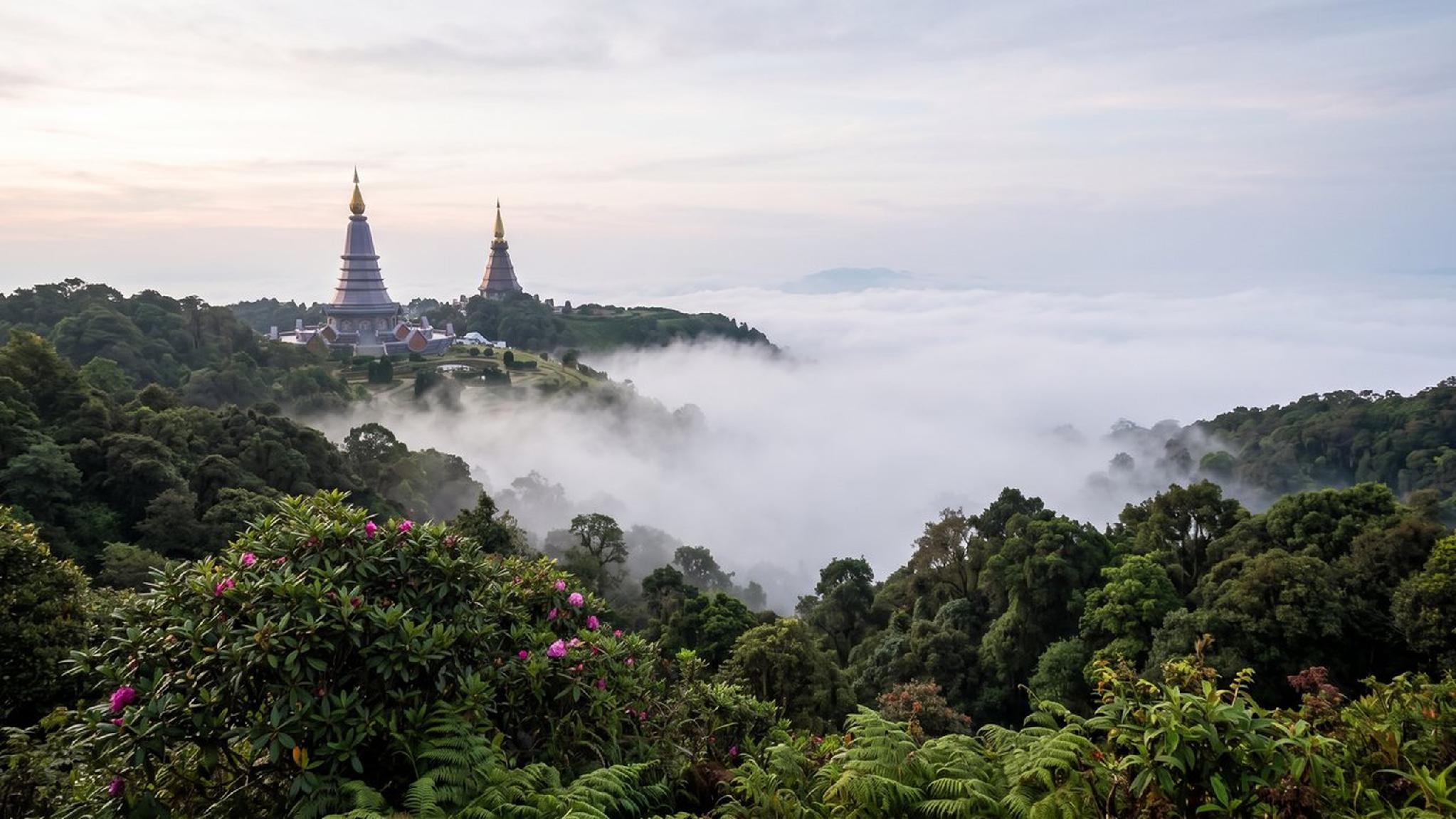
Doi Inthanon National Park covers 482 square kilometres of the Thanon Thong Chai mountains and holds Doi Inthanon itself, Thailand's highest peak at 2,565 metres, along with waterfalls, cloud forest, and a noticeably cooler climate the higher the road climbs. Mae Ya Waterfall, a 250-metre cascade near the park's southern entrance, and Wachirathan Waterfall further up the mountain are both an easy stop directly off the main road, no hiking required.
Near the summit, the twin royal chedis Naphamethinidon and Naphaphon Phumisiri, built in 1987 and 1992 for the king and queen's sixtieth birthdays, sit a short walk from a boardwalk trail through moss-draped cloud forest that feels closer to a temperate mountain than tropical Thailand. Entry runs 300 baht (about US$9) for foreign adults, a fair trade for a park that most visitors rank among the best things to do in Chiang Mai on any list that goes beyond the Old City.
,regionOfInterest=(1023,575.5))
,regionOfInterest=(1023,575.5))
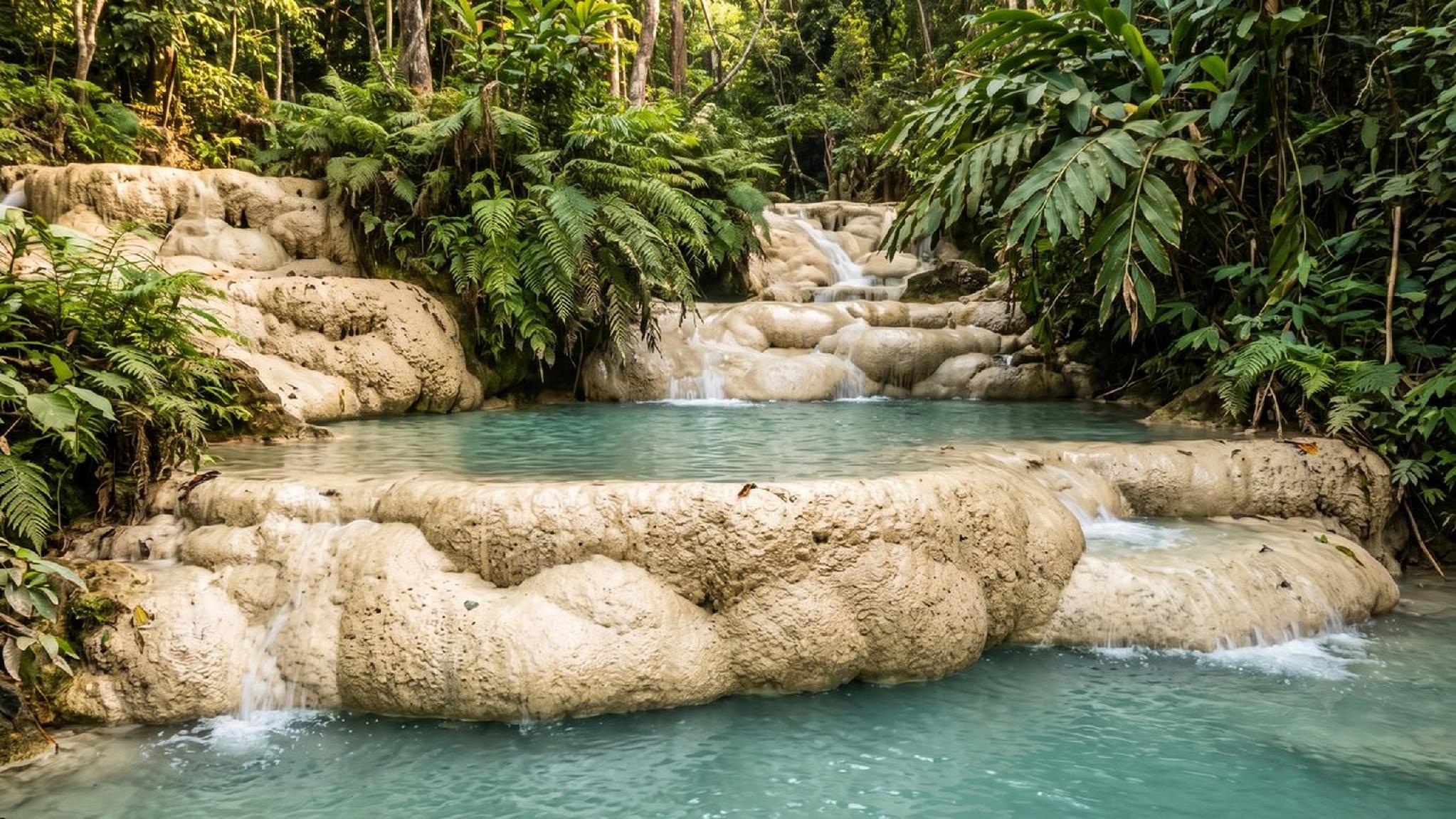
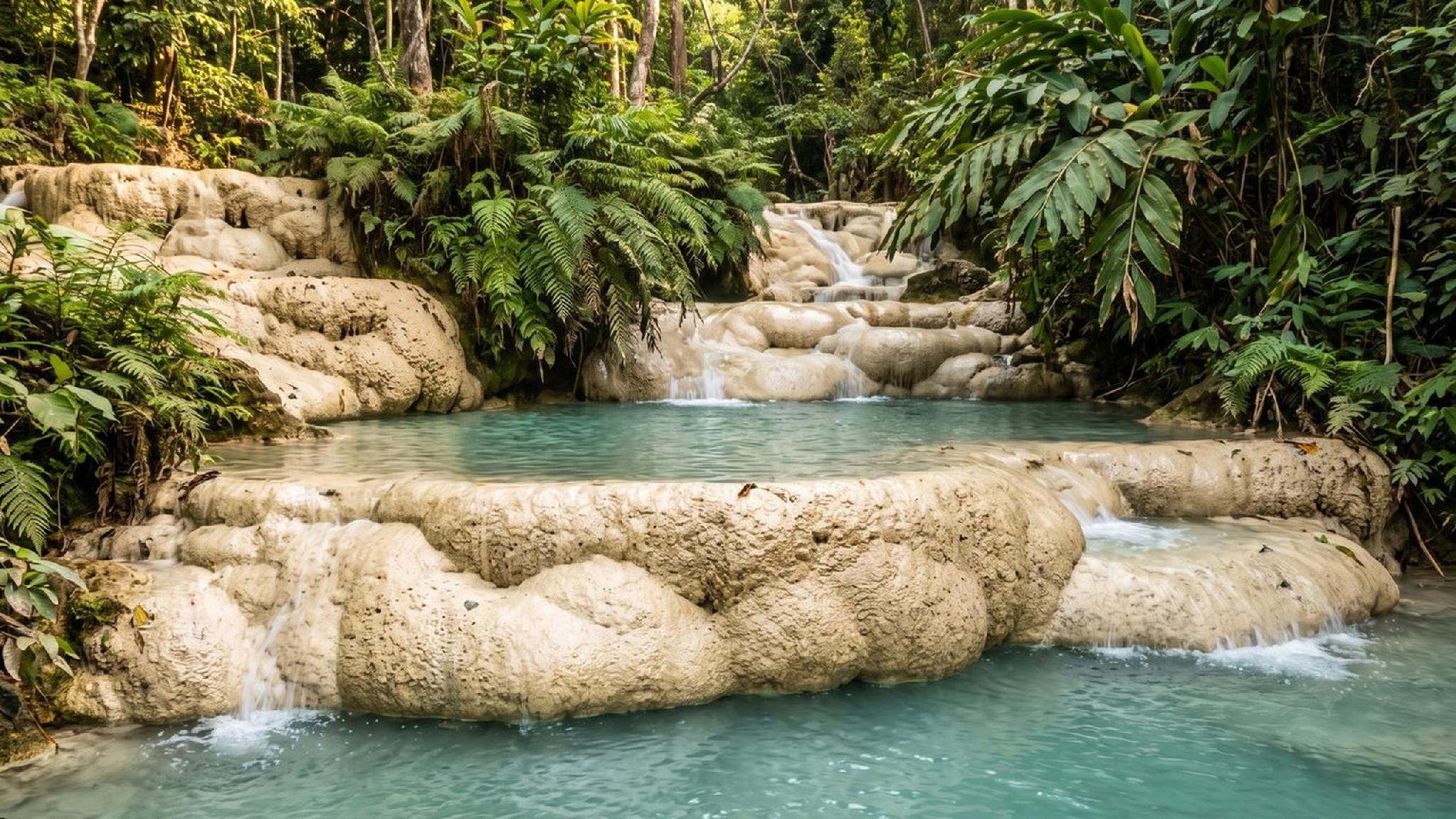
About 60 kilometres north in Mae Taeng district, Bua Tong Sticky Waterfalls earns its name honestly. Mineral-rich spring water has coated the limestone in a rough, porous crust that grips bare feet, so visitors climb the three tiers, roughly 100 metres of cascade in total, straight up the wet rock rather than skirting around it. Entry is free, the falls are open 8am to 5pm year round, and a short trail above the main cascade leads to Nam Phu Chet Si, a small mineral spring that bubbles a striking blue-green from the surrounding rock.
,regionOfInterest=(1023,575.5))
,regionOfInterest=(1023,575.5))
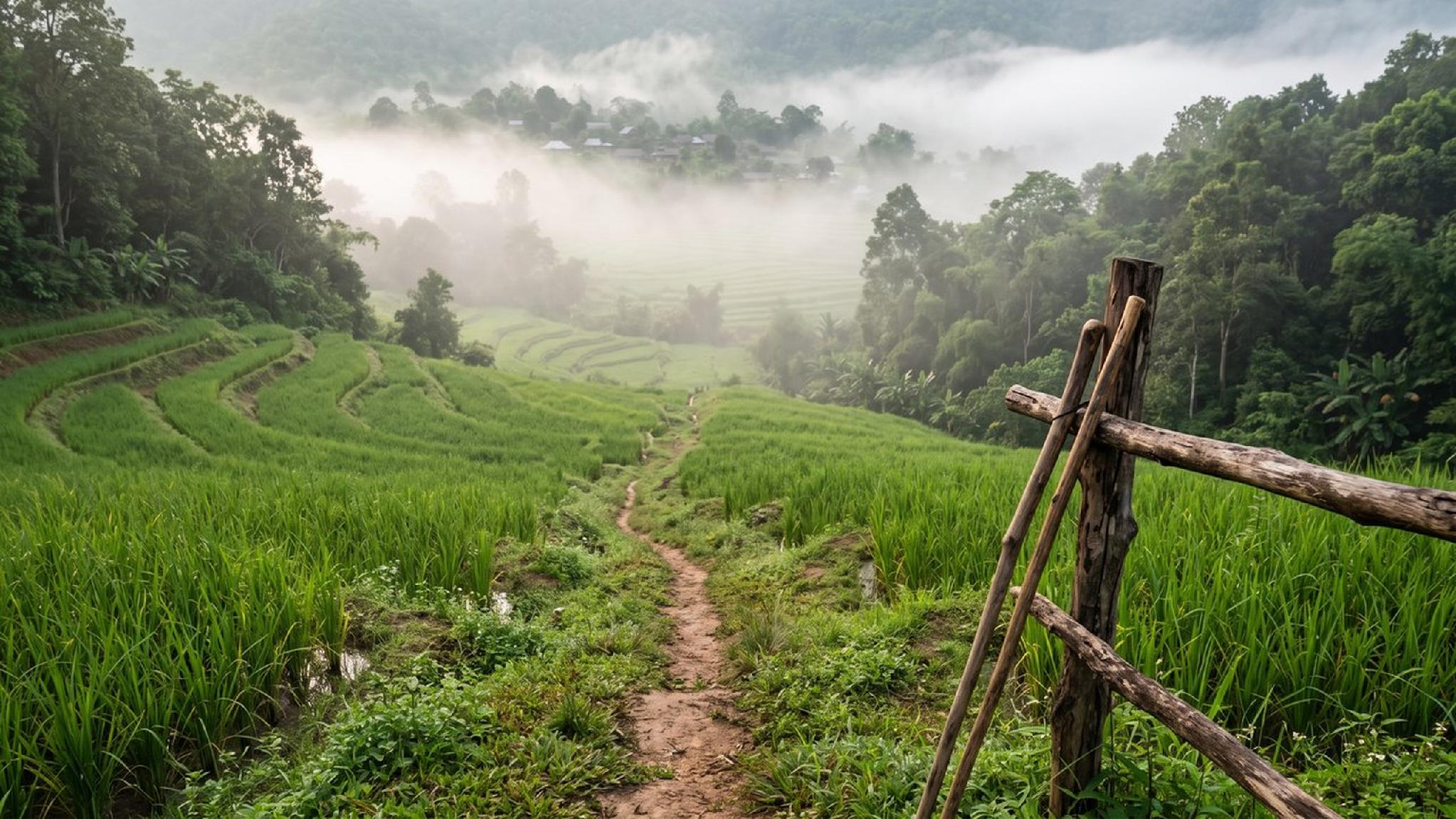
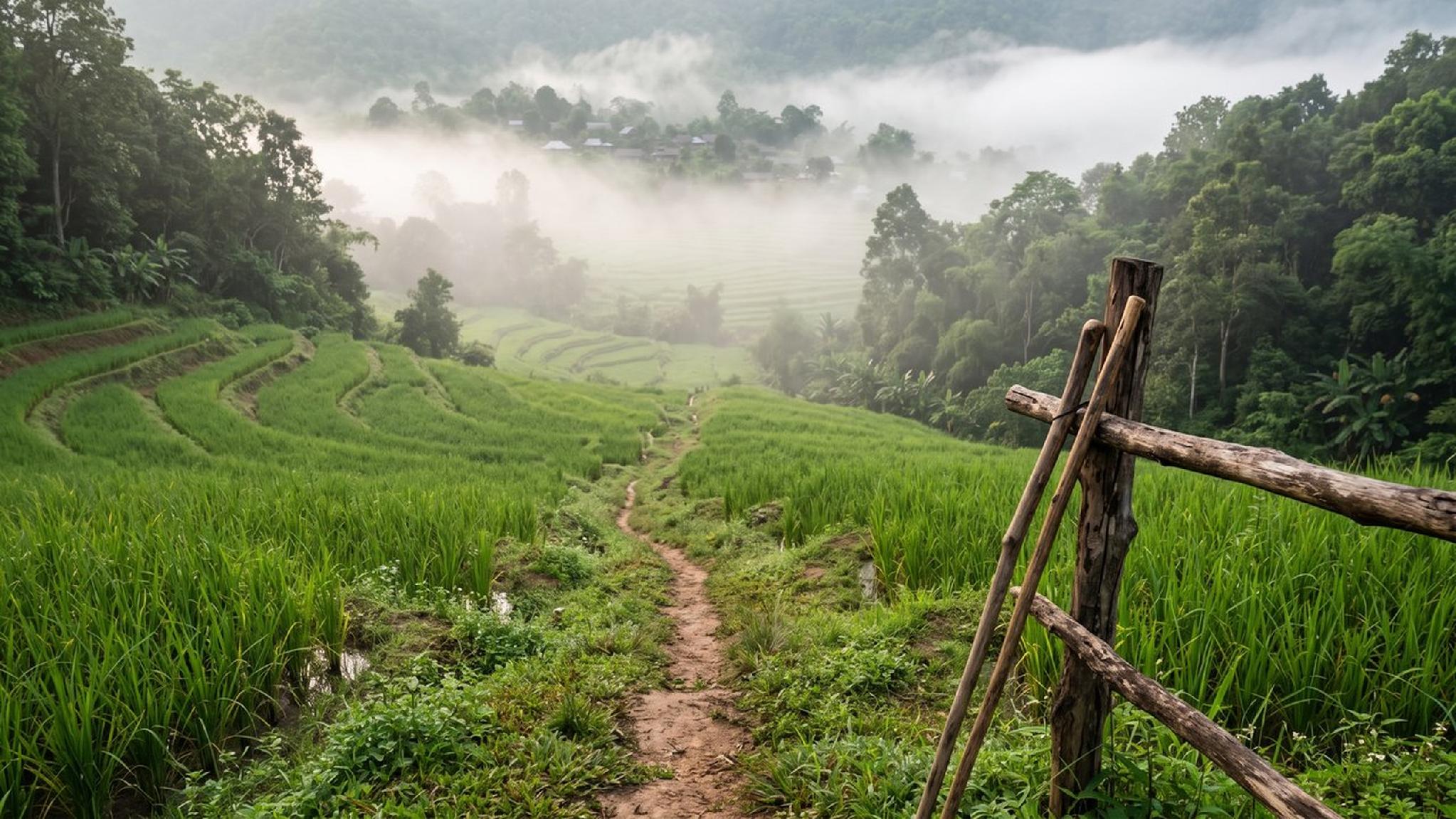
Mae Wang, about ninety minutes south, swaps waterfalls for a full day built around a Karen hill tribe village: a bamboo raft trip down the Wang River, a home-cooked lunch, a lesson in traditional weaving, and a walk back through a royal agricultural project to a waterfall most tour buses never reach. It is a slower, more conversational day than the sights further north, built around a single family's village rather than a checklist of viewpoints.
Closer to town, the Monk's Trail climbs the lower slopes of Doi Suthep itself, a jungle path once used by monks walking between the city and the mountaintop temple, leading to Wat Pha Lat, a quiet, half-hidden monastery with stone dragon carvings and a small waterfall tucked into the forest. It runs about three kilometres uphill on foot and needs only a couple of hours, making it the easiest way to add a genuine trek onto a day that already has a temple on the schedule.
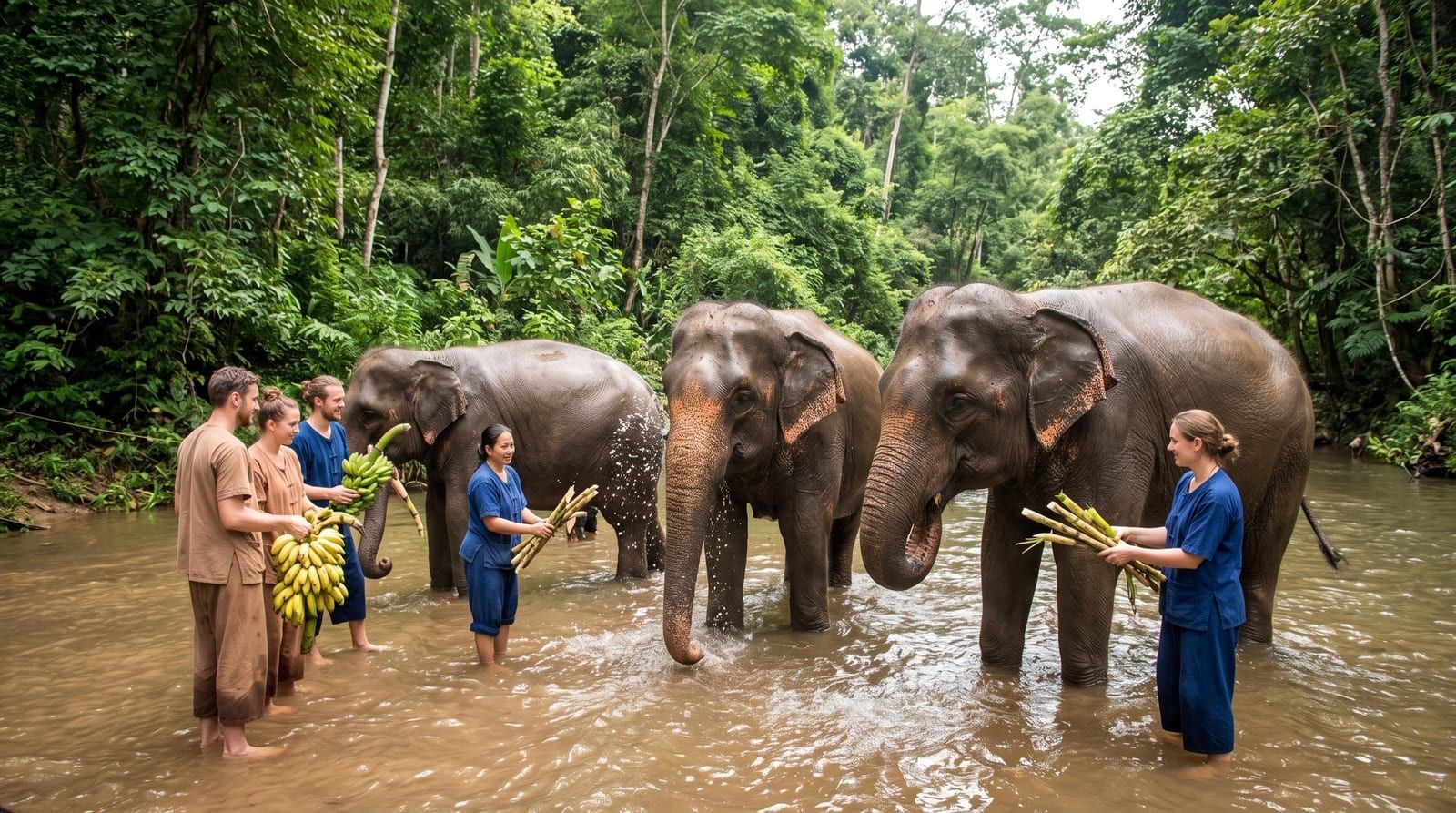
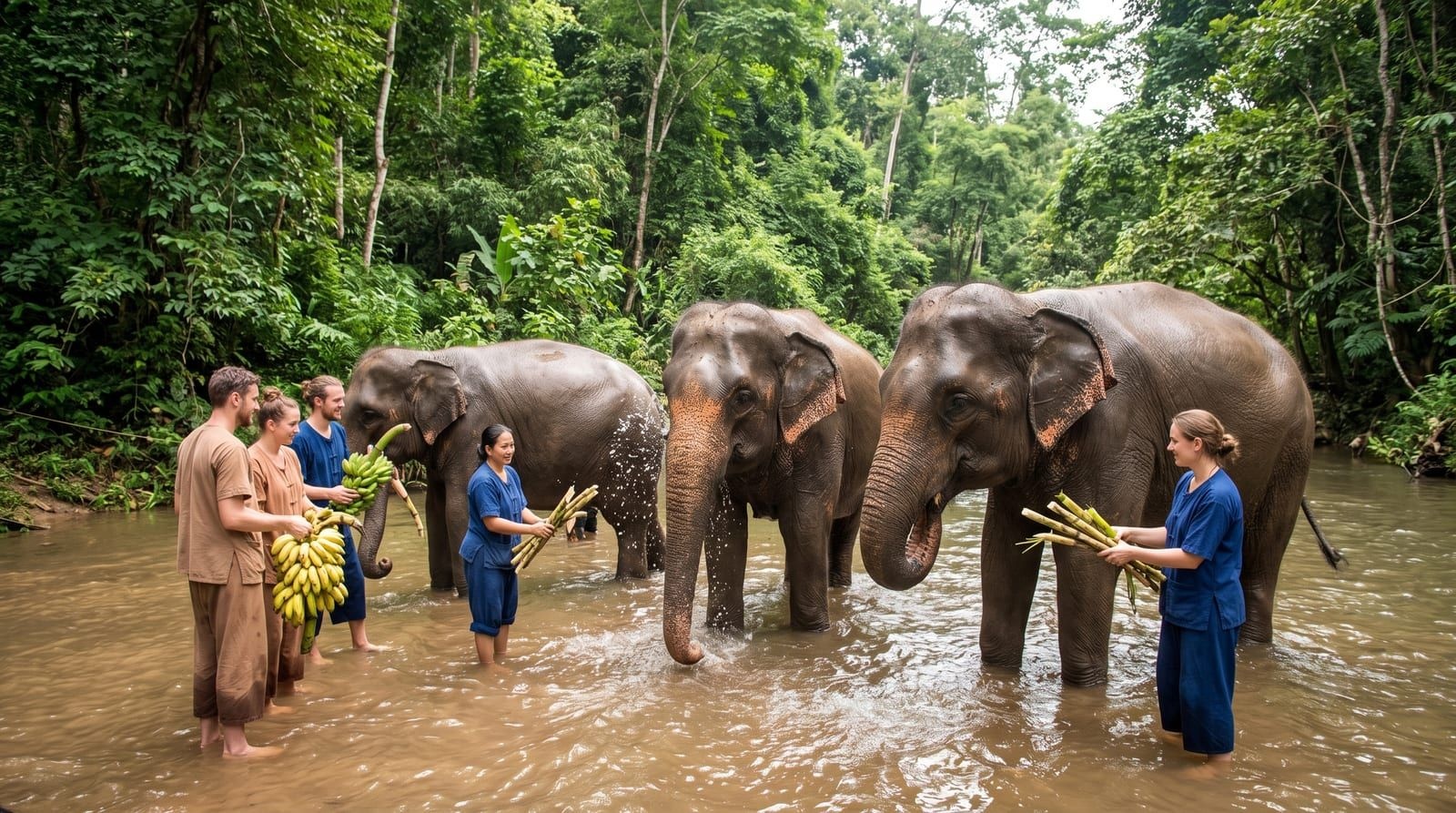
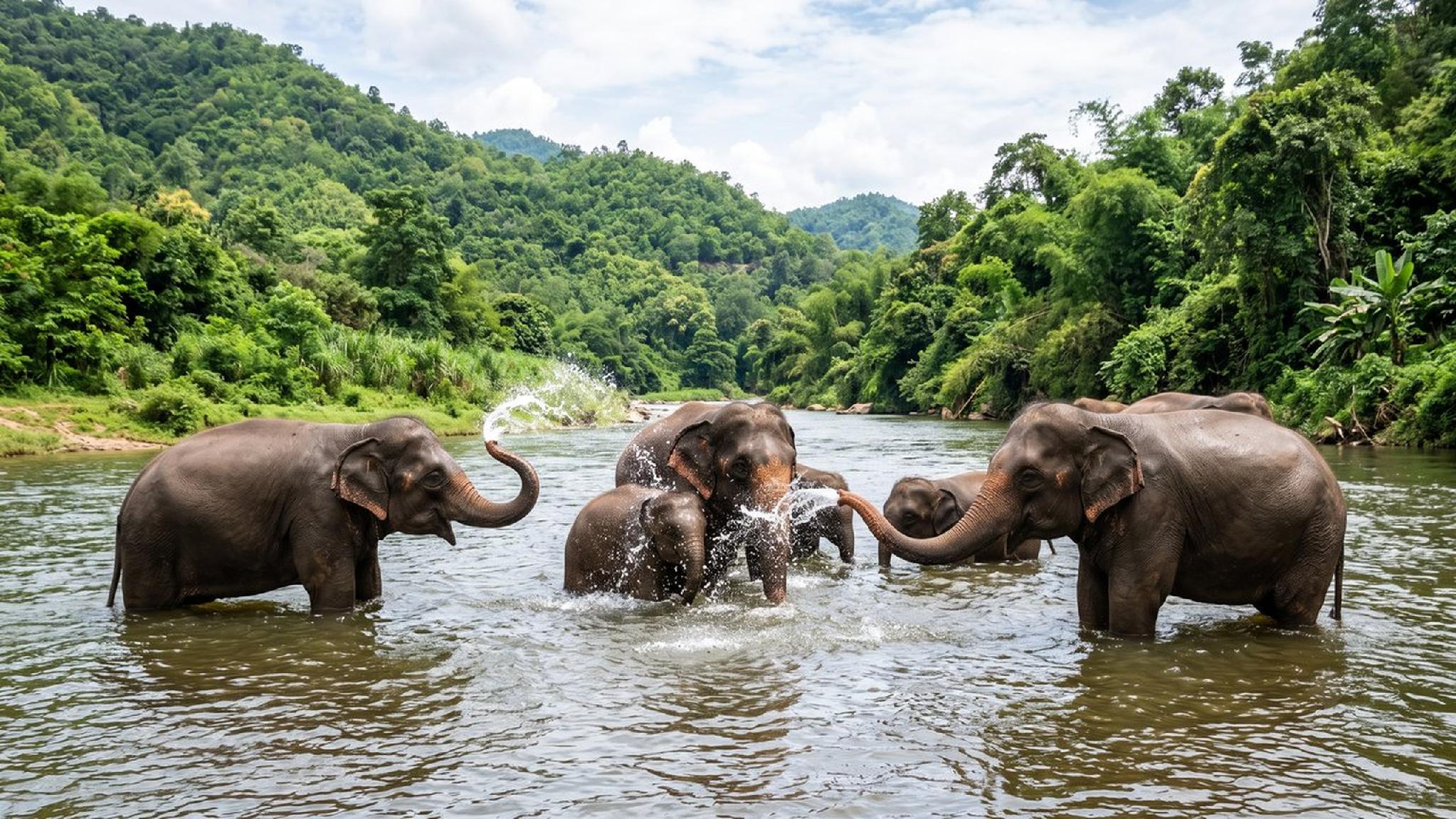
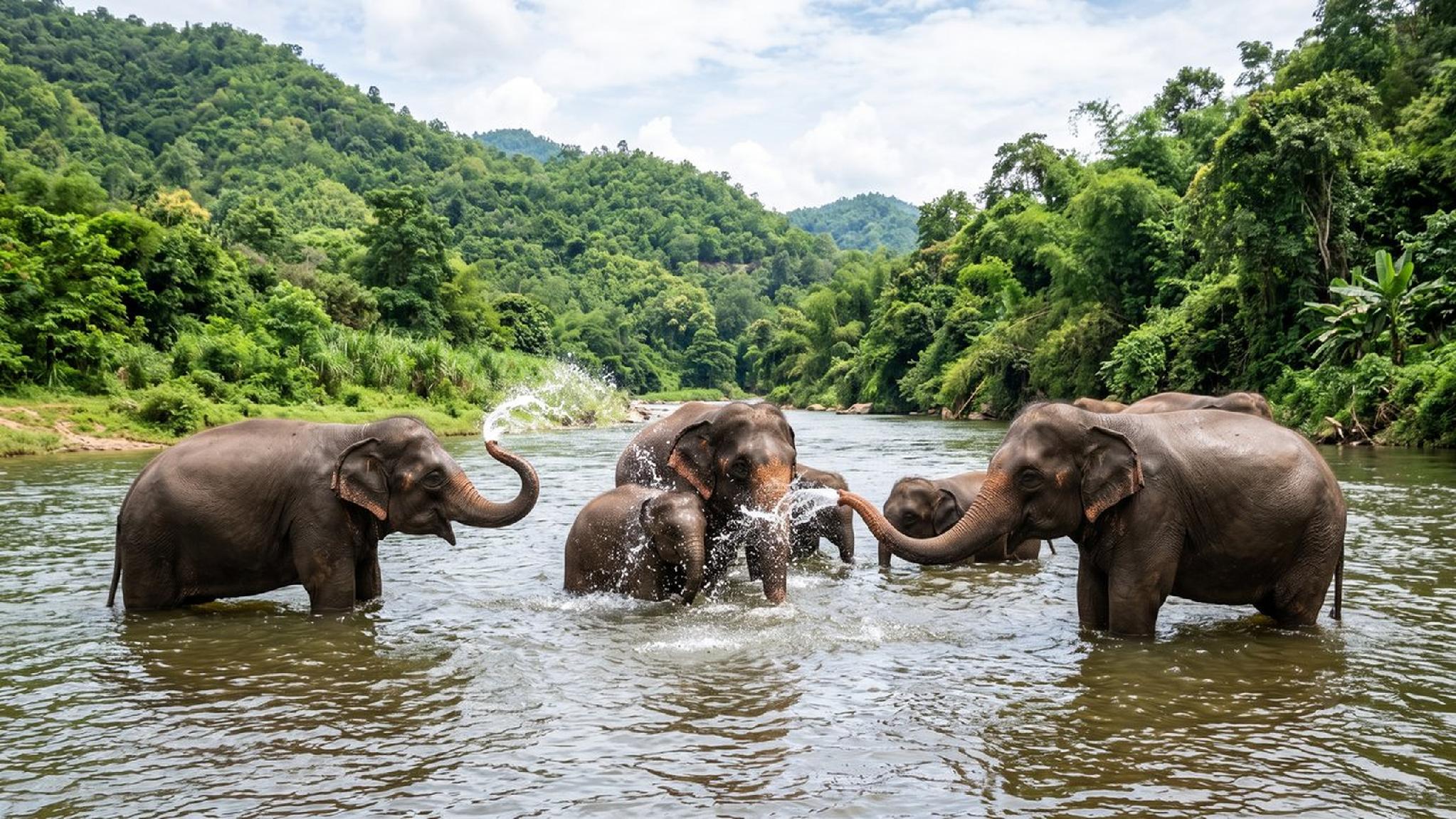
Chiang Mai province is also where elephant tourism itself changed direction, as riding camps steadily gave way to sanctuaries built around the animals' own behaviour rather than a human's photo. A genuinely ethical operation has three things in common: no riding, no bathing on command, and no shows, and the two below built their reputations on exactly that.
,regionOfInterest=(1023,575.5))
,regionOfInterest=(1023,575.5))
Elephant Nature Park, in Mae Taeng district about 60 kilometres from the city, was one of the first sanctuaries in the country to rebuild elephant tourism around rescue and rehabilitation rather than performance. Founder Lek Chailert has spent more than two decades taking in elephants injured by logging work, street begging, and tourist camps, and the herd here roams in family groups across open pasture instead of standing chained between rides.
A full day visit costs around 3,500 baht (about US$100) and includes feeding the herd, walking alongside them at a distance the elephants set themselves, and watching the rescued dogs, cats, and buffalo that share the same land, with no bathing or riding offered at any price. For travellers narrowing down things to do in Chiang Mai that put animal welfare first, this is usually the name that comes up, and day visits are popular enough to be worth booking weeks ahead.
,regionOfInterest=(1023,575.5))
,regionOfInterest=(1023,575.5))
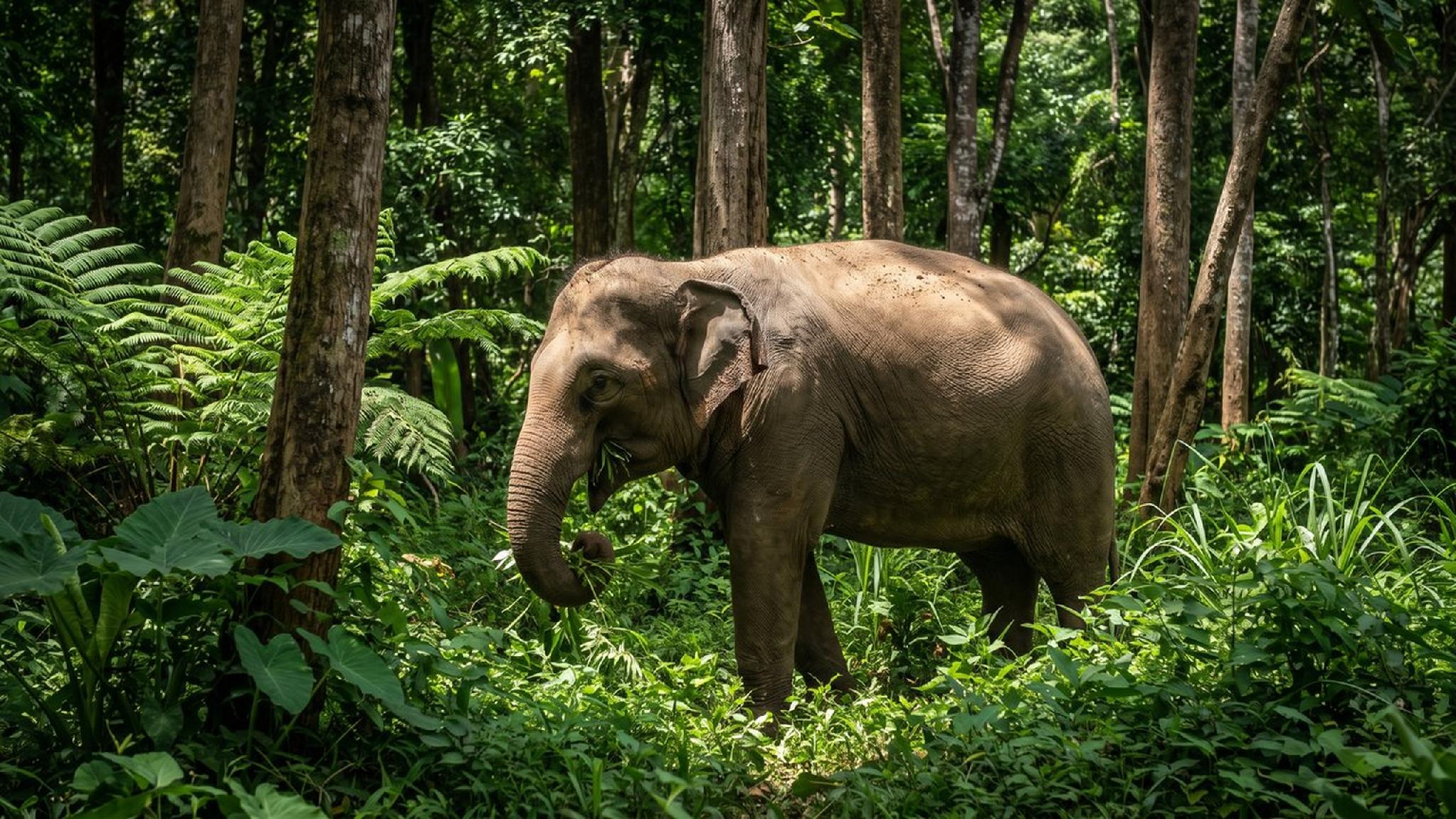
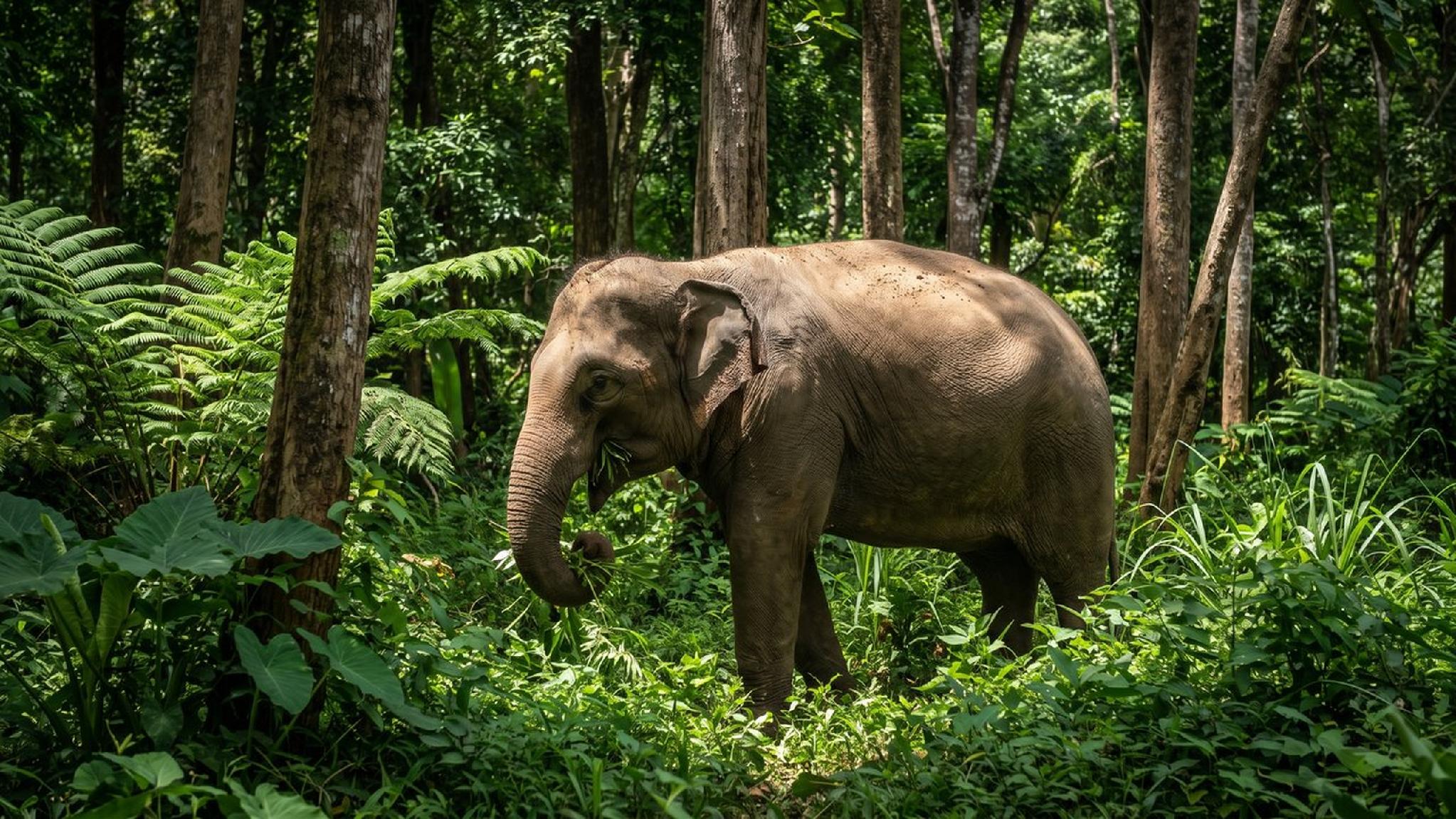
Burm and Emily's Elephant Sanctuary, known as BEES, takes the hands-off model further still, in the more remote Mae Chaem district roughly two and a half hours from the city. Founded in 2011 by Burm Pornchai Rinkaew and Emily Rose McWilliam after Emily saw the conditions inside a tourist elephant camp, BEES has since been recognised by World Animal Protection for a fully hands-off approach: no riding, no bathing, and no forced interaction of any kind.
Because of the distance and the small group sizes it keeps to protect the elephants from crowding, BEES runs mostly as an overnight stay rather than a single-day add-on, with guests helping prepare food and clean the sanctuary grounds rather than posing for photos. It suits a traveller with an extra day to give rather than an afternoon between other stops, and it is worth booking directly through the sanctuary rather than a resale tour site.
Shopping and street food round out the more sociable things to do in Chiang Mai, and three in particular are worth building an evening around.
,regionOfInterest=(960,480))
,regionOfInterest=(960,480))
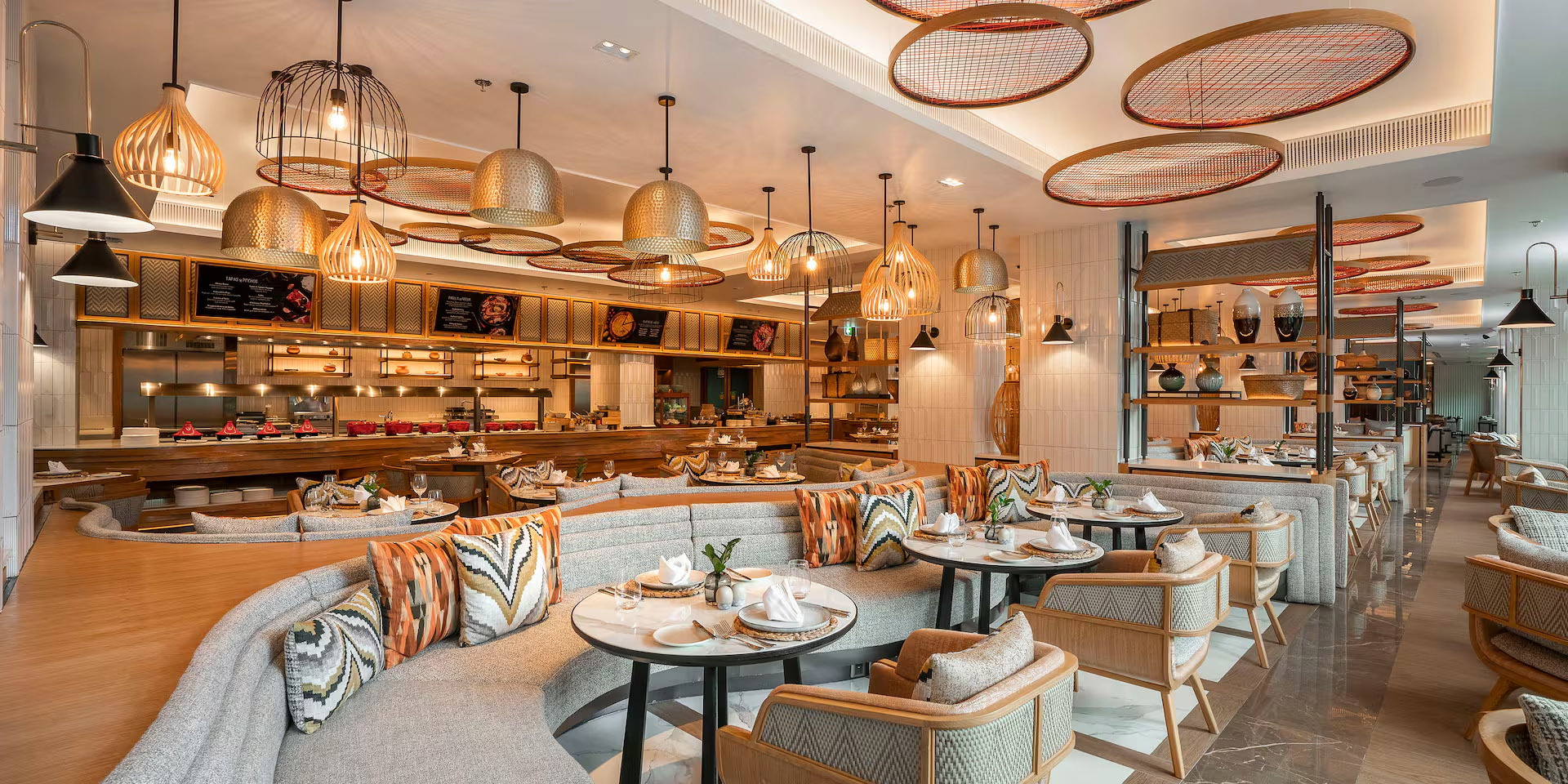
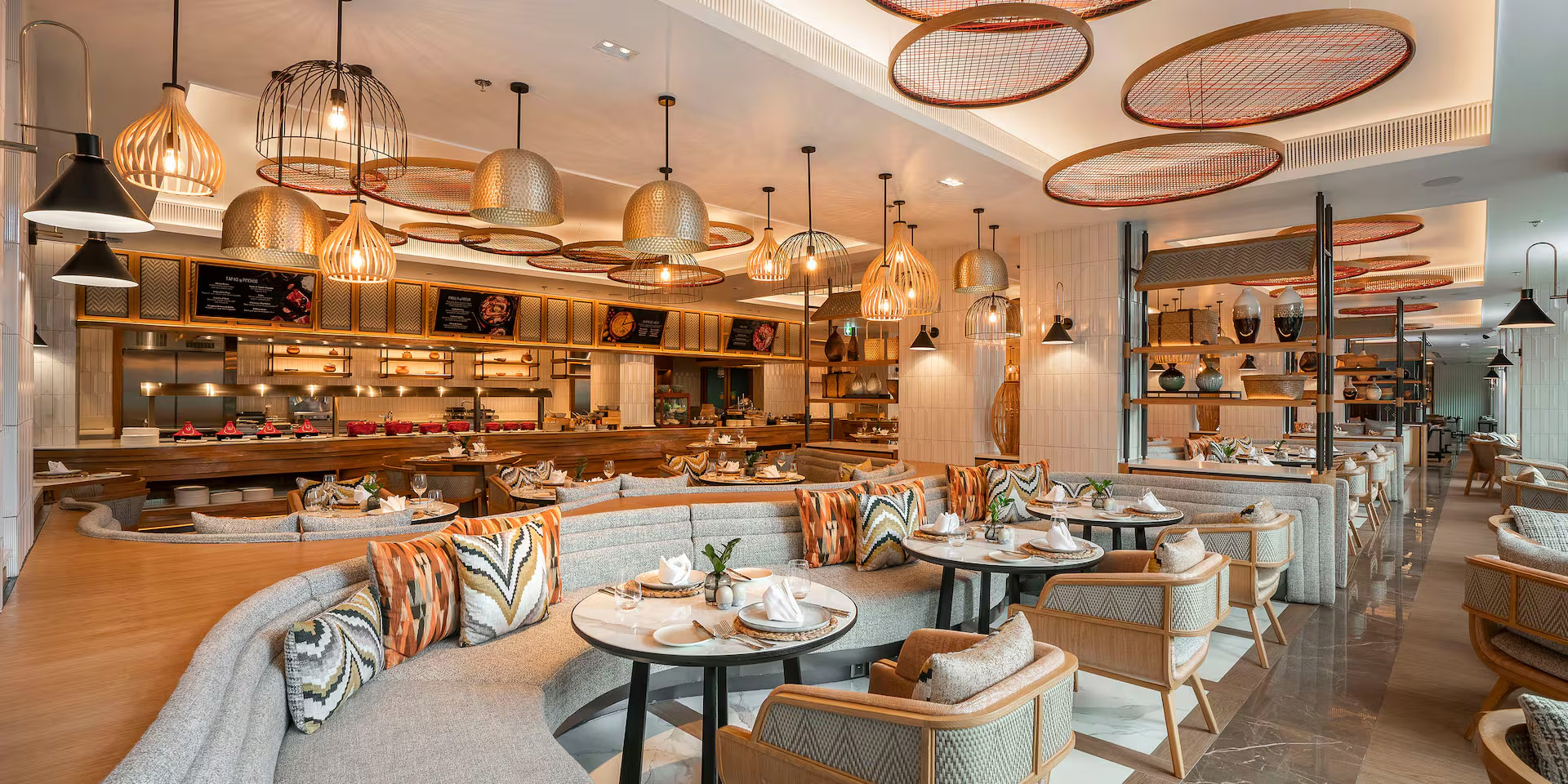
On the first Sunday of each month, Laan Na Kitchen at Meliá Chiang Mai runs Brunch del Domingo from noon to 3pm, a spread that leans hard into the hotel's Spanish side: a butcher's corner with jamon and chorizo, chilled prawns on ice, a live paella station finished with fideua and seafood aioli, and Manchego and other artisan cheeses alongside Mediterranean salads. Churros dipped straight into a chocolate fountain close things out, a step up from the plain version served elsewhere in the hotel.
It runs 1,499 baht (about US$44) per adult, 750 baht (about US$22) for children aged six to twelve, and free for those under six, with a two-hour free-flow drinks package available for an extra 1,000 baht (about US$29). Timed right, it turns into a full Sunday: brunch at midday, then a walk through Sunday Walking Street once the road closes to traffic that evening.
,regionOfInterest=(1023,575.5))
,regionOfInterest=(1023,575.5))
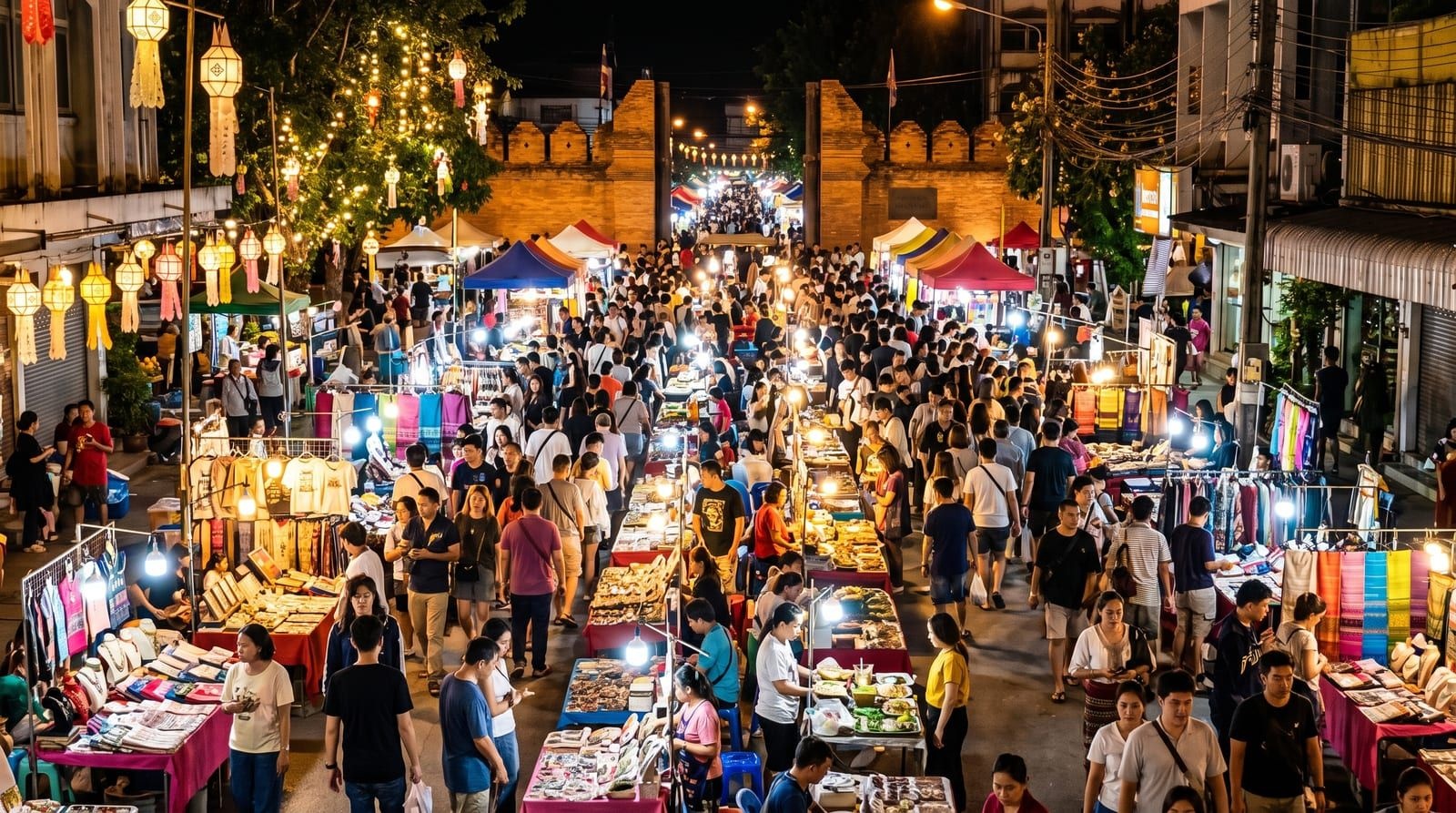
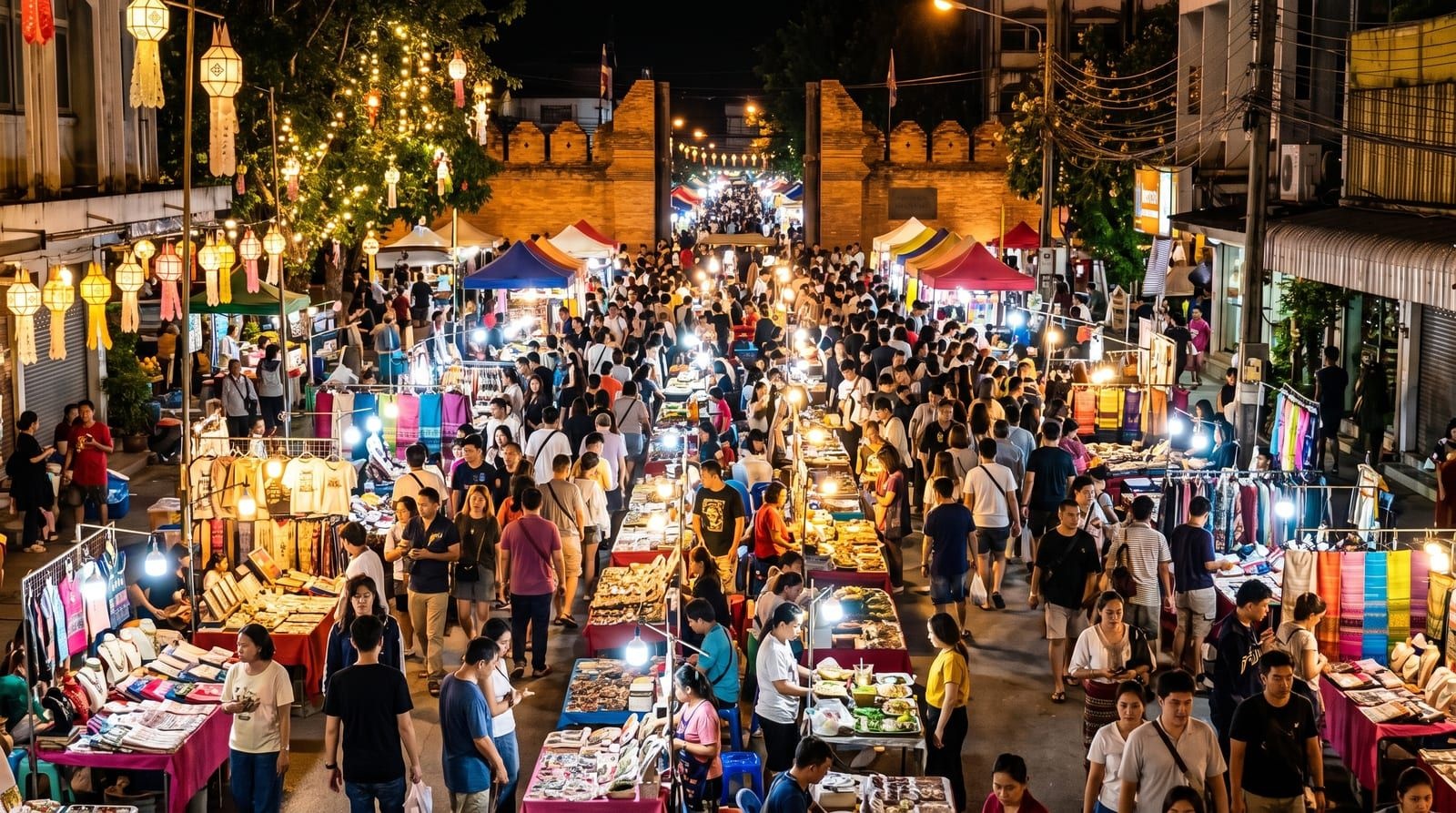
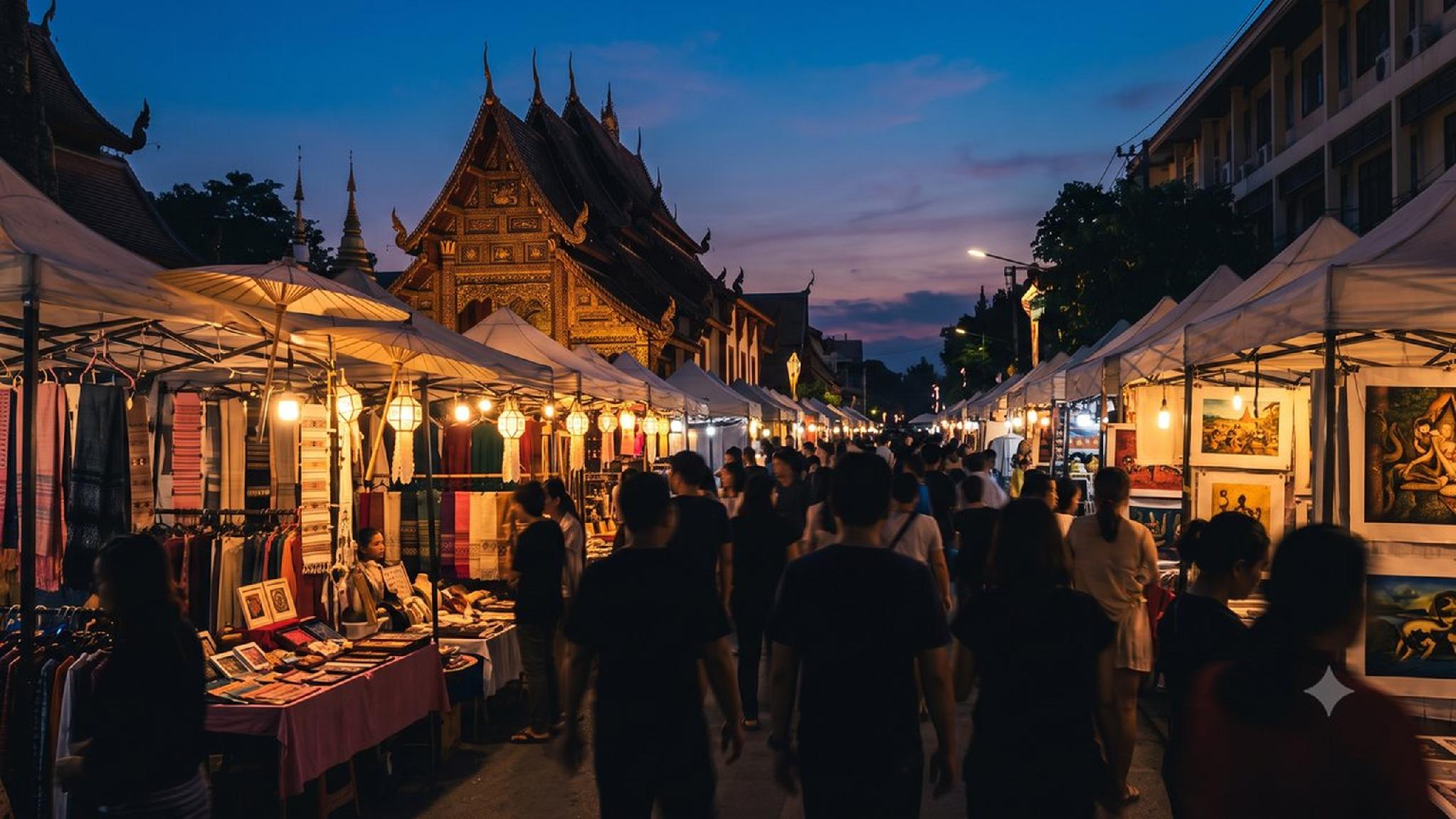
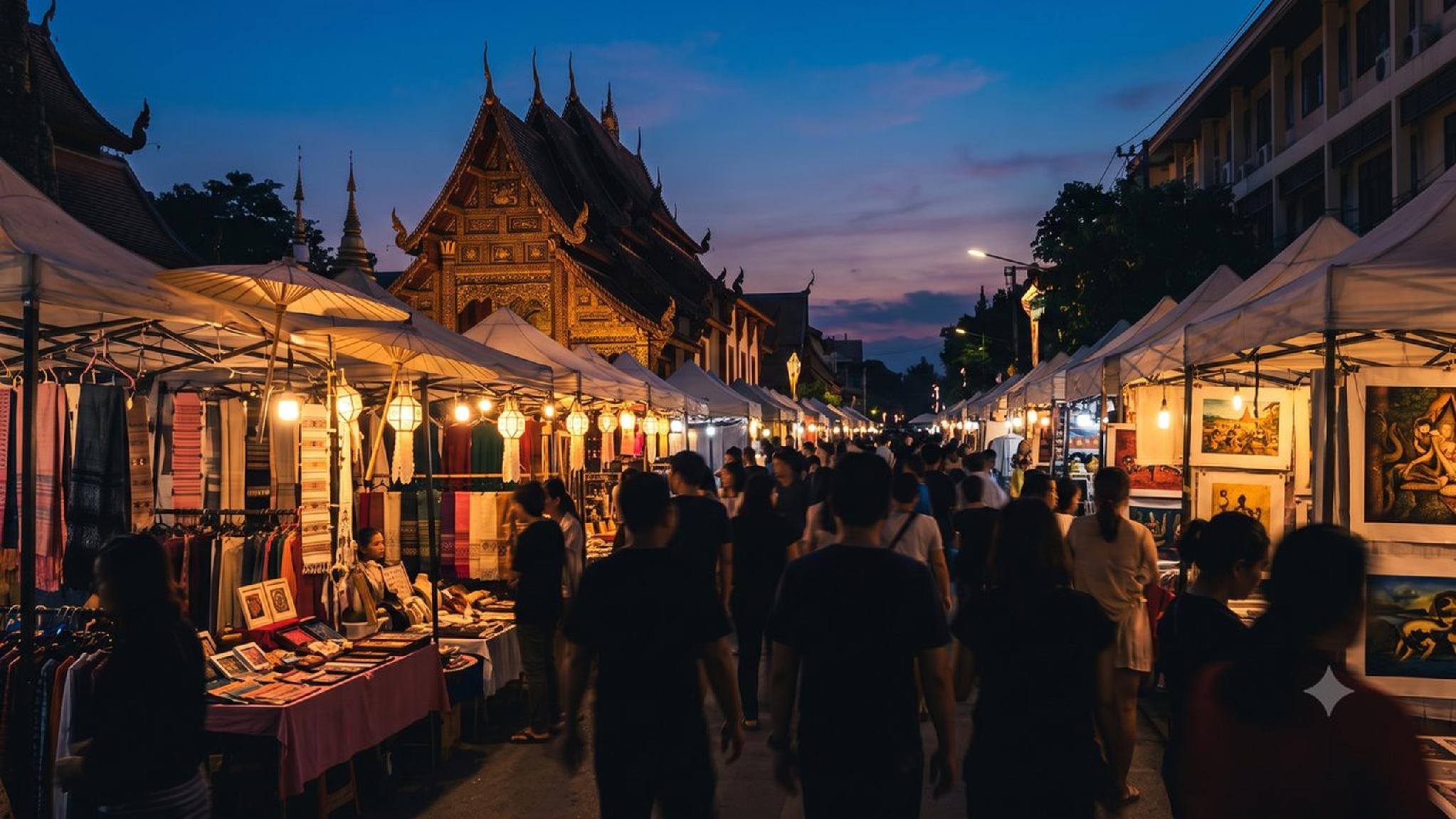
Every Sunday from about 4pm to 11pm, Ratchadamnoen Road closes to traffic and the Old City fills with hand-painted watercolours, block-printed textiles, and small-batch leatherwork, with temple courtyards along the route, including Wat Phra Singh's, opened up for food stalls and seating. It draws the thickest crowds of any market in the city, so arriving right at 4pm beats the evening peak.
,regionOfInterest=(1023,575.5))
,regionOfInterest=(1023,575.5))
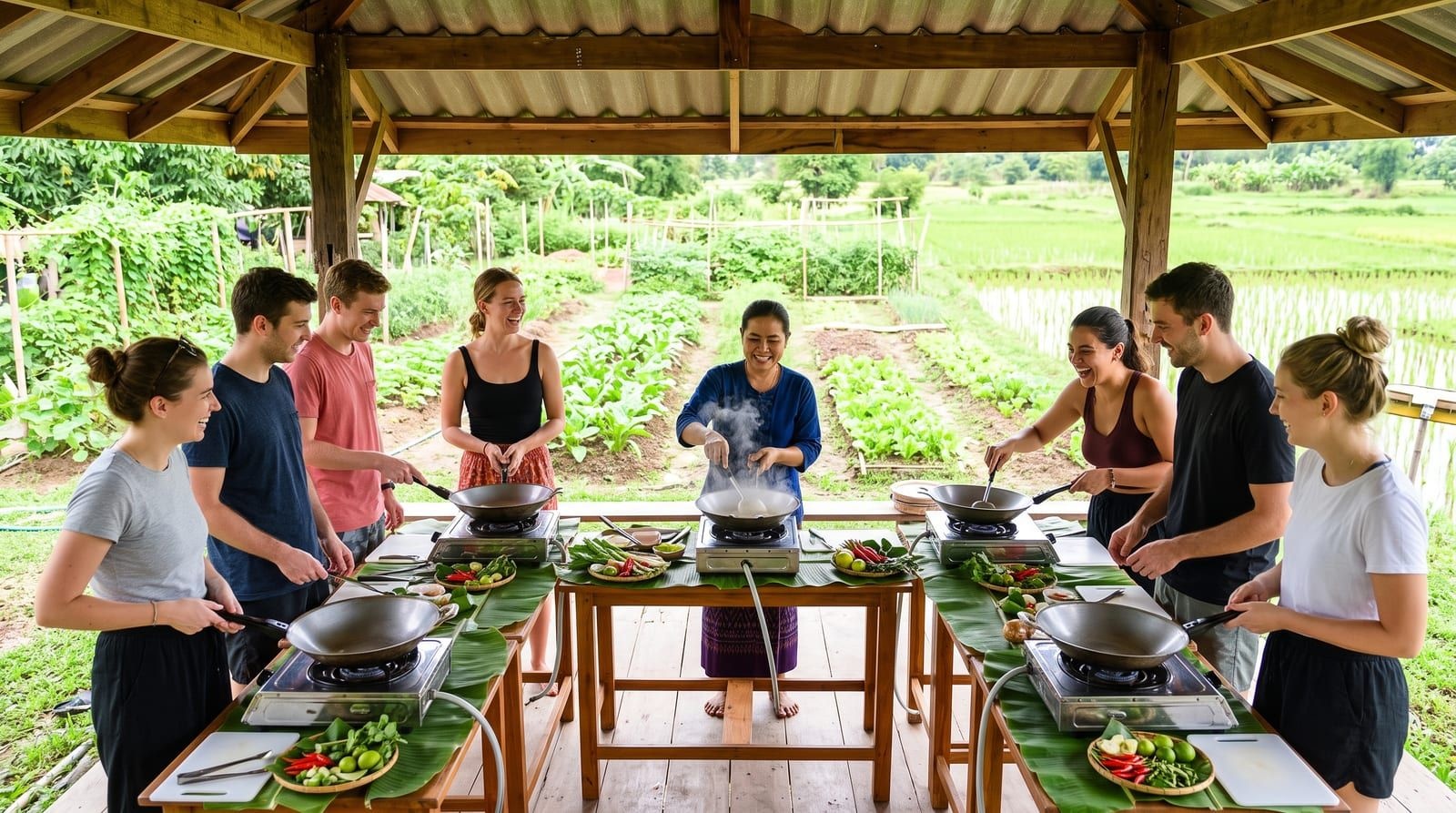
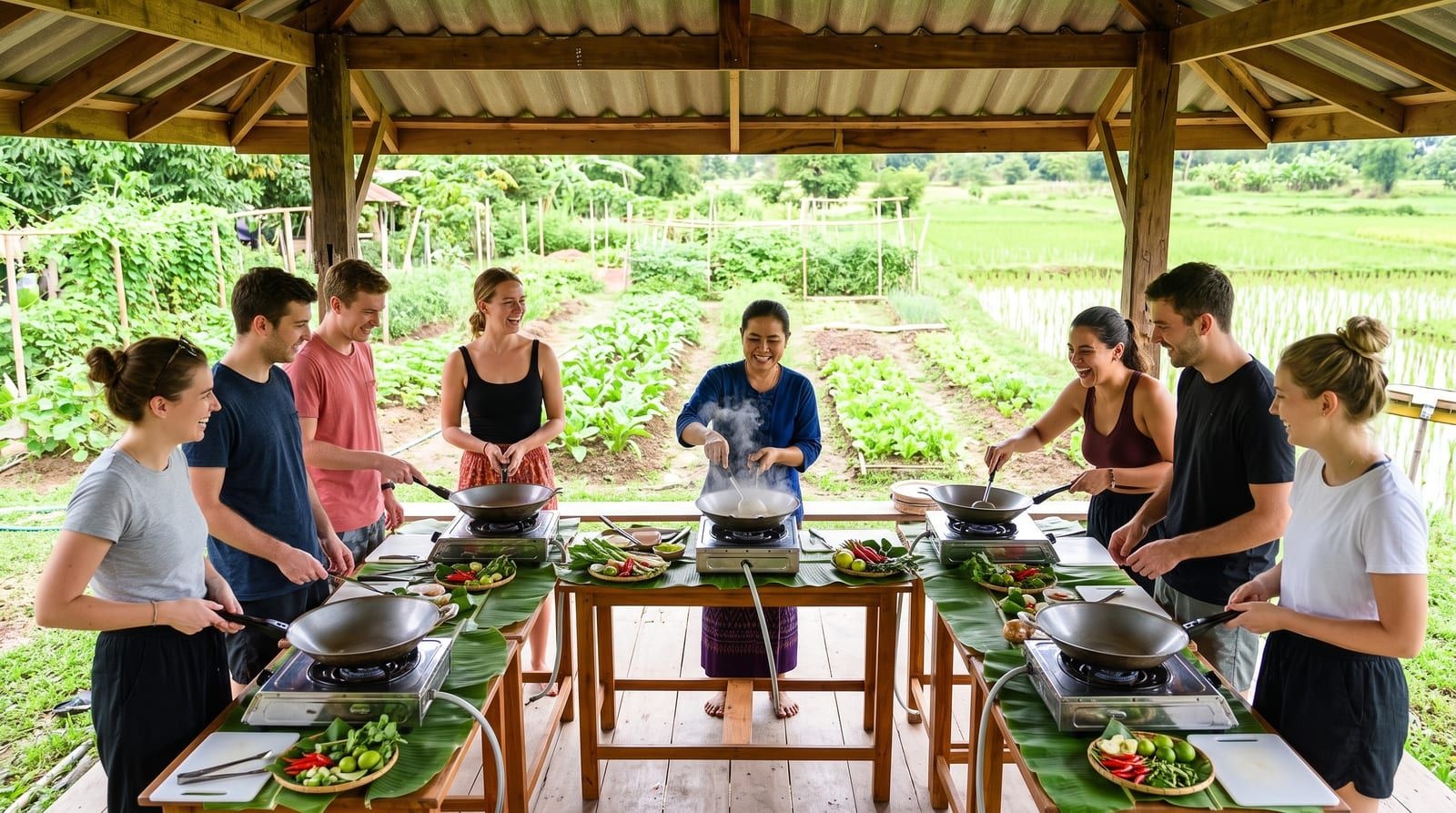
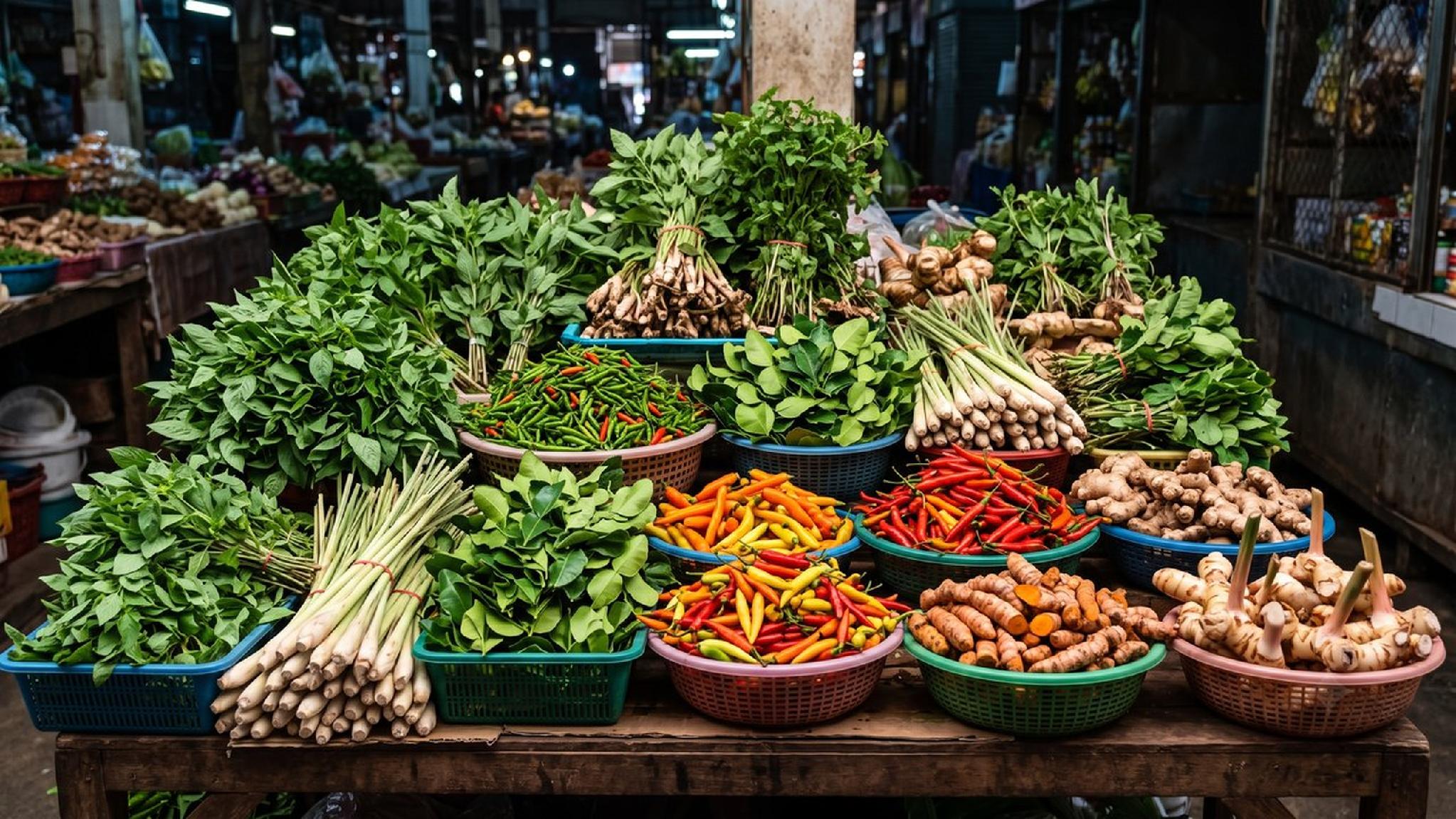
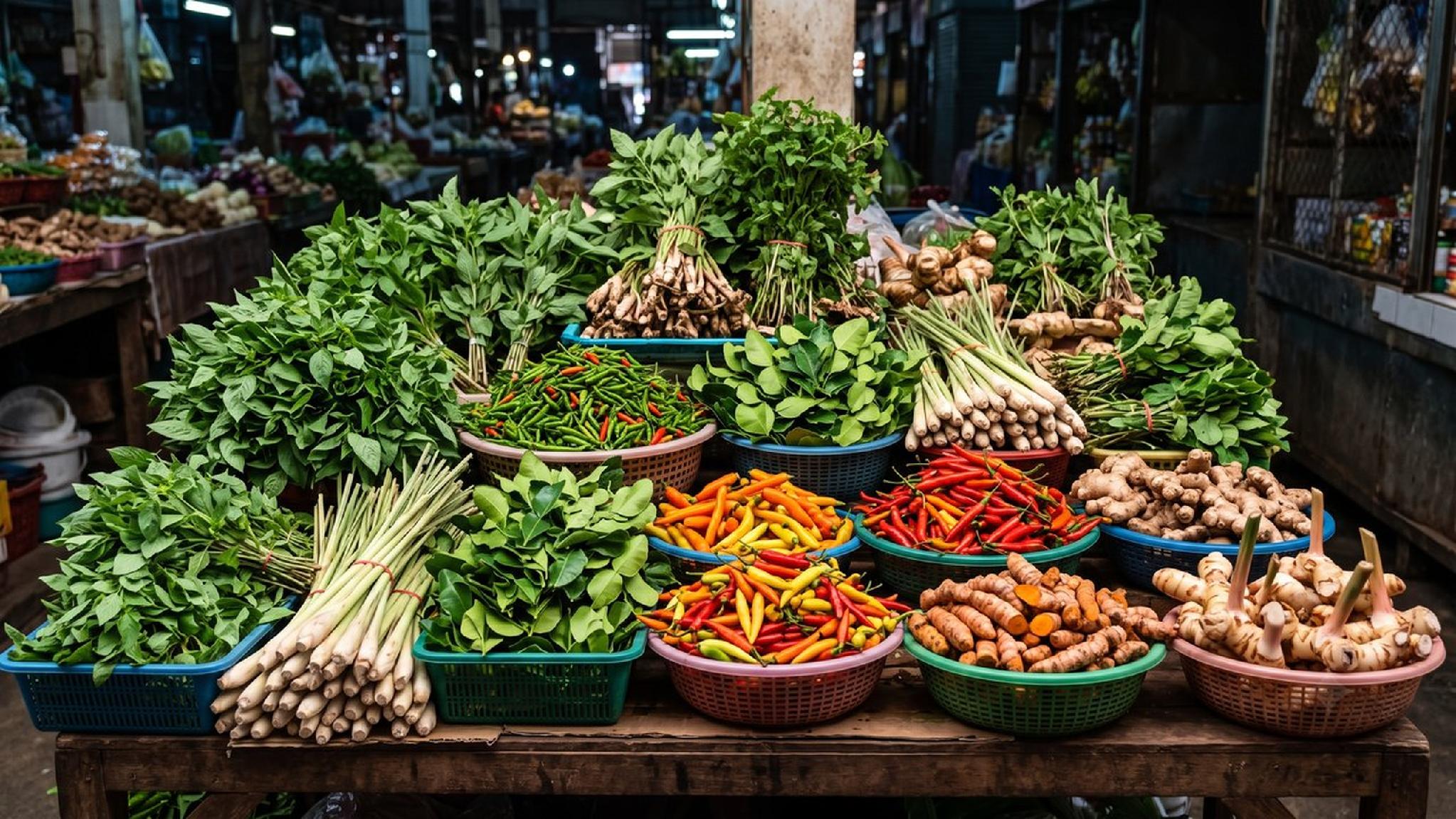
Warorot Market, Chiang Mai's oldest and largest covered market, runs by day for fabric, dried goods, and kitchenware, and doubles as the starting point for several half-day Thai cooking classes that begin with a guided walk through its produce stalls before moving to a home kitchen or a farm outside the city. Picking your own curry paste ingredients before cooking with them gives the class a sense of place a pre-packaged version never quite manages.
Next to Warorot, Ton Lamyai flower market runs around the clock, and the hours after 10pm, when truckloads of fresh flowers and produce arrive straight from farms outside the city, are among the most purely local scenes left in Chiang Mai after dark, with no souvenir stalls in sight.
,regionOfInterest=(1023,575.5))
,regionOfInterest=(1023,575.5))
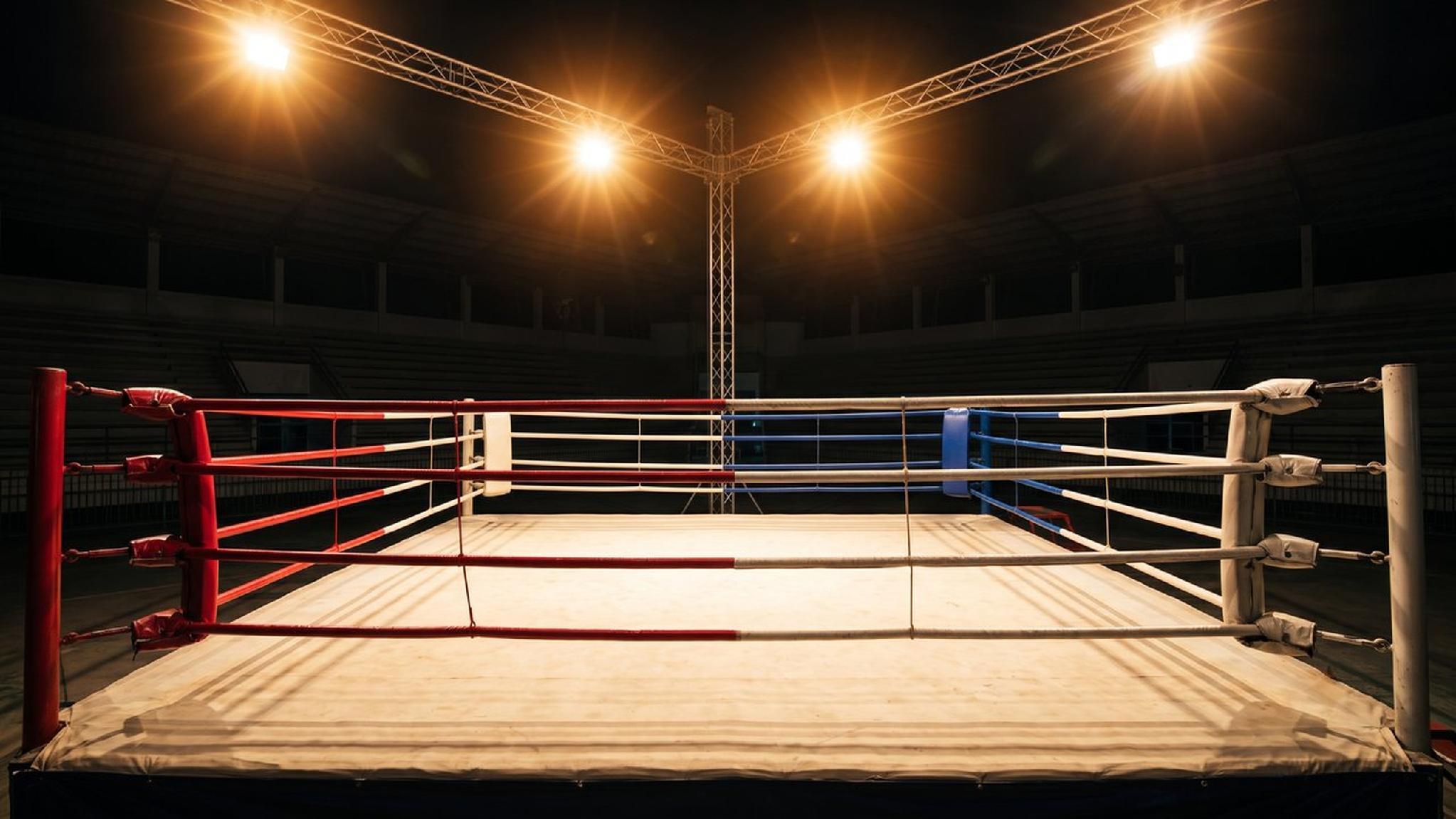
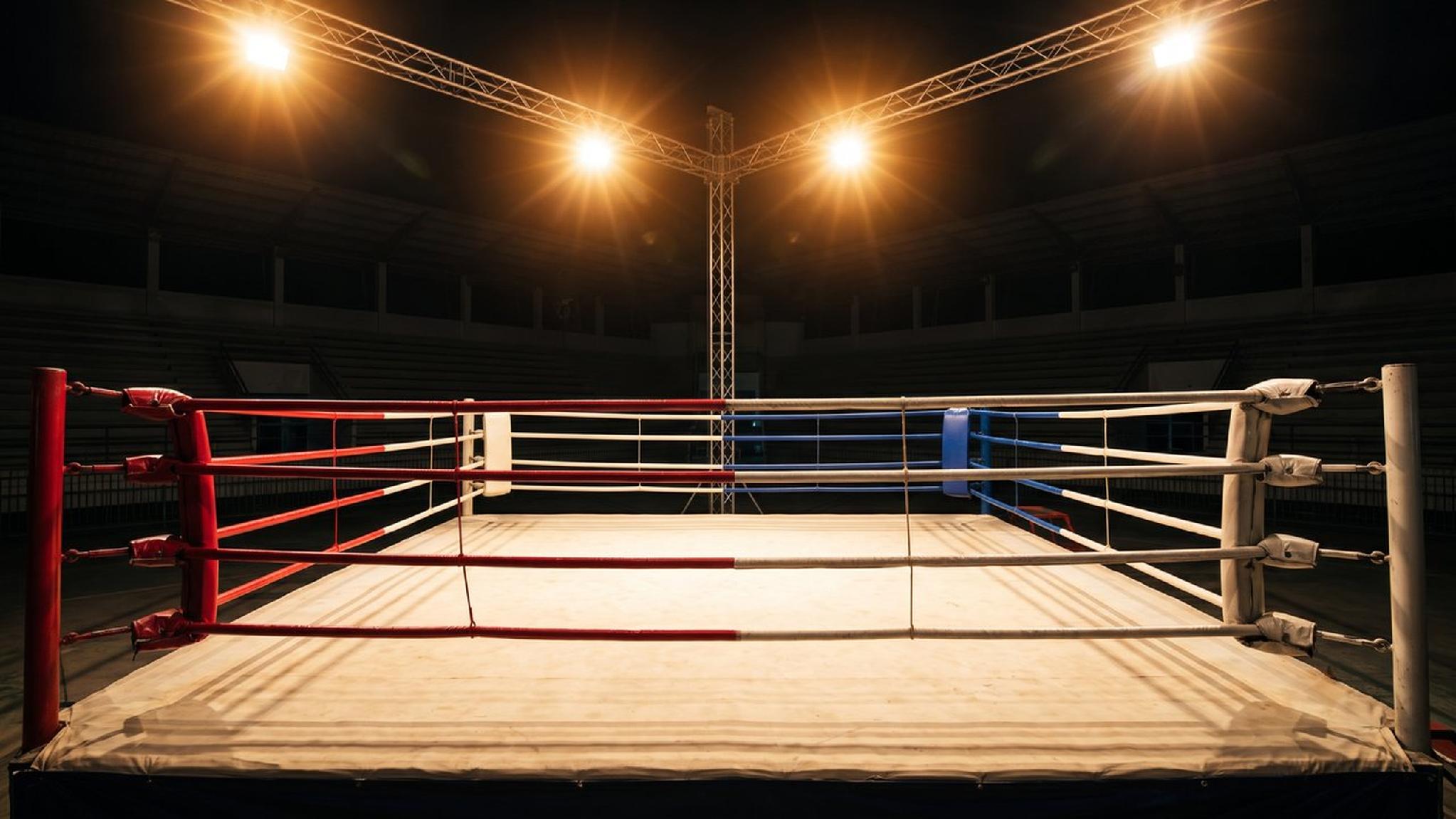
A Muay Thai match is the other after-dark option worth the ticket, with local stadiums running regular fight cards most nights of the week, featuring both rising Chiang Mai fighters and touring bouts. Even a visitor with no real interest in the sport tends to get pulled in by the ringside drum and cymbal music that speeds up as each round builds, a very different kind of evening from a market stall or a temple courtyard.
,regionOfInterest=(1771.5,1181.5))
,regionOfInterest=(1771.5,1181.5))
Meliá Chiang Mai runs two outdoor pools on the second floor, open 7am to 7pm and framed by tropical gardens, with Balinese day beds and sun loungers lining both sides for anyone happy to read through the afternoon. A dedicated kids' zone sits just off the main pool, built around two waterslides, a rain curtain, and a giant tipping bucket that empties every few minutes to a chorus of shrieks, so parents do not have to choose between watching the kids and actually relaxing.
The open-air Tien Pool Bar keeps drinks and light bites coming poolside through the afternoon, close enough to both the Night Bazaar and the Old City that a pool day never eats into sightseeing time. After a morning at Doi Suthep or a market, it is an easy way to cool off before heading back out after dark.
,regionOfInterest=(1771.5,1181.5))
,regionOfInterest=(1771.5,1181.5))
YHI Spa runs seven private treatment rooms using products from HARNN, an organic Thai wellness brand, backed by a Herbal Blended Steam room and an Exotic Sauna rather than an imported spa concept.
The signature 90-minute treatment opens with Tok Sen, a centuries-old Northern Thai technique that uses a wooden hammer and a stick cut from tamarind wood to tap along muscle lines, before moving into a Spanish-style massage aimed at fatigue and muscle tension, a genuine blend of the hotel's two cultural threads inside a single session.
Thai Lanna massage, built around warm herbal compress balls, and a White Tea and Camellia Body Polish are two of the more distinctive options further down the menu, alongside more familiar deep tissue, aromatic, and detox treatments.
Families do not have to split up for it either: YHI Spa runs a dedicated Kids Therapy programme for children aged six to twelve, forty-five to sixty minutes of stretching and animal-inspired yoga poses finished with a gentle massage using the same HARNN coconut oil, so a parent's spa afternoon and a child's can happen under the same roof at the same time.
,regionOfInterest=(1771.5,1181.5))
,regionOfInterest=(1771.5,1181.5))
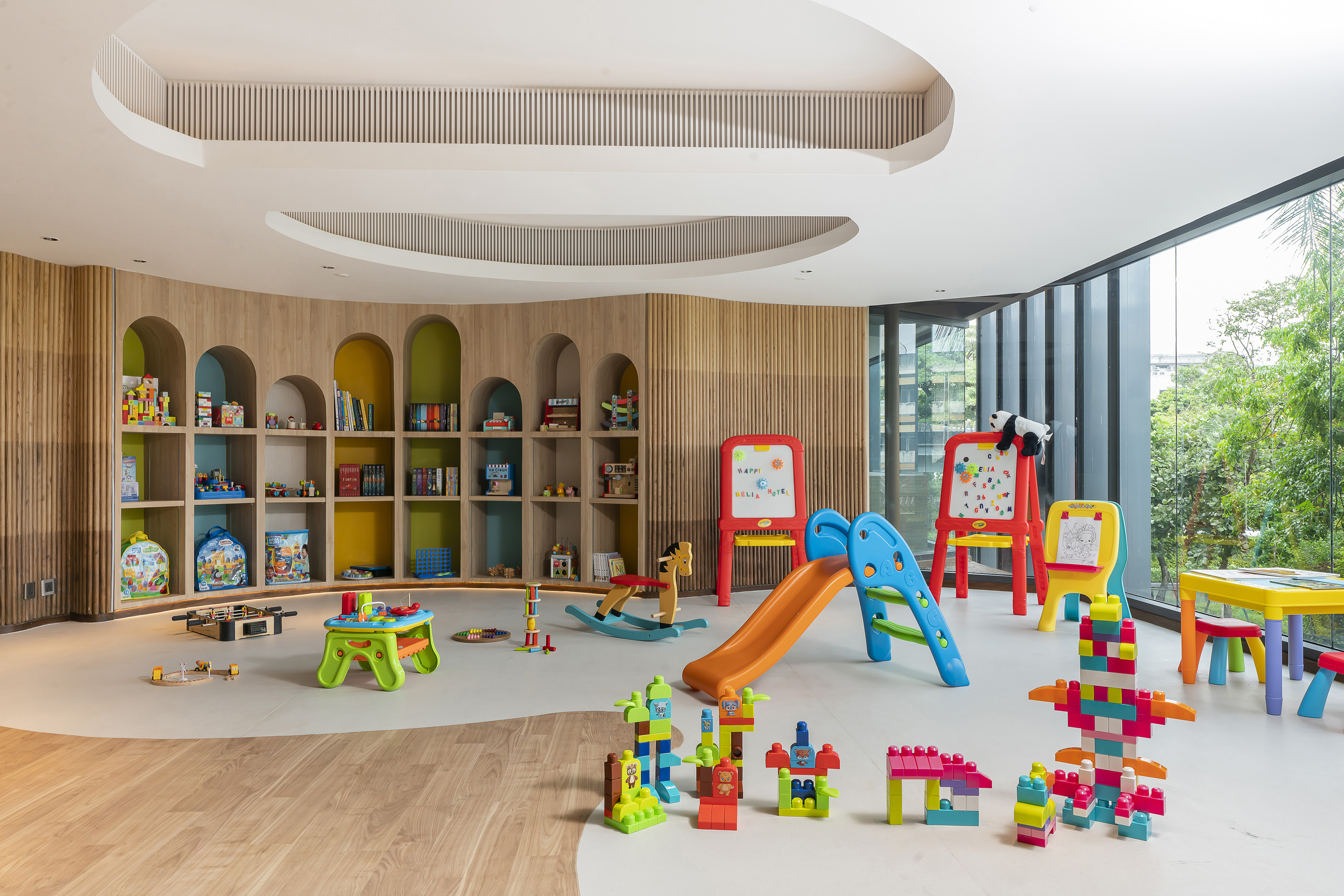
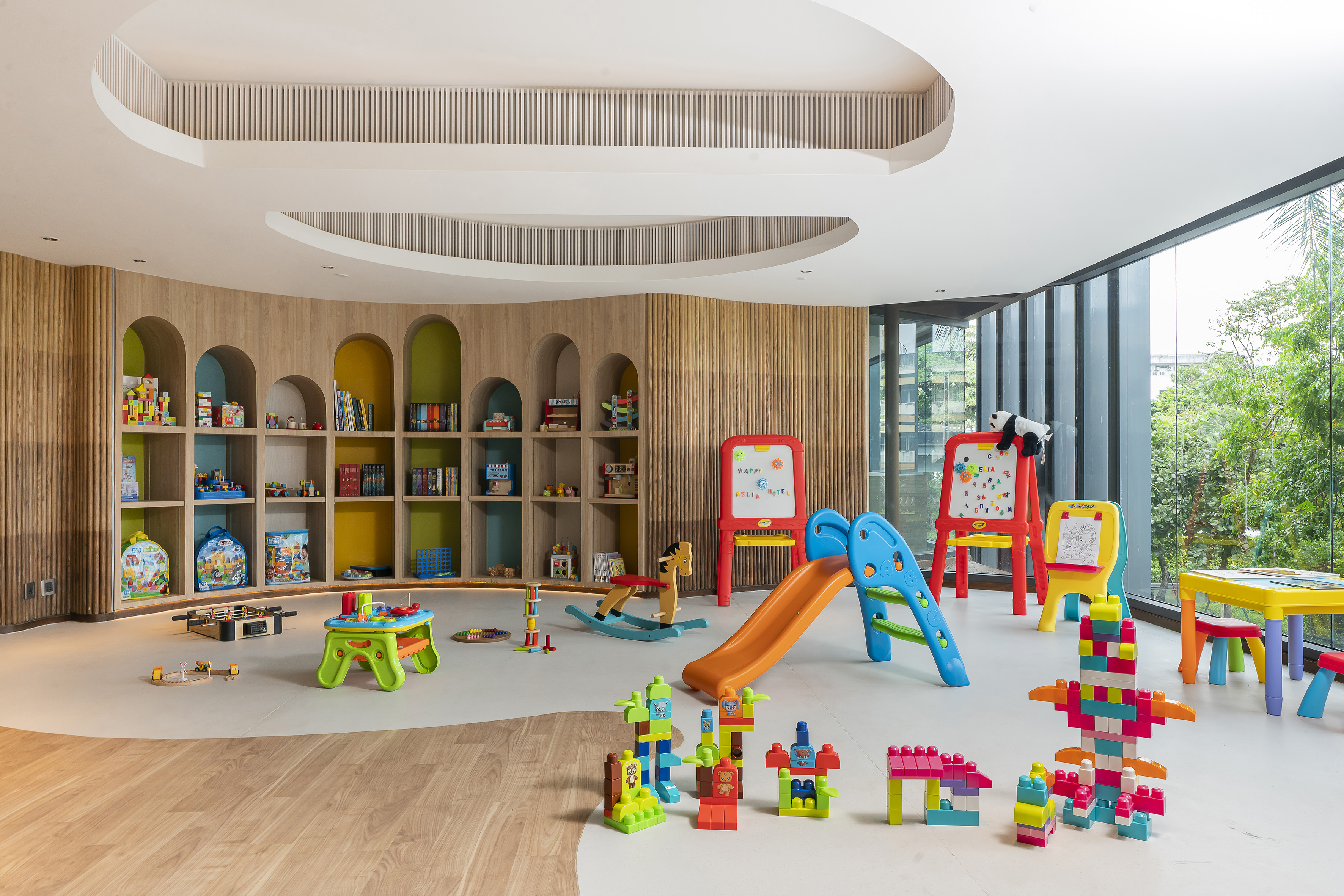
The Kidsdom welcomes children aged four to twelve into what the hotel treats as its own small universe within the property: game rooms, rest areas, and Montessori-inspired toys built to spark curiosity rather than just pass the time, loosely split into zones by age rather than running one programme for every child.
A mini club with Lego, a ball house, and wooden block puzzles suits the youngest guests, a gaming zone with chess, Monopoly, and table football covers the middle years, and a teen area stocked with drawing supplies gives older kids their own quiet corner.
Daily activities lean noticeably eco-friendly for a kids club: energy-free morning sessions turn egg cartons, milk bottles, and tissue paper into craft projects, alongside pencil shaving art and a DIY flower vase built from a recycled bottle, no screens involved.
Thai boxing for kids curious about Muay Thai without the ring, umbrella painting that riffs on the same craft found in Bo Sang village, plaster model painting, and origami round out the wider weekly schedule, with a library and a nap studio on hand for whenever the energy runs out.
For a family juggling temple visits and market nights, it counts among the more practical things to do in Chiang Mai, letting parents take a longer lunch or a spa session while the kids stay entertained close by.
,regionOfInterest=(1771.5,1251))
,regionOfInterest=(1771.5,1251))
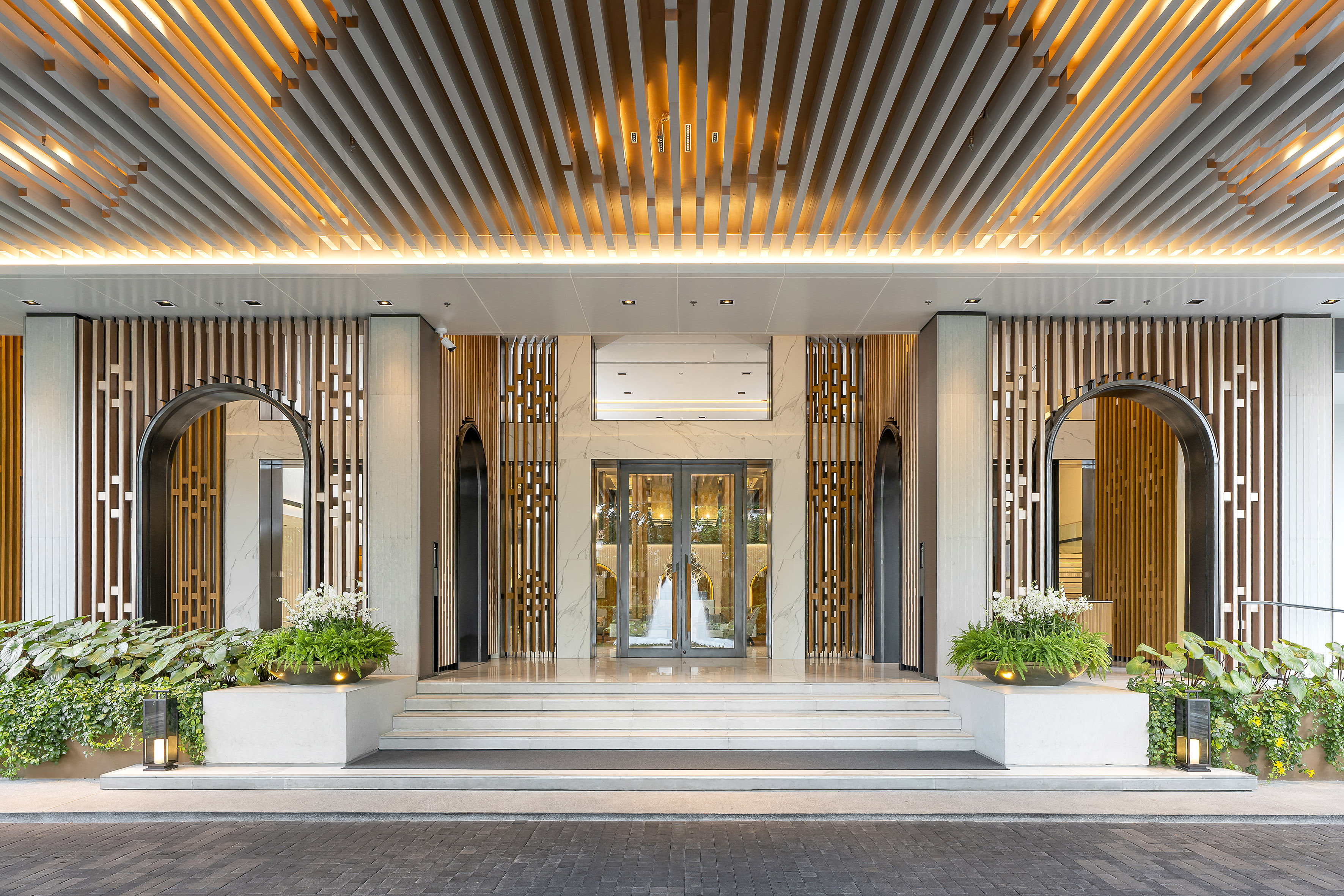
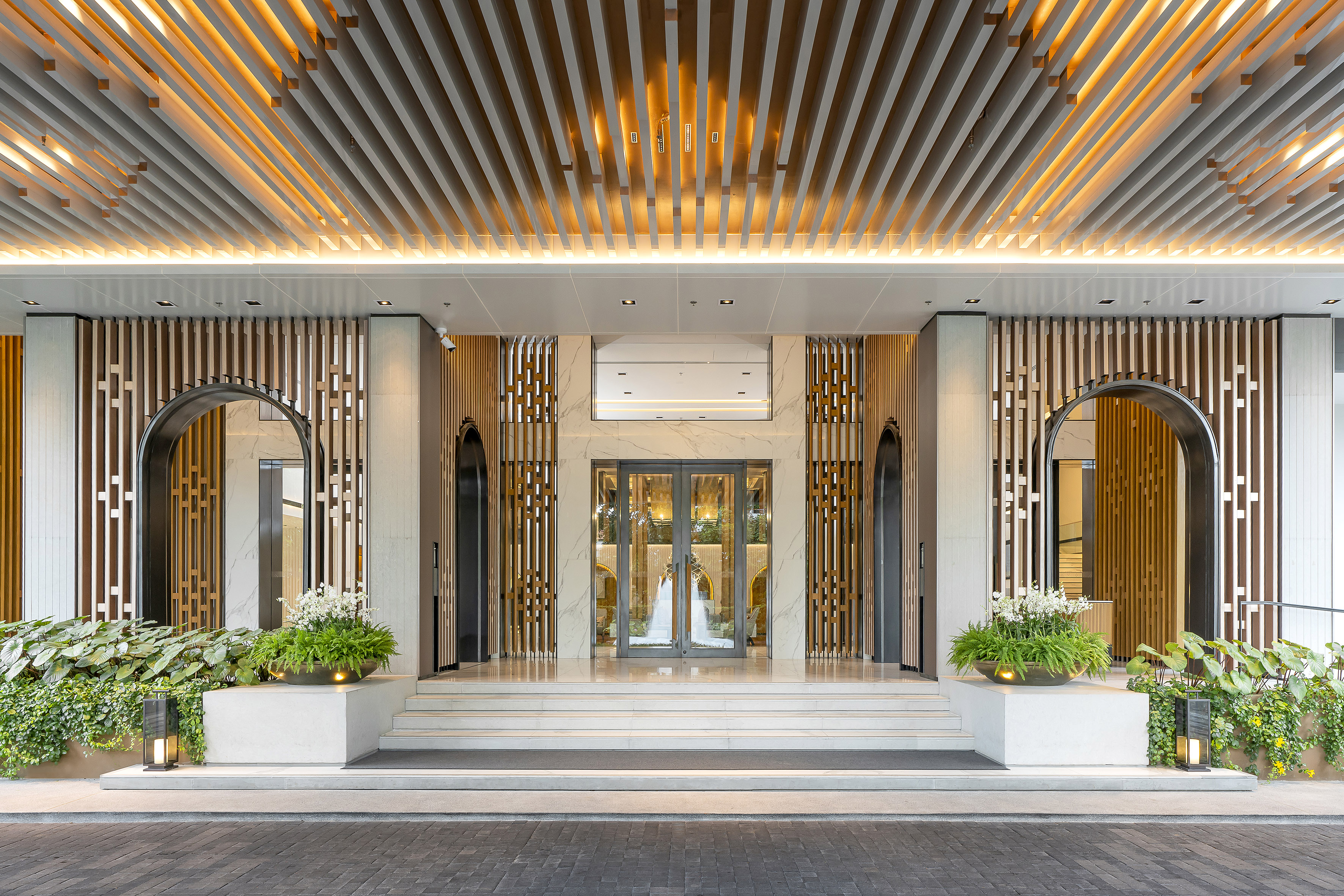
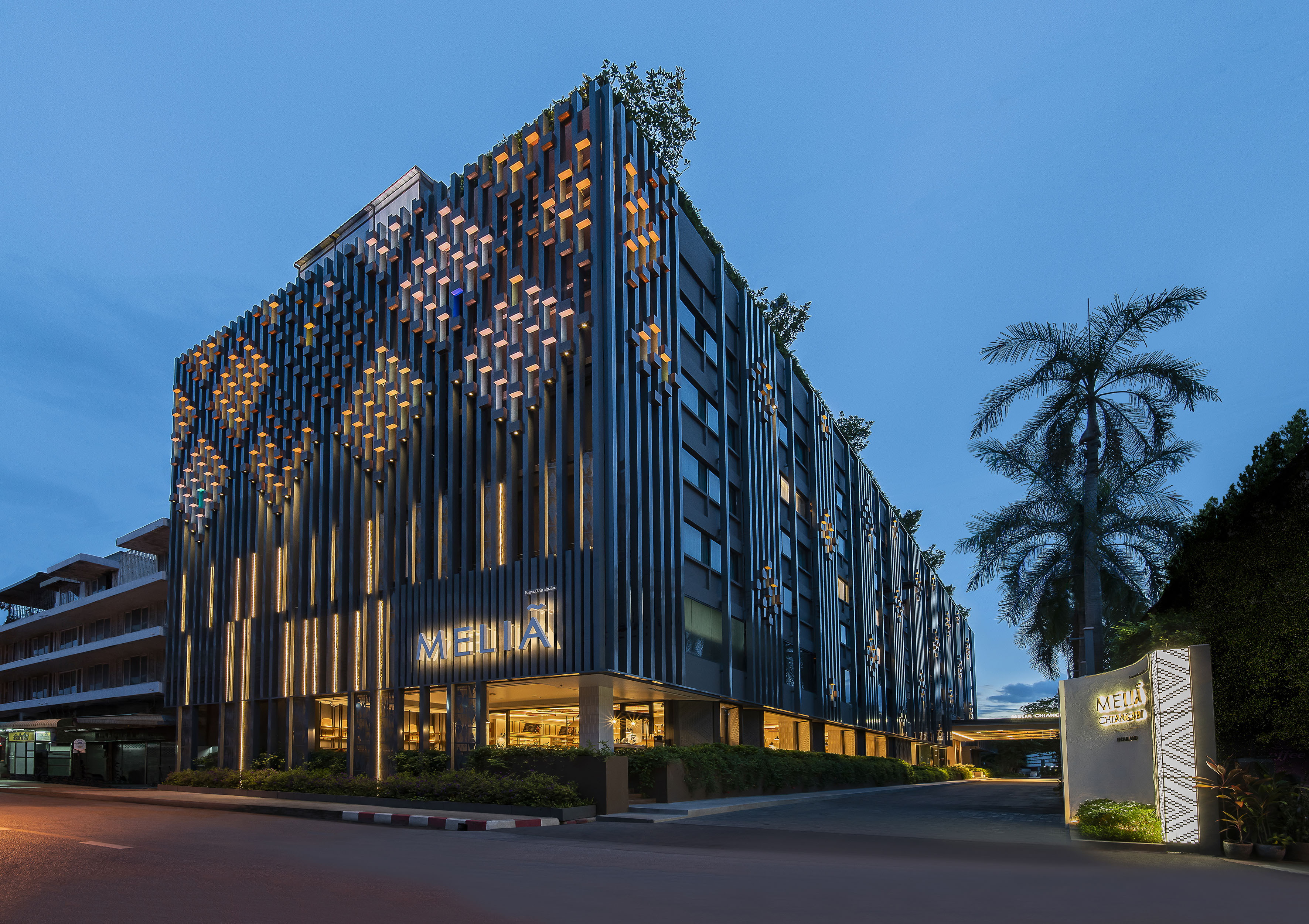
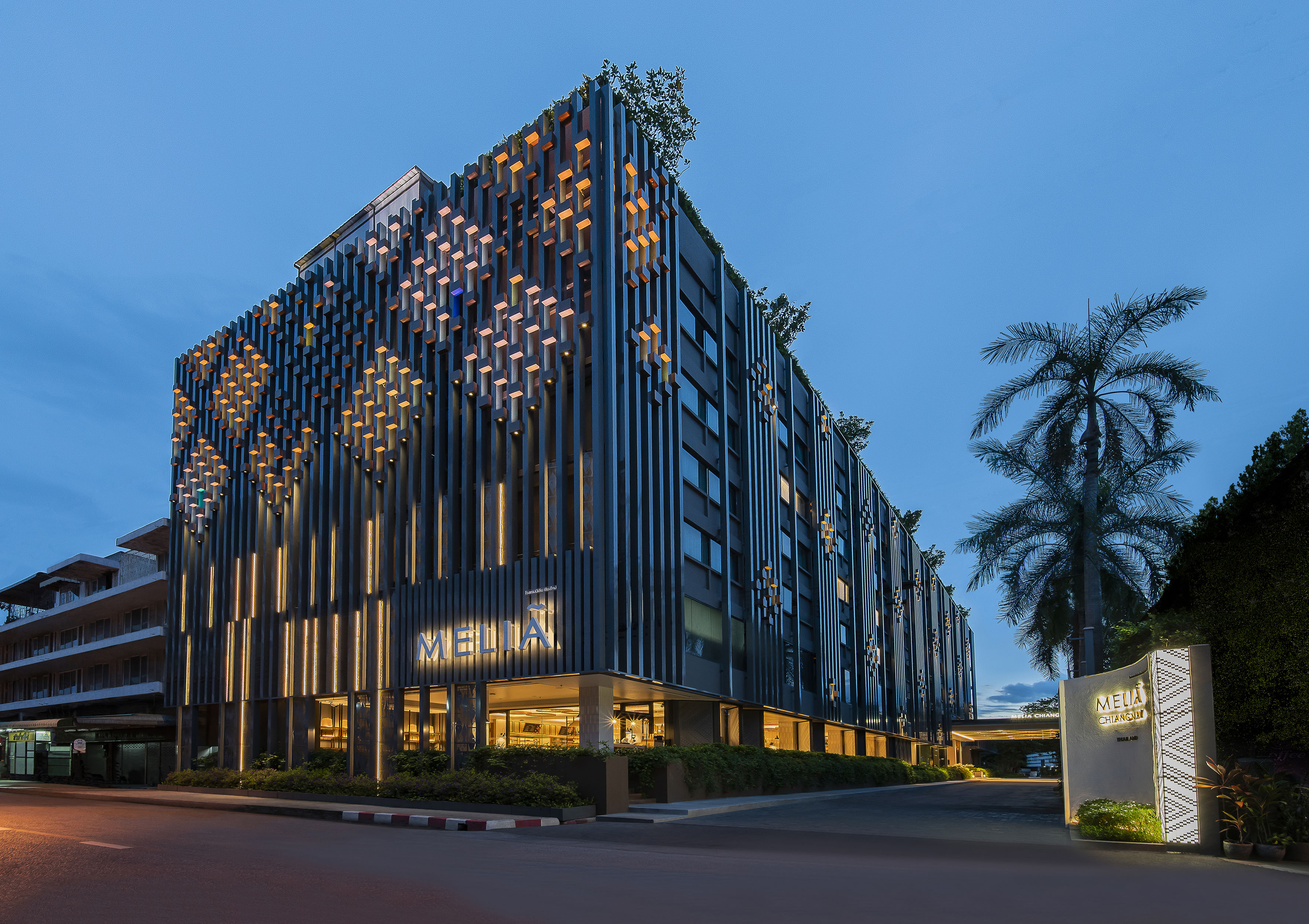
A trip built around temple mornings, mountain days, and night markets works best from a base that does not add much travel time to any of it, and Meliá Chiang Mai sits on Charoen Prathet Road at the edge of the Night Bazaar precinct, with the Old City about 1.5 kilometres away and the airport around 6 kilometres, roughly 15 minutes, in the other direction.
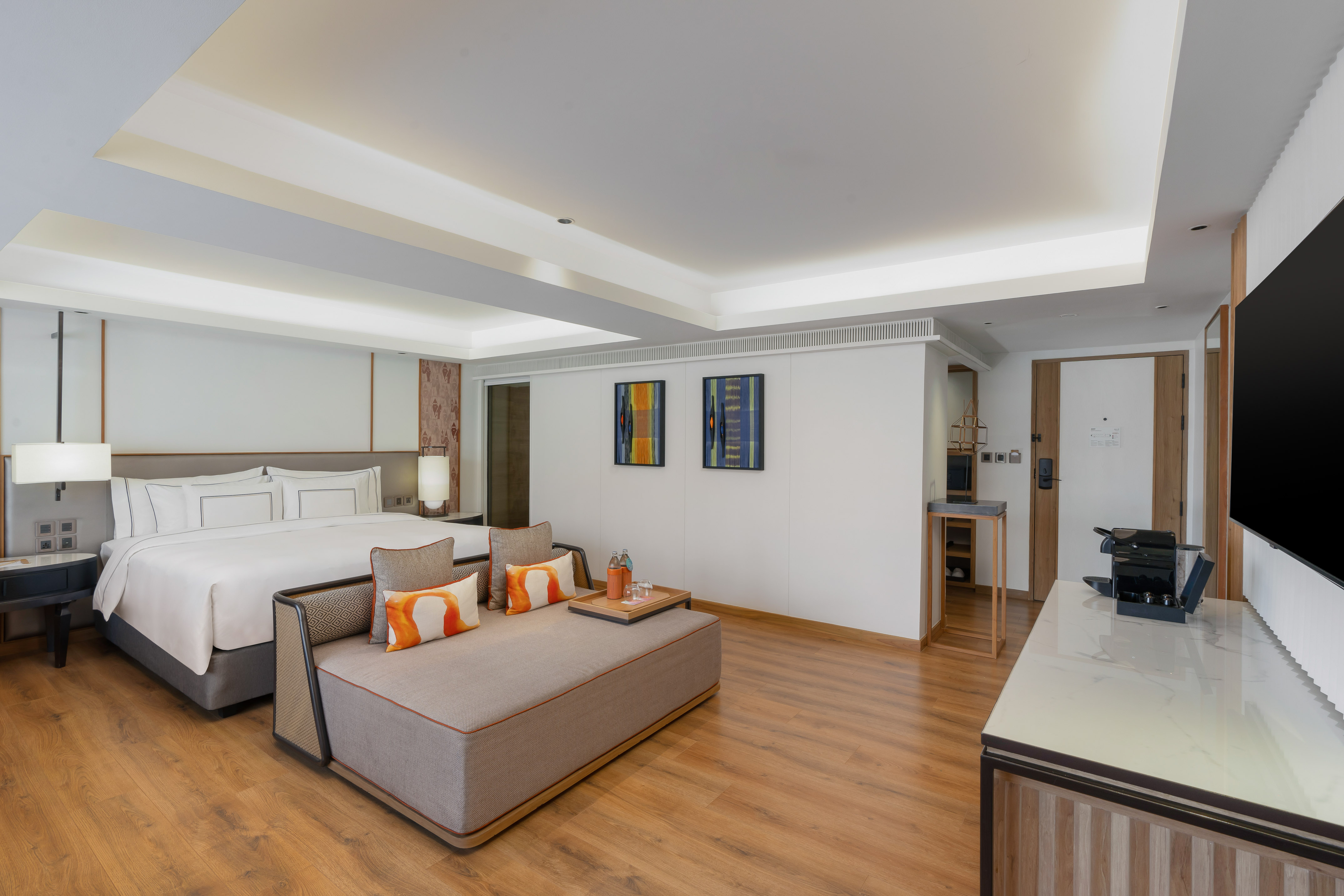
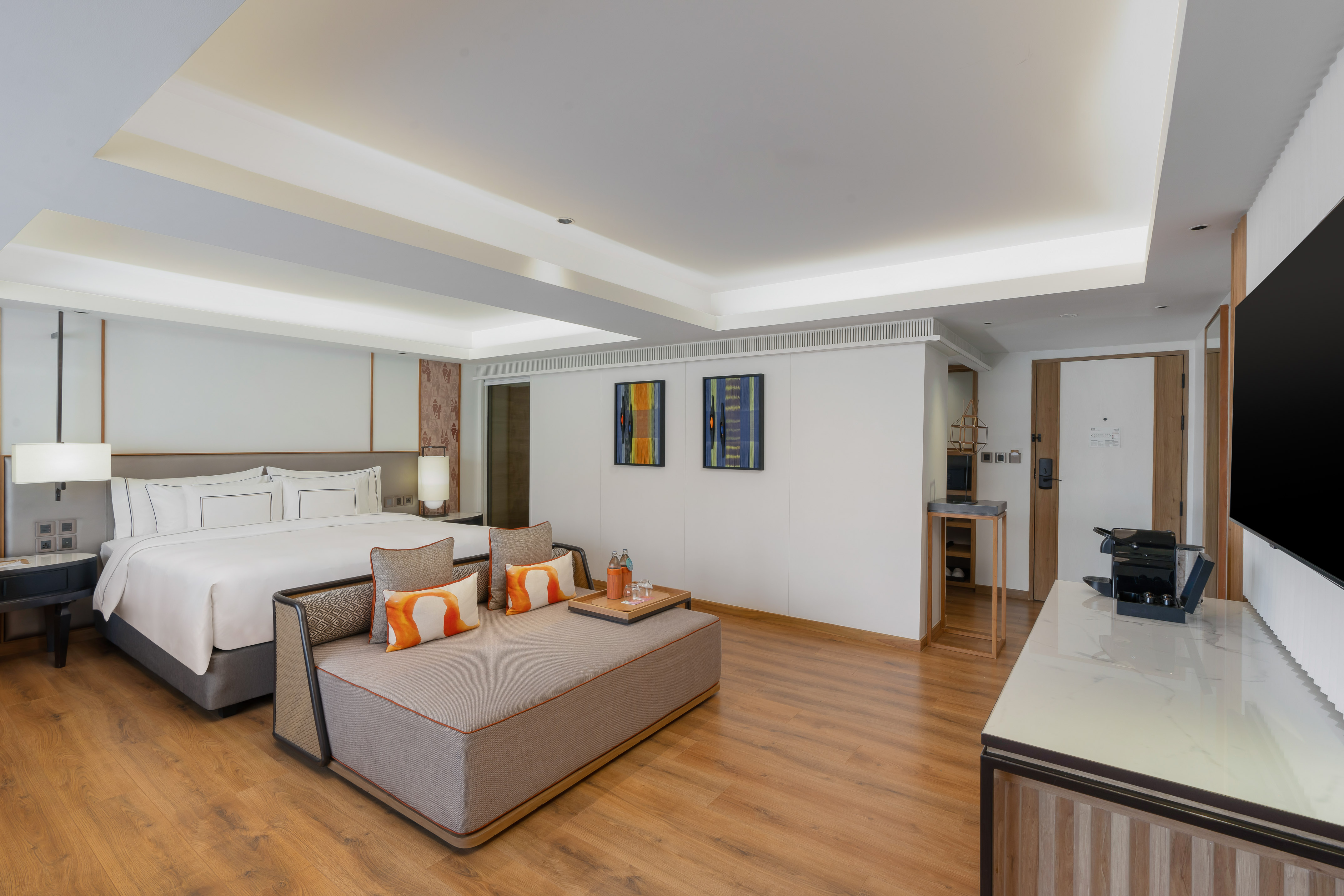
For a trip built mostly around days out rather than time spent in the room, the entry-level Meliá Room at 30 square metres keeps things simple without losing the view: west-facing units catch the Doi Suthep sunset, east-facing ones catch the Ping River sunrise, either one a small reward after a long day of temples or trekking.
The Family Room, at 54 square metres, is built for exactly the kind of trip this list describes: a separate sitting area with a sofa bed, board games and puzzles, a pop-up children's tent, and toys already in the room rather than requested at check-in.
Couples or solo travellers who want more space without the family layout tend to land on the Premium Room at 44 square metres, with a king or Hollywood twin bed and teakwood bedside tables.
For a longer stay or an anniversary trip, The Level Suite adds 62 square metres of refined Thai-inspired decor on the upper floors, along with access to The Level Lounge on the 21st floor, private check-in, and a dedicated concierge, all built around comfort and personalised service rather than exclusivity for its own sake.
A trip with an extra day or two to spare opens up two destinations beyond the city limits, one an easy half-day loop, the other a proper day trip north.
,regionOfInterest=(1023,575.5))
,regionOfInterest=(1023,575.5))
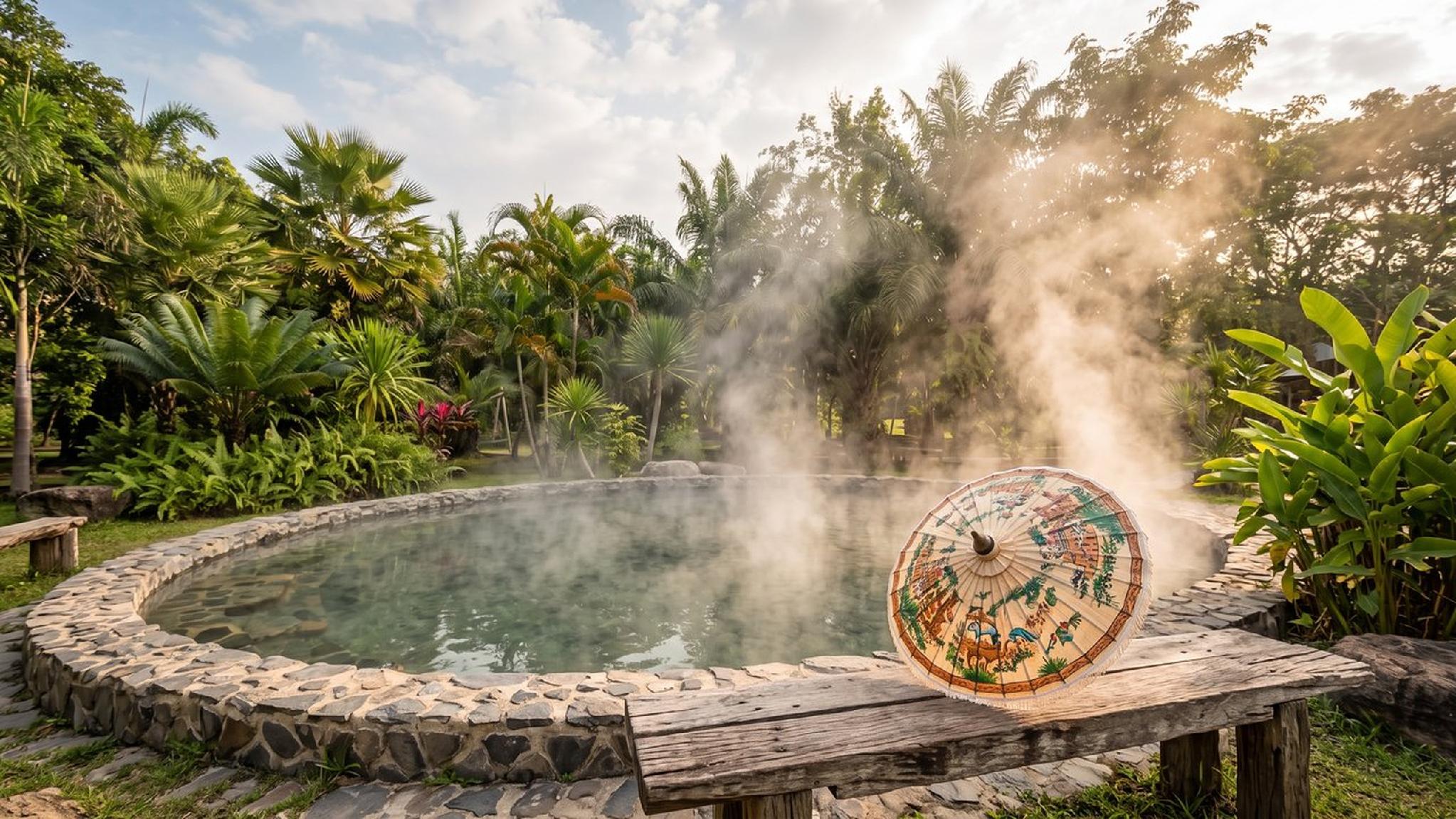
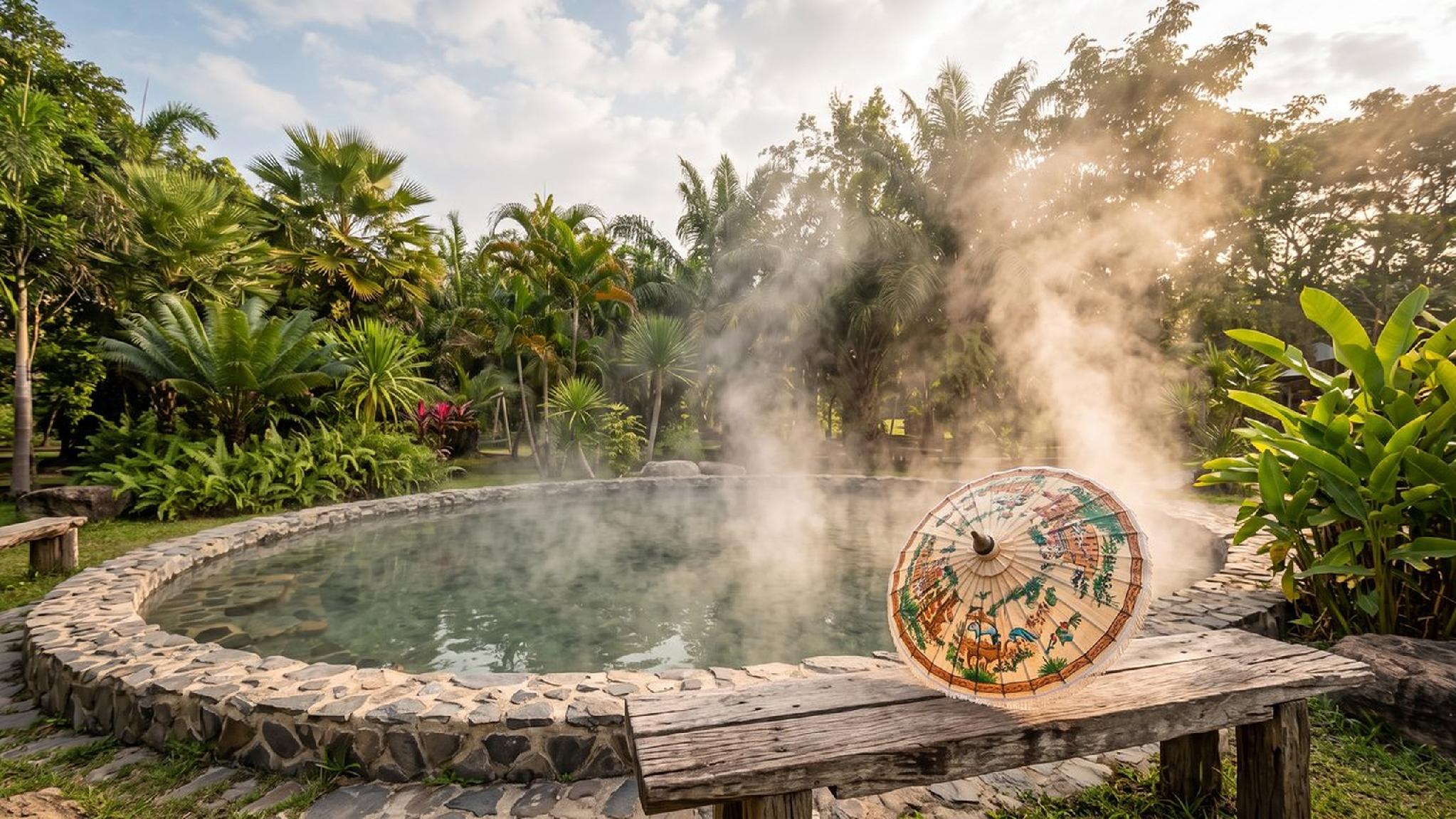
Bo Sang Umbrella Village, about nine kilometres east of the Old City, is where artisans still hand-paint saa-paper umbrellas from scratch, layering paper over bamboo frames before adding the floral and Lanna motifs the village has been known for since the Chakri dynasty. Pairing it with San Kamphaeng Hot Springs, further along the same road, rounds out a relaxed half day that counts among the easier things to do in Chiang Mai without a car of your own, since several tour operators run the two together.
The hot springs sit around 36 to 40 kilometres from the city centre, with communal pools, private mineral baths, and a popular sideline of boiling eggs directly in the naturally hot water, a small novelty that ends up in most visitors' photos. Traditional Thai massage is also on offer streamside, a fitting way to close out a morning spent watching umbrellas get their first coat of paint.
,regionOfInterest=(1023,575.5))
,regionOfInterest=(1023,575.5))
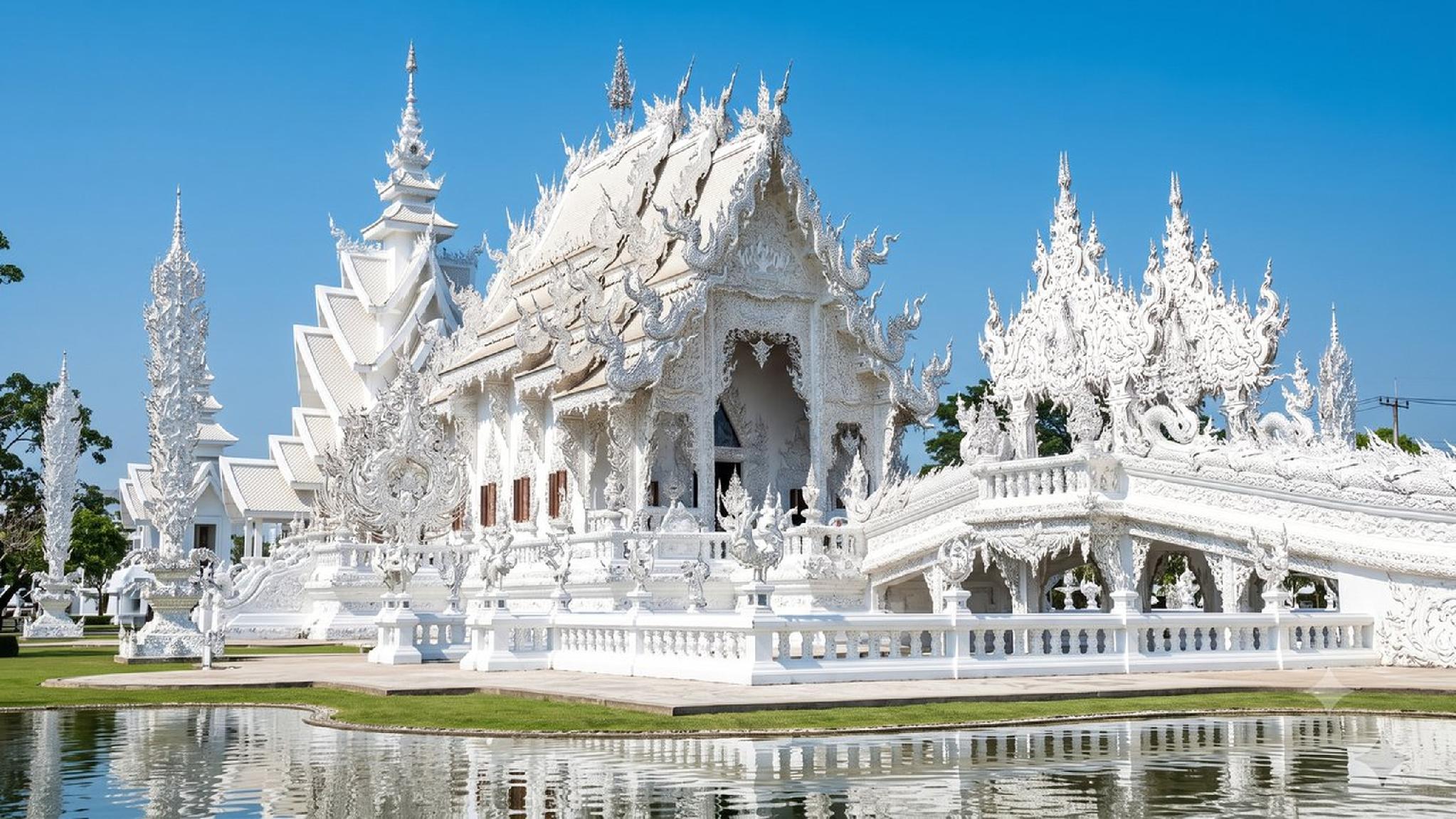
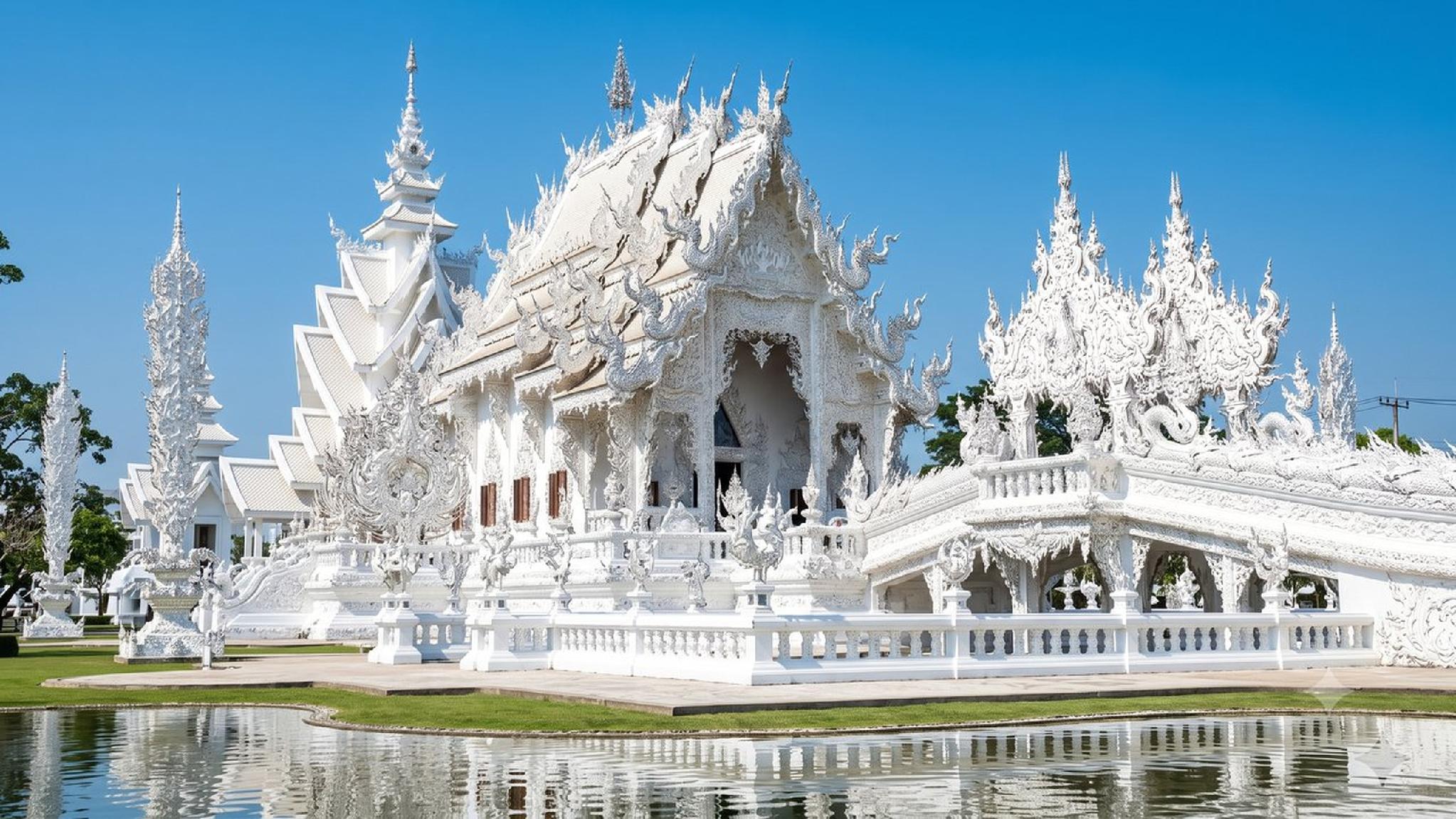
Chiang Rai's White Temple, formally Wat Rong Khun, sits about 180 kilometres and three and a half to four hours north of Chiang Mai, close enough for a long single day if the drive starts by 7am. Artist Chalermchai Kositpipat has been rebuilding the temple in gleaming white plaster and mirrored glass since 1997, using its unconventional imagery, including a ceiling mural that mixes Buddhist iconography with pop culture figures, to represent the pursuit of enlightenment over worldly temptation.
A short drive away, Wat Rong Suea Ten, the Blue Temple, trades white for a deep cobalt blue with gold trim and a striking seated Buddha inside, and pairs naturally with the White Temple as a same-day stop. Both temples enforce a dress code covering shoulders and knees, and the White Temple's entrance fee for foreign visitors doubled to 200 baht (about US$6) at the start of 2026, still a small price next to the drive it takes to get there.
,regionOfInterest=(1023,575.5))
,regionOfInterest=(1023,575.5))
Three full days covers the essentials: the Old City temples, one day trip into the mountains, and an evening market or two. Four or five days leaves enough room to add an elephant sanctuary and still cover the rest of the things to do in Chiang Mai on this list without rushing.
A five-day version might look like this:
| DAY | FOCUS | HIGHLIGHTS |
| 1 | Old City temples and markets | Wat Phra Singh, Wat Chedi Luang, Sunday or Saturday Walking Street |
| 2 | Mountains and waterfalls | Doi Inthanon National Park, Bua Tong Sticky Waterfalls |
| 3 | Ethical elephants | Elephant Nature Park, or an overnight at BEES |
| 4 | Wellness and a slower day | YHI Spa, the pool, Tien Pool Bar, any temples missed earlier |
| 5 | Day trip | Chiang Rai's White and Blue Temples, or Bo Sang and San Kamphaeng |
None of this needs to run in that exact order, and swapping a day around the weather or a flight time rarely breaks the plan, since most of these stops sit within an hour or two of each other at most.
,regionOfInterest=(2150,1433.5))
,regionOfInterest=(2150,1433.5))
Temples with real history, a national park that out-ranks anywhere else in the country for altitude, elephants that no longer perform for anyone, and a market that barely sleeps: that is the core of what Chiang Mai offers a first-time visitor, and none of it demands more than a loose plan and comfortable shoes.
Building in one slow afternoon by the pool or at the spa, rather than saving rest for the flight home, tends to make the rest of the things to do in Chiang Mai on this list land better, and a base close to both the Old City and the Night Bazaar keeps the driving time down between all of them.
,regionOfInterest=(1023,575.5))
,regionOfInterest=(1023,575.5))
Three full days covers the highlights within the city and one trip into the mountains, but four or five gives enough time to add an elephant sanctuary, a proper rest day, and a second day trip without feeling rushed.
Chiang Mai is best known as the cultural capital of Northern Thailand, home to more than three hundred Buddhist temples, the former seat of the Lanna kingdom, and the gateway to Thailand's highest mountain, Doi Inthanon, along with a growing reputation for ethical elephant tourism.
Some are and some are not, so it is worth checking before booking. A genuinely ethical sanctuary, such as Elephant Nature Park or BEES, does not offer riding, bathing on command, or performances, and instead lets visitors observe and help care for elephants at the animals' own pace.
There is no single answer, since the best things to do in Chiang Mai depend on what a traveller wants out of the trip, but a sunrise or sunset visit to Wat Phra That Doi Suthep is the one recommendation that shows up on almost every list, this one included.
,regionOfInterest=(2880,1920))
,regionOfInterest=(2880,1920))
,regionOfInterest=(1619.5,1121))
,regionOfInterest=(1619.5,1121))
,regionOfInterest=(1476.5,634.5))
,regionOfInterest=(1476.5,634.5))
,regionOfInterest=(2273,1523))
,regionOfInterest=(2273,1523))
,regionOfInterest=(1564,1200))
,regionOfInterest=(1564,1200))