,regionOfInterest=(2900.5,1949.5))
,regionOfInterest=(2900.5,1949.5))
The best coves in Mallorca
,regionOfInterest=(707.5,1059.5))
,regionOfInterest=(707.5,1059.5))
Culture
,regionOfInterest=(1023,575.5))
,regionOfInterest=(1023,575.5))
One museum in Chiang Mai holds more than 10,000 insect specimens, including 400 species of mosquito collected over four decades by a single malaria researcher and her husband. It is not the museum most visitors expect to find here, and it is exactly the kind of surprise that makes the city's museum scene worth considerably more than a rainy-afternoon backup plan for travellers who assume temples and markets are the whole story.
This guide covers the museums in Chiang Mai that are actually worth the entry fee, split by history, art, and the specialty collections that do not fit either category, along with real hours, prices, and which ones pair naturally well with each other.
,regionOfInterest=(512,482))
,regionOfInterest=(512,482))
Digital marketing specialist with a passion for travel, writing, and discovering what makes every destination unique.
Culture
,regionOfInterest=(800,446.5))
,regionOfInterest=(800,446.5))
,regionOfInterest=(800,446.5))
,regionOfInterest=(800,446.5))
,regionOfInterest=(800,446.5))
,regionOfInterest=(800,446.5))
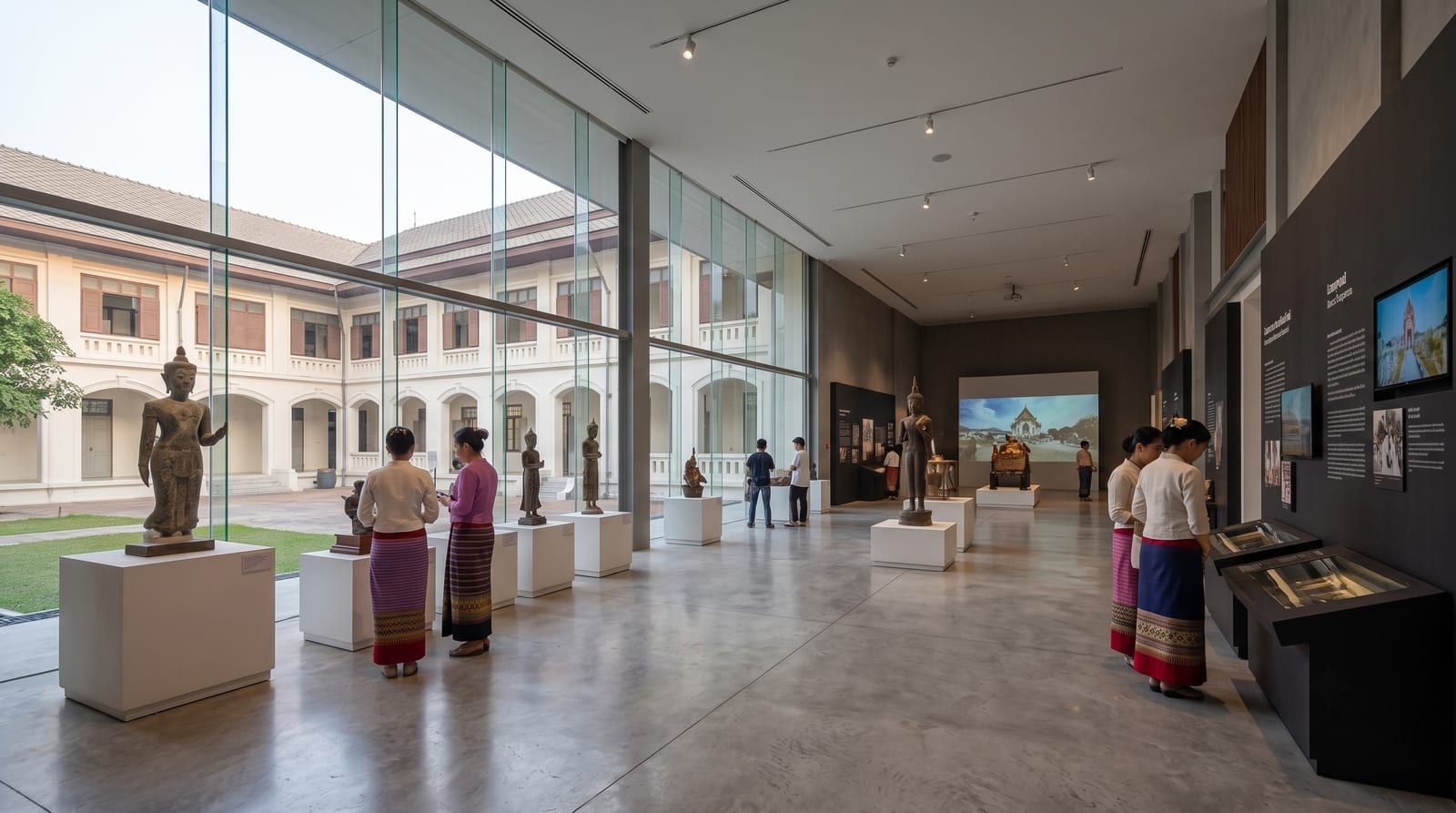,regionOfInterest=(800,446.5))
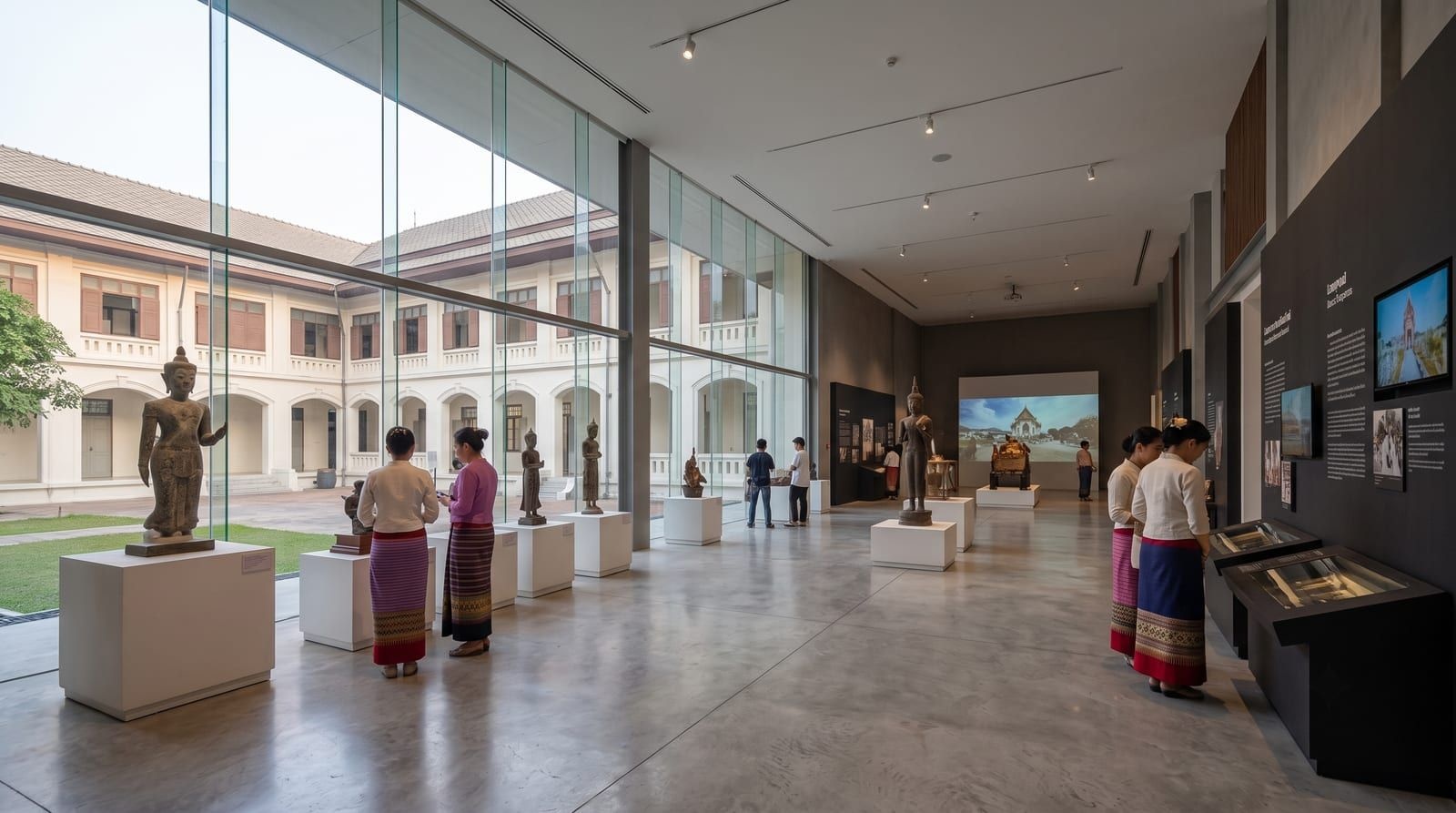,regionOfInterest=(800,446.5))
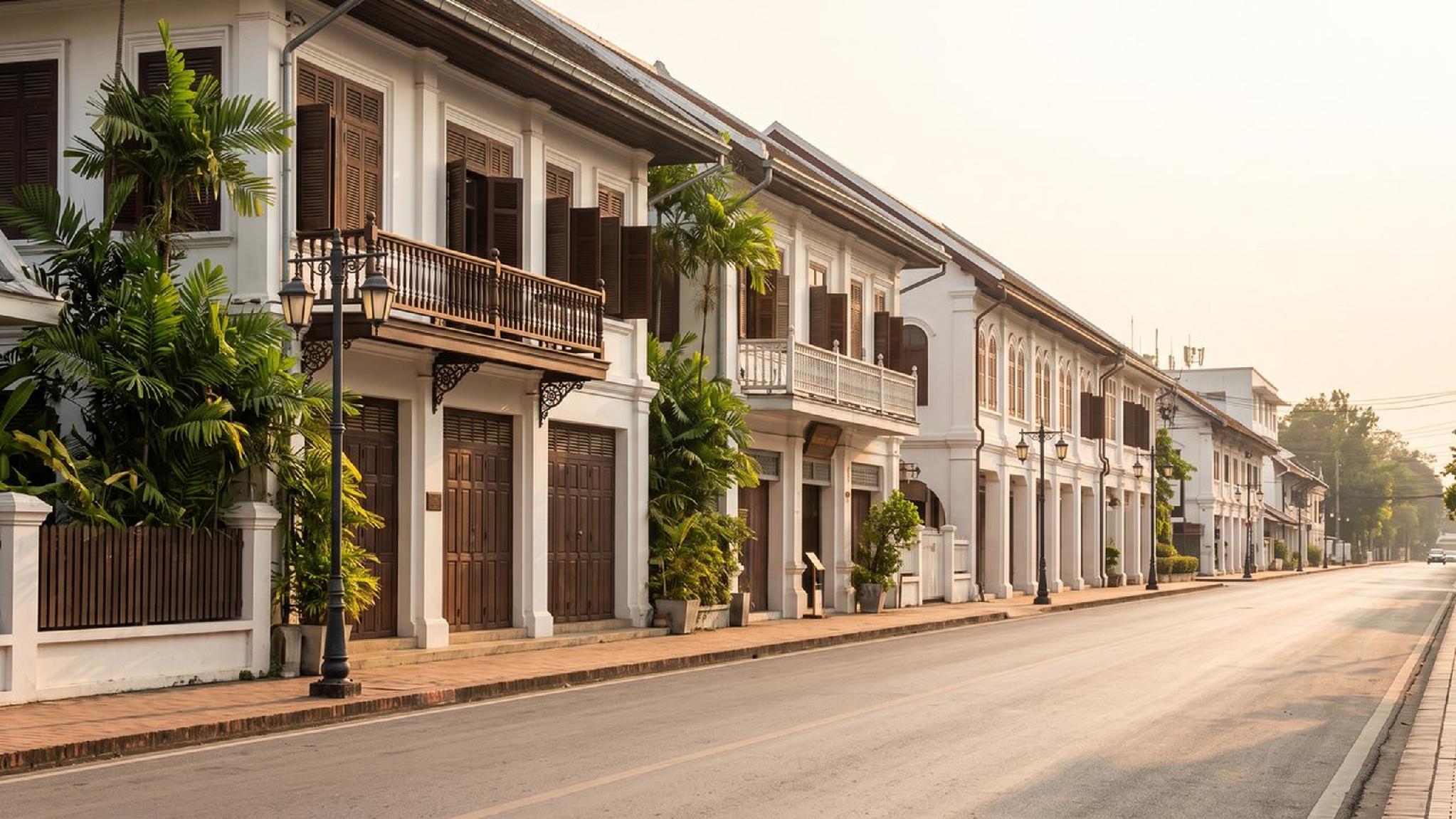
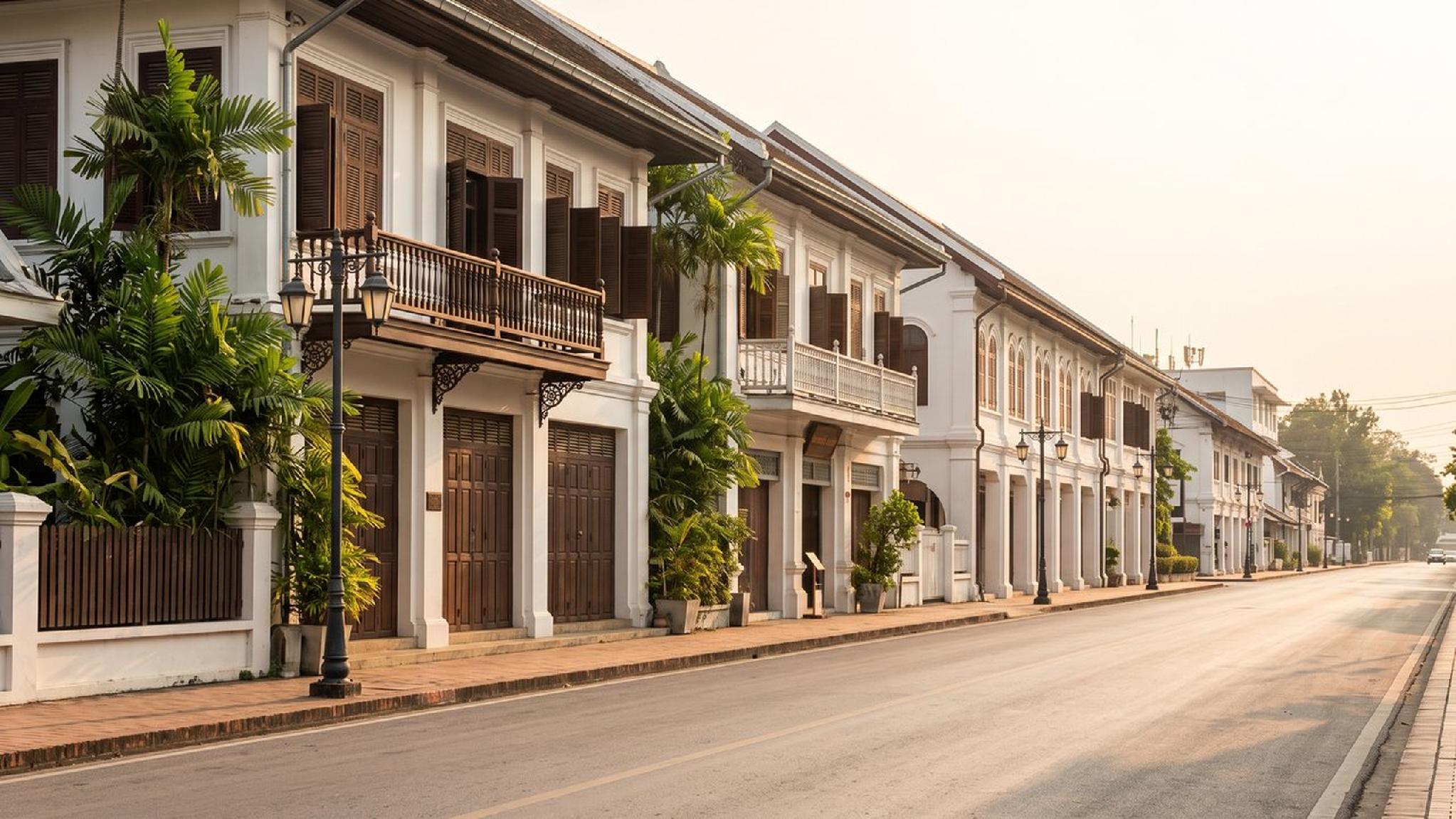
Chiang Mai's museums split fairly cleanly into three broad groups: municipal and national institutions built around Lanna history, a newer wave of private art spaces housed in repurposed buildings, and a handful of genuinely specialist collections that exist nowhere else in the country. Most run modestly sized, walkable exhibits rather than the sprawling national museums found in Bangkok, which makes an afternoon covering two or three museums in Chiang Mai a realistic plan rather than an ambitious one.
Entry fees stay low across almost every option here, generally 20 to 200 baht (about US$0.60 to US$6), and several of the most important history museums sit close enough together to combine into a single ticket and a single walk.
Compared with the city's temples and markets, museums in Chiang Mai draw a noticeably smaller crowd on any given day, which makes them a genuinely useful option for travellers who want the same Lanna history and culture covered elsewhere in this batch's guides, but at a slower pace and without needing to dodge tour groups to read a label properly.
Please note: All entry fees and operating hours mentioned in this guide are subject to change. We recommend verifying directly with the venues prior to your visit.
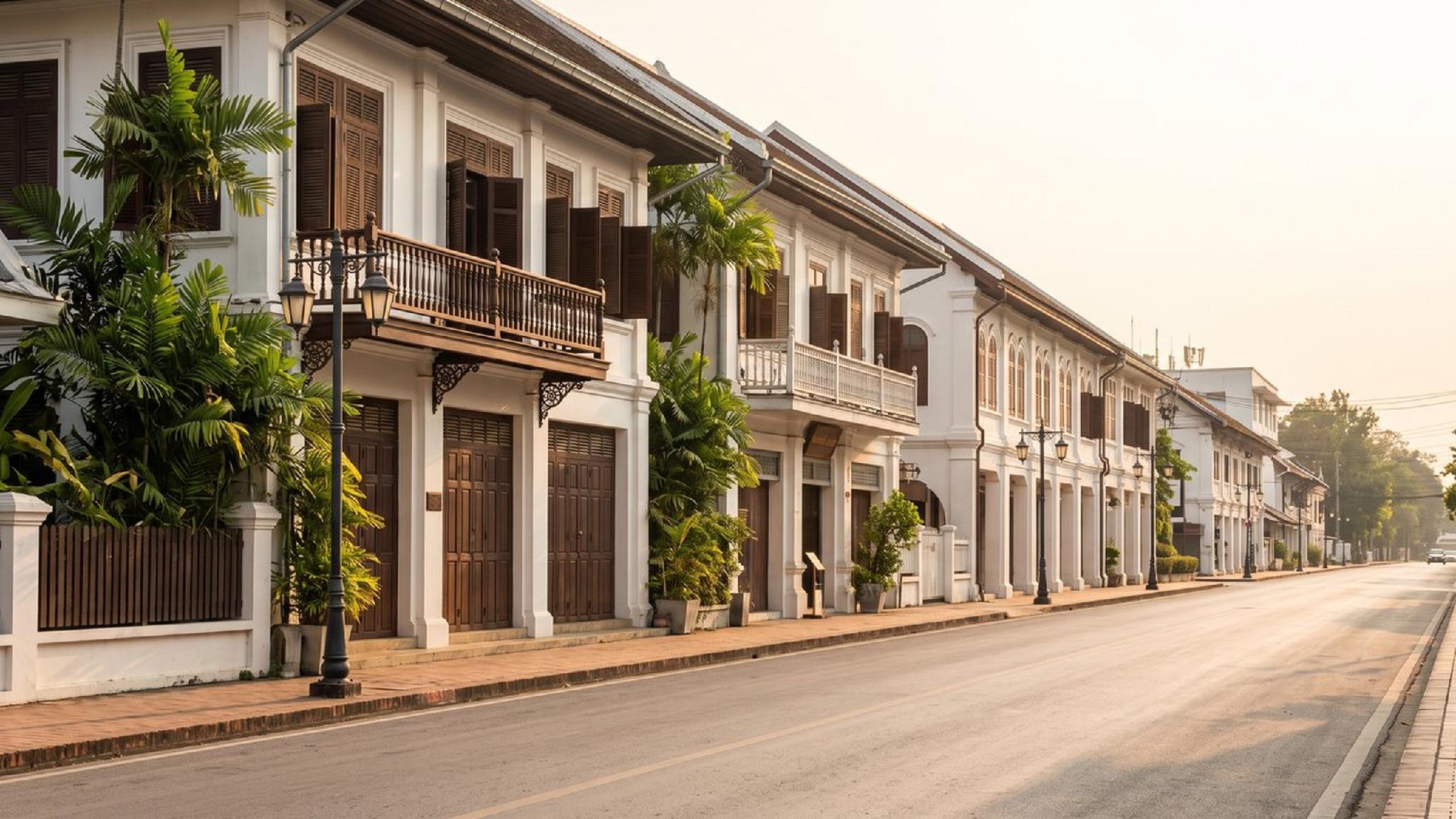,regionOfInterest=(1023,575.5))
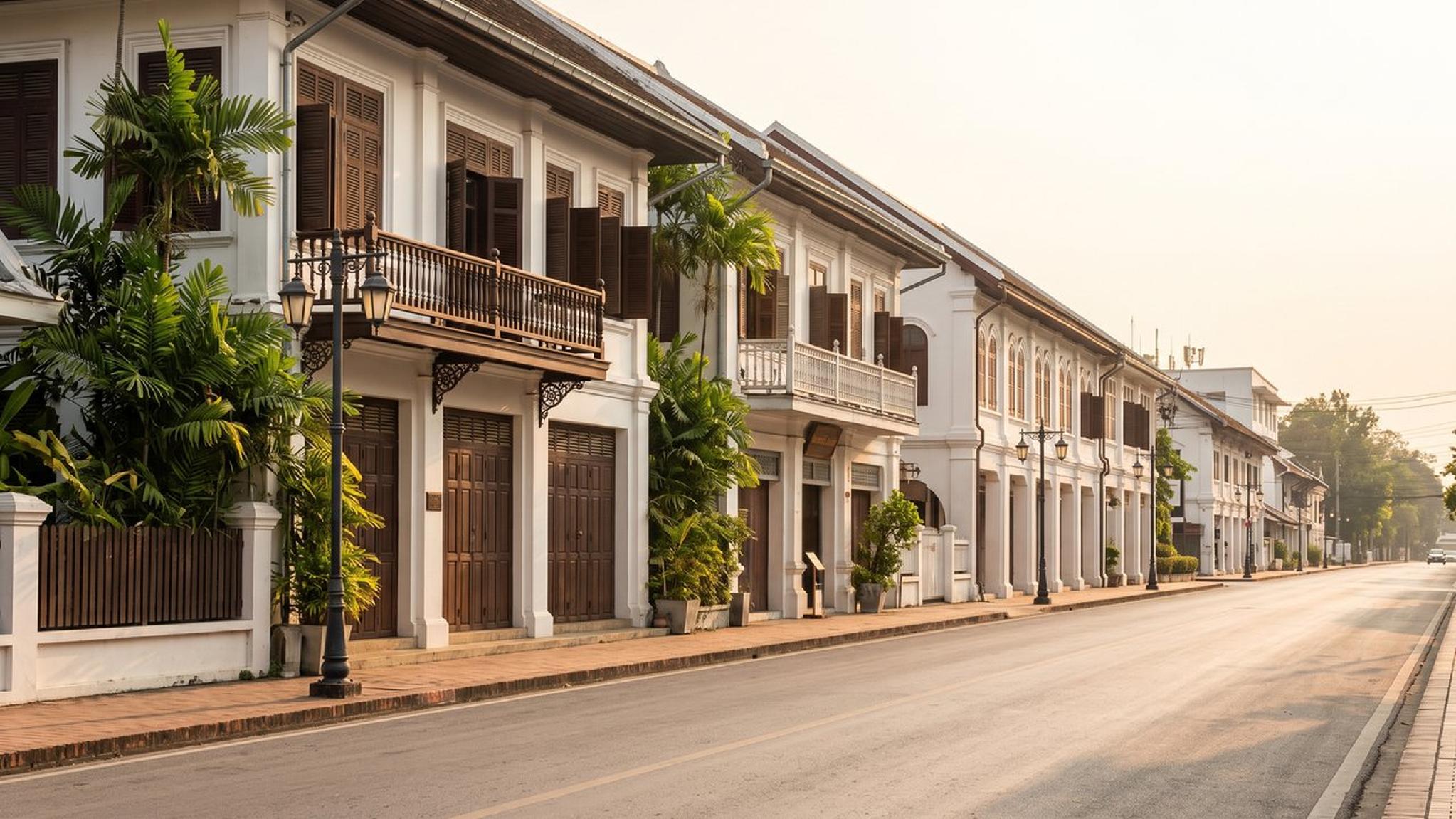,regionOfInterest=(1023,575.5))
Three museums, plus a fourth on the same combined ticket, cover the bulk of the city's history from its 1296 founding through to the present day. Here are the four worth building a morning around.
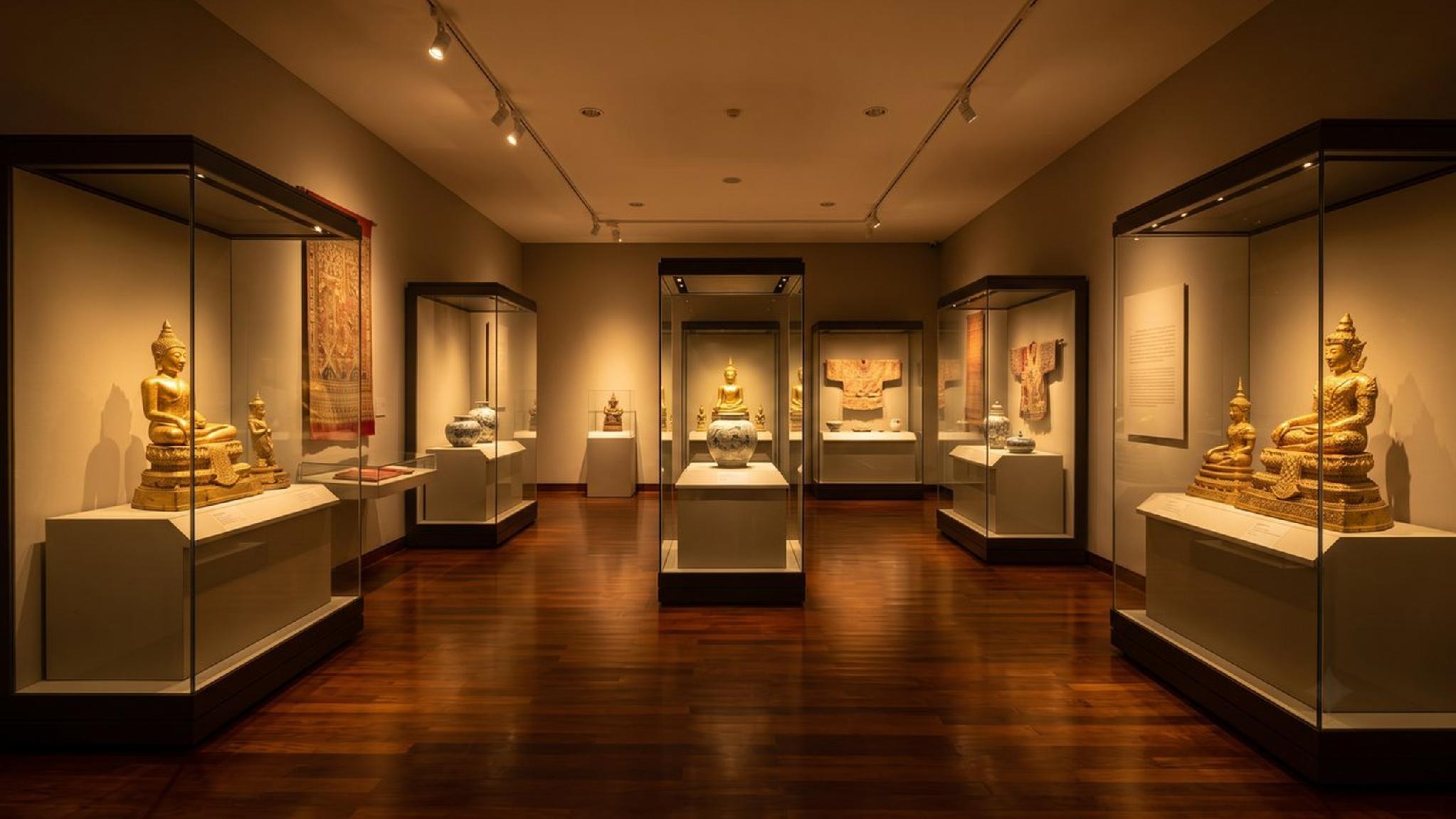
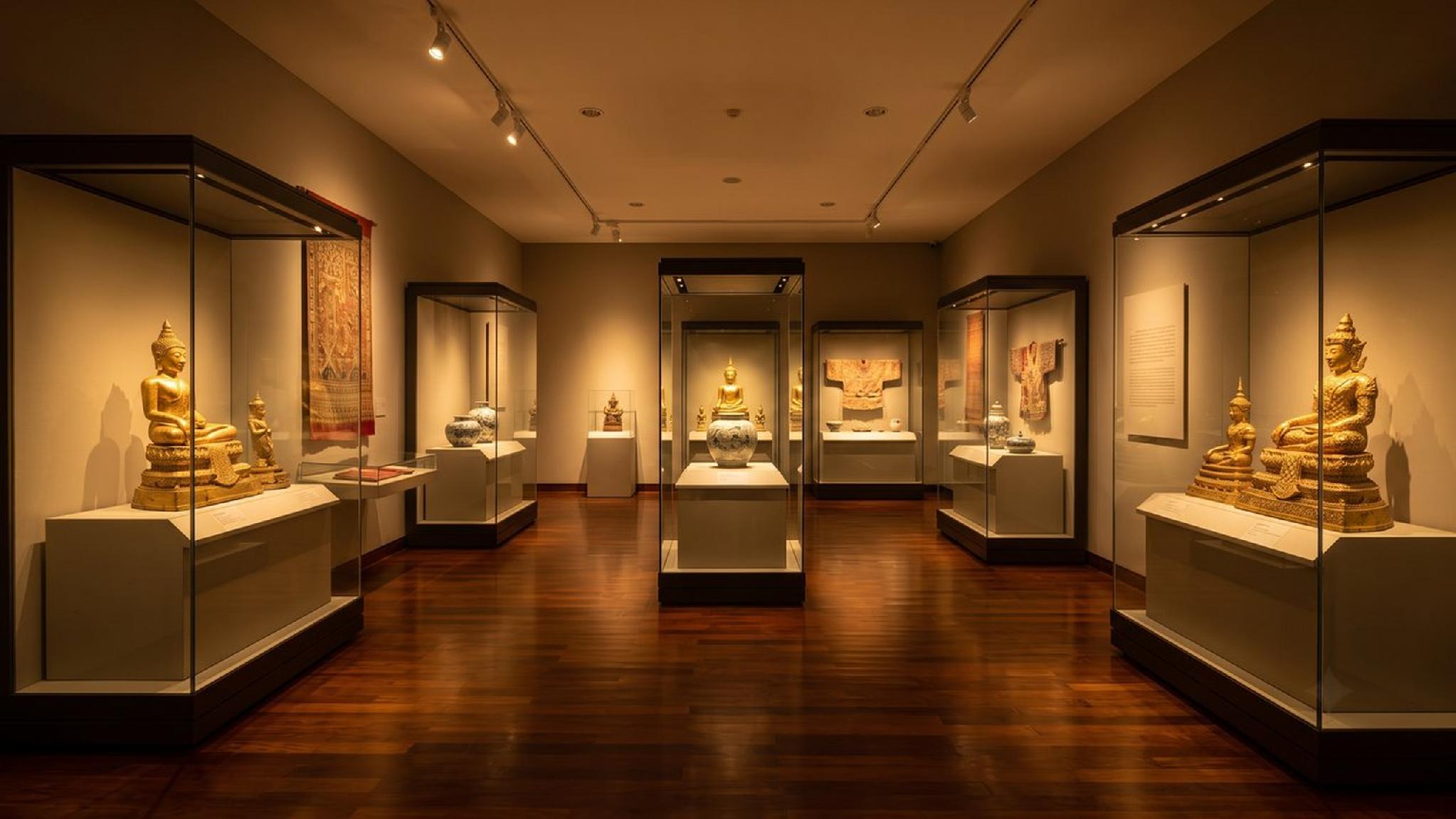
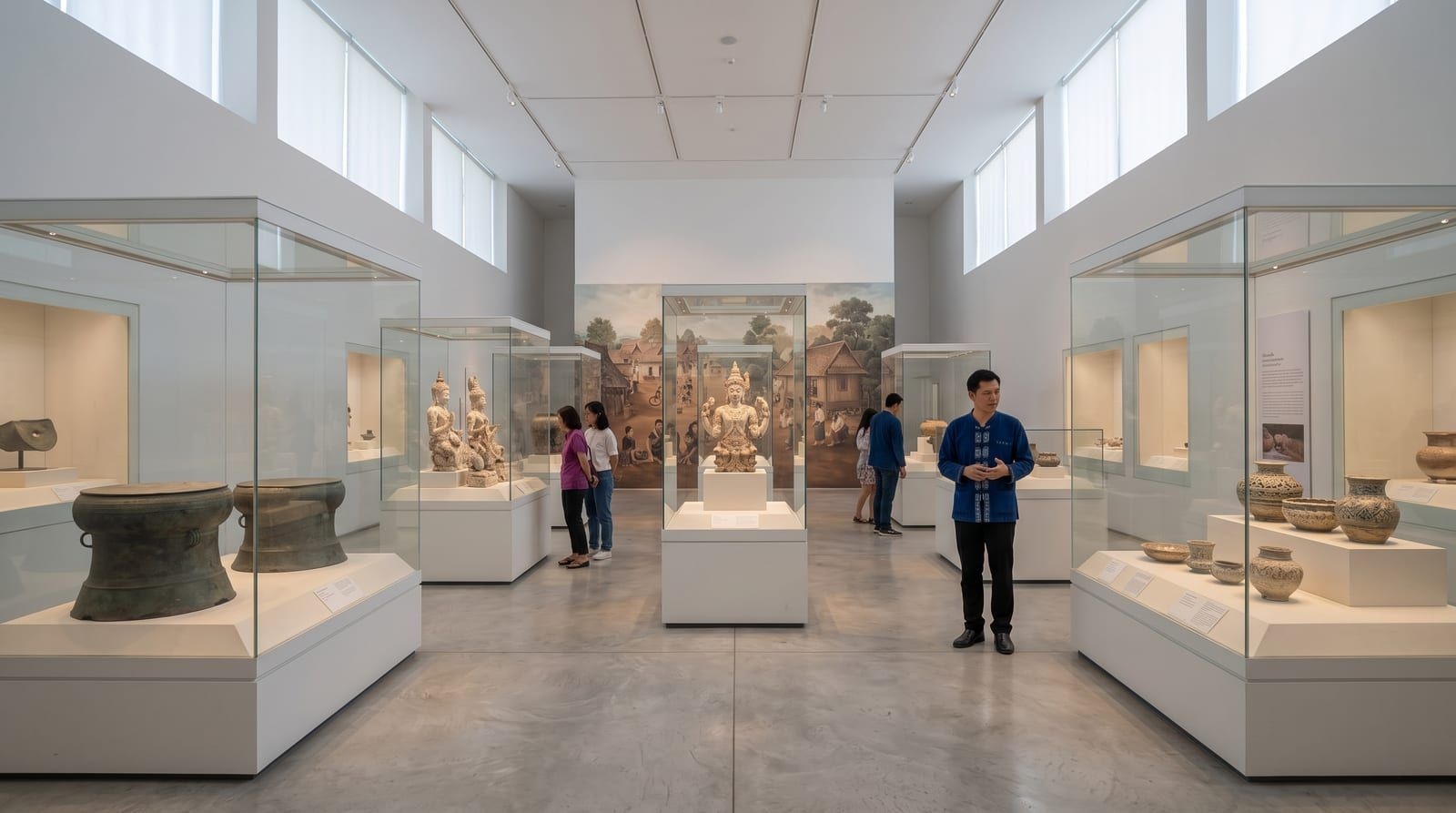
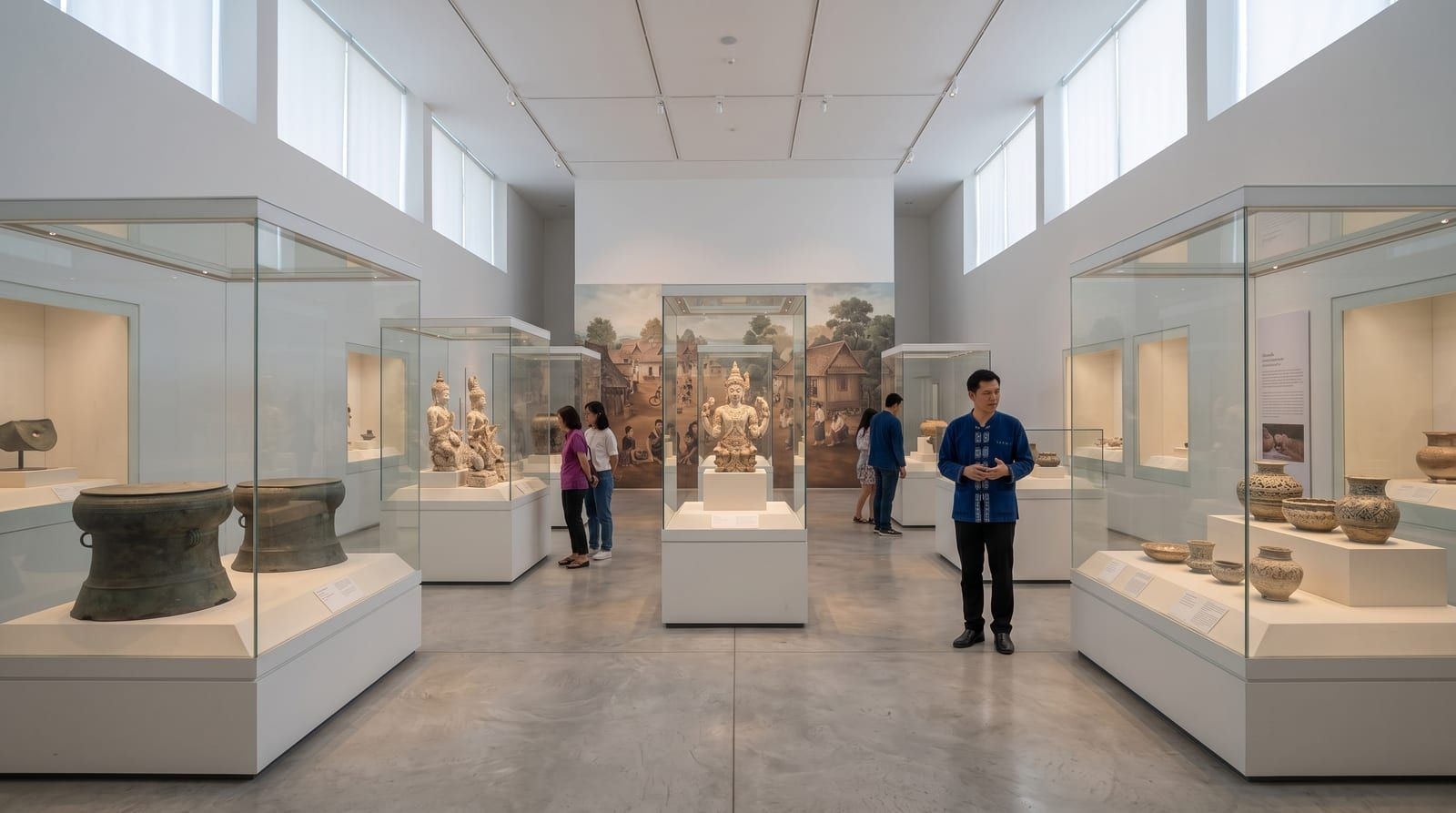
Established more than 50 years ago near Wat Chet Yot, this museum spreads its Lanna-focused collection across two floors following a recent renovation: Buddha images from the Chiang Saen era, cold weapons from 14th and 15th century conflicts, and tribal artifacts from across the wider Lanna region on the ground floor, with Northern Thai folk handicrafts upstairs. Open Wednesday to Sunday, 9am to 4pm, it charges 30 baht for foreign visitors.
The second floor rounds out the collection with folk handicrafts, wood carvings, and historic photographs of the old Chiang Mai kingdom, a useful complement to the more formal Buddha images and weaponry on display downstairs. Among history-focused museums in Chiang Mai, this pairing of royal and everyday material in one building is fairly unusual, and it rewards visitors willing to slow down on both floors rather than rushing through the ground level alone.
Detailed Information:
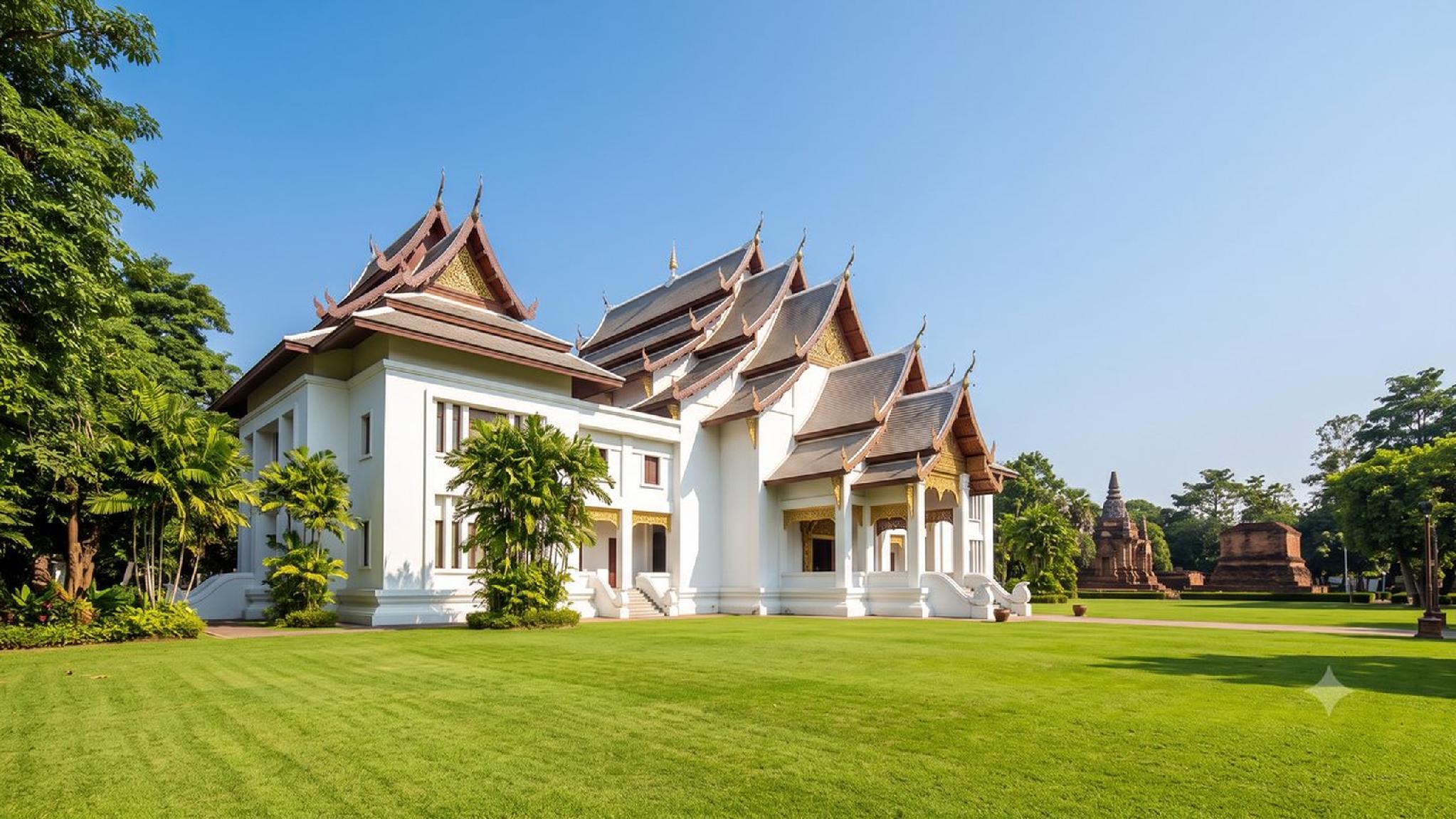,regionOfInterest=(1023,575.5))
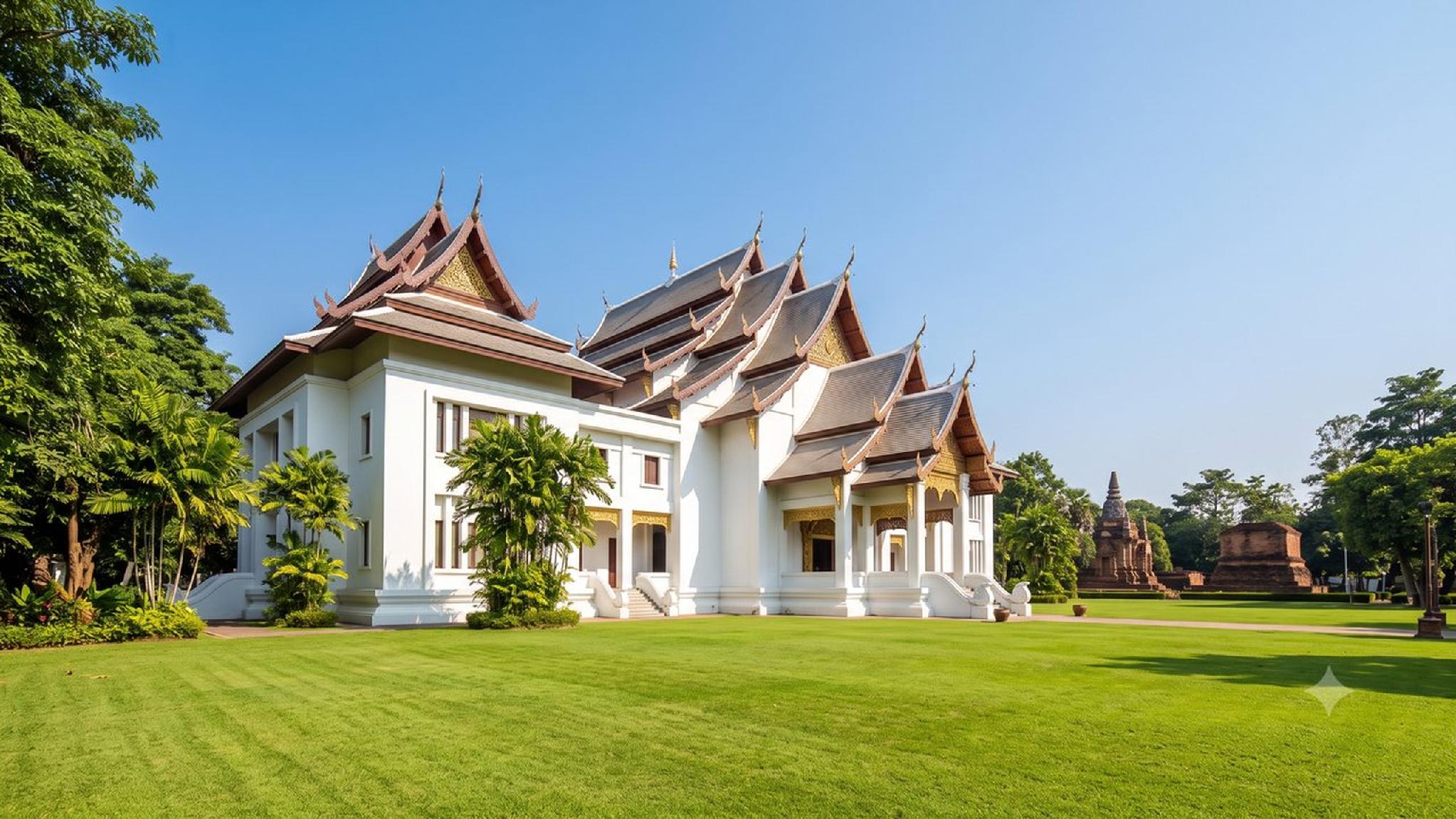,regionOfInterest=(1023,575.5))
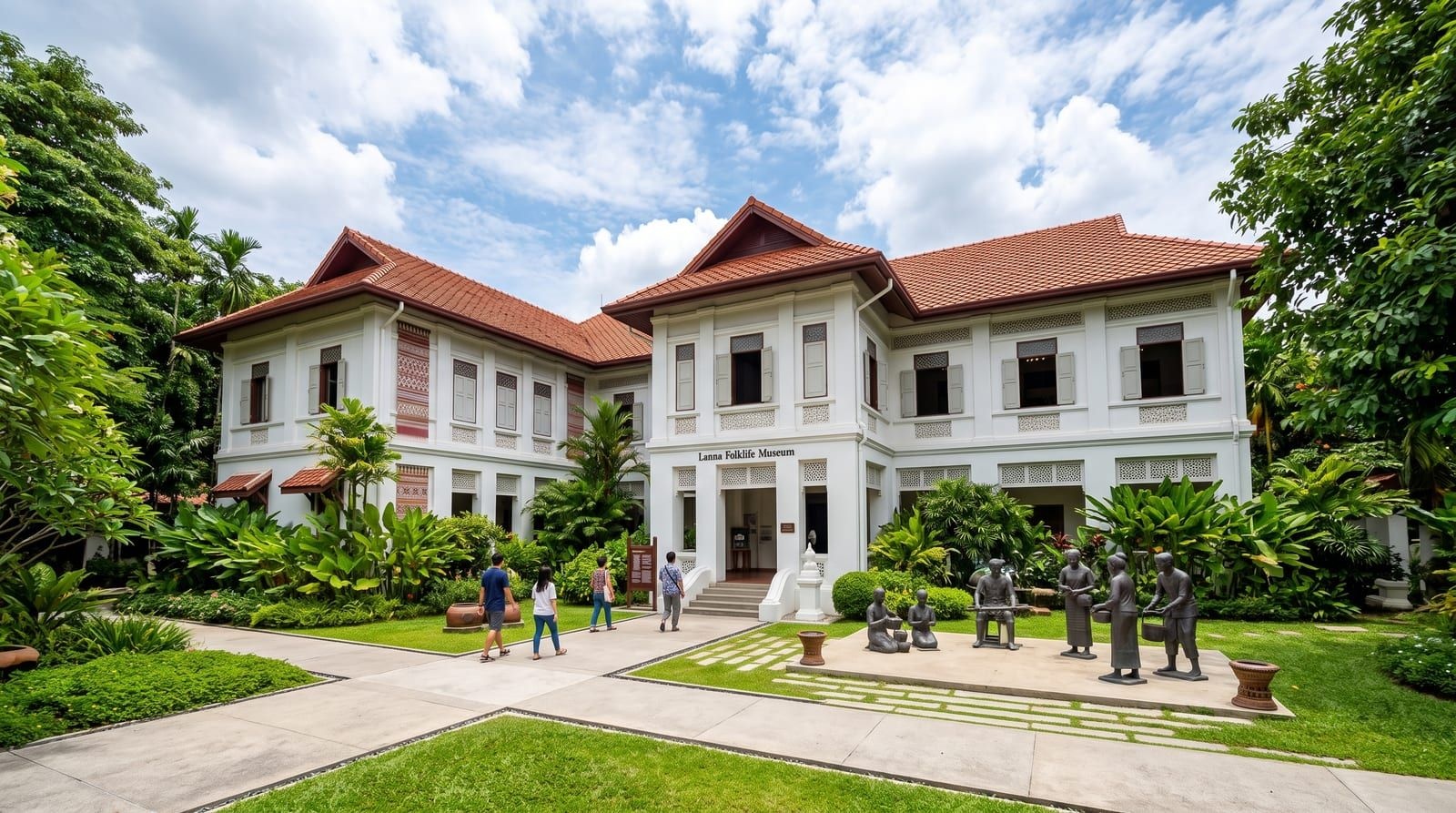
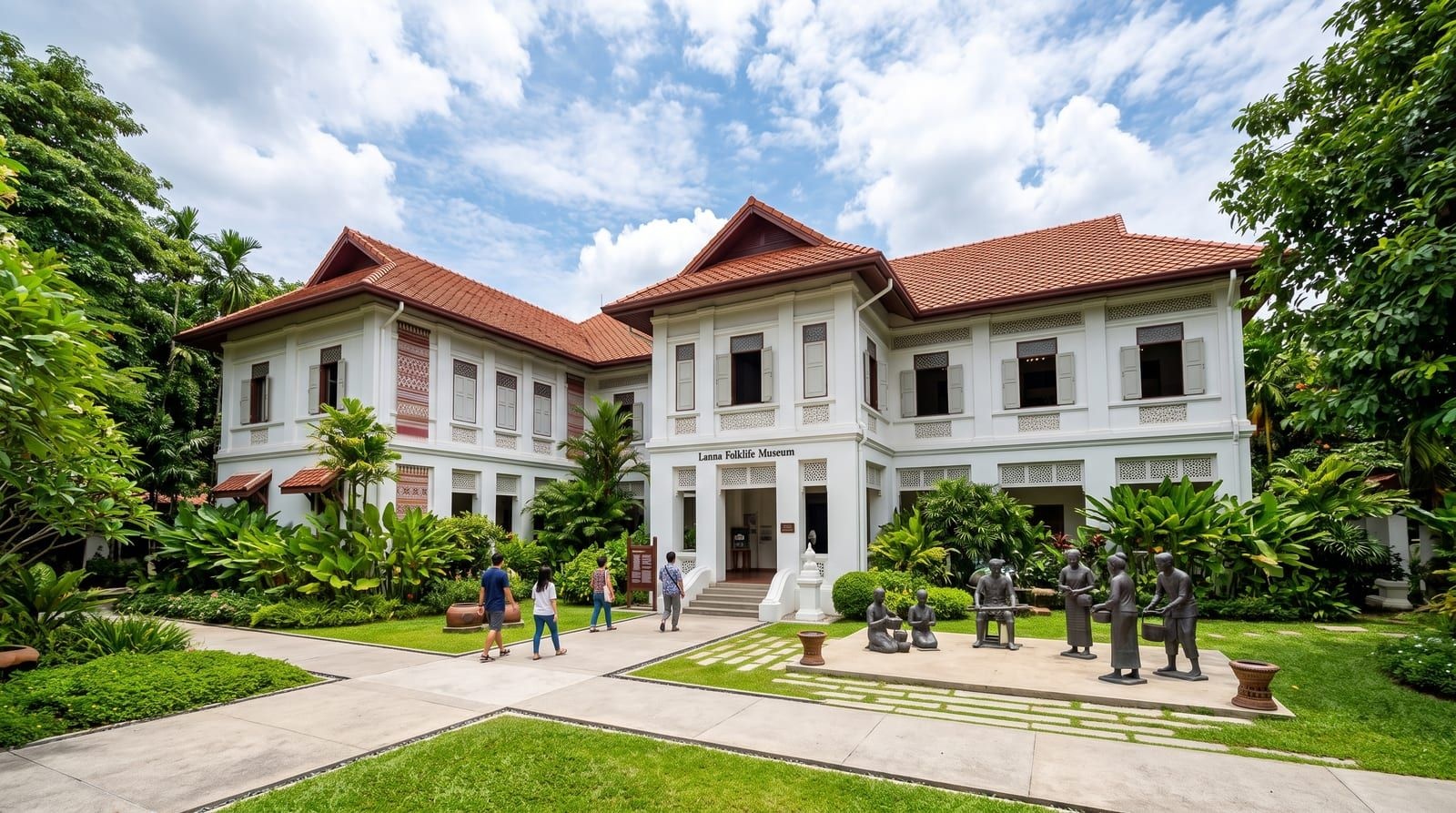
Inside a former 1935 provincial courthouse, this museum covers the daily texture of Northern Thai life rather than royal or military history specifically: ceremonial utensils, lacquerware and woven basketry, and murals depicting Lanna customs. It sits directly opposite the Chiang Mai City Arts & Cultural Centre.
Using a former courthouse as a museum building is not incidental either. The structure dates to the early 20th century, when Chiang Mai's administration modernised under closer Bangkok oversight, and repurposing it for cultural exhibits rather than demolishing it preserved a physical layer of the city's more recent history alongside the older Lanna material displayed inside. Walking through the Lanna Folklife Museum means walking through an actual early-1900s courthouse as much as it means viewing the exhibits themselves.
Detailed Information:
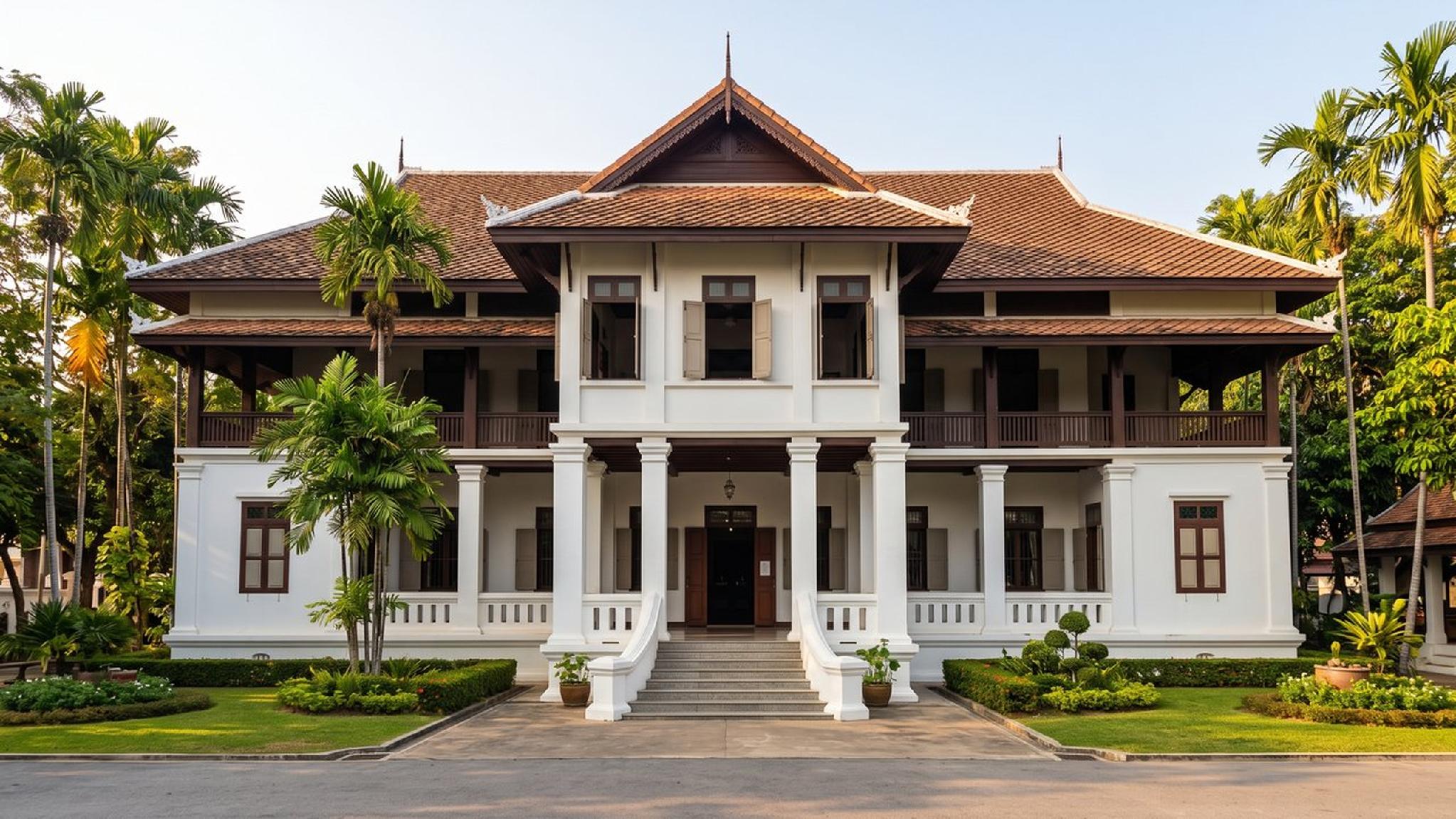,regionOfInterest=(1023,575.5))
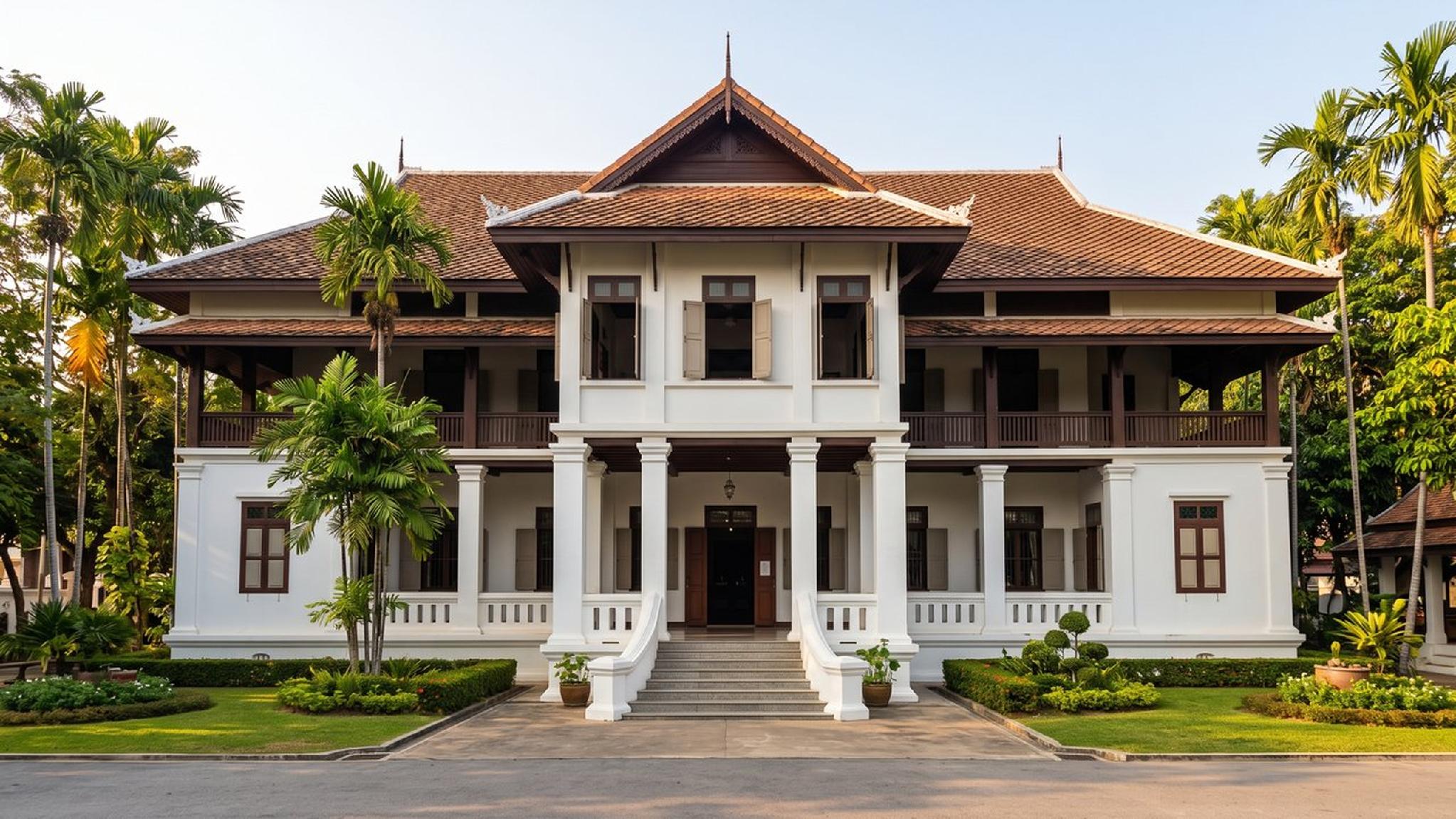,regionOfInterest=(1023,575.5))
Housed inside a former provincial hall of similar early-20th-century vintage, this museum takes the broader view, covering the city's entire history from its 1296 founding through the present day rather than focusing on any single period or theme.
Detailed Information:
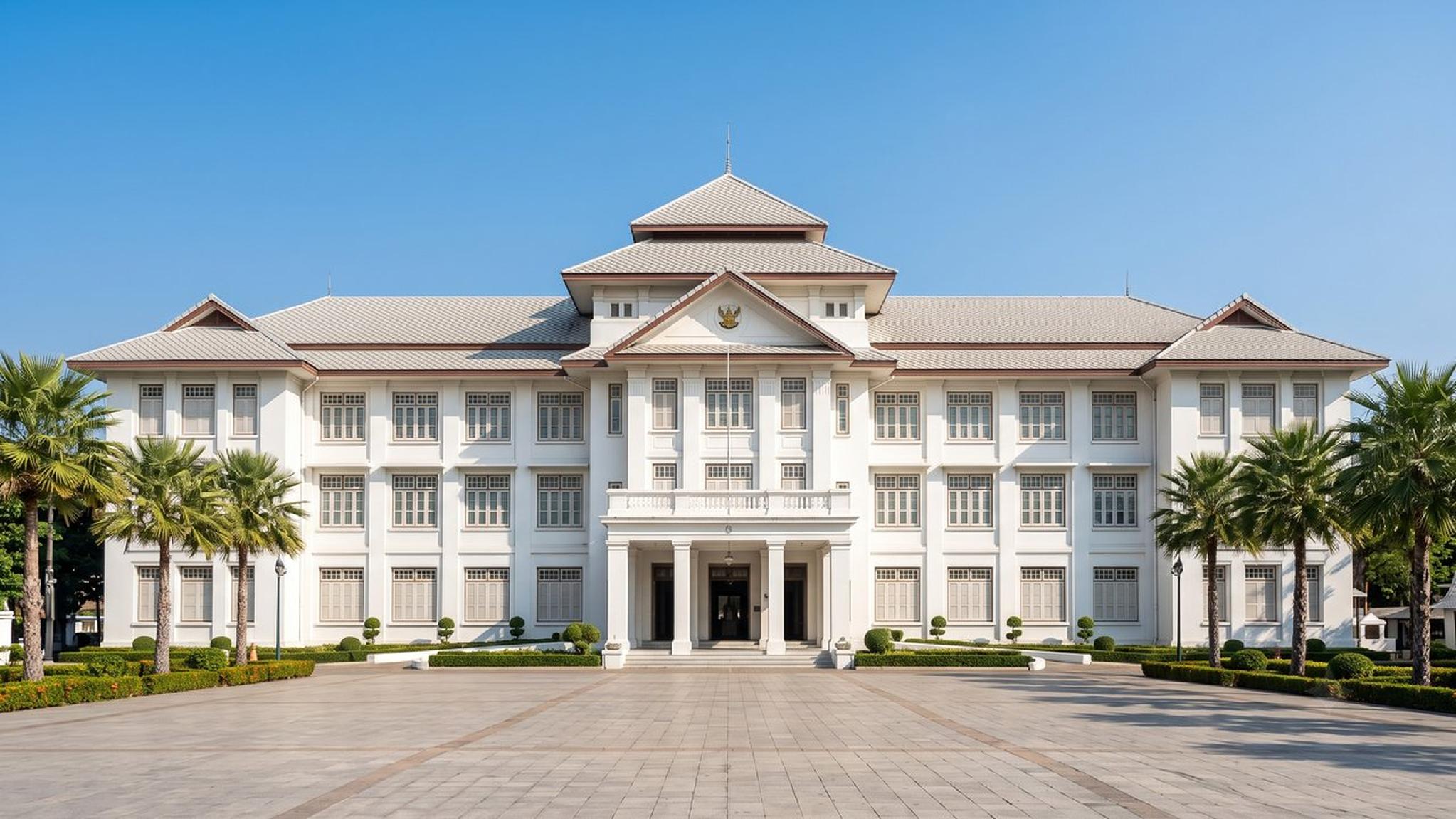,regionOfInterest=(1023,575.5))
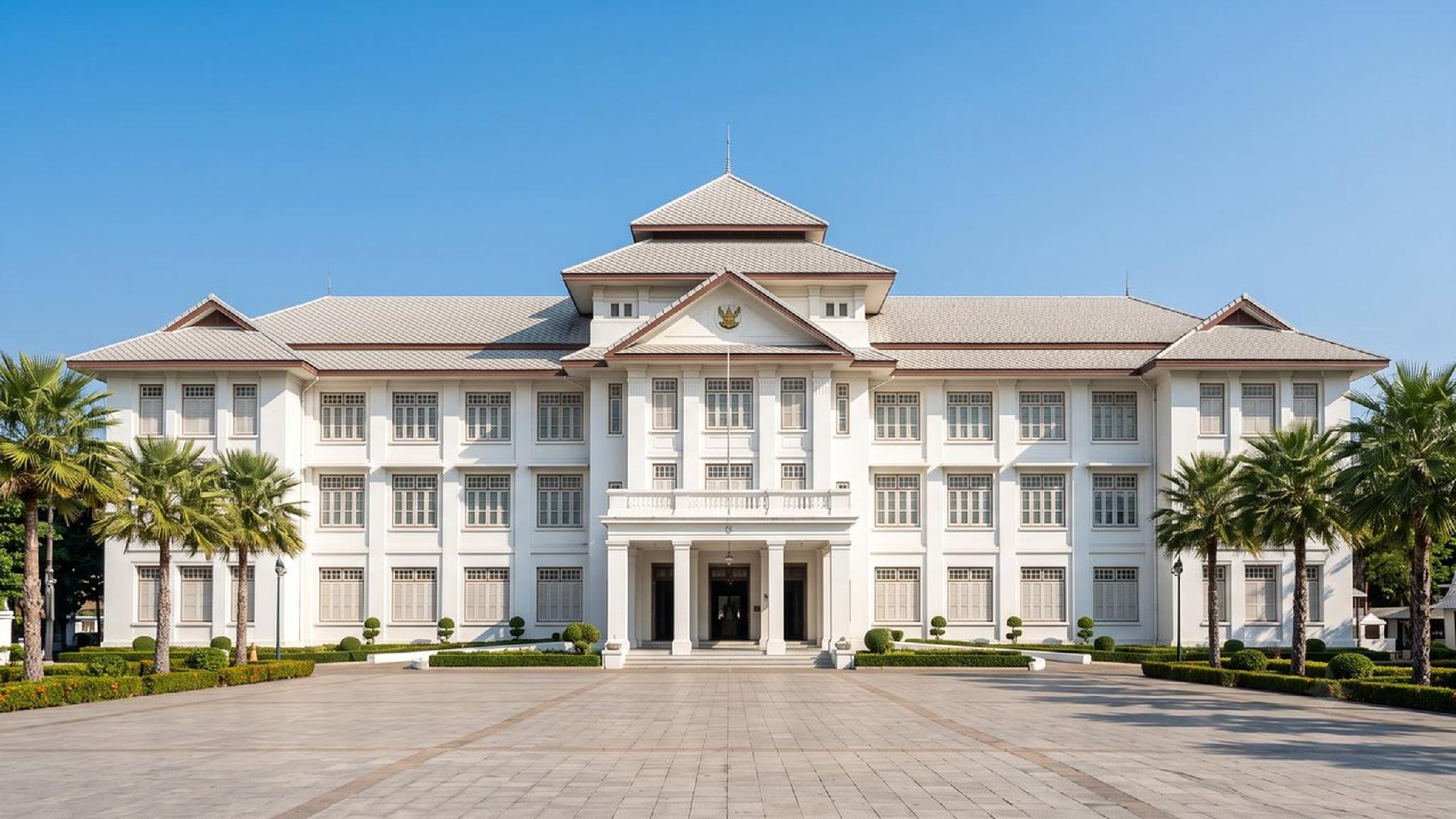,regionOfInterest=(1023,575.5))
The third piece of the combined ticket uses scale models and timelines to walk through the city's founding and its centuries under Lanna, Burmese, and later Siamese rule, context that makes the individual temples and buildings covered elsewhere in this batch's guides click into place a little more clearly.
A combined ticket covering all three, the Arts & Cultural Centre, the Lanna Folklife Museum, and the Historical Centre, costs 180 baht for adults (about US$5) and stays valid for a full week, considerably better value than paying for each individually at 90 baht apiece.
Detailed Information:
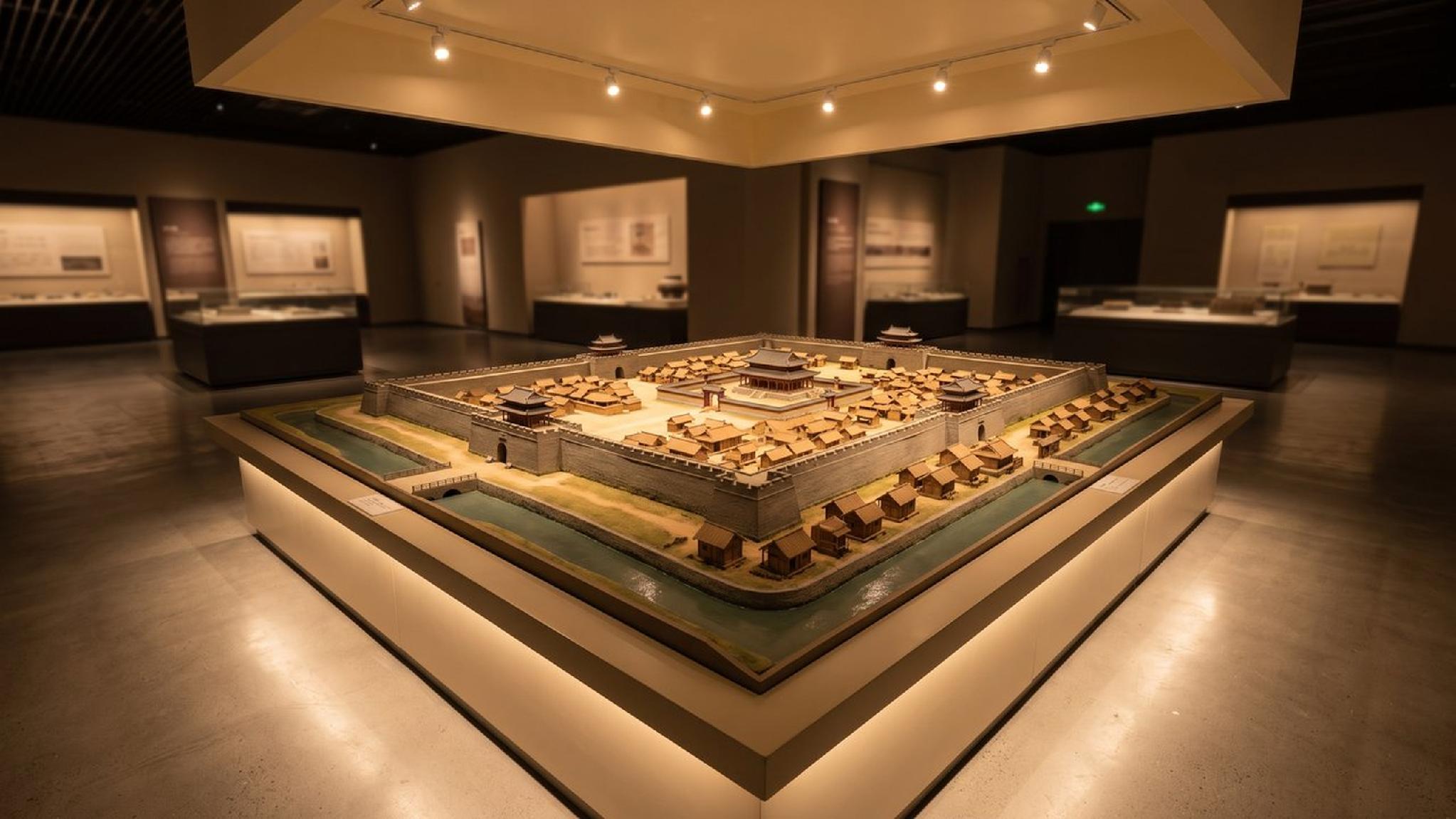,regionOfInterest=(1023,575.5))
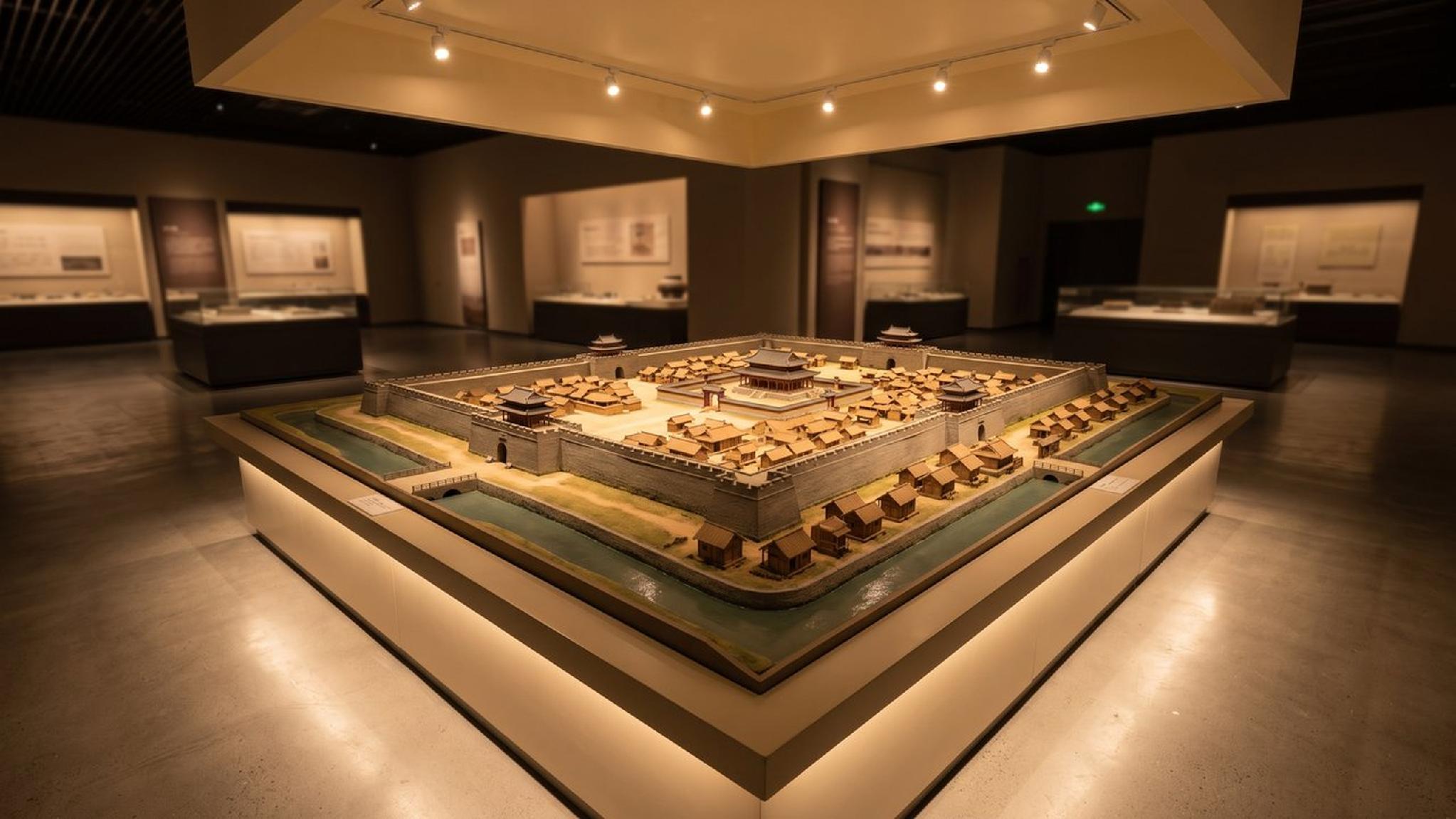,regionOfInterest=(1023,575.5))
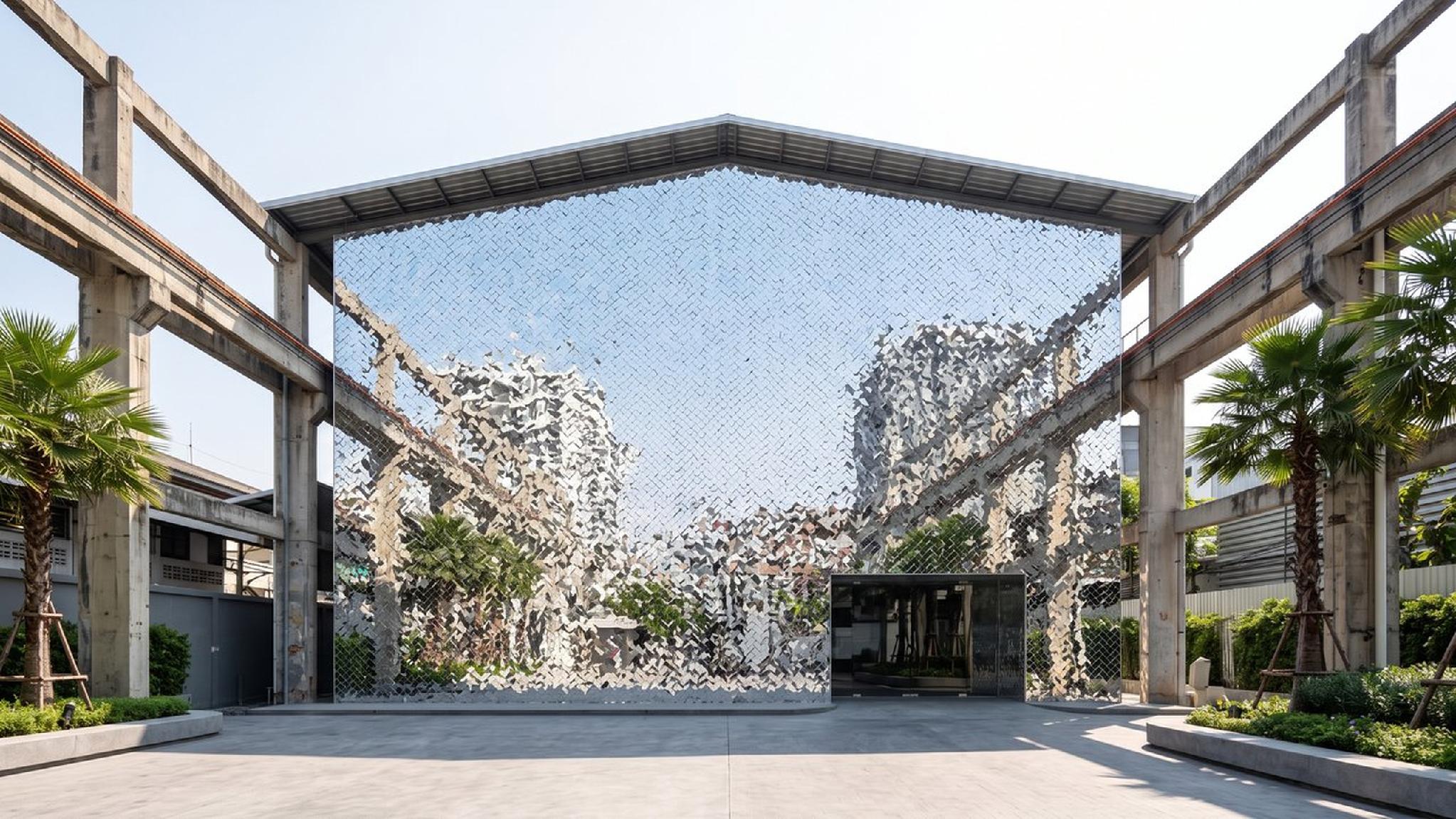
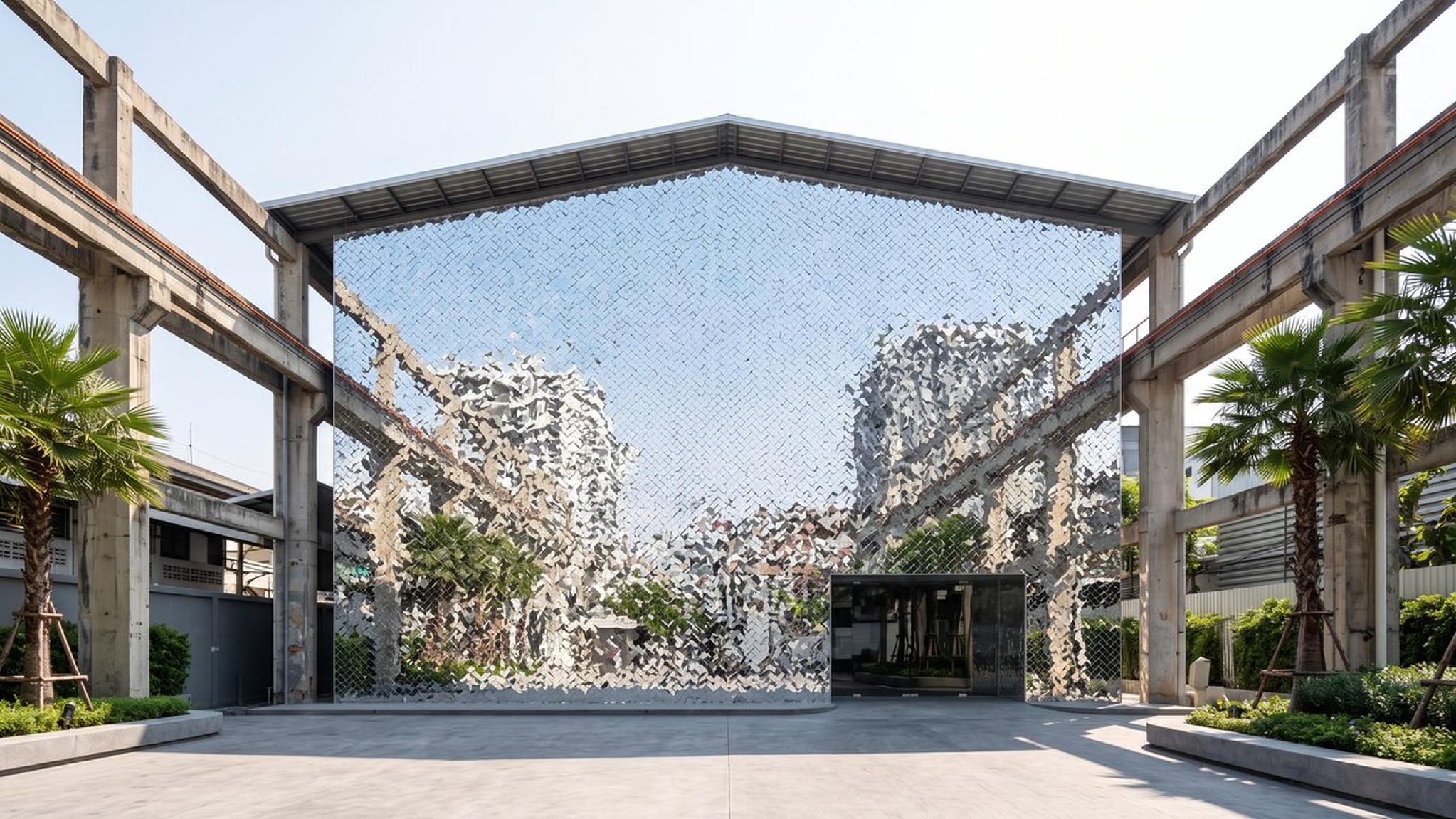
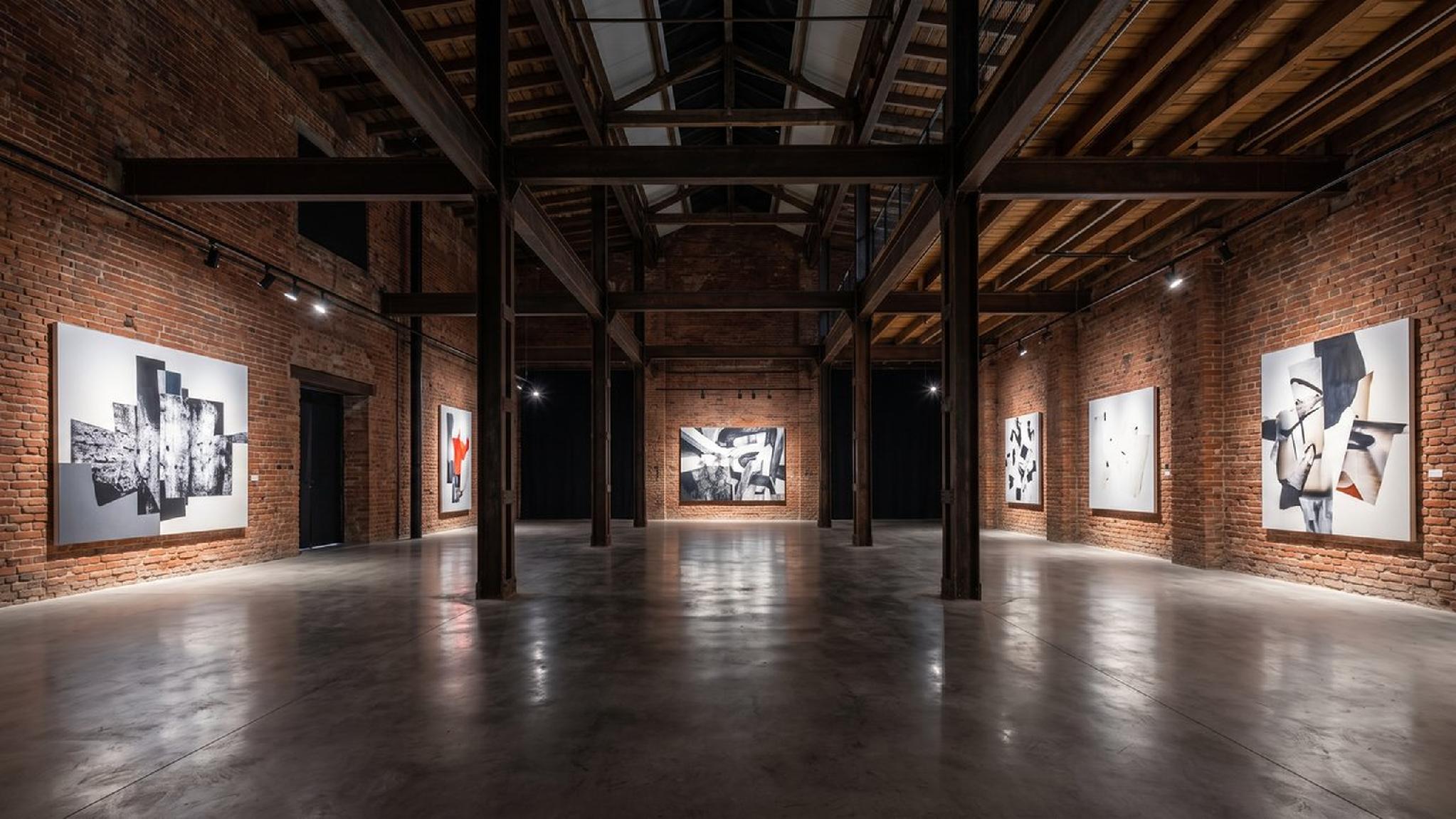
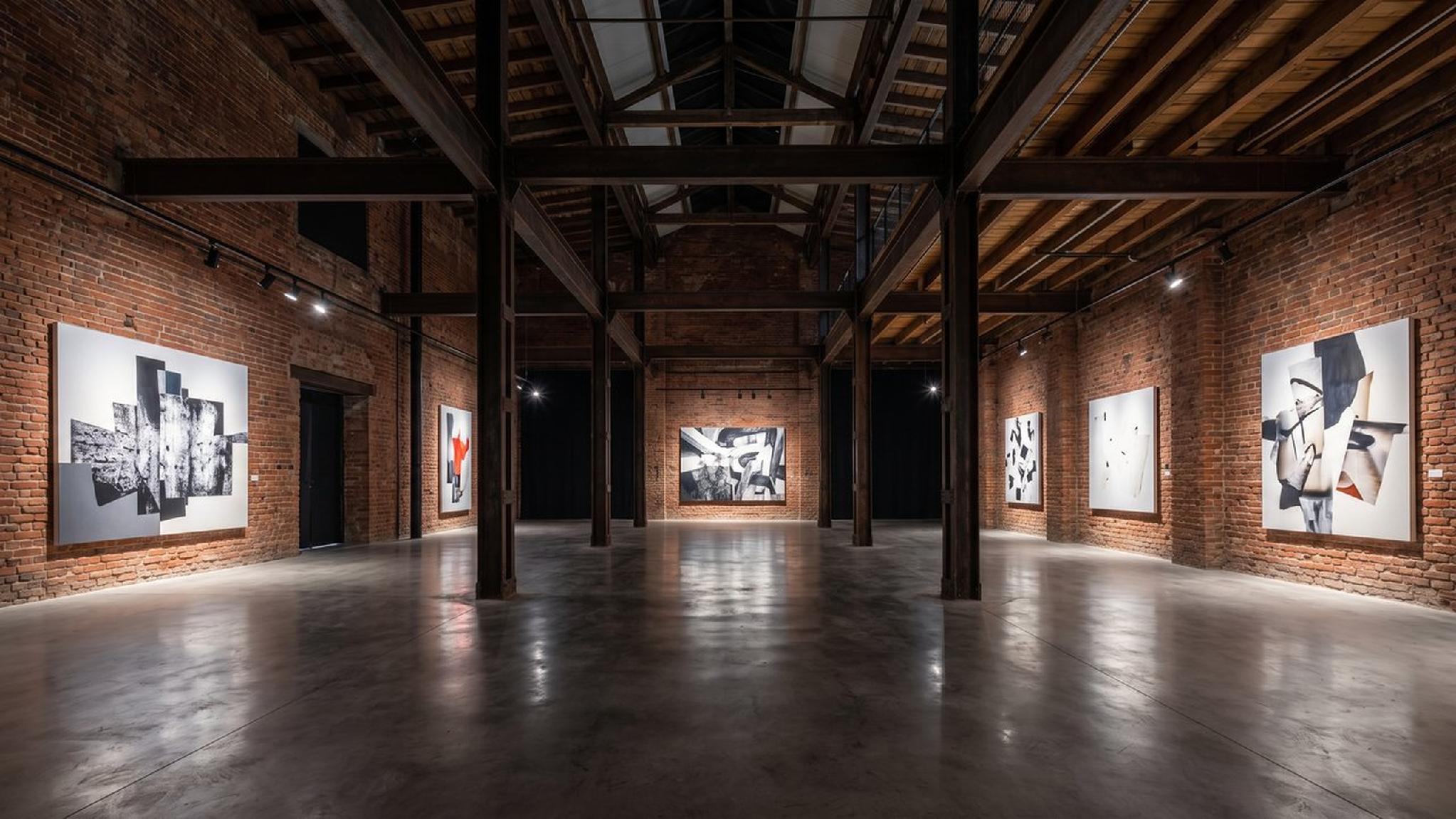
Two private museums lead the city's contemporary art scene, both built inside repurposed industrial buildings rather than a traditional gallery space. Below are both, and what makes each one worth the trip.
,regionOfInterest=(1023,575.5))
,regionOfInterest=(1023,575.5))
Out in the Sankampaeng district east of the city, MAIIAM opened in 2016 inside a converted warehouse and holds a private collection built by the Bunnag-Beurdeley family over three decades, work from prominent Thai artists including Montien Boonma and Kamin Lertchaiprasert, focused on how contemporary Southeast Asian art reflects the region's own social and cultural shifts. Long-term and temporary exhibitions run alongside film screenings and workshops rather than a static permanent hang.
The museum's name itself carries a small piece of family history: Maiiam reads the same forwards and backwards, combining mai, meaning new in Thai, with iam, honouring Chao Chom Iam, a royal consort to King Rama V connected to the founding family. That blend of playful wordplay and genuine royal lineage sets the tone for a museum that treats contemporary art as a continuation of Thai history rather than a break from it.
Detailed Information:
,regionOfInterest=(1023,575.5))
,regionOfInterest=(1023,575.5))
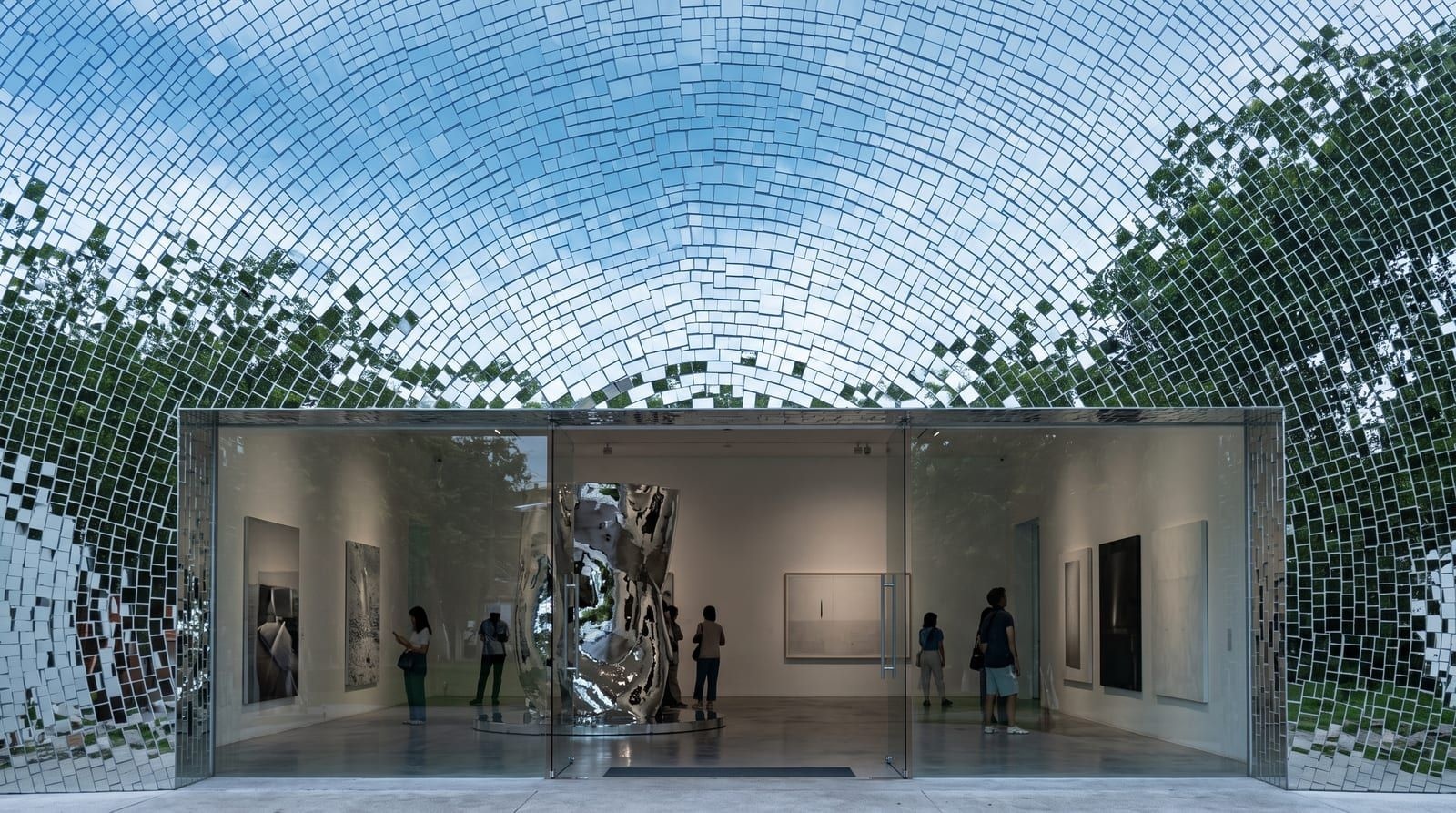
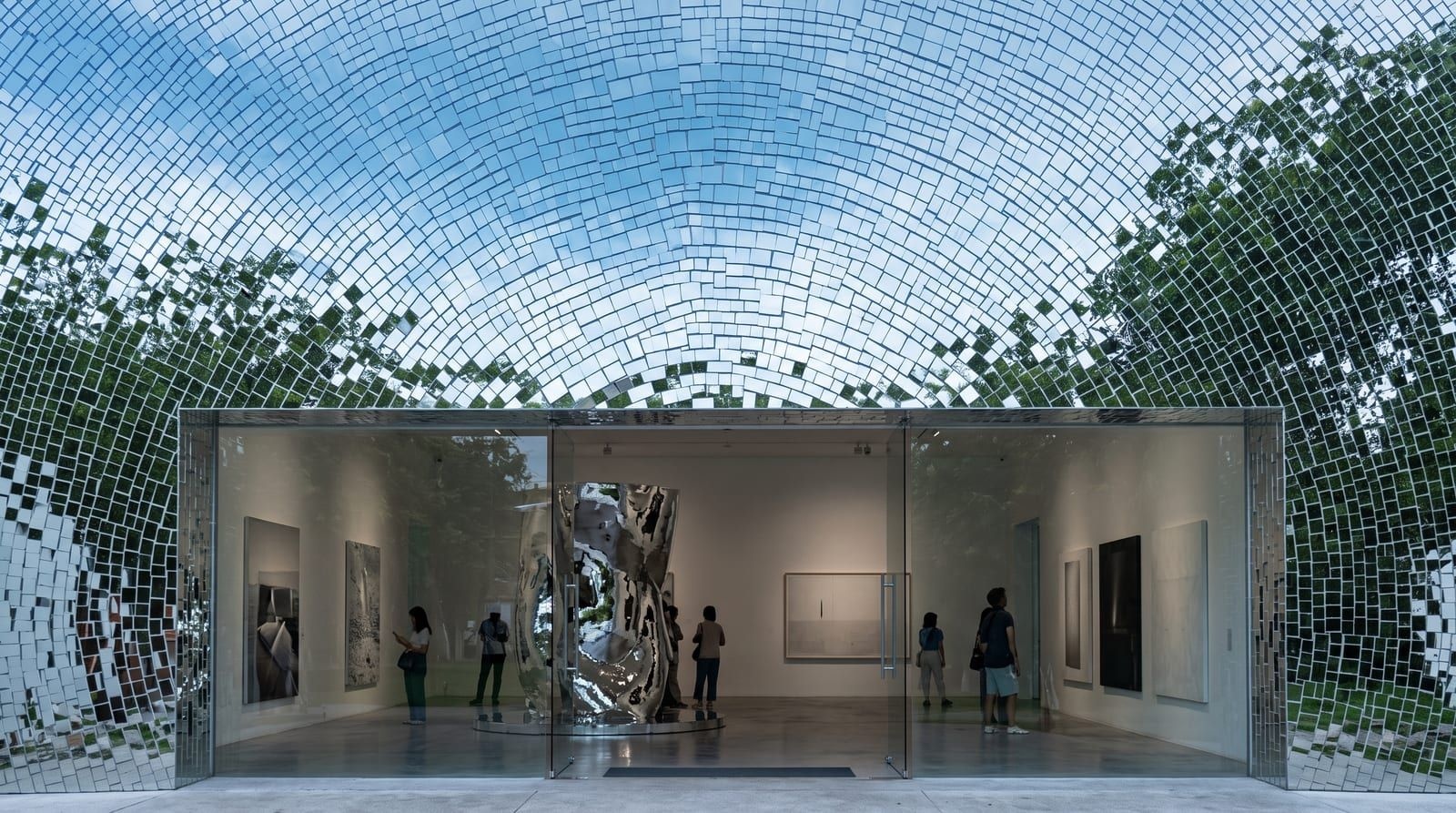
Fahlanna takes a different approach entirely, housed inside a repurposed former tobacco factory and walking visitors through Lanna spirituality, textiles, and kingship using more contemporary display technology than the city's older institutions, a useful pairing for anyone who wants the region's history told with a distinctly modern hand rather than a traditional glass-case exhibit.
Both museums treat the building itself as part of the exhibit rather than a neutral container: MAIIAM's exposed warehouse structure and Fahlanna's industrial tobacco-drying architecture both stay visible around the artwork rather than being fully disguised, a design choice that ties the collections back to the region's own recent industrial and agricultural past even while the art inside looks firmly forward. Among art-focused museums in Chiang Mai, this kind of adaptive reuse is becoming something of a local signature rather than a one-off idea. Rotating exhibitions also mean neither museum looks quite the same on a repeat visit a year or two later, so checking each museum's current show before a visit is worth doing for anyone who has already been once.
Detailed Information:
,regionOfInterest=(1023,575.5))
,regionOfInterest=(1023,575.5))
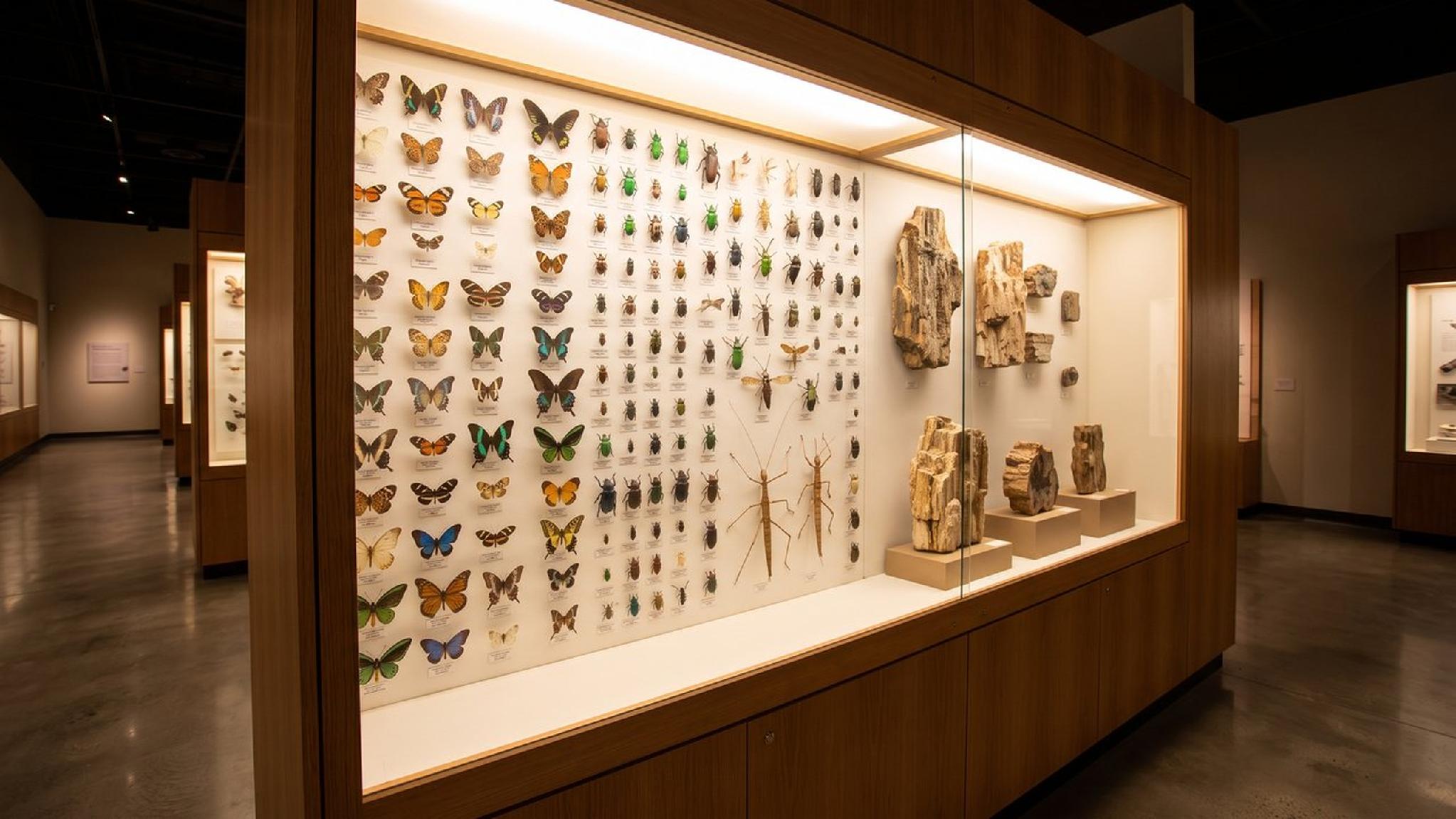
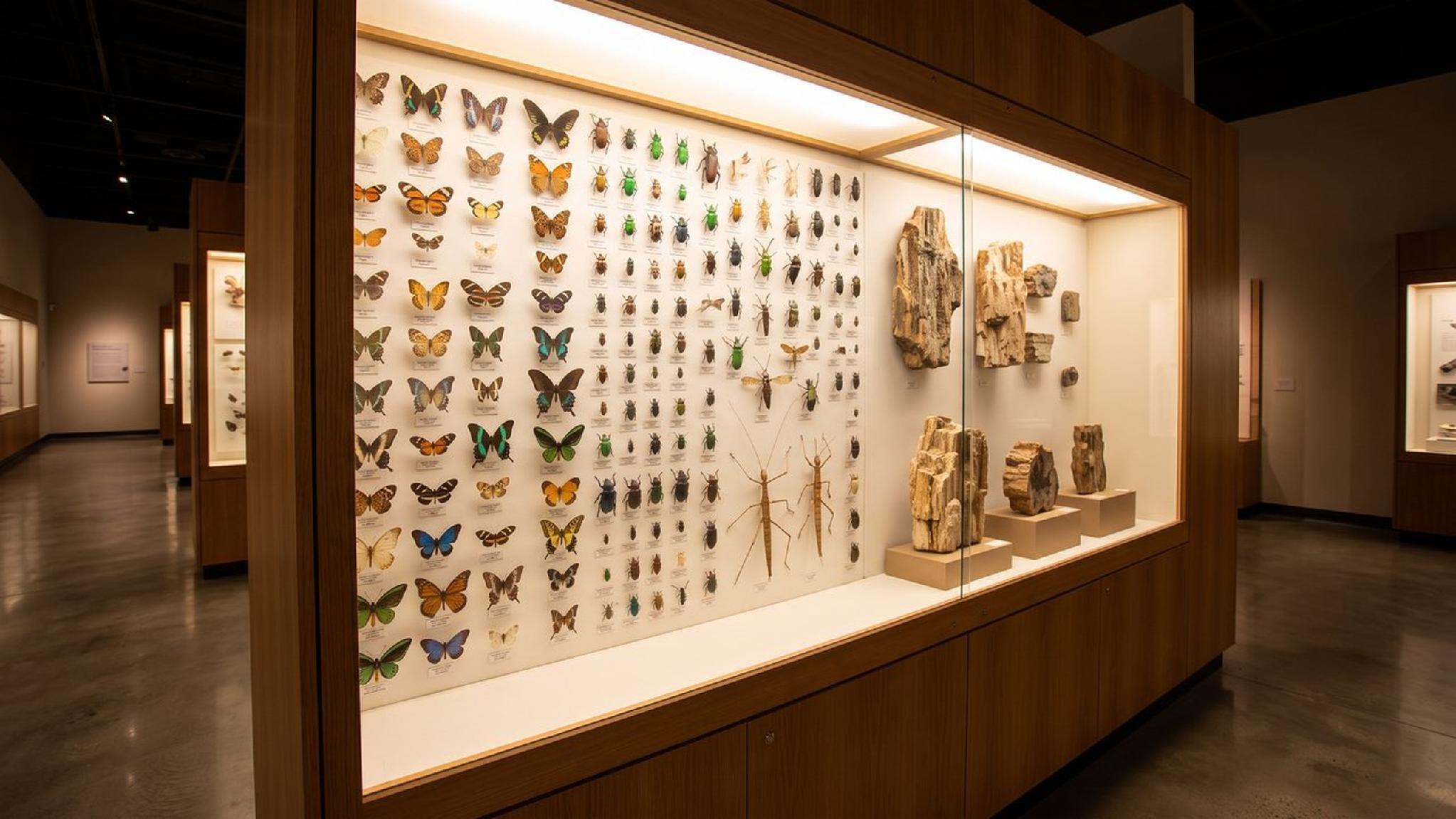
On Nimmanhaemin's Soi 13, this is the single most unusual entry on this list: three floors covering more than 10,000 insect specimens, petrified wood over 145 years old, and a mosquito collection assembled by malaria researcher Dr Rampa Rattanarithikul and her husband Manop over more than 40 years of fieldwork, among the most complete of its kind in the world. It opened in 2002 and opens daily except Wednesday, 10am to 3pm, for 200 baht.
Among museums in Chiang Mai built around a single obsessive collection rather than a broad survey, this is the clearest example, and it rewards curiosity about the subject far more than a quick walk-through.
The mosquito collection specifically ties back to real public health work rather than existing purely for display: Dr Rampa Rattanarithikul's research contributed close to 500 mosquito species to the global scientific record, work that fed directly into malaria control efforts across the region, which gives the museum's centrepiece a genuine scientific weight beyond the novelty of seeing that many specimens in one place.
Few museums in Chiang Mai combine hard science with this kind of accessible, almost eccentric presentation, poems and personal reflections on nature are woven between the specimen cases rather than kept to a dry, purely clinical format, which is part of why it draws such a loyal following among repeat visitors to the city.
Detailed Information:
Here is how the confirmed pricing compares at a glance.
Museum | Type | Entry Fee |
Chiang Mai National Museum | History | 30 baht (foreign visitors) |
Lanna Folklife Museum | History | 90 baht, or included in the 180 baht combo |
Chiang Mai City Arts & Cultural Centre | History | 90 baht, or included in the 180 baht combo |
Chiang Mai Historical Centre | History | Included in the 180 baht combo |
MAIIAM Contemporary Art Museum | Art | 200 baht |
Fahlanna Art Museum | Art | 100 baht (free for Thai nationals with ID) |
Museum of World Insects and Natural Wonders | Specialty | 200 baht |
Disclaimer: Entry fees may have changed since publication; please check locally for current rates.
,regionOfInterest=(1023,575.5))
,regionOfInterest=(1023,575.5))
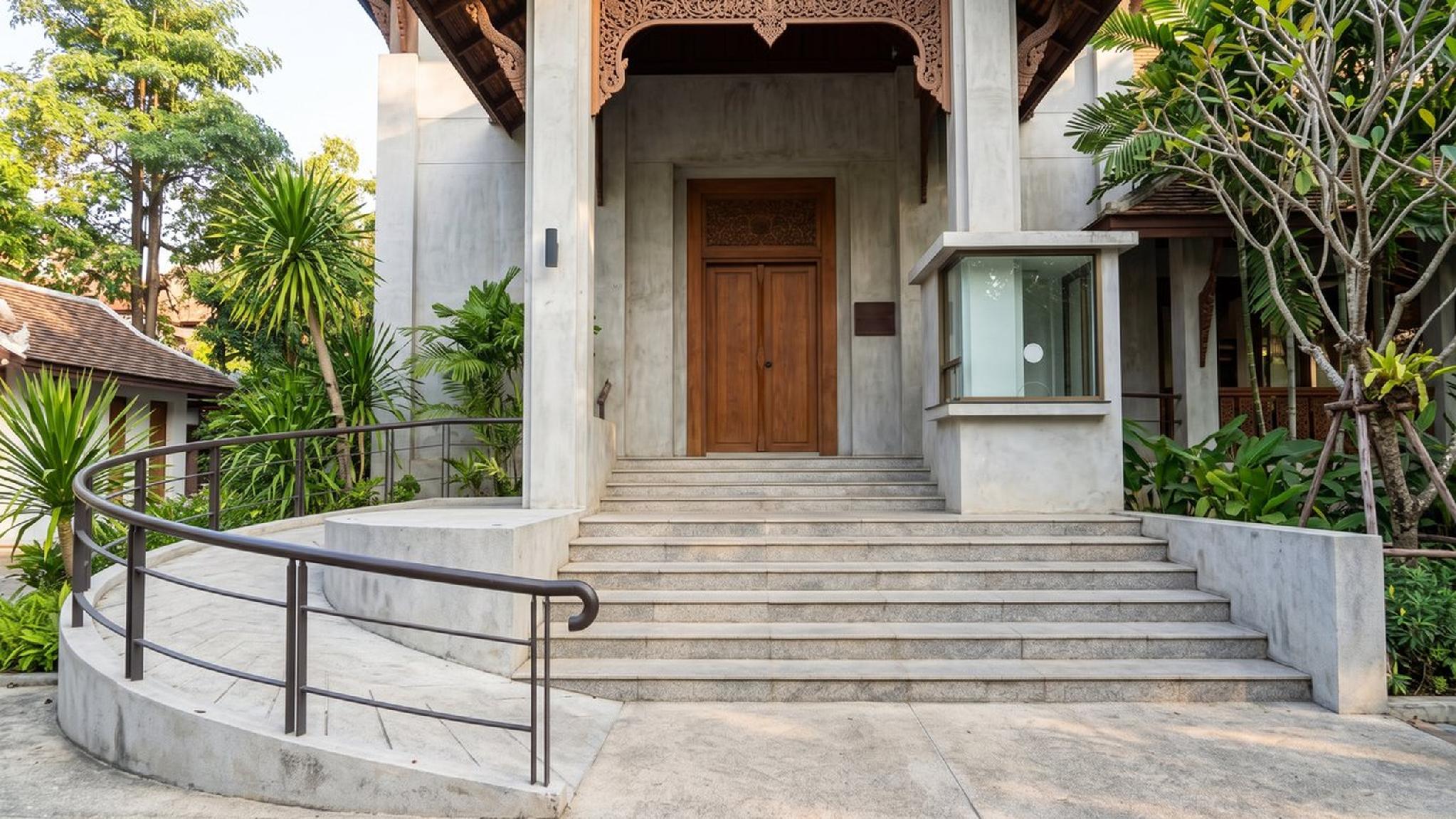
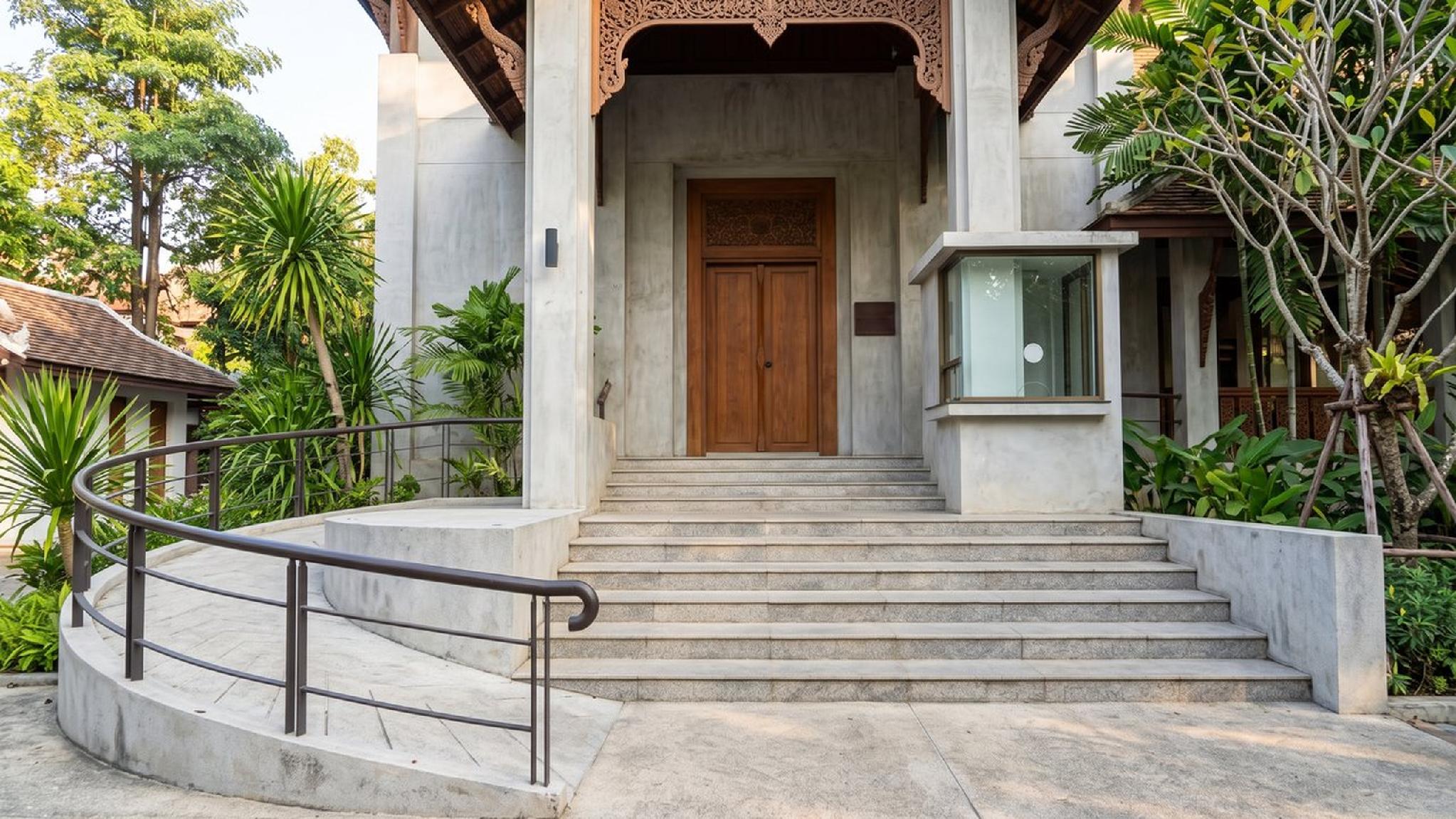
The Lanna Folklife Museum, the Chiang Mai City Arts & Cultural Centre, and the Chiang Mai Historical Centre all sit within a few minutes of each other in the Old City, making the combined week-long ticket the easiest way to cover Chiang Mai's civic history in a single morning. The Chiang Mai National Museum sits further north near Wat Chet Yot, an easy add-on to a temple-focused day rather than the Old City cluster.
MAIIAM and the Museum of World Insects sit in opposite directions from the centre of the city, Sankampaeng to the east and Nimmanhaemin to the west, so pairing either one with whichever side of the city a trip already has planned for that particular day tends to work better than trying to fit both into one single outing.
Area | Museums | Pairs Well With |
Old City | Lanna Folklife Museum, Arts & Cultural Centre, Historical Centre | A morning of Old City temples |
Near Wat Chet Yot | Chiang Mai National Museum | A temple-focused day further north |
Sankampaeng (east) | MAIIAM Contemporary Art Museum | A trip to Bo Sang or San Kamphaeng craft villages |
Nimmanhaemin (west) | Museum of World Insects and Natural Wonders | A café-hopping afternoon in Nimman |
,regionOfInterest=(1023,575.5))
,regionOfInterest=(1023,575.5))
Most museums in Chiang Mai charge between 20 and 200 baht (about US$0.60 to US$6), among the more affordable museum admissions found anywhere in the region, and the 180 baht three-museum combo ticket covering the Old City cluster is worth buying on arrival at any one of the three rather than paying individually at each separate door.
Nearly every museum on this list closes at least one day a week, generally Monday for the municipal cluster and Wednesday for the Museum of World Insects, so checking the specific day before planning a route matters more here than it does for temples or markets that stay open daily. Wheelchair access varies by building, older repurposed structures like the former courthouse and provincial hall generally offer less step-free access than newer purpose-built spaces like MAIIAM.
English-language signage is generally solid at the Old City cluster and at MAIIAM, less consistent at the smaller specialty museums, where a staff member on hand to answer questions tends to matter more than the printed labels themselves. Arriving with a specific question in mind, rather than expecting a fully guided experience everywhere, tends to produce a better visit at the more modest institutions on this list.
Here is every closing day and opening window on this list at a glance, worth checking before building a route around more than one museum in a single day. (Disclaimer: Operating schedules are subject to change due to holidays or seasonal updates. Always confirm directly before visiting.)
Museum | Open Days | Hours |
Chiang Mai National Museum | Wednesday to Sunday | 9am to 4pm |
Lanna Folklife Museum | Daily except Monday | 8:30am to 5pm |
Chiang Mai City Arts & Cultural Centre | Daily except Monday | 8:30am to 5pm |
Chiang Mai Historical Centre | Daily except Monday | 8:30am to 5pm |
MAIIAM Contemporary Art Museum | Daily except Tuesday | 10am to 6pm |
Fahlanna Art Museum | Daily except Wednesday | 10am to 7pm |
Museum of World Insects and Natural Wonders | Daily except Wednesday | 10am to 3pm |
Buy the 180 baht three-museum combo ticket at whichever of the three sits first on the day's route, since it works at any of the three entrances, and confirm MAIIAM's and Fahlanna's current opening days directly before a visit, since private museums sometimes adjust hours around exhibition changes.
,regionOfInterest=(1771.5,1181.5))
,regionOfInterest=(1771.5,1181.5))
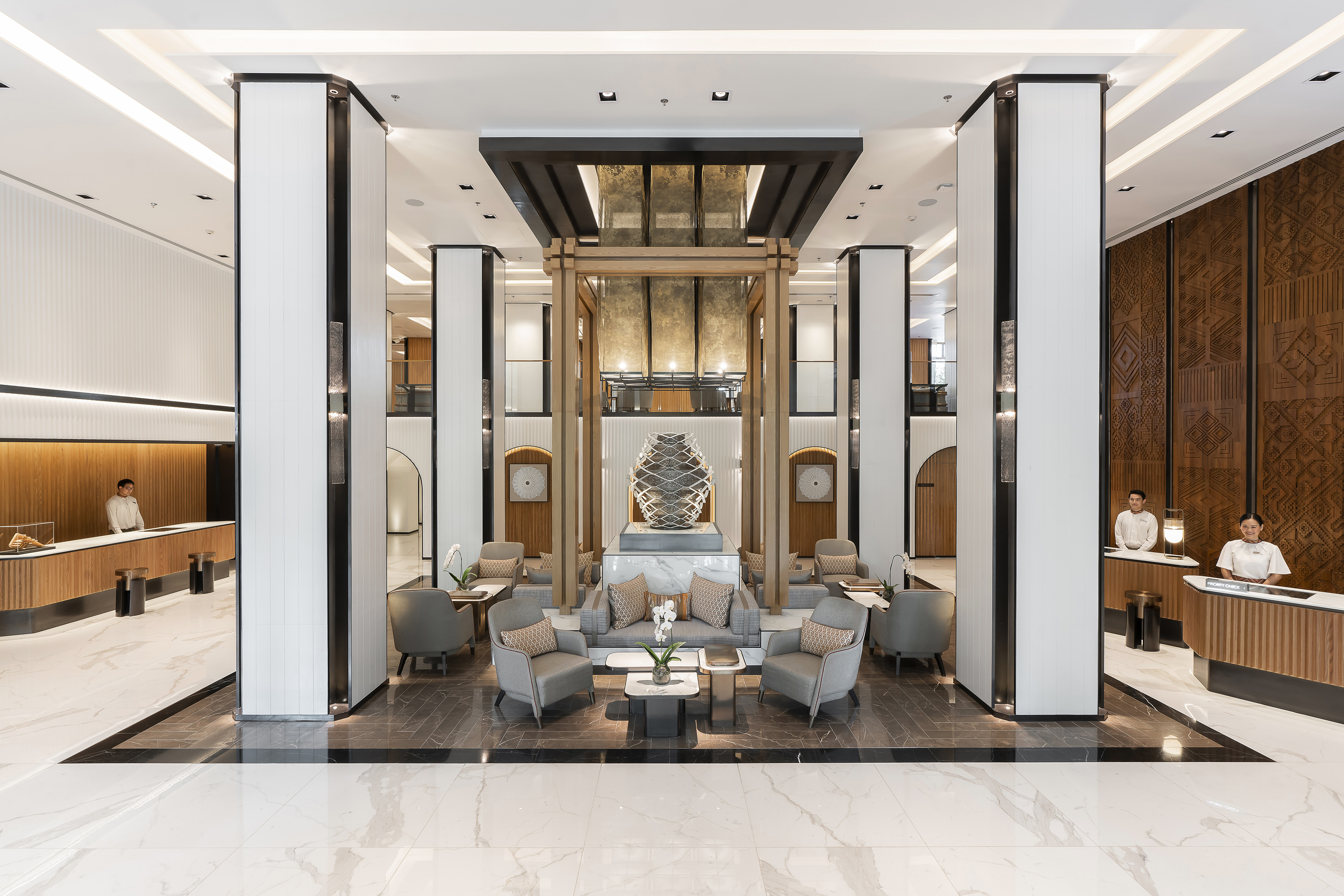
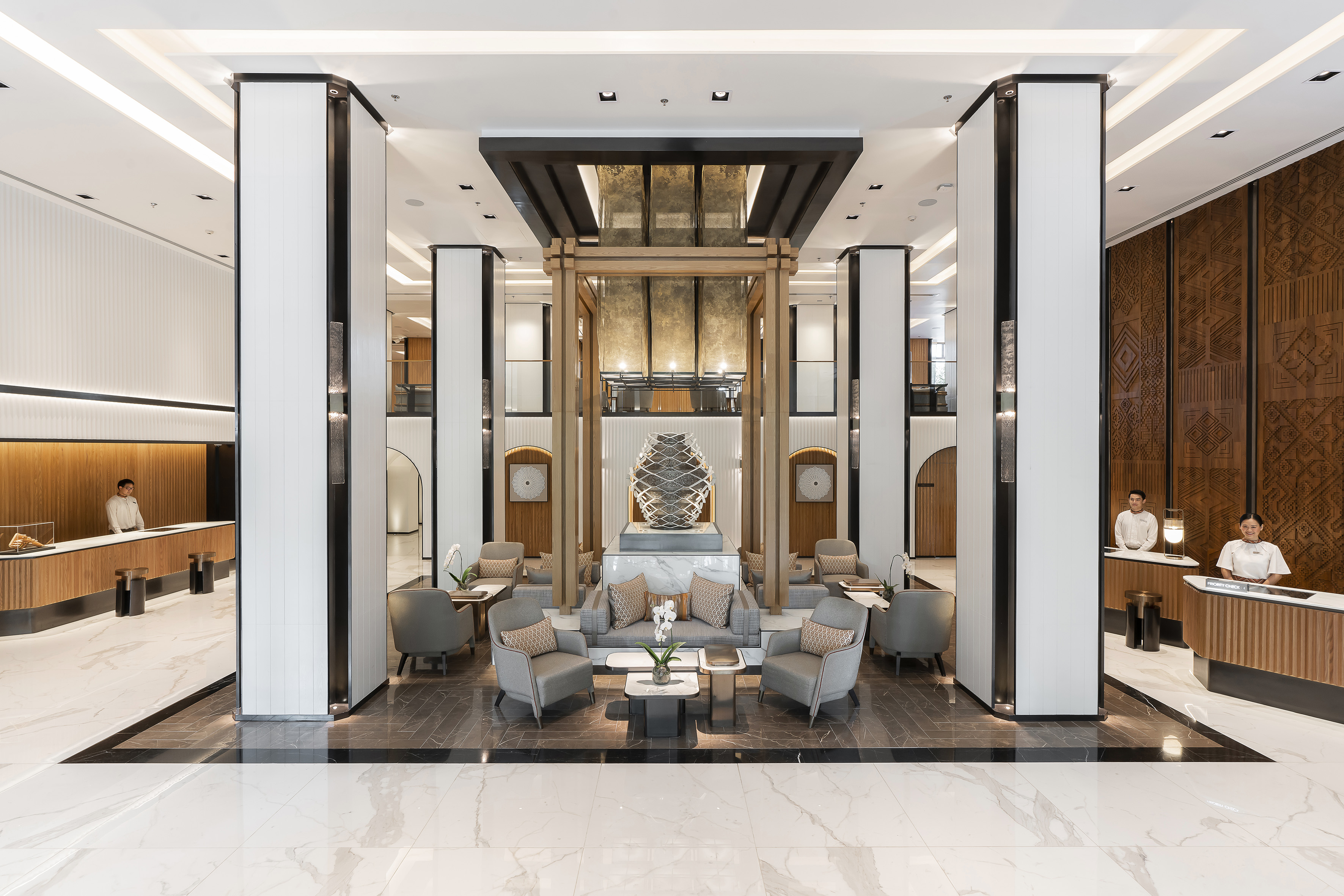
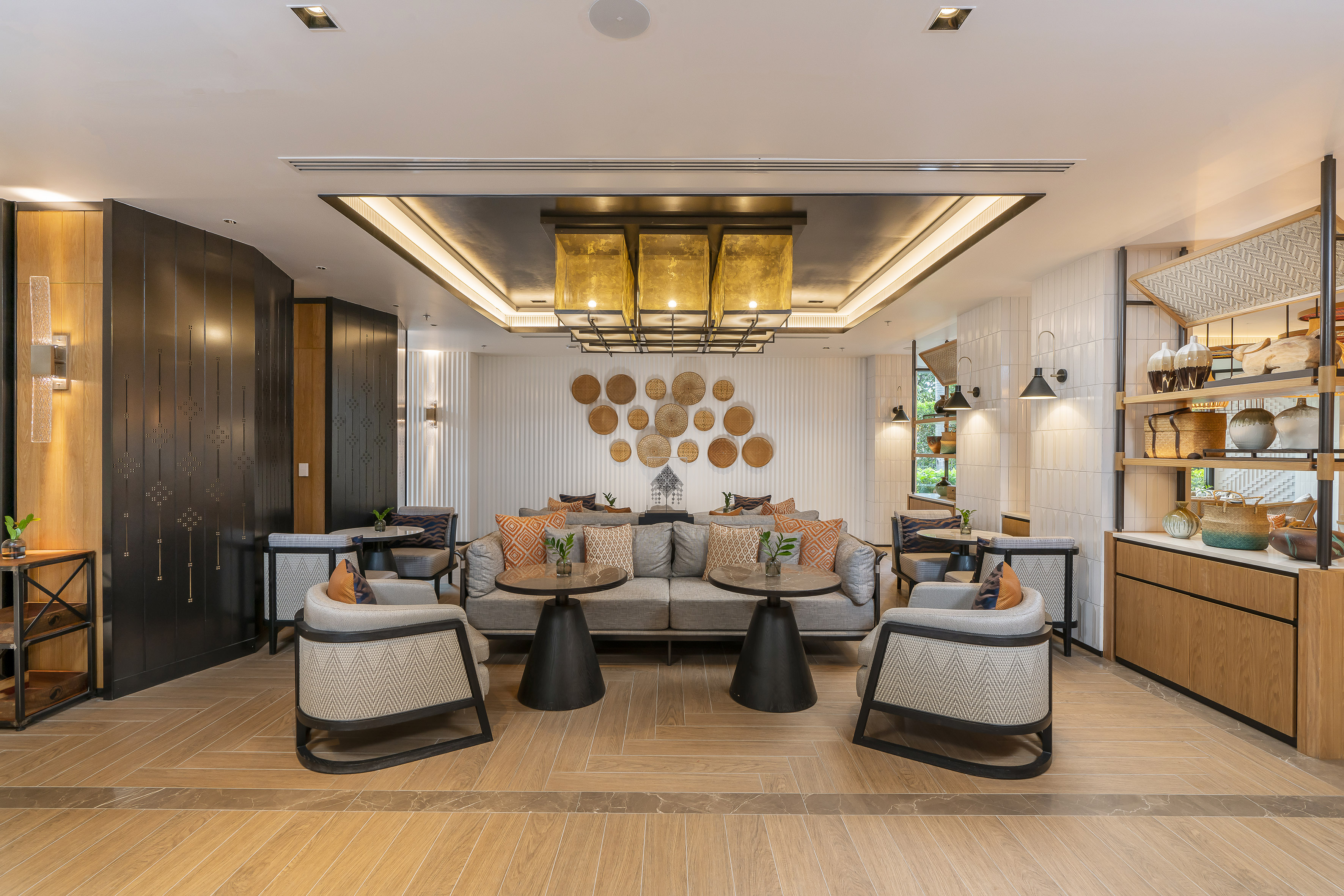
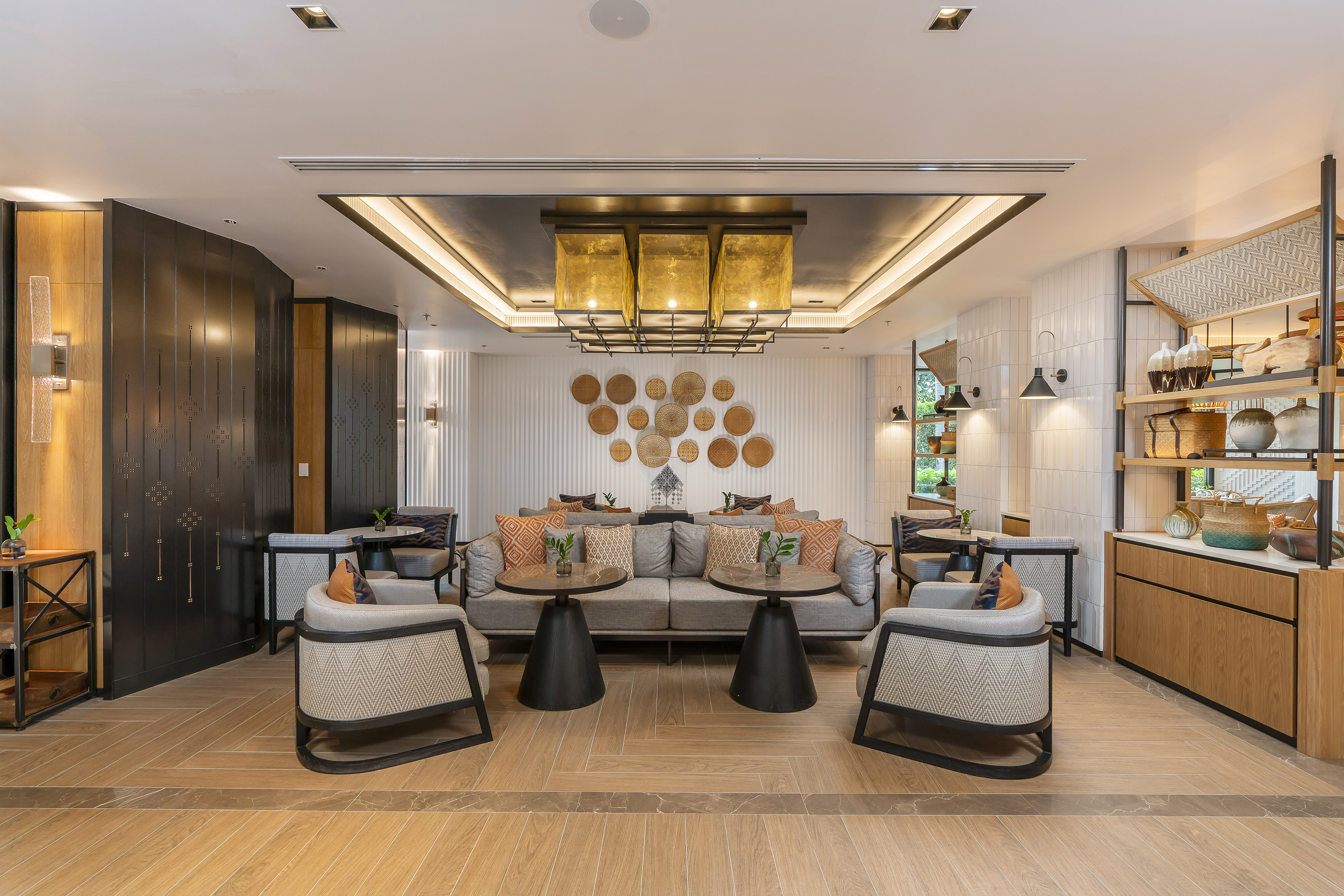
After a day spent reading museum labels, Meliá Chiang Mai offers a version of the same Lanna story told through design rather than glass cases. The hotel's event spaces, Yi Peng and Khom, take their names directly from the lantern festival, and hand-painted Bo Sang-style parasols appear throughout the property rather than confined to a single lobby display, a nod to the same craft village covered in this batch's guide to Chiang Mai's villages.
Mai Restaurant & Bar, the hotel's 21st floor signature restaurant, carries the theme furthest: a temple-arch motif built into the entrance, light installations styled after the Bo Sang Umbrella Village, woven textile art on the walls, and a carpet pattern designed around traditional Lanna motifs throughout. It functions almost like a small, ongoing design exhibit in its own right, one most guests simply walk through without necessarily clocking every single reference along the way.
The landscaping across the property draws its own inspiration from the Royal Flora Ratchaphruek gardens, a detail easy to miss while checking in but worth a slower look on the way to a room or a restaurant.
None of this is presented as a formal exhibit with placards explaining each reference, which is really the point: it is a hotel built to function first and reference Lanna culture second, closer to how the region's own architecture and craft traditions actually get passed down, absorbed into daily surroundings rather than roped off behind glass. A guest who has just spent a morning at the Lanna Folklife Museum tends to notice these design choices more readily than one who has not, which is part of why pairing a museum morning with an evening back at the hotel rewards the effort.
The Level Premium Room, at 44 square metres with access to The Level Lounge on the 21st floor, gives a quieter base for anyone splitting a trip between museum mornings and a slower pace back at the hotel, close enough to the Old City museum cluster that neither feels like it competes with the other for a day's schedule.
The Level Lounge itself runs its own quiet daily rhythm, a private breakfast service from 7 to 10:30am, afternoon tea from 2:30 to 4pm, and cocktails and canapes from 5:30 to 7:30pm, timed conveniently around a museum morning that wraps up by early afternoon and leaves the rest of the day genuinely free.
Returning from the Old City cluster in time for afternoon tea, rather than rushing straight to dinner, turns a museum day into something closer to a full afternoon of quiet activity rather than one errand followed by empty hours.
None of this replaces an actual museum visit, but for a traveller already interested in Lanna history and design, noticing it built into the building itself adds a small, unplanned extension to the day's theme rather than a separate errand. Asking a staff member about the temple-arch motif or the Bo Sang-style light installations at Mai Restaurant & Bar tends to turn up more detail than a guest would otherwise notice walking past on the way to dinner.
,regionOfInterest=(1771.5,1181.5))
,regionOfInterest=(1771.5,1181.5))
Between Lanna history, contemporary Thai art, and a genuinely world-class insect collection, museums in Chiang Mai cover far more ground than the city's temple-and-market reputation usually suggests.
Buy the three-museum combo ticket if the Old City cluster is on the itinerary, save MAIIAM or the insect museum for whichever day already has a trip planned to that side of town, and treat a rainy afternoon as an opportunity rather than a problem to solve.
None of the six covered here need more than a couple of hours, which makes it easy to build one or two into an existing day rather than dedicating an entire trip to museum-hopping alone, and the combination of low cost, reliable air conditioning, and genuinely specific, well-researched history on offer is a rare enough mix among things to do in the whole city.
,regionOfInterest=(1023,575.5))
,regionOfInterest=(1023,575.5))
What museums are worth visiting in Chiang Mai?
The Chiang Mai National Museum and the Lanna Folklife Museum cover the region's history most thoroughly, MAIIAM Contemporary Art Museum leads the art scene, and the Museum of World Insects and Natural Wonders is the standout specialty pick for anyone after something genuinely different. A first visit built around the Old City cluster and one of the two specialty or art options covers the bulk of what makes museums in Chiang Mai worth the time.
How much do Chiang Mai museums cost?
Most run 20 to 200 baht (about US$0.60 to US$6) per person (prices are subject to change), and the combined ticket covering the Chiang Mai City Arts & Cultural Centre, the Lanna Folklife Museum, and the Chiang Mai Historical Centre costs 180 baht for a full week of access to all three.
Are Chiang Mai museums good for kids?
The Museum of World Insects and Natural Wonders tends to be the biggest hit with children thanks to its hands-on specimens and natural history focus, while the more text-heavy history museums generally suit older children and adults better than very young kids.
Which museum explains Lanna history best?
The Chiang Mai National Museum and the Lanna Folklife Museum both cover Lanna history in depth from different angles, military and royal history at the former, everyday cultural life at the latter, and the two work well as a same-day pairing for anyone who wants the fuller picture. Adding the Chiang Mai Historical Centre as a third stop rounds it out with the broader timeline connecting both collections together.
,regionOfInterest=(2880,1920))
,regionOfInterest=(2880,1920))
,regionOfInterest=(1619.5,1121))
,regionOfInterest=(1619.5,1121))
,regionOfInterest=(1476.5,634.5))
,regionOfInterest=(1476.5,634.5))
,regionOfInterest=(2273,1523))
,regionOfInterest=(2273,1523))
,regionOfInterest=(1564,1200))
,regionOfInterest=(1564,1200))