,regionOfInterest=(2900.5,1949.5))
,regionOfInterest=(2900.5,1949.5))
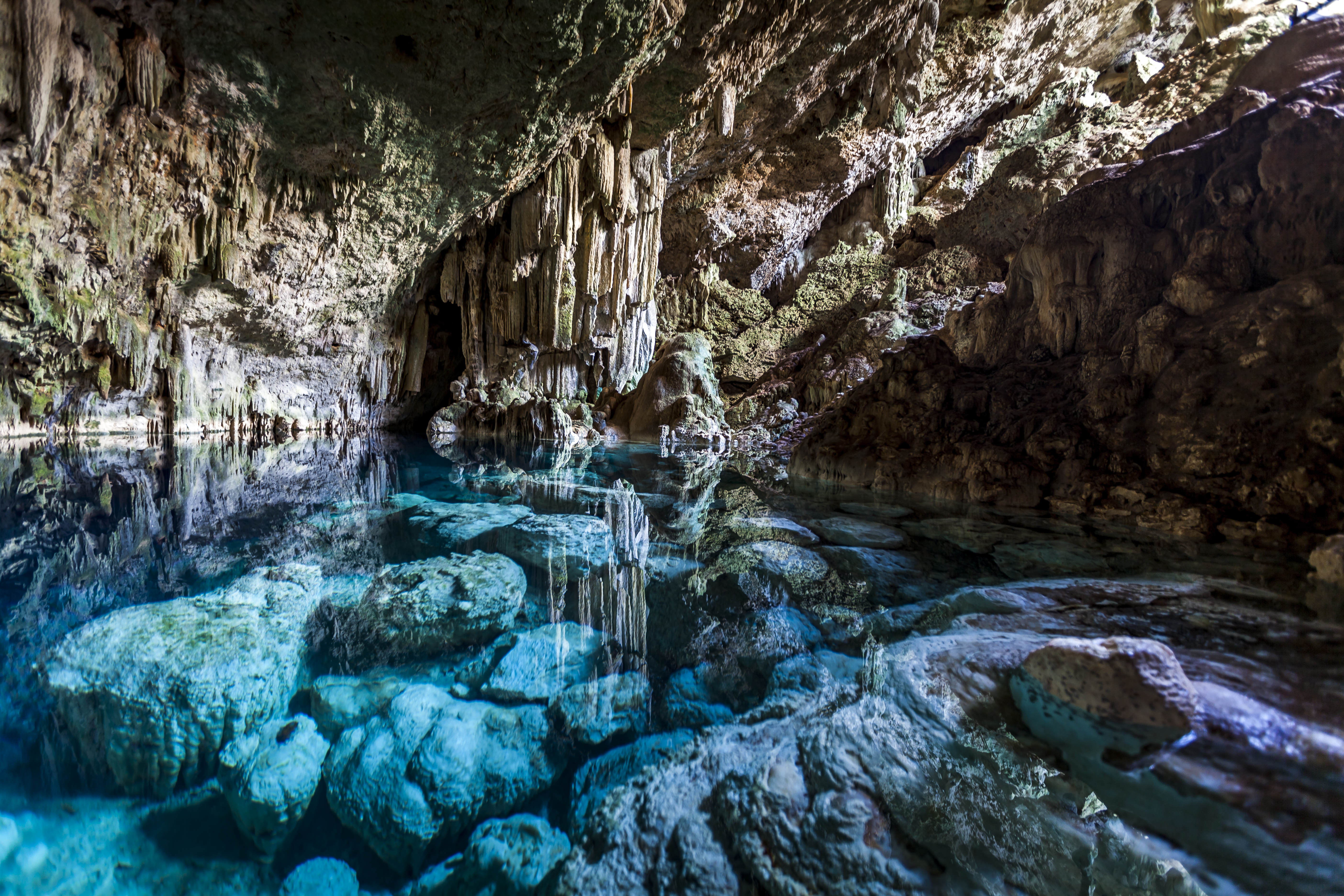
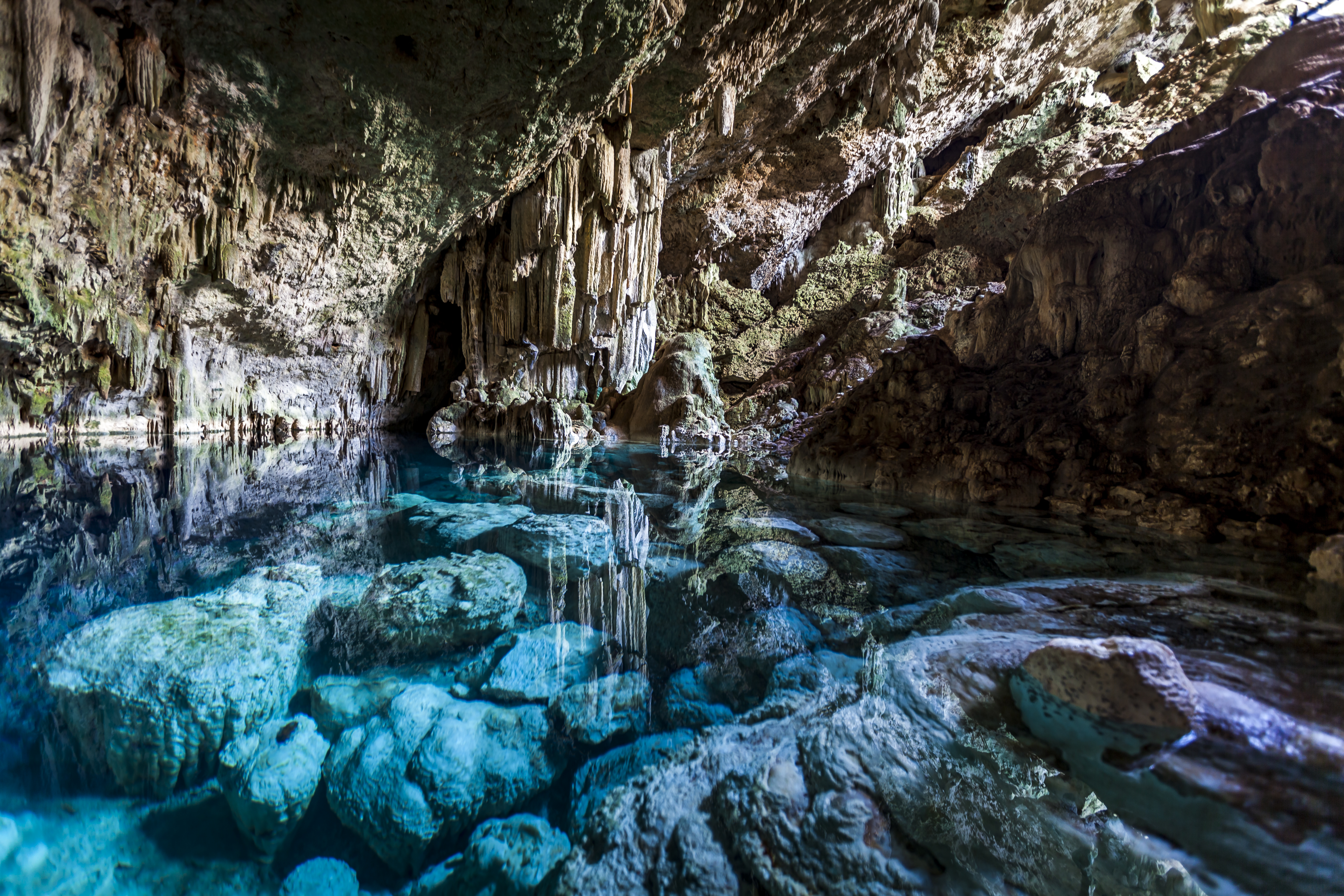
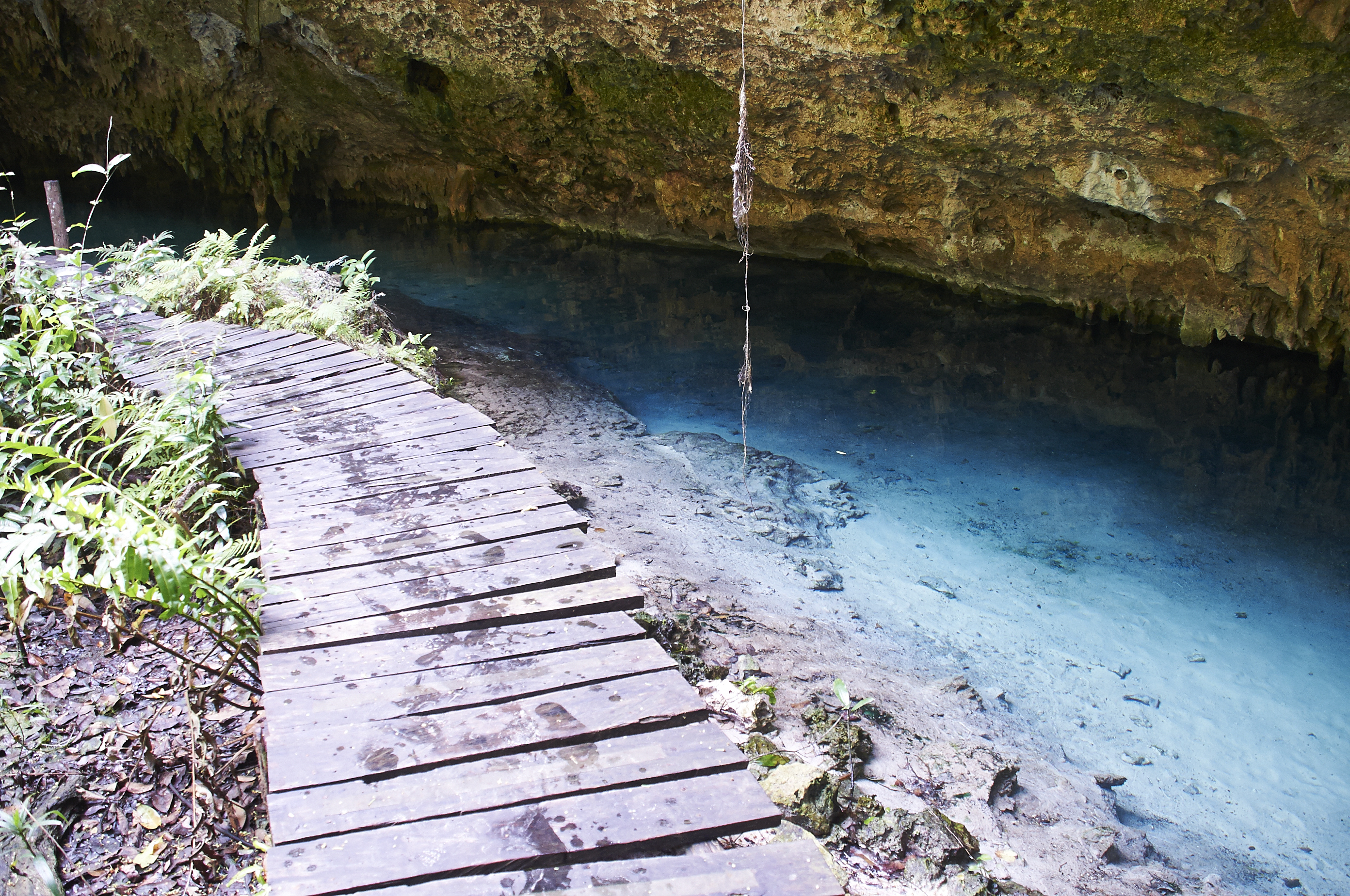
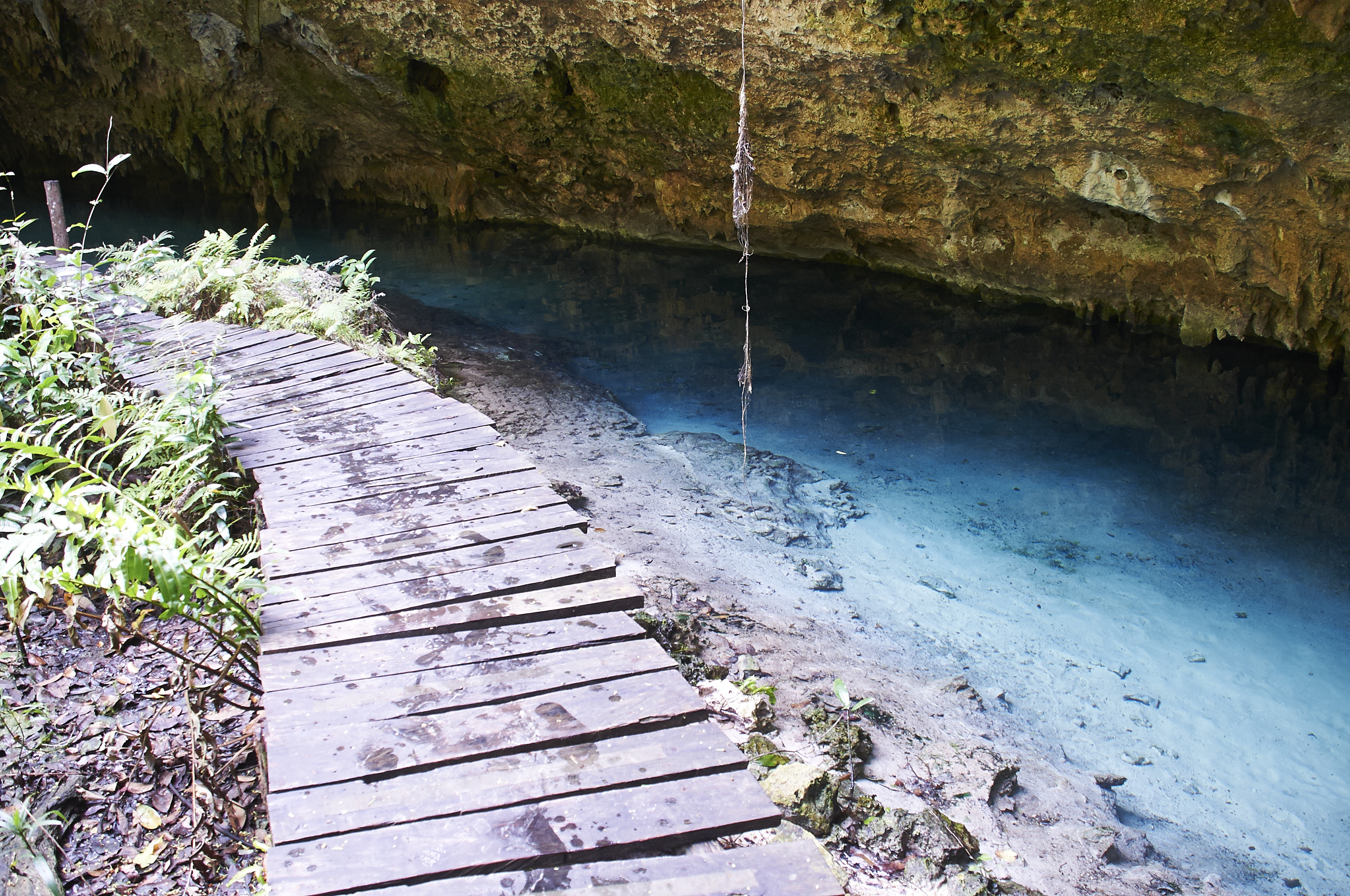
Hoyo Azul: a hidden cenote in Cap Cana
,regionOfInterest=(2808,1872))
,regionOfInterest=(2808,1872))
Holidays
,regionOfInterest=(1771.5,1181.5))
,regionOfInterest=(1771.5,1181.5))
Culture
You do not need to hop between three different neighbourhoods and read through a stack of reviews to find a spa worth the afternoon. Most searches for Chiang Mai spas end up comparing a long list of independent shops and hotel spas against each other on price alone, when the more useful question is simply what a full treatment menu actually includes, how private the setting actually is, and whether the therapists know what they are doing with more than a single technique.
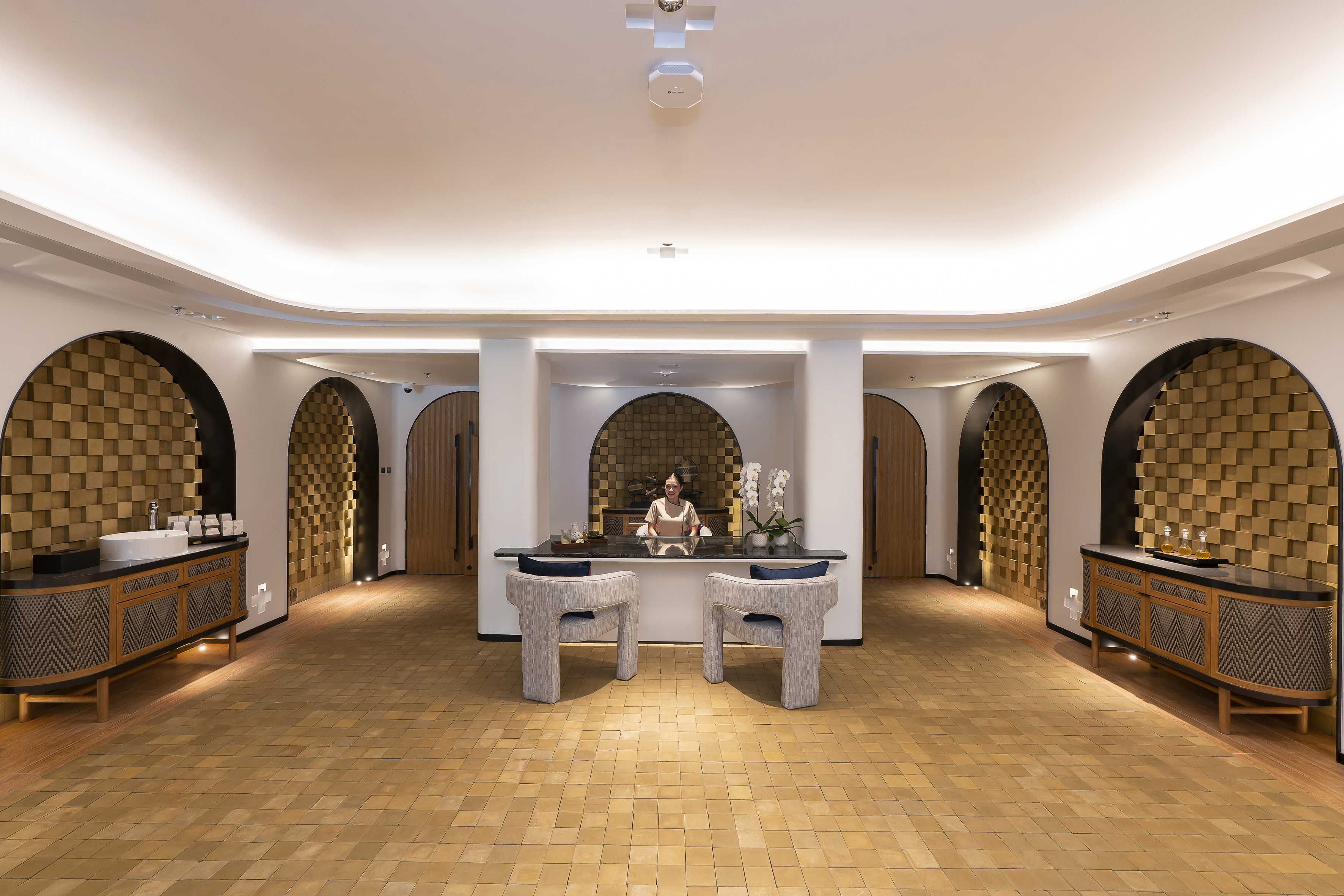
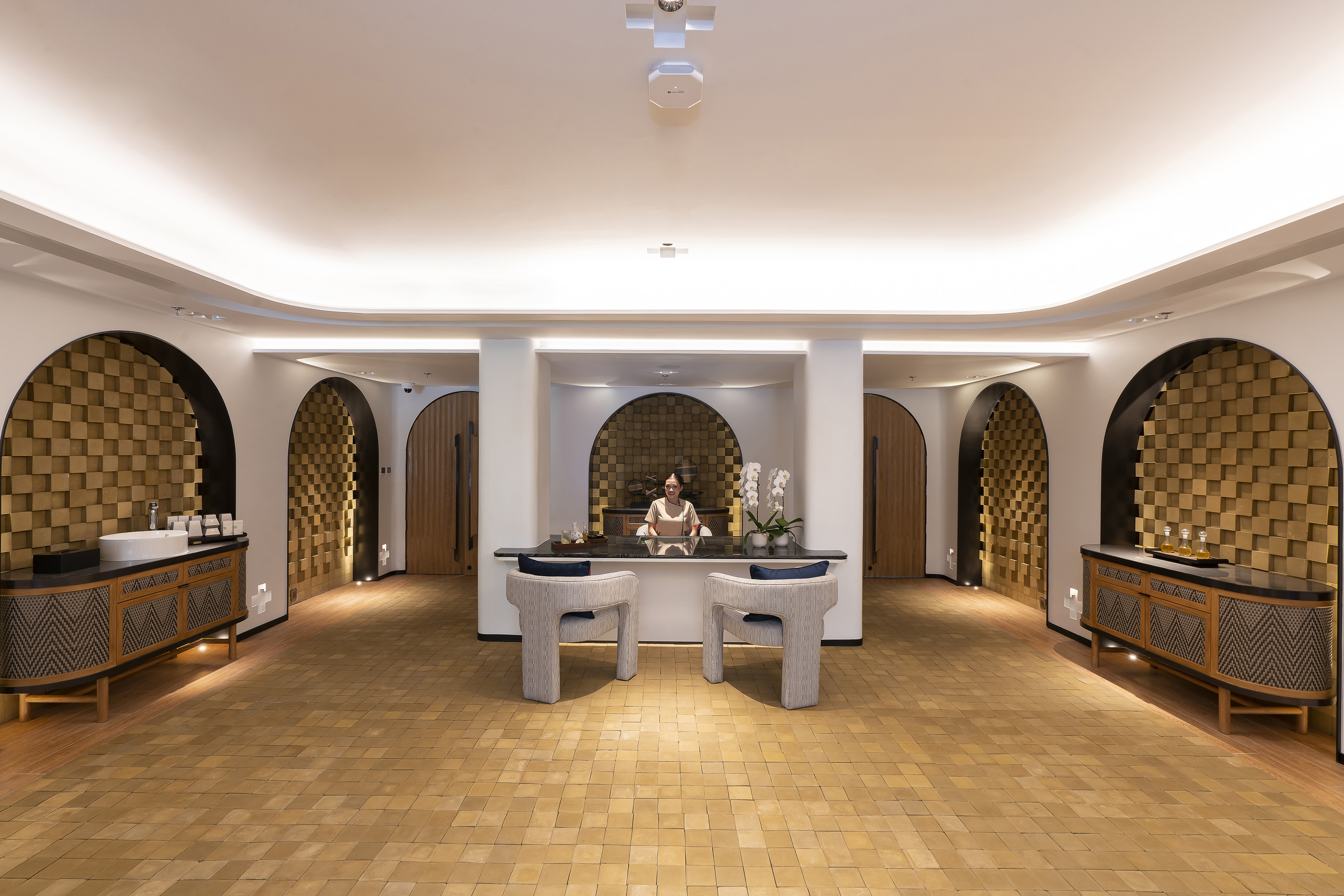
YHI Spa at Meliá Chiang Mai answers that question directly: seven private treatment rooms, a menu built around Northern Thai bodywork and modern wellness technique, and a steam room and sauna to round out a full spa day rather than a single hour on a table. Here is exactly what is on offer, room by room and treatment by treatment, along with real pricing context and a few practical booking tips along the way.
,regionOfInterest=(500,500))
,regionOfInterest=(500,500))
All-terrain writer specialising in tourism, fashion and trends. A curious soul, traveller, reader and sports enthusiast, keen to discover every corner of the world.
,regionOfInterest=(1771.5,1162.5))
,regionOfInterest=(1771.5,1162.5))
,regionOfInterest=(1771.5,1181.5))
,regionOfInterest=(1771.5,1181.5))
,regionOfInterest=(1771.5,1181.5))
,regionOfInterest=(1771.5,1181.5))
,regionOfInterest=(1771.5,1251))
,regionOfInterest=(1771.5,1251))
,regionOfInterest=(1771.5,1181.5))
,regionOfInterest=(1771.5,1181.5))
YHI Spa positions itself around a simple combination: ancient Asian healing wisdom paired with modern wellness technique, rather than picking one tradition and running with it exclusively. Professional therapists move between massage, body scrubs and wraps, and facials over the course of a single visit, treating a spa afternoon as one continuous experience rather than a menu of separate add-ons.
This YHI Spa is also the third to open in Thailand under Meliá Hotels International, following Meliá Koh Samui's debut in early 2020 and Meliá Phuket Mai Khao's in late 2021. That track record means the format arriving in Chiang Mai has already been refined across two other Thai properties rather than launching untested.
Overseeing the spa is Pornphan Chumjai, a hospitality wellness professional with almost 15 years of experience leading spa therapist teams. Her background shapes the day to day consistency guests notice most, the same standard of technique whether a treatment is booked on a quiet Tuesday afternoon or a fully booked Saturday during peak season.
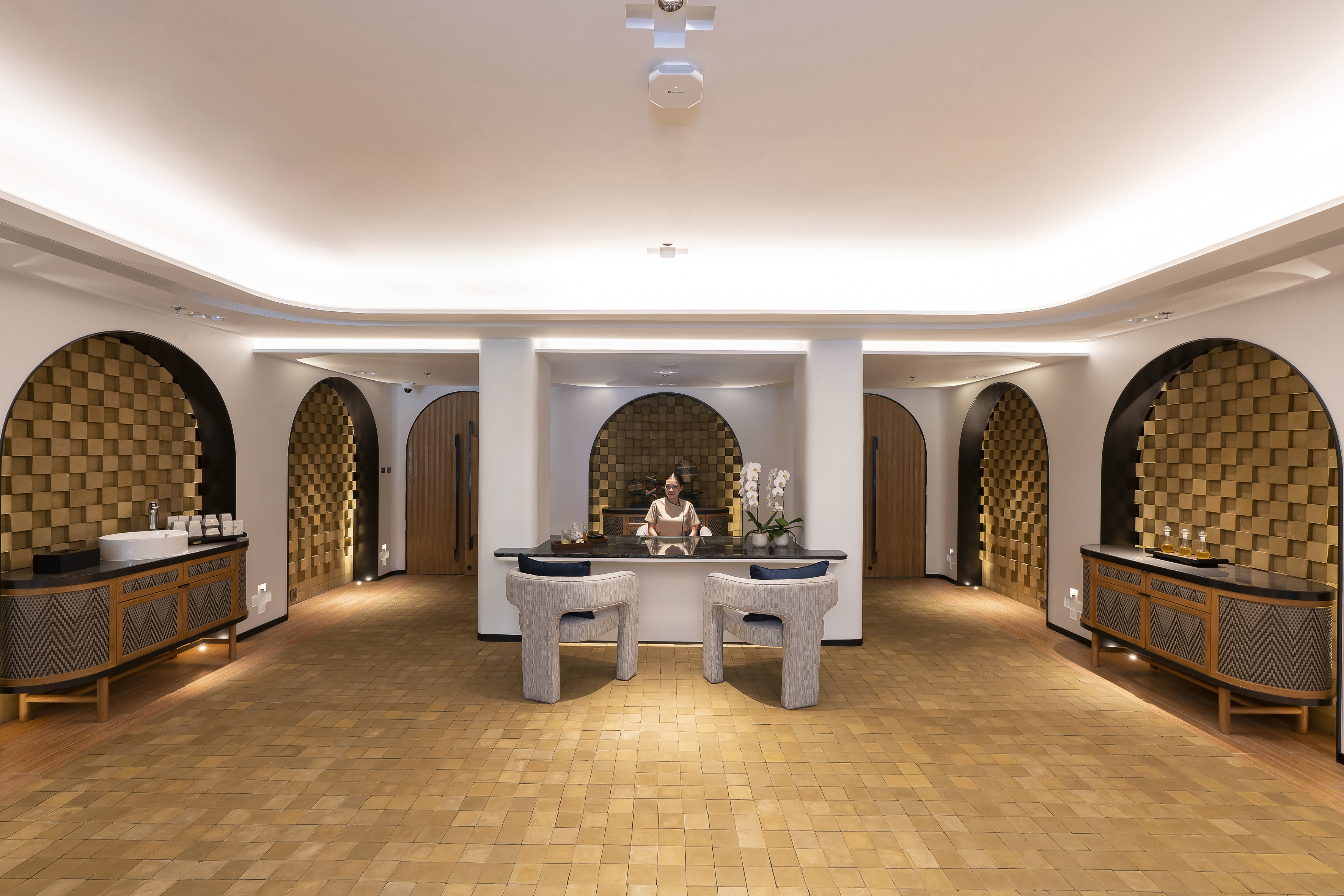
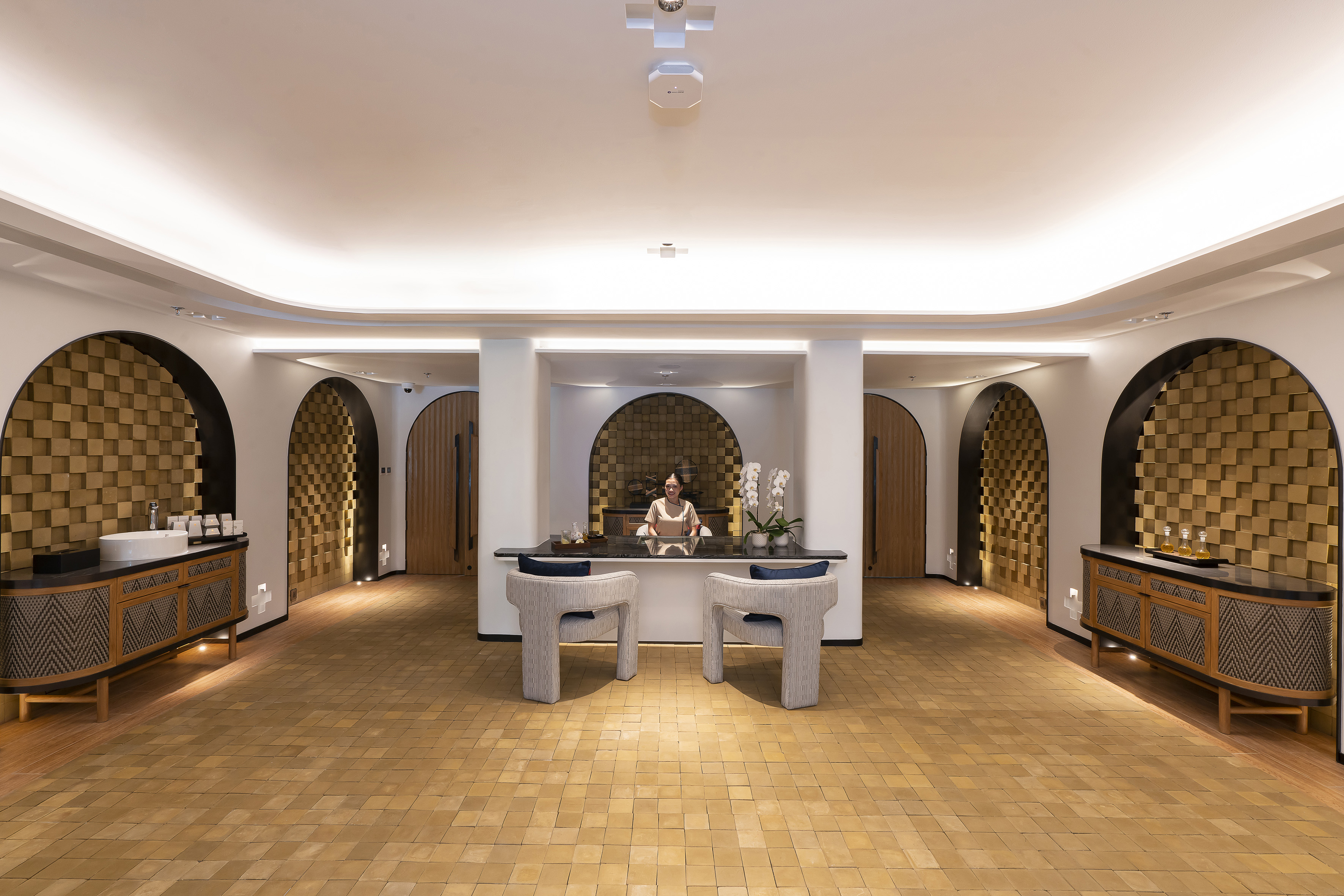
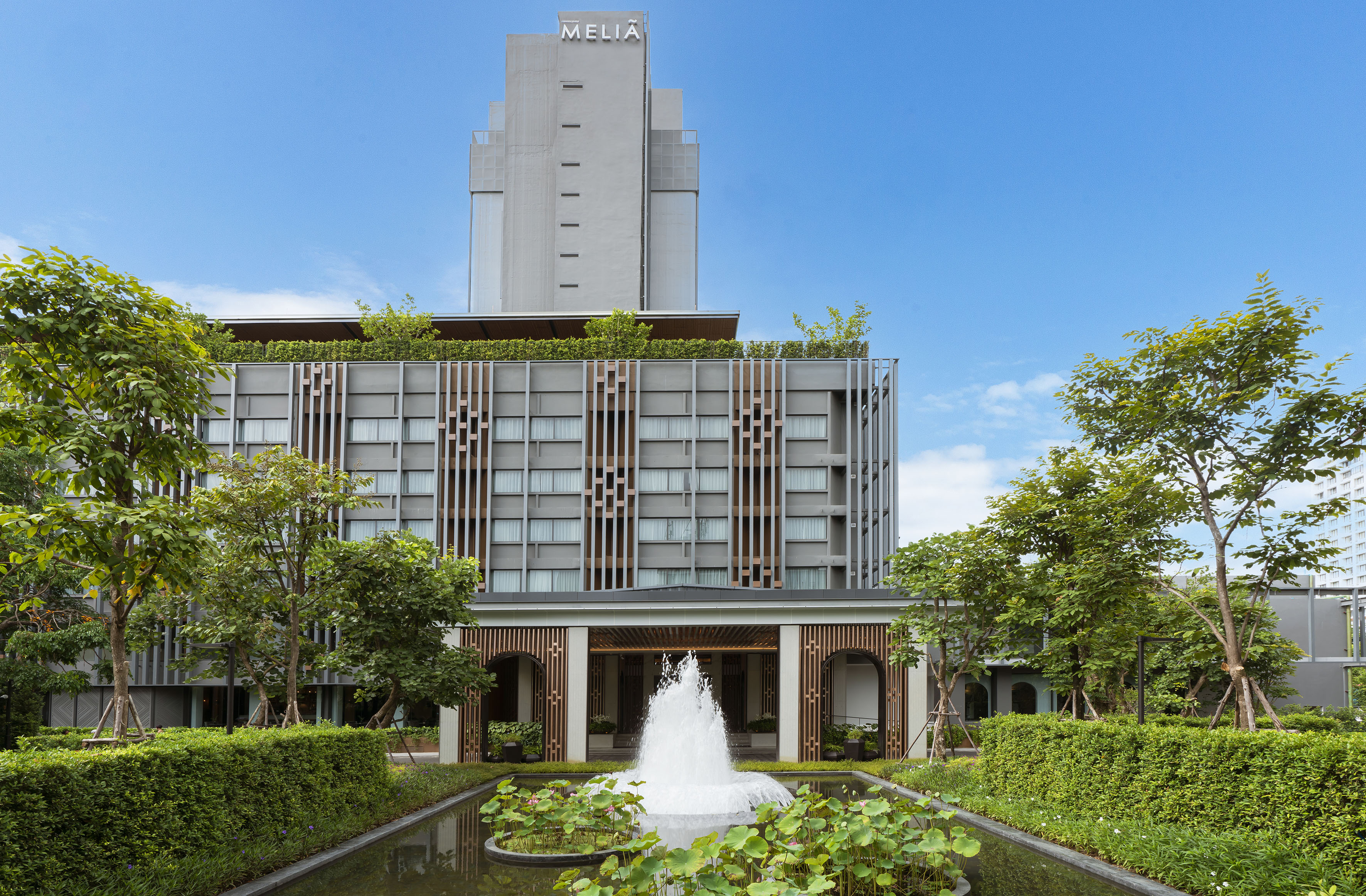
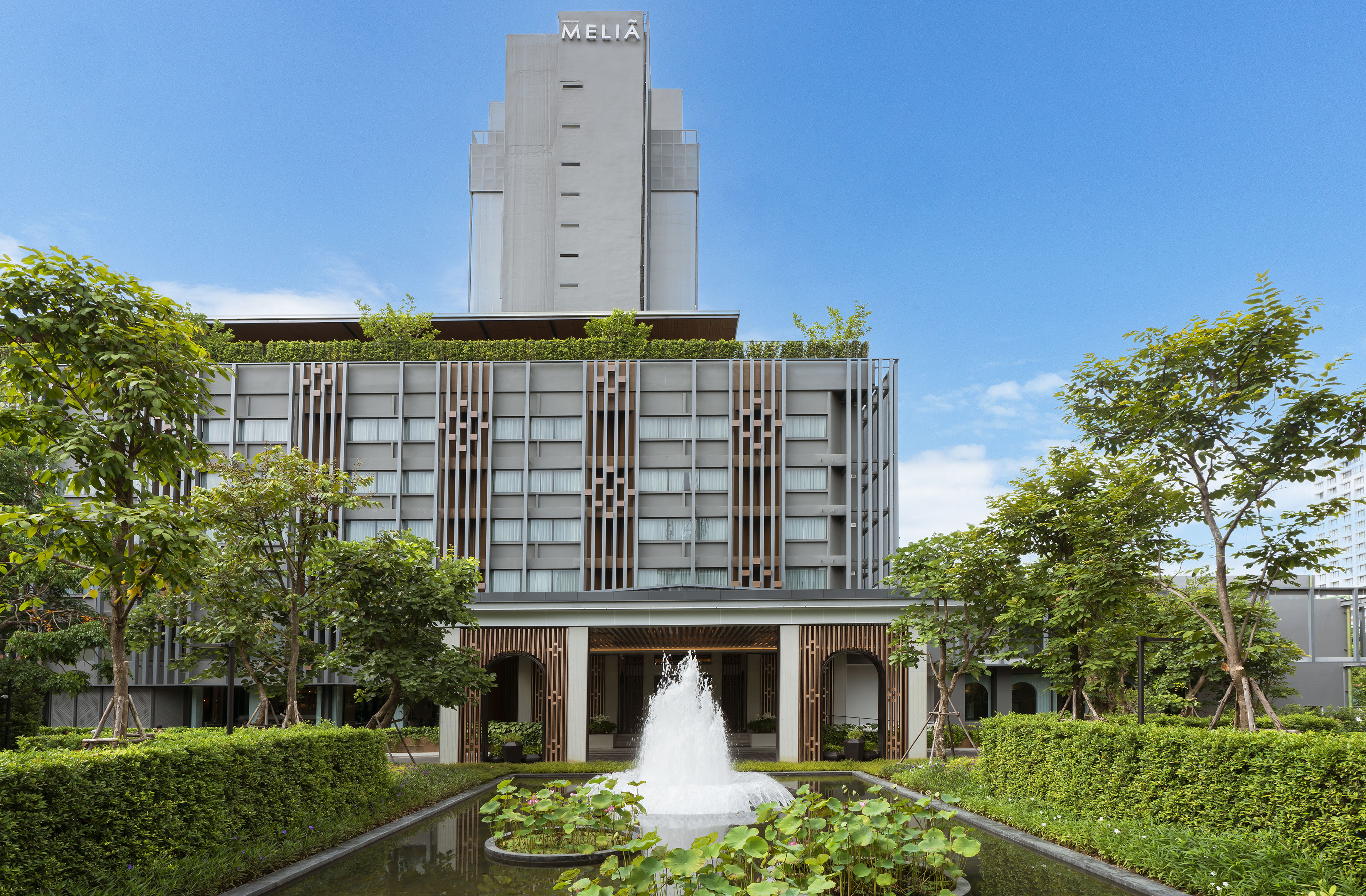
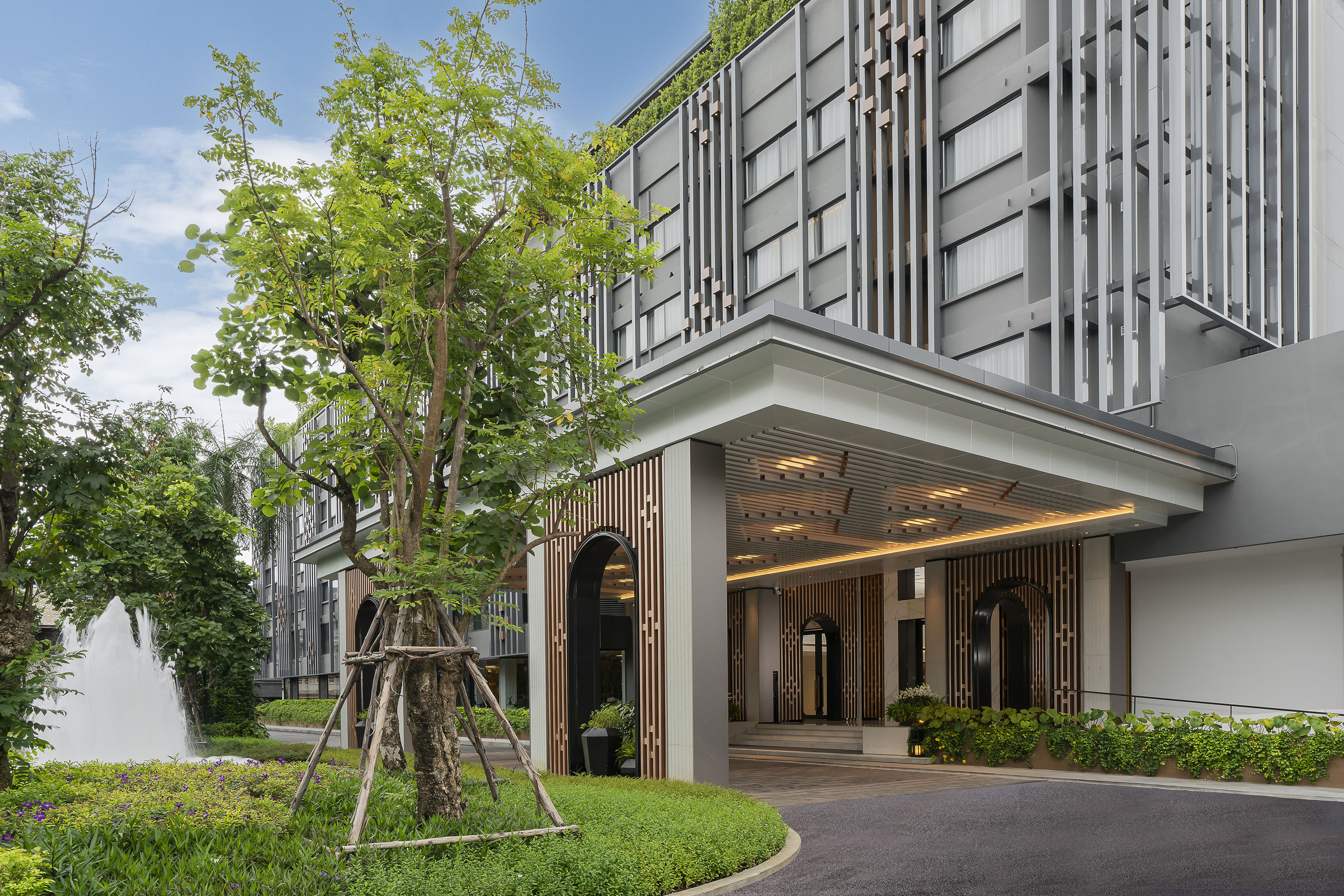
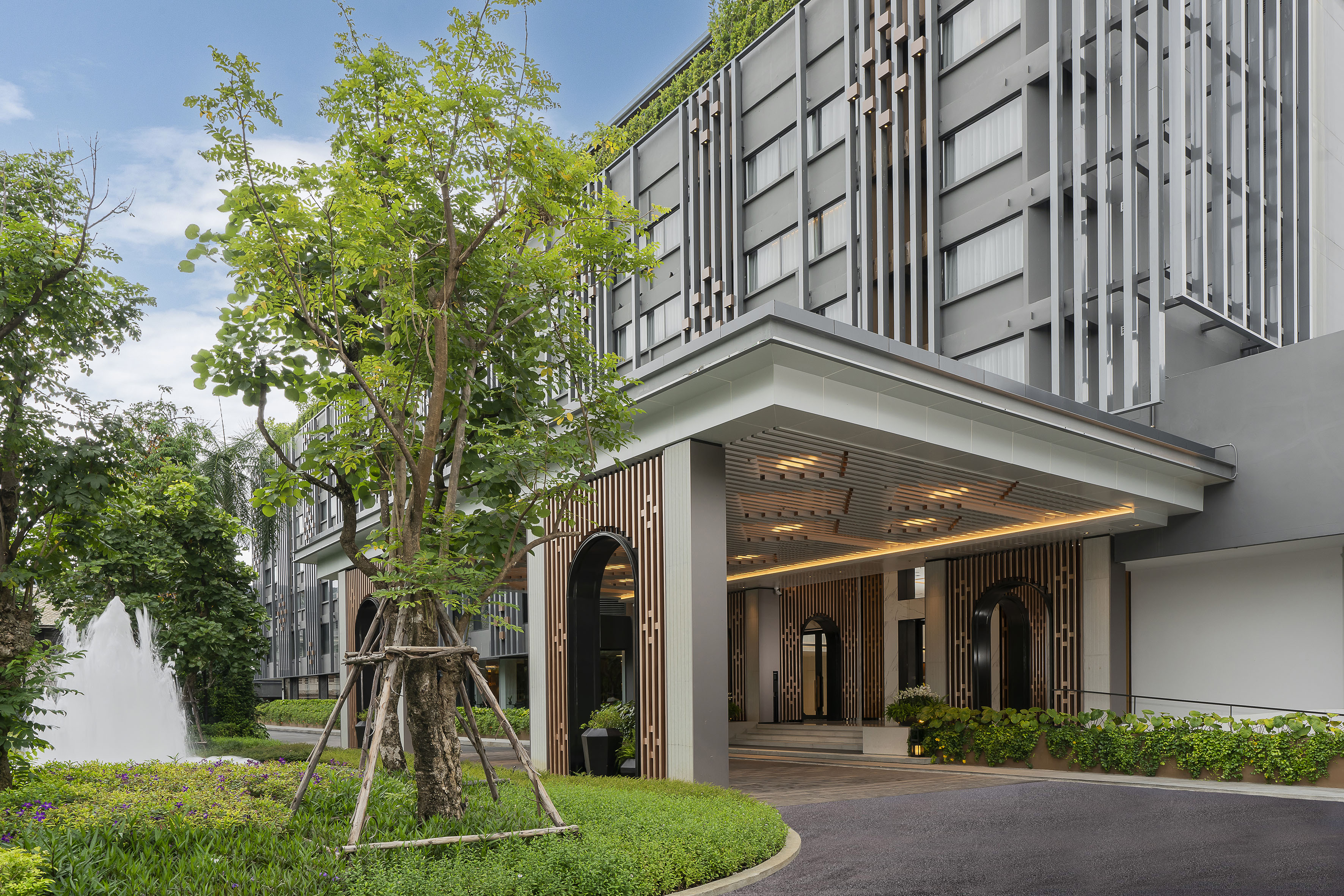
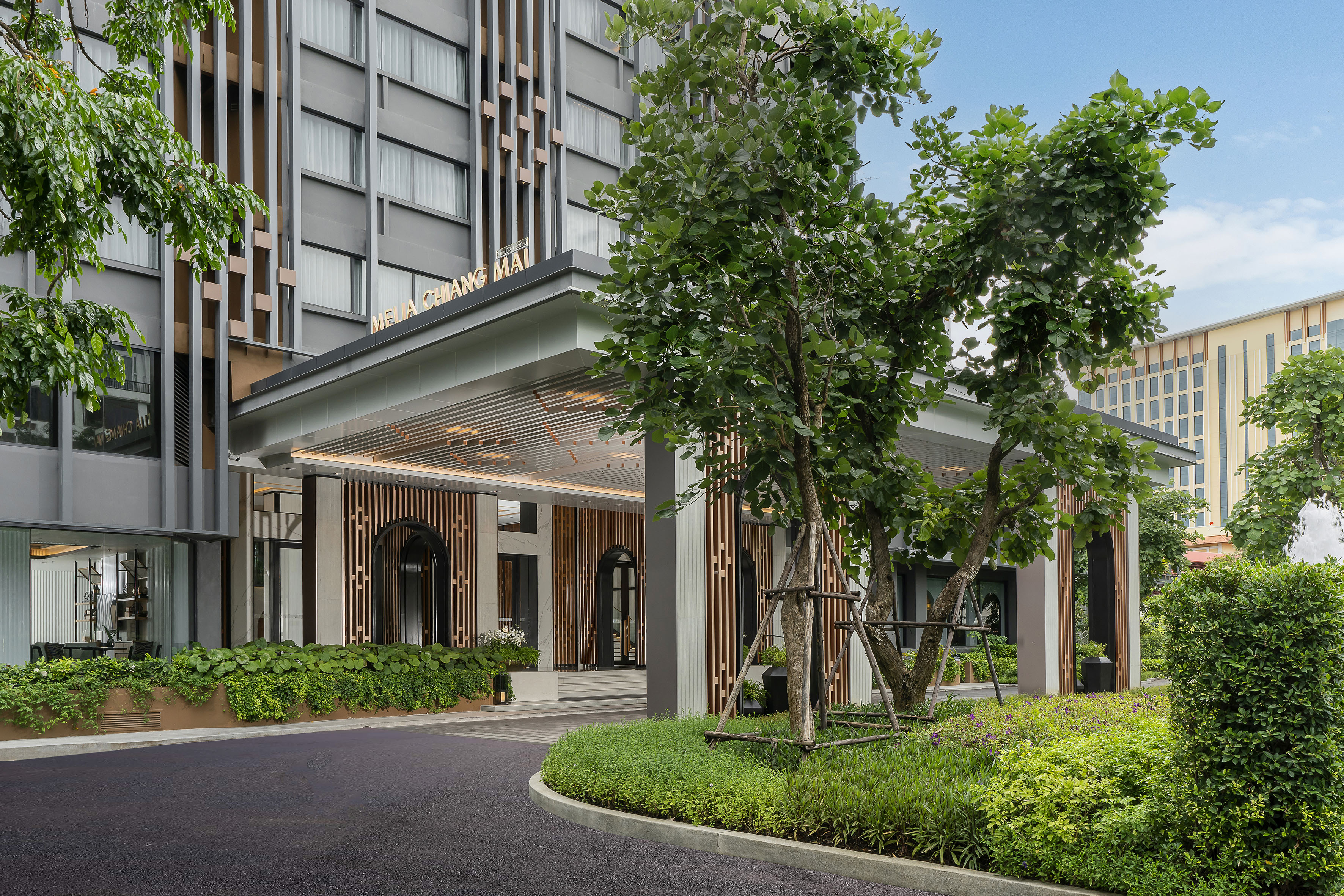
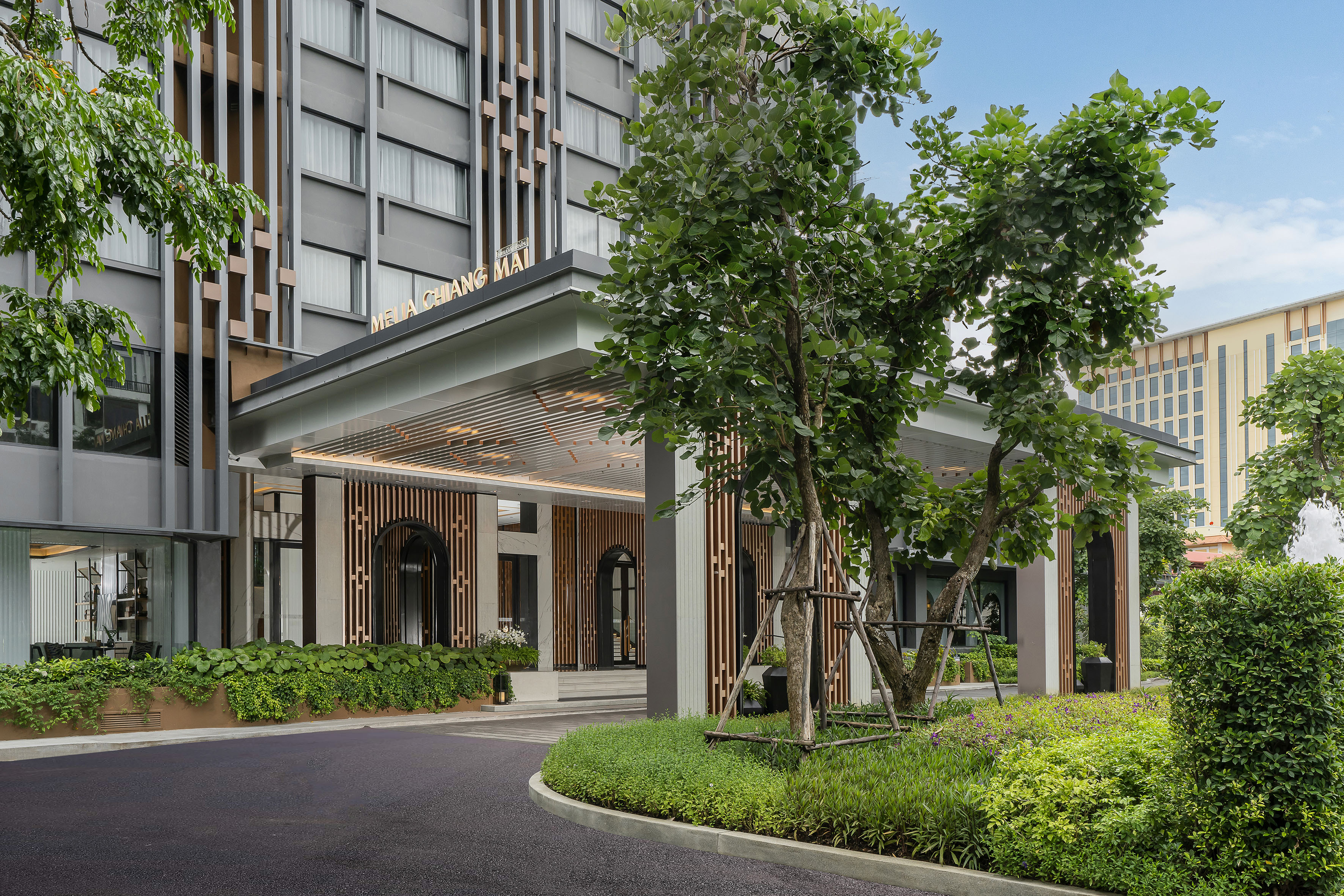
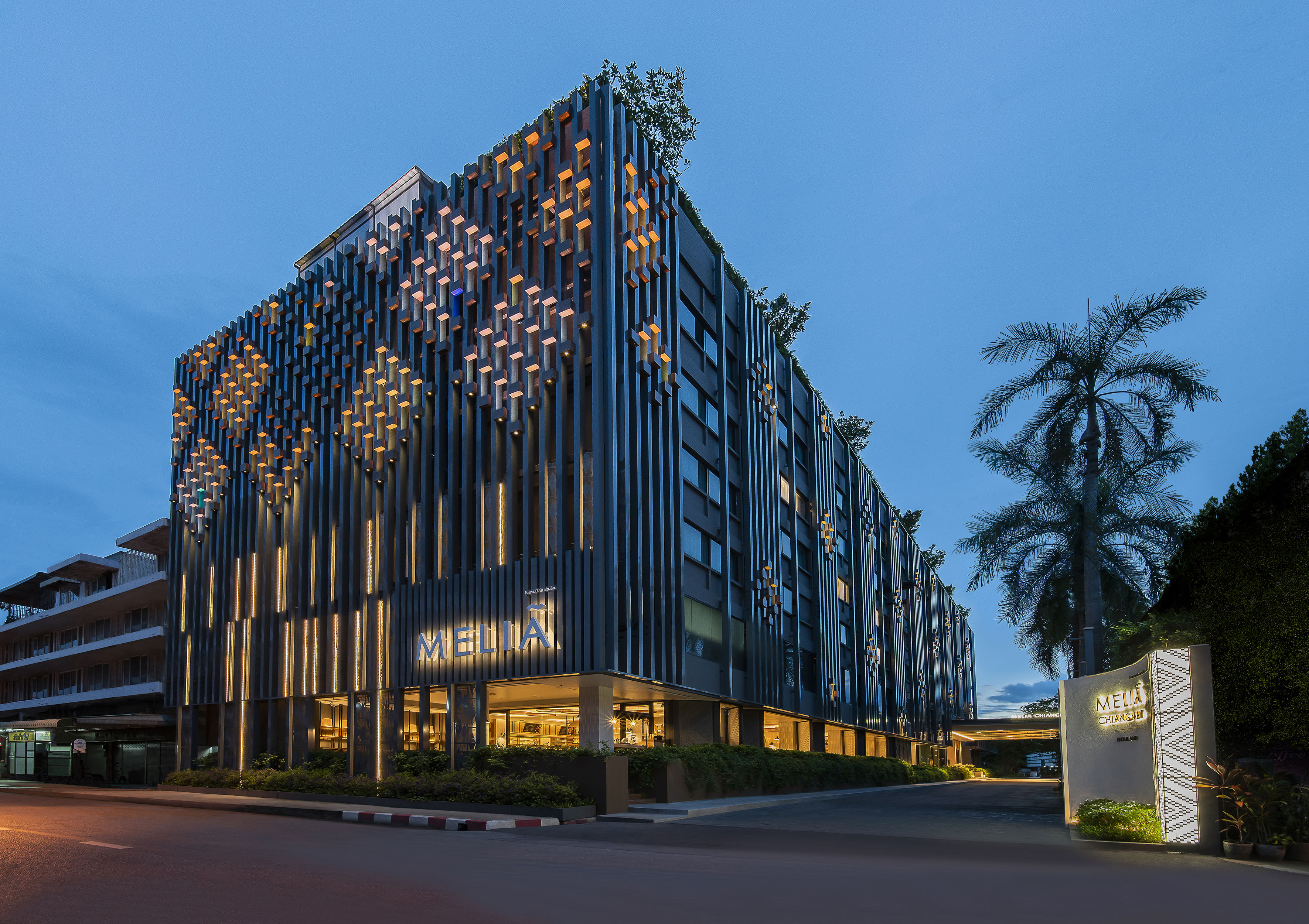
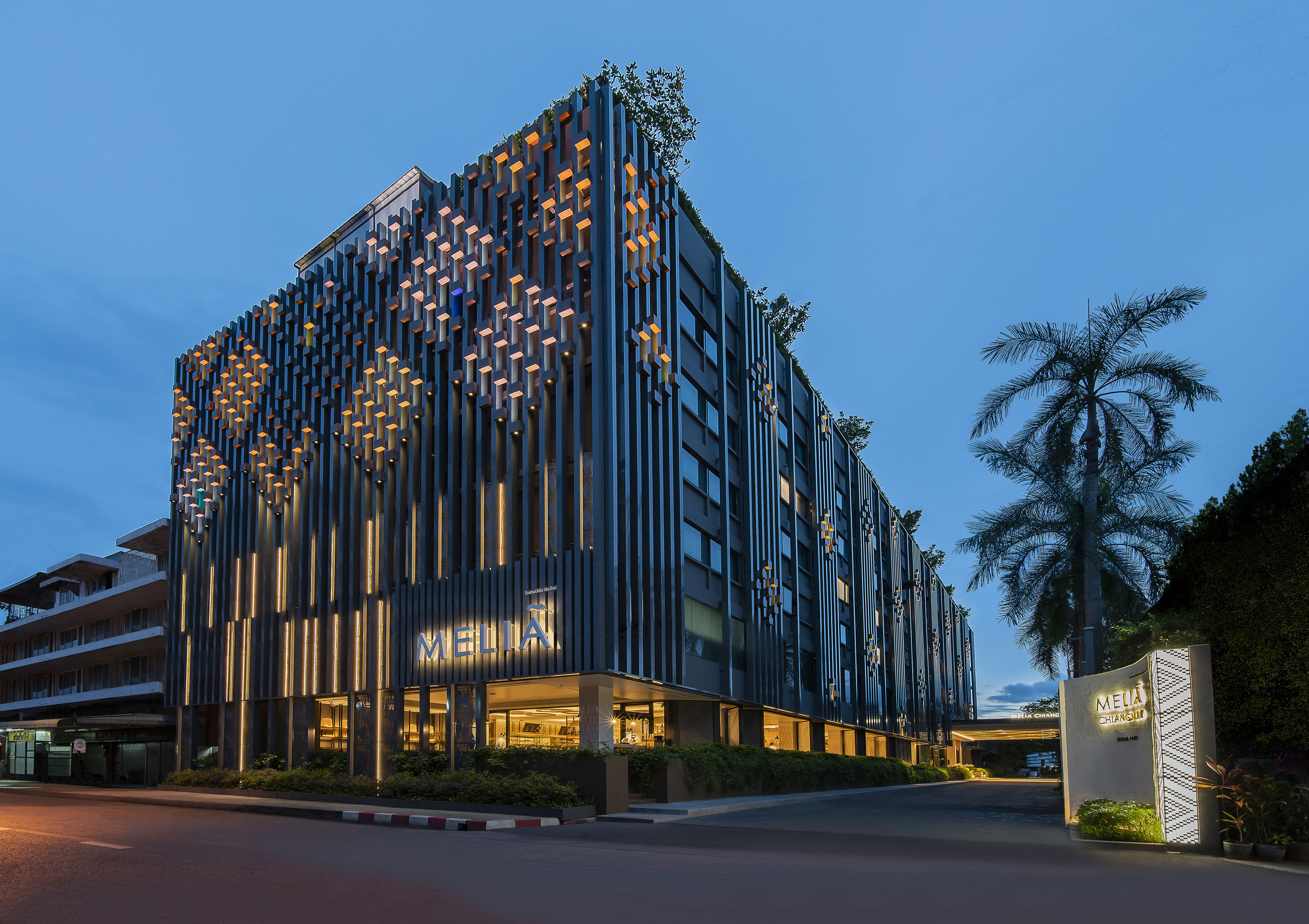
The spa sits inside Meliá Chiang Mai on Charoen Prathet Road, close enough to the Night Bazaar and the Old City that a treatment fits naturally into an afternoon between sightseeing rather than requiring a special trip across town, one of the practical reasons a hotel spa tends to win out over an independent shop for a traveller without a car.
Products across the treatment menu come from HARNN, an organic Thai wellness brand built on ingredients and methods passed down through generations of local artisans rather than an imported spa line, which keeps the whole experience anchored in the same Northern Thai identity that runs through the rest of the hotel's design and dining.
Among Chiang Mai spas built inside a hotel rather than run as a standalone shop, the difference shows up mostly in the small details: private rooms rather than shared floor space, a consistent set of trained therapists rather than rotating staff, and a menu that gets updated and maintained rather than photocopied from a decade-old laminated card.
The wider city's spa scene splits roughly into three tiers: budget massage shops charging by the hour with little in the way of ambiance, mid-range day spas with a slightly more curated menu, and five-star hotel spas that build private rooms, a broader treatment list, and consistent staffing into the price. Knowing which tier actually matches what a traveller wants saves a lot of time scrolling through Chiang Mai spas listings that all look similar at a glance but differ enormously once through the door.
Independent shops cluster most heavily around the Old City and the Nimman area, both walkable neighbourhoods full of small storefronts, while hotel spas sit wherever their own property does, in this case on the Chang Khlan side of the river closer to the Night Bazaar. Neither location is objectively better among Chiang Mai spas generally, it mostly comes down to which neighbourhood a trip is already based around and how far a guest wants to travel for a single appointment.
A treatment slotted in after a physically demanding day, a temple-hopping morning, a trek to a waterfall, or an afternoon at an elephant sanctuary outside the city, tends to get noticeably more out of a massage than one booked cold on an otherwise lazy day, simply because there is more genuine tension in the muscles for a therapist to work with in the first place.
YHI Spa is also only one part of a wider wellness offering at the hotel. A 24-hour Fitness Centre with free weights and cardio equipment and an outdoor pool framed by tropical gardens both work as useful complements to a spa treatment for anyone building a full wellness day rather than a single hour on the table, a swim or a light workout before a massage, or a slow afternoon by the pool afterward.
,regionOfInterest=(1771.5,1181.5))
,regionOfInterest=(1771.5,1181.5))
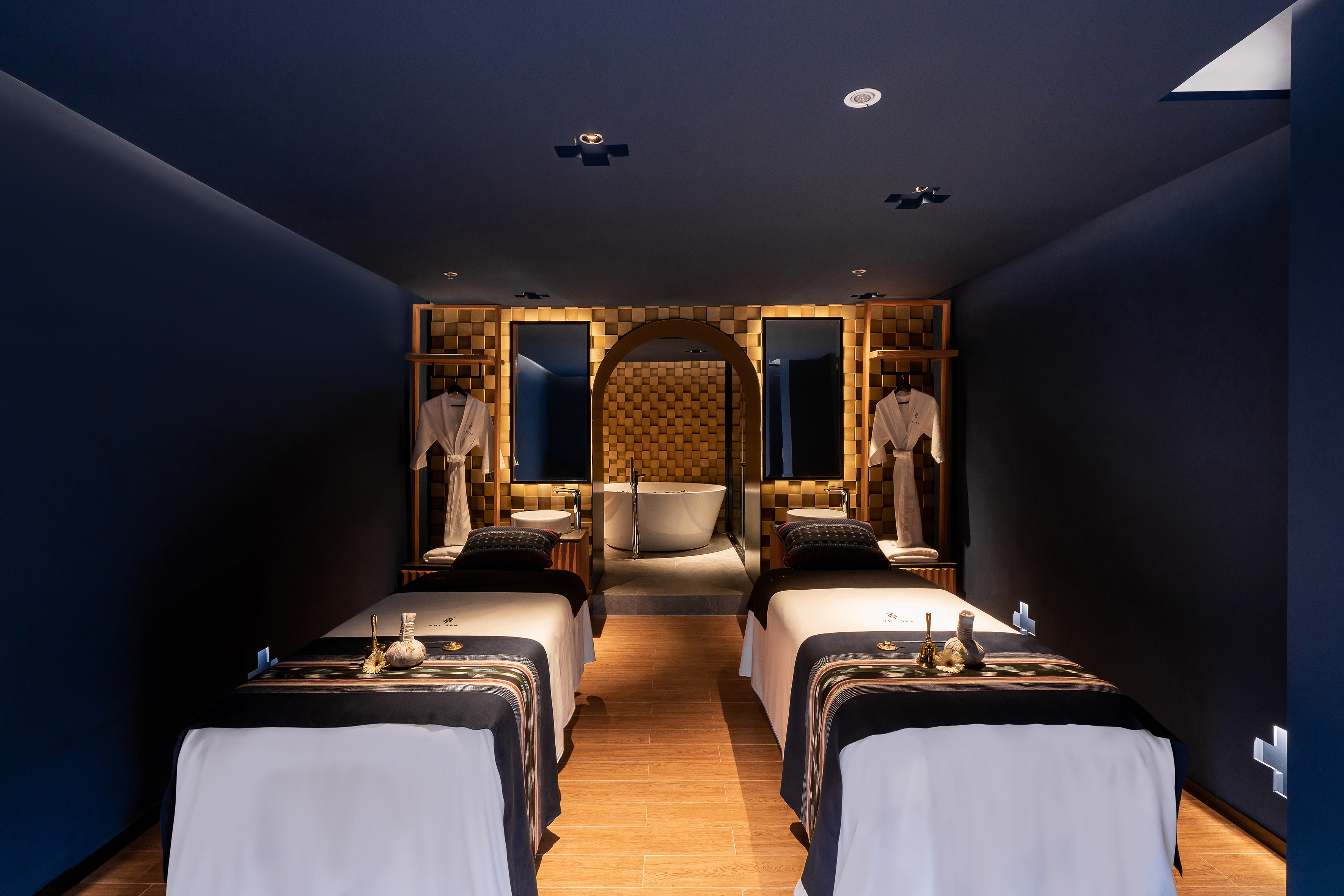
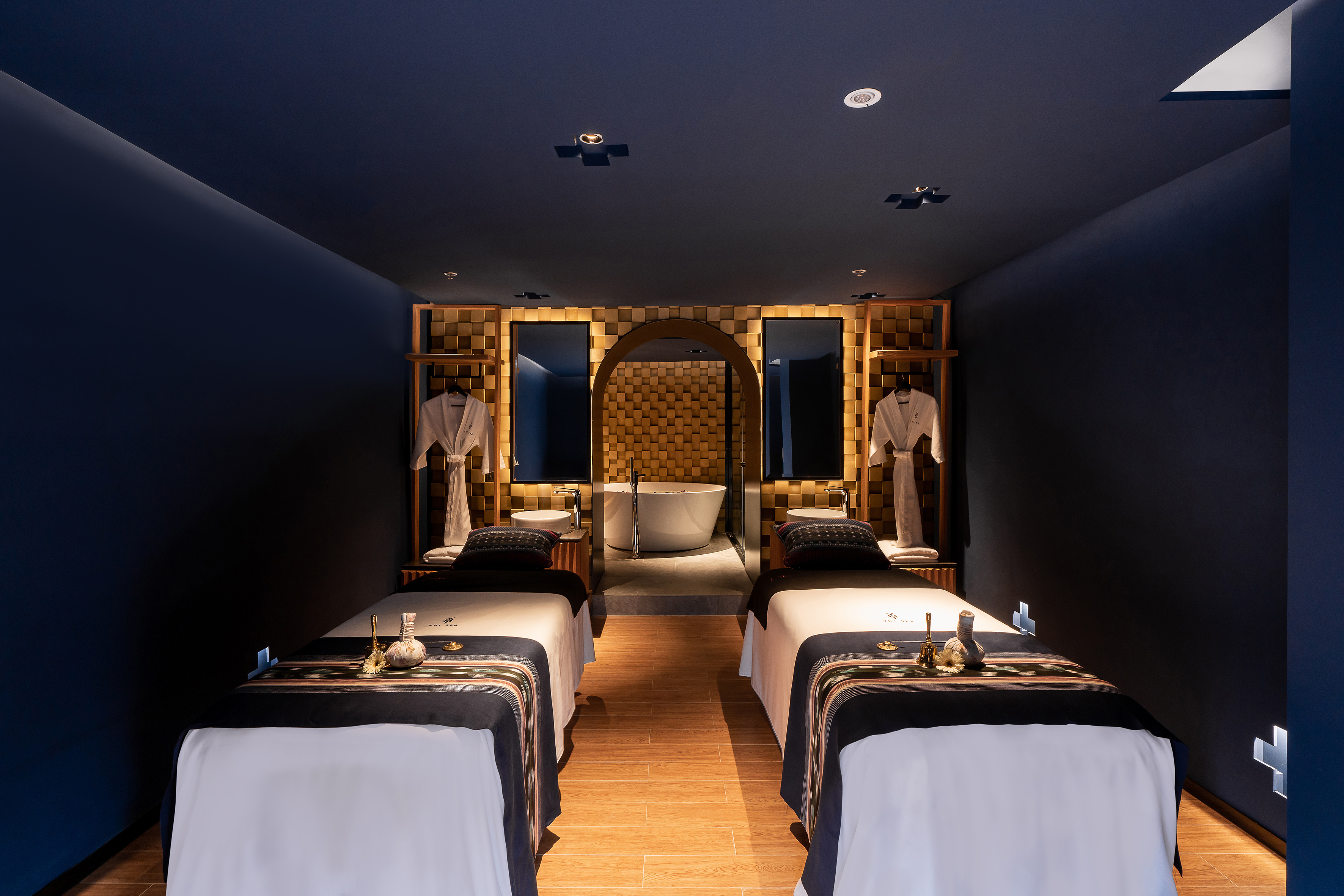
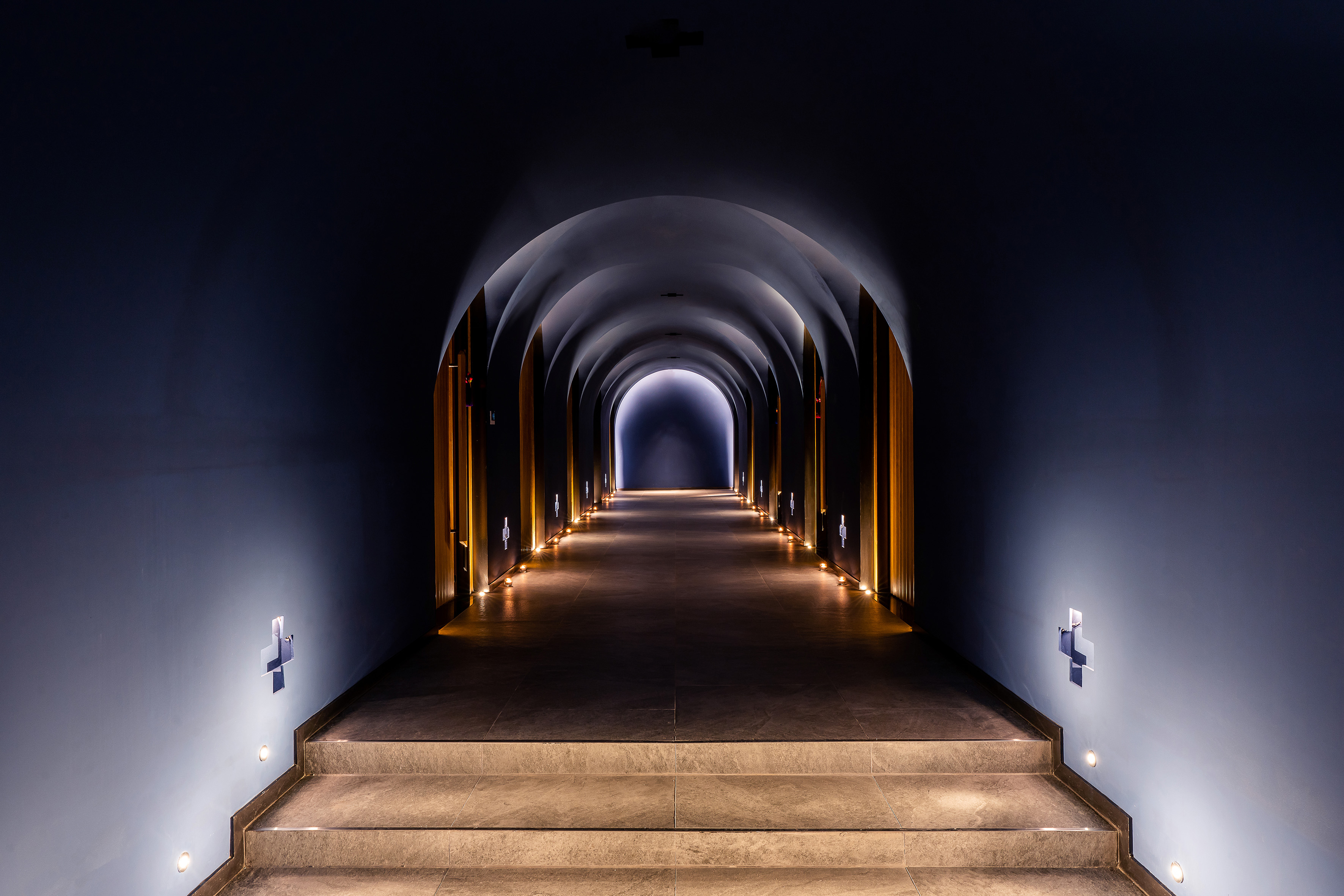
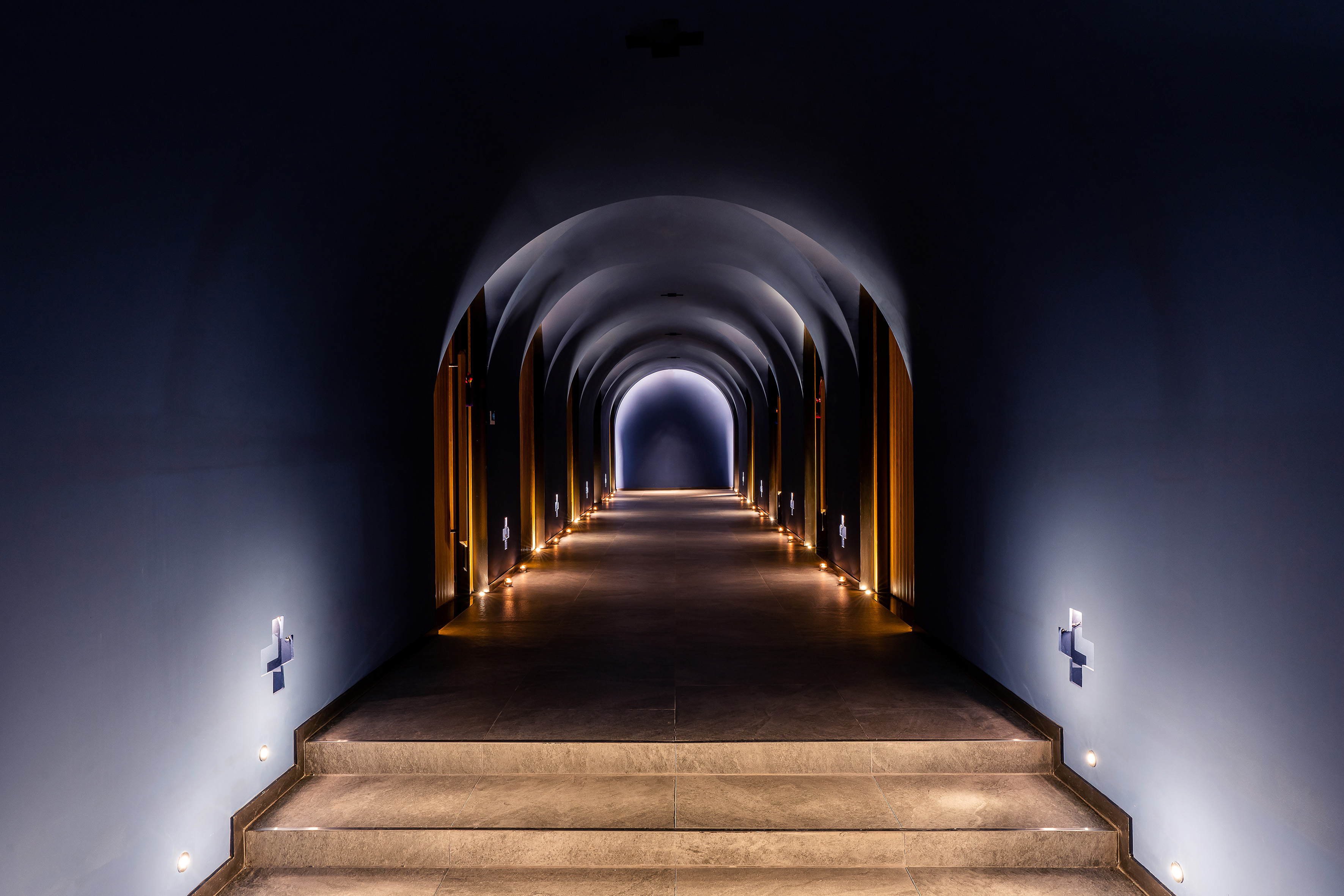
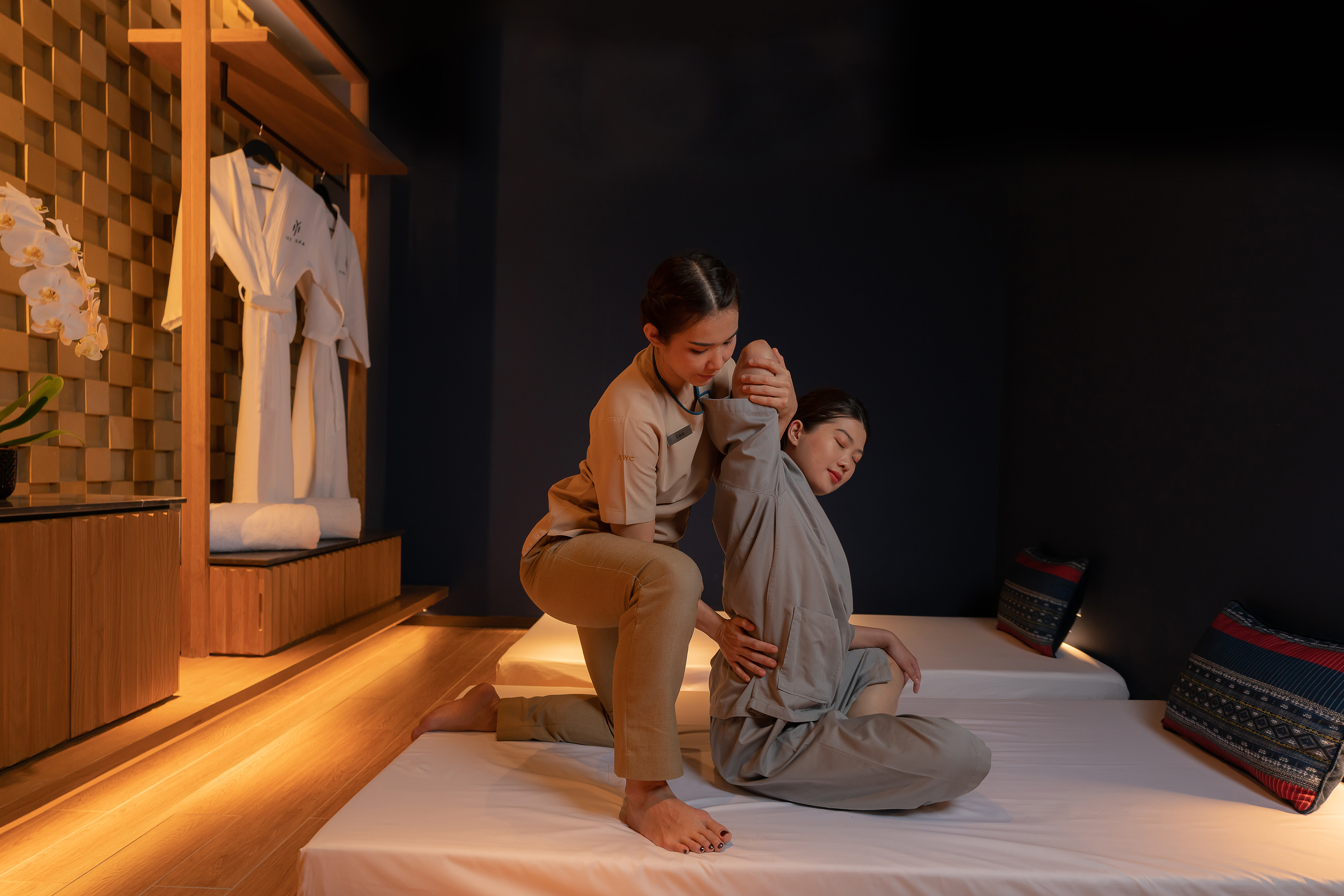
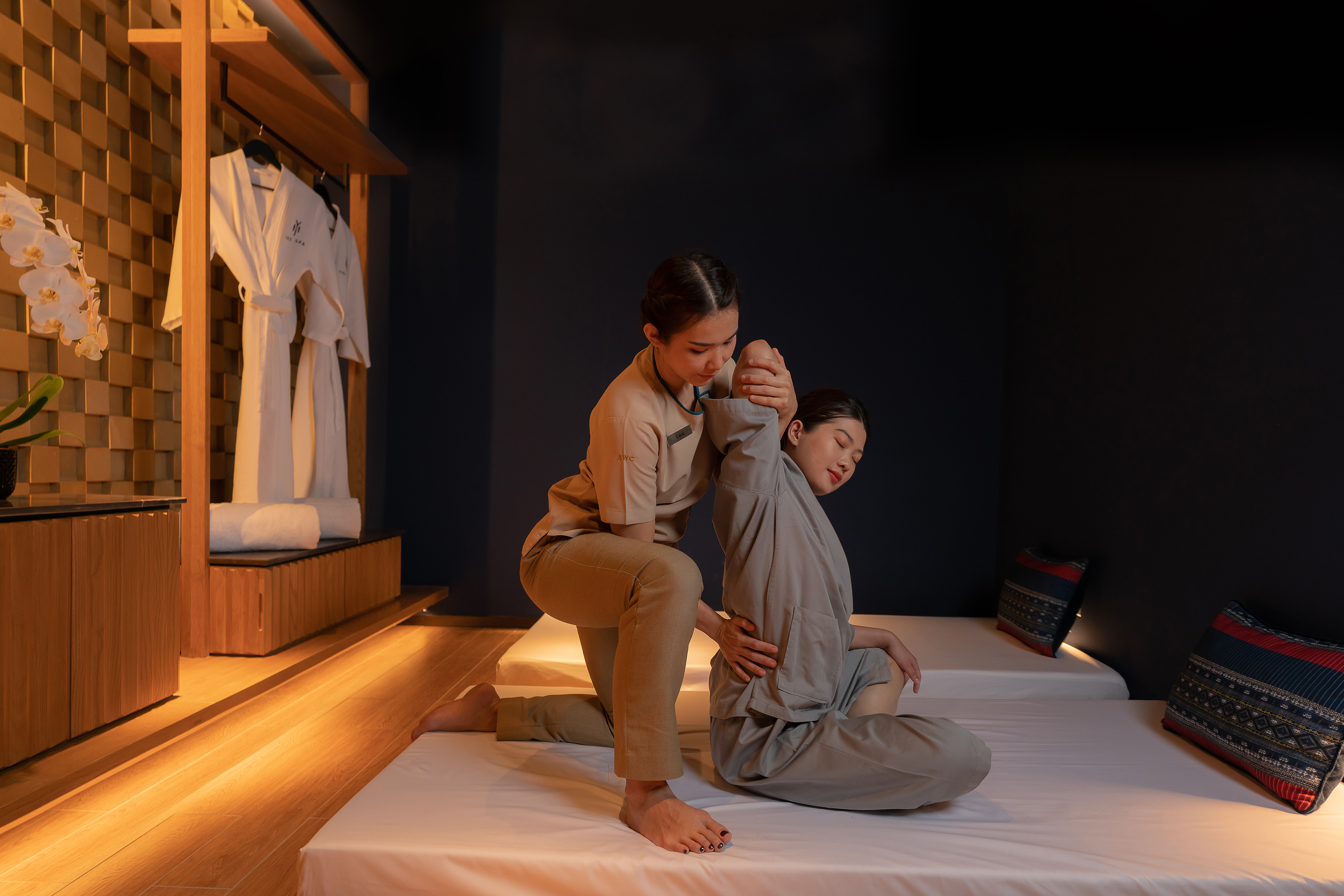
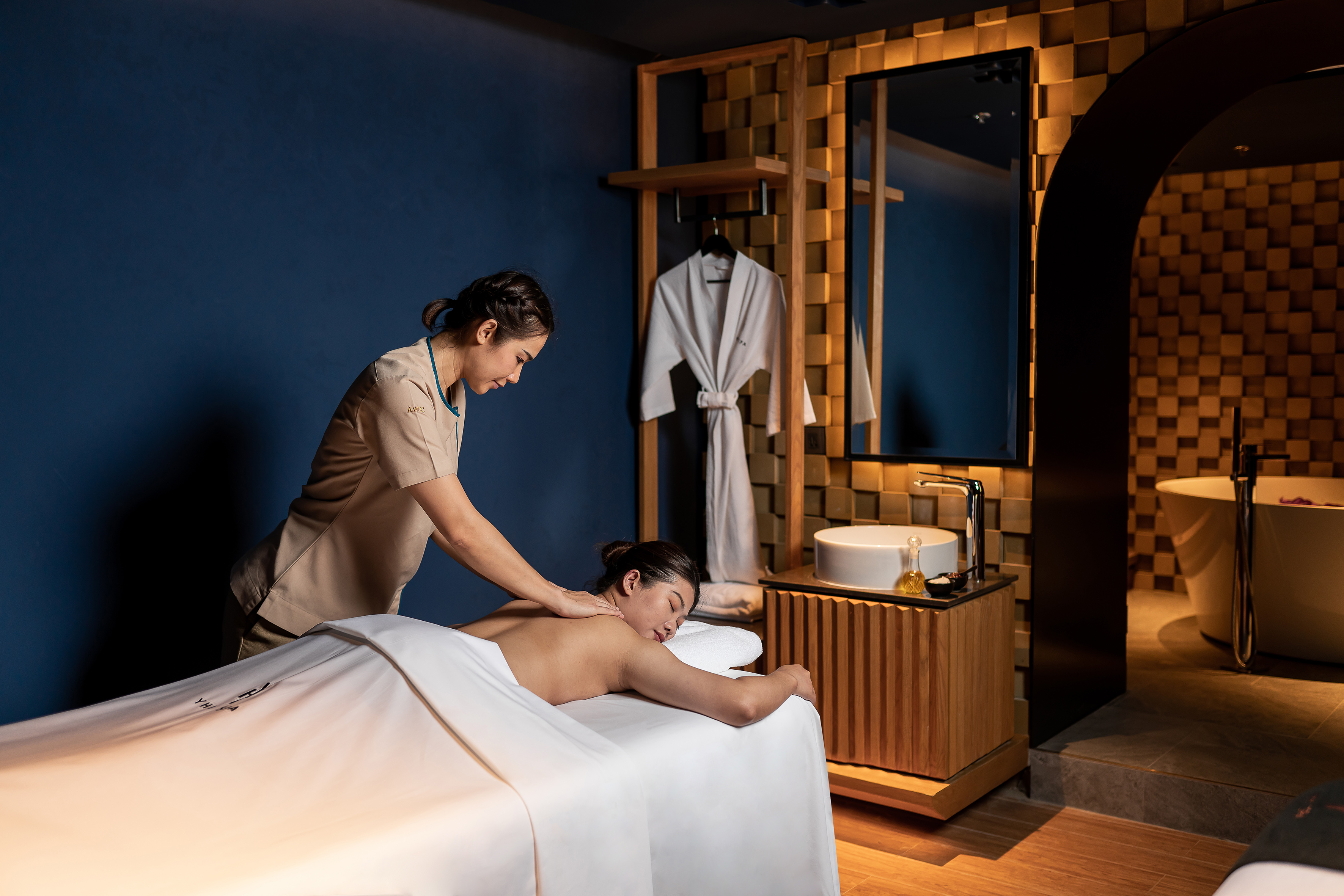
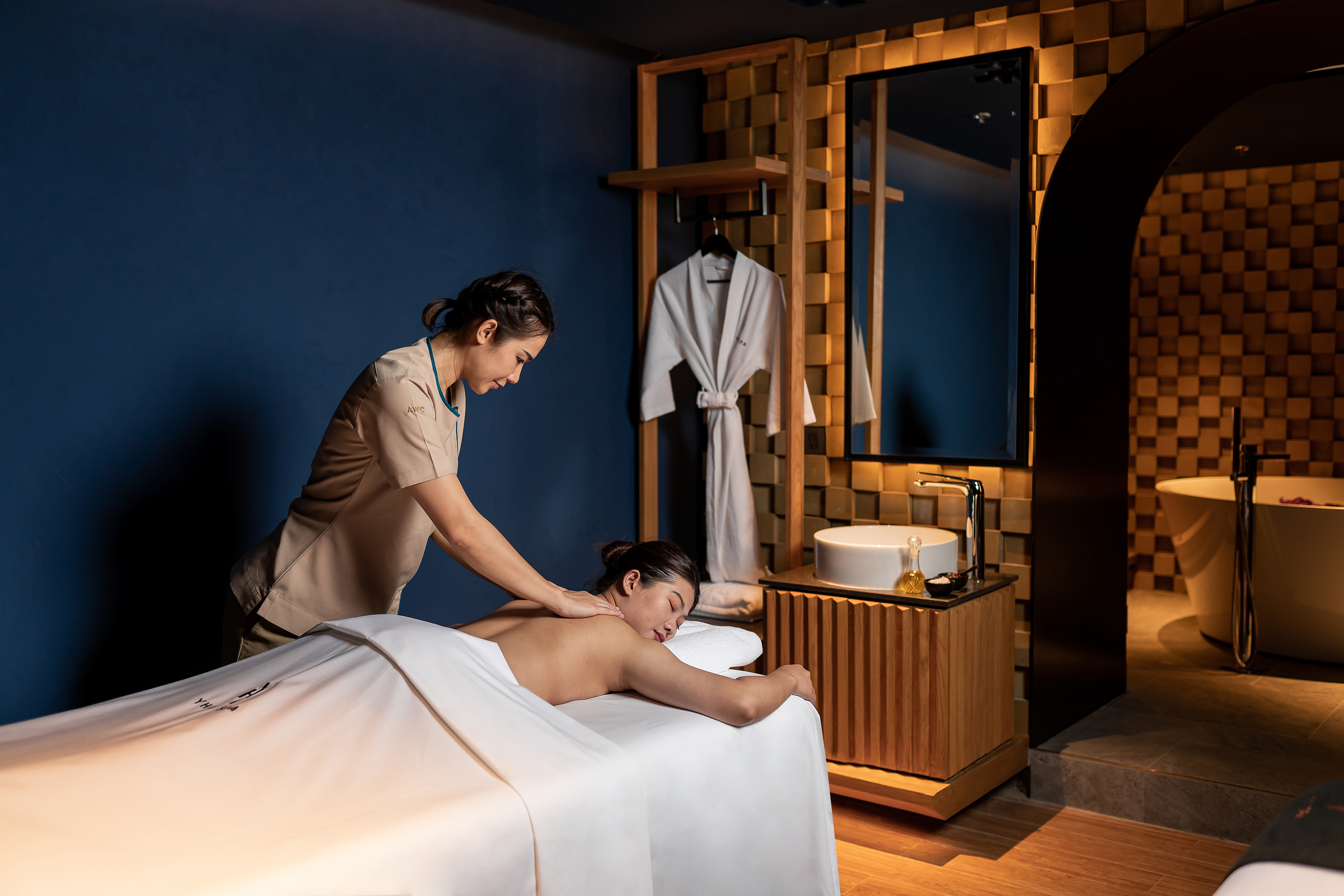
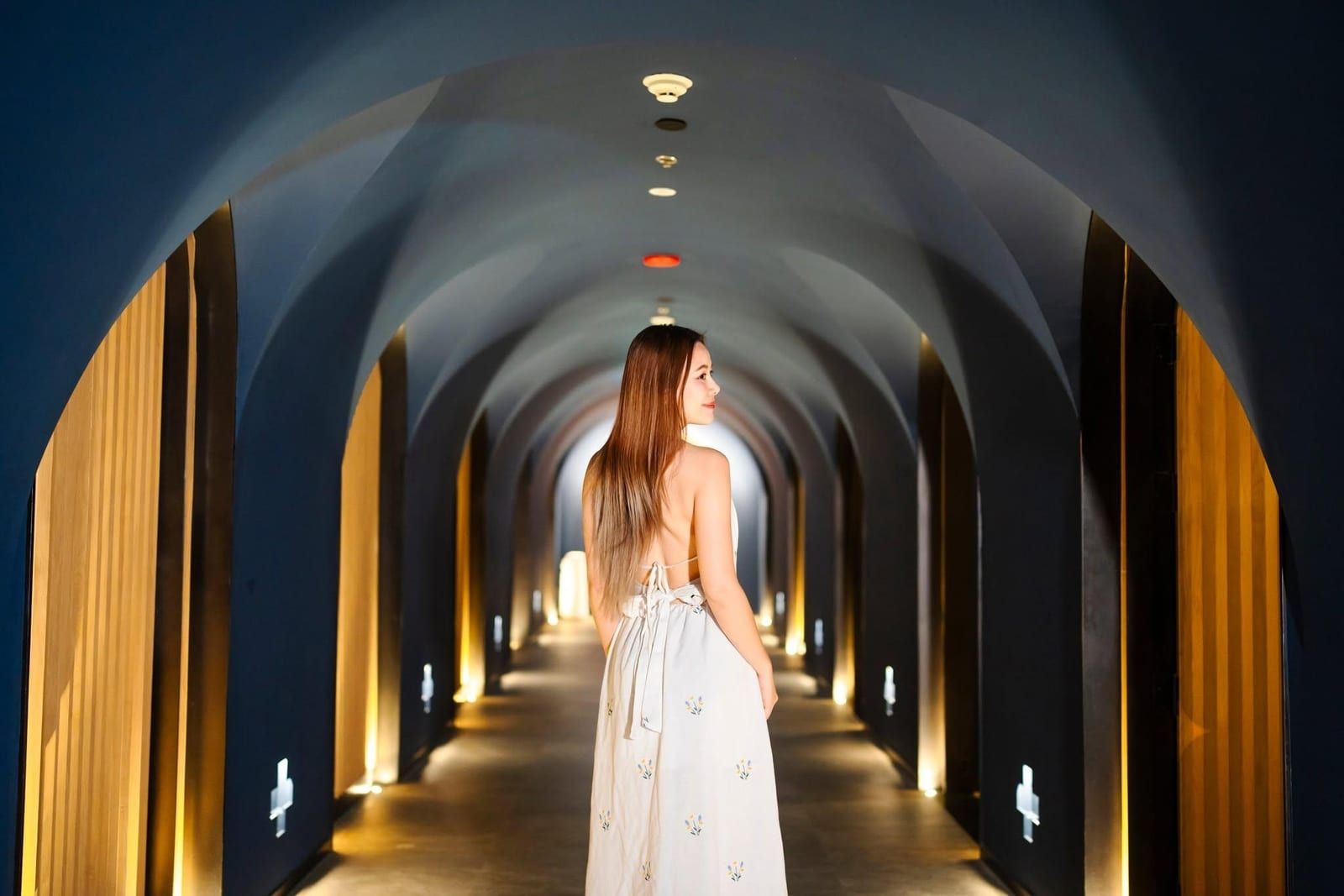
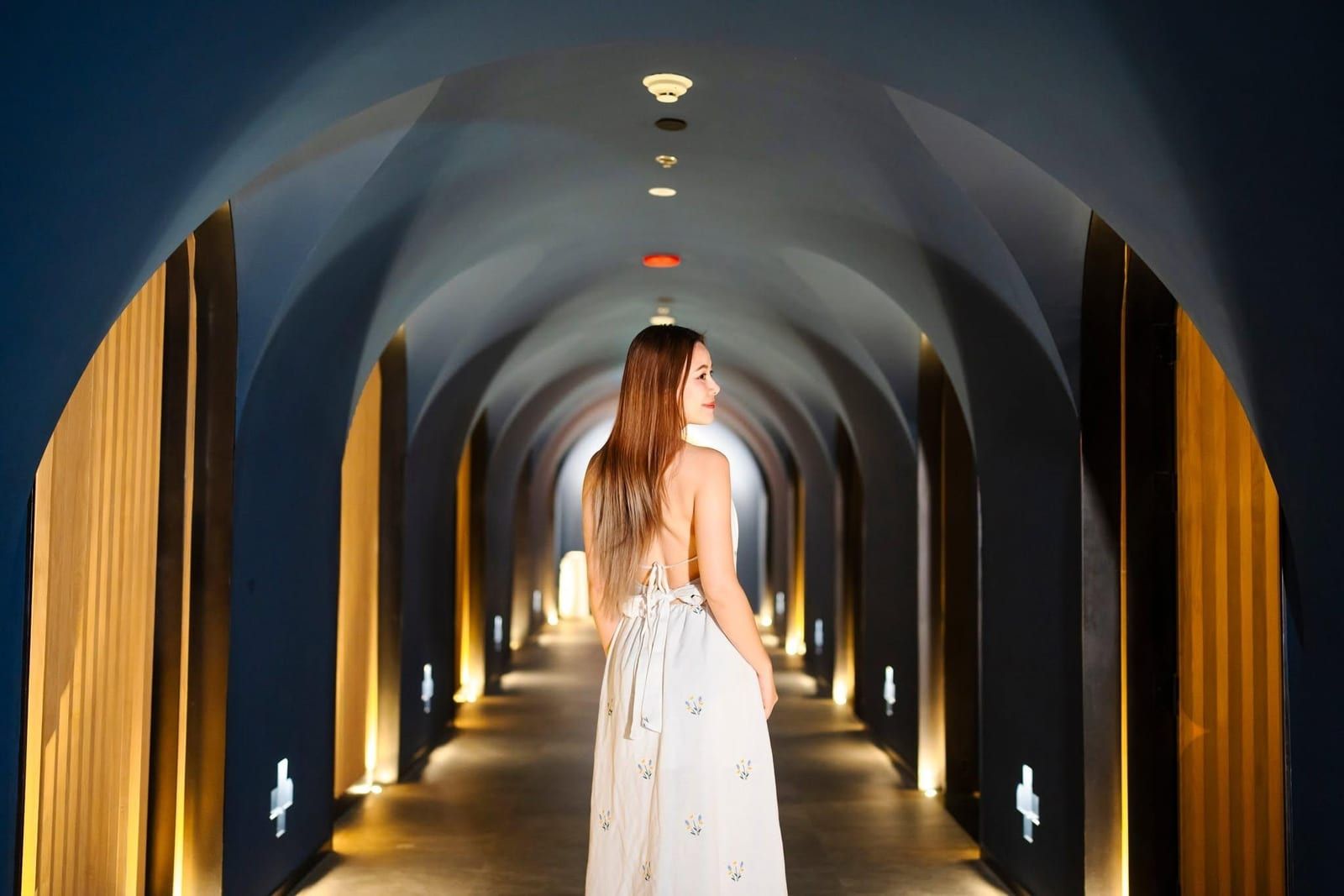
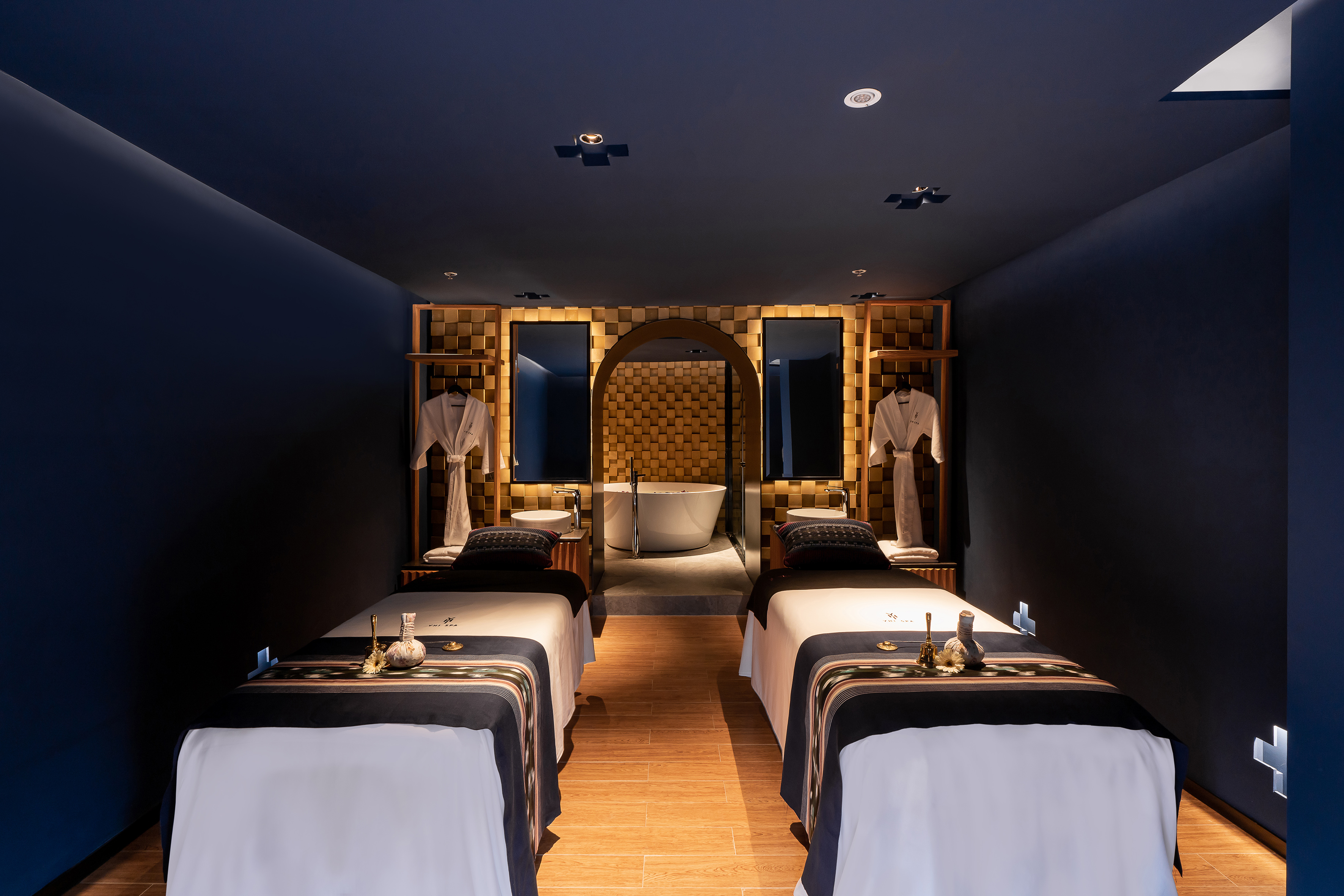
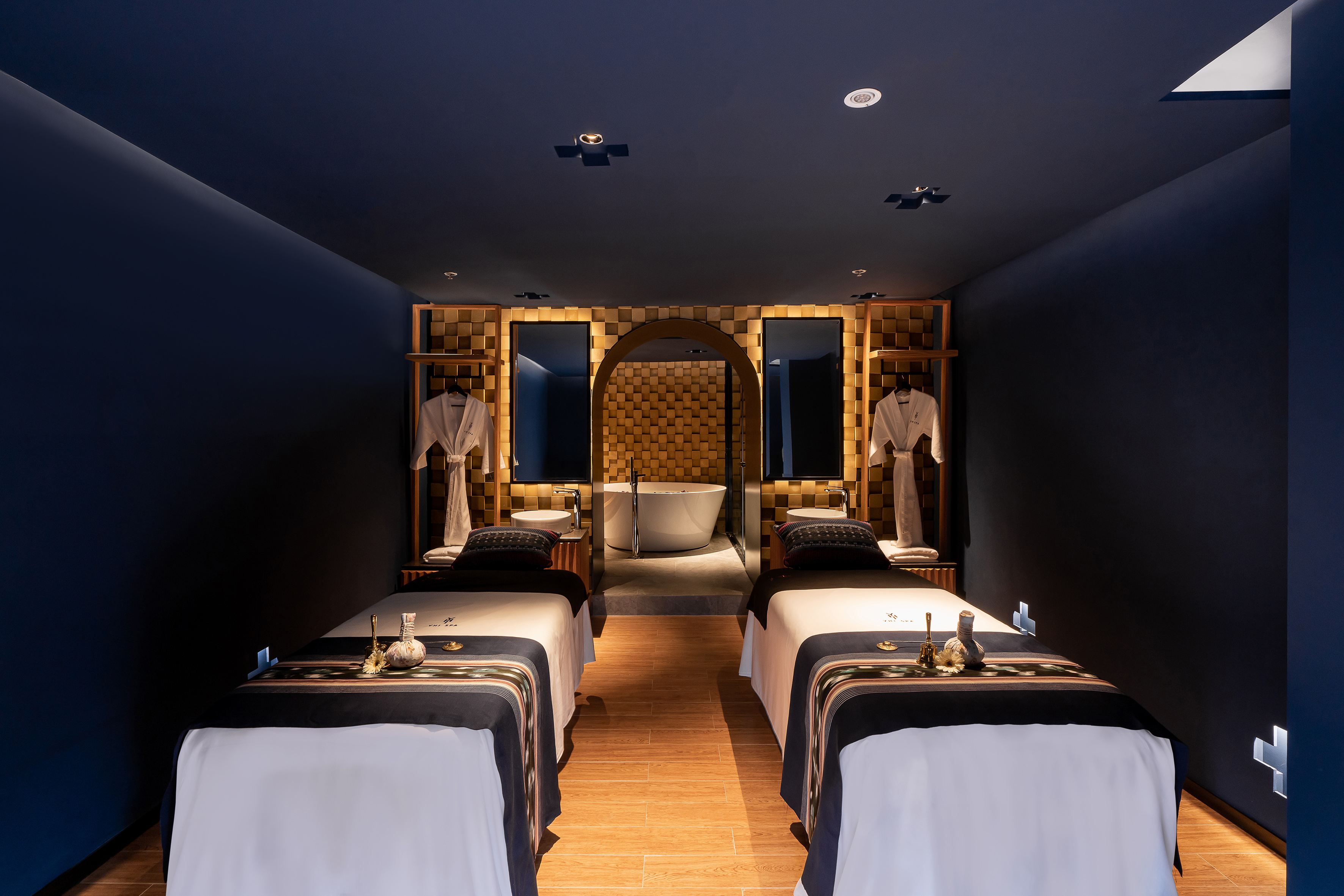
YHI Spa runs seven private treatment rooms, each designed around an underwater theme meant to deepen the sense of sensory withdrawal from the moment a guest steps inside. Muted blues, soft lighting, and water-inspired textures replace the generic neutral tones a lot of Chiang Mai spas default to, a small design choice that changes how a room feels within the first minute of lying down.
Privacy is the other half of the design brief: seven separate rooms rather than a shared open floor mean a couple's treatment or a solo session both get an identical level of quiet, without a curtain as the only thing separating one table from the next the way some larger spa floors are laid out.
Each room keeps its own temperature and lighting control rather than sharing a single setting across the floor, letting a couple's treatment run exactly as warm or as dim as both guests actually want rather than compromising toward whatever the rest of the floor happens to be set at that afternoon.
The treatment menu runs from a single signature session up through a full 120-minute ritual built for two. Here is what each tier actually includes.
,regionOfInterest=(1771.5,1181.5))
,regionOfInterest=(1771.5,1181.5))
The spa's signature 90-minute treatment opens with Tok Sen, a centuries-old Northern Thai technique using a wooden hammer and a tamarind-wood stick to tap rhythmically along muscle lines, before shifting into a Spanish-style massage aimed at fatigue and muscle tension, a direct nod to the hotel's two cultural threads within a single session.
Two 120-minute Spa Rituals go further for anyone with a full afternoon to spend. Couple Indulgence opens with a shared milky bath before moving into an aromatic massage for two, while Balance Wellbeing starts with a full body mask, then a detox massage, then finishes with an oriental foot massage, a three-stage treatment built to work from the outside in rather than focusing on one technique for the full two hours.
Couple Indulgence in particular tends to draw honeymooners and anniversary trips more than any other single item on the menu, since sharing a room for two hours rather than booking side-by-side solo treatments changes the feel of the whole afternoon into something closer to a planned occasion than a routine spa visit.
,regionOfInterest=(1771.5,1182.5))
,regionOfInterest=(1771.5,1182.5))
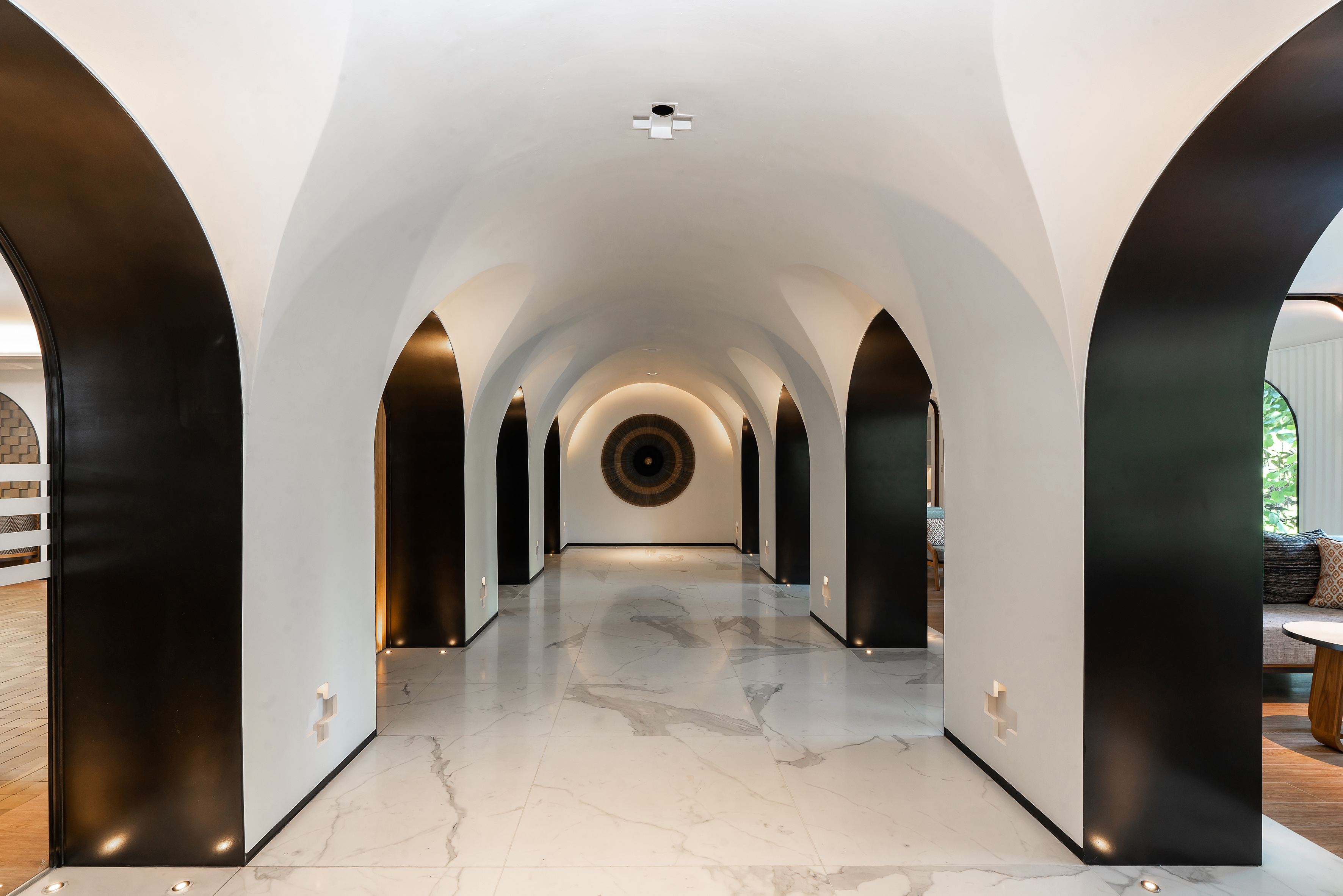
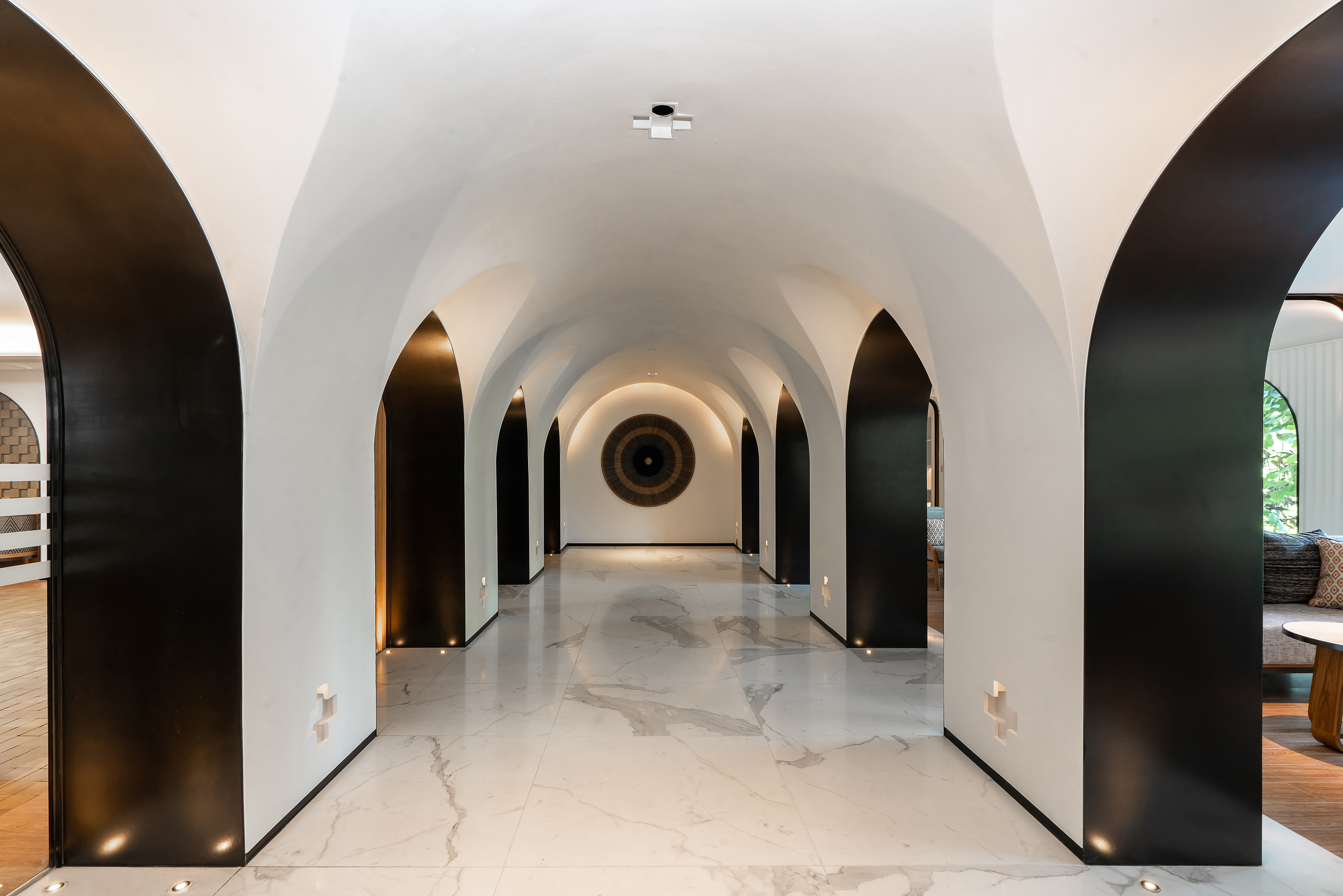
For a genuine half-day, the 360° Spa Signature Treatment stacks four stages into one booking: 45 minutes of yoga and meditation to start, a 30-minute herbal blended steam, then a 90-minute aromatic massage worked with warm Thai rice compress balls, finished with a 360° Cuisine set menu built through a cooking process designed to minimise food waste and reduce greenhouse emissions.
That closing meal is not an afterthought. Tying the same 360° Cuisine philosophy that runs through the hotel's restaurants into a spa package means the sustainability angle carries all the way from the yoga mat to the plate, rather than stopping once the massage ends.
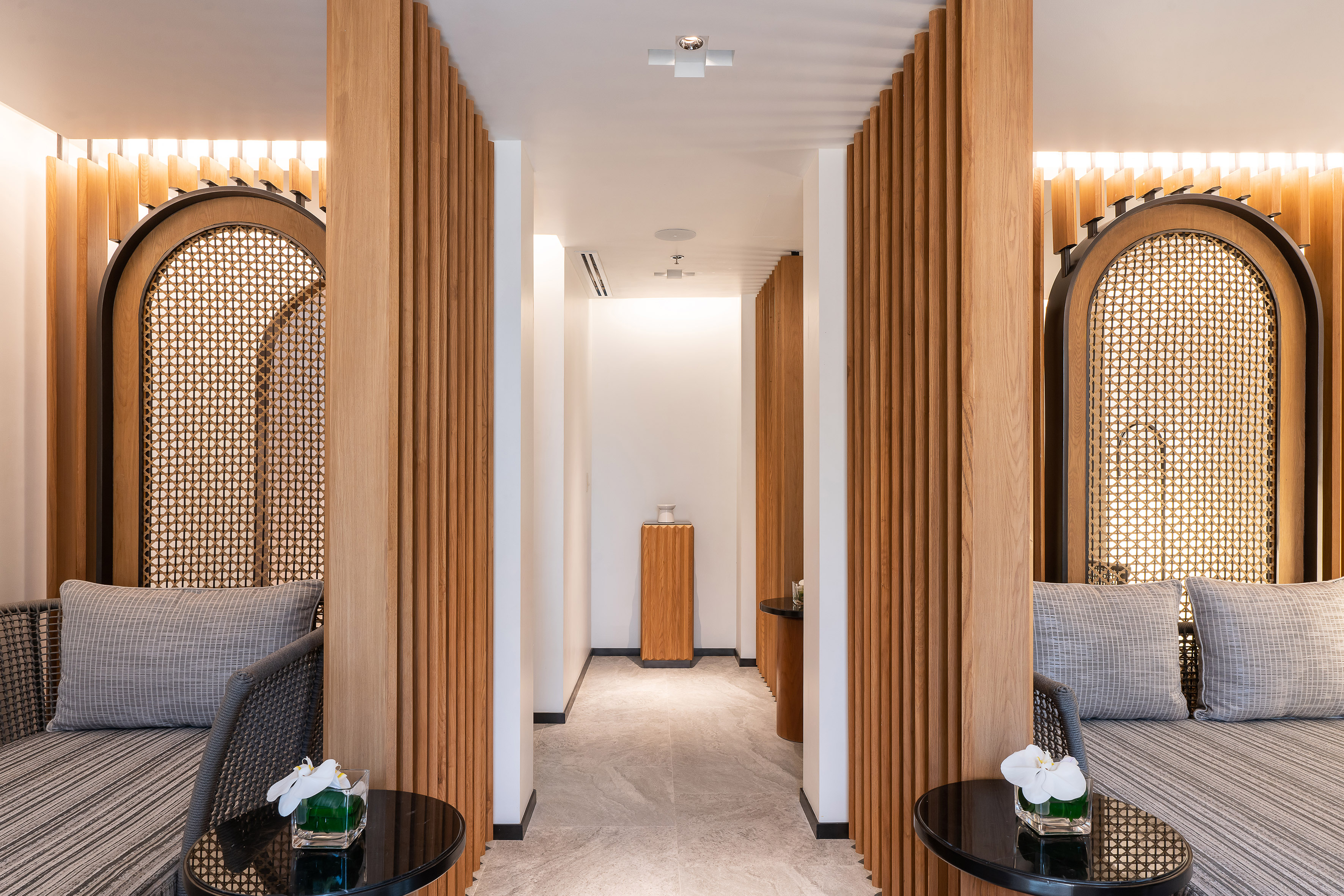,regionOfInterest=(1771.5,1181.5))
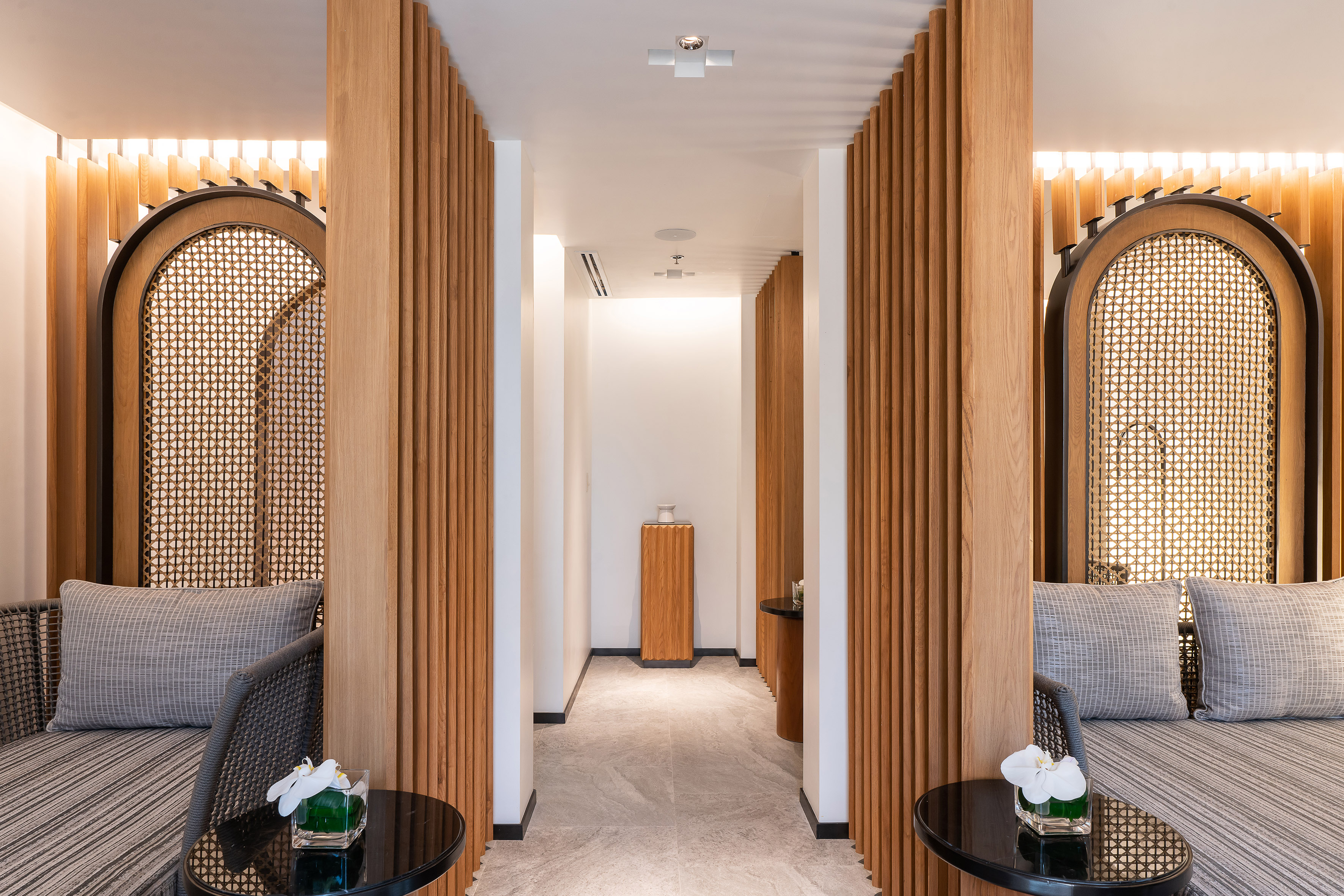,regionOfInterest=(1771.5,1181.5))
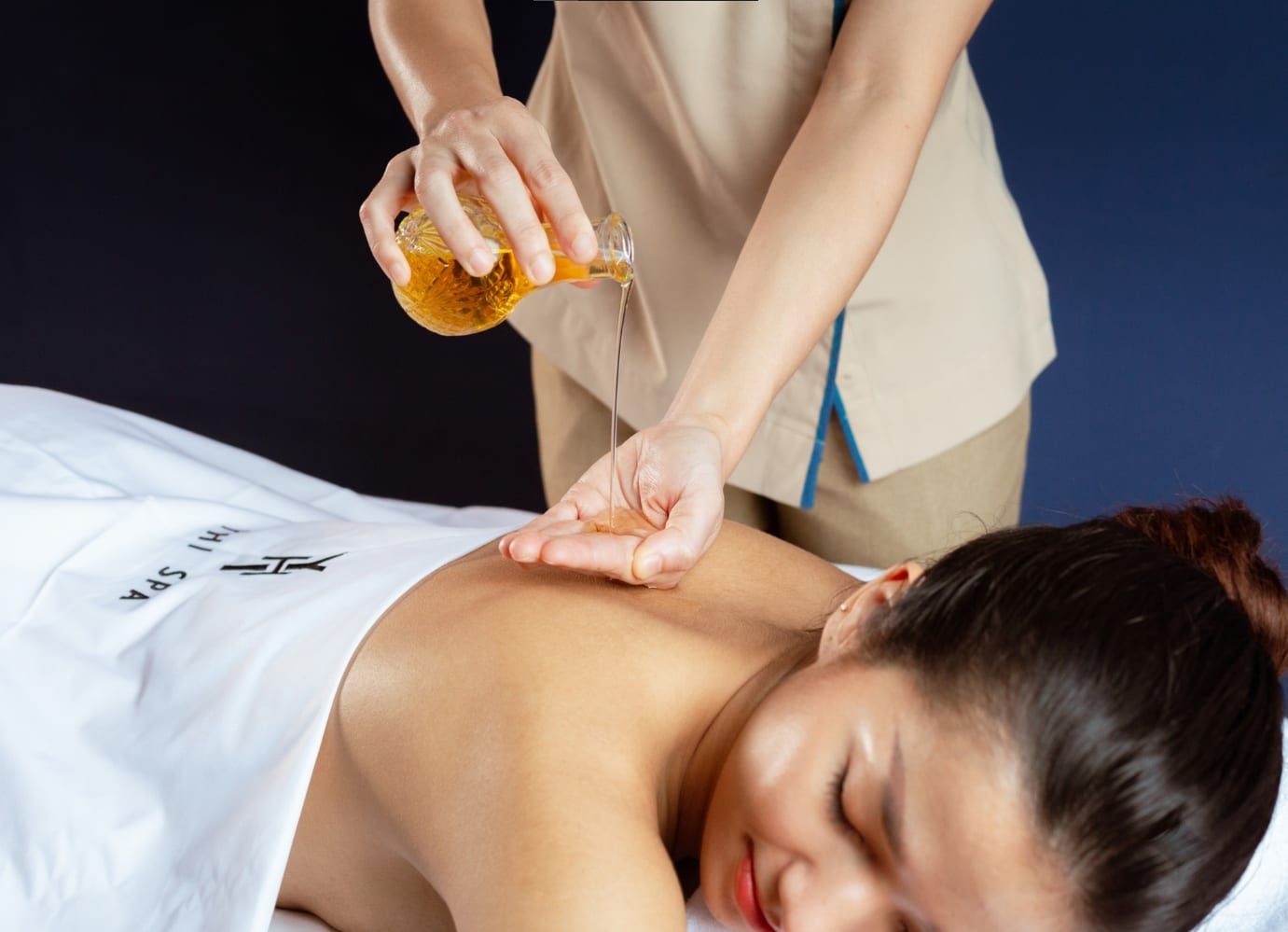
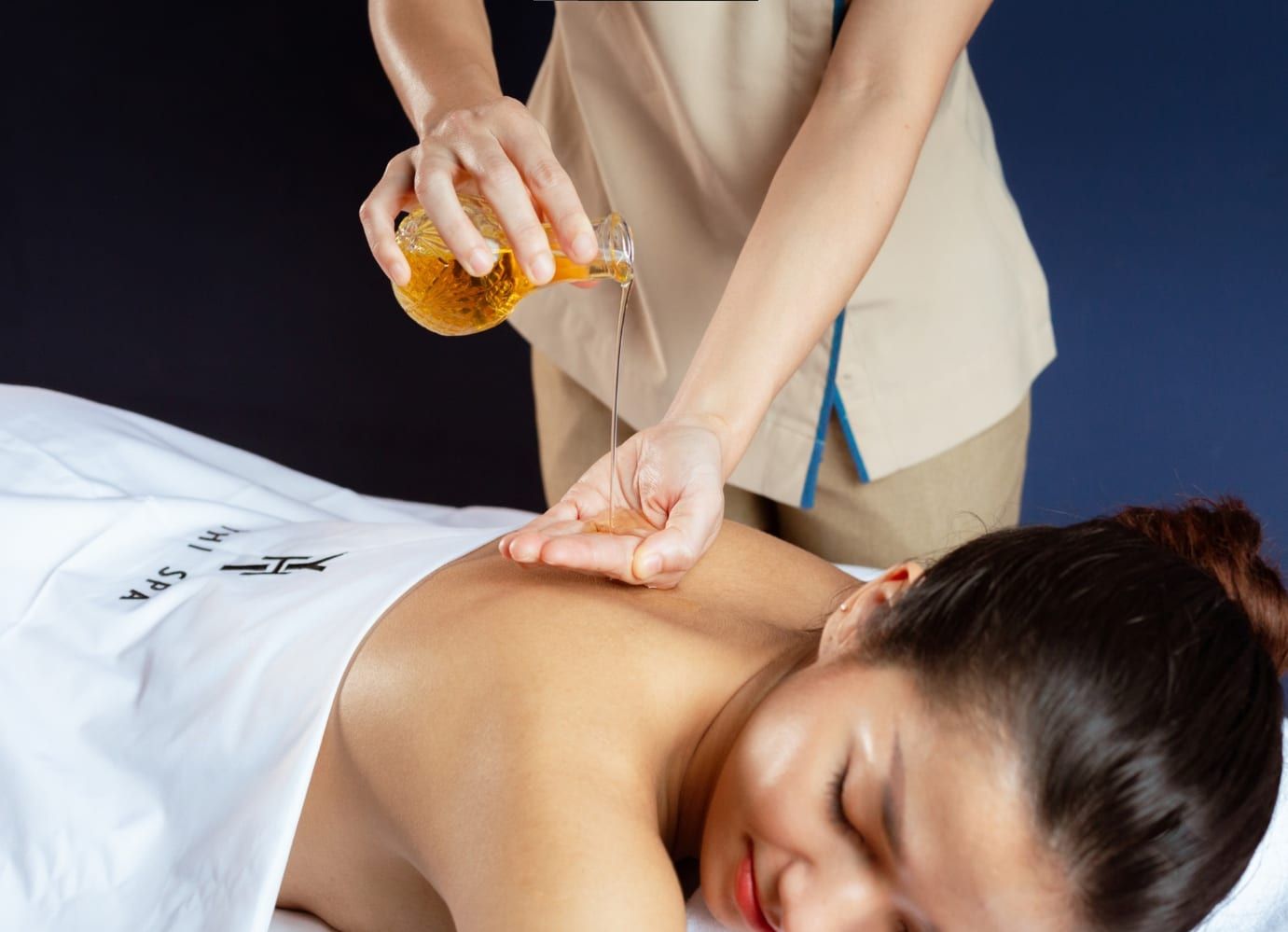
A 90-minute Well Release pairs a soothing body wrap with a facial treatment for anyone who wants visible skin benefit alongside the massage itself, and standard 60 or 90-minute options cover anti-stress, aromatic, deep tissue, and detox massage styles for guests who know exactly which kind of pressure they want rather than a themed package.
Traditional Thai massage and Thai Lanna massage, built around warm herbal compress balls, round out the more strictly Northern Thai side of the menu.
A White Tea and Camellia Body Polish and an Ageless Facial Treatment, built around water lily, liquorice, and cactus extract, cover the more targeted skincare side of the menu for anyone after visible results rather than pure relaxation.
Families are not left out either: a dedicated Kids Therapy programme for children aged six to twelve runs 45 to 60 minutes of stretching and animal-inspired yoga poses finished with a gentle massage using the same HARNN coconut oil found elsewhere on the menu, letting a parent's treatment and a child's happen at the same time rather than one waiting on the other in the lobby.
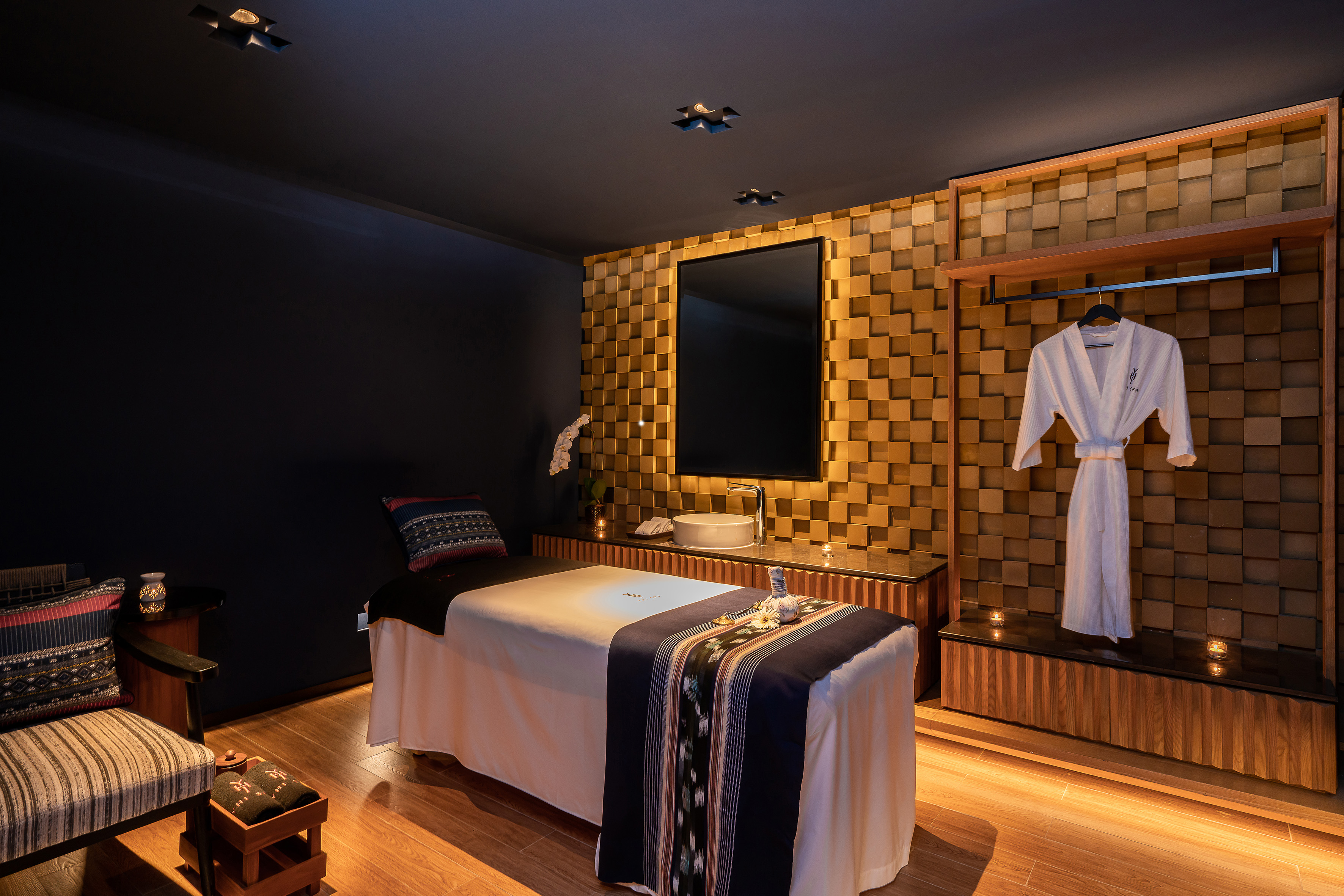,regionOfInterest=(1771.5,1181.5))
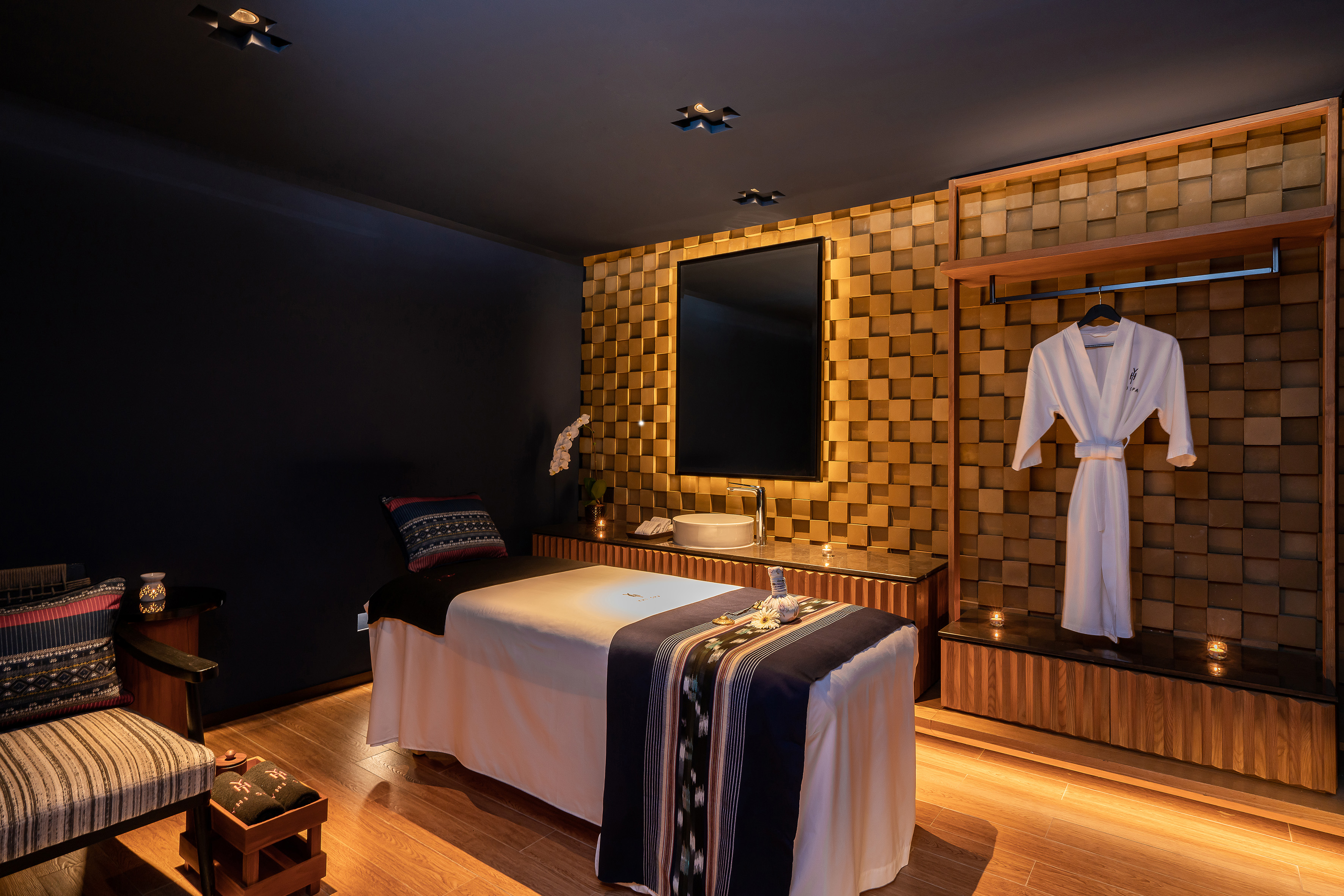,regionOfInterest=(1771.5,1181.5))
For anyone who cannot decide on a single treatment, YHI Spa also lets guests build a custom 120-minute journey from a curated shortlist rather than committing to one fixed package.
Mixing and matching two or three of these into one 120-minute session tends to suit a traveller who wants, say, a Thai massage and a foot massage back to back rather than ninety straight minutes of one technique. Exact pricing depends on which combination gets chosen and runs seasonal promotions from time to time, so it is worth asking directly what the current spa journey menu and rate look like when booking, since offers here do change through the year.
The format suits a traveller who cannot fully commit to a single fixed package just as well as it suits a couple with different priorities for the same session, one person leaning toward deep tissue work while the other wants something gentler, both built into the same 120-minute block rather than negotiating over which single treatment to book.
It also works well for a repeat guest who has already tried the signature 90-minute treatment on an earlier stay and wants to explore a genuinely different combination this time around, rather than either repeating the exact same session again or starting completely from scratch with an unfamiliar package.
,regionOfInterest=(1771.5,1181.5))
,regionOfInterest=(1771.5,1181.5))
A first visit runs smoothest by arriving about 15 minutes ahead of a scheduled treatment rather than right on time, enough to fill out a short health and preference form, change into the robe and slippers provided, and settle in before the therapist begins rather than starting the clock while still getting comfortable.
Therapists generally check in on pressure preference early in a massage rather than assuming a single fixed intensity works for everyone, so speaking up in the first few minutes if something feels too firm or too light tends to get a better result than staying quiet through the full session and hoping it eases up on its own.
Most treatments end with a short rest period and a cup of tea, a small but genuine chance to let the effects of the massage settle in properly before heading back out into the afternoon rather than rushing straight from the table to the street.
Loose, comfortable clothing works better than anything restrictive for the changeover before and after a treatment, and arriving with minimal makeup or product on the skin makes more sense for a facial-inclusive package like Well Release, since the treatment itself starts by removing whatever is already there anyway.
Flagging any allergies, skin sensitivities, recent surgery, or a pregnancy before a treatment begins lets a therapist adjust technique and pressure accordingly rather than guessing partway through, and it is a completely normal part of the health form filled out on arrival rather than an awkward conversation to avoid.
Arriving with a rough idea of what a session should achieve, pure relaxation, working out a specific knot in the shoulders, or simply an hour of quiet away from a busy itinerary, helps a therapist pick the right technique from the menu rather than defaulting to whichever treatment happens to be booked most often that season.
,regionOfInterest=(690.5,499.5))
,regionOfInterest=(690.5,499.5))
The Herbal Blended Steam room and the Exotic Sauna round out a visit for anyone treating the spa as a half-day rather than a single hour. Both are built around the same idea of using heat and herbal aromatics to help cleanse the skin, support natural detoxification, and ease tension in the muscles before or after a scheduled treatment, rather than functioning as an isolated wellness activity on their own.
The herbal blend used in the steam room draws on the same tradition of Northern Thai plant-based remedies that shows up across the rest of the treatment menu, rather than a generic scent piped in from a machine, one more small detail separating a hotel spa built around a specific regional identity from a generic wellness facility bolted onto a hotel as an afterthought.
Booking a massage on either side of twenty or thirty minutes in the steam room or sauna is a simple way to get more out of a single spa visit without extending the appointment itself by much, since both rooms are available to any guest with a treatment scheduled that day rather than requiring a separate reservation.
,regionOfInterest=(1771.5,1181.5))
,regionOfInterest=(1771.5,1181.5))
| CATEGORY | EXAMPLES | TYPICAL DURATION |
| Signature treatment | Tok Sen plus Spanish-style massage | 90 minutes |
| Spa Rituals | Couple Indulgence, Balance Wellbeing | 120 minutes |
| 360° Spa Signature Treatment | Yoga and meditation, herbal steam, aromatic massage, 360° Cuisine set menu | About 165 minutes plus dining |
| Massages | Thai, Thai Lanna, aromatic, deep tissue, detox | 60 or 90 minutes |
| Body treatments | Well Release, body scrub, herbal compress | 30 to 90 minutes |
| Heat therapy | Herbal Blended Steam, Exotic Sauna | Add-on alongside a booked treatment |
Across Chiang Mai spas generally, an independent massage shop in the Old City or Nimman typically charges somewhere between 150 and 350 baht (about US$4.50 to US$10) for a standard one-hour Thai massage, while a professional spa with private rooms and a broader treatment menu runs considerably higher, often into the 800 to 1,600 baht (roughly US$23 to US$46) range for a comparable hour, before factoring in longer packages or added extras.
Tipping is not obligatory anywhere in Thailand, spa treatments included, but it is genuinely appreciated. A range of 100 to 200 baht (about US$3 to US$6) for a satisfying hour-long treatment is a reasonable guide, handed directly to the therapist in cash rather than added to a card payment, since that is what actually reaches the person who did the work.
Bundling two or three shorter treatments into one half-day package, a massage followed by a facial and some time in the steam room, for instance, typically works out cheaper per treatment than booking each one separately, a detail worth asking about when comparing Chiang Mai spas that structure their menus differently.
Guests staying on The Level get a further discount worth knowing about, 10 percent off any YHI Spa treatment on top of whichever current promotion happens to be running, a small perk that adds up quickly across more than one visit during a longer stay.
Booking directly through the hotel, by phone, email, or its own website, generally surfaces the same or better rate than a third-party booking platform, along with more flexibility to adjust or combine treatments on the day itself rather than being locked into whatever a pre-paid voucher already specifies.
Booking a day or two ahead covers most of the year, though the festival weeks covered elsewhere in this guide, Songkran in April and the Yi Peng and Loy Krathong window in November, are worth booking further out, since spa demand climbs alongside hotel occupancy during exactly those weeks.
,regionOfInterest=(800,533.5))
,regionOfInterest=(800,533.5))
YHI Spa at Meliá Chiang Mai stands out in a crowded market by ditching the rigid, one-size-fits-all approach. Between its immersive underwater-themed treatment rooms, unique global-fusion techniques, and customizable packages, the spa effortlessly flexes to fit your schedule, whether you have 60 minutes between temple tours or a full afternoon to dedicate to wellness.
Ready to elevate your Chiang Mai itinerary? Skip the gamble of a walk-in and secure your slice of relaxation by booking directly with YHI Spa at Meliá Chiang Mai today to unlock their latest seasonal treatment menu.
,regionOfInterest=(1771.5,1181.5))
,regionOfInterest=(1771.5,1181.5))
Prices vary widely across Chiang Mai spas: a standard one-hour Thai massage at an independent shop typically runs 150 to 350 baht (about US$4.50 to US$10), while a professional spa with private rooms, like YHI Spa, runs considerably higher, generally 800 baht (about US$23) and up depending on the treatment and its length.
Traditional Thai massage uses pressure-point technique and assisted stretching rather than the oil-based gliding strokes of a Western-style massage, typically performed on a padded mat or a firm table with the guest in loose, comfortable clothing rather than undressed. It can feel considerably firmer than a relaxation massage, so mentioning a preference for lighter pressure at the start is worth doing for a first-timer.
Tipping is not required but is genuinely appreciated across Chiang Mai spas, with 100 to 200 baht (about US$3 to US$6) for an hour-long treatment a reasonable guide, handed directly to the therapist in cash rather than left with the front desk.
A day or two ahead is usually enough outside of peak weeks, but booking further out is worth it during Songkran in April or the Yi Peng and Loy Krathong window in November, when spa demand rises alongside hotel occupancy across the whole city rather than just at the property itself.
,regionOfInterest=(1476.5,980.5))
,regionOfInterest=(1476.5,980.5))
,regionOfInterest=(1496,1996))
,regionOfInterest=(1496,1996))
,regionOfInterest=(2732,1820))
,regionOfInterest=(2732,1820))
,regionOfInterest=(1392,924))
,regionOfInterest=(1392,924))
,regionOfInterest=(2121,1414))
,regionOfInterest=(2121,1414))