,regionOfInterest=(2900.5,1949.5))
,regionOfInterest=(2900.5,1949.5))
The best coves in Mallorca
,regionOfInterest=(707.5,1059.5))
,regionOfInterest=(707.5,1059.5))
Culture
,regionOfInterest=(1023,575.5))
,regionOfInterest=(1023,575.5))
,regionOfInterest=(512,482))
,regionOfInterest=(512,482))
Digital marketing specialist with a passion for travel, writing, and discovering what makes every destination unique.
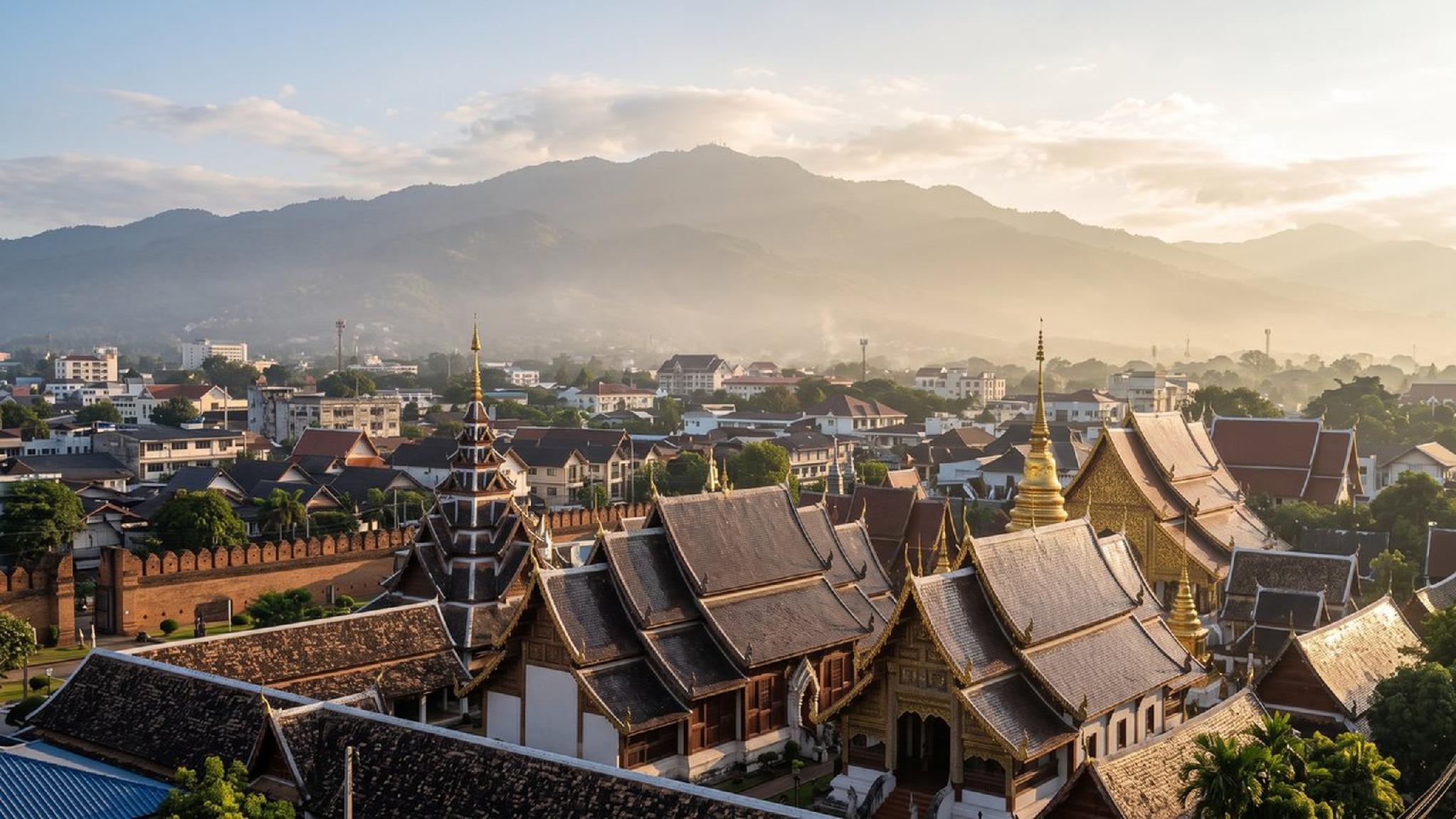
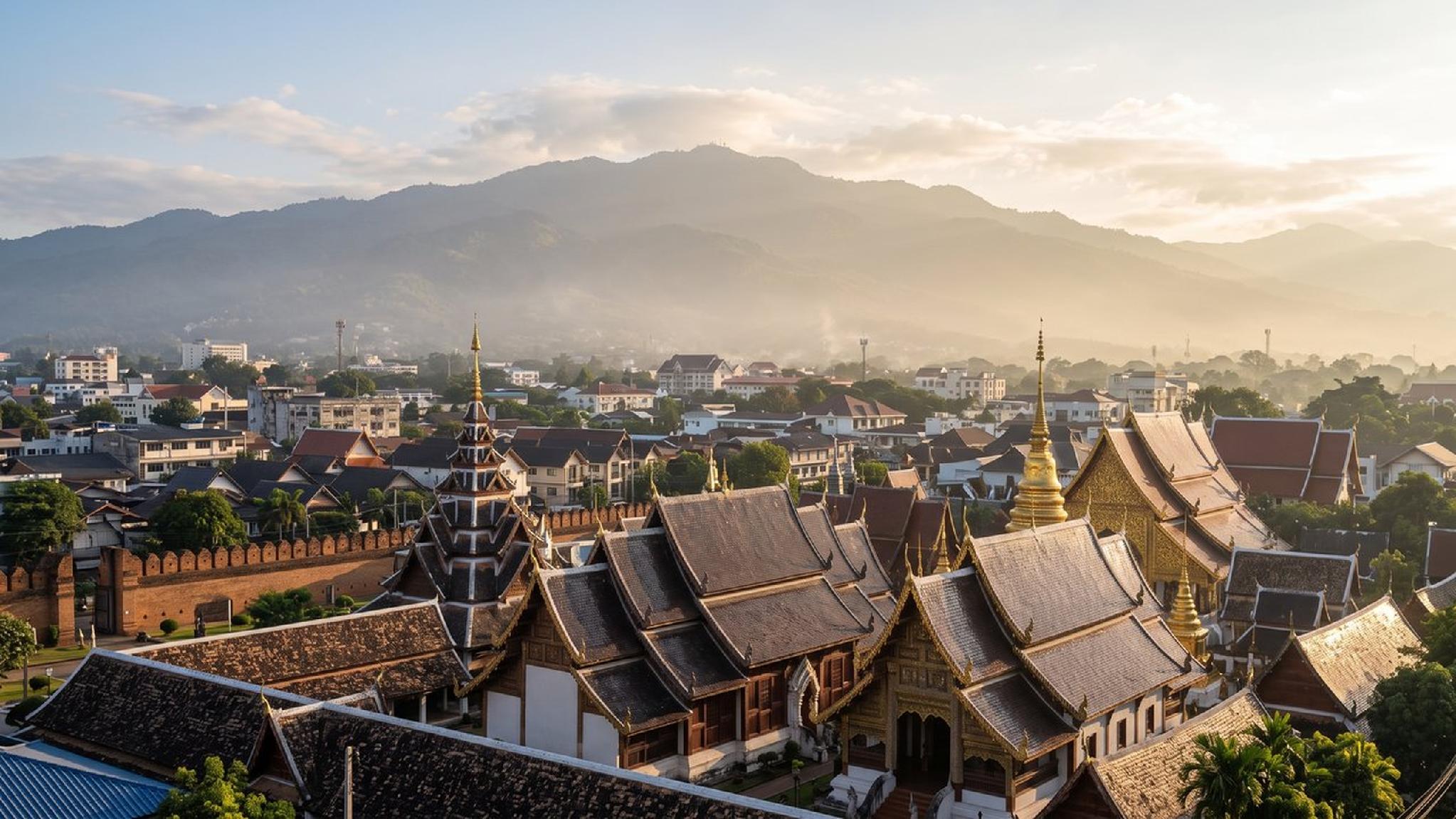
How many days does Chiang Mai actually need? Three feels rushed once the Old City, Doi Suthep, and an elephant day all compete for the same short window, and seven can drift without a plan tying the days together.
This itinerary lays out a workable core of three days, then shows exactly where to extend it to five or seven, with real timing, real distances, and how a comfortable base in the city ties the whole trip together rather than adding its own logistics to work around.
Culture
,regionOfInterest=(800,446.5))
,regionOfInterest=(800,446.5))
,regionOfInterest=(800,446.5))
,regionOfInterest=(800,446.5))
,regionOfInterest=(800,446.5))
,regionOfInterest=(800,446.5))
,regionOfInterest=(800,446.5))
,regionOfInterest=(800,446.5))
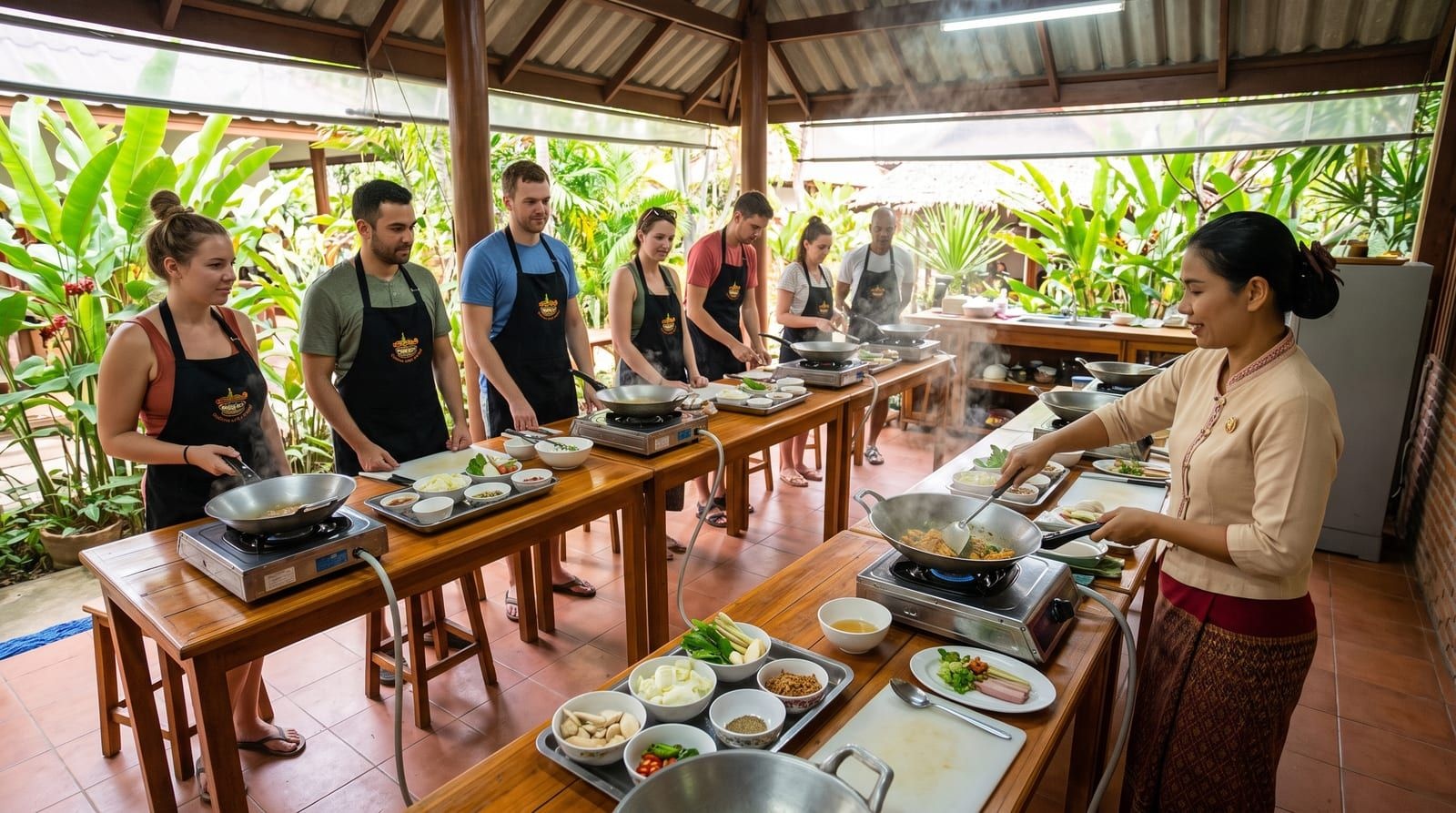
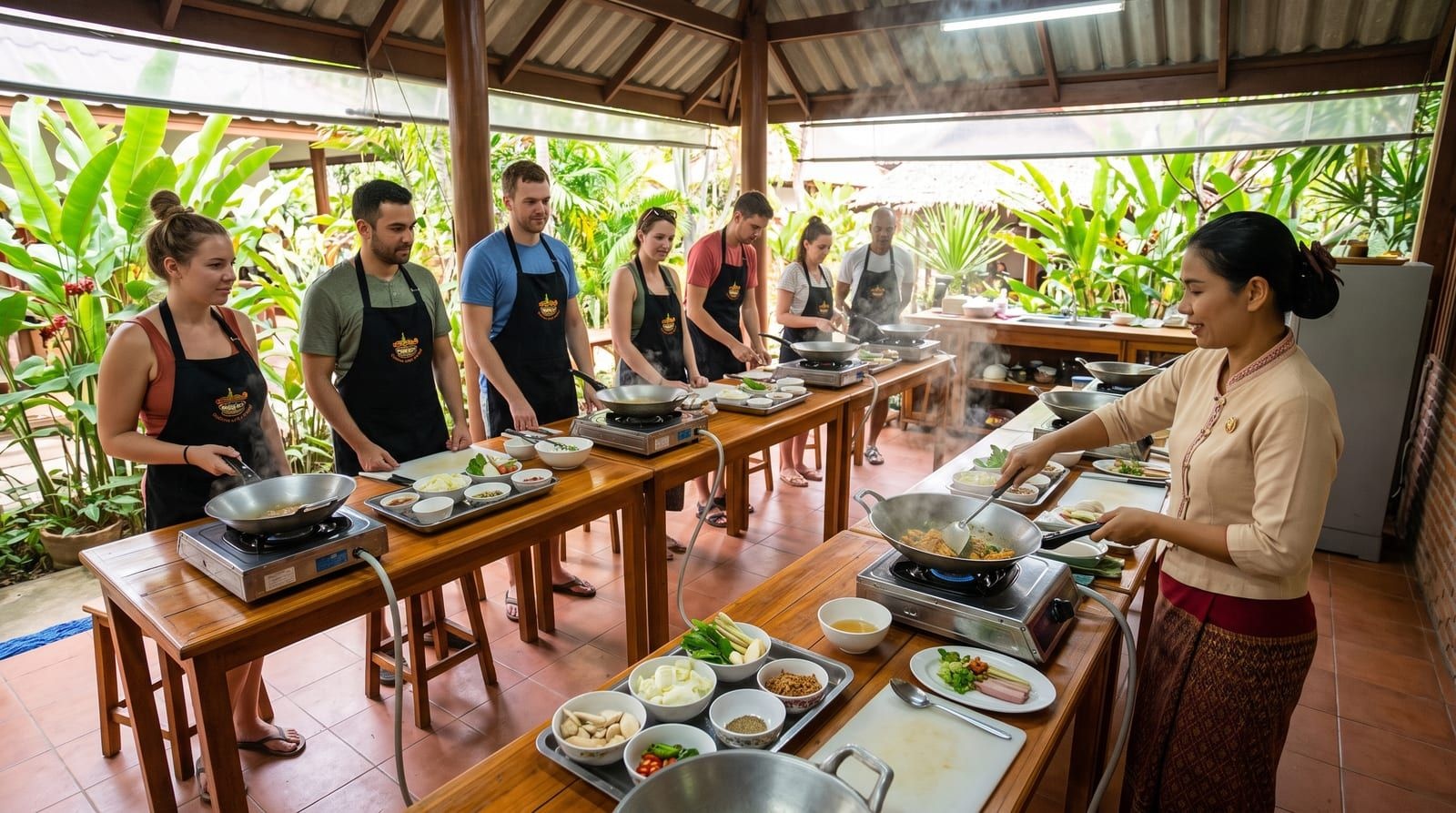
Three days covers the essentials of any solid Chiang Mai itinerary: the Old City's temples, Doi Suthep, and one full day given over to an ethical elephant experience. Five days adds a proper day trip out of the city, and seven leaves enough room for two, plus a genuinely slow day with nothing scheduled at all.
Cool season, roughly November through February, suits this pace best, comfortable enough to walk between temples at midday without needing a long break to cool off. A trip built during burning season, February through April, still works with this itinerary,
Rainy season, May through October, thins out the crowds at every stop on this Chiang Mai itinerary considerably, though it pays to build a half-day of flexibility into the schedule in case an afternoon downpour delays a mountain drive.
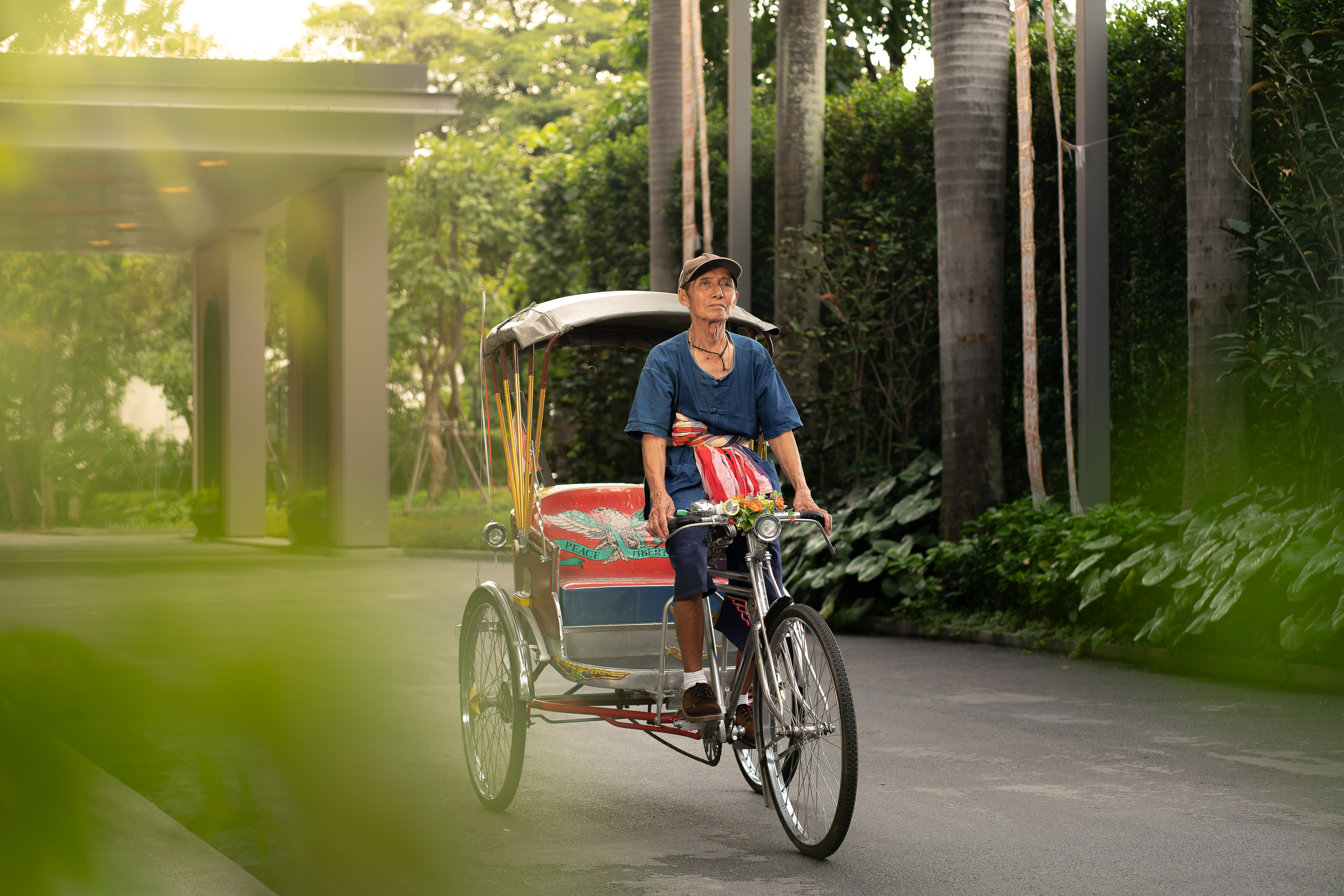
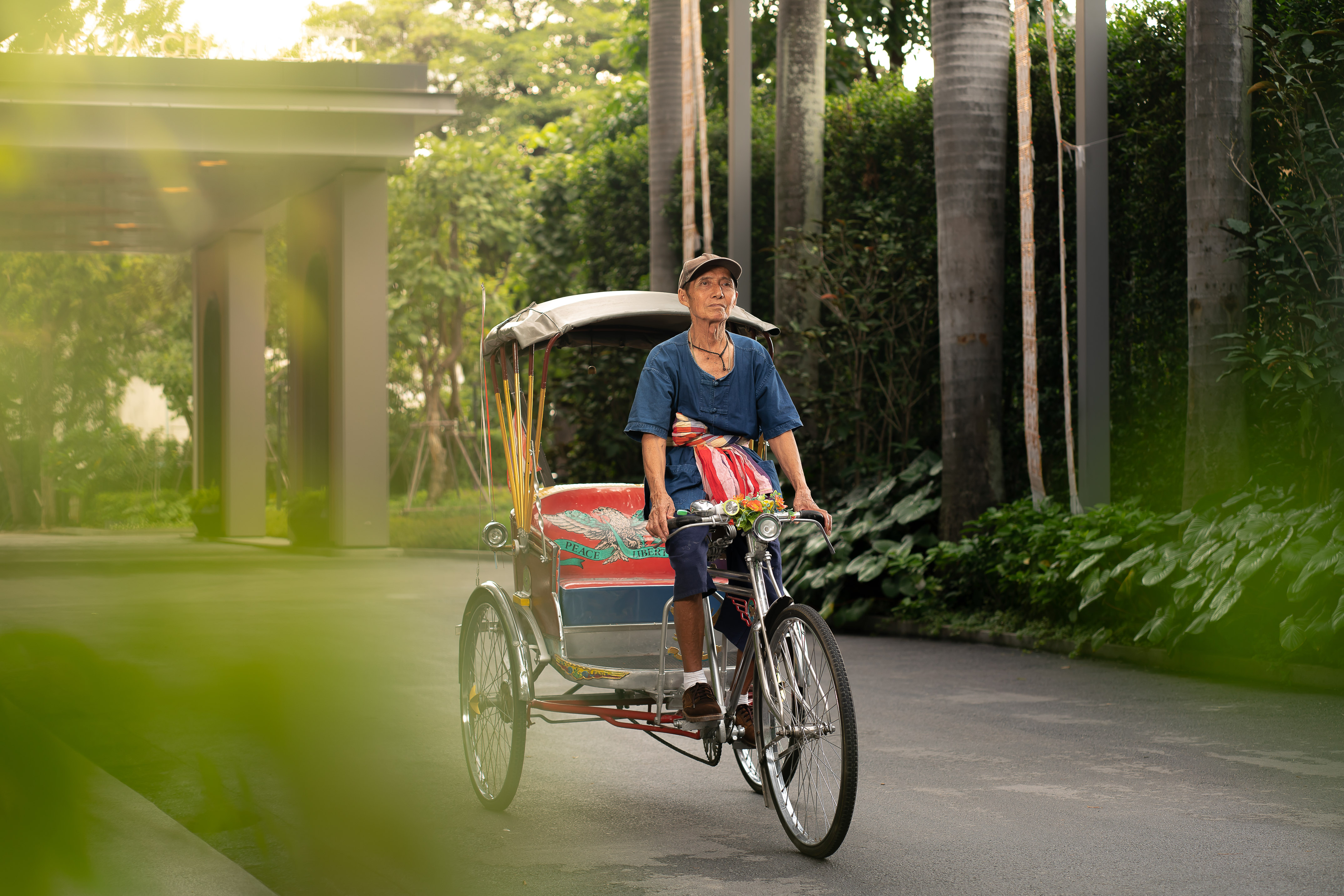
Getting between everything on this itinerary rarely needs more than a short ride, since the whole route from the Old City to the elephant sanctuaries stays within a compact radius of the Chang Khlan district. Here is how to cover it day to day.
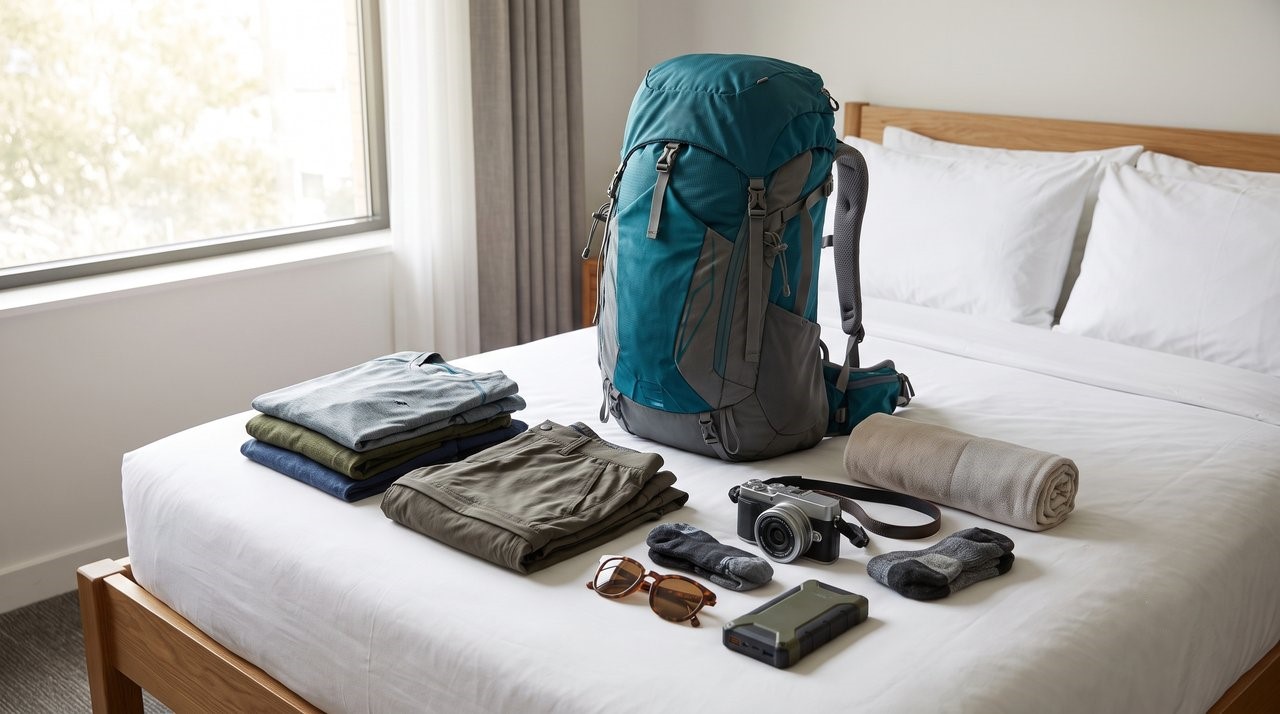
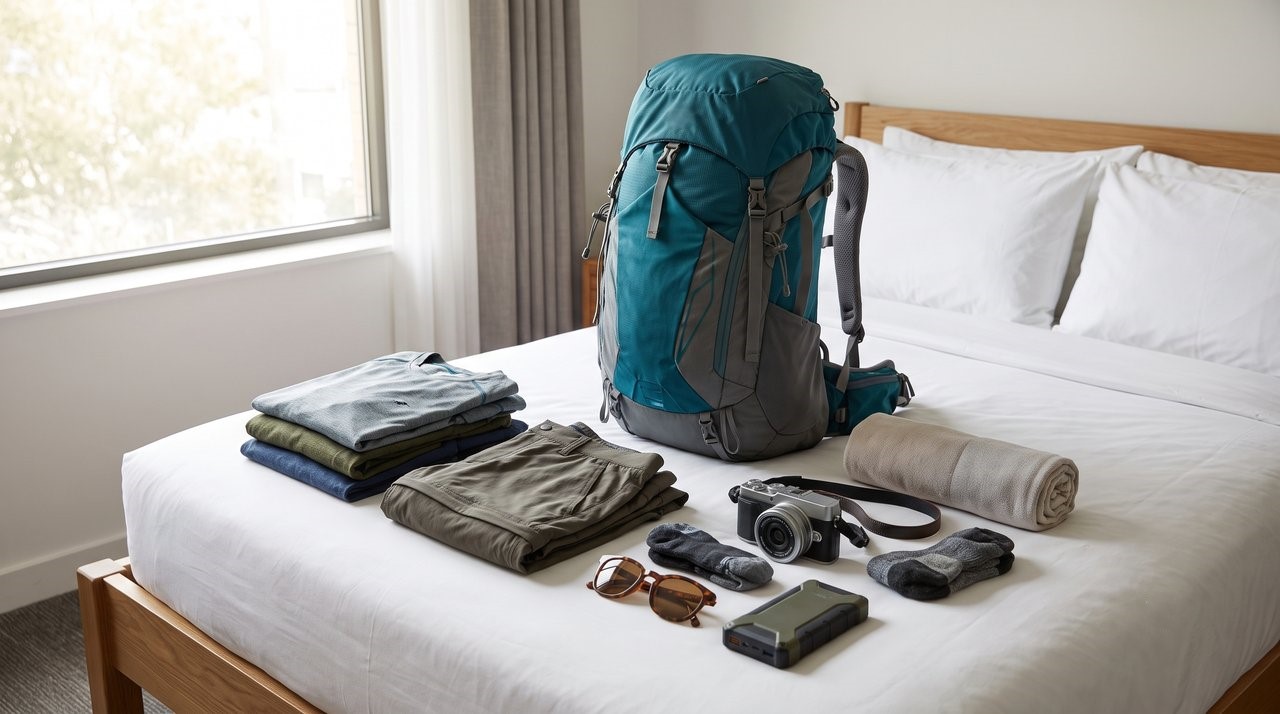
Packing light matters more on this Chiang Mai itinerary than on a typical beach trip, since the days swing between formal temple visits, muddy sanctuary grounds, and a smart-casual dinner at height, all within the same 48 hours. A few practical items make the difference between an easy week and a series of small inconveniences.
,regionOfInterest=(2150,1434))
,regionOfInterest=(2150,1434))
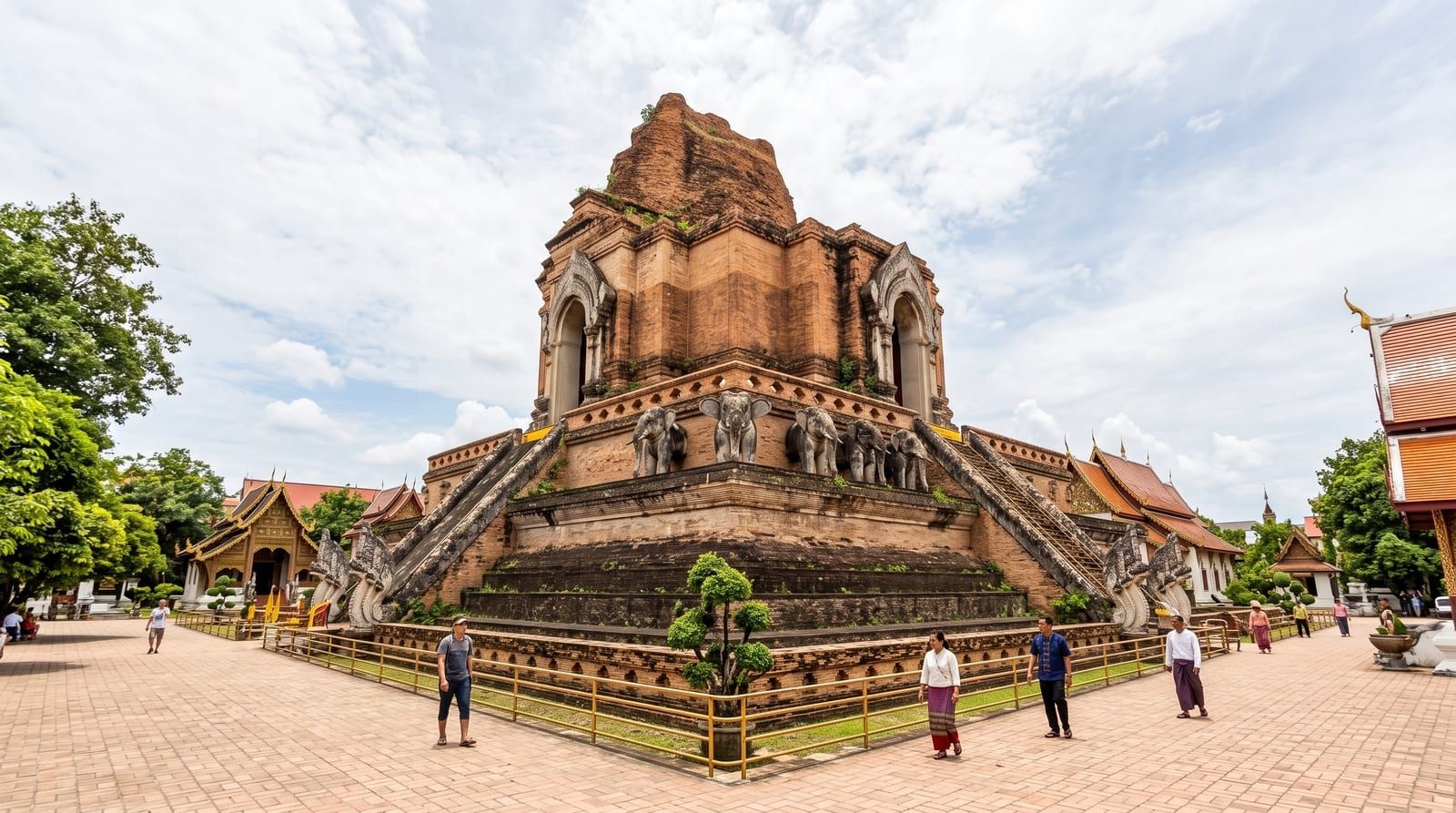
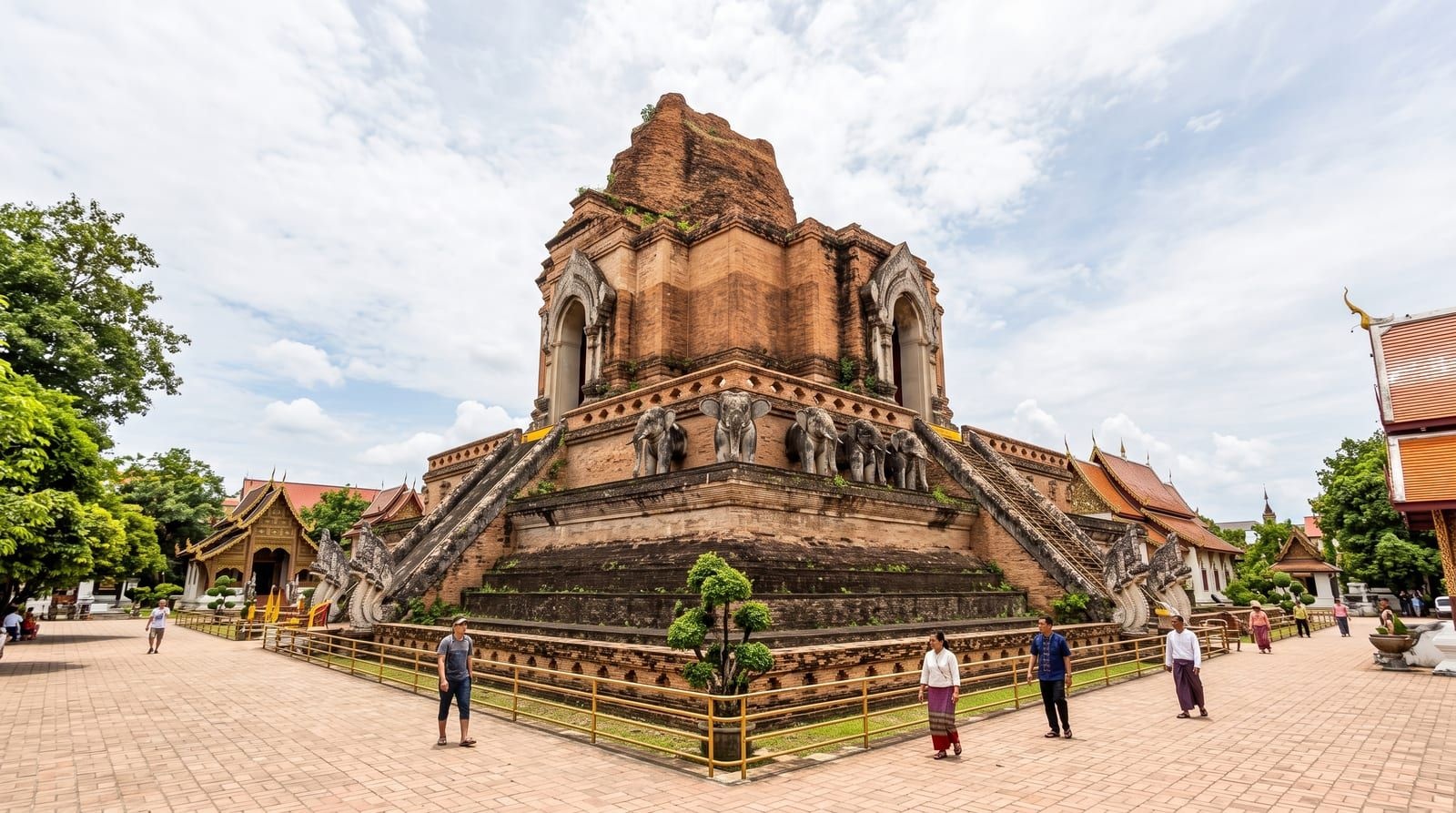
Start at Wat Phra Singh on Singharat Road, the Old City's most revered temple and home to the Phra Buddha Sihing image, then walk east to Wat Chedi Luang, where the ruined 15th-century chedi once stood taller than any building in the kingdom and briefly housed the Emerald Buddha now in Bangkok. Both charge a modest entry fee, and both are close enough to cover on foot before midday heat sets in.
Wat Chiang Man, the city's oldest temple, dating to King Mangrai's founding of Chiang Mai in 1296, rounds out the morning with a quieter, less-visited stop a short walk north. Its elephant-buttressed chedi and two prized Buddha images reward a slower fifteen minutes rather than a quick photo stop.
Lunch inside the Old City's moat area, a khao soi bowl at one of the small local shops near Ratchadamnoen Road, works well before an afternoon spent simply walking the grid of lanes between the temples already covered, since the Old City rewards wandering as much as it rewards a fixed checklist of sights.
Anyone building a slightly longer first day into this Chiang Mai itinerary can add the Chiang Mai City Arts & Cultural Centre or the Lanna Folklife Museum, both a short walk from Wat Chedi Luang and covered by a single combined ticket, a genuinely useful rainy-afternoon fallback if the first day happens to land on a wet one.
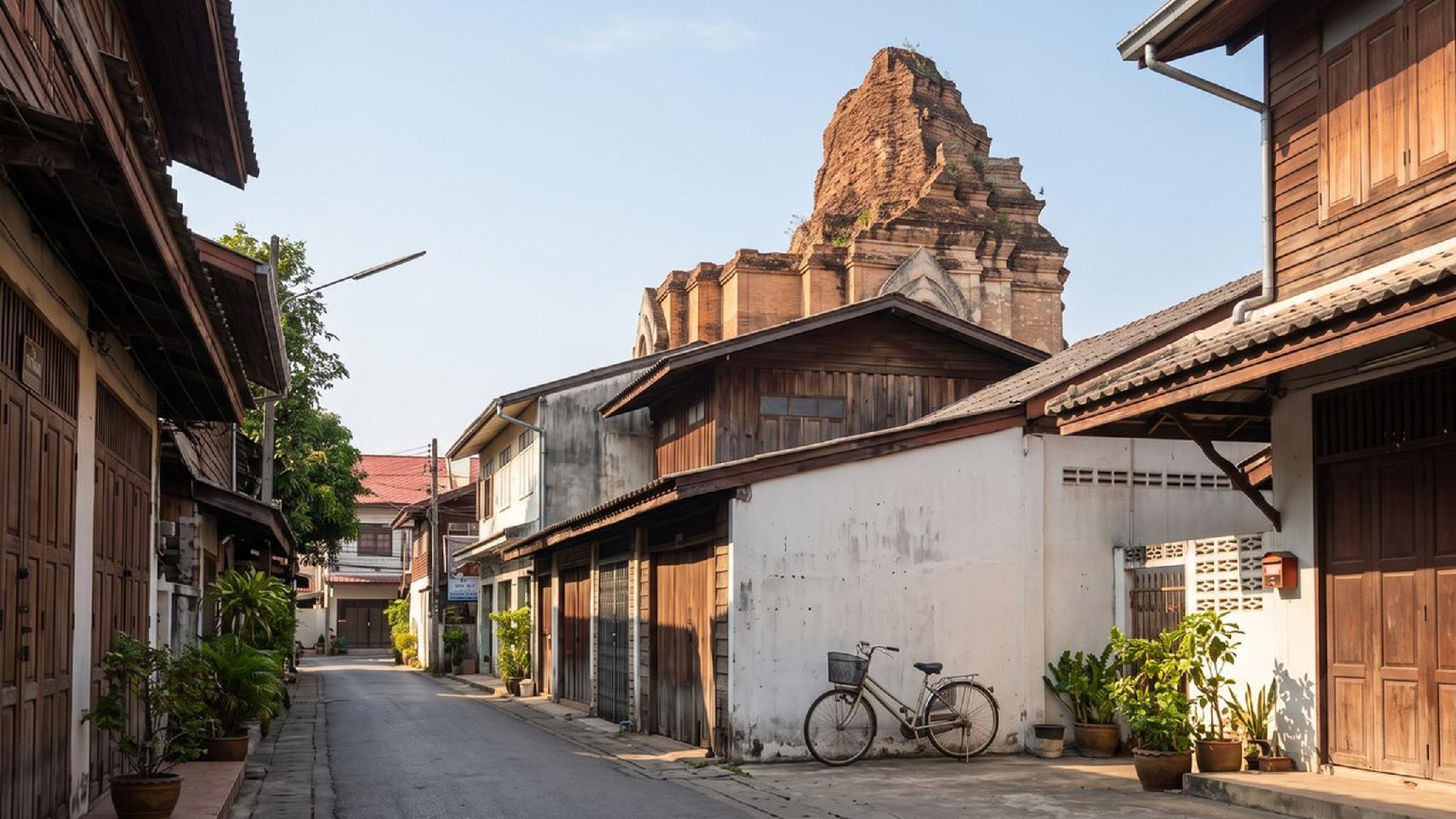,regionOfInterest=(1023,575.5))
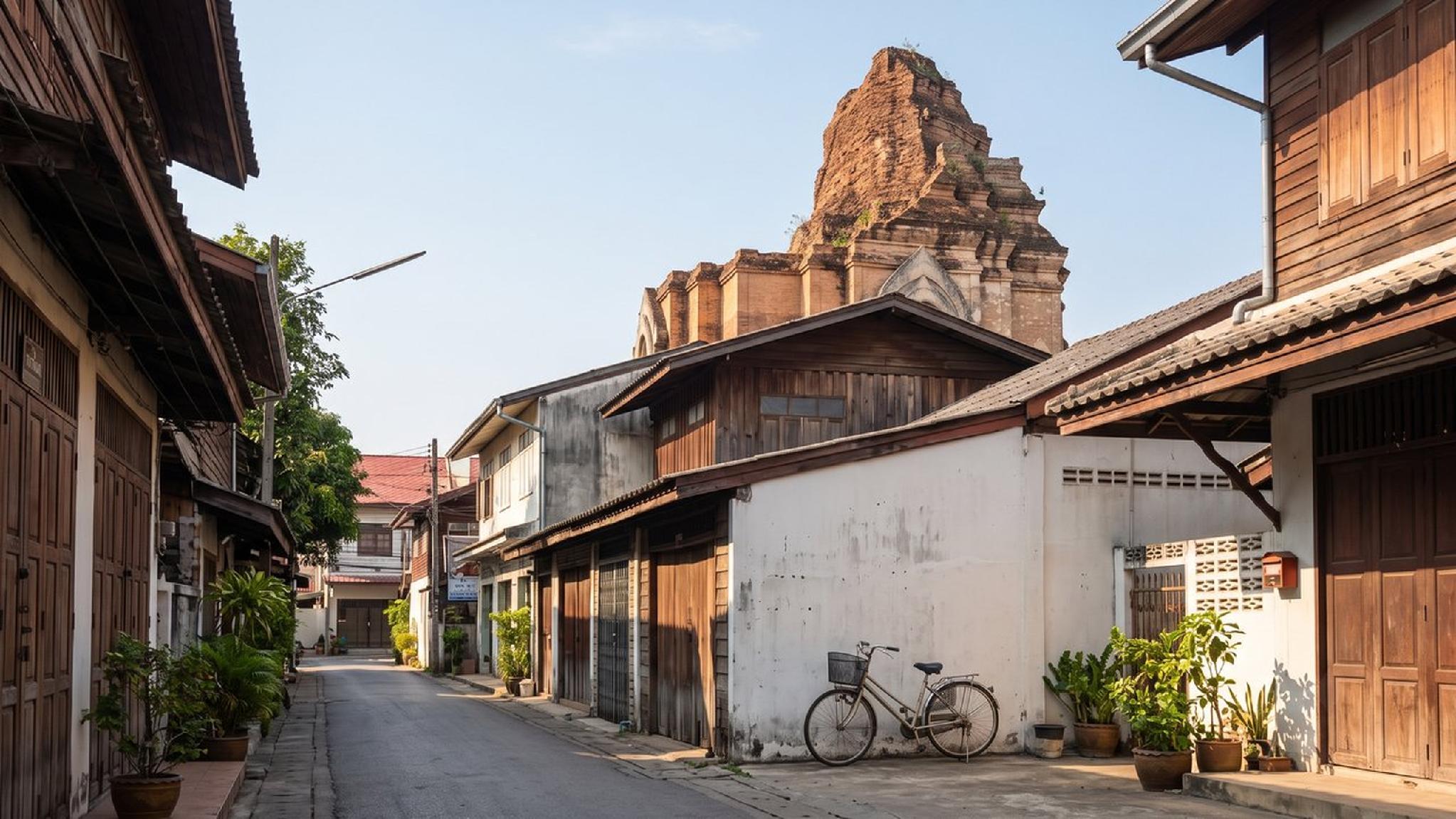,regionOfInterest=(1023,575.5))
Checking into Meliá Chiang Mai on Charoen Prathet Road closes out day one within easy reach of the Chiang Mai Night Bazaar, a few minutes' walk from the lobby. A traveller booked into The Level gets private check-in on arrival, skipping the front desk after a full day of temple-hopping, plus access to The Level Lounge on the 21st floor for a quiet drink before dinner.
An early dinner at Laan Na Kitchen, the hotel's all-day Mediterranean restaurant with a Spanish accent, suits a first night better than heading straight back out, since it needs no reservation planning and sits inside the same building as the room. Afterward, the Night Bazaar itself runs nightly rather than on a fixed day, so a slow browse through its stalls, real for handicrafts and antiques rather than mass souvenirs, closes out day one without needing an early alarm the next morning.
The Deluxe Room, at 36 square metres with a choice of king or twin beds, suits this first night well, individually controlled air conditioning to cool down fast after a warm day of walking, and an in-room safe for whatever gets picked up at the Night Bazaar before heading back to the room. Travellers arriving on a late flight can skip the Night Bazaar entirely on night one and simply lean on 24-hour in-room dining instead, saving the market browse for a quieter evening later in the trip.
For a day on this itinerary with a fuller schedule, meals inside the hotel, Laan Na Kitchen for breakfast and easy dinners, Mai Restaurant & Bar for a signature night out, cover the evening without adding a separate booking to plan around, while the Old City and Night Bazaar areas hold most of the standalone local restaurants worth building a slower evening around instead.
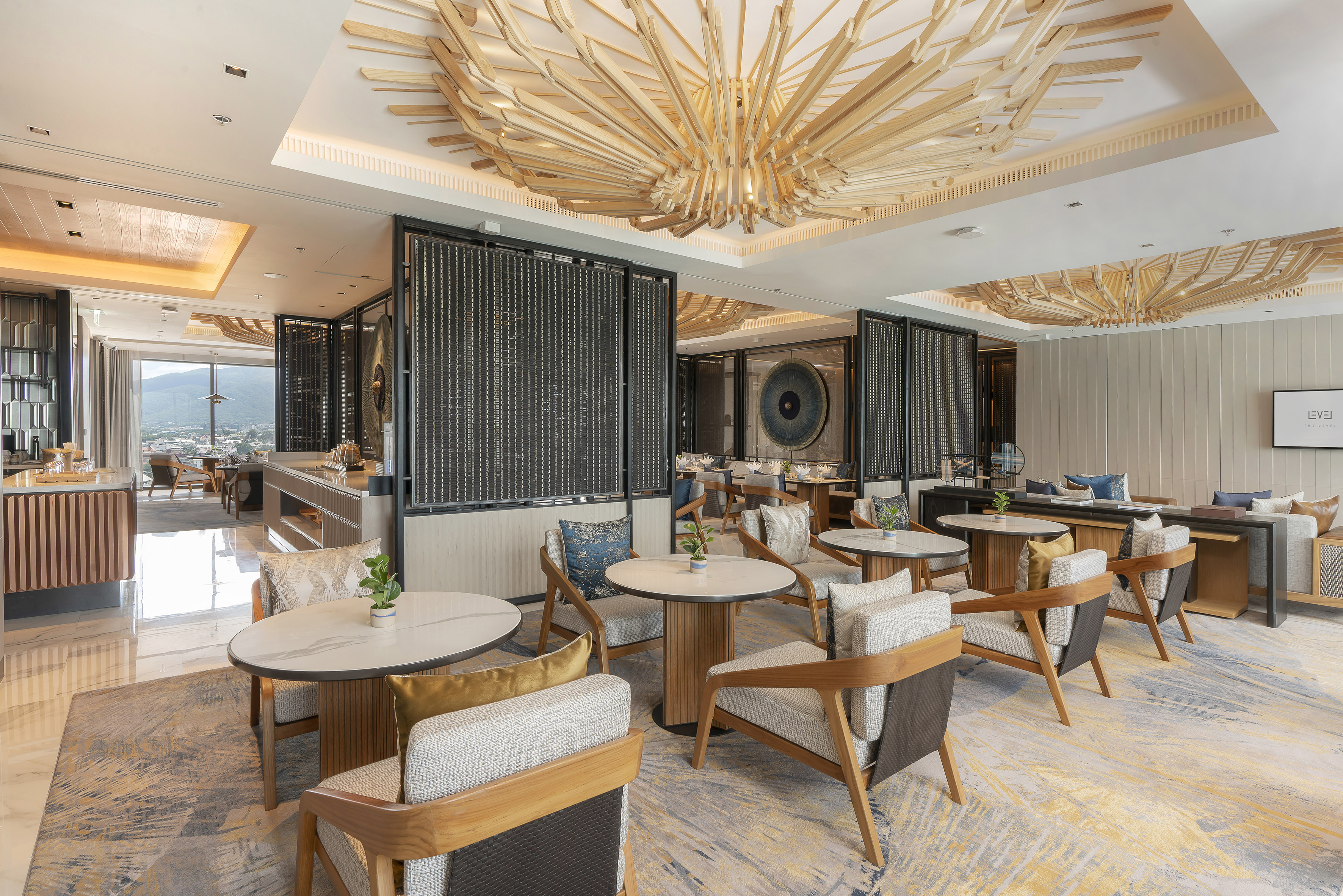,regionOfInterest=(1771.5,1182))
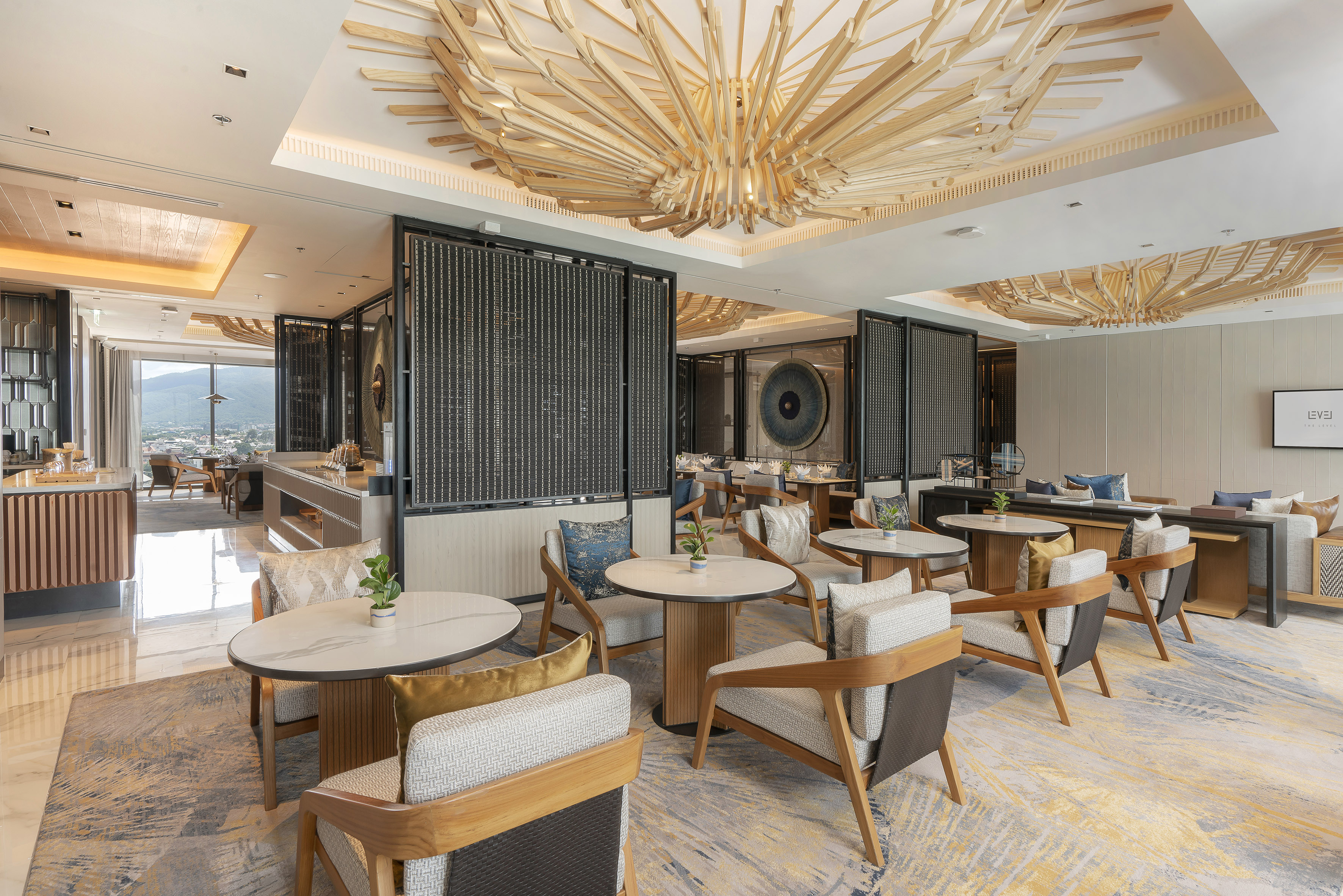,regionOfInterest=(1771.5,1182))
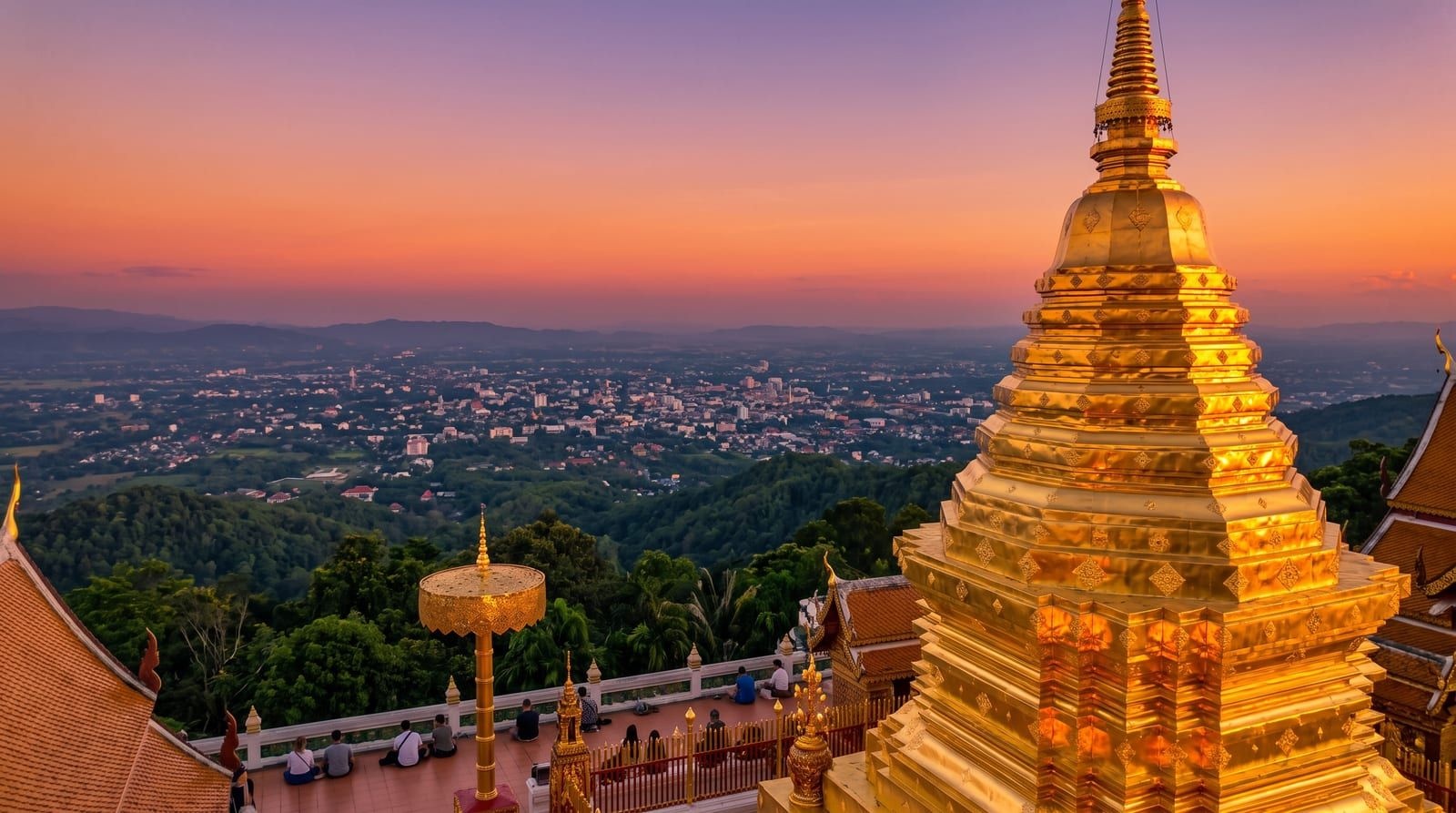
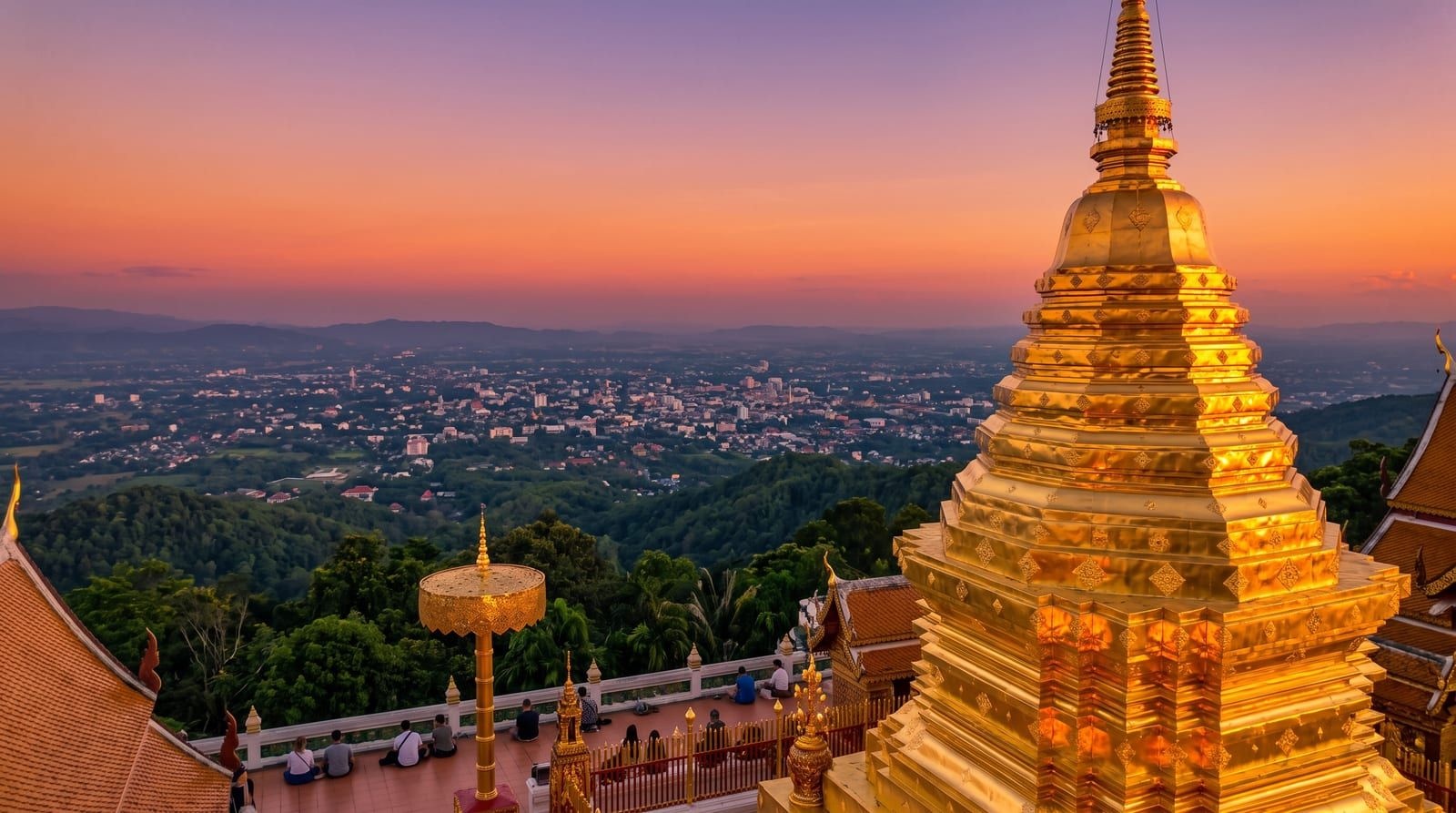
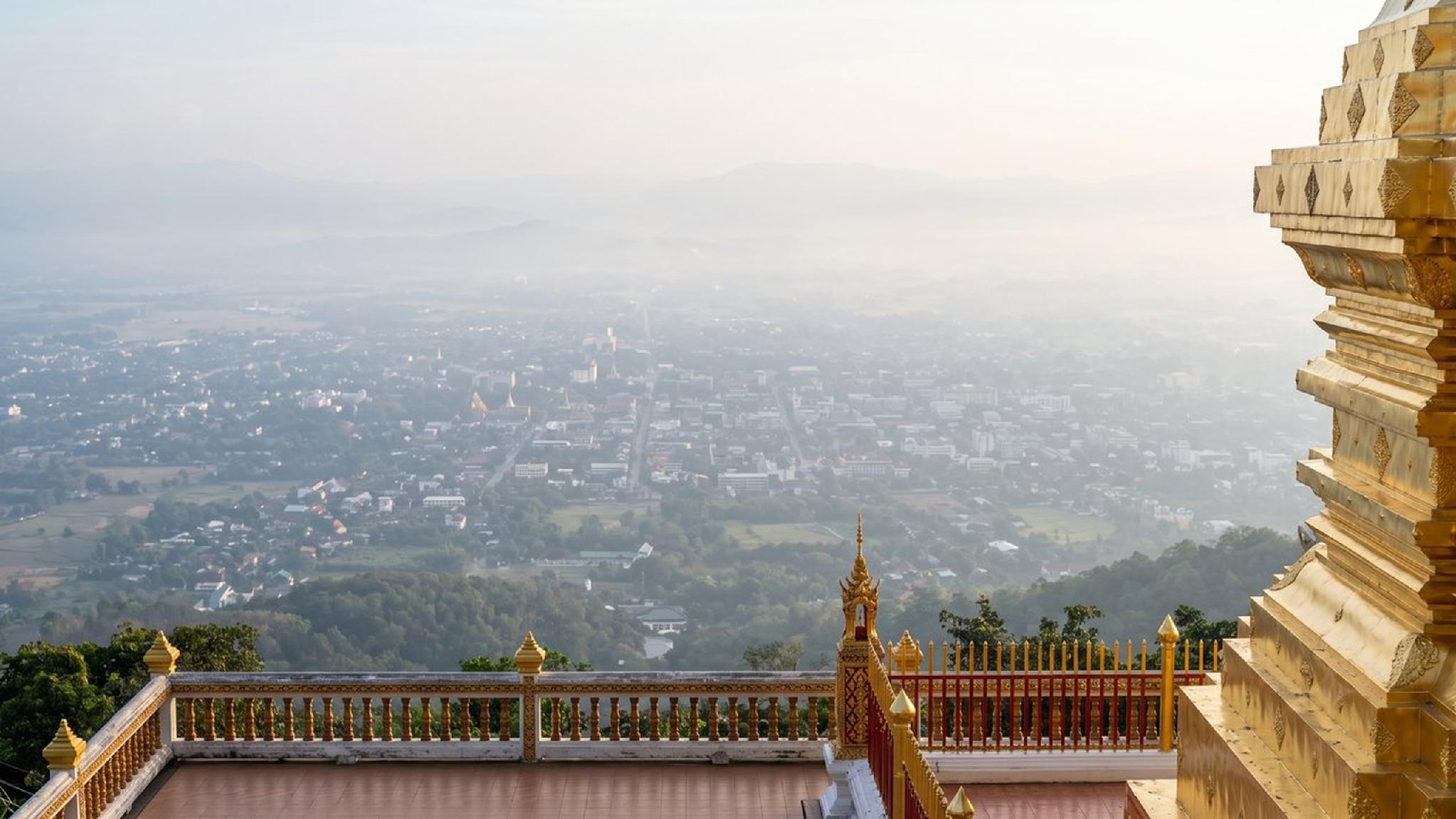
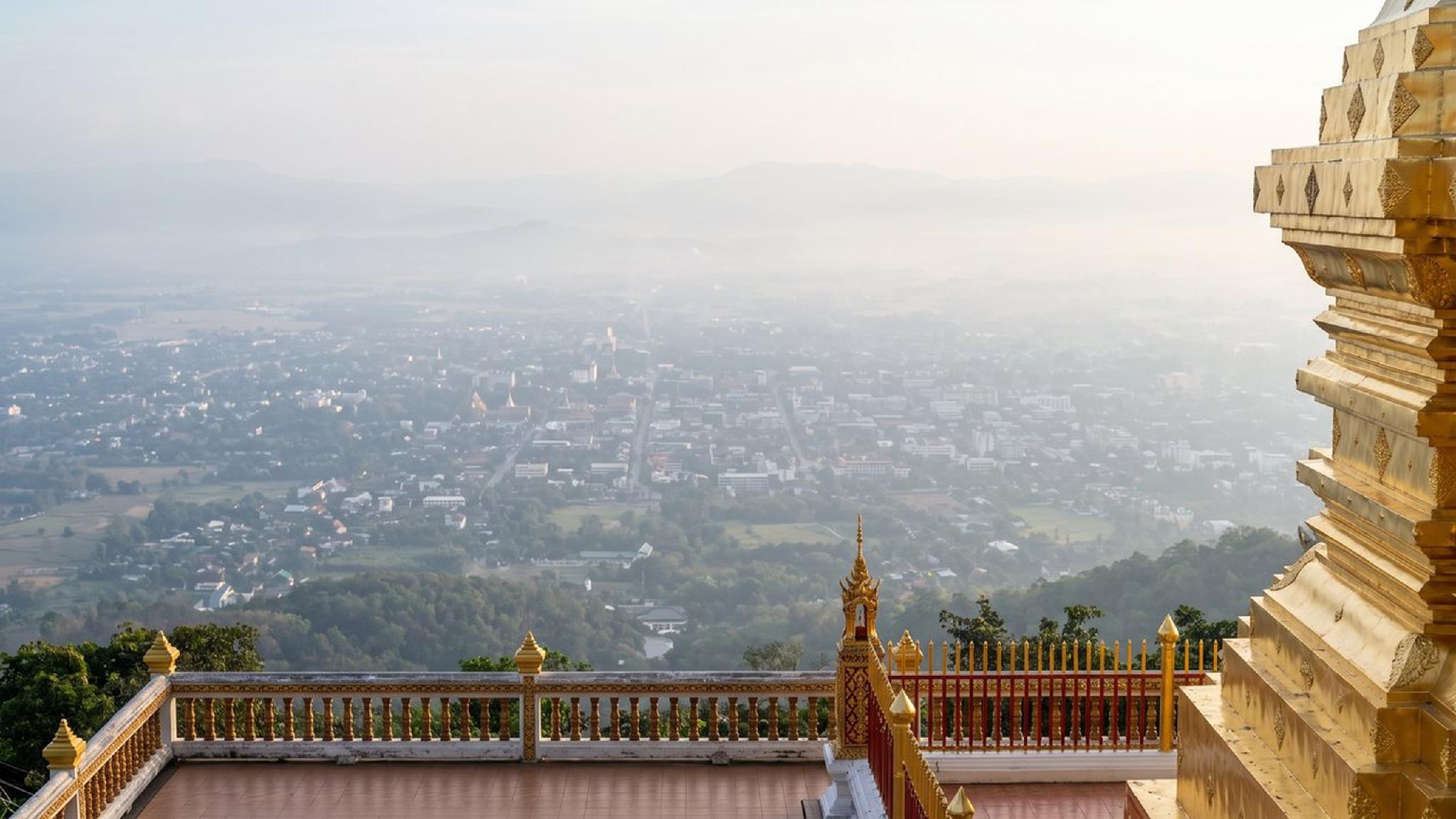
A songthaew or ride-hailing app covers the roughly 15 kilometres up the mountain in 30 to 45 minutes, arriving before 9am to beat both the heat and the bus tours that fill the temple grounds by midday. The 306-step Naga Staircase, flanked by serpent balustrades, leads up to the golden chedi and a terrace with the single best view over the city below, or a funicular railway covers the climb for anyone skipping the stairs.
Doi Suthep-Pui National Park surrounds the temple itself, and a driver willing to continue further up the mountain reaches Bhubing Palace's gardens or the Hmong village of Doi Pui, both reasonable add-ons for a traveller who wants more than the temple alone out of the morning.
Wat Phra That Doi Suthep charges a modest entrance fee for foreign visitors. Additional fees may apply for the funicular or certain attractions within Doi Suthep–Pui National Park, worth budgeting for separately when pricing out this stretch of the Chiang Mai itinerary. Round-trip transport, whether a hired songthaew or a half-day tour, typically runs a few hundred baht per person and includes waiting time at the summit.
Coming back down the mountain by early afternoon leaves the rest of day two genuinely open, a pool break at the hotel's outdoor Swimming Pool, framed by gardens inspired by the Royal Flora Ratchaphruek, works well after a morning spent climbing stairs in the heat.
MAI The Sky Bar, on the 22nd floor, closes out the evening the way most of this itinerary's photos end up looking: the same Doi Suthep climbed that morning, lit up in the distance across the Ping River valley. The Thai Sabai, built from Mekhong, sweet basil, lime, and soda water, suits a slower second night better than a heavy cocktail, and the kitchen's Spanish tapas keep the evening light after a physically full day.
Two connected bars share the 22nd floor, joined by a glass walkway, so a couple or a small group can move between a livelier end near any scheduled DJ set and a quieter table further along the terrace without needing to change rooms entirely. Booking a table for sunset specifically, rather than after dark, catches Doi Suthep still lit by the last of the daylight before the city's own lights take over the view.
,regionOfInterest=(1023,575.5))
,regionOfInterest=(1023,575.5))
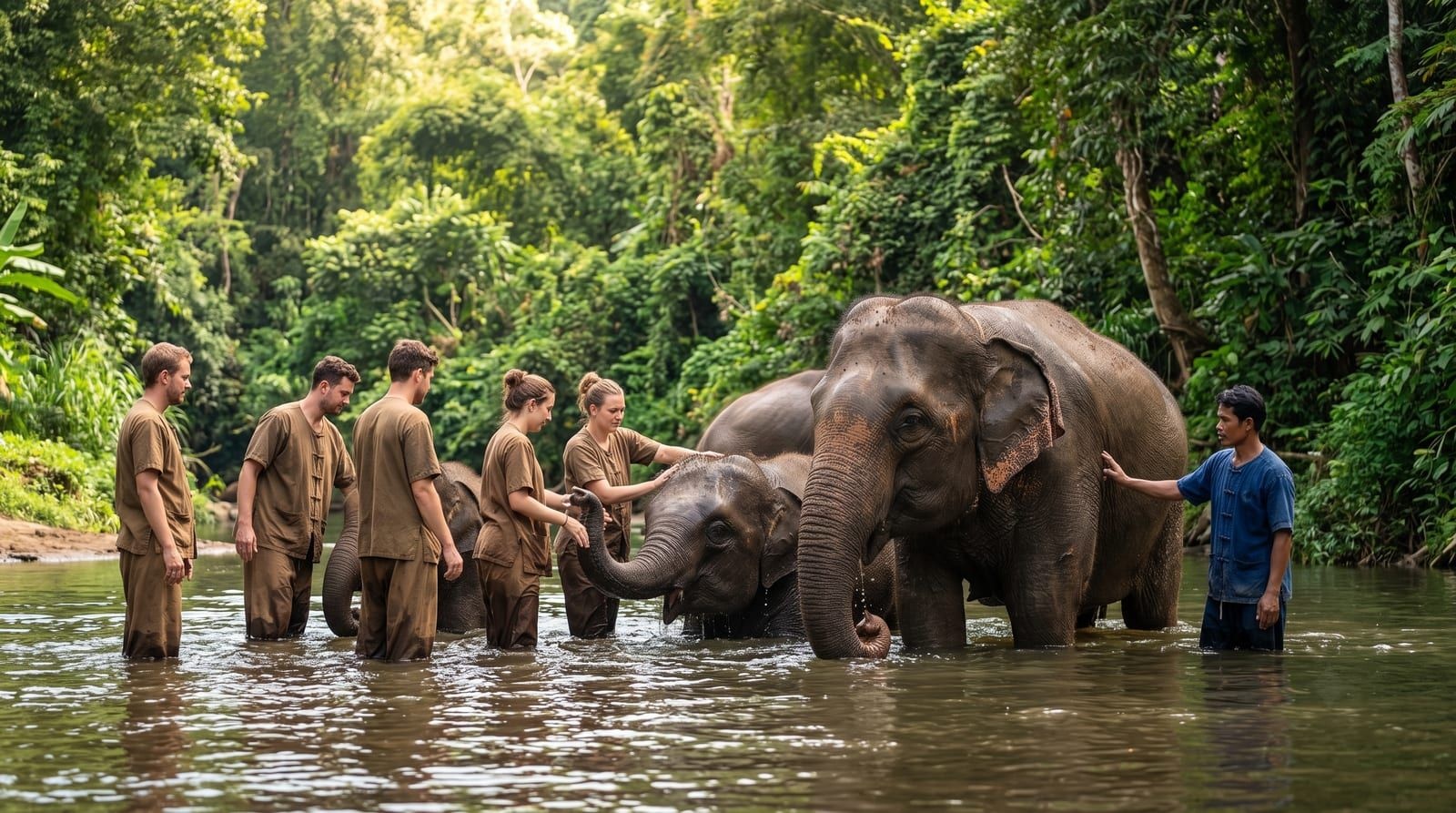
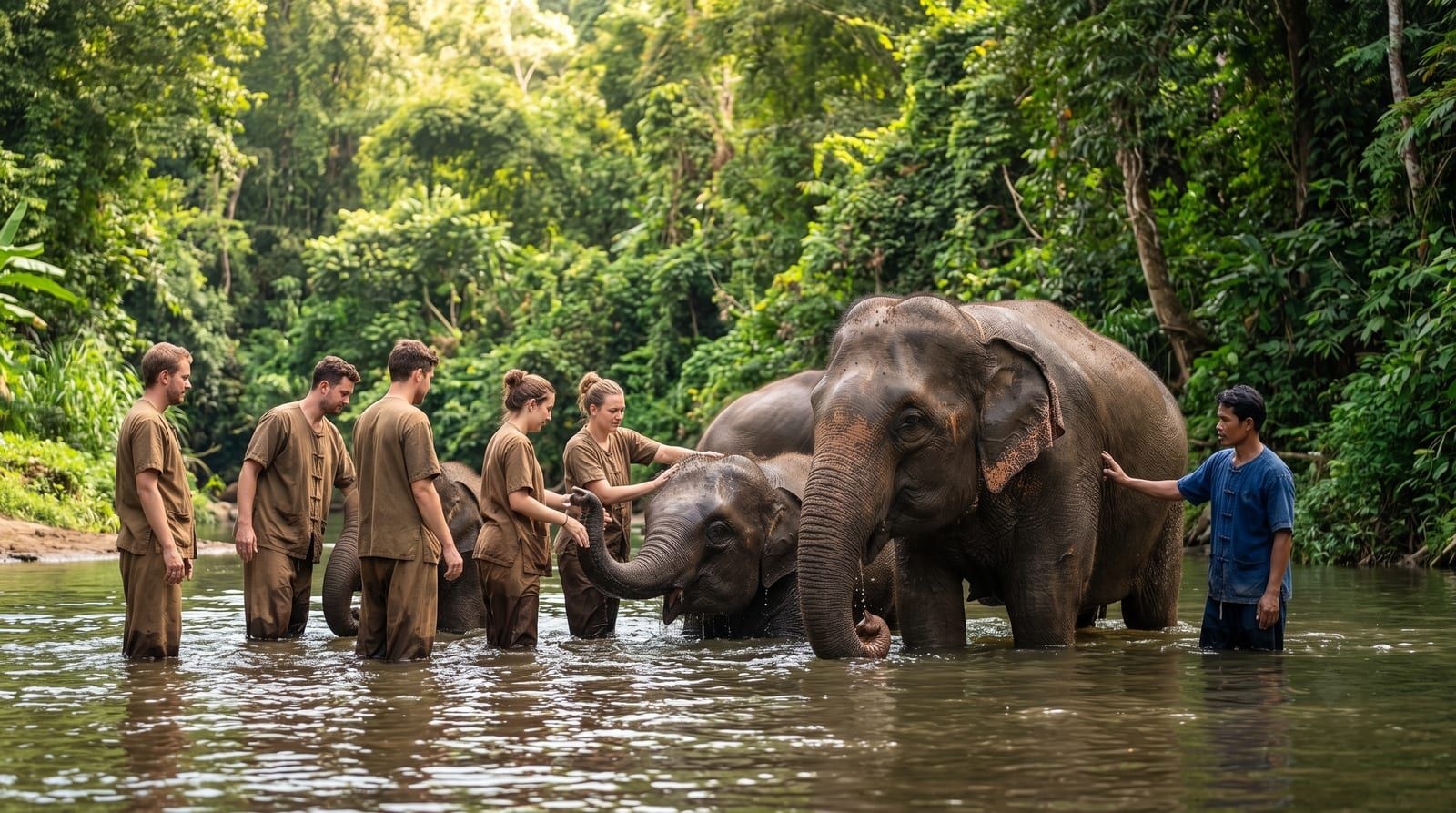
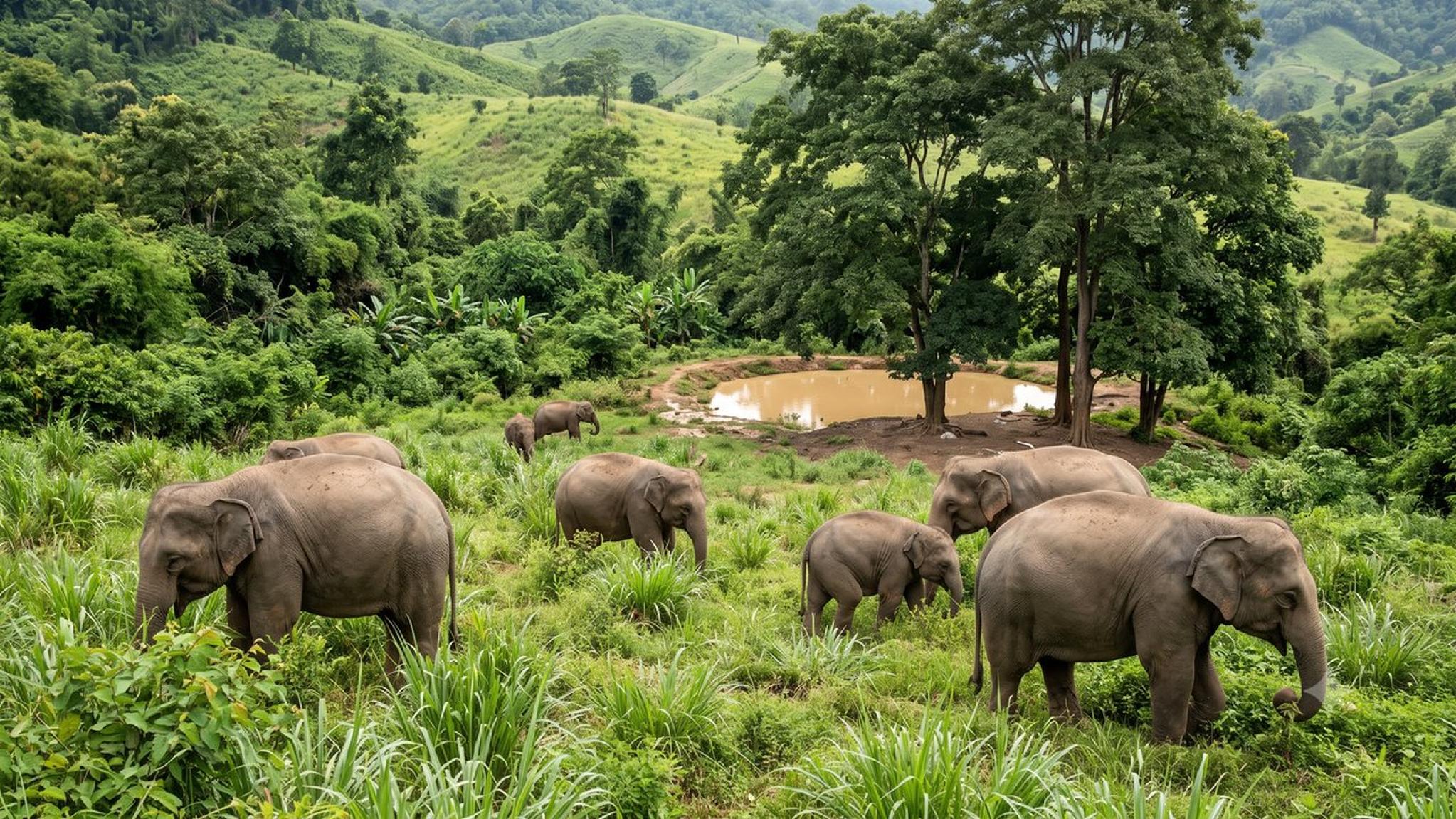
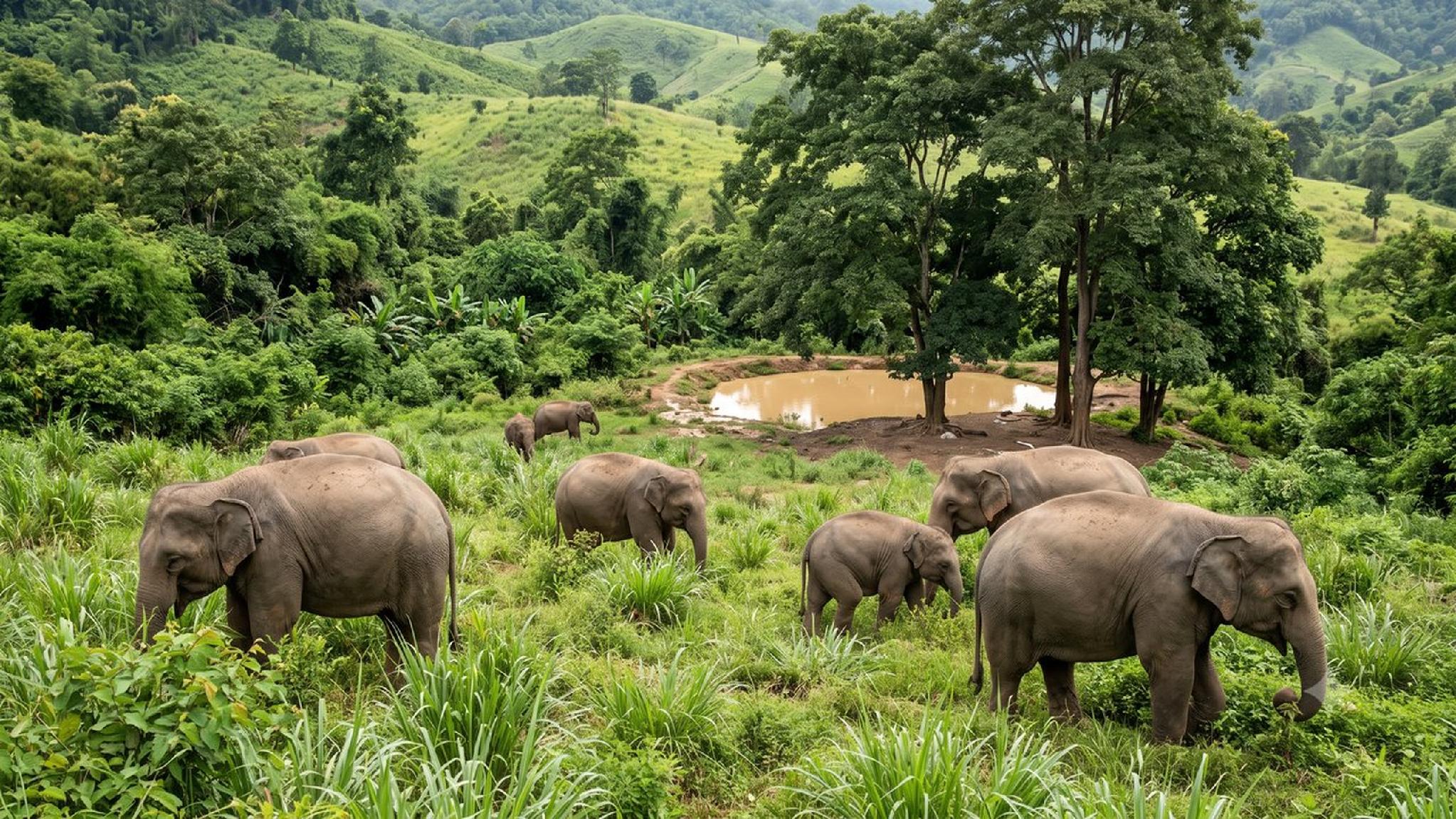
Elephant Nature Park, about 60 kilometres north of the city, and BEES, a smaller sanctuary further out, both run on the same core principle: no riding, no bathing shows, and no performances, just observing rescued elephants living out a retirement from logging or tourism work on their own terms. A full-day visit, typically including transport, lunch, and several hours actually with the herd, runs a half or full day depending on which sanctuary and package gets booked.
Choosing a sanctuary over a riding camp is worth the extra research it takes: asking directly whether elephants are ridden, bathed on command, or made to perform tricks sorts a genuine sanctuary from one using the word loosely, and a straight answer either way tends to come quickly from any operator worth booking.
Most sanctuary day trips include hotel pickup and drop-off, so this stretch of a Chiang Mai itinerary needs no independent transport arrangement beyond confirming the pickup time and location the day before. Wearing clothes that can get muddy and genuinely dirty is worth planning for, since feeding and walking alongside the herd rarely stays clean for long.
Group sizes at the better-run sanctuaries tend to stay deliberately small, often capped well under twenty visitors per session, which keeps the day feeling like time spent with the elephants rather than a crowded tour moving through on a fixed schedule. Asking about group size alongside the no-riding policy when booking gives a fuller picture of what the actual day will feel like.
,regionOfInterest=(1771.5,1181.5))
,regionOfInterest=(1771.5,1181.5))
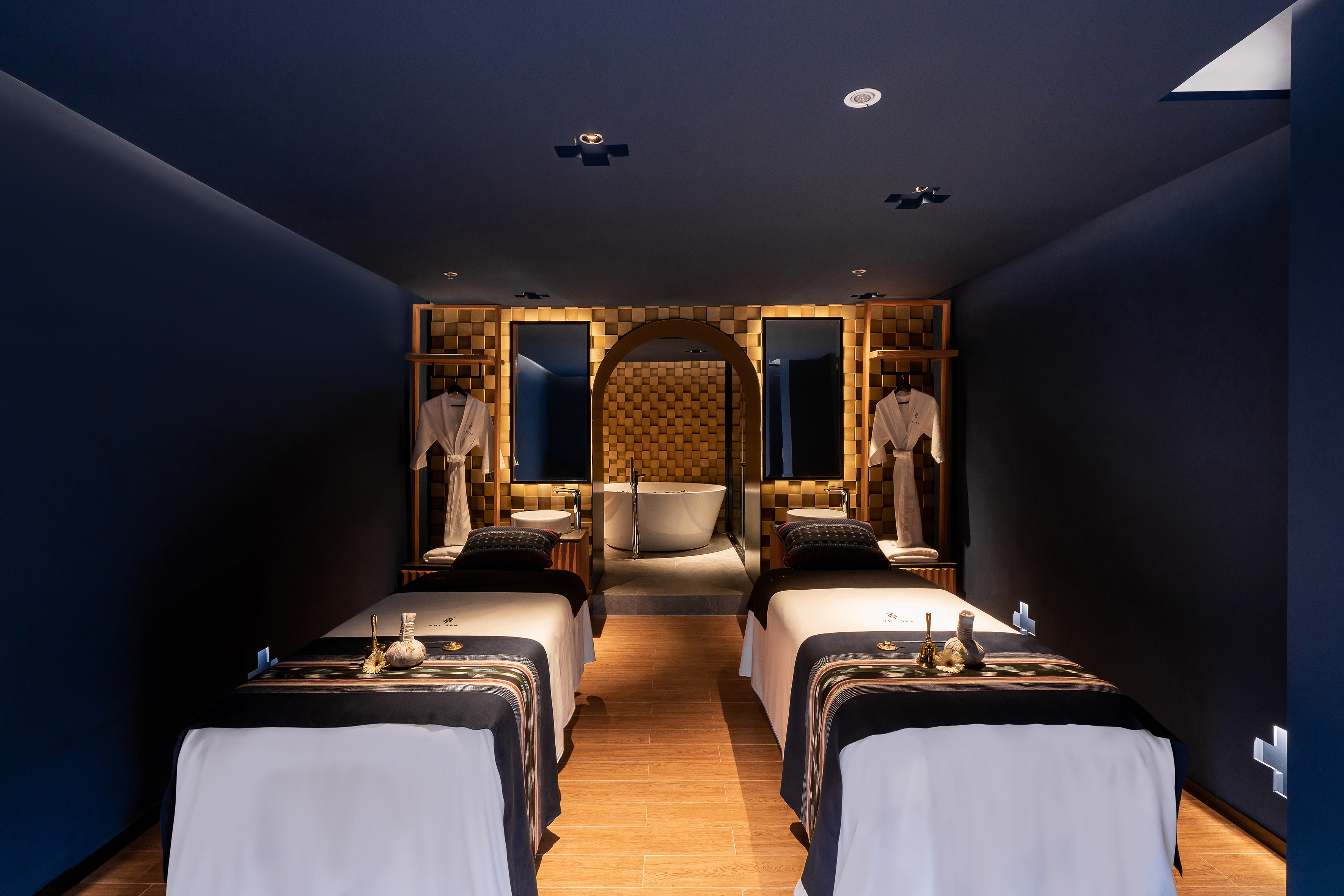
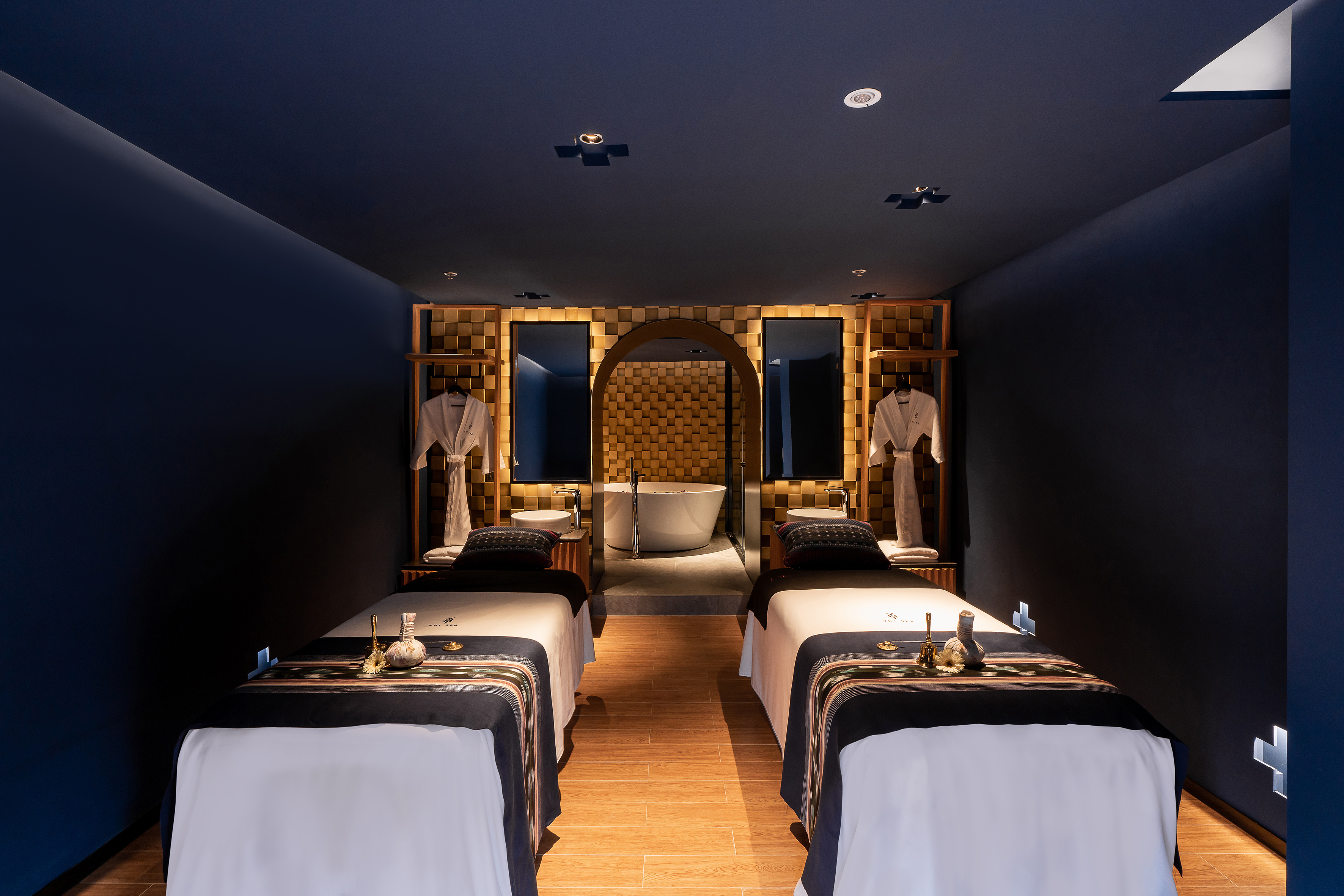
A day spent on rough roads and walking sanctuary grounds leaves most visitors ready for something considerably gentler by evening. YHI Spa, with its seven private treatment rooms built around a tranquil underwater design theme, suits exactly this kind of day: a Thai-style massage aimed at genuine muscle tension works out the stiffness from a long day on uneven ground far better than an early night alone would.
Booking a treatment for the same evening, rather than waiting for a rest day later in the trip, tends to make the following morning noticeably easier, particularly if day four still has a day trip on the schedule. A shorter, 60-minute foot and leg massage covers the same need at a lower cost and time commitment for anyone who would rather have dinner booked soon after.
Mai Restaurant & Bar on the 21st floor makes a fitting dinner to close out day three, a contemporary Lanna a la carte menu that pairs well with a day spent learning about a different side of Northern Thai life, and a table booked for after the spa keeps the evening from needing much more planning than a short lift ride down from the room.
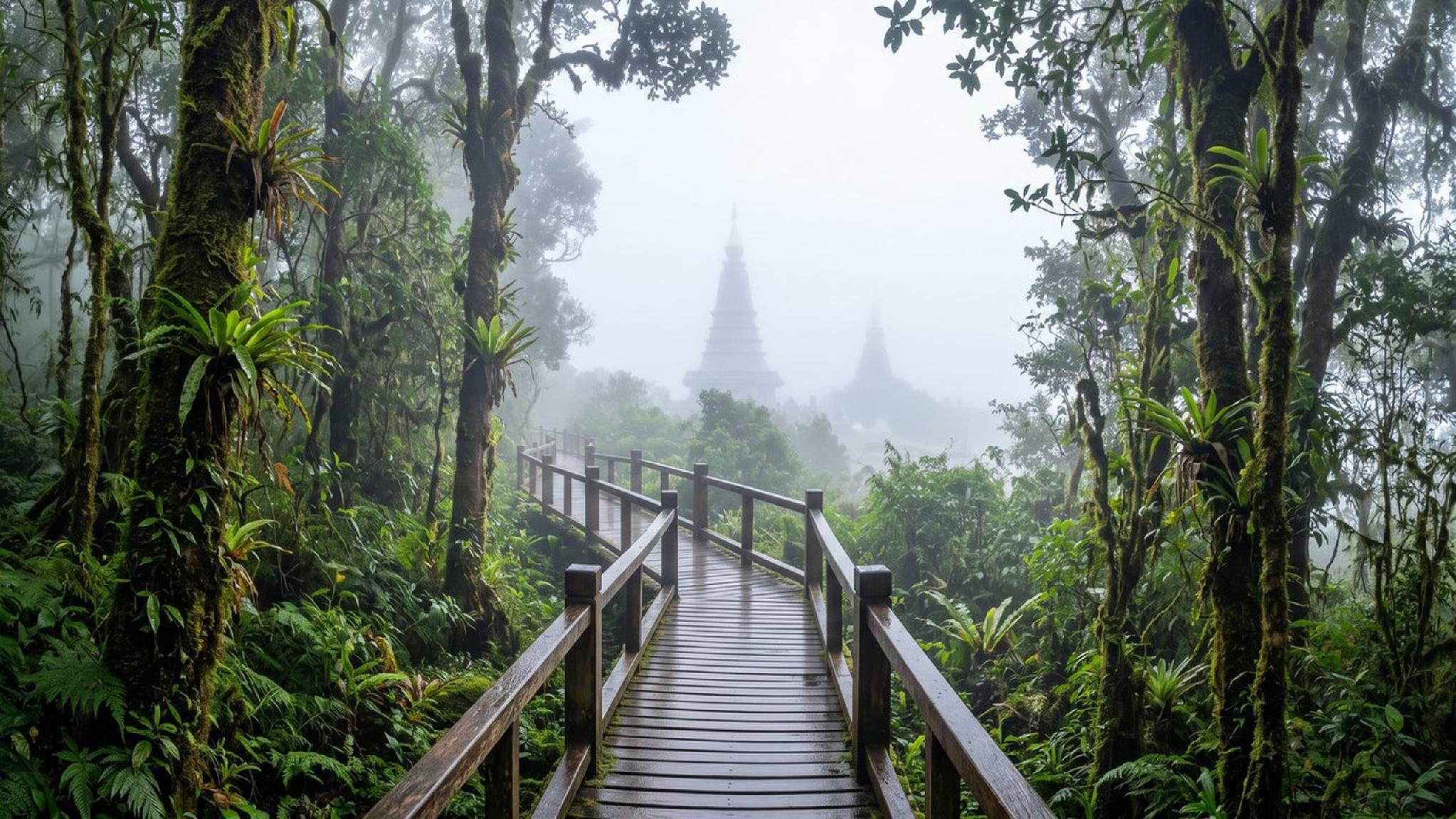
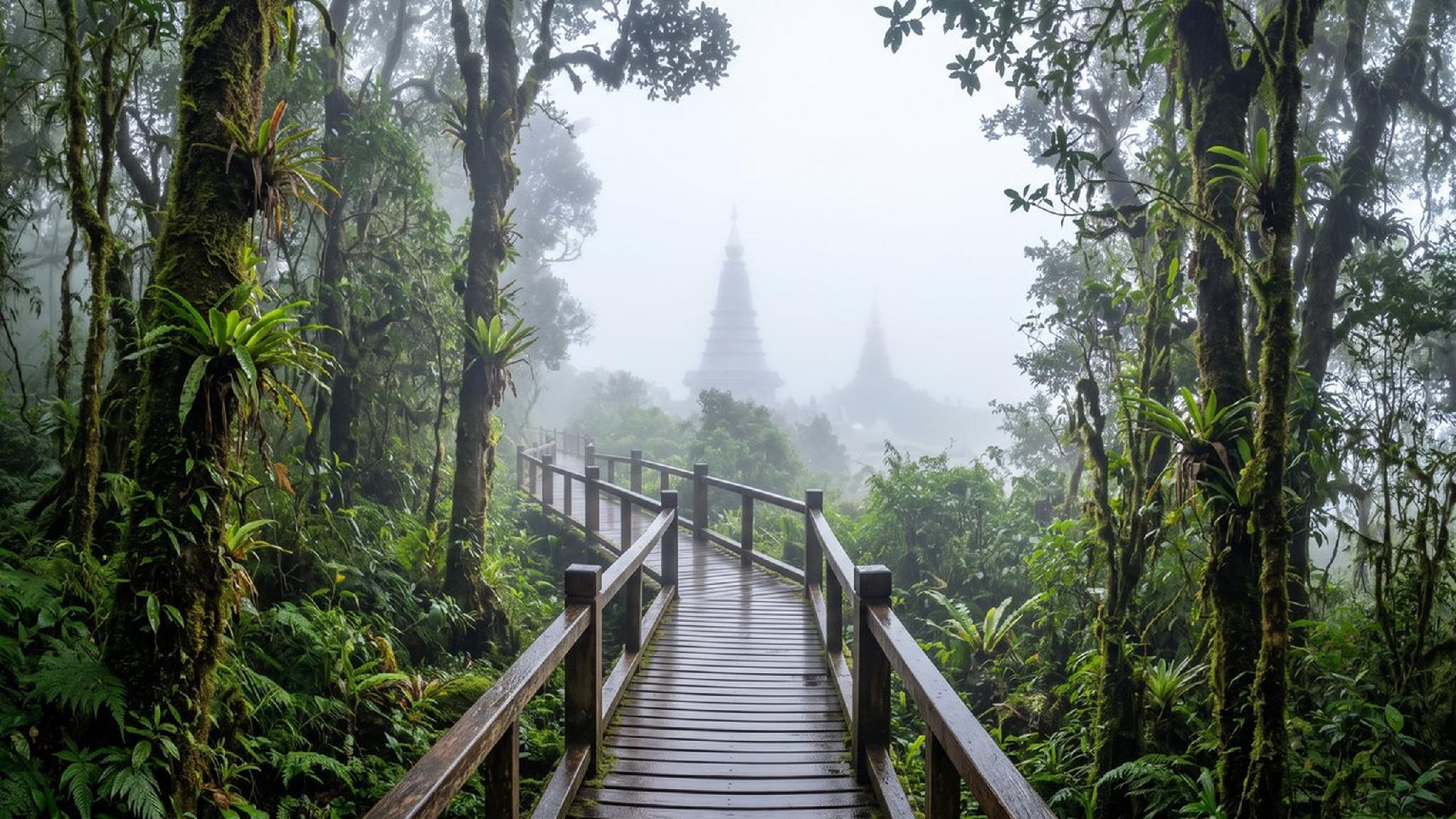
Thailand's highest point, at 2,565 metres, sits about 90 minutes south of the city and covers twin chedis, Phra Mahathat Napamethanidol and Naphapholphumisiri, built for the King and Queen, the Wachirathan and Mae Ya waterfalls, and the Ang Ka Nature Trail, a boardwalk through cool, mossy cloud forest noticeably cooler than the city below, sometimes by ten degrees or more. A full day covers the summit and at least one waterfall comfortably, with an early start recommended to beat both the crowds and the afternoon cloud that regularly rolls in above 2,000 metres.
Park entry runs a modest fee per person plus a small charge per vehicle, and a private driver or a small group tour covers the distance more comfortably than a rented car, since the mountain road climbs steeply enough to reward local driving experience over an unfamiliar rental vehicle.
,regionOfInterest=(1023,575.5))
,regionOfInterest=(1023,575.5))
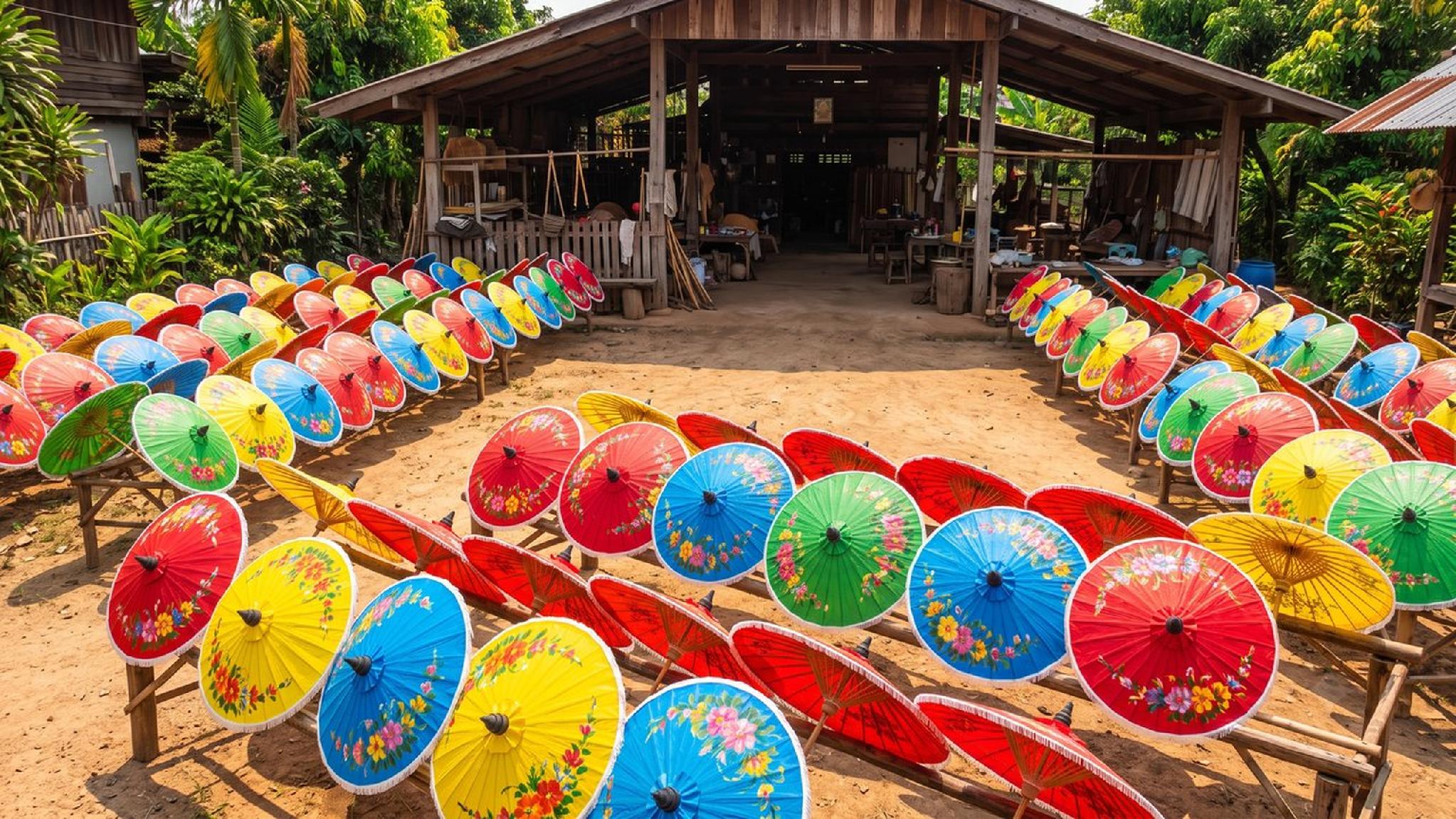
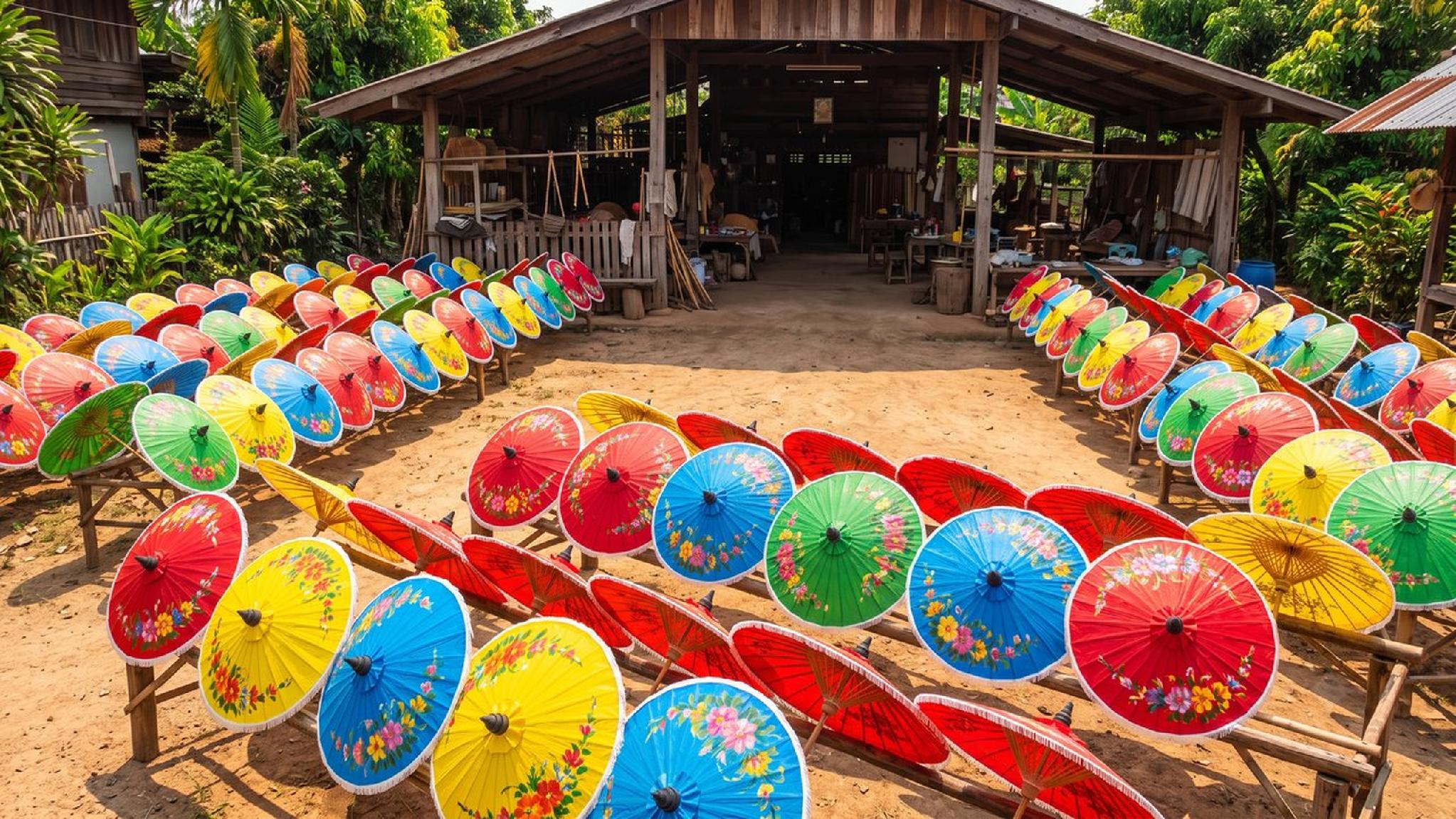
Anyone who prefers craft and culture over hiking should head east instead: Bo Sang's hand-painted saa paper umbrellas and San Kamphaeng's silk, celadon, and lacquerware workshops sit close enough together to cover in half a day, both free to browse and easily reached by scooter, ride-hailing app, or songthaew in under thirty minutes from the hotel.
Mae Kampong, a coffee-growing eco-tourism village further into the hills, works better as a full day or an overnight for anyone with a full week rather than five days to spend. A homestay there runs 500 to 1,000 baht (roughly US$14 to US$29) per person including dinner and breakfast, and the village's own seven-tier waterfall gives every visitor a reason to walk its full length at least once before heading back down the mountain.
,regionOfInterest=(1771.5,1181.5))
,regionOfInterest=(1771.5,1181.5))
A five or seven-day trip genuinely benefits from one day with nothing booked at all. Tien Pool Bar, open-air and poolside, covers a slow lunch without needing to leave the property, and Laan Na Kitchen's breakfast buffet the same morning gives a proper start to a day built around doing very little, which by day four or five of temple-hopping and mountain roads tends to be exactly what a trip actually needs.
Families travelling with children tend to slot this day in earlier rather than later, letting kids spend an unhurried morning at The Kidsdom, the hotel's screen-free activity space for ages 4 to 12, while the rest of the group swaps between the pool and a late breakfast. Building in this kind of buffer day partway through, rather than only at the very end, keeps the back half of a longer Chiang Mai itinerary from feeling like a checklist to get through.
,regionOfInterest=(1023,575.5))
,regionOfInterest=(1023,575.5))
Matching the days above to however long a trip actually runs is mostly a matter of addition rather than redesign. Here is how the core three days extend to five or seven.
|
Day |
3-Day Trip |
5-Day Trip |
7-Day Trip |
|
Day 1 |
Old City temples and markets |
Old City temples and markets |
Old City temples and markets |
|
Day 2 |
Doi Suthep and nature |
Doi Suthep and nature |
Doi Suthep and nature |
|
Day 3 |
Elephant sanctuary and culture |
Elephant sanctuary and culture |
Elephant sanctuary and culture |
|
Day 4 |
Departure |
Doi Inthanon day trip |
Doi Inthanon day trip |
|
Day 5 |
|
Bo Sang, San Kamphaeng, or a lower-key day |
Bo Sang and San Kamphaeng craft villages |
|
Day 6 |
|
|
Mae Kampong overnight or a slow day at the hotel |
|
Day 7 |
|
|
A final lower-key day before departure |
A three-day trip skips the day trips entirely and treats the elephant sanctuary as the last full day before a departure flight. Five days adds exactly one day trip plus a buffer day, and seven leaves enough room for both major day trips and at least one day with nothing scheduled.
A traveller with an unusual number of days, four or six, can simply borrow from the row either side: a four-day Chiang Mai itinerary takes the three-day core and adds Doi Inthanon alone, while six days covers everything in the seven-day column except the very last lower-key day, ending instead on the craft villages or Mae Kampong overnight.
,regionOfInterest=(1023,575.5))
,regionOfInterest=(1023,575.5))
Three days covers the Old City, Doi Suthep, and an ethical elephant day comfortably, five adds one proper day trip, and seven leaves room for two plus a day with nothing planned at all.
Building the whole trip around one comfortable, centrally based hotel rather than switching rooms partway through keeps every day above within easy reach of a shower, a pool, and a proper meal, which by day three of a Chiang Mai itinerary tends to matter more than any single extra sight ever would.
None of the days above need to run exactly as written either. Swapping Doi Inthanon for a second craft-village afternoon, or trading a lower-key day for an extra temple, keeps the same overall shape while still matching whatever pace a specific group actually wants, since the point of any Chiang Mai itinerary is a workable framework rather than a fixed script to follow to the letter.
,regionOfInterest=(640,357))
,regionOfInterest=(640,357))
How many days do you need in Chiang Mai?
Three days covers the essentials, the Old City's temples, Doi Suthep, and an ethical elephant sanctuary day, comfortably. Five or seven days adds day trips to Doi Inthanon, the craft villages, or Mae Kampong, plus genuine rest days for a slower-paced Chiang Mai itinerary.
What is the perfect 3-day Chiang Mai itinerary?
Day one covers the Old City's three essential temples, Wat Phra Singh, Wat Chedi Luang, and Wat Chiang Man, plus the Night Bazaar in the evening. Day two covers Doi Suthep in the morning and a slower afternoon back in the city, and day three is given over entirely to an ethical, no-riding elephant sanctuary before a departure the next morning.
Is Chiang Mai easy to get around?
Yes. Ride-hailing apps like Grab and Bolt cover most trips around the city for a modest, upfront fare, songthaews work for shorter hops, and the Old City itself is compact enough to walk between temples on foot, which makes building a Chiang Mai itinerary around a single central base straightforward.
Where should tourists stay in Chiang Mai?
The Chang Khlan district, near the Night Bazaar and the Ping River, puts most of a typical Chiang Mai itinerary within easy reach: the Old City and Doi Suthep to the west, the elephant sanctuaries and day trips further out, and the riverside a short walk from the hotel itself.
,regionOfInterest=(2880,1920))
,regionOfInterest=(2880,1920))
,regionOfInterest=(1619.5,1121))
,regionOfInterest=(1619.5,1121))
,regionOfInterest=(1476.5,634.5))
,regionOfInterest=(1476.5,634.5))
,regionOfInterest=(2273,1523))
,regionOfInterest=(2273,1523))
,regionOfInterest=(1564,1200))
,regionOfInterest=(1564,1200))