The best brunches in Madrid: guide with map, views and prices


HolidaysCulinary experiences

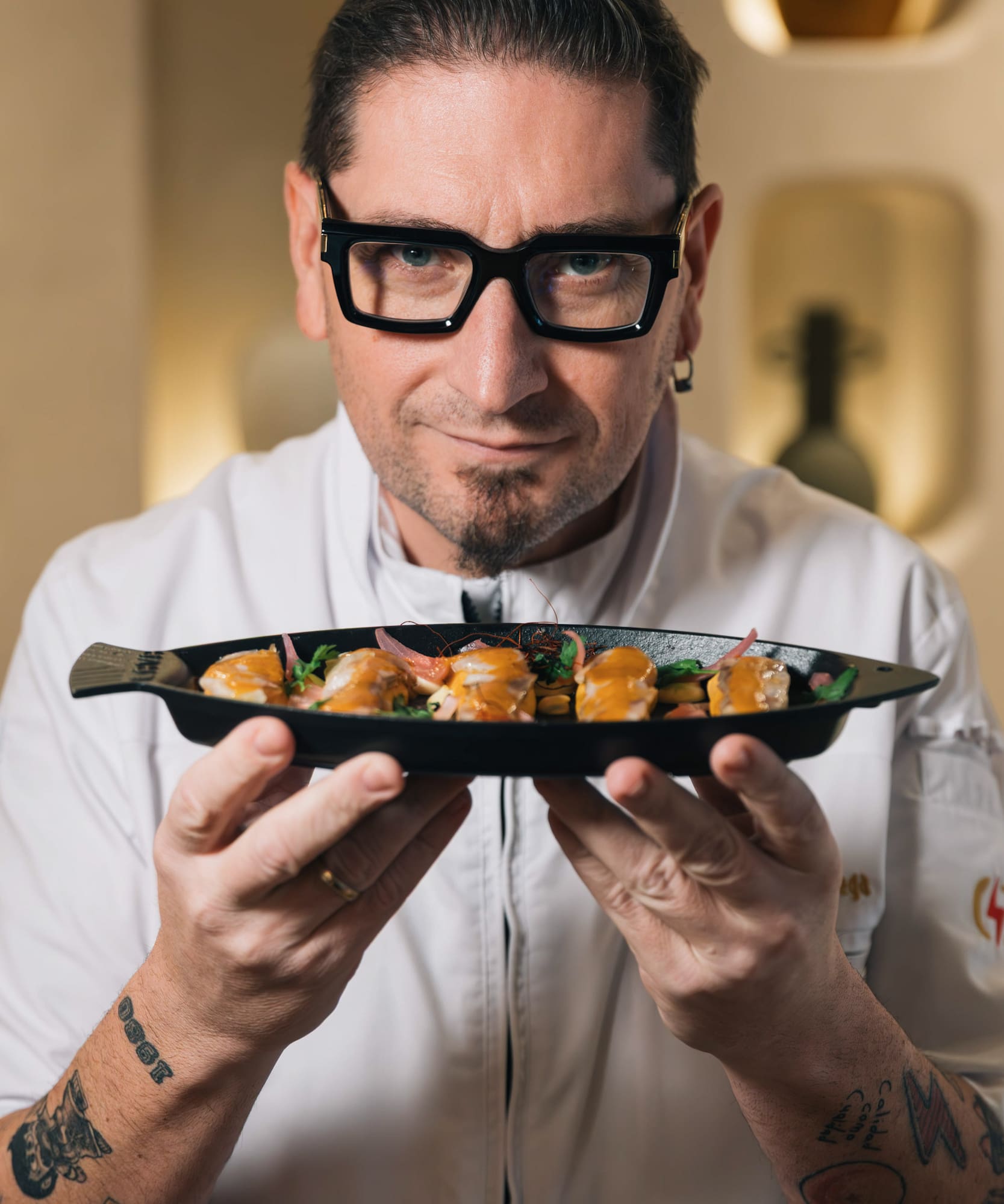
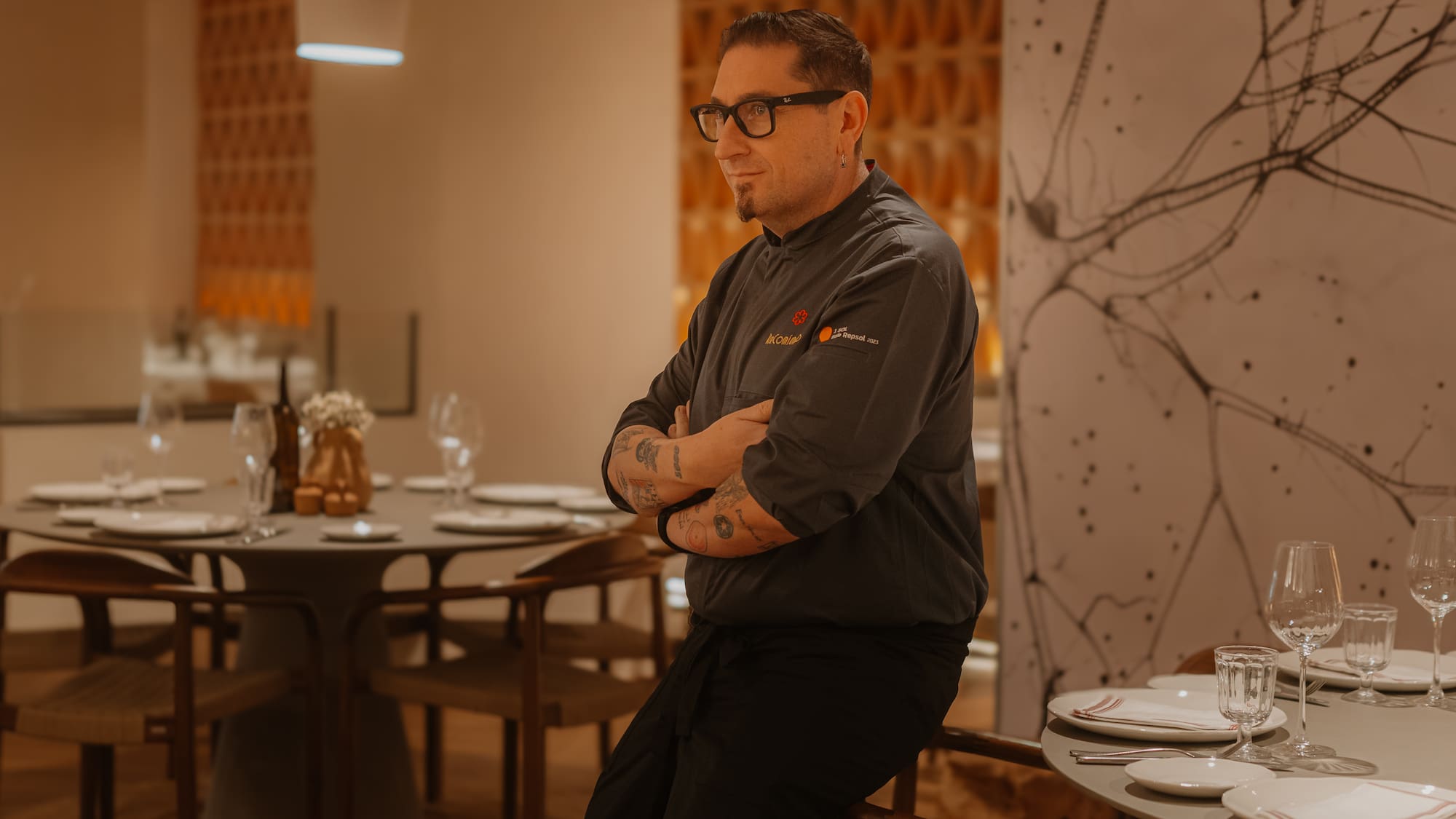
When I arrive in a place, one of the things I am most interested in is understanding it through its products, its cuisine, and the people behind it. It is a way of looking at things that I have been exploring for years at ReComiendo, my restaurant in Córdoba, and which is now also part of my work at NERVIO, at Meliá Granada: learning about the territory first in order to then bring it into my own kitchen.
If you are deciding what to eat in Granada, you can start with a remojón granadino if you fancy fresh contrasts, some habas con jamón to get closer to the local produce, or an olla de San Antón if you are looking for a hearty spoon dish. The tortilla del Sacromonte deserves an informed choice: its traditional recipe includes offal.
I have selected seven dishes that allow you to discover different facets of typical Granada food. Some are especially linked to the city, others take us to the Alpujarra, and some belong to a recipe book shared with other territories. I do not think you have to try them all, but rather understand what is behind each one and choose according to your tastes, your appetite, and the moment of the trip.
Culinary experiences

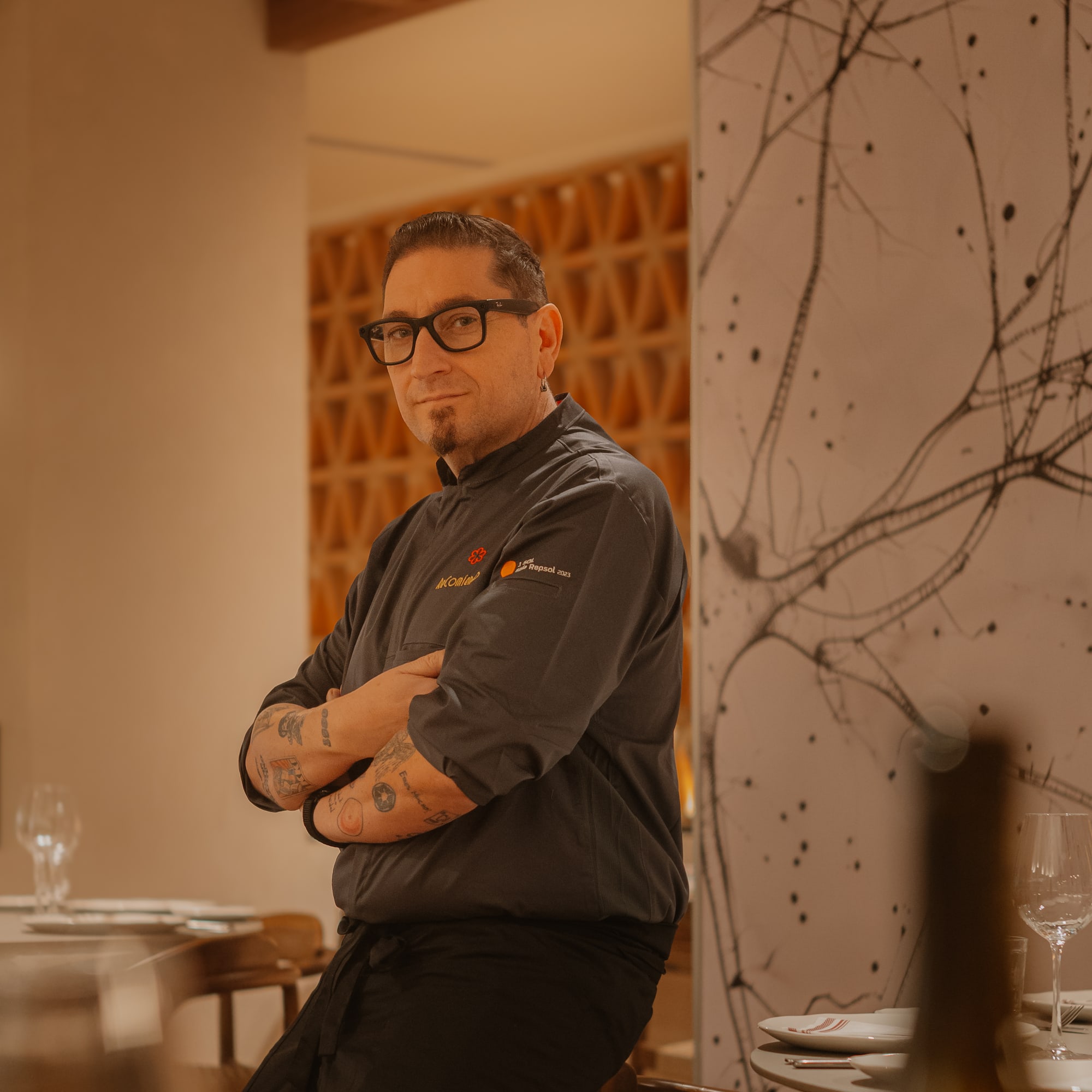
Andalusian Michelin-starred chef, creator of ReComiendo and NERVIO at Meliá Granada, whose cuisine transforms memories, tradition, and local produce into emotion.

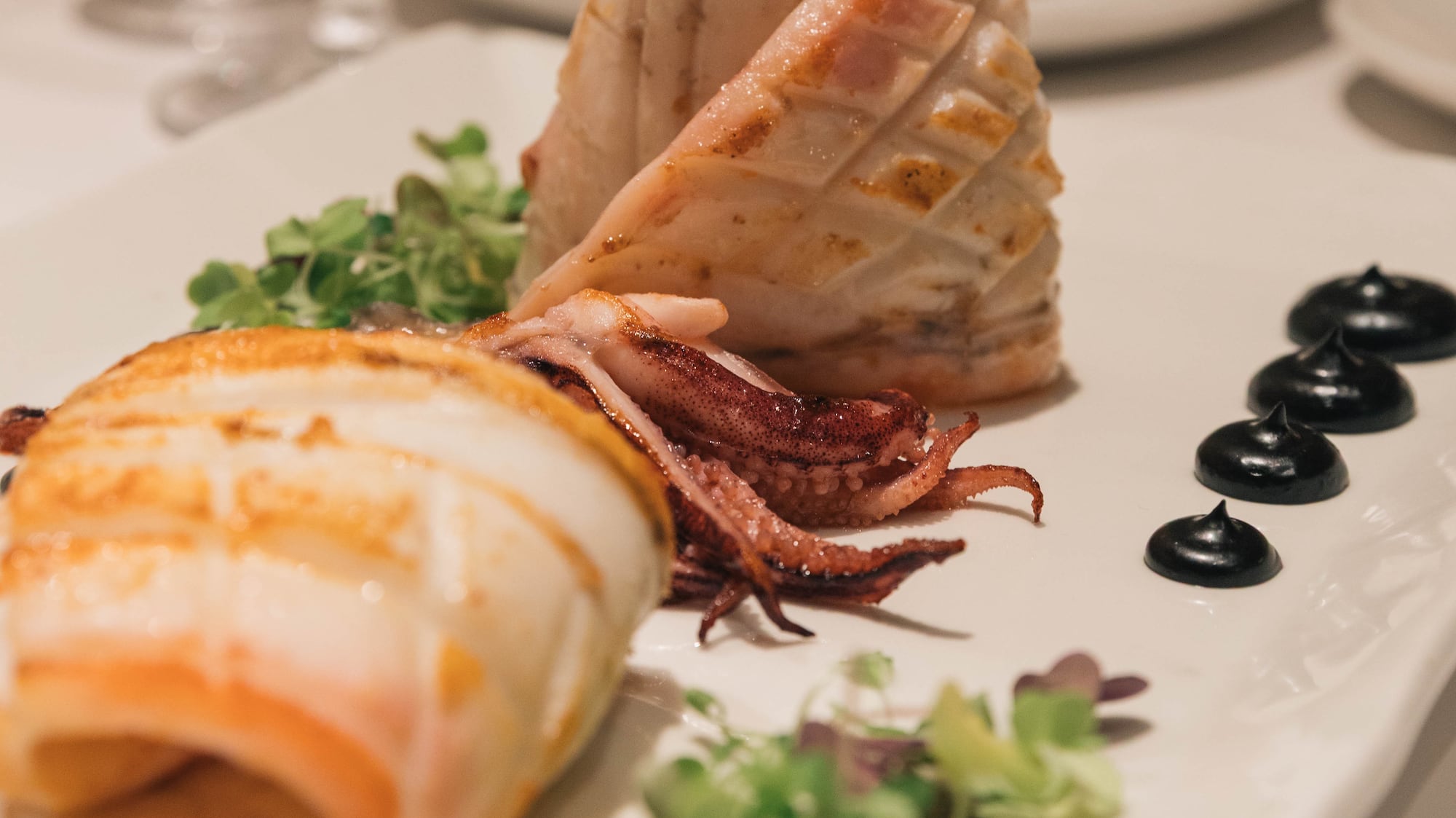

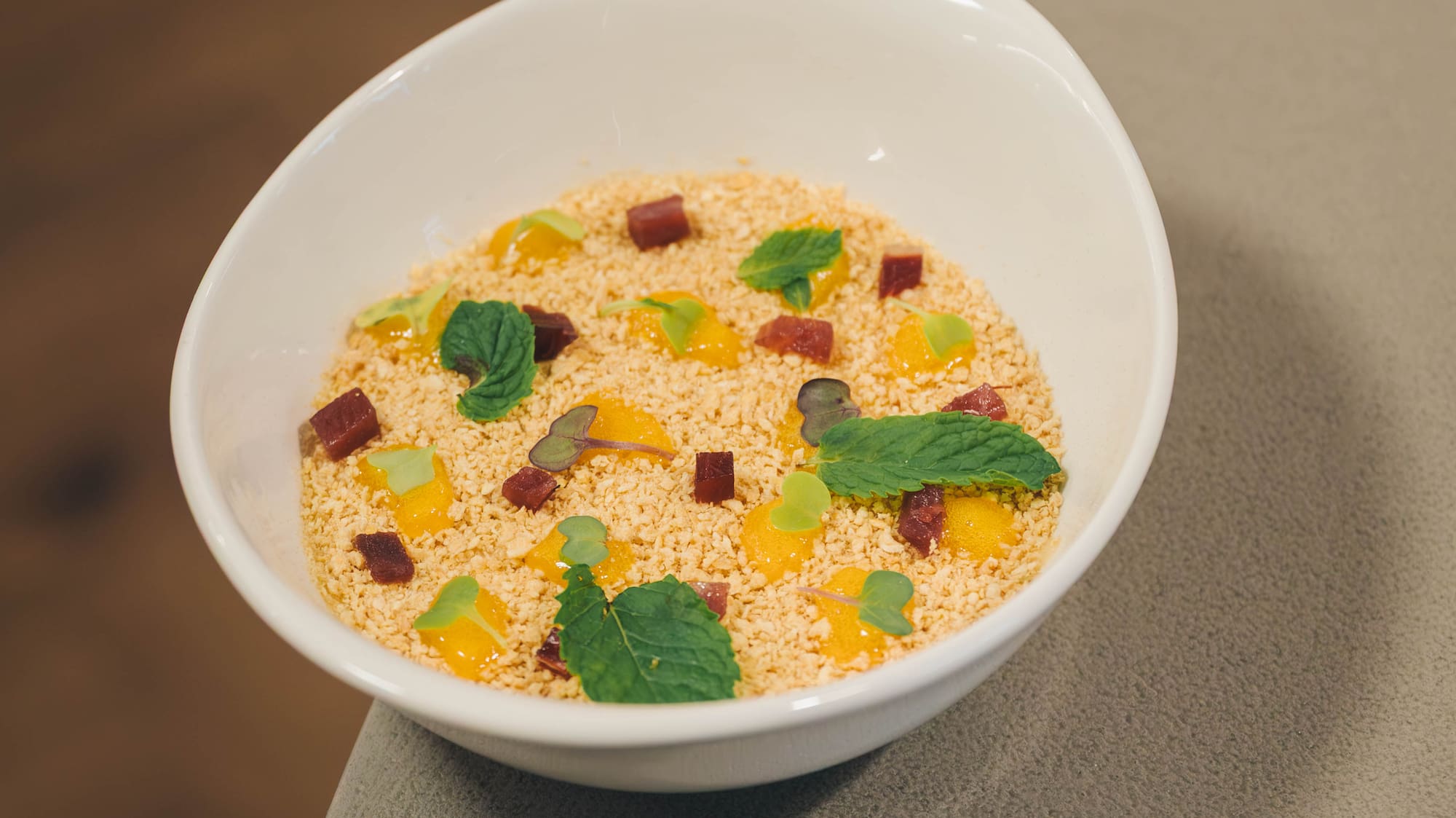



Traditional recipes document a good part of this selection; tourist sources from Granada and the Alpujarra allow it to be placed in its territorial context. However, the specific ingredients change between houses and establishments.
|
Dish |
Main ingredients |
Flavor or texture |
When to choose it |
|
Remojón granadino |
Orange, cod, olives, and oil; may include spring onion and egg. |
Juicy, citrusy, and salty. |
As a starter if you like contrasts. |
|
Habas con jamón |
Broad beans, ham, onion or spring onion, and oil. |
Tender, vegetable, and salty. |
If you prefer local produce with a meat complement. |
|
Tortilla del Sacromonte |
Egg, brains, and testicles; other ingredients are allowed. |
Soft, with nuances of offal. |
If you want to discover a recipe very linked to Granada. |
|
Olla de San Antón |
Dried broad beans, beans, and parts of the pork; may include rice and potato. |
Full-bodied broth and creamy legumes. |
For a hearty meal, especially in January. |
|
Plato alpujarreño |
Potatoes, egg, ham, and sausages, with variations. |
Unctuous, intense, and hearty. |
If you have a big appetite. |
|
Migas |
Bread or semolina, garlic, and oil, with various accompaniments. |
Loose or granulated. |
To share and combine flavors. |
|
Papas a lo pobre |
Potato, onion, pepper, garlic, and oil. |
Tender and slightly sweet. |
As a side dish or vegetable dish, depending on how they are served. |
The remojón granadino is a salad in which orange and cod form the main combination. It usually incorporates black olives, olive oil, and spring onion; boiled egg also appears in documented versions. The treatment of the cod varies: there are recipes with lightly grilled salted fish and others with desalted cod.
Its interest lies in how the ingredients are balanced. The orange provides juice, acidity, and a variable sweetness; the fish and olives introduce the salty component. If it contains raw spring onion, it adds a crunchy contrast.
Choose it to start a meal if you enjoy mixing fruit and fish. It is a salad with fish, a detail that is worth keeping in mind if you are looking for a vegetable option. Do not assume it will be very acidic either: the result depends on the orange and the dressing.
The habas con jamón combines broad beans, onion or spring onion, olive oil, and ham. Its presence in the cuisine of the Granada Vega is documented, although the combination is also prepared outside of Granada. Some versions are accompanied by fried egg.
When the broad beans are small and tender, they offer a delicate texture and a slightly sweet vegetable flavor, which contrasts with the salt of the ham. The cooked onion softens the whole. Do not expect a crunchy preparation: here the tenderness of the legume matters.
They are a good choice if you prefer a preparation focused on local produce without giving up meat. Ask if they include egg before deciding on the rest of the meal. If you are interested in trying fresh seasonal produce, also confirm what broad beans they use.
The tortilla del Sacromonte, linked to the Granada neighborhood of the same name, is distinguished by incorporating brains and testicles, that is, pork or lamb testicles. The recipe collected by the official tourism portal of Spain includes egg and marrow. The municipal cookbook contemplates additions such as ham, chorizo, or peas.
It is important to know these ingredients before ordering it: it is not simply an omelet with sausage. The brains provide a soft and creamy texture; the egg integrates the different components. The additions can make the salty or spicy flavors more present.
If you are interested in offal, allow yourself to try it within a familiar preparation. If you do not like it, the name of the dish is not enough to guide you: ask about the specific composition and choose another option if it does not fit you.
The olla de San Antón is a traditional stew from Granada capital and its province. It combines dried broad beans and beans with different parts of the pork. Depending on the recipe, it can include rib, bacon, lard, ear, tail, or black pudding, in addition to rice and potato. Its consumption is especially linked to the feast of San Antón, January 17, and the surrounding weeks.
The legumes provide creaminess and the meats give body to the broth. Some cuts introduce a gelatinous texture, different from that of a piece of lean meat.
Reserve it for a meal where you want a hearty dish. It is advisable to ask how they serve it: the municipal recipe presents the legumes, rice, and potato on one side, and the meats on the other. Knowing this will help you assess the portion and avoid ordering more than you feel like.
The plato alpujarreño represents the cuisine of the Alpujarra; its territorial reference is in that region, not in an exclusive origin of Granada capital. It usually combines potatoes, fried eggs, ham, and sausages such as chorizo or black pudding. There are versions with pepper and others that incorporate cured pork loin or sausage.
More than a unique flavor, you will find differentiated components: tender potato, creamy yolk, and bites of cured meat or sausage. The spicy character depends on the cured meats chosen.
It is an option for when you are quite hungry and prefer a combined dish. Check what the house version includes: there is no identical composition on all menus. If you were thinking of ordering papas a lo pobre as a starter, remember that the plato alpujarreño usually already incorporates that base.
Migas are part of Granada cuisine and many other regional cuisines. In Granada, both those made with bread and those made with semolina are documented. Garlic and oil accompany that base, while the accompaniments can include peppers, bacon, sausage, sardines, grapes, or melon.
Those made with bread retain small pieces of irregular size; those made with semolina have a finer grain. In both cases, the accompaniments make the difference: a cured meat reinforces the salty and fatty flavor, while the fruit provides juiciness.
Before ordering them, ask what they are made of and what they are served with. It is more useful than being guided only by the name. For sharing, they allow you to alternate different bites; if you are looking for a preparation without meat or fish, you will also have to confirm the ingredients of the base.
The papas a lo pobre combine potatoes with onion, pepper, garlic, and olive oil, with variations between recipes. They are rooted in Granada, but also belong to the culinary tradition of other places in Andalusia and Spain.
Their texture is tender, with slices that can break when served and some more golden areas. The onion and pepper provide a mild sweetness. If you are looking for uniformly crispy potatoes, this preparation responds to another texture.
They can fit you as a side dish or as a choice focused on vegetables. Confirm if they arrive alone or with egg and cured meats: Tourism of Granada also includes those accompaniments. The name describes the base, but does not guarantee that the whole dish is vegetable.
When I travel, I like to pay attention to the time of year because the season also helps to understand the cuisine of a place.
In winter, a dish like the olla de San Antón makes special sense, especially around January, when it is traditionally most present.
With broad beans, the end of winter and spring allow you to approach the fresh product. That does not mean that you cannot find them during the rest of the year, but that it is advisable to differentiate between the natural season of the ingredient and the availability of the dish.
The remojón, on the other hand, shows that fresh does not necessarily mean summery. Orange is especially linked to the cooler months and the result can be light without losing connection with the season.
For the tortilla del Sacromonte, the migas, the plato alpujarreño, or the papas a lo pobre, I would focus more on the appetite and the specific composition than on the calendar.
My advice is simple: ask. Knowing what product is being used, where it comes from, or how each house interprets a recipe is also part of getting to know a place.

My way of understanding cooking often starts with a question: what memory is behind a flavor?
At ReComiendo, in Córdoba, I have been working for years on that relationship between cooking and memory. It is no coincidence that my menus are called ReCuerdos and NoStalgia: I start from flavors that we recognize in some way to try to take them to another place. Along that path, I have worked with such Andalusian references as mazamorra, cocido and its pringá, pepitoria de perdiz or oxtail. Some correspond to previous versions of menus that evolve over time, but the same curiosity is always behind them.
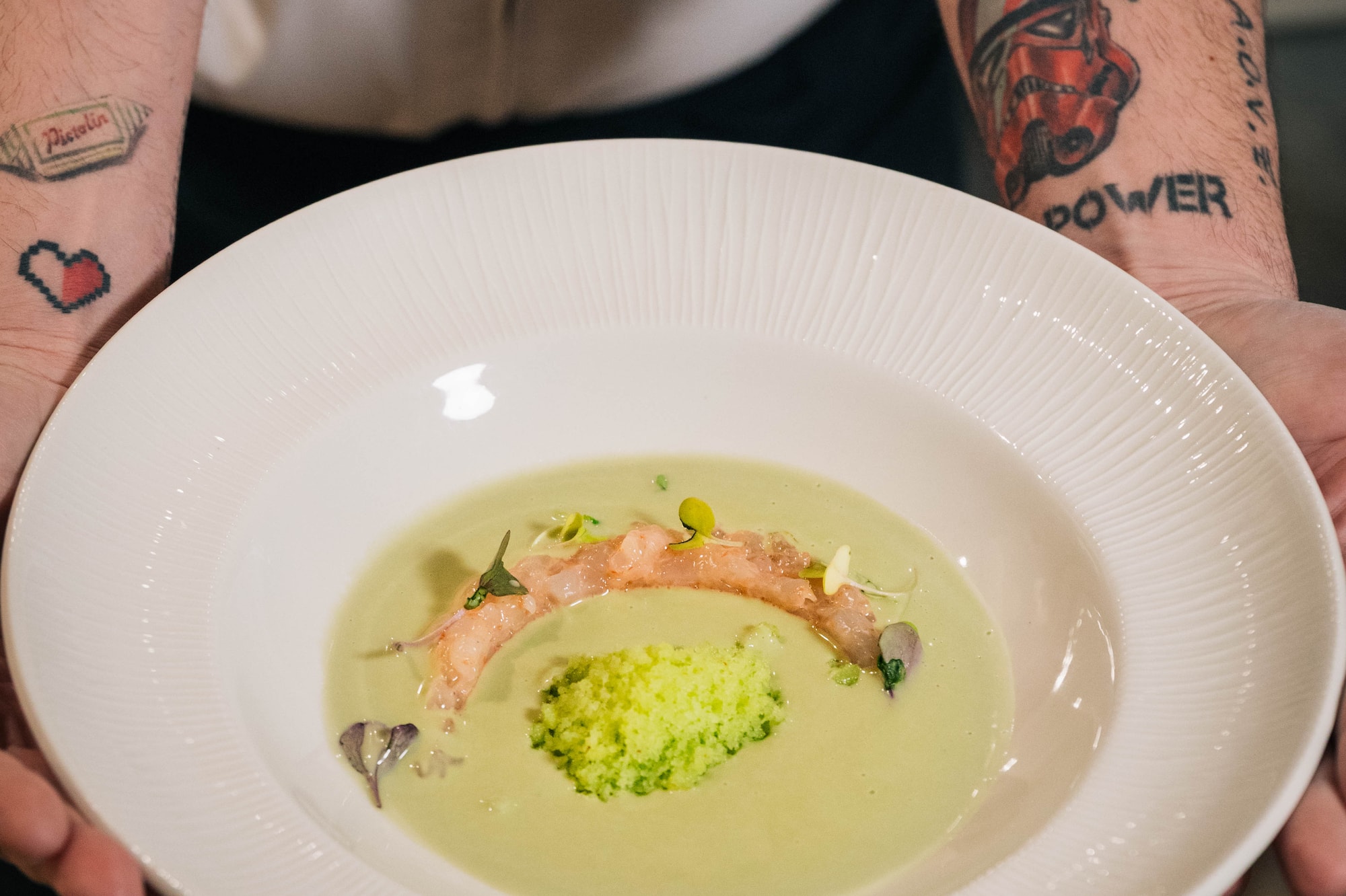
Arriving in Granada has allowed me to apply that perspective to a different territory and continue learning about new products and recipes. That is why reinterpretations like the Remojón granadino V2.0 or the ‘Habitas’ with ham, made with grilled edamame, ham powder, poached egg, and confit spring onion, appear. And the conversation with Granada continues in proposals such as the pistachio ajoblanco with Motril mantis shrimp tartare and green apple granita or the foie gras pionono with caramelized apricot cream.
I am not interested in changing a recipe simply for the sake of changing it. First I want to understand it: know where it comes from, what product is behind it, why it remains in the memory, and what I can learn from it.
For me, that is the beauty of cooking and also of traveling: learning about the products, the people, and the places to look at the known with new eyes.

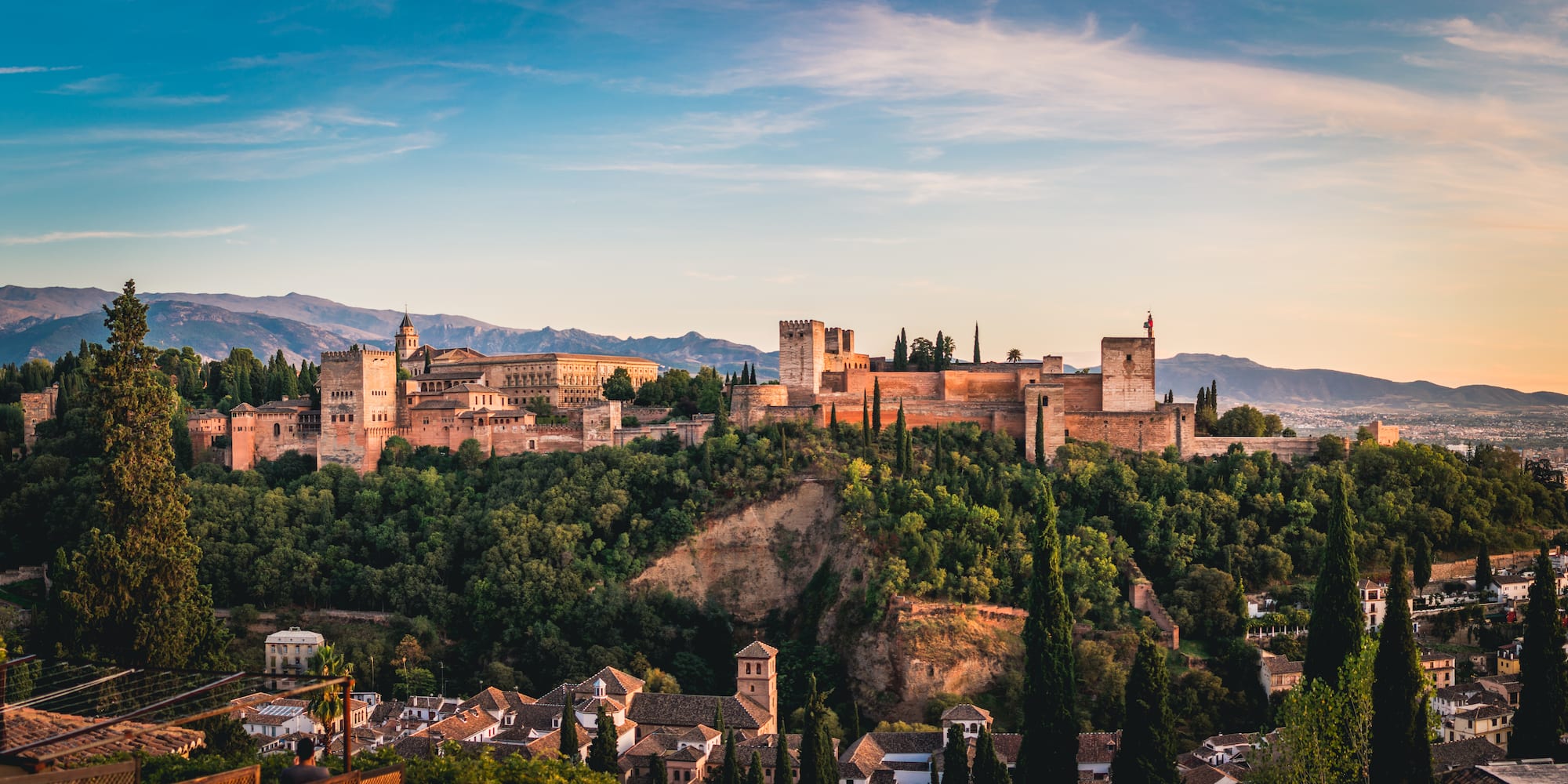
Meliá Granada is located on Calle Ángel Ganivet, in the city centre, and is home to NERVIO, where I develop my gastronomic proposal in Granada. It can be a good starting point for a journey in two directions: setting out to discover how Granada is cooked and returning to learn how some of those flavours and products are interpreted through my own understanding of cuisine.
Because, for me, a gastronomic trip becomes much more interesting when you not only ask yourself what to eat, but also what a place can teach you through its flavours.