,regionOfInterest=(4344,2896))
,regionOfInterest=(4344,2896))
luxury
,regionOfInterest=(5399.6219706,2423.4640953))
,regionOfInterest=(5399.6219706,2423.4640953))
A life well lived
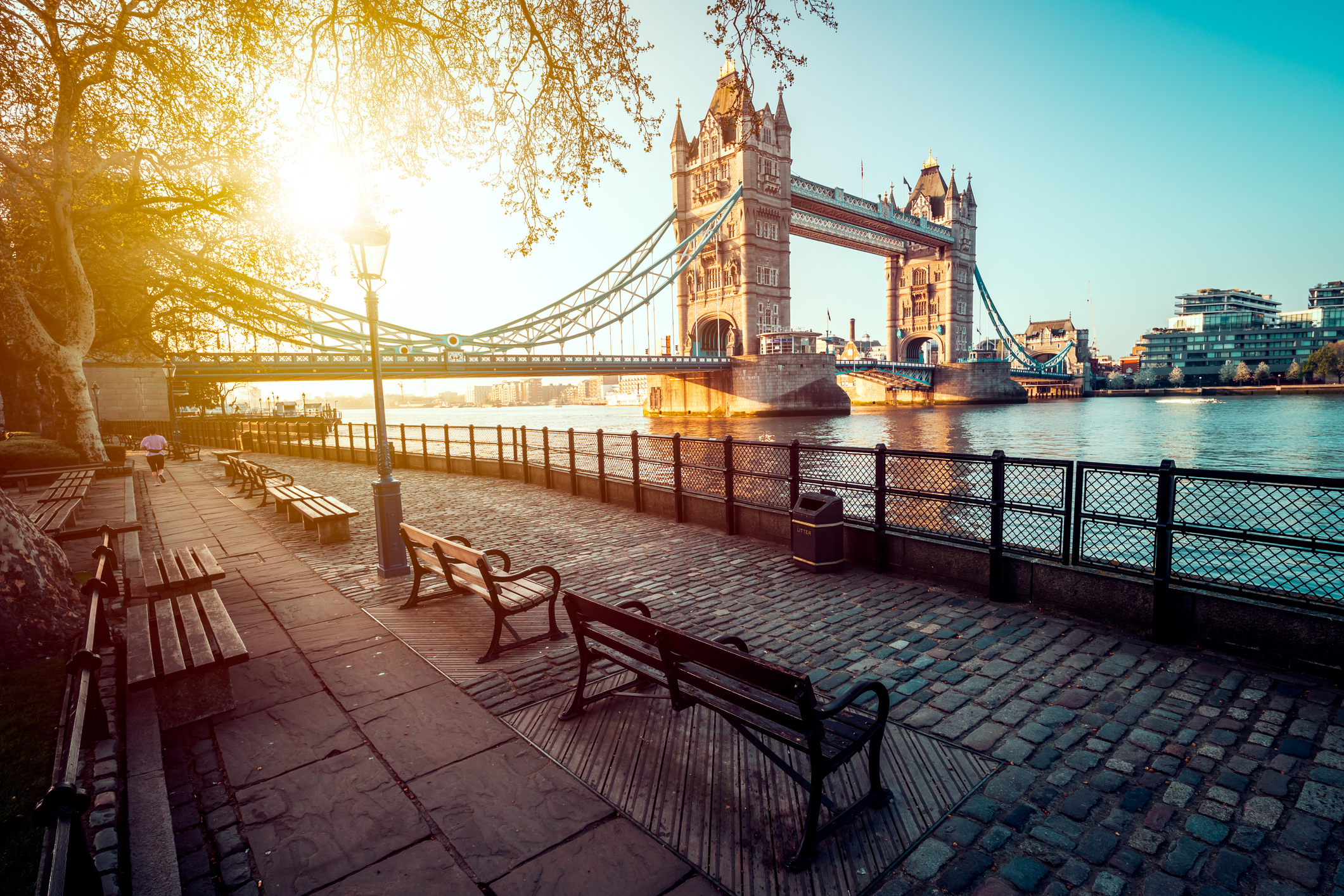
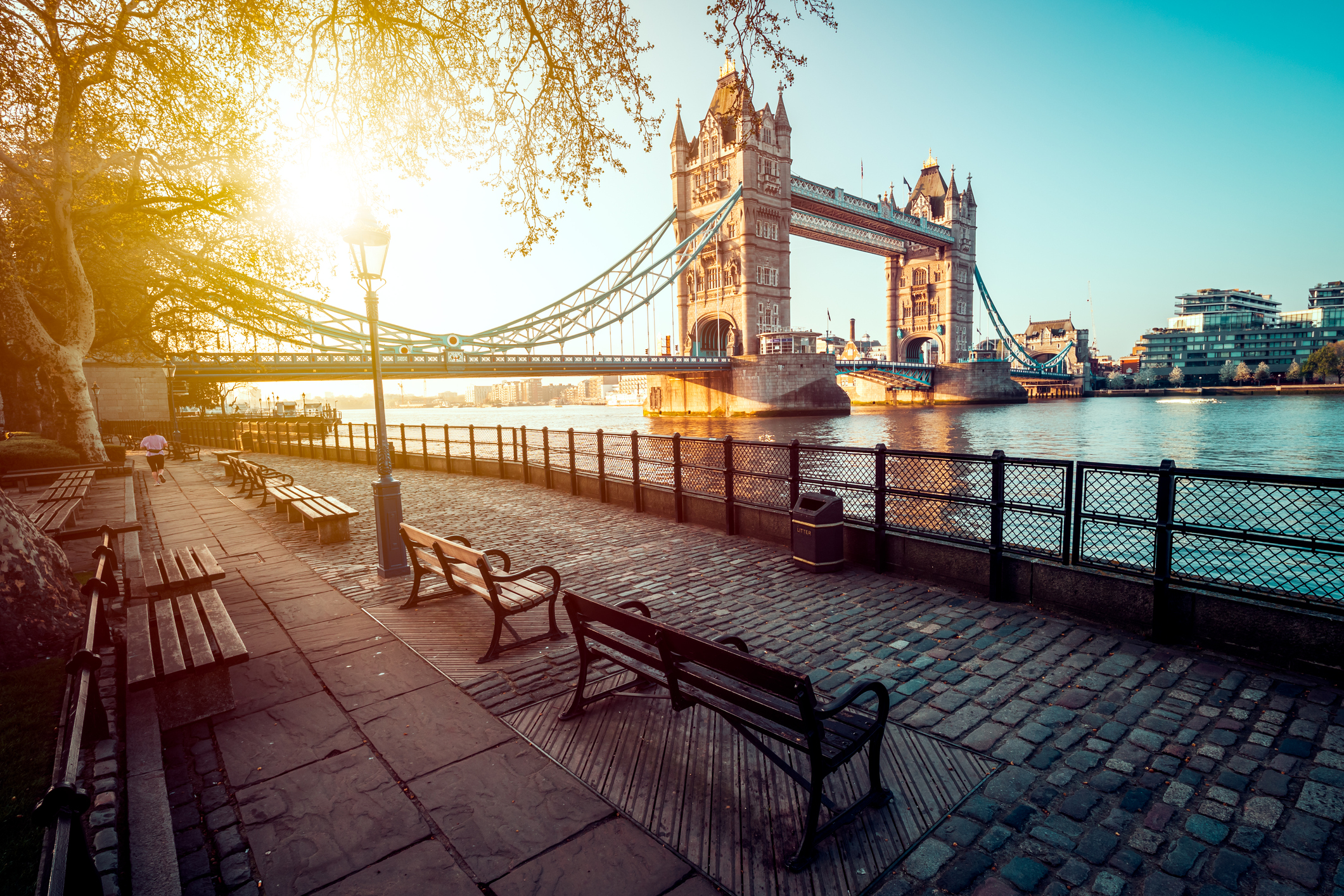
London stands as one of the world’s most iconic cities, boasting a rich and varied history that stretches back over two thousand years. Starting as a modest Roman settlement, it has evolved into a vibrant, multicultural metropolis, witnessing numerous historical events and significant changes along the way.
,regionOfInterest=(1060.5,707))
,regionOfInterest=(1060.5,707))
Khám phá thương hiệu của chúng tôi
luxury
A life well lived
luxury
,regionOfInterest=(3330.5,2220.5))
,regionOfInterest=(3330.5,2220.5))
Hotels with expression
premium
,regionOfInterest=(2633.39421,5712.249507799999))
,regionOfInterest=(2633.39421,5712.249507799999))
Soul Matters
premium
,regionOfInterest=(1243,2165.557456))
,regionOfInterest=(1243,2165.557456))
Born in the Med
premium
,regionOfInterest=(4344,2896))
,regionOfInterest=(4344,2896))
Stay curious!
essential
,regionOfInterest=(4096,2732))
,regionOfInterest=(4096,2732))
All Tribes Welcome
essential
,regionOfInterest=(1771.5,1179))
,regionOfInterest=(1771.5,1179))
Hotels with their own essence
Khách sạn, thành phố hoặc điểm đến
Lịch
Khách
Loại Chiết khấu
Chúng tôi sẽ liên hệ với bạn vào thời gian mong muốn để hỗ trợ bạn đặt chỗ.
Không thể gửi yêu cầu. Vui lòng thử lại sau.
Founded by the Romans around AD 50, London was first called Londinium. Situated along the River Thames, Londinium soon became a key center for trade and administration. The Romans constructed bridges, roads, and walls to safeguard the city and support commerce. Although Saxon tribes looted the city and it was deserted following the fall of the Roman Empire, its advantageous location allowed it to flourish again in later years. The blend of Roman and Saxon influences has shaped the development and transformation of London over time.
,regionOfInterest=(1728,1152))
,regionOfInterest=(1728,1152))
Londinium was established by the Romans and became a key center for trade and military activity. Its cobbled streets, temples, and theaters showcased Roman architecture and culture. Essential for commerce, London Bridge linked the city to other regions of Britain. Erected in the 2nd century, the walls of Londinium sheltered its people from attacks. Although it declined after the Romans left in the fifth century, the urban and commercial groundwork of Londinium significantly shaped the future of London, proving the enduring impact of the Roman Empire on the city's evolution.
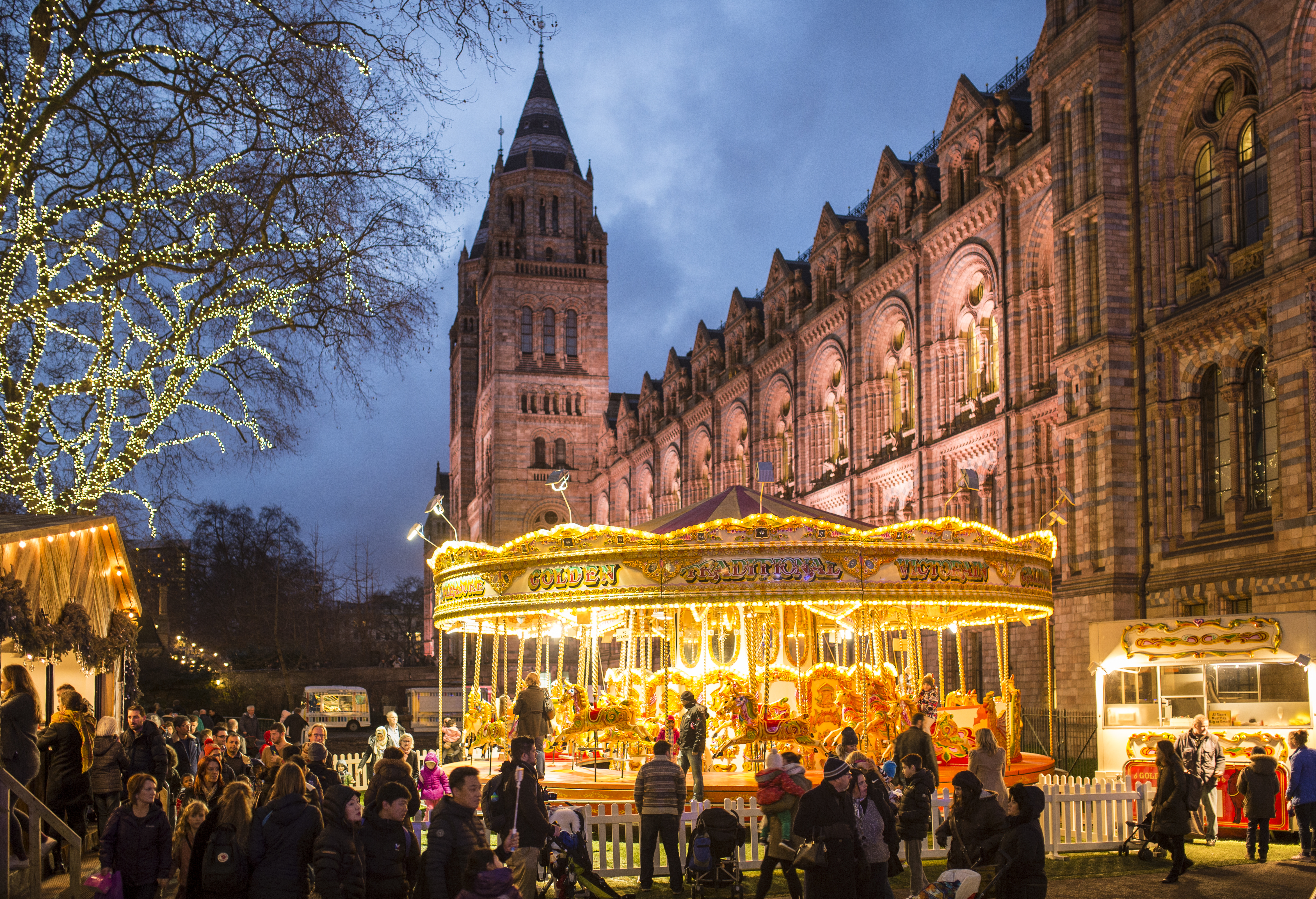,regionOfInterest=(2344,1601))
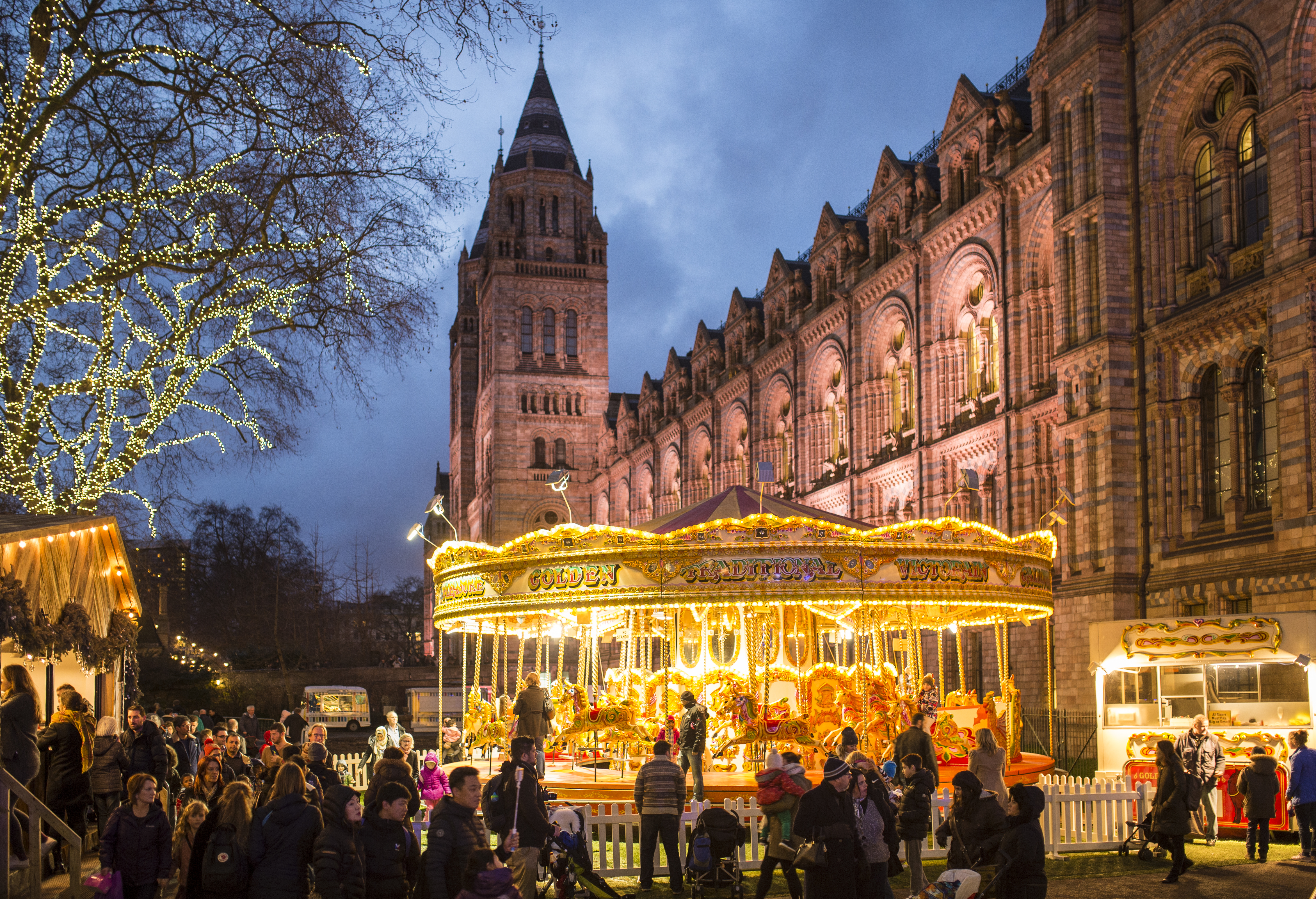,regionOfInterest=(2344,1601))
After the Romans left, London went through a time of decline but later became a thriving center of trade in the Middle Ages. The arrival of the Saxons sparked an urban and economic revival. In the 11th century, William the Conqueror built the Tower of London, which solidified Norman power and became a symbol of royal authority. During this time, London expanded greatly as markets and guilds emerged to boost trade. The city faced major challenges, like the Black Plague and several fires, but it always managed to bounce back.
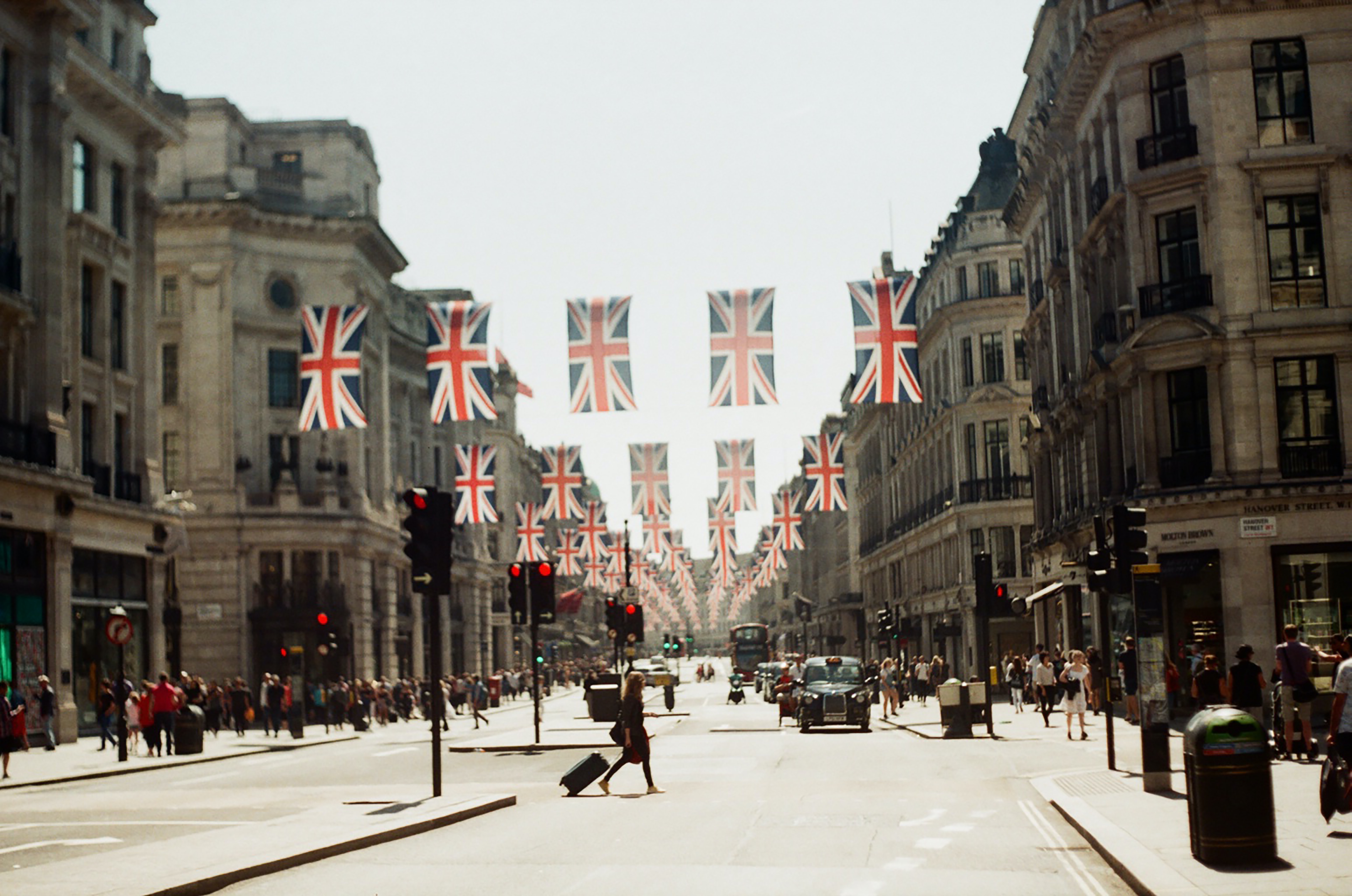,regionOfInterest=(3219,2133.5))
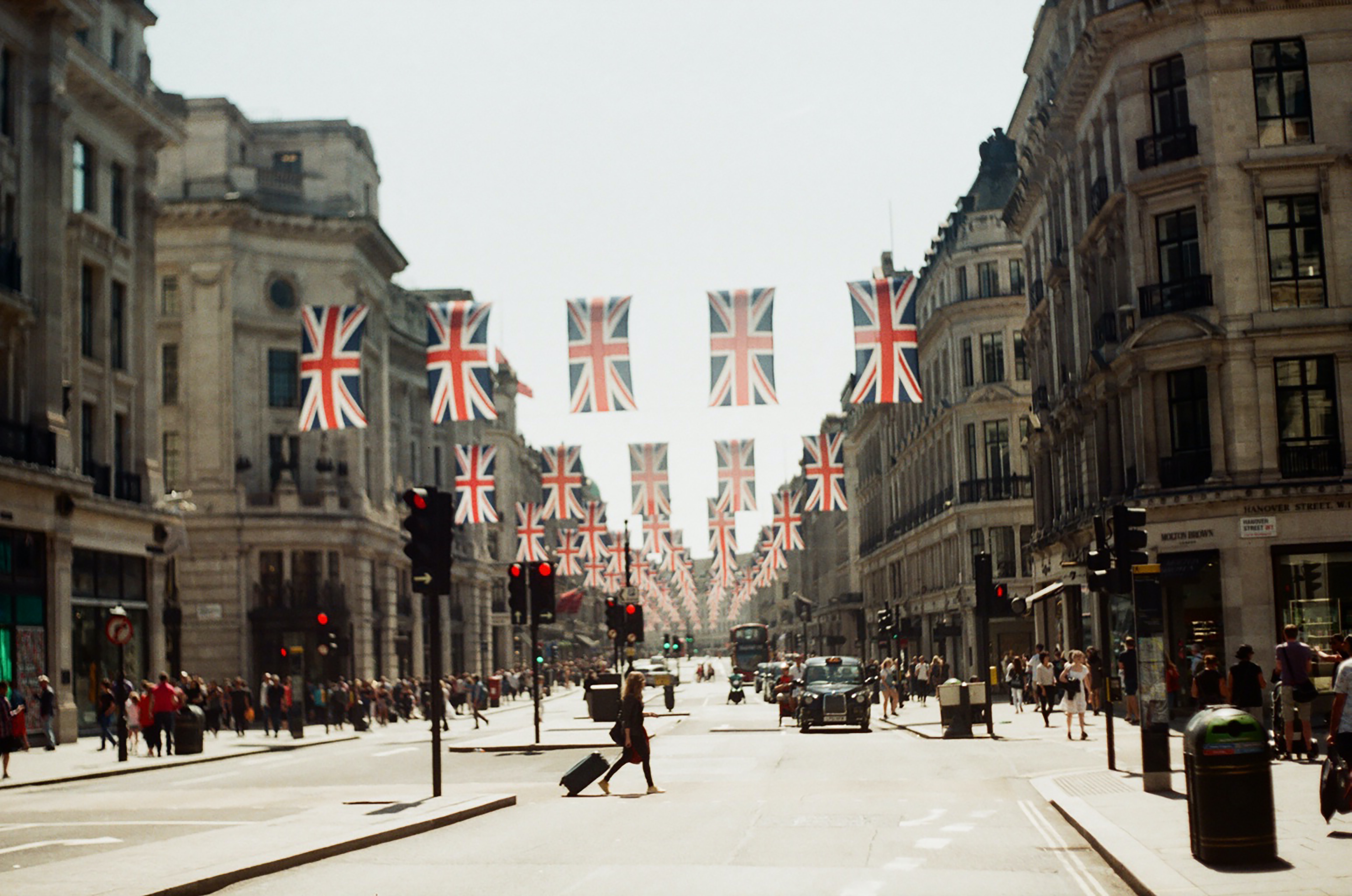,regionOfInterest=(3219,2133.5))
The 18th century was a period of change and growth for London. The city became a hub for global trade, fueled by the Industrial Revolution and the expansion of the British Empire. New neighborhoods arose, and notable buildings like Westminster Bridge and the Royal Exchange were constructed. As the population grew, people from around the world moved in, adding to the city’s cultural mosaic. London also experienced significant events, including the rise of the abolitionist movement and the Napoleonic Wars, which profoundly influenced its political and social development.
London is filled with monuments and buildings that narrate the city's history over the centuries. These iconic sites not only bear witness to key events but also showcase the architectural and cultural changes in the British capital. Ranging from ancient castles and cathedrals to modern skyscrapers, each structure shares its own unique story. We will examine how these monuments have shaped the city’s landscape and contributed to its identity as one of the most remarkable and captivating cities in the world.
,regionOfInterest=(2977,1979.5))
,regionOfInterest=(2977,1979.5))
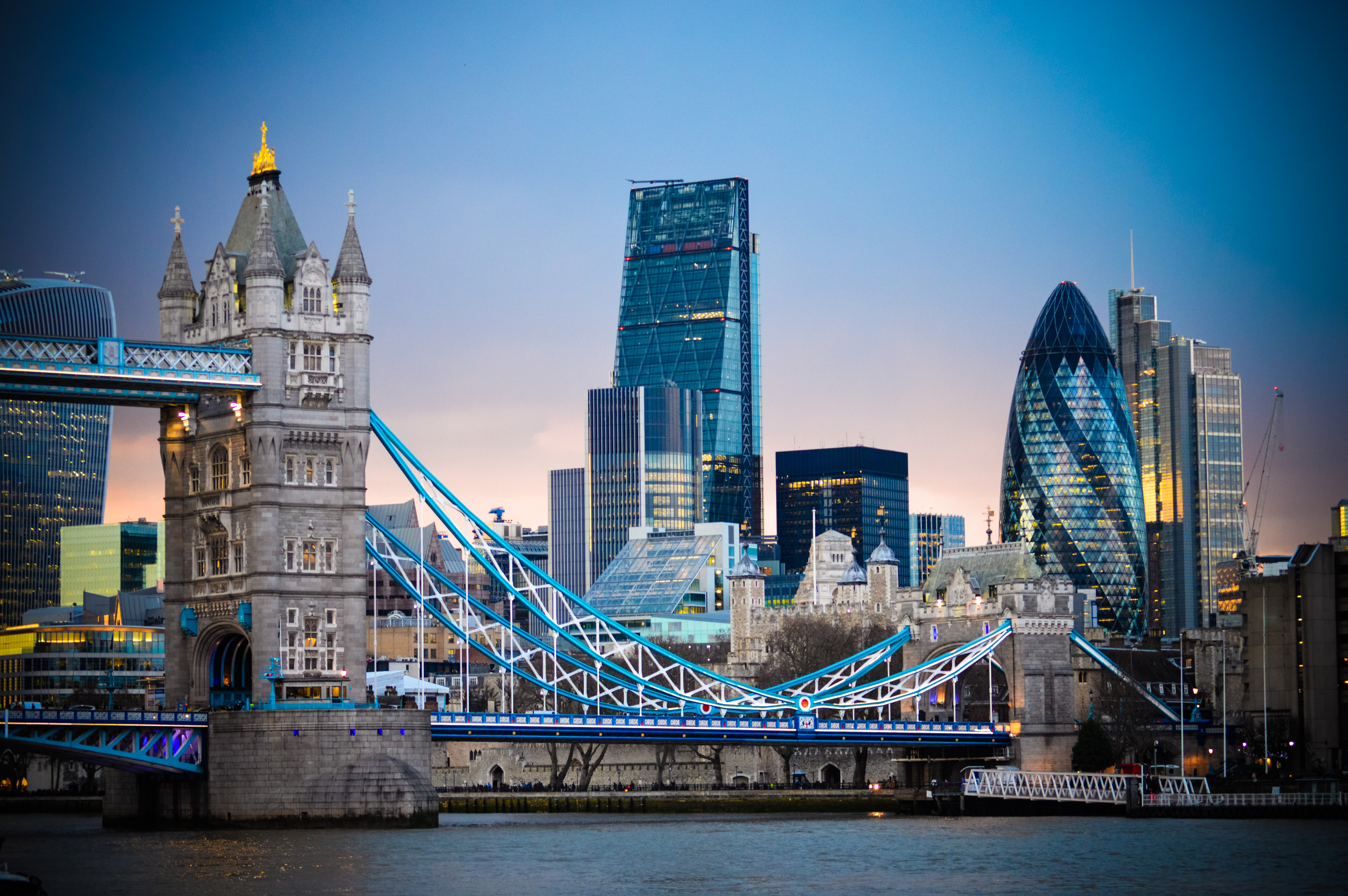
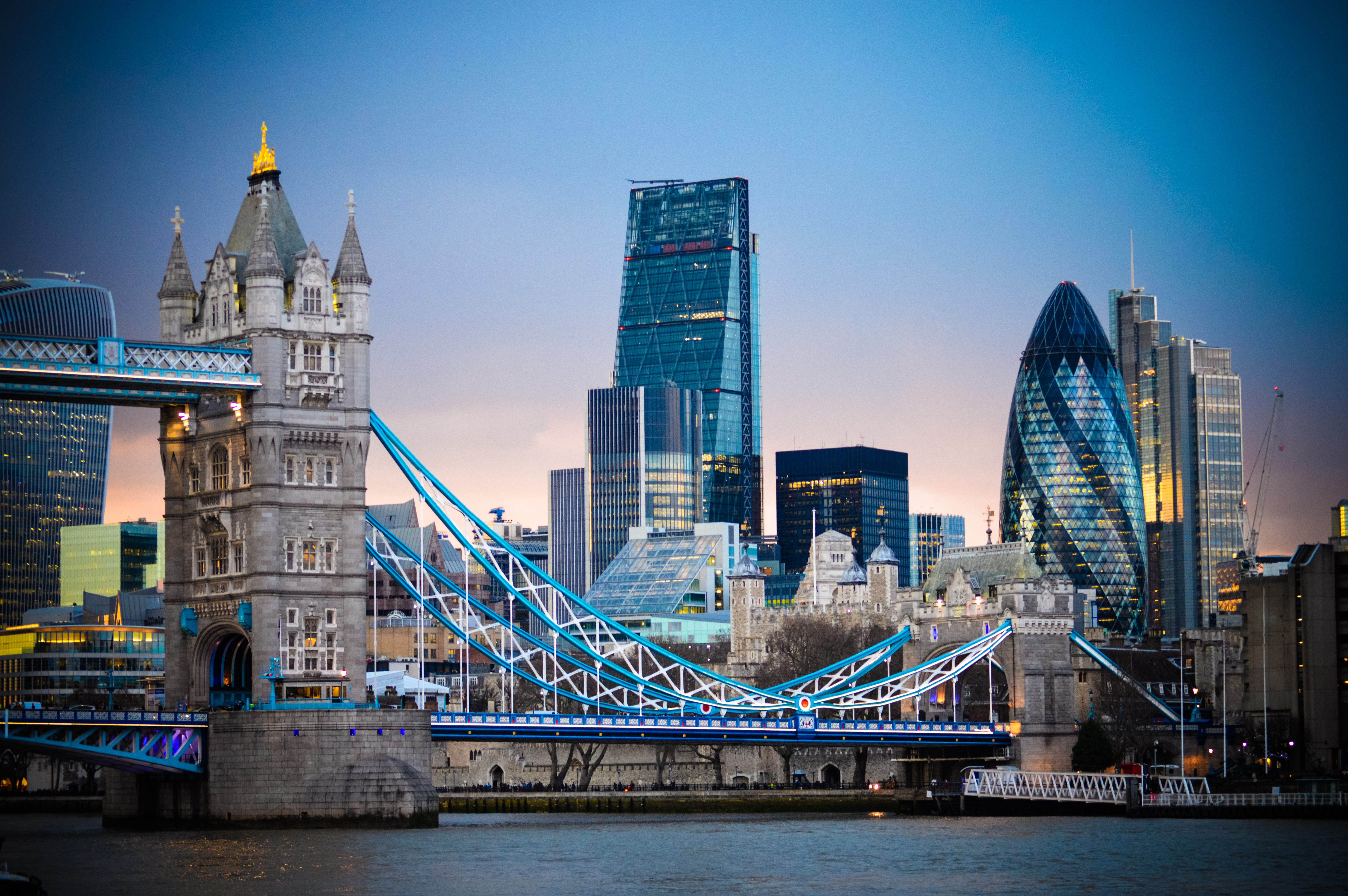
The Tower of London, constructed for William the Conqueror in 1066, has served many purposes throughout history. It has been a royal fortress, a prison, and a treasury. This remarkable complex has witnessed political intrigue, infamous executions, and has even housed the British crown jewels. Its medieval architecture, featuring white towers and sturdy walls, reflects centuries of royal history and represents power in England. Today, it stands as one of London’s most visited landmarks, enchanting visitors from around the globe with its mysteries and stories.
,regionOfInterest=(2760,1800))
,regionOfInterest=(2760,1800))
Designed by Sir Christopher Wren and finished in 1710, the magnificent St. Paul's Cathedral stands as a landmark in London. It replaced an old medieval cathedral that was destroyed in the Great Fire, becoming a symbol of the city's strength and renewal. With its grand dome and detailed baroque design, the cathedral has hosted significant events like royal weddings and funerals. Beyond its religious significance, St. Paul's serves as a cultural and tourist destination, drawing visitors to admire its beautiful architecture and deep history.
,regionOfInterest=(2514,1676))
,regionOfInterest=(2514,1676))
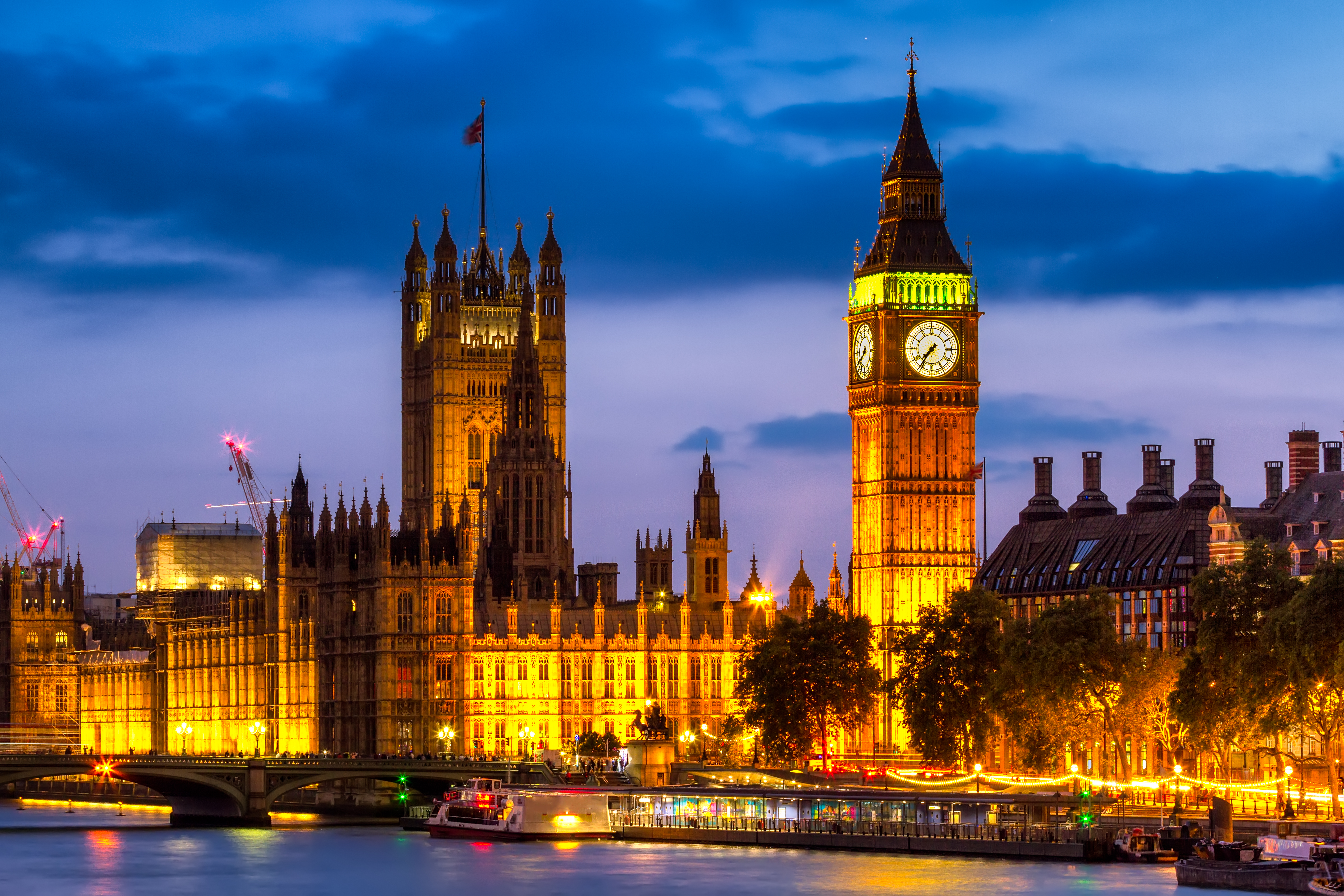
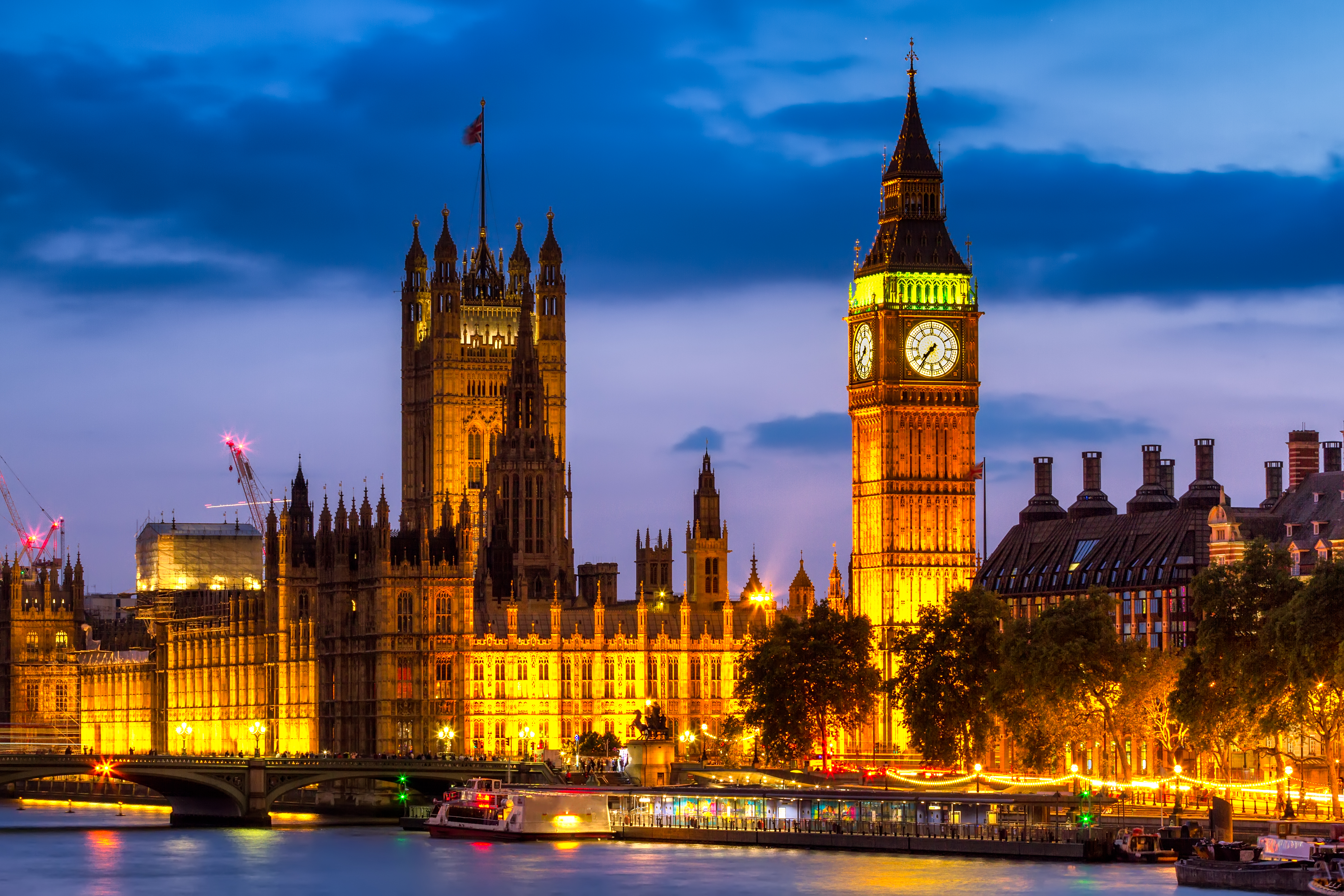
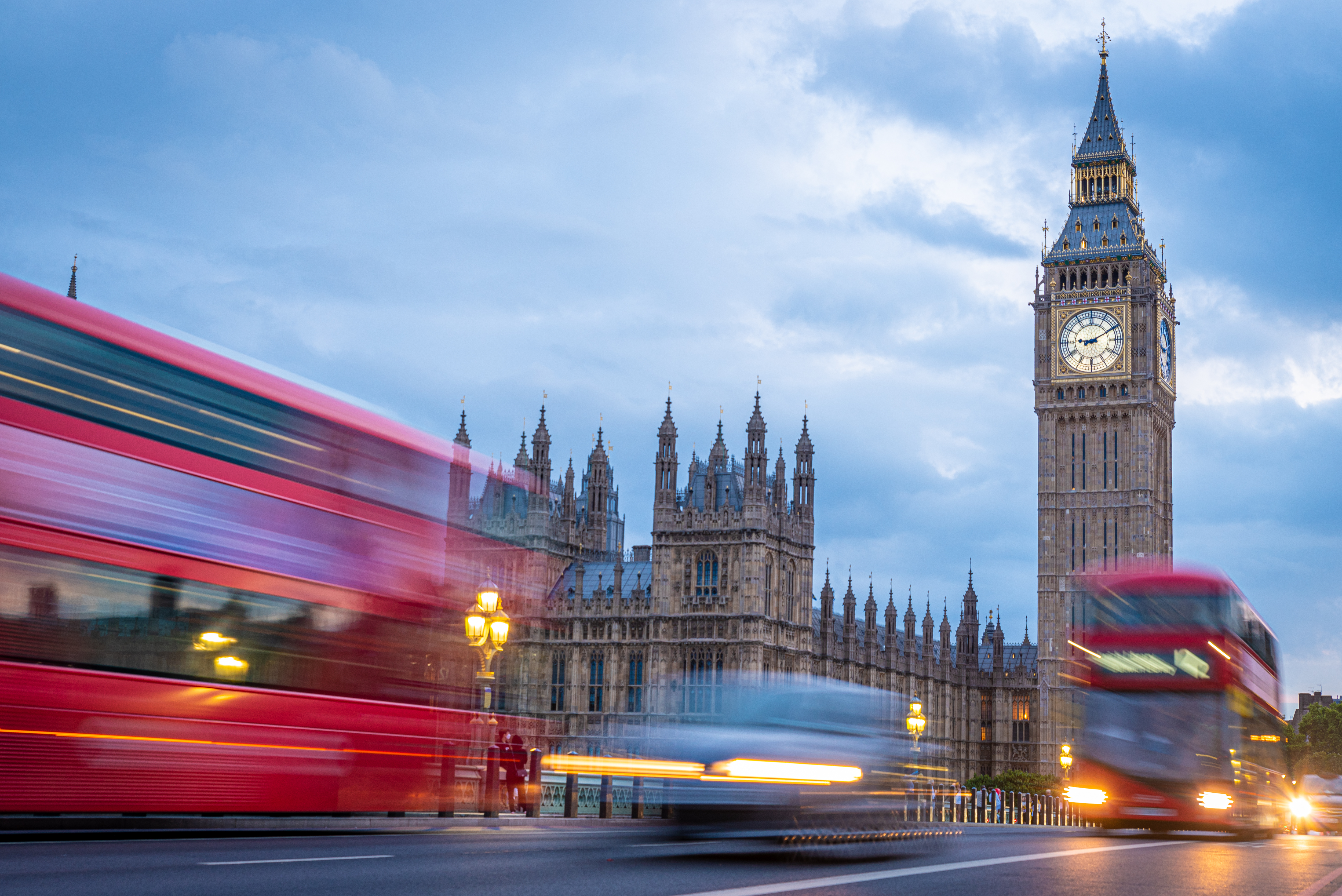
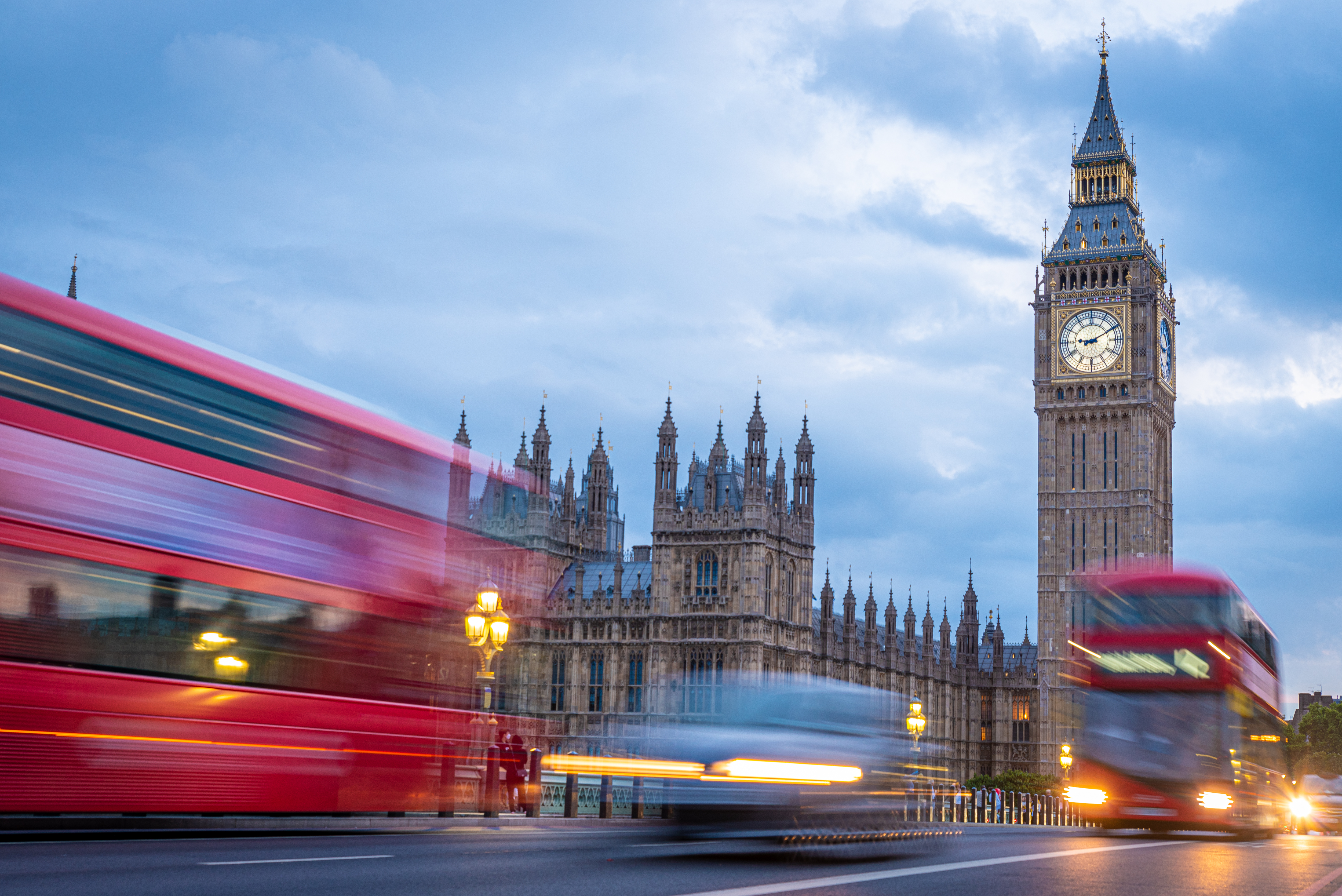
Westminster, the historical and political center of London, houses Buckingham Palace, the official residence of the British king since the 18th century. This area also includes the Houses of Parliament and Westminster Abbey, where coronations and royal funerals take place. Buckingham Palace, with its neoclassical front and well-known balconies used for public appearances, stands as a symbol of the British Monarchy and draws many visitors. Westminster Abbey is an architectural wonder that holds the remains of many British kings and significant historical figures.
London has undergone continuous changes in its urban and cultural growth over the centuries. The planning of essential infrastructures and the promotion of culture and the arts have both played a significant role in shaping the city’s vibrant diversity and energy.
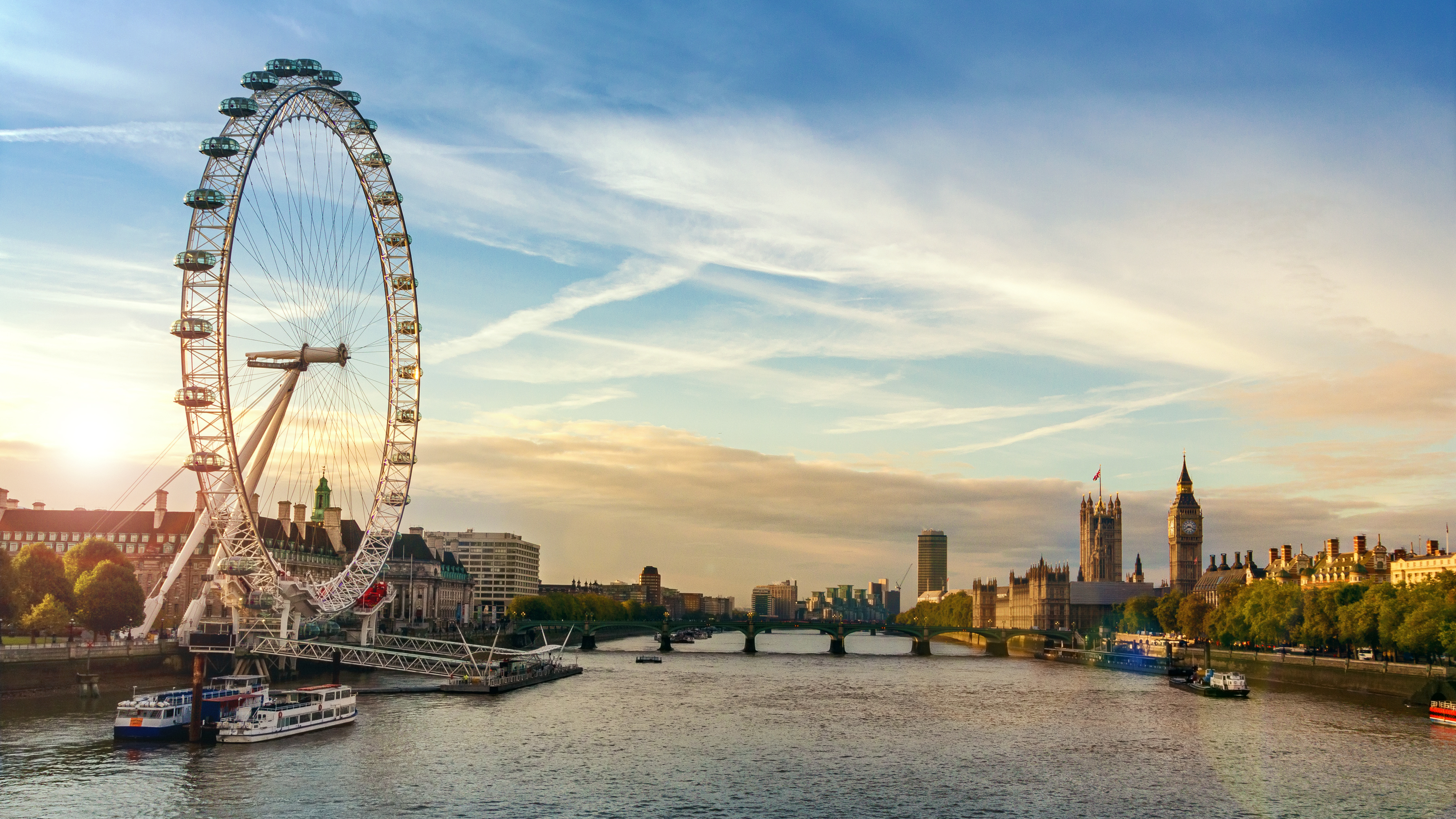
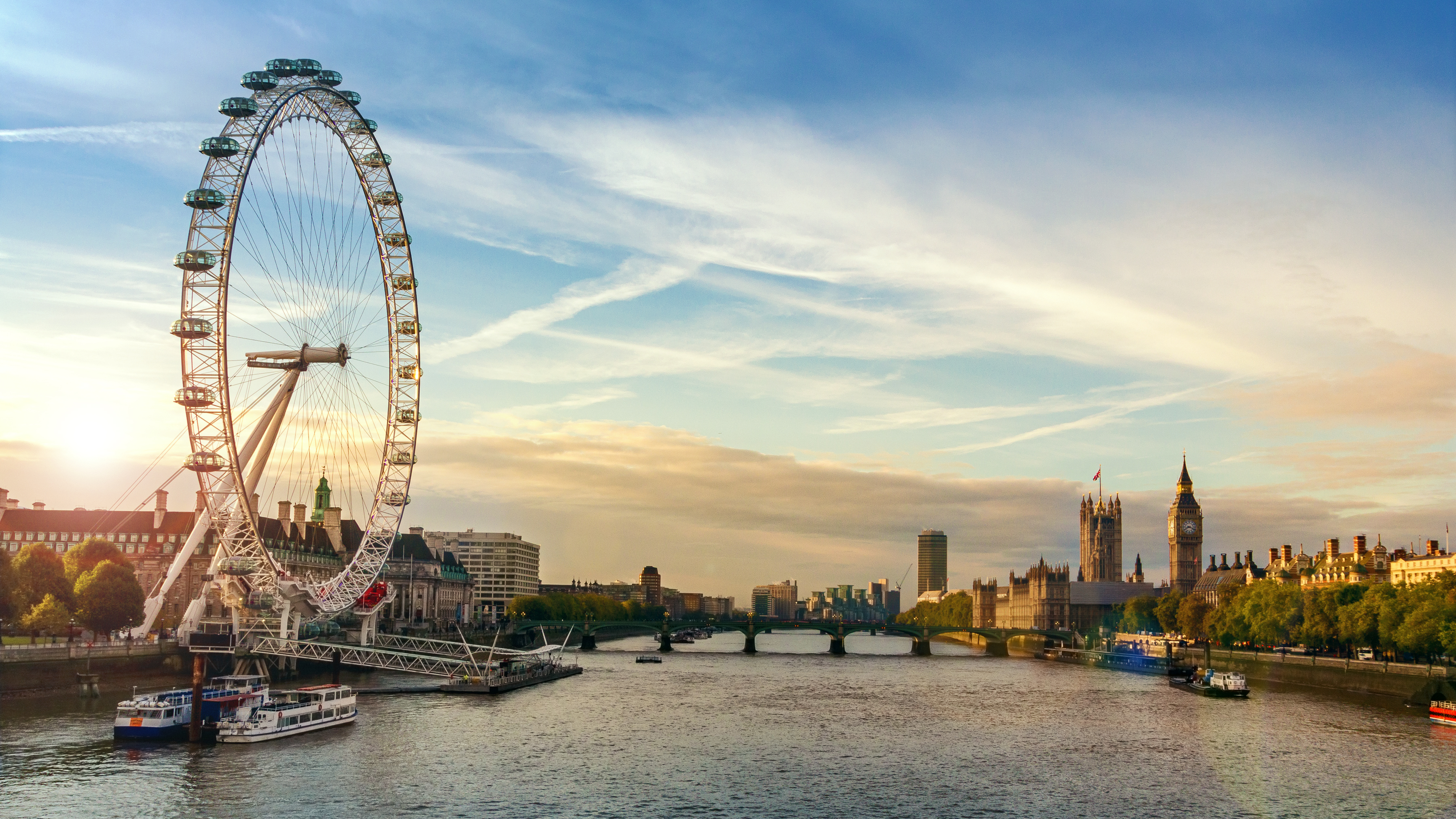
The River Thames has played a crucial role in the growth of London since ancient times. As a key waterway, it enabled trade and transport, turning London into an important business hub in Europe. The bridges across the Thames, including the historic London Bridge and newer structures, have linked the eastern and western parts of the city, supporting its development. Today, the Thames remains a focal point for cultural and recreational activities and is essential to both the historical and modern identity of London.
,regionOfInterest=(2592,1728))
,regionOfInterest=(2592,1728))
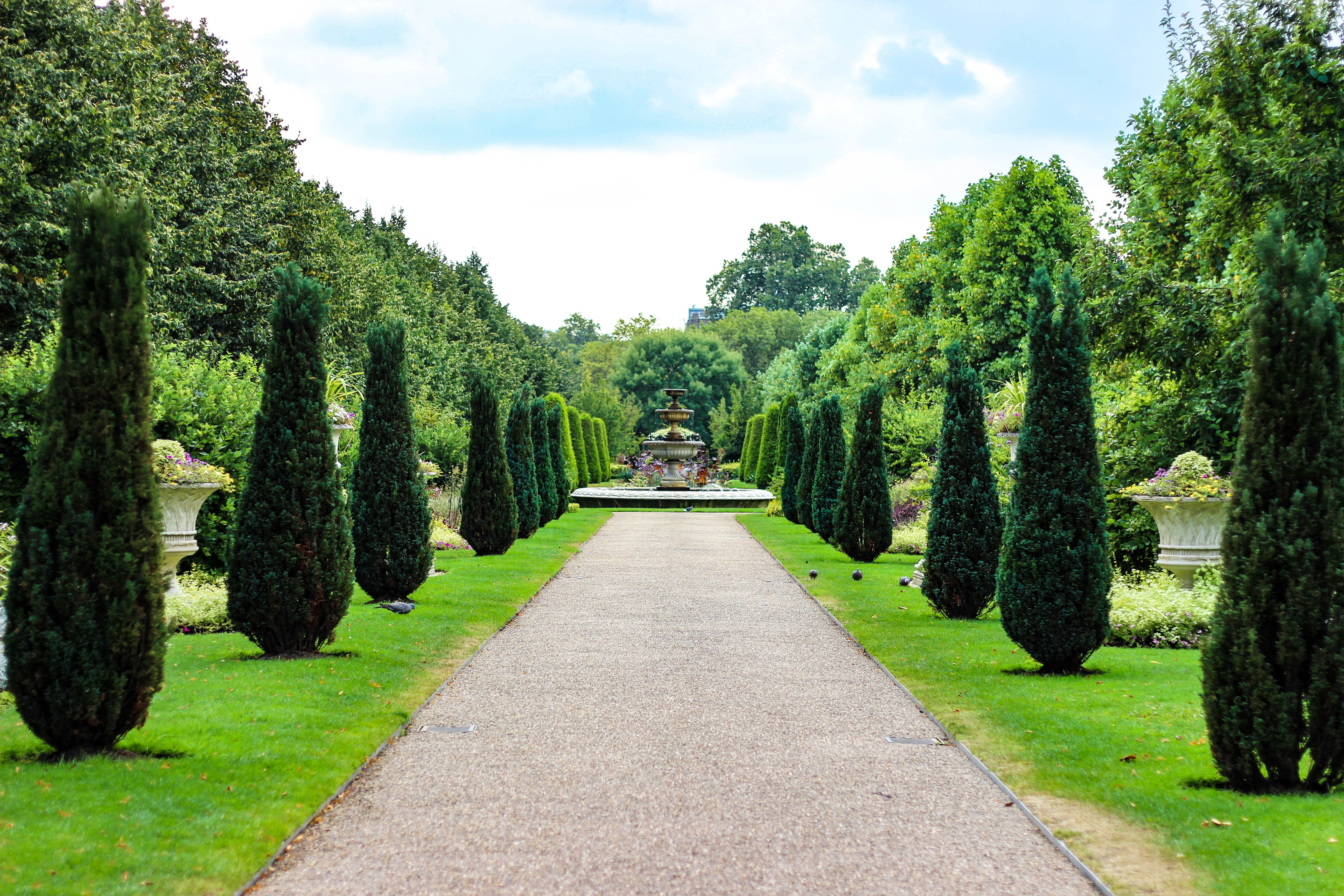
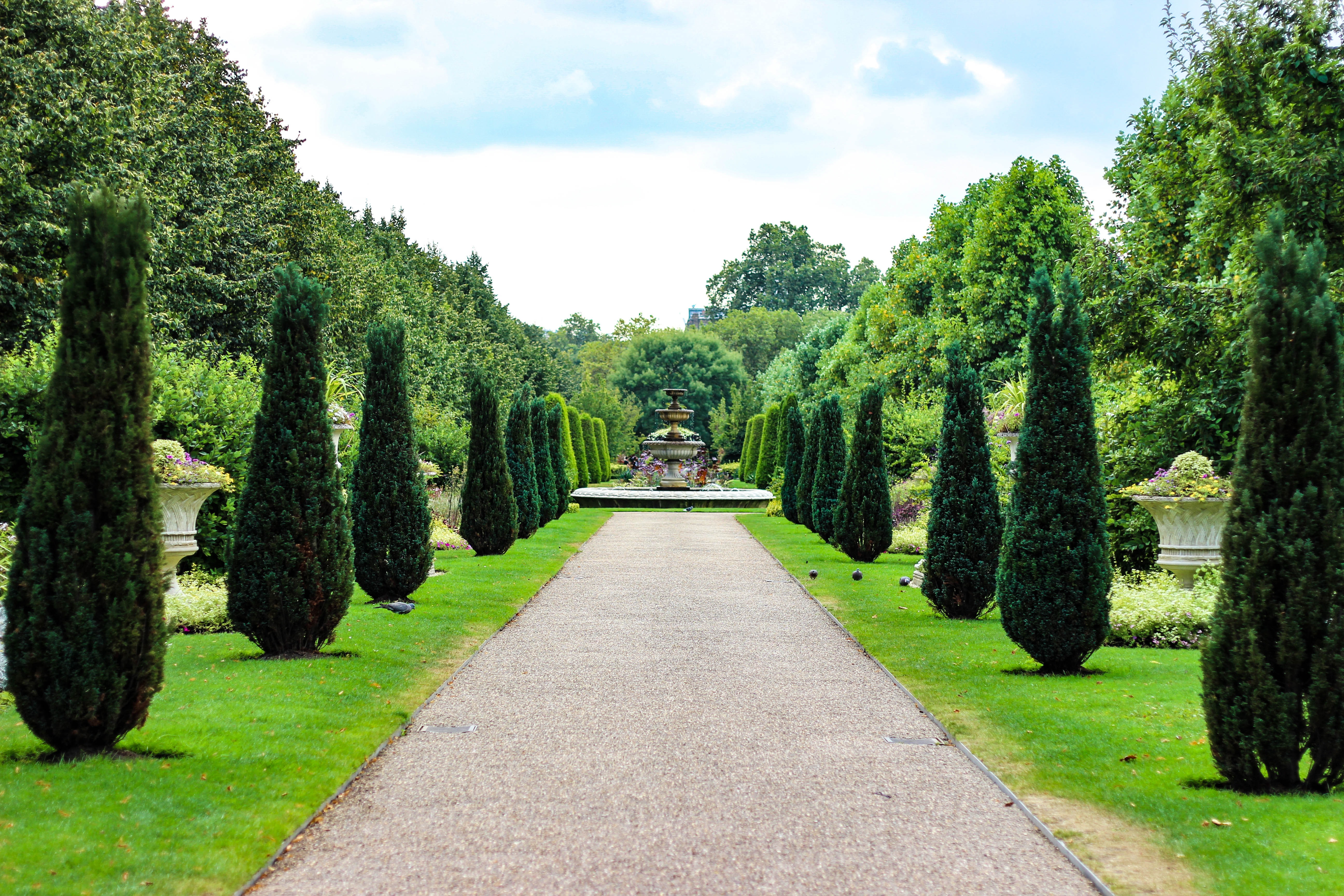
London's parks and green spaces have transformed from places for hunting and royal leisure into vibrant hubs of social and cultural activity for both locals and visitors. Historic spots like Hyde Park and Kensington Gardens stand alongside modern venues such as the Queen Elizabeth Olympic Park. These areas provide spaces for relaxation and fun while also hosting world-class cultural and sporting events. The planning and care for these parks demonstrate London's dedication to enhancing urban life and maintaining a balance between development and environmental preservation.
,regionOfInterest=(3666.5,2444))
,regionOfInterest=(3666.5,2444))
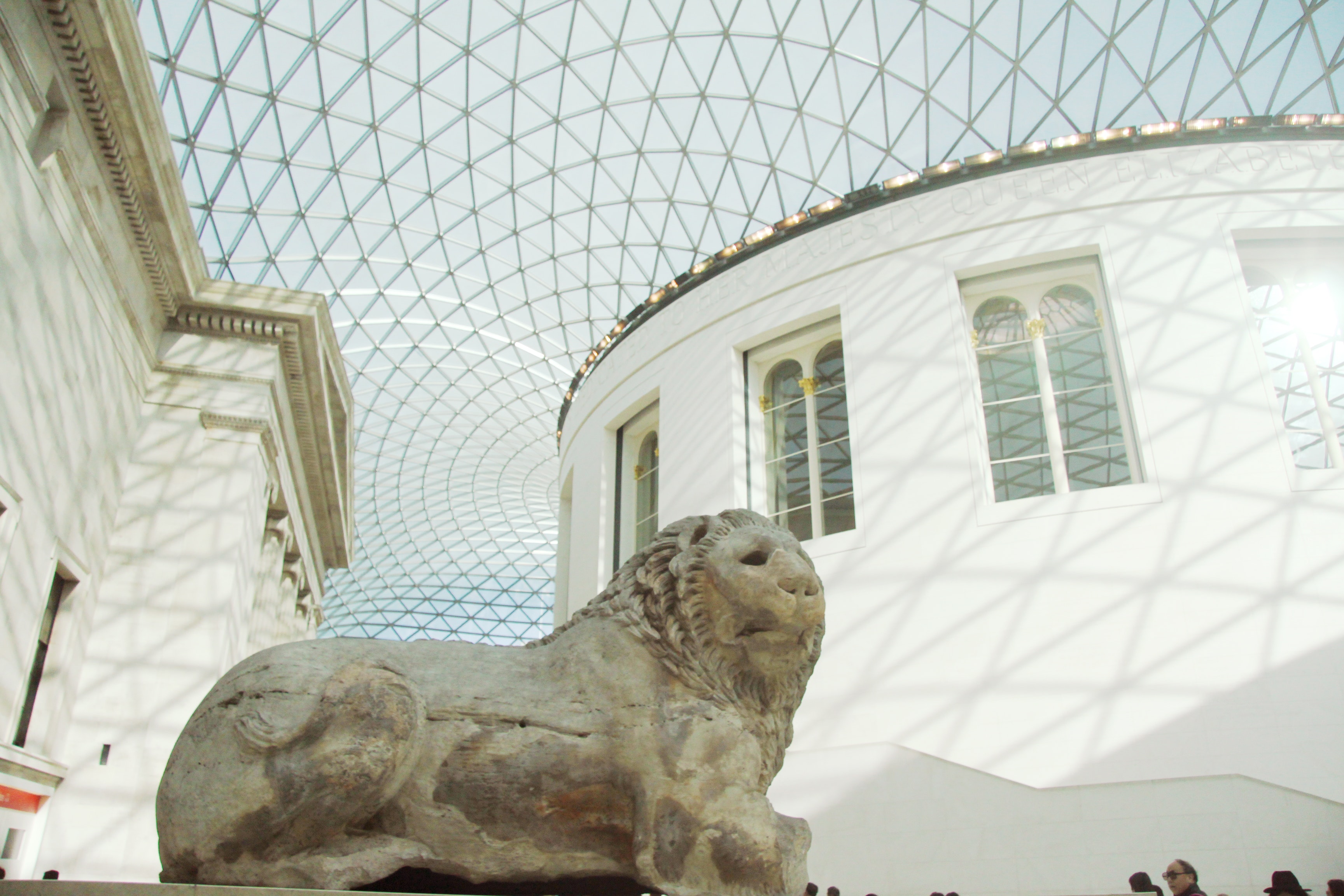
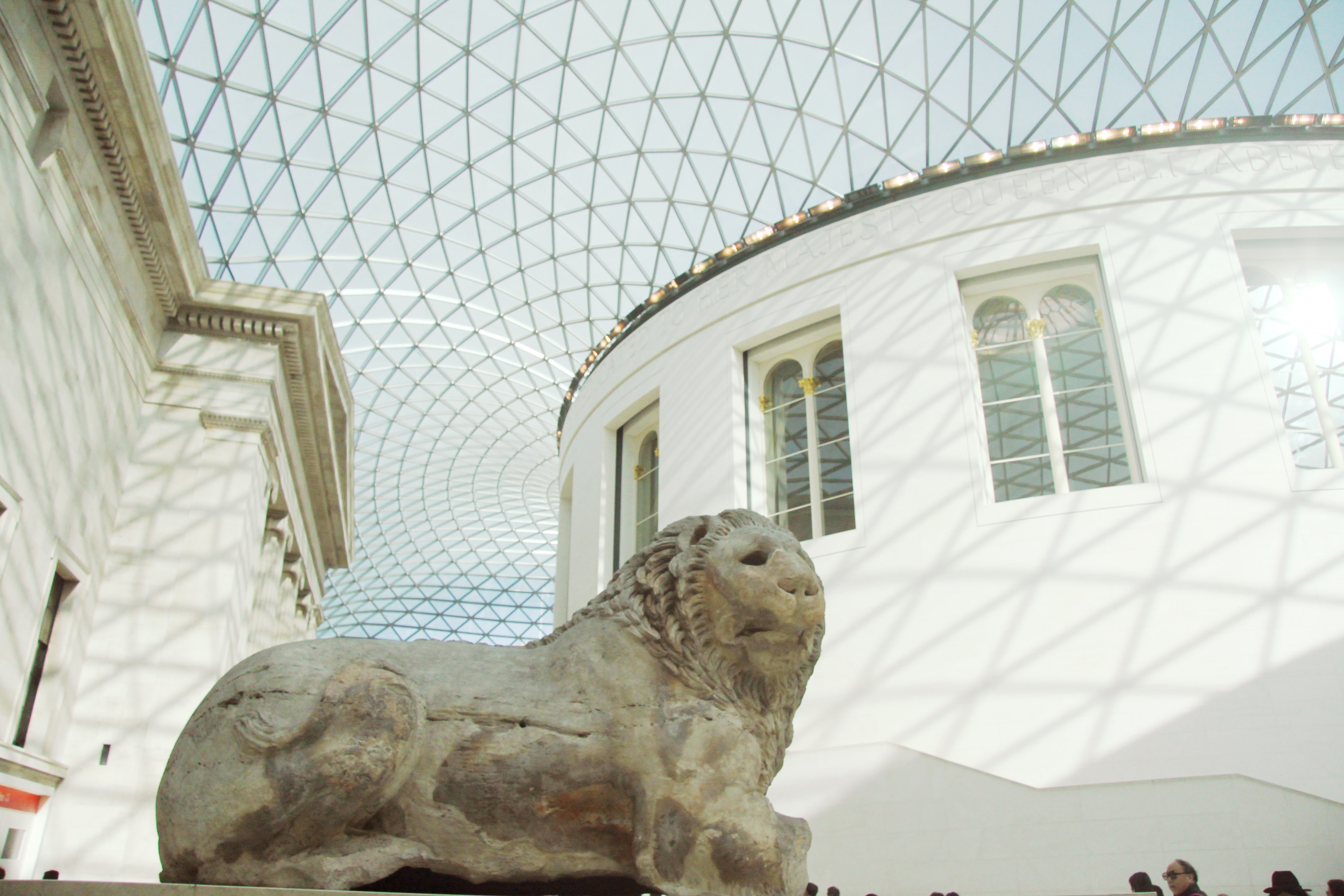
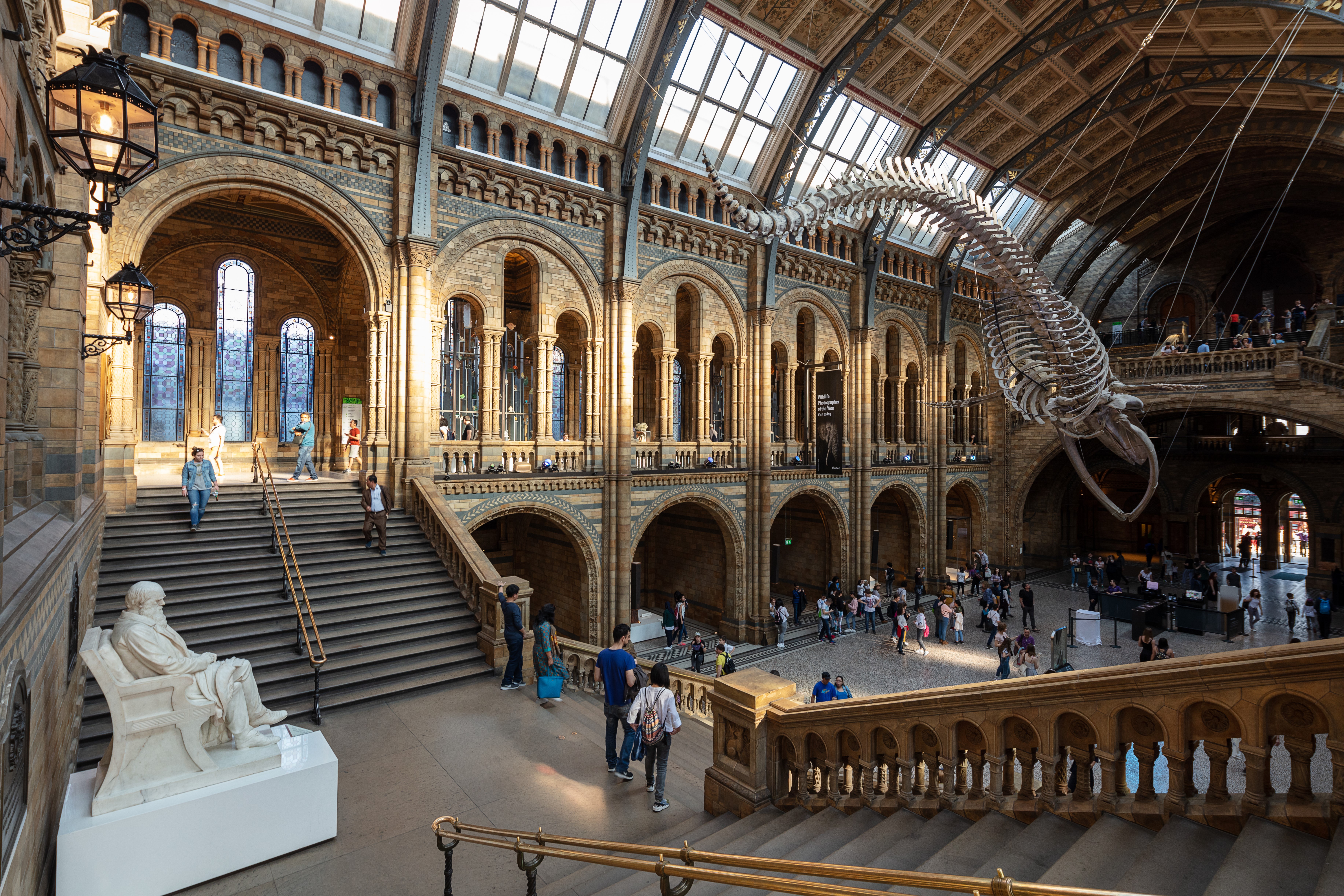
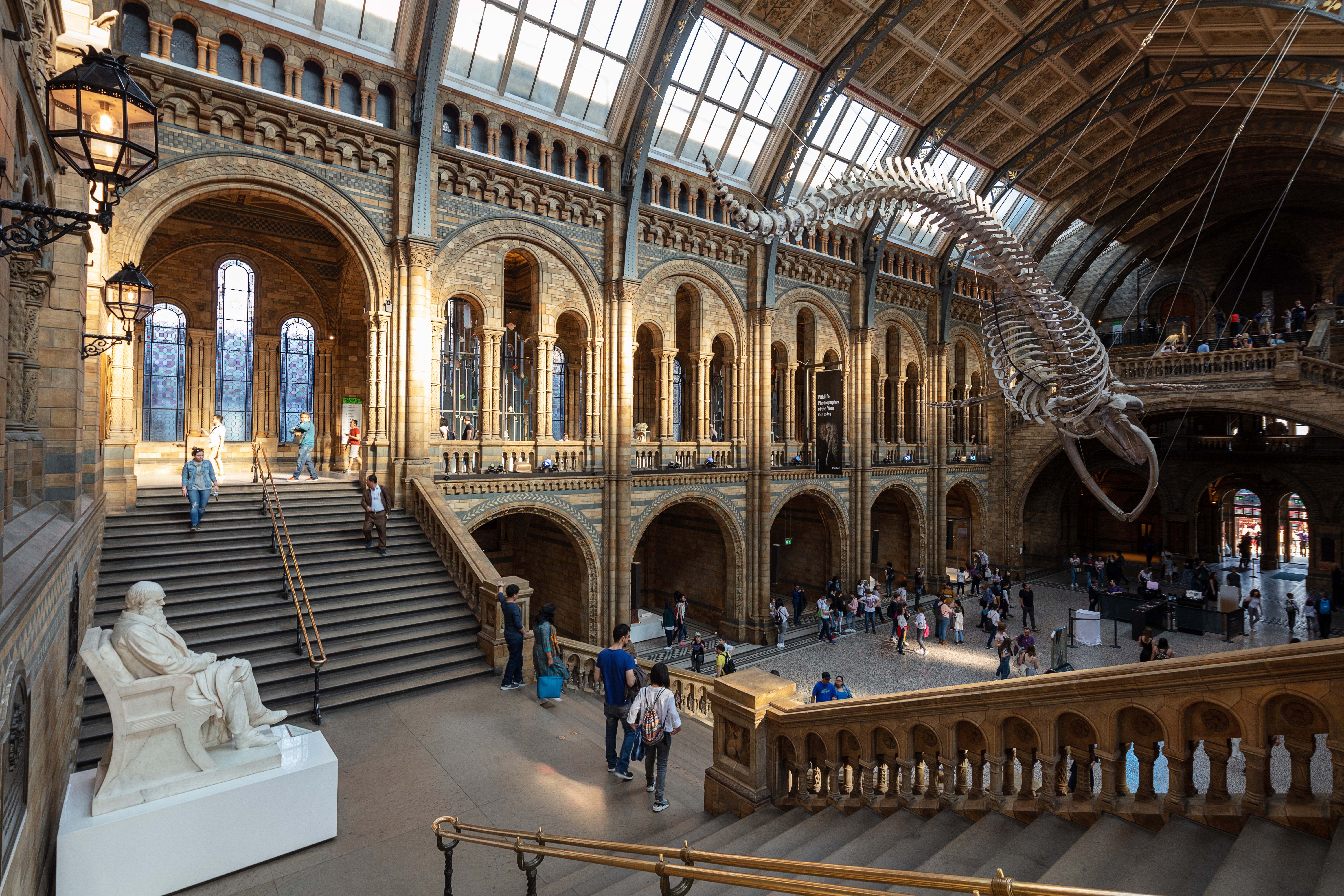
London’s museums and cultural centers are essential for grasping the city’s history and heritage. The British Museum, which houses art and artifacts from around the globe, and the Tate Modern, a leader in contemporary art, draw millions of visitors each year. London also boasts a vibrant theater scene in the West End and lively music festivals like the Notting Hill Carnival, which celebrate cultural diversity. These venues not only enhance the lives of Londoners but also attract people from around the world, showcasing the city’s cultural significance on a global scale.
London has experienced a vibrant evolution in life and society, showcasing shifts in demographics, social structures, and the economy over the centuries. Each period, from the Middle Ages to today, has left a lasting impression on the city's character and essence.
,regionOfInterest=(2500,1669))
,regionOfInterest=(2500,1669))
London's population has steadily grown over the centuries, evolving from a small Roman settlement into a global metropolis. The city has welcomed individuals from various cultures and backgrounds, enriching its diversity and energy. Economic growth and the industrial revolution drew workers and businesspeople, reshaping the city’s social and economic landscape. Today, London's diversity stands out as one of its most defining traits.
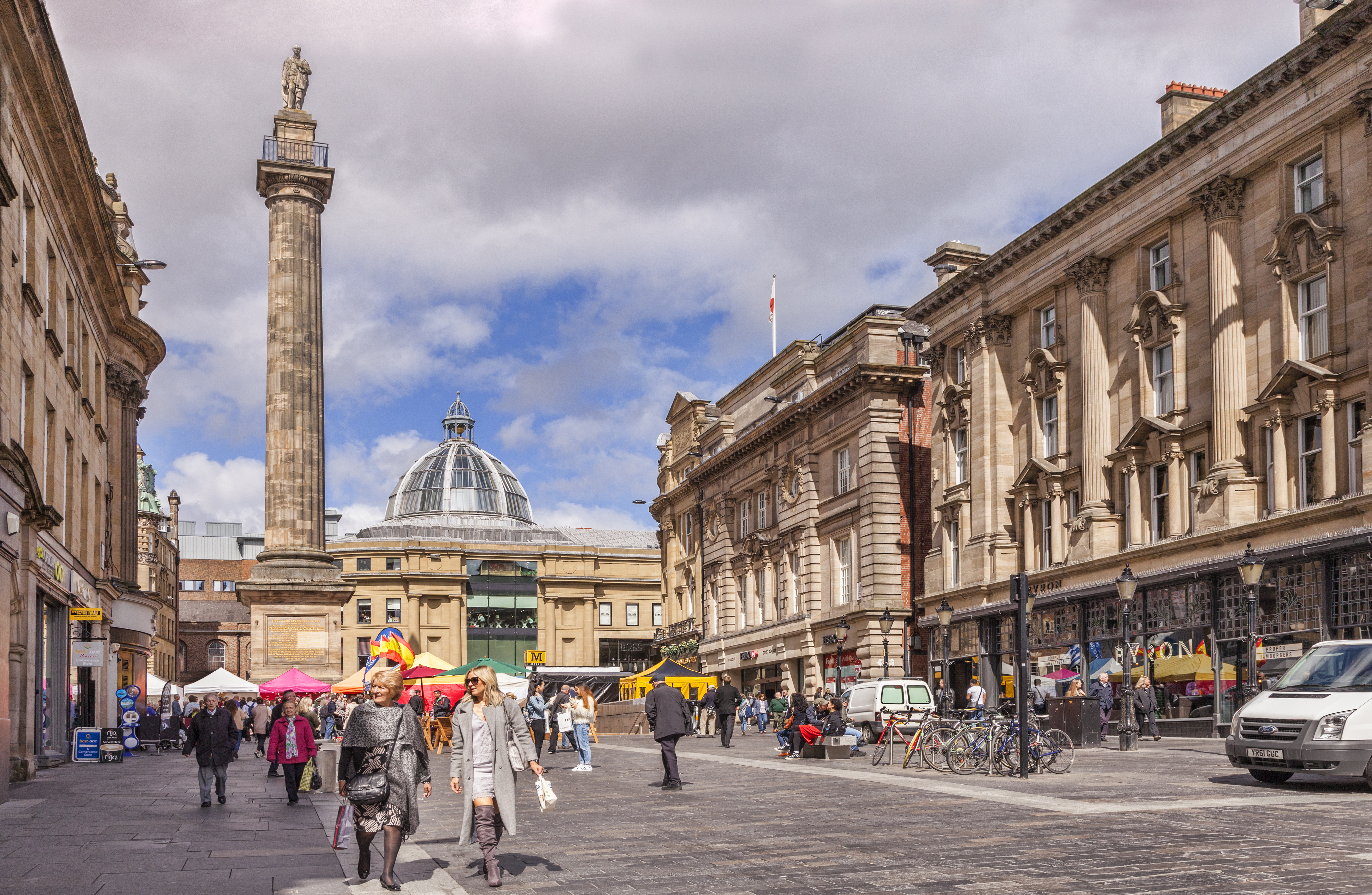
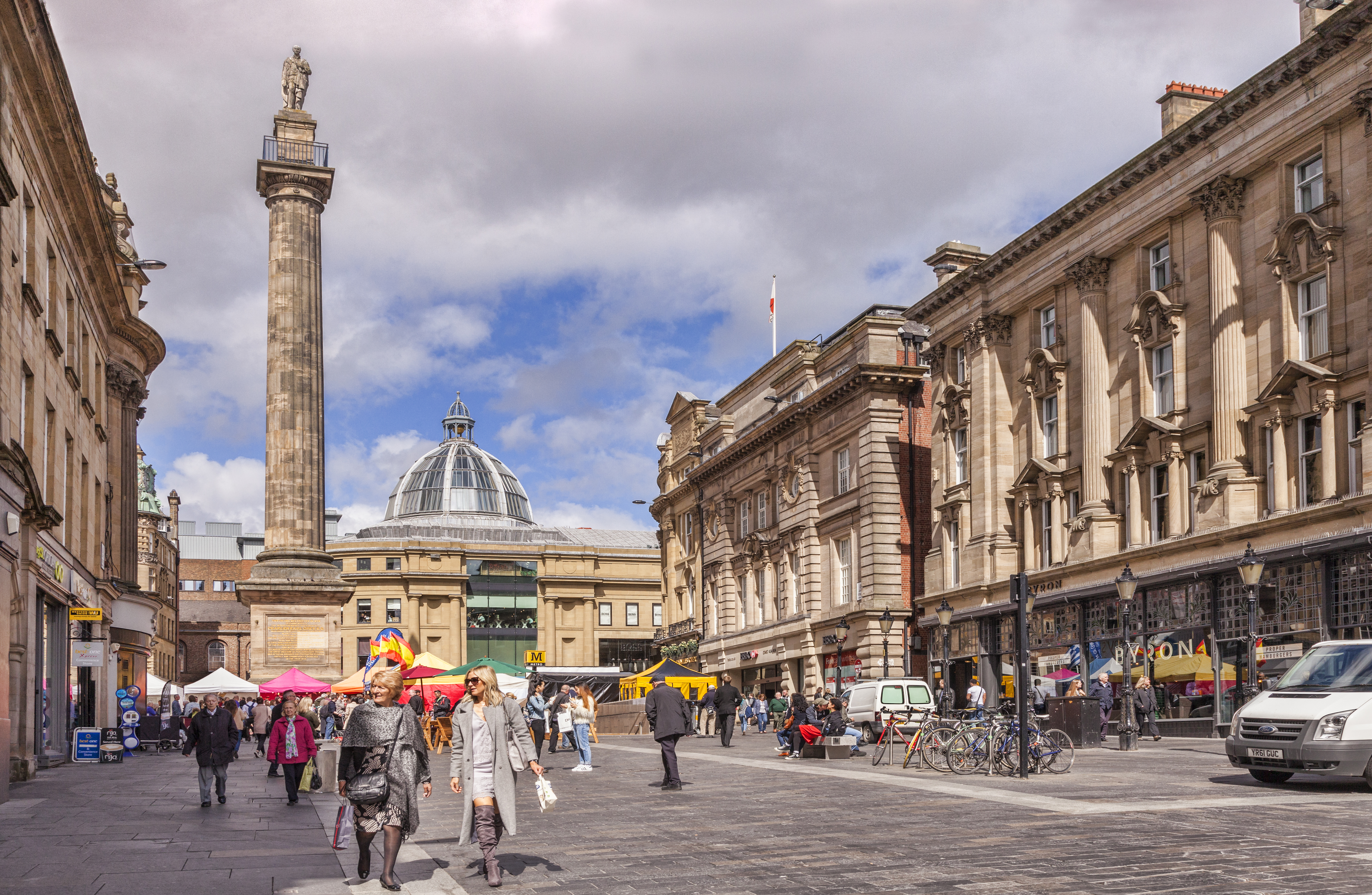
London neighborhoods have transformed from small local communities into areas with distinct identities. Medieval districts like Covent Garden and Soho still hold their history, while modern areas like Canary Wharf offer a different vibe. Urban growth and migration have influenced these neighborhoods, leading to a varied cityscape. Spots like Camden Town, known for its music and cultural scene, and Notting Hill, recognized for its annual festival, showcase the vibrant and intricate community life in London.
,regionOfInterest=(1800,1012.5))
,regionOfInterest=(1800,1012.5))
London has witnessed many historical events that have shaped its path and influenced world history. The signing of the Magna Carta in 1215 and the Glorious Revolution in 1688 were pivotal moments that brought about important political, social, and cultural changes. Hosting events like the 2012 Olympic Games further highlighted London's status as a vibrant, global city. These occurrences have not only defined London’s history but have also shaped its identity and how the world views the city over the centuries.
,regionOfInterest=(1598.2745811,1052.70669))
,regionOfInterest=(1598.2745811,1052.70669))
,regionOfInterest=(3402.5,2269.5))
,regionOfInterest=(3402.5,2269.5))
,regionOfInterest=(2150,1558))
,regionOfInterest=(2150,1558))
,regionOfInterest=(2150,1344))
,regionOfInterest=(2150,1344))
,regionOfInterest=(2150,1433.5))
,regionOfInterest=(2150,1433.5))