,regionOfInterest=(1750,1076))
,regionOfInterest=(1750,1076))
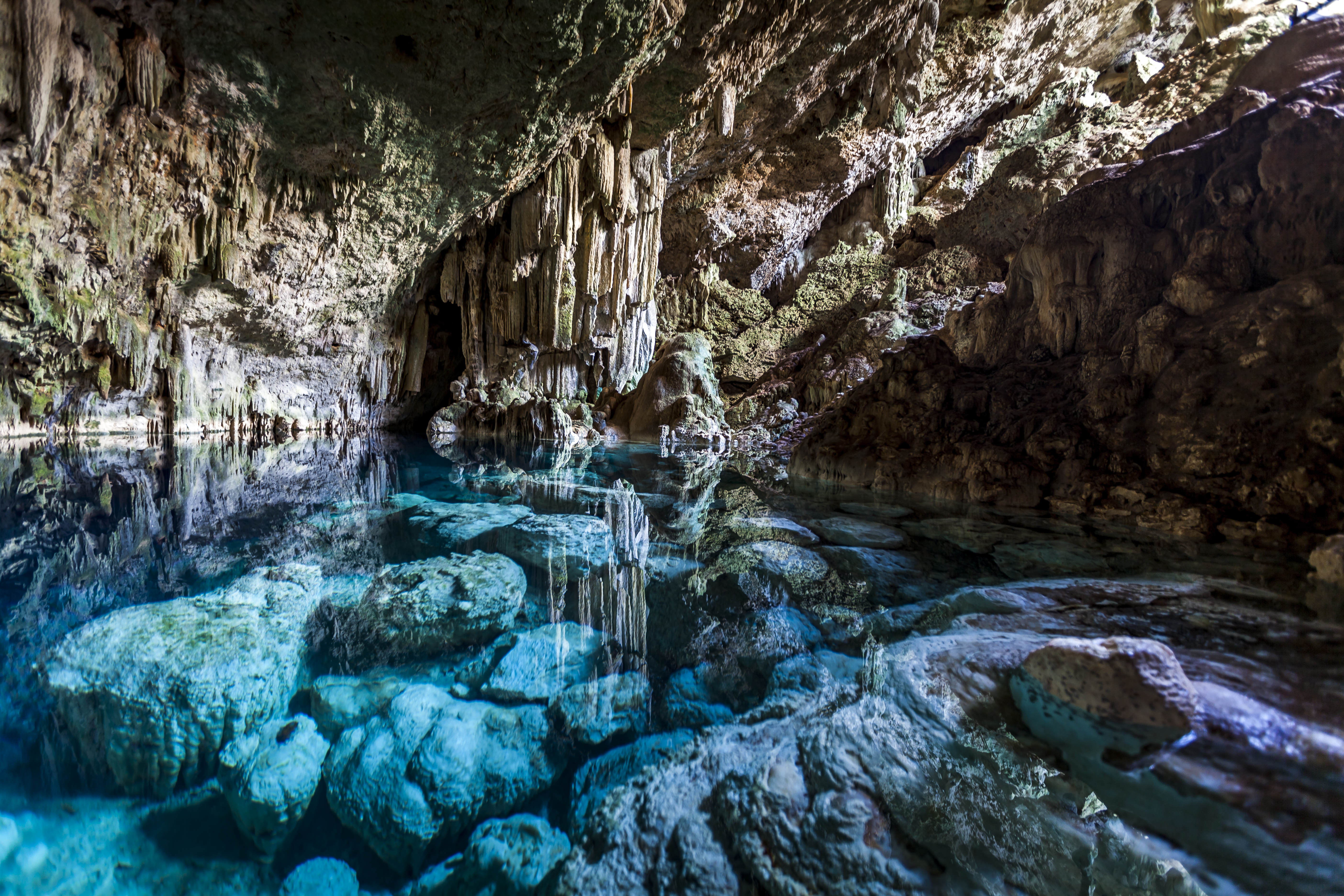
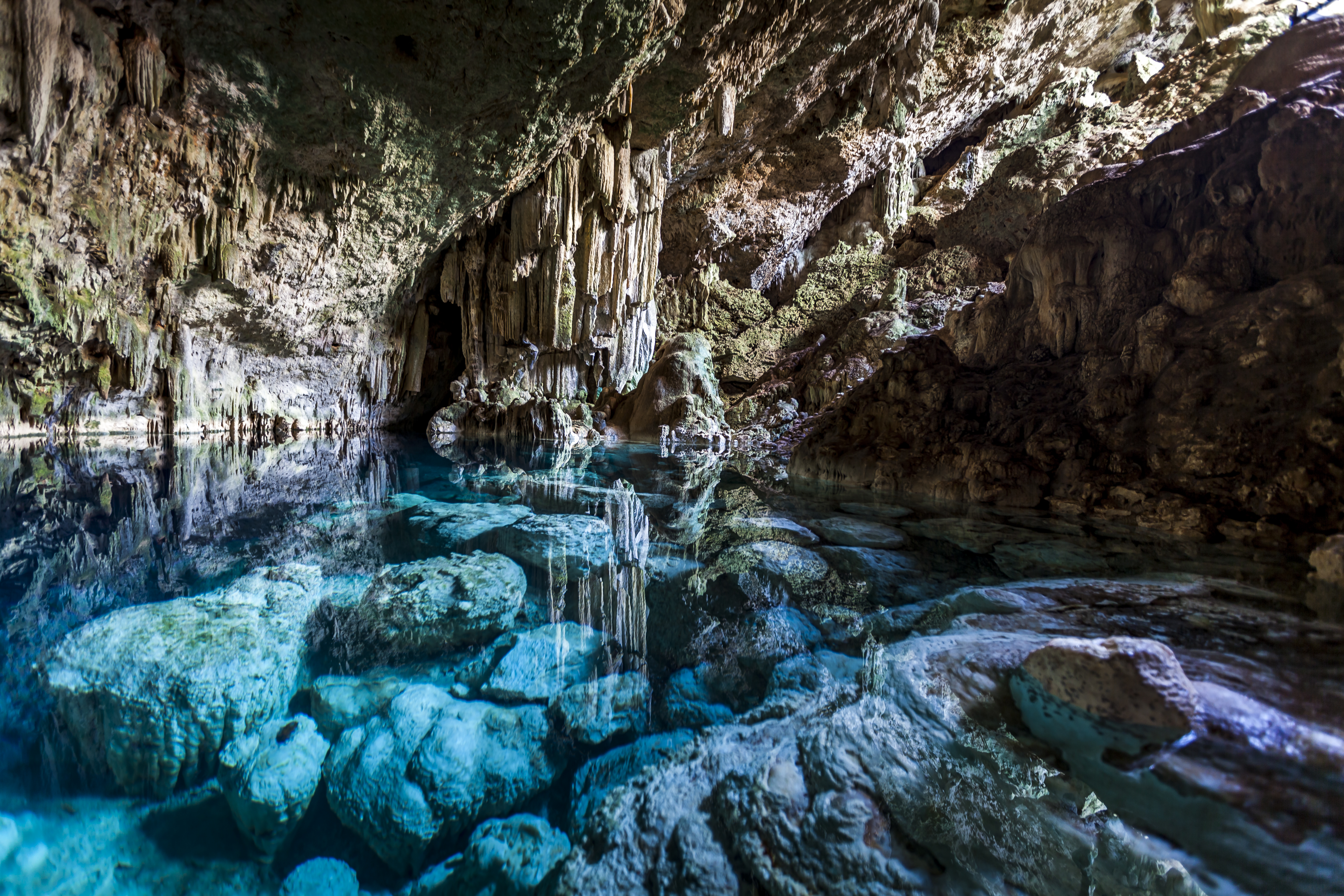
Hoyo Azul: a hidden cenote in Cap Cana
,regionOfInterest=(2808,1872))
,regionOfInterest=(2808,1872))
Holidays
,regionOfInterest=(3553.5,1999))
,regionOfInterest=(3553.5,1999))
,regionOfInterest=(512,482))
,regionOfInterest=(512,482))
Digital marketing specialist with a passion for travel, writing, and discovering what makes every destination unique.
In this guide, you'll find out what to see in Poblenou, a neighbourhood known as Barcelona's idea laboratory, which is the perfect example of how an area can reinvent itself without losing its DNA. It's one of those things to visit in Barcelona that are truly worthwhile. Here in Poblenou, the salty air of the Mediterranean blends with the aroma of specialty coffee and the echo of old industrial chimneys, offering an unconventional image.
In fact, its vibrant art scene and responsible tourism model have not gone unnoticed: the New York Times has included it in its prestigious list of the 52 destinations worldwide to visit in 2026. It is one of only two Spanish locations highlighted, consolidating itself as an essential stop on the international map.
It's a place where the tranquility of a beach afternoon coexists with the creative side of design studios. If you're wondering what to do in Poblenou, keep reading because I'm going to tell you all about a neighbourhood that is both an open-air museum and the technological heart of the Catalan capital.
,regionOfInterest=(2870,1916))
,regionOfInterest=(2870,1916))
,regionOfInterest=(2000,1334))
,regionOfInterest=(2000,1334))
,regionOfInterest=(1476.5,769.5))
,regionOfInterest=(1476.5,769.5))
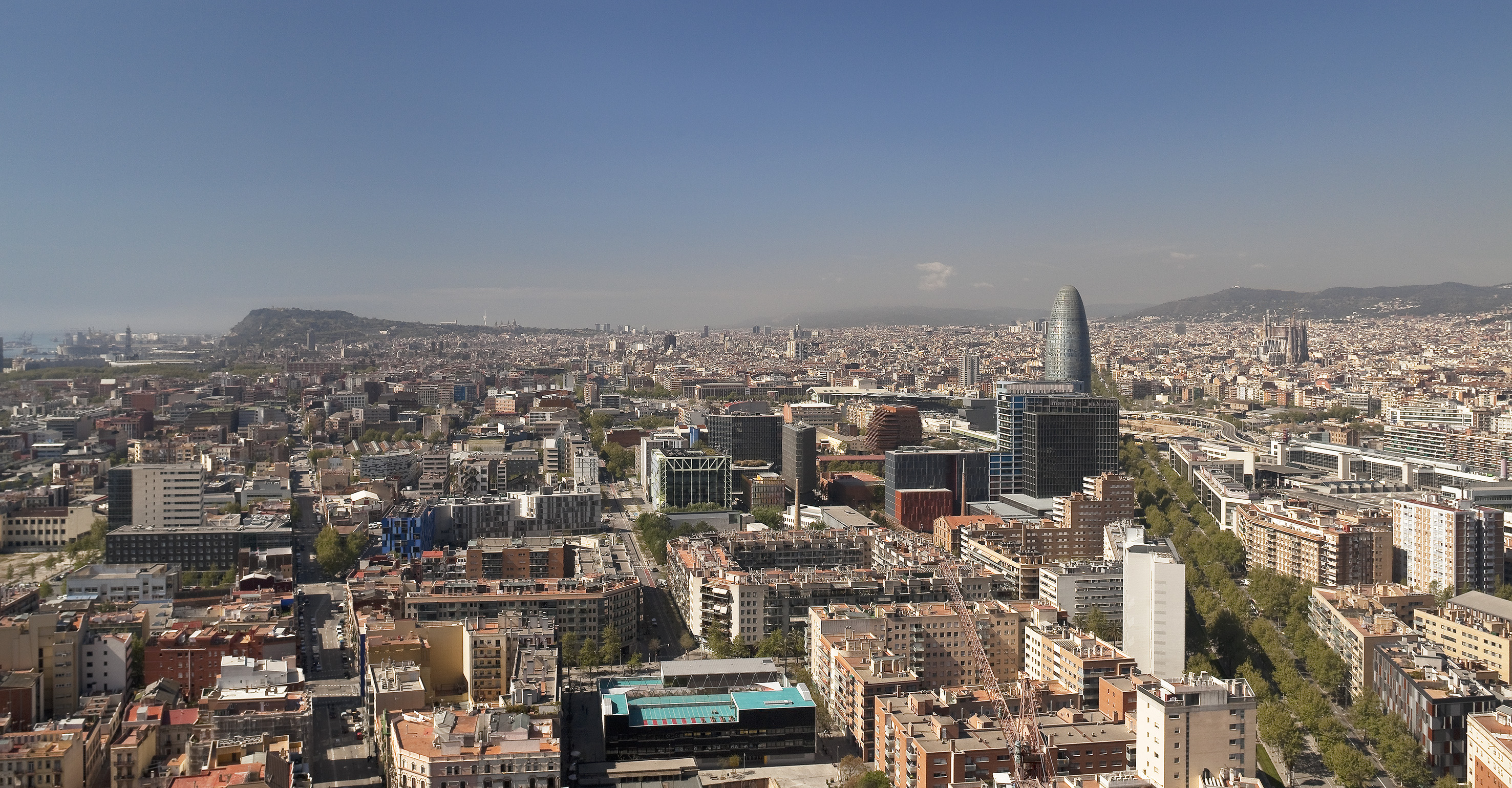
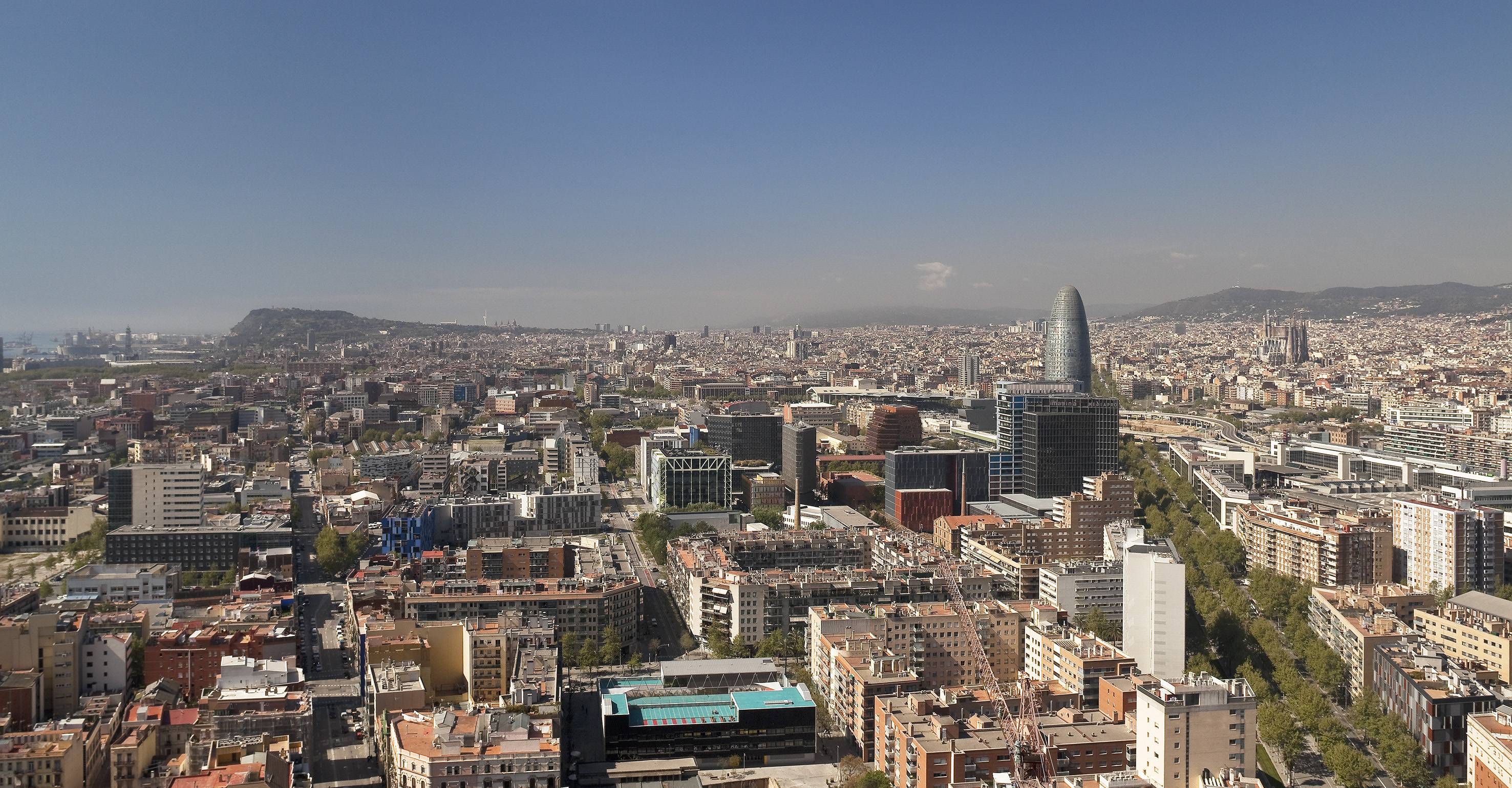
Before talking about things to do in Poblenou, the first thing I want to highlight is its constant duality. An area that in the 19th century was famous for its vast network of factories, and today is the setting for the 22@ district, a business area that transformed nearly 200 hectares of industrial land into a magnet for innovation, startups, and cutting-edge architecture.
Tourism in Poblenou has evolved towards a much more intellectual and relaxed model than in previous decades, where plans consist of discovering art galleries hidden in renovated warehouses, photographing epic urban art murals, or simply watching life go by on a terrace under the sun.
It's the ideal area if you're looking for experiences with texture and meaning. After spending a day in Poblenou, you'll feel like you've visited several cities in one.
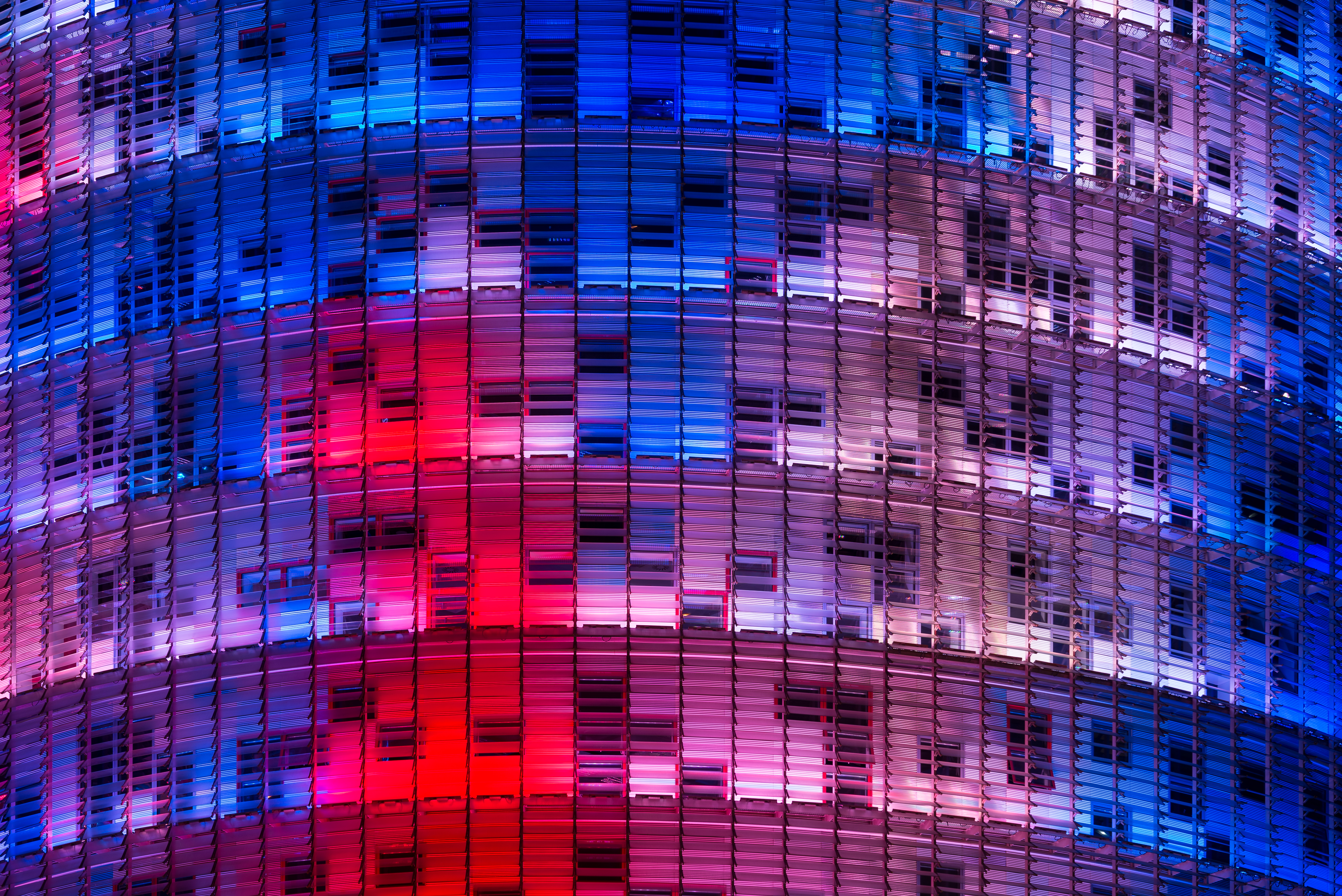
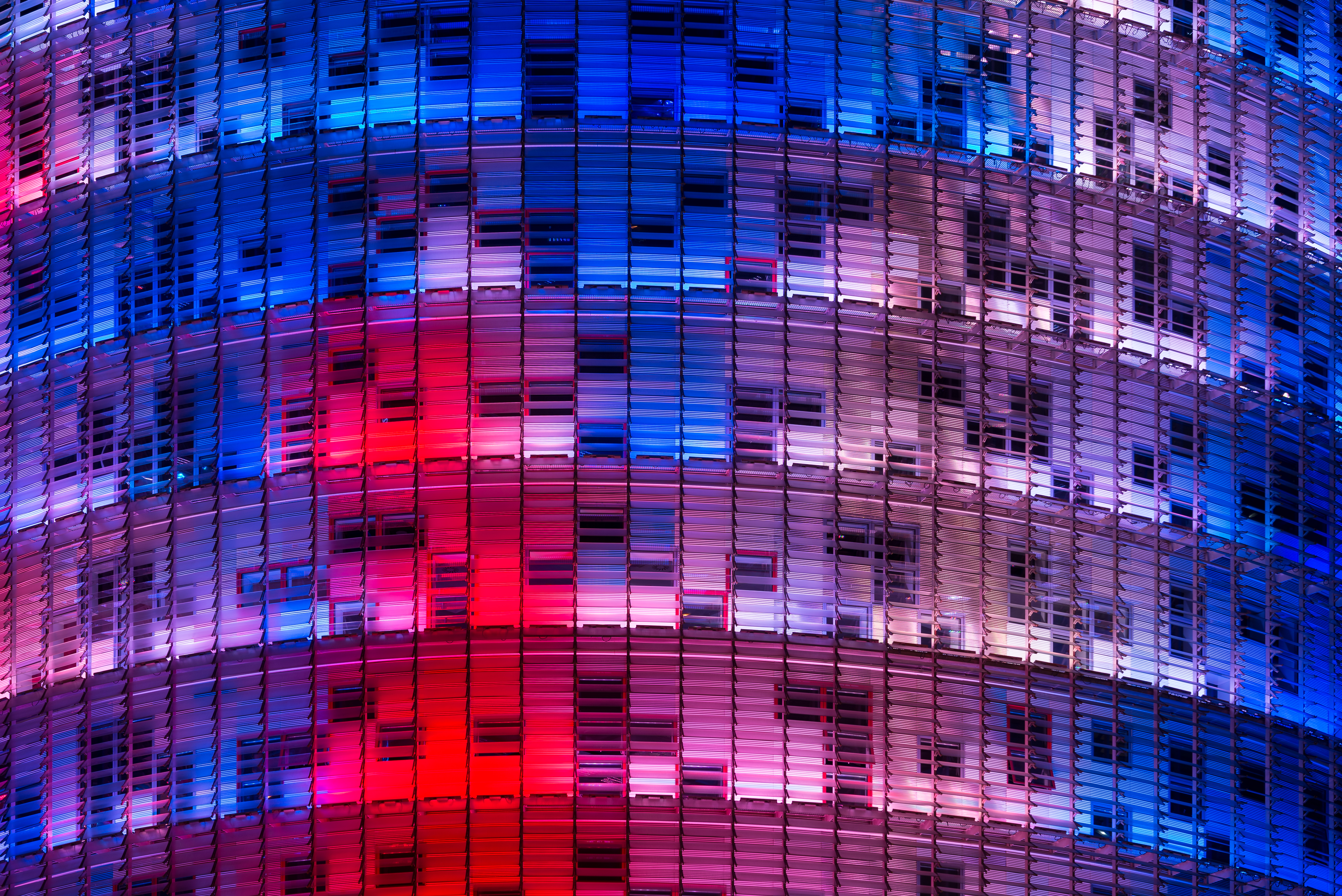
Now one of the great emblems of modern Barcelona, the Torre Glòries, designed by Jean Nouvel, with its bullet shape and aluminium and glass facade, captures light in a hypnotic way. At nightfall, its LED lighting creates a colourful spectacle that has become the beacon of the area's skyline and a symbol of the district's new technological era.
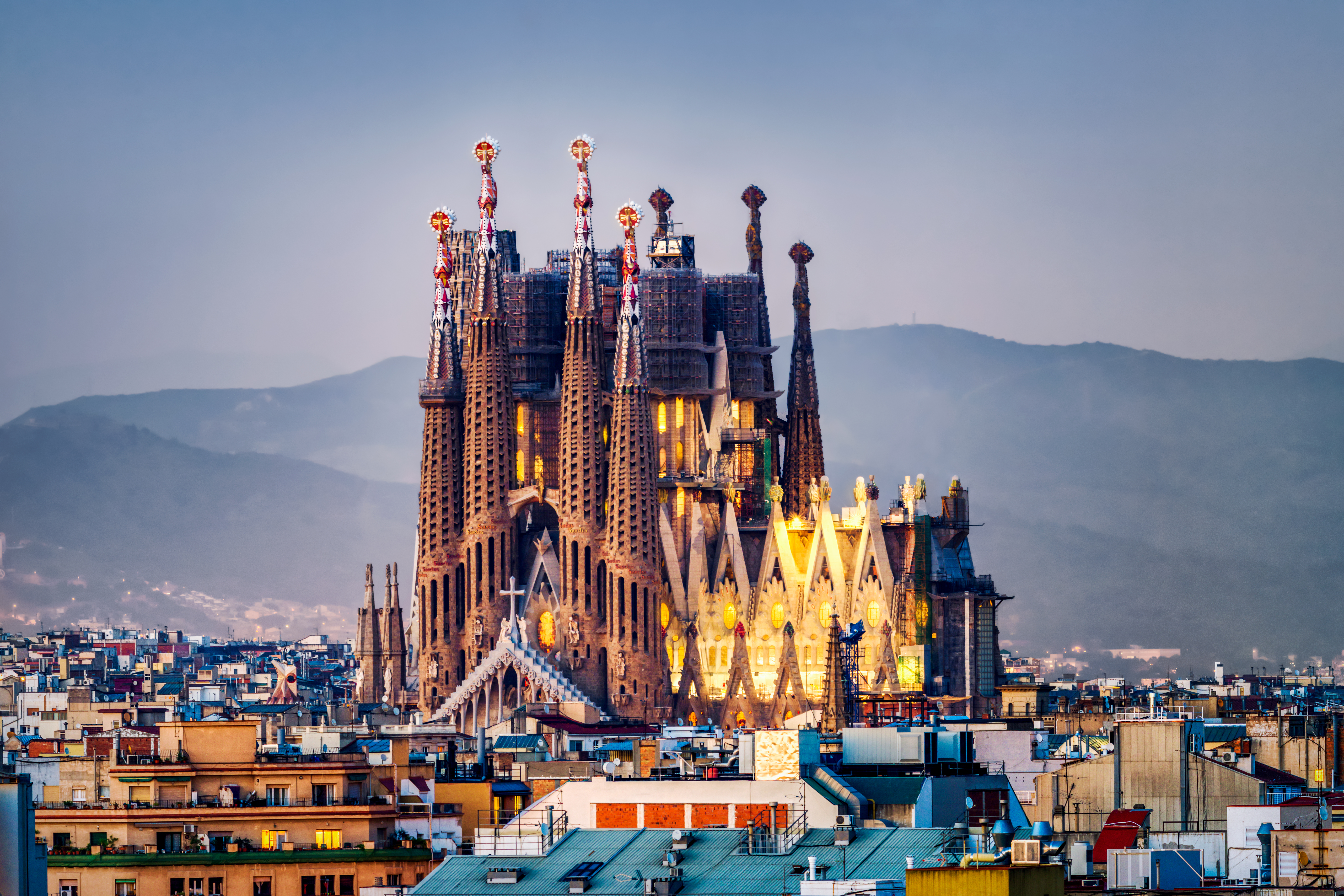
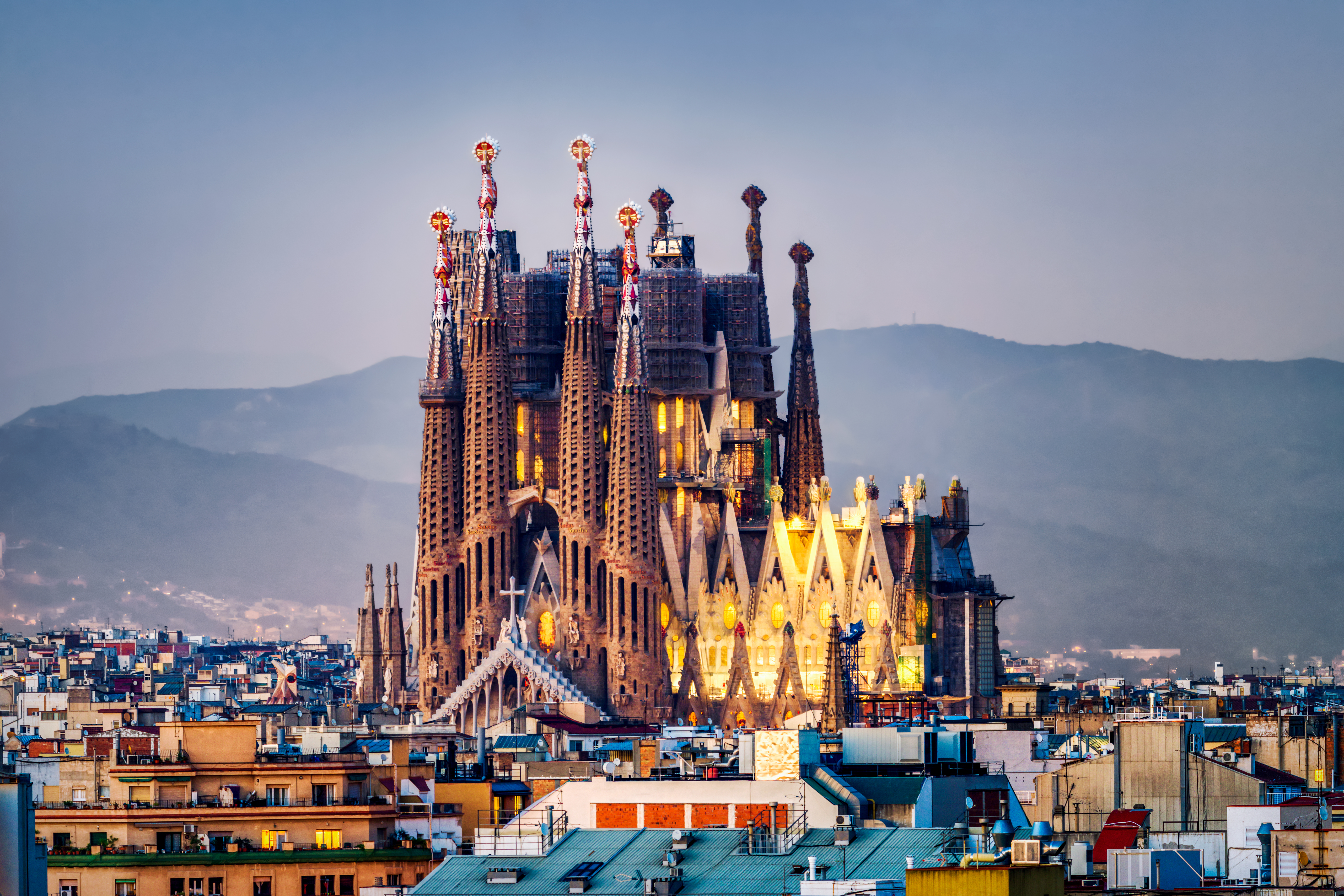
Additionally, you can now ascend to its Mirador Torre Glòries, which offers a 360° view of Barcelona, an experience that allows you to walk 'among the clouds' of the 22@ district and admire, up close, La Sagrada Familia.
It might sound a bit strange, but the truth is that the Poblenou Cemetery is one of the most poetic and artistic spaces in the city, also the oldest in modern Barcelona. It is a true museum of neoclassical sculpture where time seems to have stood still.
You can't leave without seeking out the famous "The Kiss of Death", a work that is awe-inspiring for its realism and the macabre tenderness it conveys. It's an introspective visit that allows you to connect with the romantic history of 19th-century Barcelona.
The Can Framis Museum is the jewel of the Fundació Vila Casas and the best example of architectural recovery. It is a former textile factory whose rehabilitation was awarded for its respect for the "scars" of the original building. Inside, it houses an impressive collection of contemporary Catalan painting, offering a sanctuary of silence and beauty amidst the technological district.
,regionOfInterest=(4157,2771.5))
,regionOfInterest=(4157,2771.5))
The Rambla del Poblenou is the backbone of the neighbourhood and the place where the community spirit is still palpable. Unlike other ramblas in the city, this one retains a very authentic local character. It's the ideal spot to stop, enjoy its gastronomic offerings, or simply go with the unhurried pace of its residents.
The Llacuna area is the hard core of 22@, where the red brick of the industrial warehouses clashes head-on with futuristic design office buildings. It's an area that oozes inspiration, ideal for a stroll if you're passionate about contemporary architecture and want to see the engine of Barcelona's creative economy up close. This is where the industrial past and the digital future coexist side by side.
Located at the northern end, the Diagonal Mar area represents the Barcelona that looks directly to the future. With its wide avenues, glass skyscrapers, and proximity to the sea, it offers a much more extensive and cosmopolitan environment, perfect for enjoying the most modern and open urban landscapes.
Also designed by Jean Nouvel, Parc del Centre del Poblenou is an almost dreamlike space. With its ivy-covered walls, geometric metal structures, and "sheltered" shaded areas, it looks like a secret garden from a science fiction novel.
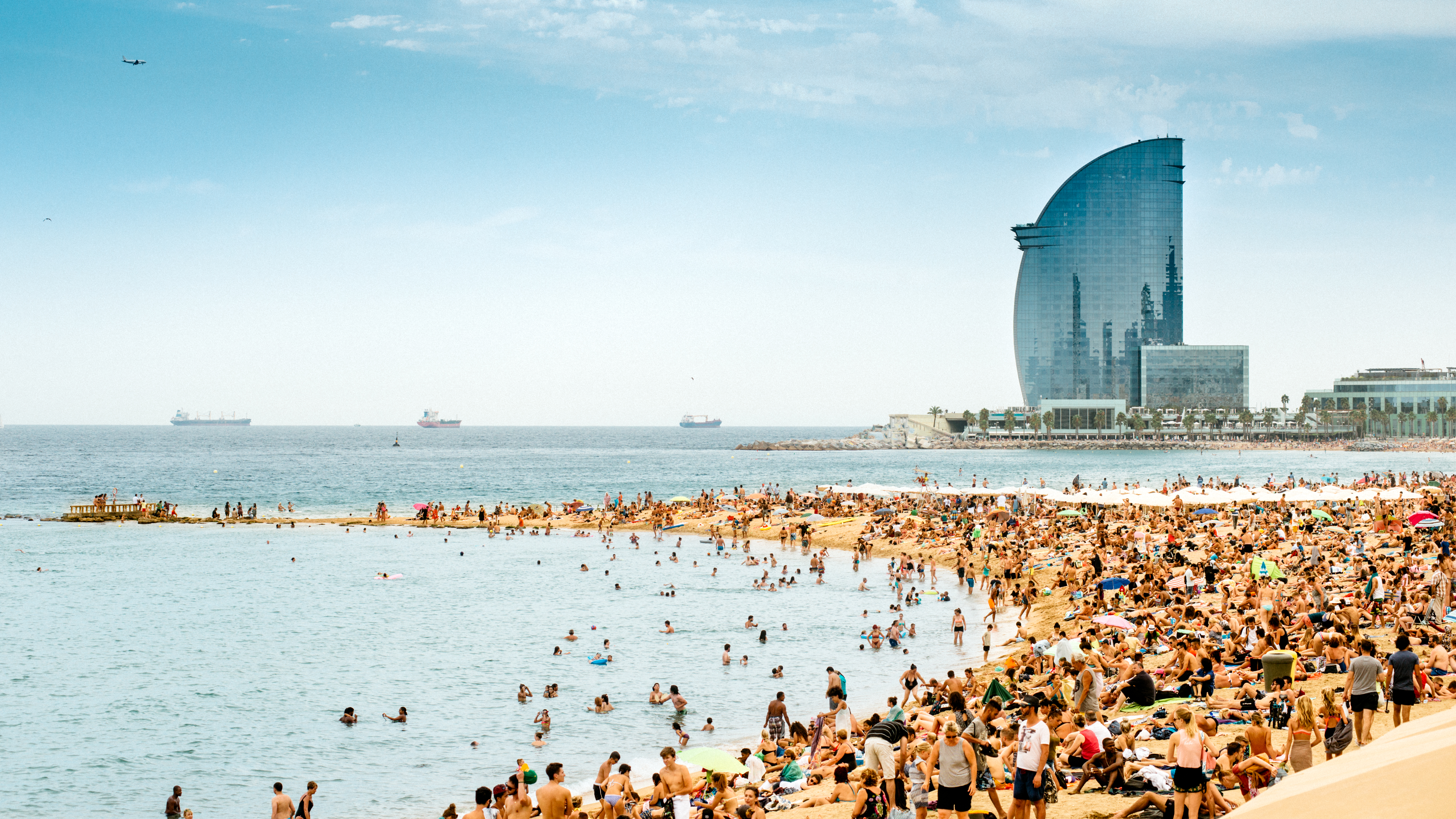
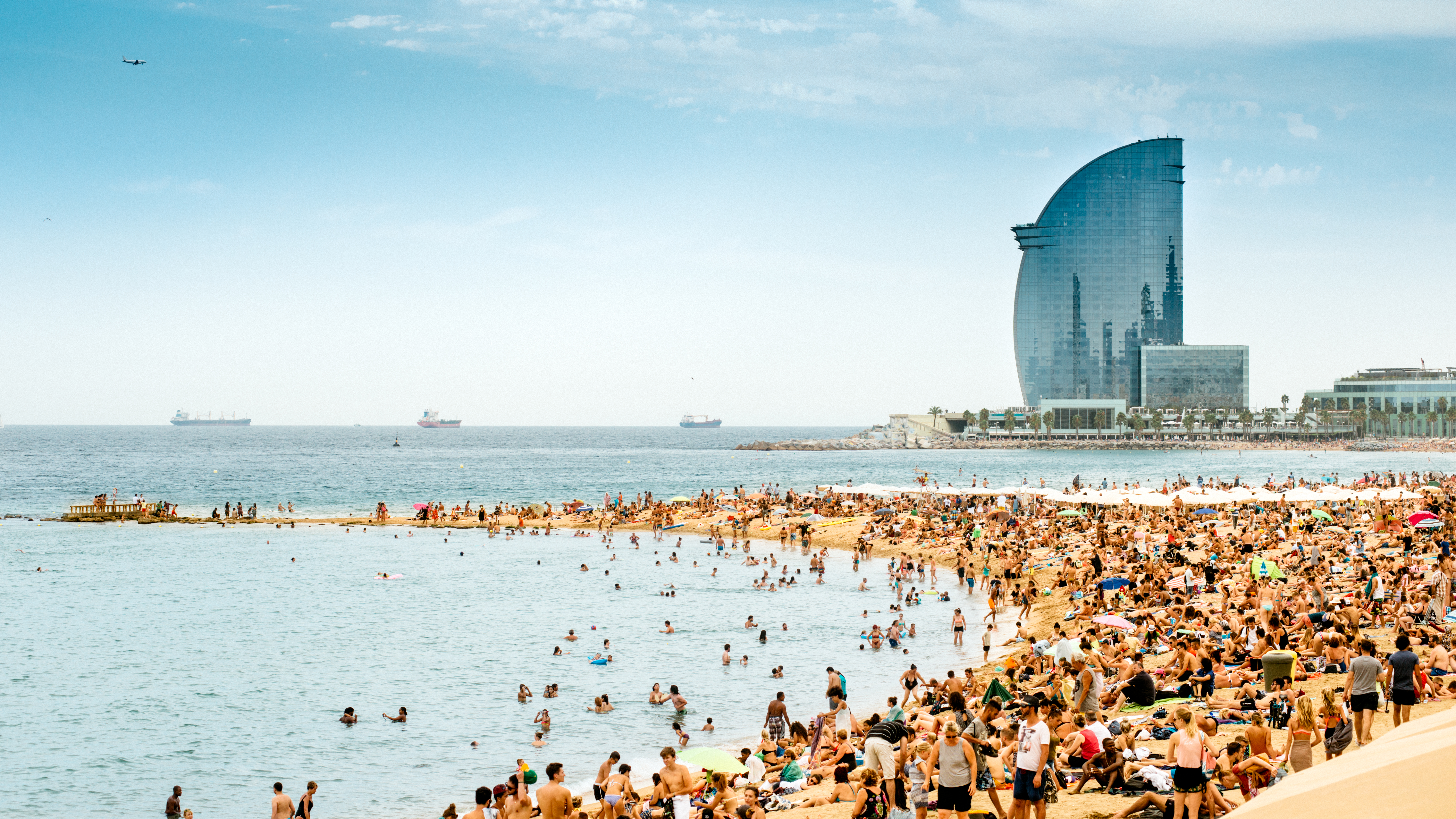
Bogatell Beach is probably the cleanest and quietest beach in Barcelona, standing out as one of the favourite spots for Barcelonians to play beach volleyball, go for a run, or enjoy a swim without the crowds of Barceloneta. Its atmosphere is relaxed, sporty, and very Mediterranean.
Parc Diagonal Mar is an impressive work of engineering and landscaping by Enric Miralles and Benedetta Tagliabue. With its metal tubes winding through the park like veins and its large lakes, it's a space that integrates nature with Barcelona's most avant-garde design.
,regionOfInterest=(4244.5,2830))
,regionOfInterest=(4244.5,2830))
Just across the neighbourhood's border, Sant Adrià de Besòs offers a very authentic industrial perspective. Its iconic Three Chimneys stand as totems of the area's working-class past, marking a coastline that is pure industrial art.
The neighbouring district of El Clot is the traditional counterpart. With its municipal market, narrow streets, and welcoming squares, strolling through here is like taking a trip to the Barcelona of yesteryear, providing a perfect historical contrast to the modernity of Poblenou.
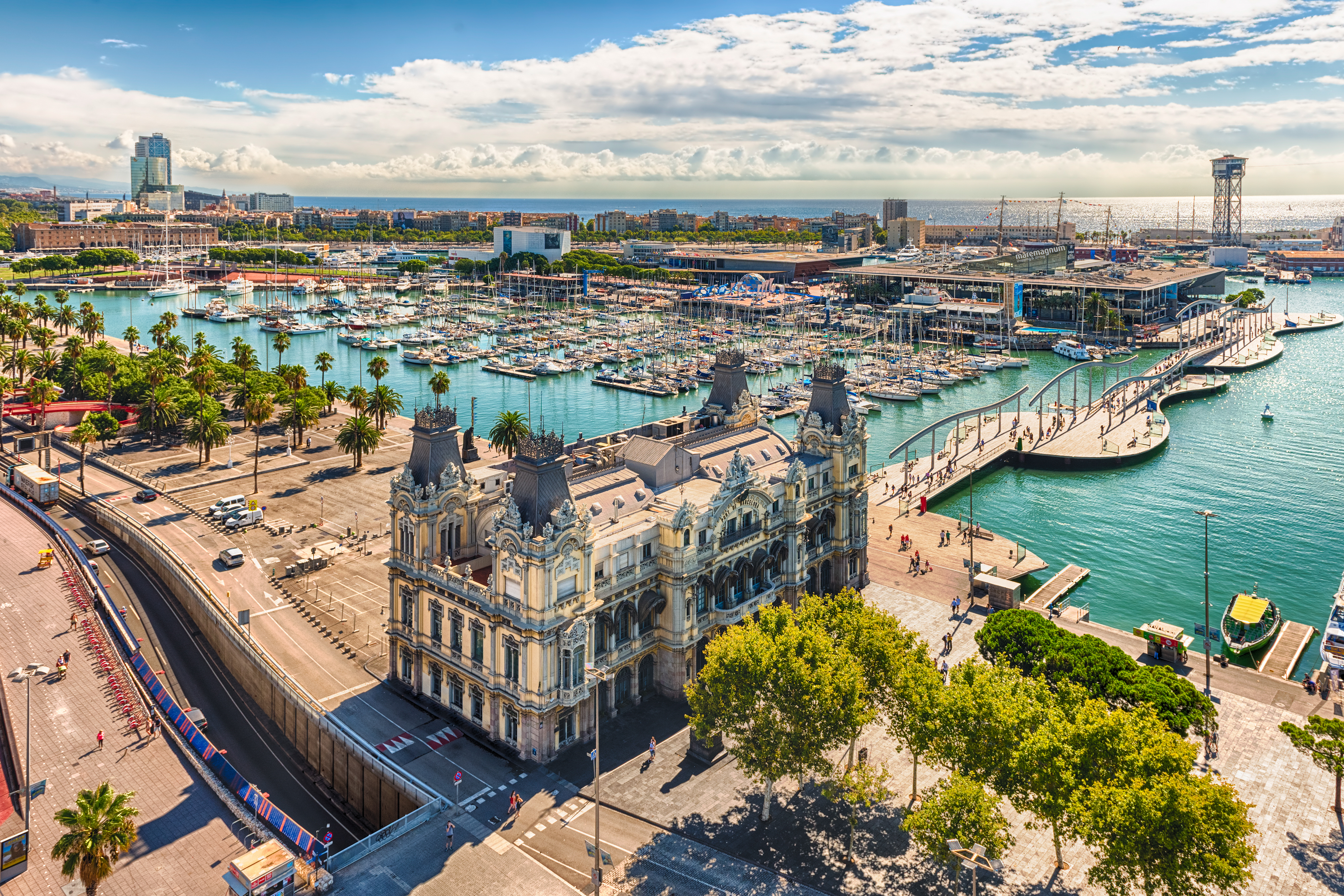
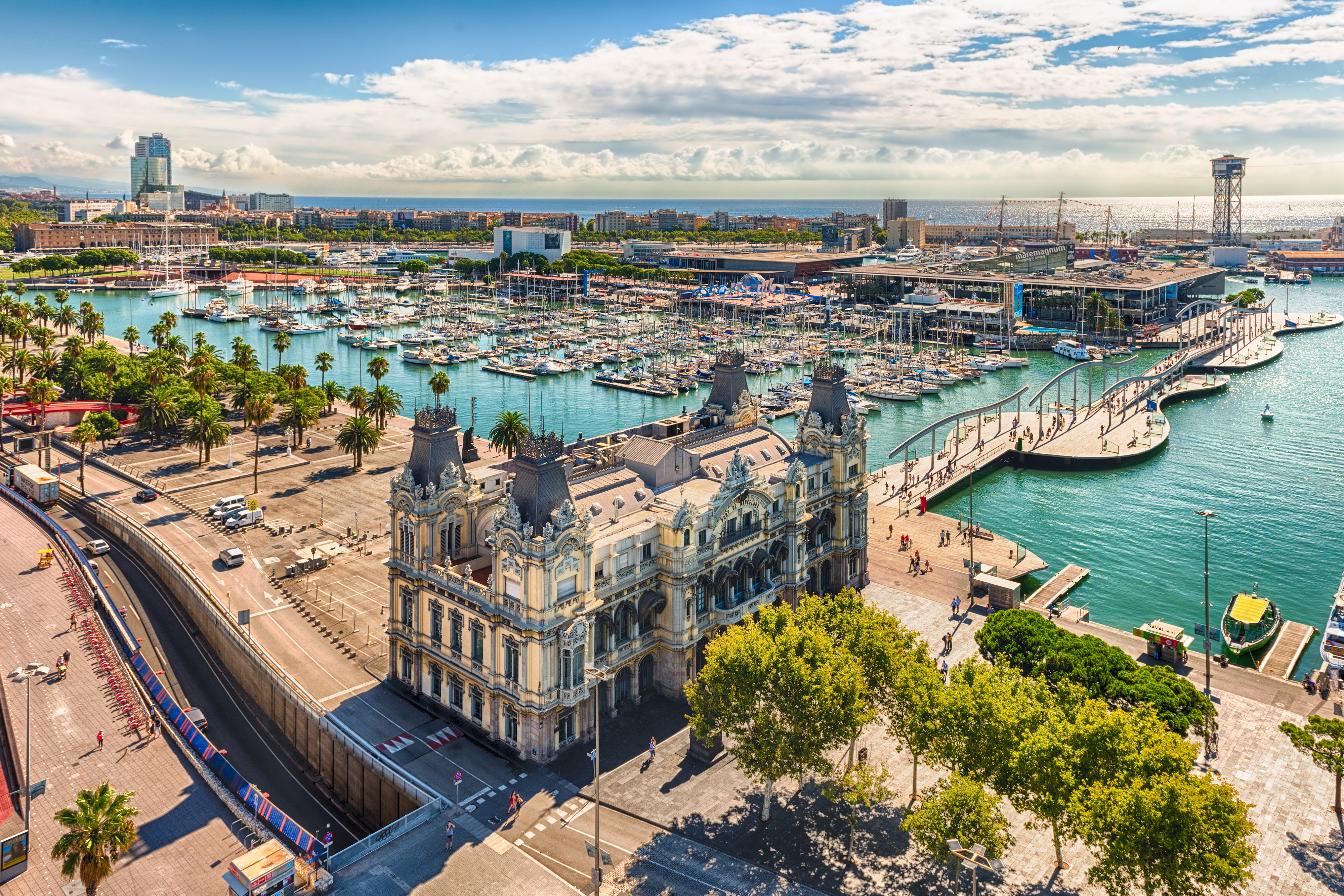
Built for the '92 games, the Vila Olímpica is an area of ordered architecture and a marina. It's the ideal place to enjoy the sea breeze, stroll along the Olympic Port, and see how the city definitively opened up to the sea.
Located in the striking building known as "the stapler," the Design Museum is the epicentre of creativity in the city. Its exhibitions cover everything from fashion and decorative arts to graphic and industrial design, making it a key visit to understand the aesthetic that defines Barcelona.
Situated in the Can Ricart complex, Hangar is a centre for artistic production and research that keeps the flame of emerging art alive. It is a place of pure experimentation where artists from all over the world come to create, keeping Poblenou at the forefront of global culture.
If you're looking to step a little off the beaten path, I suggest an urban art route at night, when the neighbourhood's murals take on a different dimension under the streetlights. It's also highly recommended to visit the Palo Alto Market if your visit coincides with the first weekend. This design and gastronomy market, located in a lush garden within a former factory, is the ultimate expression of Poblenou's lifestyle.
,regionOfInterest=(1907.5,2861.5))
,regionOfInterest=(1907.5,2861.5))
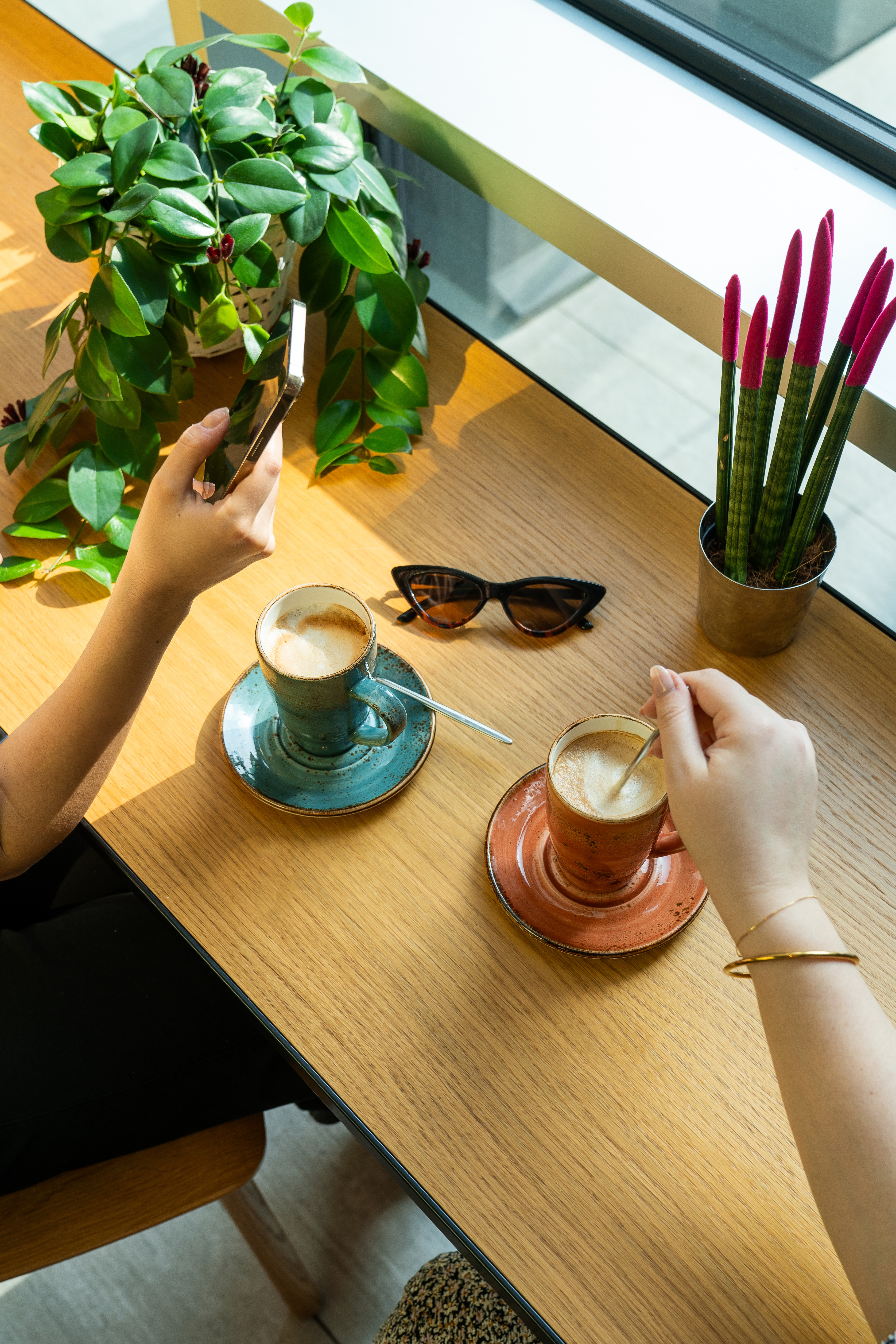
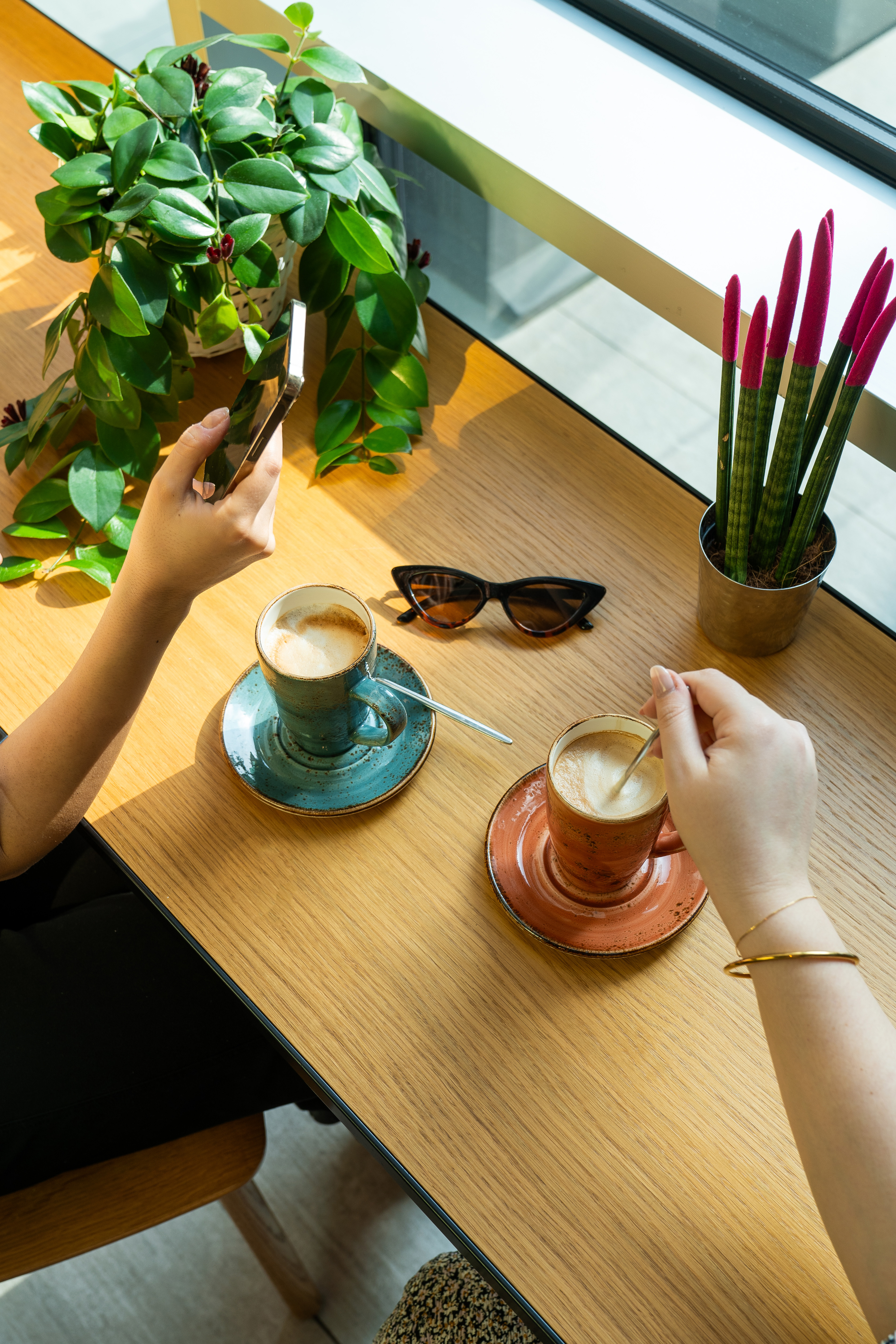
Poblenou's gastronomy tastes of the sea and the avant-garde. On the Rambla, you'll find historic horchaterias with decades of tradition, while on the side streets, hidden micro-roasters and signature cuisine restaurants await. It's a neighbourhood of contrasts where you can enjoy a classic vermouth in a century-old bodega or discover craft breweries located in old industrial warehouses. Traditional taverns coexist here with modern establishments offering options for all tastes.
The Festa Major del Poblenou (September) is the soul of the neighbourhood. For ten days, the streets are closed for popular dinners, concerts, and correfocs (fire runs). It's the time when residents assert their identity and the neighbourhood shows its most festive and welcoming side. There's no better way to understand the sense of belonging in this area.
Poblenou is an extremely "kid-friendly" neighbourhood. The play areas in Parc del Centre and the wide open spaces on the beach allow children to move freely. Furthermore, the Design Museum often has creative workshops that spark the curiosity of the little ones.
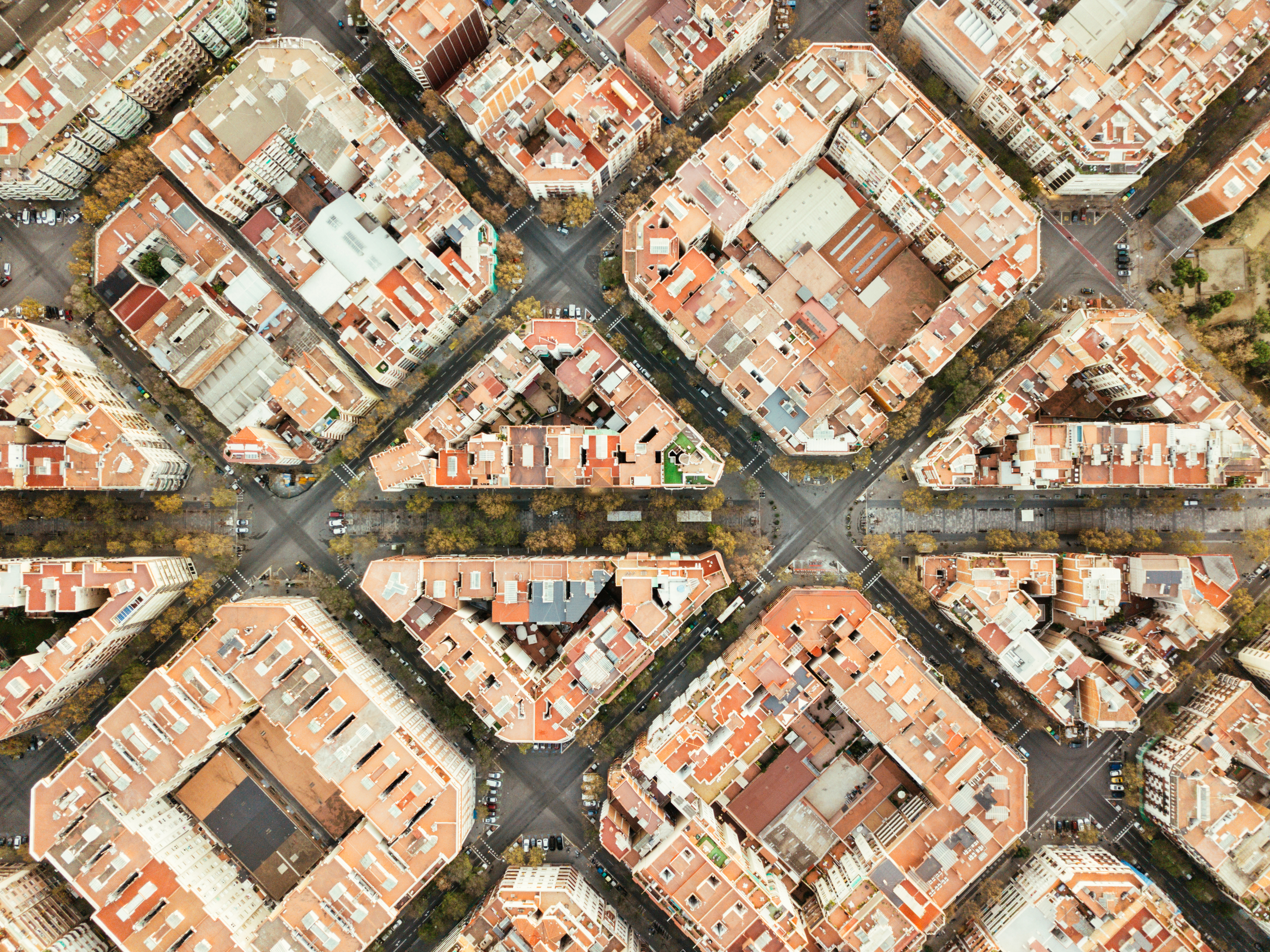
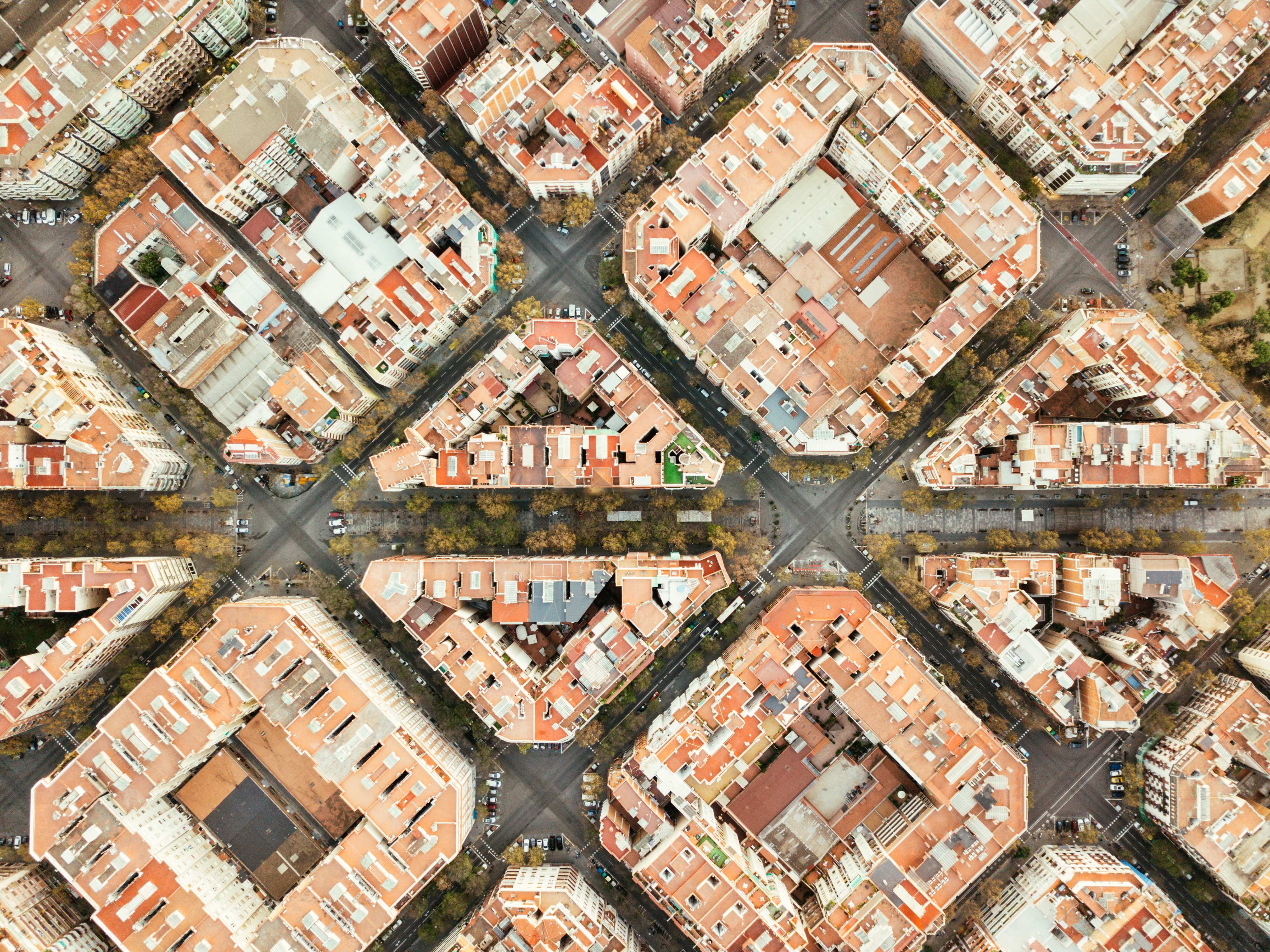
If you only have 24 hours in Poblenou, here is my suggestion:
,regionOfInterest=(1996,1496))
,regionOfInterest=(1996,1496))
My final advice is to look up in Poblenou, because here the beauty is in the cornices of the old factories, in the murals that cover entire walls, and in the reflections of the smart buildings.
Discovering what to see in Poblenou is, basically, discovering the Barcelona that never stops reinventing itself. A neighbourhood that asks you to wander without prejudice.
Other tourist guides near Poblenou:
,regionOfInterest=(1476.5,980.5))
,regionOfInterest=(1476.5,980.5))
,regionOfInterest=(1496,1996))
,regionOfInterest=(1496,1996))
,regionOfInterest=(2732,1820))
,regionOfInterest=(2732,1820))
,regionOfInterest=(1392,924))
,regionOfInterest=(1392,924))
,regionOfInterest=(2121,1414))
,regionOfInterest=(2121,1414))