,regionOfInterest=(3306.5,2180.5))
,regionOfInterest=(3306.5,2180.5))
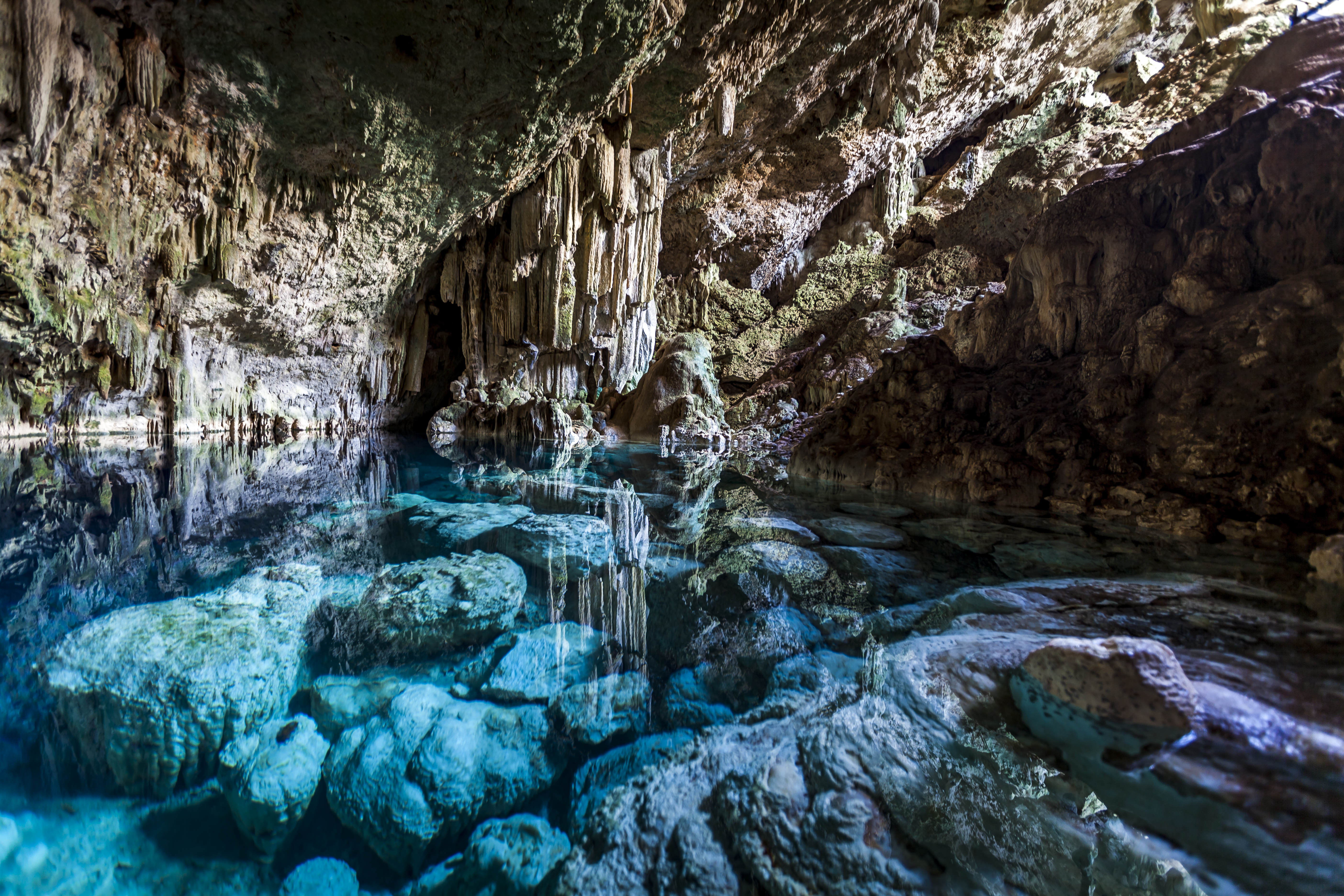
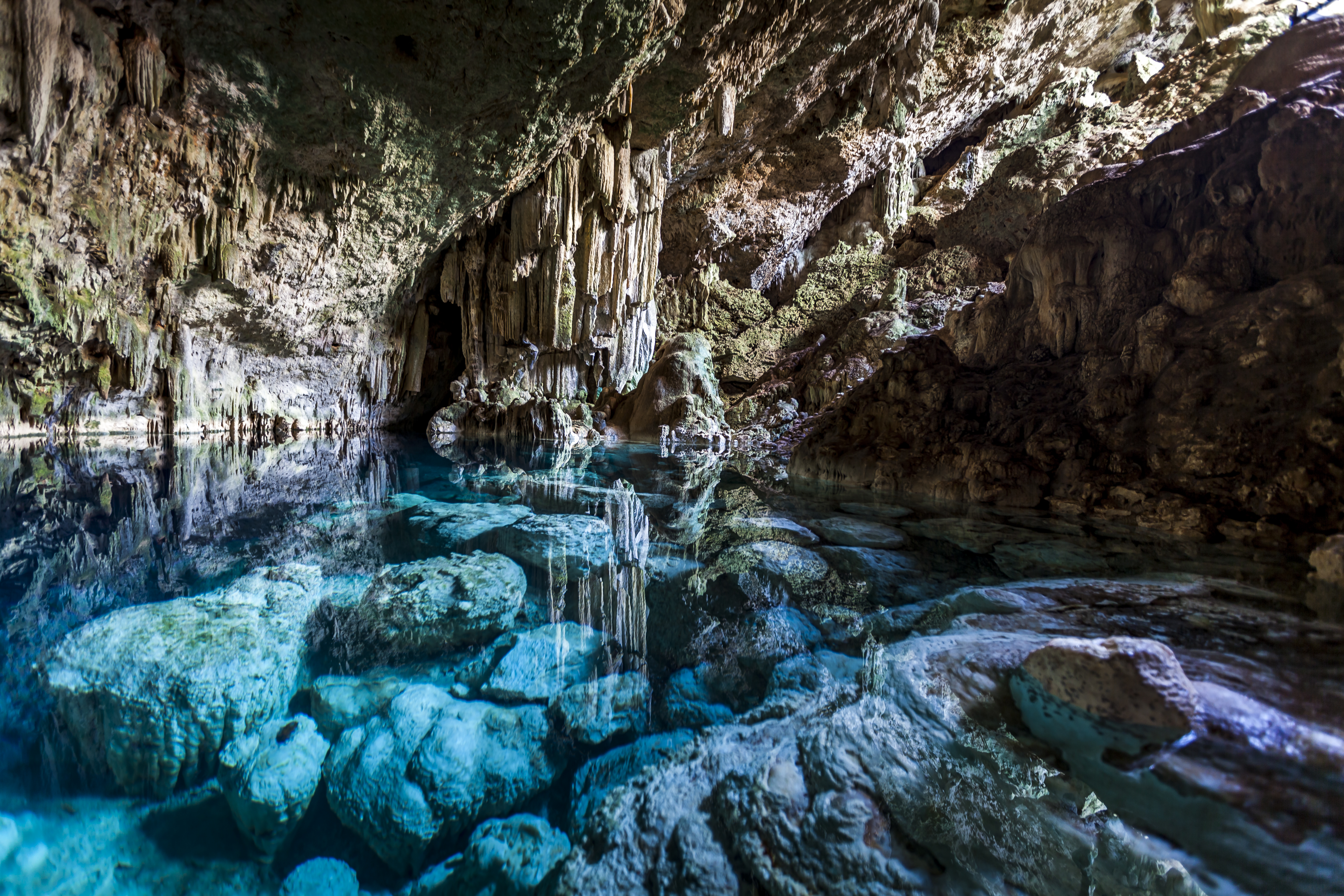
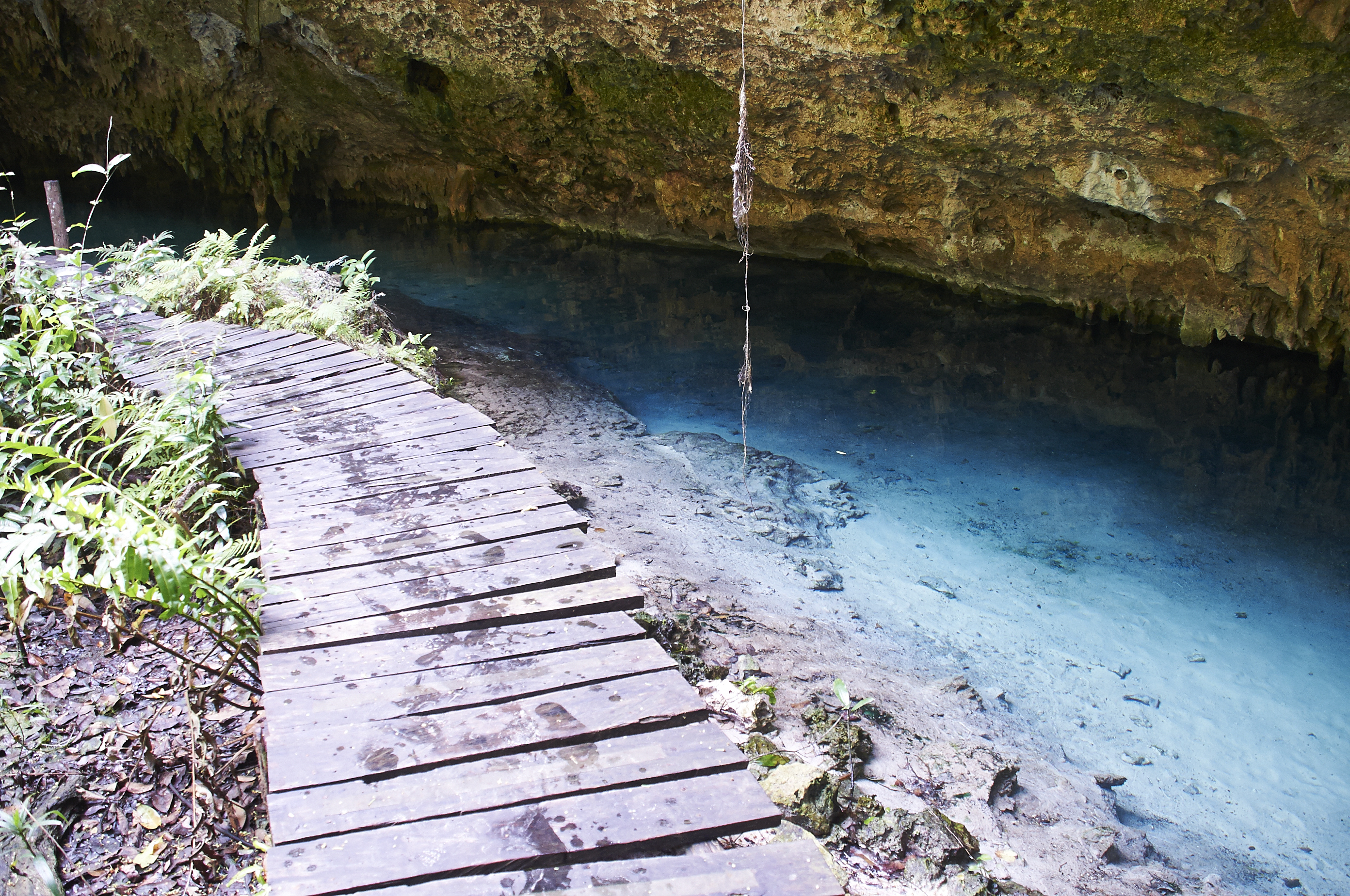
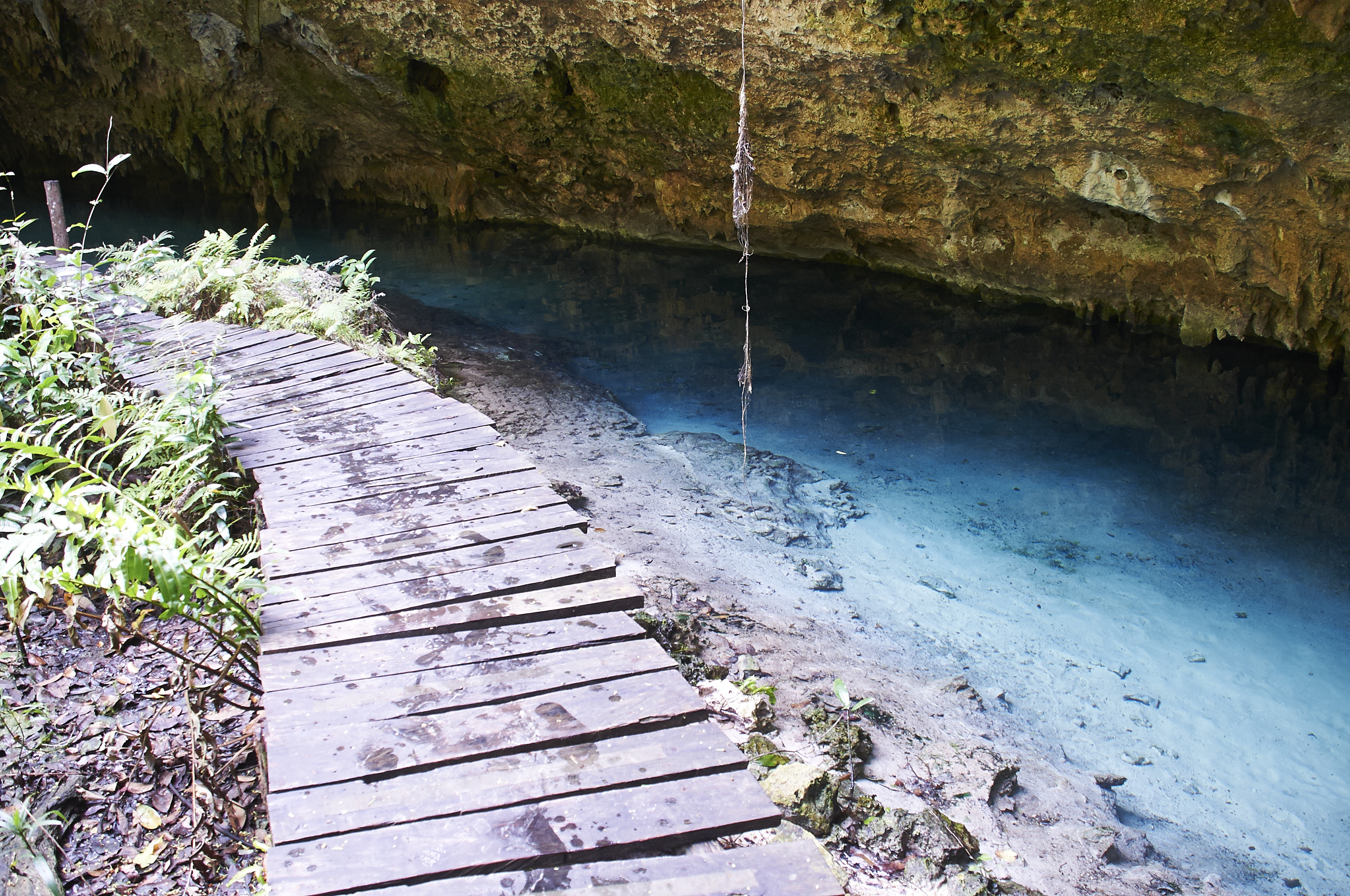
Hoyo Azul: a hidden cenote in Cap Cana
,regionOfInterest=(2808,1872))
,regionOfInterest=(2808,1872))
Holidays
,regionOfInterest=(2592,1728))
,regionOfInterest=(2592,1728))
Holidays
,regionOfInterest=(2280,1520))
,regionOfInterest=(2280,1520))
,regionOfInterest=(1362.5,2116))
,regionOfInterest=(1362.5,2116))
,regionOfInterest=(2310,1551))
,regionOfInterest=(2310,1551))
,regionOfInterest=(2973,1982))
,regionOfInterest=(2973,1982))
We’ll start off strong in an area with some of the most historical sites in the city and most famous throughout the world.
,regionOfInterest=(2032,1424))
,regionOfInterest=(2032,1424))
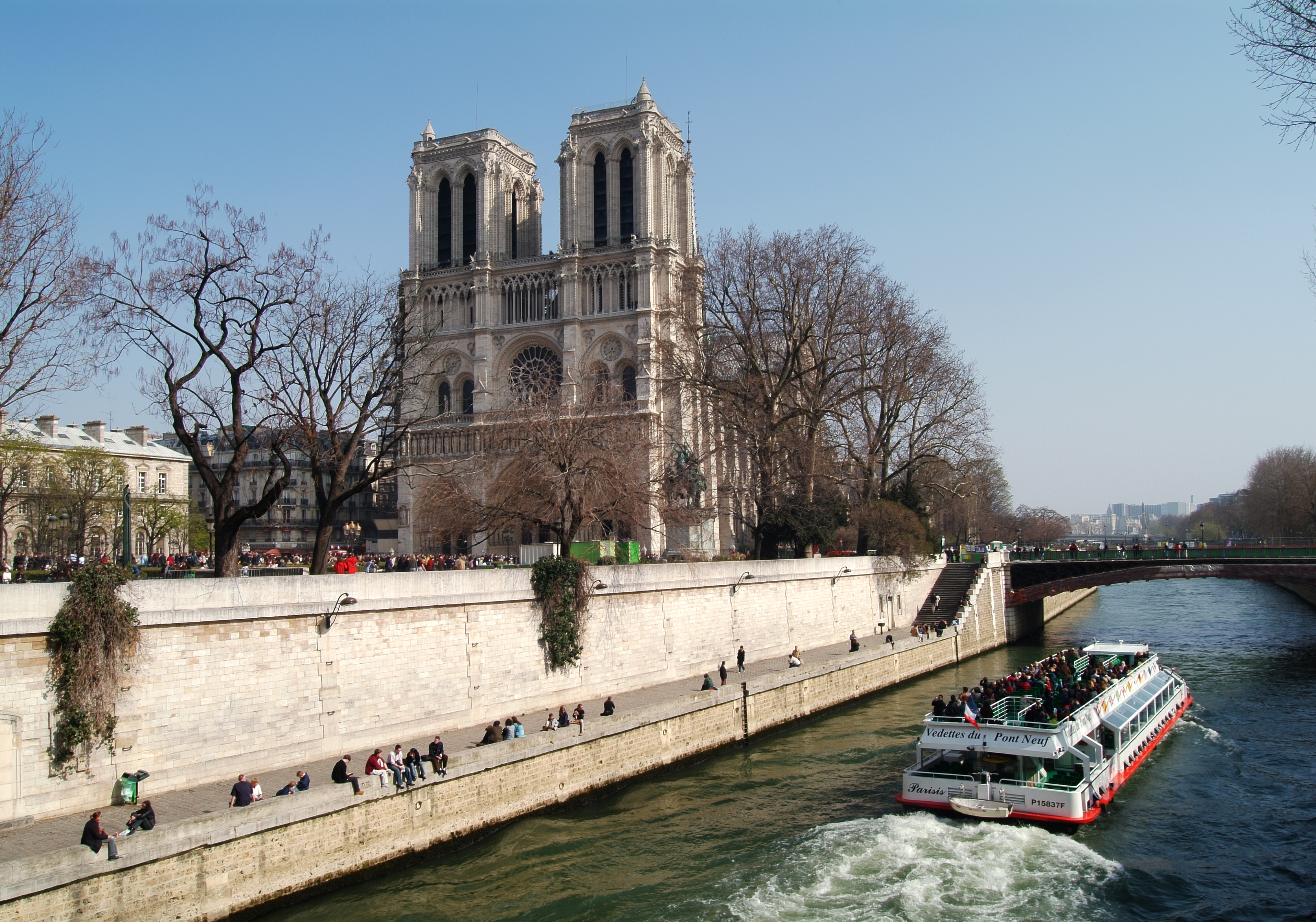
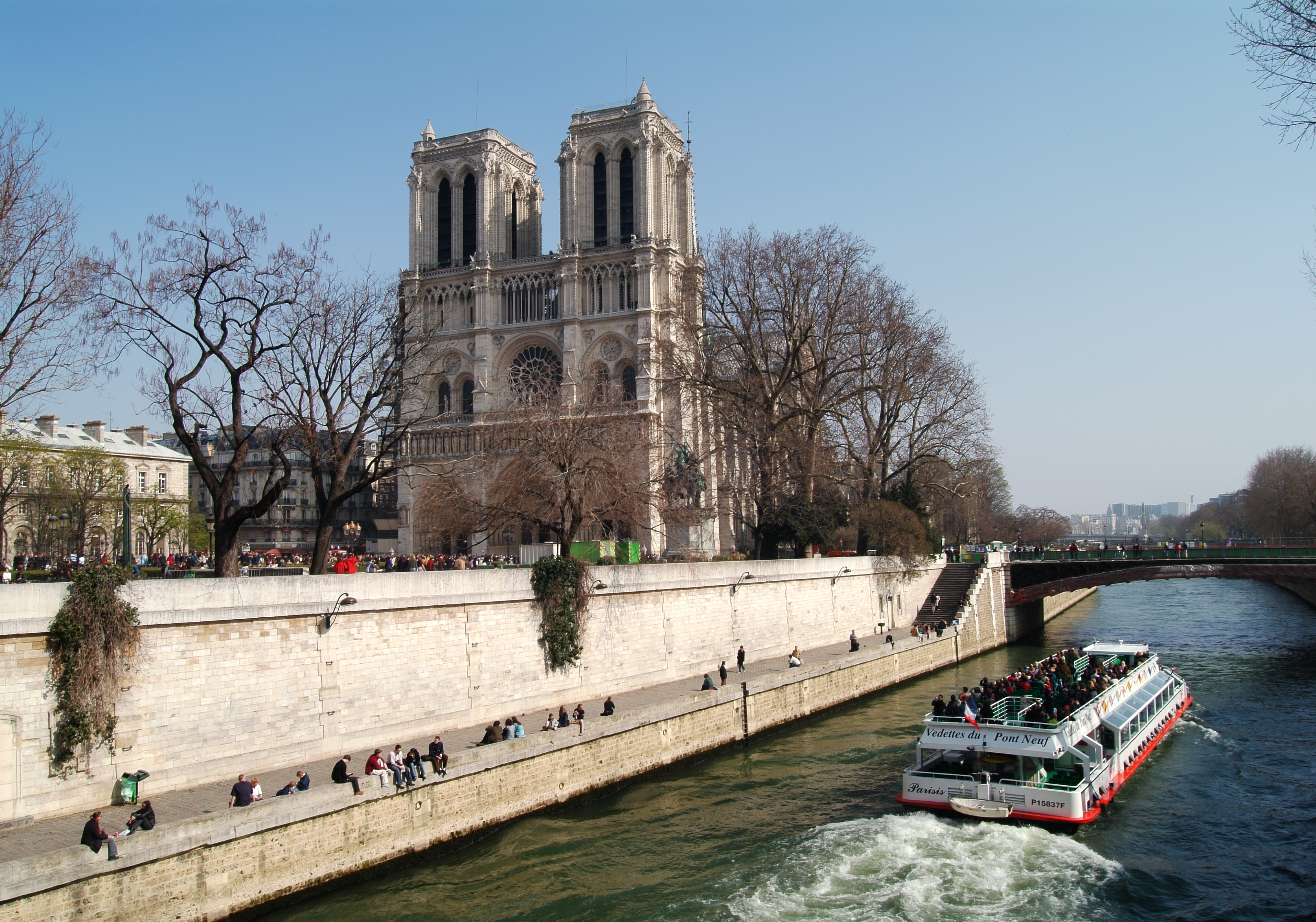
Located on the Èle de la Cité, Notre Dame Cathedral is a masterpiece of French Gothic. Its construction began in the twelfth century and for centuries it was the religious and symbolic epicenter of Paris. Its flying buttresses, twin towers and western façade are full of medieval symbolism. We tell you more in our post: Guide to visit Notre Dame Cathedral, opening hours, tickets and activities.
From here, we have to walk for less than 5 minutes to the next point on the route.
Built to house relics of the Passion of the Christ, the Sainte-Chapelle is famous for its stunning stained-glass windows, which cover practically the entire upper structure. This is one of the best examples of Bright Gothic in Europe.
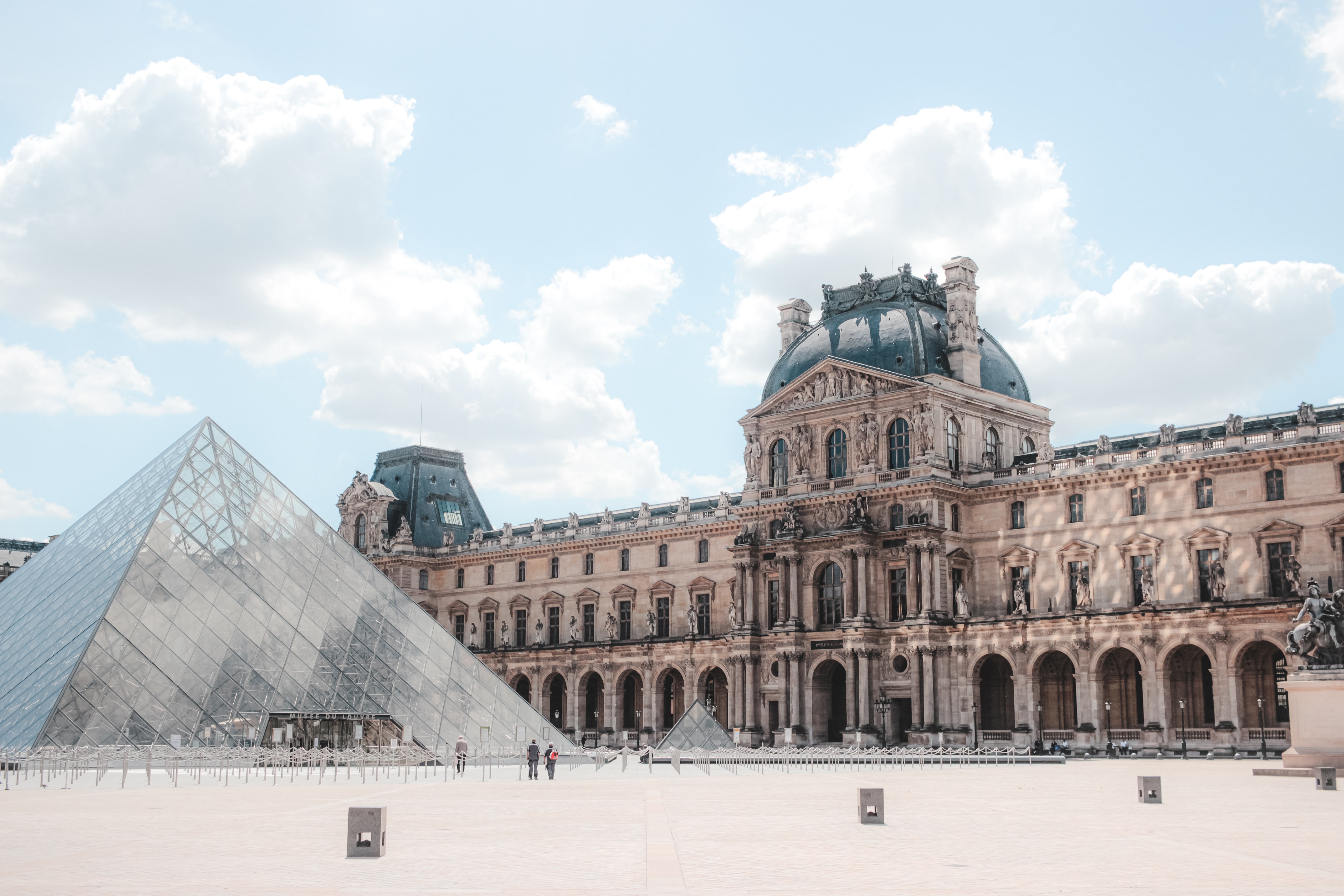
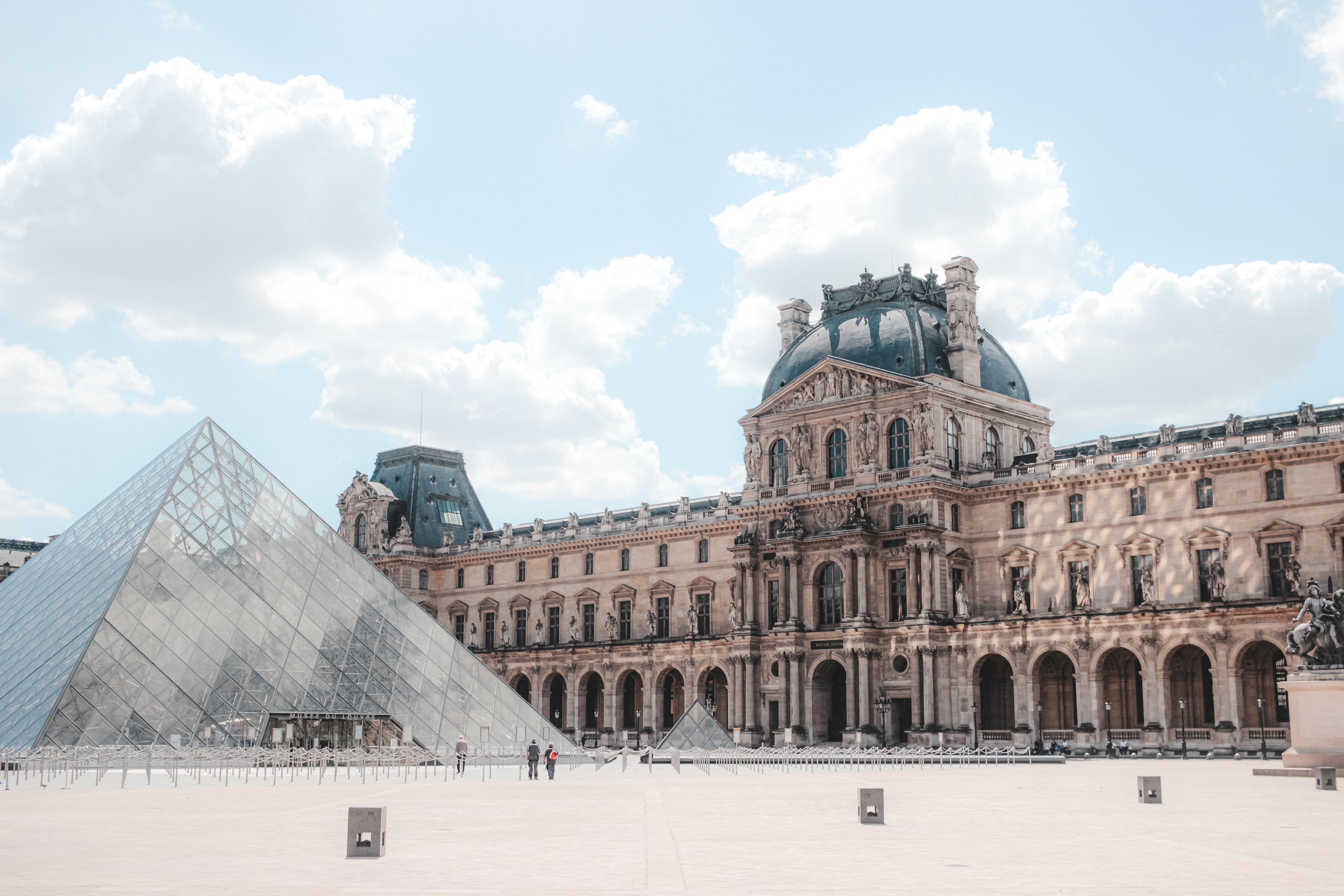
At the start line we head for the Louvre, crossing the Pont Neuf and taking a nice photo.
,regionOfInterest=(2557,1704.5))
,regionOfInterest=(2557,1704.5))
A former royal palace, the Louvre Museum is now the most visited museum in the world. Beyond the Mona Lisa, the building itself is a lesson in French history, from the medieval fortress to the contemporary pyramid.
Leaving frontally for direct access to the Tuileries Garden, limited by Rue Rivoli and the River Seine. Here you can have a picnic and eat calmly before continuing with your itinerary.
After the meal, we continued to enjoy our open spaces and monumental avenues. Enjoy a delicious ice cream or crêpe while enjoying the hike and the scenery.
,regionOfInterest=(1783.5,2675))
,regionOfInterest=(1783.5,2675))
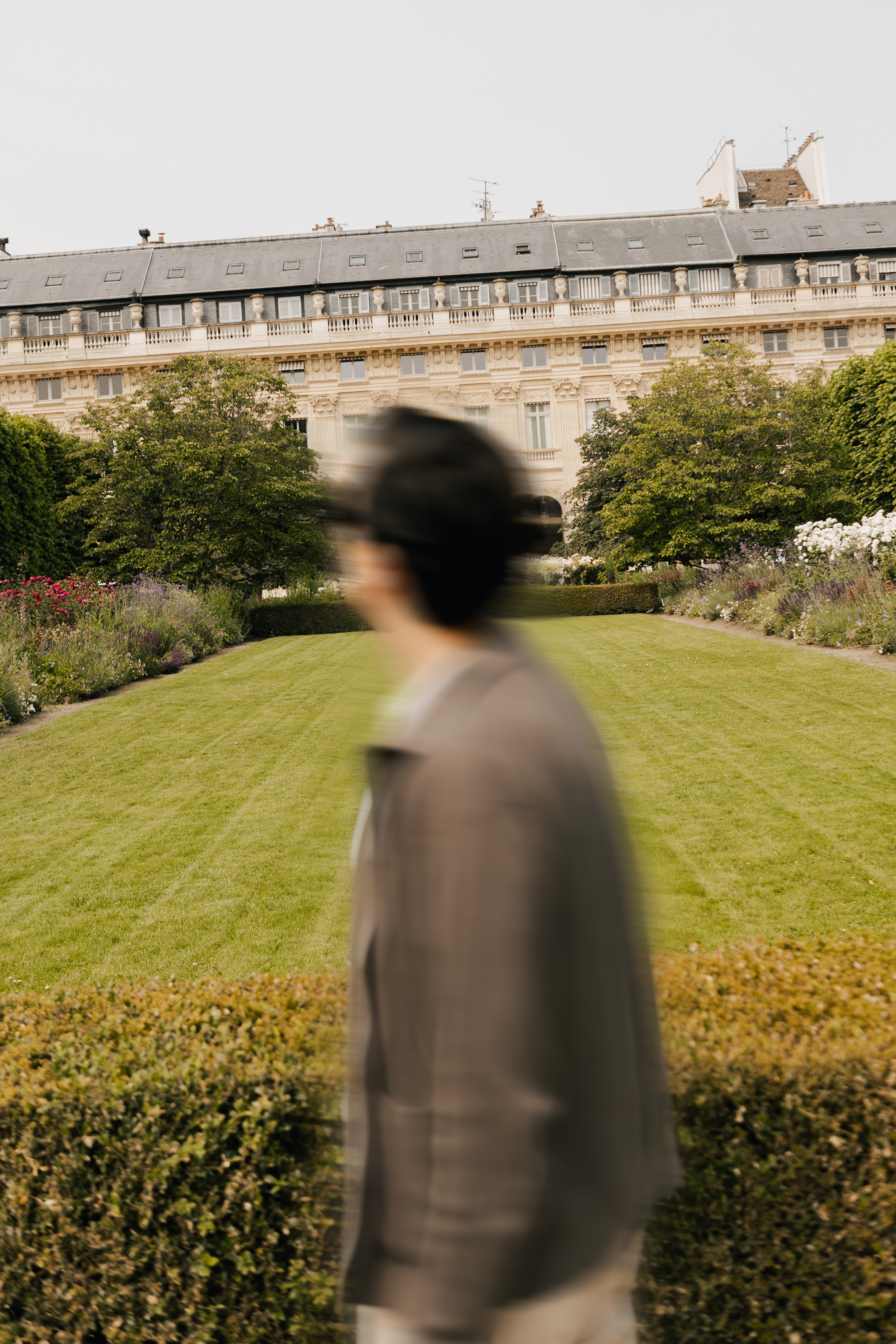
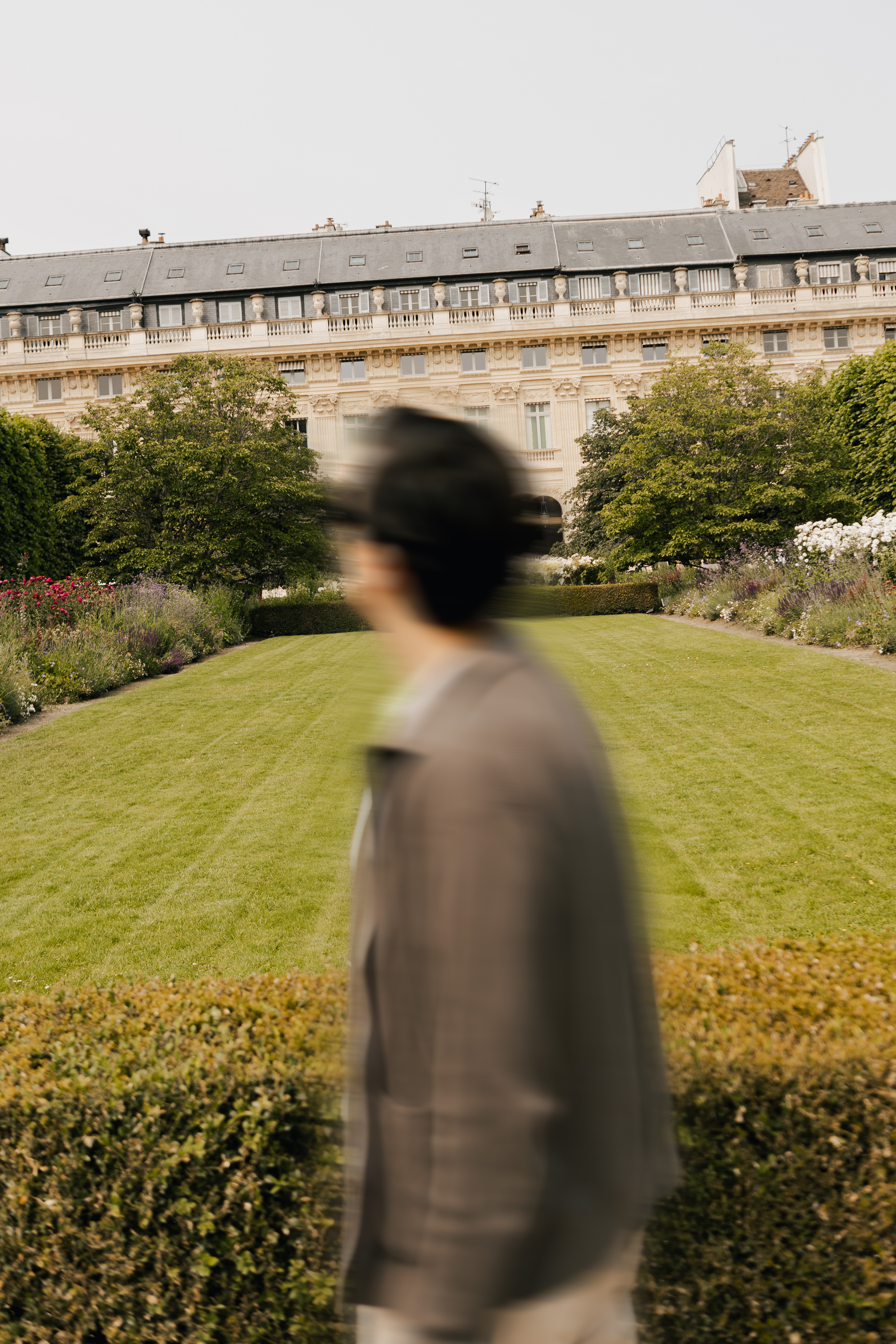
Designed in the 16th century, this garden connects the Louvre with the Place de la Concorde. It is the perfect place to understand classic Parisian urban design and relax among its monuments, flora and this great atmosphere. Famous for its pond and surrounding chairs, perfect for taking a break. Many Parisians go there to read, bask in the sun or just to be in the moment.
Now we have to walk in a straight line to the Champs Élysées and begin to enjoy this magnificent avenue.
,regionOfInterest=(1876.5,1250))
,regionOfInterest=(1876.5,1250))
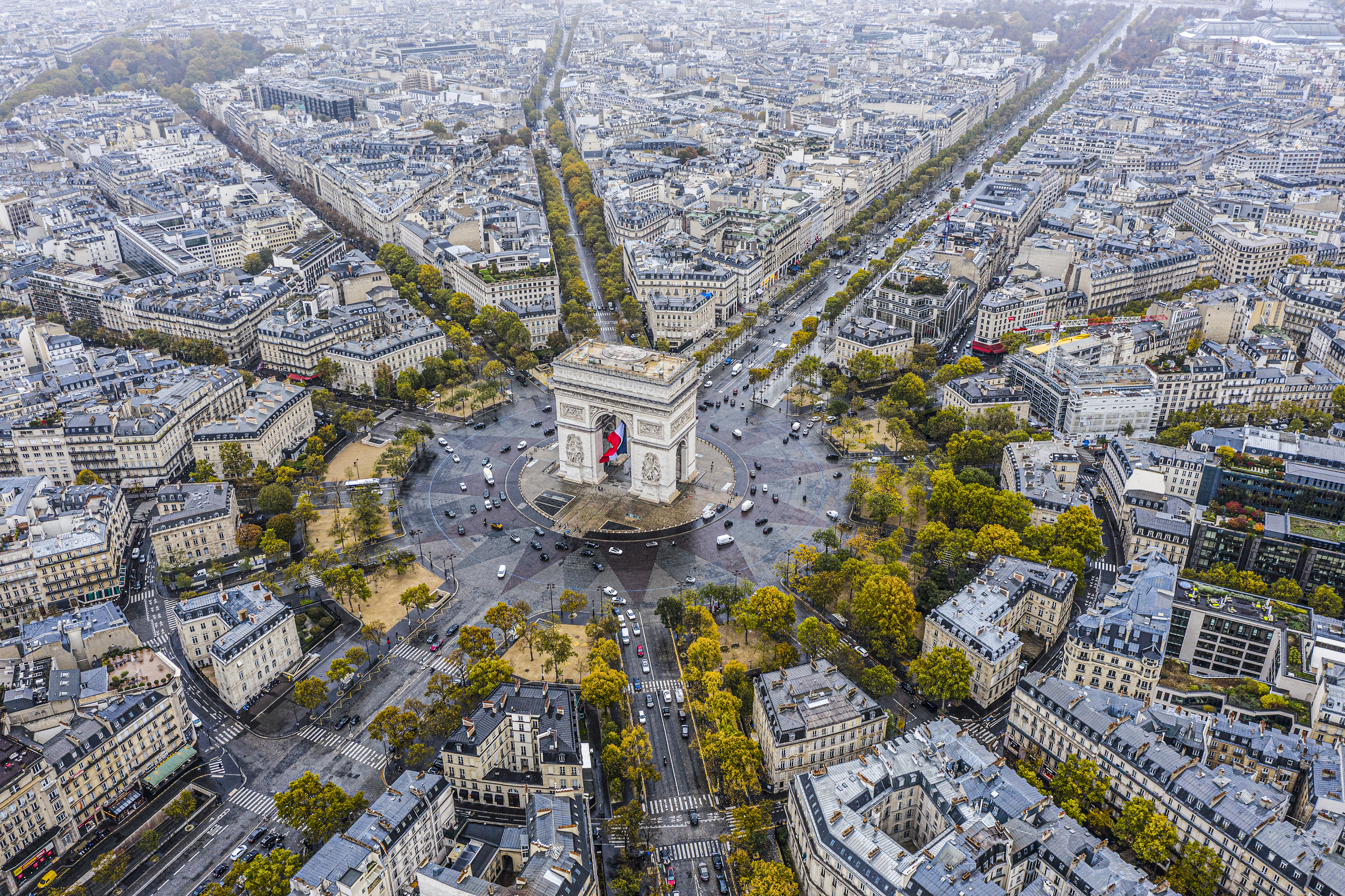
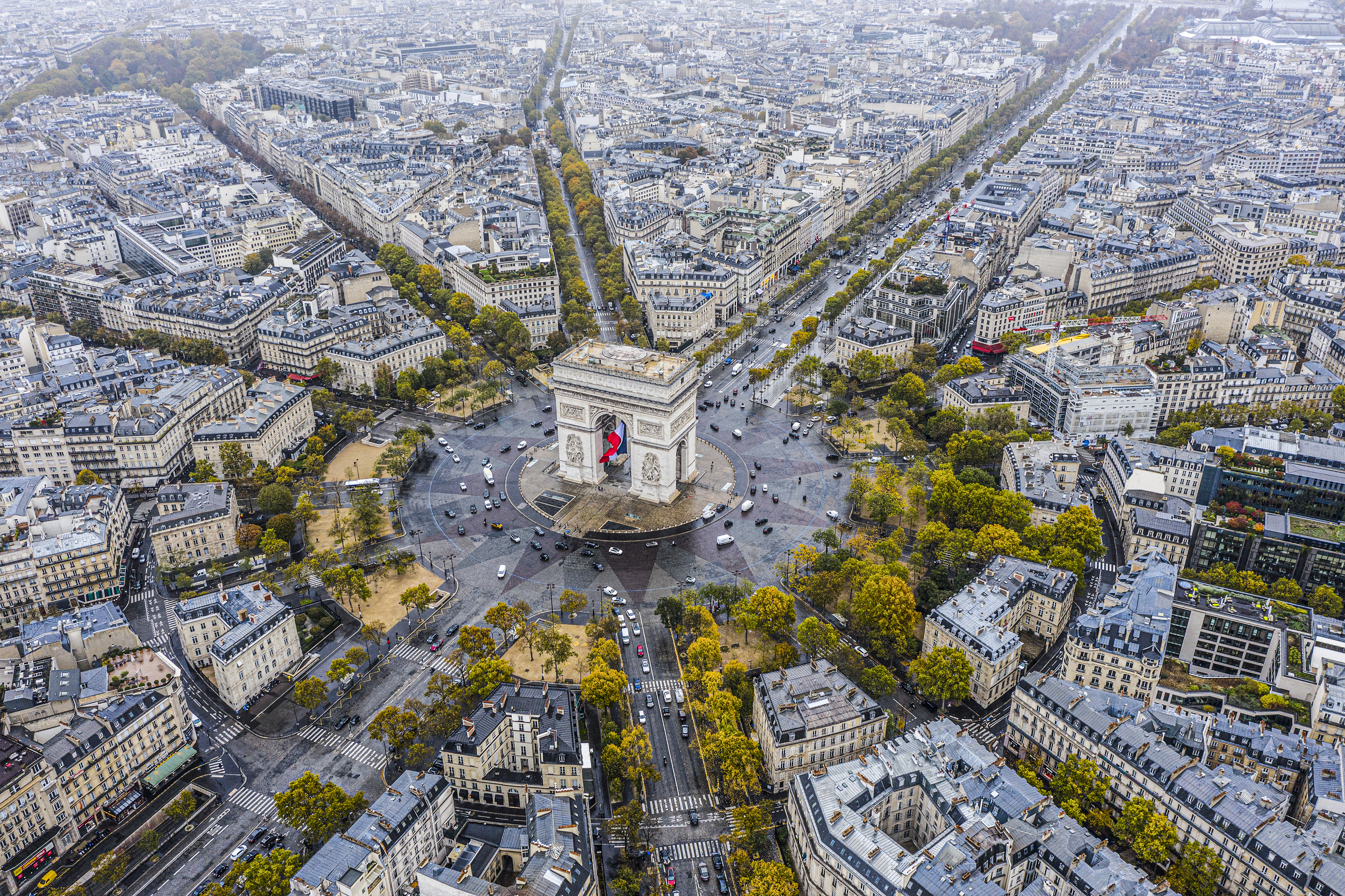
The most famous avenue in Paris connects the Place de la Concorde with the Arc de Triomphe. Historically it was a ceremonial hub and today it is still a symbol of Parisian urban prestige. Many well-known brand stores and franchises are located alongside the road.
If it’s not too late and it’s a fine afternoon, we encourage you to make your way as far as the Arc de Triomphe, at least so you can see the square.
This time around you can take the metro or keep walking to the Eiffel Tower depending on your energy levels.
,regionOfInterest=(3306.5,2180.5))
,regionOfInterest=(3306.5,2180.5))
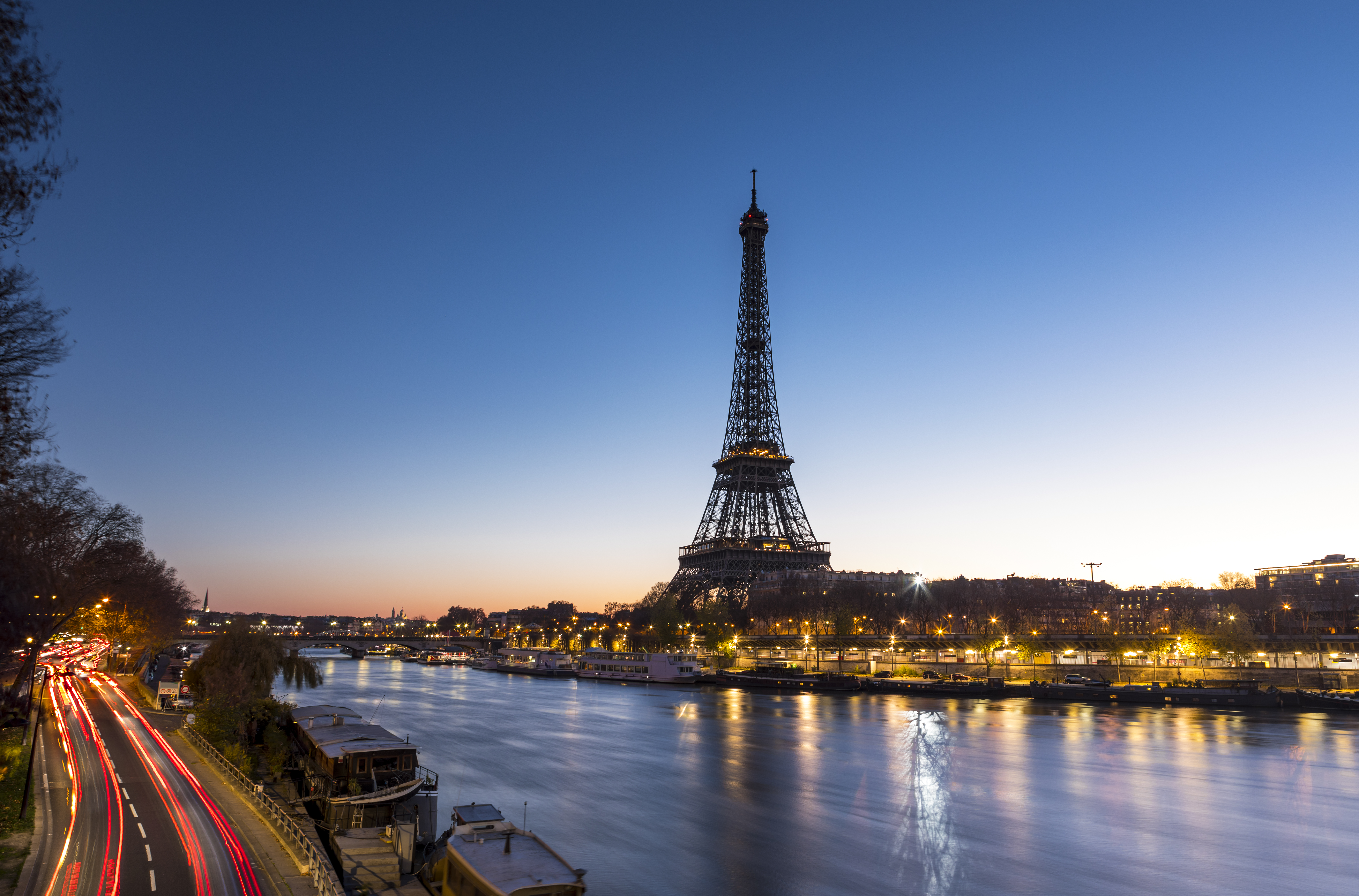
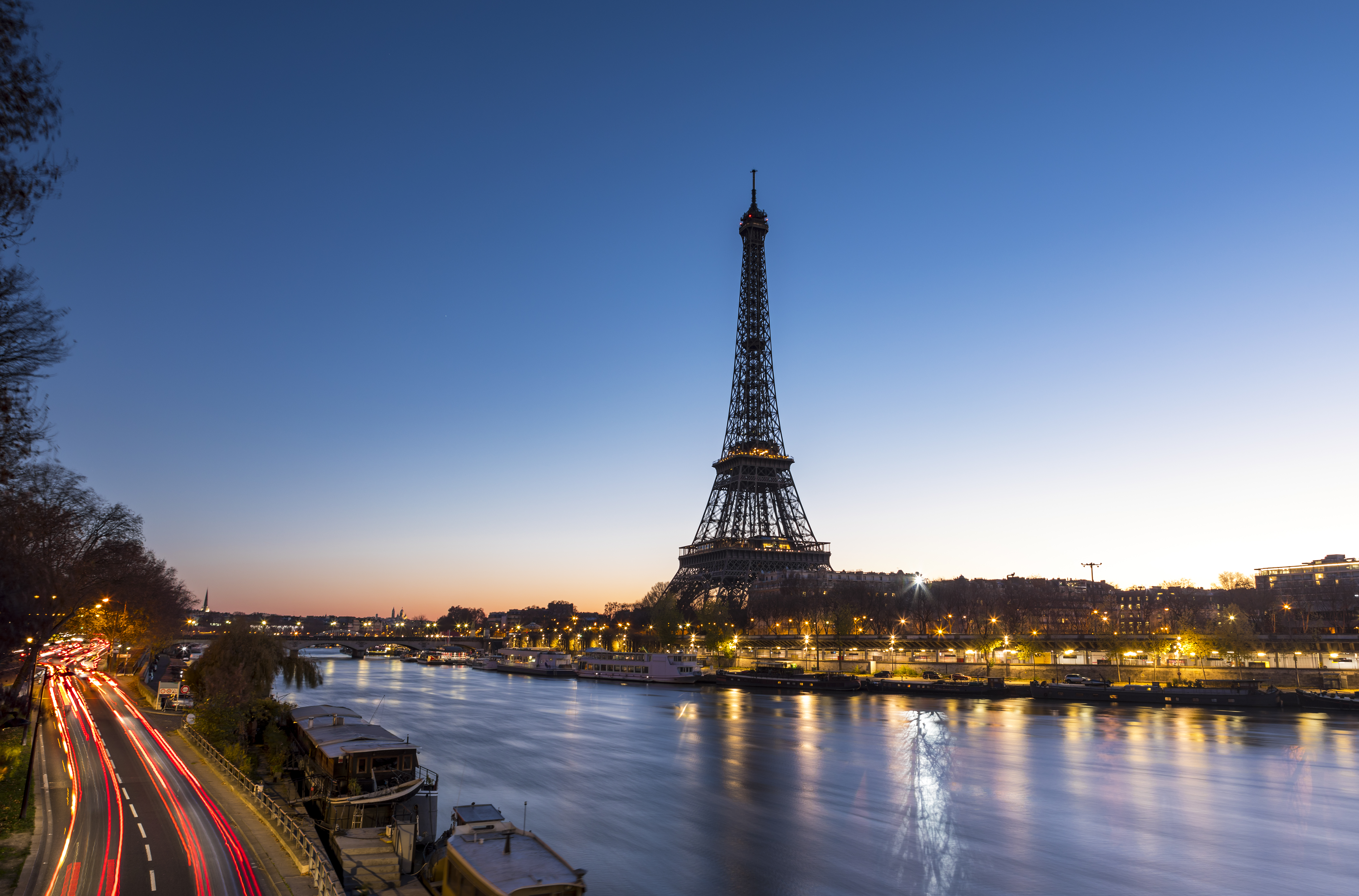
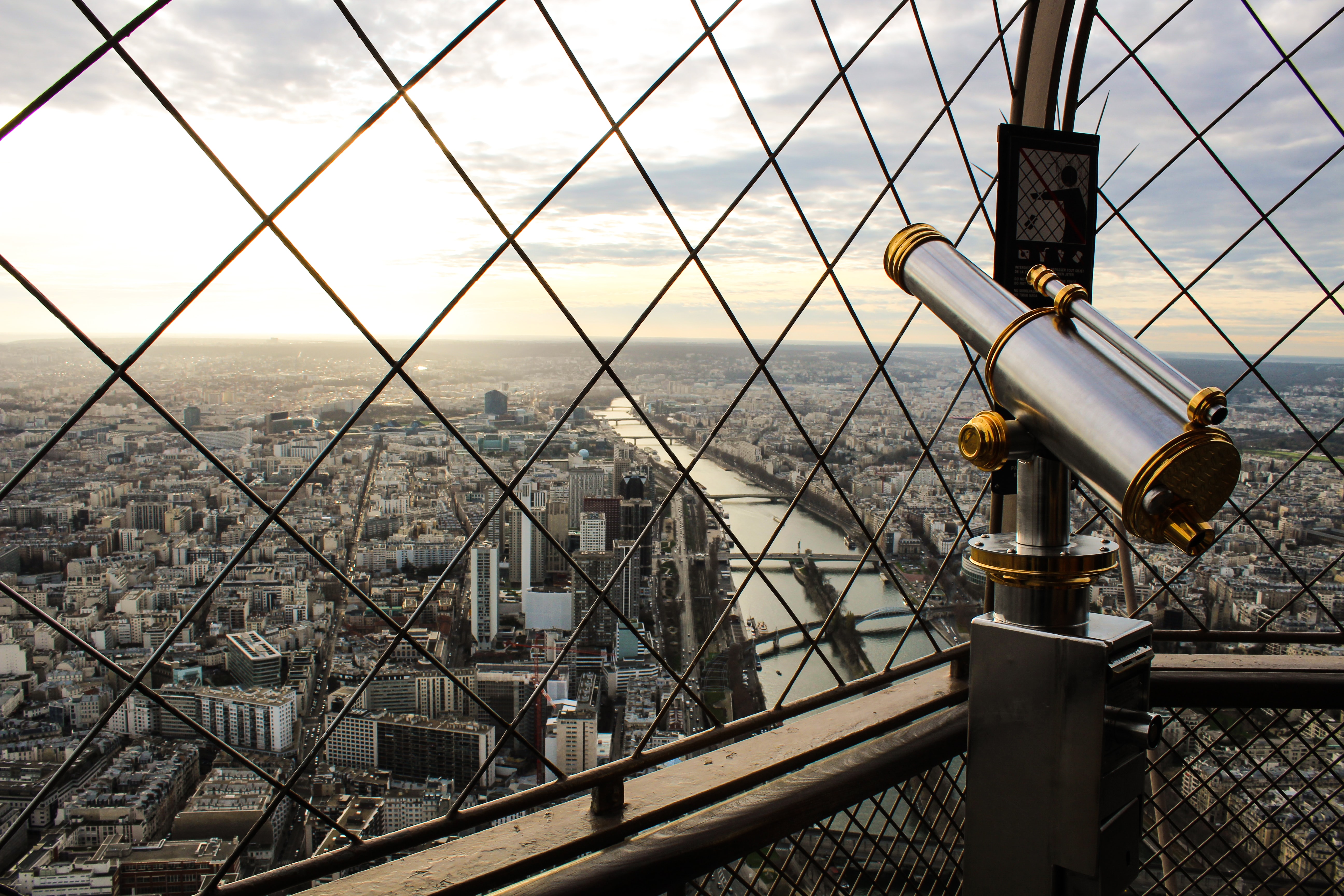
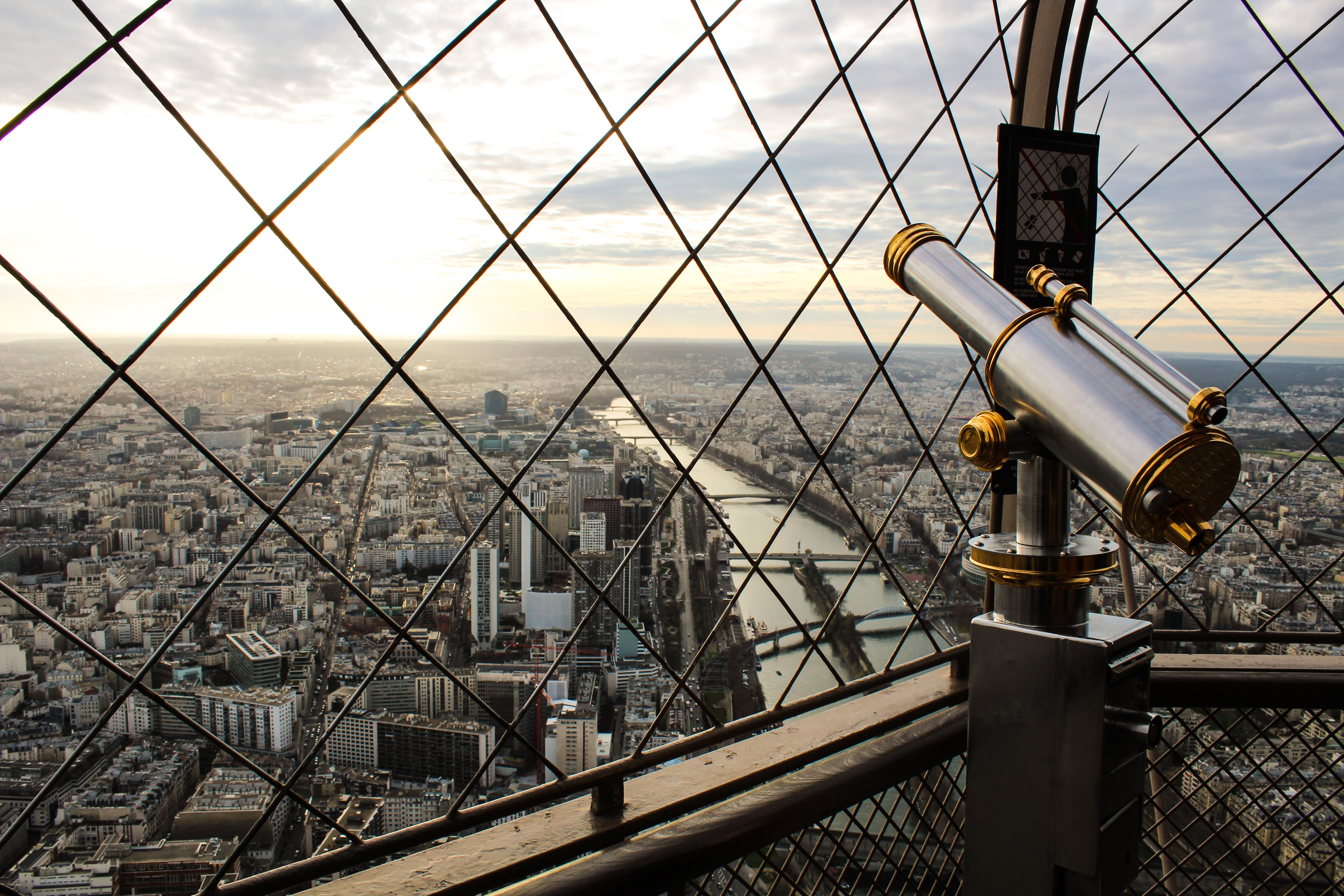
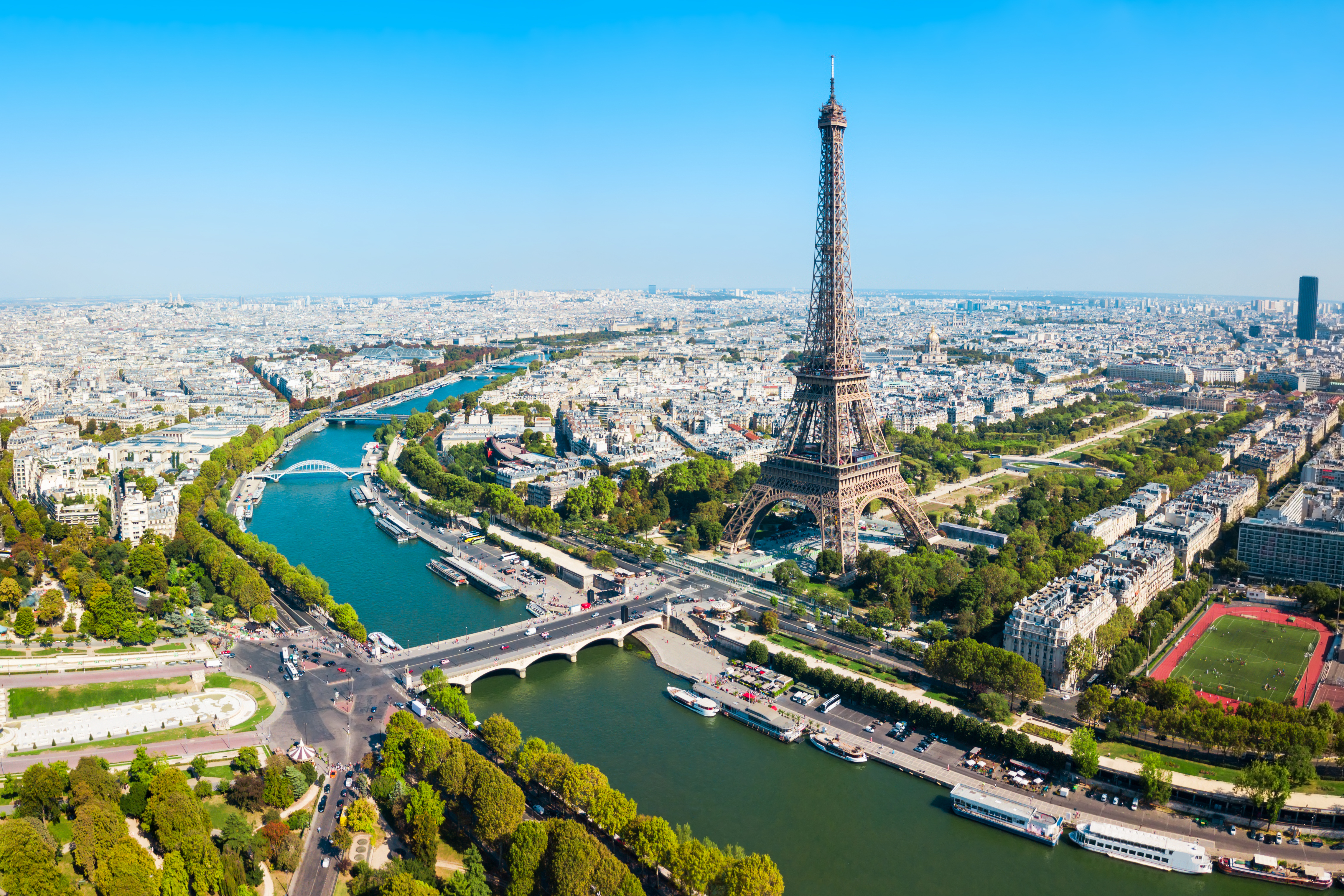
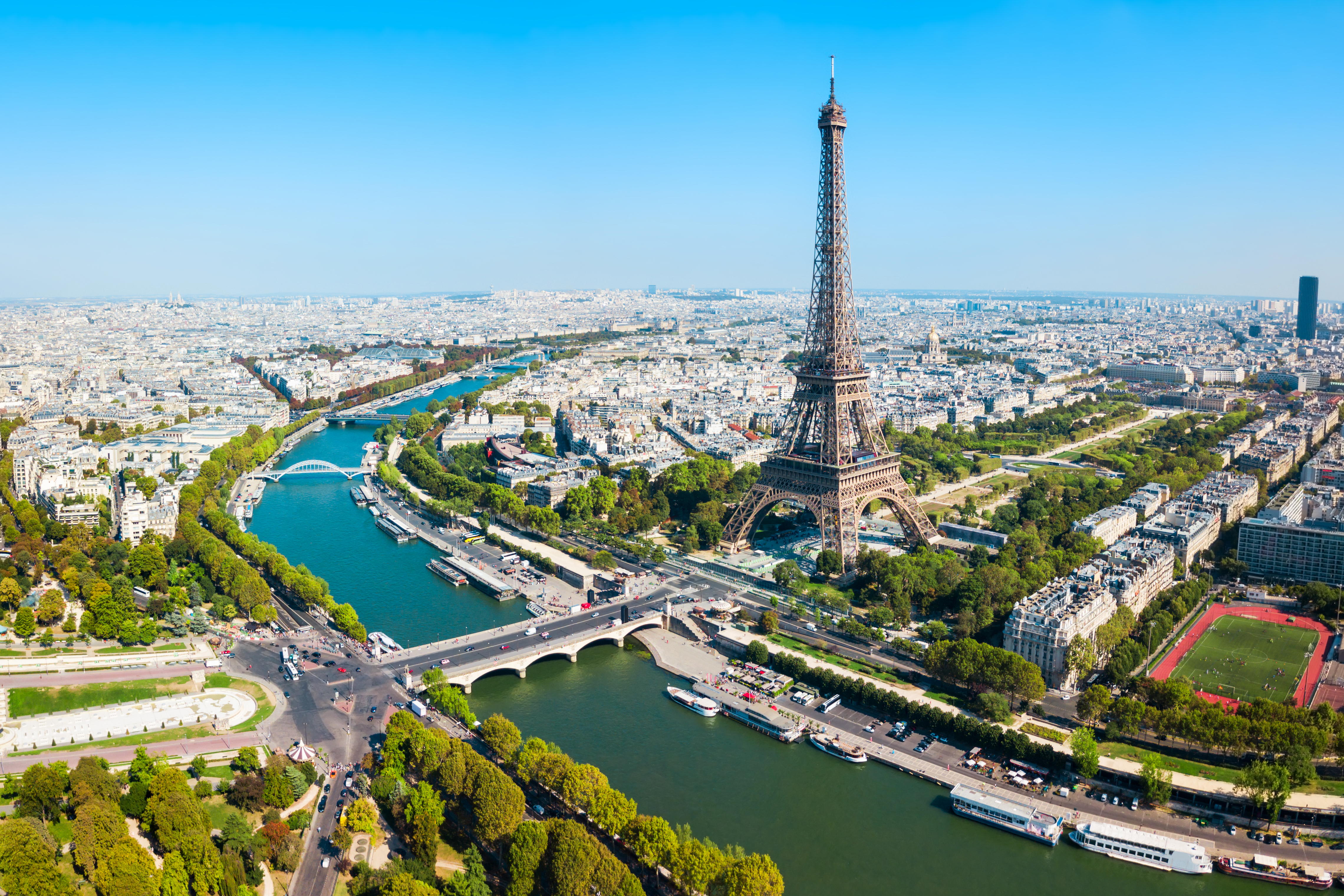
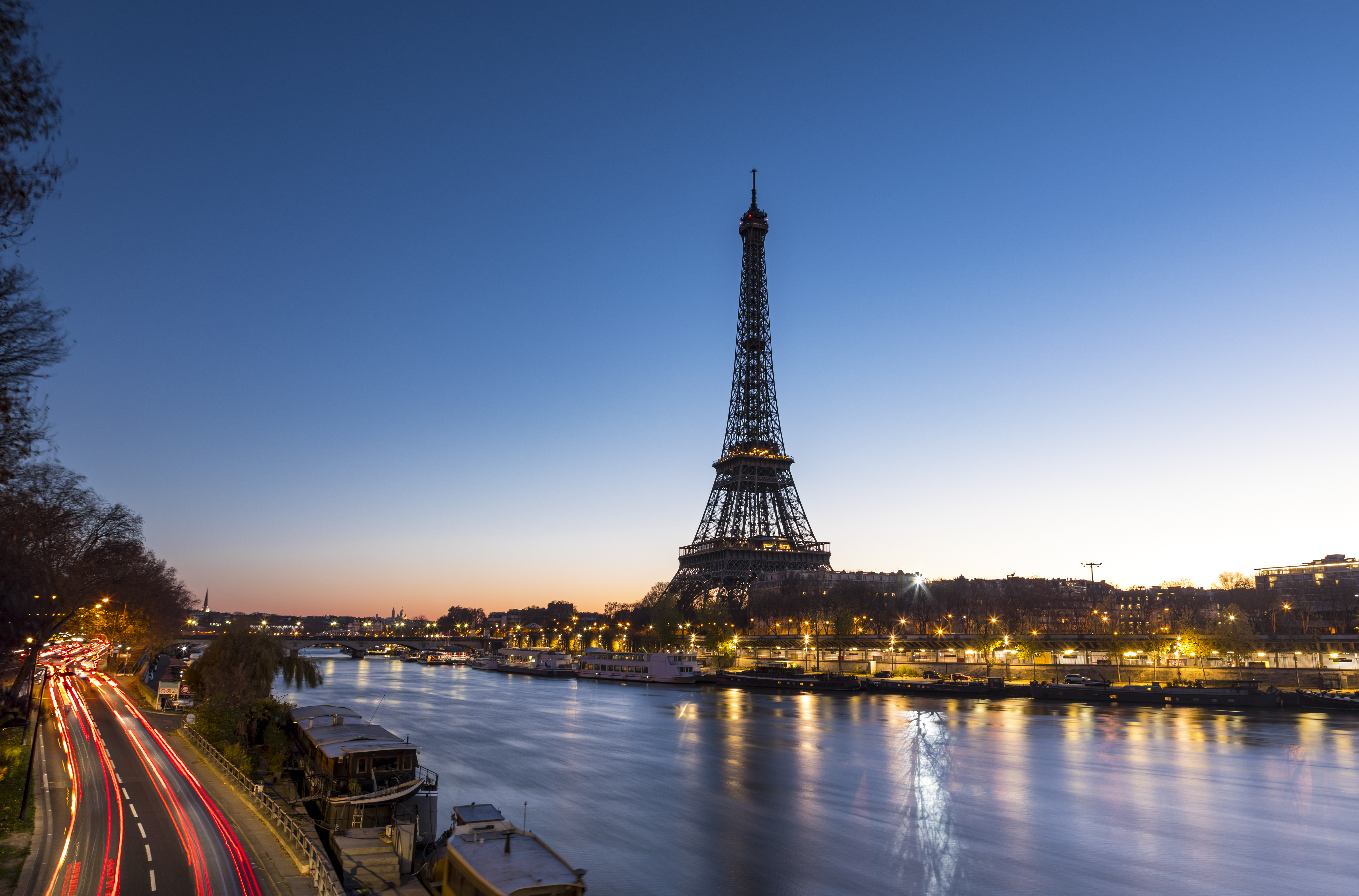
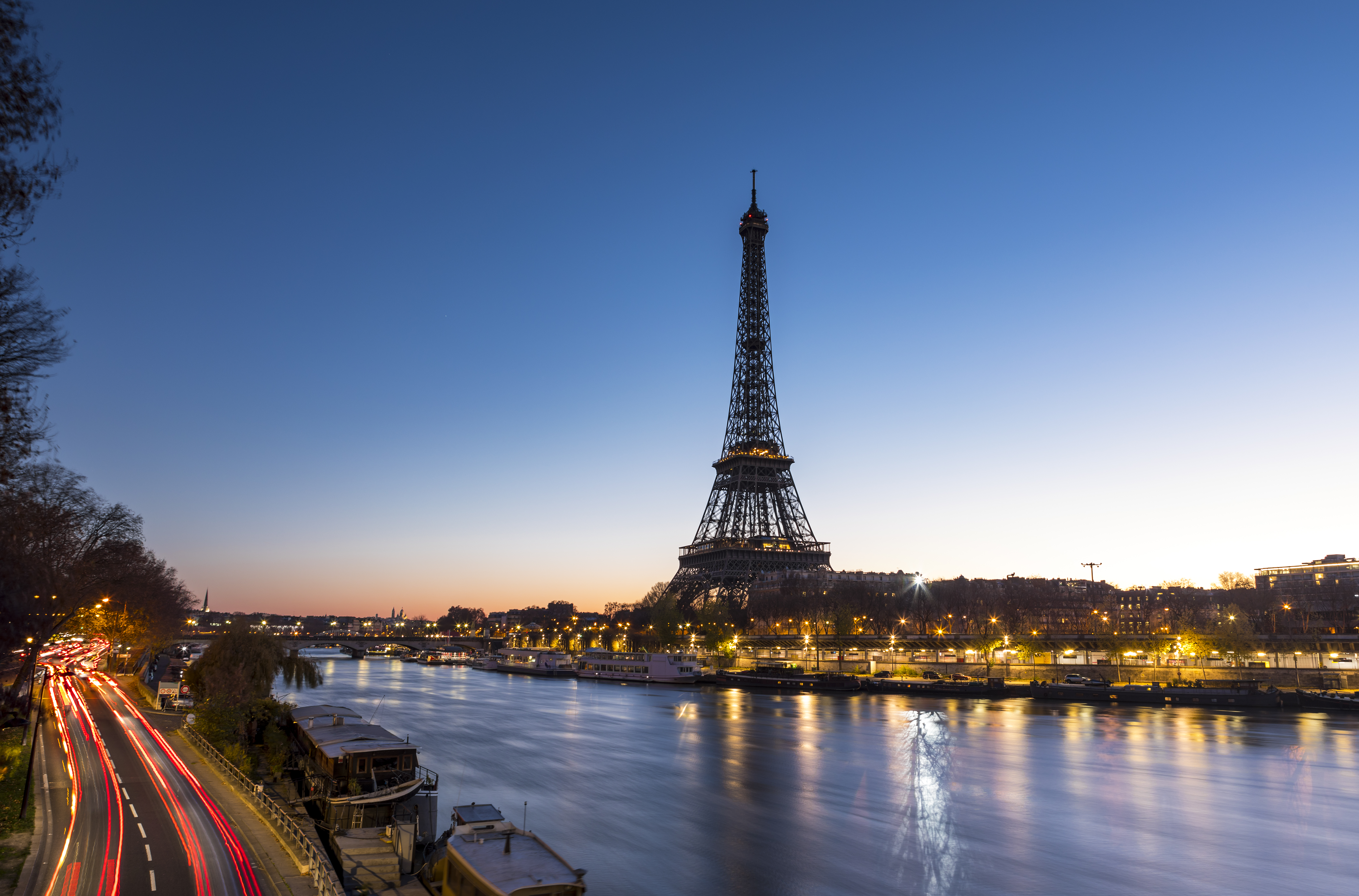
The Eiffel Tower, built for the Universal Exhibition in 1889, the Eiffel Tower went from being widely criticised, to becoming the absolute symbol of the French capital. If you arrive just in time to see Paris at sunset, it would be an unforgettable experience and you would enjoy one of the best views of Paris when night falls. We recommend you get tickets here before going.
On the way down you can have dinner on one of the cruises on the River Seine or return to the hotel for dinner. In the meantime, you will see the City of Light completely lit up.
The second day is spent discovering a bohemian and cultural Paris, combining historic hills and grand boulevards, an excellent day to do some shopping or take home souvenirs from your visit to Paris.
,regionOfInterest=(2131.5,1418))
,regionOfInterest=(2131.5,1418))
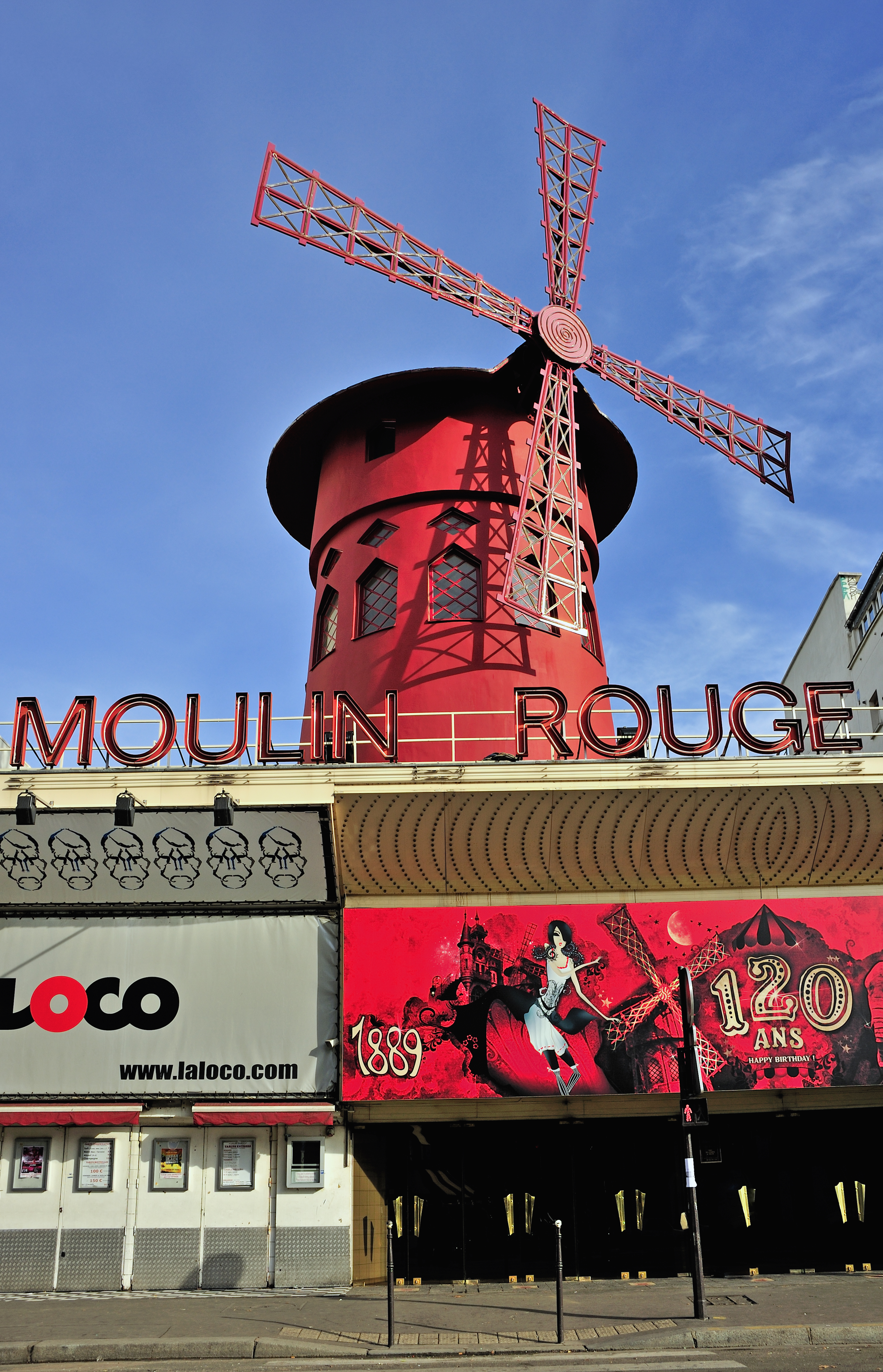
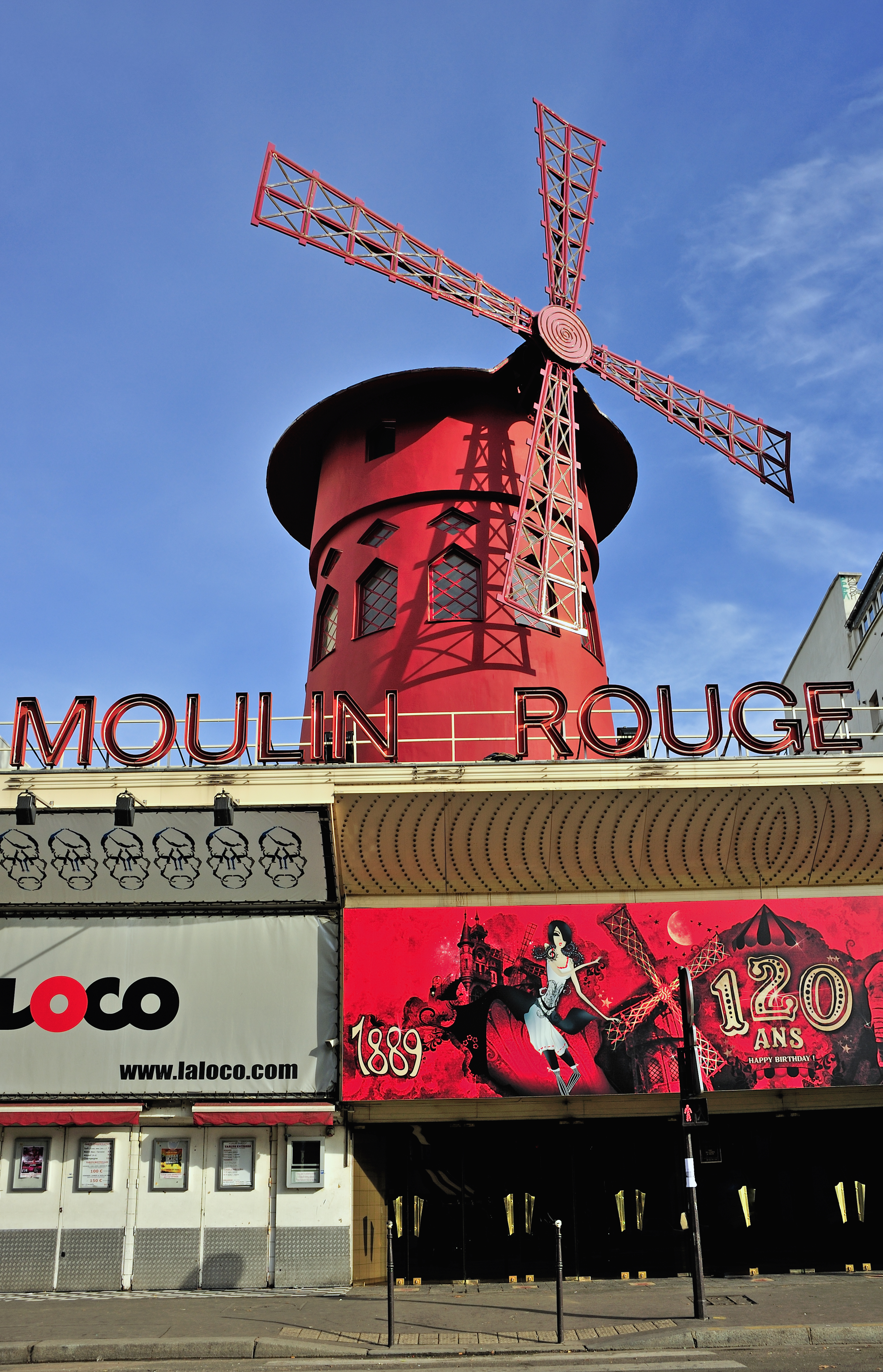
To learn more about this area, we recommend you see our specific guide in post What to see in Montmartre. You will love this district. Make yourself a second breakfast in one of the spectacular bakeries and lose yourself in its streets.
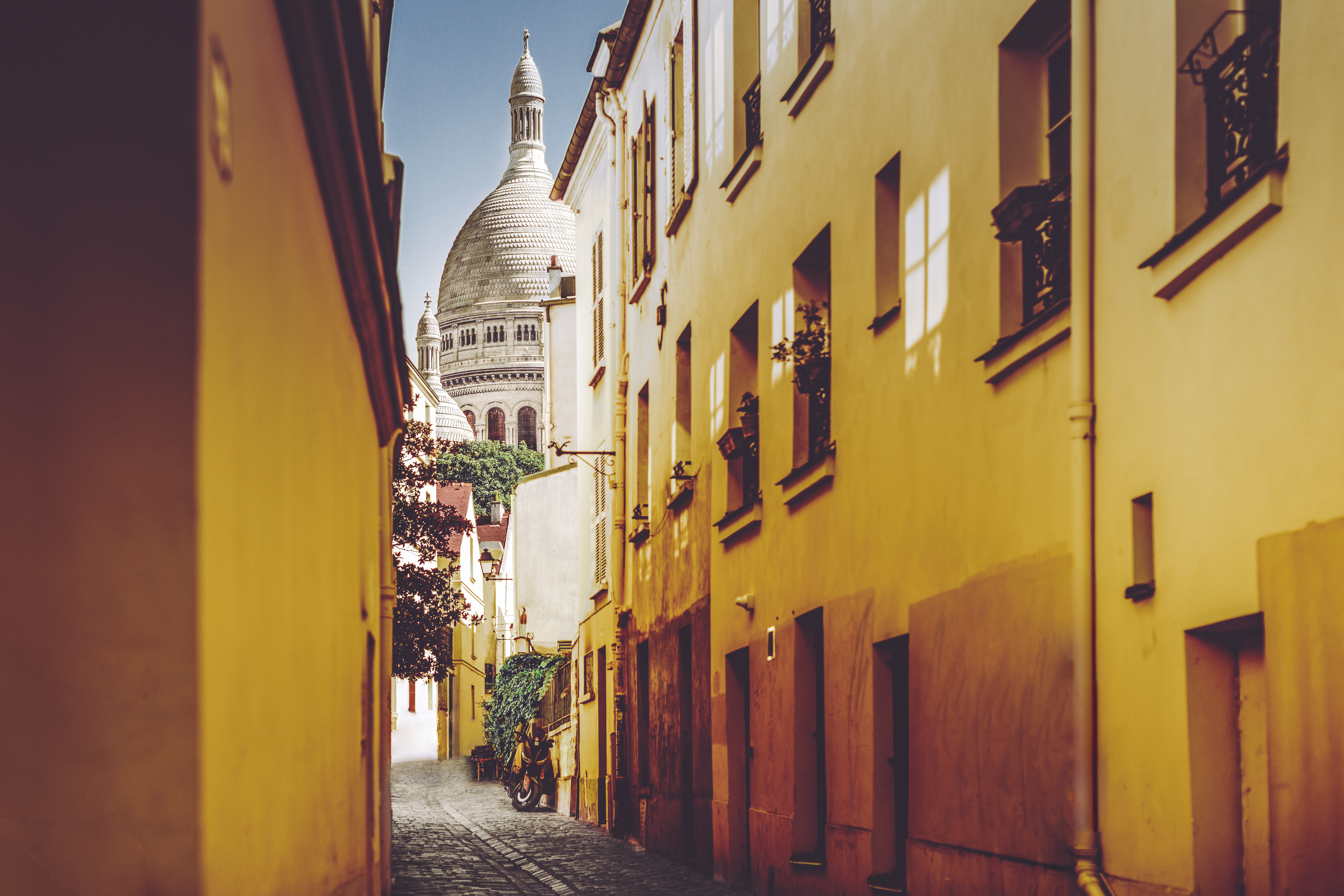
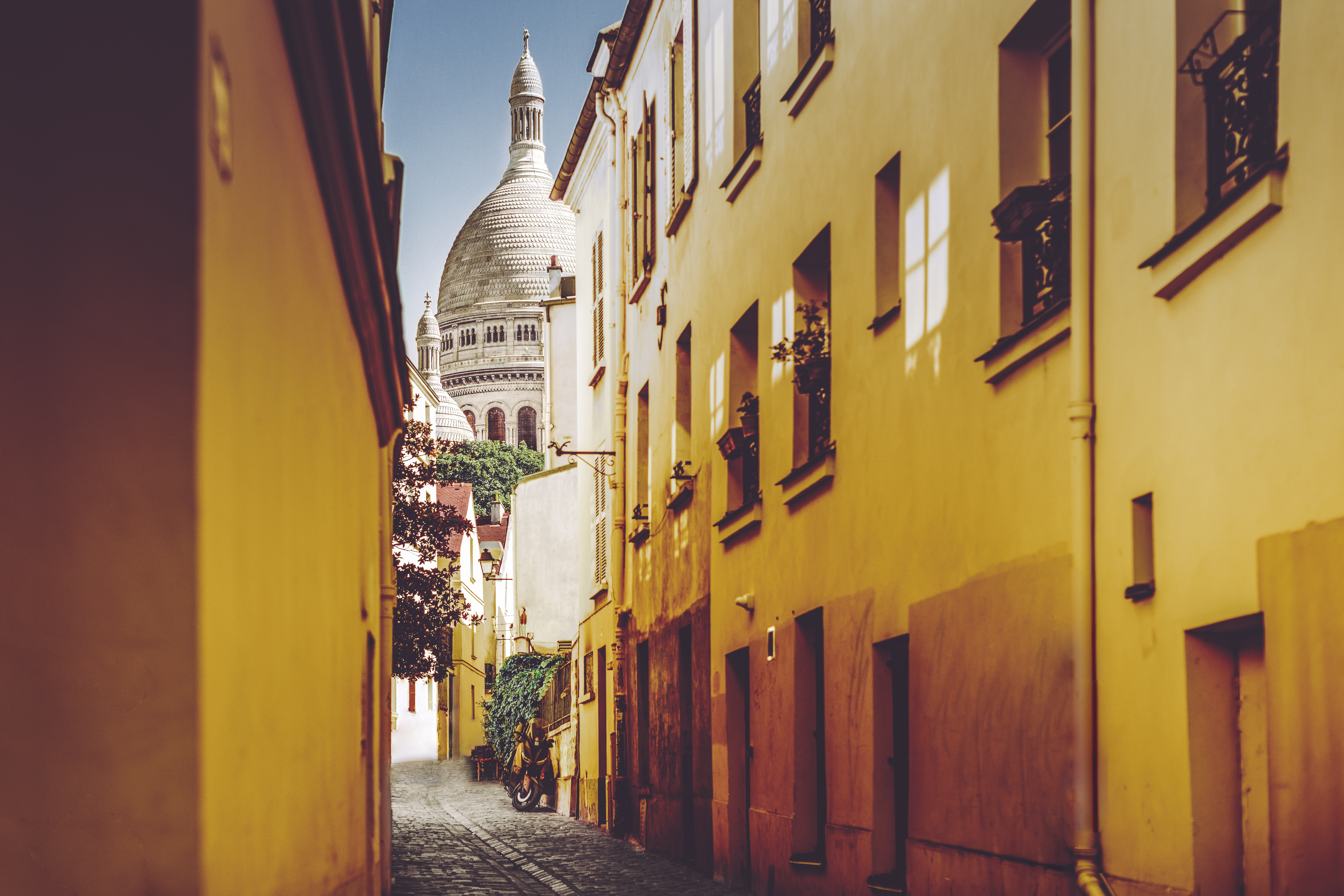
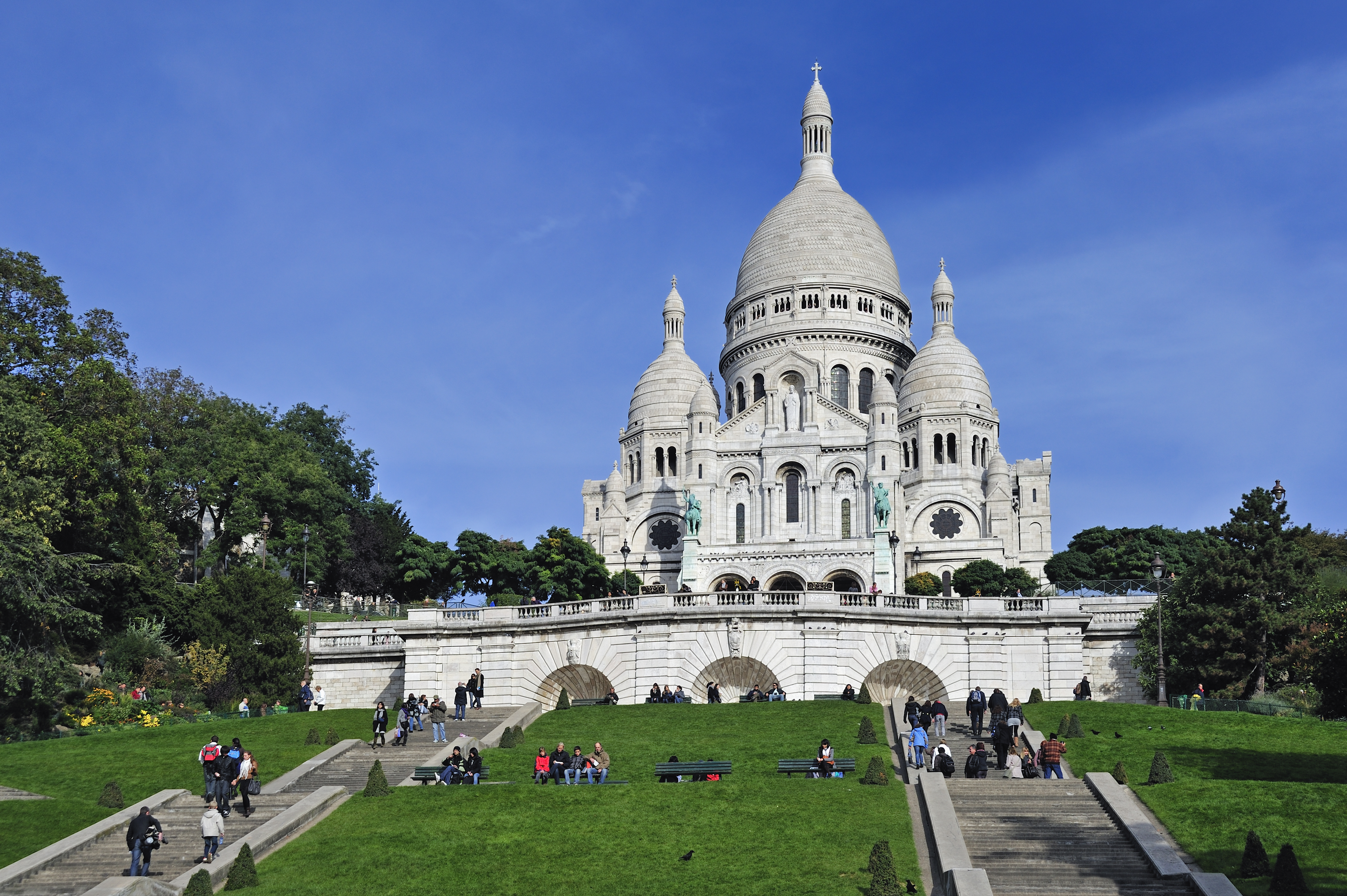
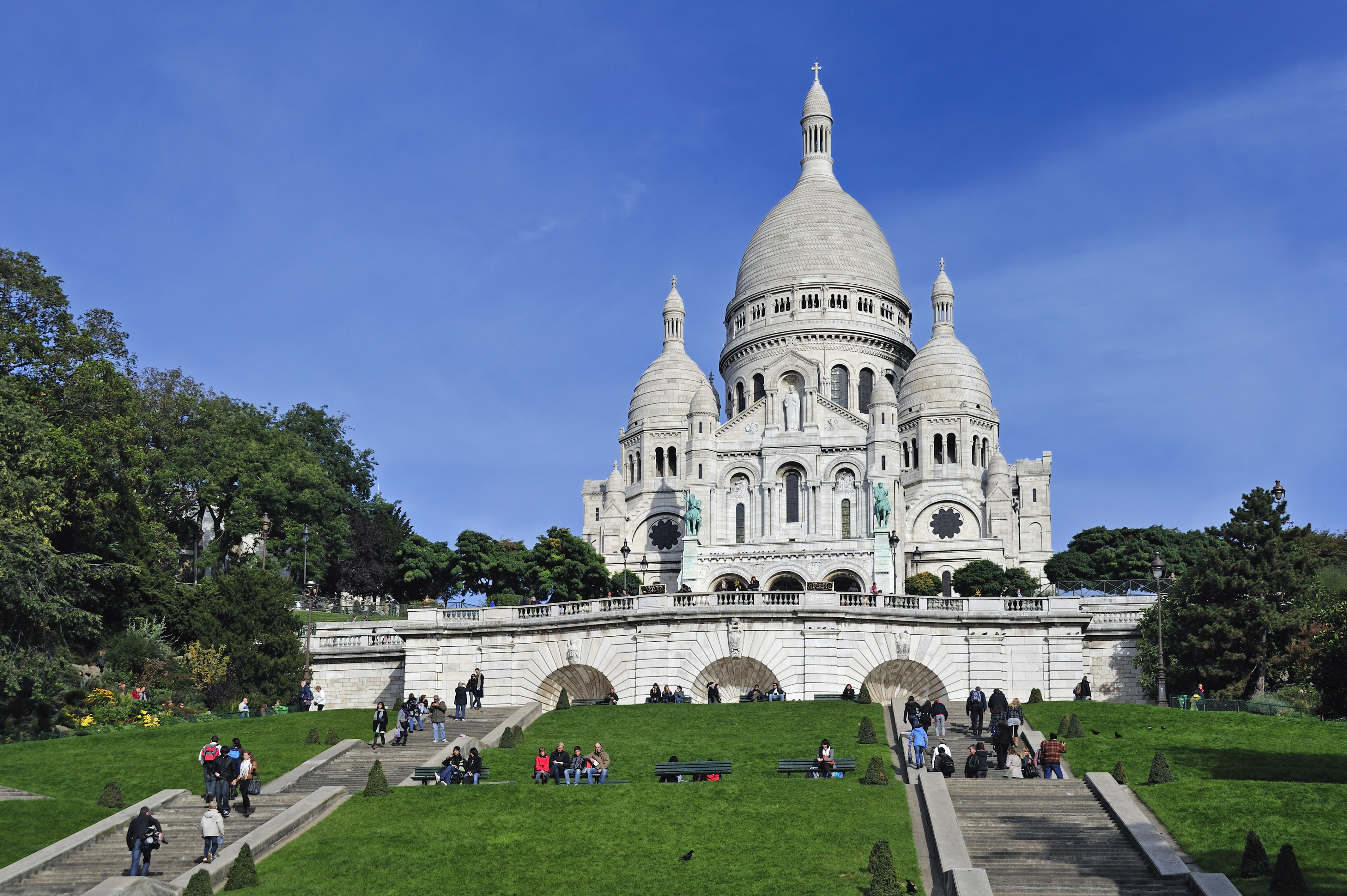
Located on the top of Montmartre hill, this late-19th-century basilica visually dominates Paris. Its Roman-Byzantine style makes it different from other Parisian temples.
From here, walk down towards the Place du Tertre.
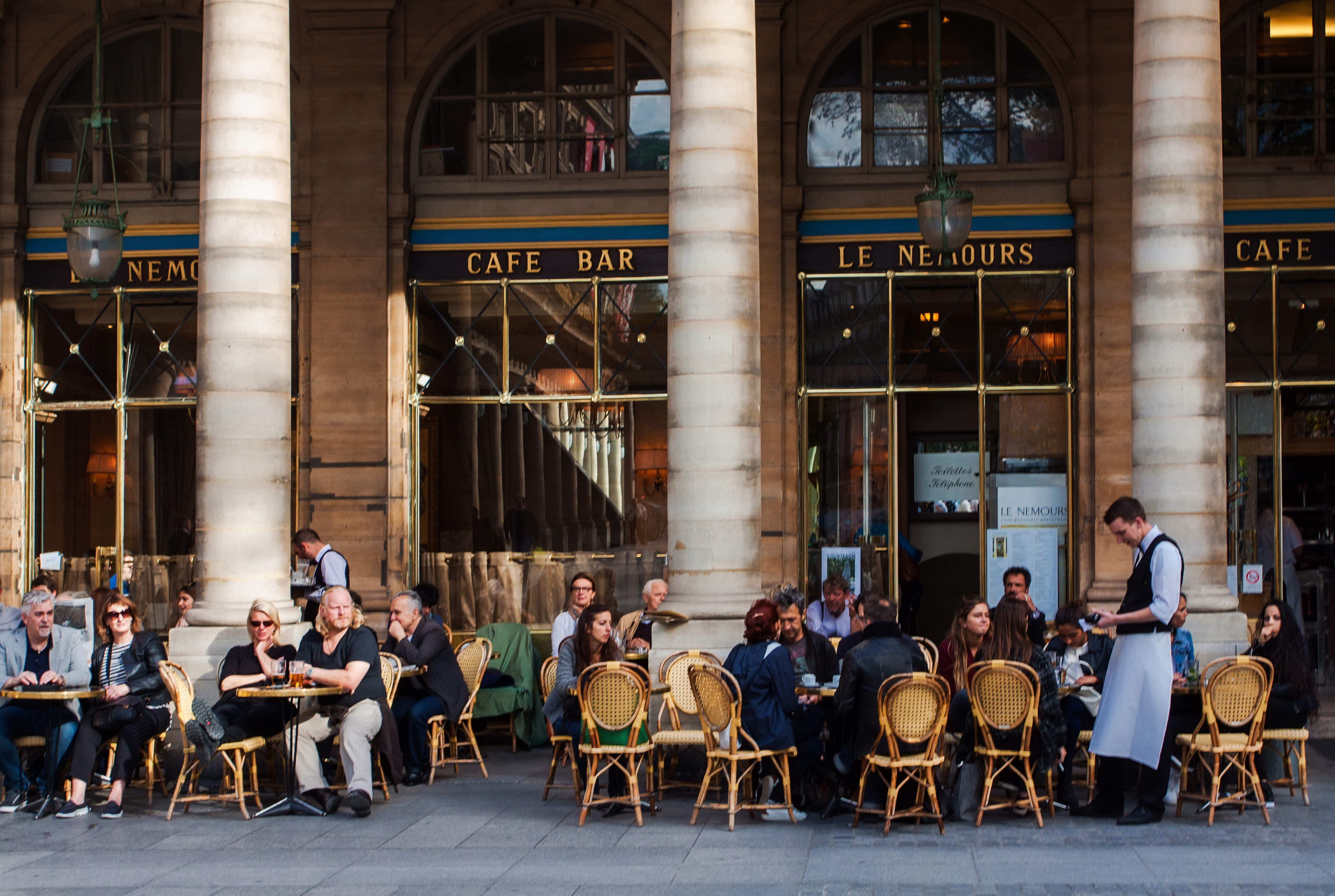
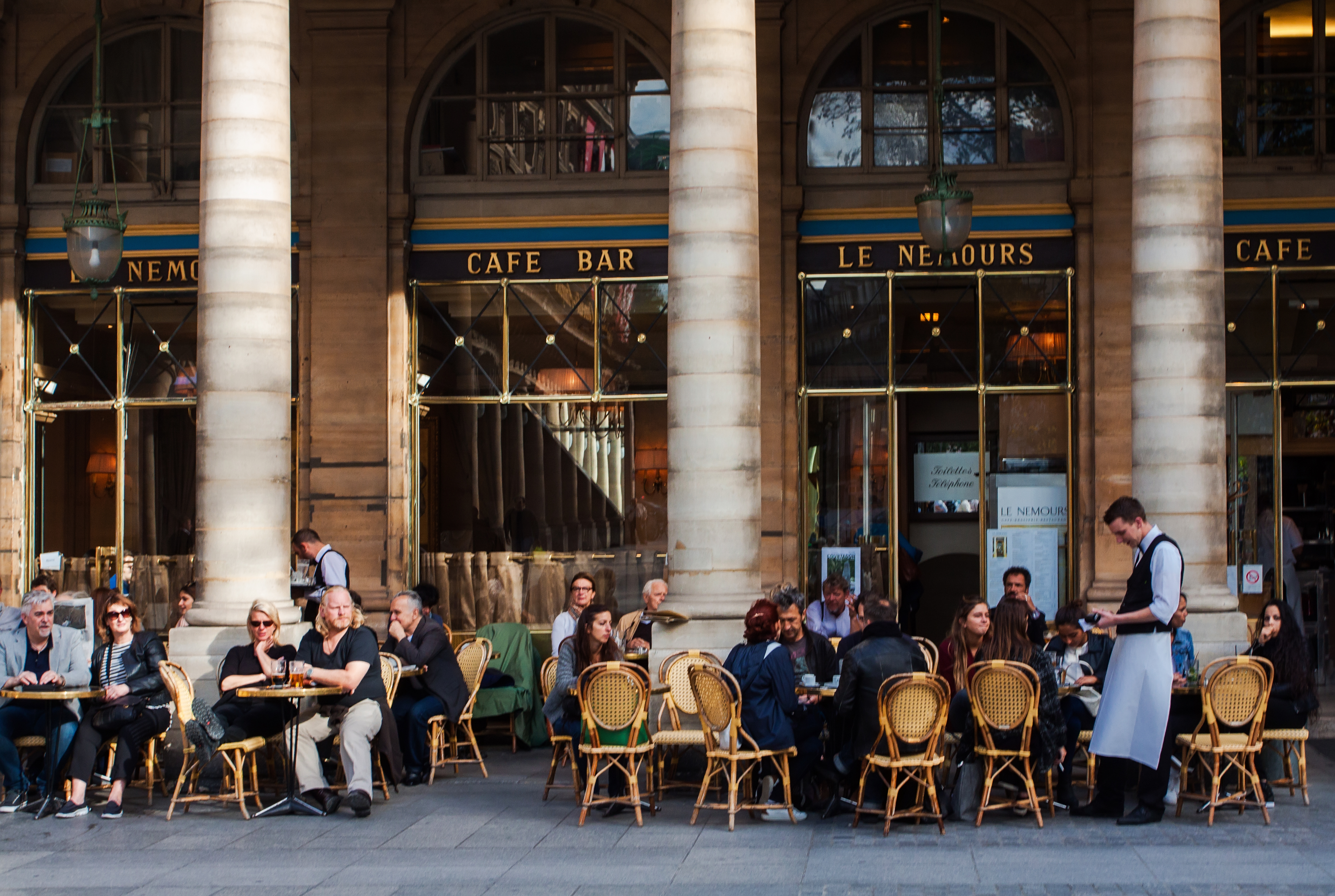
This small town was a meeting point for artists such as Picasso or Utrillo. Today it still retains the creative spirit that defines the personality of Montmartre. Surrounded by restaurants with a Parisian essence, with a table and two chairs outside in pure French style. You can enjoy an early lunch and follow the itinerary with no problems.
We can take the metro or we can walk for a long walk to the Opera.
Spend the first few hours of the afternoon touring an elegant environment with monumental buildings and a sophisticated ambience.
,regionOfInterest=(1906,1374))
,regionOfInterest=(1906,1374))
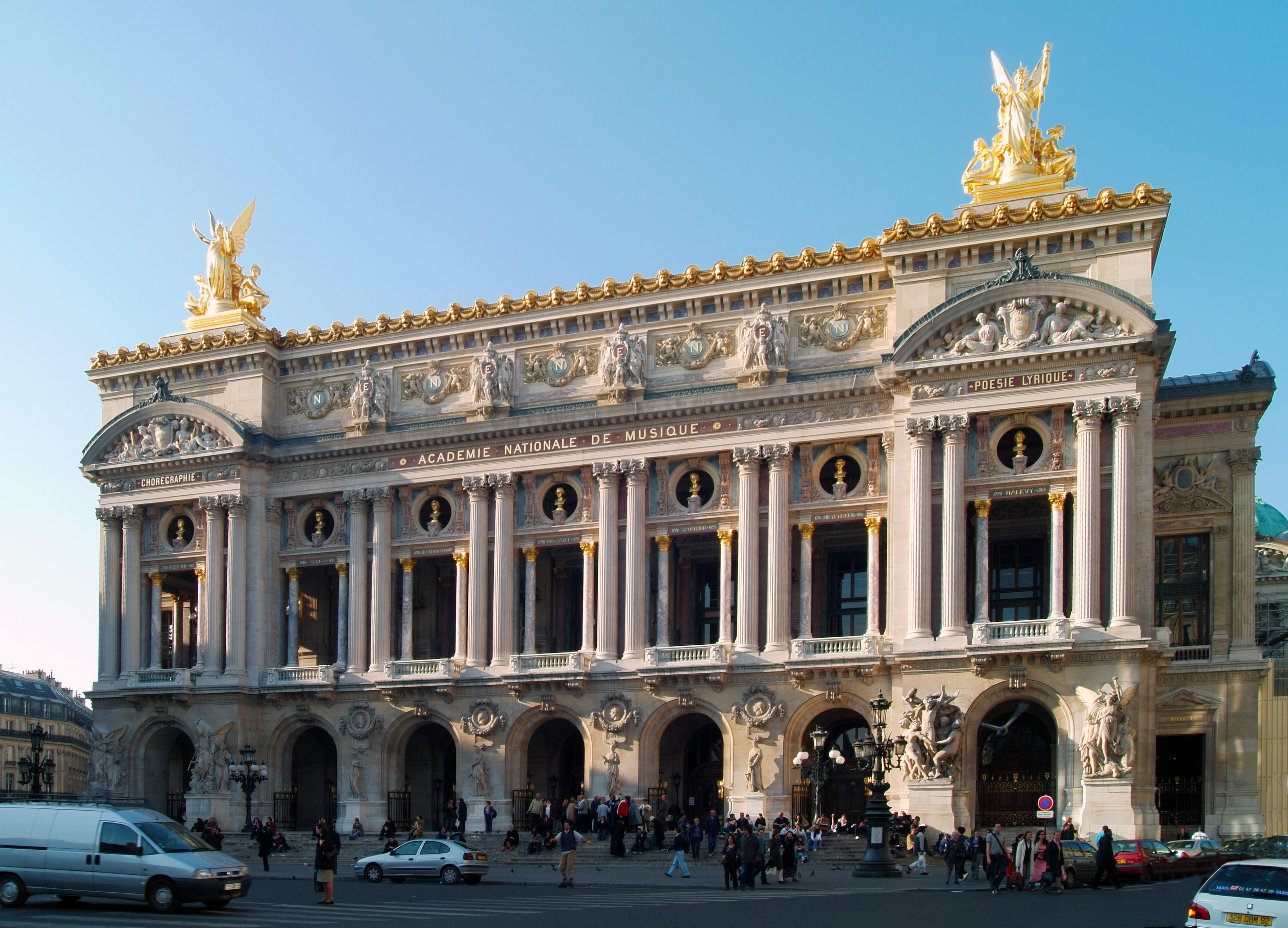
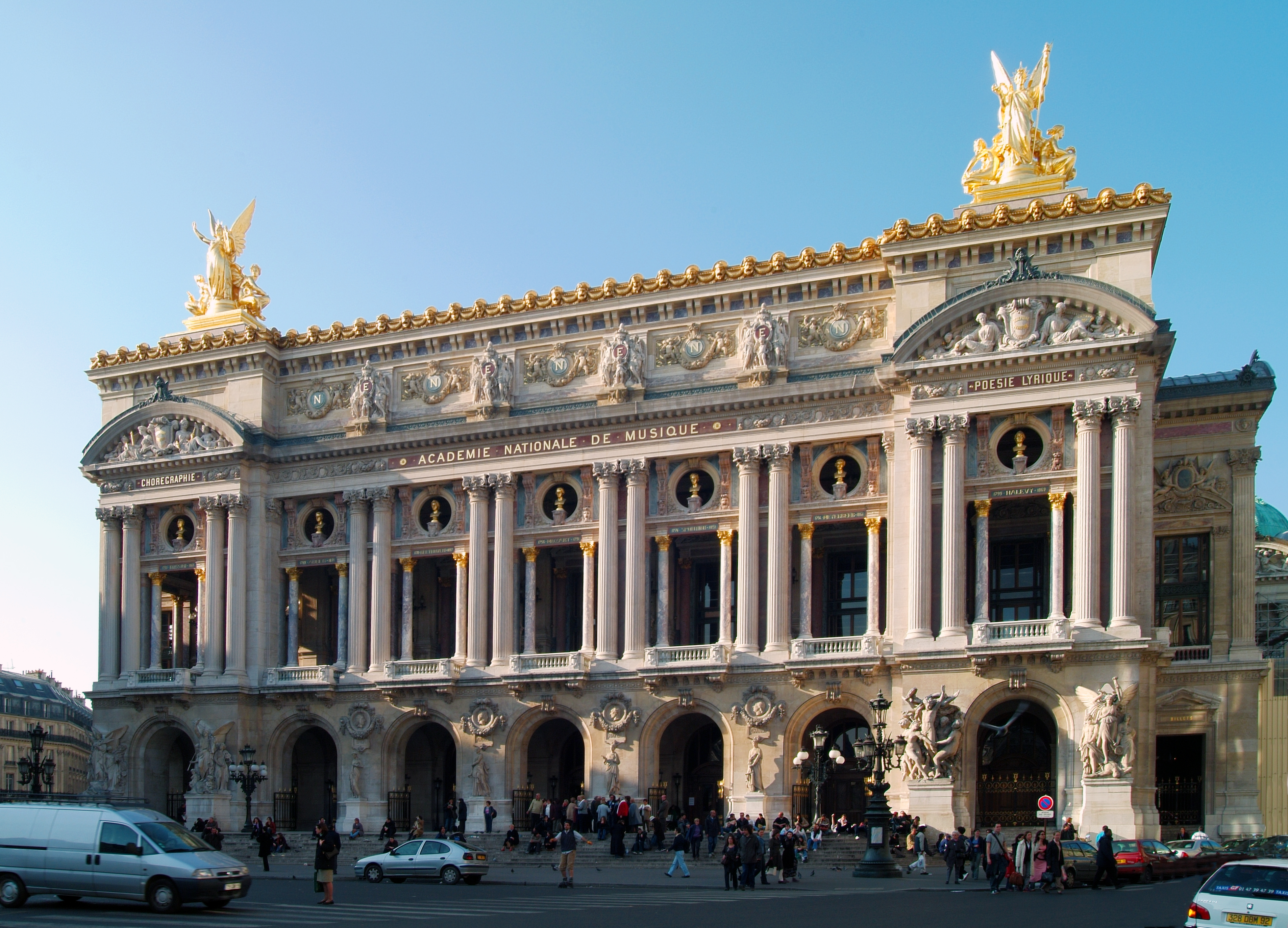
Opened in 1875, the Garnier Opera is a spectacular example of the Beaux-Arts style. The interior reflects the taste and opulence of the French Second Empire. It’s a place where a lot of people pass by, but it’s also worth a visit.
Very nearby is the nearby Galeries Lafayette shopping mall that is well worth a visit.
Apart from the shopping, this building is also famous for its modernist dome and its role in the transformation of the shops in Paris at the end of the 19th century. Well-known and lesser-known brands find their way together, and if you can, come up and have a coffee. The views are something you could never imagine.
The metro may be the best option to get to the Latin Quarter if you ended up having fun with the shopping. If they do not, continue on the Avenue de la Opera to Rue Rivoli and straight on.
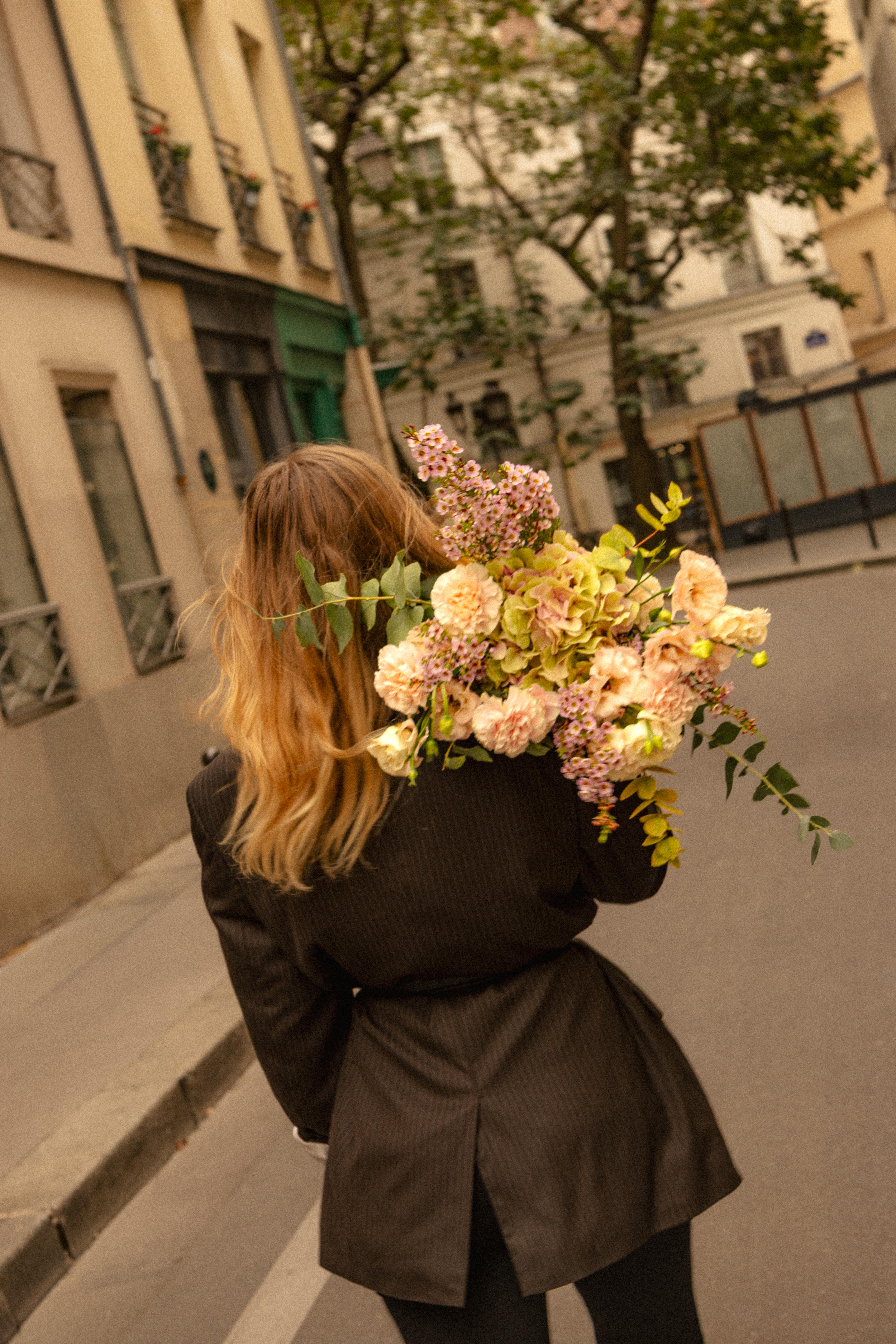,regionOfInterest=(2000,3000))
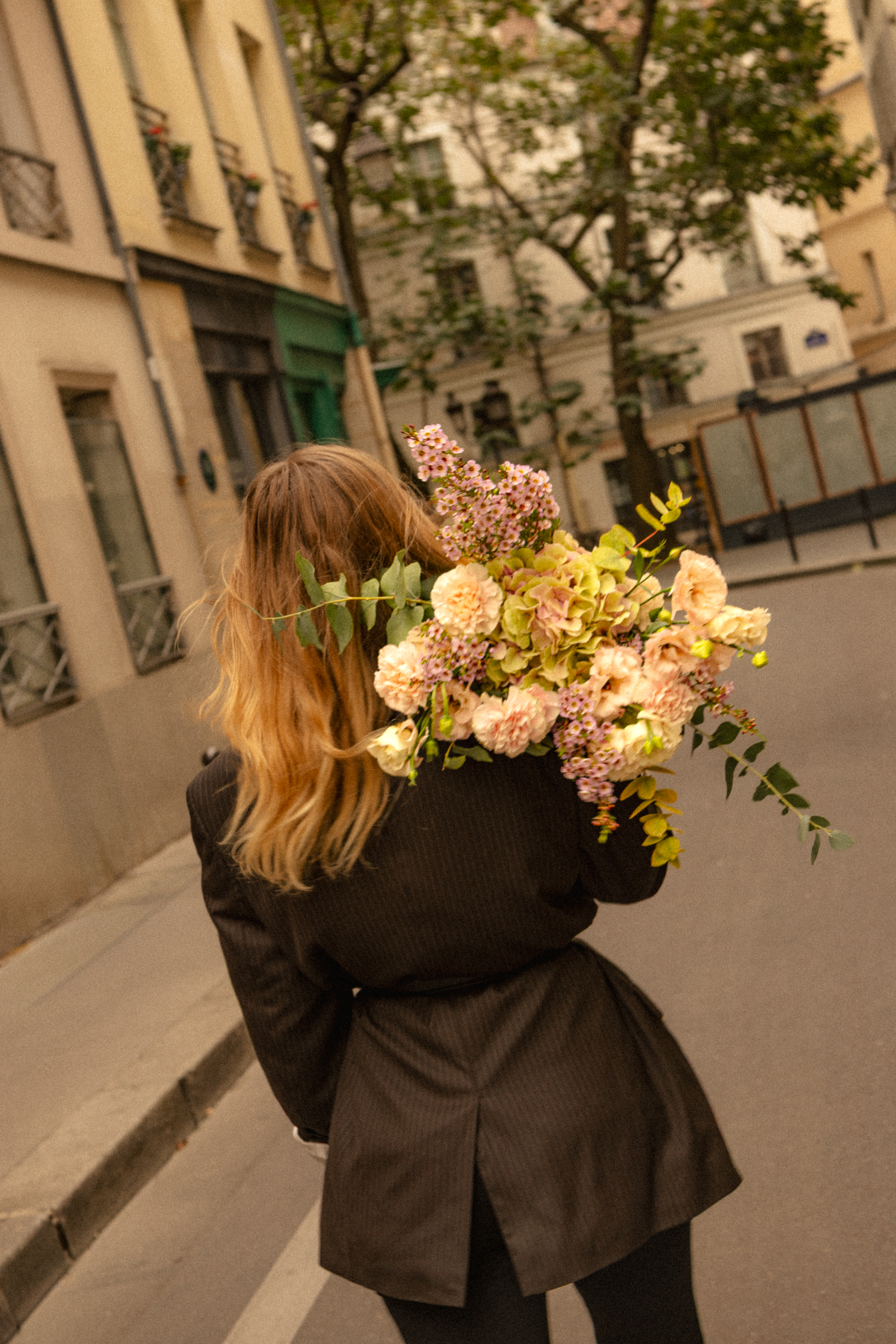,regionOfInterest=(2000,3000))
Traditionally associated with universities and thinkers, the Latin Quarter combines historical bookstores, lively streets and a very authentic atmosphere. If you arrive before sunset, you can see the Pantheon and the Luxembourg Gardens, a symbol of the district’s strength. I would like to let you read this post so you know what you are getting into: Explore the Latin Quarter.
At the end of the day, this is the best place for dinner, with all the options available and if you still have an egg, a delicious ice cream for dessert.
The last day includes art, urban history and relaxation to ensure we end our trip. Paris is big and has a lot of wonderful places.
,regionOfInterest=(3360,2240))
,regionOfInterest=(3360,2240))
To learn more about this area, we recommend you read What to see in the Marais. We enter a district with a high cultural level, noble buildings and many kept secrets.
You have now reached the oldest planned square in Paris, a symbol of aristocratic urban design in the 17th century. Many movie scenes are shot here. It has a fountain in its center and is used by many Parisians. The arcades are home to a numerous cafes and shops.
We can continue walking, discovering the district and mixing with the locals. Formerly noble district, today it is one of the busiest districts in Paris, home to palaces, museums and local life.
Our next stop is the Orsay Museum. But first, stop for lunch and then continue.
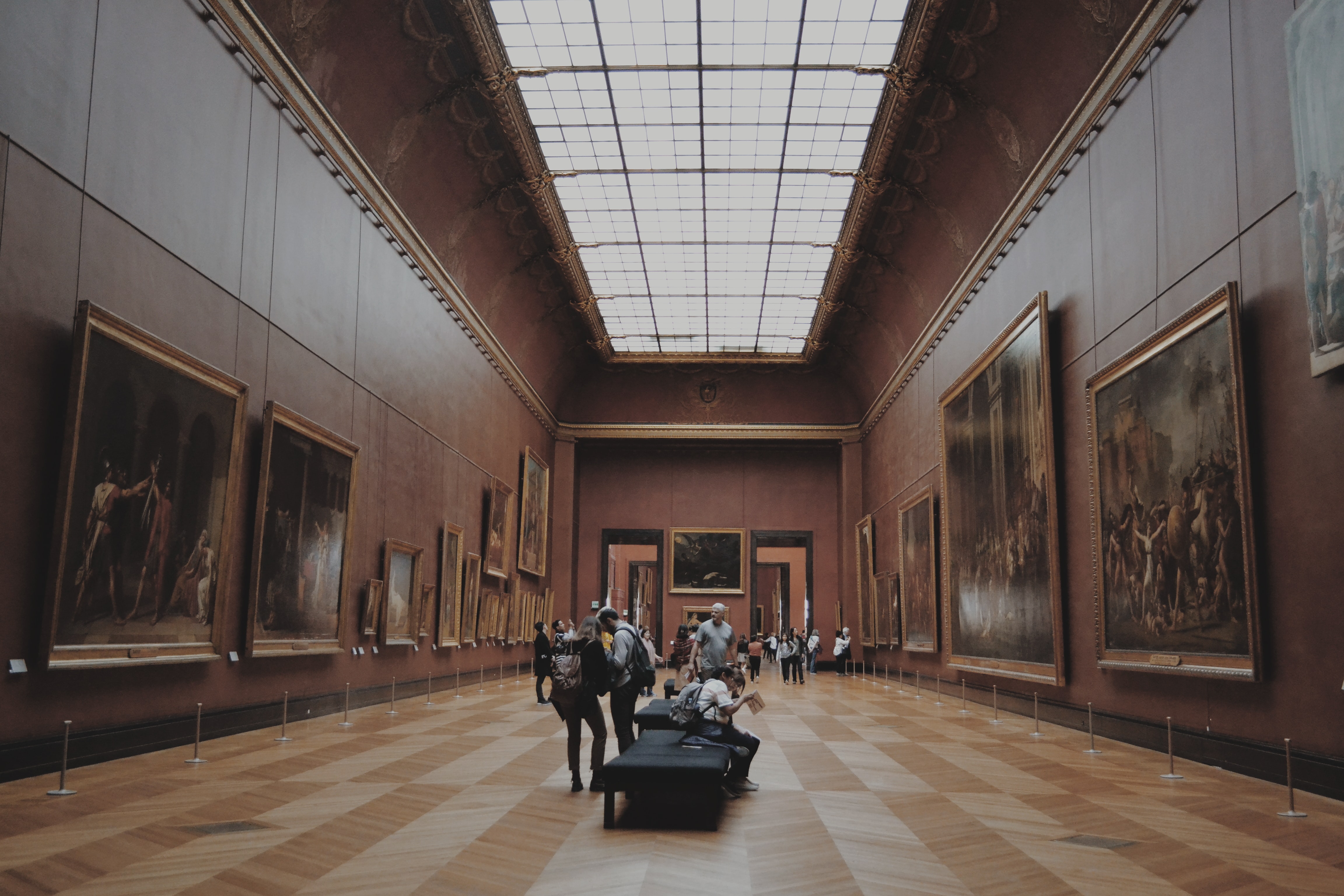
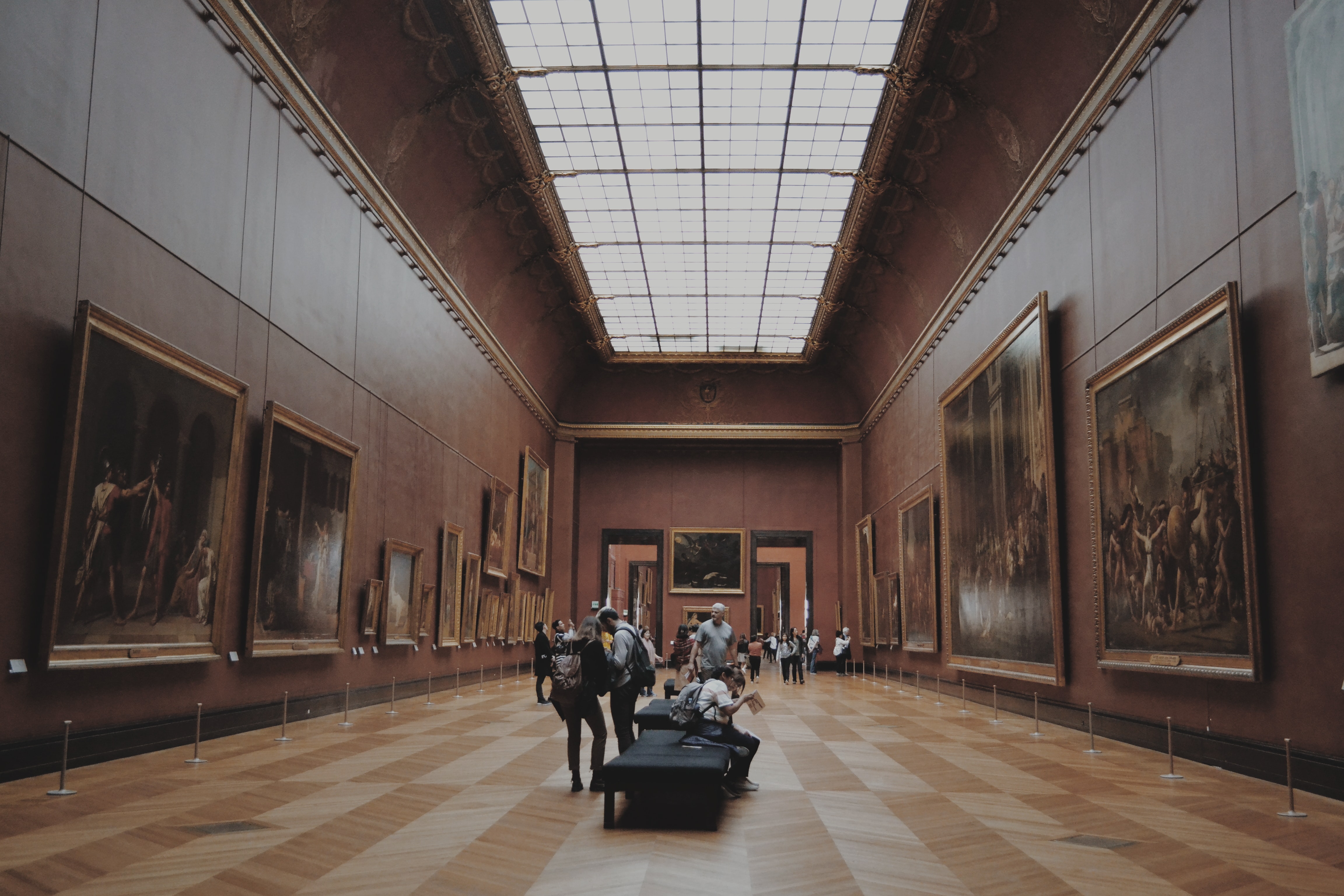
The Orsay Museum is located in an old train station and houses the best collection of impressionist art in the world. If you are really passionate about art, I recommend you book tickets in advance so you have plenty of time to look at it in peace.
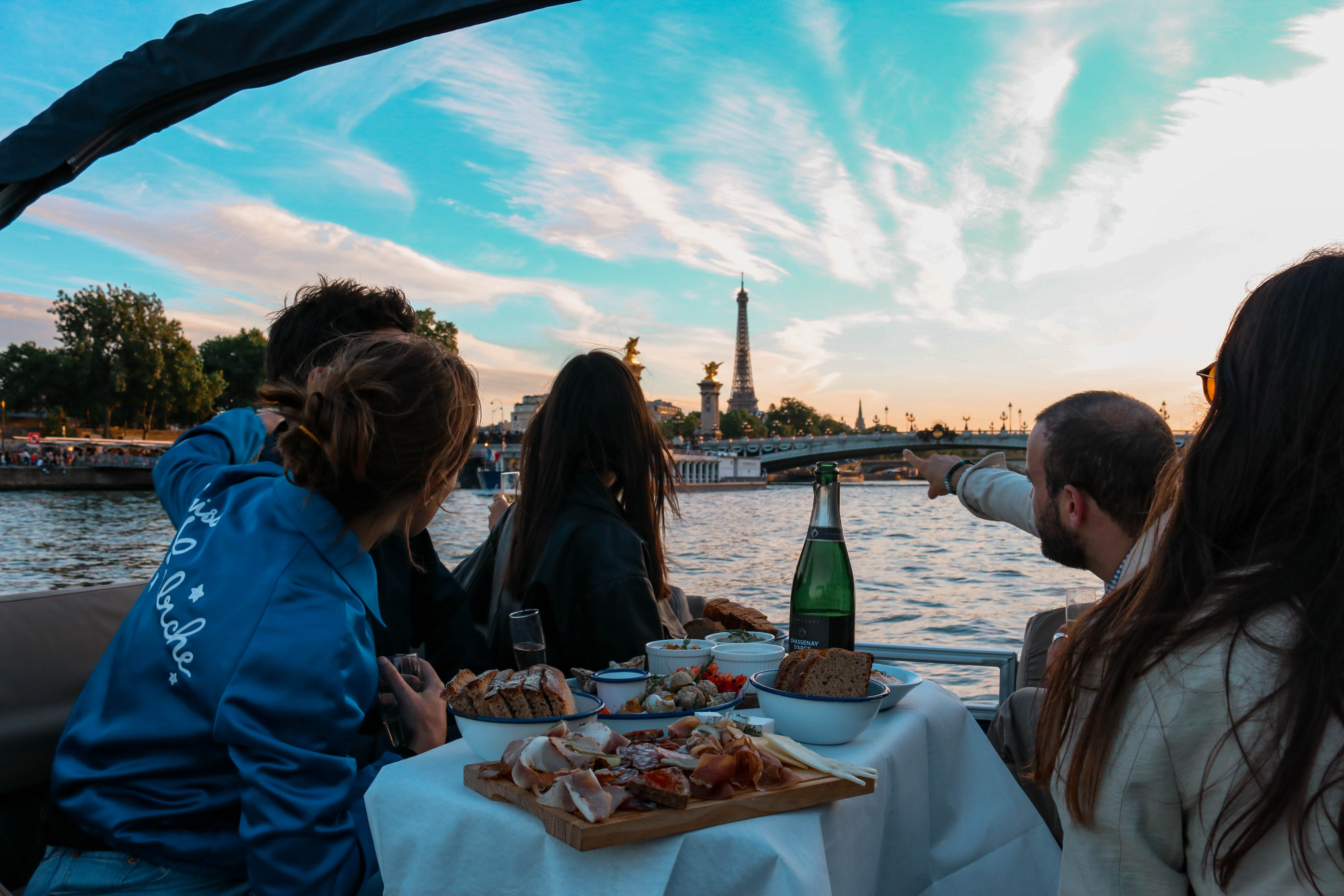
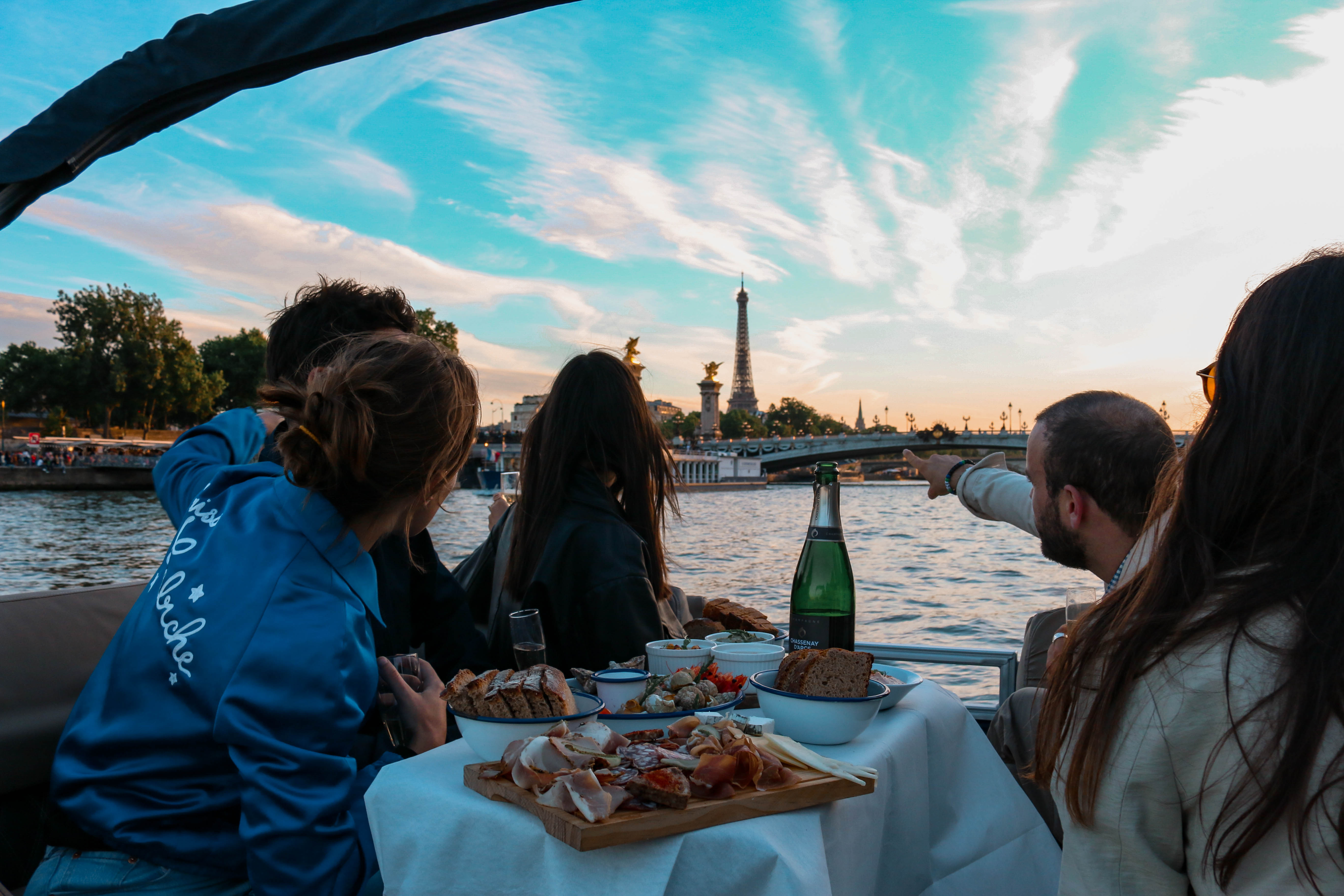
On the way out, we can walk to the landing stage for one of the best experiences you can imagine in Paris.
,regionOfInterest=(2736,1824))
,regionOfInterest=(2736,1824))
Navigating the River Seine allows you to understand Paris from its natural perspective, seeing important monuments from a unique perspective. If you are traveling with your partner, I recommend you take a look at this post which includes the experience, among others.
,regionOfInterest=(2304,1536))
,regionOfInterest=(2304,1536))
You can guide yourself during these days with the following maps:
If you want to expand upon your interests, take a look at the following links to specific guides such as What to see in Montparnasse, What to see in La Defense or what to see in Versailles.
If you want to stay in a centrally located hotel in Paris, we recommend the following hotels that offer great service and are near the destinations we suggest. Boutique hotels such as Villa Marquis Meliá Collection and Maison Colbert Meliá Collection, or if you prefer something less luxurious, the Meliá Paris Champs Elysées, Meliá Paris Vendôme or the Hotel Paris Opéra Affiliated by Meliá.
,regionOfInterest=(719,822.5))
,regionOfInterest=(719,822.5))
Journalist and a lover of travel filled with new experiences. Writing and travelling merge to give her the privilege of sharing what she discovers in every corner of the world.
As soon as we start organizing what to see in Paris in 3 days, the challenge is not about finding places, but rather about prioritising. Paris is an inexhaustible city, but if there is a logical route to different areas and a well-structured approach, three days in Paris are enough to discover all the essentials and get a very comprehensive vision of the city.
Itinerary summary table by day
| Day | Morning | Afternoon | Evening |
| Day 1 | Úle de la Cité and Louvre | Tuileries Garden and Champs-Élysées | Eiffel Tower |
| Day 2 | Montmartre | Opera and Galeries Lafayette | Latin Quarter |
| Day 3 | Le Marais | Orsay Museum | Seine cruise |
If you have a shorter or longer trip, you can adapt this route seeing our guides for What to see in Paris in one day, What to see in Paris in 2 days, What to see in Paris in 4 days or What to see in Paris in 5 days depending on the time you have.
,regionOfInterest=(1476.5,980.5))
,regionOfInterest=(1476.5,980.5))
,regionOfInterest=(1496,1996))
,regionOfInterest=(1496,1996))
,regionOfInterest=(2732,1820))
,regionOfInterest=(2732,1820))
,regionOfInterest=(1392,924))
,regionOfInterest=(1392,924))
,regionOfInterest=(2121,1414))
,regionOfInterest=(2121,1414))