Best beaches in Mexico
,regionOfInterest=(1258,1408))
,regionOfInterest=(1258,1408))
Holidays
,regionOfInterest=(3360,2240))
,regionOfInterest=(3360,2240))
,regionOfInterest=(1771.5,997))
,regionOfInterest=(1771.5,997))
,regionOfInterest=(500,500))
,regionOfInterest=(500,500))
All-terrain writer specialising in tourism, fashion and trends. A curious soul, traveller, reader and sports enthusiast, keen to discover every corner of the world.
Holidays
Although there are many places to visit in Fuerteventura, spending 6 days exploring the island will allow you to discover it at your own pace and make the most of everything it has to offer. It is enough time to combine routes through volcanic landscapes, visits to charming villages and long days of rest on some of the most spectacular beaches in the Majorero archipelago.
To make the most of your trip, what you will really need is a good 6-day itinerary in Fuerteventura, designed to explore the island without rushing. The route is organised so that you can visit each place efficiently, taking into account the location of the main attractions and avoiding unnecessary car journeys.
Volcanic landscapes, extensive lava fields, golden sand dunes, endless beaches where the trade winds blow, and small villages steeped in history. It is a destination where there is much to discover. In this guide, I tell you what to see in Fuerteventura in 6 days based on my own experience, with a practical route so that you can enjoy every stop and make the most of your time on the island.
,regionOfInterest=(2400,1600))
,regionOfInterest=(2400,1600))
,regionOfInterest=(1612.5,2150))
,regionOfInterest=(1612.5,2150))
,regionOfInterest=(1906.5,2859.5))
,regionOfInterest=(1906.5,2859.5))
| DAY | ROUTE FOCUS | MAIN AREAS |
|---|---|---|
| Day 1 | Dune fields, virgin islets and fishing essence | Corralejo Dunes, Isla de Lobos and El Cotillo |
| Day 2 | Volcanic paths, inland villages and northern volcanoes | Calderón Hondo, Lajares and La Oliva |
| Day 3 | Historic cradle of the island, viewpoints and stately valleys | Betancuria, Mirador de Guise y Ayose and Barranco de Las Peñitas |
| Day 4 | Primitive geological crust, traditional villages and peaks | Cuevas de Ajuy, Pájara and Mirador de Sicasumbre |
Day 5 | Majorero capital, unique lighthouses and dark beaches | Puerto del Rosario, Faro de la Entallada and Gran Tarajal |
| Day 6 | Turquoise lagoons, wild vastness and southern ports | Playa de Sotavento, Cofete and Morro Jable |
This guide on what to visit in Fuerteventura in 6 days begins at the far north of the island, where the white of the coastal dunes, the crystal-clear waters and the seafaring sunsets are the clear protagonists.
Corralejo Dunes Natural Park
Starting the day early by travelling through the Corralejo dune sea is the best way to discover one of the most iconic landscapes in the Canary Islands. This immense landscape of golden sand, modelled for centuries by the wind, extends along the north coast, creating a spectacular contrast with the intense blue of the ocean.
Take the opportunity to walk barefoot along the crest of the dunes first thing in the morning, when the surroundings still transmit a special tranquillity and there are hardly any visitors. It is a unique experience that, for me, makes this place one of the best stops on a six-day itinerary through Fuerteventura.
From the main road that borders the dune park you will reach the Corralejo pier in just 8 minutes by car.
Boat trip to the Isla de Lobos
From the port of Corralejo there are fast boats that take you to the Isla de Lobos in 15 minutes. It is a totally protected volcanic natural reserve where you can walk along its paths delimited by dark stones, bathe in the transparent waters of the Playa de la Concha or let yourself fall in love with the wooden houses of the Puertito de Lobos.
The marine biodiversity of the Isla de Lobos is perfect if you want to snorkel enjoying the purest side of the Atlantic.
After disembarking again in Corralejo, drive along the FV-109 towards the western coast in about 20 minutes.
El Cotillo and Playa de la Concha
The town of El Cotillo preserves the essence of the old fishing villages of Fuerteventura, with quiet streets, white houses with blue doors and terraces that look out over the cliffs.
A few minutes walk from the centre is the Playa de la Concha, protected by a natural barrier of natural volcanic rock reefs that block the tides and soften the waves, giving rise to a wide area of transparent waters, perfect for enjoying a swim in calm.
To go to the coves at the far north, continue driving for about 10 minutes along the track that leads to the lighthouse.
Faro del Tostón and Los Charcos
At the northern end of this coastline is the Faro del Tostón, an iconic construction on the island that watches over the waters of the strait. In its vicinity extend Los Charcos, a series of coves of very fine sand formed between black lava flows that the tide transforms into calm natural pools.
The powerful contrast between the dark basalt and the transparent water of the shore offers one of the most beautiful images of the north of Fuerteventura.
From the lighthouse area, you can return to El Cotillo in about 30 minutes by road.
Sunset and dinner at the old pier of El Cotillo
Nothing better to end the day than doing it in one of the restaurants at the old pier of El Cotillo, where you can contemplate how the sun falls over the Atlantic while you try the grilled Majorero cheese and some good fresh fish of the day.
,regionOfInterest=(2897,1931))
,regionOfInterest=(2897,1931))
This 6-day route in Fuerteventura, on its second day, takes you to explore the landscapes of the northern interior, while you climb volcanic craters and visit villages with a most characteristic cultural atmosphere.
Hiking to the Calderón Hondo Volcano
The Calderón Hondo is part of the volcanic chain that was formed in the north of Fuerteventura thousands of years ago and is home to one of the best-preserved craters on the island. The route to reach it is simple and is completed in about 45 minutes. As you advance along the volcanic stone paths, you will gain height until you reach a viewpoint located on the very edge of the crater.
From there you will enjoy a 360-degree view of the entire north of Fuerteventura and the sea of lava that surrounds it, with panoramic views that reach the nearby volcanoes, the small villages in the area and, on clear days, even the island of Lanzarote. It is a highly recommended stop if you are looking for what to do in Fuerteventura in six days and you want to get to know the volcanic origin of the island up close.
After descending from the volcano, drive for 8 minutes to reach the neighbouring village of Lajares.
Lajares and its craft workshops
The village of Lajares is famous for its bohemian and relaxed atmosphere, establishing itself as the meeting point for craft creators, designers and lovers of board sports. Therefore, as you walk through its streets you will find local craft shops, pottery workshops, small galleries and charming cafes.
Take the opportunity to take a break with a delicious speciality coffee and take home a handmade souvenir by artisans from the island, a way to discover local talent and take home a unique piece made in Fuerteventura.
From Lajares, the FV-10 road will take you to the historic centre of La Oliva in about 12 minutes.
La Oliva and the Casa de los Coroneles
The municipality of La Oliva was the political and military centre of Fuerteventura for years, and still today it preserves a series of stately buildings of great historical and architectural value.
Among all of them, the Casa de los Coroneles stands out, an imposing 18th-century stately mansion decorated with balustrades and balconies made of tea wood that is worth visiting to learn a little more about the history of the island.
Very close to this monument is the next stop.
Cueva del Llano
On the outskirts of the municipality is the Cueva del Llano, an underground volcanic tube with many years of history. Through a guided tour of its galleries you can learn about the eruptions that shaped the island's terrain and observe fossil deposits of prehistoric fauna.
The return to Corralejo is completed comfortably in about 20 minutes by road.
Dinner in the old town of Corralejo
For dinner, I encourage you to take a walk through the pedestrian areas of the old town of Corralejo that surround the Plaza del Muelle Chico. Here you will find a wide range of restaurants where you can taste everything from traditional seafood recipes to contemporary proposals, in a privileged location facing the port.
,regionOfInterest=(2458.5,1504))
,regionOfInterest=(2458.5,1504))
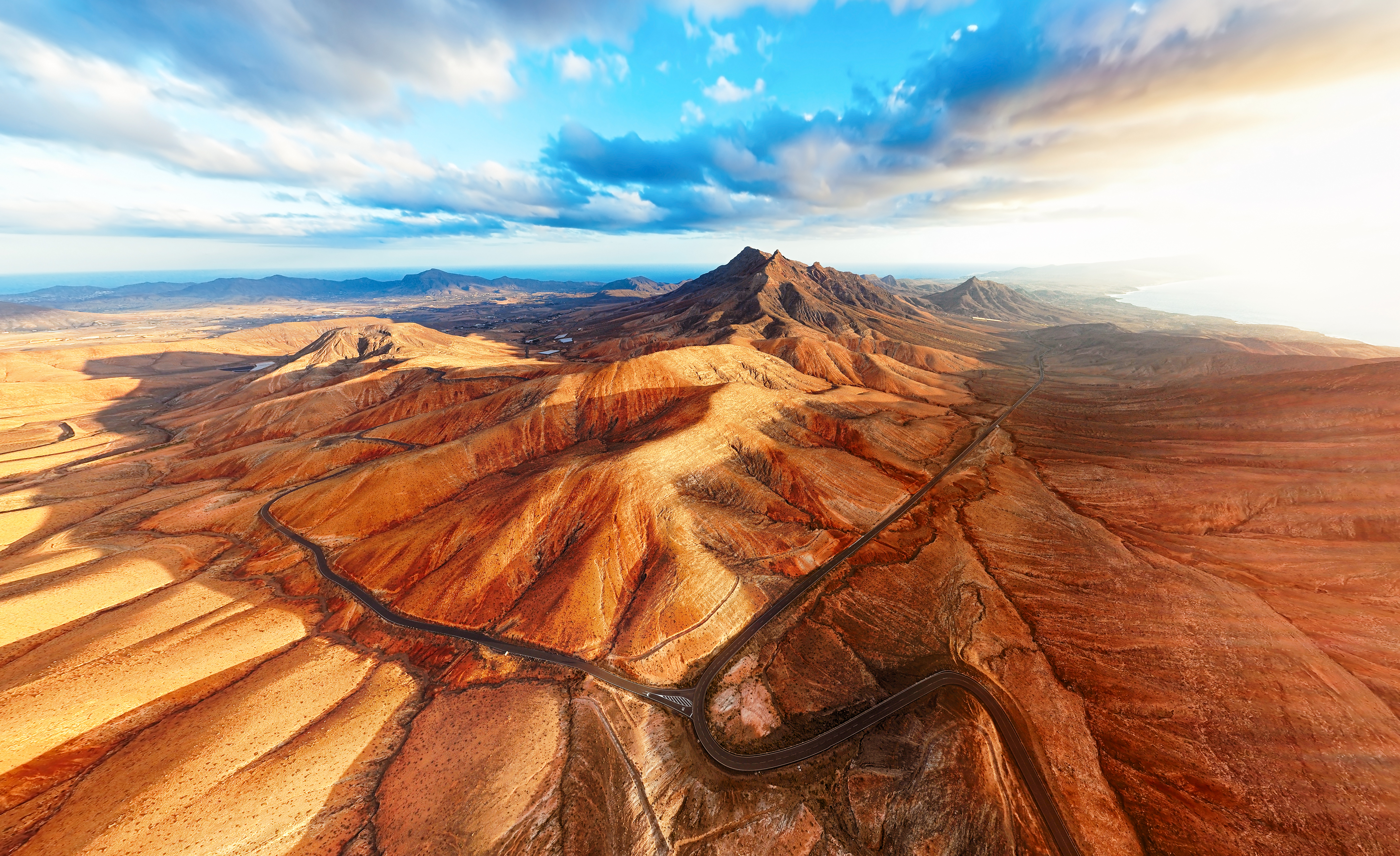
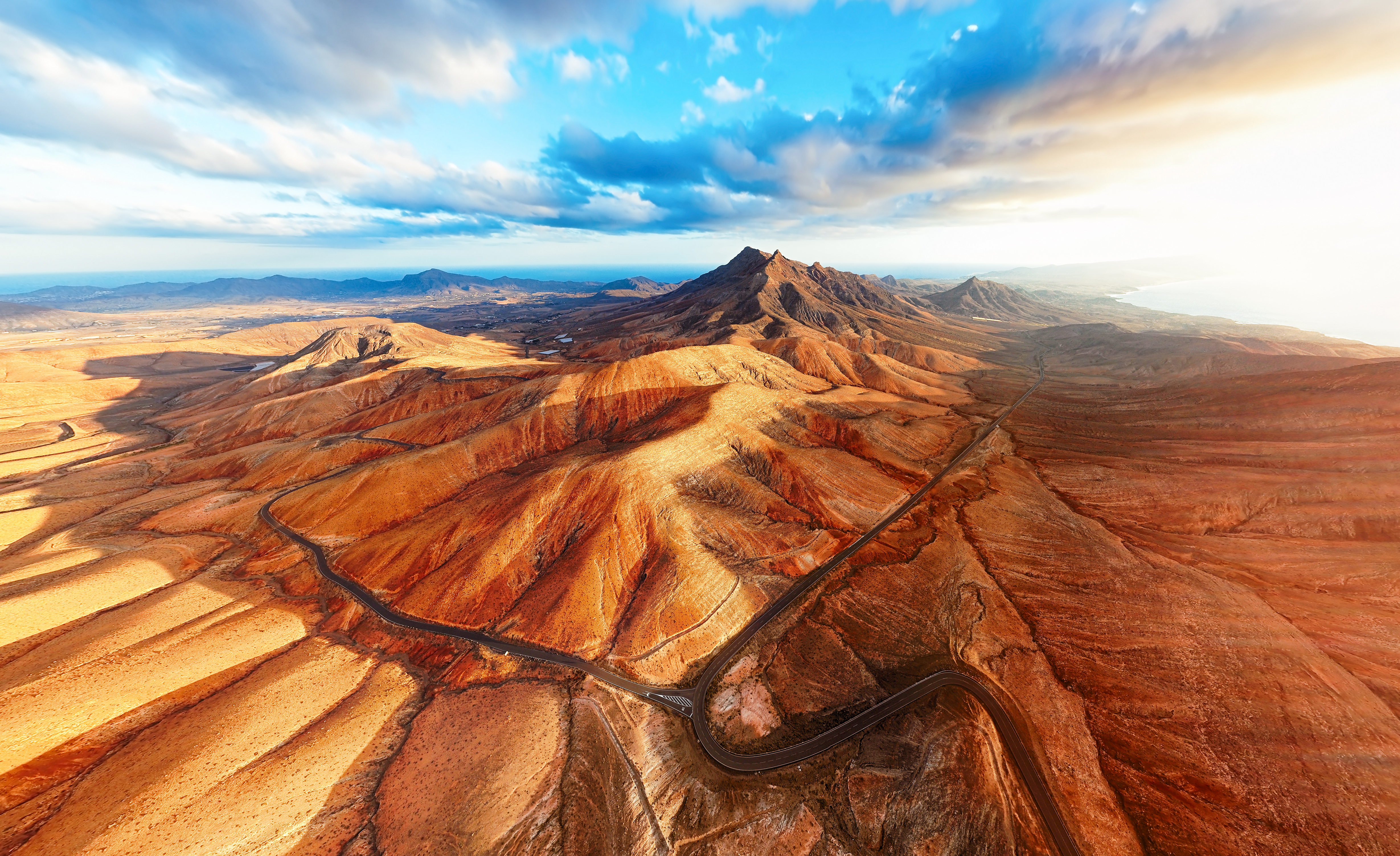
The third day will take you into the historic heart of Fuerteventura, where you can get to know the first capital of the archipelago, incredible viewpoints and imposing rocky gorges.
Historic Village of Betancuria
Located in a mountainous valley sheltered from the winds, Betancuria has the honour of having been founded in the 15th century as the first capital of the Canary Islands. Its cobbled streets full of flowers, its stately houses and the beautiful Mother Church of Santa María make it one of the best places to visit in Fuerteventura in 6 days.
Along the FV-30 road heading north you will reach the main viewpoint of the area in 10 minutes by car.
Mirador de Guise y Ayose
At the highest point of the mountain pass stands the Mirador de Guise y Ayose, which is presided over by two colossal bronze figures almost four metres high that pay homage to the ancient aboriginal kings of the island before the Castilian conquest.
The views from this point are simply incredible, covering the arid valleys and the erosive hills that characterise the interior orography.
Follow the FV-30 road heading south to reach the hamlet of Vega de Río Palmas in about 15 minutes.
Barranco and Arco de Las Peñitas
From Vega de Río Palmas begins a beautiful hiking route that enters the Barranco de Las Peñitas, an interior oasis populated by Canarian palm trees and rock formations of great antiquity.
The path borders a small historic hermitage until it leads to the famous Arco de Las Peñitas, an impressive natural stone sculpture that has been modelled by the wind. A corner to disconnect for a few minutes from the coastal environment and take one of the best photographs of your trip
To go to the east coast for the last hour of the day, drive along the FV-20 in about 20 minutes.
Pozo Negro
In this guide to Fuerteventura in 6 days, Pozo Negro cannot be missing, a modest fishing village located on the eastern coast that seems to have stopped in time. Its few white houses and its beach of dark pebbles offer a haven of absolute peace that moves away from the most touristy areas of the island.
The car journey towards Antigua will take you about 25 minutes.
Dinner in Antigua
The inland village of Antigua is a good place to take a break and discover the traditional gastronomy of Fuerteventura. Its family restaurants are committed to homemade recipes made with local products, in a quiet atmosphere away from the most touristy areas.
If you have the opportunity, try the stewed goat meat, one of the most representative dishes of Majorero cuisine, or a watercress soup accompanied by a wine produced on the islands
,regionOfInterest=(2376,1584))
,regionOfInterest=(2376,1584))
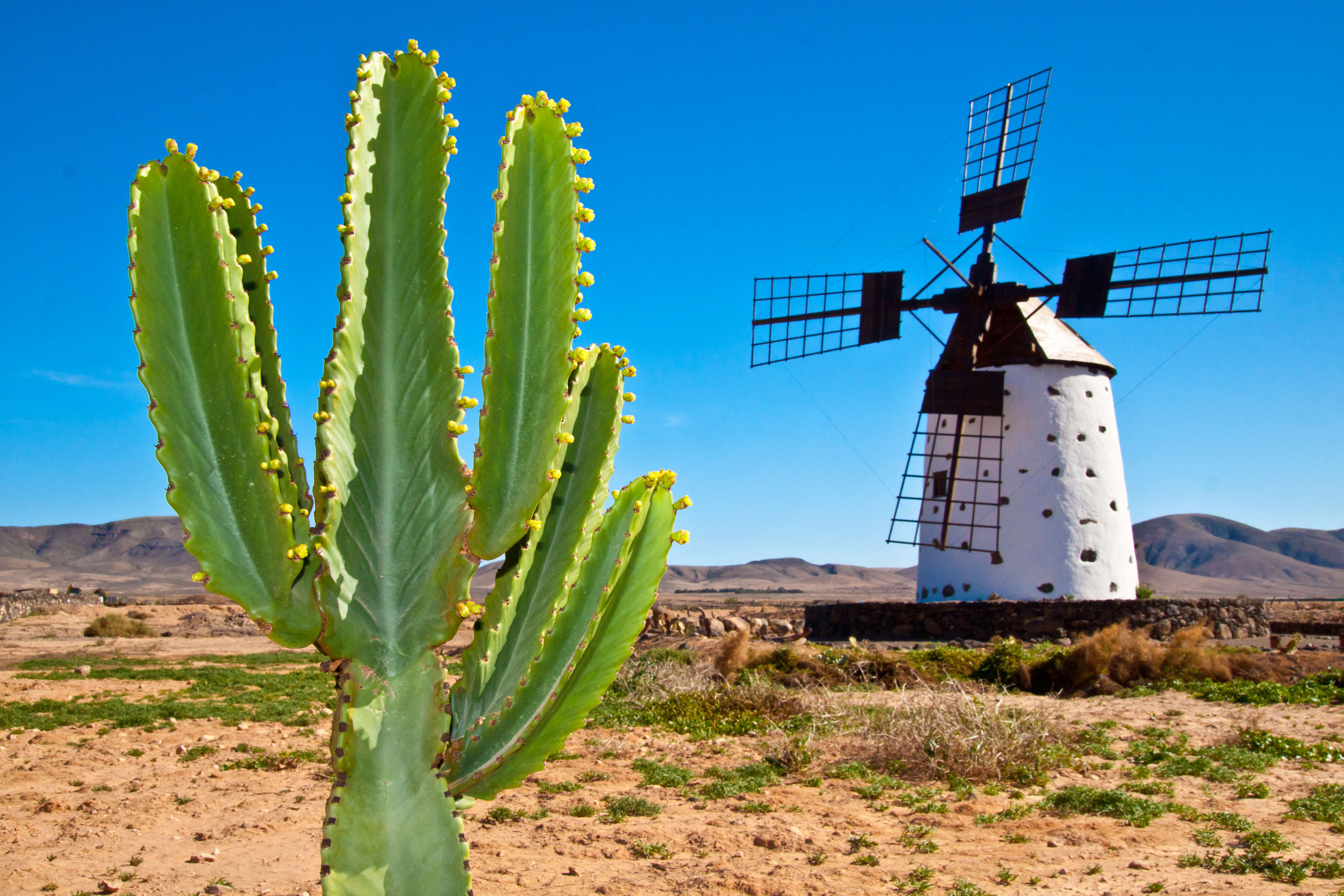
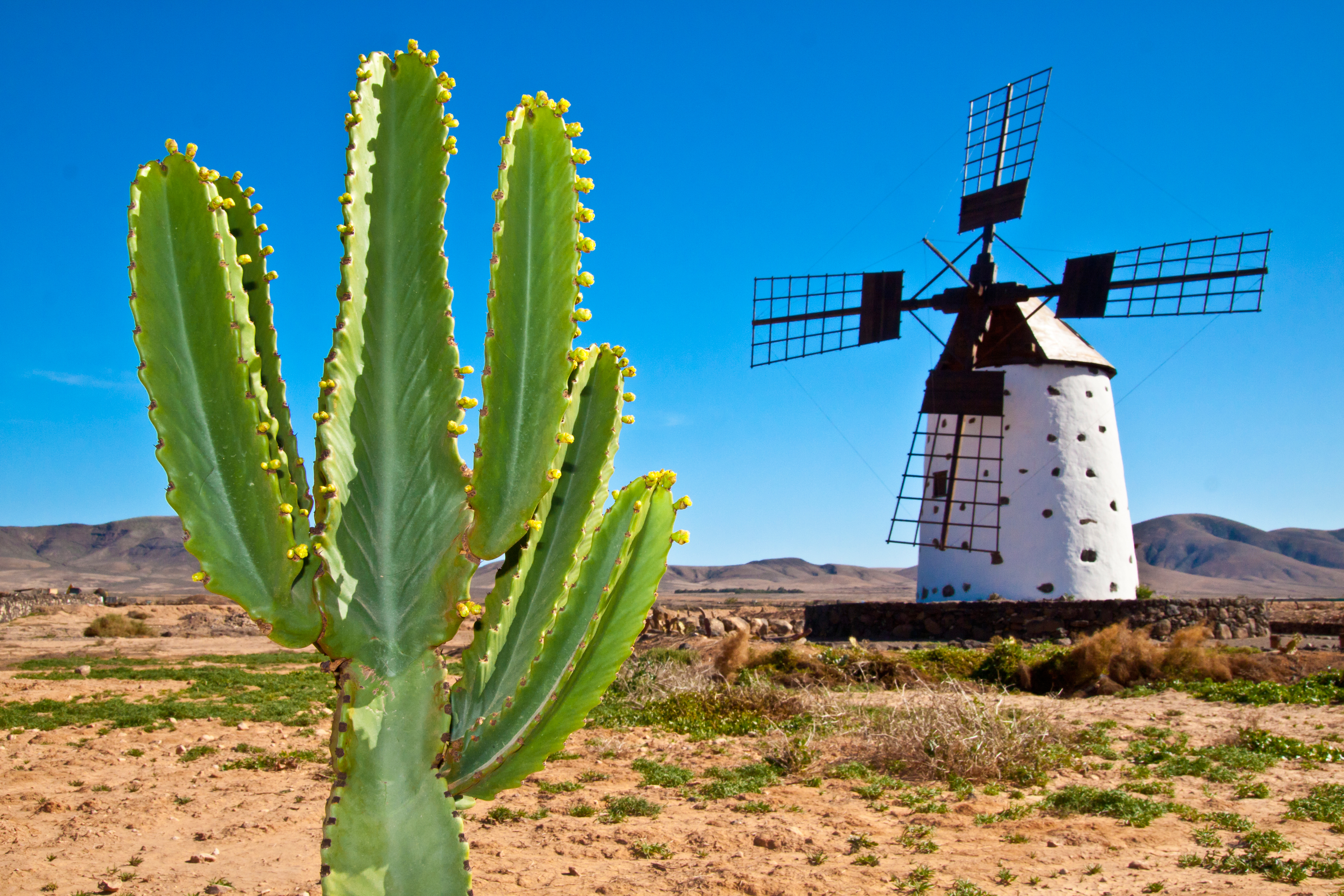
Today you will set course towards the rugged western coastline and the mountain areas with astronomical viewpoints.
Natural Monument of the Cuevas de Ajuy
In the municipality of Pájara, Ajuy is a hamlet that has the oldest rocks in the entire Canary archipelago, with more than 100 million years of antiquity.
A dirt path borders the fossil dune cliffs until you enter the interior of large caverns carved by the continuous battering of the ocean.
Feeling the sound of the sea inside the rock is an experience that will leave you speechless. And, at the foot of the path, extends the Playa de Ajuy, a beautiful stretch of fine black volcanic sand for which I recommend you prepare your camera.
From the beach car park, take the FV-605 road to reach the village of Pájara in 15 minutes.
Pájara and the Church of Nuestra Señora de la Regla
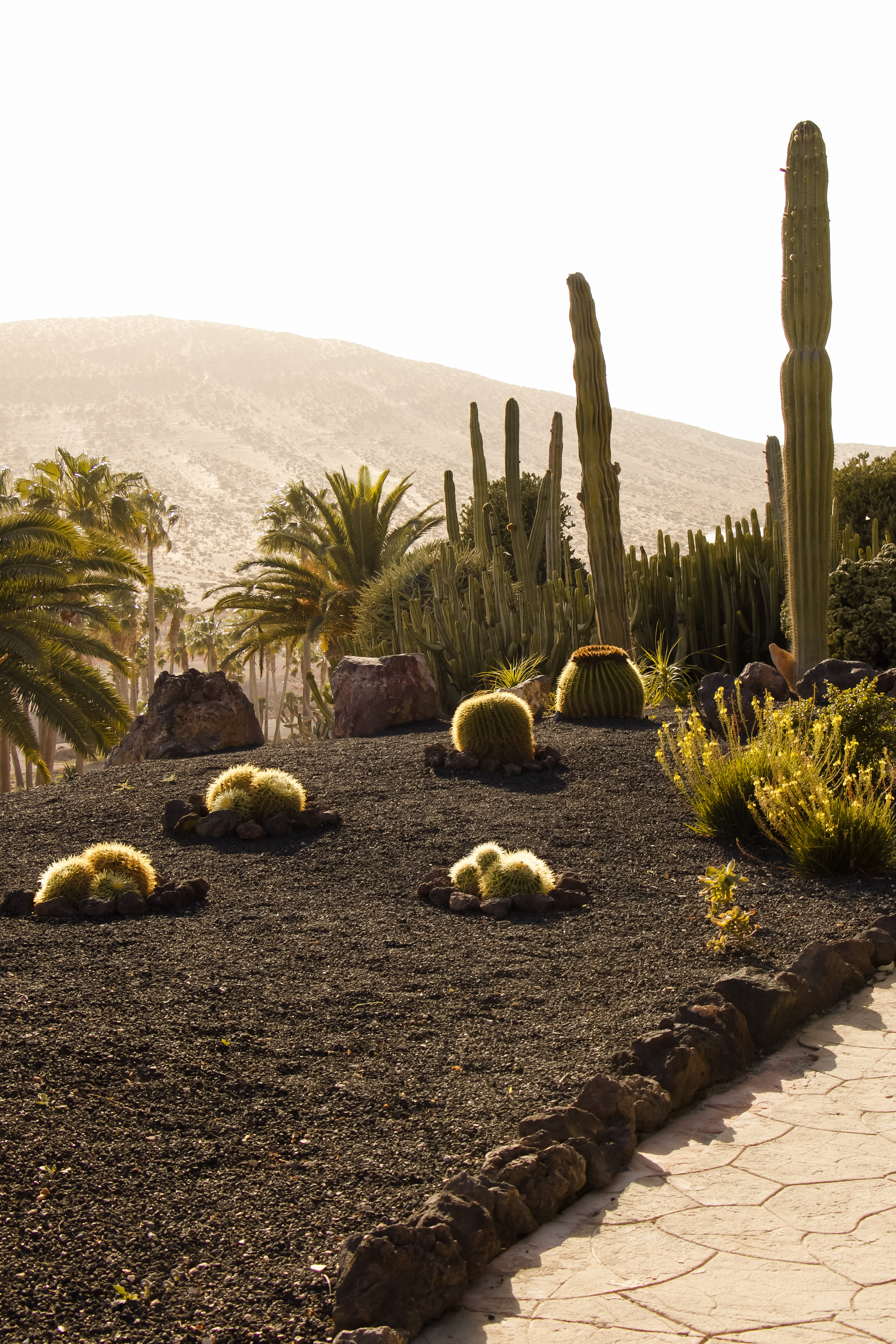
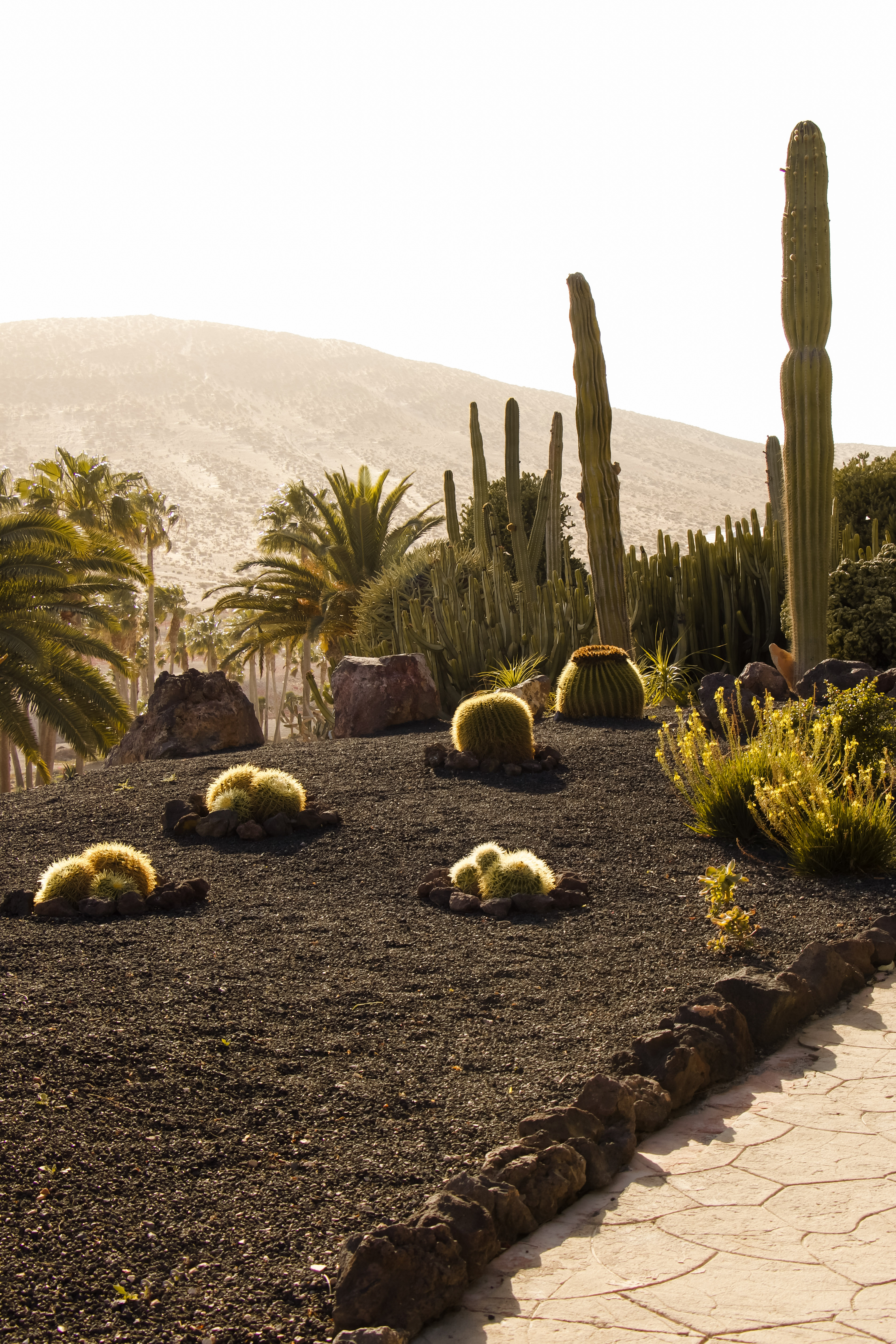
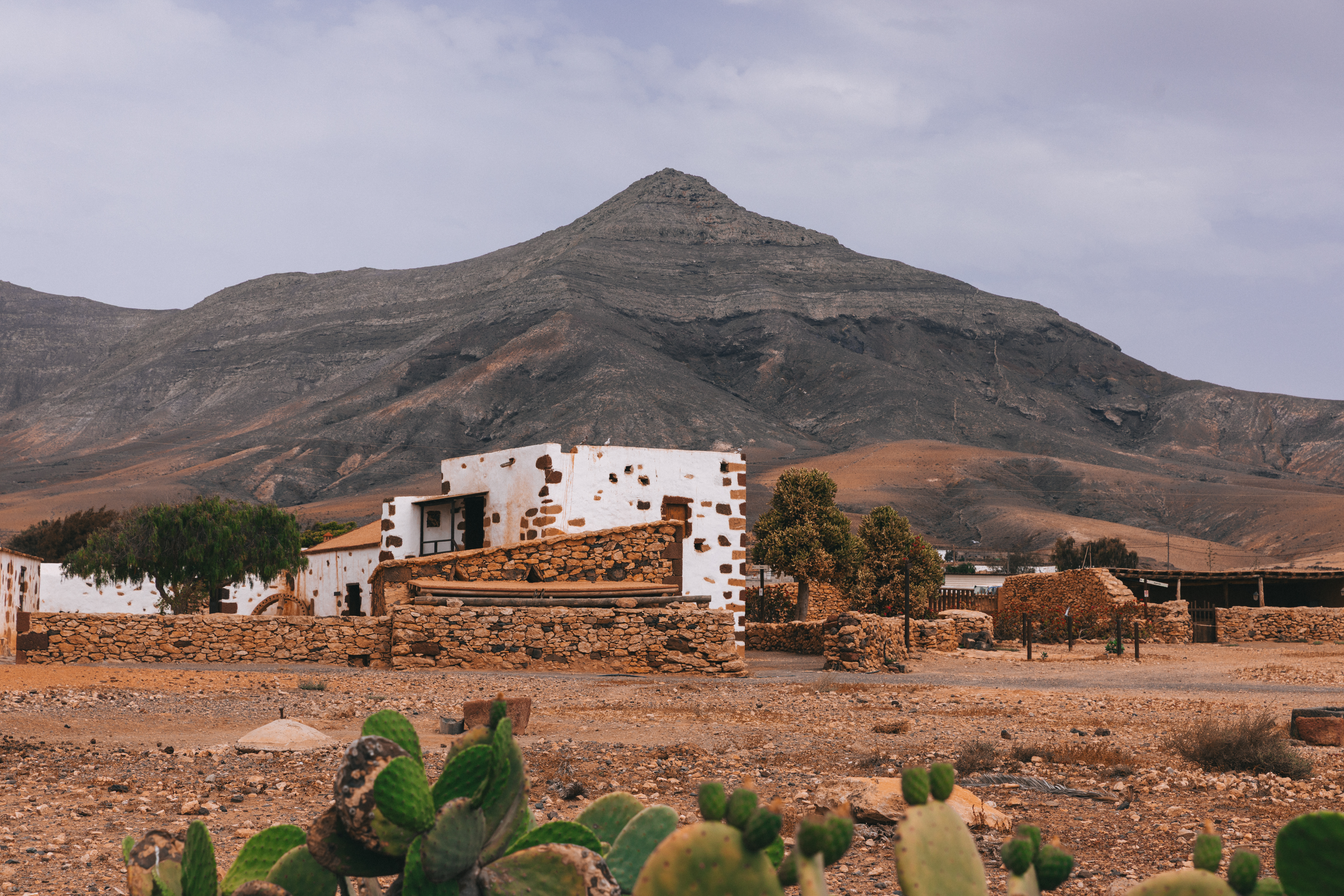
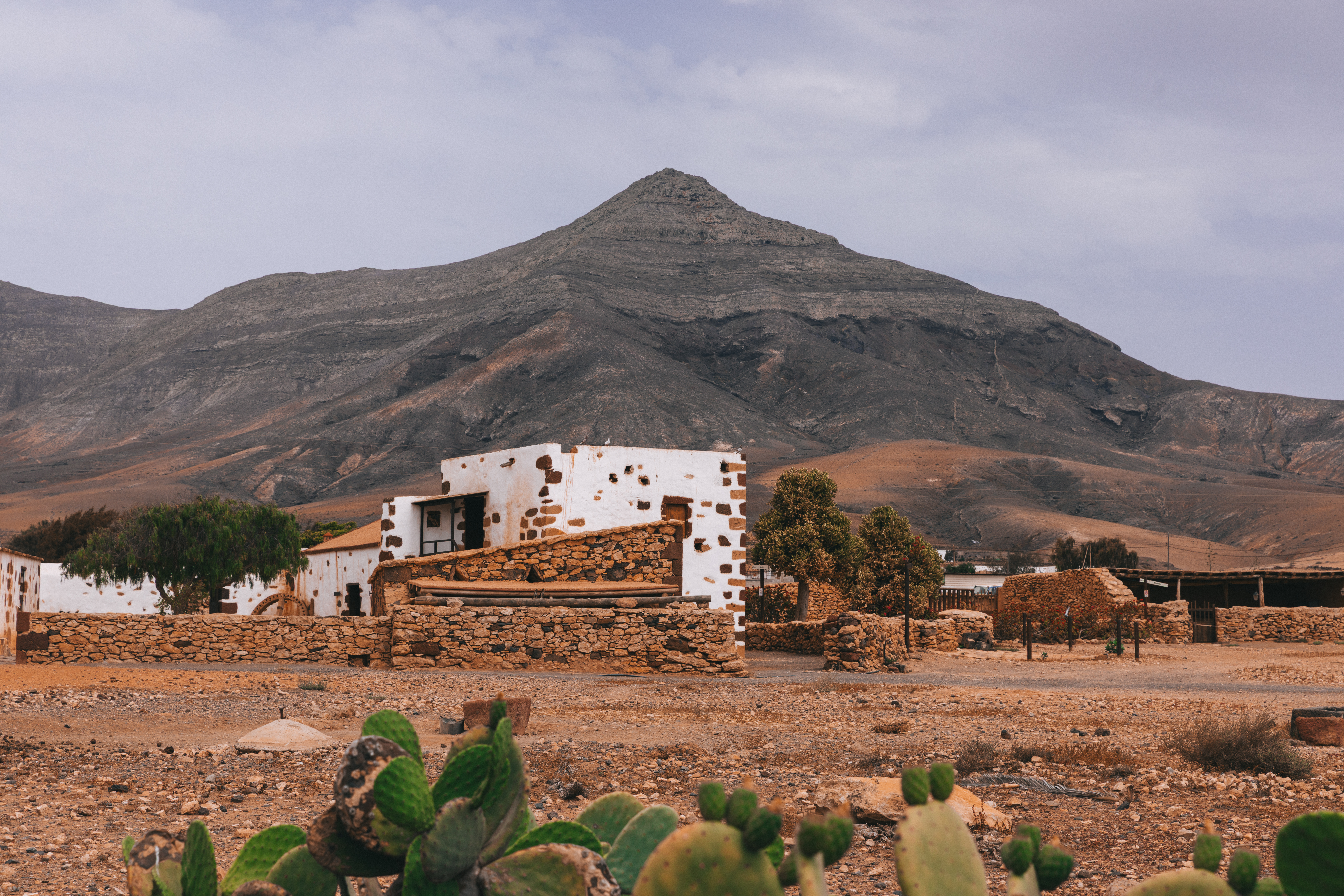
In the centre-south of the island, Pájara is one of those villages that invite you to walk without rushing. Its welcoming and traditional atmosphere, the bougainvilleas that fill many of its streets with colour, the squares with trees and the old water wheels reflect the quieter character of the interior of Fuerteventura.
Its greatest attraction is the portal of the Church of Nuestra Señora de la Regla, which has a decoration carved in stone that exhibits Aztec motifs of clear Atlantic influence, which is a unique architectural feature in the Canary Islands.
To ascend towards the astronomical viewpoint of the summit, follow the FV-605 road for about 10 minutes.
Mirador de Sicasumbre
Located about 300 metres above sea level, the Mirador de Sicasumbre is a reference platform for astronomical observation and the contemplation of the relief of the archipelago. Here you will find informative models and supports prepared to put your camera or telescope.
To descend to the western slope of the isthmus, drive for 20 minutes towards La Pared.
Playa de La Pared
The Playa de La Pared shows the wildest side of the west coast, characterised by steep cliffs, huge dunes and a strong swell that attracts surfers from all over the world.
Sitting on the rock to watch the sunset with the Atlantic in the background will offer you a perfect image to close the day that you will not forget.
You will reach Tarajalejo in about 15 minutes of travel.
Dinner in Tarajalejo
The quiet coastal town of Tarajalejo is a good place to end the day by the sea. Its promenade, which runs parallel to the dark sand beach, brings together several terraces and restaurants where you can enjoy Majorero gastronomy in a relaxed atmosphere.
You will find everything from seafood rice dishes and fresh fish to grilled meats, local cheeses and other specialities made with products from the island.
,regionOfInterest=(3360,2240))
,regionOfInterest=(3360,2240))
The fifth day of this route to discover Fuerteventura in 6 days is oriented towards the eastern side, combining a visit to the island's capital, a lighthouse with Moorish-inspired architecture and coastal villages with an authentic atmosphere.
Puerto del Rosario and the Sculpture Route
Characteristic for its whitewashed houses, Puerto del Rosario is the capital of Fuerteventura, and if it is famous for anything, it is the Sculpture Route, a cultural walk through an open-air museum consisting of more than one hundred works spread across its avenues, parks and seafront.
Walking along its renovated coastal avenue, visiting the Miguel de Unamuno House-Museum or relaxing on the Playa de los Pozos are some of the plans offered by this territory in the central-northern sector of the island.
From the capital, drive along the FV-2 road towards the south for about 35 minutes to the turn-off towards Tuineje.
Faro de la Entallada
Nestled on the edge of a cliff with a drop of almost 200 metres near Las Playitas, the Faro de la Entallada is an incredible architectural work built with red and white stonework in a marked Neo-Mudéjar style. It is also the point of the Canary Island archipelago geographically closest to the African continent.
Descending towards the nearest coastal village will take you no more than 10 minutes by car.
Las Playitas and Gran Tarajal
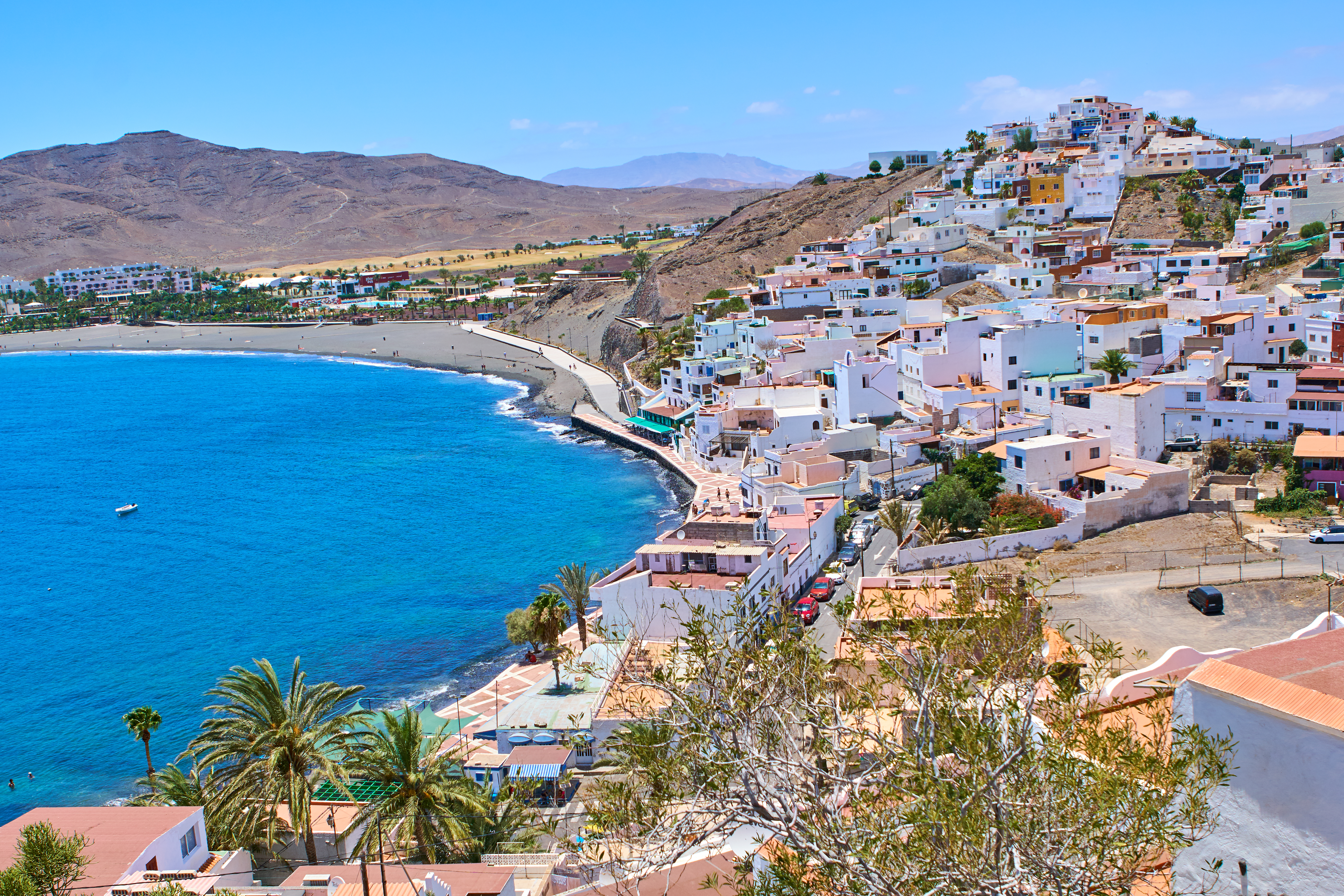
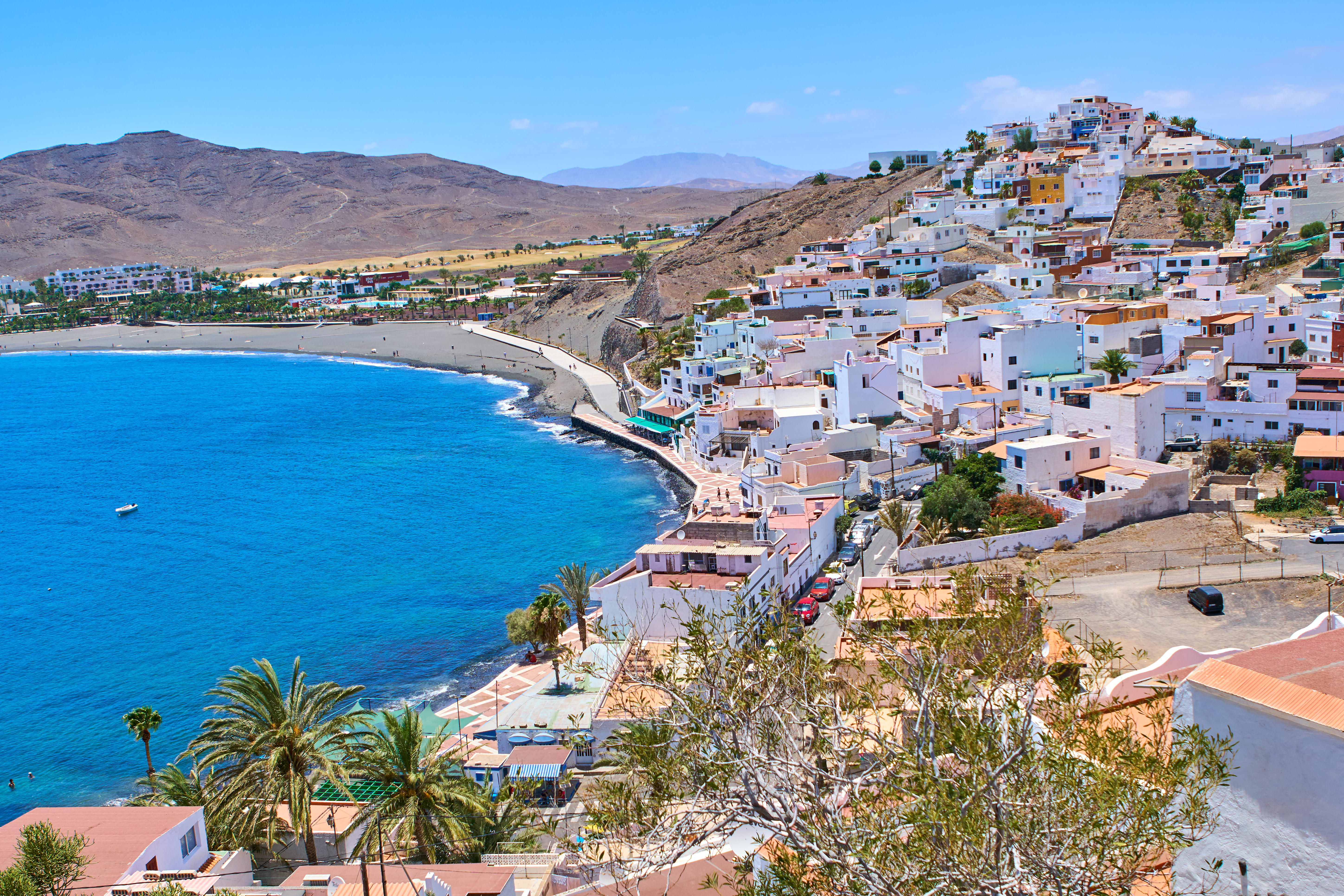
Outside the tourist centres of Fuerteventura, Las Playitas is a picturesque village of white houses set on the shores of a dark sand bay, ideal if you fancy a serene walk next to the fishing boats moored on the shore. It is one of the best places to taste tasty fresh fish.
A few minutes away is Gran Tarajal, the most important urban centre in the south-east, famous for its artistic murals on the facades of its buildings and its spacious promenade.
A 5-10 minute walk will take you to the promenade.
Dinner on the Gran Tarajal promenade
The terraces on the Gran Tarajal promenade are a perfect place to end the day facing the sea. As the evening falls, the atmosphere becomes especially pleasant and many restaurants serve Canarian cuisine made with fresh fish and local produce.
If you want to try some of the most traditional flavours of the island, grilled limpets with green mojo or a vieja (a white fish highly appreciated in the Canary Islands) are two highly recommended options to put the finishing touch to the day.
,regionOfInterest=(2150,1209))
,regionOfInterest=(2150,1209))
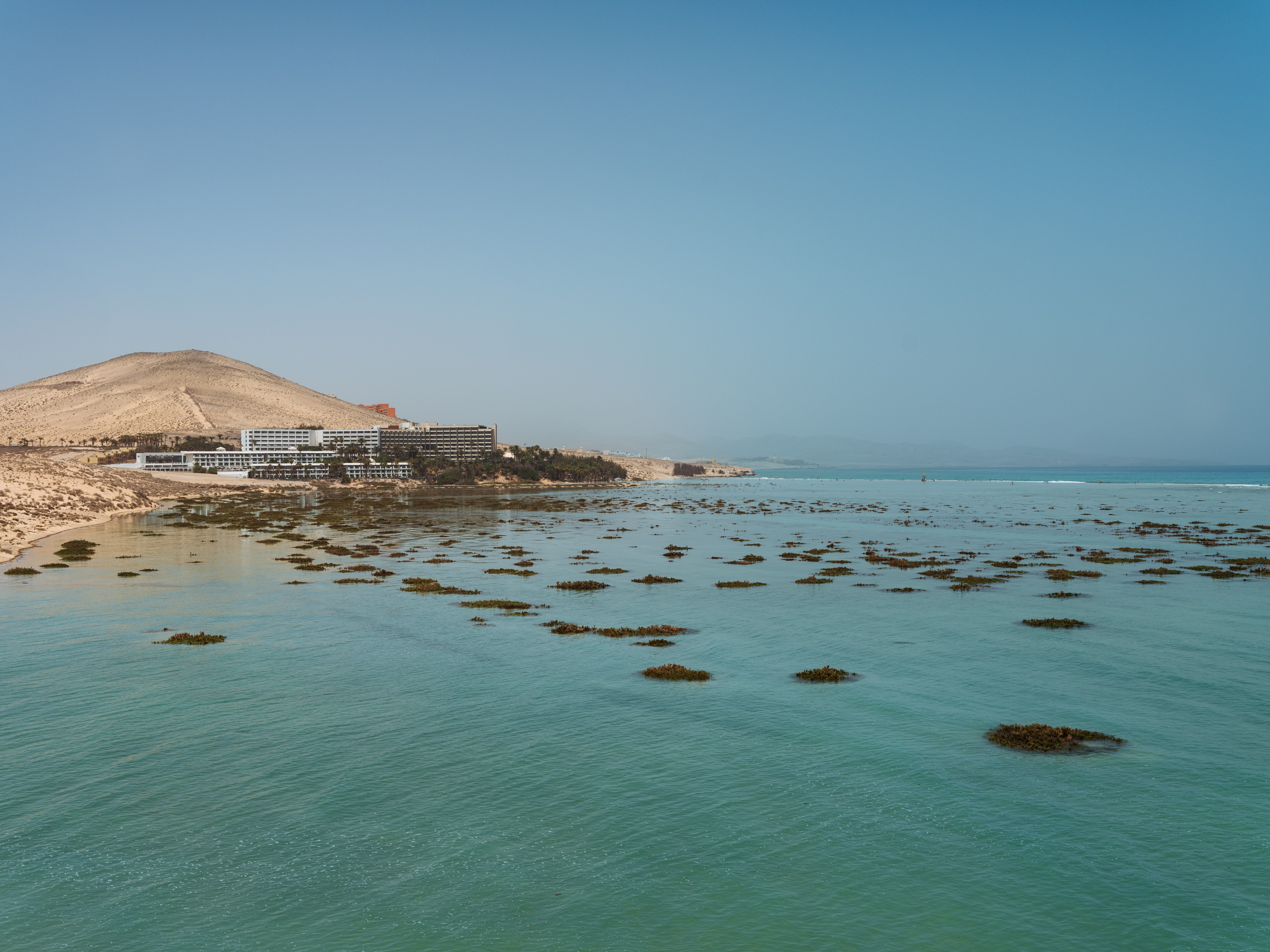
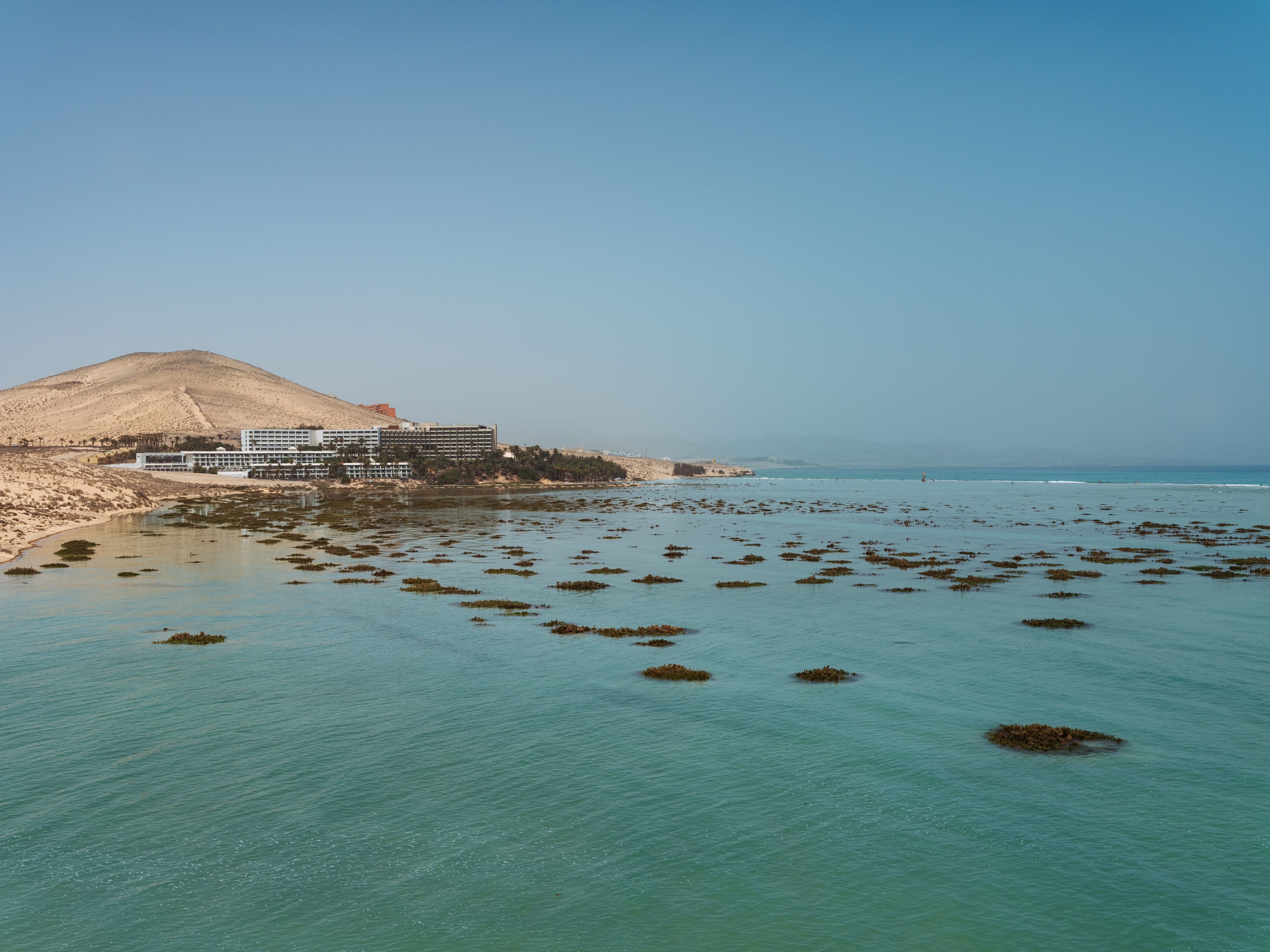
The final touch for this trip to Fuerteventura in 6 days I reserve for the Jandía Peninsula, in the far south, where natural lagoons, internationally famous beaches and charming fishing villages await you.
Playa de Sotavento and Risco del Paso
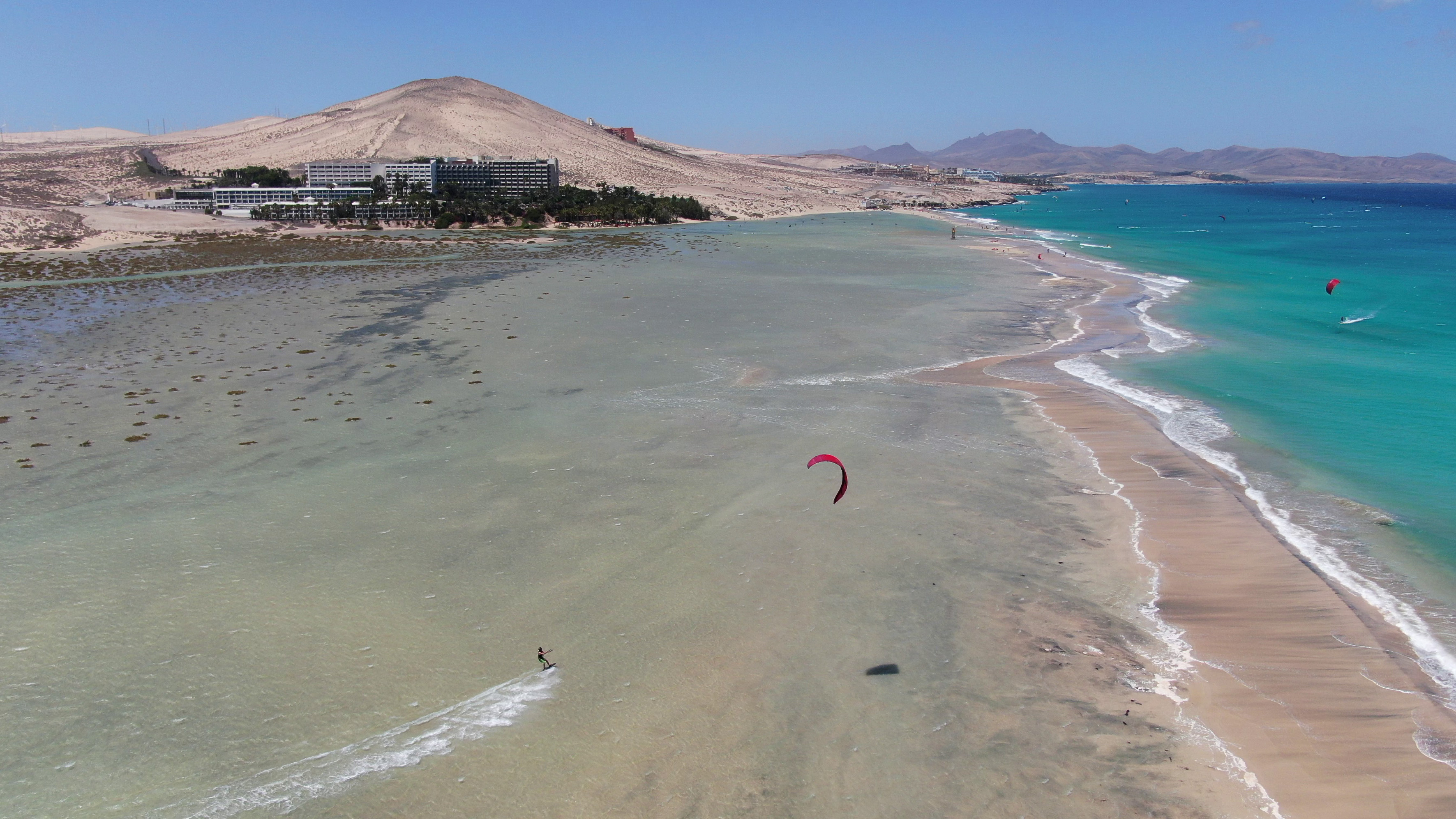
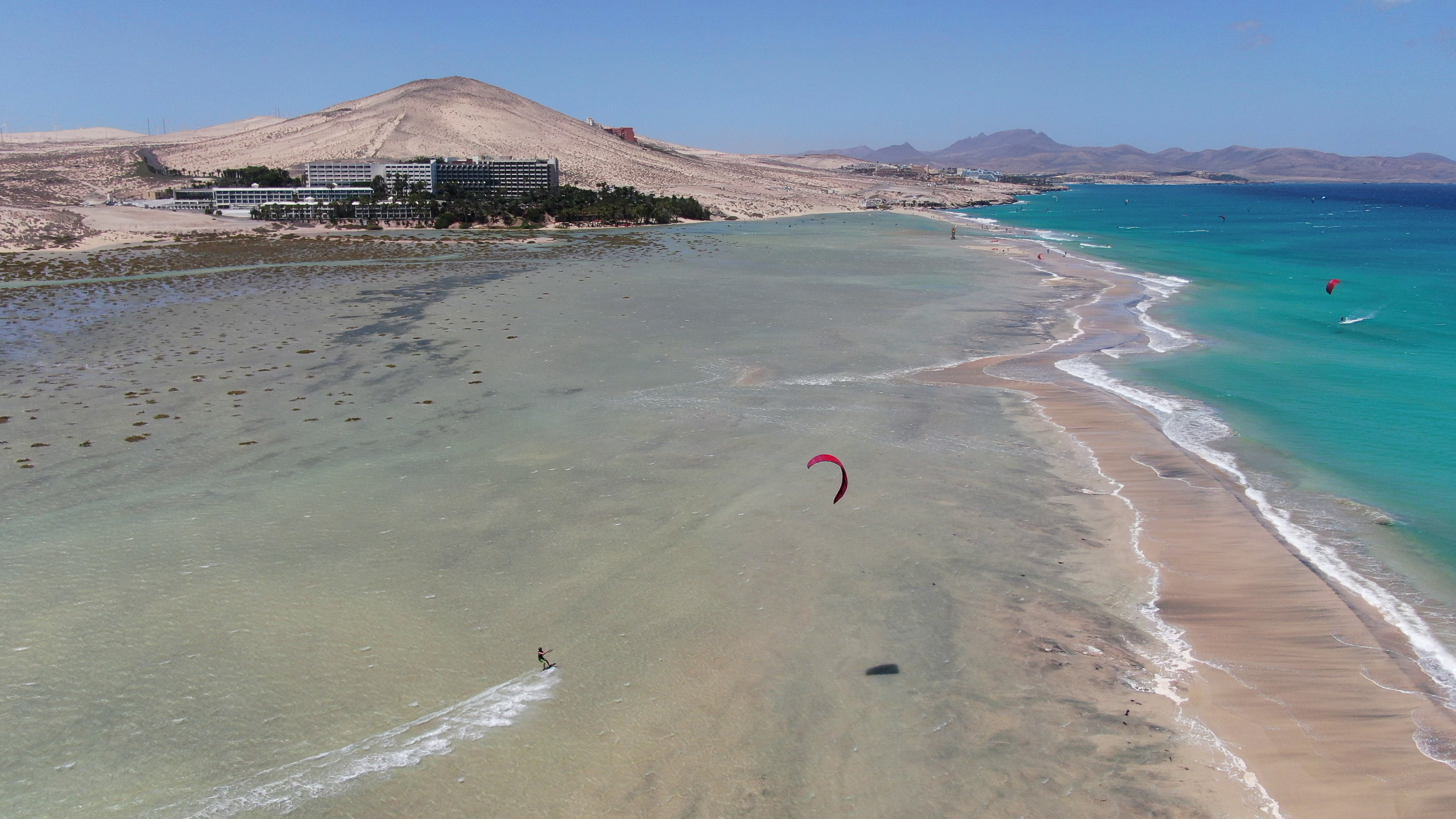
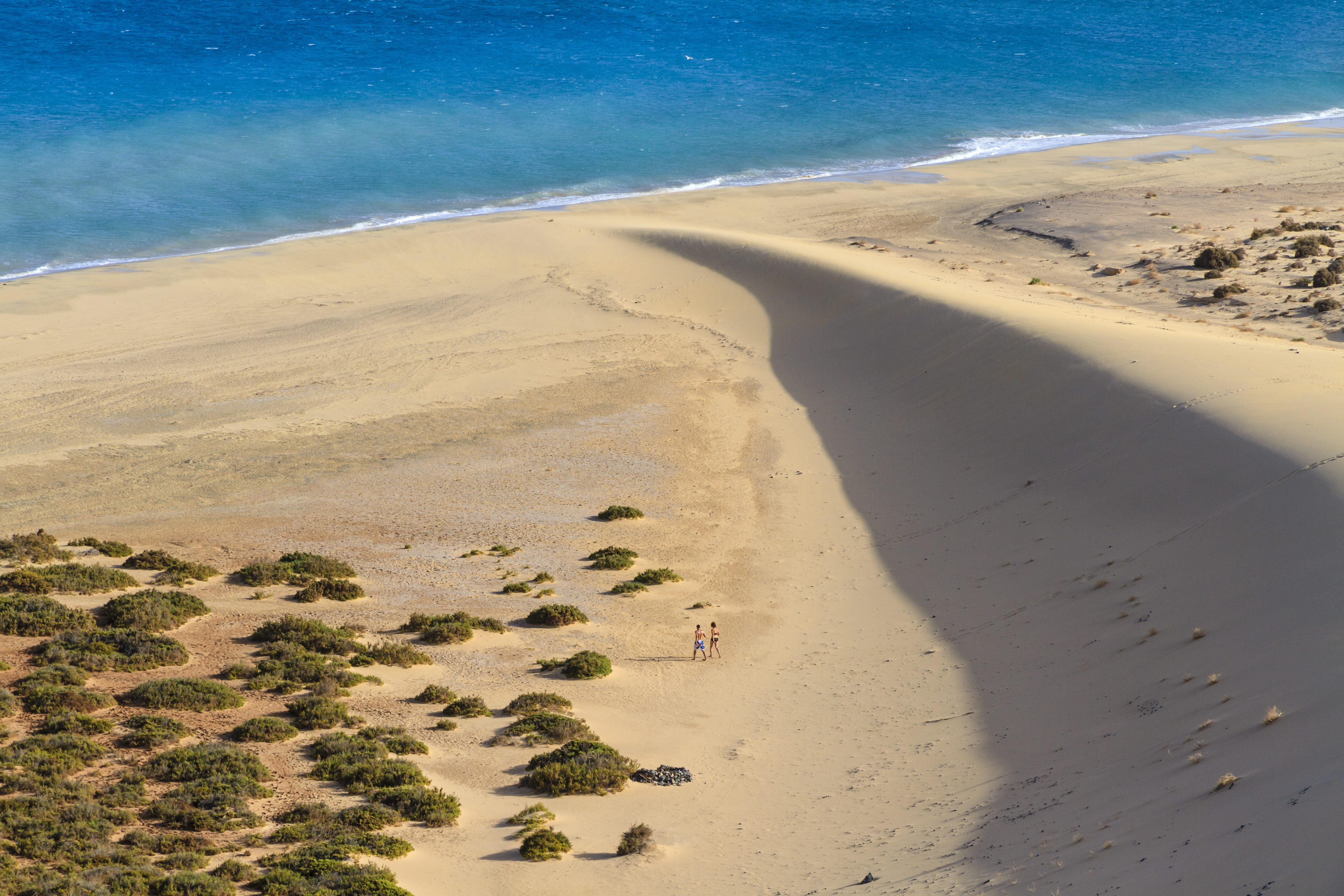
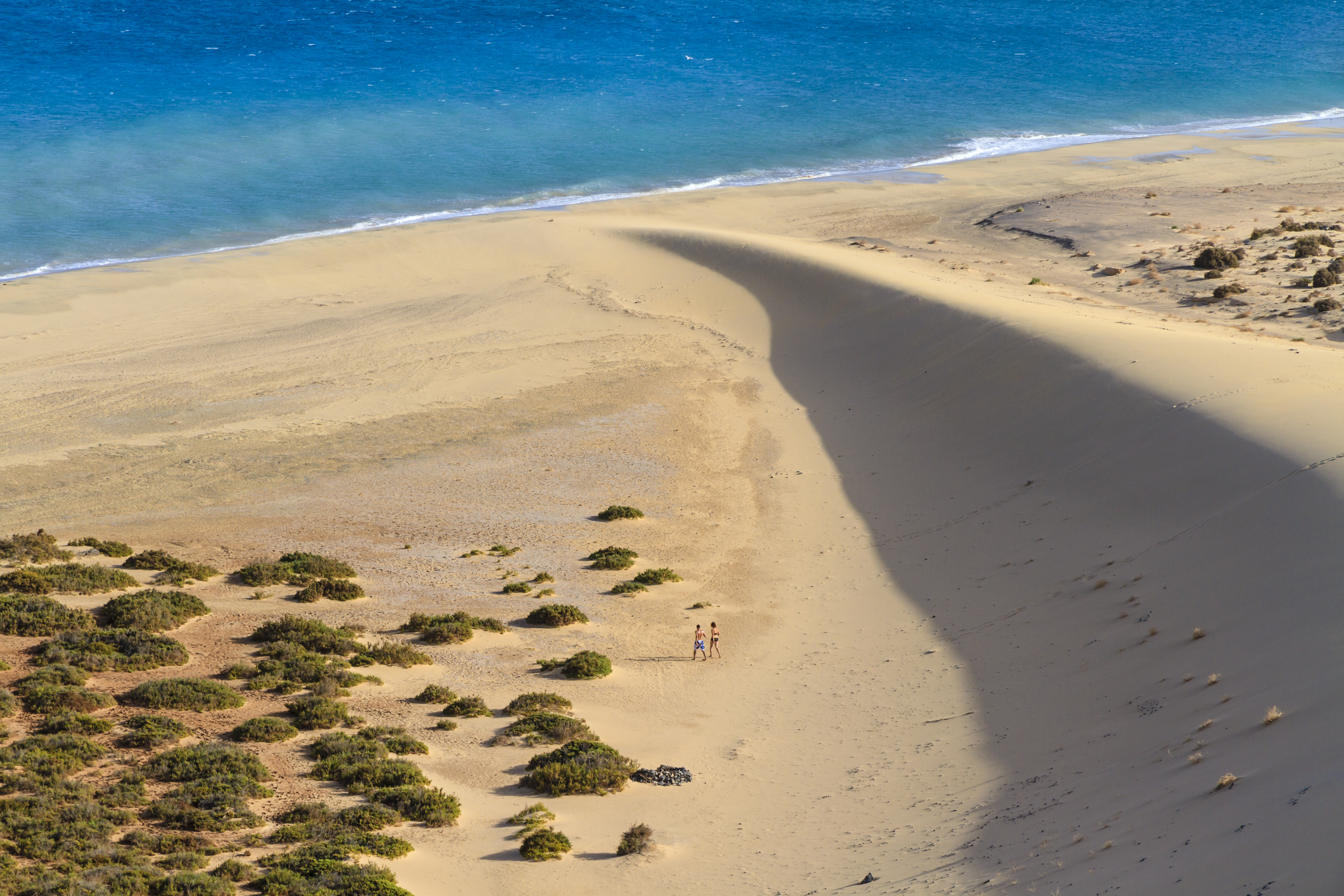
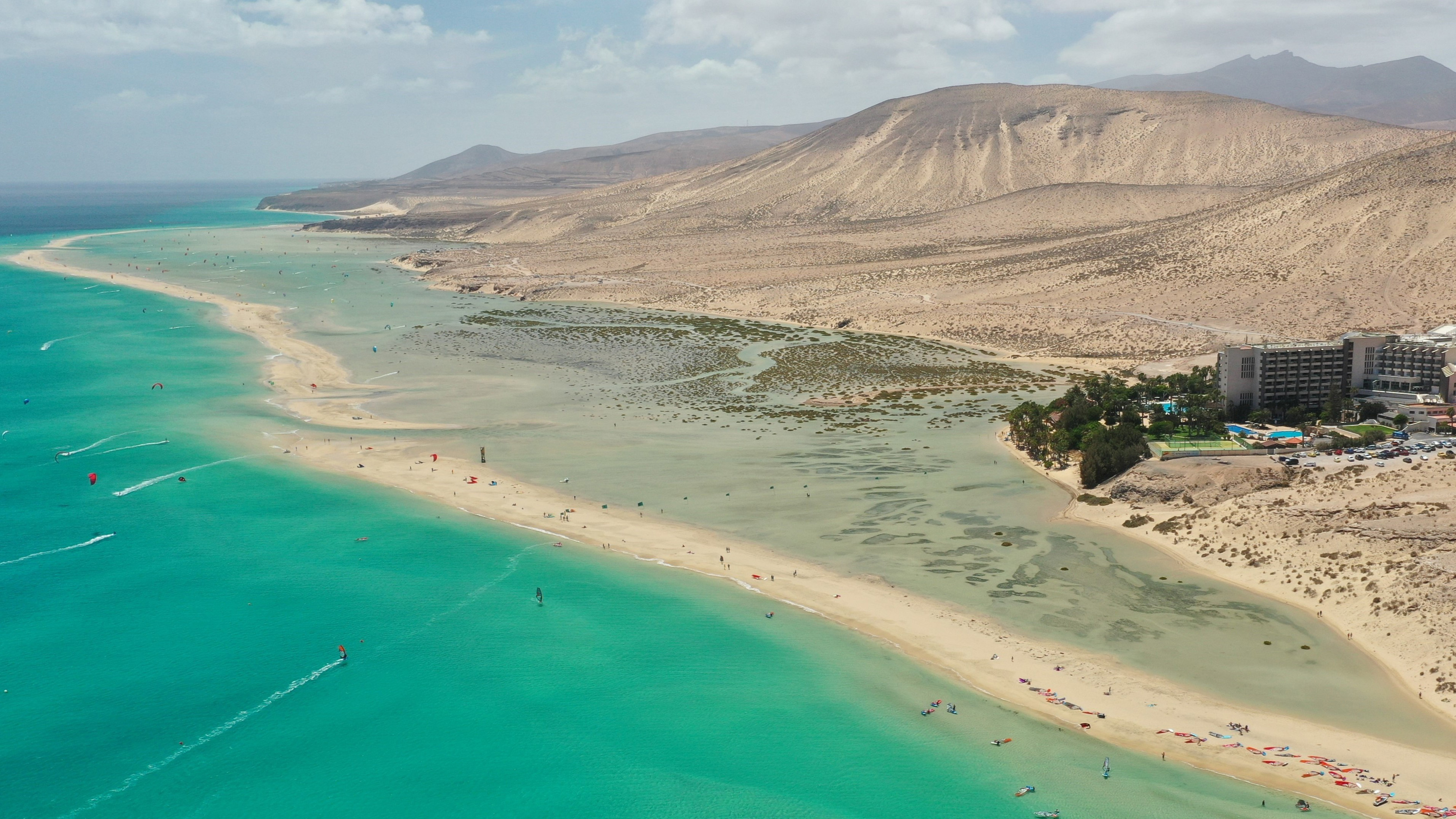
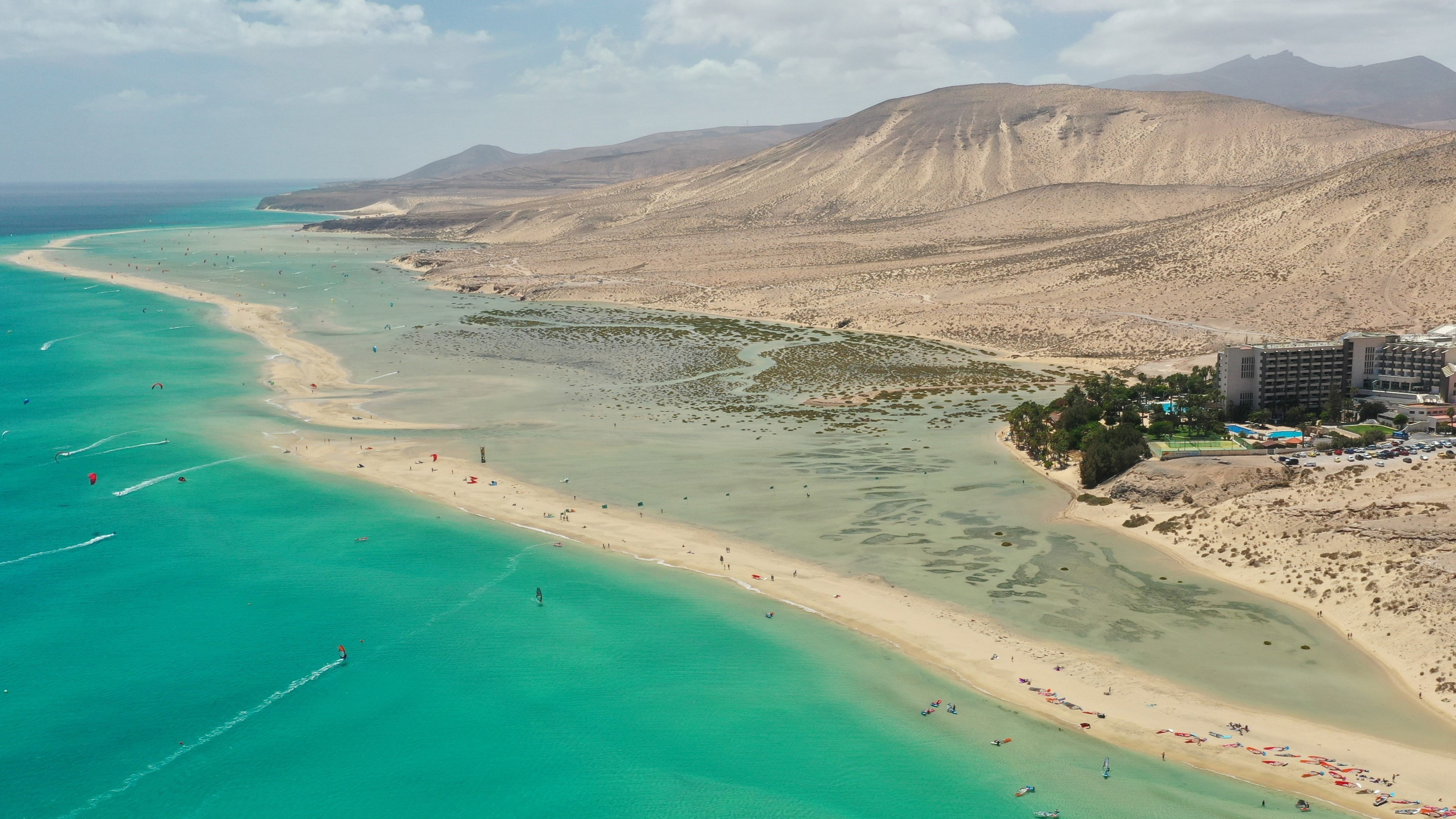
The Playa de Sotavento is one of the most recognisable places in Fuerteventura due to the landscape formed by the tides. When the sea level rises, the water is retained next to the coast and creates a wide lagoon of shallow water, where you can walk with the water up to your ankles while you contemplate the different shades of blue drawn by the ocean.
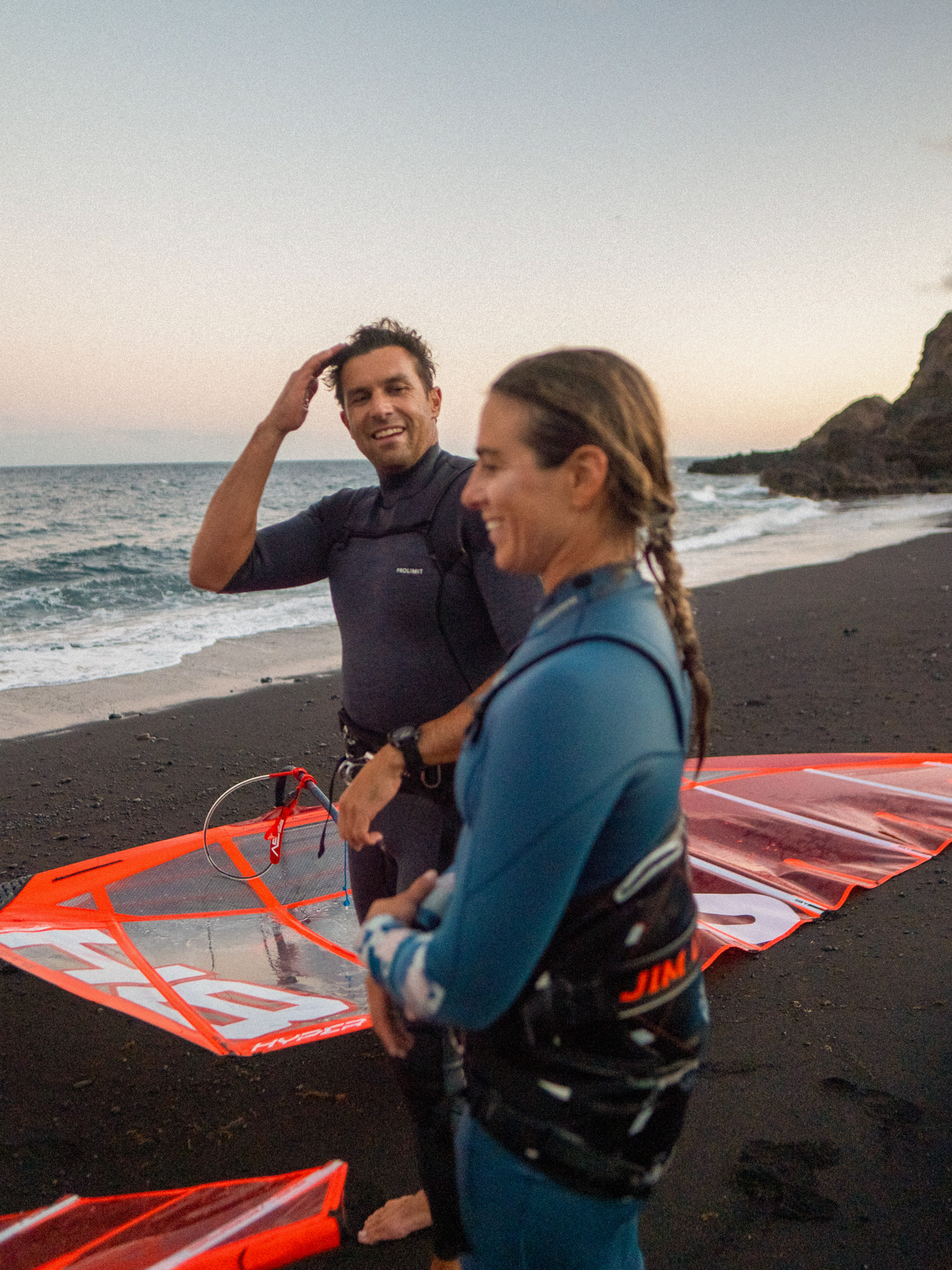
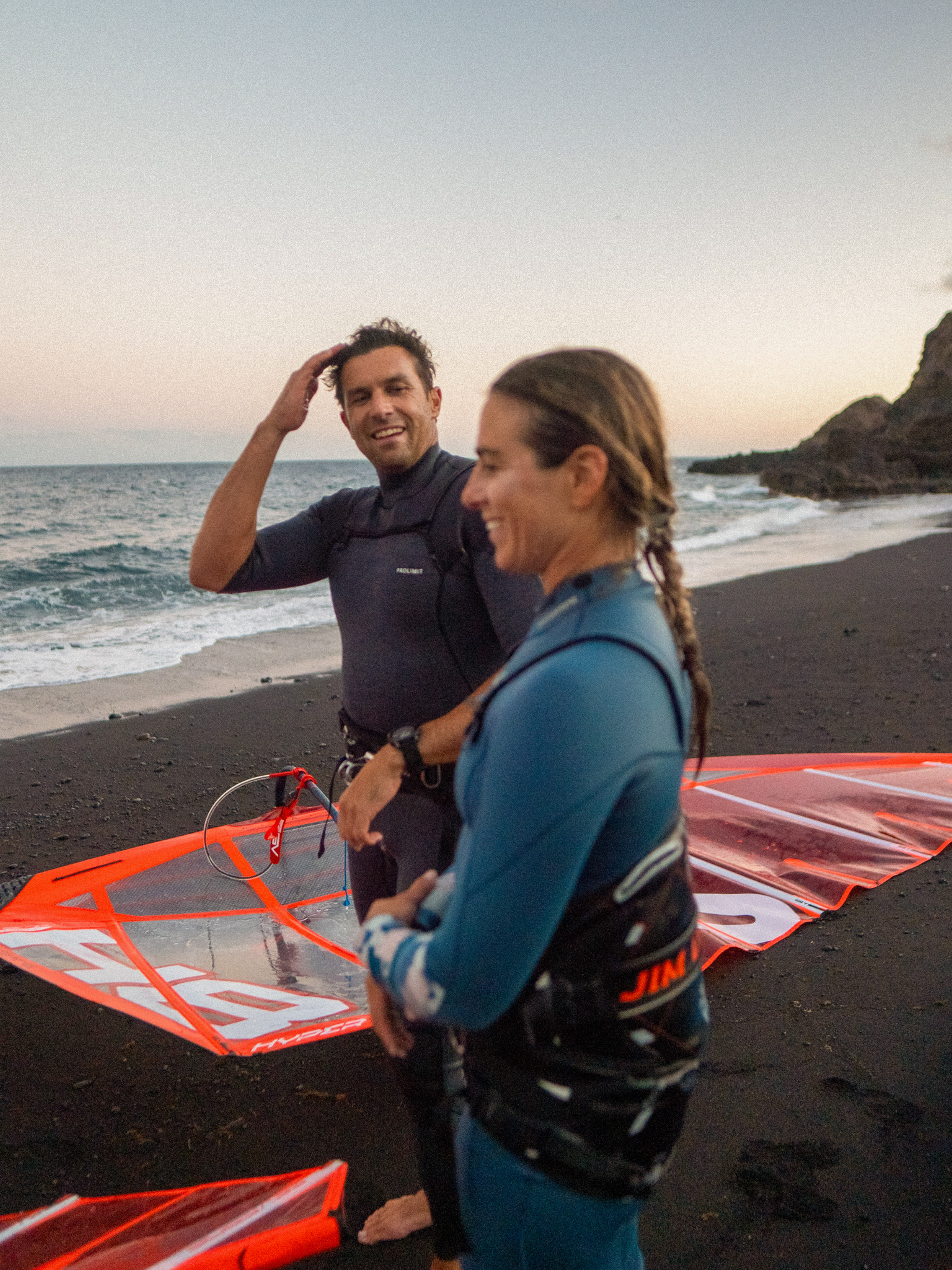
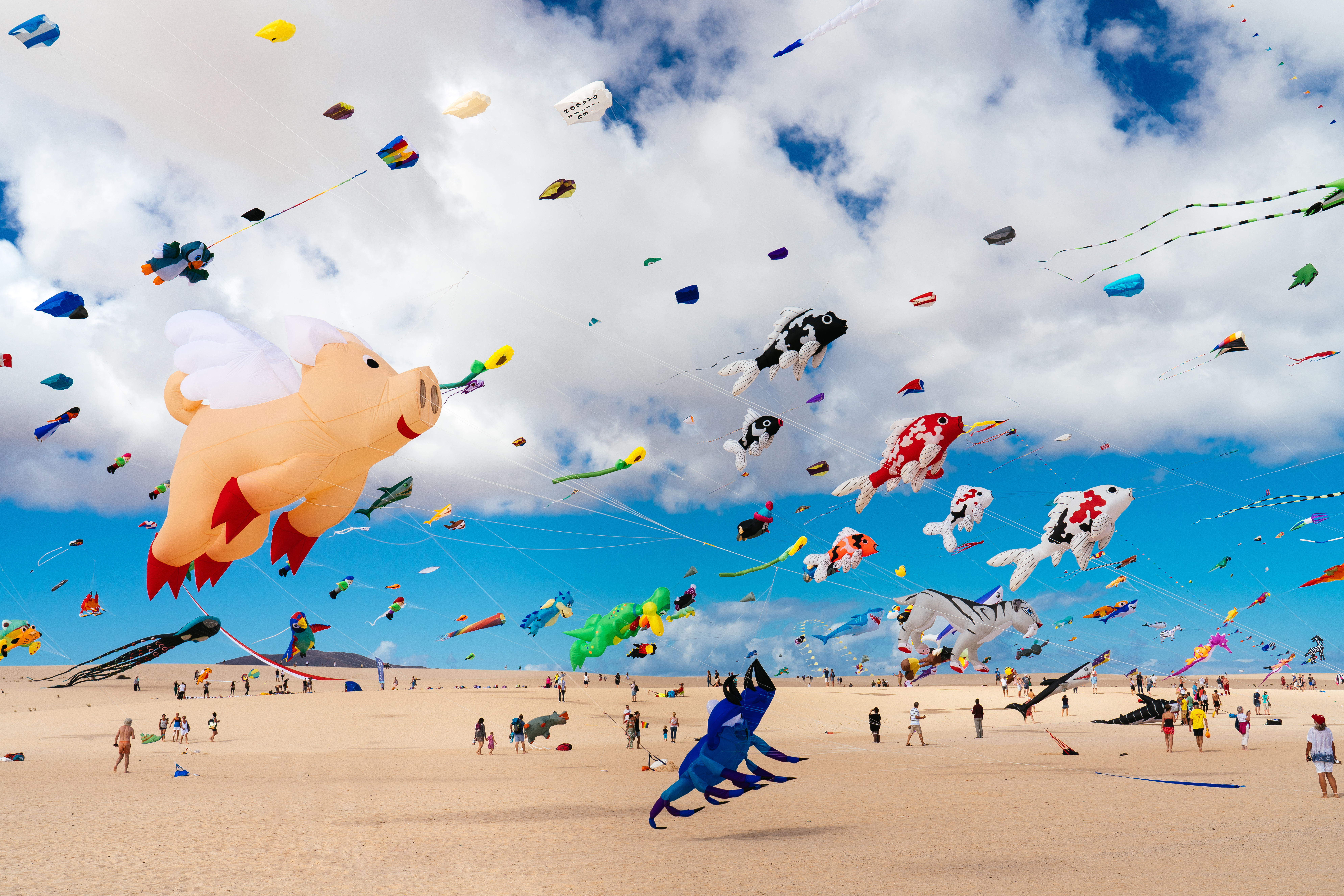
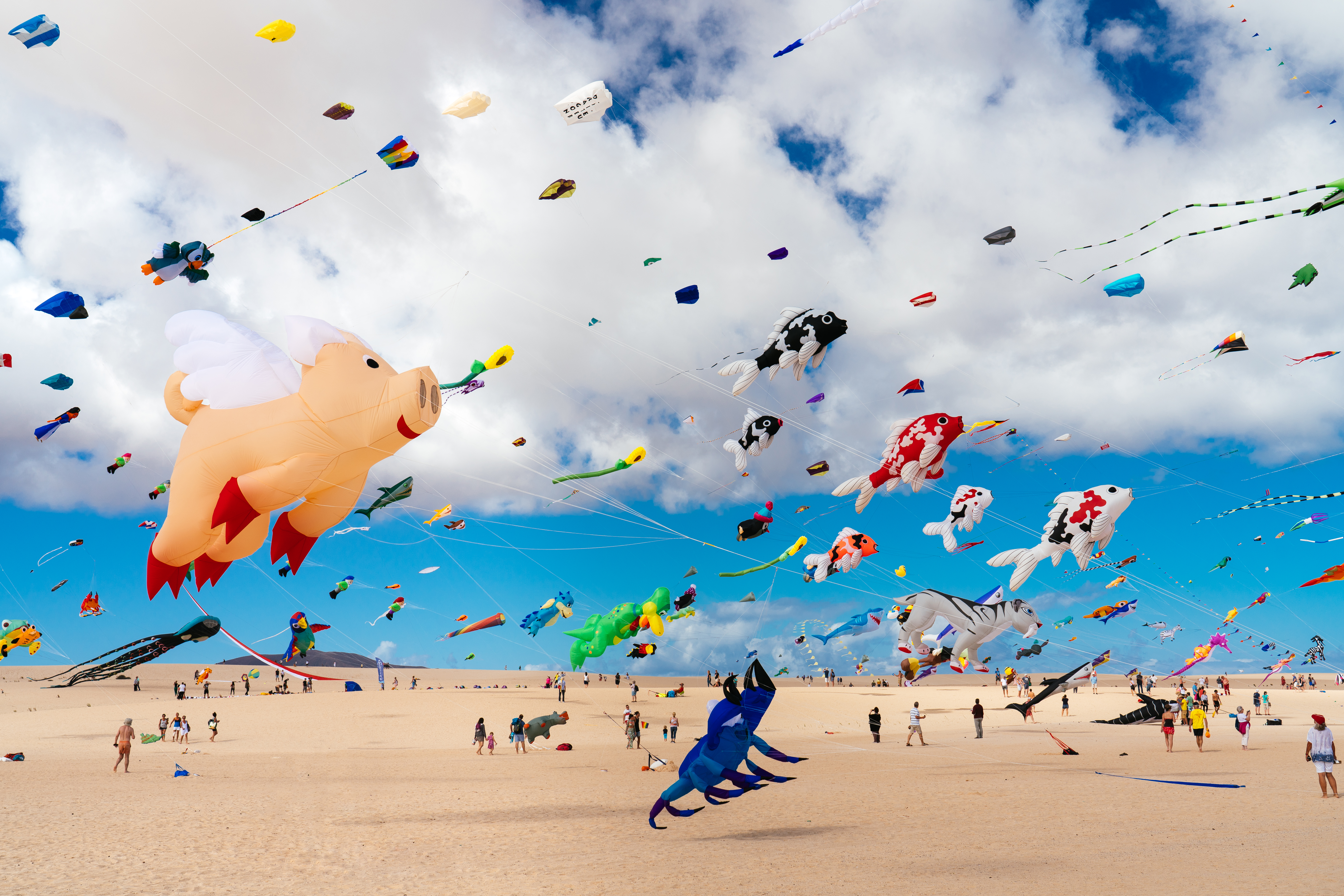
The wind conditions make this beach a benchmark for kitesurfing and windsurfing, so it is common to see their sails on the water for a good part of the day. If you want to enjoy a panoramic view, head to the Risco del Paso viewpoint, from where you can see the lagoon, the extensive sandy beach and the coastal landscape that surrounds it.
To enter the Jandía Natural Park, take the dirt track towards Cofete from Morro Jable in about 45 minutes of travel.
Playa de Cofete and Villa Winter
The Playa de Cofete is one of the greatest natural jewels of Fuerteventura. A stretch of sand more than 12 kilometres long that seems infinite, guarded by the highest peaks of the island in the Jandía massif, where the clouds usually brush the summits.
Walking here while you listen to the sound of the Atlantic will transmit a feeling of absolute freedom. At the foot of the slope is the legendary Villa Winter, a historic mansion full of enigmas from the 20th century.
Undo the path along the dirt track in about 40 minutes to return to Morro Jable.
Morro Jable and Playa del Matorral
The town of Morro Jable perfectly fuses the roots of its old fishing neighbourhood with a complete gastronomic and commercial offer on the beach, positioning itself as a tourist reference on the island.
Its wide Playa del Matorral, presided over by the imposing Faro de Jandía, has a protected area of salt marshes and waters of enormous clarity, ideal for enjoying the last swim of the trip.
From the coastal avenue, walk about 10 minutes towards the old town.
Morro Jable Church Viewpoint
To say goodbye to the last afternoon of this tourist guide to Fuerteventura in 6 days, climb to the Morro Jable Church Viewpoint, which is located in the old town, in the highest part of the hill next to the parish church.
From here you will see the entire length of the Playa del Matorral, the lighthouse and the coming and going of the boats that go towards Gran Canaria.
The descent towards the restaurant area is done on foot in less than 5 minutes.
Farewell dinner in Morro Jable
End your six-day route in Fuerteventura by dining on the lively terraces of the old town of Morro Jable. You cannot leave without trying specialities such as roast kid, Majorero cheese with designation of origin or good fresh fish with the sound of the sea in the background. And, if you feel like putting a sweet touch to the trip, accompany dinner with a homemade dessert, such as a bienmesabe (a traditional sweet made with almonds, eggs and sugar) or a Majorero cheese mousse.
,regionOfInterest=(2150,1612.5))
,regionOfInterest=(2150,1612.5))
I leave you the map for each day with the routes optimised so that you can follow this itinerary of Fuerteventura in 6 days with total comfort and without having to worry about looking for anything:
As you can see, 6 days in Fuerteventura allow you to discover at your own pace some of the most representative landscapes, villages and beaches on the island, enjoying its calm rhythm and the diversity of experiences it offers.
These are the places to visit in Fuerteventura in 6 days that I would recommend to any friend or family member. I hope this itinerary helps you to organise your trip and enjoy every stage as much as I did.
,regionOfInterest=(3976,2652))
,regionOfInterest=(3976,2652))
,regionOfInterest=(2150,1471))
,regionOfInterest=(2150,1471))
,regionOfInterest=(2808,1872))
,regionOfInterest=(2808,1872))
,regionOfInterest=(1619.5,1121))
,regionOfInterest=(1619.5,1121))
,regionOfInterest=(707.5,1059.5))
,regionOfInterest=(707.5,1059.5))
,regionOfInterest=(2273,1523))
,regionOfInterest=(2273,1523))